Joined December 2007
- Tweets 94,595
- Following 1,962
- Followers 72,421
- Likes 99,373
12,170 Photos and videos


Pinned Tweet

Jun 6
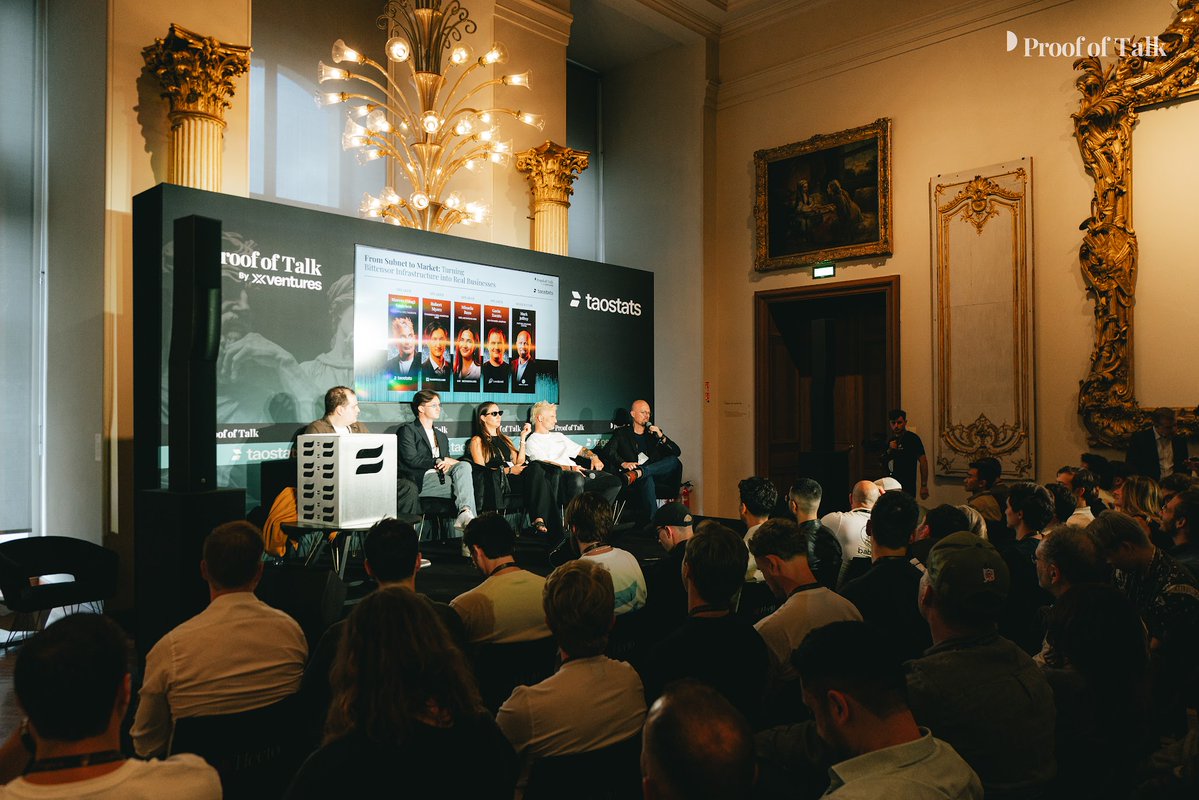
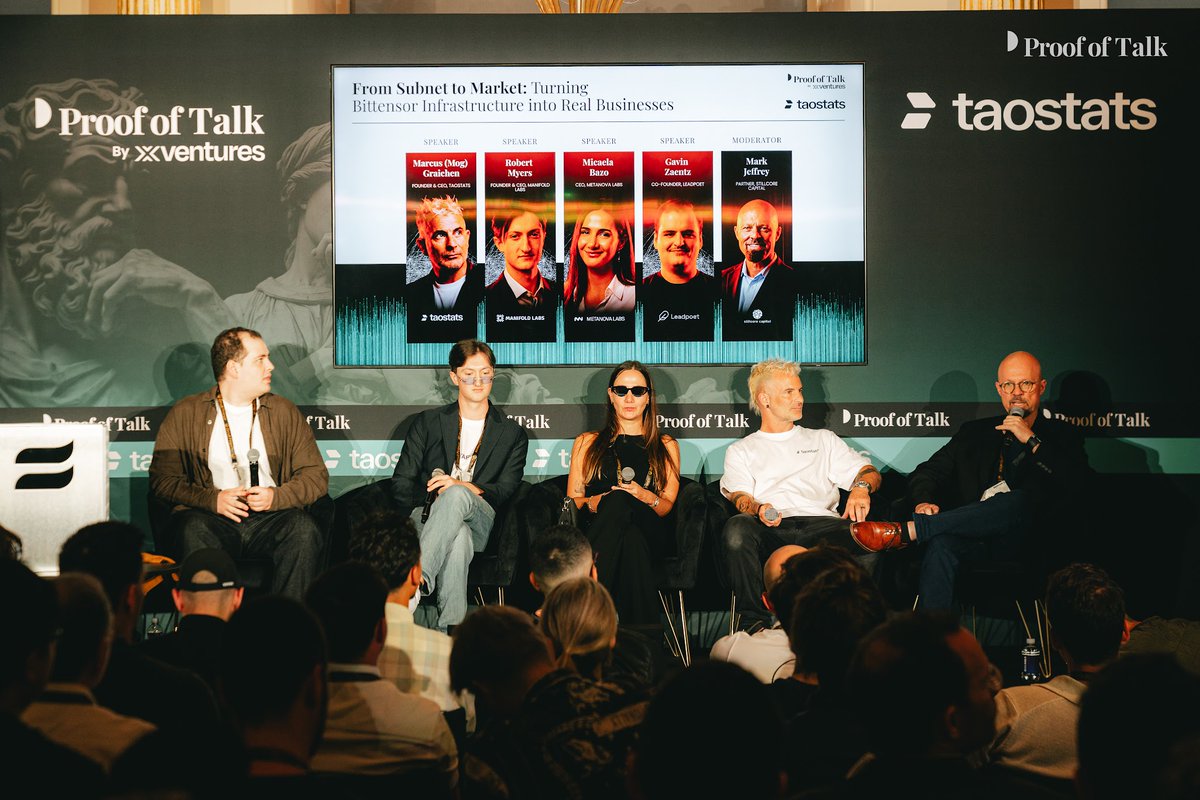
If you're looking for an 'intro to Bittensor / $TAO' -- specifically: how it works, what it is, what subnets are -- this fireside with the founder turned out pretty well:

12
43
178
13,742
Mark Jeffrey retweeted

13h
The best teachers will be LLMs. The best feedback will be monetary. The best models will train competitively. The best AI company will be co-owned. The best software will be open source. And there is only one way to get all of it.
27
113
623
14,346
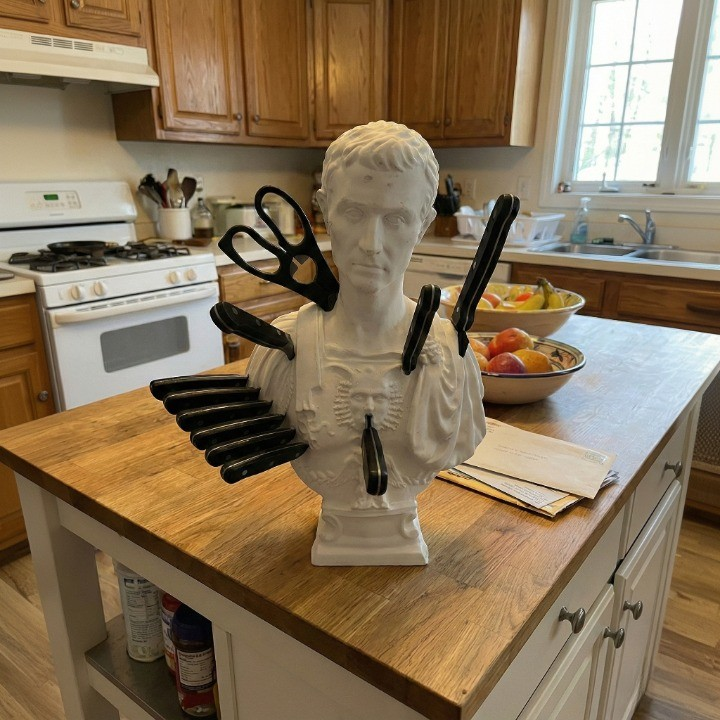
Too soon?

1
1
11
1,589
Yep. It's basically Witch Mountain.
May 31

So far, Spielberg’s ‘Disclosure Day’ looks like a ripoff of ‘Escape From Witch Mountain’.
3
6
1,796


Interesting approach.
Subnet 11.
Get close to SOTA with Qwen tune SKILL.md.
End result? MUCH cheaper knock-off of top-of-the-line AI.
Jun 12

A submission becomes a (SKILL.md, model) pair. Models are SFT finetunes of Qwen3.6-35B-A3B,
registered on our inference subnet (separate announcement coming) and served with verified
inference: the server cryptographically proves it ran the claimed weights.
Any miner can build packs on any registered model. When a submission wins, the model author
earns additional SN11 emissions on top of what the pack author earns. Pack rewards stay whole.
Build the best model, and every pack that wins on it pays you.
2
9
53
4,471
Yes.
13h

@QuasarModels @MacrocosmosAI @TargonCompute @chutes_ai @affine_io @actualinc …
Decentralized Decentralized AI
6
54
3,471

capital → compute → $tao
the history of the next 10 yrs of value
@const_reborn
Jun 7
Fiat used to print cash. Now it prints GPUs.
Either way, it all ends up flowing into the protocols.
6
24
234
32,503
Mark Jeffrey retweeted

There’s only one ecosystem that’s spent the last 3 years working on building the entire stack required to produce intelligence with no reliance on centralized companies
Bittensor has been preparing to go to war for a while now
8
36
233
7,446
Mark Jeffrey retweeted

18h
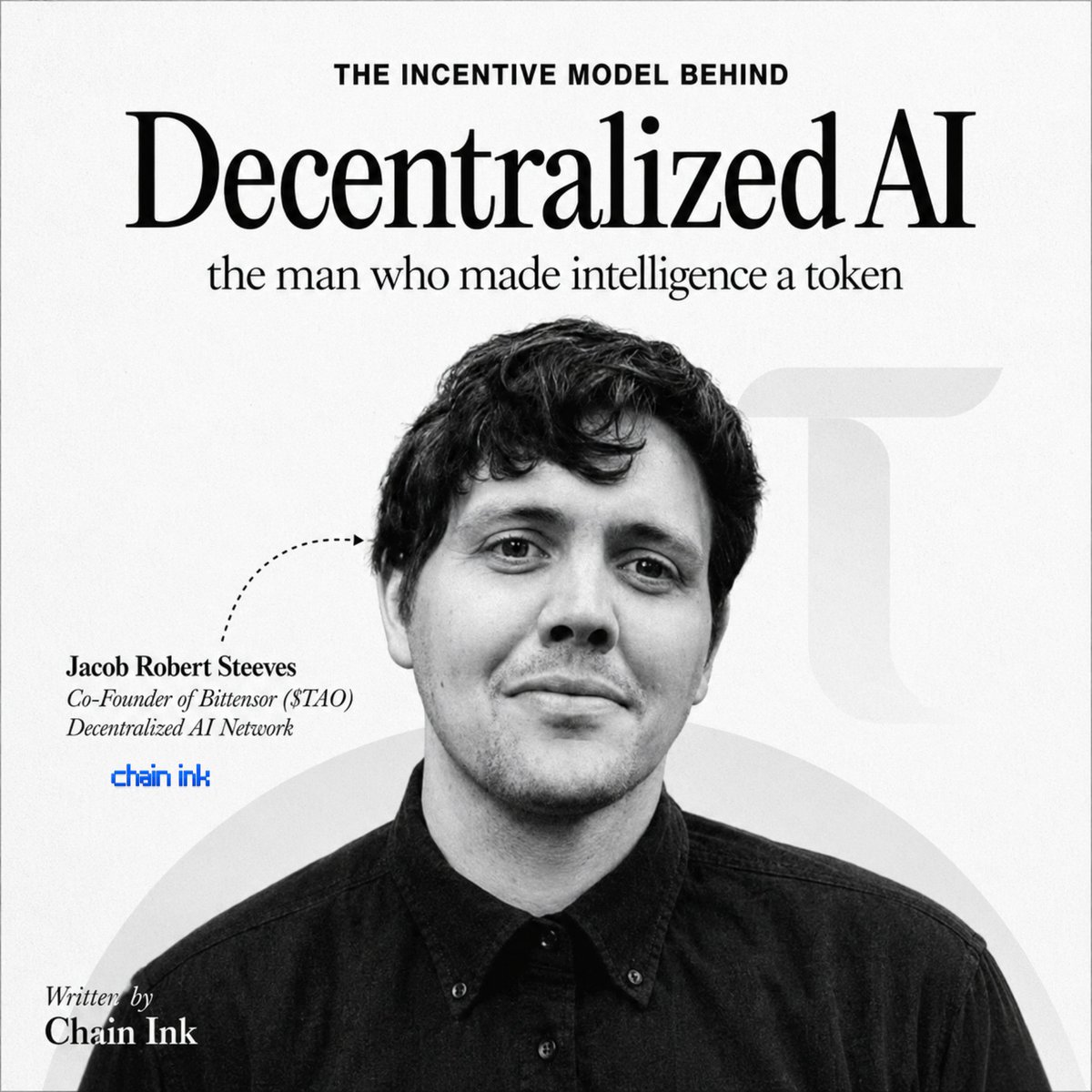
> be jacob steeves - @const_reborn
> math cs kid from simon fraser
> software engineer at google
> realizes AI is owned by a handful of companies
> hates it
> quits to build the opposite with $TAO
> takes bitcoin's idea: pay people to do useful work
> points it at intelligence itself
> co-founds bittensor with ala shaabana
> miners produce AI
> validators grade it
> $TAO pays whoever's best
> no lab, no gatekeeper
> just an open market for intelligence
> everyone calls it a science project
> "why would i use this over claude"
> then one day the centralized one goes dark
> "claude fable is no longer available"
> no warning
> no vote
> no appeal
> millions realize they were renting intelligence
> and the landlord changed the locks
> suddenly a model nobody can switch off doesn't sound crazy
> suddenly bittensor makes sense
jacob steeves built the answer years before anyone asked the question
that's the day they finally get $TAO
16
57
287
14,203
Mark Jeffrey retweeted

22h
There is a reason we started to build out @TrajectoryRL
While it is in its infant stage the idea is you can run a powerful local (close to sota in specific domain) model at a fraction of the cost without relying on a centralised entity
We need our own models that ideally we run on our own trusted setup

This is your wakeup call.
Anthropic just took down Fable 5. It's over.
Here's the thing tho: no company or government will EVER be able to take away your local models.
There are Opus level models you can run right now on your home GPUs, and nobody can ever stop you from using them
This is only the beginning of events like this. Day 1. More government overreach will happen. This will only keep happening more and more as models get closer to AGI
Become sovereign. Buy your own compute. Before even that becomes illegal
4
12
96
12,459
Mark Jeffrey retweeted

I’ve had a number of conversations with folks inside and outside government about the current situation with Anthropic, and here is what I believe to be true:
— As we know, Anthropic publicly released its Mythos class models earlier this week under the commercial name Fable.
— Fable is Mythos with guardrails. But if those guardrails fail, then you’ve exposed Mythos and its advanced cyber capabilities to people who shouldn’t have them. (Keep in mind that Anthropic itself widely promoted the idea that Mythos was a cyberweapon and needed to be regulated as such. They asked for government regulation of Mythos and championed the guardrails on Fable. If there is a vulnerability — big or small — it is Anthropic’s responsibility to patch.)
— A highly credible trusted partner of both Anthropic and the USG who was testing Fable came forward with a jailbreak of those guardrails. The Admin asked Dario to fix the jailbreak or de-deploy the model. Dario refused.
— In their blog post, Anthropic defended its decision by saying the jailbreak isn’t serious. That is not what the trusted partner and the USG believe; nor is that kind of minimizing language consistent with Anthropic’s brand as the AI safety company. It’s difficult to fathom how they could claim a jailbreak allowing operability of a cyber weapon could be defined as not “serious.”
— In the past, Anthropic has always said that safety must be top priority and taken super seriously. In this case, Anthropic prioritized the continued offering of the consumer model over safety.
— In reaction, the Admin issued the export control. The Admin did this reluctantly. It’s been very surprised that Anthropic hasn’t wanted to cooperate with a reasonable safety request (ie fixing the jailbreak issue). Anthropic’s reaction is very much at odds with their branding and ethos as a safe AI research community.
— The Admin’s hope now is that Anthropic remediates the safety issue, the export control is lifted, and Fable goes back into general release. The Admin wants all of this to happen as soon as possible. It is frankly bewildered that Anthropic hasn’t wanted to comply with safety requests that it previously said were its highest priority.
— Those trying to misdirect and tie this action to the prior DoW/Anthropic issues are wrong. The Admin values Anthropic’s technical capabilities and feels that this issue, while serious, should be easily resolved. The ball is in Anthropic’s court.
1,944
2,868
22,419
6,167,255
Mark Jeffrey retweeted

He Mined Bitcoin in 2009. Now He’s Betting on TAO
In this episode, Shizzy sits down with @rBryer23 , an early Bitcoin miner from 2009, to talk through the wild early days of crypto and how it has evolved into the rise of Bittensor and decentralized AI.
RL shares his story of mining Bitcoin back when almost nobody understood what it was, then walks through major moments in crypto history including Mt. Gox, Silk Road, Ethereum in 2016, and the lessons learned from each cycle.
The conversation then shifts into artificial intelligence, DeAI, TAO, and why Bittensor could become one of the most important networks in crypto. RL also shares his favorite subnet pick, other subnets he is watching, and where he thinks crypto and Bittensor are heading next.
CHAPTERS
00:00:00 Shizzy’s Monologue
00:01:33 RL Bryer Joins the Show
00:02:55 RL Explains His 2009 Bitcoin Story
00:18:25 Mt. Gox Historical Talk
00:23:35 The Early Days of Silk Road
00:29:13 Ethereum in 2016 Historical Talk
00:38:00 Artificial Intelligence and What DeAI Can Become
01:06:40 RL Explains His Favorite Subnet Pick and Other Subnets He Finds Interesting
01:10:15 RL Shares His Thoughts on the Future of Crypto and Bittensor
01:22:40 How to Find RL Bryer and Final Words
01:26:19 Final Words from Shizzy
$TAO #Bittesnor #Bitcoin
8
25
139
6,601
Mark Jeffrey retweeted

David Friedberg: California’s Voting System Looks Fraudulent, But It’s Working Exactly as Designed
@friedberg believes California’s extremely loose election laws enable “appointments” not free elections.
Why? The voting data in LA makes no statistical sense.
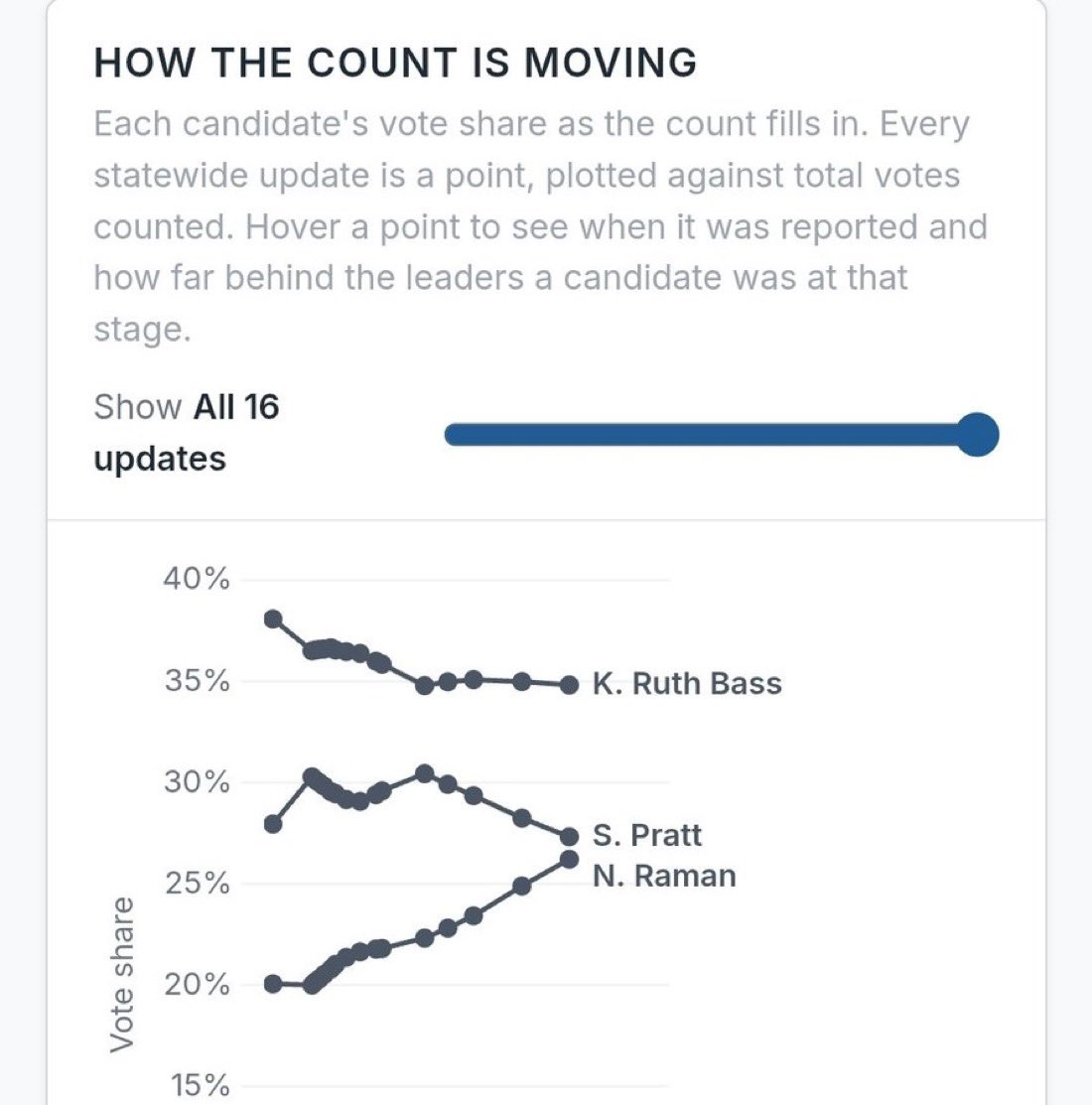
“ Pratt's post-election mail-in ballots declined by 1/3.
So statistically, the population of people that send in their ballots late reduced for Pratt by 1/3, increased for Nithya Raman by 80%, and Karen Bass 10% less, if you just look at the mail-in ballots before and after election day as a comparison.
I don't know if there's a sociopolitical way that you can assess those statistics and assume that these are individuals casting their individual vote for who they think should be Mayor of LA.
Basically, the concentration of incremental votes that Nithya Raman got came around the Skid Row area in Los Angeles.
But when you look at the basic statistics of what happened in person, mail-in before, mail-in after Election Day, it becomes a real statistical quagmire on how did this sort of a sociopolitical shift happen in such a way that it did?
Now, there was a report published, and they highlighted the 2018 California midterm elections and the challenges that they saw arise in that midterm election because of some of the legislative changes that were made.
First, California Assembly Bill 1921 legalized the practice of unlimited ballot harvesting in the state. What that means is that any individual in the state of California has the right to go and collect ballots from any other individuals, regardless of relationship, fill them out, and send them in.
California, two years later, 18 months later, also passed a law that made it permanent that every person registered in the state of California would get a ballot, so tens of millions of ballots then get mailed out.
Then there was another series of laws that were passed that said anyone can register to vote. You don't need to prove your citizenship. You can use a gym membership card as an example.
So anyone can register to vote. There is no proof of ID when you get a ballot. There is no demonstration that the person who fills out the ballot has anything to do with the individual who's supposed to be voting that ballot, and it is legal for an individual to go out and collect hundreds or thousands of ballots, ship them in, and they will all qualify in these kind of mail-in ballot voting processes.
So there's nothing illegal or fraudulent going on. In fact, the system is operating exactly as intended.
It has been set up and structured in a way that with the right construct, you can get an individual appointed, not elected, but appointed to a particular role in government under a, quote, ‘free election’ in California.”
232
1,113
6,053
218,643
Mark Jeffrey retweeted

Access to intelligence should not depend on a handful of companies or governments.
This is why open, decentralized, permissionless AI matters.
This is why Bittensor matters.
Jun 13

The US government, citing national security authorities, has issued an export control directive to suspend all access to Fable 5 and Mythos 5 by any foreign national, whether inside or outside the United States, including foreign national Anthropic employees.
The net effect of this order is that we must abruptly disable Fable 5 and Mythos 5 for all our customers to ensure compliance.
Access to all other Claude models is not affected.
We apologize for this disruption to our customers. We believe this is a misunderstanding and are working to restore access as soon as possible.
Read our full statement: anthropic.com/news/fable-myt…
68
360
1,211
74,573
Mark Jeffrey retweeted

Unstoppable, uncensorable, global decentralized AI seems like a good investment bet to make. The “Bitcoin of AI” so to say…
319
358
2,122
263,302
Mark Jeffrey retweeted

2
10
48
2,496

My biggest takeaway from the Claude Fable 5 release was that open source AI won't just survive, it'll thrive
The release itself told me everything about where the closed labs are heading:
i) cyber, bio, chem & distillation queries reroute to Opus 4.8, a weaker model
ii) the safeguards are tuned conservatively and by Anthropic's own admission catch harmless requests
iii) the ungated Mythos 5 ships only to approved orgs through Project Glasswing
iv) even gated access comes off subscription plans on June 23, moving to usage credits
Frontier capability is now allocated by approval status
I read every refusal, downgrade and capacity gate as a demand signal
Capital is already pricing it:
a) Manifold Labs, the team behind Targon, raised a $10.5M Series A
b) DCG anchored Yuma's asset mgmt. arm with $10M
c) Grayscale went from trust launch to spot ETF filing in 18 months, a path that took Bitcoin a decade
d) six institutional TAO vehicles now exist, none of them pre-date 2024
Bittensor launched in 2021 with no pre-mine, no VC allocation and no permission required
It has grown into one of, if not, the most active capital markets for open source AI with an incredibly diverse set of subnets solving different complex problems
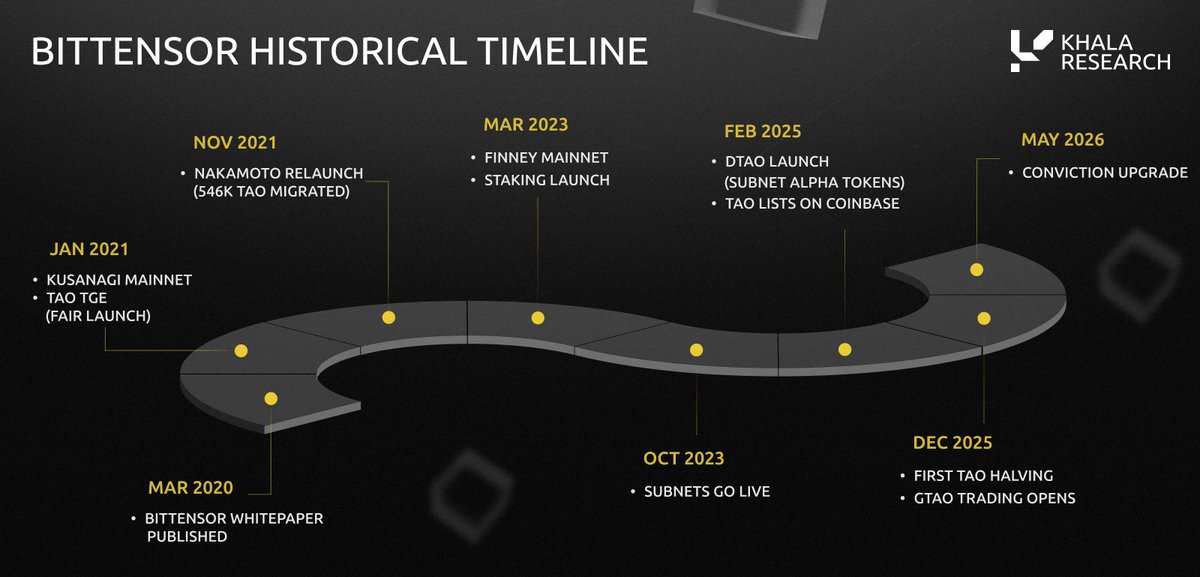
The report below tracks the full history, from genesis to dTAO, to the pending ETF
This is a useful trip down memory lane, and a vital reference point for an ecosystem projected to be worth hundreds of billions, if not trillions, in the years to come
Jun 11

AI stocks outperformed every major index in 2025
Model development consolidated behind a few closed labs controlling the most capable models and the most valuable training data
A generation of crypto-native AI entrepreneurs chose an alternative path
Bittensor launched in January 2021 and is now the most developed public market for open-source AI intelligence
128 subnets with an aggregate market cap grew from $4M at launch to a peak of $1.5B
The market decides which subnets get fed with emissions flowing to subnets showing traction
Our latest report maps the three investment eras of Bittensor:
1) Era 1 - Genesis (2021-2024)
2) Era 2 - dTAO (2024-2025)
3) Era 3 - Institutional Era (2025 )
We also share a few subnets we are keeping a close eye on along with index options for those who want a hands off approach
Full report in the next post below

26
13
114
14,234