
Florida Man. Family. Business. AI, Bitcoin. Crypto. GenX. CEO. Krav Maga. Physics.
Joined January 2015
- Tweets 13,482
- Following 234
- Followers 432
- Likes 16,997
116 Photos and videos














Phil Reale retweeted

Oh, Hillary. Hillary, Hillary. You ignorant slut.
As the Senior Military Aide to President Bill Clinton, YOU’RE military aide — the officer who carried the nuclear football in and out of the White House every single day — I saw the “people’s house” up close alongside you. @HillaryClinton
Spare us the sanctimonious lectures. And turn on your replies, coward.
When you and Bill left in January 2001, your staff ransacked the place. Remember?
“W” keys ripped off every keyboard. Phone lines cut. Desk drawers glued shut. Obscene voicemails and vulgar graffiti left behind.
Presidential seals and silverware stolen. Furniture damaged. The GAO confirmed the vandalism and theft. It wasn’t “transition friction” — it was a disgrace.
You trashed the People’s House on your way out the door and now you’re clutching pearls over Trump?
I remember, Hillary. I was there. Remember?
The hypocrisy is Olympic-level, Ms. Clinton. And you know it! You of ALL people know it!
The American people have long memories. Especially this one! Me!
We remember who actually looted the place. Shut up and color.

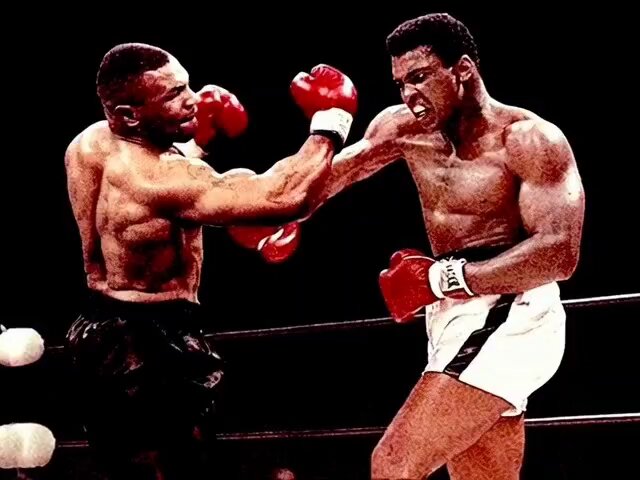
Remember, during today's literal cage match on the White House grounds:
No matter what, it's not his house. It's our house.
Get a hat, coaster, or sticker to support groups and candidates who will respect the form AND the function of the people's house. shop.onwardtogether.org/coll…

199
1,149
3,778
87,696
Phil Reale retweeted

Jun 13
You know what I’ve been thinking about? There are far more racist people in this country than I ever realized.
I have been blown away watching people celebrate the death of a White teenage boy simply because the person who killed him was Black.
This teenager was not on drugs. He was not a troublemaker.
He had never committed a crime.
He played sports, made good grades, respected his parents, and was loved by so many people.
Yet some people have found joy in his death because they care more about race than right and wrong.
That is not justice. That is racism, hatred, and pure evil.
A teenage boy lost his life. Anyone celebrating that should be ashamed.
1,884
11,501
58,109
855,440
Phil Reale retweeted

Snowboarder rescued by stranger in total randomness. said that he thought he would die alone 🥺🙏
3
26
333
12,378
Phil Reale retweeted

Baby chimp's reaction to seeing its caretaker after a long time.. 🥺
70
516
7,202
162,774
Phil Reale retweeted

Need more of this. Take no sh*t from these subhumans.
14h

A violent black thug targets and assaults a young white teen then learns a valuable lesson.
14
80
448
12,400
Phil Reale retweeted

He survived the war, but not its consequences.
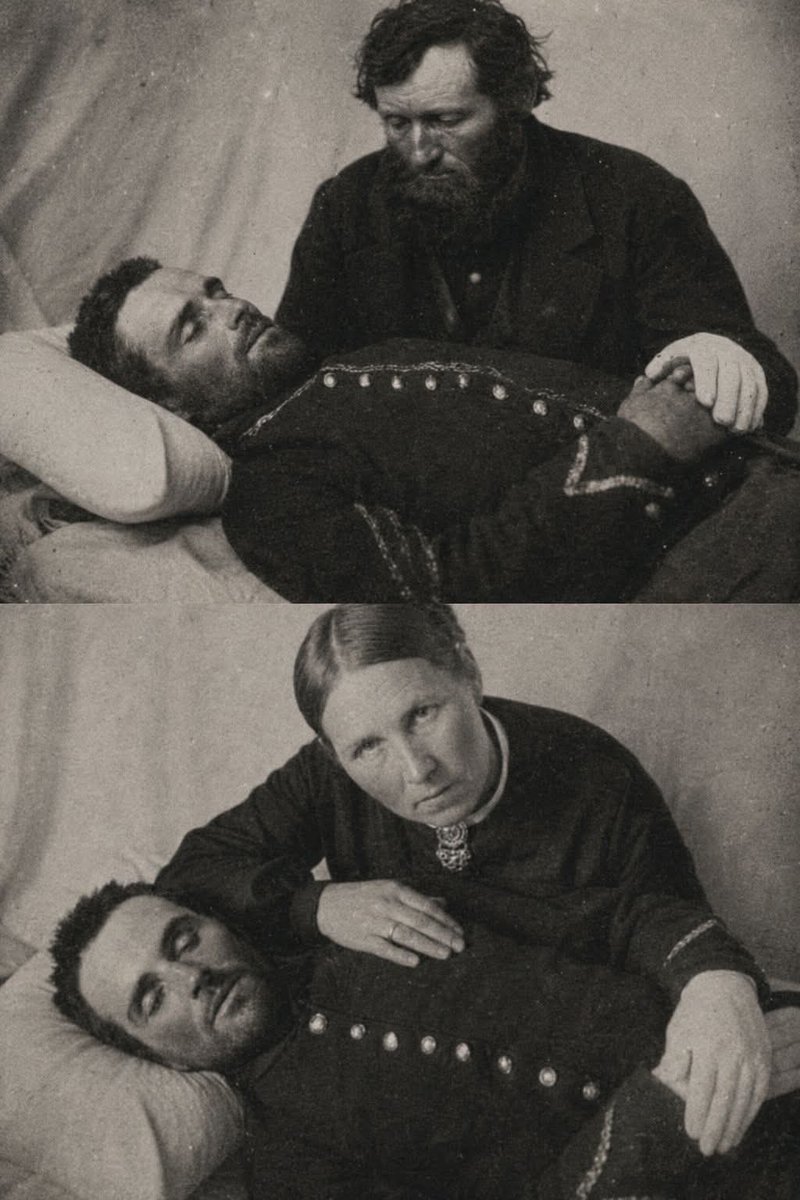
When the American Civil War was nearing its end, 23-year-old John Peter Bailey of Company F, 6th Ohio Cavalry, finally made his way home. His family had waited months for his return, hoping the worst was behind him. Instead, they watched as the hardships he had endured during captivity continued to take their toll.
In October 1864, Bailey was captured and sent to Salisbury Prison in North Carolina. As the war dragged on, conditions inside many prison camps deteriorated dramatically. Overcrowding, shortages, and illness affected thousands of prisoners on both sides of the conflict. By the time Bailey was released and returned to Union authorities in early 1865, his health had been severely weakened.
Doctors did what they could, but there was little hope of recovery. He was sent back to Newton Falls, Ohio, where he spent his final days surrounded by the people who loved him most. On March 31, 1865, only weeks before the war officially ended, John Peter Bailey passed away.
What happened next left behind one of the most poignant visual reminders of the era.
His family arranged for photographs to be taken with him after his death—one alongside his father, Reuben, and another with his mother, Rebecca. To modern eyes, these images may seem unusual. In the nineteenth century, however, photography was still a rare luxury, and many families had few opportunities to preserve the likeness of a loved one. These portraits were created not out of curiosity, but out of love, remembrance, and grief.
Today, Bailey's story reminds us that the costs of war extended far beyond the battlefield. Many soldiers carried invisible burdens home with them, and countless families faced losses long after the fighting had ended.
More than 160 years later, those final photographs remain a powerful testament to a family's determination to hold onto the memory of a son they were not ready to say goodbye to.
Credit to: History uncovered.
69
292
2,079
40,874

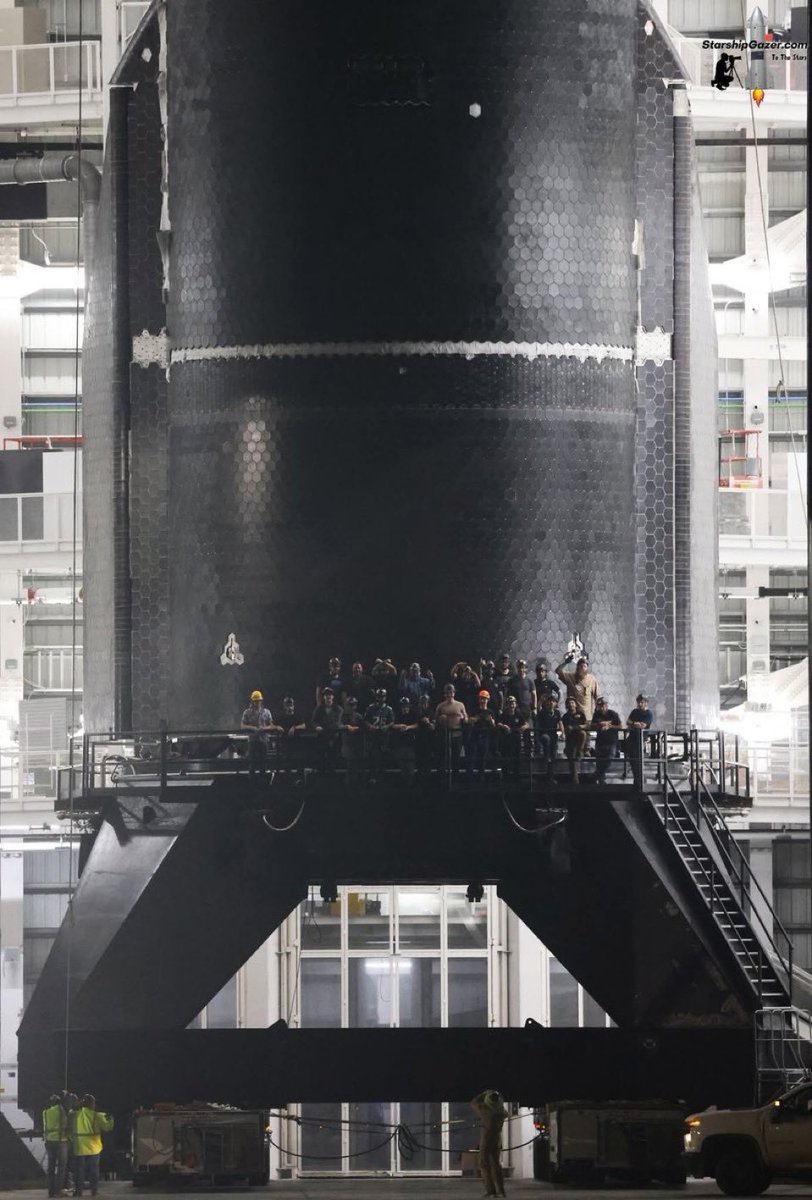
Starship is a very big rocket
Jun 12

SpaceX is a company whose mission is *axiomatically* the love of humanity
To extend the light of consciousness
The power of this kind of love is hard to quantify but clearly makes the impossible far more probable.
8,060
20,379
186,778
21,676,662

Jun 13
100%
Jun 12

The Democrat Party’s real structure:
Antifa = Military Wing
Media = Propaganda Wing
ActBlue = Laundering Wing
SPLC = Targeting Wing
Soros = Funding Wing
Colleges = Indoctrination Wing
This isn’t a political party.
It’s an organized crime syndicate.
3
Phil Reale retweeted

Jun 12
You could give “the typical American” 11 MILLION years and they still would not create PayPal, Tesla, SpaceX, OpenAI, xAI, Neuralink, Boring Company, Ad Astra, all while single-handedly saving free speech for all mankind while lifting humanity out of the grip of Big Tech tyranny.
Jun 12

Elon Musk just became the world's first trillionaire.
The typical American household would have to work more than 11 MILLION years to make Elon Musk's level of wealth.
We need a wealth tax.
534
2,340
14,330
287,985
Phil Reale retweeted

Jun 12
The Ultimate Act of Kindness.

25
359
12,024
320,725
Phil Reale retweeted

Jun 12
🤖 NEW: ENGINEAI’s humanoid robot fighting league, URKL, is already holding test matches ahead of its official debut next month.
43
35
233
52,569

Disney just invented a floor that lets you walk forever in VR while staying in one spot.
The HoloTile is an omnidirectional treadmill made of smart rotating tiles that counters your every step and keeps you centered. No giant room needed.
Ready Player One is officially here
222
348
3,704
623,857
Jun 12
Interesting angle.
Jun 11

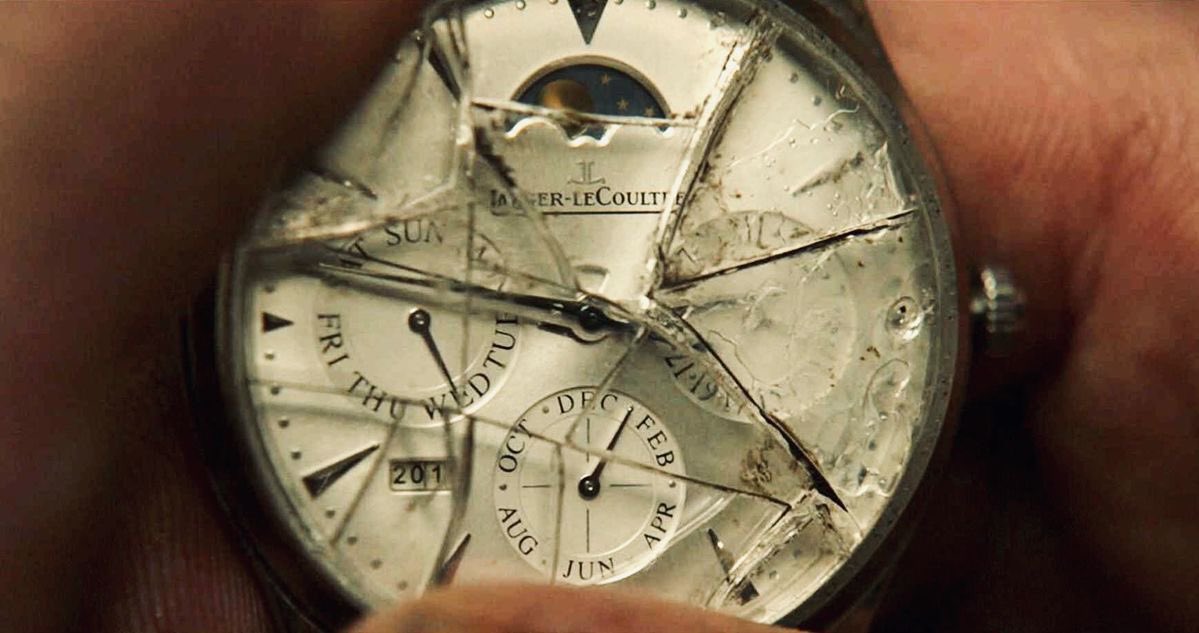
If you went back in time and killed your grandfather, you'd never be born.
But if you were never born, you could never go back in time to kill him.
So he lives. So you're born. So you go back. So he dies. So you're not born. So he lives...
Physics doesn't just say time travel is weird. It says this loop has no consistent solution. And that might be the universe's way of saying: some trips are physically forbidden.
But here's what most people miss. The paradox isn't really about murder. It's about whether the universe allows contradictions to exist. And every law of physics we've ever found says: it doesn't.
So either time travel to the past is impossible, or something we don't yet understand forces consistency. Novikov called it the self consistency principle: you CAN go back, but you can never change anything. The universe conspires to stop you.
Which is somehow creepier than the paradox itself.
19
Phil Reale retweeted

Jun 11
Nation Shocked As Jury Rules You Cannot Stab Someone In The Heart For No Reason At All
121
3,757
31,991
402,485
Phil Reale retweeted

Jun 11
⚛️ Voici à quoi ressemble réellement la désintégration radioactive... 🤯
À l’intérieur de cette chambre à brouillard hermétiquement fermée, un échantillon d’uranium émet en permanence des particules radioactives. Comme la chambre est remplie d’une vapeur d’alcool sursaturée maintenue à près de -40 °C, les particules émises ionisent les molécules d’air qu’elles traversent.
Le résultat est fascinant : la vapeur d’alcool se condense instantanément autour de ces trajectoires ionisées, révélant de minuscules traînées visibles à l’œil nu.
Les traces épaisses et courtes correspondent aux particules alpha, massives et chargées, qui traversent l’air en laissant derrière elles une signature bien marquée.
Les traces fines et irrégulières sont produites par les électrons bêta, qui se déplacent à très grande vitesse en zigzaguant.
Les traînées discrètes et presque fantomatiques sont associées aux rayonnements gamma, extrêmement énergétiques et capables de traverser la matière avec une grande facilité.
Ce que vous observez ici est littéralement une fenêtre ouverte sur le monde subatomique, un univers invisible où la matière se transforme en permanence sous nos yeux. ✨
66
1,087
4,519
425,890
Phil Reale retweeted
Jun 11
🇺🇸 LATEST: US DOJ subpoenas JPMorgan, Bank of America, and Wells Fargo over alleged "debanking" of customers for political reasons, Reuters reports.




83
344
1,607
89,343
Phil Reale retweeted

Jun 9
Start out with “don’t stab anyone.”

Karmelo Anthony supporter: "What do you want us to do at this point? What should I tell my 5 boys?"
1,100
7,046
66,347
825,582
Phil Reale retweeted

Jun 9
This woman was recording a vocal performance when her cat interrupted, stepped in front of the camera, and started singing in the exact same tone like, 'Don't forget who's the real star here.'
1,092
4,375
39,014
1,043,938

Phil Reale retweeted

Jun 9
He was a legend before artificial intelligence.
51
838
5,821
280,261