Changing Hearts, Saving Lives #TLC #ProlifeTexans #SPEAKLIFE #Prolife #PROLIFEGENERATION #ProlifeGen
Joined August 2013
- Tweets 2,131
- Following 1,160
- Followers 1,053
- Likes 910
1,189 Photos and videos




Jun 12
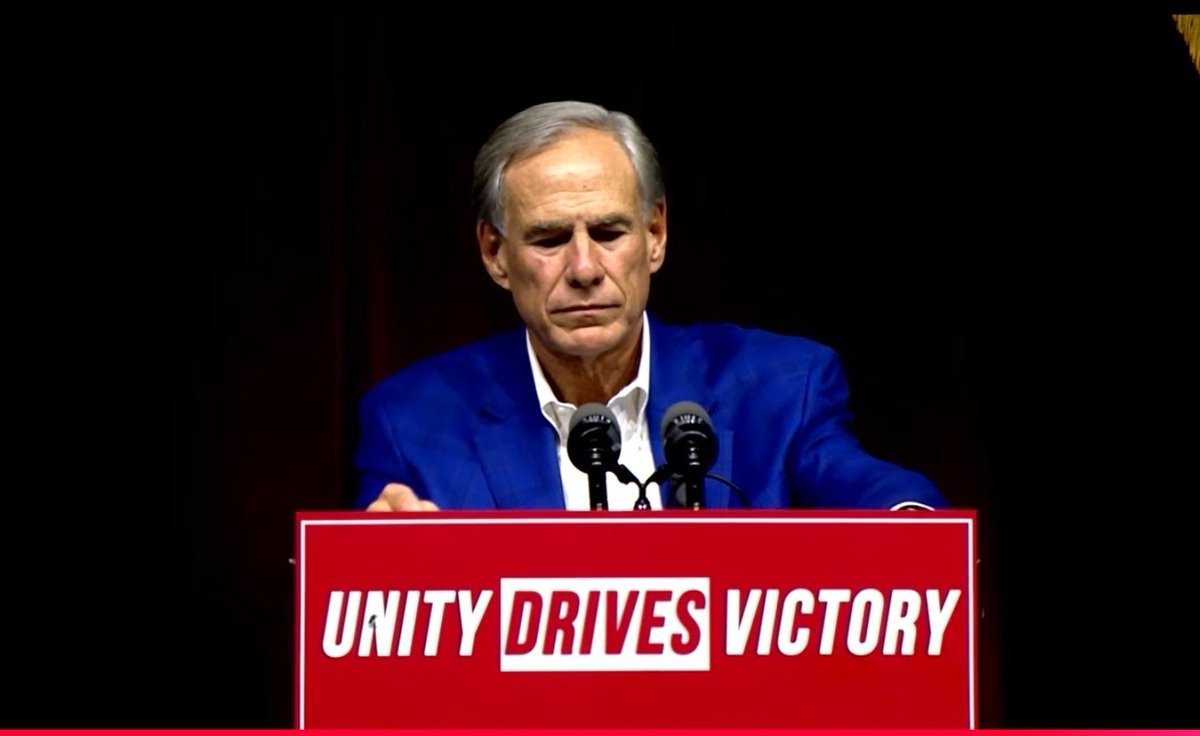
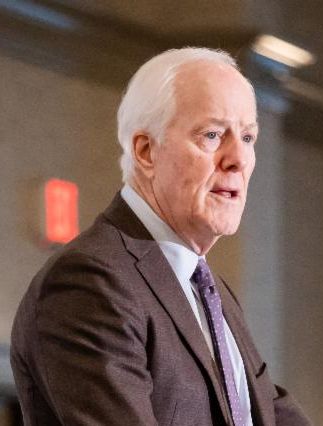
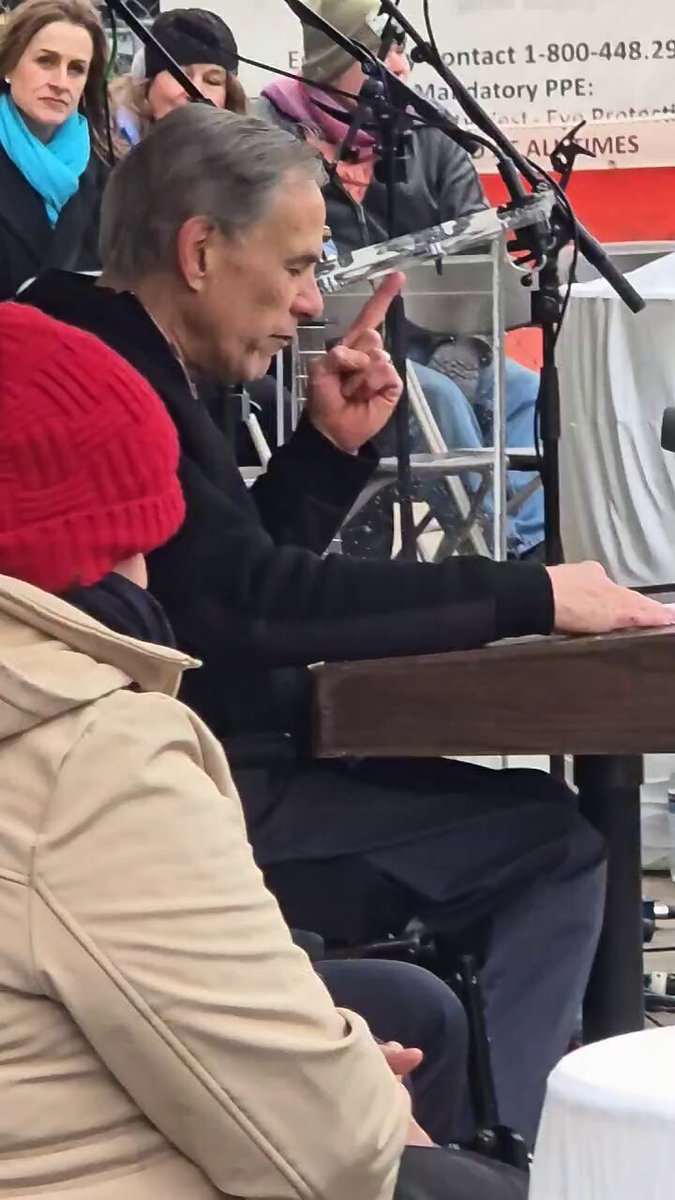
Gov. @GregAbbott_TX emphasizes the many pro-life laws he has signed to protect unborn babies from abortion, speaking at the Republican State Convention.
1
1
35
Texans for Life retweeted

Despite abortion advocates’ claims, there is no evidence that pro-life laws have worsened maternal mortality or exacerbated maternity care deserts post-Dobbs.
Our new analysis debunks the abortion industry’s fearmongering and highlights that all state pro-life laws allow emergency care in obstetric emergencies.
Read the paper to learn more: lozierinstitute.org/what-sho…
#MaternalHealth #MaternalMortality
2
4
143
Texans for Life retweeted

PRO-LIFE WIN: Trump's HHS revised an embryo adoption grant program to require recipients to treat frozen embryos created through IVF as human children who deserve a "loving family."
Grant funding now cannot be used to support the discarding or destruction of human embryos.
While previous administrations have prioritized adults in the embryo adoption program, the Trump-era HHS has shifted the grant opportunity toward a child-centric framework, a senior HHS official told @DailySignal.
Trump has made several moves to expand IVF, but this is the first time the admin is addressing the procedure’s downfalls.
Embryo adoption should “serve the needs of a child already in existence, offering that child the opportunity for life within a stable and loving family,” the funding notice says.
dailysignal.com/2026/06/10/t…
15
124
504
30,020
Latest data from @TexasHHSC: In March doctors performed 8 abortions under the medical emergency exception, bringing the total to 304 since Dobbs. No doctor has been charged, sued, or sanctioned for any of those. Meanwhile there have been 1,430,773 births during that time.
1
48
May 21
Montgomery County District Attorney charges a man for performing an illegal abortion with mail-order pills under the Texas Human Life Protection Act. facebook.com/share/v/1EaQk9v…
2
42
Texans for Life retweeted

May 10
Dr. John Bruchalski quit doing abortions and became pro-life when a baby survived an abortion!
8
36
119
3,286
May 11
The Supreme Court temporarily continues to allow dangerous chemical abortions by mail, at least until Thursday, to consider arguments on both sides.
May 11

BREAKING: The Supreme Court temporarily extends access to a widely used abortion pill for at least three days. apnews.com/article/abortion-…
32
May 10
BREAKING:
Today the White House launched Moms.gov, a new website connecting women with life-affirming support.
Wonderful resources for women with unplanned and planned pregnancies, which they deserve.
3
6
130

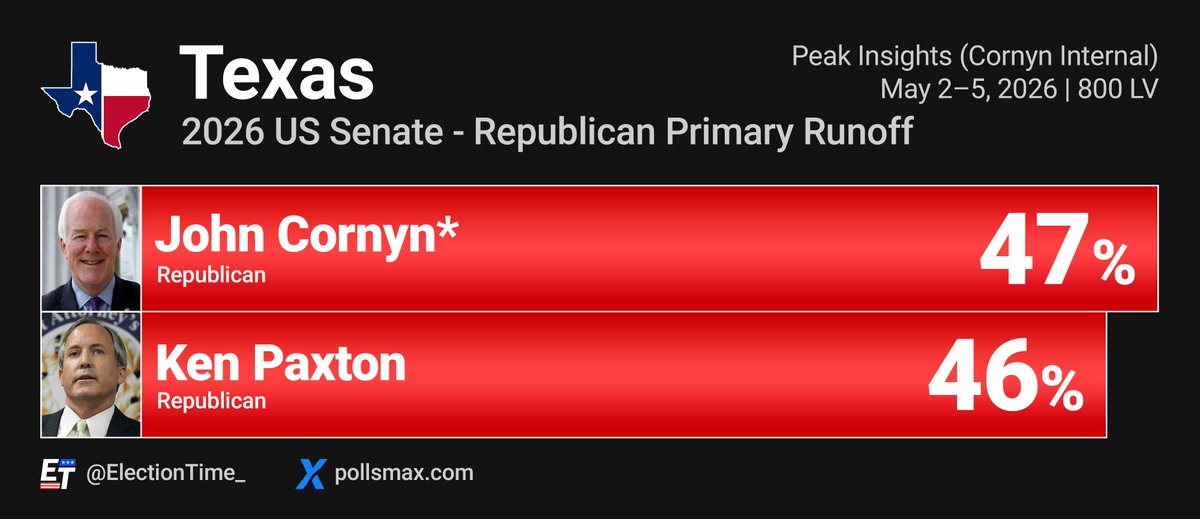
.@JohnCornyn leads @KenPaxtonTX in this poll.
May 7

🚨SHOCK POLL: John Cornyn* leads in the runoff for the GOP nomination for US Senate in Texas.
Texas - 2026 US Senate - Republican Primary Runoff
🟥John Cornyn* 47% ( 1)
🟥Ken Paxton 46%
Peak Insights (🟥Cornyn Internal) | May 2-5, 2026 | 800 LV
Visit pollsmax.com for more polls.
39
Texans for Life retweeted

May 4
Studies by pro-abortion researchers found approximately 1 in 5 misoprostol-only abortions required surgery to complete the abortion. Often, these were emergencies.
Yet abortion activists ignore the research because ending unborn life is their priority.
npr.org/2026/05/04/g-s1-1199…
10
40
110
2,919
Texans for Life retweeted

I hope the Supreme Court eventually strikes down this reckless Biden-era policy. It is even more important that the Senate pass Sen. @HawleyMO’s bill to ban mifepristone & allow women harmed by it to sue the drug’s manufacturers.
I’m proud to be a cosponsor of this legislation.
We must protect unborn babies and their mothers.
May 4

WASHINGTON (AP) — Supreme Court restores access to abortion pill mifepristone through telehealth, mail and pharmacies.
298
47
259
61,708
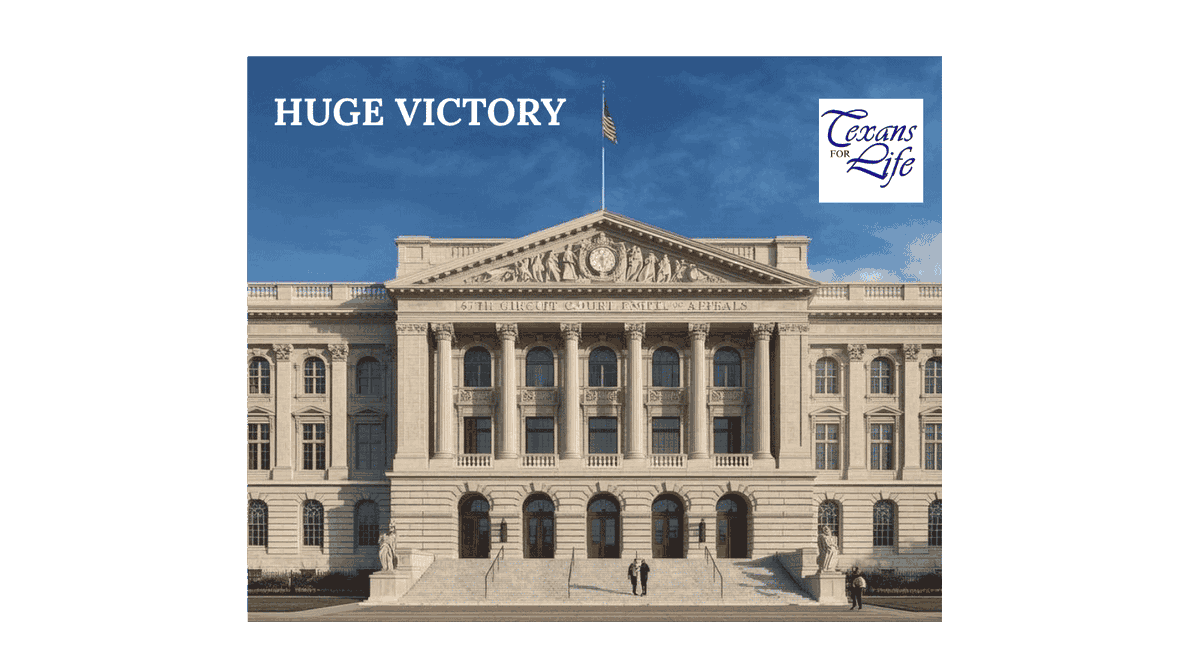
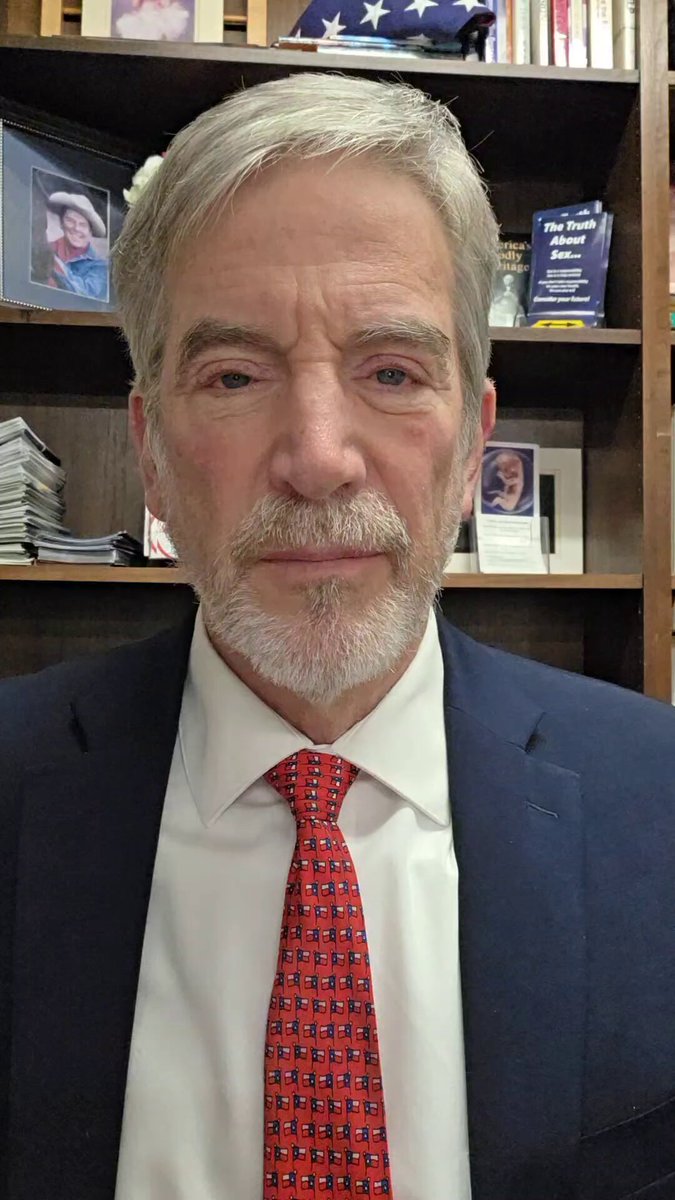
HUGE VICTORY! The Fifth Circuit Court of Appeals ruled Friday in Louisiana v. FDA to enjoin (block) the FDA’s dangerous 2023 Biden-era rule that allowed the chemical abortion drug mifepristone to be prescribed online and sent through the mail. Rather, the FDA must enforce its previous rule requiring that the drug be dispensed in person. While this ruling is a temporary stay as the court considers the appeal, it is a powerful step in protecting both unborn babies and mothers from mail-order abortions. The ruling has a nationwide effect. Texas, like Louisiana, already has strong penalties for mailing abortion pills into our state; however, enforcement has been difficult as these drugs continue to stream across our borders. We are grateful to see the court prioritize the lives and safety of unborn babies and women over the convenience of the abortion industry. Together, we continue to build a culture that protects every life!
4
7
89
Texans for Life retweeted
Apr 21
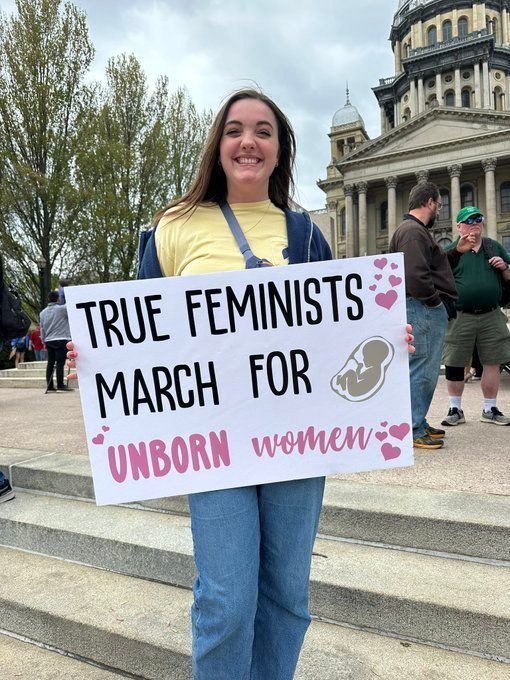
True feminists march for unborn women.
3
56
354
3,395
Texans for Life retweeted

Today I asked an abortion advocate what her favorite method of abortion is.
8,000
25,386
128,713
8,704,007
Apr 20
Texas Medical Board Sanctions Three Doctors for Delayed Care That Led to the Deaths of Two Pregnant Women. The care was allowed under the Human Life Protection Act (abortion ban). propublica.org/article/tmb-d…. #txlege
2
5
124
Texans for Life retweeted

Apr 16
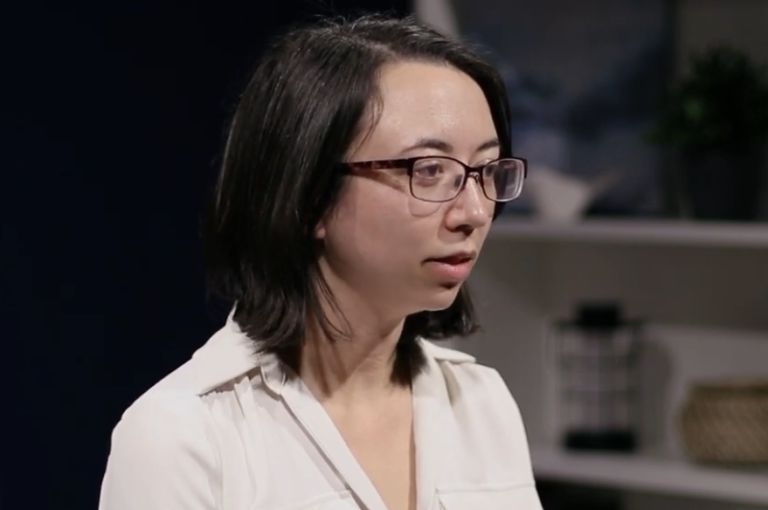
Former Abortion Activist is Now a Pro-Life Advocate Fighting to Save Babies
Lenzi recently testified before the Texas Senate, urging lawmakers to end tax-funded abortion travel and block illegal abortion pills.
But not long ago, she was a major abortion activist. She founded one of Texas’ leading abortion funds and worked tirelessly to make sure women across the state still got abortions.
A decade ago, Lenzi was a 20-year-old college student and committed abortion activist.
Lenzi wasn’t just organizing logistics; she was also spreading the message. She traveled across the country, spoke to major news outlets, and immersed herself fully in the anti-Life movement. She was deeply committed—academically, professionally, and ideologically.
“I was adopted into a new home that gave me the safety and love I needed to succeed and become the person I am today,” Lenzi told Texas Right to Life. “But adoption felt like too little, too late. I thought that abortion was a better way to deal with an unplanned pregnancy than adoption because an abortion would prevent the baby from being born into the kinds of struggle that I experienced. When I saw women desperate to end their pregnancies, I saw my mother.”
This is what fueled her to keep abortion alive in Texas. But as time passed, doubts crept in.
After stepping back from activism to care for her children, Lenzi began to reflect more deeply. She realized that the central debate between the pro-choice and Pro-Life movements came down to one question: When does Life begin?
For years, Lenzi had embraced the idea that Life begins at birth. It created a clear line that justified abortion. But in her experience, even abortion supporters struggled with that position—especially when it came to later-stage abortions. While west coast donors to her organization championed abortion with no limits, southern supporters became uneasy when the topic of late-term abortion arose. Lenzi noticed she often had to adjust her message based on what would be most palatable to each audience.
This disconnect led her to question whether the discomfort around later-stage abortion was rooted in something deeper—perhaps a recognition that the Life inside the womb, especially late in pregnancy, looked and felt undeniably human.
Lenzi’s transformation wasn’t easy. Her entire life—her education, her career—had been devoted to promoting abortion access. But over time, something shifted. Lenzi could no longer reconcile her beliefs with supporting abortion. She came to see that Life begins before birth—and that realization changed everything.
Today, Lenzi is part of a growing group of women who once fiercely supported abortion but are now Pro-Life. Her story is a powerful reminder that honest reflection can lead even the most committed advocates to rethink their views—and that there’s room for change, even after years of activism.
2
9
17
325
Texans for Life retweeted

Apr 13
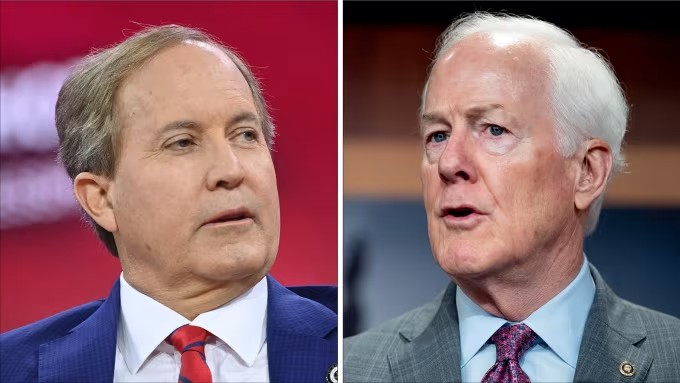
New - Senate primary poll - Texas
🔴 Cornyn 44%
🔴 Paxton 43%
Peak (Pro Cornyn) - LV - 4/9
438
102
923
192,087
Apr 12
Fortunately, in Texas babies with Down syndrome, like Valentia, are protected from abortion.
Apr 10

WATCH:
Artemis II pilot Victor Glover hugs Fox News host’s baby with Down syndrome, Valentina—humanizing children like her.
80% of babies with the condition are aborted in the US
This child, with an extra chromosome, is valuable and worthy of life.
1
39
Texans for Life retweeted
Apr 11
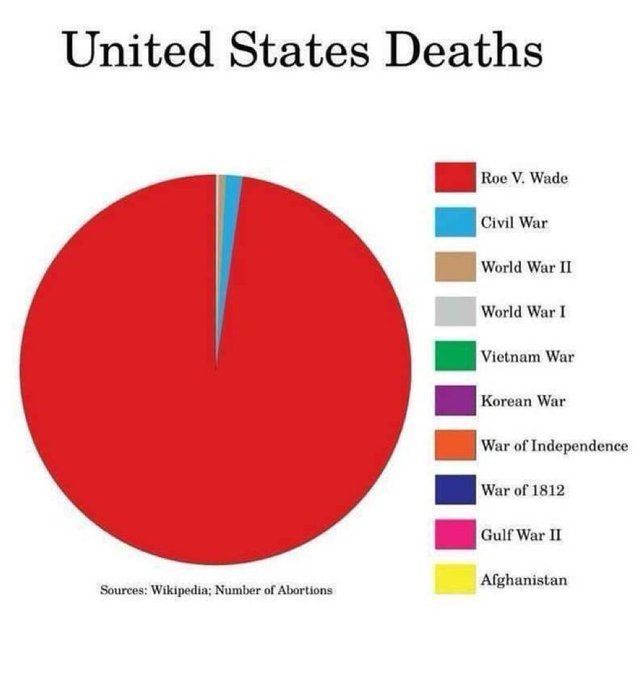
Abortion has killed 67 million babies.
End abortion NOW.
138
1,537
5,008
101,497