CSO Simmaron Research ; MIDD member, @RedefiningMECFS; CoFounder/Sci. Director of SIMMPHARM: Professor (adj) @UWM; Neurobio; ME/CFS; Drug design and development
Joined October 2019
- Tweets 153
- Following 19
- Followers 629
- Likes 177
13 Photos and videos

Jun 10
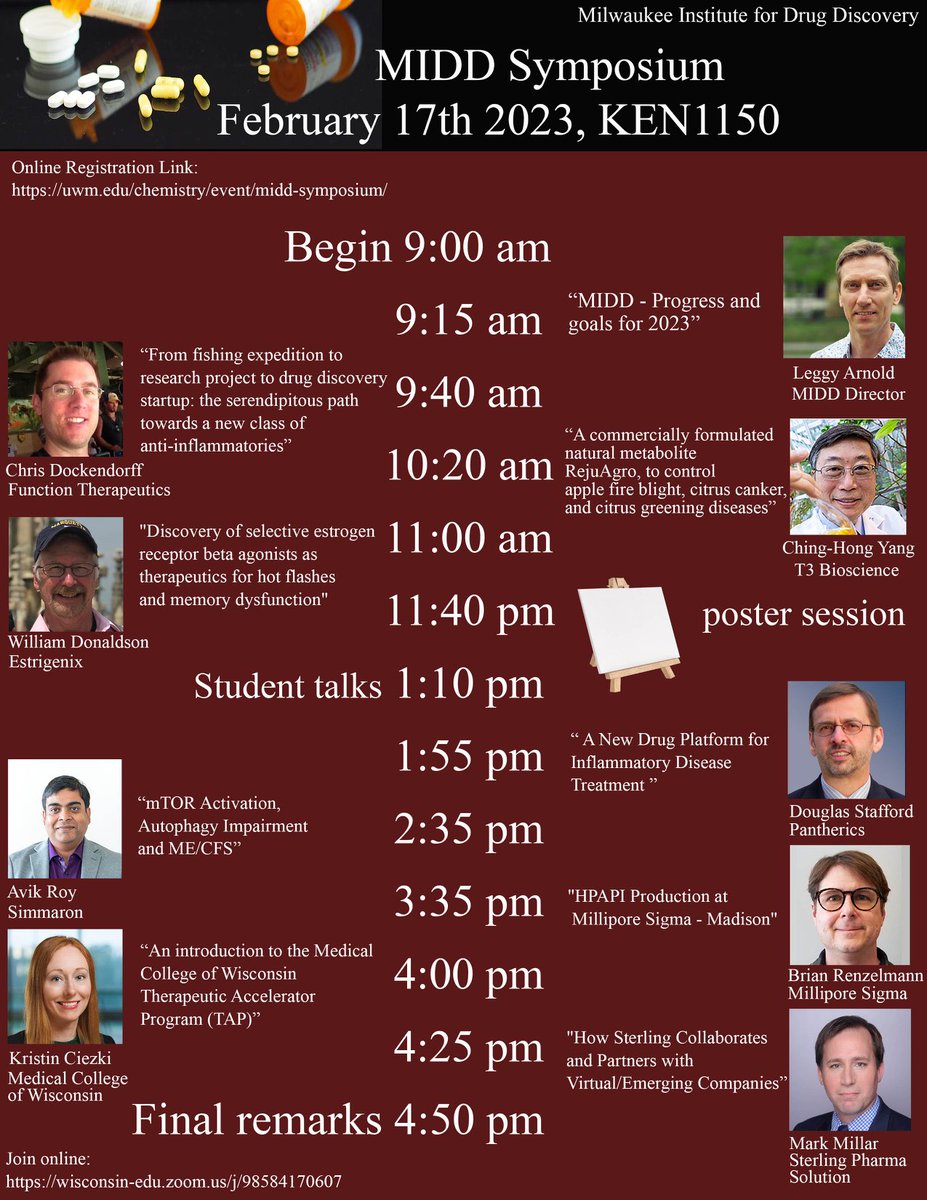
Our lab @RedefiningMECFS is a part of drug discovery consortium with MIDD @UWM. A collaborative research (Redox Biology; IF 11.9) identified a novel boronated prodrug that kills TNBC tumor cells by augmenting the production of reactive oxygen species.
sciencedirect.com/science/ar…
4
5
402
Roy lab retweeted
Watch! Dr. Avik Roy & Dr. Gunnar Gottschalk of @RedefiningMECFS share how six years of work on the molecular mechanisms of #MECFS has led to one of the only ongoing clinical trials specifically designed around a defined biological target.
youtu.be/OMmjcTKxivU
#MEAwarenessHour
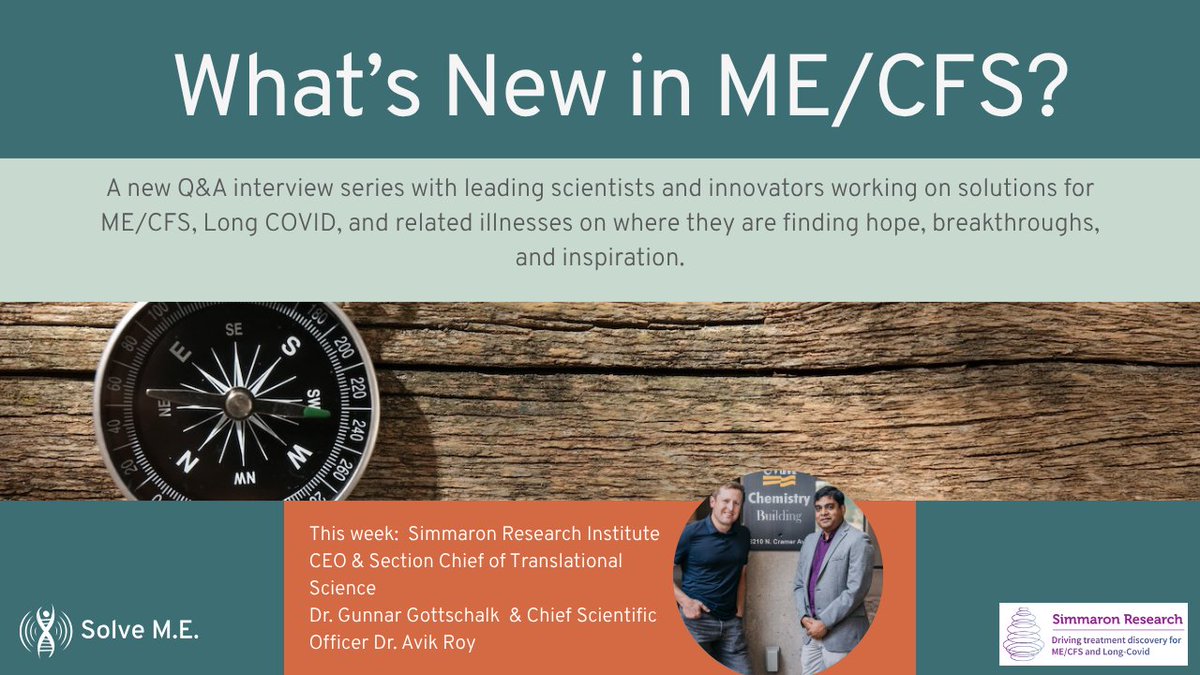
ALT Banner for a Q&A series on ME/CFS research featuring a compass on wood and two scientists from Simmaron Research Institute.
1
15
30
2,651
Jan 27
Our team @RedefiningMECFS @ggottschalkPhD continues to perform ground-breaking research in decoding the role of ATG13 in chronic inflammation and now our new research (Toriola M et.al.) is now published in @SpringerNature’s Q1 immunology journal Inflammation Research.
doi.org/10.1007/s00011-025-0…

Background: CD40 is a key surface antigen expressed on macrophages and other myeloid cells, where it plays a central role in innate immunity by sustaining their inflammatory phenotype. In our earlier study (Immunologic Res 2025) , we demonstrated that the impaired autophagy can trigger sub-threshold infiltration of CD40-immunoreactive macrophages into the vasculature of skeletal muscle tissue. This infiltration contributes to chronic inflammatory changes affecting muscle-serving nerve fibers.
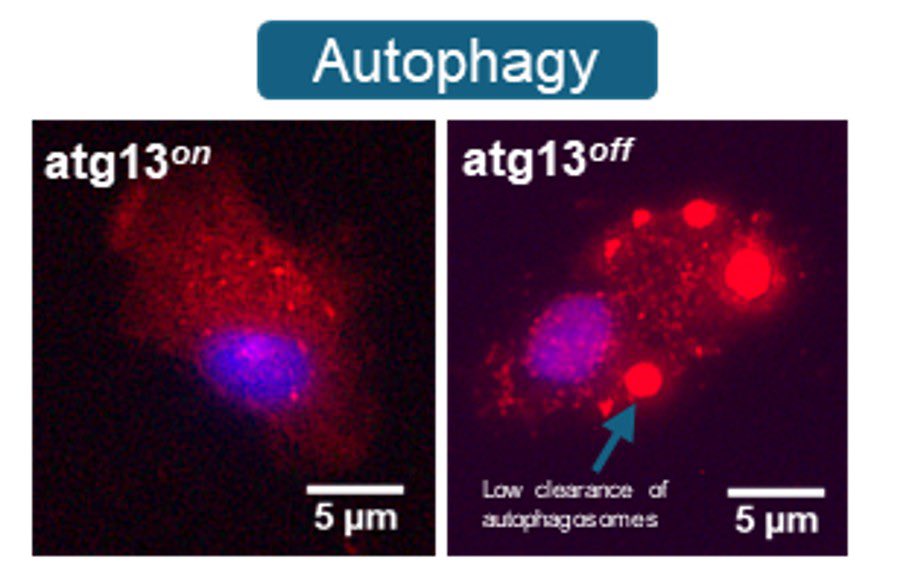
Findings: In our current work, we delineate the underlying mechanism. We demonstrate that the genetic depletion of atg13 gene and the subsequent autophagy impairment may initiate a series of metabolic changes in myeloid cells. These changes start with the deficit in mitochondrial energy metabolism (confirmed by Seahorse analyses of OXPHOS and glycolysis), then the augmentation of reactive oxygen species ( Mito-ROS assay), then the nifrosylative inactivation of cellular deacetylase enzyme called SIRT1 , which maintains the acetylation status of NF-κB. These series of metabolic changes drive the induction of the inflammatory phenotype in perivascular macrophages. Along with CD40, we examined the impact of atg13-dependent autophagy impairment in the expressions of other surface antigens such as CD86, CD163, and CD206 in the context of inflammatory response in myeloid cells.
Summary: The pathway we describe highlights how NF-kB-mediated inflammatory changes in myeloid cells may contribute to the neurogenic symptoms of muscle fatigue, post-exertional malaise, and potentially post-infectious fatigue syndromes.
@MECFSNews @UWM
10
24
1,100
3 Dec 2025
Excited to contribute a research with @RedefiningMECFS, @ggottschalkPhD on ATG13's role in chronic fatigue, recently accepted by Inflammation Research of @SpringerNature.. The full paper is under production now. Our research is timely and relevant as another study in Nature Communications (Hu et al. PMID: 41309545) linked ATG13-binding protein FIP200 in long COVID genetics. @MECFSResearch @PlzSolveCFS @MEResearchUK @UWM
7
26
1,137
8 Nov 2025
Simmaron @RedefiningMECFS @ggottschalkPhD is excited for the early preclinical results of our small molecule-inhibitors SIMMPYRA-1 and 2 to modulate STAT signaling events in reducing chronic inflammation associated with mononucleosis and cytokine upregulations.@BCRFcure @PlzSolveCFS
1
12
32
1,279
21 Oct 2025
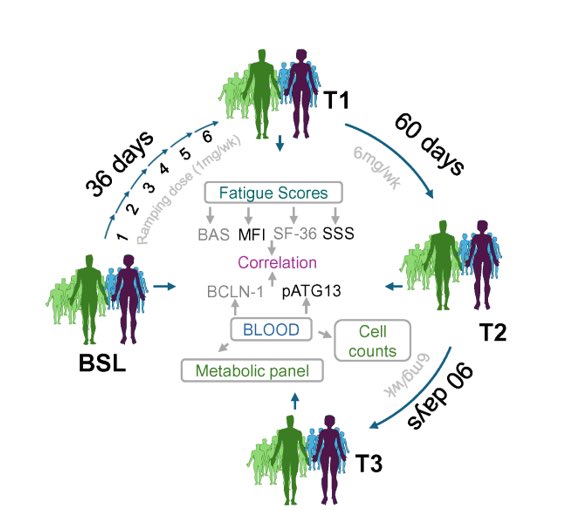
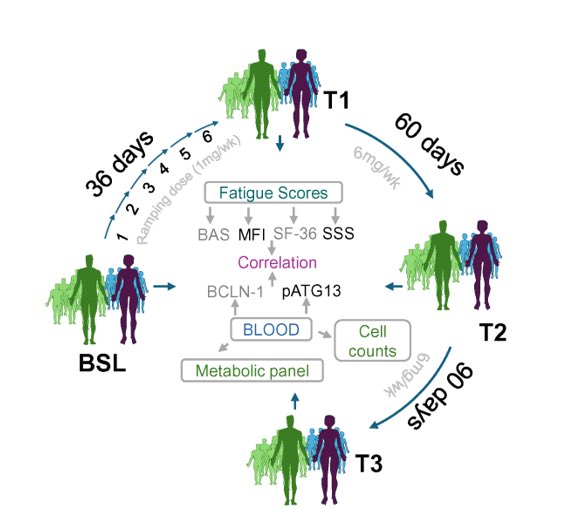
Rapamycin, a potent inhibitor of mTOR, has been studied for its role as an autophagy inducer and also in immuno rejuvination. Its been approved by FDA for its application in cardiac restenosis and cancer management. Recently, we launced a decentralized clinical trial for low dose rapamycin in the amelioration of clinical symptoms of ME/CFS. We have some exciting data on the alleviation of clinical symptoms of ME/CFS and improvement of overall autophagy. The trial data has been published in our most recent article in the Journal of Translational Medicine ( Impact factor 8.5). Congrats to Brian T Ruan , the first author, who just left Cornell University to study medicine in Tufts University. Our clinical leaders including @StephanieGrach, David Kaufman, and Lucinda Bateman. Congratulations to @ggottschalkPhD the CEO of @RedefiningMECFS and one of the PIs in this study. @PlzSolveCFS @MECFSResearch @MayoClinic @UWM
translational-medicine.biome…
14
70
257
21,266
Roy lab retweeted

6 Sep 2025
The #UWM community extends its heartfelt sympathies and condolences to the @MarquetteU lacrosse team and the entire Marquette community for the tragic loss of its two student-athletes. We are keeping you in our thoughts.
1
1
53
2,132
17 Aug 2025
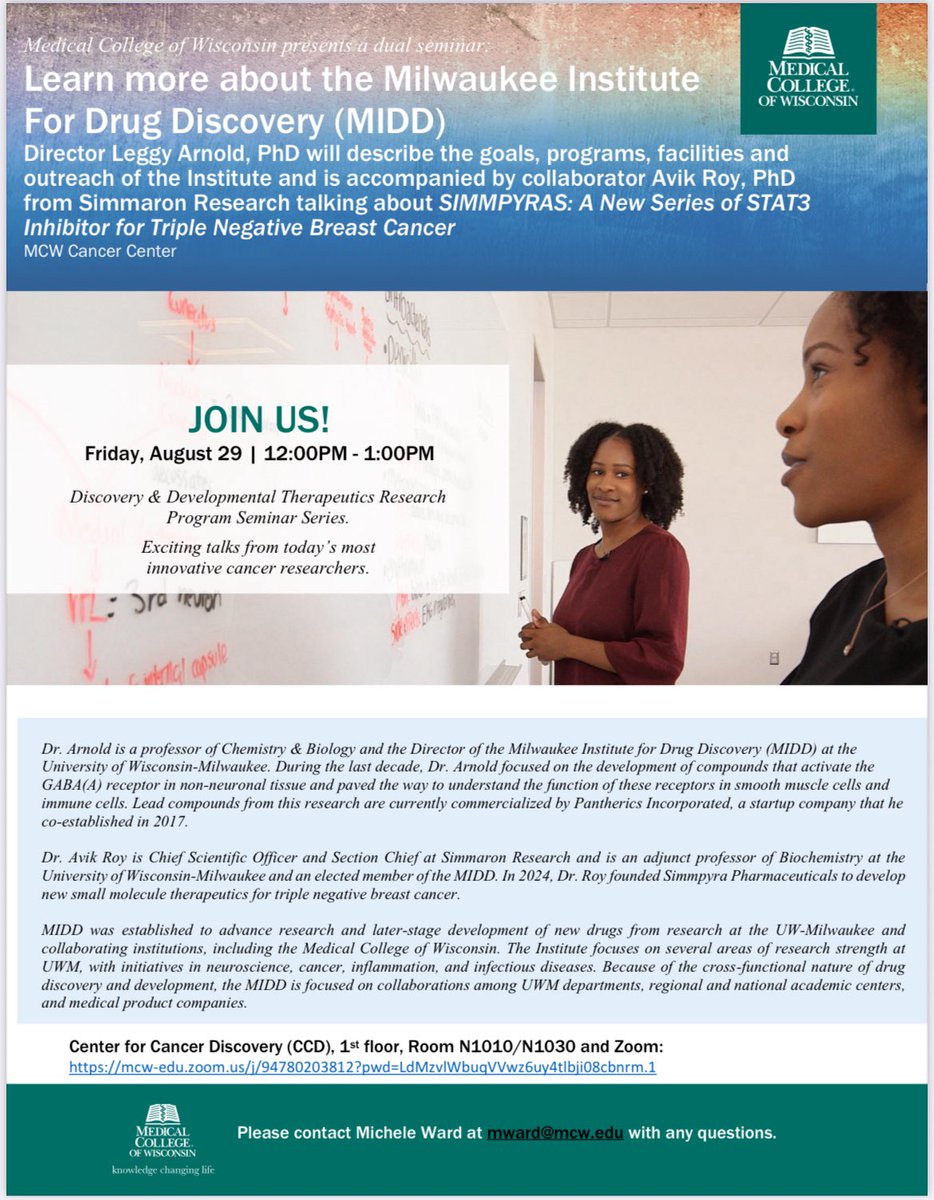
The dual seminar featuring MIDD’s scientists @UWM at the Medical College of Wisconsin (MCW) @MCWCancerCenter will be held on August 29th, from 12 noon to 1 PM.
263
Roy lab retweeted

10 Aug 2025
New Pre-pint from our team @RedefiningMECFS . Genetic depletion of early autophagy protein ATG13 impairs mitochondrial energy metabolism, increases oxidative stress, and preferentially induces the pro inflammatory M1 phenotype of macrophages. researchsquare.com/article/r…
2
26
91
3,753
7 Aug 2025
Autophagy impairment contributes to the mitochondrial deficits of energy metabolism driving the polarization of M1 macrophages. A recent preprint from our lab is now under review in inflammation research. @RedefiningMECFS @ggottschalkPhD @PlzSolveCFS
researchsquare.com/article/r…
1
9
218
Roy lab retweeted

17 Jun 2025
🚨 Big news! Simmaron Research wins our latest Solve #MECFS Catalyst Award! We’re proud to provide funding for the Low-Dose Rapamycin trial. Congrats to @ggottschalkPhD @AvikRoy74969264 & the whole @RedefiningMECFS team!
💡 Learn more:ow.ly/WSsW50WavSb
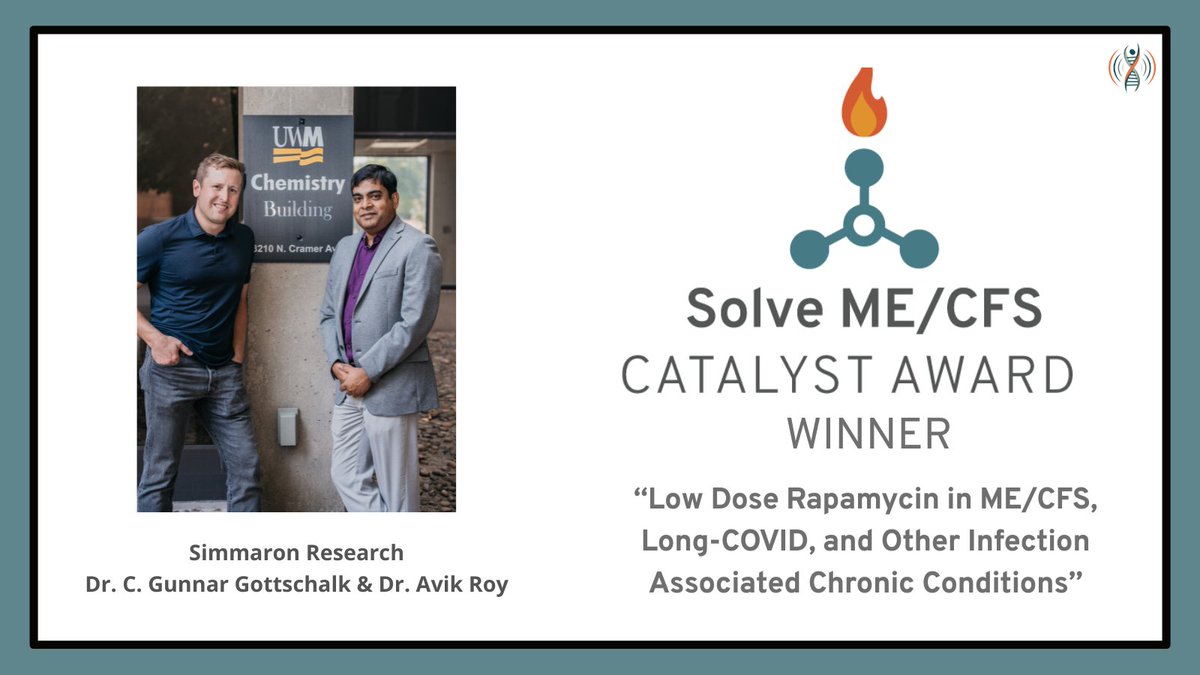
ALT Pictured are two researchers from Simmaron Research: Dr. C. Gunnar Gottschalk (blonde hair, blue shirt, blue pants) and Dr. Avik Roy (black hair, blue jacket, grey pants). The graphic depicts a blue three-pronged shape with an orange and yellow flame emerging from the top prong. The text reads "Solve ME/CFS Catalyst Award Winner -- "Low Dose Rapamycin in ME/CFS, Long-COVID, and Other Infection Associated Chronic Conditions.”
2
14
26
1,047
Roy lab retweeted

3 Jun 2025
We are excited to share some early results of our low dose rapamycin project in #ME, in its pre-print version here. TY to @ggottschalkPhD, @AvikRoy74969264 & Dr. David Kaufman for leading it, to all our collaborators & to study patients! #MECFS 1/9
researchsquare.com/article/r…
14
54
169
11,946
Roy lab retweeted
3 Jun 2025
We @RedefiningMECFS and @AvikRoy74969264 are excited to share some early results of our low dose rapamycin project in its pre-print version here. Thanks to all the patients for participating!
researchsquare.com/article/r…
5
37
128
6,612
Roy lab retweeted

24 Jan 2025
An Explosion of ME/CFS in the US The Real Difference RECOVER May Make In Long COVID healthrising.org/blog/2025/0… #MECFS #longCOVID
20
48
1,715
10 Jan 2025
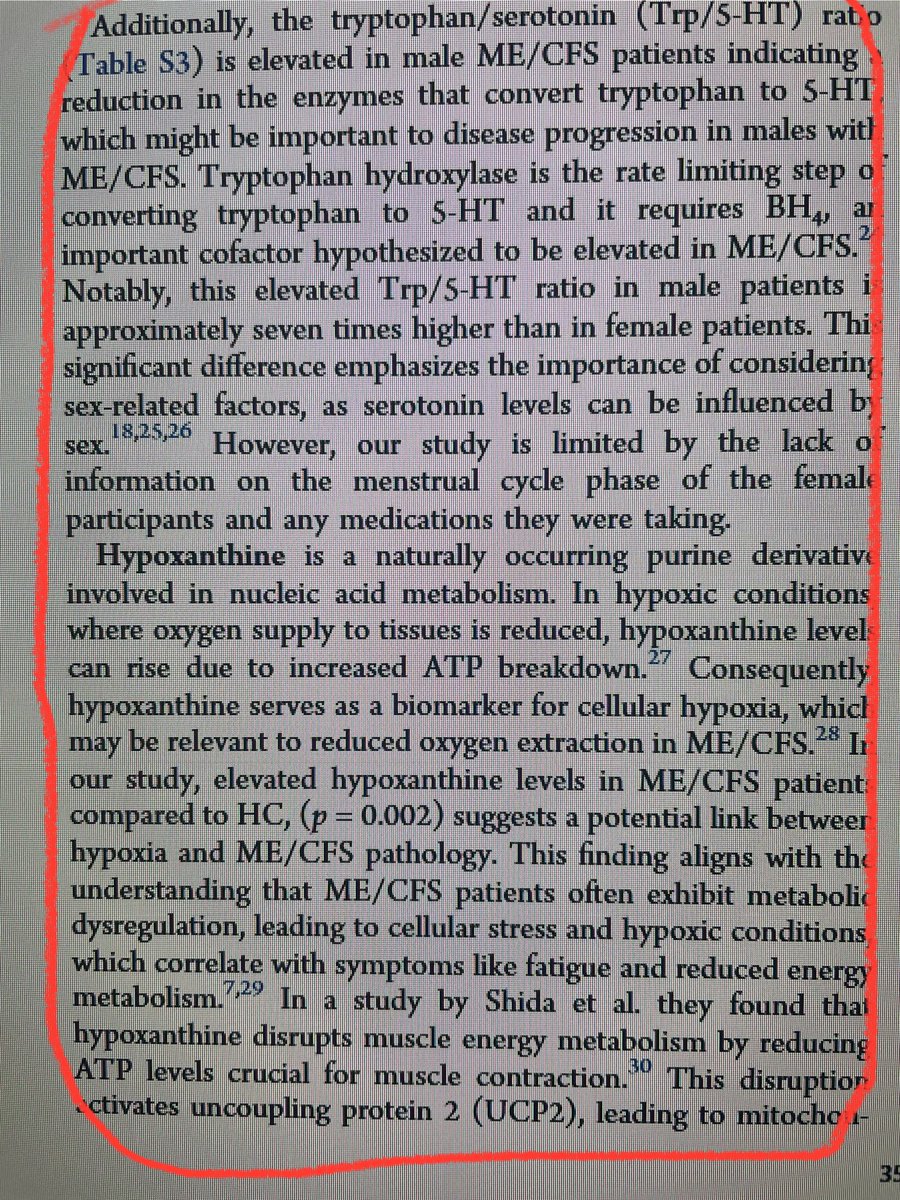
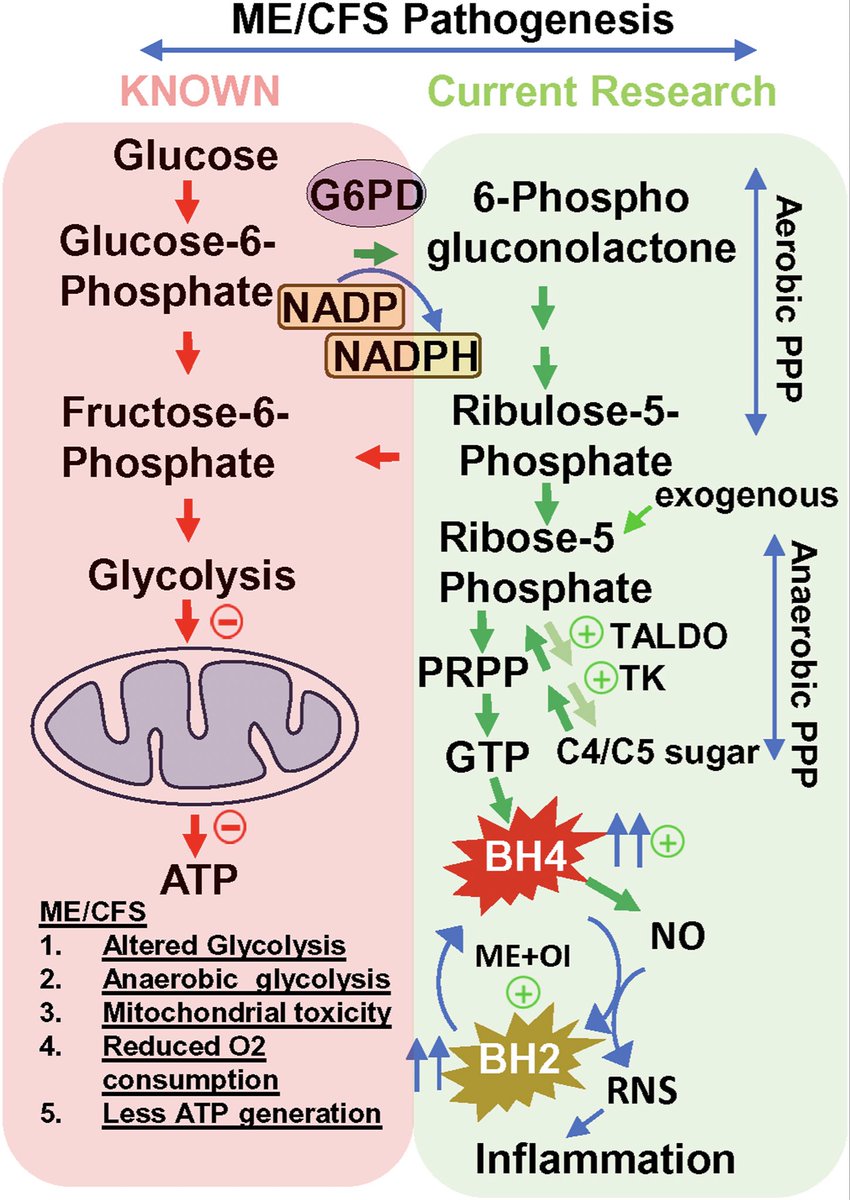
We propose purine metabolism hypothesis in OI. Our study (PubMed ID: 39161795) followed by another study (PMID: 39302151)
supported anaerobic glucose metabolism-driven induction of purine metabolism . A new perspective article summarizes our findings. mdpi.com/2218-273X/15/1/102/…
1
3
9
1,338
Roy lab retweeted
7 Jan 2025
Congrats to the entire team @RedefiningMECFS and @AvikRoy74969264 on this breakthrough paper describing a disease-relevant model of PEM
link.springer.com/content/pd…
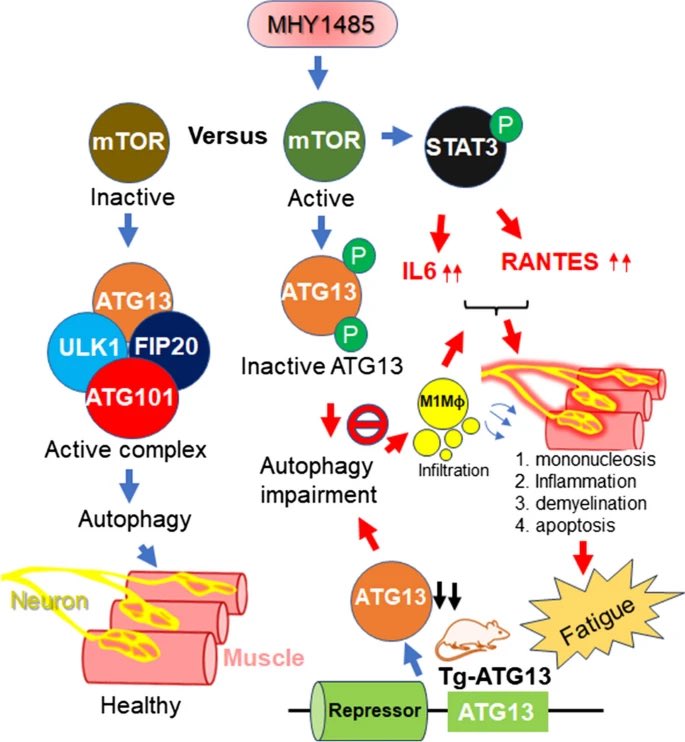
Here, we show that chronic mTOR activation disrupts autophagy function, leading to PEM and the production of IL-6 and RANTES via STAT3 phosphorylation!
13
61
220
38,708
7 Jan 2025
Inactivation of ATG13 stimulates chronic demyelinating pathologies in muscle-serving nerves and spinal cord. Our new article highlights a mechanism of chronic fatigue is published today @SpringerNature @RedefiningMECFS @UWM
link.springer.com/article/10…
3
20
61
3,285
Roy lab retweeted
27 Nov 2024
Exciting news! We have formed a strategic partnership with @AgelessRx, a leader in decentralized clinical trial execution, to expand our #rapamycin treatment trial for #ME and #LongCovid in the new year. Read more: simmaronresearch.com/blog/si… 1/2
5
24
85
6,912
3 Dec 2024
Towheed, a final year graduate student of @UWM published a new article with strong support from both MIDD and @RedefiningMECFS, highlighting the importance of partnerships in advancing drug discovery, particularly for chronic inflammatory diseases.
mdpi.com/2073-4409/13/23/196…
2
8
408
Roy lab retweeted
20 Nov 2024
TY Dr. Cox and @BBC_Future for featuring #MECFS & #LongCovid and for interviewing Simmaron's CSO @AvikRoy74969264 about our #rapamycin trial in post-infectious chronic diseases. Great article all around! #POTS #PEM #IACC @ggottschalkPhD
2
5
543