Prof in Mammal Ecology and Conservation. Researches human-wildlife interactions. Dyslexic 🦊🐺🦔🦏🦡🐾
Joined September 2018
- Tweets 427
- Following 572
- Followers 699
- Likes 733
17 Photos and videos
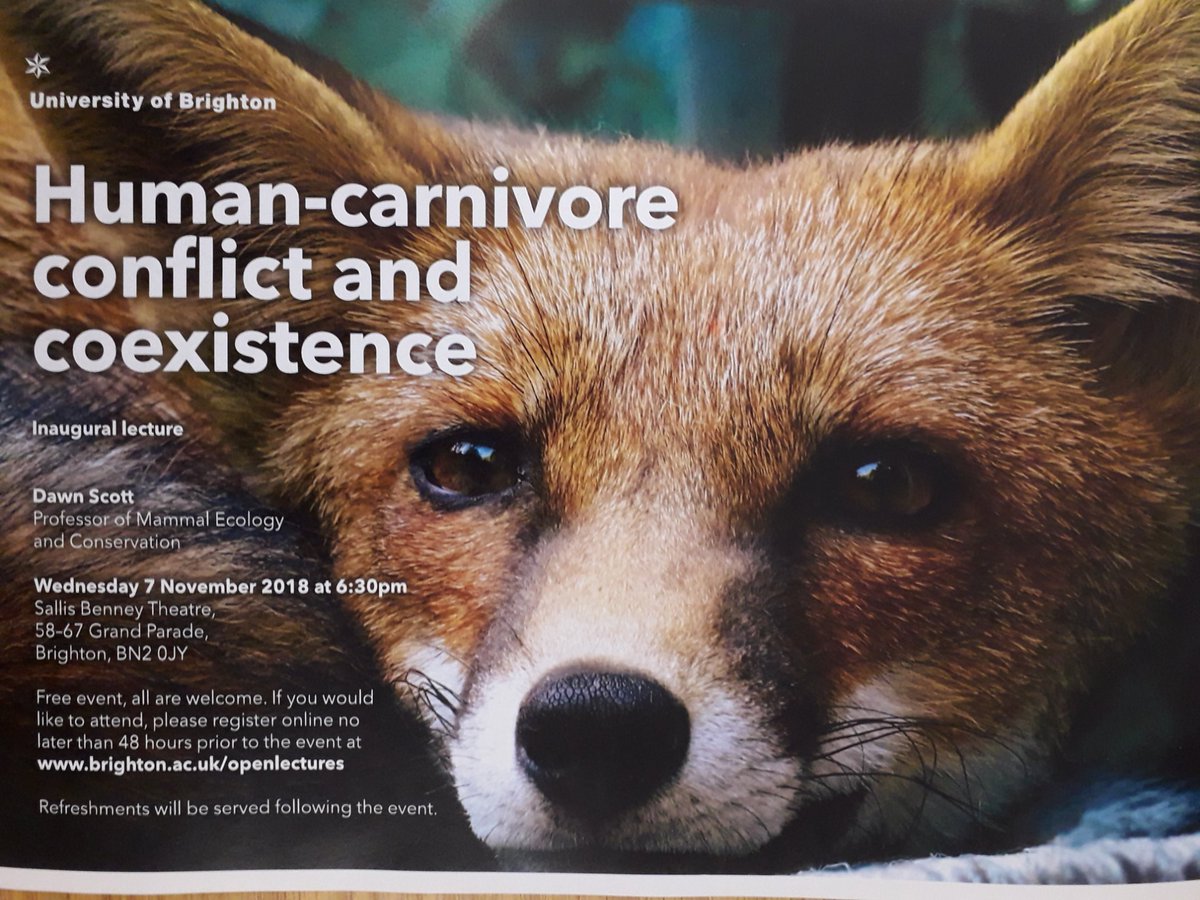

Dawn Scott retweeted

31 May 2022
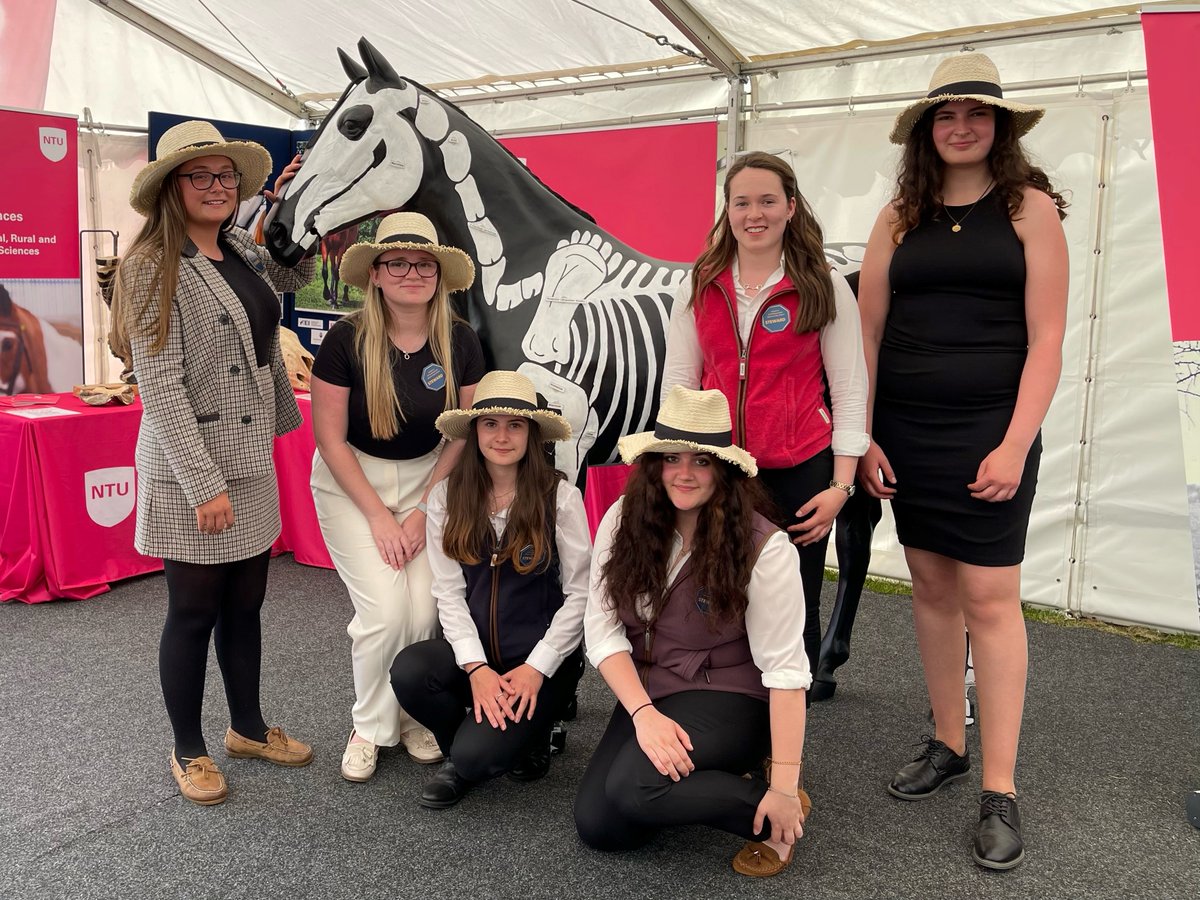
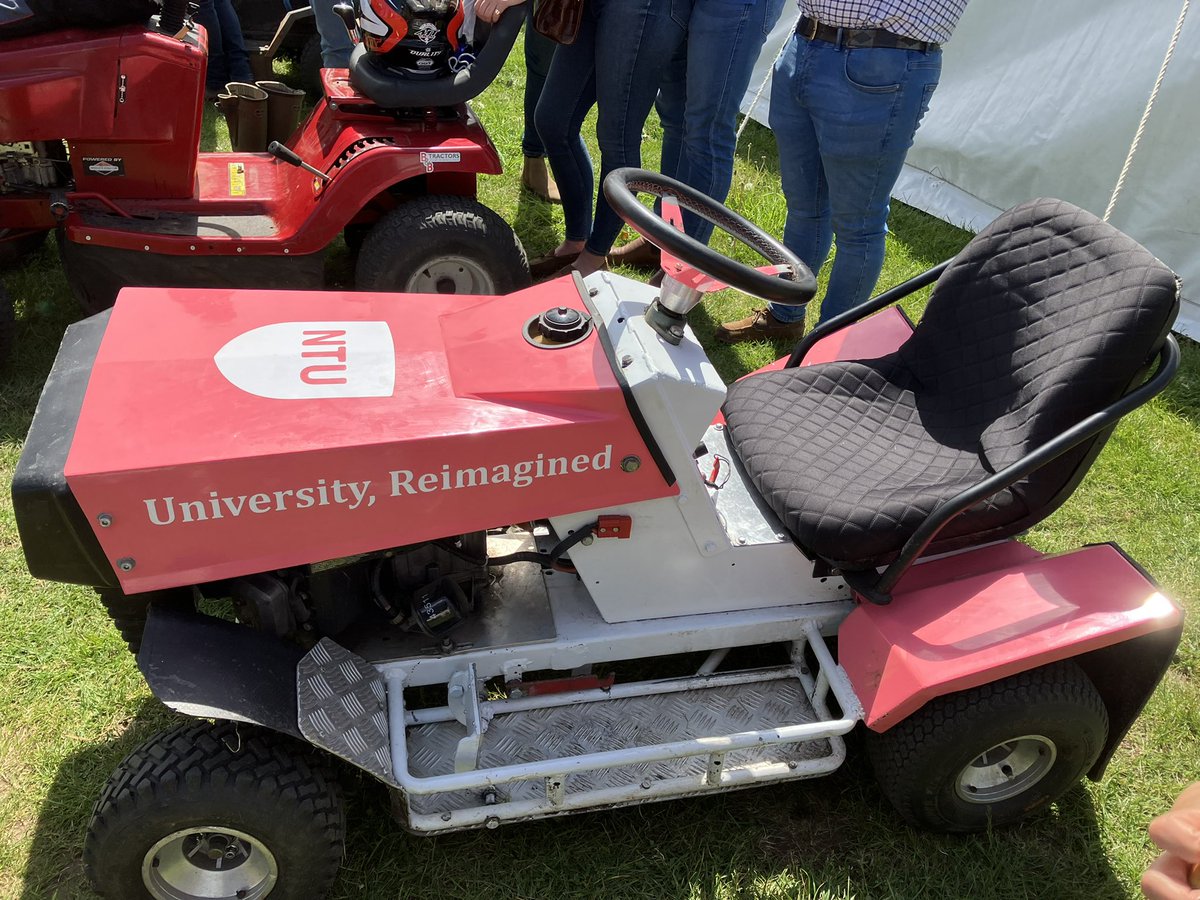
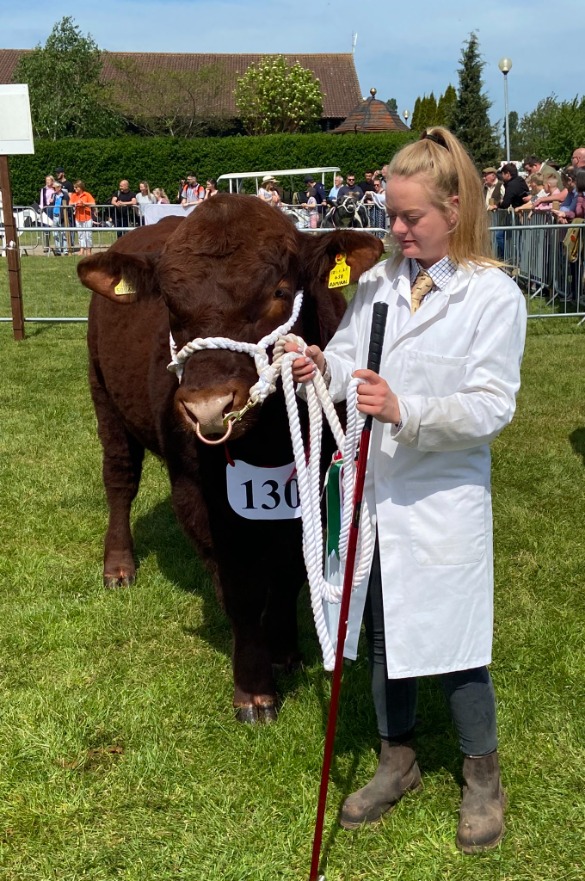
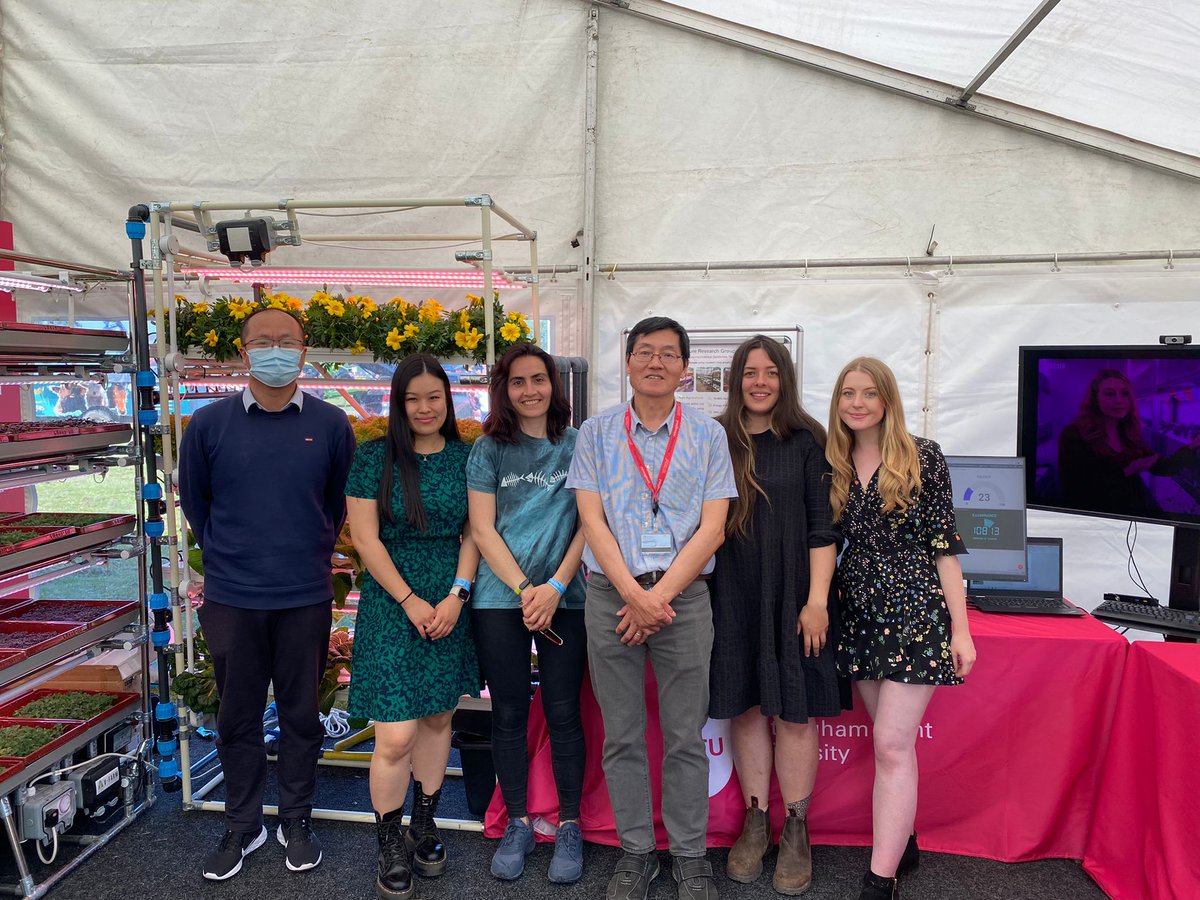
We loved attending @NottsCountyShow on 14 May for the first time since 2019.
Have a read of what went on at the annual Midlands agriculture and rural life show and NTU's involvement (and wins) on the day: ntu.ac.uk/about-us/news/news…
1
3

12 May 2022
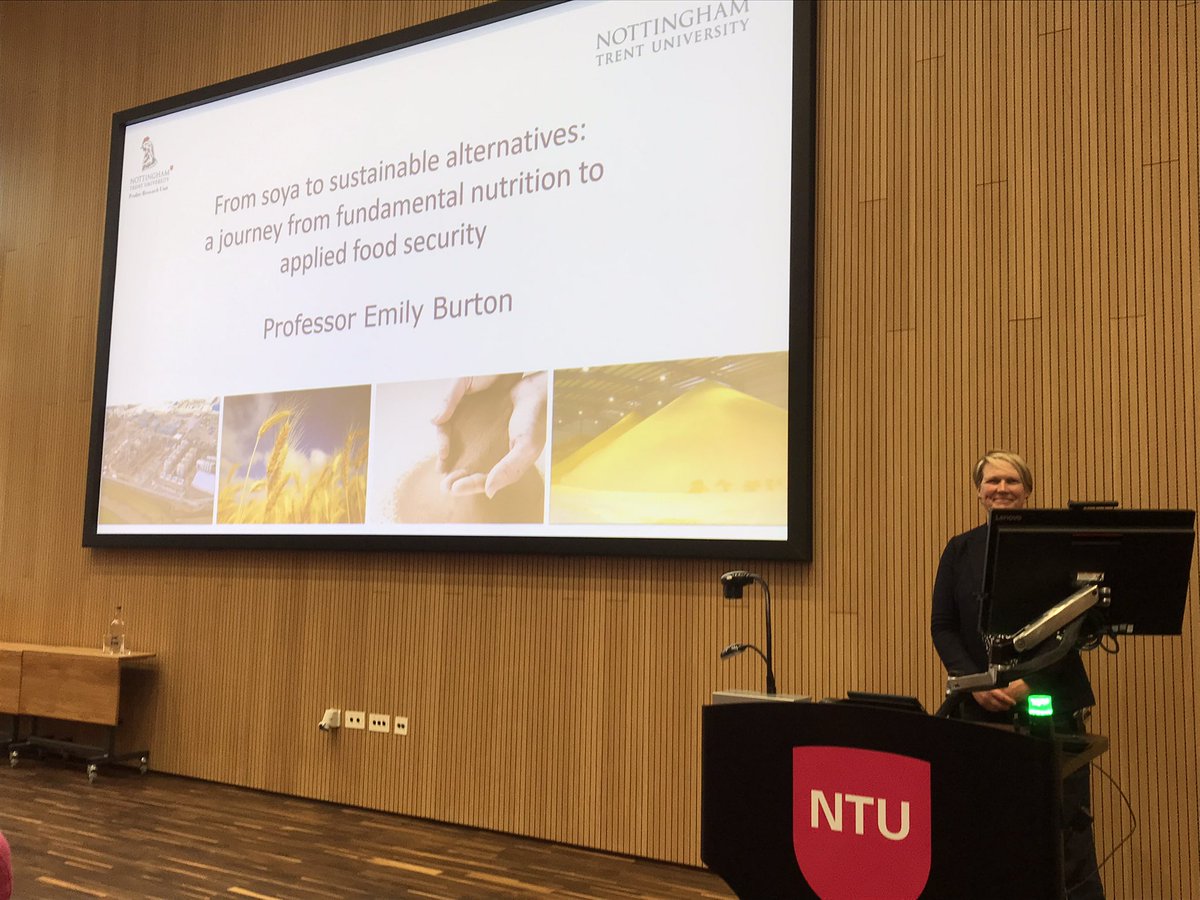
Lovely to be at a Prof Emily Burton’s professorial inaugural lecture to hear about her research journey and amazing achievements.
3
Dawn Scott retweeted

12 Jan 2022
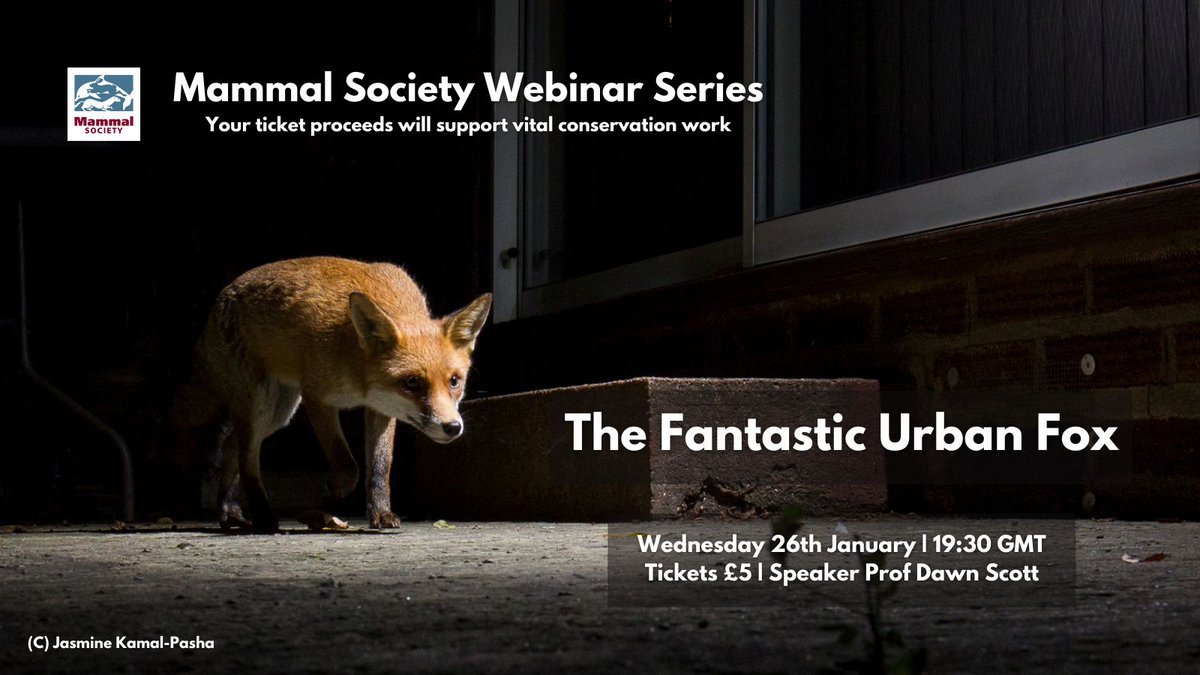
‼️ New #webinar alert! ‼️
Join us & @ProfDawnScott on Wednesday 26th of January for our fourth webinar - a fascinating insight into the lives & #ecology of Britain's urban #foxes 🦊
Get your tickets today for only £5 right here 👉 bit.ly/33aqQQw
1
13
19
Dawn Scott retweeted

23 Nov 2021
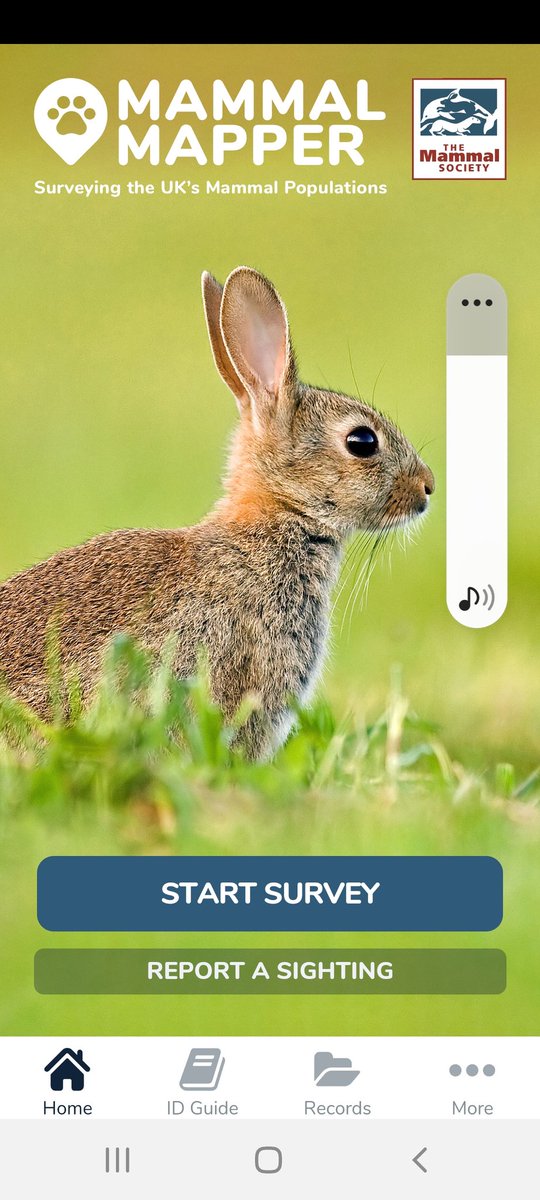
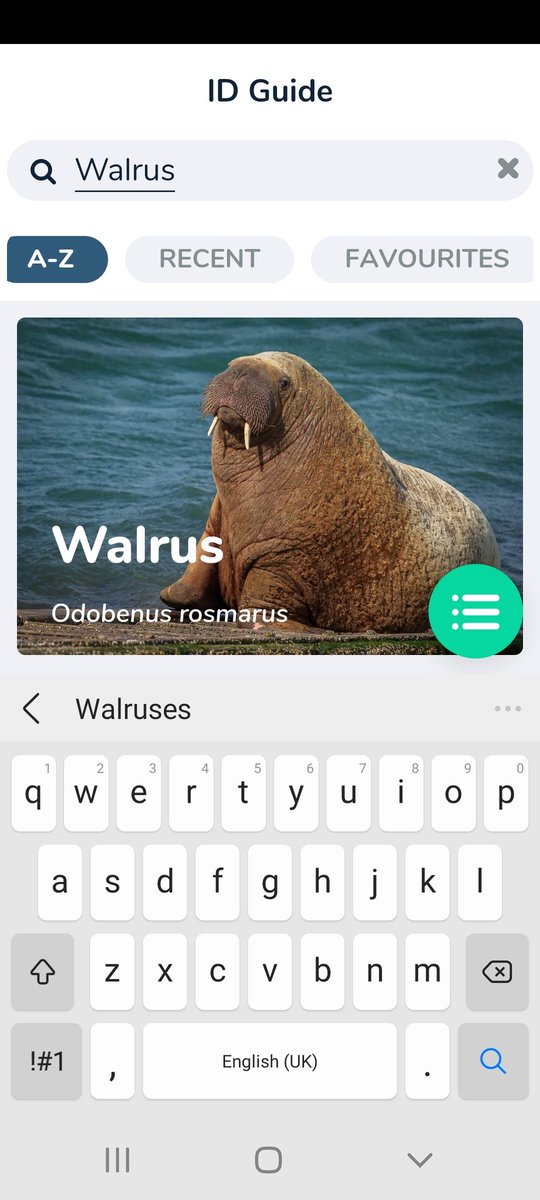
It's here! After a lot of development, I'm delighted that the shiny new version of @MammalMapperApp is out! You can now record, #walrus (anyone seen Flora?), #beaver field signs, heights of harvest mouse nests, and more. Please give it a go! #CitizenScience 🦫🦔🦊
2
26
58
Dawn Scott retweeted

5 Nov 2021
I can't recommend doing a Ph.D. with @NTU_ARES highly enough! Come and join our Ph.D. community!
1
6
8 Oct 2021
Below is a link to a Kickstarter project to help support production a book on foxes I am involved with. Fantastic project to share the beauty of foxes and help people understand them better. Please take a look kickstarter.com/projects/fox…
8
16
Dawn Scott retweeted

24 Sep 2021
2
15
3 Sep 2021
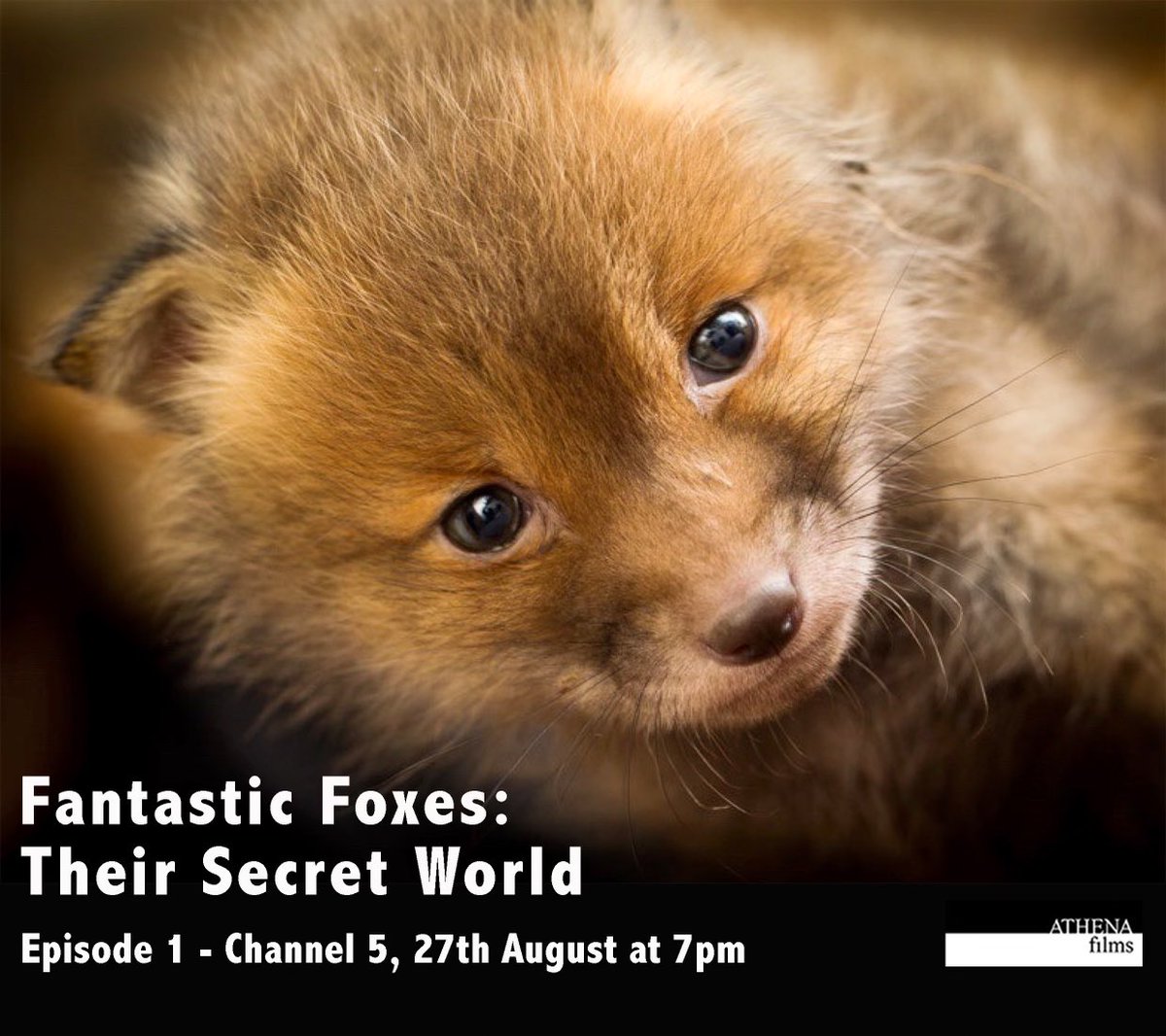
Second part of Fantastic Foxes is on channel 5 this eve. It was great to be part of this programme trying to help people understand foxes a bit more. Thanks Debbie and Claudia for inviting me to be involved @AthenaFilms
2
20
26 Aug 2021
A 2-part programme I helped with on foxes is on this Friday, channel 5 at 7pm
2
7
17
Dawn Scott retweeted

8 Jul 2021
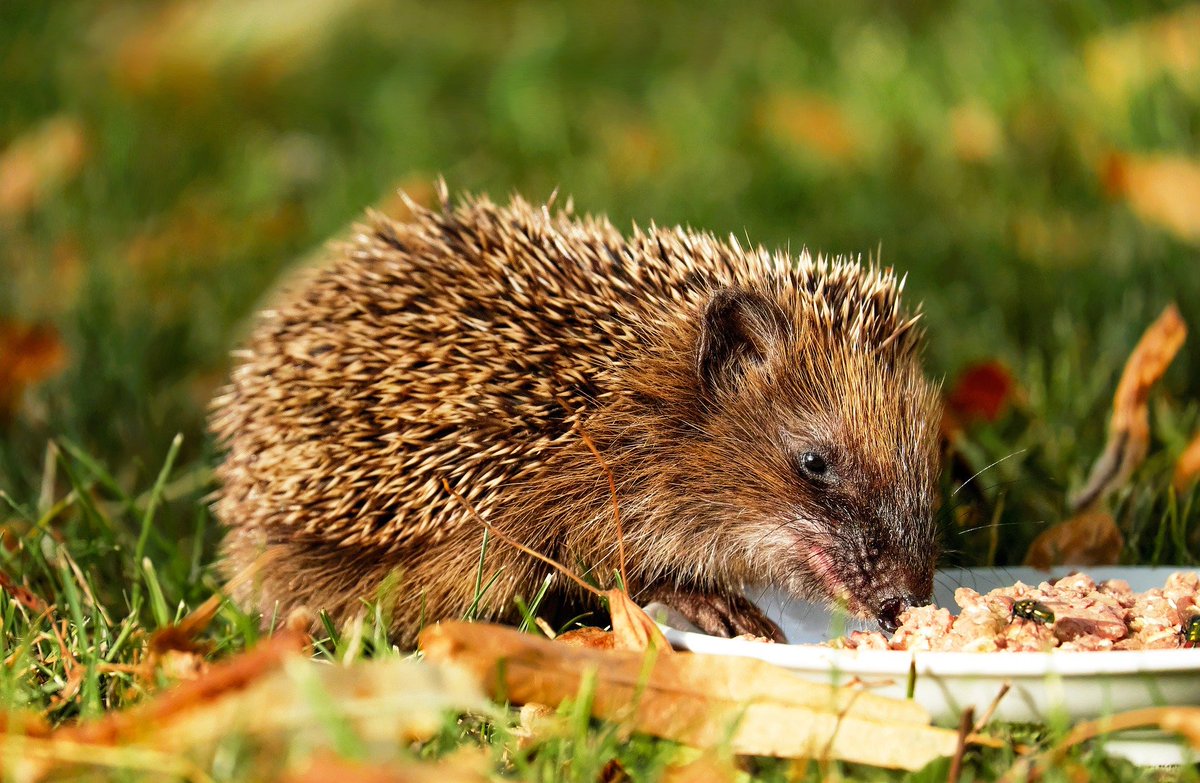
Many people feed wildlife in their gardens but how does this affect the health & behaviour of #hedgehogs, foxes and badgers? PhD researcher @jwjfletcher from @KeeleUniversity is aiming to find out! Read more in our latest #StudentSpotlight blog: tinyurl.com/y634867d 🦔🦊🦡
7
12
Dawn Scott retweeted
11 Jun 2021
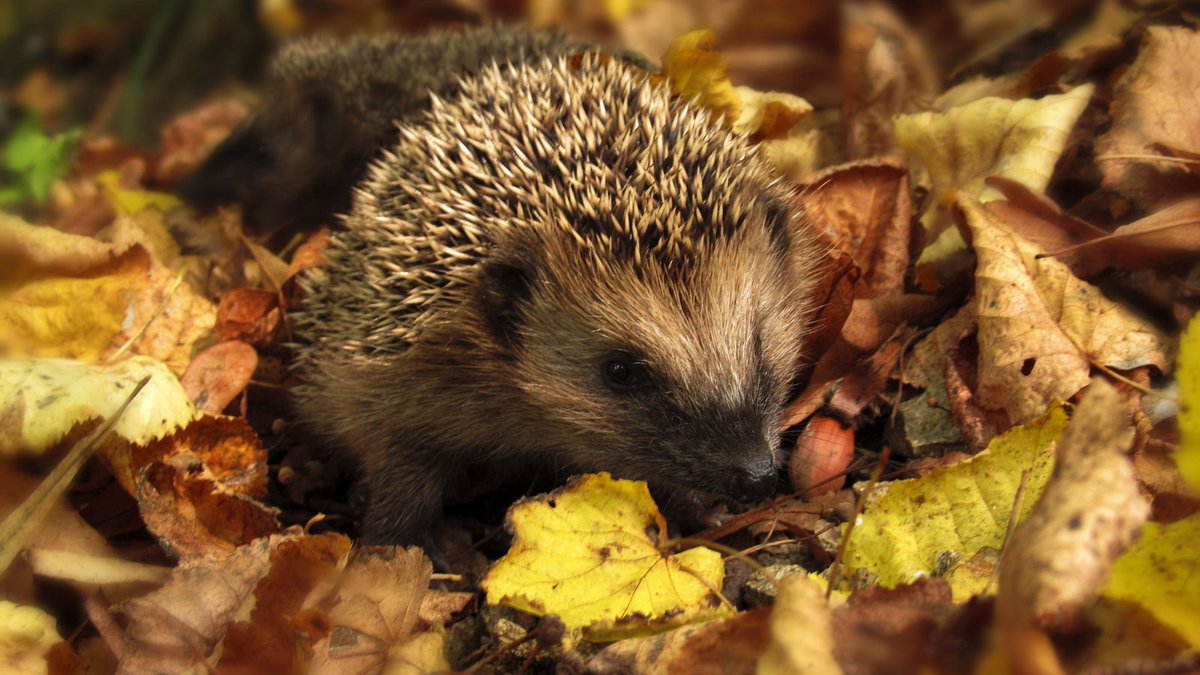
Did you enjoy seeing #hedgehogs last night on @BBCSpringwatch and want to learn more about the research happening at @KeeleUniversity ... then have we got a blog for you 🦔
Read @ProfDawnScott's blog now 👉mammal.org.uk/2021/06/invest…
@KeeleLifeSci @KeeleWildlife @HogFriendly
1
7
19
Dawn Scott retweeted
10 Jun 2021
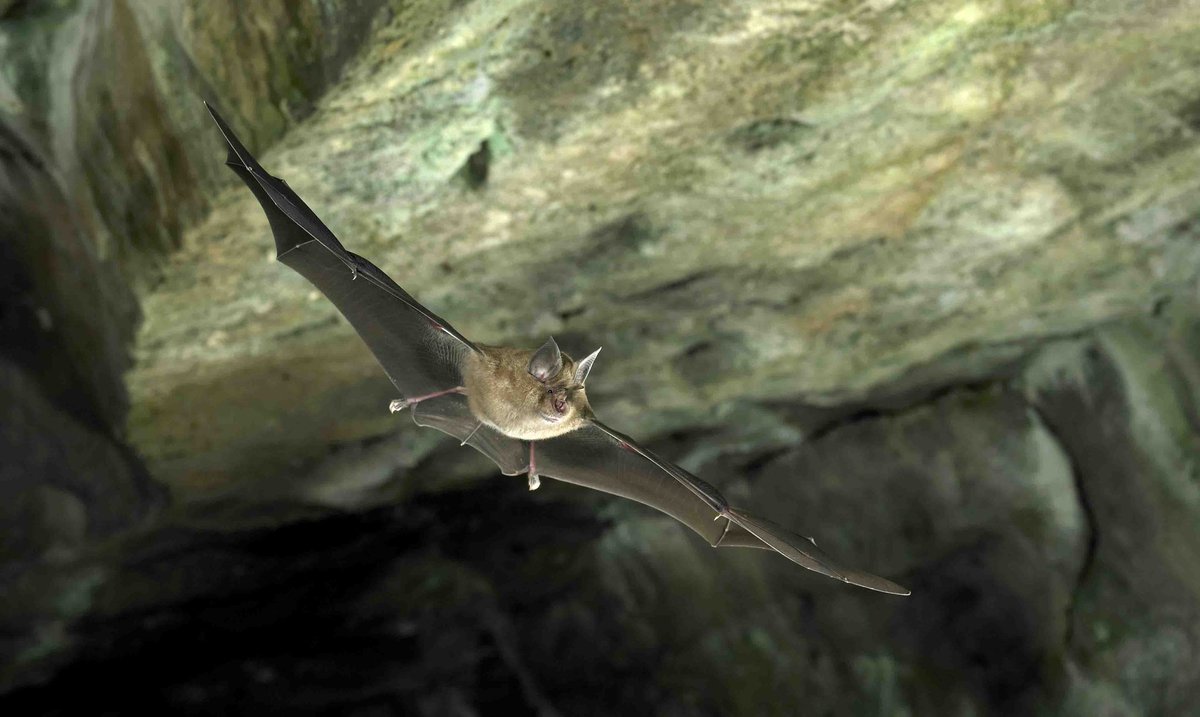
Come and do a PhD with me! Use new radio-tracking techniques to uncover the movement patterns of rare #bats. 4 yrs fully funded by @vincentwildlife @SussexLifeSci tinyurl.com/xhhmmesu
4
133
225
10 Jun 2021
Looking forward to see some of our research on rehabilitated hedgehogs feature on Springwatch tonight!
2
8
47
Dawn Scott retweeted

9 Jun 2021
Thanks for tuning in tonight! 🥰 We will be back again tomorrow at 8pm on @BBCTwo
with a special feature on monitoring rehabilitated hedgehogs! See you then! 🦔🐾🌿 #Springwatch
21
37
375
2 May 2021
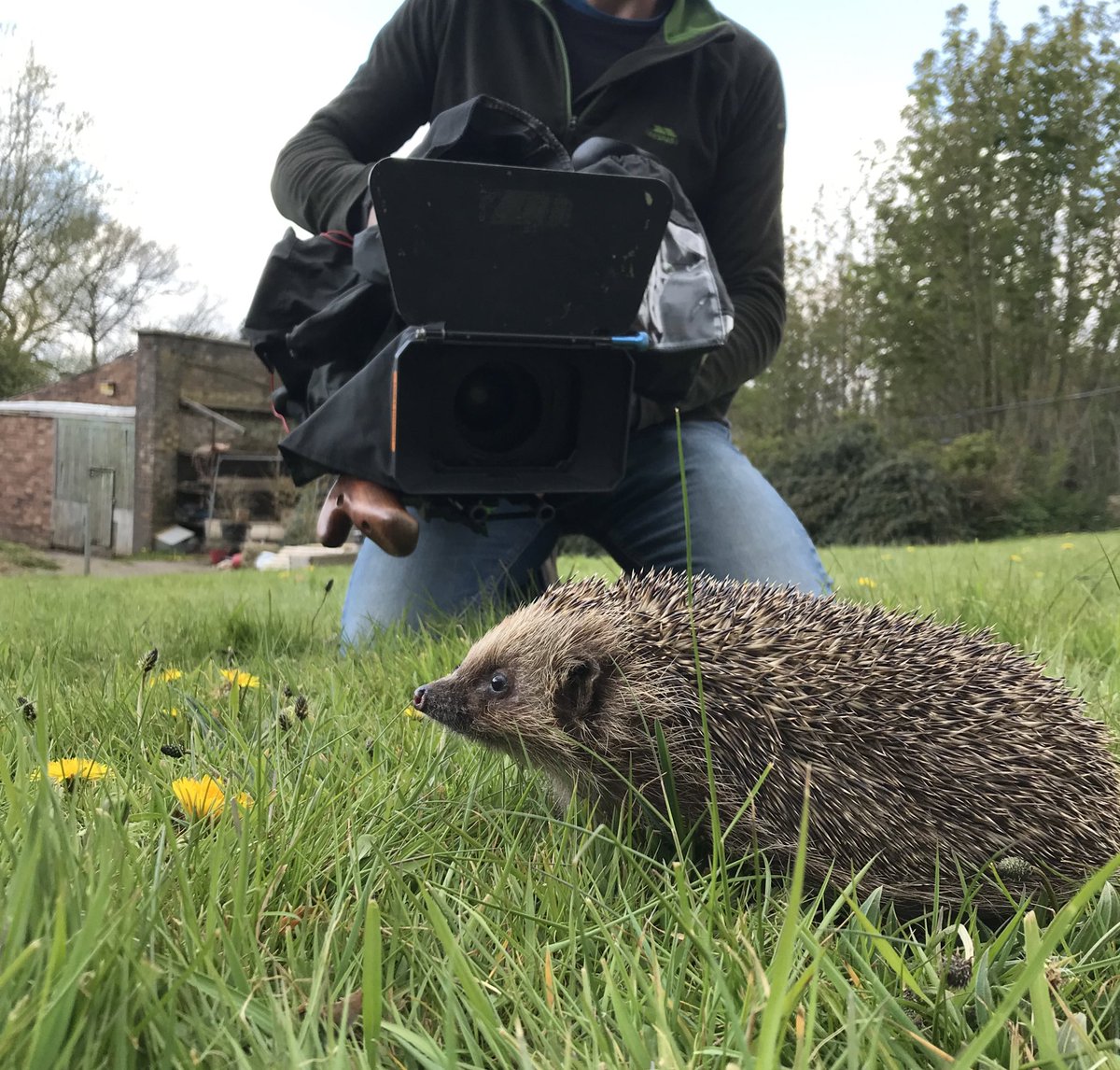
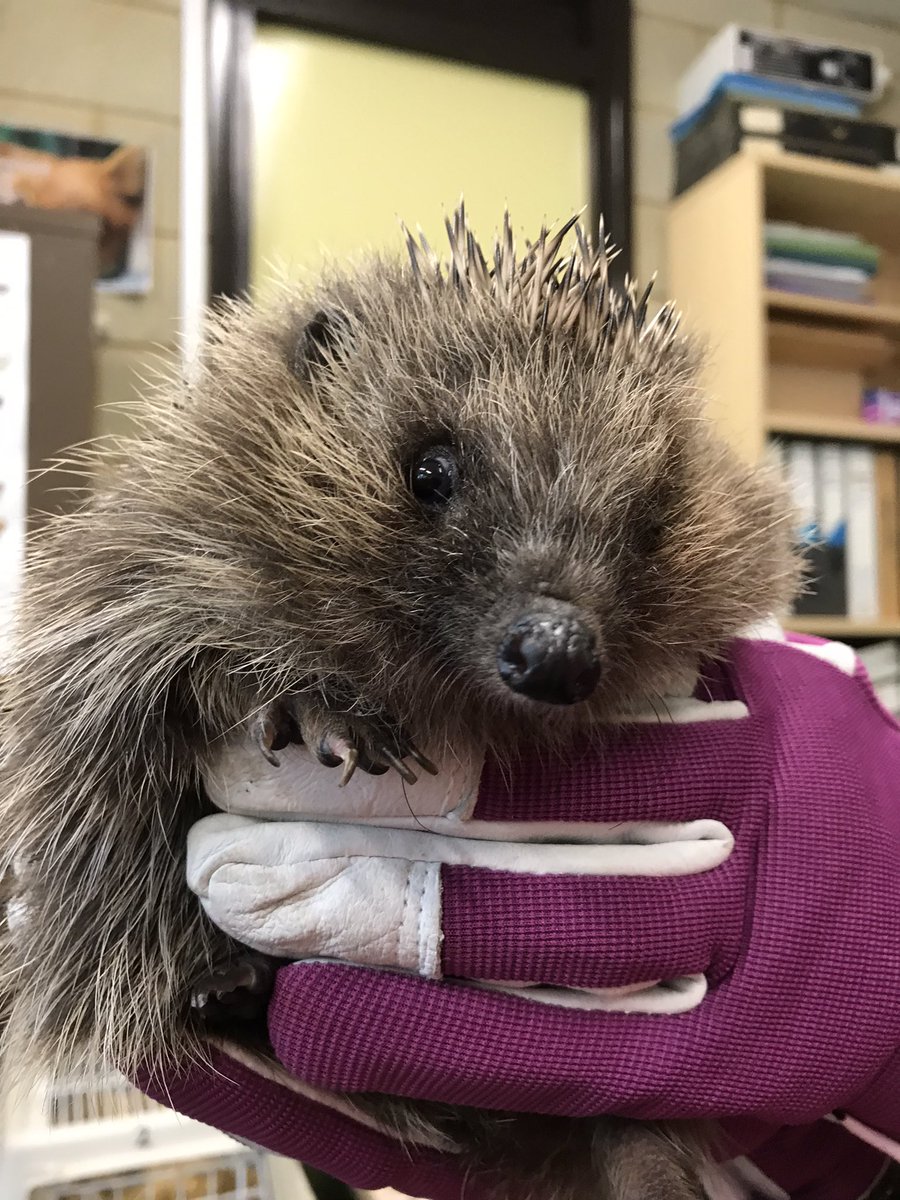
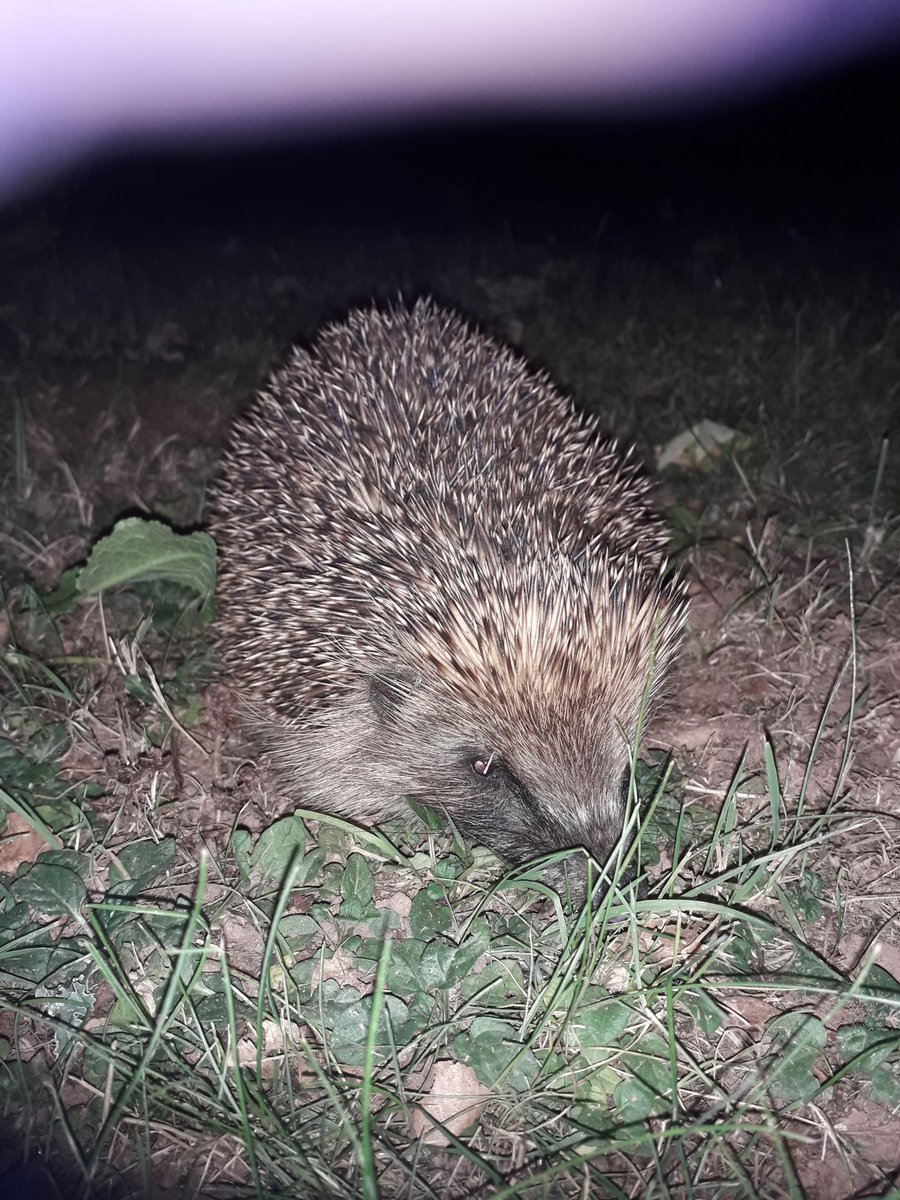
Releasing rehabilitated hedgehogs on Keele Campus to study post release and post hibernation behaviour with PhD student Kate Davies.Thanks to Newcastle hedgehog rescue for the hogs that needed a new home @KeeleWildlife @KeeleUniversity #HedgehogAwarenessWeek
12
57

Very exciting to to see some of our recent rhino research summarised in @conphysjournal's latest Conservation Physiology In Action article: "Horn today, gone tomorrow - dehorning as an anti-poaching practice for white rhinos" doi.org/10.1093/conphys/coab…
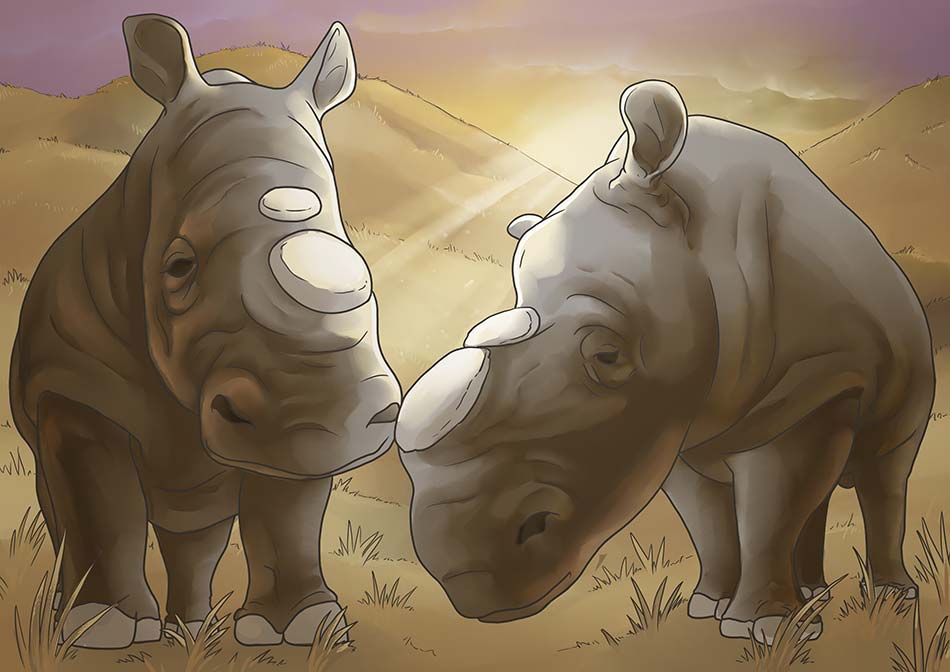
ALT Dehorned rhinos. Illustration by Erin Walsh.
1
8
24
Dawn Scott retweeted

17 Mar 2021
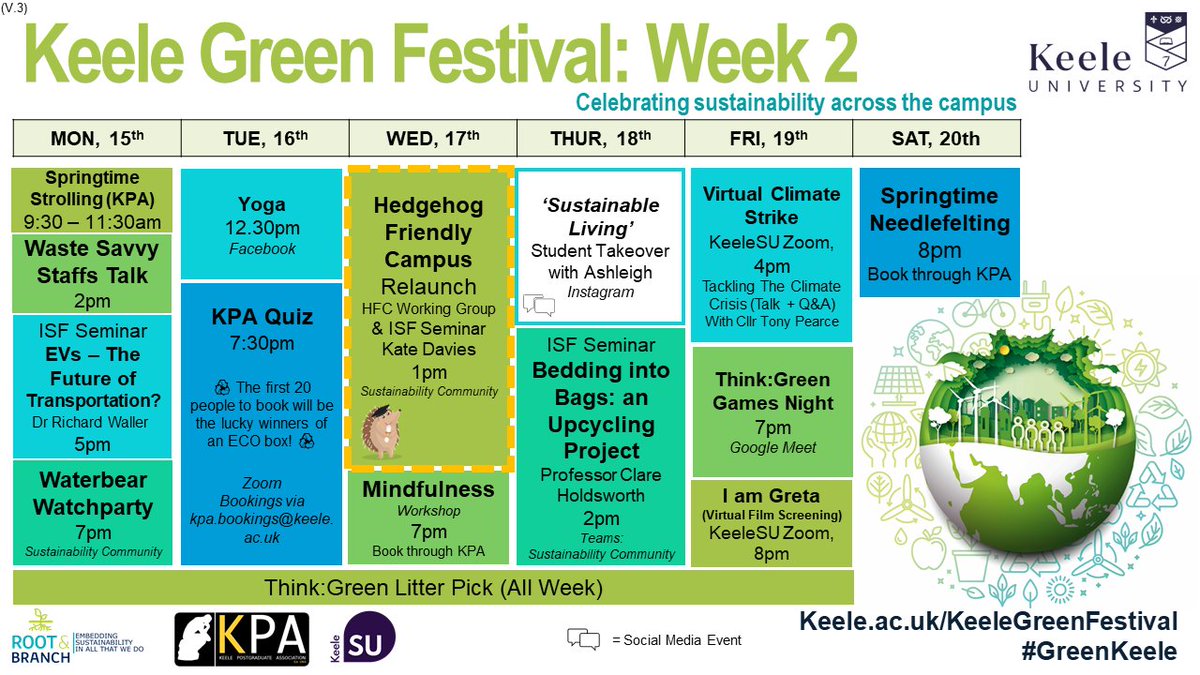
Hedgehog Friendly Campus relaunch at 1pm today followed by an ISF Seminar by Kate Davies @KeeleLifeSci @ProfDawnScott @HogFriendly @GreenKeele 🦔🐾🦔
1
4
5
Dawn Scott retweeted
17 Feb 2021
Struggling for ideas on #RandomActsOfKindnessDay ... how about making your #garden more #wildlife #friendly 🌻🦊🐌🦔🐞🌱! Here's some top tips from our #experts 👉youtube.com/watch?v=xEjQGSJb… @zebsoanes @MathewsFiona @poofinder @ProfDawnScott
2
9