Joined June 2016
- Tweets 3,668
- Following 117
- Followers 65
- Likes 536
274 Photos and videos

Pinned Tweet

🏭 🇧🇷 Petrobras revive Fafen-SE: soberania de insumos como imperativo tardio
O Brasil é o maior importador de fertilizantes do mundo — cerca de US$ 15 bilhões em 2024, com 88% do volume total vindo do exterior. Desse montante, aproximadamente um quarto saiu da Rússia.
A Fábrica de Fertilizantes Nitrogenados de Sergipe, inaugurada pela Petrobras em 1980, foi colocada em hibernação pela mesma estatal em 2018, arrendada a uma empresa privada que decretou inviabilidade econômica em março de 2024 e está sendo agora reativada, com R$ 38 milhões de investimento e a presença do presidente Luiz Inácio Lula da Silva no evento oficial de amanhã.
Esse circuito — construir, abandonar, terceirizar, ver quebrar, reativar — não é um acidente gerencial. É reflexo de uma aposta que o Brasil fez e perdeu.
A aposta foi simples: com vantagens comparativas tão evidentes em terra, clima e commodities, fazia sentido econômico importar os insumos de quem os produzia mais barato — Rússia, Bielorrússia, China, Irã — e concentrar capital no que o Brasil fazia melhor.
O problema dessa lógica, como o mercado de fertilizantes demonstrou em 2022 e voltou a demonstrar em 2026, é que ela pressupõe fornecedores estáveis.
Quando a Rússia invadiu a Ucrânia, quando o Irã entrou em confronto com potências ocidentais e os preços da ureia saltaram mais de 60% até abril deste ano, o que estava em risco não era apenas a margem do produtor rural. Era a safra. E a safra, no caso brasileiro, é estrutura da balança de pagamentos.
O país que alimenta uma parcela relevante do mundo depende, para isso, de uma cadeia de fornecimento que não controla, não pode garantir e, historicamente, não se comprometeu a substituir.
A Fafen-SE reativada produz até 1,8 mil toneladas de ureia por dia e, somada às plantas da Bahia e do Paraná, deve cobrir 20% da demanda nacional de fertilizantes nitrogenados — não 20% do total de fertilizantes, o que seria outra ordem de grandeza, já que potássio e fosfato têm vulnerabilidades ainda mais agudas (dependência externa de 96% e 72%, respectivamente).
Sete por cento da ureia consumida no Brasil, que é o que a Fafen-SE representa isoladamente, é pouco para chamar de soberania — só o suficiente para demonstrar que o movimento é real, mas está no começo de uma curva que o Plano Nacional de Fertilizantes projeta levar até 2050 para reduzir a dependência externa de 88% a 50%.
Parece mais provável que a Fafen-SE opere dentro da capacidade projetada e contribua para moderar, na margem, a exposição brasileira a choques de ureia, sem alterar a estrutura de dependência em potássio e fosfato, onde a vulnerabilidade é sistêmica e não tem equivalente doméstico, por enquanto.
Há margem para que a combinação de alta de preços globais, pressão de sanções e ciclo político favorável acelere novos investimentos no setor, incluindo o potássio de Sergipe, onde a família Batista negocia com o BNDES a ampliação de uma mina que hoje produz 400 mil toneladas e tem capacidade técnica para cinco vezes isso.
Não pode ser descartado que uma nova ruptura de oferta — conflito no Oriente Médio que feche o Estreito de Ormuz para cargas russas ou nova escalada de restrições chinesas às exportações de fosfatados — force uma reação dos mercados e precipite uma aceleração mais agressiva dessa política antes que ela esteja madura para sustentá-la.
A tensão que permanece, independentemente do cenário que se realize, é esta: o Brasil parece estar construindo, peça por peça, uma política de soberania de insumos. Em vez de um projeto coordenado de substituição de importações em fertilizantes, o que existe é uma série de reativações e anúncios que chegaram com um certo atraso.
A questão que nenhum ator resolve é se a urgência geopolítica — que agora pressiona de fora — vai ser suficiente para sustentar, dentro, o capital político e o investimento privado necessários para fechar uma brecha de décadas antes que o próximo choque de oferta chegue antes da capacidade instalada.

4
15
3,611
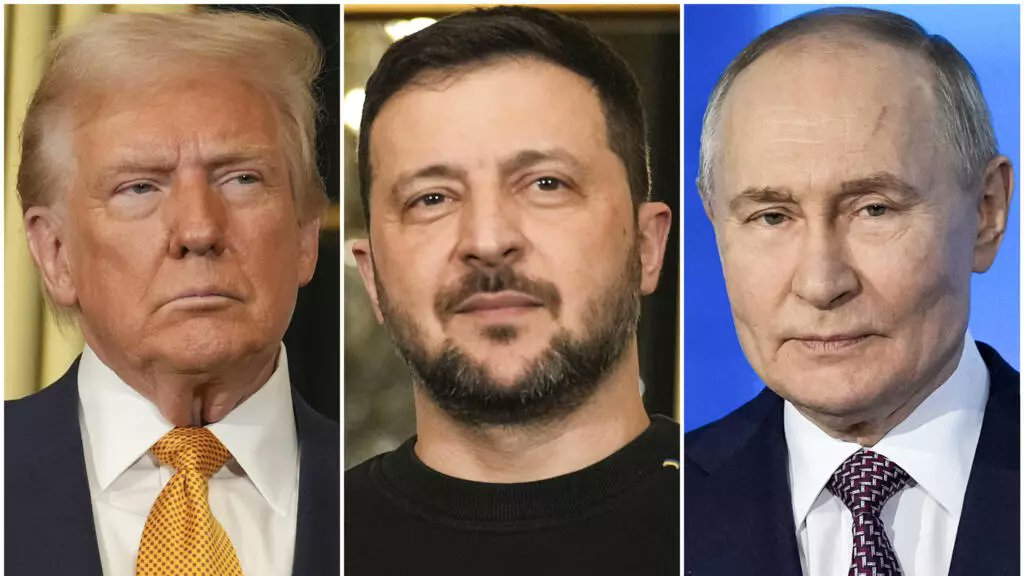
🚨🇺🇸🇺🇦🇷🇺 Volodymyr Zelensky e Vladimir Putin telefonaram para Donald Trump nesse domingo, por ocasião do seu 80º aniversário, e discutiram a guerra na Ucrânia.
O Kremlin também indicou que em breve enviará emissários americanos a Moscou para discutir a situação no Oriente Médio.
19
Prof. Gabriel Viana retweeted

𝗝𝗨𝗦𝗧 𝗜𝗡 🚨🚨🚨🚨🚨
🇺🇸🇮🇱 Netanyahu has rejected the the US-Iran peace deal, telling Trump that Israel will not withdraw the IDF from Lebanon and does not consider itself bound by that part of the deal.
(source: Israeli channel Maariv)
216
152
941
184,360
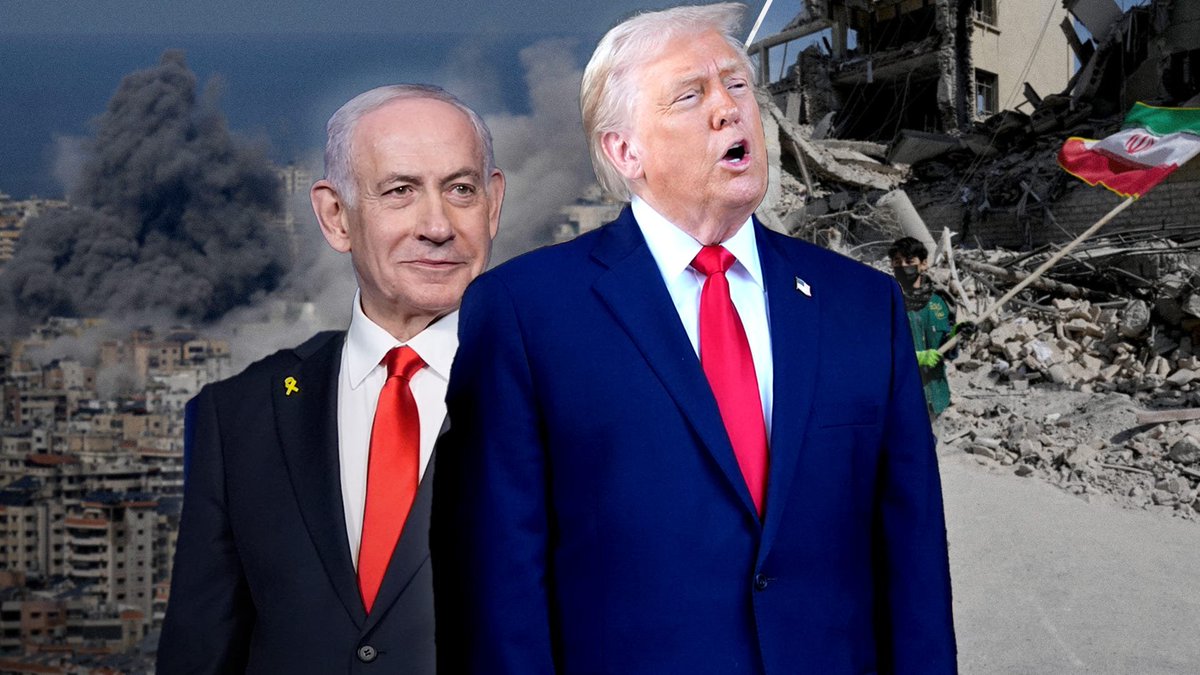
🇺🇸🇮🇱 A relação está em tensão ainda maior agora, porque Bibi não aceitou sair do Líbano, afirmando que não está disposto a retirar o IDF de lá.
Nesse momento, EUA e Israel estão em conflito de interesse. Essa bomba vai estourar no povo libanês sem piedade.

🇺🇸🇮🇱 Trump subiu o tom contra Netanyahu após ataques de Israel ao Líbano que sabotaram o acordo de paz EUA-Irã neste domingo: "Bibi não tem nenhum julgamento, estou infeliz com ele". A aliança dos EUA e Israel está sendo testada pela resiliência iraniana em defender o Líbano.
1
22
Prof. Gabriel Viana retweeted

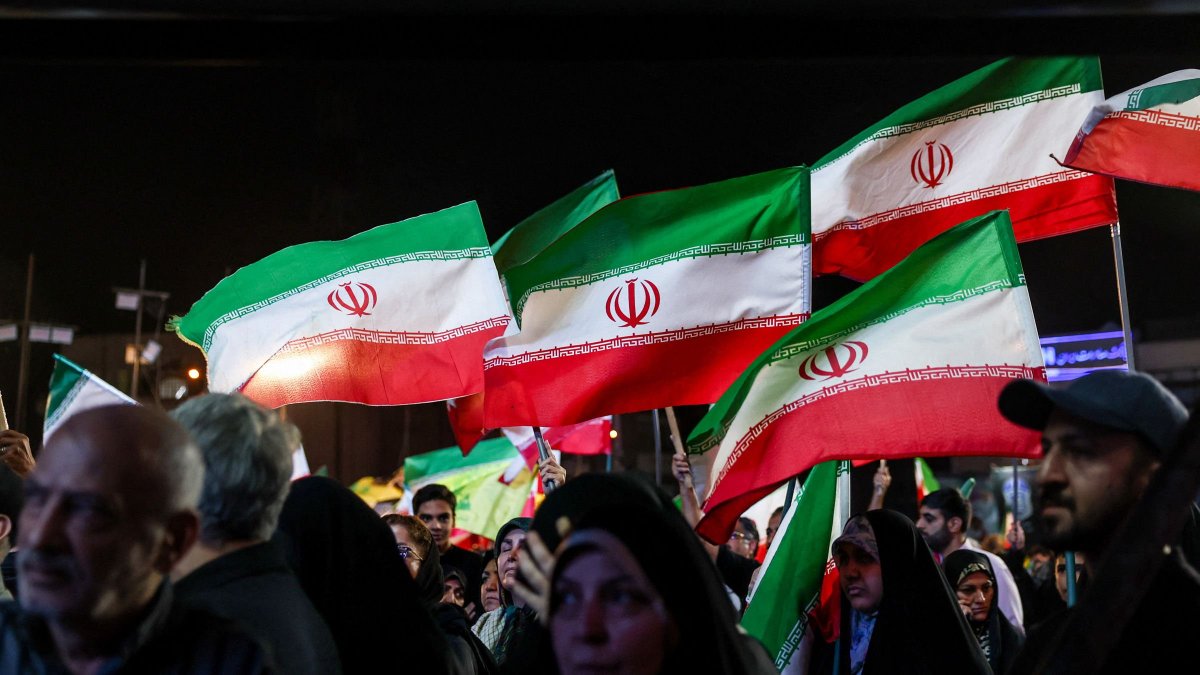
🇮🇷🇺🇸 BREAKING: Iran's Mehr News Agency has released all 14 clauses of the MoU with the U.S.:
1: Permanent and immediate cessation of war on all fronts, including Lebanon.
2: The US commitment to non-interference in Iran's internal affairs and respect for the sovereignty of the Islamic Republic of Iran.
3: Complete lifting of the naval blockade within 30 days.
4: The US commitment to withdraw its forces from around Iran.
5: Reopening of the Strait of Hormuz within 30 days under Iranian arrangements.
6: Suspension of sanctions on the sale of oil, petrochemical products, and derivatives, and full access of Iran to its financial resources.
7: The necessity for the US and its allies to present reconstruction plans for Iran amounting to at least $300 billion.
8: 60 days of negotiations to reach a final agreement based on nuclear issues and the complete lifting of primary, secondary, US sanctions, and UN Security Council and IAEA Board of Governors resolutions.
9: Reiteration of Iran's commitment under the NPT treaty not to produce nuclear weapons.
10: During the negotiation period, the US has committed not to add forces in the region and not to impose new sanctions.
11: Release of $24 billion of Iran's blocked funds during the 60-day final negotiation period. Half of this amount must be made available to Iran before the start of negotiations.
12: Formation of a supervisory mechanism to implement the agreement.
13: The final agreement will be approved by a UN Security Council resolution.
14: Final negotiations will not begin before the release of half of Iran's blocked funds, suspension of Iran's oil sanctions, and lifting of the naval blockade, and the final agreement will only cover the fate of enriched materials and enrichment, lifting of sanctions, and Iran's economic reconstruction plan. Discussions about Iran's missile program and support for resistance groups are definitively removed from the agenda.
138
1,287
3,058
209,779
Prof. Gabriel Viana retweeted

BREAKING: Netanyahu directly rejects the Lebanon clause of the US-Iran agreement announced by Pakistan, telling Trump the IDF will not withdraw from Lebanon and that Israel does not consider itself bound by the clause, per Maariv.
1,089
4,821
19,729
1,937,040
Prof. Gabriel Viana retweeted

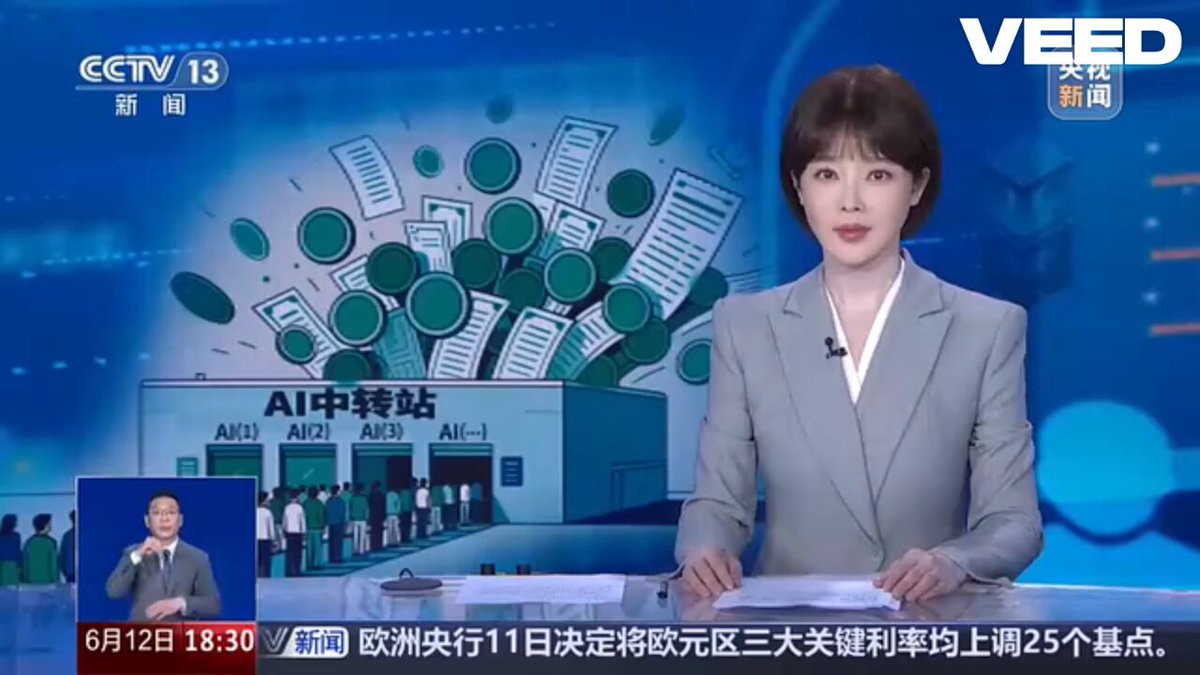
A China está eliminando 12.000 cursos universitários tradicionais e introduzindo mais de 10.000 novos, na maior reforma educacional que afeta mais de 30% dos programas acadêmicos, em preparação para a era da inteligência artificial.
4
51
849
18,726
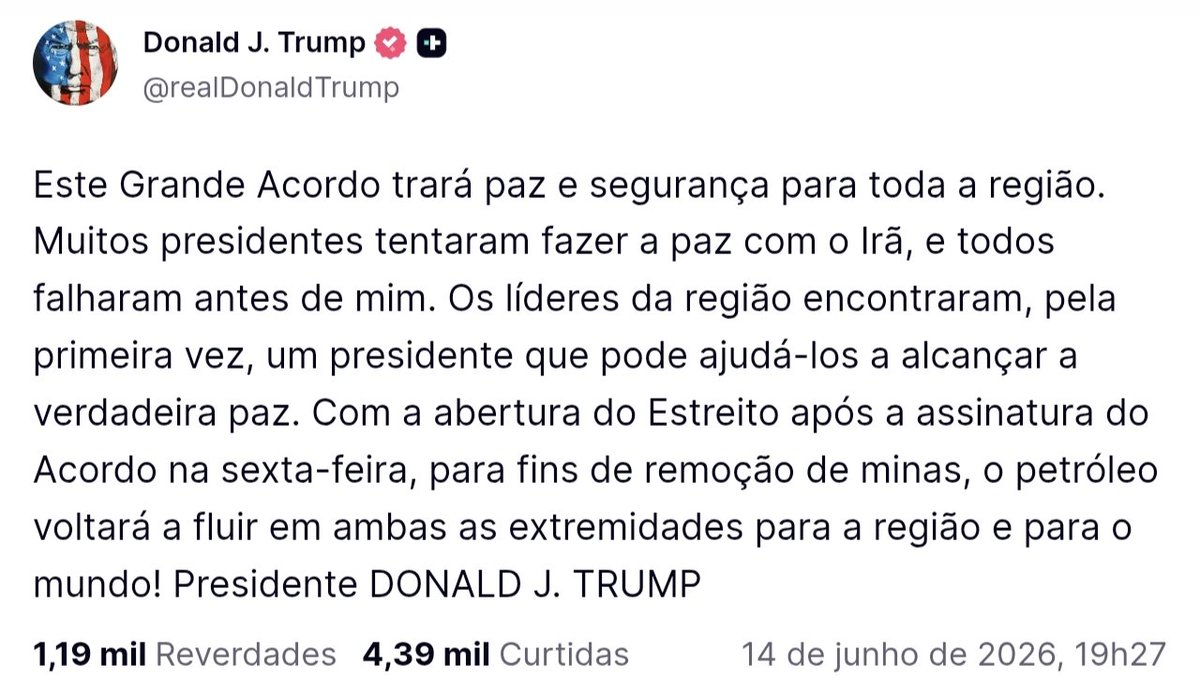
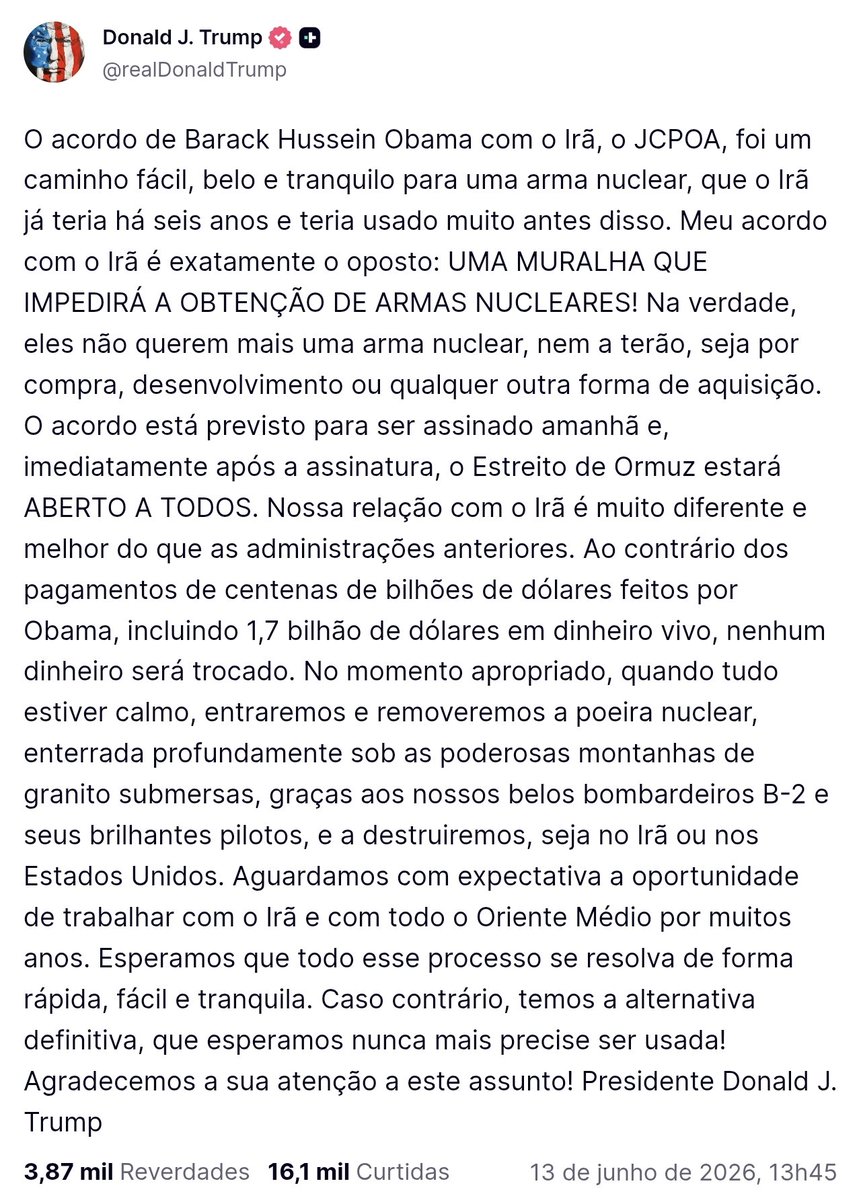
🚨🇺🇸🇮🇷 Presidente Trump anunciou que fumou um acordo com Irã para fim das hostilidades e abertura do Estreito de Ormuz, listando como signatários do entendimento os EUA, Israel, Arábia Saudita, Emirados Árabes Unidos, Qatar, Turquia, Paquistão, Bahrein, Kuwait, Jordânia e Egito.
1
62
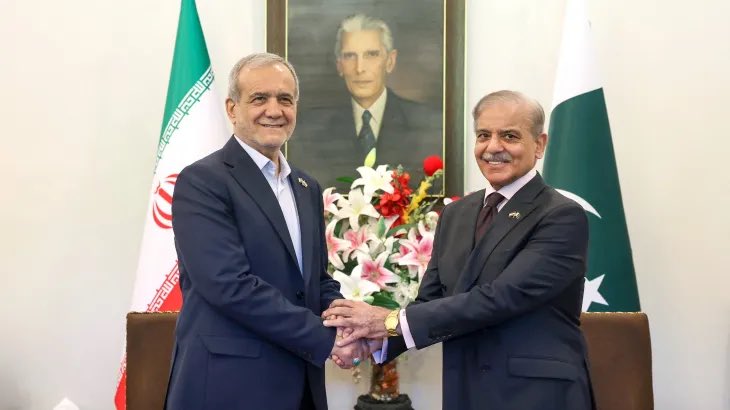
A negociação foi confirmada pelo primeiro-ministro do Paquistão, Shehbaz Sharif, que destacou o fim imediato e permanente das operações militares em todas as frentes, incluindo a região do Líbano.
1
13
A cerimônia oficial de assinatura do tratado está marcada para a próxima sexta-feira, 19 de junho, na Suíça.
7
Prof. Gabriel Viana retweeted

BREAKING: Following Israel's attack on Lebanon this morning, Iran had canceled negotiations and prepared to attack Israel, per Fars News.
However, after "last-minute concessions" offered by President Trump, Iran was "persuaded to forgo the attack."
These concessions reportedly include:
1. The preservation of Lebanon’s territorial integrity
2. Israel’s withdrawal from the Lebanese border.
3. "The immediate lifting of the siege"
Iran is expected to release an official statement on the peace deal shortly.
180
518
5,032
1,145,983
🚨🇵🇰 O presidente do Parlamento iraniano, Ghalibaf, se manifestou após os ataques israelenses a Beirute, no mesmo dia em que o presidente Trump afirmou que um acordo de paz estava a caminho.
Ele disse que os ataques israelenses "mostraram que os Estados Unidos ou não têm vontade de cumprir seus compromissos ou não têm capacidade para fazê-lo".
9
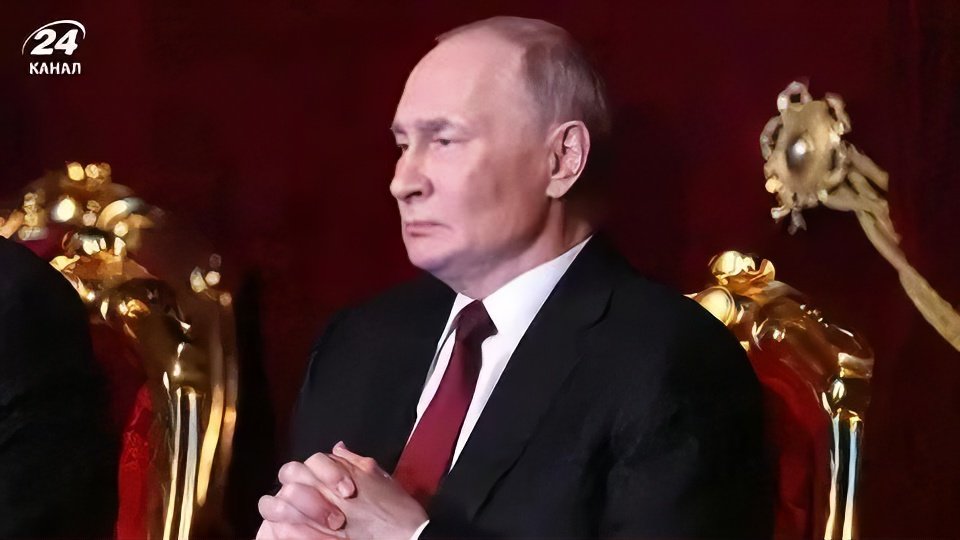
🚨 🇷🇺 Putin acuado é mais perigoso do que um Putin vitorioso.
Assim escreveu Simon Tisdall, colunista do The Guardian, em uma matéria recente.
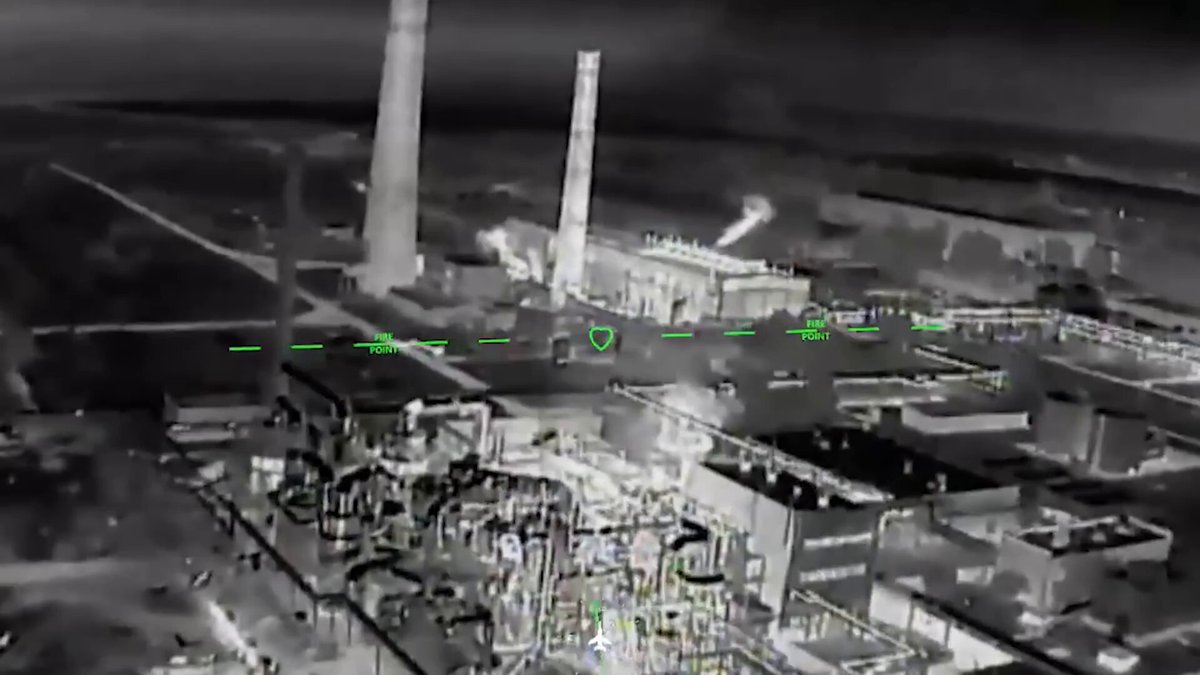
Segundo ele, a Rússia acumula perdas colossais no front, a Ucrânia ataca com regularidade a infraestrutura petrolífera russa e a economia de Moscou se deteriora.
1
11
Essa postura inclui expandir o conflito para além das fronteiras da Ucrânia e arrastar países da OTAN para um confronto direto com a Rússia. Tisdall não exclui por completo o uso de armamento nuclear.
O cenário de cessar-fogo também não é visto como uma saída tranquila. Um congelamento do conflito poderia ser usado por Moscou para reagrupar forças e rearmar.
1
8
Enquanto isso, a pressão interna na Ucrânia por eleições e o possível refluxo do apoio europeu enfraqueceriam a posição de Kiev, tornando qualquer trégua sem garantias sólidas de segurança não um alívio, mas uma armadilha.
31
Prof. Gabriel Viana retweeted

Jun 14
BREAKING:
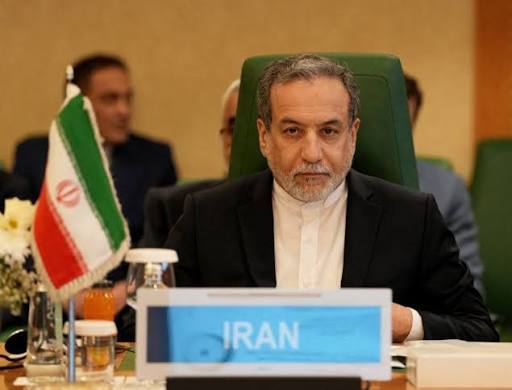
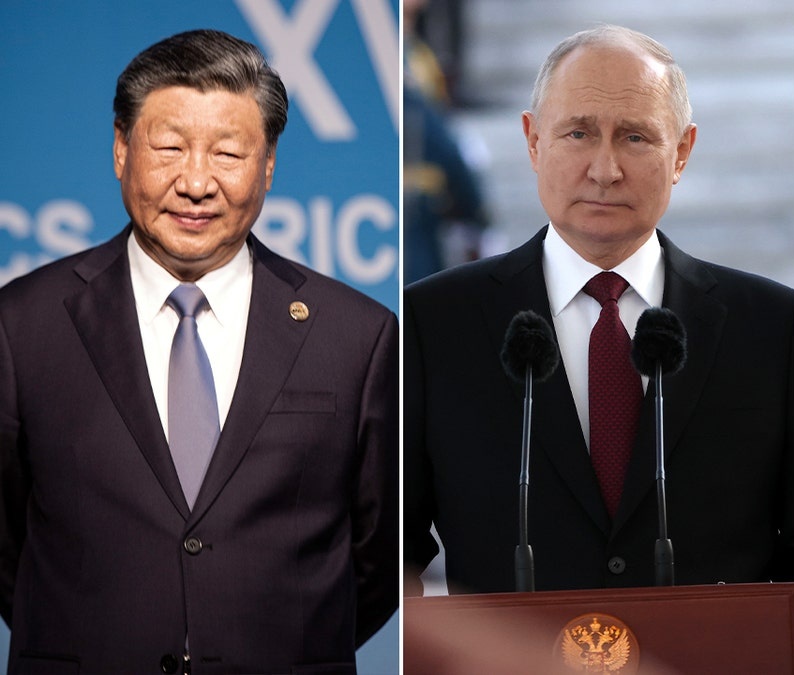
Iran calls Russia and China for signing deal with the US.
Both are now witnesses of Iran , the US cannot violate ceasefire now
145
1,699
7,046
129,139
Prof. Gabriel Viana retweeted

Jun 14
JUST IN: 🇯🇵 Japan signs nuclear deal with Rolls Royce to build modular reactors.

328
2,285
20,754
1,125,338
Prof. Gabriel Viana retweeted

Jun 13
With Tulsi Gabbard's new revelations about US bio labs in many countries around the world including Ukraine, it's fascinating recall the bizarre series of events that gave rise to this controversy in the first place:
In May of 2022, some of us began asking whether the US had bio labs in Ukraine, what they were for, and why the US had them there. For asking those questions, we were instantly branded as "pro-Russian conspiracy theorists" in official Ukrainian intel reports, on our Wikipedia pages, by countless media outlets, etc. This was and remains one of the most bizarre episodes I've ever seen.
Before May 2022, when we asked those questions, barely anyone had ever thought about let alone asked about "bio weapons in Ukraine"! I certainly hadn't. Like most people, I had never mentioned a word about it because it had never occurred to me we had them there.
But then, Marco Rubio summoned Victoria Nuland to the Senate and asked her in a televised hearing under oath about these "rumors," clearly expecting her to immediately debunk them as obvious Kremlin lies and to proclaim the US had no such bio labs in Ukraine.
Instead, Nuland did the opposite! She *confirmed* key aspects of these "rumors," and she explicitly warned that the US has several "bio research labs" in Ukraine that are so dangerous that they must not be allowed to fall into Russia's hands.
When some of us heard Nuland's rather shocking admission -- the first-ever disclosure about these labs -- we of course asked: wait! what? Why does the US have bio labs in Ukraine, and what are the US and Ukraine doing in those labs that make them (in Nuland's eyes) so dangerous?? (Note: nobody ever suggested that the presence of these bio labs in Ukraine justified the Russian invasion; we just wanted answers about these US bio labs that Nuland had casually divulged).
We never got real answers. We got smear campaigns. To this day, our names are formally attached to claims that we spread "conspiracy theories" for asking about these labs even though it was Victoria Nuland herself who was the one who accidentally revealed them for the first time in a Senate hearing in response to a shocked Marco Rubio. They then quickly tried shutting down any questioning by pretending that Nuland never said this, and it was just a bunch of paid Kremlin mouthpieces who were spreading lies.
You see the same tactics now being against Tulsi for releasing this new intelligence report. Watch the Nuland testimony in question:
Jun 12

Today, I’m releasing never before seen intelligence revealing new evidence of past US government funding for more than 120 biolabs in over 30 countries, including Ukraine.
In support of President Trump‘s Executive Order to end federal funding of dangerous gain of function research around the world, and increase transparency and accountability, ODNI will continue working with partners across the Administration to identify where these labs are, what pathogens they contain, and what “research” is being conducted.
odni.gov/index.php/newsroom/…
372
4,251
13,193
544,864
VAI BRAAAAASSIIIIIIILLLLLL, VAMOS VIRAR ESSE JOGO!!!! 🇧🇷🇧🇷🇧🇷🇧🇷💛💚💙
6