
there is nothing I haven't done except being a twat.
Joined December 2019
- Tweets 7,685
- Following 130
- Followers 168
- Likes 3,307
306 Photos and videos







Pinned Tweet

1st manager to be sacked- Tunisia Manager 2026. May be first ever?

1st penalty goal of 2026 WC- Embolo Breel 🇨🇭
287
Game fucking over. France is going far in this world cup. Fucking fuck.
71
Visa on arrival for White country should be ceased. One should eat grass then let these in without proper history from police and neighbours.
I pray for my countrymen who are vulnerable.

22
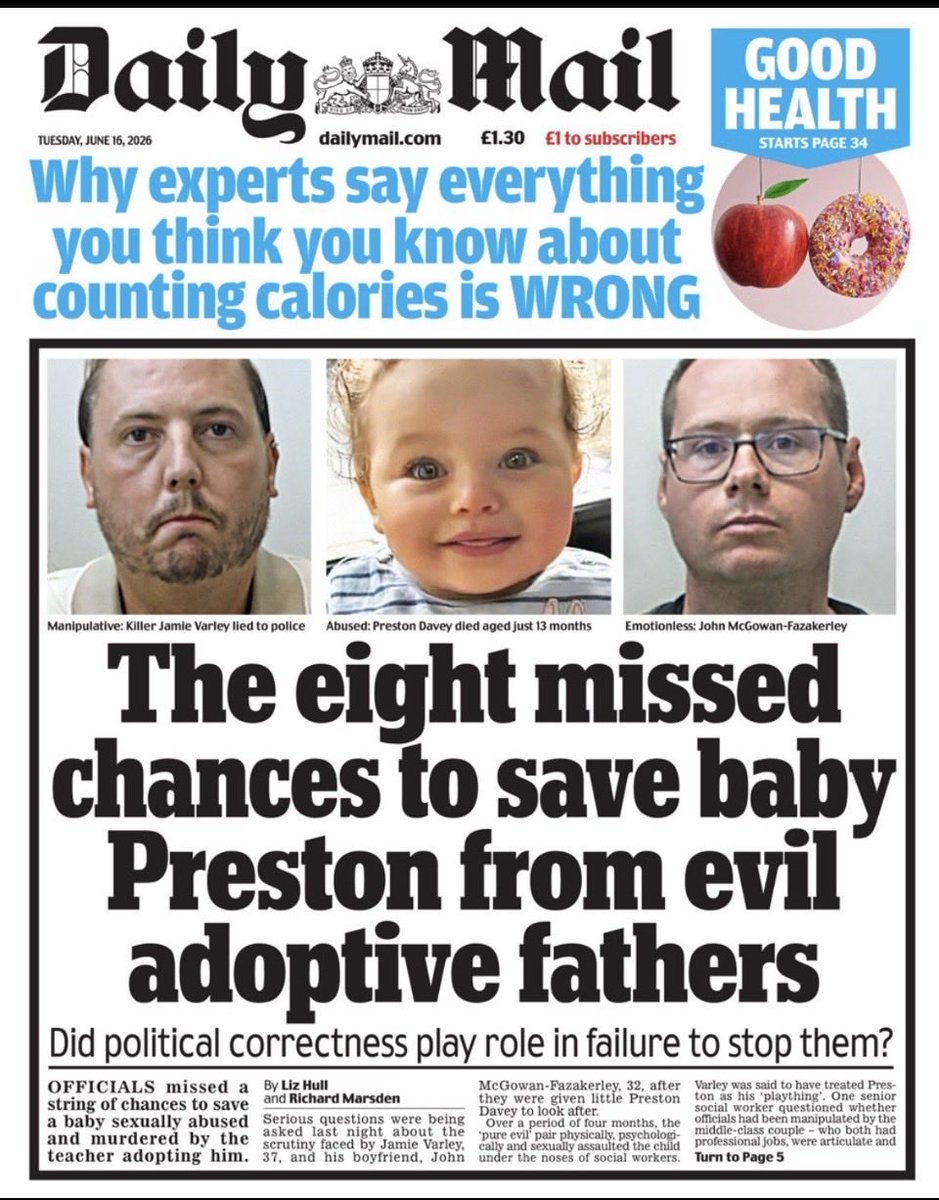
I wonder how many vulnerable Nepali girls are also victims of this kind of activity. Does any MP of Nepal have an idea of this? Any law to protect? God bless the tormented soul. There is no help here.
Jun 14

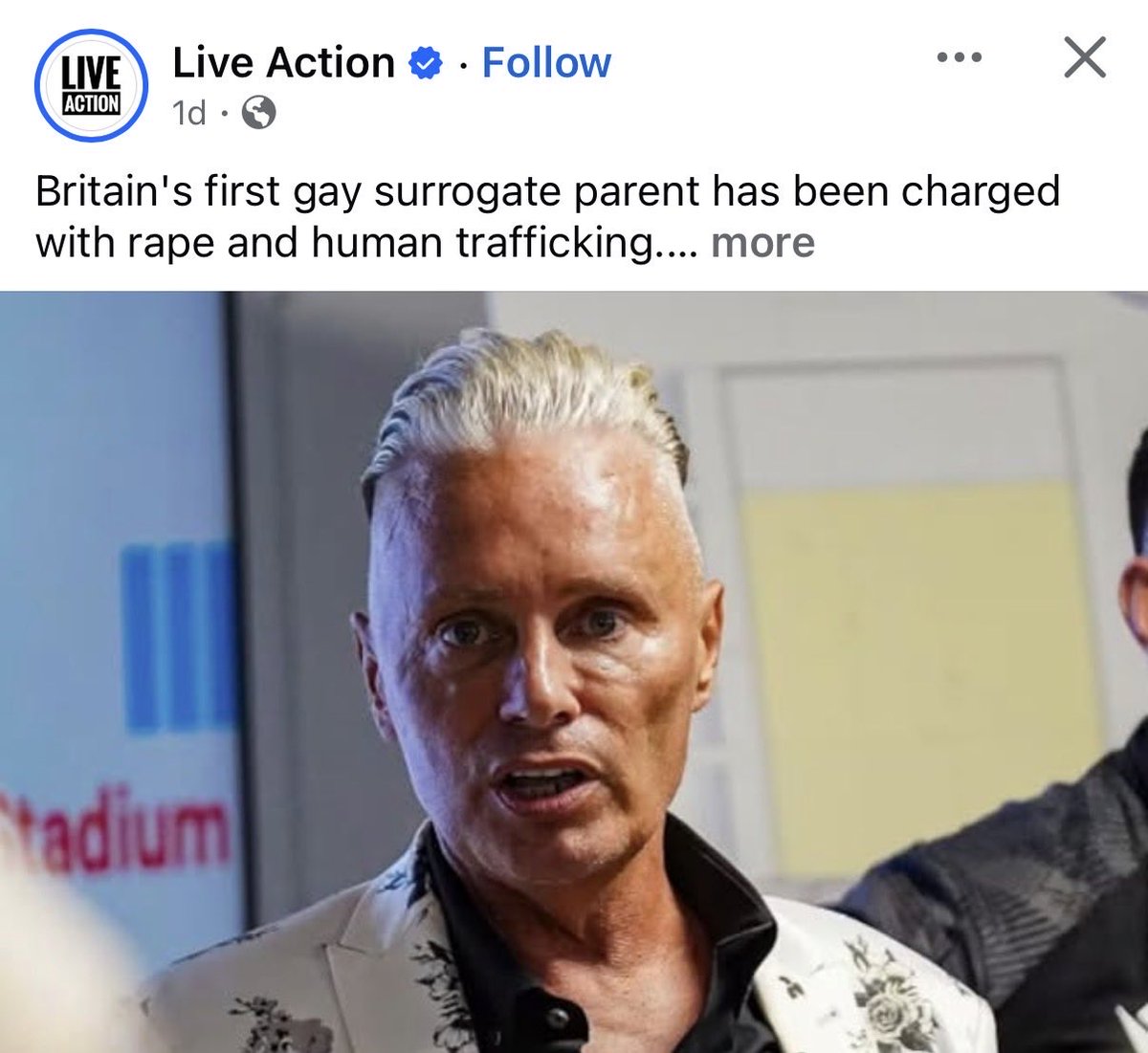
“Britain's first gay surrogate [ Barrie Drewitt-Barlow] parent has been charged with rape and human trafficking.
Surrogacy enables sex offenders to obtain children.”
12
This man is accusing India of creating barriers in the market. Well in another term, promoting monopoly. The only thing is both companies aren't Indian but one has Indian share. What would our Nepali capitalist Utsav Pokhrel say in this matter I wonder. Anybody can tag him?

Indian telecom Reliance is sabotaging access to Telegram for millions of users OUTSIDE India (including the UAE) via a rogue method called BGP hijacking.
The sabotage seems intentional, as Reliance has ignored multiple reports.
This may be part of a competitive war, as Reliance is partially owned by Meta — the company behind WhatsApp.
Network operators are advised to reject unauthorized BGP announcements from Reliance (AS18101) to prevent route hijacks and ensure stable Internet access for their users.
Such abuse of global Internet routing is alarming. I wouldn’t be surprised if Reliance/WhatsApp were also behind the recent lobbying effort to ban Telegram in India.
39
Banjara is a Jungle's Neupane, so I won't bother him a lot. Noida Maoist is an Indo-West creation. 3 objectives were:
1. Market creation by concentrating people in cities for India.
2. Destroy the Hindu nation and monarchy
3. Use Mao name to make people think Chinese behind it.

My understanding is that there is a fundamental contradiction in how Nepali communism is viewed outside Nepal. On the one hand, Nepali communism is thought of as a Chinese export, but on the other, it is widely viewed as a version of Indian communism, which is primarily rooted in caste and ethnic politics. This misconception, I think, stems from viewing Nepali social order as a mini version of the Indo-Gangetic society.
Nepali civil war—to borrow the term from @Peter_Turchin—was likely a 'counter-elite' movement led by high-caste and relatively privileged people mobilising in the name of the oppressed and the disenfranchised. In that sense, the Nepali Maoist movement was much closer to West Bengal's Naxalite movement that emerged from labour movements and peasant uprisings.
Of course, West Bengal is part of India, but it's much less based on caste politics than the rest of the country.
46
Tottenham are silently signing players whilst others are sleeping in WC.

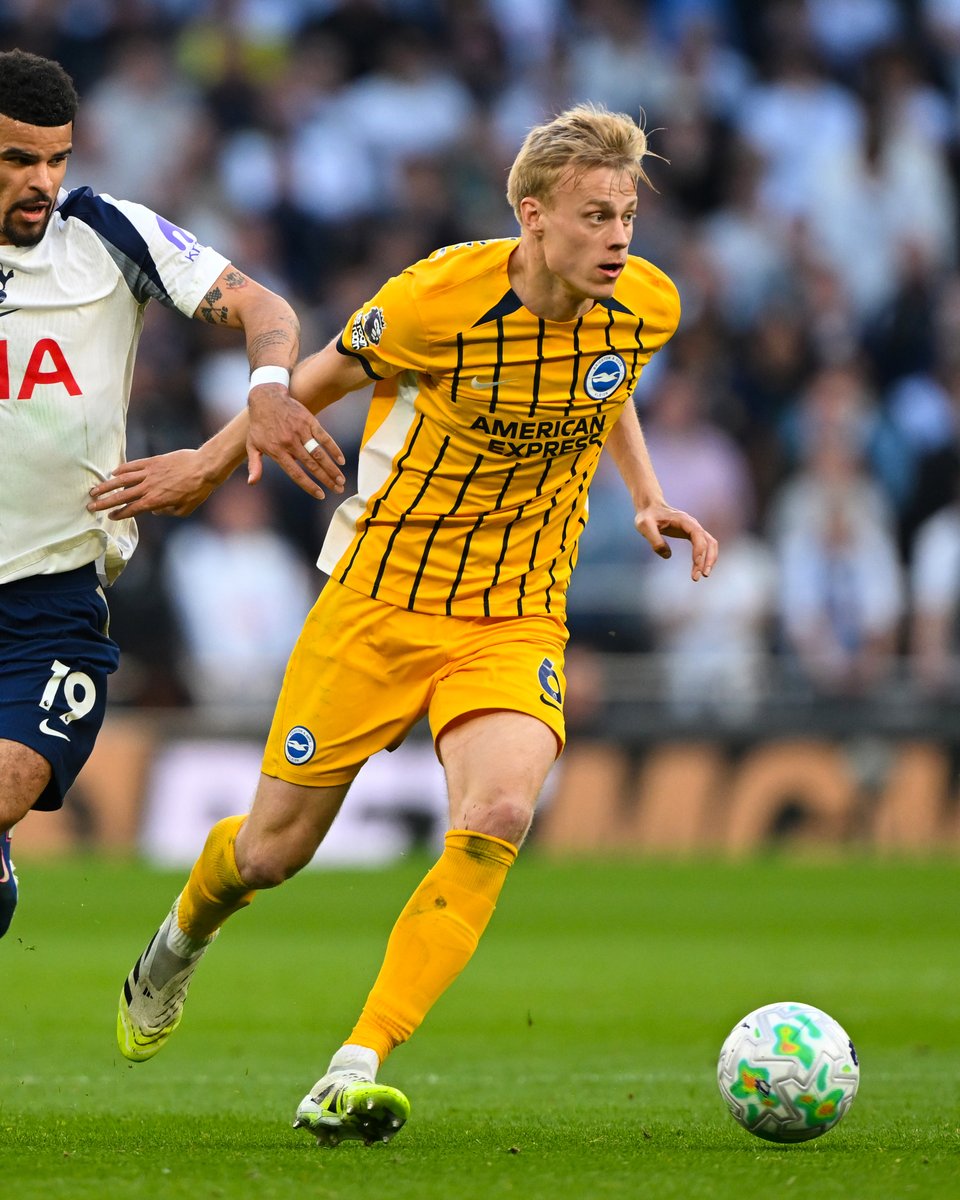
Tottenham have agreed a deal to sign Dutch defender Jan Paul van Hecke from Brighton for $70M, according to @David_Ornstein ⚪️
27
Will it ever come down in Nepal I wonder.

JUST IN: Oil plunges to $77 per barrel.
15
Agreed 👍

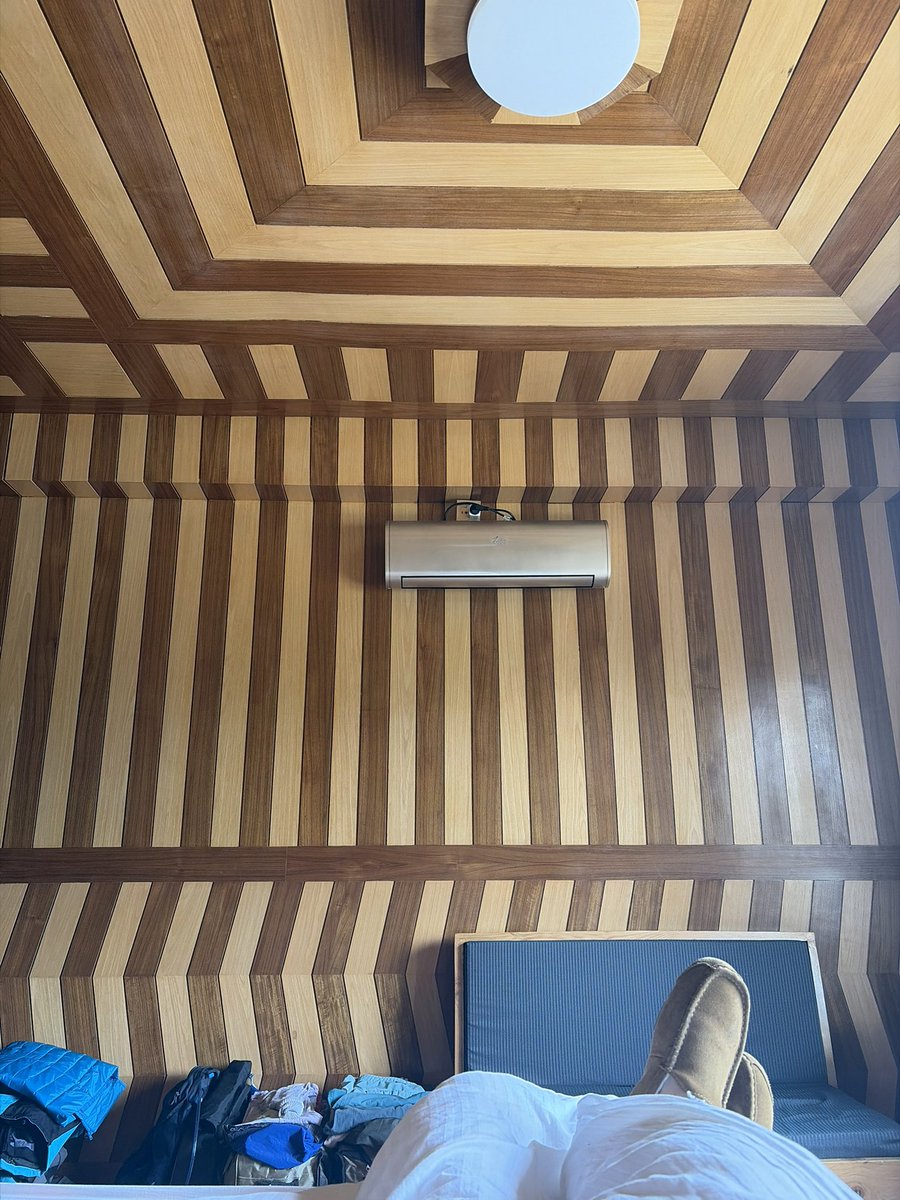
Bad versions of Western hospitality in Nepal - an example: view from my bed, in my hotel, in Nepal. I think I landed in Willy Wonka World!
Nepalis try to make “Western hospitality” for westerners, but they simply have no idea what that means. So they end up doing things that are crazy, thinking it’s Western. Why don’t Nepalis act like Nepali, build like Nepali, be gracious like Nepali? Westerners coming here to see Nepal, not to see bad versions of what Nepalis think is Western. It’s ironic at best.
1
22
Thank fucking god. I hope inflation in my country will be a bit easier by a month or two. Feels like someone else is having a sex and we cannot sleep.

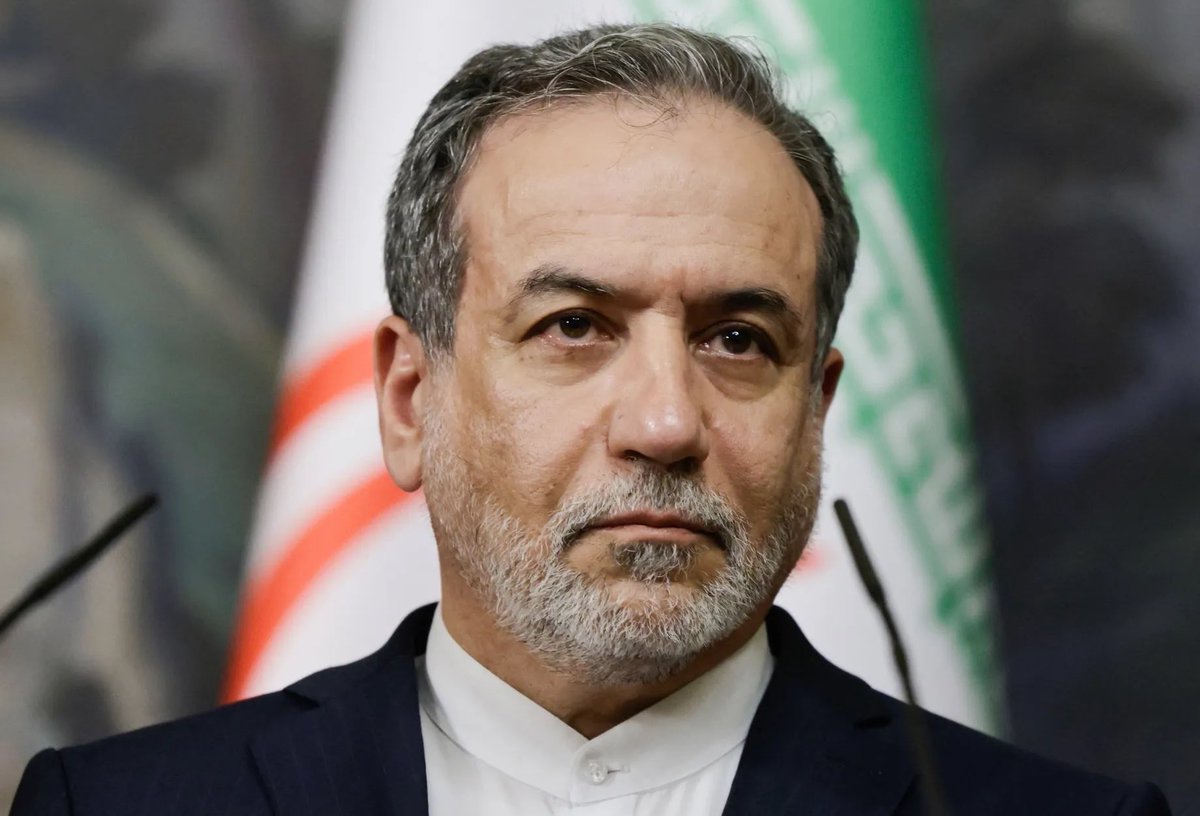
JUST IN: 🇮🇷🇺🇸 Iranian Foreign Minister Araghchi says war with the United States is over.
34
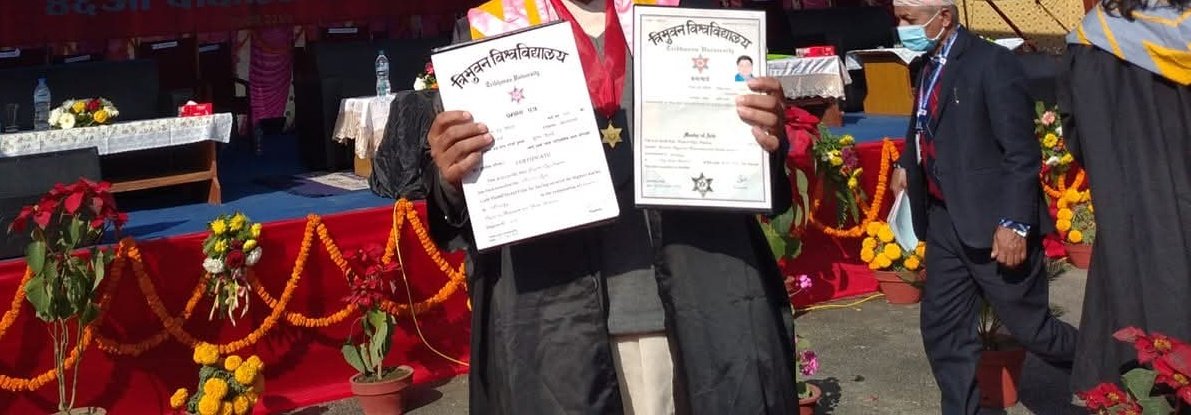
This is what the gold medal of TU looks like. 0.40 robbed me 3 more medals.
1
74
ISIS heads now the greatest US allies.
Nepali Maoist leader and once terrorist Prachanda's daughter works in the UN. It's the same thing.

BREAKING: President Trump publicly rebukes Israel over its war against Hezbollah.
"Israel's fighting Hezbollah too long and too many people are being killed."
Trump said he opposed strikes that destroy apartment buildings filled with civilians and revealed he urged Israel to let Syria take the lead against Hezbollah instead.
"If Israel can't do the job without killing everyone else, he'll do the job. Syria will do the job."
58

France 🇫🇷 vs Senegal 🇸🇳- Draw
Iraq 🇮🇶 V Norway 🇳🇴- Draw
Argentina 🇦🇷vs Algeria🇩🇿 - Argentina
Austria🇦🇹 vs Jordan 🇯🇴 - Jordan
Senegal defeated runner up France in 2002 so I gave them a bit chance. Norway first world cup in many years.
Jordan is a good team.
173
Not a bad win in the hostile enemy territory for Iran. Shame all 4 games today are draws. The clear winner despite the draw is Cape verde 🇨🇻.
Onto the next group from just 5 past 12 midnight.
2-2 . Iran is not settled yet. I can see a better football from them. Fighting US , Israel by self and qualifying for the World Cup. Get one more Iran.
96
2-2 . Iran is not settled yet. I can see a better football from them. Fighting US , Israel by self and qualifying for the World Cup. Get one more Iran.
1-1 now game on. Iran will get better and better from here.
241
1-1 now game on. Iran will get better and better from here.
Who is cheering for Iran? Thought their fans were stopped from going there. Is this the cheering music being played by the fantastic American propaganda ministry?
263
Who is cheering for Iran? Thought their fans were stopped from going there. Is this the cheering music being played by the fantastic American propaganda ministry?
203
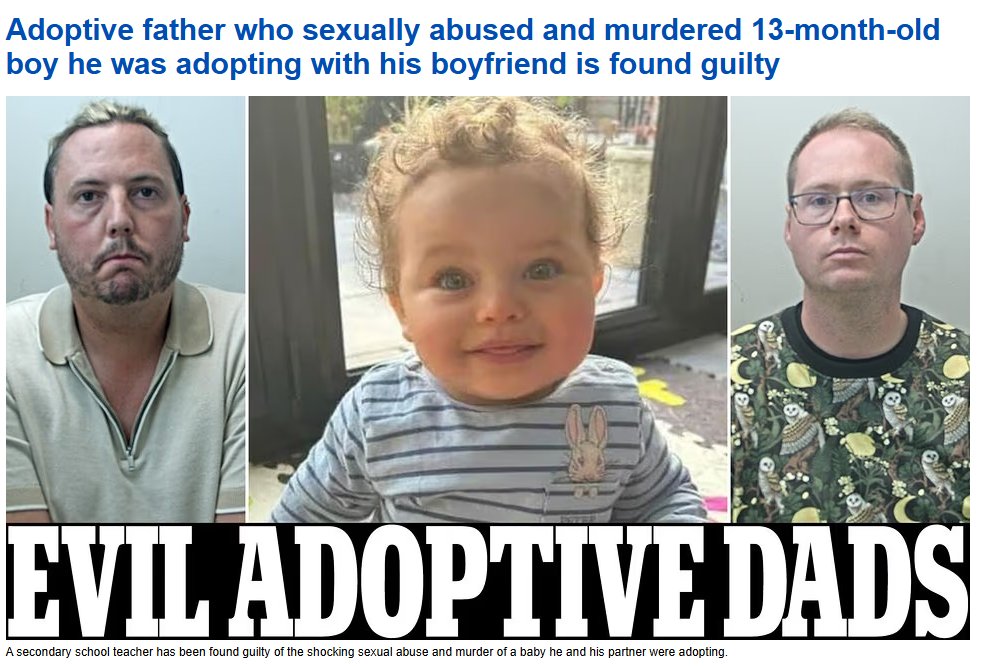
This is the adoption result in the west. Nepal's CBI had started the investigation, I am hoping to read the finding one day. After the civil war orchestrated by Christianity and Indian lindooo many were orphaned. What happened to them should be put light upon.

48
U K ban Palestine, another U K base Nepal follow suit. Muslim living in nepal and every pro human have the right to protest in Nepal least. Although I am not very keen on protest I believe freedom should be there.
Jun 15

Today’s ruling to uphold the UK government's proscription of Palestine Action is a travesty of justice.
One by one, the very foundations of our democracy are being destroyed — all to oil the wheels of British complicity in genocide.
Our government has participated in the mass murder of Palestinians. That is the real crime, and we must bring about justice.
62
Horrible creature. Most pedophiles become red in the sunlight.
Jun 15

Teacher guilty of sexual abuse and murder of 13-month-old baby boy he adopted with his partner bbc.in/4uCuOs4
1
191