
Joined September 2011
- Tweets 245,637
- Following 6,193
- Followers 3,258
- Likes 184,215
7,036 Photos and videos












Pinned Tweet

8 Aug 2025
Will need development of much more powerful engines for such a mission to be viable. #Voyager1 isn't quite a light day away yet, takes 23 hours for a signal from Voyager 1 to reach #Earth, over 20 #lightyears takes 20 years, 40 light years takes 40 years.
sciencealert.com/an-astrophy…
1
2
35
3,089
Michael Alexander Kearsley retweeted

"There hasn’t been enough in the way of [social media] regulation”
Culture Secretary Lisa Nandy says the responses to the government’s consultation on social media were “overwhelmingly” in favour of a ban for under-16s
#BBCLauraK bbc.co.uk/programmes/m001bv0…
205
19
46
65,058
For many years government policy was to replace #ZebraCrossings with #PelicanCrossings, according to surveys most drivers believe that it is discretionary for drivers to stop at zebra crossings,
Jun 12

Guns or… zebra crossings?
Amid the defence budget crisis, some are baffled as to why the government is spending £4.5 billion on zebra crossings and other measures to aid walking and cycling. But, Olympic cyclist @Chris_Boardman says it will give Brits health and independence.
1
11
Cyclists mostly just assume they can cycle on pavements everywhere, off pavement onto road and back, across crossings.
E-cyclists on pavements, just mayhem.
1
3
Straight through the pedestrianised areas, it's a shambles, #LocalAuthorities don't have the budgets to enforce regulations.
1

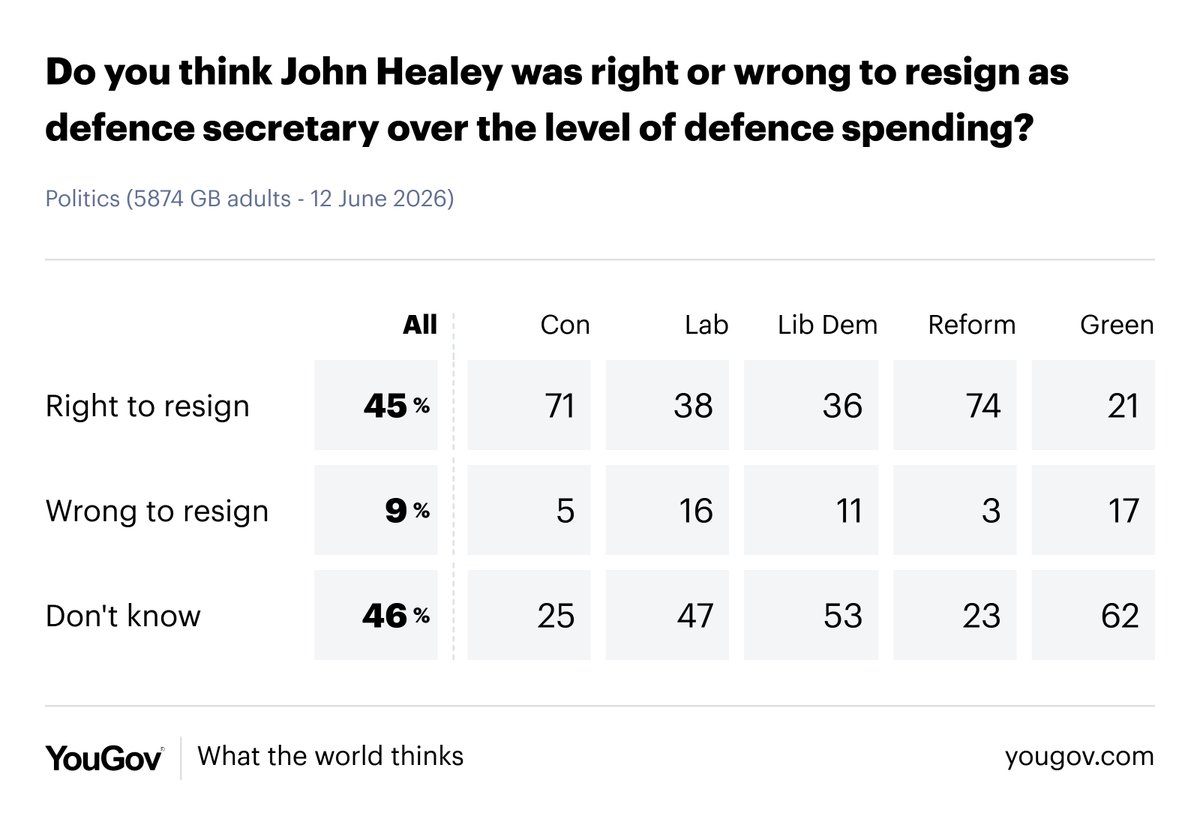

The prime minister and chancellor need to "meet the moment" and agree to reach 3% of GDP spending on defence by 2030, says the chair of the Defence Select Committee.
trib.al/xkgesCn
📺 Sky 501 and YouTube
42
17
97
48,523
Michael Alexander Kearsley retweeted

Jun 12
I have a duty to stay on, says PM as he justifies defence spending decisions bbc.in/43y0hjV
159
26
100
54,438

Government departments will look at cutting budgets to fund defence, minister says bit.ly/449DIlQ
3
4
496
The question is though, the #LibDems are very free proposing extra spending on things, what is their overall balance of spending, their #fiscaltargets, where do they find savings to raise money for their spending priorities, do they raise extra #revenue and from where.

"We’ve reached a crisis point”
Lib Dem leader Ed Davey says the UK needs to spend 3% of GDP on defence by 2030 and that his party will try and force a Commons vote to reveal documents about the government’s internal negotiations on the issue
#BBCLauraK bbc.co.uk/programmes/m001bv0…
1
7
This was how they ended up standing on a platform of ending #TuitionFees and then ended up in government dropping this and introducing a new system of Tuition Fees.
On #DefenceSpending, they were the main force behind cutting it during the #ConDemCoalition.
1
4
#ConsParty at #GE2010 stood on a platform of increasing #DefenceSpending, I didn't notice #LibDems proposing cuts, together they slashed Defence and #PoliceSpending and #CrimibalJustice.
#EdDavey was a minister in that government, he was later on in cabinet.
1
Michael Alexander Kearsley retweeted
"We’ve reached a crisis point”
Lib Dem leader Ed Davey says the UK needs to spend 3% of GDP on defence by 2030 and that his party will try and force a Commons vote to reveal documents about the government’s internal negotiations on the issue
#BBCLauraK bbc.co.uk/programmes/m001bv0…
47
22
45
22,056
Kemi Badenoch urges Labour leadership rivals to cut welfare spending and boost defence
trib.al/sSikj2f
54
23
65
51,193
Michael Alexander Kearsley retweeted

This UFC spectacle at the White House, dripping with corporate sponsors and pay-to-play billions is crass corruption. While families struggle to afford groceries, rent, and healthcare, we’re watching Trump play Gatsby on the People’s lawn.
This grift must end. We deserve better.
5,641
1,735
7,682
339,791
Stamer overrules Miliband on electric car sales targets as he looks to appease automotive industry bit.ly/445W6vV
1
1
2
670
Michael Alexander Kearsley retweeted

Carns is asked where the extra £ for defence should come from.
".. I think there are places, such as moving welfare from hand outs to hand ups"
Describing welfare as hand outs tells us all about Carns politics & who he wants to target - the sick, disabled, low paid, pensioners
173
365
1,130
69,972
Michael Alexander Kearsley retweeted

30 Apr 2025
In 1913, photographer Lewis Hine captured the poignant image of a 7-year-old girl named Rosie, an oyster shucker working in Bluffton, South Carolina. This powerful photograph is part of Hine's work documenting child labor during the early 20th century, a time when exploitation of children in factories, farms, and various industries was rampant across the United States. Hine, an advocate for social reform, was commissioned by the National Child Labor Committee to photograph the working conditions of children to raise awareness and push for legislative changes.
At just seven years old, Rosie was tasked with a labor-intensive and dangerous job. Oyster shucking, the process of removing the oyster from its shell, was not only physically demanding but also often led to injuries from sharp tools and the repetitive nature of the work. This was a common experience for children working in seafood processing industries along the East Coast, where they were subjected to long hours in harsh environments.
The image of Rosie serves as a stark reminder of the harsh realities faced by children during the industrial revolution and beyond. Child labor was widespread, and many young children were forced into labor because their families needed the extra income to survive. These children were often deprived of an education, and their physical and mental development was stunted by years of hard work in dangerous conditions.
Hine’s photograph of Rosie, along with many other images he captured, played a key role in the movement that ultimately led to reforms such as the Fair Labor Standards Act of 1938, which established child labor laws and set standards for working conditions in the United States. Though much progress has been made, the plight of children in labor still serves as a cautionary tale in the ongoing struggle for workers' rights and child welfare.
© Historical Photos
#archaeohistories

3
20
68
8,070
Michael Alexander Kearsley retweeted

Jun 12
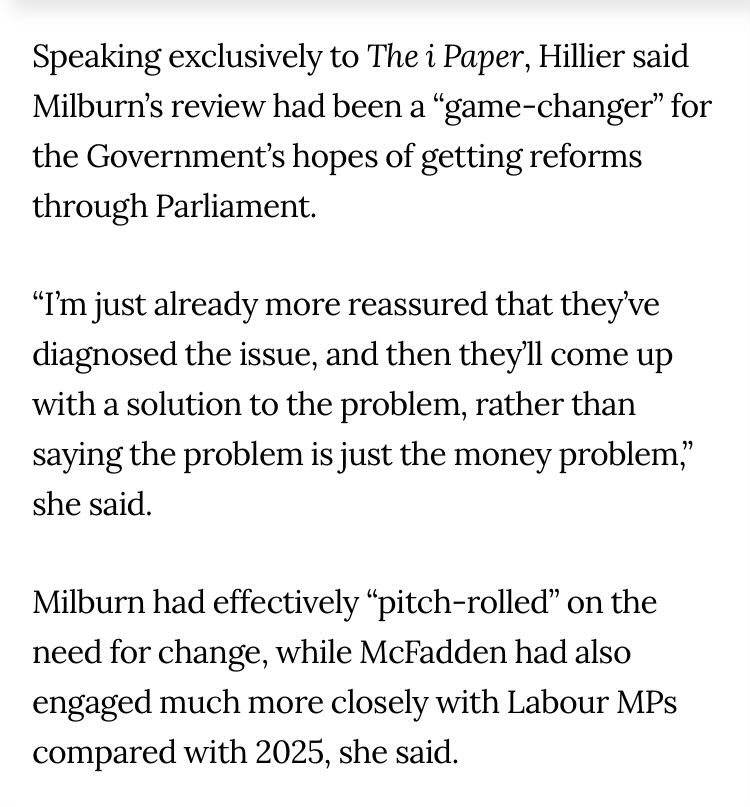
If the Government needs more money for defence, could it go back to welfare spending?
Good news is that Meg Hillier- who led last year’s benefits revolt- has said that Labour MPs are ready to back reform.
Story link in tweet below👇
3
2
2
1,866