
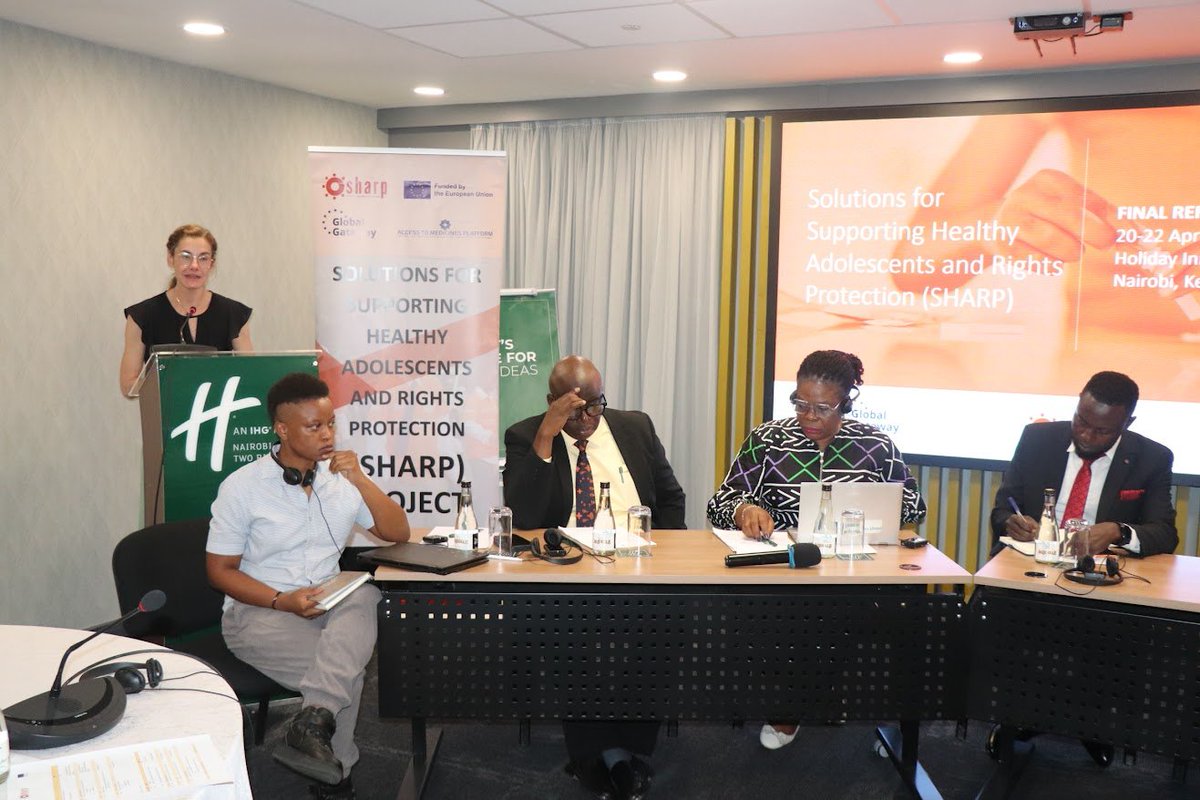
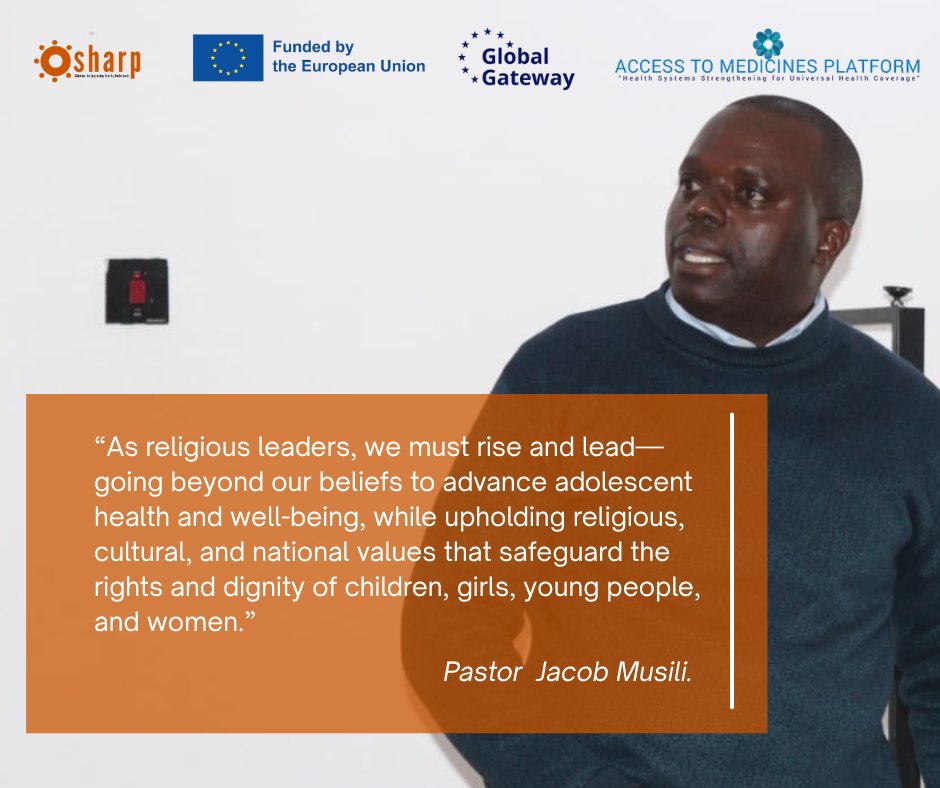
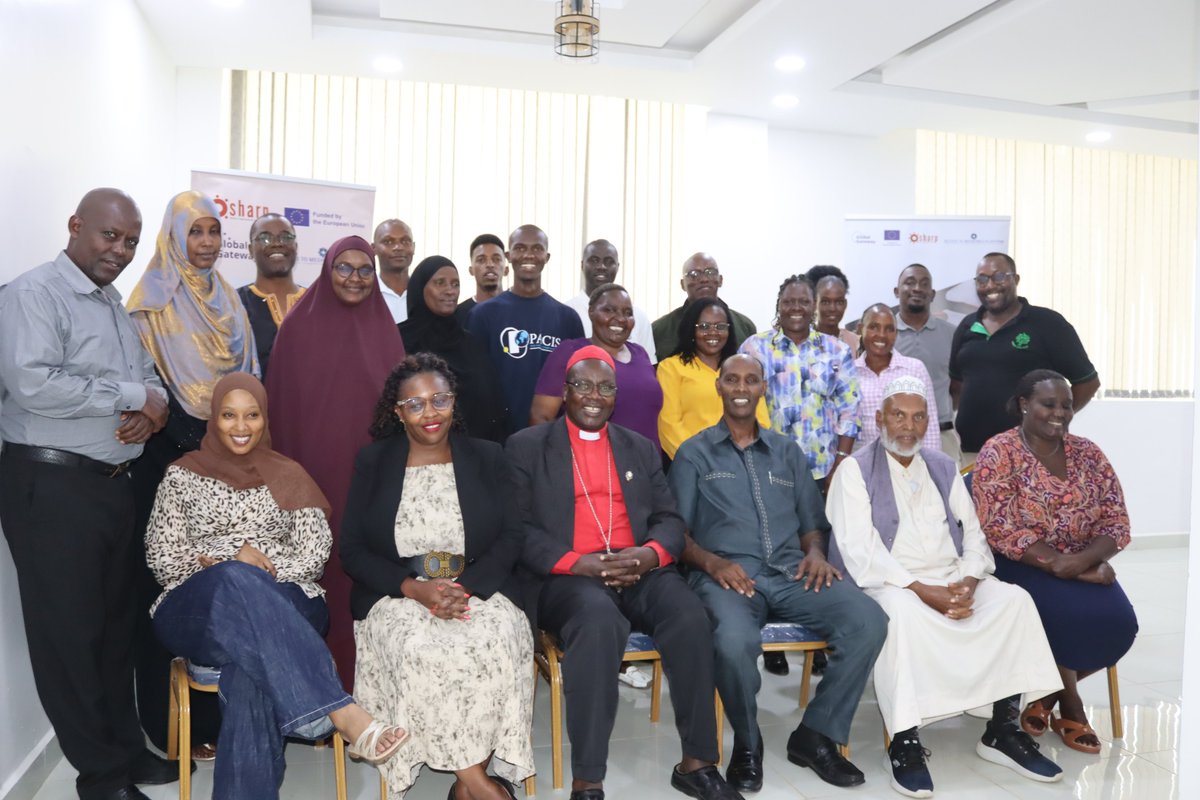
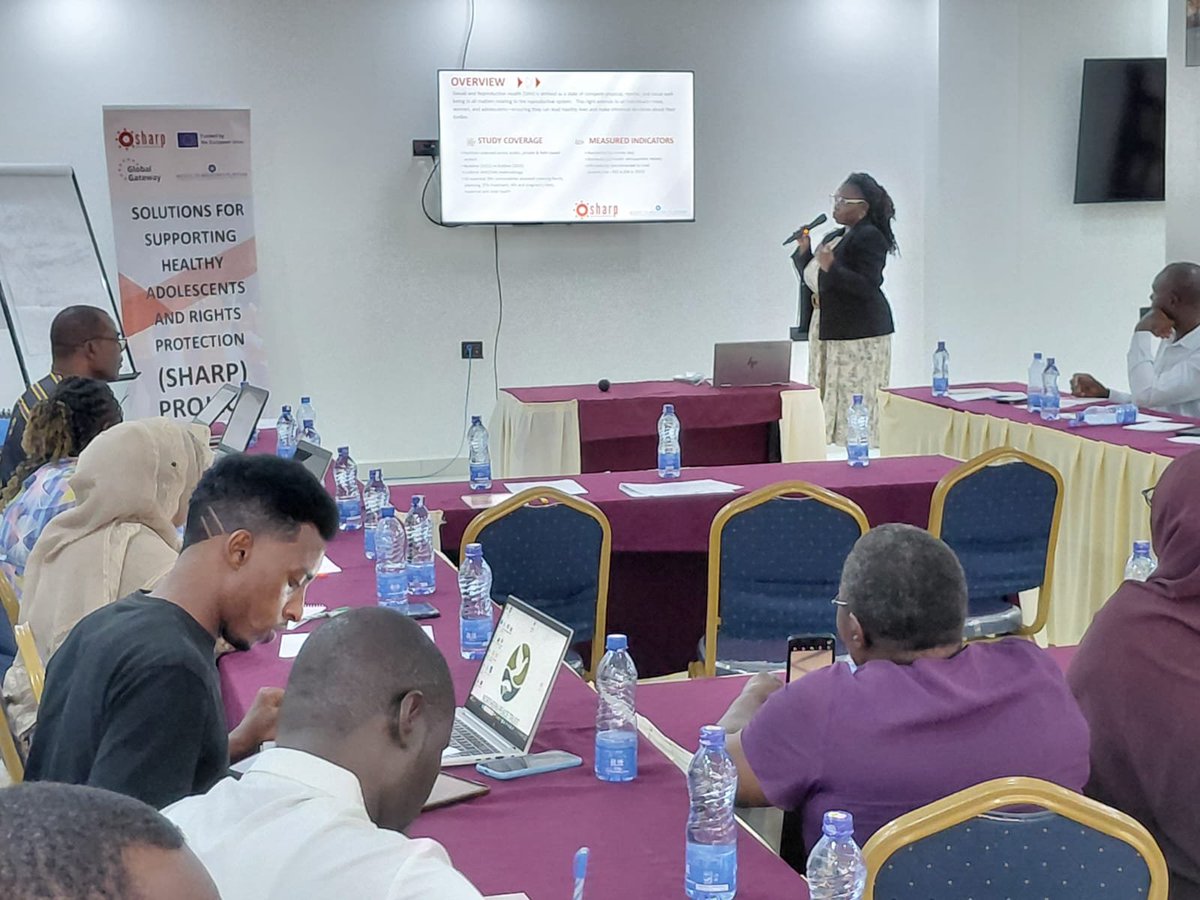
Solutions for Supporting Healthy Adolescents and Rights Protection(SHARP)seeks to improve Adolescents SRH at National level & Isiolo, Marsabit, Mandera counties
Joined November 2025
- Tweets 288
- Following 65
- Followers 162
- Likes 399
137 Photos and videos

SHARP Project in Kenya retweeted

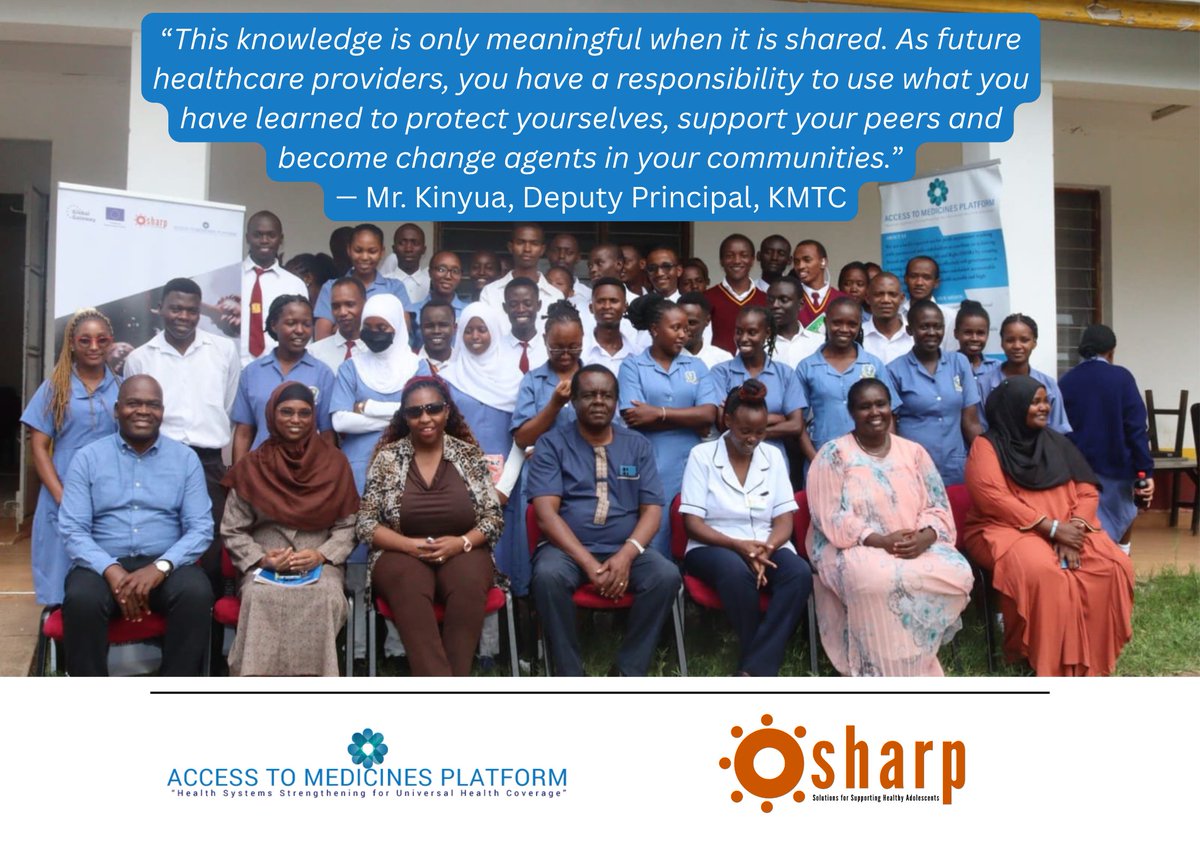
Sustainable change happens when knowledge moves beyond the classroom and becomes part of everyday practice. Through the @ProjectSHARP , KMTC students in @isioloCounty011 were equipped with knowledge and skills on Adolescent Sexual and Reproductive Health (ASRH), youth-friendly services, and the importance of protecting adolescent rights.
The impact continues beyond the training room:
⭐️The Deputy Principal issued a directive to establish student peer groups that will lead ongoing SRHR knowledge-sharing and outreach within the institution.
⭐️Students committed to becoming champions for adolescent health, sharing accurate information with peers and advocating for youth-friendly services in their future workplaces.
By investing in future nurses, clinical officers and health records officers today, we are strengthening a pipeline of #healthcare professionals who are prepared to deliver #respectful, comprehensive and adolescent-responsive #SRH care.
#YFSs #SHARP #healthwins #Sustainability
5
10
118
SHARP Project in Kenya retweeted
The launch of Kenya’s National GBV Reporting WhatsApp Platform ( 254 724 884 444) by @gender_ke marks a significant milestone in strengthening confidential, survivor-centered reporting and response systems.
Under our new initiative focused on catalyzing urgent county-level action on Gender-Based Violence (GBV), including femicide, we recognize this platform as a critical tool that strengthens referral pathways for survivors of both physical and technology-facilitated violence.
@MeTAKenya2018 AtMP welcomes this innovation as part of Kenya’s evolving GBV response ecosystem. We also emphasize the importance of ensuring timely response, robust data protection, survivor safety and strong coordination between national and county-level response actors to ensure the platform is fully effective and accessible to those who need it most. @NGECKenya @CCGD_KE @GBVnet @rhnkorg @CSONetwork @genderhealthhub @UrgentAct @UN_Women
#ReportGBV #EndGBV
3
7
116
SHARP Project in Kenya retweeted
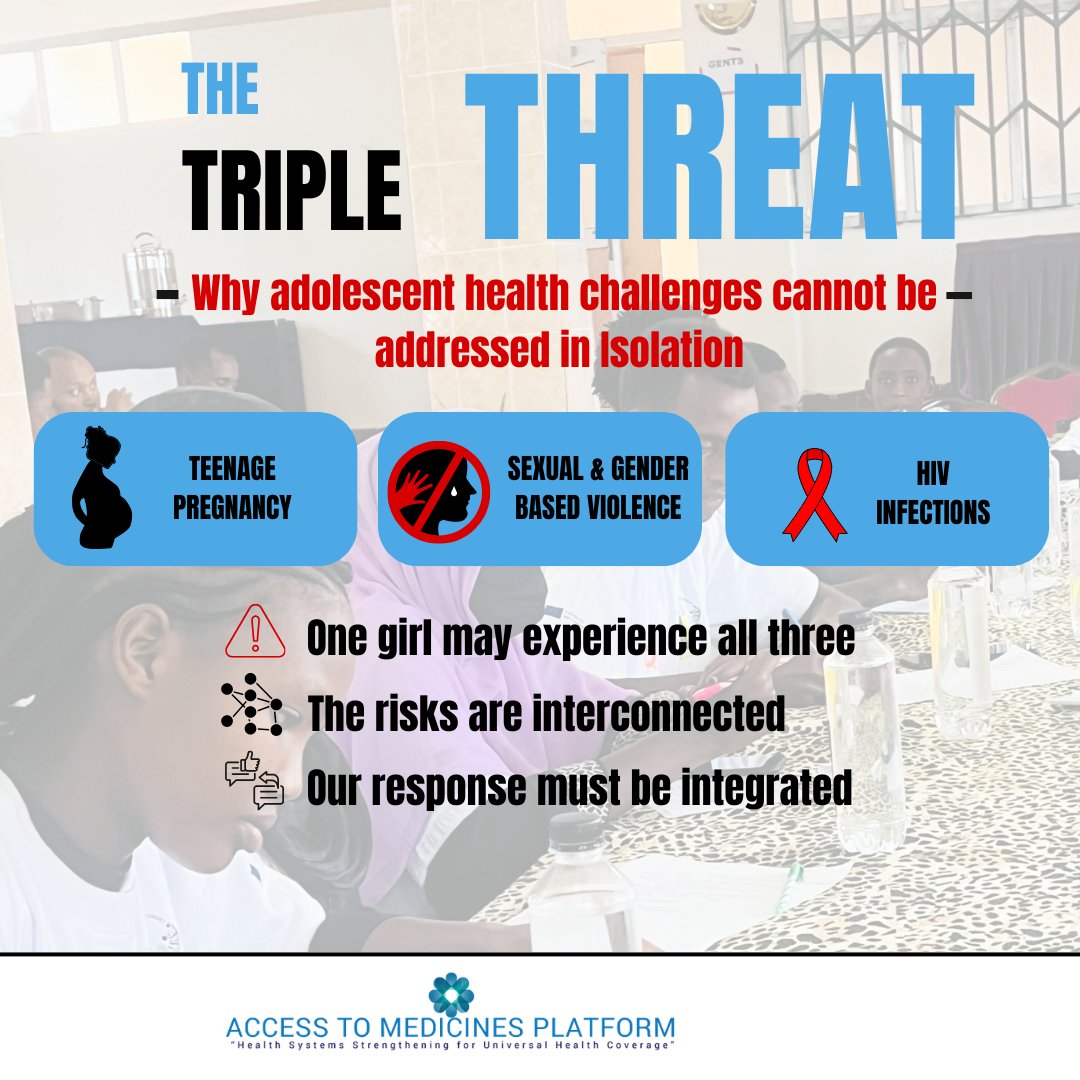
One message continues to stand out: Adolescent girls do not experience challenges in silos. #HIV , #GBV and #teenagepregnancy and are interconnected. Responses that address only one challenge often miss the underlying drivers. Integrated solutions remain essential for sustainable impact.
#AYSRH
7
10
110
SHARP Project in Kenya retweeted
Are #adolescents and young people still facing challenges in accessing #SRHR services and information? Absolutely.
But across Africa, organizations are also developing innovative, youth-centered solutions to break down barriers and expand access.
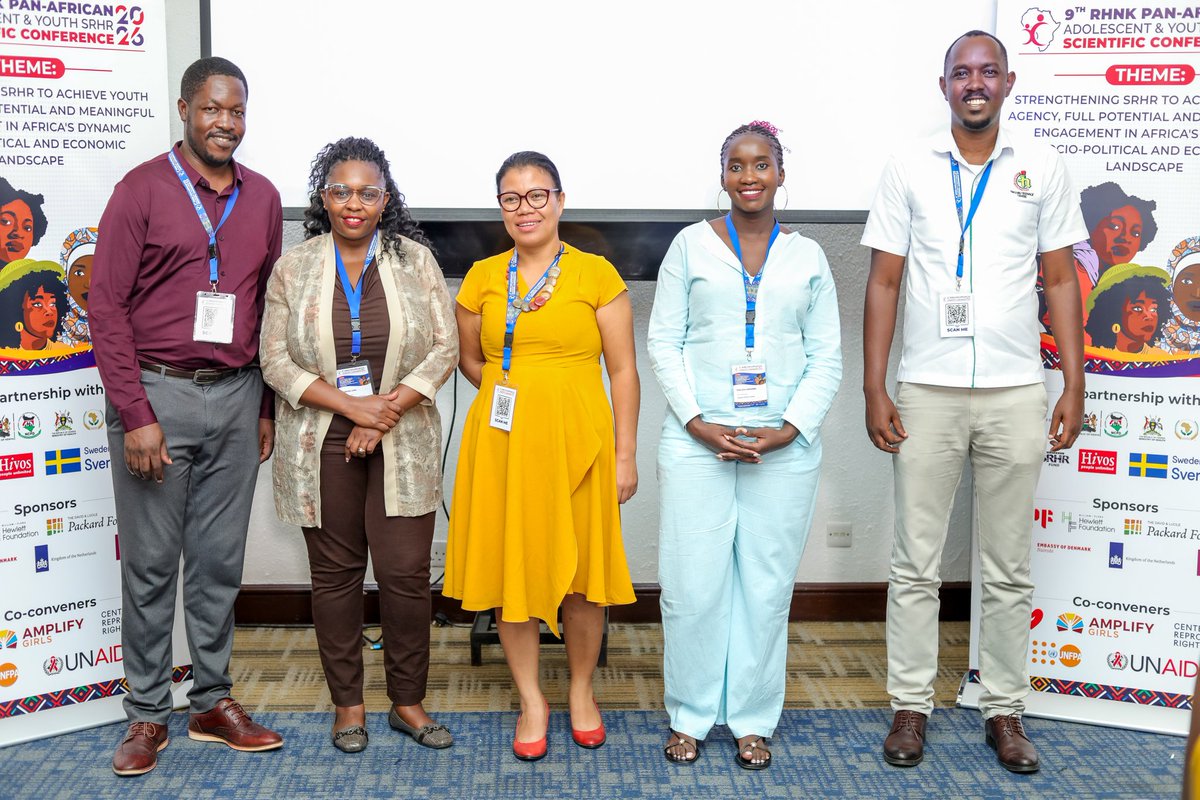
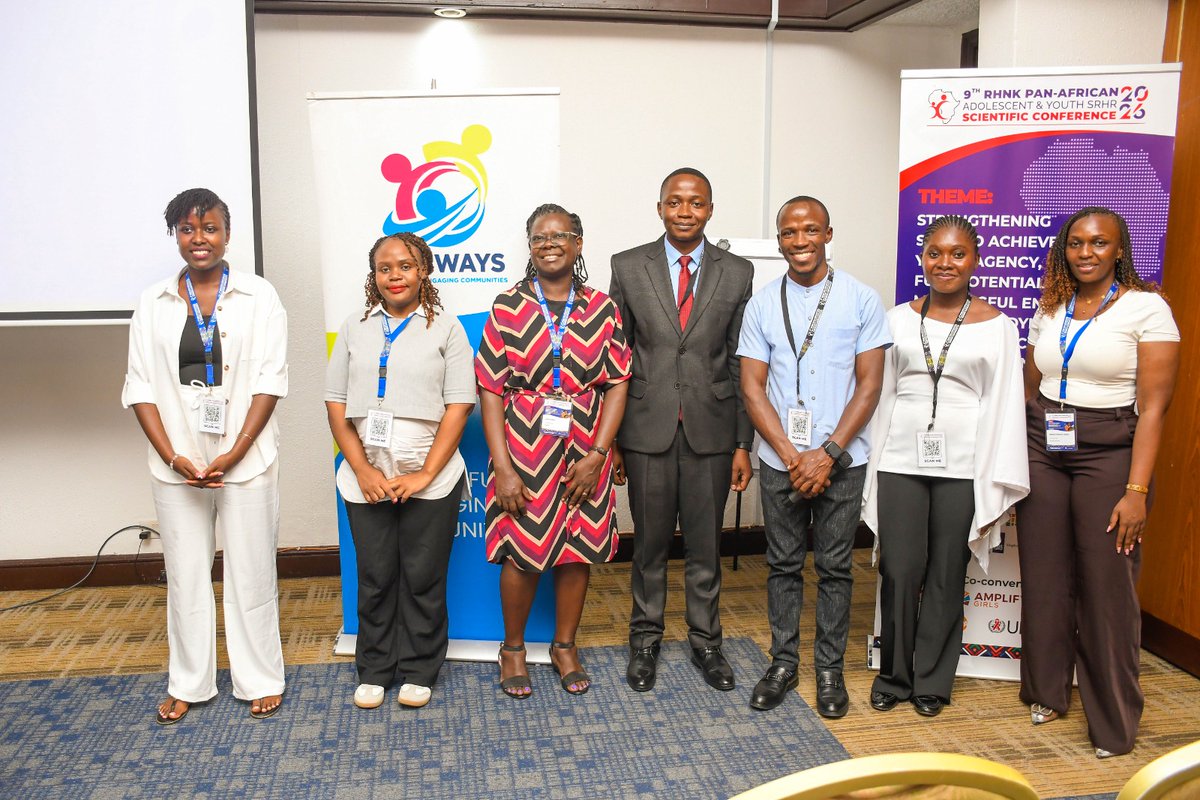
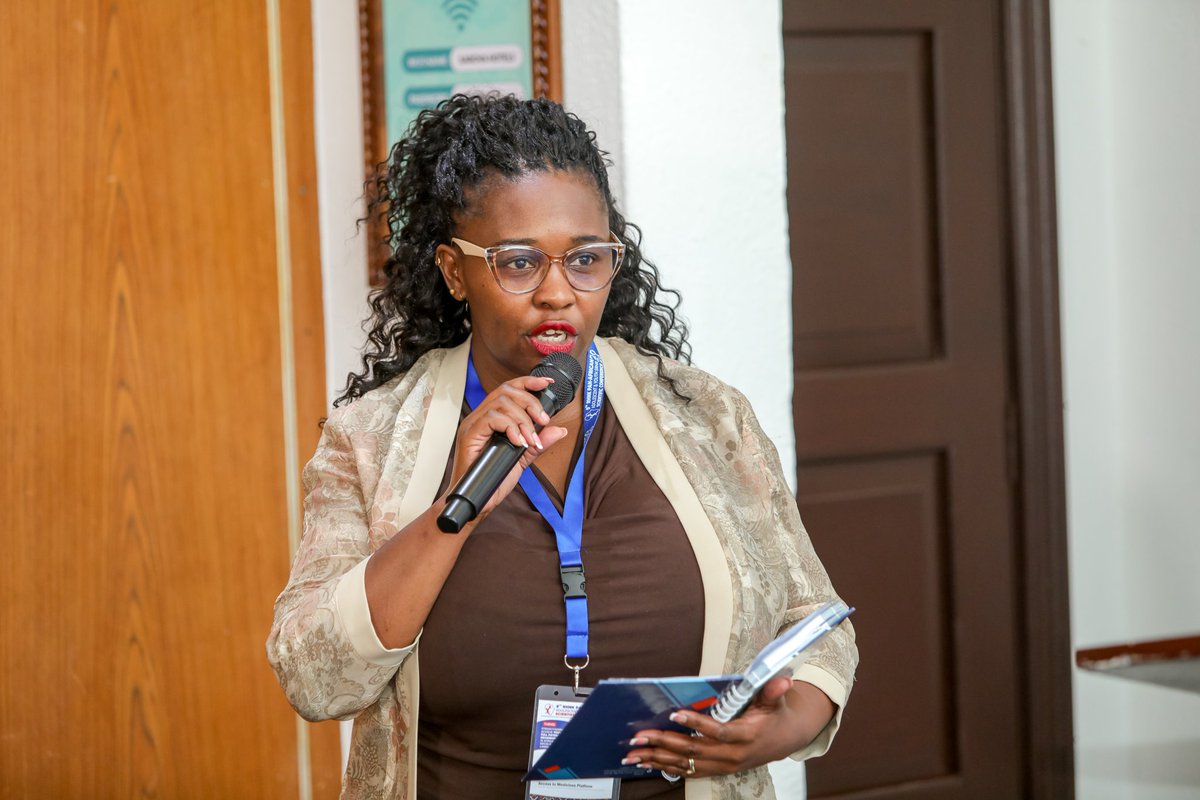
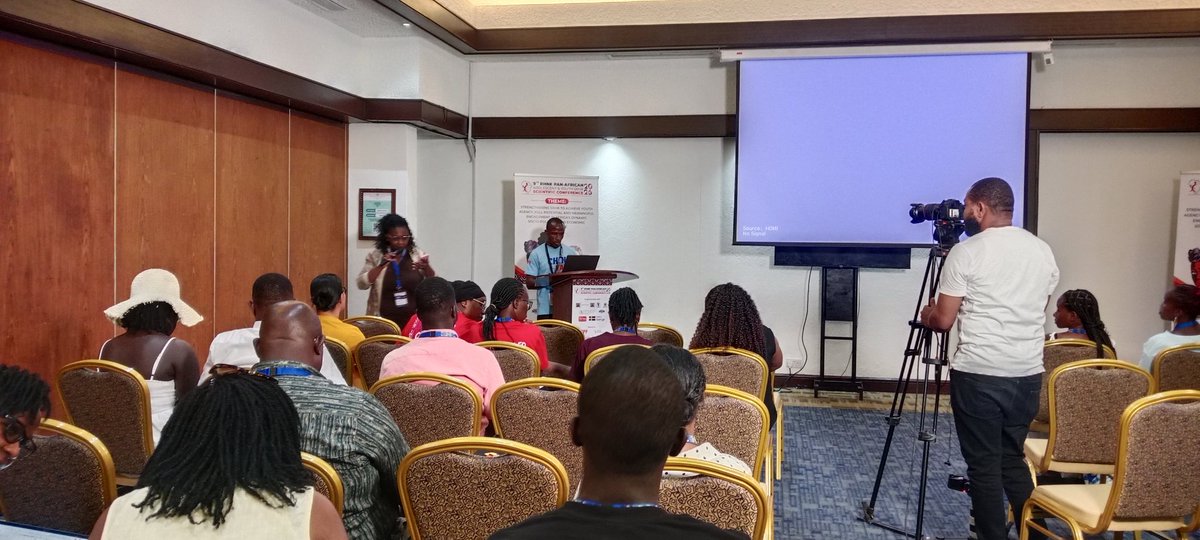
One of the highlights of #RHNKPanAfricanConference2026 has been the insightful side sessions moderated by our CEO, @dorojuma1 and those we made our abstract presentations bringing together diverse organizations from across the continent to share what works. From community-driven approaches and digital innovations to policy advocacy and youth leadership, these conversations are showcasing practical, scalable solutions that are transforming access to Sexual and Reproductive Health and Rights (SRHR) for adolescents and young people in all their diversity.
Learning from these experiences, exchanging ideas, and exploring opportunities for scale reminds us that meaningful change is possible when young people are placed at the center of the solutions designed for them.
#LeaveNoOneBehind
5
17
157
SHARP Project in Kenya retweeted
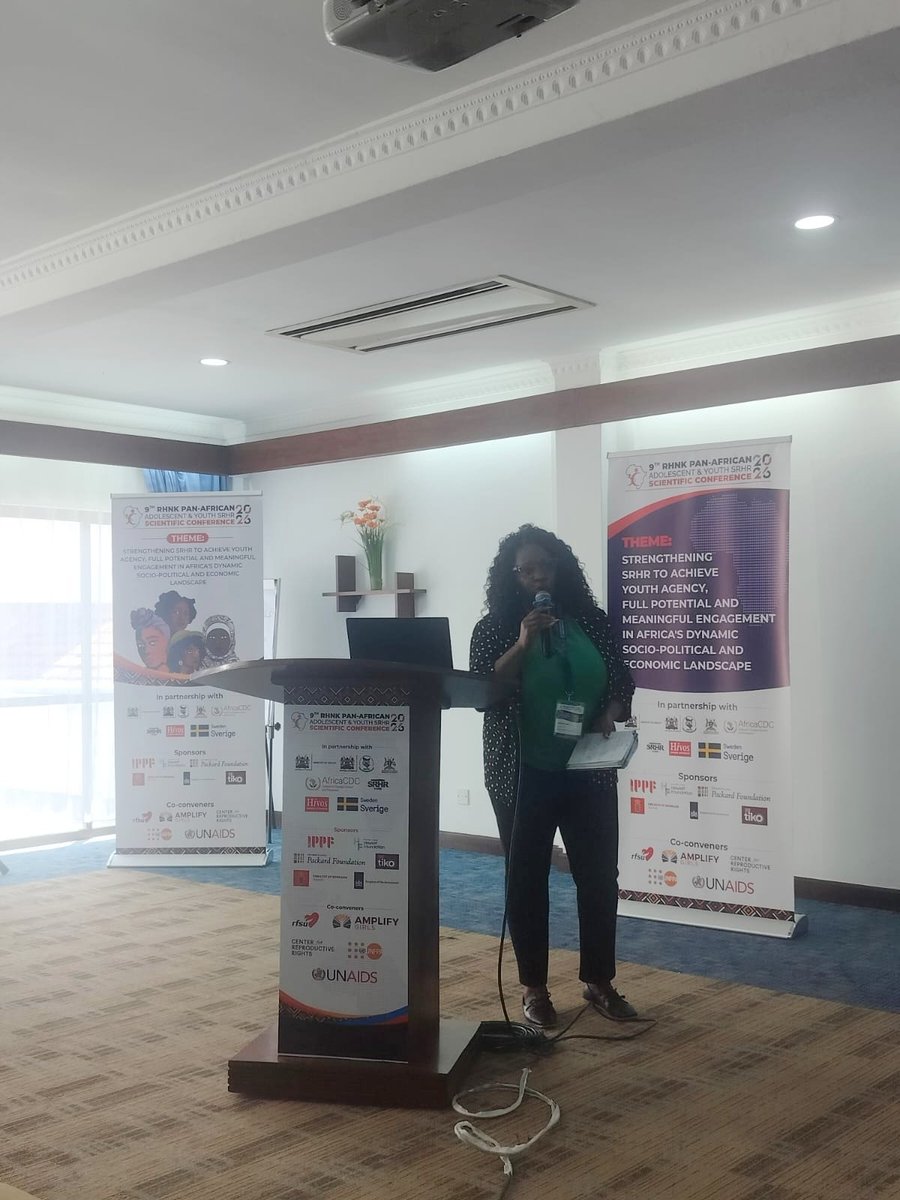
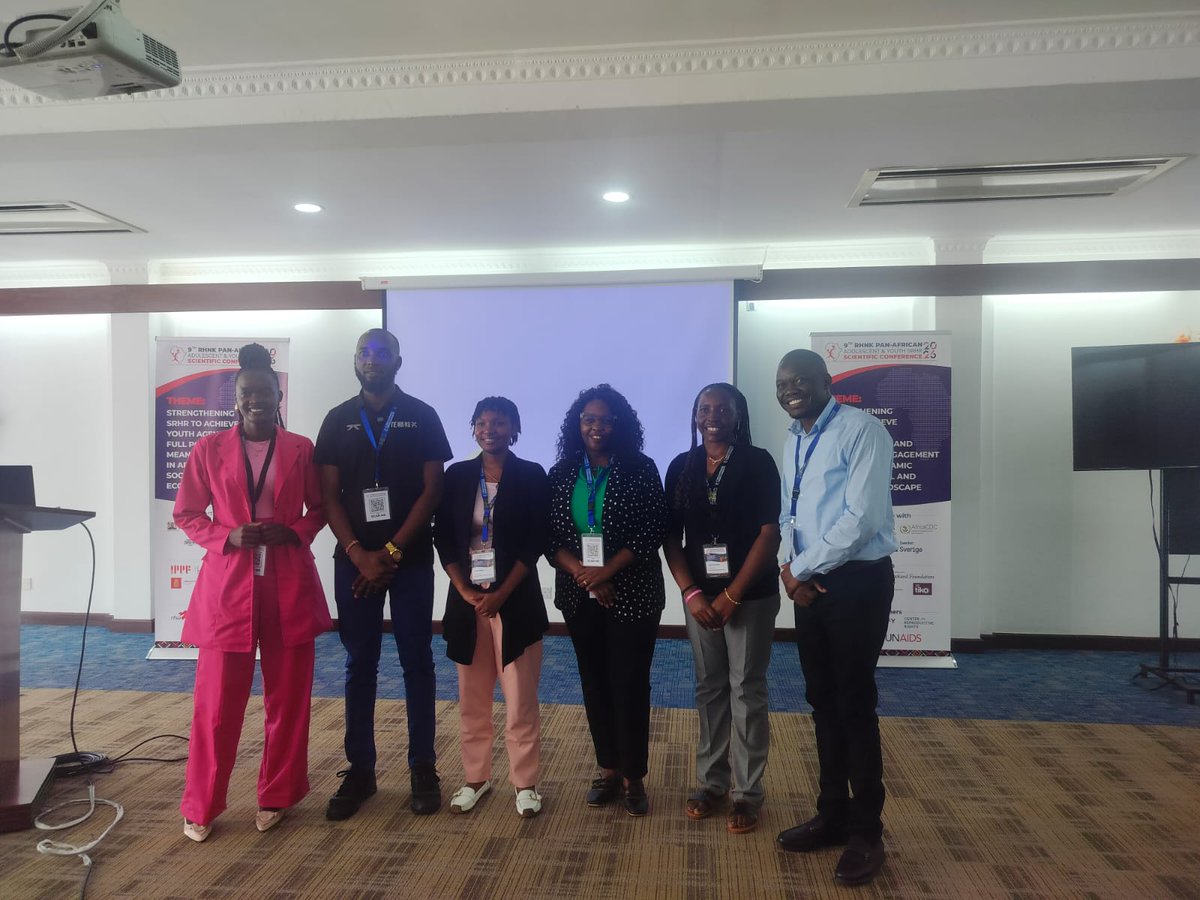
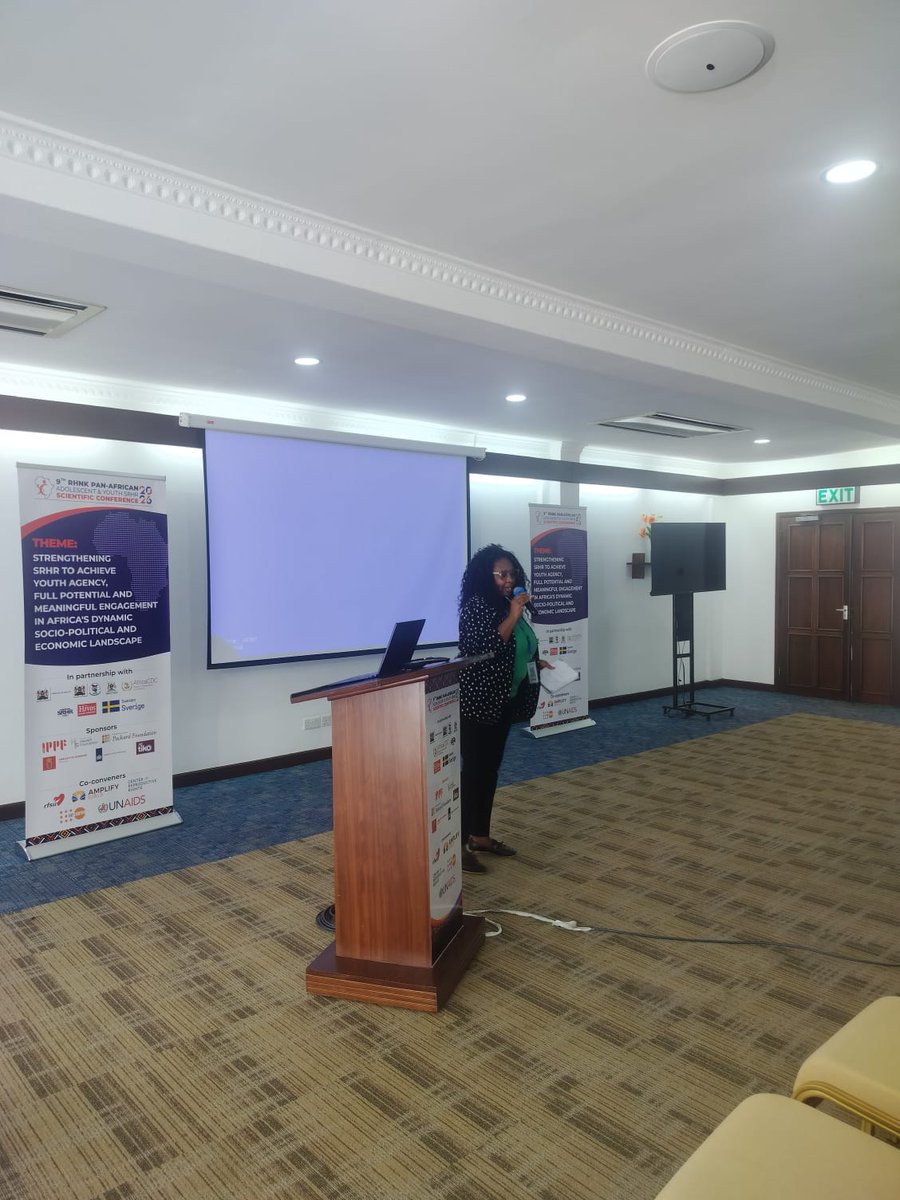
During her presentation on the SHARP approach to eliminating the Triple Threat among adolescents in Kenya's ASAL regions, Ms. Dorothy highlighted the model's strong potential for replication and scale-up. She noted that the approach is anchored on five key pillars: leveraging trusted community and religious champions, strengthening quality assurance through standardized ASRH supervision tools, translating evidence into action, amplifying adolescent voices and agency, and institutionalizing multi-stakeholder engagement mechanisms within county systems.
She concluded by presenting robust policy and budget advocacy asks aimed at strengthening health and social systems, transforming harmful social norms and attitudes and enhancing accountability among duty bearers, underscoring the need for sustained investments, inclusive governance, and evidence-driven decision-making to replicate and implement in more counties.
8
13
182
SHARP Project in Kenya retweeted
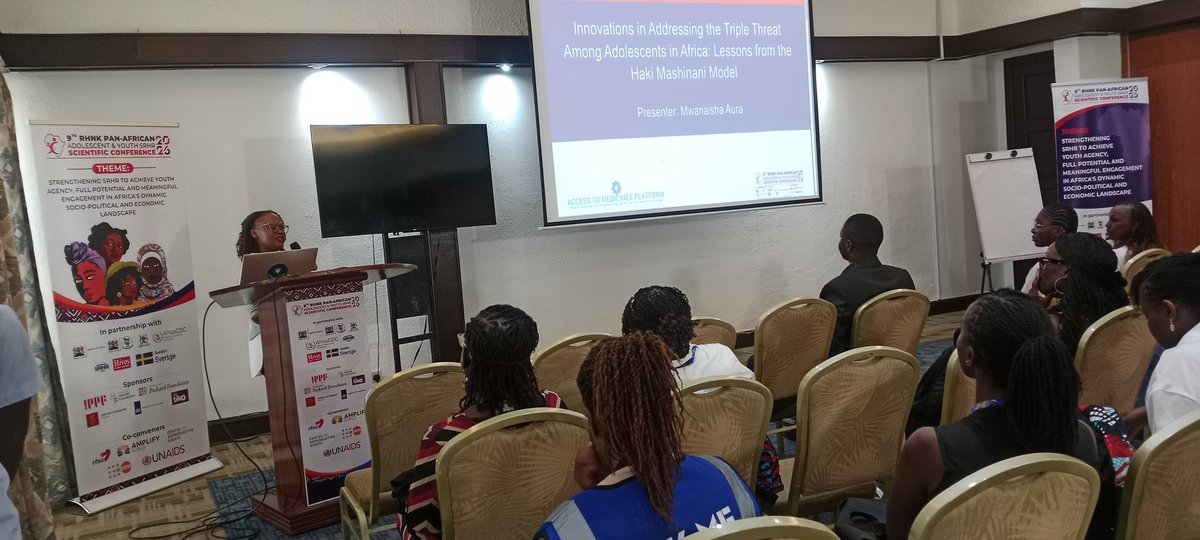
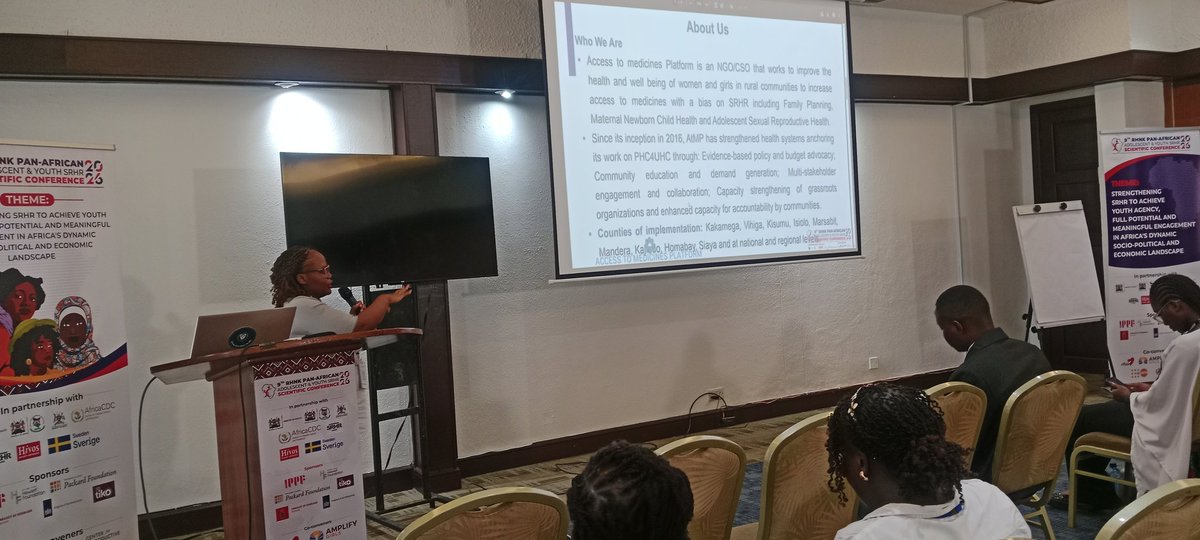
Honoured to have shared lessons from Haki Mashinani model, an innovative community-led approach with fellow advocates, researchers, policymakers, and practitioners at the RHNK Conference 2026 during my presentation on "Innovations in Addressing the Triple Threat Among Adolescents in Africa."
The discussions reaffirmed what we have witnessed through our work: young people are not passive beneficiaries of development interventions—they are leaders, decision-makers, and powerful agents of change.
The clarion call remains clear:
📢 Invest in youth-led governance.
📢 Strengthen intergenerational dialogue.
📢 Institutionalize meaningful youth participation.
📢 Build community-owned solutions that leave no young person behind.
Because the most sustainable solutions are not designed for young people—they are designed with young people.
8
15
150
SHARP Project in Kenya retweeted
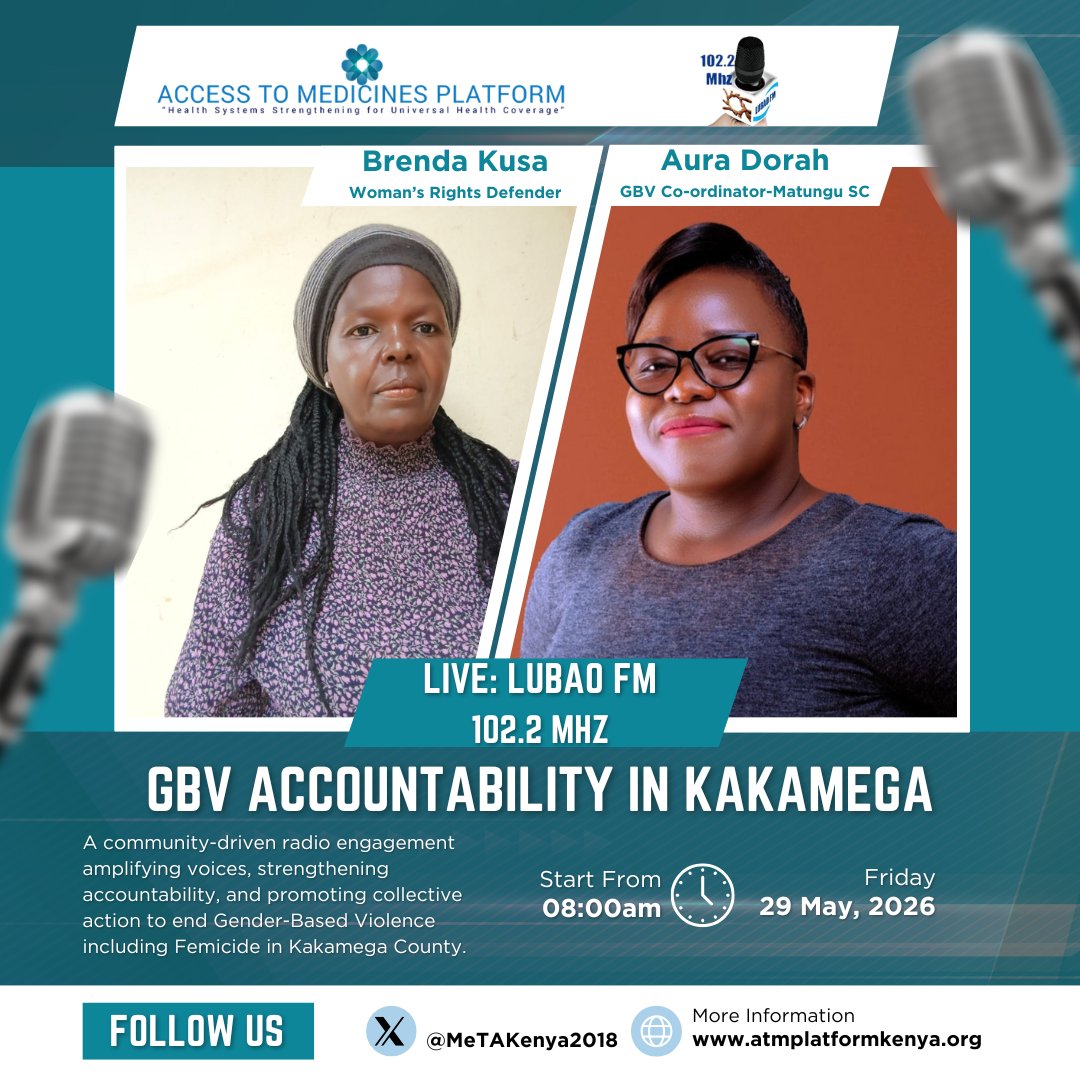
Through localized radio talk shows, we are translating #GBV data into community conversations that inspire accountability and collective action in Kakamega County. Join us as we amplify local voices, spotlight regional realities and strengthen public demand for action against Gender-Based Violence.
🗓️ Friday 28, May 2026
⏰8.00am-9.00am
📻Lubao FM 102.2Mhz
📢 Tune in, engage and be part of the movement for safer communities.
@UrgentAct @LubaoFm
#EndFemicide #GBV
6
11
128
SHARP Project in Kenya retweeted
Community Health Promoters (CHPs) played a critical role in the snakebite project by serving as trusted sources of information within their communities. Through awareness creation, community education, referral support, and promotion of timely health-seeking behaviour, CHPs helped bridge the gap between communities and healthcare facilities, contributing to improved knowledge and response to snakebite incidents.
Their efforts demonstrate the importance of community-based approaches in addressing snakebite envenoming and strengthening access to lifesaving care.
🎬 Learn more about their role and the impact of the project in the full Snakebite Envenoming Documentary on YouTube: youtube.com/watch?v=nvd_3FmQ…
#SnakebiteEnvenoming #CommunityHealthPromoters #CommunityHealth
@HAImedicines @wellcometrust @dcorreiamartins @VihigaCountyGov @Kakamega_037 @DNDi @EADirectorDNDi @WHOKenya
2
7
107

As we reflect on @ProjectSHARP journey, we celebrate the partnerships built, communities reached, young people empowered and conversations sparked around Sexual and Reproductive Health and Rights. 🌍💜
Our Success Booklet offers the real picture of the change we have collectively created and the opportunities for scale-up beyond the project
Watch, engage and share the inspiration. ✨👇
Link to booklet: atmplatformkenya.org/wp-cont…
@EUinKenya @NANHRI40 @EUAmbKenya @eannaso @RwandaNGOForum @HAImedicines @NOFMA2 @Macsa2025 @TrustHope137641 @gatesfoundation @Mybody_Ke @UNDPKenya @NLinKenya
#ATMPImpactJourney #AdvancingRights
8
14
128
SHARP Project in Kenya retweeted
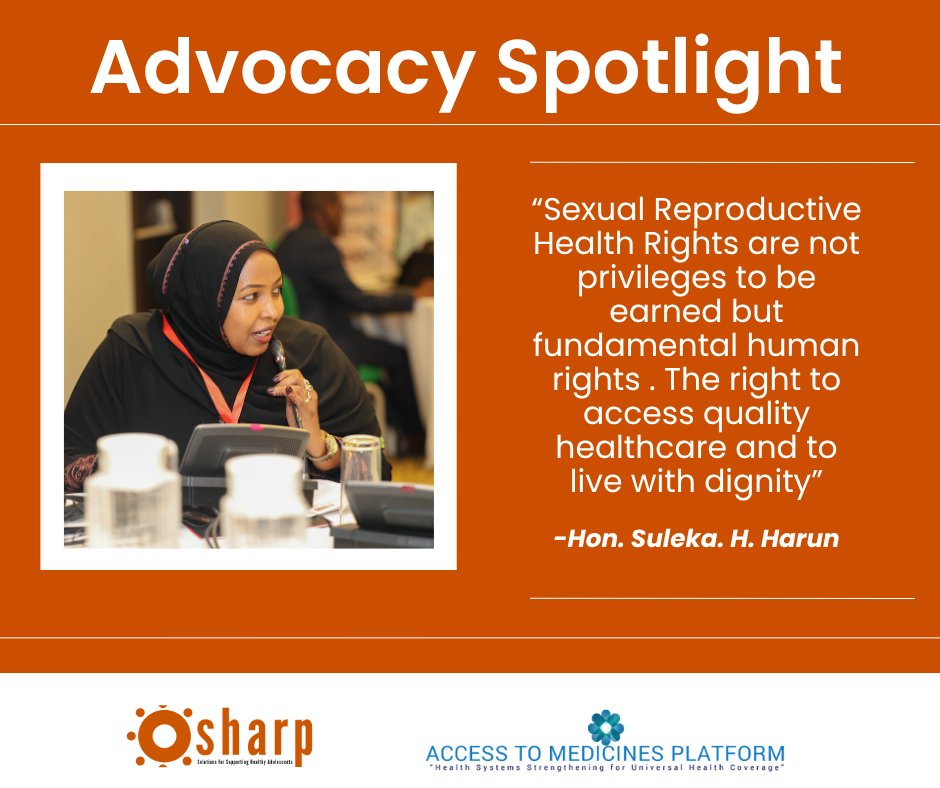
Advocacy is about turning commitment into action championing equitable access to healthcare, amplifying voices, and advancing policies that protect the health, dignity, and rights of all, especially adolescents and young people. @MeTAKenya2018 continues to strengthen advocacy, foster collaboration, and drive meaningful conversations that advance adolescent sexual and reproductive health and rights in Kenya. #AdvocacySpotlight #SRHR #HealthEquity
@Sulekhaharun
8
13
212
SHARP Project in Kenya retweeted
Monday reminder: Investing in adolescents is investing in a safer, healthier, and more prosperous future.💪
In Isiolo County, @MeTAKenya2018 engaged future healthcare workers at Kenya Medical Training College (KMTC), equipping them to provide respectful, non-judgmental, and adolescent-friendly services, because strengthening the next generation of healthcare providers is key to transforming adolescent health outcomes and ensuring no young person is left behind.
#MondayMotivation #AdolescentHealth
@EUinKenya @MOH_Kenya @Northern_009 @NOFMA2 @NANHRI40 @athewa1 @isioloCounty011
2
9
107
SHARP Project in Kenya retweeted
For many communities, snakebite has long been surrounded by deeply rooted beliefs, myths, and traditional practices that often delayed timely treatment and put lives at even greater risk.
Through our work as Access to Medicines Platform, we engaged communities through awareness creation, dialogue, health education, and strengthened linkages to formal healthcare systems, helping shift harmful perceptions, promote timely care-seeking, and build trust in lifesaving treatment.
The Snakebite Envenoming Documentary captures these powerful community perspectives, the journey of change, and the collective effort to transform beliefs into action that saves lives.
🎬 Watch the full documentary on YouTube: youtube.com/watch?v=nvd_3FmQ…
#SnakebiteEnvenoming #SnakebiteAwareness
@HAImedicines @CNTD_LSTM @MOH_Kenya @WHOKenya @TheENDFund @GlobalSnakebite @Amref_Worldwide
3
6
100
SHARP Project in Kenya retweeted
The full Snakebite Envenoming Documentary is now live.🎉🎉🎉🎉🎉
Through these critical lenses community perspectives, project interventions, community action, strengthened health systems, and policy wins and sustainability this documentary tells the story of resilience, response, and the urgent fight against one of the world’s most neglected public health crises.
From lived experiences to lasting solutions.
📺 Watch the full documentary here: youtu.be/nvd_3FmQGoE?si=f19P…
@HAImedicines @TheENDFund @CNTD_LSTM @GlobalSnakebite @WHOKenya @LSTM_NTDs @wellcometrust @Amref_Worldwide
#SnakebiteEnvenoming #SnakebiteDocumentary #PublicHealth #HealthSystemsStrengthening #CommunityAction #GlobalHealth #HealthEquity
the
4
12
214
SHARP Project in Kenya retweeted
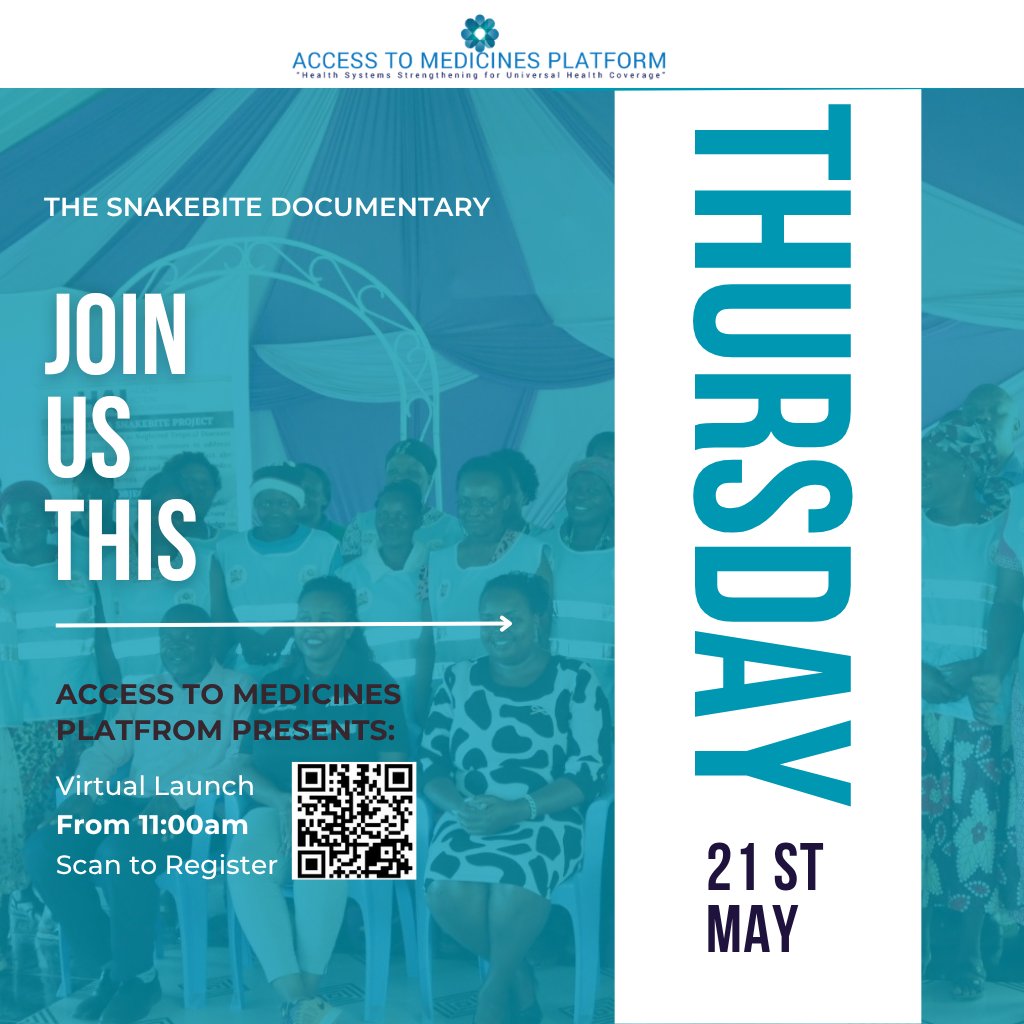
🎬 We’re thrilled to officially launch The Snakebite Documentary!
Join us for the virtual premiere of this powerful documentary that shines a light on the realities, challenges, and urgent conversations surrounding snakebite envenoming and its impact on communities.
This launch marks an important moment in amplifying awareness, driving dialogue, and inspiring action toward stronger prevention, treatment access, Policy, and health system responses.
📅 21st May 2025
⏰ From 11:00 AM
📍 Virtual Launch
🔗 Register now using the link/scan the QR code and be part of this important conversation.
us06web.zoom.us/meeting/regi…
3
15
317
SHARP Project in Kenya retweeted

May 18
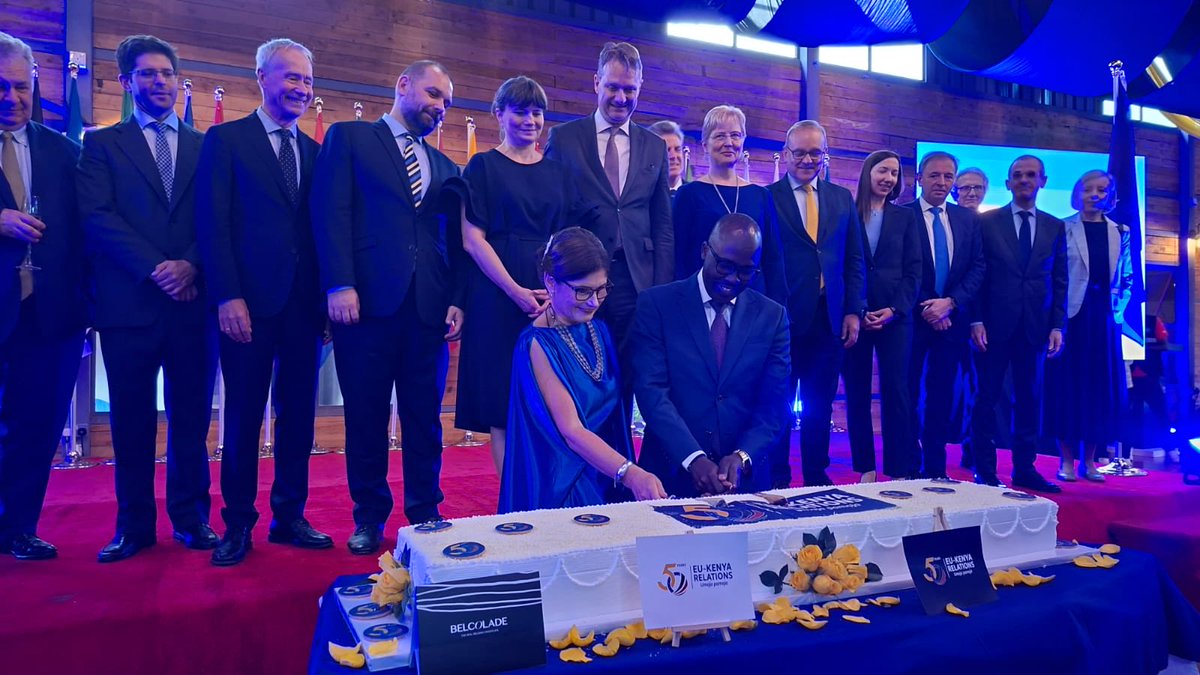
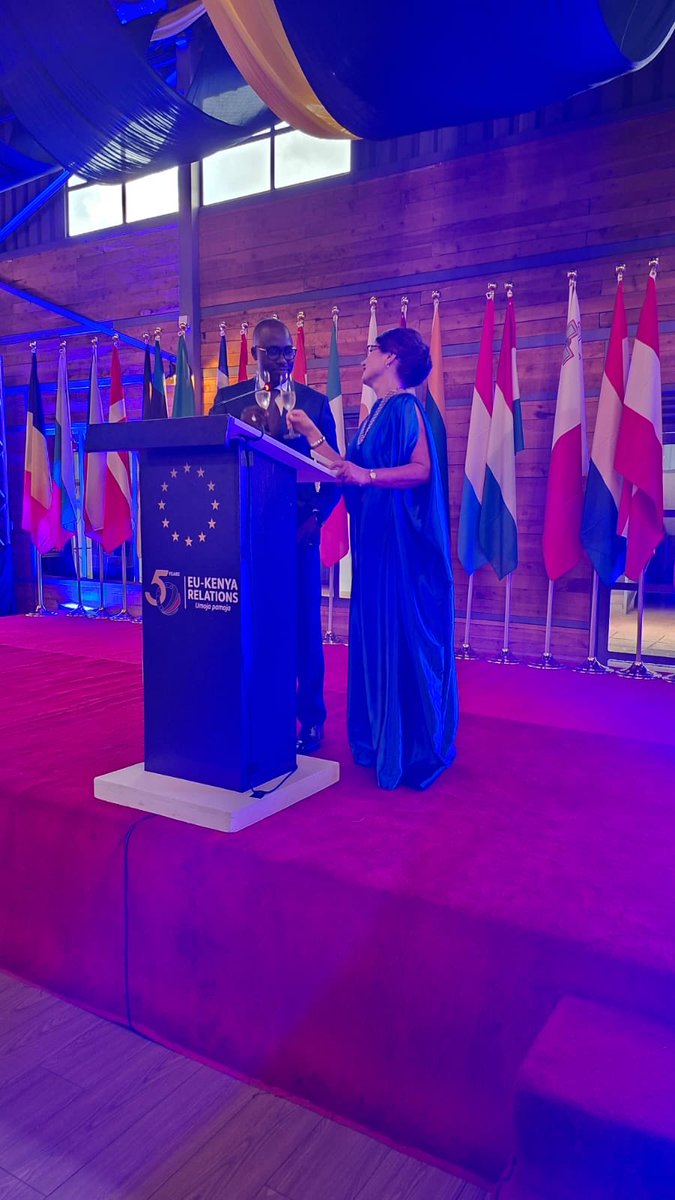
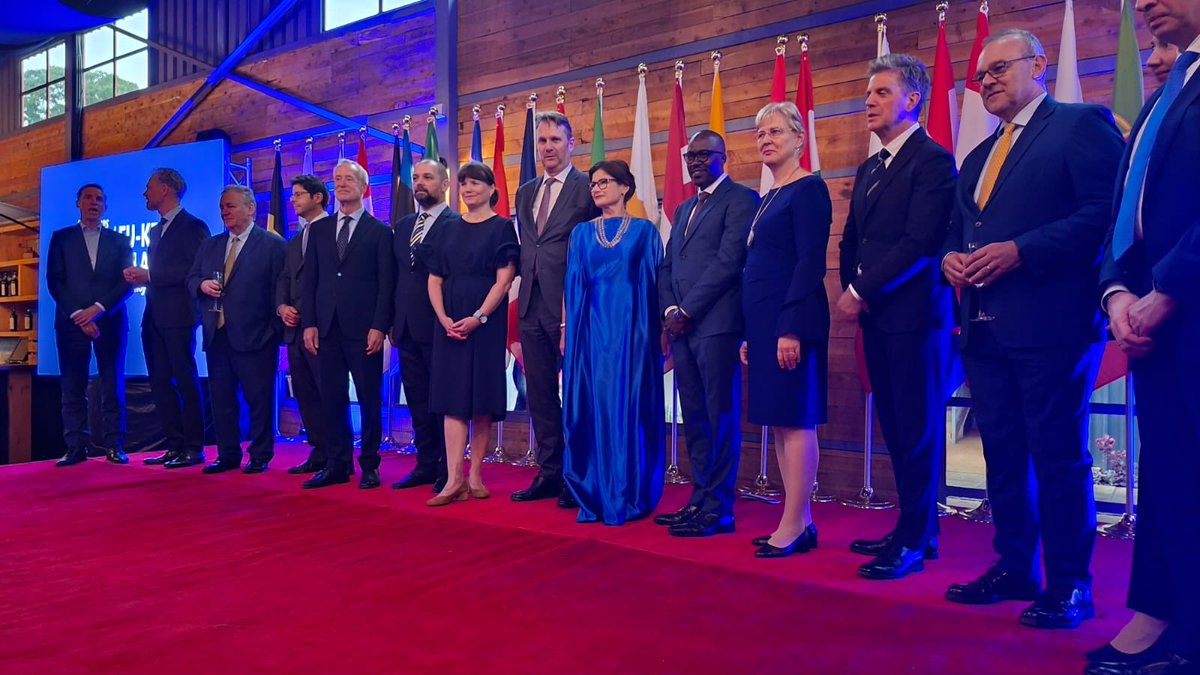
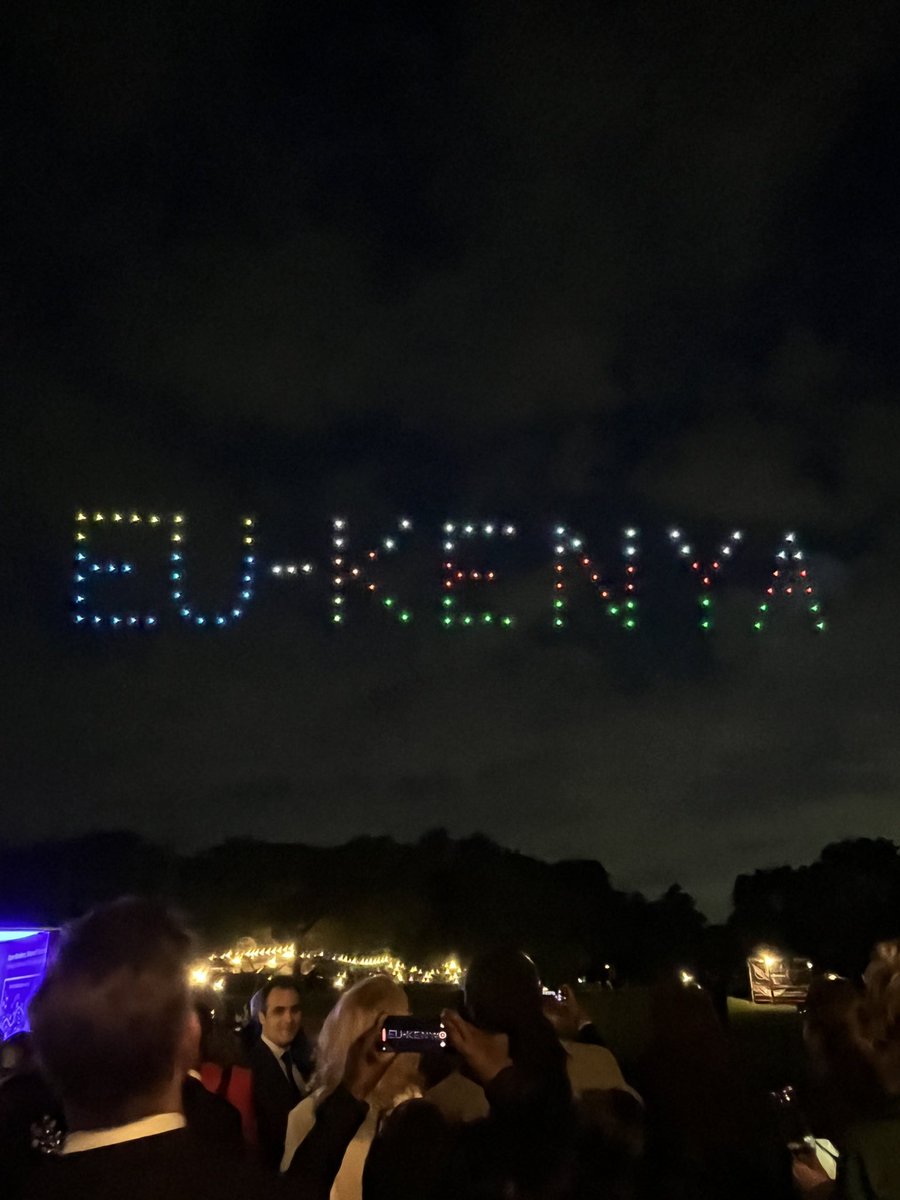
Thank you dear PS for honouring us with your presence as Chief Guest to celebrate the 50th anniversary of EU-Kenya relations. Our partnership goes from strength to strength and we collaborate closely on bilateral, regional and multilateral and international issues.
May 17

We commemorated EU Day this
Week and celebrated 50 years of Kenya-EU Partnership. Grateful for the opportunity to join @EUAmbKenya and representatives of the EU member states. @ForeignOfficeKE
1
5
17
680
SHARP Project in Kenya retweeted
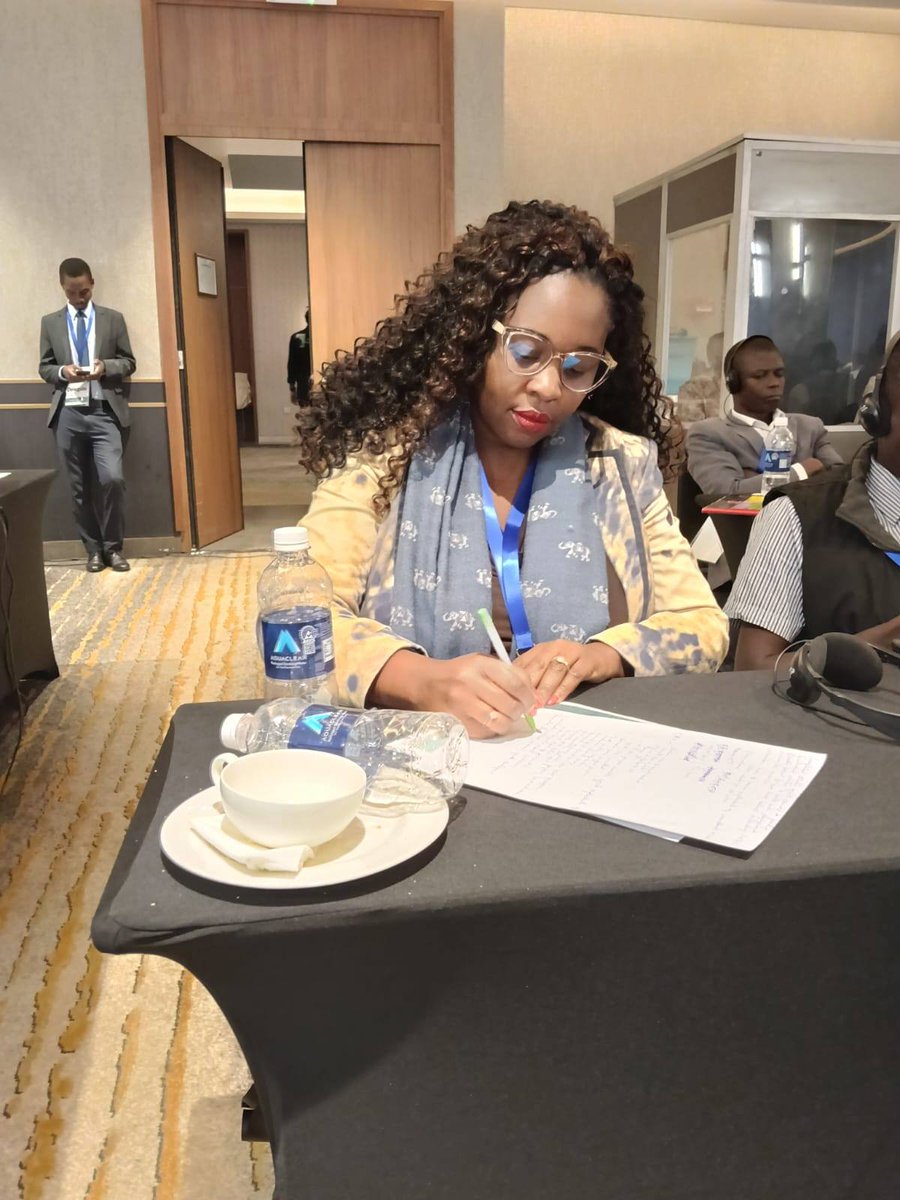
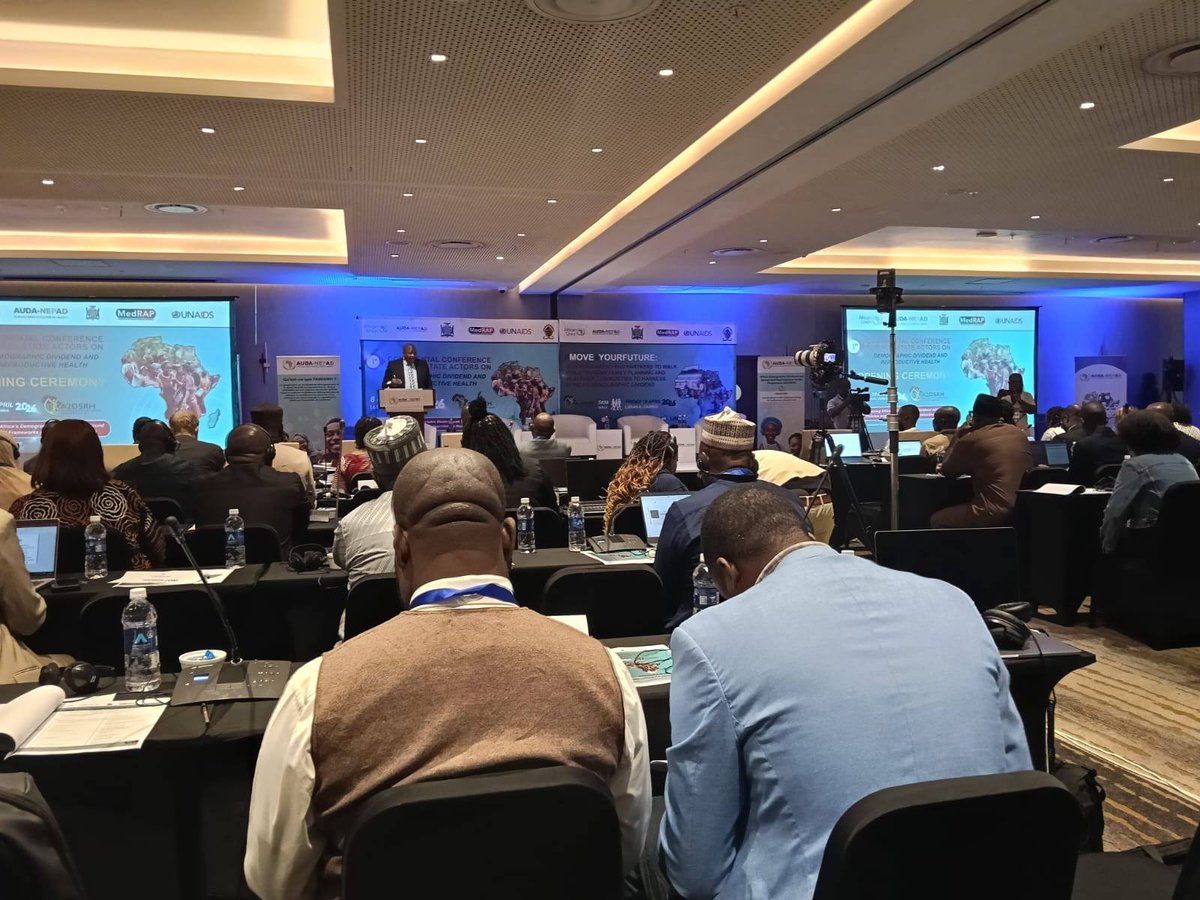
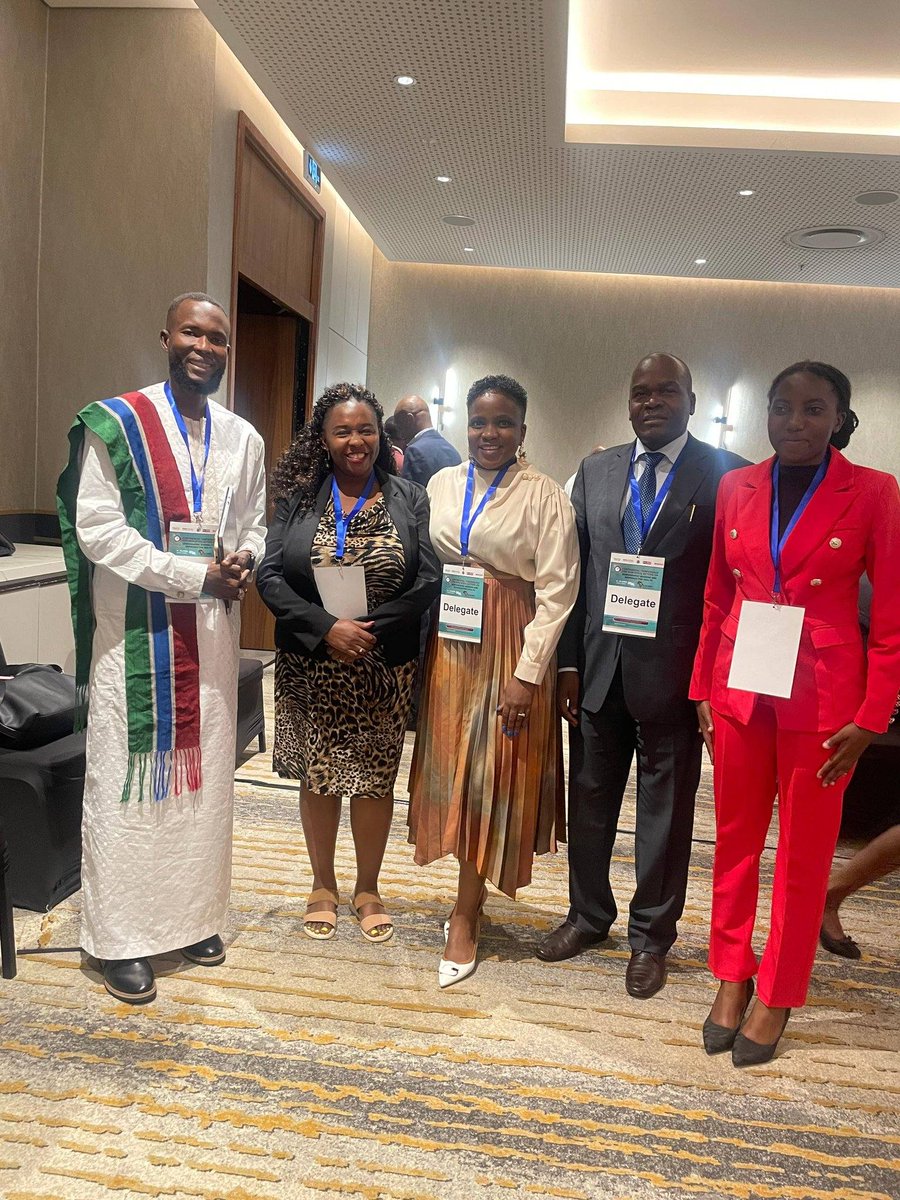
AtMP @MeTAKenya2018 leveraged the recent Continental Conference for Non-State Actors on Demographic Dividend and Reproductive Health convened by AUDA-NEPAD in Lusaka, Zambia to strengthen advocacy efforts on equitable access to medicines and quality SRHR services . Through its participation, AtMP:
☑️Contributed to discussions on sustainable domestic financing for #SRHR and essential health commodities.
☑️Amplified the need for increased investment in adolescent and youth-friendly SRHR services.
☑️Supported evidence-based advocacy and stronger regional collaboration to improve health outcomes.
☑️Reinforced the role of CSOs in advancing inclusive reproductive health policies and services.
☑️Joined stakeholders in supporting the Lusaka 2026 Call to Action, committing to measurable interventions towards improved reproductive health and equitable healthcare access across Africa.
The conference reaffirmed that access to medicines, reproductive health services, and inclusive healthcare systems remain critical in unlocking Africa’s demographic dividend and improving the #wellbeing of women, girls and underserved communities
4
24
267
SHARP Project in Kenya retweeted
A Snakebite can change a life in minutes, but access to the right treatment can change the outcome. Our upcoming documentary explores the fight against snakebite envnoming; a neglected tropical disease; through powerful stories from the Kenya Snakebite project coordinator, @dorojuma1 , communities, frontline healthcare workers, policy leaders and those driving the journey toward better access to lifesaving medicines.
🎬Watch the official trailer now.
Full documentary coming soon.
@HAImedicines @DNDi @CNTD_LSTM @TheENDFund @EADirectorDNDi @GlobalSnakebite @WHOKenya
2
8
148
SHARP Project in Kenya retweeted
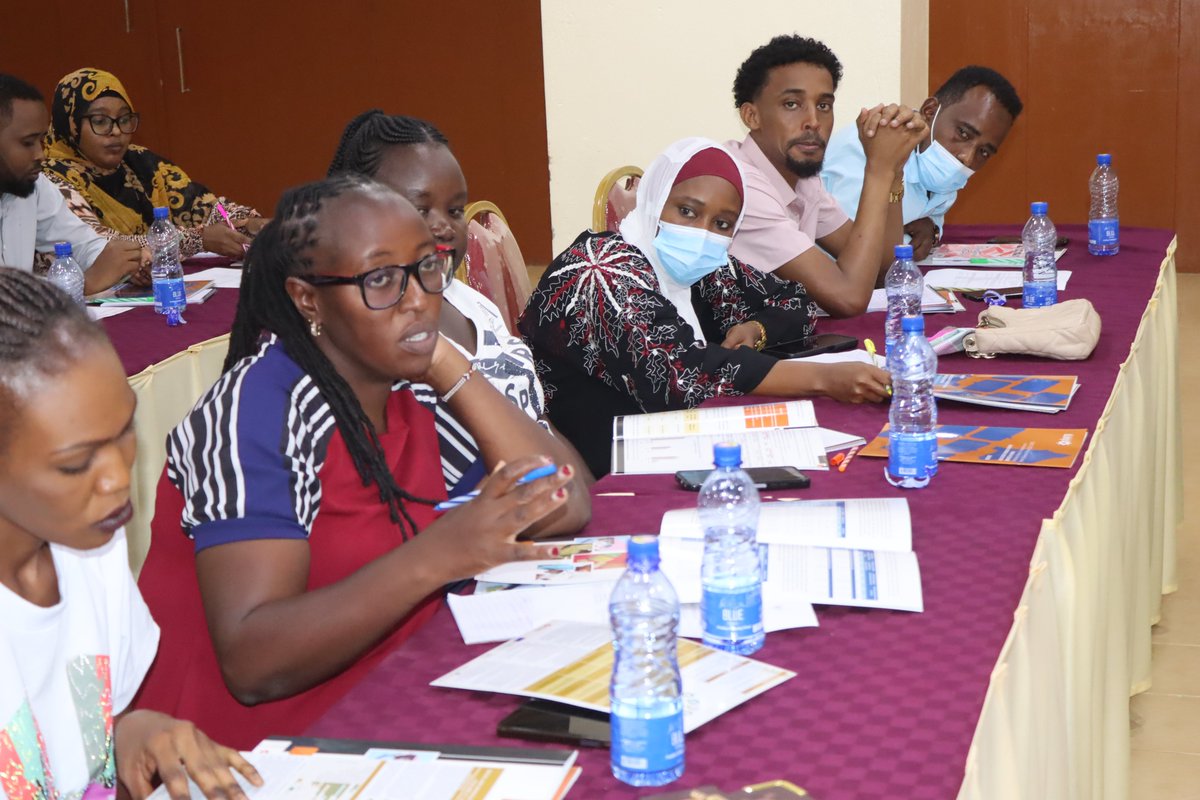
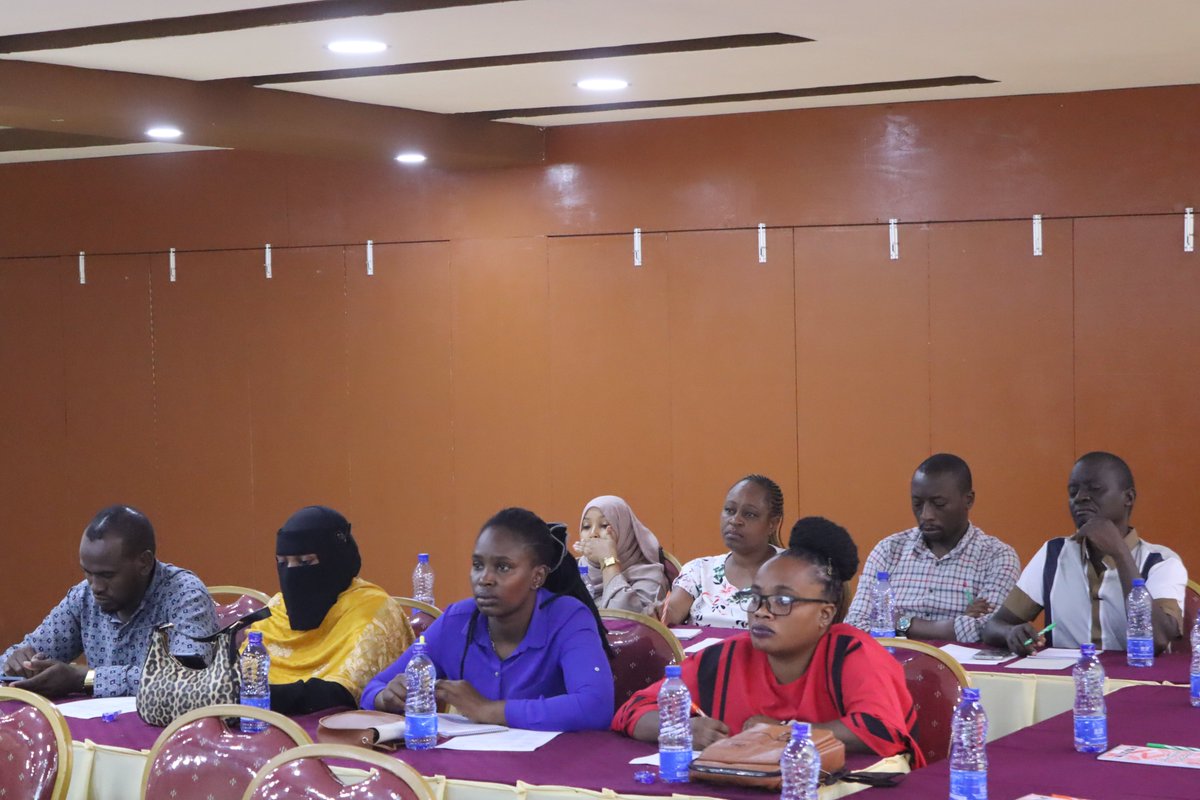
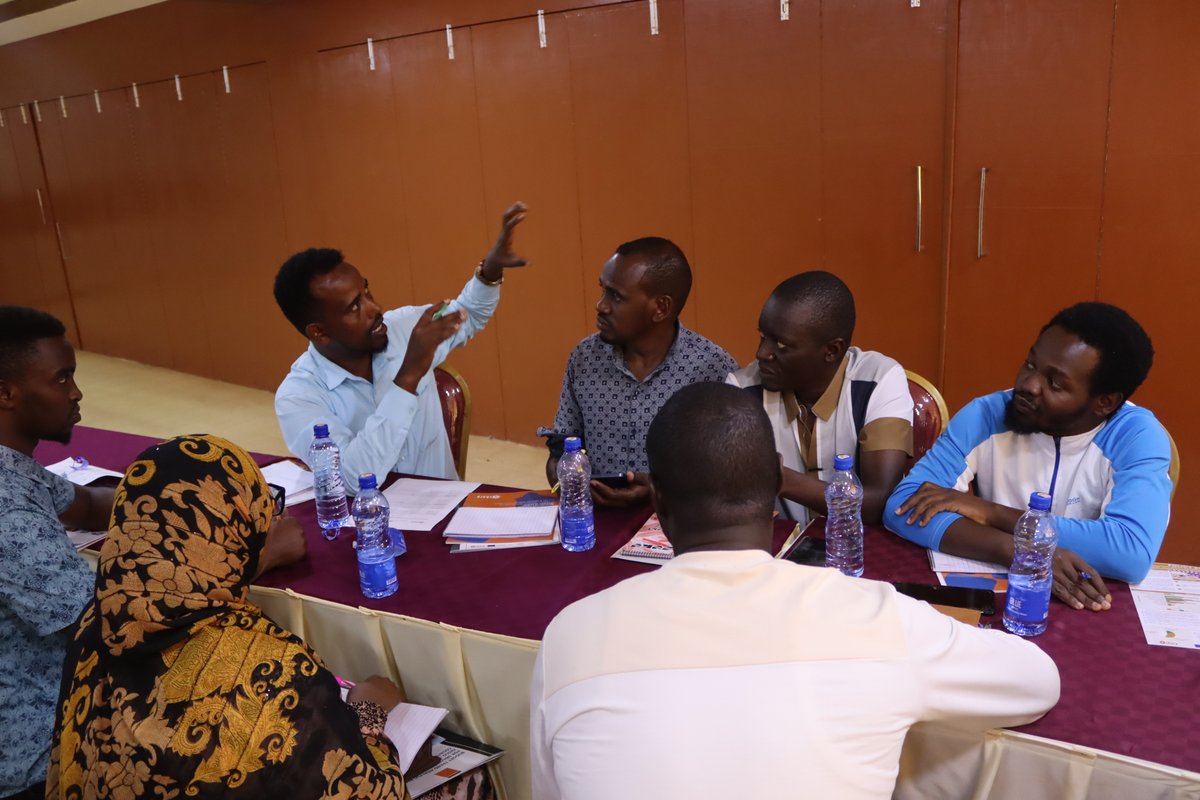
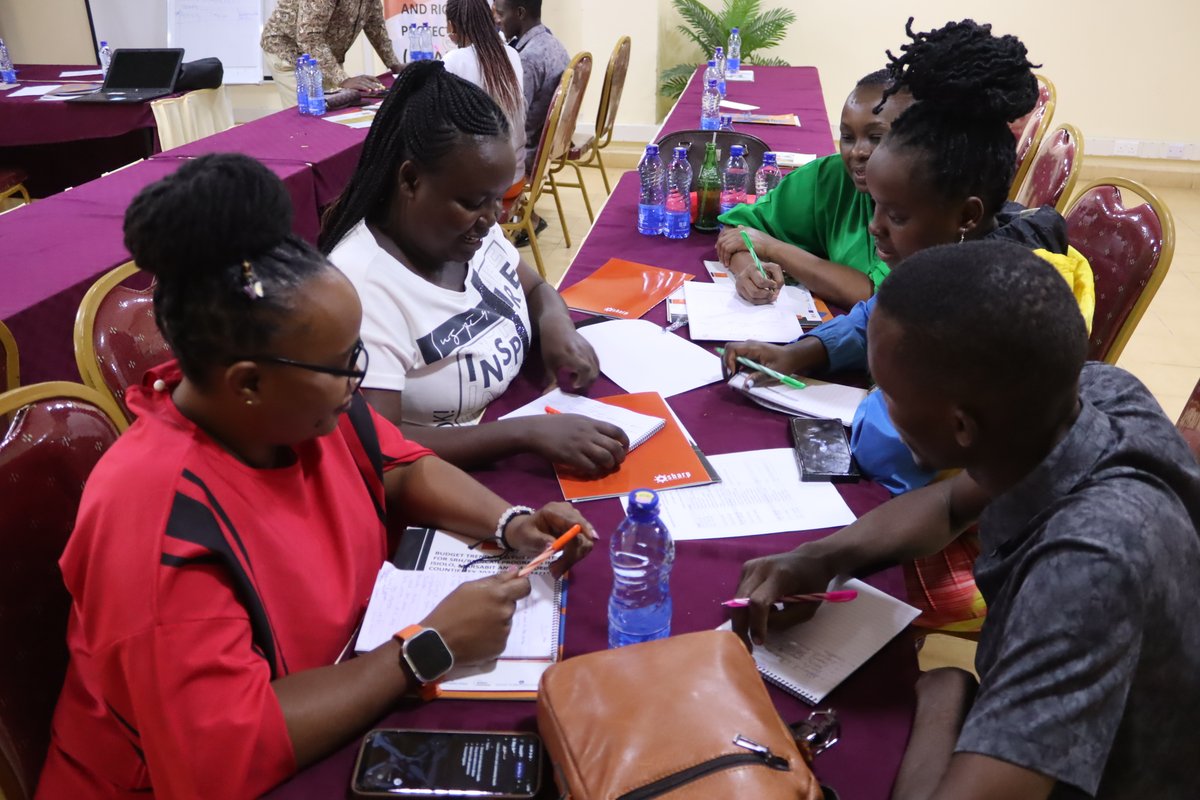
As we mark the close of Nurses Week under the theme of empowering nurses to strengthen healthcare systems, we celebrate the critical role nurses continue to play in advancing quality, accessible, and people-centered healthcare.
At Access to Medicines Platform Kenya, we are proud of the strides made in empowering nurses in Isiolo County through the @projectSHARP by strengthening their capacity to deliver comprehensive Adolescent Sexual and Reproductive Health (ASRH) services. Through targeted trainings, mentorship, supportive supervision and equipping healthcare providers with practical tools and knowledge, nurses have been better positioned to provide adolescent-friendly, responsive, and rights-based care to young people in their communities.
#NursesWeek
3
13
150
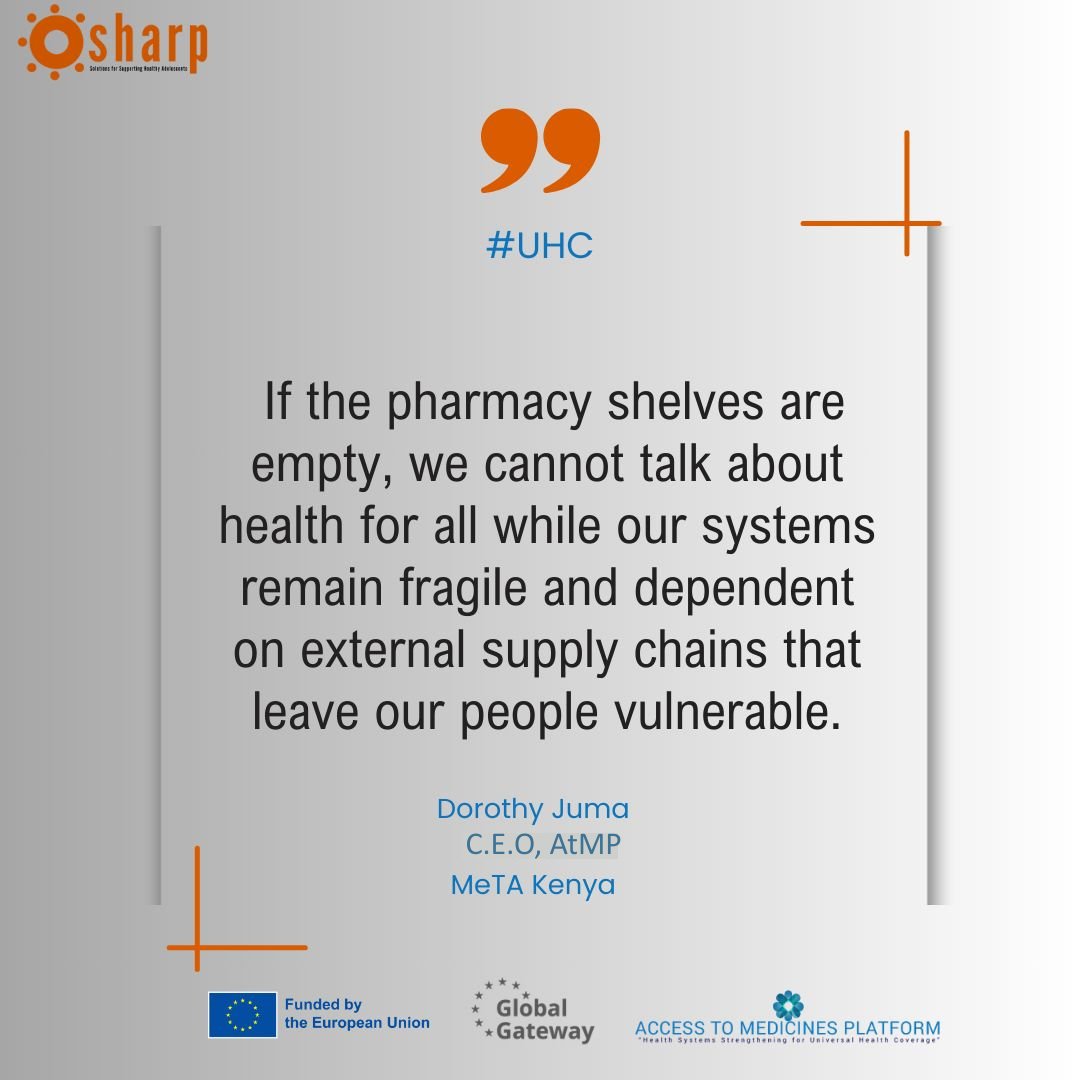
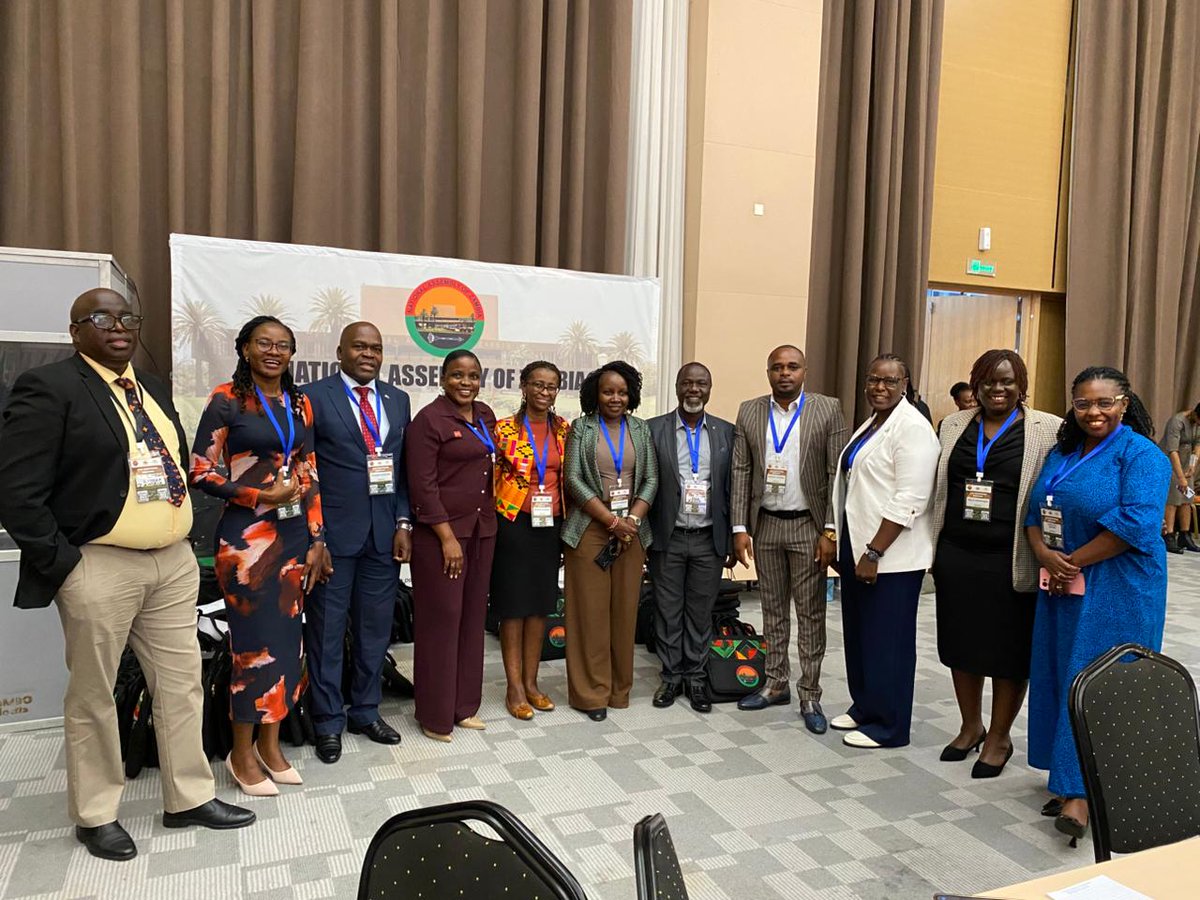
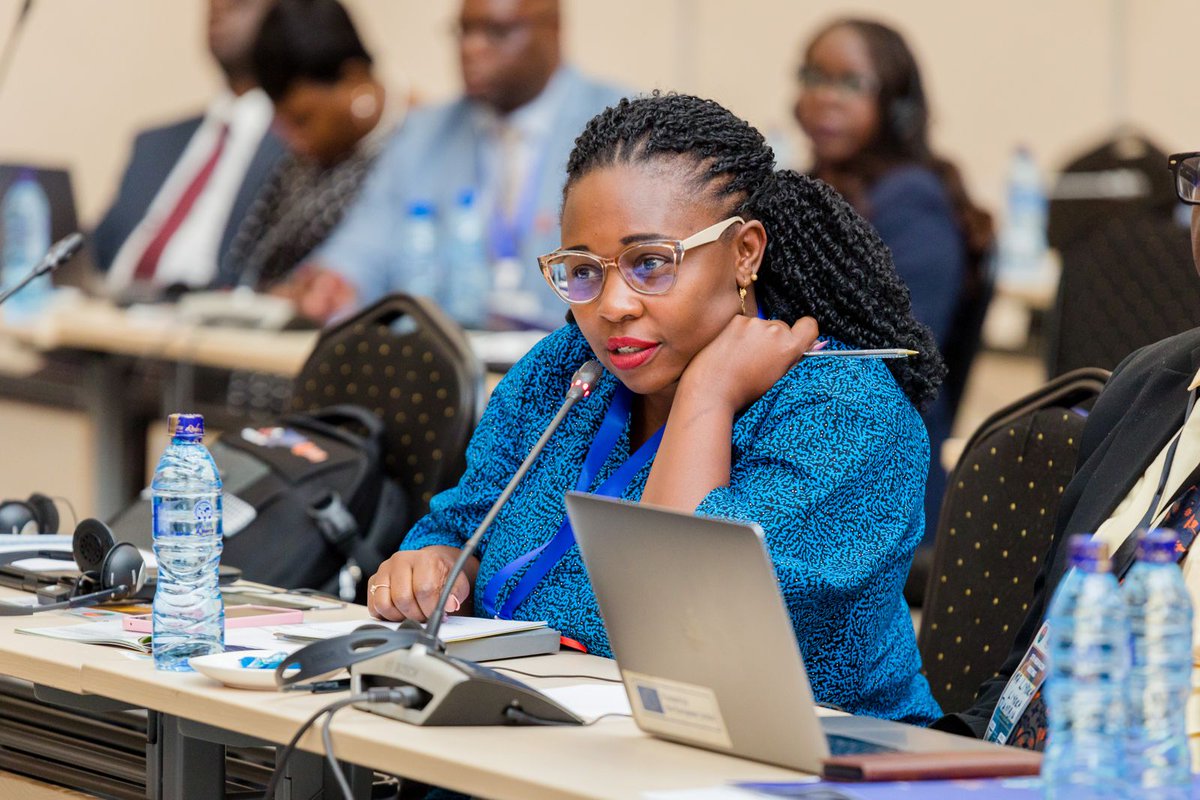
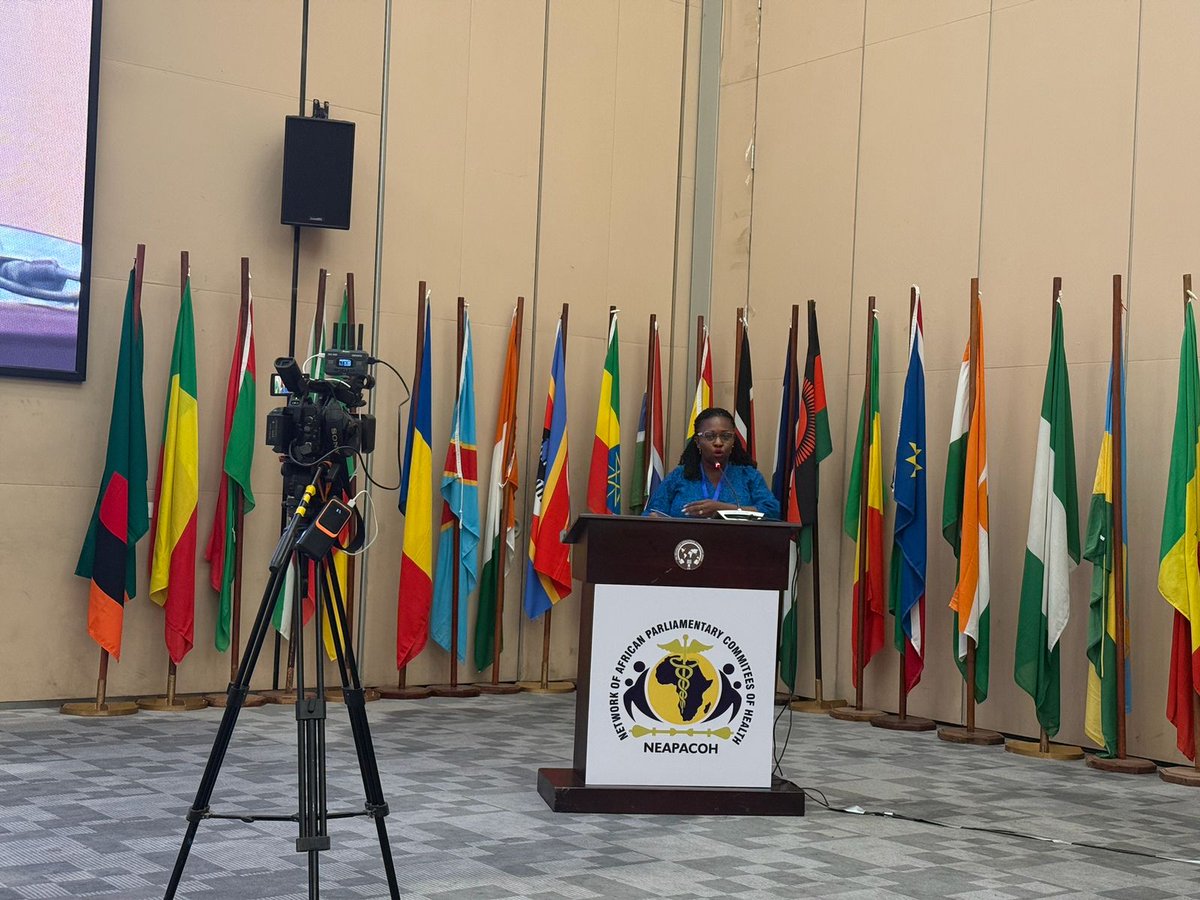
Still reflecting on the major advocacy moments and commitments made during the regional engagements that SHARP participated in across Africa and the key results that came from them. One moment that particularly stood out was at the NEAPACOH meeting in Lusaka, Zambia, where @MeTAKenya2018 C.E.O and @ProjectSHARP coordinator, Dorothy Juma addressed parliamentarians and policymakers from 18 African countries with one urgent message: Universal Health Coverage cannot exist where access to life-saving medicines remains uncertain.
Drawing from evidence generated through SHARP’s studies across the Great Lakes Region on availability, affordability and stockouts of essential SRH commodities, she highlighted the realities facing women and girls across Africa, from prolonged stockouts of maternal health commodities to the high cost of essential SRH services and growing dependence on fragile external supply chains.
She called for bold, continent-led action:
✔️ Local pharmaceutical production as a pillar of health sovereignty and resilience
✔️ Ring-fenced financing for SRH commodities
✔️ Stronger parliamentary oversight and accountability
✔️ Harmonized regulatory systems through the African Medicines Agency
✔️ Sustainable investments in resilient public health systems
Key Outcome📤: The Lusaka Call to Action adopted nearly 80% of SHARP’s recommendations, with 14 African countries committing to stronger action on access to SRH commodities, health systems resilience, and local manufacturing.
Kenya further committed to strengthening regulatory capacity, advancing the Health Products Authority Bill, and implementing the Primary Health Care Fund. @dorojuma1
#AdvocacyWins #HealthForAll #UHC
3
11
168