
Black African Nationalist- Entrepreneur - 吃苦 Chi Ku - Practice Makes Perfect - Niet lullen maar poetsen - Rotterdam
Joined April 2012
- Tweets 14,521
- Following 3,185
- Followers 814
- Likes 5,219
1,530 Photos and videos
Pinned Tweet

22 Jan 2024
Black Africa is united and mobilized in Kinshasa,Democratic Republic of Congo to accompany the Great People of the Democratic Republic of Congo in this new chapter in which we will embark together in the multipolar world order 🌍✅
Tous derrière le Président Felix Tshisekedi ✊🏿🇨🇩
1
3
1,769

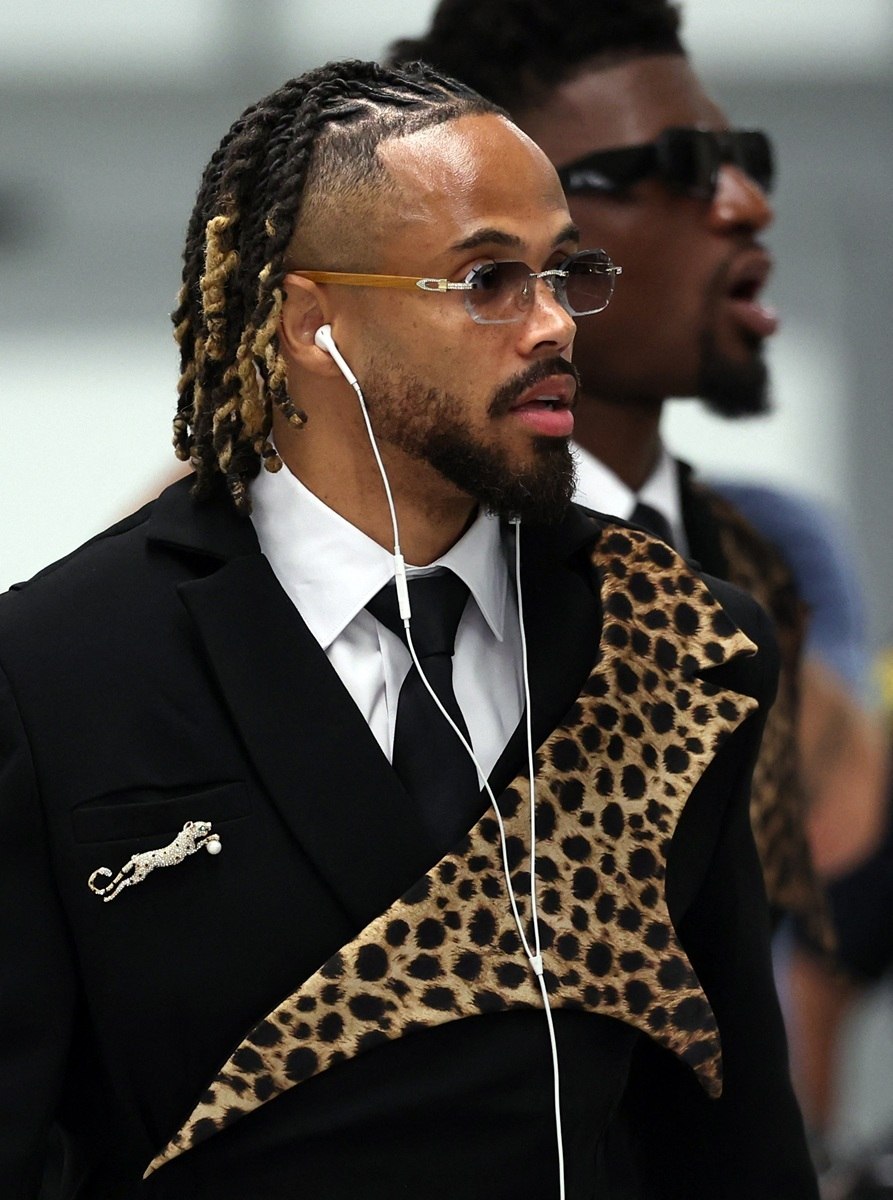
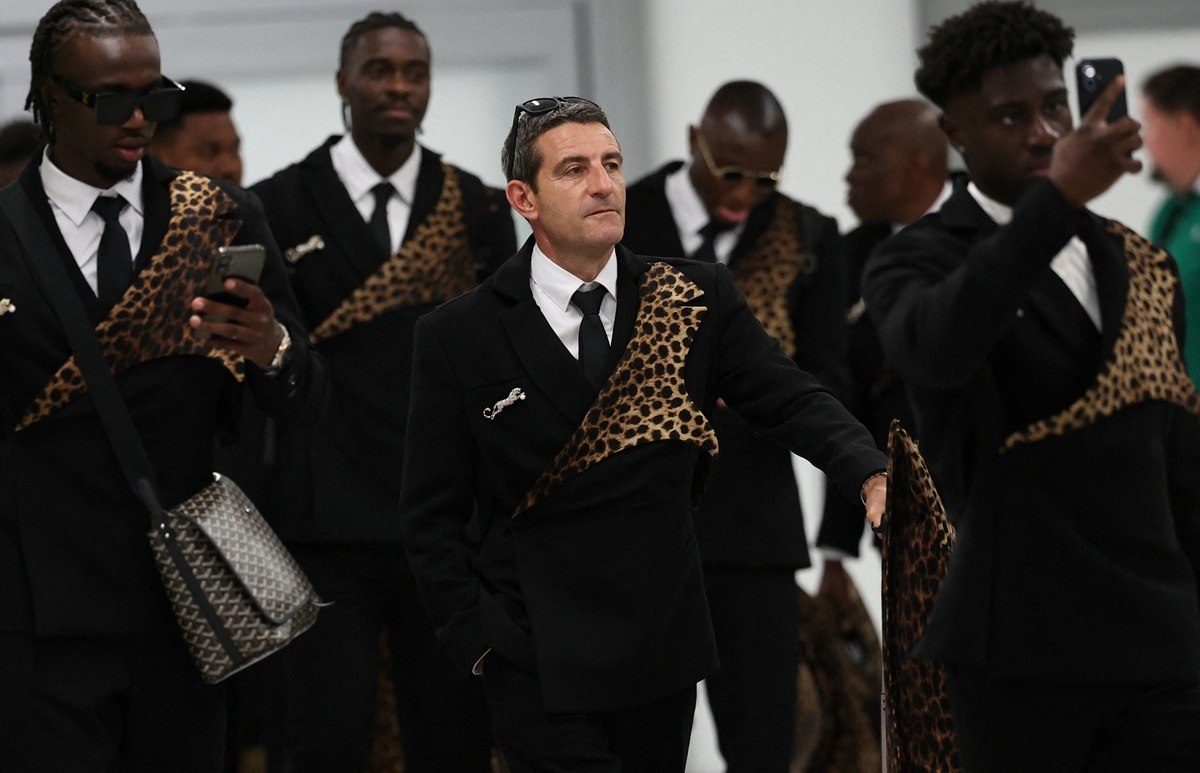
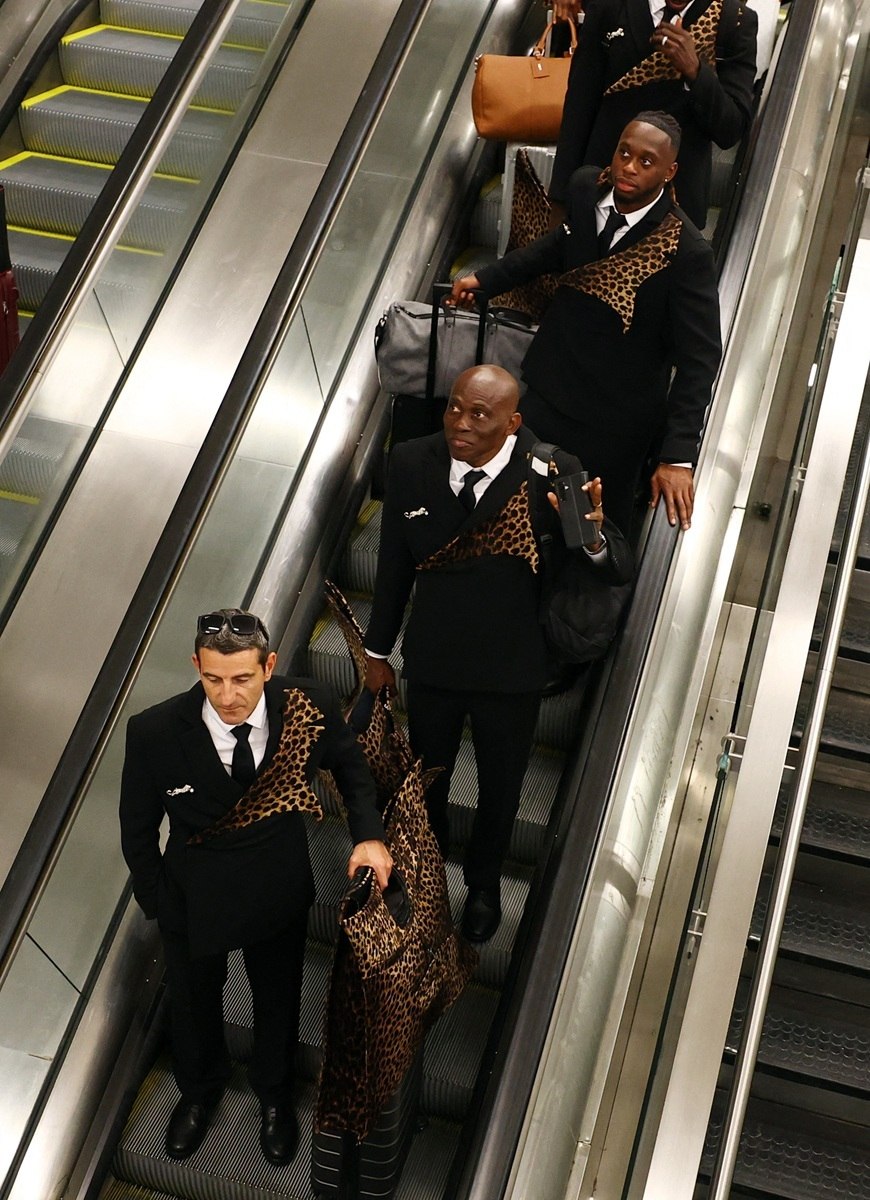
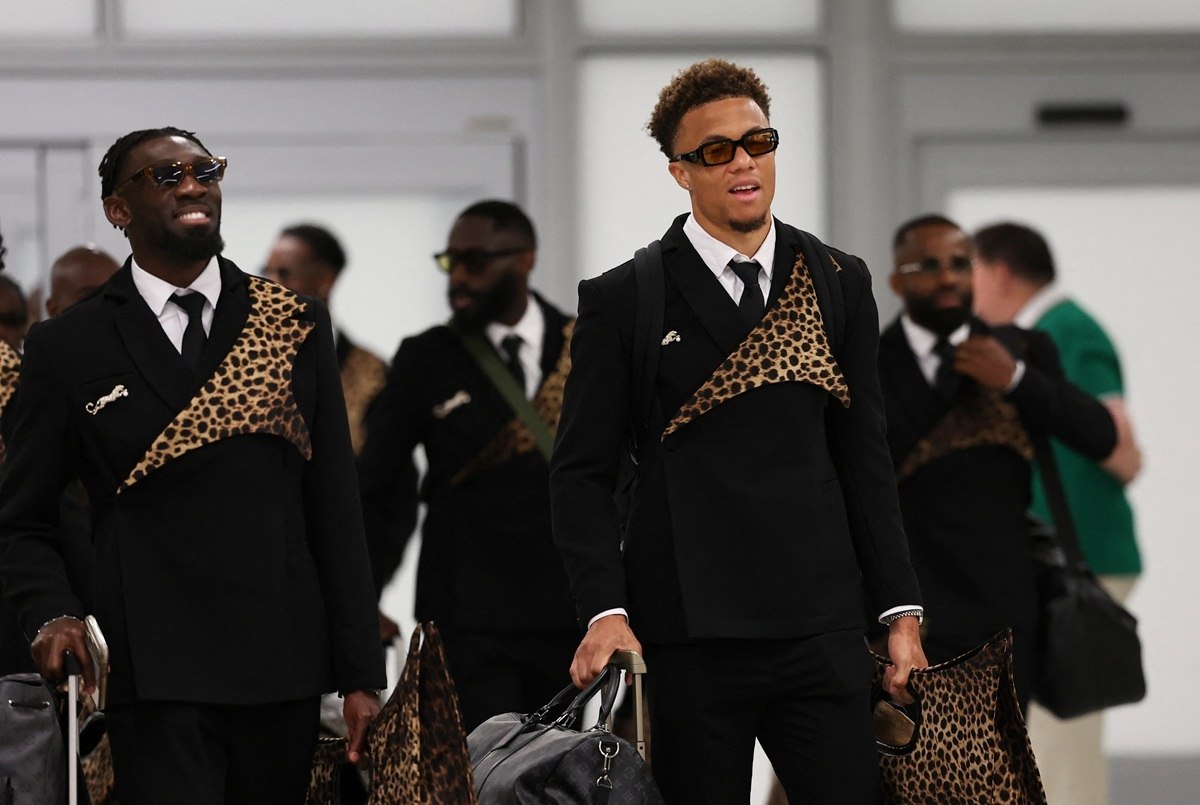
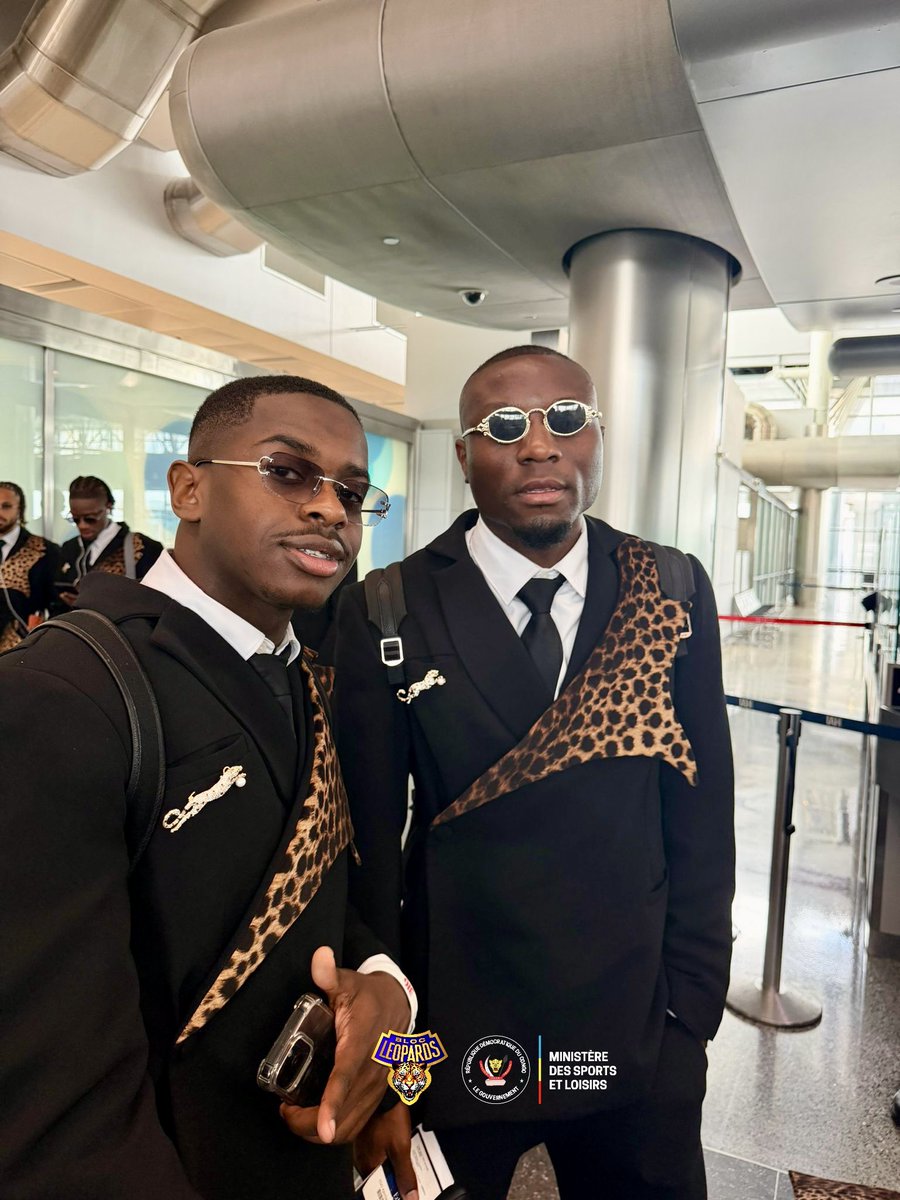
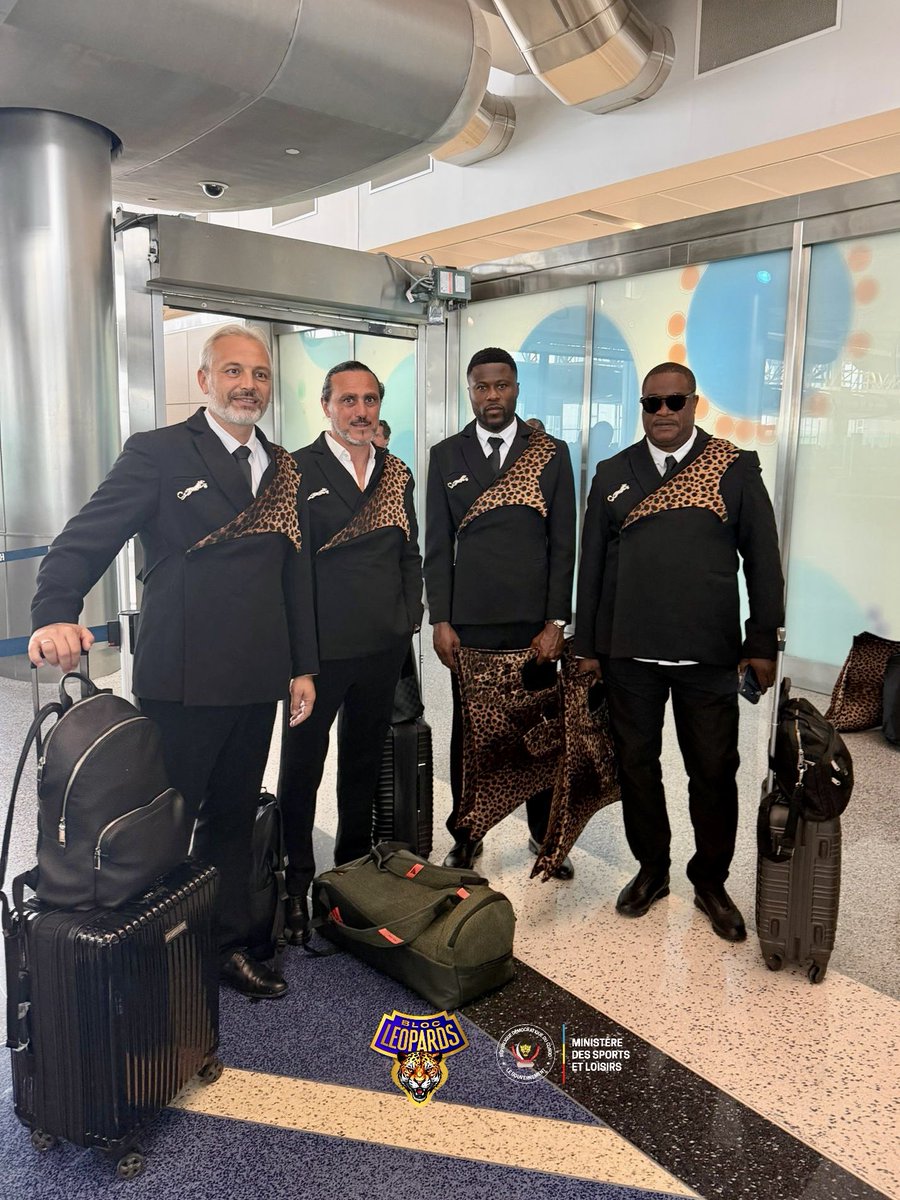
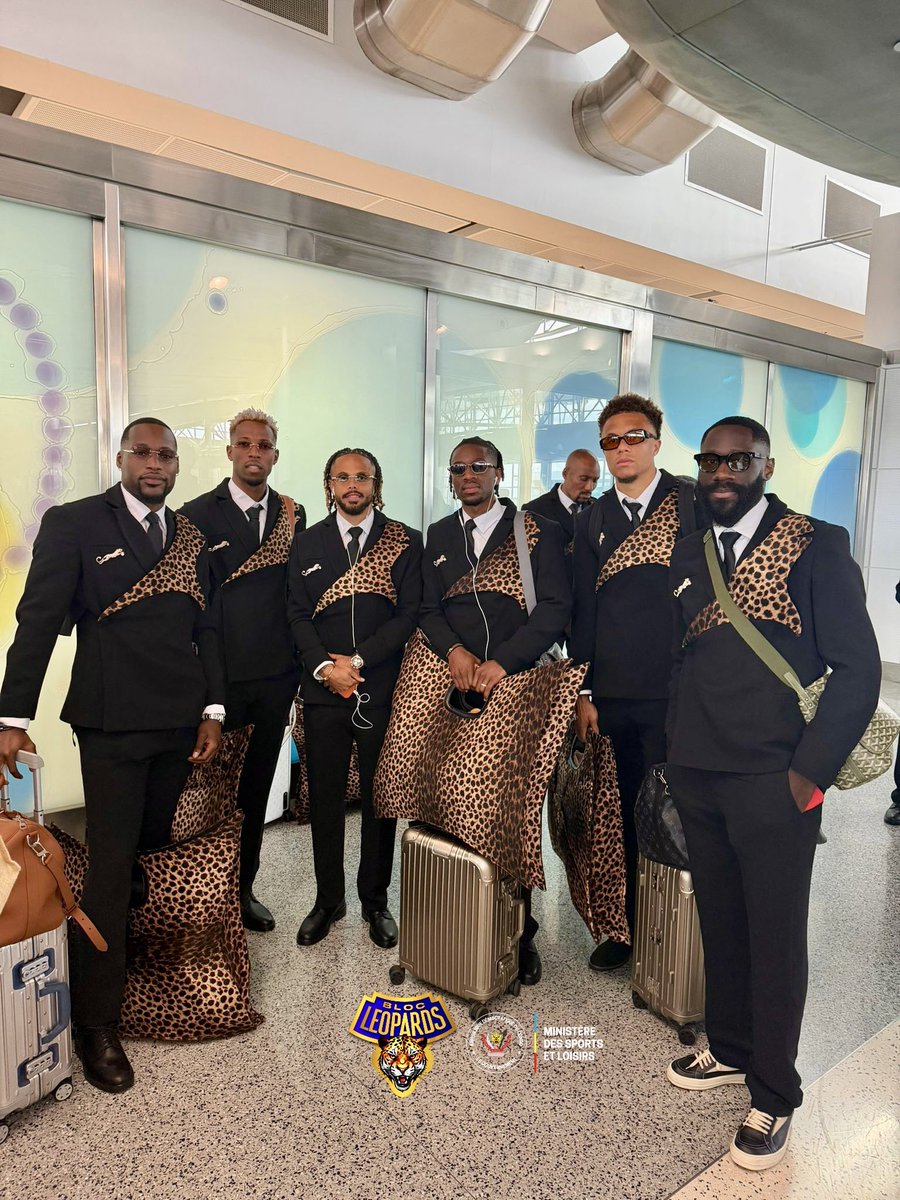
The outfits of the football players and members of the Congolese national team delegation caused a sensation online.
The African team will begin its tournament campaign on June 17 with a match against Portugal.
For DR Congo, this will be their second appearance in the final stage of the World Cup.
17
117
638
43,300

Wow
Jun 12

Today, I’m releasing never before seen intelligence revealing new evidence of past US government funding for more than 120 biolabs in over 30 countries, including Ukraine.
In support of President Trump‘s Executive Order to end federal funding of dangerous gain of function research around the world, and increase transparency and accountability, ODNI will continue working with partners across the Administration to identify where these labs are, what pathogens they contain, and what “research” is being conducted.
odni.gov/index.php/newsroom/…
8,366
55,214
285,050
20,671,911
Jun 14
RT @batten_von: This is Dr. Von Batten. As an American of African descent, the African continent and its people play an important role in m…
152

P.Iraguha-Shima retweeted

Jun 13
🇨🇩🐆😍👔"Le Swag absolu"
Hier dans RTL Coupe du Monde, nos journalistes sont revenus sur l'arrivée à l'aéroport de la sélection de la République Démocratique du Congo : "une leçon de style et de classe"
@timmaymon @Lea_Quinio @Bruno_Constant @RTLFoot
51
804
2,771
76,837
P.Iraguha-Shima retweeted

Jun 12
17
272
1,269
15,056
P.Iraguha-Shima retweeted

Jun 12
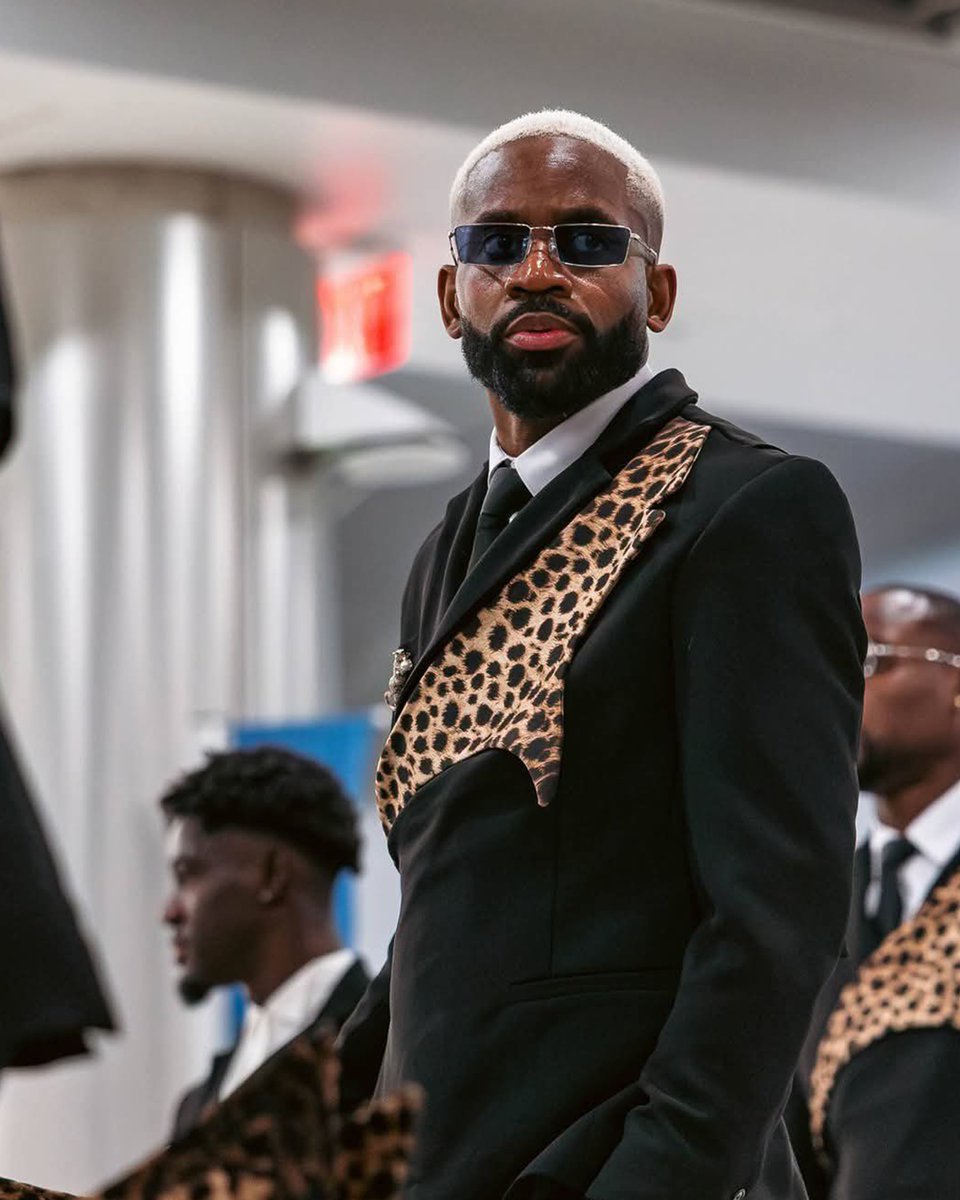
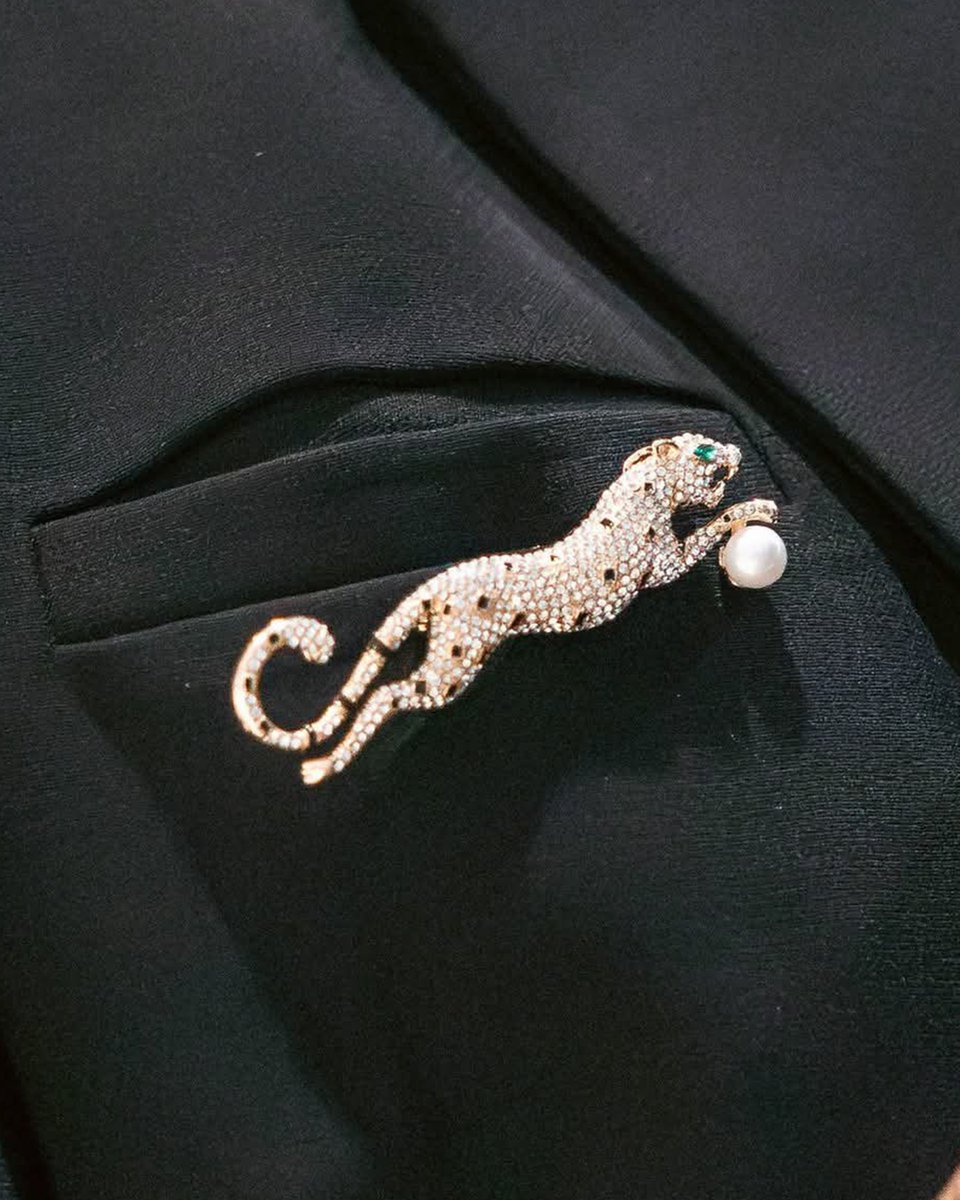
DR Congo landed in Houston and brought the fashion heat 🇨🇩
The Leopards are playing in a first World Cup since 1974; this outfit alone may be worth the wait 🔥

26
448
2,503
72,766
P.Iraguha-Shima retweeted

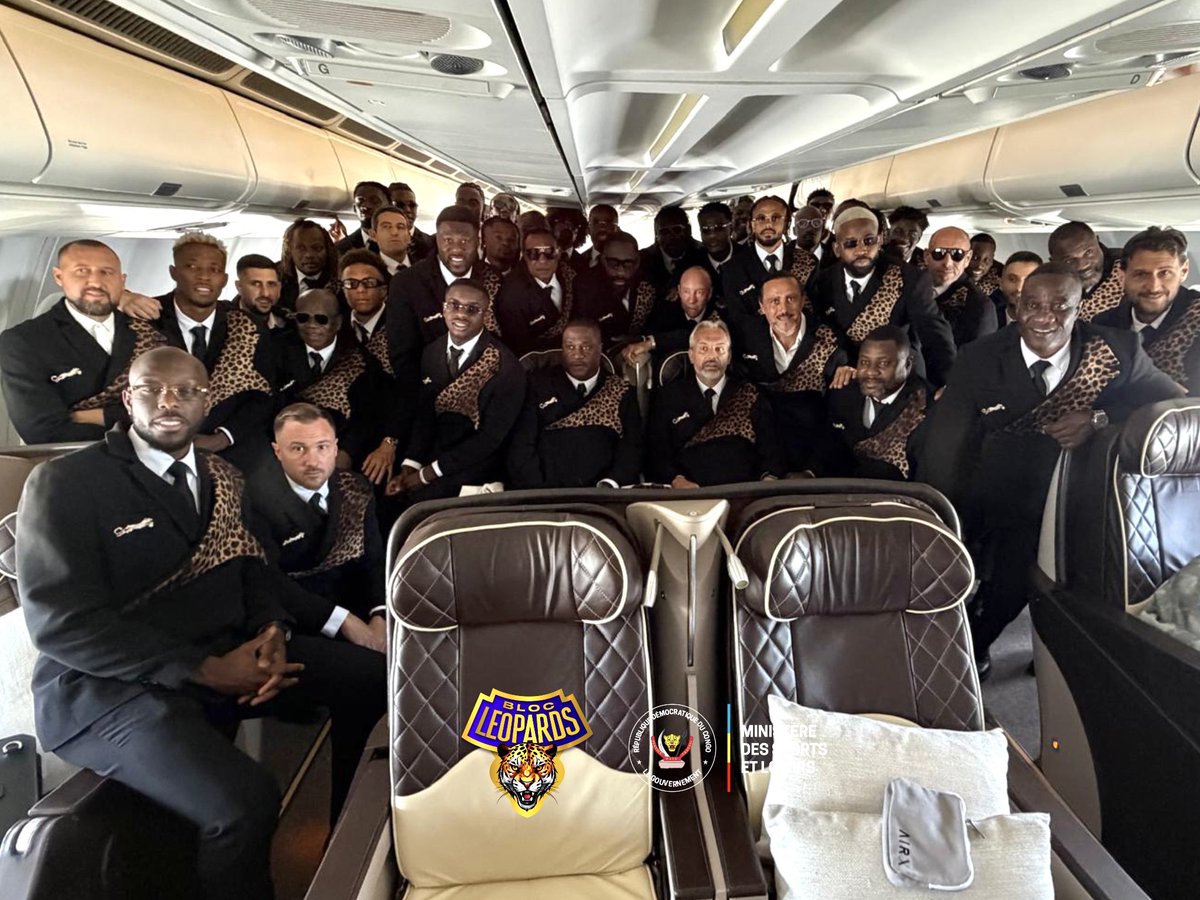
USA nous sommes là 📍🇺🇸
310
3,680
21,308
1,074,585
P.Iraguha-Shima retweeted

Jun 11
(FR/EN) 🇨🇩 Je suis outré par les déformations — délibérées ou non — de la position de la Belgique sur l'est de la RDC qui circulent en ce moment sur les réseaux sur la base d'une lecture totalement (volontairement?) biaisée de l'un de mes récents tweets.
Qu'il n'y ait pas d'ambiguïté : l'intégrité territoriale et la souveraineté de la RDC ne sont pas négociables. Pas de conditions, pas de préalables. Depuis le début, la Belgique a été à la pointe de la défense de ces principes au niveau international et le restera. De même, j'ai condamné l'agression rwandaise sans détour et je continuerai à le faire tant que l'ensemble des troupes rwandaises n'auront pas quitté le sol congolais.
Mais j'ai aussi toujours plaidé pour la mise en œuvre complète des accords de Washington signés par la RDC et le Rwanda. Ces accords sont limpides : le retrait des troupes rwandaises et la neutralisation des FDLR figurent dans la même phrase, à l'article 1.
Contrairement à l'intox qui circule, la Belgique ne conditionne pas l'un à l'autre. Elle demande simplement que chacun honore rapidement ses engagements librement consentis et reconfirmés à plusieurs reprises. C'est d'ailleurs exactement ce que disent les États-Unis par la voix de Massad Boulos, le Qatar, l'Union africaine et l'ensemble des partenaires du Groupe de contact international.
La population congolaise a trop souffert. Face à l'urgence, y compris l'épidémie Ebola, il faut agir maintenant ! Et faire taire les armes par toutes les parties.
_________
🇨🇩 I am outraged by the distortions — whether deliberate or not — of Belgium's position on eastern DRC now circulating on social media, based on a completely (deliberately?) biased reading of one of my recent tweets.
Let there be no ambiguity: the territorial integrity and sovereignty of the DRC are non-negotiable. No conditions, no preconditions. From the outset, Belgium has led the international defense of these principles, and it will continue to do so. Likewise, I have condemned Rwanda's aggression in no uncertain terms, and I will keep doing so until every Rwandan soldier has left Congolese soil.
But I have also consistently called for the full implementation of the Washington agreements signed by the DRC and Rwanda. Those agreements are crystal clear: the withdrawal of Rwandan troops and the neutralization of the FDLR appear in the same sentence, in Article 1.
Contrary to the disinformation being spread, Belgium does not make one conditional on the other. It simply asks that everyone swiftly honor the commitments they freely entered into and have reaffirmed time and again. This is exactly what the United States through Massad Boulos, Qatar, the African Union, and all the partners of the International Contact Group are saying as well.
The Congolese people have suffered far too much. Faced with the urgency, including the Ebola outbreak, we must act now! And silence the guns of all actors.
@BelgiumMFA @BelgiqueRDCongo
290
77
230
66,204
P.Iraguha-Shima retweeted

Jun 10
#DRC #M23: This report corroborates the last UN Experts report. And, for the first time, it says what the US has long suspected: @PaulKagame's occupation of parts of eastern DRC constitutes an foreign military occupation - similar to the occupied territories in Gaza and the West Bank.
Question is, will @kayikwambaT & DRC's allies seek to get the @UN to formally declare it as such?
Jun 10

NEW: Rwandan military forces and the M23 armed group carried out a campaign of forced recruitment and abusive detention of captured combatants and civilians in eastern Democratic Republic of Congo.
In a new report, HRW documents large-scale roundups and arrests as well as grave abuses.
6
30
45
3,259
P.Iraguha-Shima retweeted

Jun 6
Firstly, Ethiopia is under US sanctions while Vietnam is not. And speaking of former French colonies, Haiti was the first to get independence (1804) and is still one of the poorest countries in the world because of the debt they had to take on to gain independence (it took them until 1947 to fully repay it!). Whereas, New Caledonia is still a French colony and is neither rich nor poor.
"If colonialism were the answer to why Africa is poor..."
This line completely ignores the European powers' (and US) post-colonial control over Africa. Patrice Lumumba, the first democratically elected leader of the DRC, was tortured and killed by Belgium and the US for being a nationalist. His body was dissolved in acid so he wouldn't become a martyr. His legacy is largely unknown even within the continent. Several other such "lessons" were meted out. Google Thomas Sankara (Burkina Faso) and Sylvanus Olympio (Togo).
Once you set the example, you gain obedience. The VietCong, on the other hand, didn't surrender even though 3 million Vietnamese died during the war, and several thousand more continue to die to this day (!) from Agent Orange exposure.
As for former French colonies in Africa, France still controls their currency and holds their central bank reserves in France. As Rothschild purportedly said, "permit me to issue and control the money of a nation, and I care not who makes its laws."
Third, the borders in Africa were drawn in such a way that conflict was inevitable. At the Berlin Conference in 1884-85, the European powers simply carved up the continent by drawing straight line borders. African leaders were conspicuous only by their absence at this historic event which shaped the next century. This is why Cameroon, a French-speaking country, has a minority English-speaking territory, ensuring it remains destabilized. Likewise for West Asia/the Middle East, where the Sykes-Picot legacy lives on.
@magattew conflates formal colonial rule with colonial control. Vietnam managed to fully kick out both France and the US, reunified the North and the South, and kept its sovereignty. All African leaders who attempted the same have been systematically eliminated (see Muammar Gaddafi, Libya's divisive leader, for a recent example), ensuring Africa forever bears the open wounds of its colonial legacy.
But Ms. Wade is right on one thing: Vietnam owes its prosperity to overcoming colonial rule. Maybe Africa can become prosperous if Africans do the same.
Jun 5

Ethiopia was never colonized.
For much of its history, it was one of the poorest countries on the continent.
Meanwhile, Vietnam was colonized by the French, devastated by decades of war, and is now on its way to serious economic prosperity.
If colonialism were the answer to why Africa is poor, Ethiopia should be rich and Vietnam should be broke. Neither is true.
Can we please retire this excuse?
195
1,674
4,219
273,539
P.Iraguha-Shima retweeted
Jun 6
#DRC #M23: I'm uploading a very revealing portion of @SecRubio comments to @RepChrisSmith (R-NJ) re: @PaulKagame's war (via DRC-designated terrorist group #M23) in eastern Congo.
Why is it revealing? Because Rubio reveals 3 key things about what he thinks abt this conflict:
1. Rubio clearly says the primary party not abiding by the Accords is #Rwanda, not #DRC.
2. Rubio also implies he thinks the RDF and M23 are, effectively, one in the same and says that the US will be monitoring if RDF pulls out and then re-suits as M23.
3. Rubio also dismisses critics who believe the US is showing favoritism to Kinshasa.
Here's a link to the YouTube video of the entire hearing before Congress, which occurred on June 4th, 2026.
Link: youtube.com/watch?v=w76xsrPT…
These particular remarks start at 36.21.
12
83
171
17,905
P.Iraguha-Shima retweeted

14
25
52
12,534
P.Iraguha-Shima retweeted
Building on ongoing efforts to advance peace, security and prosperity in eastern DRC and the Great Lakes region, the United States has now sanctioned senior commanders of both M23 and FDLR for atrocities committed against civilians and for undermining the peace process in eastern DRC. The United States stands ready to take additional measures against any state, individual, or group that threatens the prospects for peace in the region, and especially for any actor that undermines implementation of the Washington Accords and obligations for peace. To that end, the Rwandan Defense Forces must complete their withdrawal from the DRC without further delay, and the DRC must decisively neutralize the FDLR. Accountability, compliance, and implementation are essential to securing lasting peace.
382
251
650
152,418

P.Iraguha-Shima retweeted

The fact that Marco Rubio has referred to a specific timeline for the withdrawal of Rwandan forces from eastern DRC is not a minor diplomatic remark. It is a clear political signal.
Even if framed as an “expectation” rather than a strict ultimatum, it fundamentally changes the nature of the issue: the conflict is no longer being addressed through broad diplomatic statements, but through a publicly referenced time-bound framework that is being closely watched at the highest levels of U.S. foreign policy.
In international relations, this kind of positioning has three immediate implications:
First, it reduces the room for manoeuvre of the parties involved. Once a timeframe is publicly mentioned, diplomacy becomes less abstract and more accountable. Actions are now measured against a visible benchmark.
Second, it introduces a logic of responsibility and consequence. If the expected timeline is not respected, the issue is no longer purely rhetorical. It can translate into increased diplomatic, political, or economic pressure depending on how the situation evolves.
Third, it reshapes the regional balance of perception. It signals that the situation in eastern DRC is no longer treated as a peripheral instability, but as a strategically monitored file within U.S. foreign policy priorities.
In short, even with cautious wording, the political effect is significant: the framework of engagement is shifting, and all actors are now operating under a visible time constraint that changes the dynamics of the conflict going forward.

Pourtant, Kagame laisse croire que les sanctions n’ont aucun effet et tente de faire croire à ses partisans à Kigali qu’il s’en moque. Mais en réalité, il fléchit comme un roseau. On ne peut pas occuper indéfiniment des territoires congolais pour des raisons fallacieuses.
Kagame doit impérativement se retirer une bonne fois pour toutes, et cet accord de Washington doit servir de bouclier contre les manipulations et les jeux obscurs de Kigali.
1
2
6
445
P.Iraguha-Shima retweeted
Jun 4
#DRC: To be clear, Rubio did not say Rwanda will remove all its troops from DRC by July. He said he "expects" Rwanda to do so by July. That is a major difference and Rubio used the word "expects" for very strategic reasons.
Also, to my friends in the Congolese opposition, Rubio did NOT publicly address the constitutional revision debate in #Congo in this hearing before the US Senate's Foreign Relations Committee.
Why? Because Africans do not want Westerners interfering in their internal affairs and the @realDonaldTrump Adminstration fully agrees. 😏
#RDC #Minerals4Security

Marco Rubio considère que le Rwanda commence à respecter l’Accord de Washington après des sanctions subies, et s’attend au retrait des troupes rwandaises du Congo d’ici juillet prochain actualite.cd/2026/06/04/marc…
17
17
64
13,312
P.Iraguha-Shima retweeted

Washington annonce enfin une date pour le retrait des troupes rwandaises de la RDC
👉 beto.cd/?p=213740

ALT Le secrétaire d'État américain Marco Rubio a déclaré ce mercredi 3 juin devant la Chambre des représentants que Washington attend un retrait effectif des troupes rwandaises de l'est de la République démocratique du Congo d'ici la mi-juillet 2026.
19
122
539
19,439
P.Iraguha-Shima retweeted

COUP DURE POUR LE M23 et LE RWANDA.
🇺🇸 Marco Rubio a évoqué la mise en œuvre de l’accord de paix RDC–Rwanda devant le Congrès.
Il a reconnu que les choses avancent, mais très lentement, avec des progrès limités sur le terrain.
Des sanctions ont déjà été prises pour tenter de faire respecter les engagements.
Il espère également voir un retrait des troupes rwandaises d’ici le milieu du mois prochain.
35
104
394
18,475
P.Iraguha-Shima retweeted

“Conflict in DRC has made life a nightmare for those living there. And with the outbreak of Ebola, it has severe consequences for the health and safety of the entire region. @StateDept must continue to hold those contributing to the instability accountable.” -@SenatorShaheen

The U.S. is taking further action to address threats to stability and prosperity in eastern DRC by sanctioning senior commanders of two armed groups the U.S. previously designated, the Democratic Forces for the Liberation of Rwanda (FDLR), and the Rwanda-backed March 23 Movement (M23).
Read more⬇️
state.gov/releases/office-of…
17
77
181
18,107