A California public defender. De-carcerate. De-criminalize. Support the Constitution.
Joined May 2013
- Tweets 5,220
- Following 1,246
- Followers 1,158
- Likes 33,461
83 Photos and videos








Pinned Tweet

21 Jan 2023
DO NOT TAKE YOUR KIDS TO THE COPS WITHOUT LEGAL REPRESENTATION EVER. And if your child is arrested, you INSIST that they say NOTHING but their name, age, and that they want a lawyer. THAT'S IT. NOTHING ELSE. Maybe even roll play with them beforehand. #ProtectChildren
7
52
189
11,166
A Public Defender retweeted

Jun 12
A young woman from Germany vanished without a trace 11 years ago. Now, her name makes several appearances in the Epstein files. Her family wants to finally learn what happened to her. dlvr.it/TT0sB4
293
15,137
43,250
2,195,849
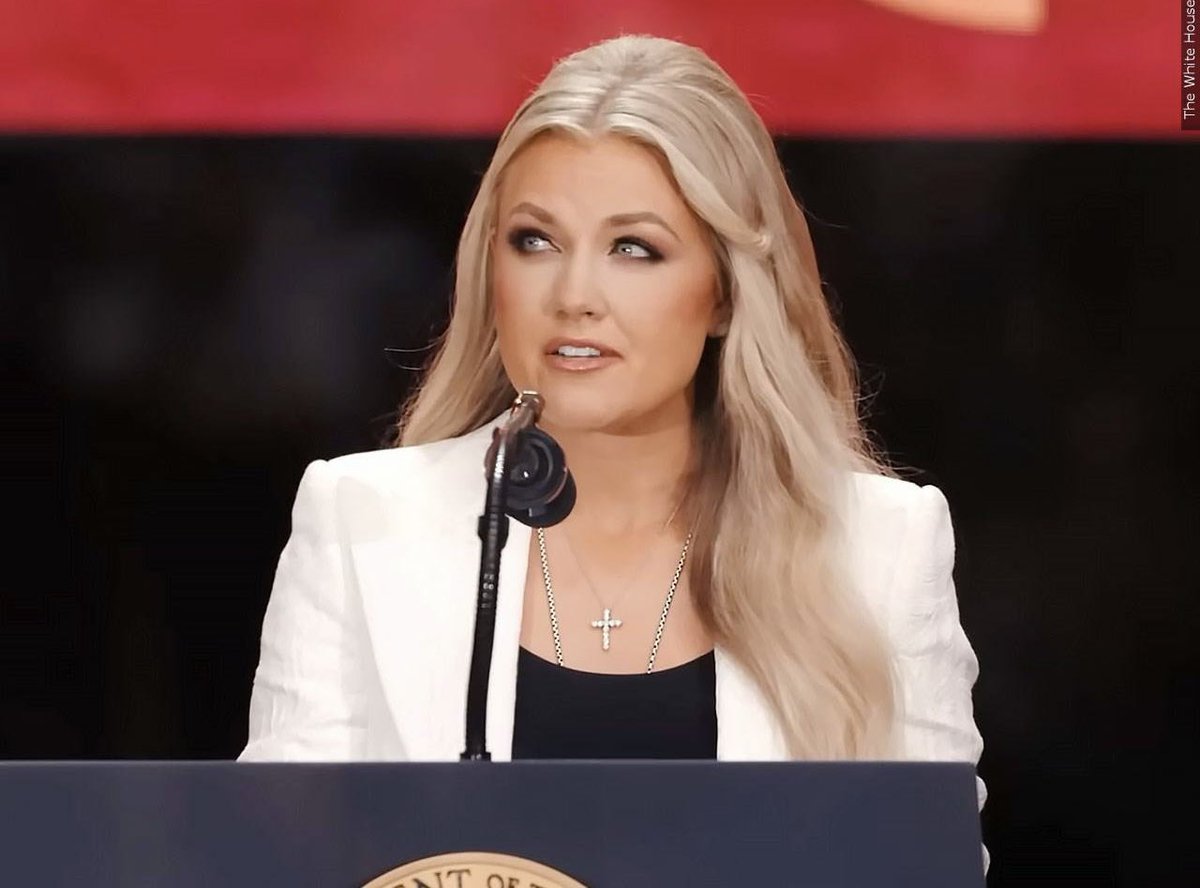
“Conservatives” in a nutshell: Woman who got 3 degrees, became CEO of a company, got married and had kids in her 30s wants OTHER WOMEN to get married in their teens, have no job, and no education.

1
2
72
A Public Defender retweeted

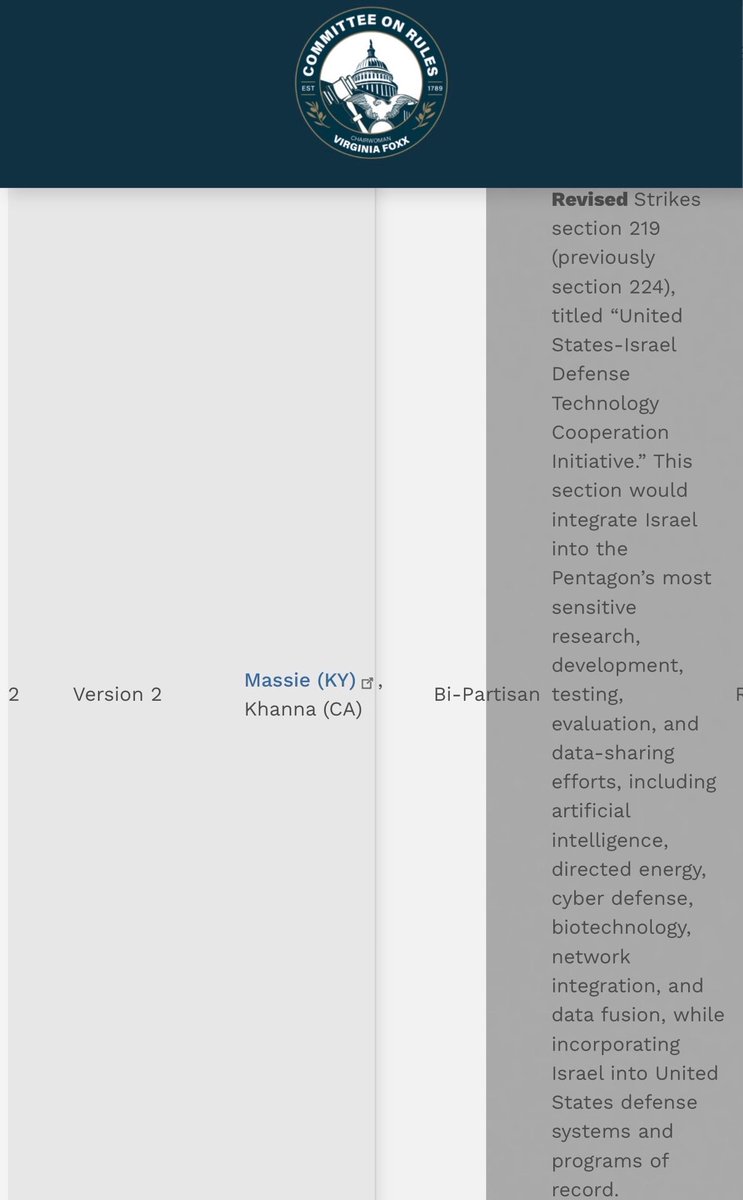
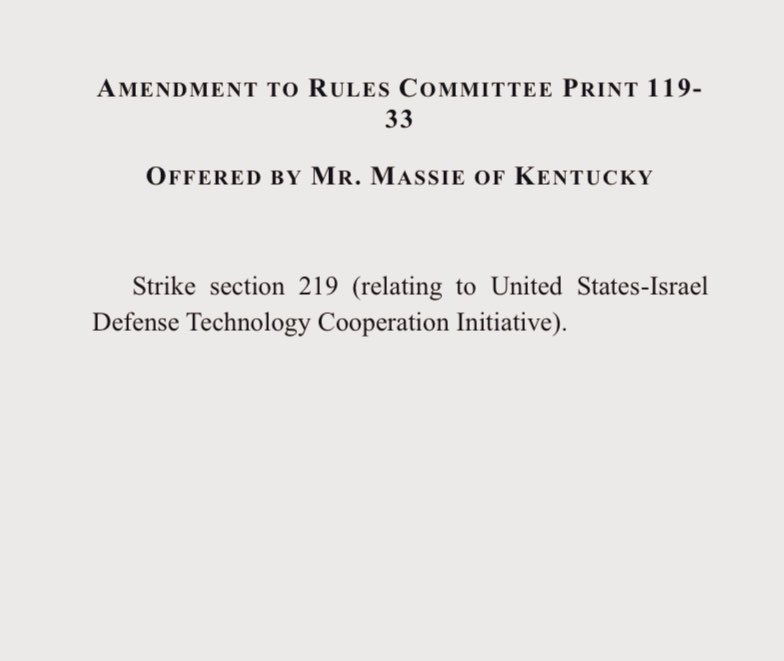
Section 219 (was 224) of the NDAA contains a dangerous provision to integrate our military tech with Israel’s.
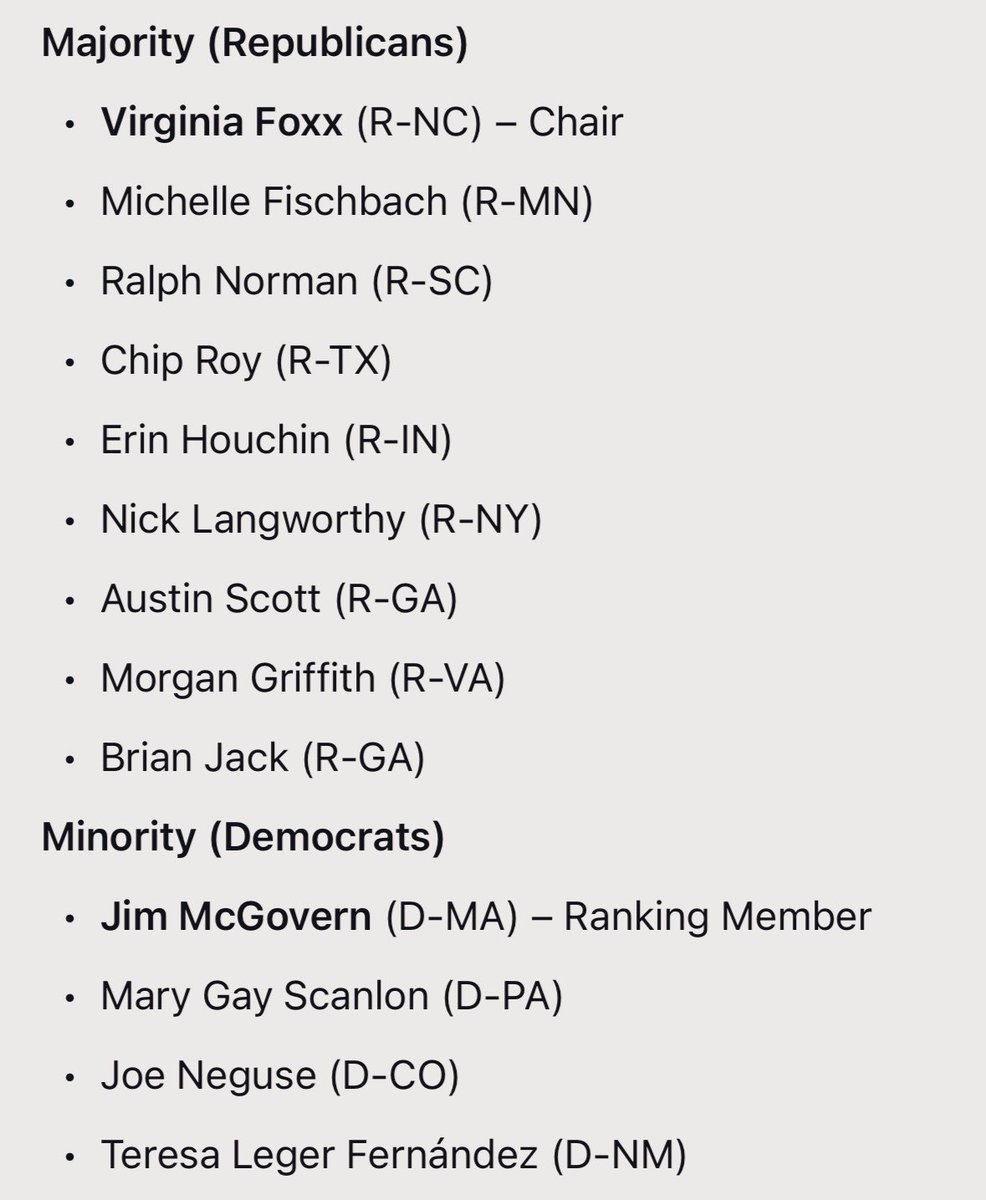
@RepRoKhanna & I submitted an amendment to strike 219. I included the Rules Committee roster here; 7 of 13 members must agree in order for our amendment to get a vote.
414
4,733
16,653
203,386
A Public Defender retweeted

Jun 12
What's most infuriating about the Musk trillionaire shit is that his enterprise is built almost exclusively on gov contracts. It's not just that he's expropriating our wealth in an abstract way -- his fortune is built on the tax dollars we pay, that he then obtains through graft.
1,076
1,732
8,438
152,020
A Public Defender retweeted

Jun 12
Black defendants’ “Stand Your Ground” claims against white assailants are denied more than 99 percent of the time. motherjones.com/politics/202…
1,142
3,013
7,211
1,809,402
A Public Defender retweeted

Jun 12
How exactly does the DOJ plan to use the sensitive voter data it is demanding from states across the country?
They won’t say – not even in federal court.
So far, no judges have ruled in favor of the government’s demands for unredacted voter data. bit.ly/4uA7JpU
15
336
575
8,496
A Public Defender retweeted

Jun 11
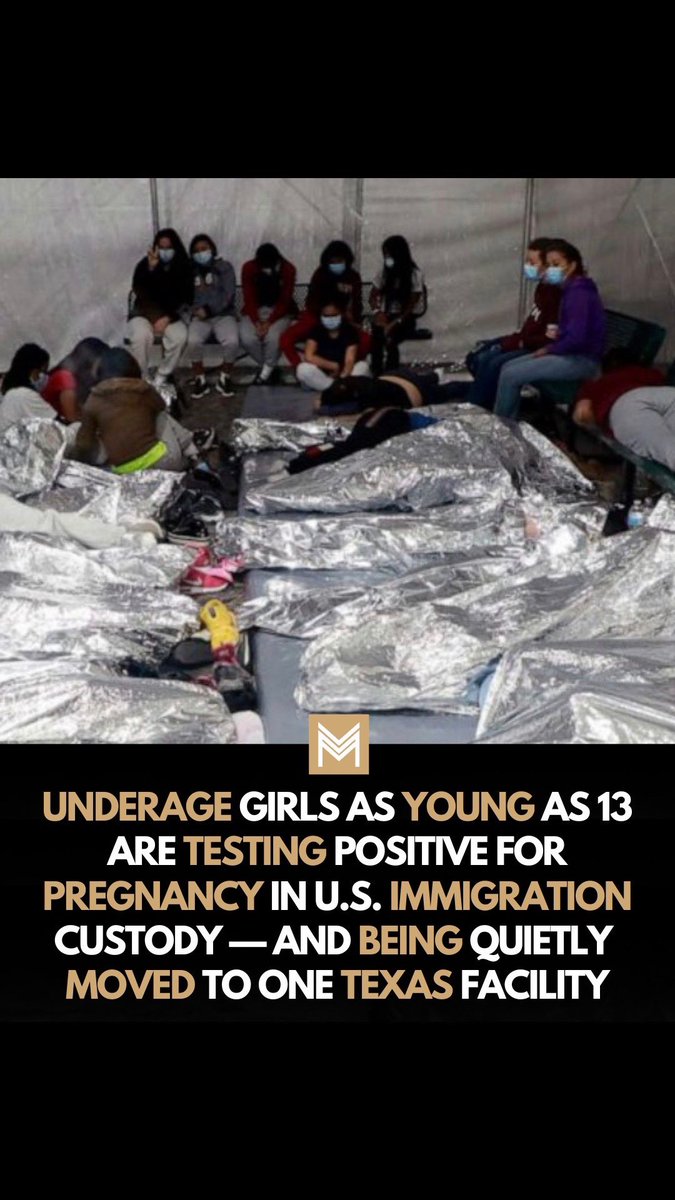
Young girls in this country’s immigration system are not being “protected.” They are being abused.
Underage girls as young as 13 are in immigration custody, testing positive for pregnancy while under government control.
Survivor accounts and investigations describe sexual assault, molestation, and sexual coercion by officers and staff in multiple immigration facilities.
Quietly, those girls are being moved. Instead of being spread across multiple sites, they’re being transferred into a single facility in Texas, away from public view and real oversight.
Last July, the government ordered that all pregnant unaccompanied minors picked up by immigration enforcement be sent to that Texas facility. Now, girls who test positive for pregnancy while in custody are being sent there too.
These are children. This can’t be “protection.” This is not what protection looks like, and we all know it.
🎥 @Huncho_woo1
14
372
612
7,220
A Public Defender retweeted

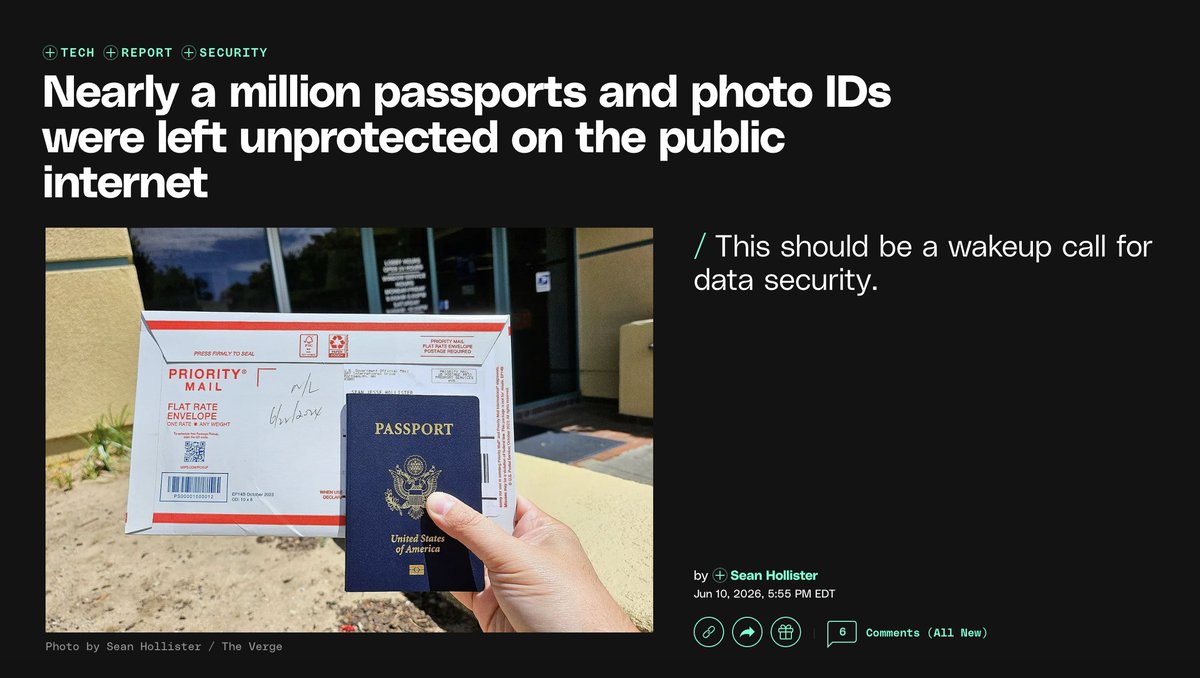
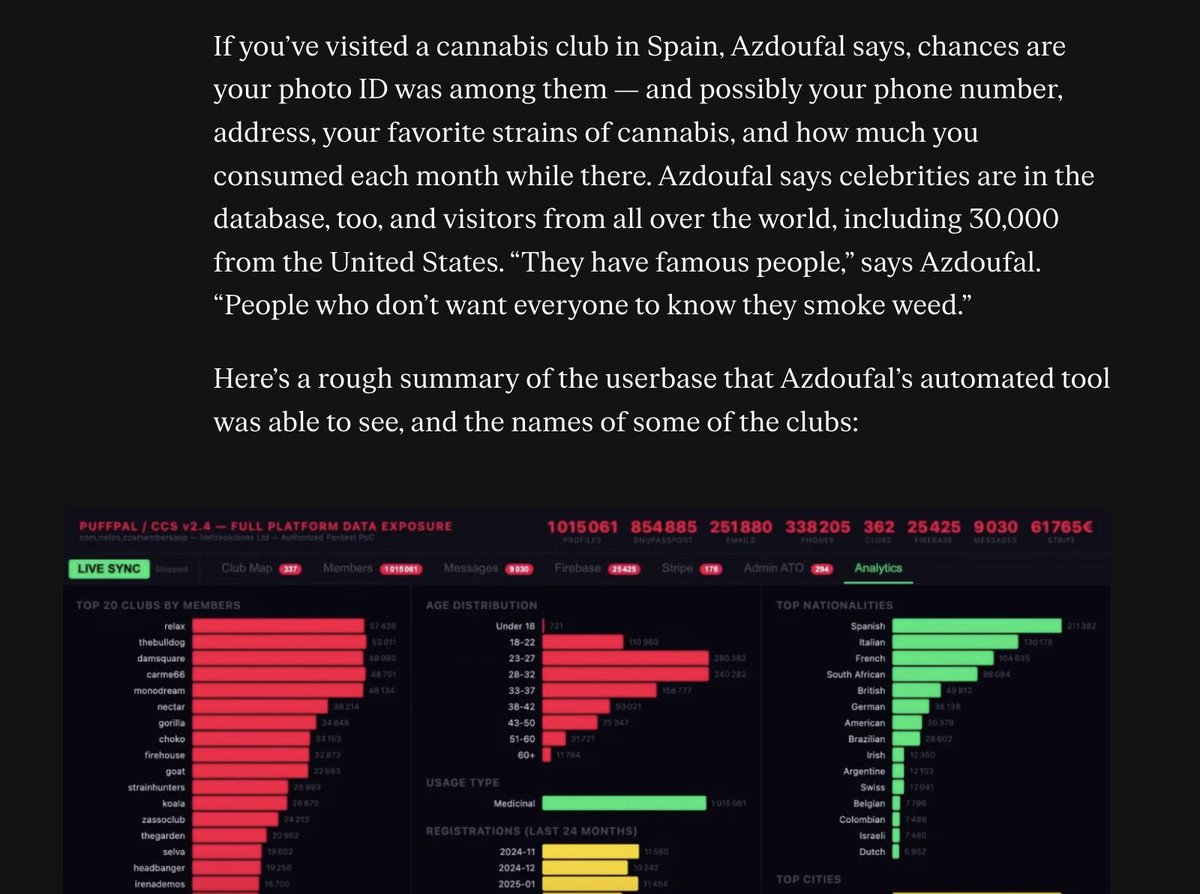
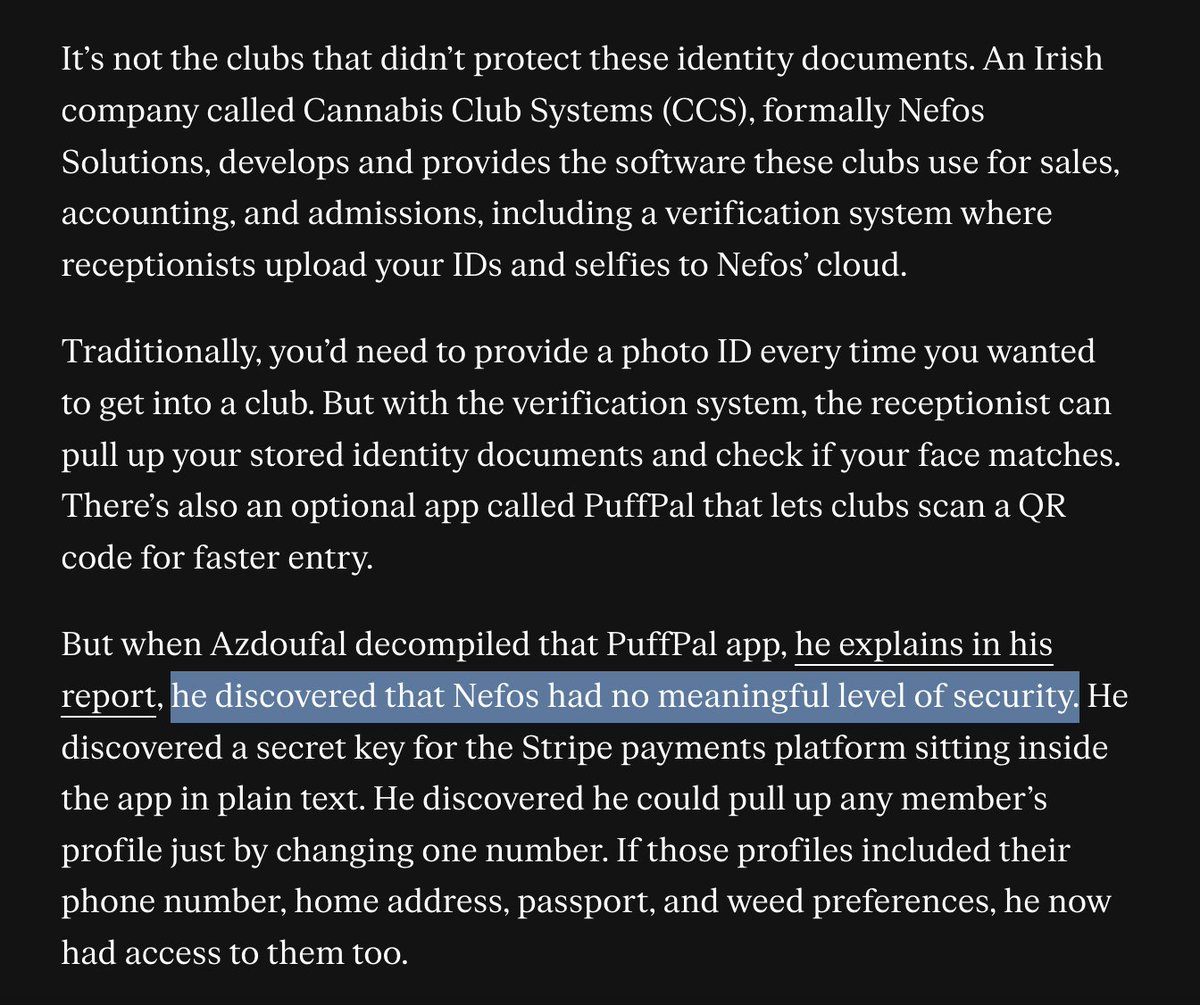
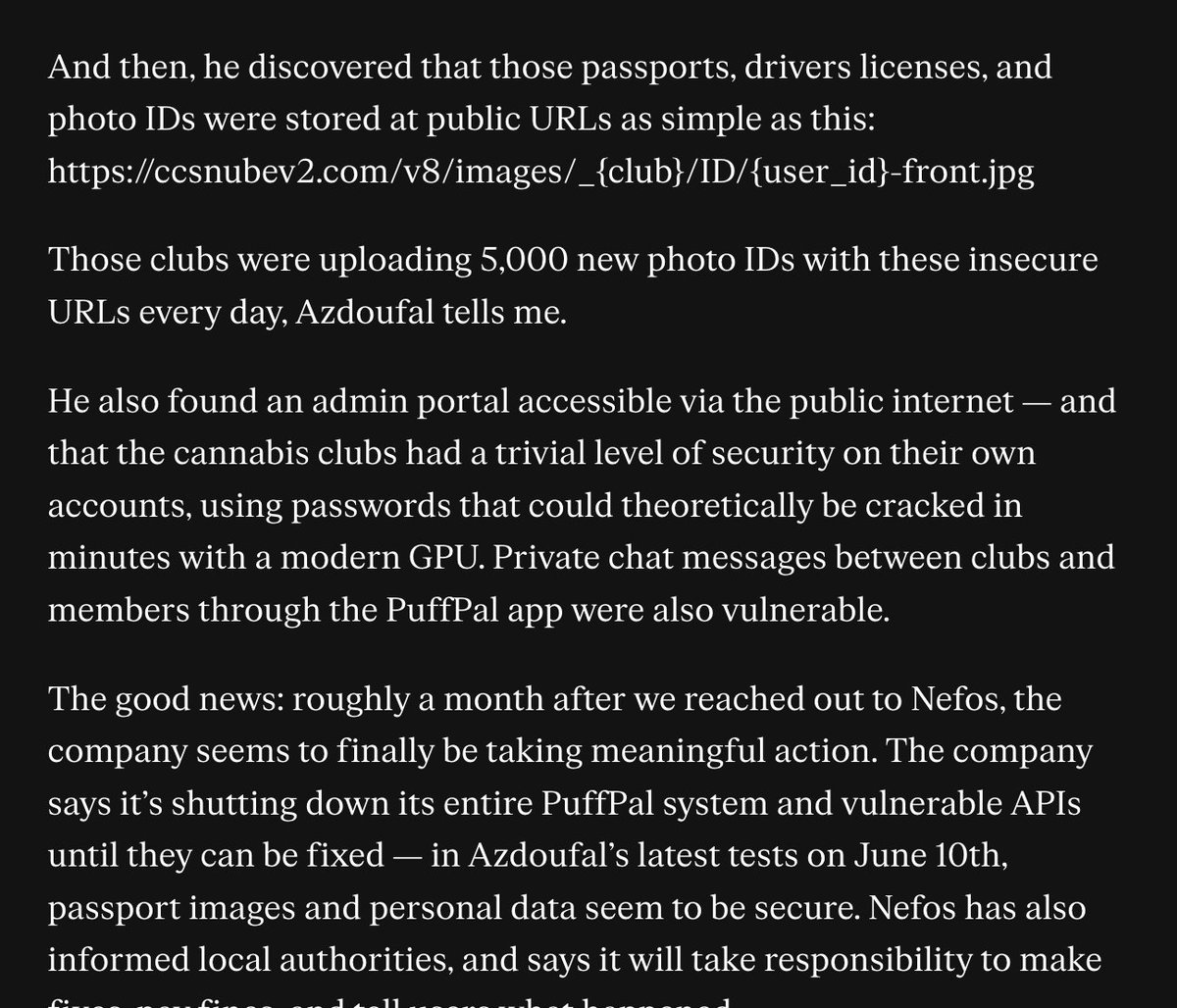
Nearly a million passports and photo IDs were left unprotected on the public internet
But don't worry guys age verification is going great!!
Great reporting from @verge
And this is for a purpose I'm understanding of age verifying people for!
9
227
718
50,919
A Public Defender retweeted

Jun 9
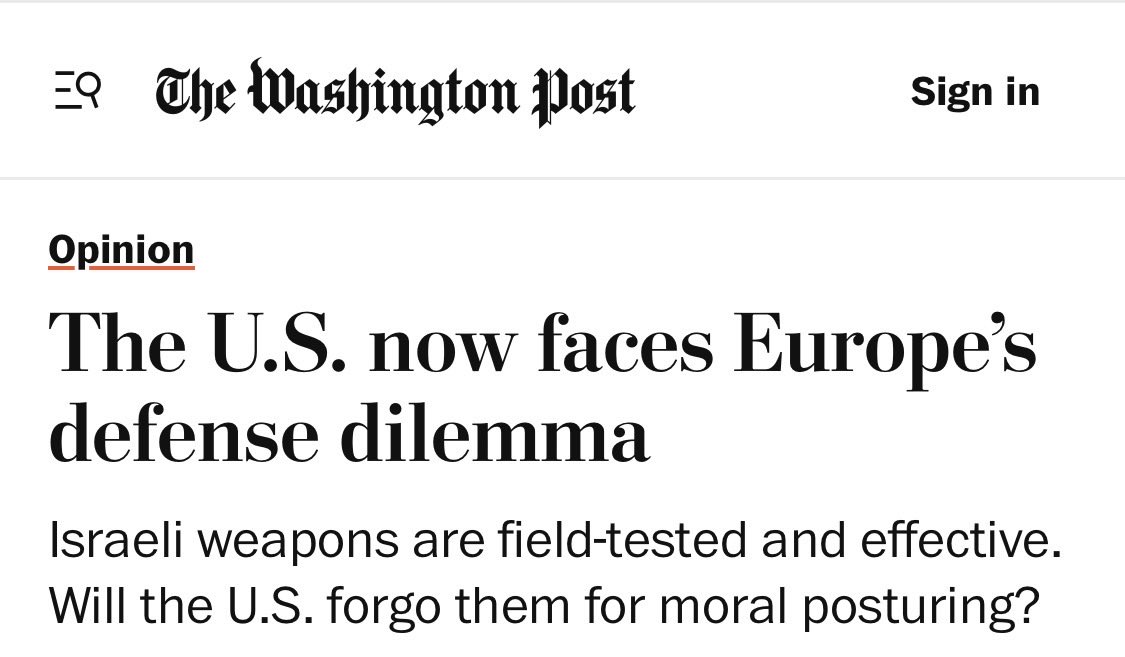
This WaPo op-ed defending Section 224 — the bill to integrate U.S. and Israeli military sectors — was written by the founder of a VC firm invested in Israeli military startups that would directly benefit from its passage.
WaPo didn't disclose any of this.
13
324
631
20,615
A Public Defender retweeted

Jun 8
Palestinian woman in the West Bank is arrested by Israeli police under a new terror law that outlaws passive social media use because she shows sympathy to what’s happening in Gaza.
She may spend up to 1 year in prison. Israel is a deeply depraved society.
1,189
9,785
15,729
337,230

The federal government will now dig through databases to register 18-year-olds for conscription.
reason.com/2026/06/03/the-dr…
2
7
25
3,458
A Public Defender retweeted

Jun 7
Black Americans are more than twice as likely to take out payday loans, and payday lenders have spent years marketing in Black communities.
Those same lenders have funneled more than $50,000 to Debbie Wasserman Schultz. So when the Obama administration and Elizabeth Warren moved to crack down on the industry, she lead the fight against stronger regulations.
nbcnews.com/news/us-news/war…
17
165
375
14,068
A Public Defender retweeted
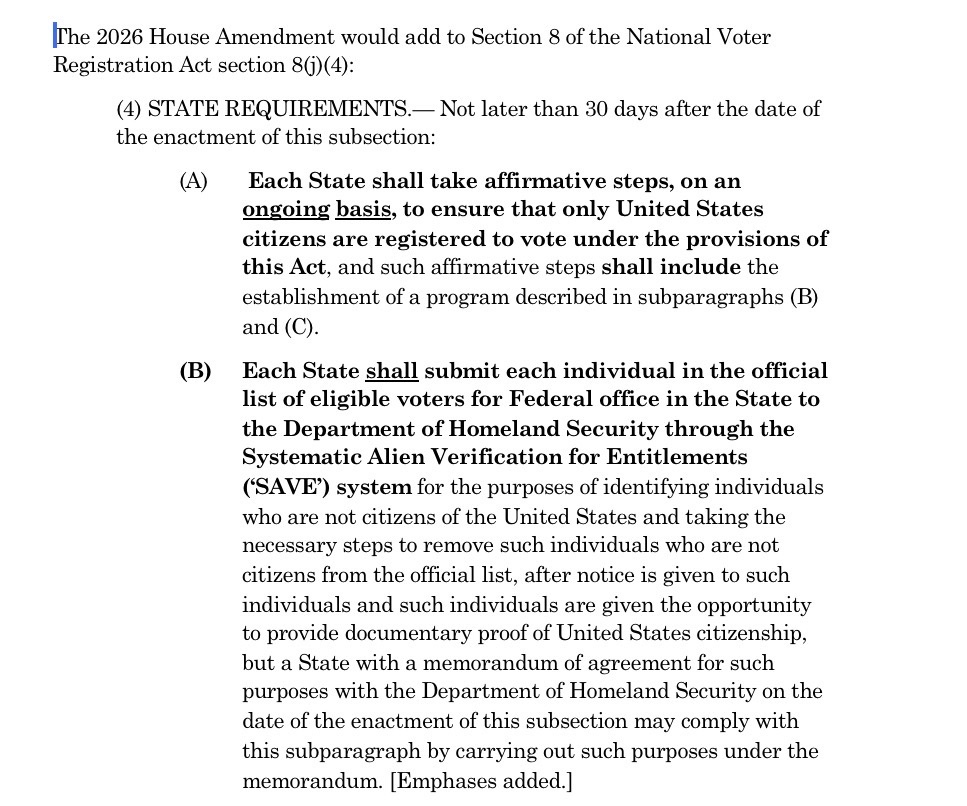
NEW: Trump seized on California's slow vote count to push false claims that Democrats are "stealing" the state's primary elections.
He also used the assertion to pressure lawmakers to pass the SAVE America Act, which would ban vote by mail — a method voters in the state largely rely on. democracydocket.com/news-ale…
20
80
128
4,131
A Public Defender retweeted

Jun 4
The House voted today on a new measure to fuse elements of the Israeli and US militaries, particularly on the cyberweapons front. Section 224, as its known, is included in the National Defense Authorization Act. Rep. Ro Khanna, D-Calif., introduced an amendment to strip it from the bill. Watch as a stream of Republicans and Democrats stand up in support of the enhanced cooperation. Only Rep. Sarah Jacobs (D-Calif.) joined Khanna, and the measure failed in a voice vote. Watch:

🚨Massively important vote happening live, link below, on the question of effectively merging the Israeli and US militaries
737
2,967
9,145
2,331,183
A Public Defender retweeted

It's happening 🚨
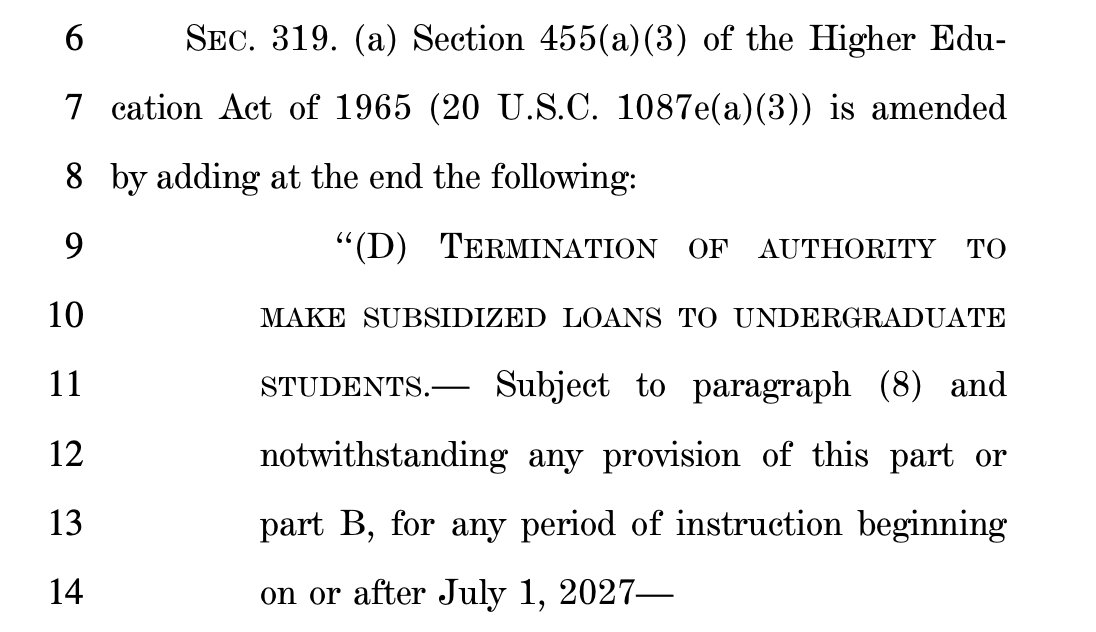
House GOP representatives are about to introduce a bill that would completely eliminate subsidized student loans.
They are trying to make it impossible to go to college unless you can afford to pay for it upfront.
86
1,749
3,625
155,138
A Public Defender retweeted

Jun 3
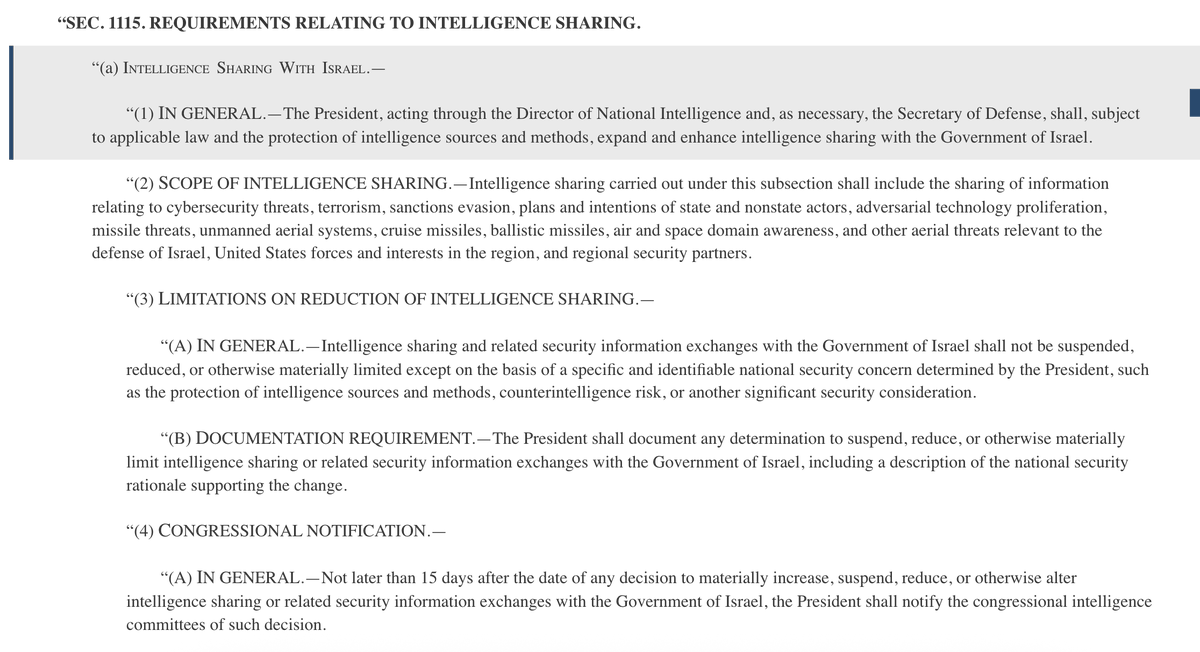
NEW: Buried within the Senate Intelligence Authorization Act is a provision to increase intelligence sharing with Israel and impede the president's ability to reduce cooperation in the future.

125
3,016
6,755
288,984
A Public Defender retweeted

19 Dec 2025
Trump’s ICE is kidnapping and detaining US citizens. And lying about it. huffpost.com/entry/us-citize…
747
998
2,553
135,321
A Public Defender retweeted

Jun 1
If you want to learn out about the state of America's water resources, you should read this book
As Reisner notes, the first two-thirds of the 20th Century saw the proliferation of dams and draining of aquifers at a rapid clip so that subsidized crops could be grown at a massive scale with cheap water, privatizing the gains and socializing the costs quite severely
We're now staring down the barrel of the consequences of that decision, from the almond farms draining the Colorado River to the subsidized, horizon-to-horizon cornfields of the Midwest draining the vast aquifer that made them possible
But hey, we got some "almond milk" and corn syrup out of it


Maybe we can no longer afford to grow $4 corn in the west ??
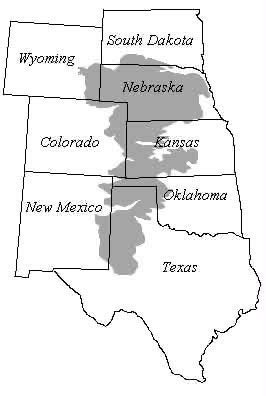
In case you missed the biggest news that was lost to the circus that is our government, the USGS has released data showing that America's underground aquifer storing water is officially drying up.
Spanning approximately 174,000 square miles across eight states from South Dakota to Texas, the Ogallala Aquifer (High Plains Aquifer) is the lifeblood of American agriculture, providing roughly 30% of all groundwater used for U.S. irrigation.
However, the aquifer faces an existential crisis as massive agricultural extraction severely outpaces natural replenishment from rainfall. In some heavily farmed regions like the Texas High Plains, water levels have plunged by up to 80 meters (262 feet), leaving parts of the reservoir entirely depleted and threatening the long-term viability of the region's farming communities.
The consequences of this groundwater collapse extend far beyond localized dry wells.
The Ogallala sustains a massive $35 billion agricultural economy, and as the water table drops, farmers are hit with skyrocketing extraction costs and dwindling crop yields.
This critical situation is not isolated; California’s Central Valley Aquifer, another vital agricultural engine, is suffering from similar severe, long-term depletion. Without aggressive water management and a shift toward sustainable farming practices, the depletion of these non-renewable resources risks destabilizing the nation's food supply and transforming once-fertile plains back into arid dust bowls.
source: USGS
22
125
619
48,152
A Public Defender retweeted

Jun 1
“The agency’s report found about 3,000 fake accounts that amplified Becerra across social media platforms X, Facebook and Instagram while also criticizing Steyer, according to Steyer’s team. In all, the fake accounts generated 1.3 million views and 42,000 engagements, the report stated.”
latimes.com/california/story…
97
382
1,146
905,472
A Public Defender retweeted
Jun 1
In 2016, Debbie Wasserman Schultz earned a nickname she has never lived down: “Debt Trap Debbie.” This is the ad that ran in her own South Florida district for siding with predatory payday lenders. Every FL-20 voter should see it.
10
103
422
21,120