
Website yang berisi Tutorial Pemograman Python dalam Bahasa Indonesia
Joined December 2024
- Tweets 112
- Following 200
- Followers 19
- Likes 149
51 Photos and videos










PyIndonesia retweeted

17 Sep 2025
Belajar Python itu gampang kalau tau triknya!
Yuk cek kumpulan tutorial & tips seru
di sini 👉 pythoncodeid.blogspot.com
#python #pythonprogramming #PyCoding
1
1
36
PyIndonesia retweeted

27 Sep 2025
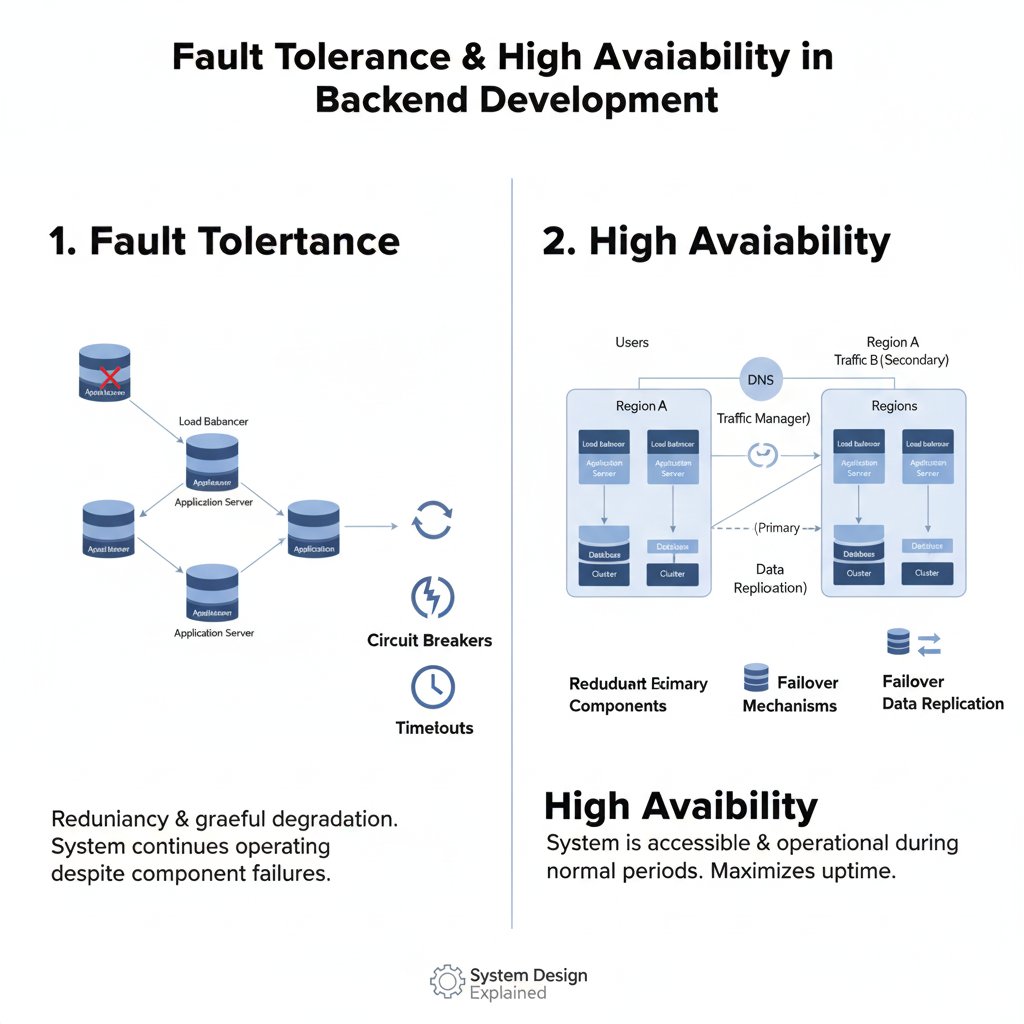
Fault Tolerance & High Availability
What is Fault Tolerance?
→ Ability of a system to continue functioning even when some components fail
→ Ensures minimal downtime and uninterrupted services
→ Achieved through redundancy, replication, and failover mechanisms
Fault Tolerance Techniques
→ Redundancy → Multiple instances of critical components
→ Replication → Copying data across multiple nodes or servers
→ Failover → Automatic switching to a standby system during failure
→ Error Detection → Identifying failures through monitoring and health checks
→ Graceful Degradation → Reducing functionality instead of full system crash
What is High Availability (HA)?
→ High Availability ensures systems are always accessible with minimal downtime
→ Measured in “nines” (e.g., 99.9% uptime ≈ 8.76 hours downtime/year)
→ Achieved by designing systems to eliminate single points of failure
High Availability Strategies
→ Load Balancing → Distribute traffic across multiple servers
→ Clustering → Group servers to act as a single system for reliability
→ Data Replication → Keep multiple data copies for recovery
→ Geographic Distribution → Deploy servers across regions to handle outages
→ Monitoring & Alerts → Detect failures early and respond quickly
Fault Tolerance vs High Availability
→ Fault Tolerance → Focuses on preventing failures from affecting the system
→ High Availability → Focuses on minimizing downtime during failures
→ Both are often combined for mission-critical applications
Real-World Examples
→ Banking → Redundant servers to ensure no downtime for transactions
→ Cloud Platforms → Replication across data centers for global uptime
→ E-commerce → Load balancers and failover systems during sales surges
👉 Grab the Backend Development with Projects Ebook here:
codewithdhanian.gumroad.com/…
7
96
566
26,334
PyIndonesia retweeted
20 Aug 2025
Seru… cobain Game Ular Klasik sambil ngisi waktu kamu
rebrand.ly/PyCoding
1
2
74
9 Sep 2025
Ada rahasia di balik program-program keren.
Mau tahu? 😉
Temukan semuanya di pythoncodeid.blogspot.com/?m…
#CodingJourney
#pythonprogramming
#Developers
2
9
PyIndonesia retweeted

5 Sep 2025
💻 5 Secret Tips for Developers 👇
- Read more code than you write.
- Automate anything you repeat twice.
- Master your tools, not just languages.
- Write for humans, not compilers.
- Learn systems, not syntax.
7
7
54
2,692
6 Sep 2025
Todo list biasa? Outdated, bro.
Sekarang saatnya upgrade ke To-Do List Modern yang simple& full Pythonic vibes.
🔥 Cek di blog: pythoncodeid.blogspot.com/20…
#pythonprogramming #pythonchallenge #python
2
42
4 Sep 2025
📲 WhatsApp = aplikasi sejuta umat.
Tapi… gimana kalau chat bisa jalan otomatis pakai Python? 🐍⚡
#Python #Automation #WhatsAppBot
1
1
1
32
4 Sep 2025
☀️Selamat pagi, bro!
mood udah nge-boost ⚡
Saatnya upgrade skill → mampir ke blog 👉 pythoncodeid.blogspot.com/?m…
#GoodMorning #TechbroVibes #Python
2
25
3 Sep 2025
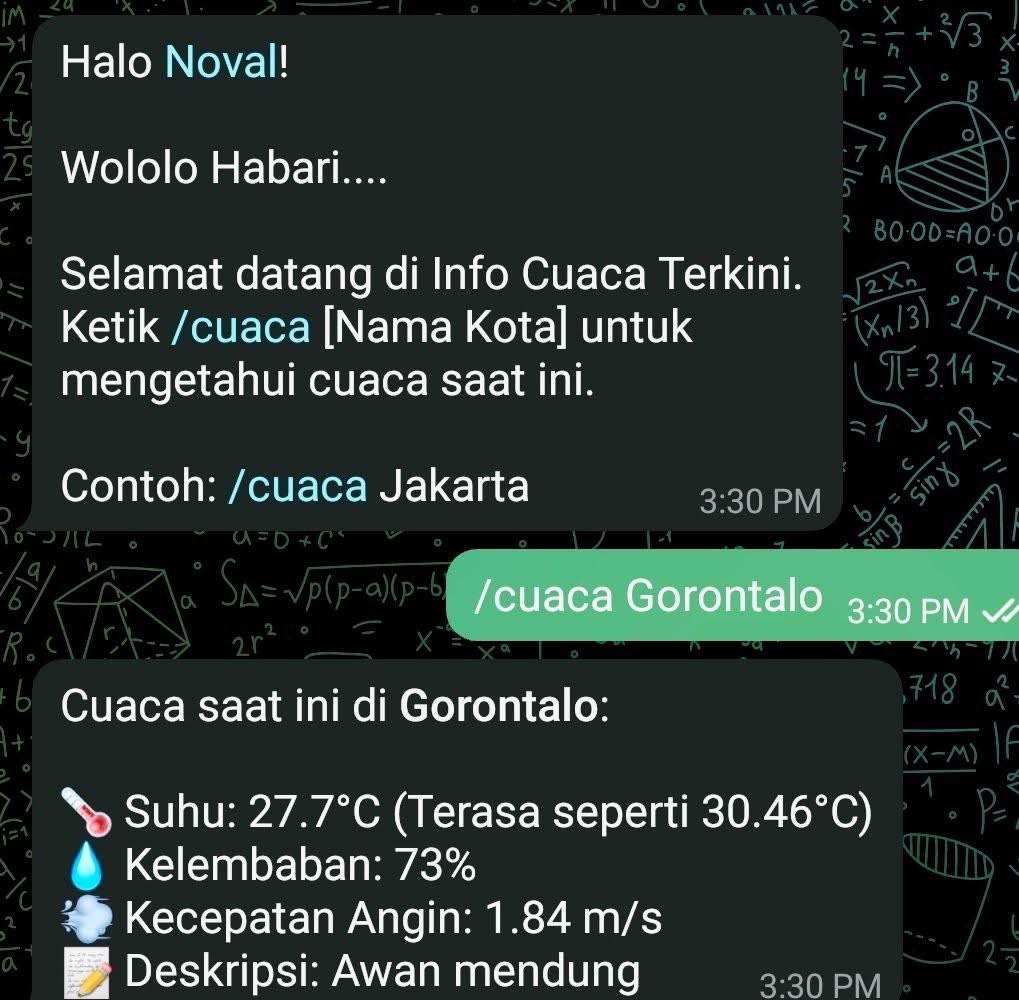
☁️⚡ Bot bukan cuma buat chat, tapi juga bisa jadi early warning system cuaca!
#Python #TelegramBot #CodingLife #pythoncodeid
1
1
3
61
3 Sep 2025
Yuk belajar bikin Bot Telegram Notifikasi Cuaca pakai Python 🔥
👉 Tutorial lengkap di blog: pythoncodeid.blogspot.com/20…
42
1 Sep 2025
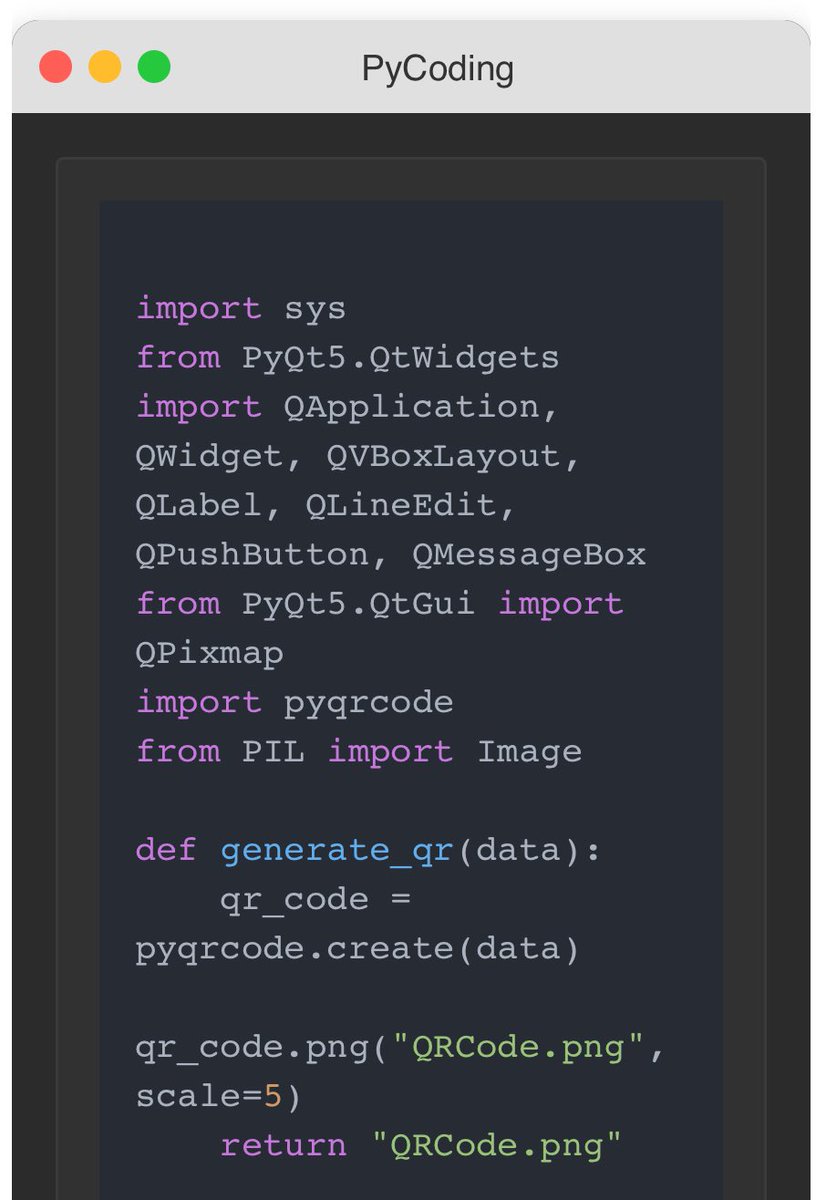
Kenapa beli tools mahal kalau bisa bikin QR Code Generator sendiri? 😎
Python kasih solusinya, cuma butuh beberapa baris kode aja.
Langusung cek tutorial pythonya disini:
👉 pythoncodeid.blogspot.com/20…
#PythonForFun #CodeBetter #DevLife #pycoding
3
43
30 Aug 2025
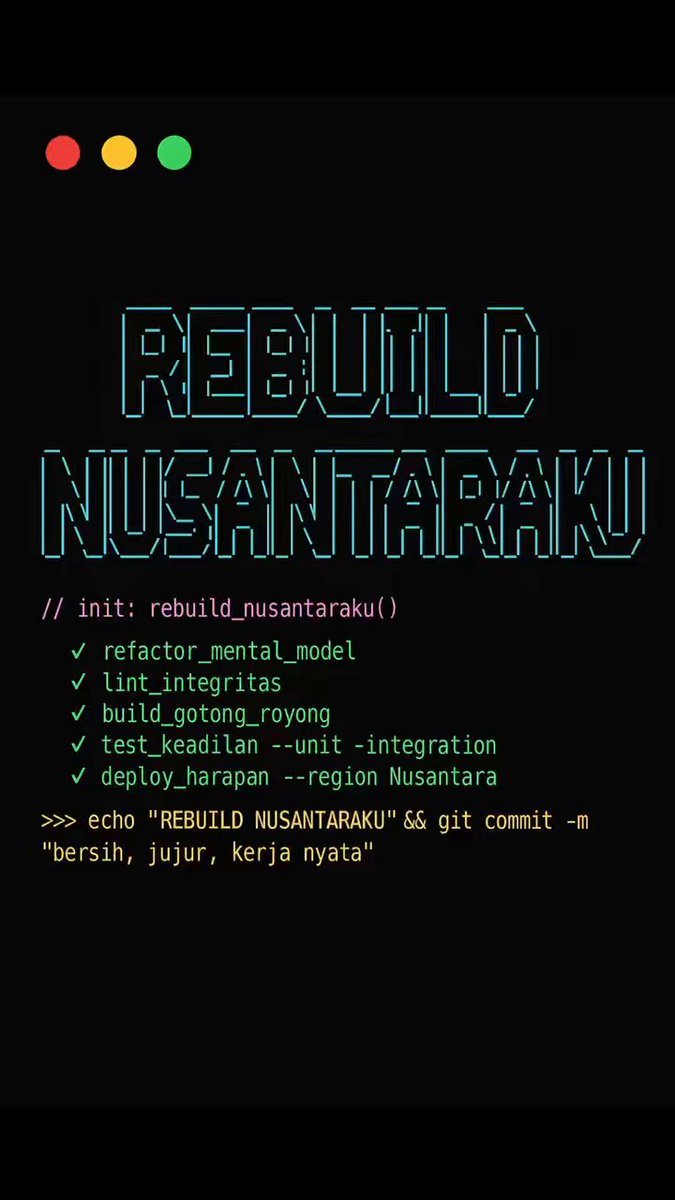
>>> rebuild_nusantaraku
Karena masa depan bukan di-reset,
tapi di-build ulang dengan harapan baru
#RebuildNusantaraku #IndonesiaMaju #CommitForChange #DevOps #PyCoding
1
2
14
28 Aug 2025
Membuat Bot Telegram.. Kondisi Cuaca saat ini…
#pythonlearning #Python #DeveloperLife #CodingJourney #Pycoding
pythoncodeid.blogspot.com/20…
1
21