Joined September 2022
- Tweets 24
- Following 0
- Followers 7
- Likes 10
12 Photos and videos
Python c# Java Maths GIF Tutorial retweeted

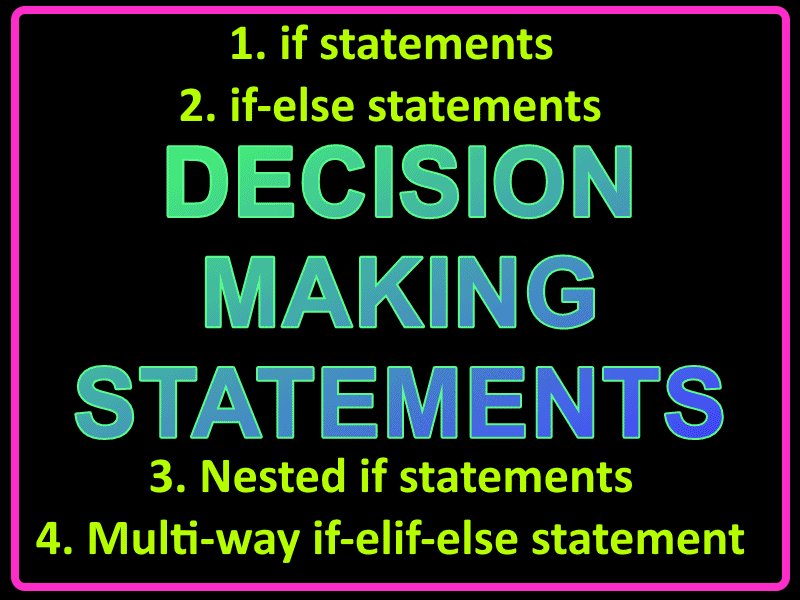
Python - if, elif, else Conditions Tutorial
a = 33
b = 33
if b > a:
print("b is greater than a")
elif a == b:
print("a and b are equal")
#pythonprogramming #python #Software #pythonlearning
#programming
#BigData
#DBGAbeysekera #SriLanka
9
6
Python c# Java Maths GIF Tutorial retweeted
Python
if while
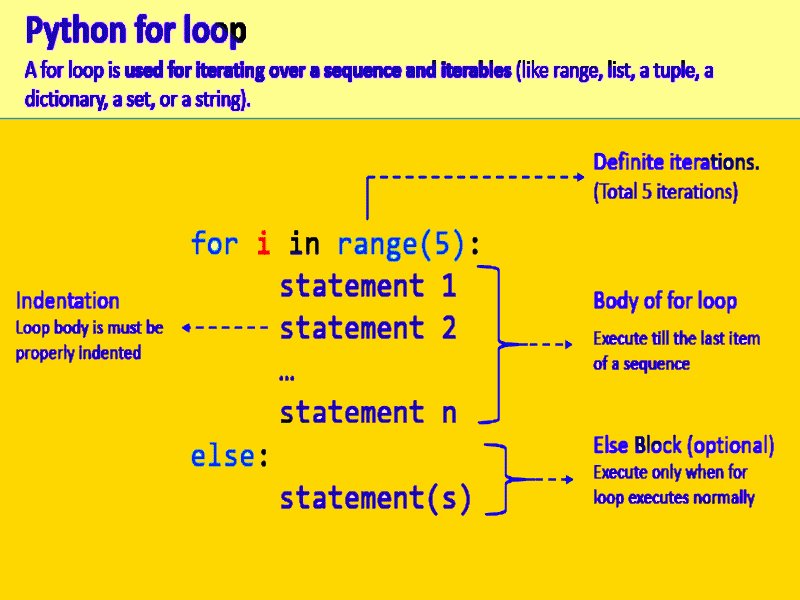
for loop
range() Function
Lambda Function
Tutorial
#100DaysOfCode #pythonprogramming #python #Software #pythonlearning
#programming
#DBGAbeysekera #SriLanka
#ArtificialIntelligence #MachineLearning #DataScience #BigData #Data #Analytics #programming
1
9
9
Python c# Java Maths GIF Tutorial retweeted
Python range() Function/Lambda Function Tutorial
#100DaysOfCode #pythonprogramming #python #Software #pythonlearning
#programming
#ArtificialIntelligence #MachineLearning #DataScience #BigData #Data #Analytics #programming
#DBGAbeysekera #srilank
10
6
Python c# Java Maths GIF Tutorial retweeted
Python Lambda function Tutorial
#100DaysOfCode #pythonprogramming #python #Software #pythonlearning
#programming
#ArtificialIntelligence #MachineLearning #DataScience #BigData #Data #Analytics #programming
#DBGAbeysekera #srilank
3
3
Python c# Java Maths GIF Tutorial retweeted
Set Mathematics Tutorials with Python Set Implementation
#100DaysOfCode #pythonprogramming #python #Software #pythonlearning
#programming
#ArtificialIntelligence #MachineLearning #DataScience #BigData #Data #Analytics #programming
#DBGAbeysekera #srilanka
2
9
8
Python c# Java Maths GIF Tutorial retweeted
#100DaysOfCode #pythonprogramming #python #Software #pythonlearning
#DBGAbeysekera #programming
#ArtificialIntelligence #MachineLearning #DataScience #BigData #Data #Analytics #programming #Coding #code
#DBGAbeysekera #srilanka
50 Slides GIF Tutorials for beginners
6
6
Python c# Java Maths GIF Tutorial retweeted
#100DaysOfCode #pythonprogramming #python #Software #pythonlearning #srilanka
#DBGAbeysekera #programming
#ArtificialIntelligence #MachineLearning #DataScience #BigData #Data #Analytics #BusinessIntelligence #programming #Coding #code #Mathematics
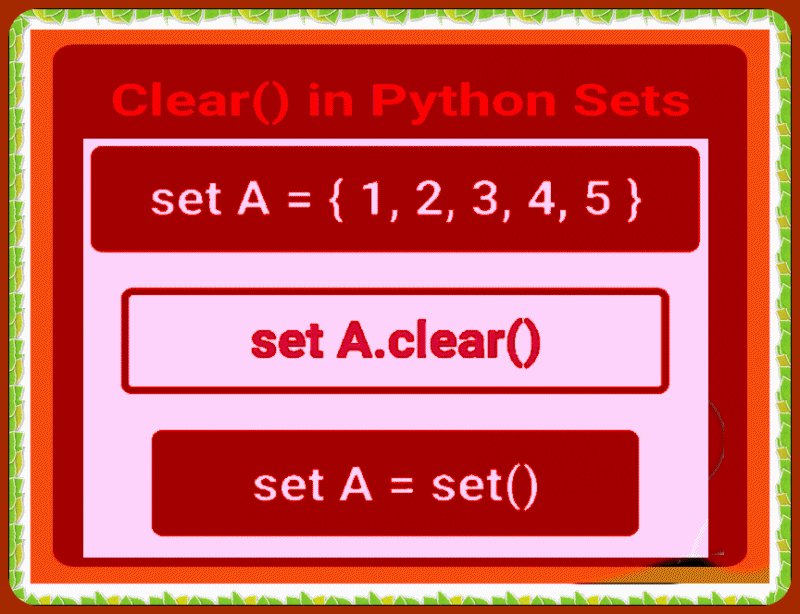
Python Set GIF Tutorials
5
5
Python c# Java Maths GIF Tutorial retweeted
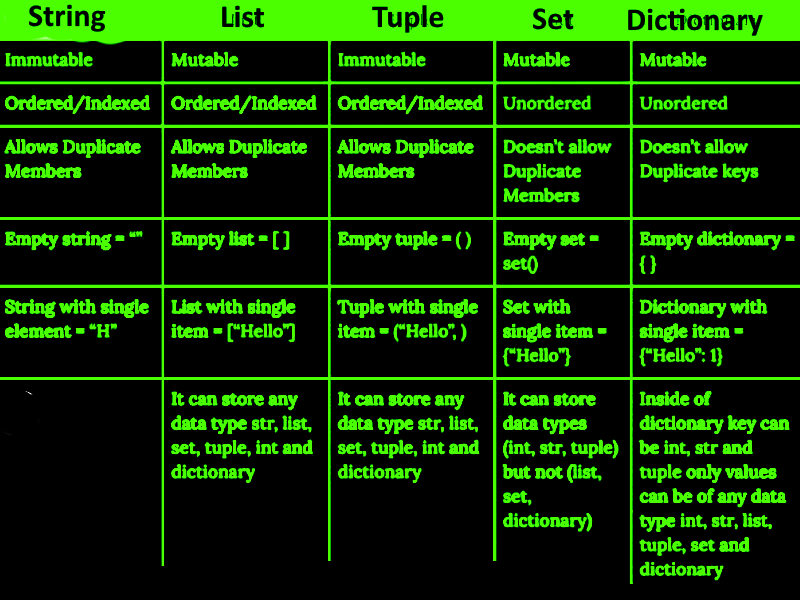
Mutable: The value of some objects can change, Objects whose value can change are said to be mutable.
Immutable: An object whose value is unchangeable once they are created is called immutable.
the mutable data types in Python are list, dictionary, set, and user-defined classes.
2
2
Python c# Java Maths GIF Tutorial retweeted
#100DaysOfCode #pythonprogramming #python #Software #pythonlearning #srilanka
#DBGAbeysekera #programming
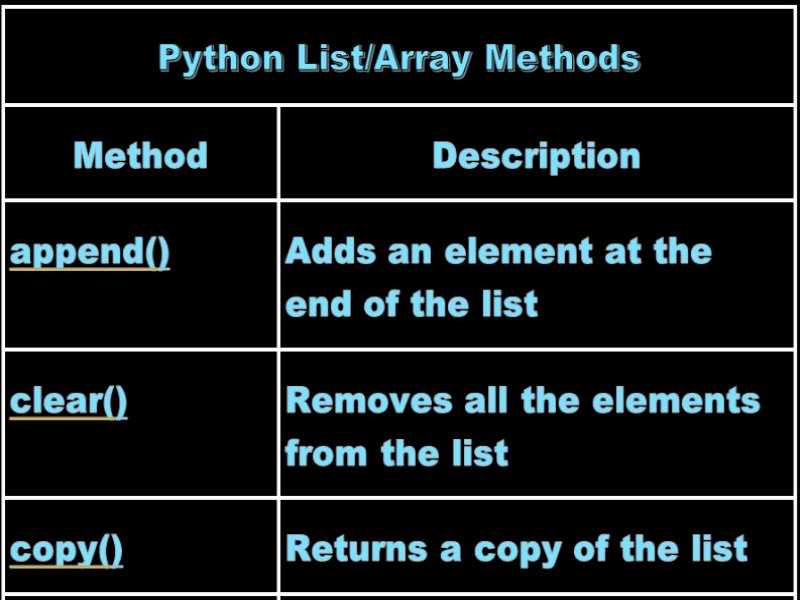
Lists are one of 4 built-in data types in Python used to store collections of data, the other 3 are Tuple, Set, and Dictionary, all with different qualities and usage.
3
7
Python c# Java Maths GIF Tutorial retweeted
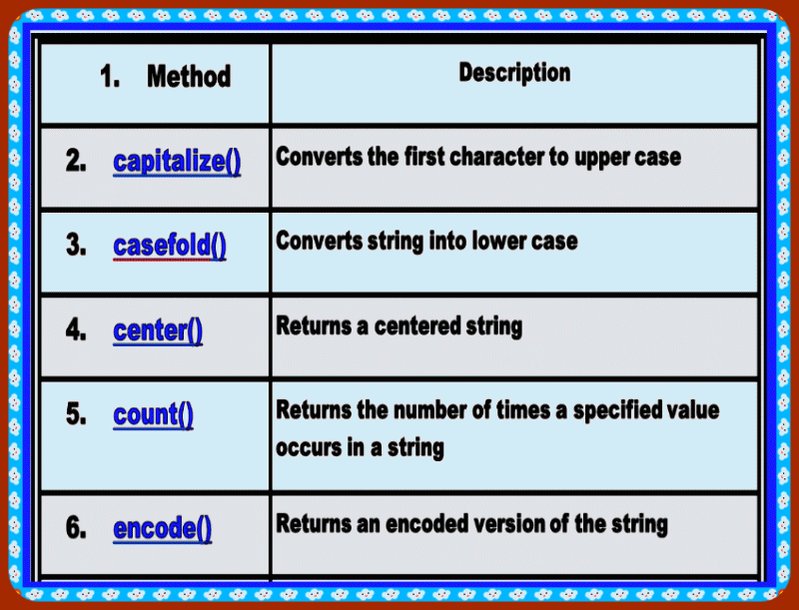
What are the string methods in Python?
Python strings are immutable which means they cannot be changed after they are created
If the variable s is a string, then the code s.lower() runs the lower() method on that string object and returns the result
#DBGABEYSEKERA #Python
2
6
Python c# Java Maths GIF Tutorial retweeted
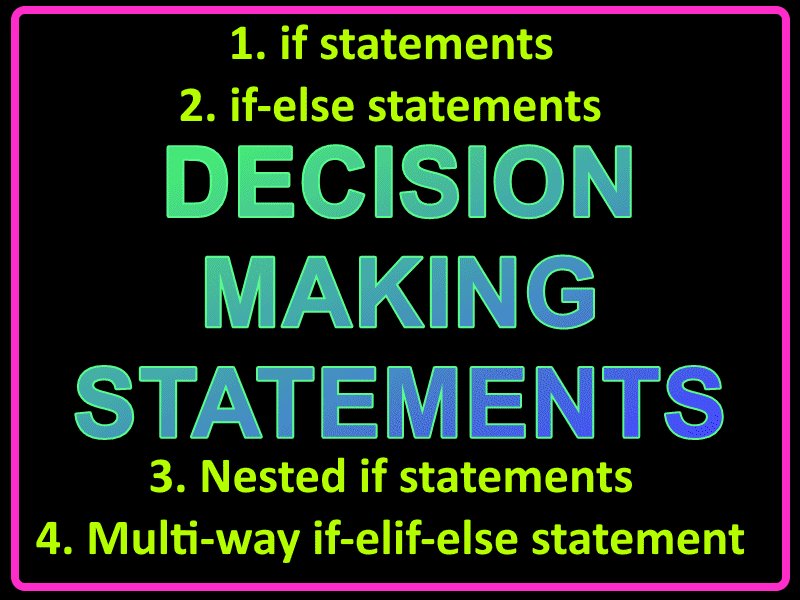
Python if else Statement
In this article, you will learn to create decisions in a Python program using different forms of if..else statement.
#100DaysOfCode #pythonprogramming #python #Software #pythonlearning #srilanka
#DBGAbeysekera
3
3
Python c# Java Maths GIF Tutorial retweeted
#100DaysOfCode #pythonprogramming #python #Software #pythonlearning
Python is a high-level, general-purpose programming language.
1
2
3