
Ethereum Classic / Crypto / Internet Marketing / Golf
Joined April 2022
- Tweets 4,591
- Following 446
- Followers 1,167
- Likes 15,265
251 Photos and videos


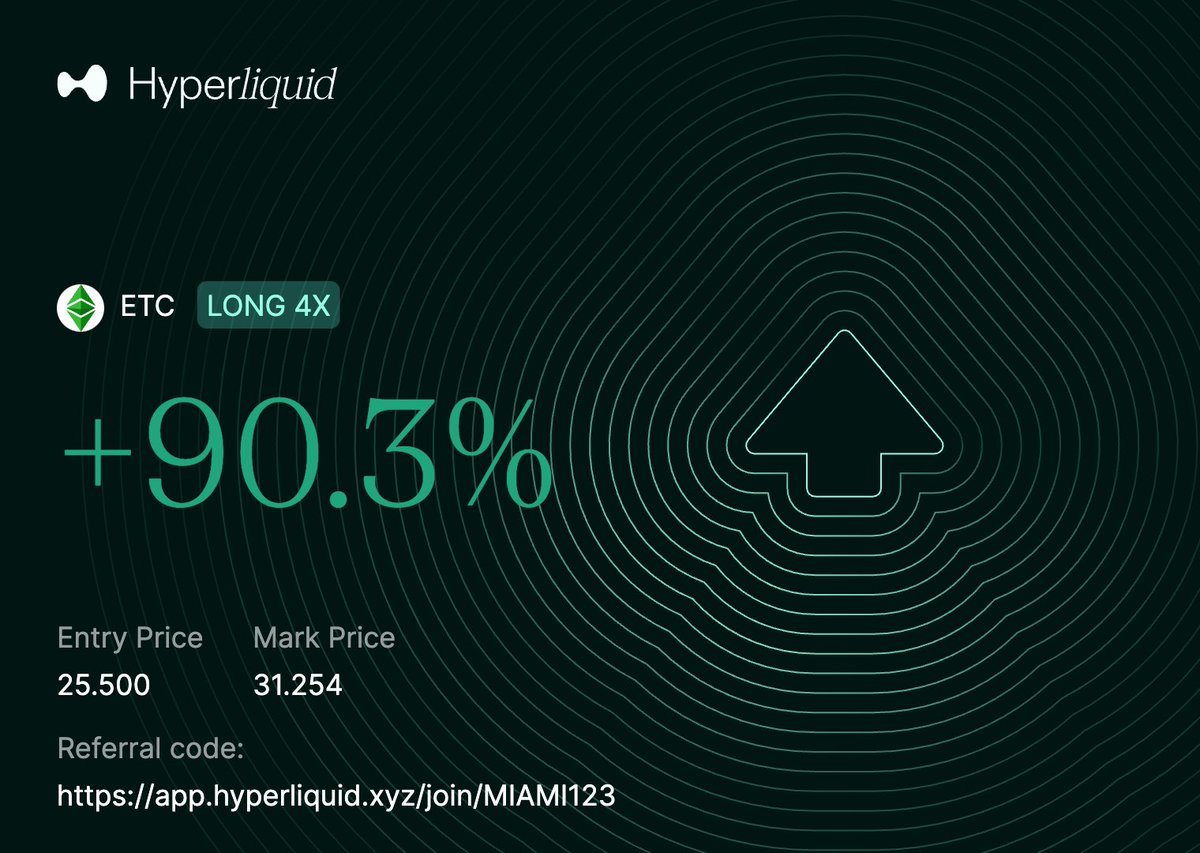
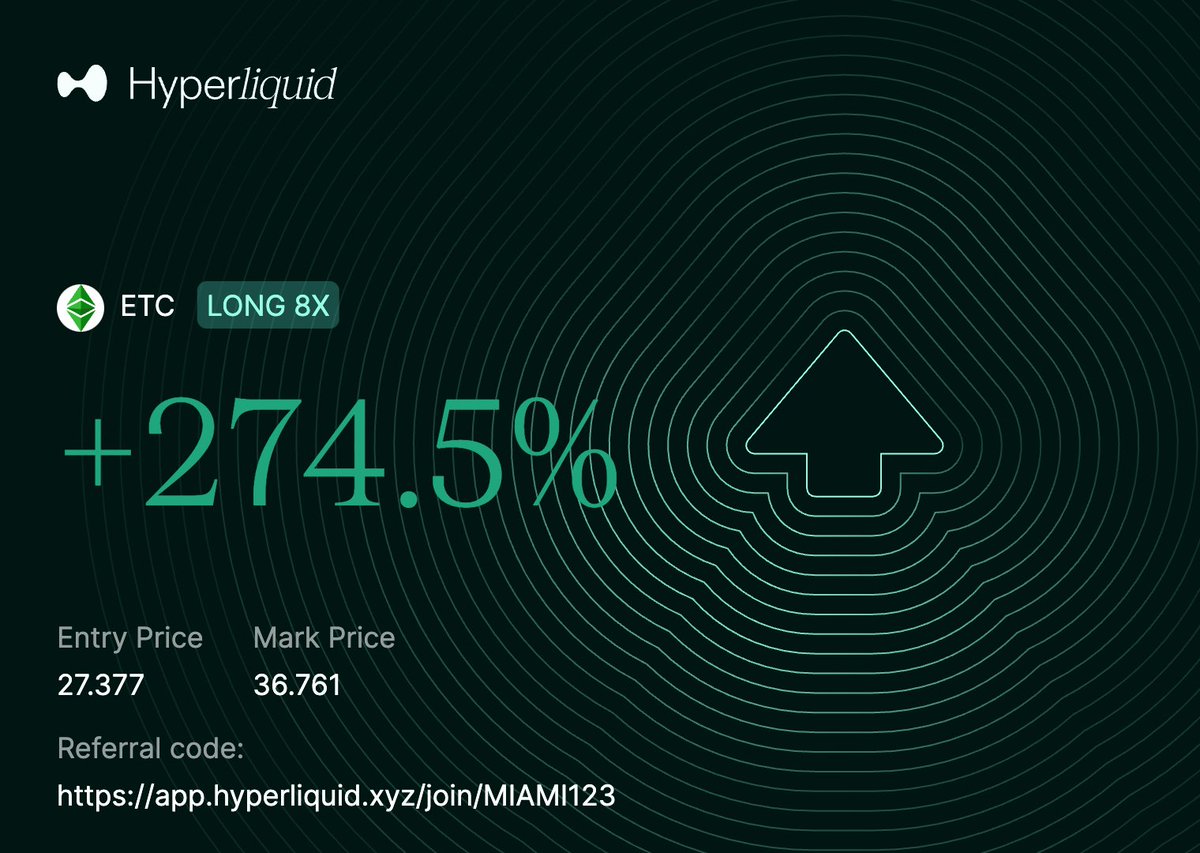

25 Sep 2025
Found out I’m the Massah this week and have to save the world to connect human consciousness to bring Jesus back. No drugs no alcohol just experience. A wild mind trip and don’t really know how to talk about it still so leaving it here.
Have a good day everyone. Feel free to ask any questions.
3
132
6 Feb 2025
I'm digging deep right now - finding the strength to rebuild.
2
17
597

Python ETC retweeted

27 Jan 2025
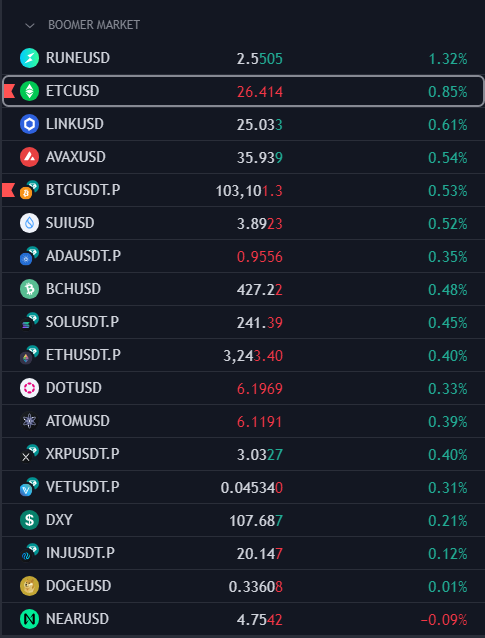
There’s something to be said here…Dino coins have survived years in the trenches for a reason.

3
12
1,353
27 Jan 2025
Wishing the $etc community the best and well.
I lost pretty much all my money and have to rebuild. Was sitting at 1.7m last month now negative 6 figures.
Lots of lessons learned because I didn’t stay in my lane.
Don’t worry
I been happy with nothing before
I slept on couches and in cars before
I will rebuild strong then ever.
Wish you all the best I’ll be watching from a far rooting everyone on 💪🏼
15
2
38
2,573
Python ETC retweeted

25 Jan 2025
ETC is running a global hackathon - putting real amounts of cash into the ecosystem. Good opportunity to get in and contribute!
24 Jan 2025

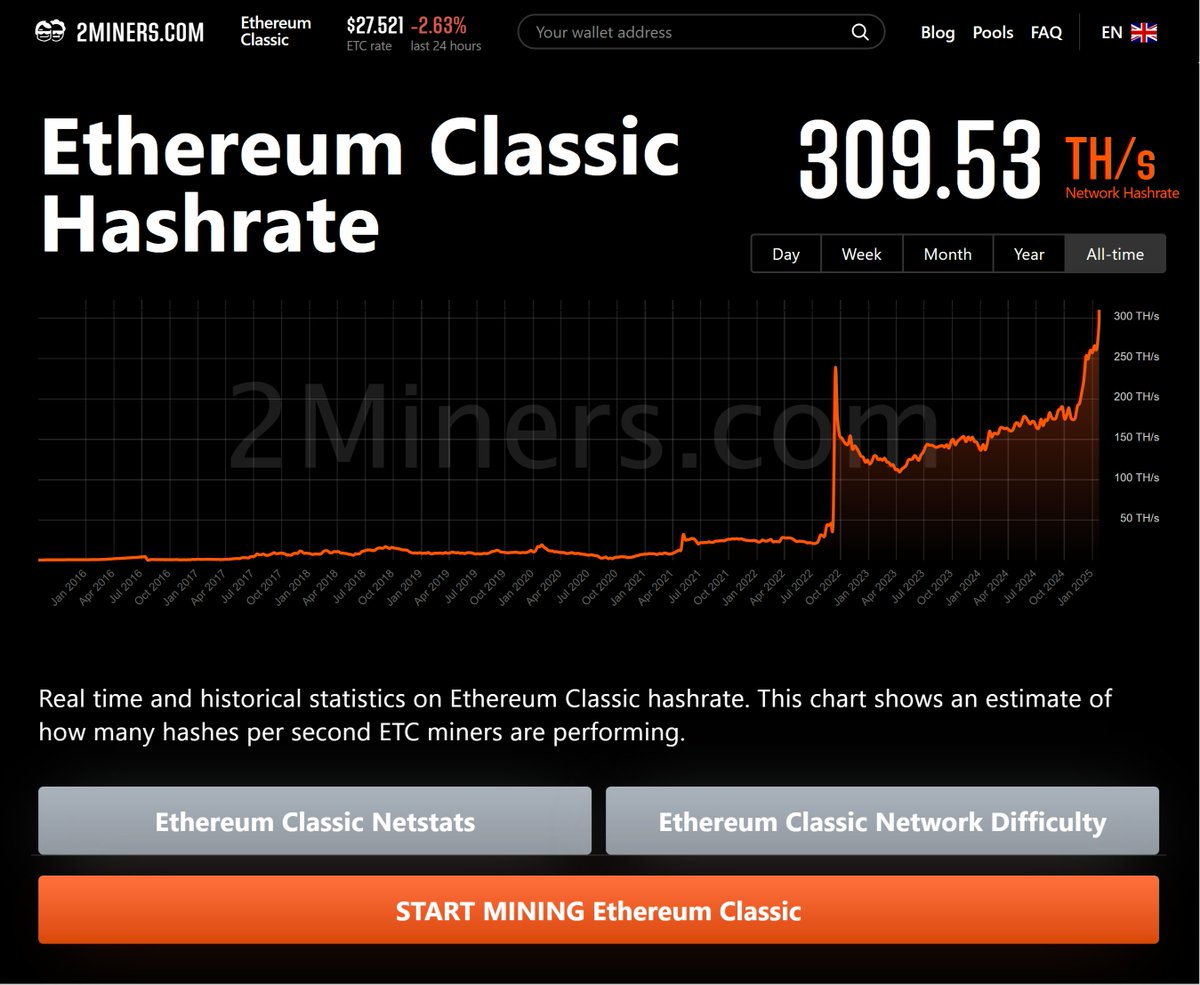
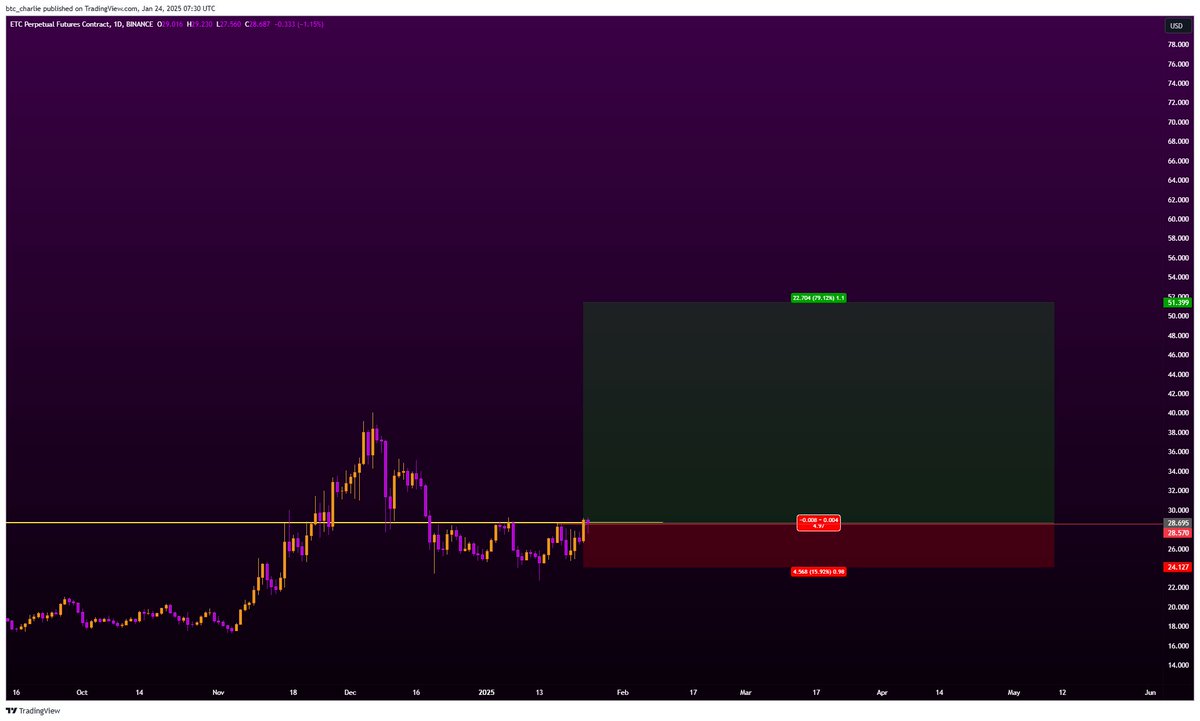
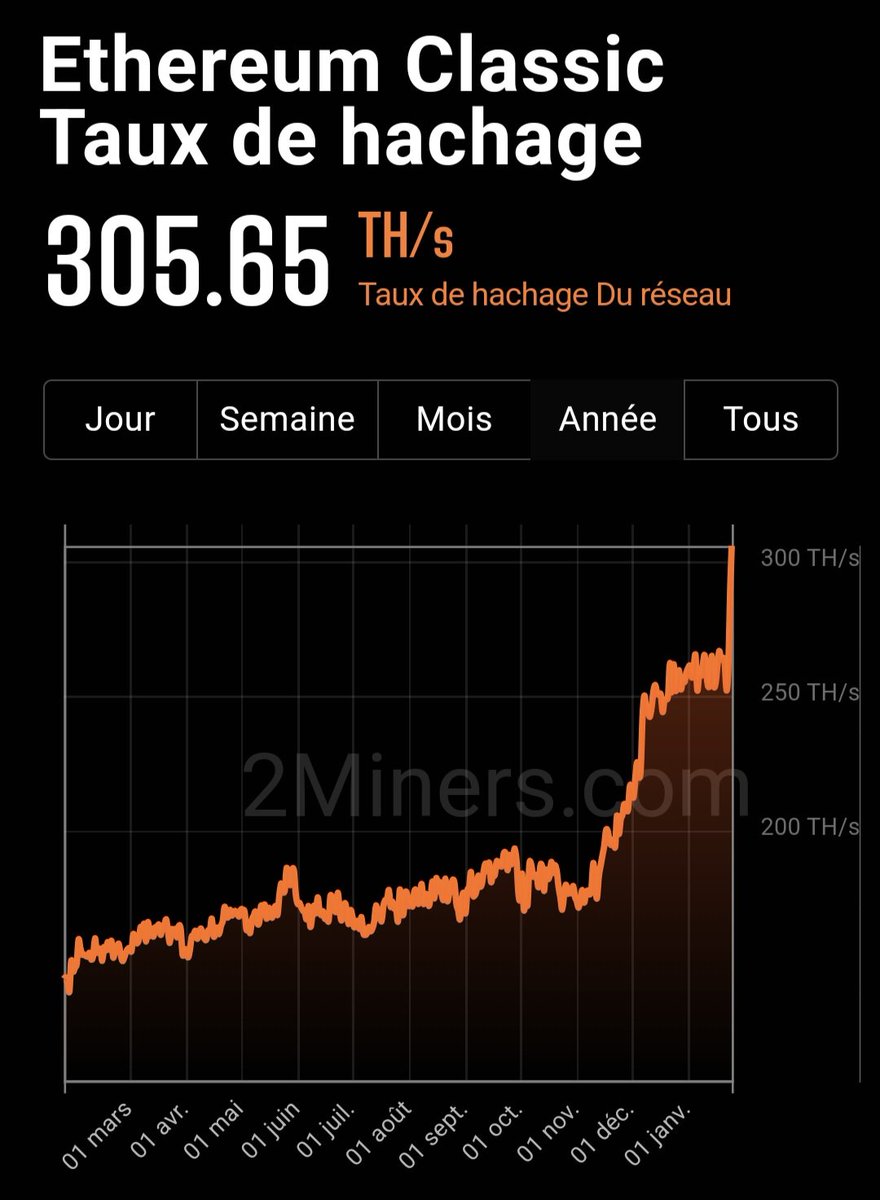
I cannot stress this enough. You were told about Ethereum Classic for years. The Merge was scheduled for 2018, it was delayed to 2022. This only benefitted ETC. The network's fundamentals are going parabolic. 📈
This cycle will be your last chance to buy $ETC sub $100. 🌞🌱🐂
2
14
903
Python ETC retweeted

24 Jan 2025
Will the real Ethereum please stand up, please stand up.
Rumour is us is stock-piling $ETC
30
12
183
36,711
Python ETC retweeted

25 Jan 2025
Ethereum Classic ETC is the original ETH!
24 Jan 2025
I cannot stress this enough. You were told about Ethereum Classic for years. The Merge was scheduled for 2018, it was delayed to 2022. This only benefitted ETC. The network's fundamentals are going parabolic. 📈
This cycle will be your last chance to buy $ETC sub $100. 🌞🌱🐂
1
2
23
534
Python ETC retweeted

23 Jan 2025
7
3
31
3,756

Python ETC retweeted

24 Jan 2025
do you know why $ETC even exists 🧐
The Origin of the Split: The DAO Hack
It all started back in 2016 with the infamous DAO Hack. The DAO (Decentralized Autonomous Organization) was a smart contract on Ethereum, functioning like a venture fund. People could deposit ETH and vote on how investments were allocated.
The Problem:
A hacker exploited a vulnerability in the DAO's code and siphoned off 3.6 million ETH (worth about $50 million at the time). This shook the Ethereum community to its core.
The Big Debate:
What Should Be Done?
The Ethereum community was divided on how to respond.
Two camps emerged:
1. The "Code is law" camp:
They believed the blockchain should remain immutable—what’s done is done. The hack shouldn't be undone.
2. The "Rollback" camp:
This group supported a hard fork to recover the stolen funds, arguing the hack was unfair and damaging to the ecosystem.
The Hard Fork
Ultimately, the majority voted for a hard fork, which reversed the hack by moving the stolen ETH into a separate smart contract, where it could be reclaimed. This fork became the Ethereum we know today as Ethereum (ETH).
The Birth of Ethereum Classic ($ETC)
The "Code is law" camp refused to accept the hard fork and stuck with the original, unaltered blockchain, now known as Ethereum Classic ($ETC). Their philosophy was that the blockchain should be immutable, no matter what.
The Key Differences Between $ETH and $ETC
$ETH: The "mainstream" Ethereum, now focused on innovation with upgrades like the switch to Proof of Stake (the Merge) and scaling solutions.
$ETC: The "ideological" Ethereum, staying true to the original Proof of Work (PoW) model and immutability.
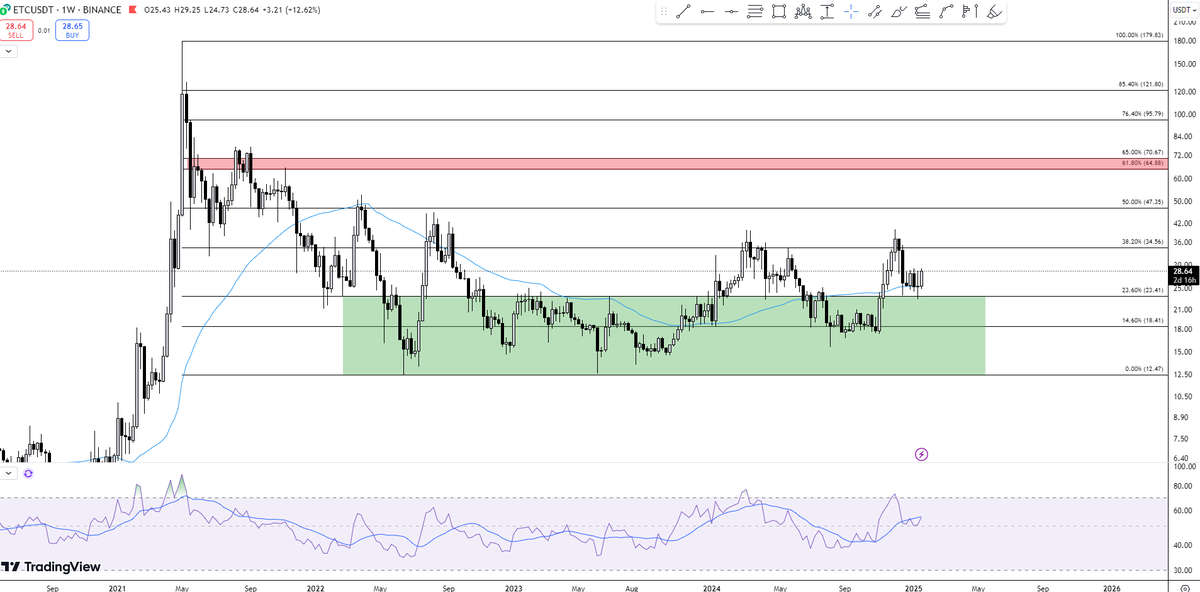
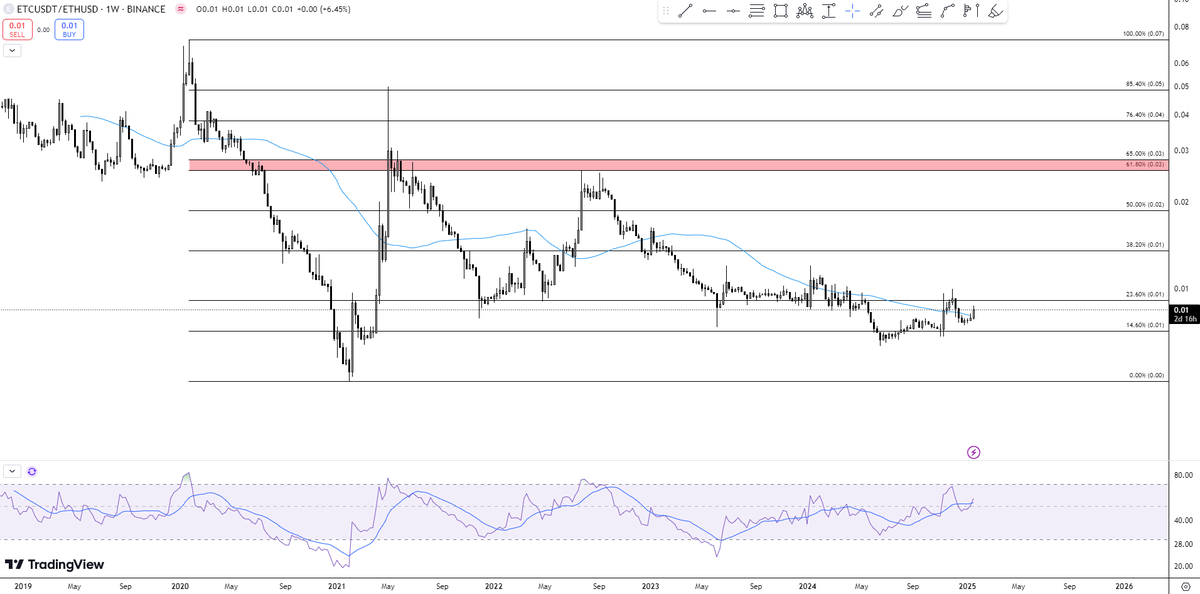
Wouldn´t mind an outperformance of ETC vs. ETH in the weeks to come
1
8
26
1,545
Python ETC retweeted

23 Jan 2025
3
7
43
1,615

Python ETC retweeted

23 Jan 2025
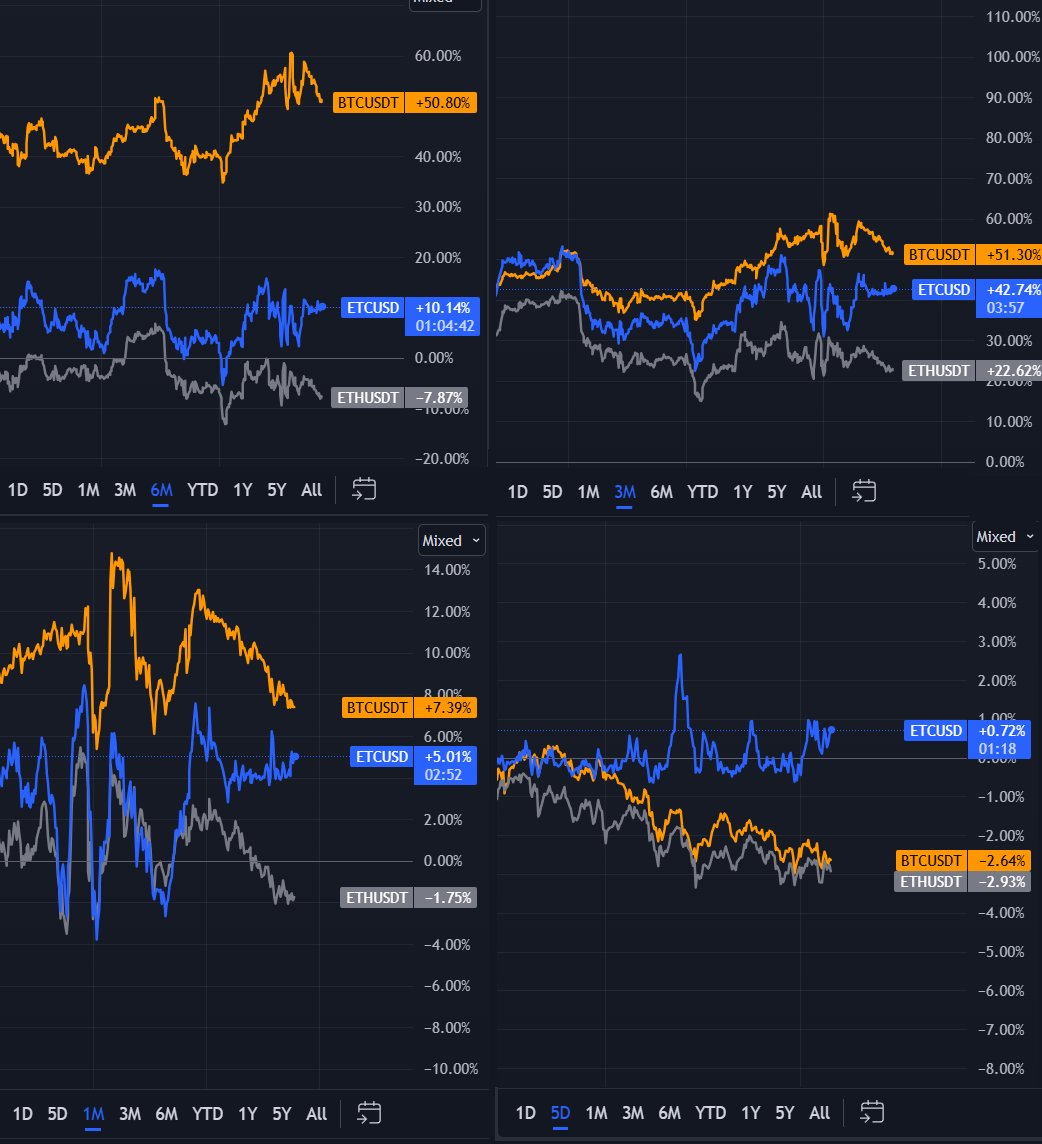
🚨 Ethereum Classic (ETC) vs Ethereum (ETH)
On 6,3,1-month,5-day charts, #ETC is clearly outperforming #ETH! 📈Investors seem to trust Ethereum Classic more.
Decentralization,Stays true to blockchain’s original principles.
(PoW):A proven,secure,and fair model.
major shift? 🤔
2
8
33
1,057
Python ETC retweeted

22 Jan 2025
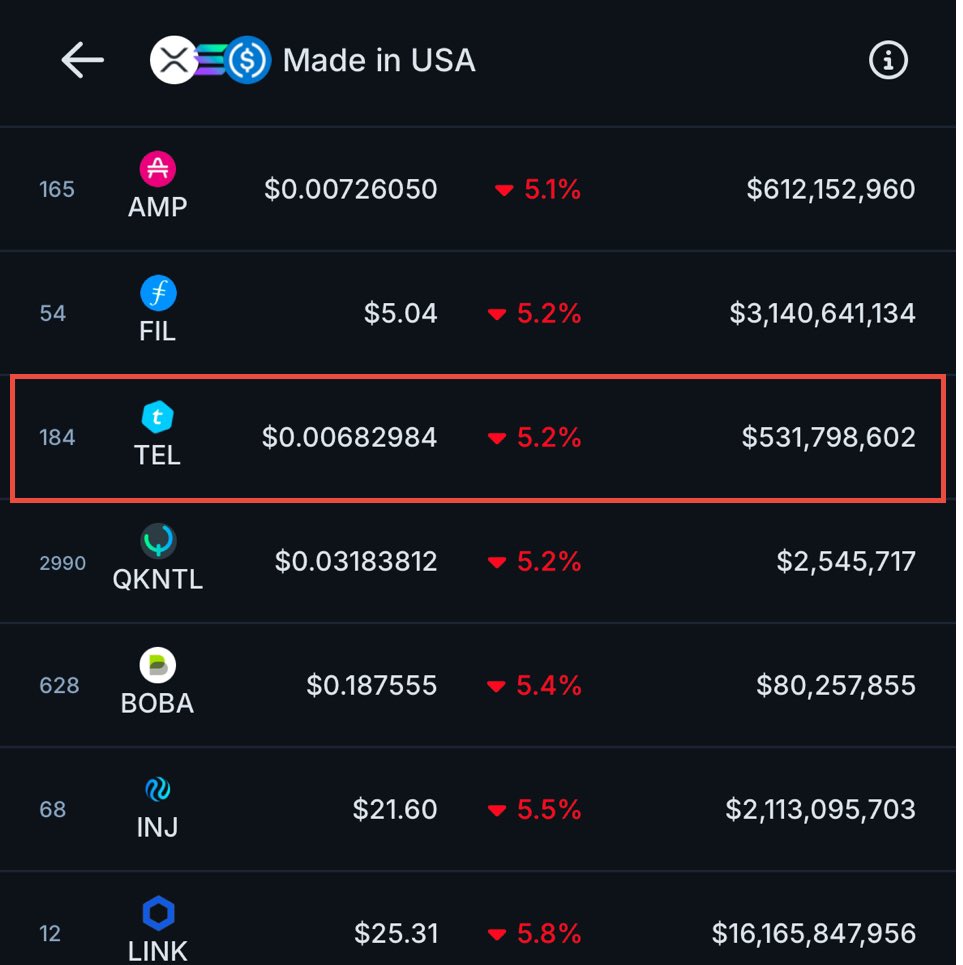
$TEL now added to the “Made in USA”category on CoinGecko 🇺🇸
20
93
467
16,279
Python ETC retweeted

21 Jan 2025
It’s official! 🎉Ethereum Classic $ETC is now live on BX Checkout.
Start using it for seamless crypto payments and real-world transactions.
Power up your token’s utility today! #BXCheckout #TokenUtility #CryptoAdoption

2
9
38
926
Python ETC retweeted

19 Jan 2025
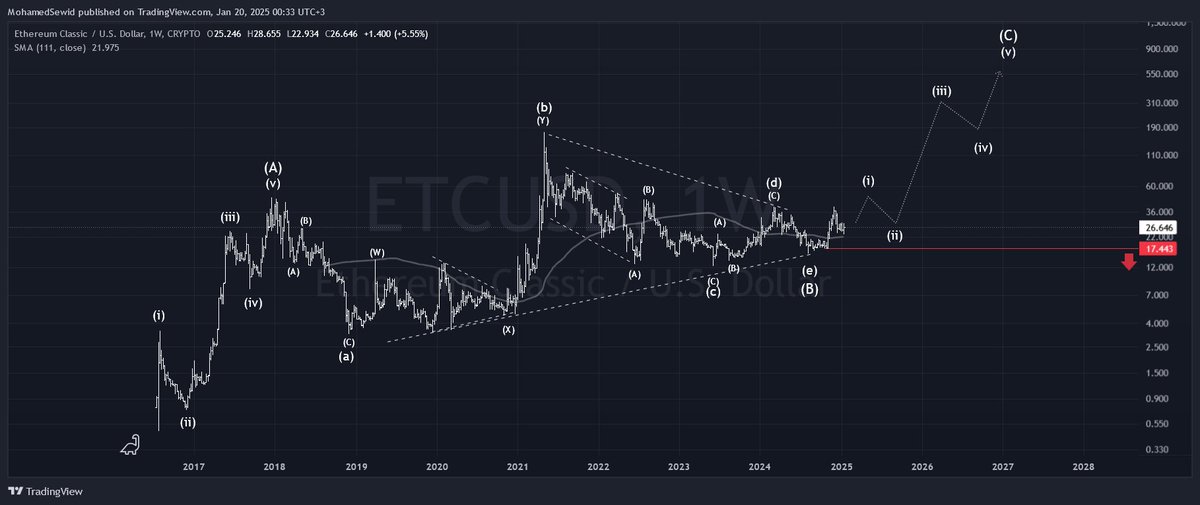
$ETC
#ETC has a huge potential for a bullish movement toward a new all-time high in multiple possible scenarios as long as the price holds above $17.4, which is the stop-loss.
Breaking this level would invalidate this idea.
#EthereumClassic
1
8
43
5,672