Joined July 2011
- Tweets 2,621
- Following 215
- Followers 2,740
- Likes 2,878
83 Photos and videos




Pinned Tweet

23 Dec 2025
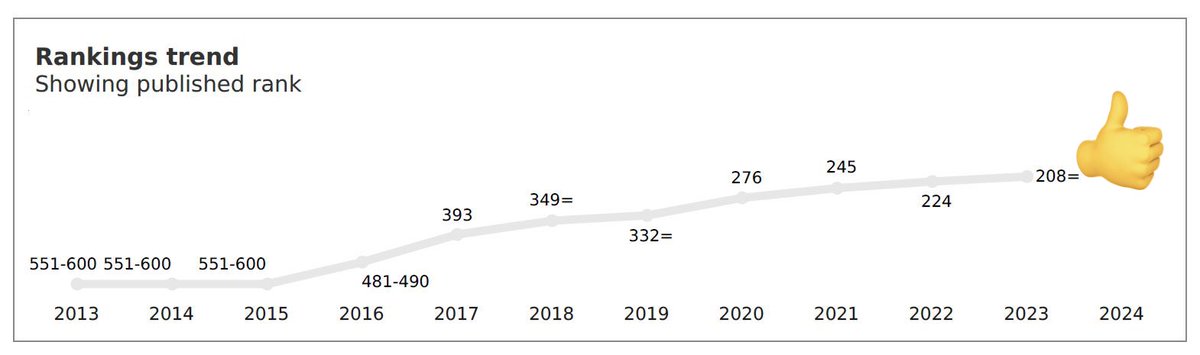
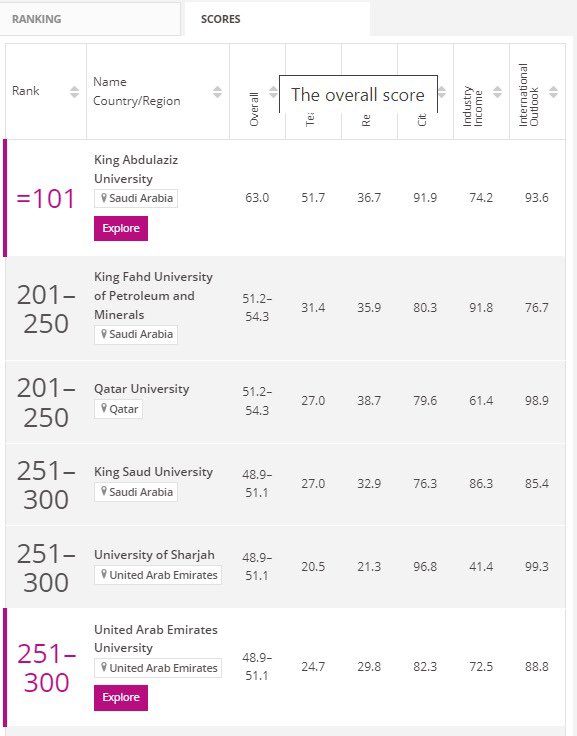
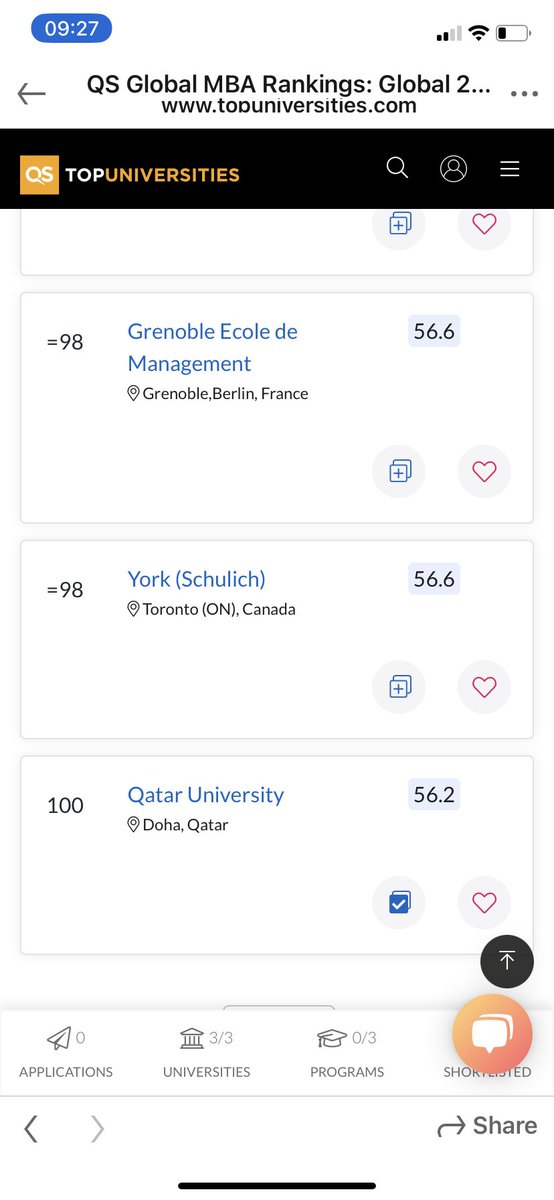
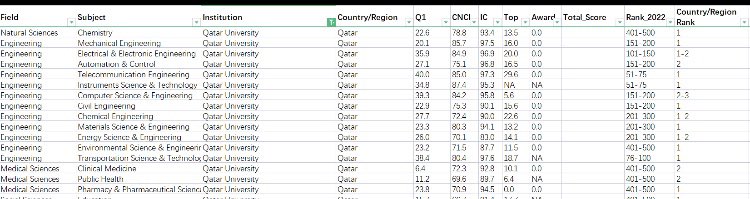
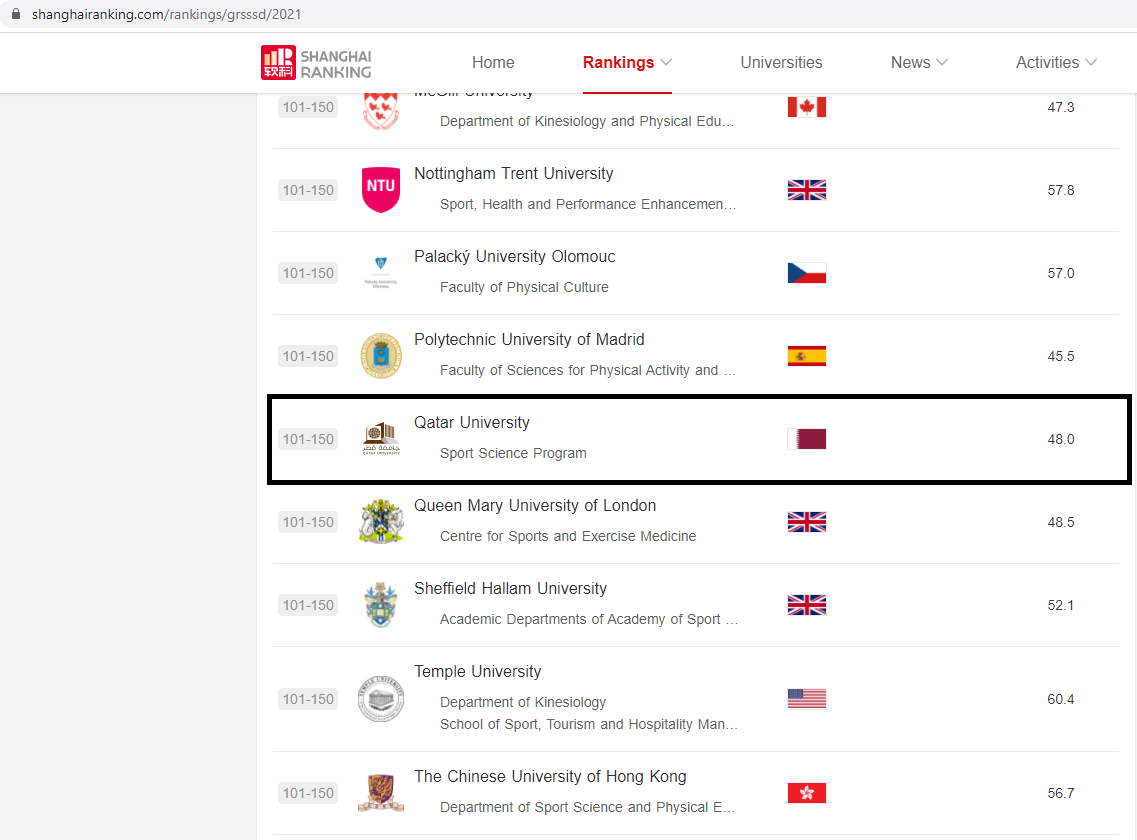
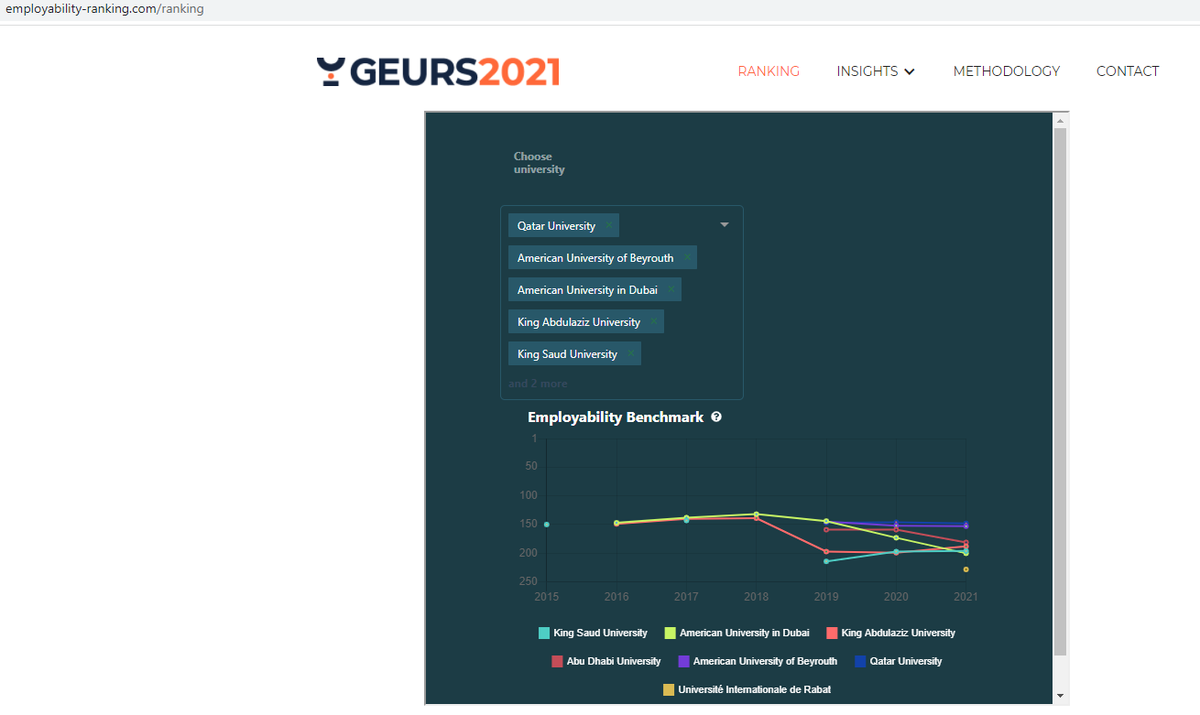
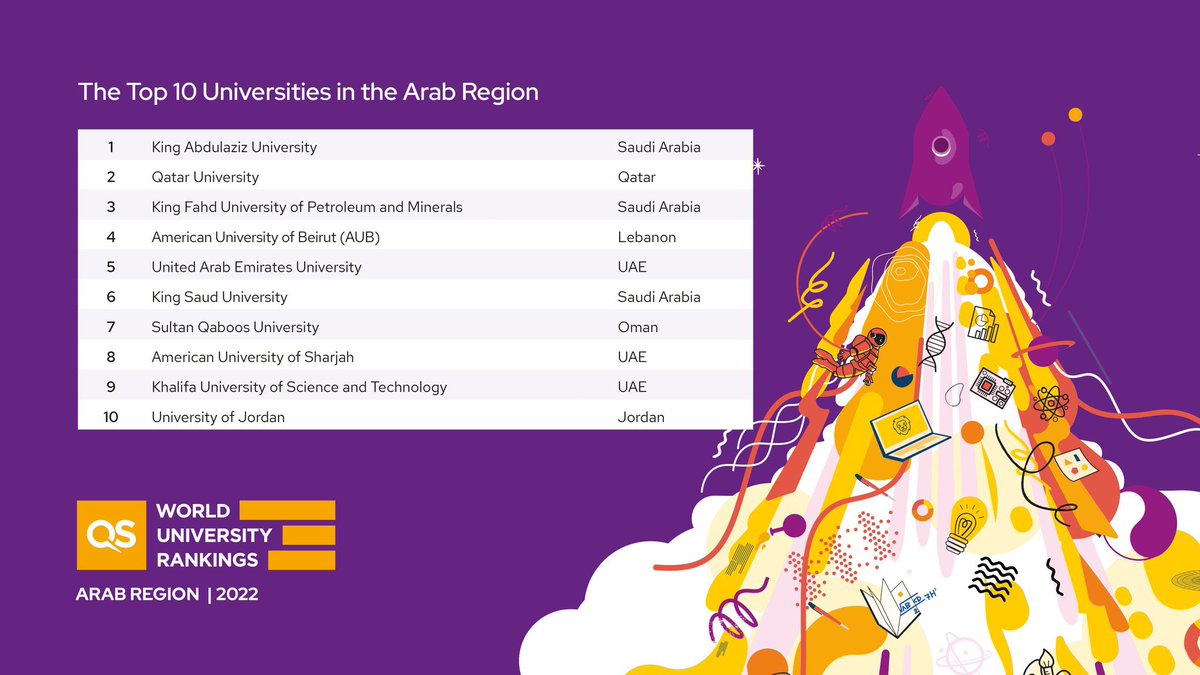
يوضح هذا المقال كيف تعتمد #جامعة_قطر نهجًا مختلفًا في التعامل مع التصنيفات العالمية، من خلال استخدام مؤشرات محددة وبيانات تحليلية لدعم التخطيط الاستراتيجي، بما ينسجم مع الأولويات الوطنية ودور الجامعة في التنمية، بدل التعامل مع الترتيب كغاية بحد ذاته
linkedin.com/posts/cesarwaze…
1
1
141
QU_International retweeted

Jun 11
تسهم في فهم التحولات التي تشهدها المنطقة .. د. مريم محمد الكواري، مدير مركز دراسات الخليج في جامعة قطر: المركز أصدر منذ فبراير الماضي أكثر من 14 دراسة بحثية محكمة في مجالات متنوعة
#تلفزيون_قطر | #حياتنا
4
4
1,810
QU_International retweeted

May 28
#NAFSA2026: Still having the same internationalization conversation?
Time to challenge the script.
Join our #MENA panel as we unpack how national agendas, geopolitics, workforce needs & real resilience actually shape the work — not just mobility numbers or #rankings.
We’ll ask the tough question too: Are universities collaborating to grow… or just to glow? 🔥
Real talk. No fluff.
See you tomorrow!
#Orlando
#NAFSA2026 #GlobalByDesign
@NAFSA @educationusa @EducationUSAQat
linkedin.com/posts/cesarwaze…
1
3
154
QU_International retweeted

May 30
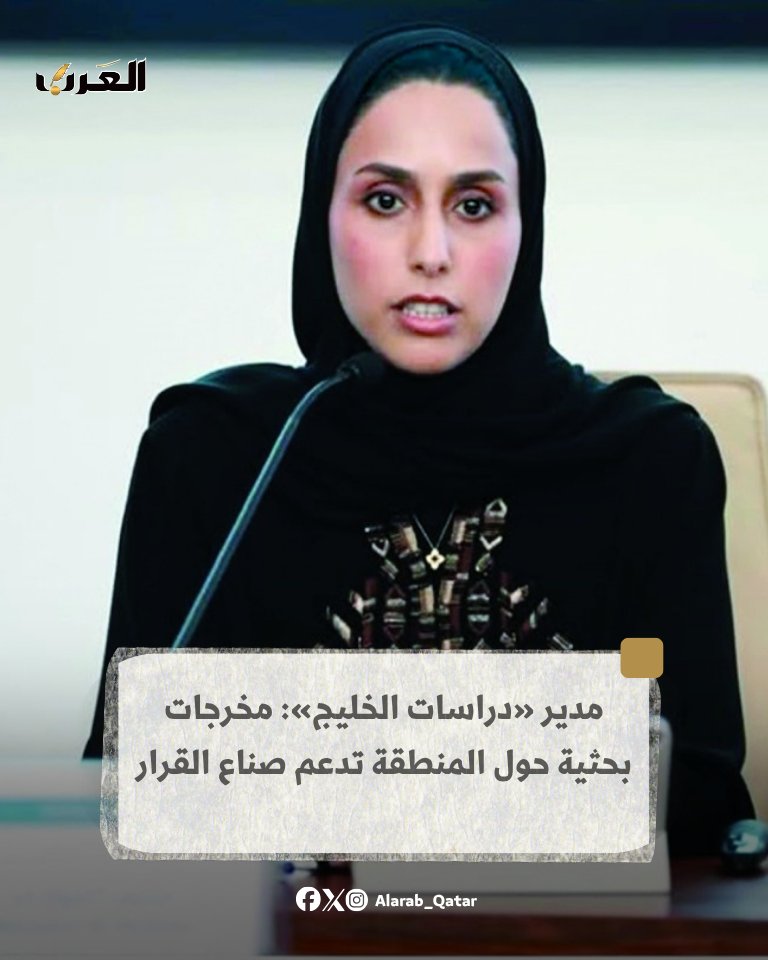
🔶🔸مدير «دراسات الخليج»: مخرجات بحثية حول المنطقة تدعم صناع القرار
قالت الدكتورة مريم محمد الكواري، مدير مركز دراسات الخليج في جامعة قطر، إن المركز «تأسس ليكون إطارا مؤسسيا لدراسة منطقة الخليج من منظور أكاديمي معمق ومتعدد التخصصات»، مشيرة إلى أنه «يضطلع بدور محوري في دعم الأبحاث المرتبطة بالقضايا السياسية والجيوسياسية والاقتصاد السياسي، والتحولات الاجتماعية والثقافية في المنطقة»، كما «يوفر منصة تجمع الأكاديميين وصناع القرار، بما يعزز التكامل بين البحث العلمي وصنع السياسات». وأضافت الكواري في تصريحات صحفية، أن المركز «يولي اهتماما خاصا بالقضايا السياسية والأمن الإقليمي، والتحولات الاقتصادية والتنموية، والتغيرات الاجتماعية والثقافية، إضافة إلى سياسات البيئة والطاقة»، لافتة إلى أنهم «يعملون على تحديث الأجندة البحثية باستمرار بما يواكب التحولات الإقليمية والدولية، ويتسق مع أولويات الجامعة والدولة البحثية»، مع اعتماد «مناهج متعددة التخصصات تتيح تحليل القضايا الخليجية ضمن سياق عالمي أوسع».
#جريدة_العرب | #قطر |
2
1
267
QU_International retweeted

May 25
من أجواء الحفل السنوي الأول لكلية علوم الرياضة بجامعة قطر 🏅
لحظات نفخر بها، وبداية واعدة لمسيرة أكاديمية ورياضية متميزة بإذن الله.
#جامعة_قطر
#كلية_علوم_الرياضة
#QatarUniversity
#CollegeOfSportSciences
@QU_Int @QatarUniversity @qucss_
1
1
85
QU_International retweeted

May 19
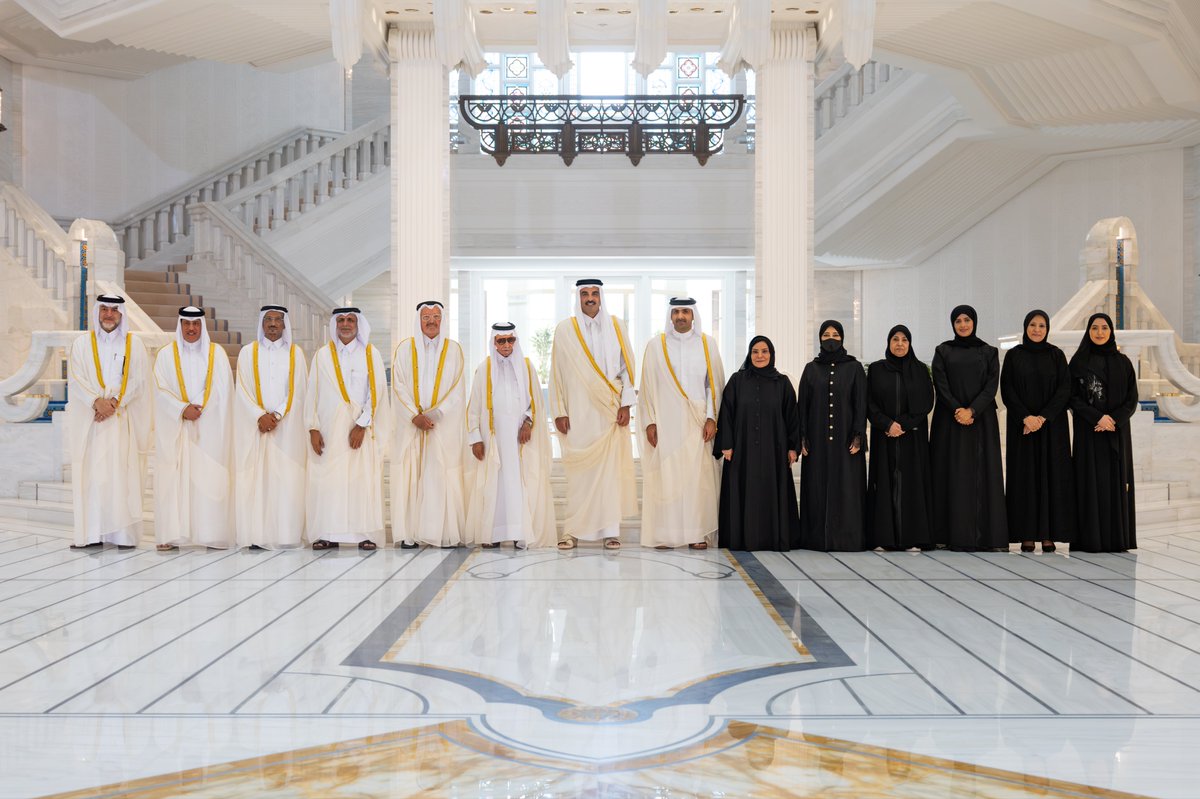
للمبدعين والباحثين المتميزين دور محوري في رفعة الأوطان ونهضة المجتمعات، وهو ما تقدره قطر بتكريم كوكبة جديدة من الفائزين بجائزتي الدولة التقديرية والتشجيعية احتفاء بجهودهم وإسهاماتهم. مبارك للفائزين والفائزات.
241
458
1,925
150,003
QU_International retweeted
May 19
May 19

نبارك للفائزين بجائزتي الدولة التقديرية والتشجيعية هذا التكريم الرفيع، ونفخر بحضور عدد من منتسبي #جامعة_قطر وأعلامها الأكاديميين بين المكرّمين، تقديرًا لعطائهم العلمي ودورهم في إثراء المعرفة وخدمة الوطن
1
1
70
QU_International retweeted
May 20
تشهد منظومة #التعليم_العالي في دولة #قطر تطورًا متسارعًا — وتظل #جامعة_قطر في قلب هذا المشهد.
تشير تقارير وكالة الأنباء القطرية (@QNAEnglish) إلى نظام تعليمي يتوسع من حيث الحجم والتنوع، حيث تسهم عدة مؤسسات في إعداد الكفاءات الوطنية:
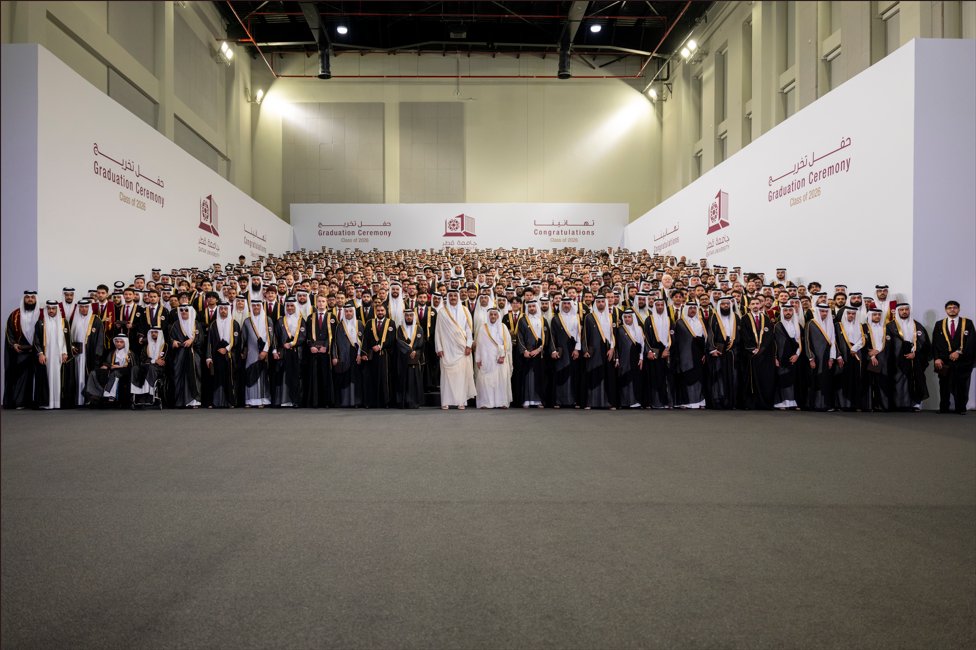
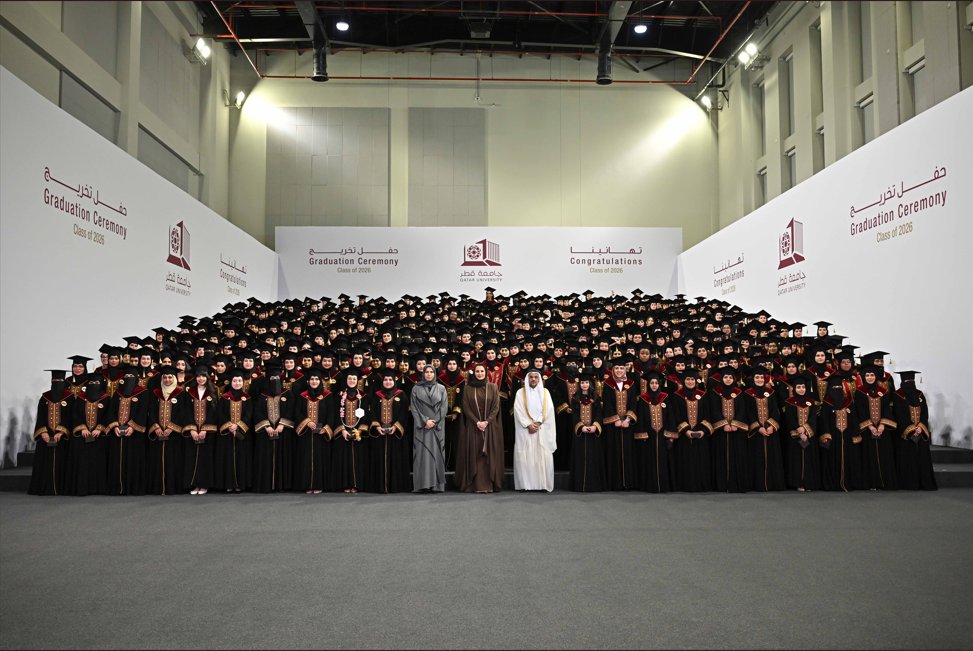
جامعة قطر: 4,024 خريجًا
مؤسسات المدينة التعليمية: 1,100
جامعة الدوحة للعلوم والتكنولوجيا: 1,200
جامعة لوسيل: 900 (63% قطريون)
تمثل جامعة قطر وحدها أكثر من نصف إجمالي الخريجين عبر هذه المنصات مجتمعة.
لكن القصة لا تتعلق بالحجم فقط.
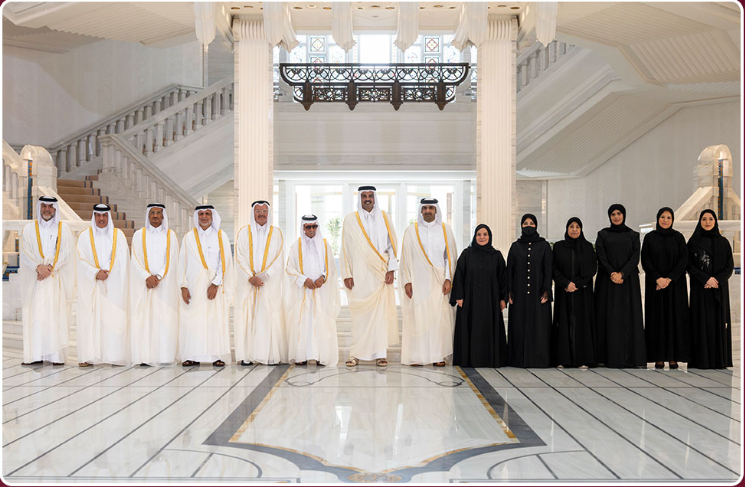
فقد قام حضرة صاحب السمو الأمير هذا الأسبوع بتكريم الفائزين بجائزتي الدولة التقديرية والتشجيعية، تقديرًا لـ
"إسهاماتهم المتميزة في دعم مسيرة التنمية في الدولة."
10 من أصل 13 فائزًا (~77%) هم من منتسبي جامعة قطر.
وهنا تتضح الصورة:
جامعة قطر لا تخرّج أعدادًا أكبر فحسب، بل تخرّج مخرجات متميزة تسهم في بناء الوطن.
هذا التوازن بين الحجم والجودة يتماشى بشكل مباشر مع التوجه الاستراتيجي للجامعة.
حيث يرسخ التموضع الاستراتيجي لجامعة قطر 2050 رؤية الجامعة كمؤسسة وطنية شاملة، بحيث:
يظل التعليم أولوية أساسية
ويكون البحث العلمي موجّهًا لخدمة الأولويات الوطنية
وتتقدم القيمة المجتمعية والأثر الحقيقي على المؤشرات الشكلية
كما يعزز إطار أولويات البحث العلمي هذا التوجه، من خلال تركيز الجهود على المجالات الاستراتيجية للدولة، بما في ذلك القطاع الصحي، إلى جانب مجالات أخرى محورية.
معًا، تعكس هذه التوجهات نموذجًا واضحًا:
حجم في التعليم، وعمق وملاءمة في البحث العلمي
حيث يكون الطالب والخريج في قلب المنظومة،
وحيث تسير الجودة والكم جنبًا إلى جنب
الأقدم. الأكبر. الأعرق. عن حق!
كل التهنئة للخريجين، ولزملائنا الأعزاء.
#رؤية_قطر_2030
#حفل_تخريج_جامعة_قطر_2026
@Ahmad_Alyehri
2
4
182
QU_International retweeted

May 19
نبارك للفائزين بجائزتي الدولة التقديرية والتشجيعية هذا التكريم الرفيع، ونفخر بحضور عدد من منتسبي #جامعة_قطر وأعلامها الأكاديميين بين المكرّمين، تقديرًا لعطائهم العلمي ودورهم في إثراء المعرفة وخدمة الوطن
May 19

للمبدعين والباحثين المتميزين دور محوري في رفعة الأوطان ونهضة المجتمعات، وهو ما تقدره قطر بتكريم كوكبة جديدة من الفائزين بجائزتي الدولة التقديرية والتشجيعية احتفاء بجهودهم وإسهاماتهم. مبارك للفائزين والفائزات.
1
10
14
2,159
QU_International retweeted
May 18
Interesting to see recent work moving the conversation beyond SDG rankings toward how institutions actually engage with the SDGs.
The latest study by Konstantin Karl Weicht and I-Ting Chen from Tzu Chi University , "A Maturity Model for Authentic SDG Engagement in Higher Education" (lnkd.in/dCiSQgw5) makes a simple but important point: audit-based frameworks often end up rewarding reporting and visibility more than real transformation.
It also highlights a risk we don’t talk about enough, institutions can plateau or even regress under ranking pressure, especially when metrics drive behavior.
This echoes a concern I raised earlier on #SDG rankings and aggregation logic, how combining dimensions into a single score can mask real strengths (here: lnkd.in/dZpFBCC)
The connection is quite clear: Then, my issue was aggregation across SDGs, now, the issue is audit cultures shaping behavior itself.
Different context but same question (also unanswered 😉):
Are we measuring impact, or incentivizing its representation?
Because what we measure doesn’t just reflect performance, it shapes it.
2
2
170
QU_International retweeted
May 19
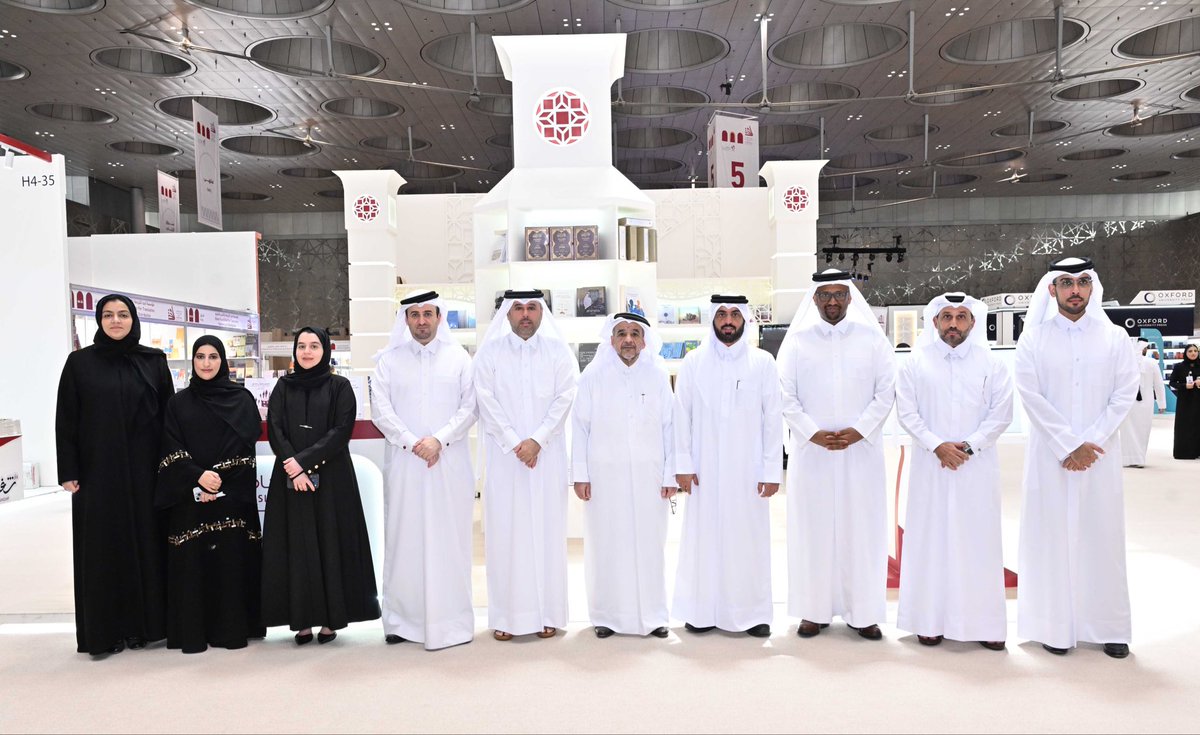
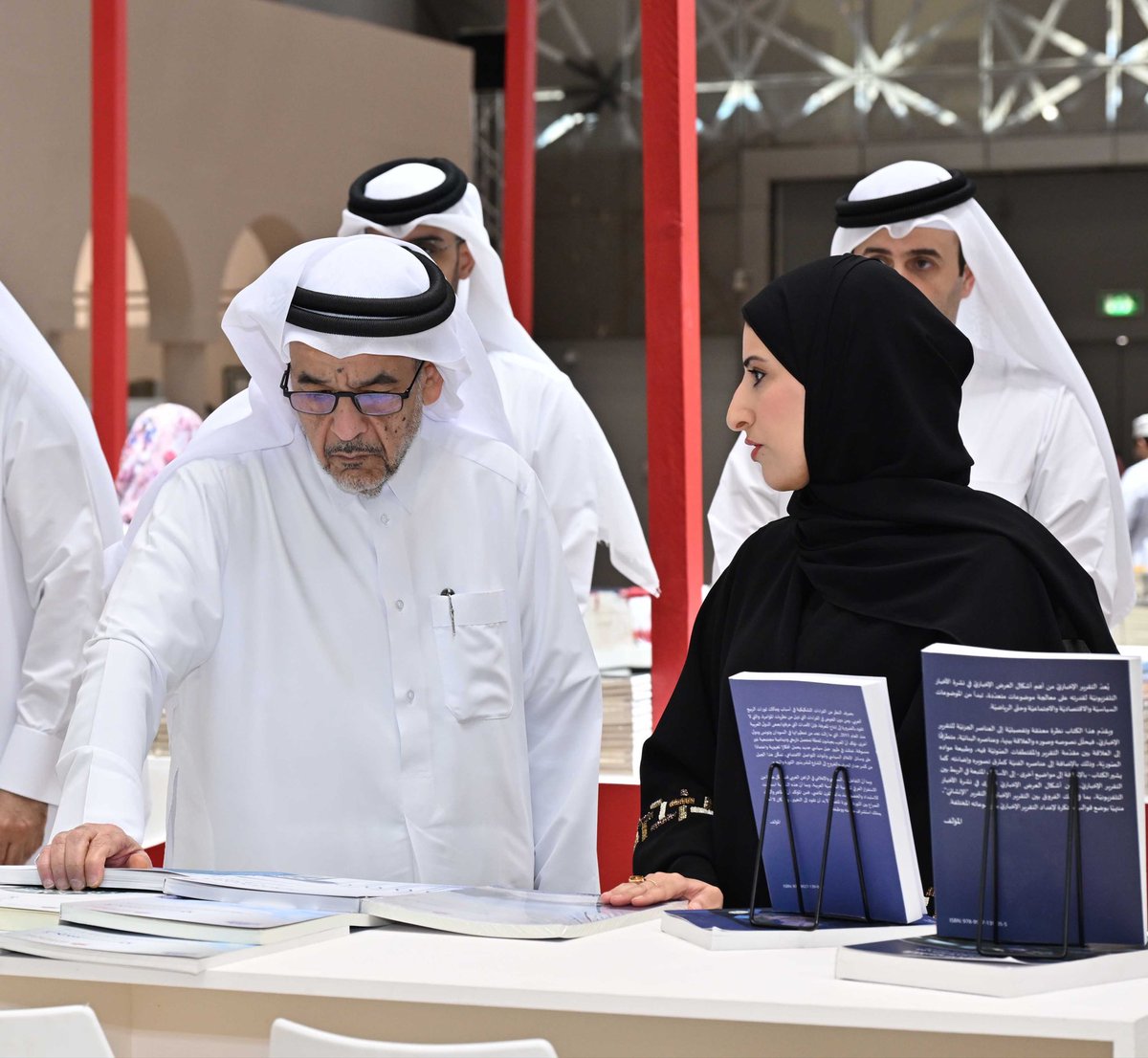
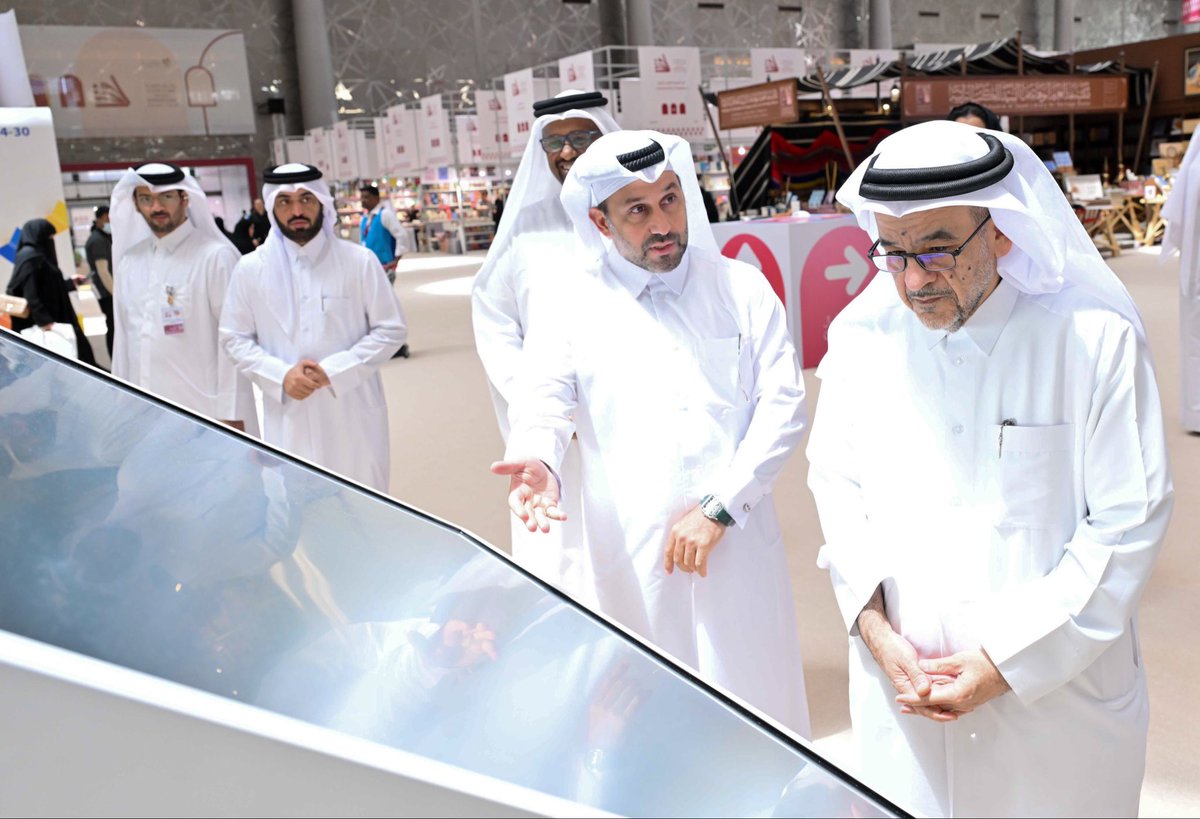
تمثل مشاركة دار نشر #جامعة_قطر في معرض الدوحة الدولي للكتاب امتدادًا لدور الجامعة في تحويل المعرفة والبحث العلمي إلى إسهام ثقافي ومعرفي يصل إلى المجتمع.
ونثمّن جهود الدار في تقديم إصدارات علمية وثقافية تُسهم في إثراء المشهد المعرفي محليًا ودوليًا.
1
8
16
2,466
QU_International retweeted
May 19
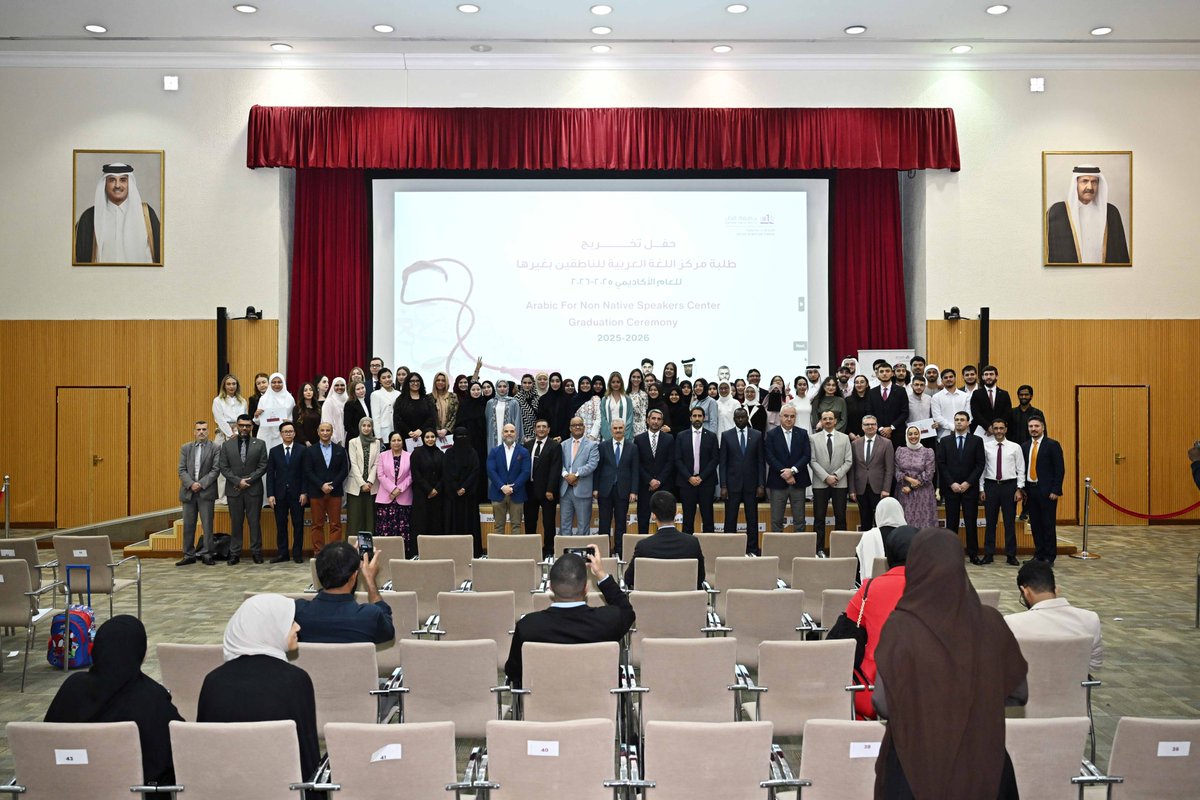
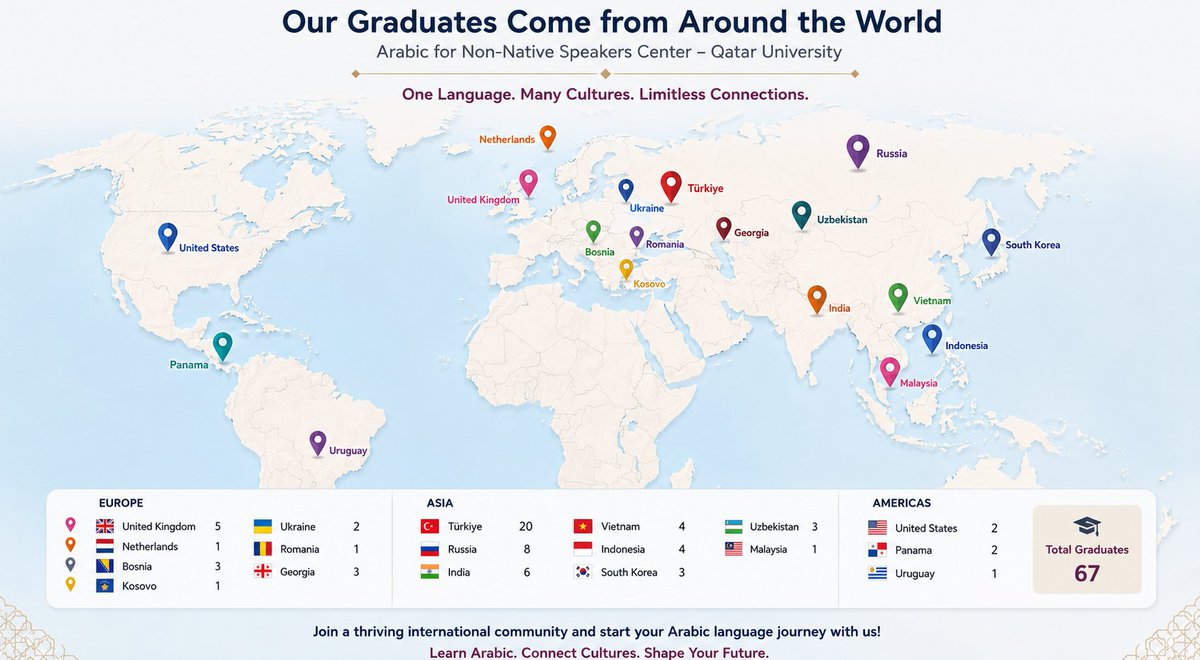
🌍 Today at @QatarUniversity, #Arabic brought together graduates from 18 nationalities across #Europe, #Asia, and the #Americas.
From #Türkiye to #Panama, #Russia to #SouthKorea, students came to #Doha united by one goal: learning Arabic through immersion, culture, and community.
Proud as well of the role played by QU’s International Affairs Office in supporting many of these journeys through scholarships and strategic global partnerships.
This is what internationalization looks like when it becomes human. 🇶🇦🎓
linkedin.com/posts/cesarwaze…
2
1
214
QU_International retweeted
May 16
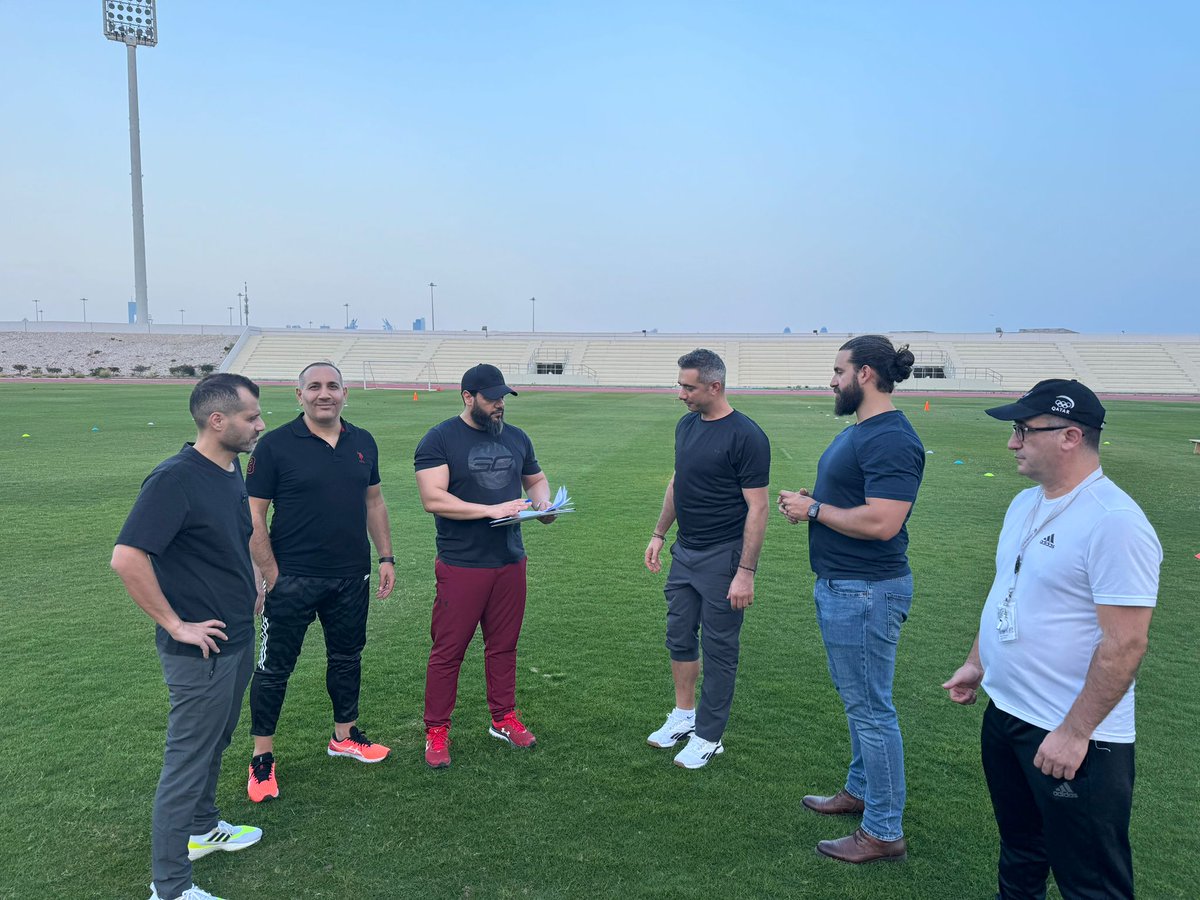
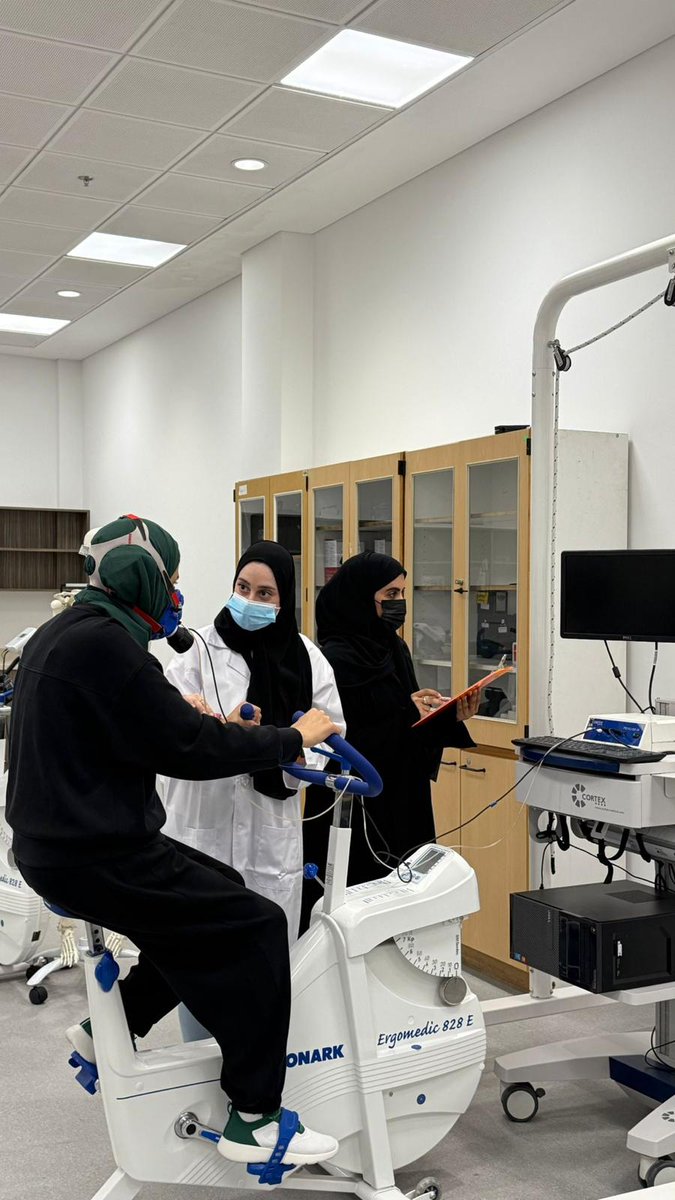
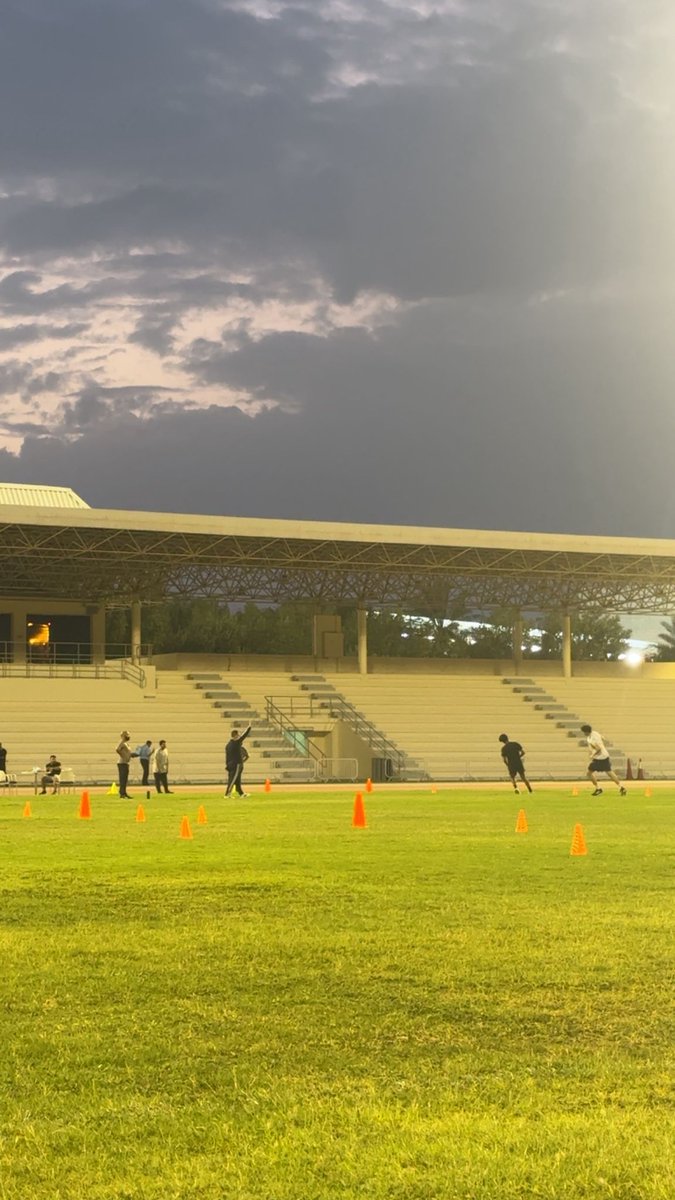
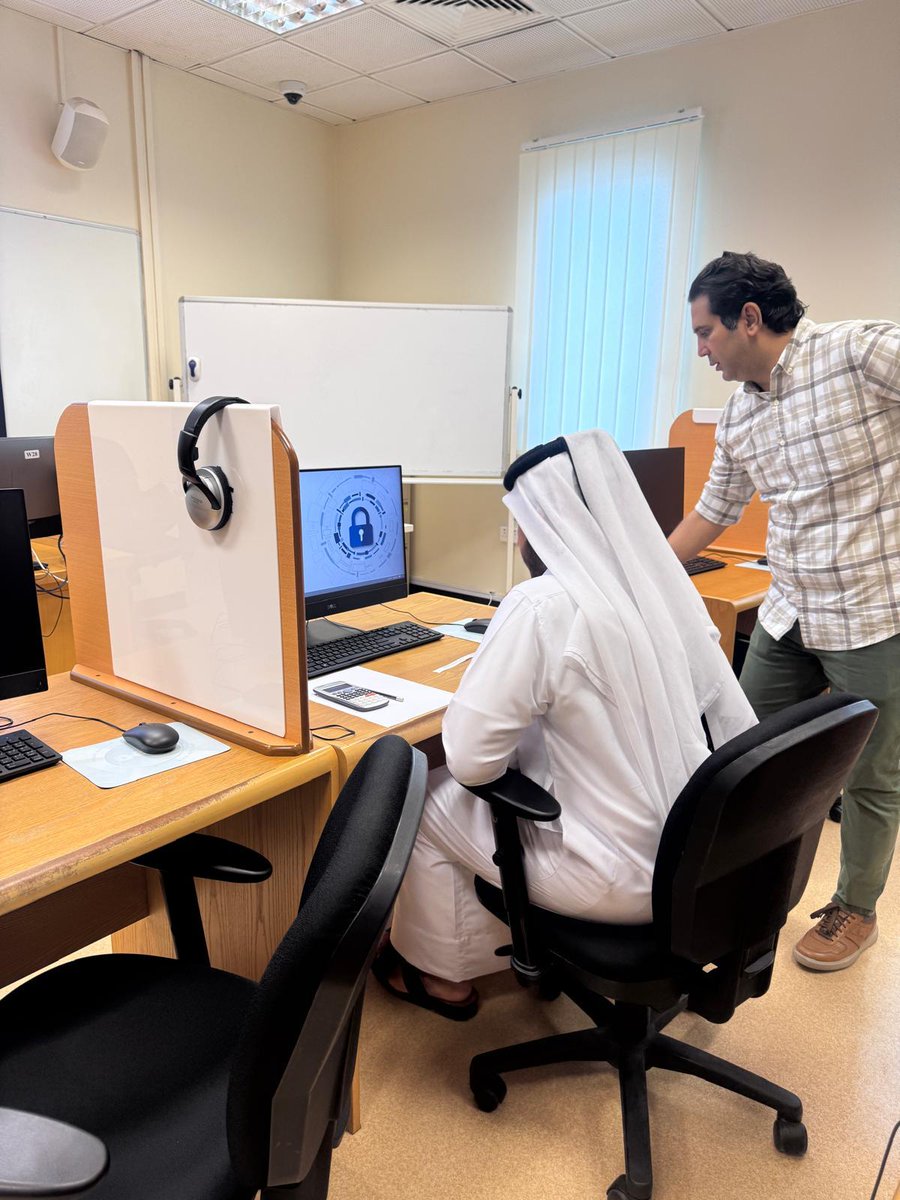
نفخر في كلية علوم الرياضة بجامعة قطر باستكمال إجراءات تقييم واختيار طلبة التدريب الرياضي والإدارة الرياضية للعام الأكاديمي القادم، بما يشمل اختبارات SCAT والتقييمات البدنية والعملية 🇶🇦
#جامعة_قطر #كلية_علوم_الرياضة
@QatarUniversity @QU_Int @CesarWazen
1
3
188
QU_International retweeted
May 14
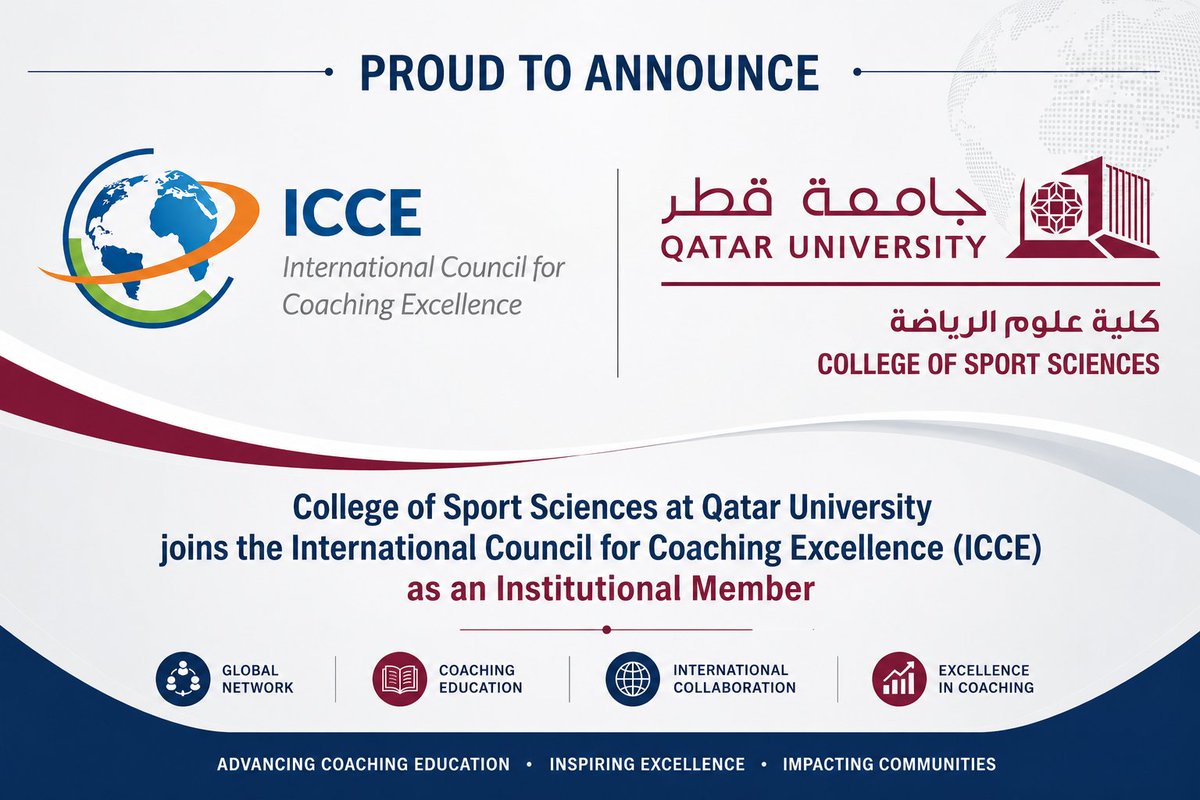
The College of Sport Sciences at Qatar University, through its Department of Sport Coaching, is pleased to join the International Council for Coaching Excellence (ICCE) as an institutional member.
#ICCE #QatarUniversity #CoachEducation #SportSciences #SportCoaching
@QatarUniversity @QU_President @ICCE_coaching @QUResearch @QU_Int @CesarWazen @qucss_
2
3
141
QU_International retweeted

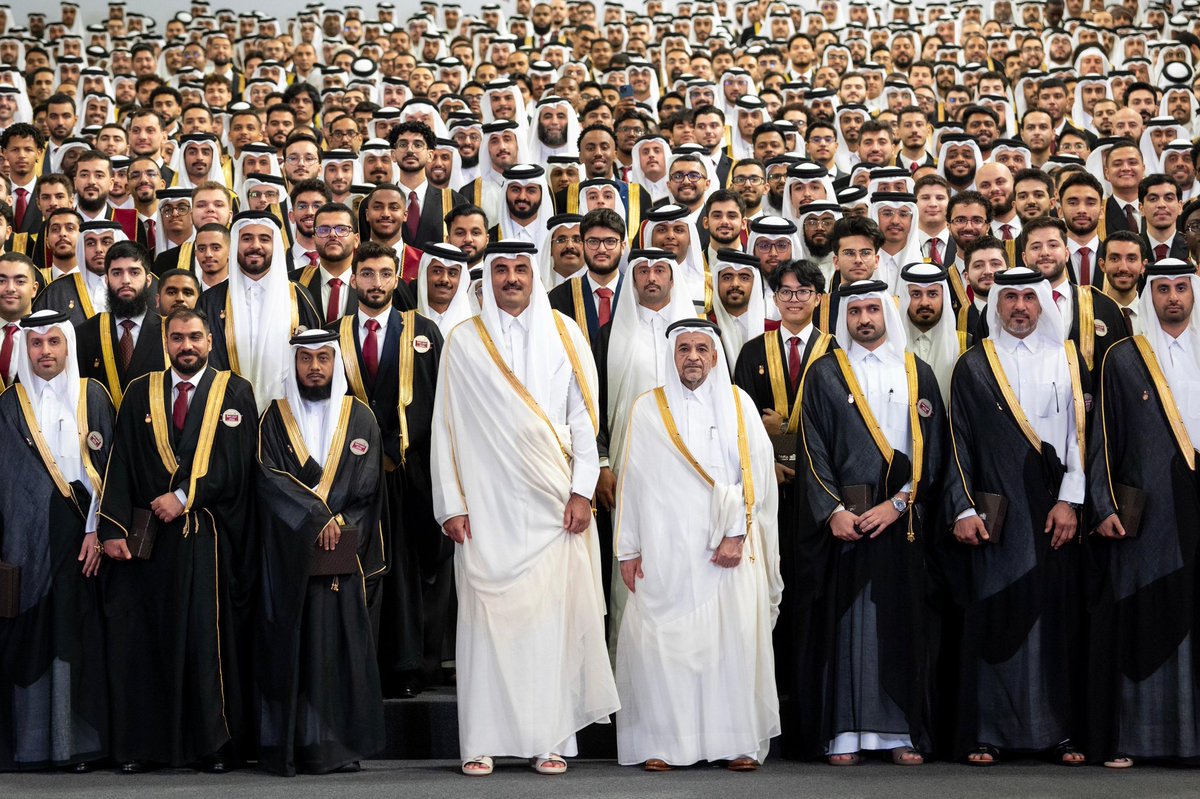
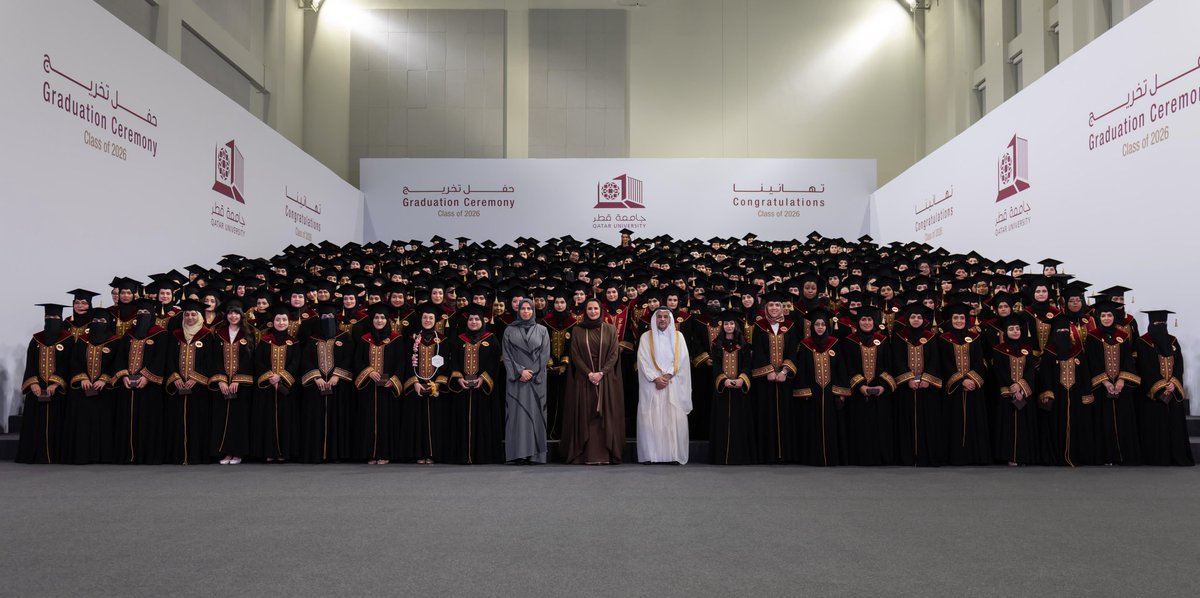
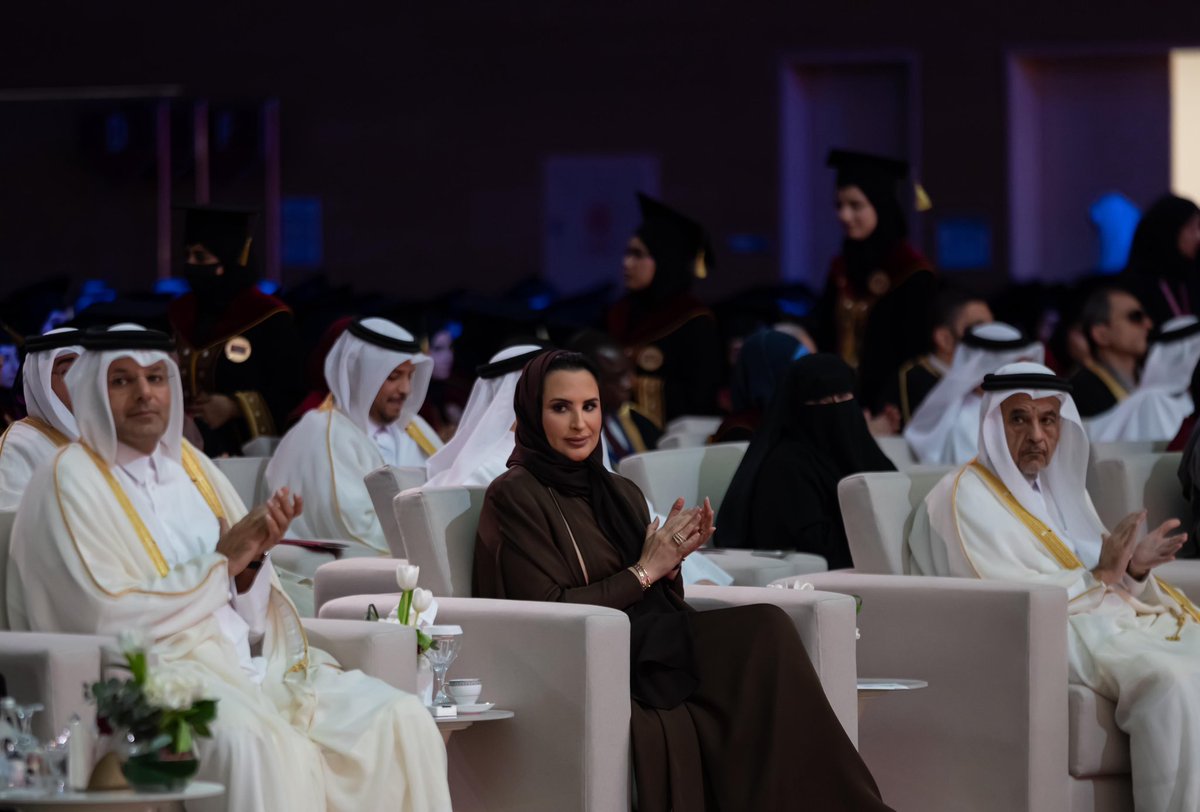
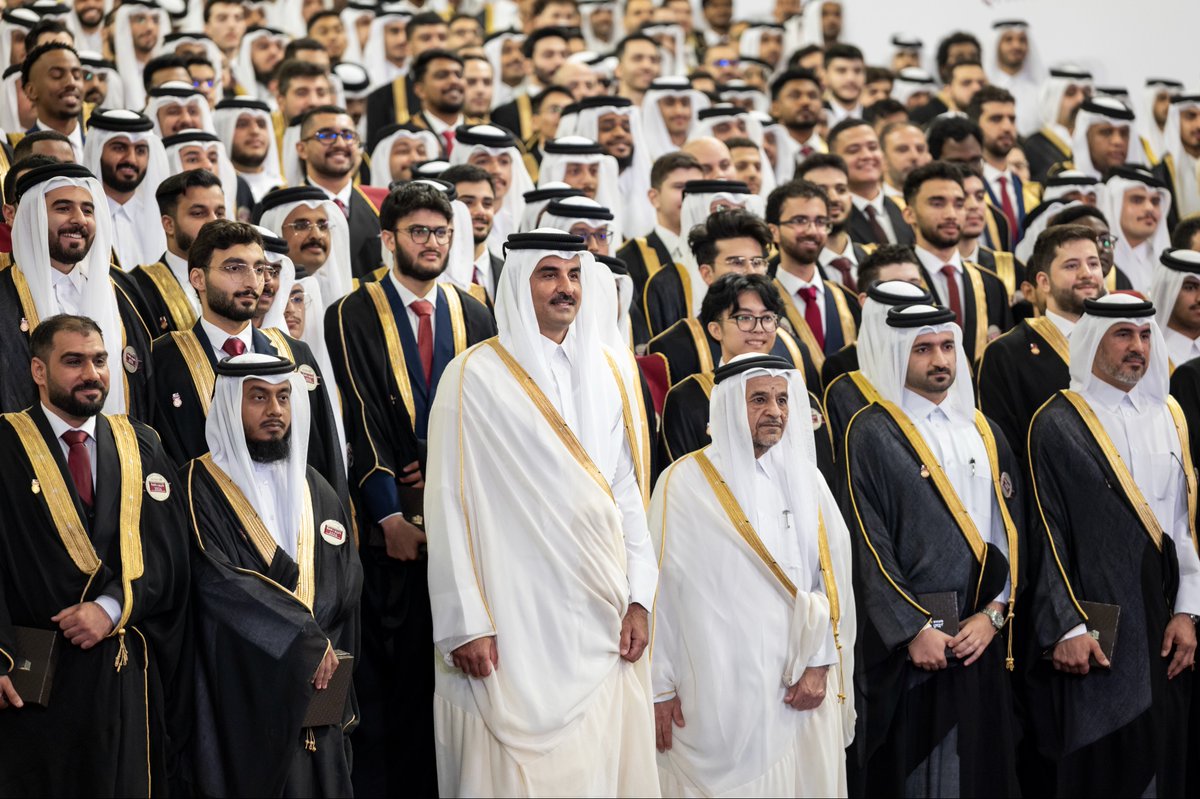
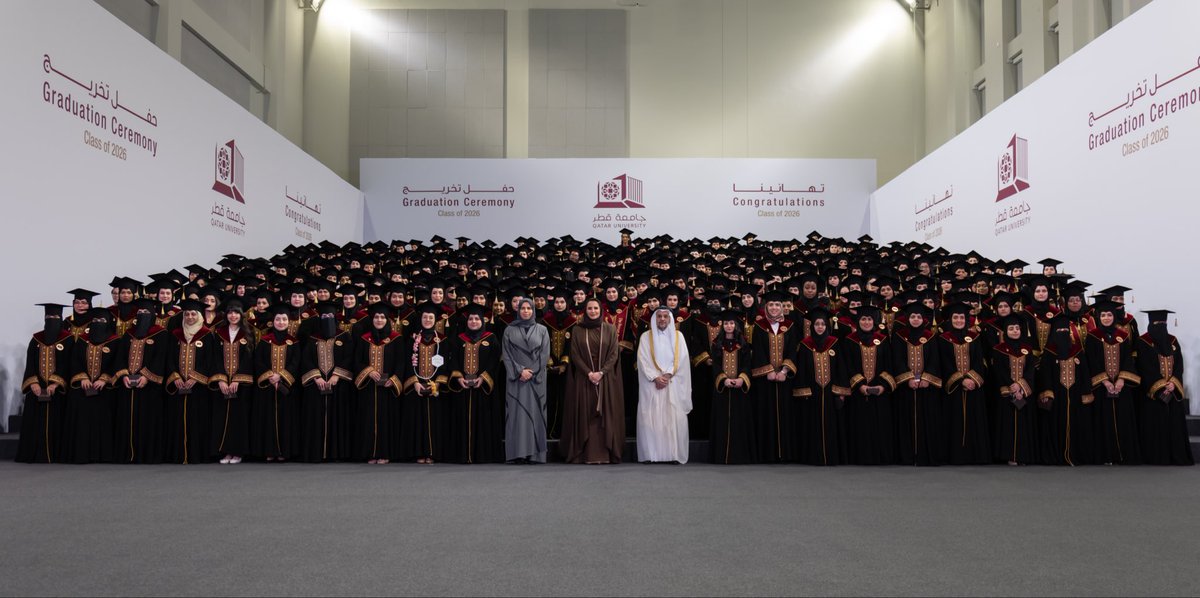
تحت الرعاية الكريمة لحضرة صاحب السمو الشيخ تميم بن حمد آل ثاني، أمير البلاد المفدى، وصاحبة السمو الشيخة جواهر بنت حمد بن سحيم آل ثاني، تشرفتُ يومي أمس واليوم بحضور حفل تخريج دفعة 2026 في جامعة قطر، هذه المؤسسة الوطنية التي دأبت منذ قرابة نصف قرن على رفد مجتمعنا بكفاءاتٍ وطاقاتٍ جمعت بين التميز العلمي والمهارة العملية.
👏🏼 واحتفت الجامعة هذا العام بتخريج 4024 خريجٍ وخريجة، من بينهم أول دفعة من كلية التمريض، وأول دفعة من برنامج الفنون الجميلة، وأول دفعة من برنامج الفيزياء بعد إعادة تفعيله، وفي ذلك دلالةٌ على اتساع آفاق الجامعة واستجابتها لحاجات المجتمع.
أنتهز هذه الفرصة لأتقدم بخالص الشكر والتقدير للدكتور عمر الأنصاري، رئيس جامعة قطر، ولأعضاء الهيئتين التدريسية والإدارية، على جهودهم التي أثمرت هذا اليوم، كما أهنئ الخريجين والخريجات وذويهم بهذا الإنجاز، متمنيةً لهم التوفيق في
مسيرتهم القادمة.
@QatarUniversity
#حفل_تخريج_جامعة_قطر_2026
May 4
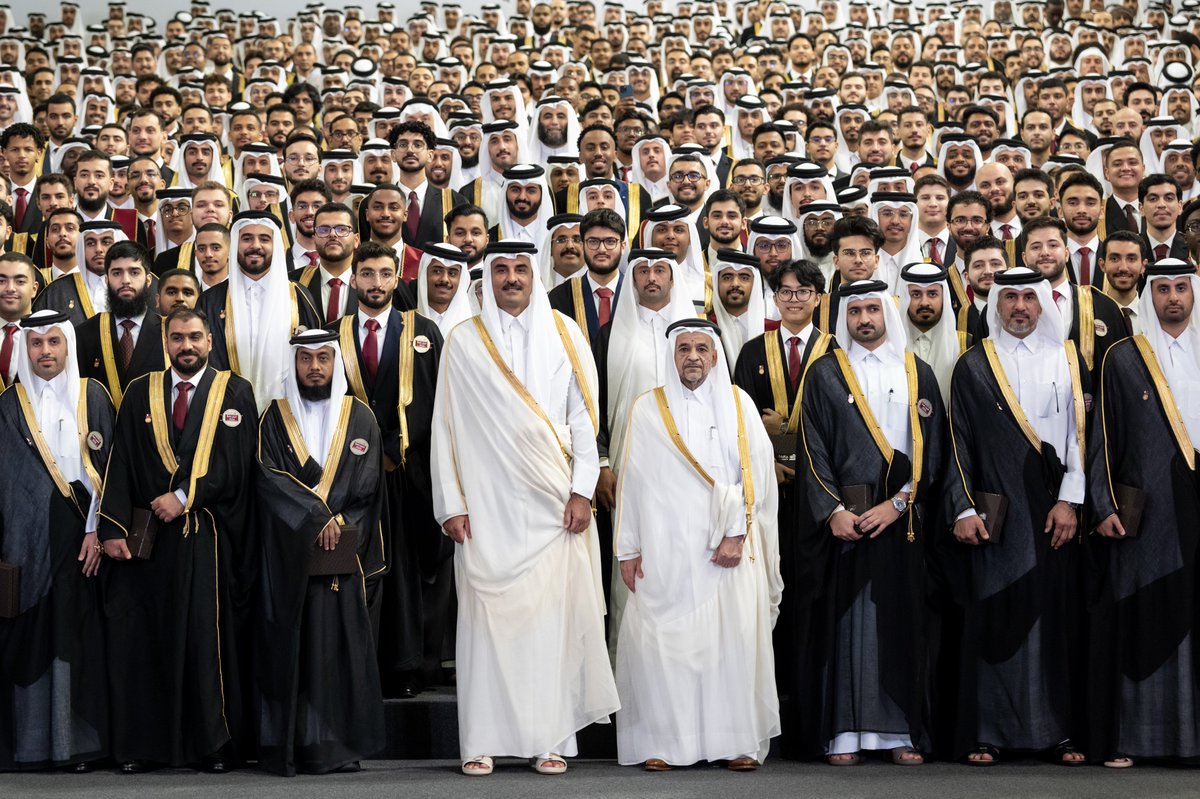
أبارك لبناتنا وأبنائنا طلاب جامعة قطر تخرجهم من هذه المرحلة الهامة في مسيرتهم العلمية، راجياً لهم مزيداً من النجاح والتميز، وأن يكونوا رافداً في نهضة المجتمع وتقدم الوطن، والإسهام في تحقيق التطلعات التنموية الشاملة لبلادنا.
78
129
854
92,070
QU_International retweeted

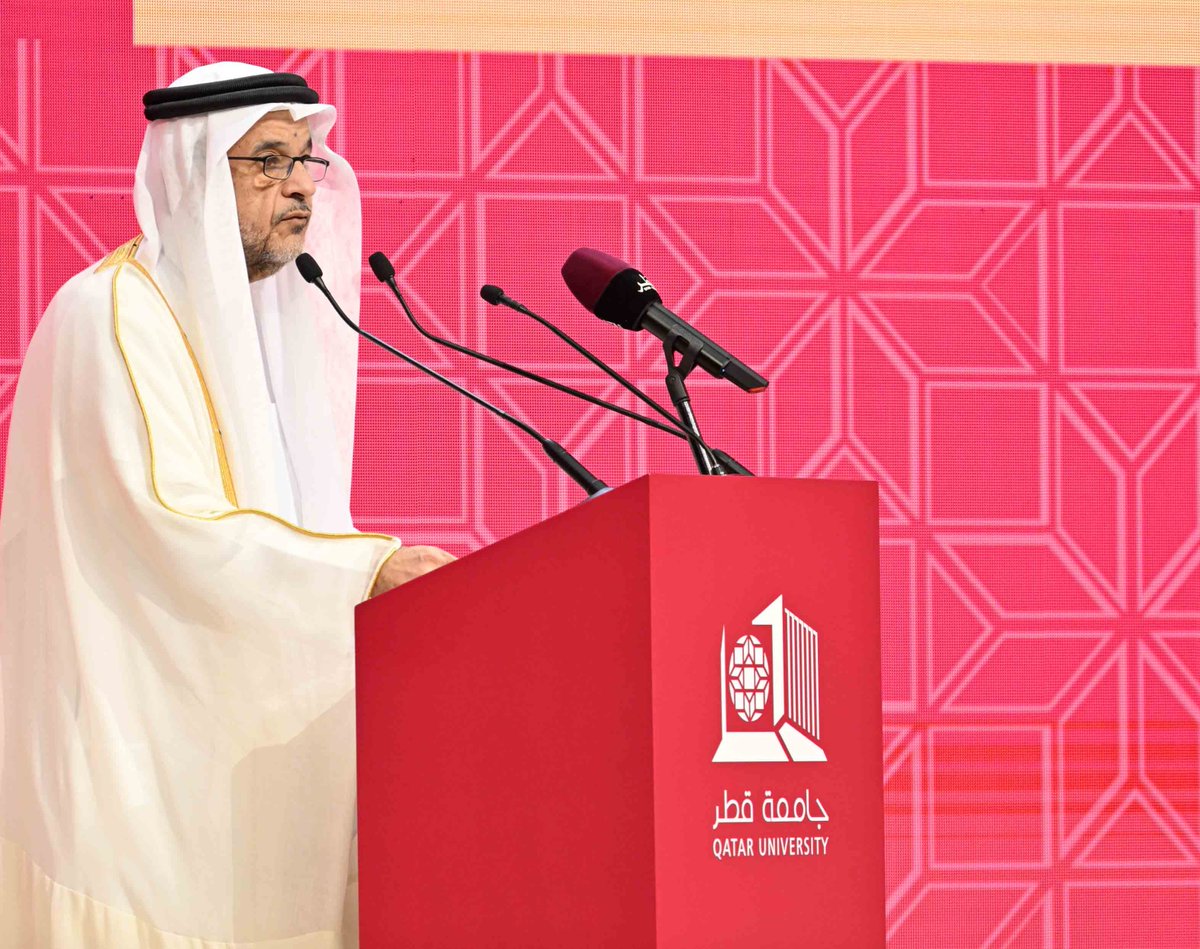
رئيس #جامعة_قطر يؤكد مواصلة دعم الكوادر للالتحاق بسوق العمل من خلال تعليم أكاديمي متميز يواكب متطلبات العصر
#قنا
bit.ly/4tS6tip
1
4
4
1,255
QU_International retweeted

فبين حسمٍ يسعى إلى إنهاء جذري محفوف بالمخاطر، وإدارةٍ مُنظّمة تُبقي الصراع تحت السيطرة دون حسمه، تجد الدول نفسها أمام مفاضلة معقدة بين الاستقرار الكامل غير المضمون، والاستقرار الهش القابل للاستمرار.
مقالي الجديد: إنهاء الحرب مقابل إنهاء الحرب.
m.alarab.qa/opinion/04/05/20…
6
10
62
8,409
QU_International retweeted
May 6
May 6

Today at the James Foley Foundation gala in Washington DC, HE Dr. Mohammed Alkhulafi, Qatar's Minister of State, received the American Hostage Freedom Award. This recognition highlights Qatar's crucial role in advocating for the freedom of American hostages and the importance of global efforts to secure the release of hostages everywhere.
@Dr_Al_Khulaifi @MofaQatar_EN @QatarEmbassy_US
#HostageFreedom #Qatar
1
1
95
QU_International retweeted

Congratulations to @QatarUniversity 's 49th health sector cohort. I wish them every success in their future endeavors, and I am confident they will be a valuable addition to the healthcare sector.
10
10
53
5,310
QU_International retweeted

May 7
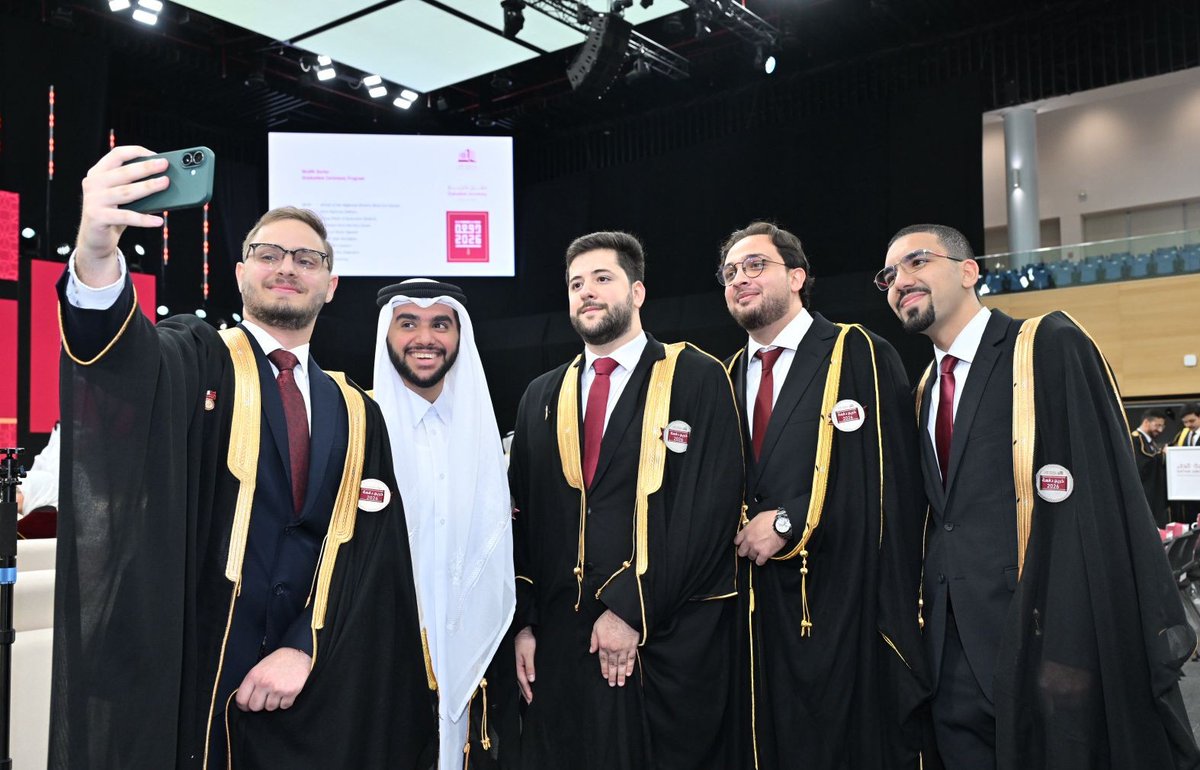
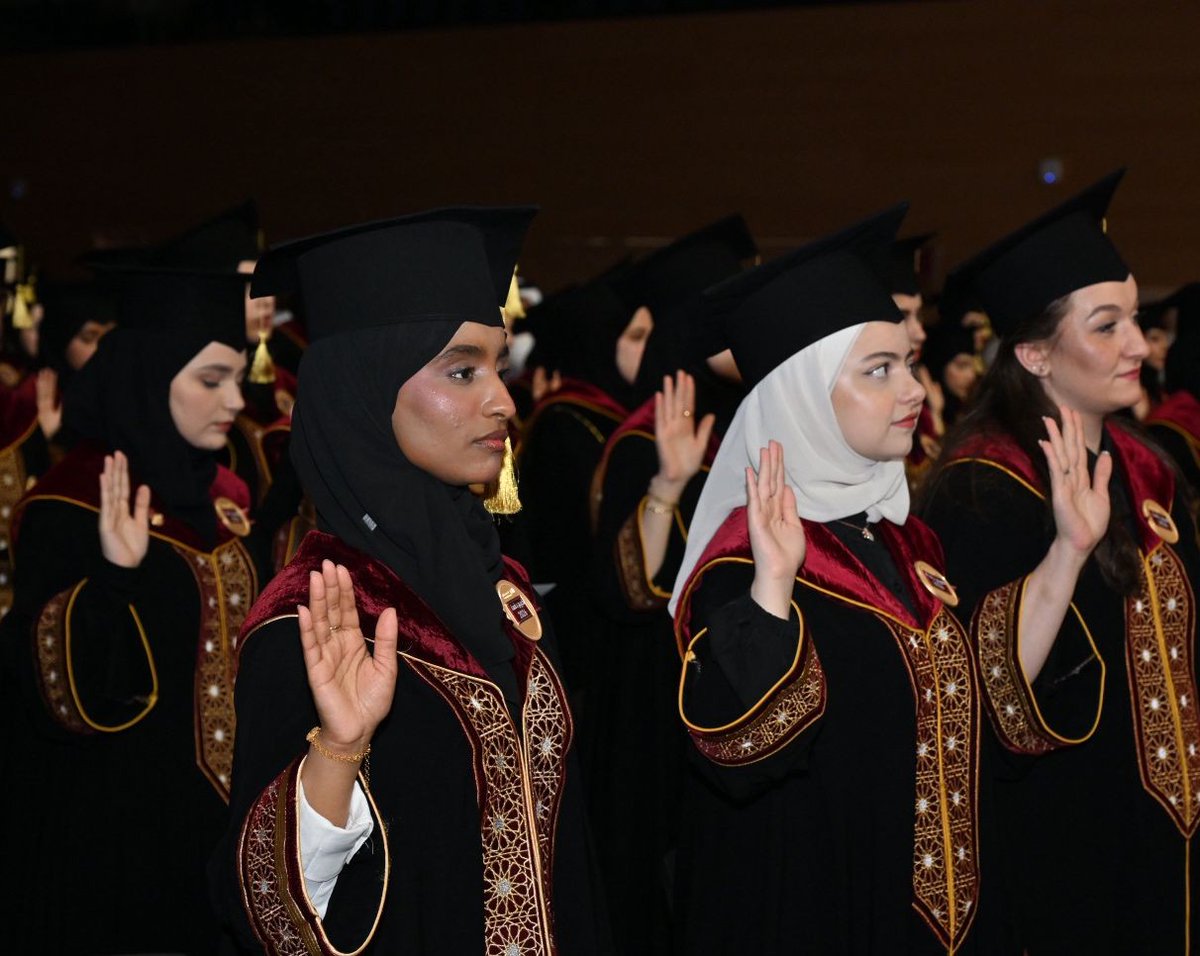
نبارك لكم التخرج!
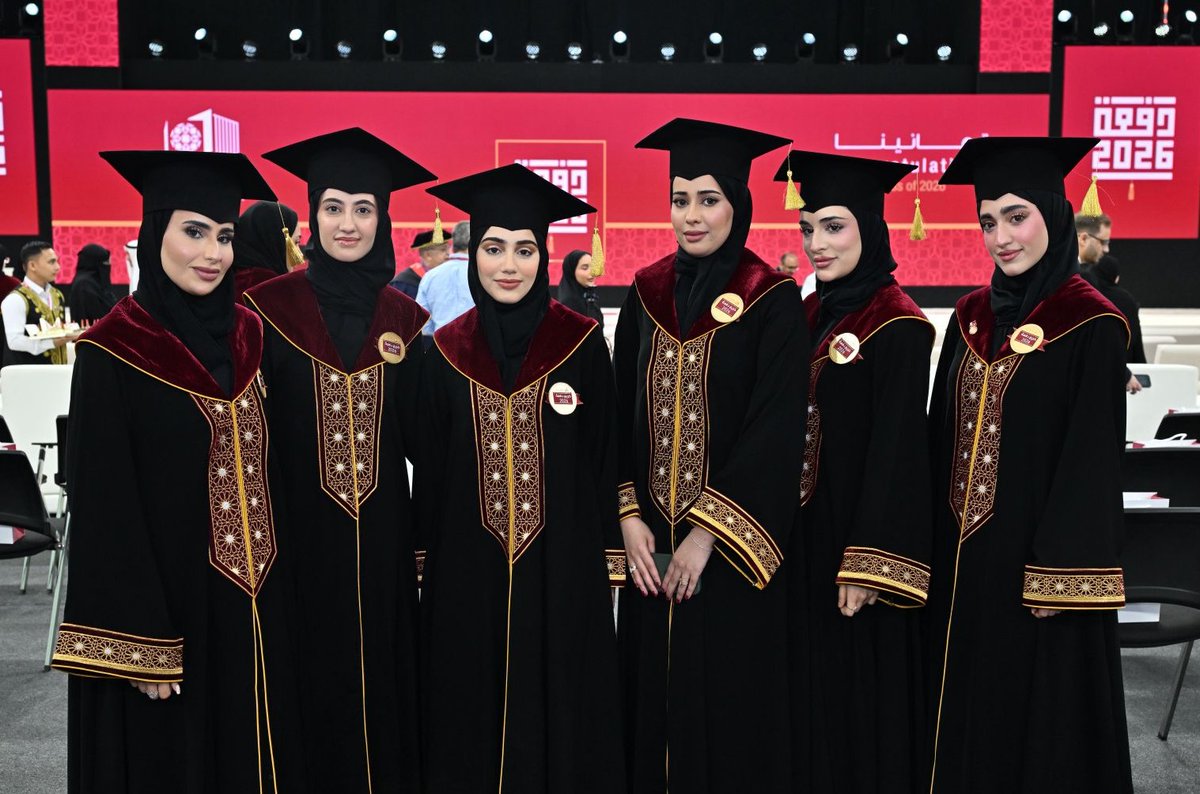
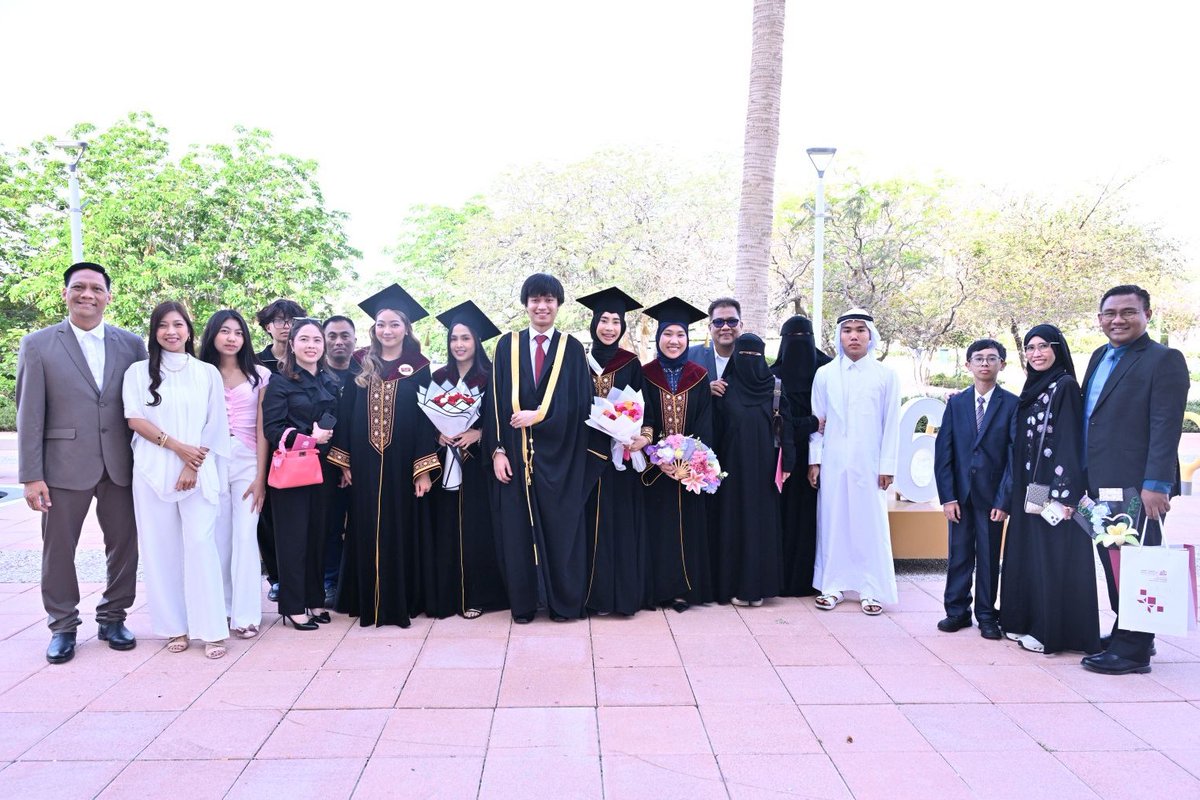
لقطات من حفل القطاع الصحي دفعة 2026 ✨🎓
Congratulations on graduating!
Highlights from the QU Health Sector Graduation Ceremony 2026 ✨🎓
#حفل_تخريج_جامعة_قطر_2026
1
6
37
5,045
QU_International retweeted

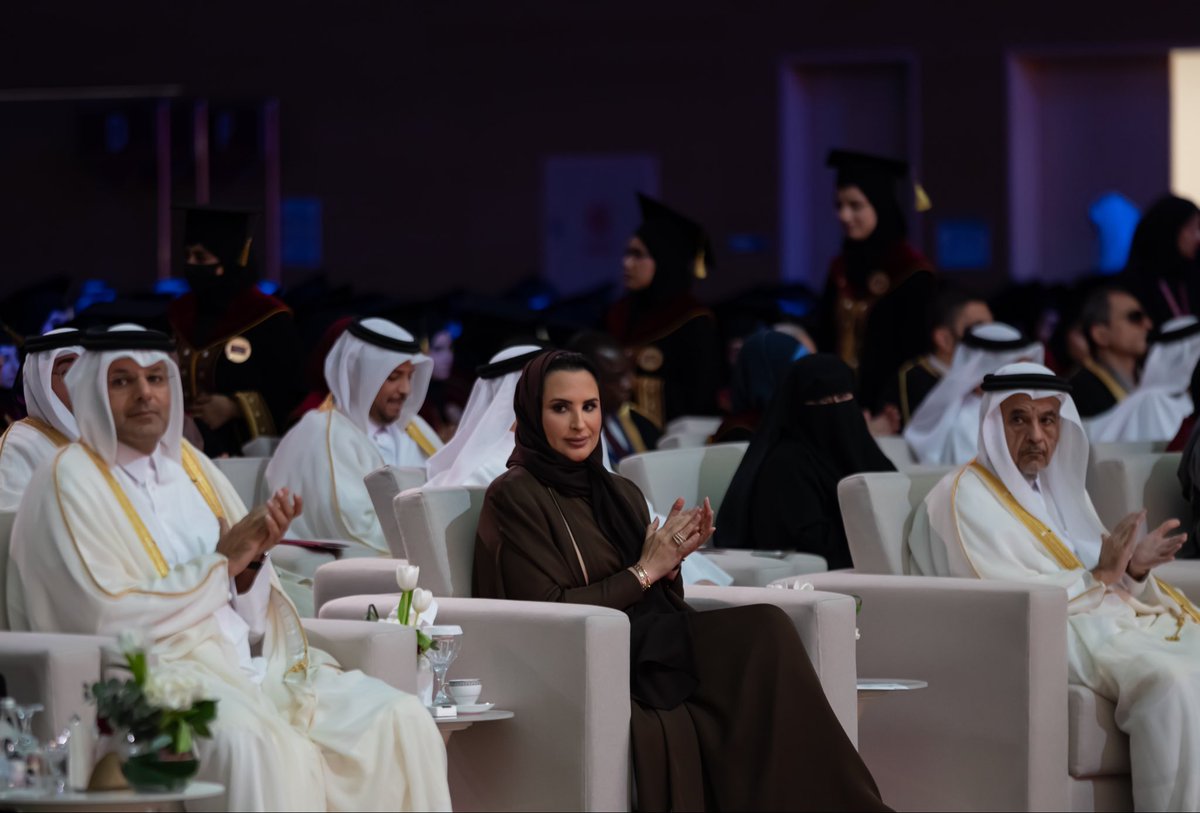
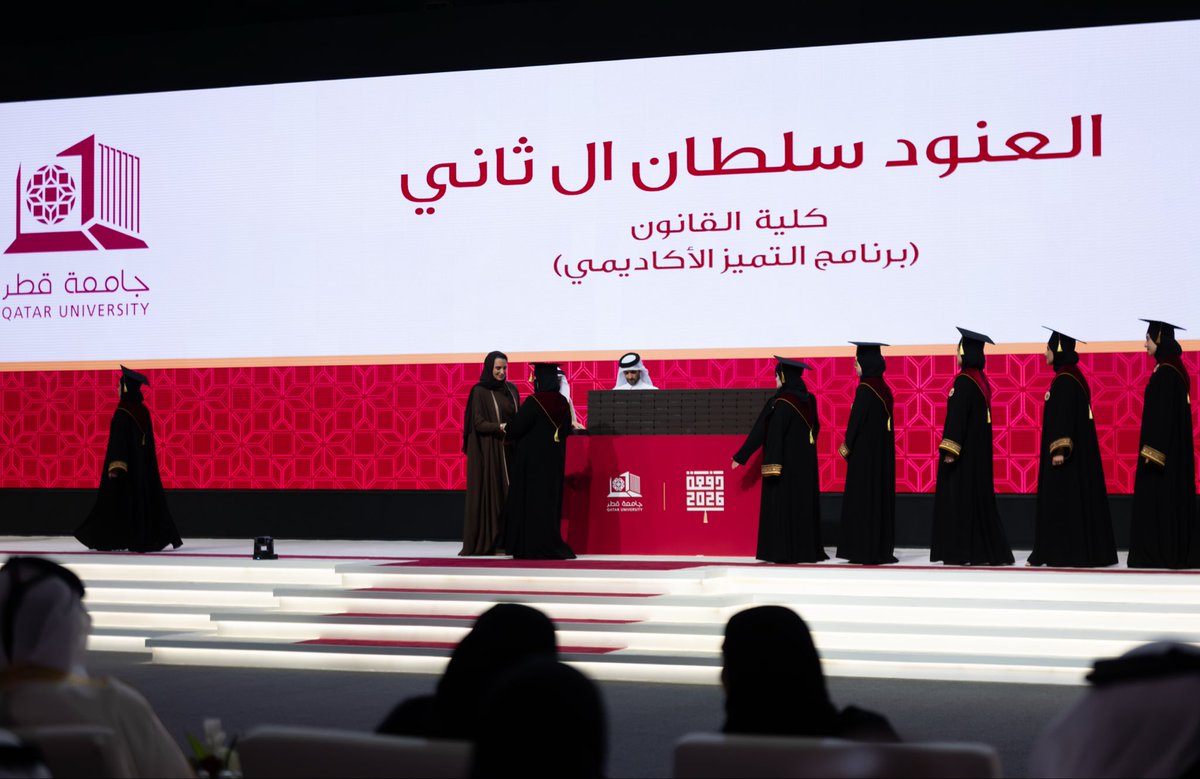
تحت الرعاية الكريمة لسمو الشيخة جواهر بنت حمد بن سحيم آل ثاني، سررت بحضور حفل تخرج دفعة طالبات جامعة قطر، والتي ضمت 3122 خريجة.
لقد جسد هذا المشهد تنامي الدور الريادي للمرأة في صياغة مستقبل قطر. تهانينا للخريجات ولعائلاتهن الكريمة.
8
19
90
10,721