
🧠PhD candidate @mpc_utoronto @neuron2brain @ncc_lab | BS @nyushanghai slang.science | iEEG | prediction aficionado | homo ludens | social democrat
Joined August 2016
- Tweets 689
- Following 861
- Followers 205
- Likes 2,904
33 Photos and videos




Qian CHU 褚乾 retweeted

Apr 9
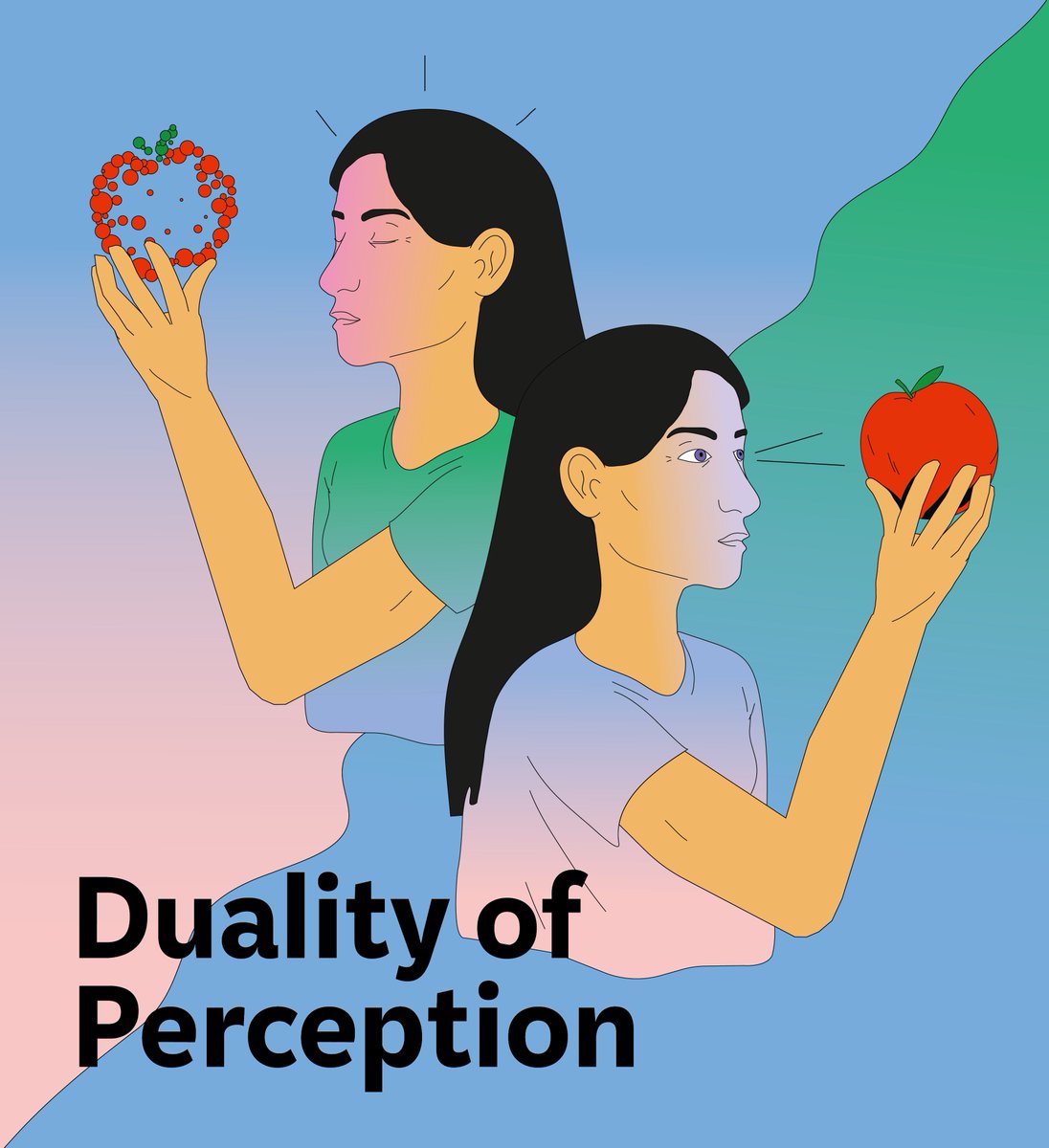
This is the strongest ephys evidence so far for a generative model in the brain that I know of.
Congratulations @WadiaVarun! Wonderful collaboration with @UeliRutishauser on science that could only be done in humans.
And please check out Fig. 5FG. This is new since biorxiv and really surprised me: the mean response to imagery and viewing is actually the same & there are many cells that respond only during imagery--challenging the idea that signal strength is what distinguishes reality from imagination.
Apr 9

1/8 Our preprint is now a peer-reviewed paper :) Big thanks to our reviewers who pushed us to examine our results more carefully and Olivier Wyart (headquarter.paris/) for the exquisite visual. science.org/doi/10.1126/scie…
6
46
220
41,442
Qian CHU 褚乾 retweeted

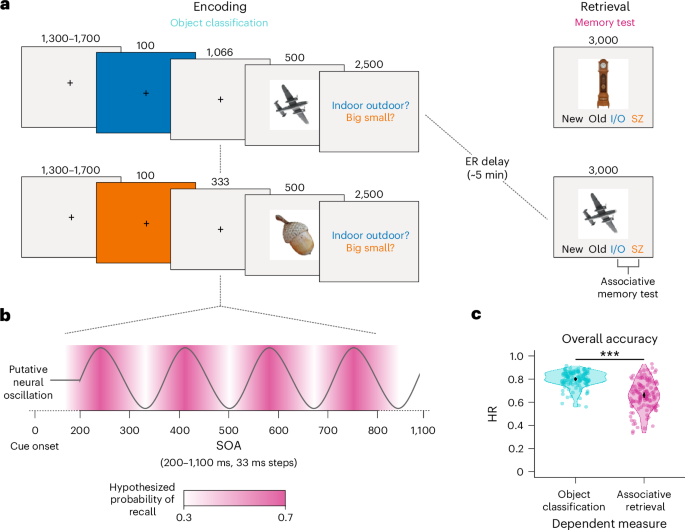
Episodic memory encoding fluctuates at a theta rhythm of 3–10 Hz dlvr.it/TRFjmP
13
52
4,511

Mar 2
Congratulations Thomas! I had the pleasure of watching the project come to fruition since the beginning of my PhD and it (along with relevant discussions) had a big impact on how I view the cognitive neuroscience of memory. And I'm equally excited about our iEEG collaborations!
Mar 2

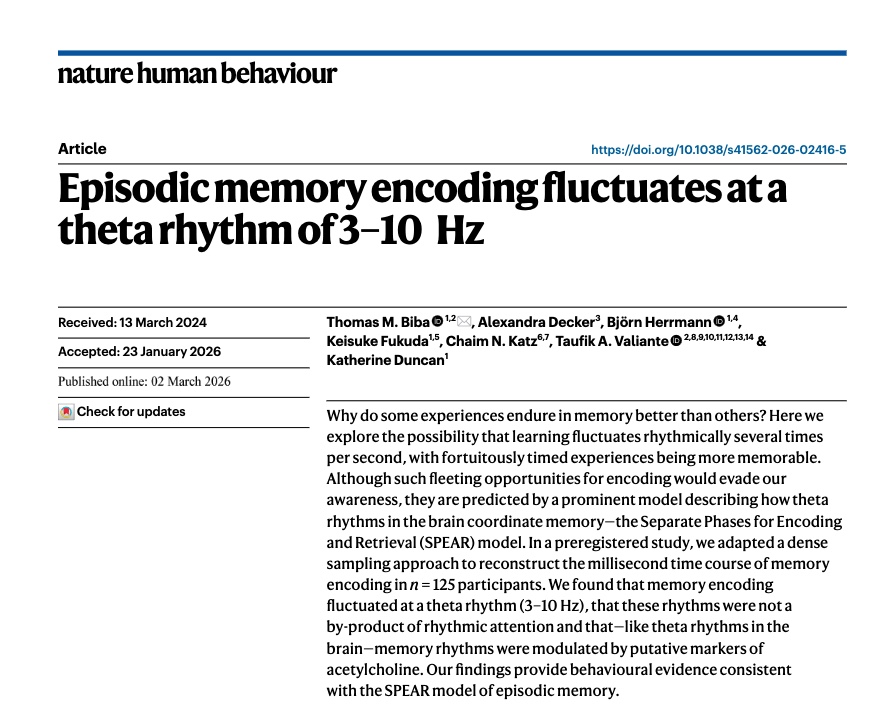
I am excited to share that our paper is now published in Nature Human Behavior! Check it out here: rdcu.be/e6pzS. Thanks to my PI, Katherine Duncan, and to my collaborators for their support on this journey! Stay tuned for an iEEG follow up 🧠
1
2
123
Qian CHU 褚乾 retweeted

11 Aug 2025
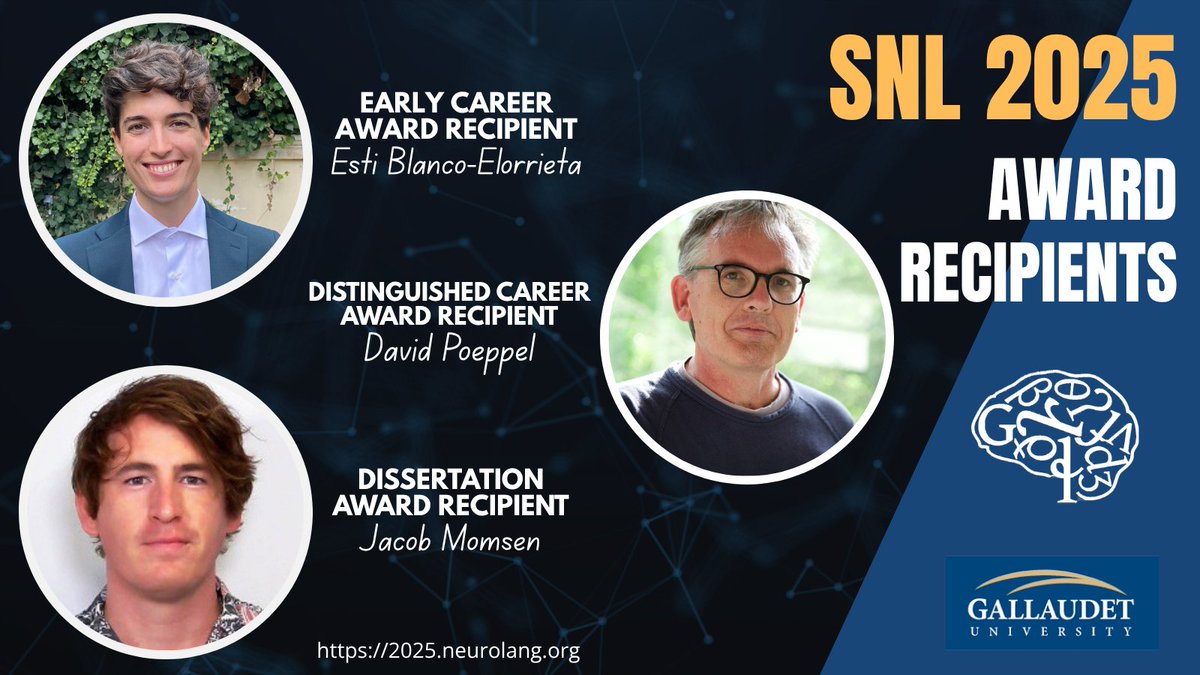
Congratulations to our SNL 2025 Award Recipients: Esti Blanco-Elorrieta, David Poeppel, and Jacob Momsen! 👏
Learn more about their upcoming Award Lectures at #SNL2025, see: 2025.neurolang.org/awards-in…
3
7
810
Qian CHU 褚乾 retweeted

11 May 2025
(1/6) Thrilled to share our triple-N dataset (Non-human Primate Neural Responses to Natural Scenes)! It captures thousands of high-level visual neuron responses in macaques to natural scenes using #Neuropixels.
Link: biorxiv.org/content/10.1101/…
1
43
193
22,536

“All of Canada’s major cities rank highly on all safety and livability indices, but Montreal has that certain je ne sais quoi that sets it apart.”
Montreal named among safest cities in the world for travel in 2025 cultmtl.com/2025/02/montreal…
4
30
94
4,945
8 Mar 2025
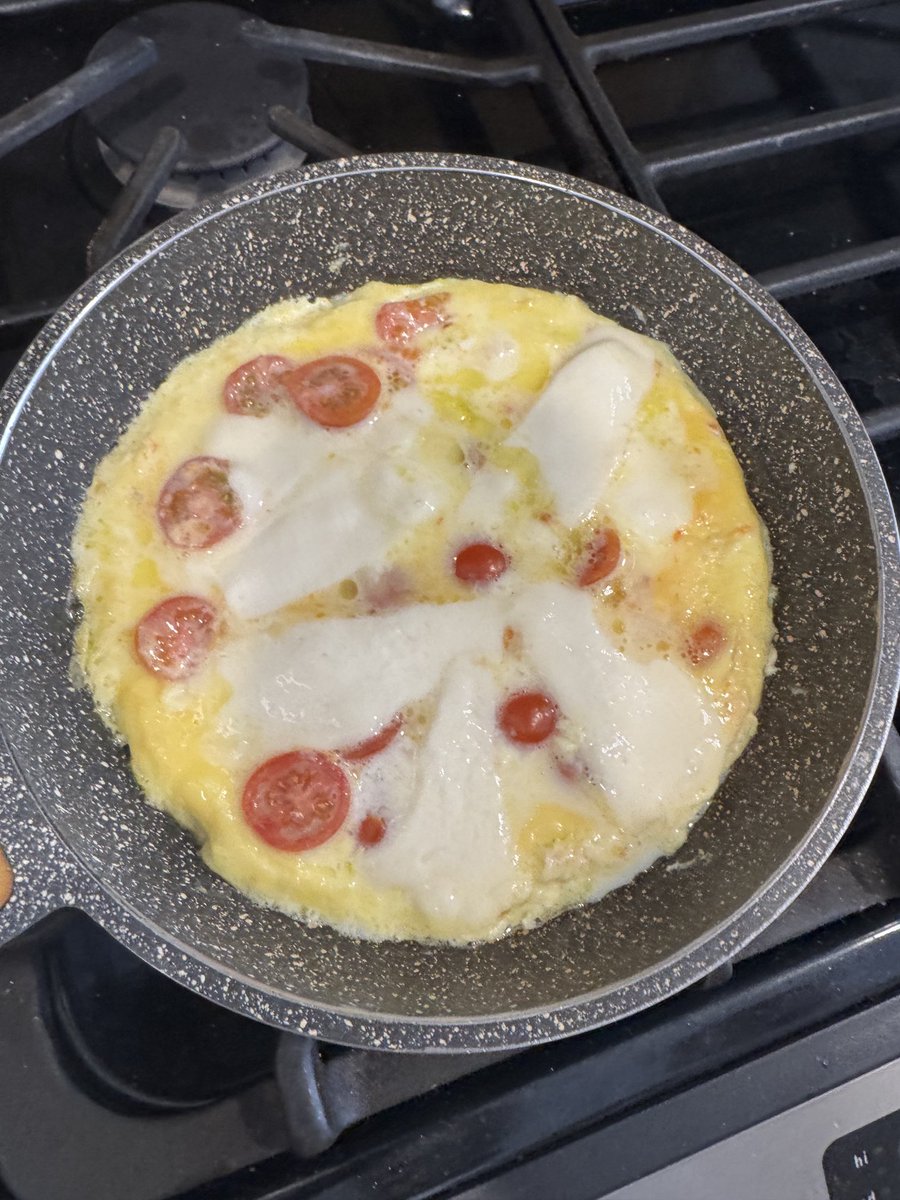
Damn it 🙈I thought I was the first to invent this (plus some basil). Is there still chance to co-write a methods paper?

1
5
286
Qian CHU 褚乾 retweeted

5 Mar 2025
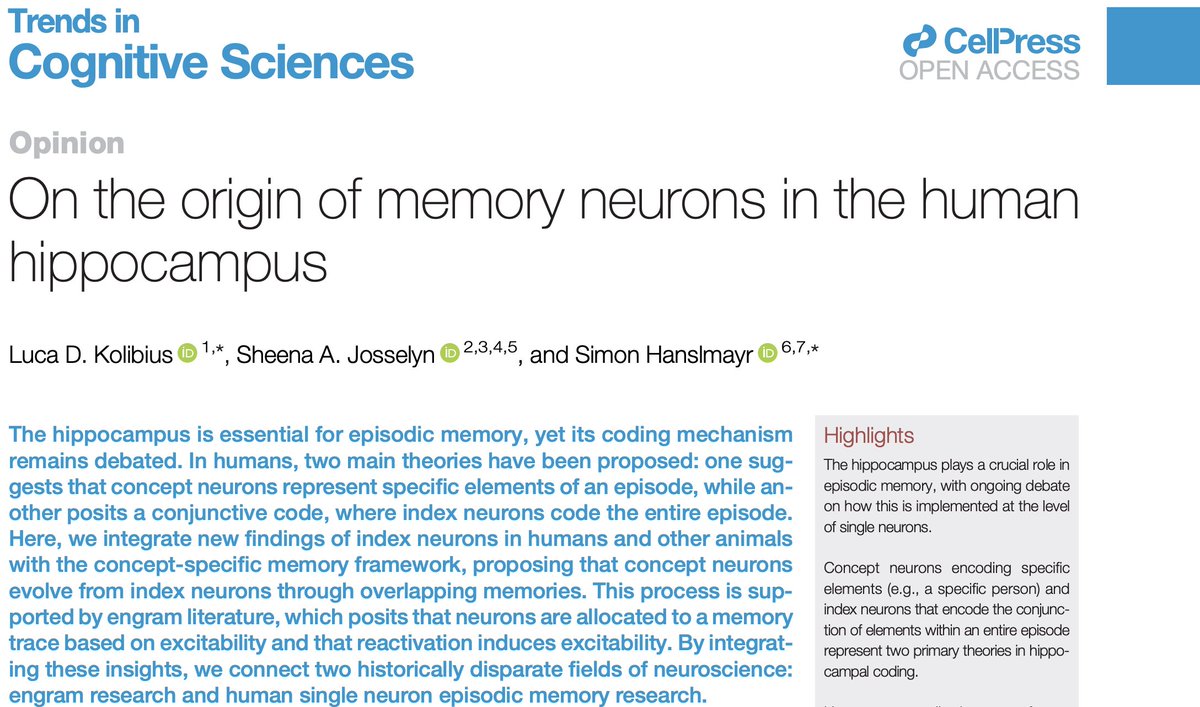
New manuscript published! ✍️👀
Concept neurons evolve from index neurons through overlapping memories.
Check it out here: cell.com/trends/cognitive-sc… 1/15
7
66
288
20,565
1 Mar 2025
Such a cool study!
22 Jul 2023

Ever wondered what pupil size can tell us about our sleep?
In our new work we show that pupil size dynamics correspond to macrostructure and microstructural events in human sleep, and also influences our response to auditory stimulation (video).
biorxiv.org/cgi/content/shor…
117
Qian CHU 褚乾 retweeted

22 Jul 2023
Ever wondered what pupil size can tell us about our sleep?
In our new work we show that pupil size dynamics correspond to macrostructure and microstructural events in human sleep, and also influences our response to auditory stimulation (video).
biorxiv.org/cgi/content/shor…
1
10
30
5,392
28 Feb 2025
A fitting fan for Fan et al. 2025!
28 Feb 2025

Thrilled that our design becomes the NHB feb cover image! !! Folding fan = 1D-2D memory reorganization. Idea by Huan Luo, Calligraphy by Nai Ding. Poem by QuYuan (300bc) (question about the universe).
2
106
Qian CHU 褚乾 retweeted

17 Feb 2025
Toronto Pearson is aware of an incident upon landing involving a Delta Airlines plane arriving from Minneapolis. Emergency teams are responding. All passengers and crew are accounted for.
342
1,746
8,878
2,834,561
Qian CHU 褚乾 retweeted

16 Feb 2025
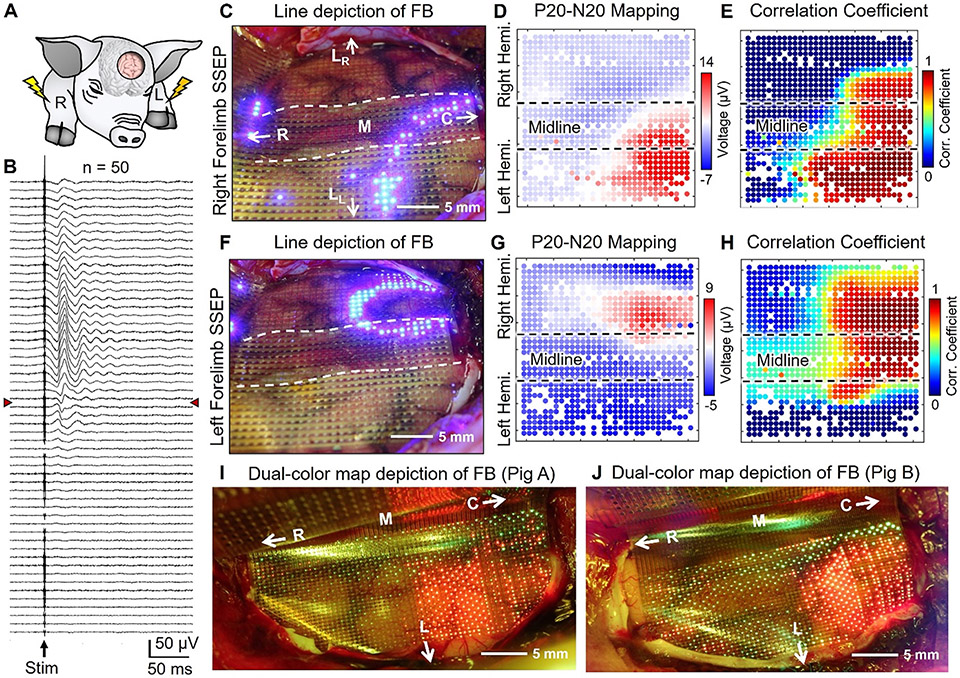
Cool @ScienceTM study showed it’s possible to incorporate LED lights into flexible cortical electrodes, thus allowing direct visualization of brain activity during intra-operative functional mapping.
science.org/doi/10.1126/scit…
4
24
76
9,354
Qian CHU 褚乾 retweeted

1 Jan 2025
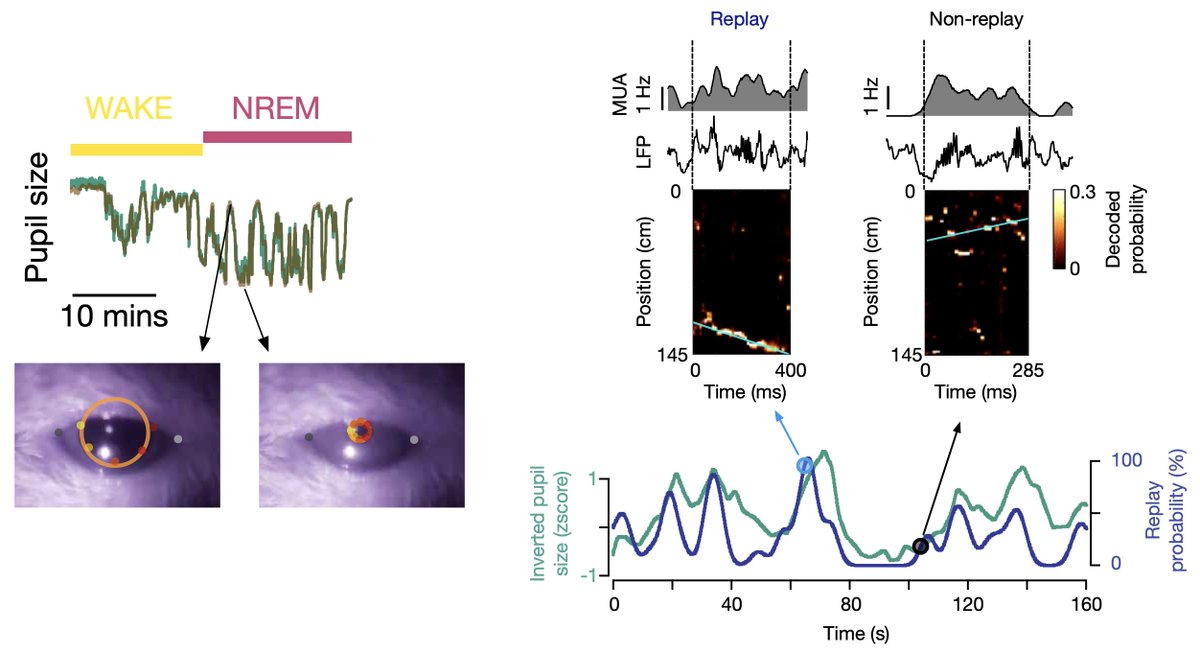
What a treat to start the new year with a new paper from the lab, with @azayhara ! @hongyu_chang and Wenbo Tang found that pupil dynamics in naturally sleeping mice uncover a microstructure of sleep that organizes different types of memory replay: nature.com/articles/s41586-0…
7
42
172
14,740
Qian CHU 褚乾 retweeted

28 Dec 2024
It’s time for THE charger.
Today, the USB-C becomes officially the common standard for charging electronic devices in the EU.
It means better-charging technology, reduced e-waste, and less fuss to find the chargers you need.
#DigitalEU

4,494
2,834
29,438
18,224,404
Qian CHU 褚乾 retweeted

26 Dec 2024
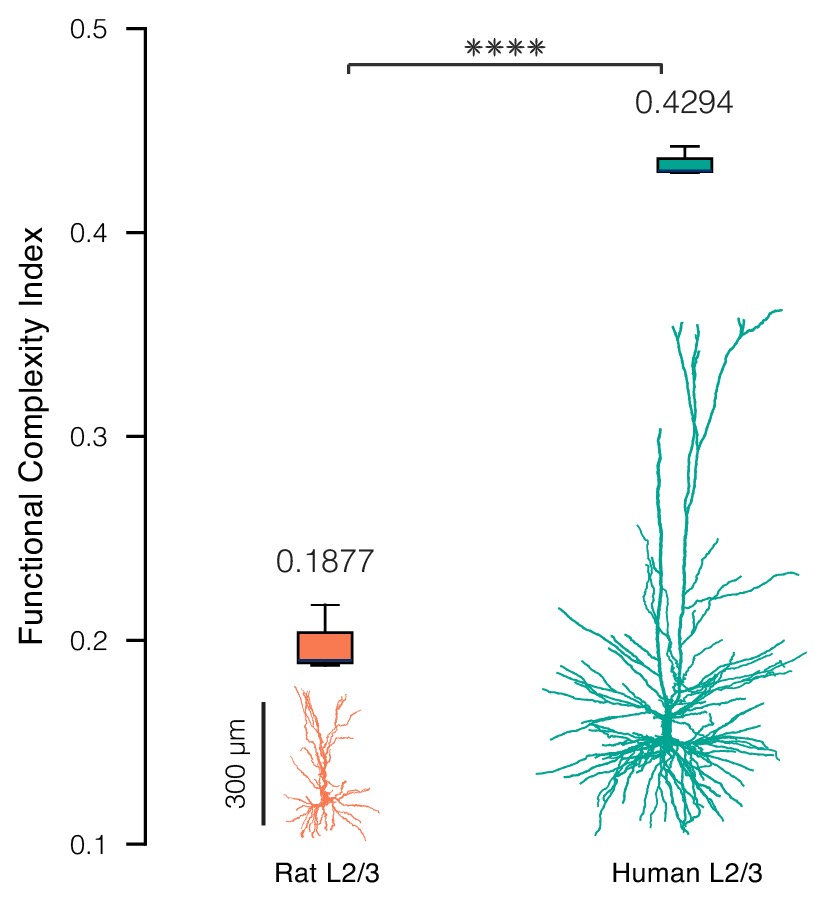
Human cortical pyramidal neurons are larger, exhibit more complex branching patterns, and feature distinctly nonlinear biophysical properties compared to rat cortical pyramidal neurons.
Do these unique characteristics make human neurons more functionally complex?
Would that enhance the capability of the human brain to perform complex computational tasks?
Is this what makes us human?
In our new preprint (see below) with @danielayoeli, @DavidBeniaguev, Christiaan de Kock, @mikilon, and @Segev_Lab we use deep learning to tackle these questions by comparing the complexity of neurons’ input-output (I/O) functions using our newly developed Functional Complexity Index (FCI) tool. (1/10)
9
113
544
58,919
Qian CHU 褚乾 retweeted

16 Dec 2024
🎉Finally published @PLOSCompBiol !
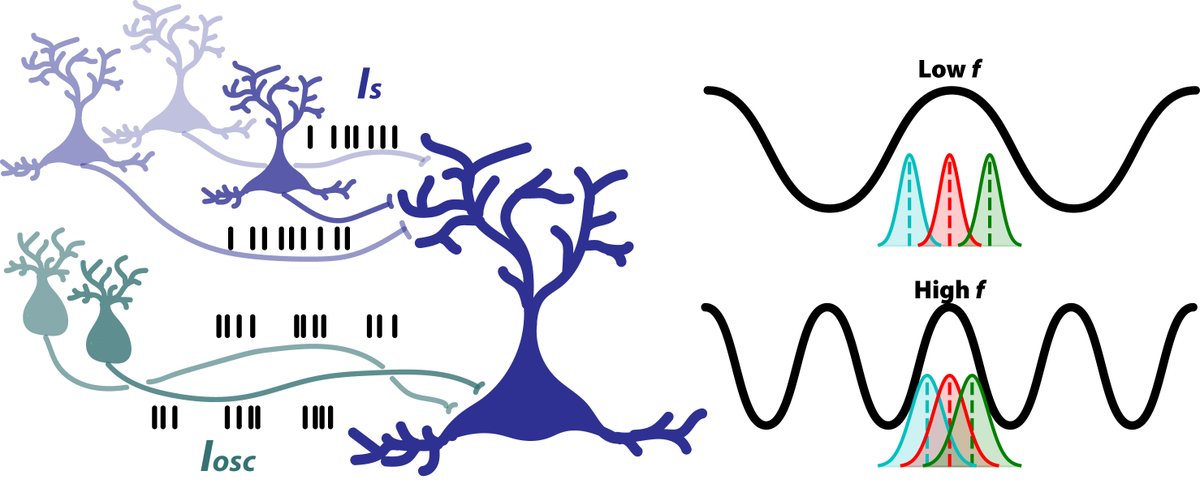
Why do neurons use low-frequency oscillations for encoding? Why not use higher frequencies for better sampling resolution?
We identify a speed-precision trade-off driven by noise, showing that theta (3–8 Hz) maximizes bits/s!
Check it out 👇
8
101
558
53,032
Qian CHU 褚乾 retweeted

15 Dec 2024
This is a case of ethnic bias due to tribalism. Where is the data showing that, proportionate to population, Chinese students commit more scientific fraud than Portuguese students, or compared to students from 100 other countries? If you can’t provide the data, it’s prejudice.
2
1
79
4,089
Qian CHU 褚乾 retweeted

12 Feb 2024
In a dynamic world, items appear, disappear, and reappear within seconds. In our latest preprint we show: the reappearance of maintained items guides the prioritization of non-reappearing memory items.
biorxiv.org/content/10.1101/…
1
9
18
2,192
Qian CHU 褚乾 retweeted

9 Dec 2024
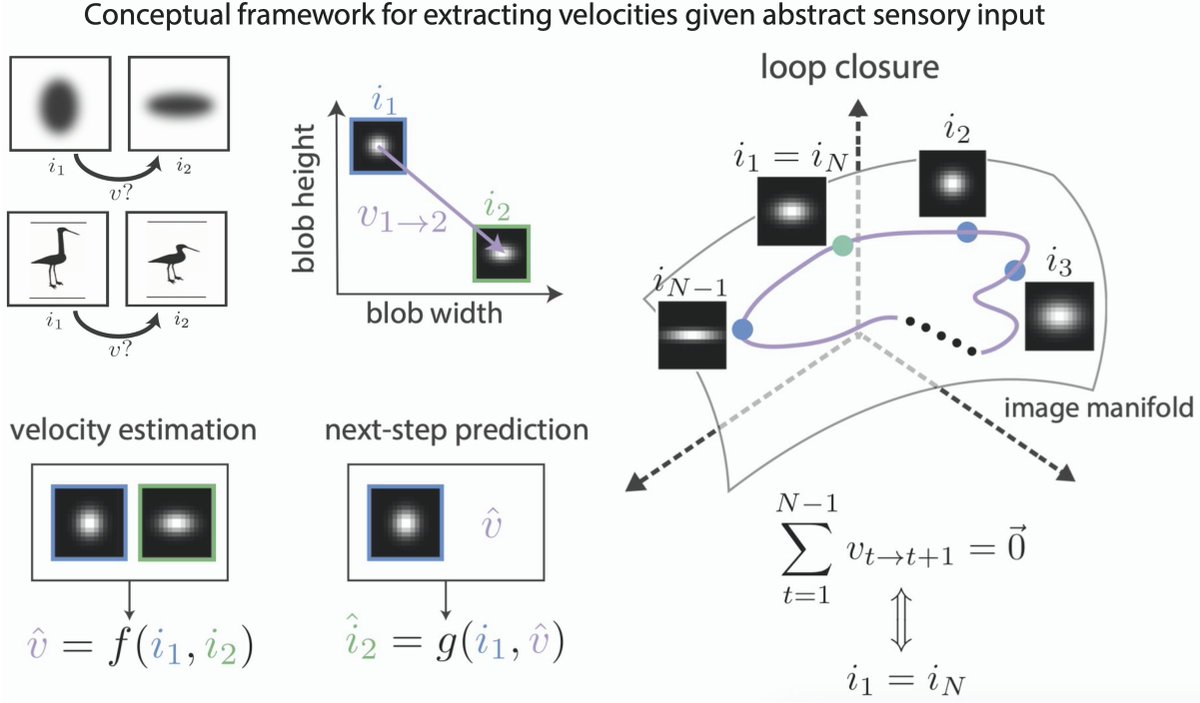
🧠 A story about the brain, told through self-supervised learning:
Grid cells, known for mapping physical spaces, also appear to track *abstract spaces* like ideas and sounds. How? 🤔
Excited to share the first of 2 papers at #NeurIPS2024! With @SarthakChandra @FieteGroup.
1/n
5
49
250
23,851