Our preprint is under review!
Well done to our MSc Data Science student.
An Optimised Integrated Framework for Multiparameter Water Quality Monitoring Using Explainable Machine Learning and WQI–PCA analysis for Effective Operational Decision-Making @SSRNpapers.ssrn.com/sol3/papers.…
Delighted to be presenting a keynote at the
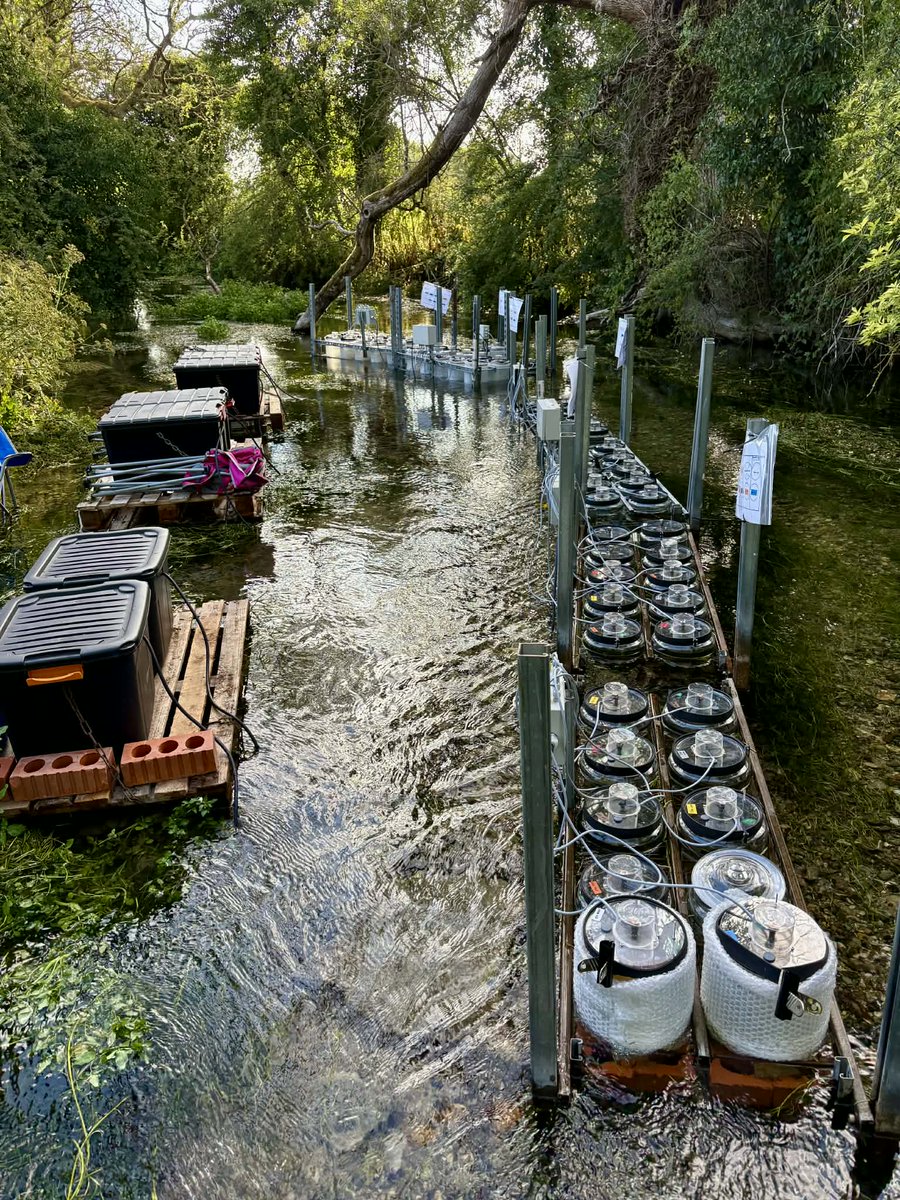
@BritishEcolSoc#BESAG2026 Aquatic Ecology Meeting 3-4 September 2026, on our @ERC_Research REFRESH & @NERCscience funded stable isotope dosing experiments demonstrating the role of DOM as a Nutrient Resource in Freshwater Ecosystems.
'For now, markets are relying on emergency stock releases and hopes of a geopolitical de-escalation. But if not, the world economy could face an unprecedented energy shock, with far-reaching and unpredictable consequences.'
Read more from Engineering Science's Dr Adi Imsirovic ⬇️
theconversation.com/could-th…
ALT Roadside electronic sign displaying “Stay home, essential travel only” beside an empty road. Overlaid text reads: “Expert comment: Could this energy crisis be worse for the global economy than COVID?” with University of Oxford branding and link.
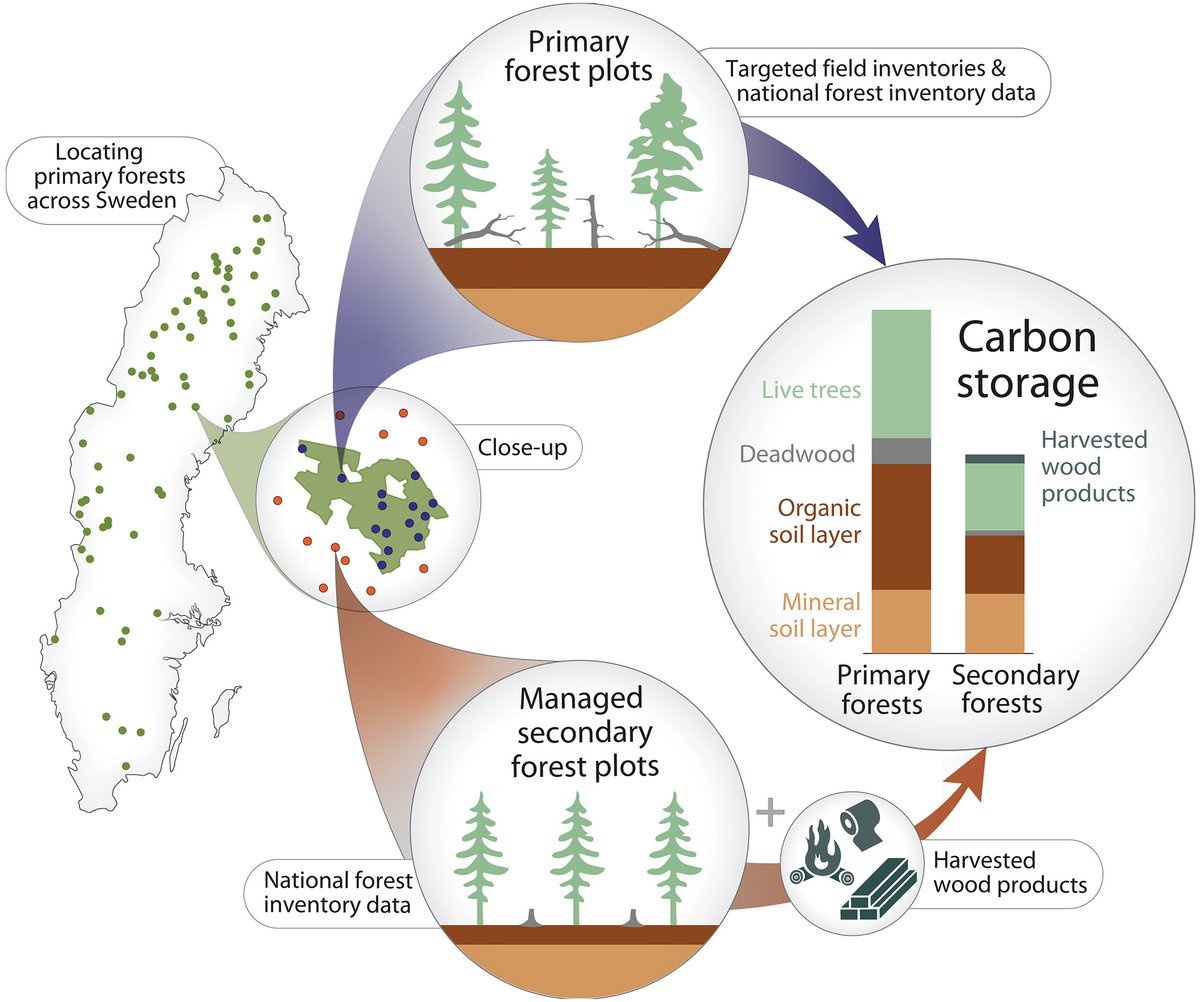
The planet’s undisturbed old-growth boreal forests may be far more important in the fight against climate change than previously realized, according to a new Science study, which finds that primary forests in Sweden store over 70% more carbon than managed secondary forests.
Learn more: scim.ag/4uL06hL
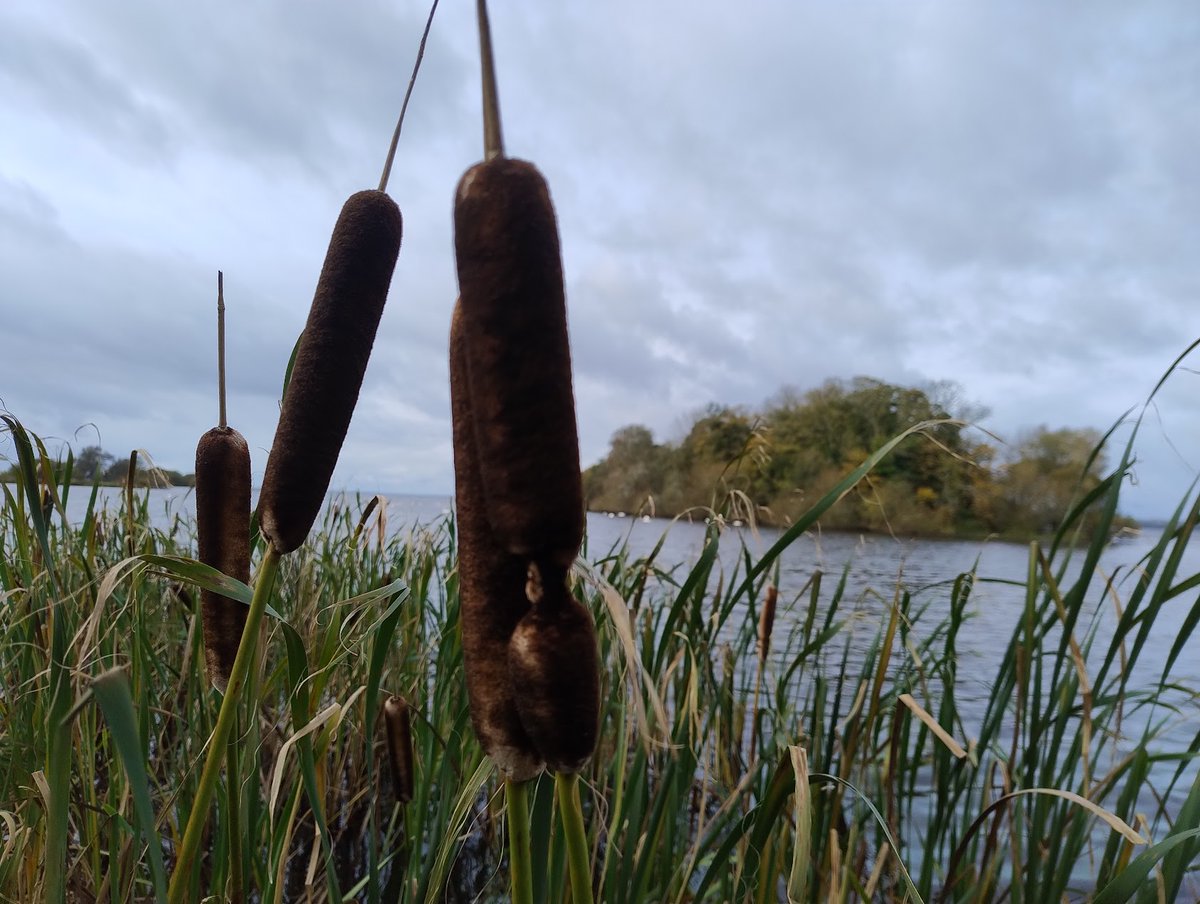
1/3 Find out about a new research project which will generate scientific evidence to help restore #LoughNeagh - Northern Ireland’s largest & most iconic lake.
Join our next webinar
📅Wed 25 March
⌚ 11am
Presented by project lead Dr Susheel Bhanu Busi @UK_CEH
Really enjoyed contributing to the @BBCRareEarth programme on Lakes, Lochs and Loughs, and meeting @RachSalv and @AmyJaneBeer for the first time. If you missed it today, you can catch up with the programme on BBC Sounds here: bbc.co.uk/programmes/m002sg5…
4/4
📢 ‘Reimagining Hydrology for a Changing World’
🗓Wednesday 2 – Friday 4 September
💙 Abstract submissions are now open
✅ Registration opens Mon 2 March. We're looking for abstracts hydrology.org.uk/BHS2026.php
📡Still time to sign up for our webinar on Thurs at 2pm for an update on the £2m MOT4Rivers water quality research project to protect river ecosystems.
It uses next generation sensors & satellites to monitor the impact of contaminants on freshwater environments.
To join 👇
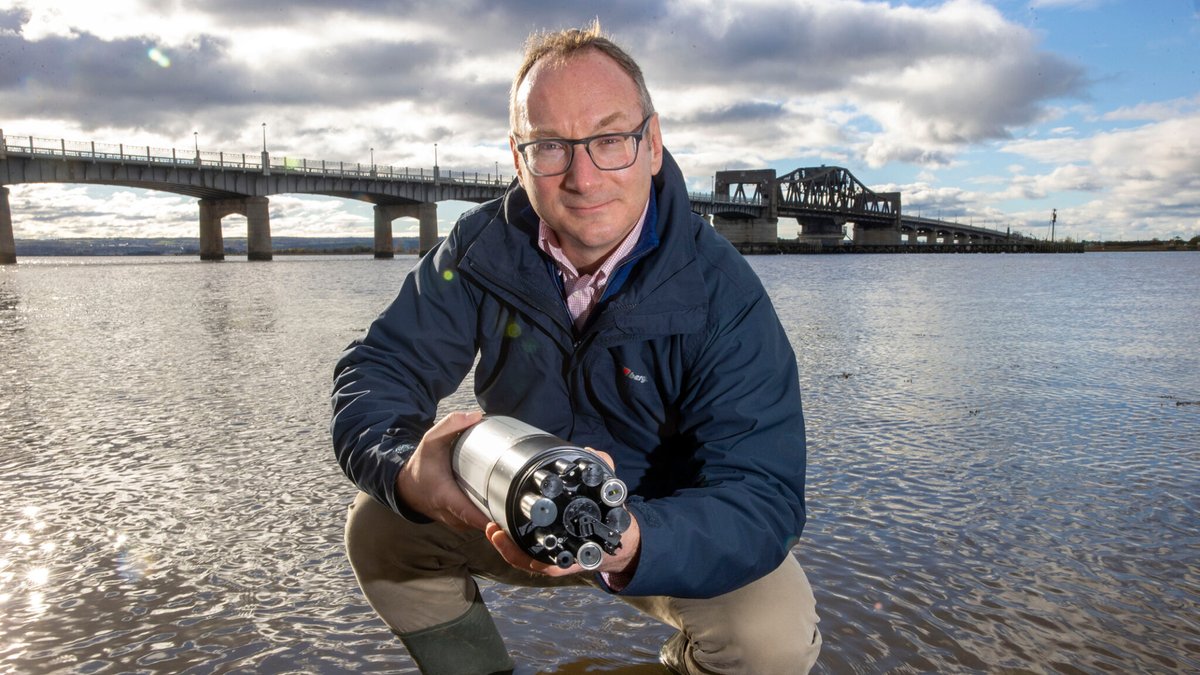
The £2m MOT4Rivers research project is investigating how pollutants interact with rivers & ecosystems to devise a system to monitor & measure pollution.
Prof Andrew Tyler, @StirUni, will share their progress in a webinar, Thurs 12 Feb, 2pm. Message us to join.
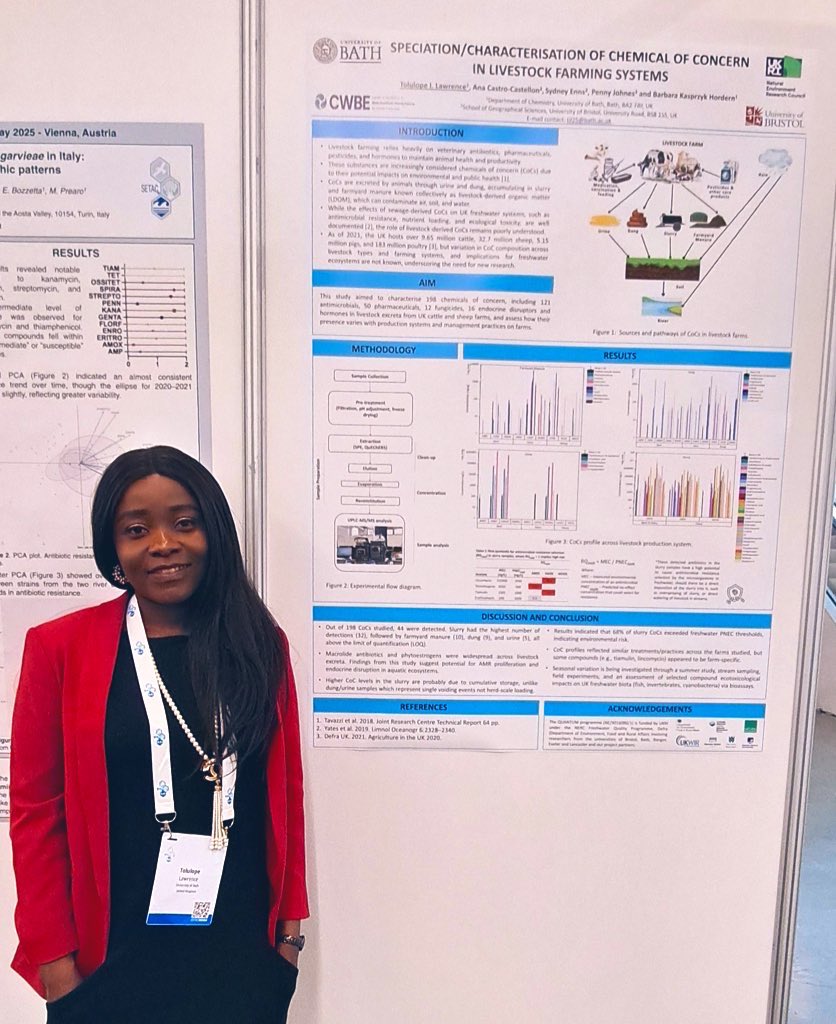
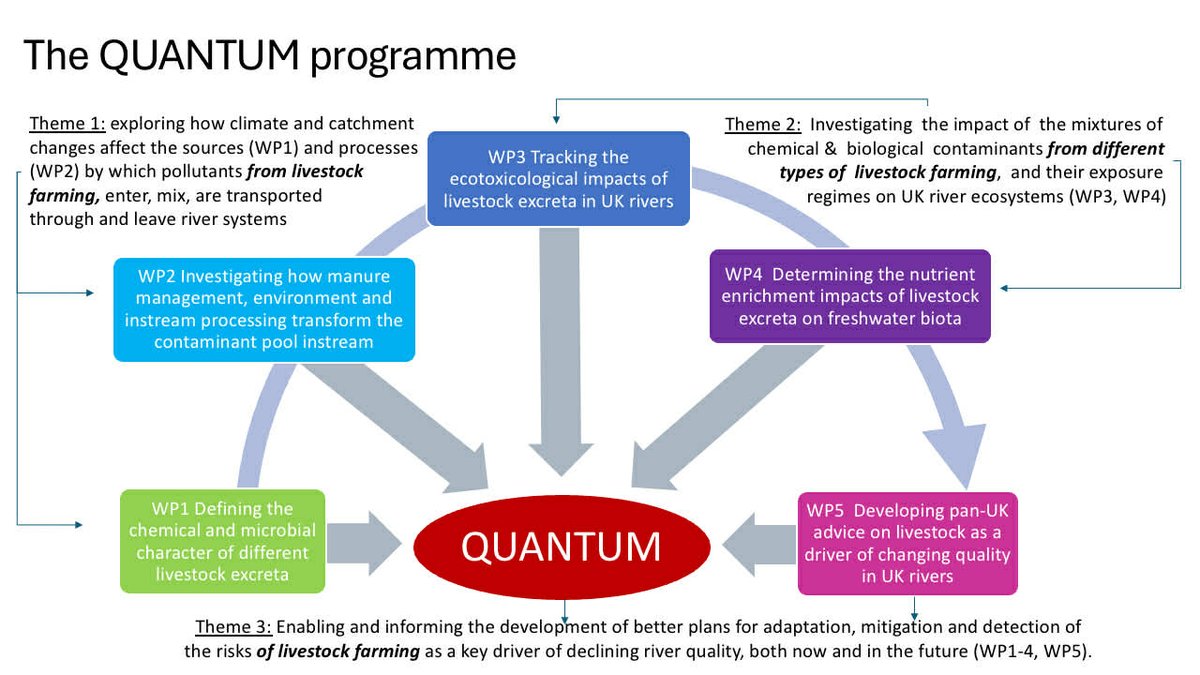
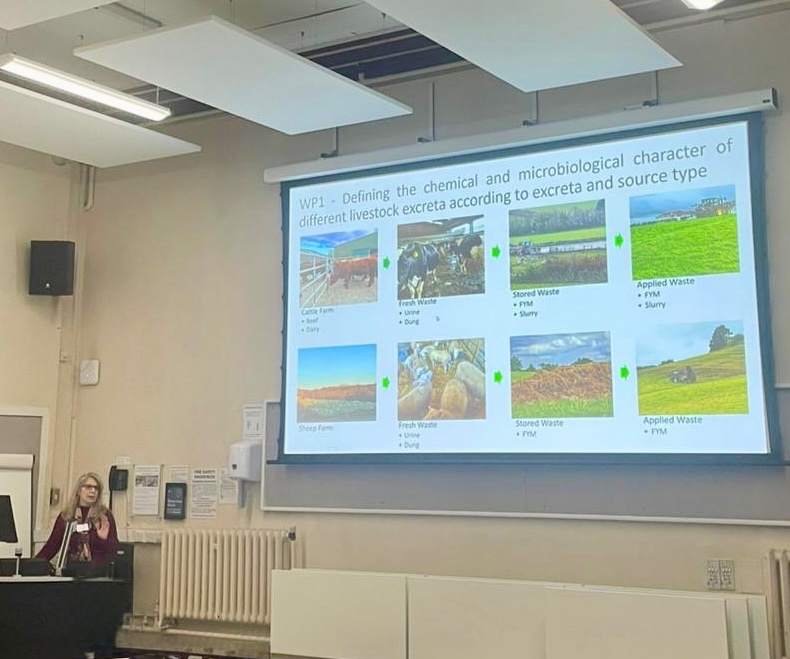
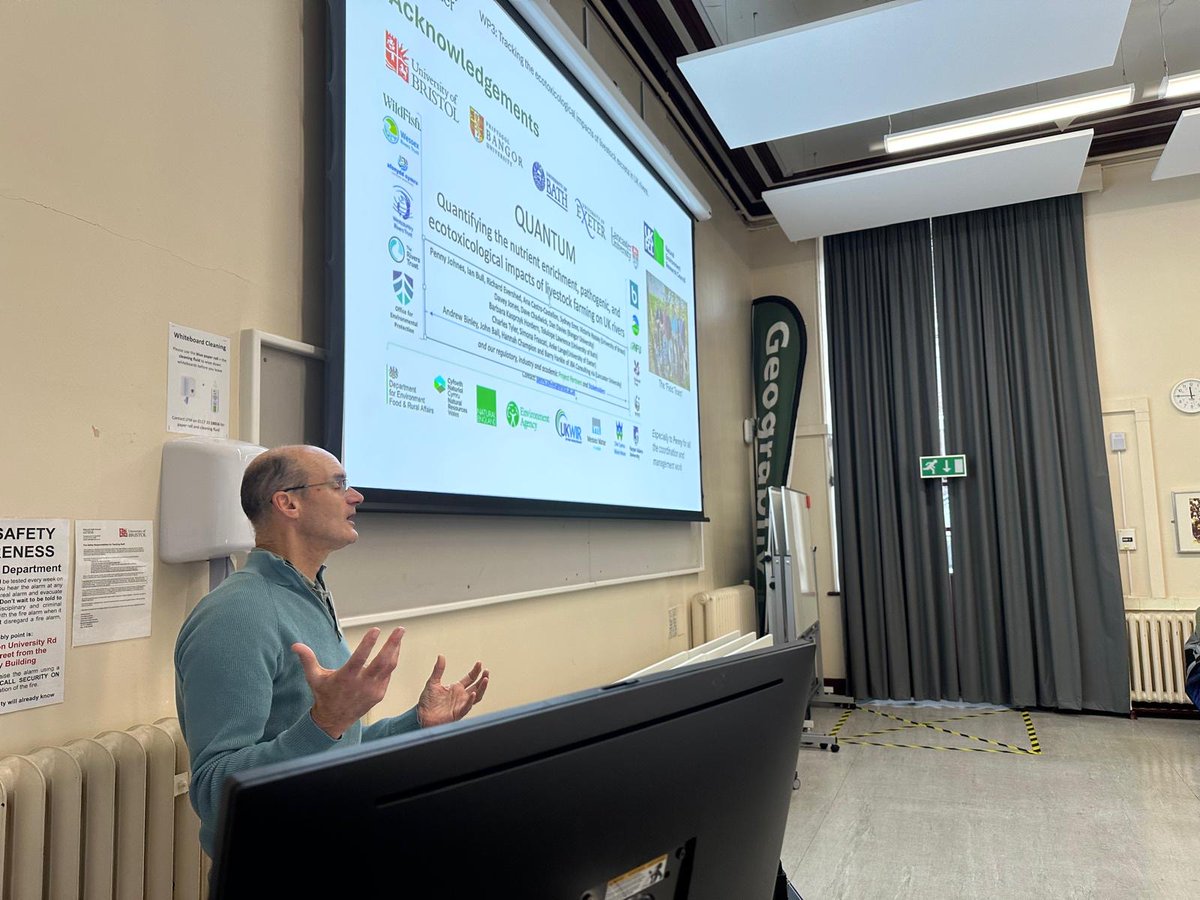
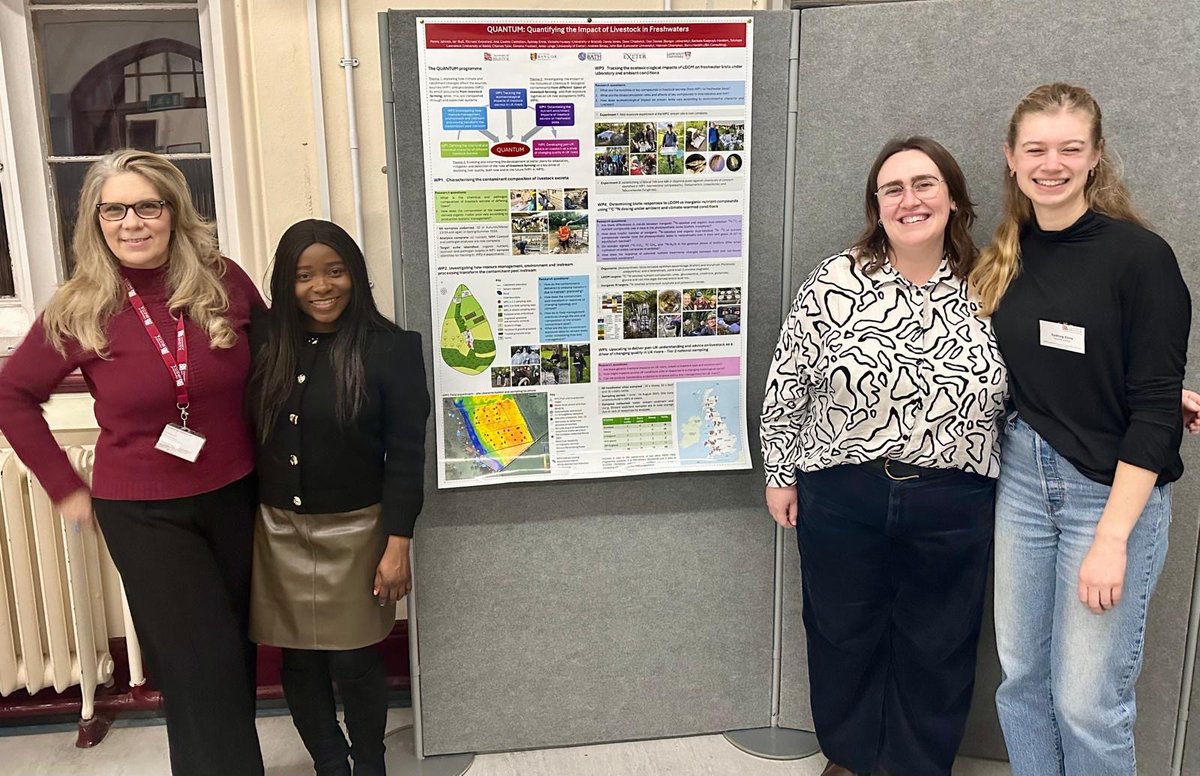
Great to see team Quantum hosting a successful event to get input from their stakeholders. The project examines the impact of livestock farming on the quality of water in our rivers.
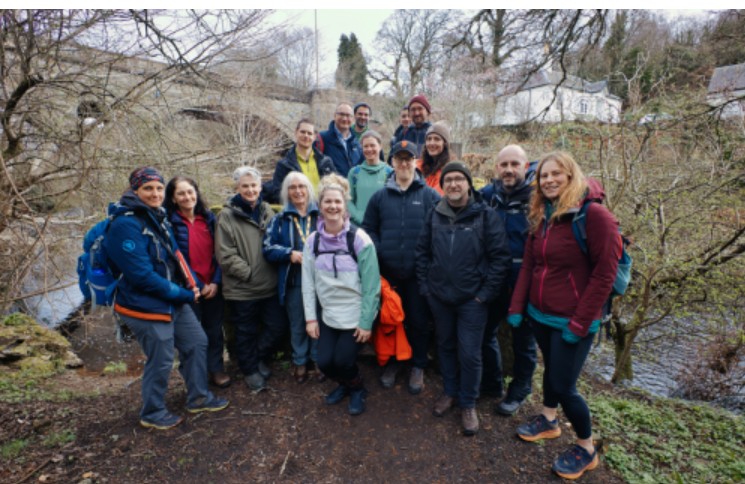
The @QuantumFreshWtr team welcomed a diverse range of Government, industry, farming and freshwater organisations to our Stakeholder event. Great discussions and exchange of ideas on livestock farming as a driver of changing quality in UK rivers and how to mitigate its impacts!
A workshop is being held by the QUANTUM team @BristolUni on 15 Jan to present findings from their research & capture ideas & expertise from their stakeholders.
They're working with scientists, farmers & regulators investigating how livestock farming affects freshwater quality.
Science delivered some remarkable wins in 2025. From strides in regenerative medicine to needleless allergy rescue for children, these nine advances reveal just how quickly the future of health is taking shape: on.natgeo.com/48ZvSym
Great to see this latest @NERCscience publication from our DOMAINE Large Grant programme, by Ellie Mackay @UK_CEH which provides a key advance in our ability to predict growth stimulation of river phytoplankton by organic nutrient enrichment at UK scale: onlinelibrary.wiley.com/doi/…
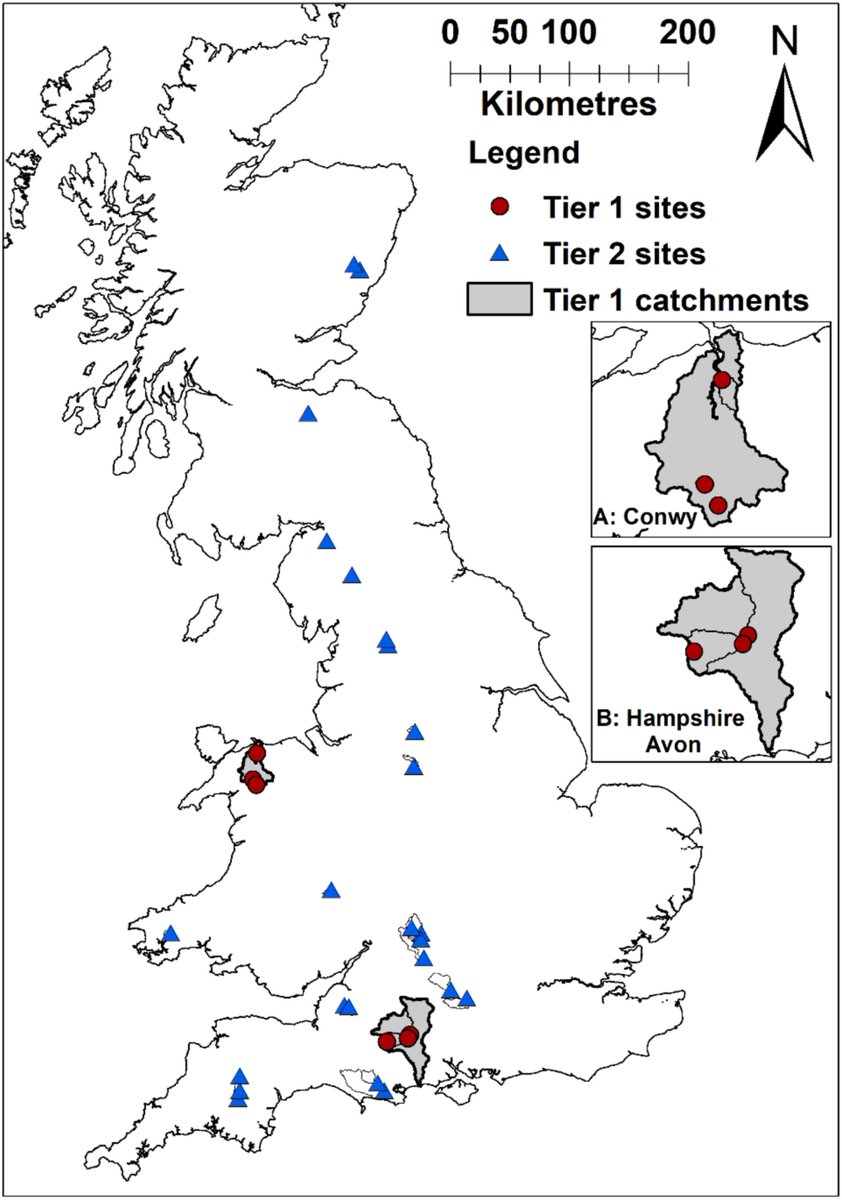
ALT Figure 1: Locations of Tier 1 and Tier 2 sites. Inset A: Tier 1 sites on the Conwy in North Wales and B: Tier 1 sites on the Hampshire Avon in Southern England.
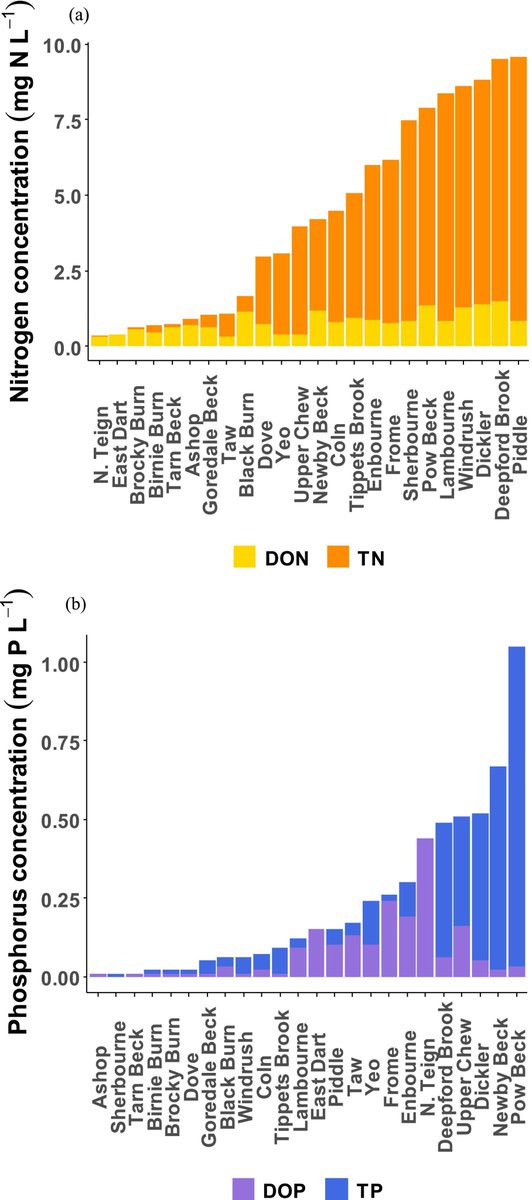
ALT Figure 2: Nutrient concentrations at Tier 2 sites. (a) Total and organic nitrogen concentrations and (b) total and organic phosphorus concentrations. Sites are ordered from lowest to highest total nutrient concentration, which is represented by the total height of the bar.
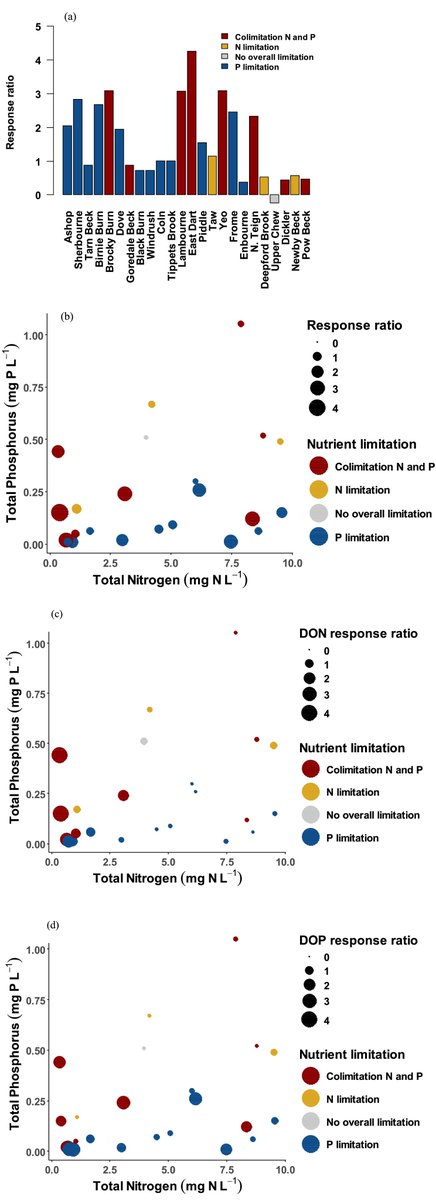
ALT Figure 3: Nutrient limitation of sites and growth response ratios for inorganic and organic nutrients. (a) Inorganic nutrient response ratio is plotted for sites ordered by increasing TP concentration. Growth response ratios are then plotted for (b) inorganic nutrients and (c) organic N compounds against the site concentration of TN and (d) organic P compounds, against the site concentration of TP.
5,800 farms fall out of nature-friendly farming schemes at Christmas with the promised successor scheme closed indefinitely.
Three decades of taxpayers money invested in nature is about to be erased. At least offer a temporary extension @EmmaforWycombe.
bbc.co.uk/news/articles/c4g9…
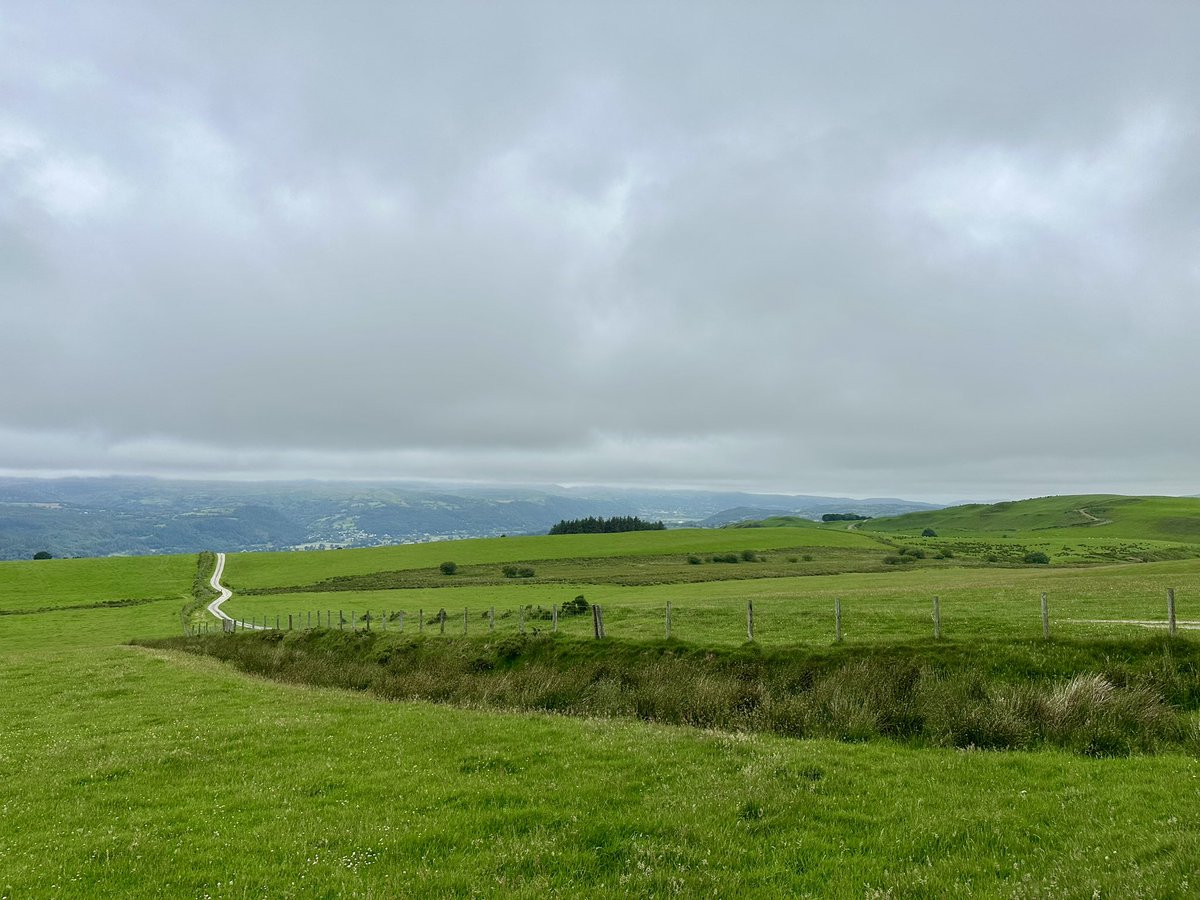
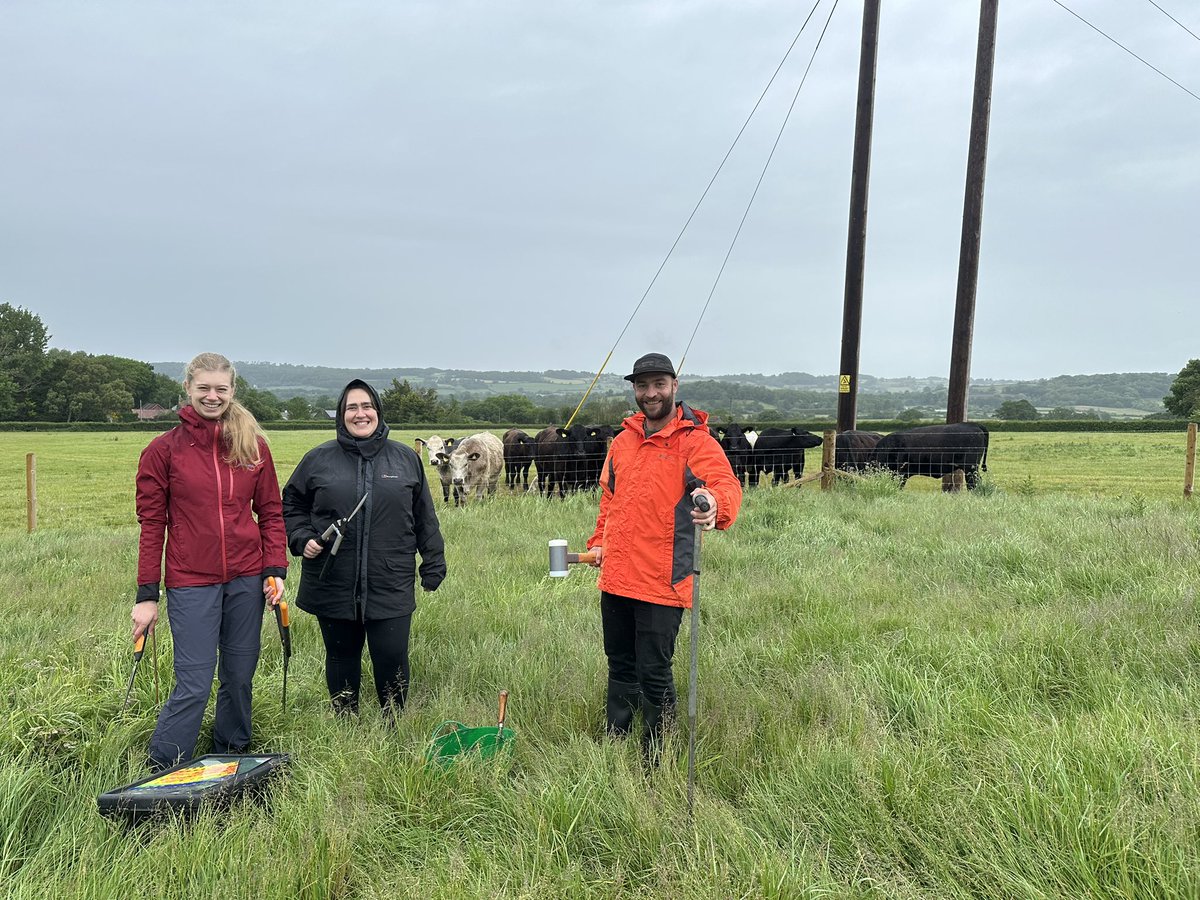
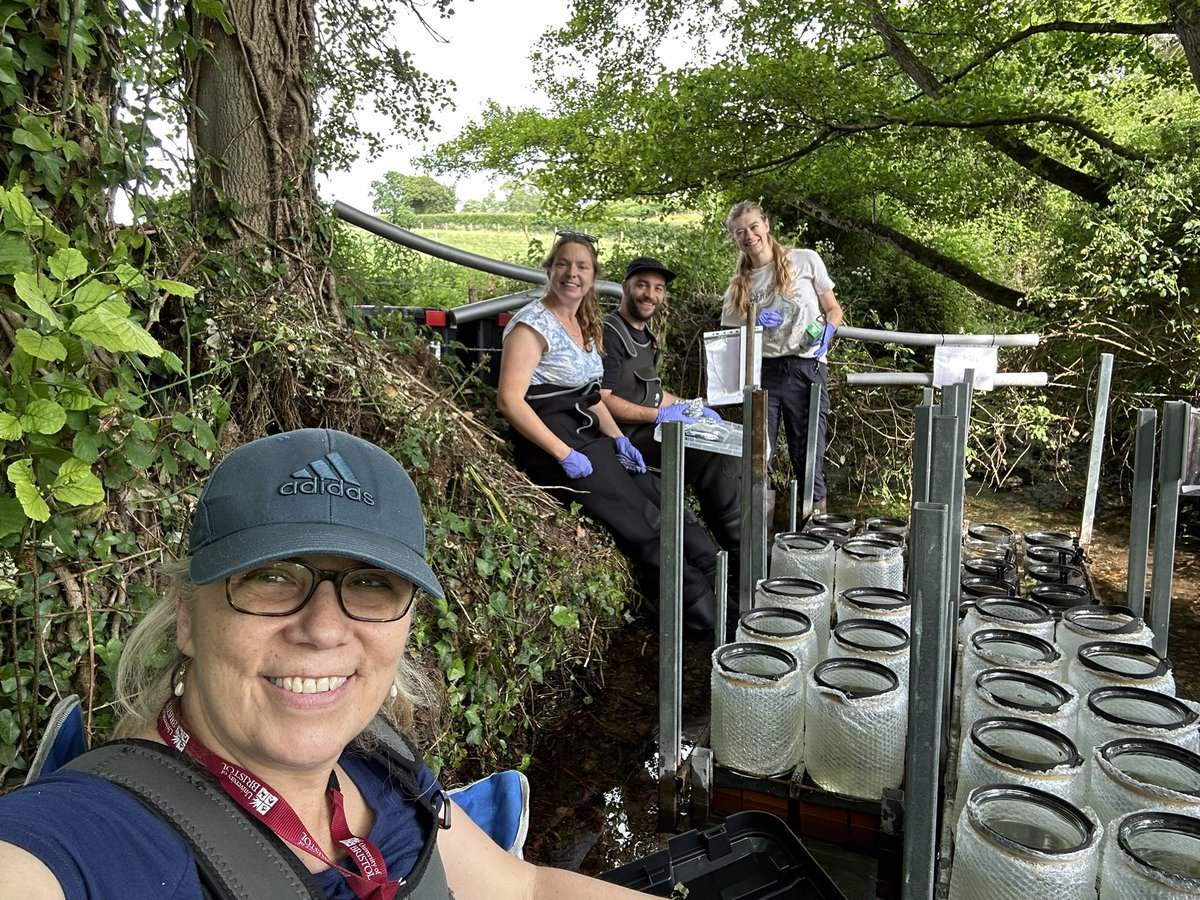
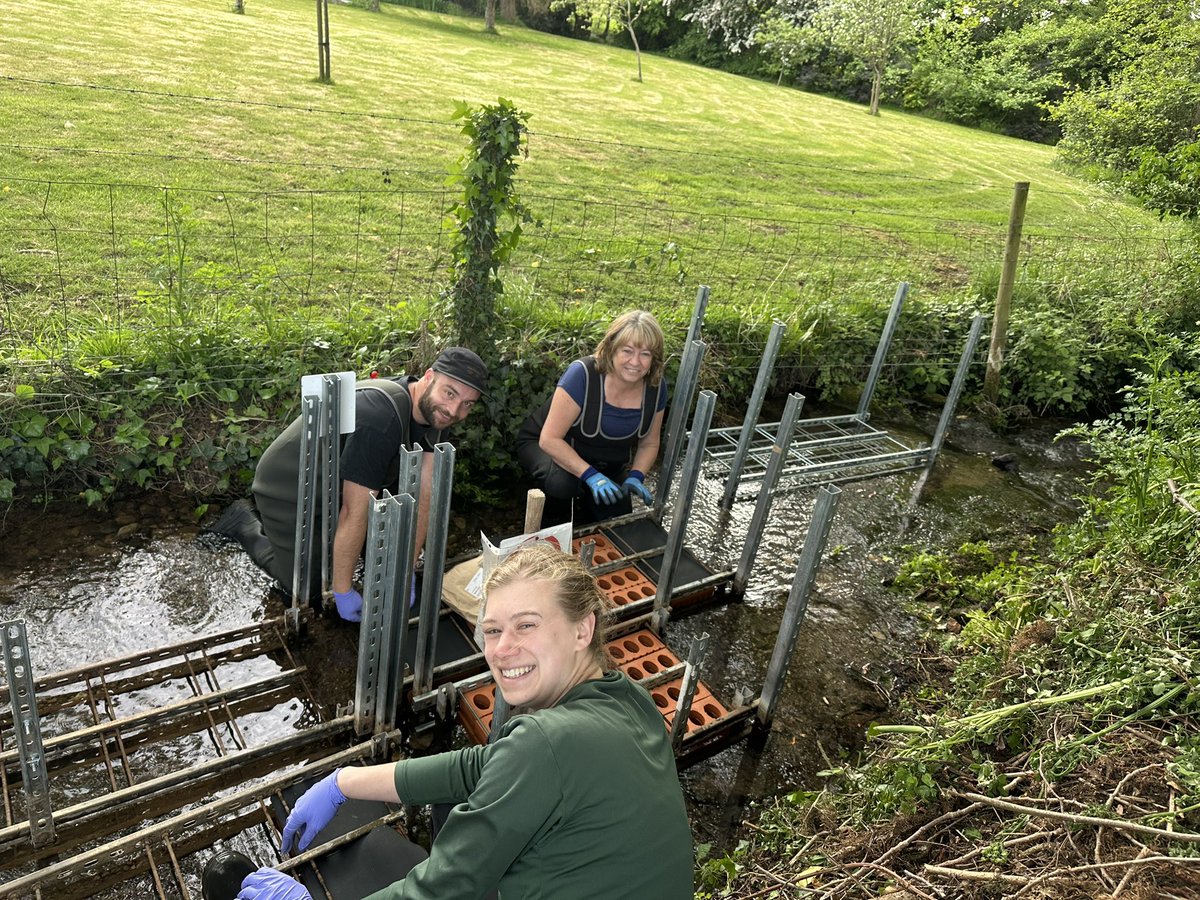
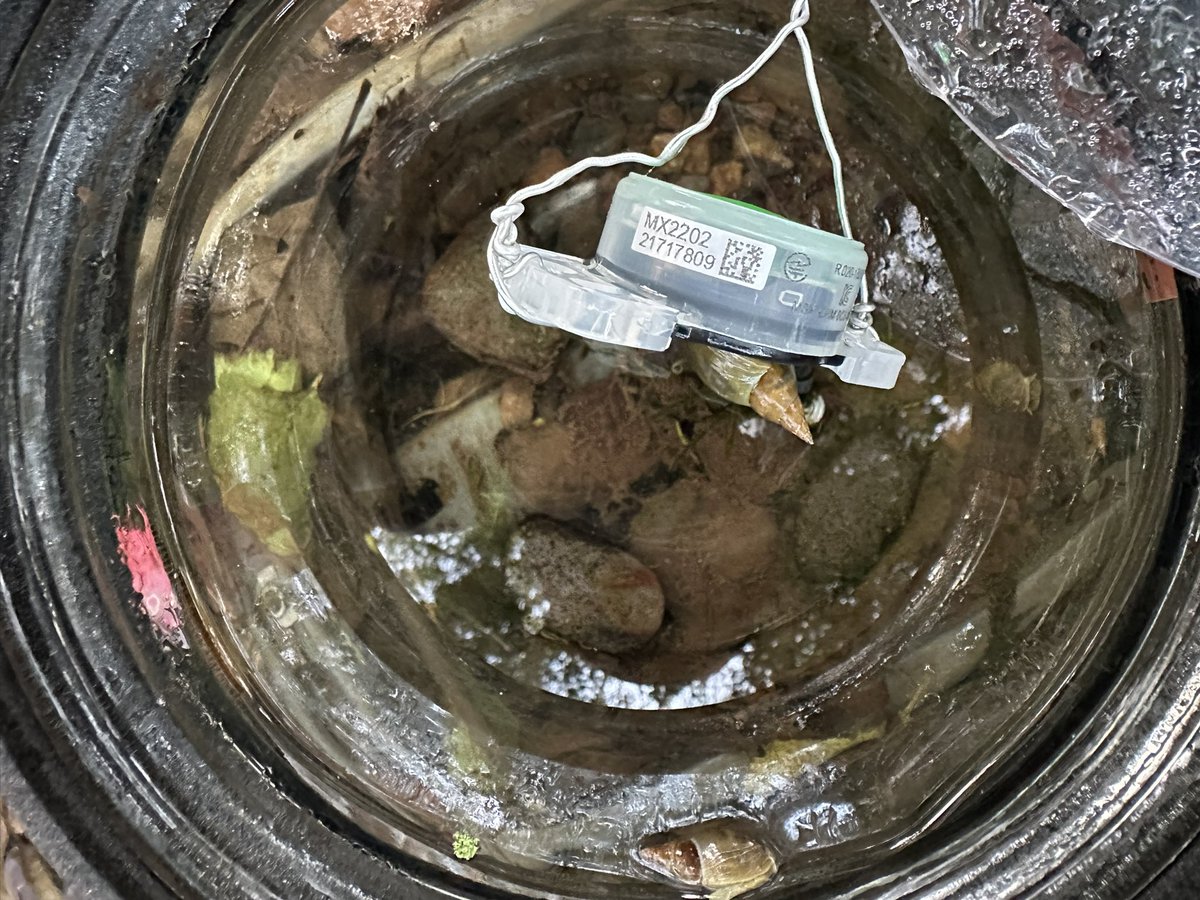
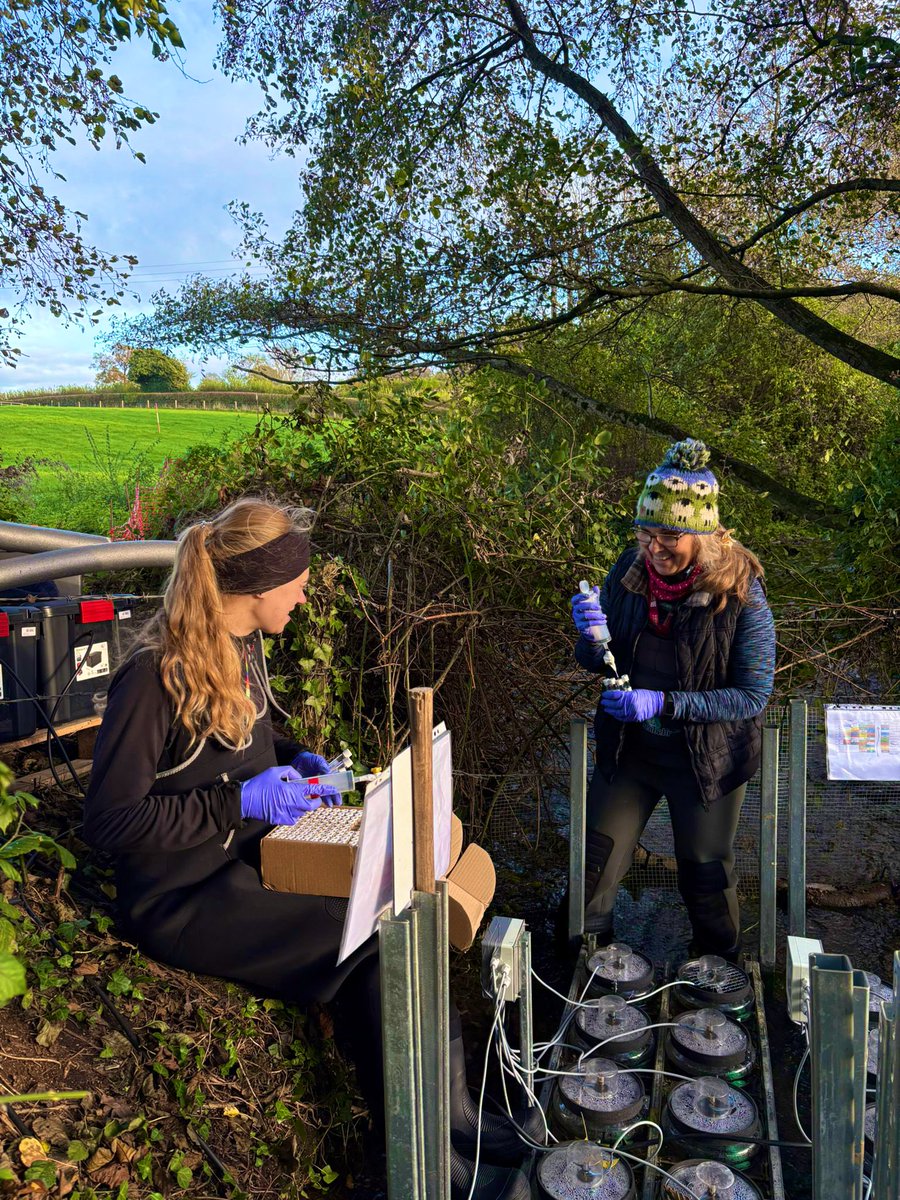
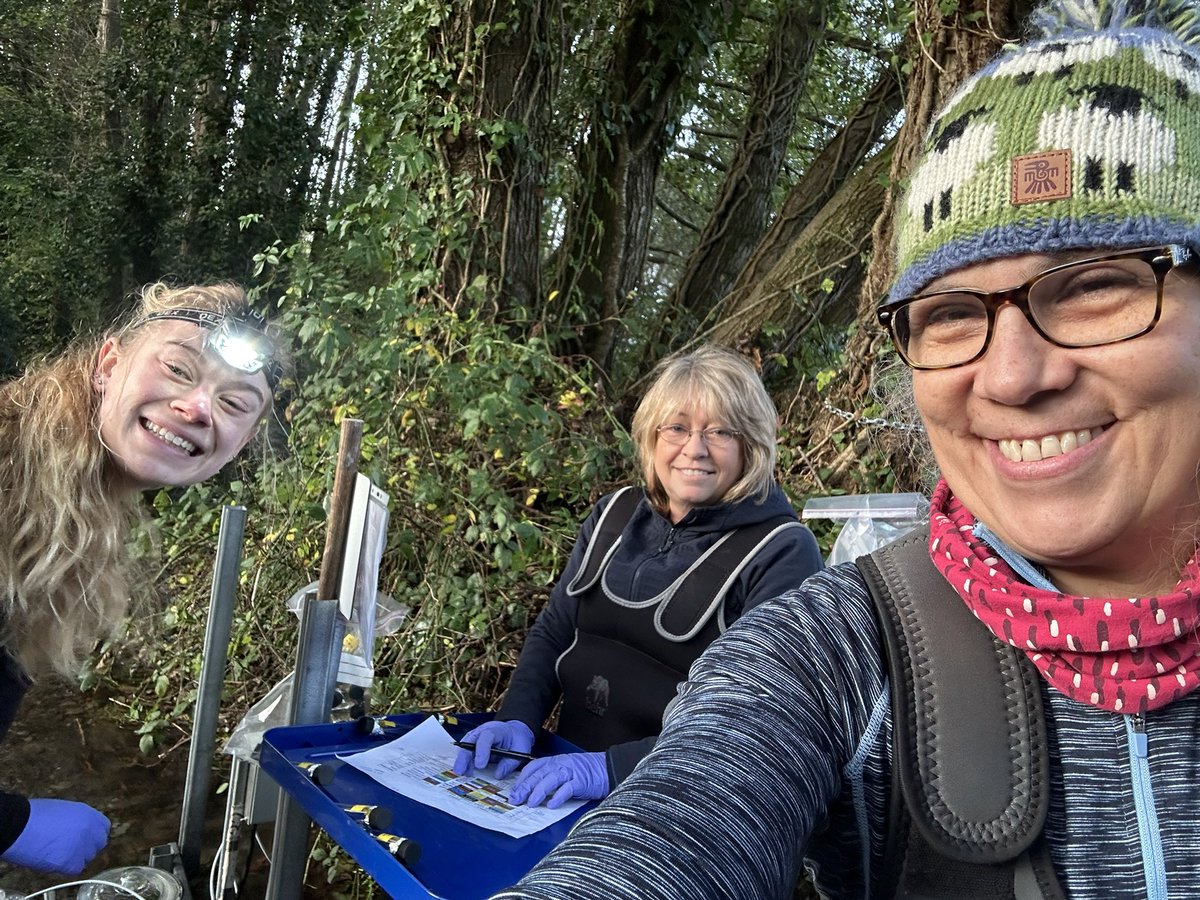
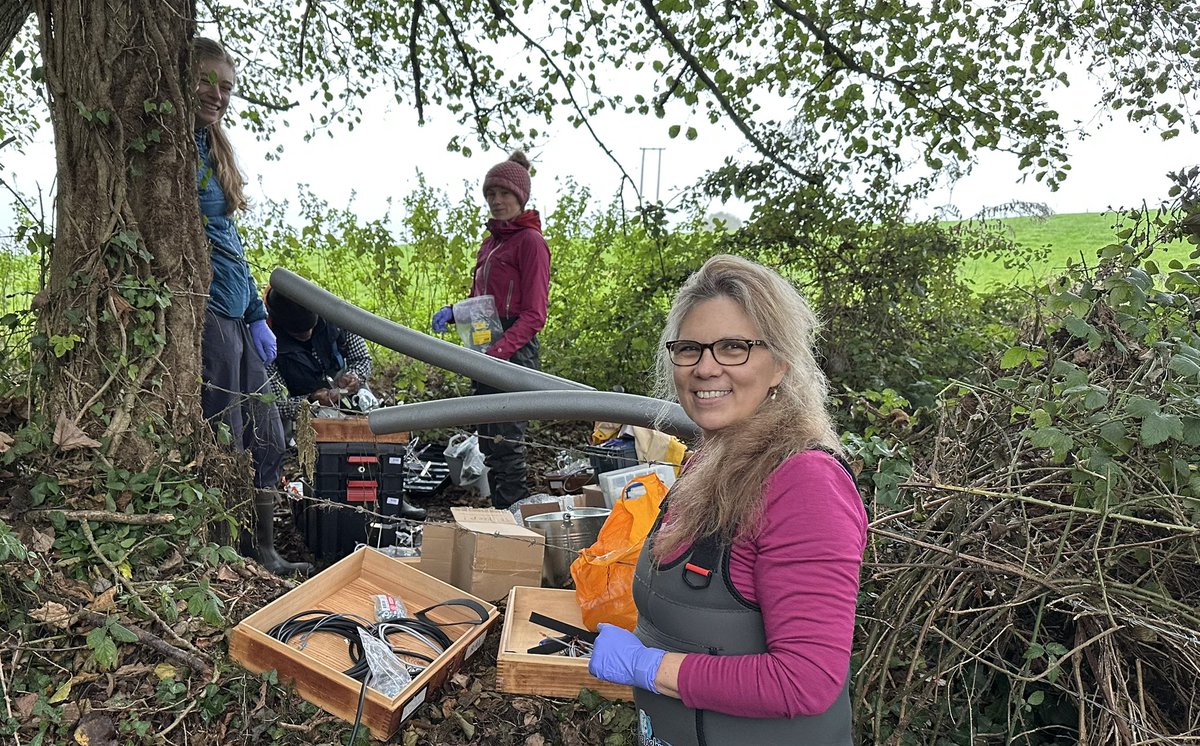
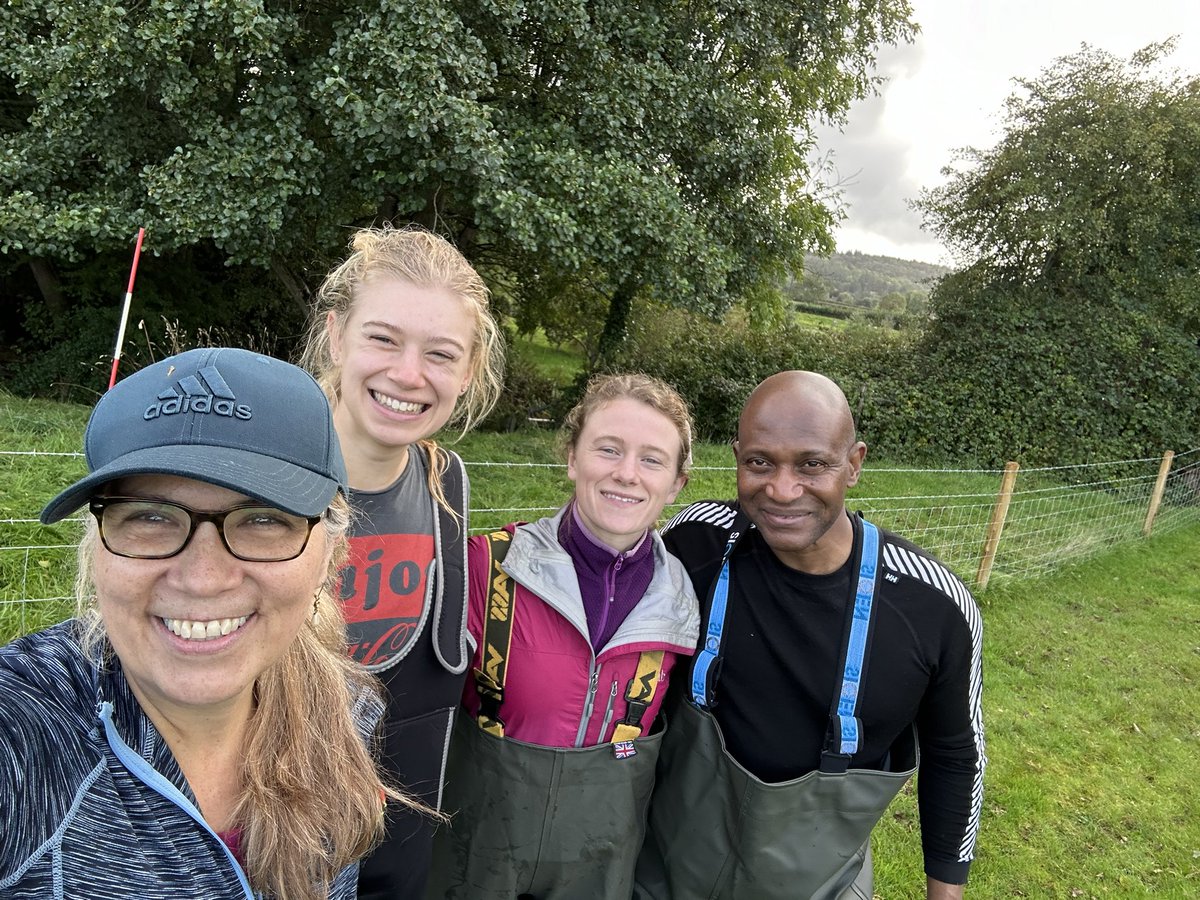
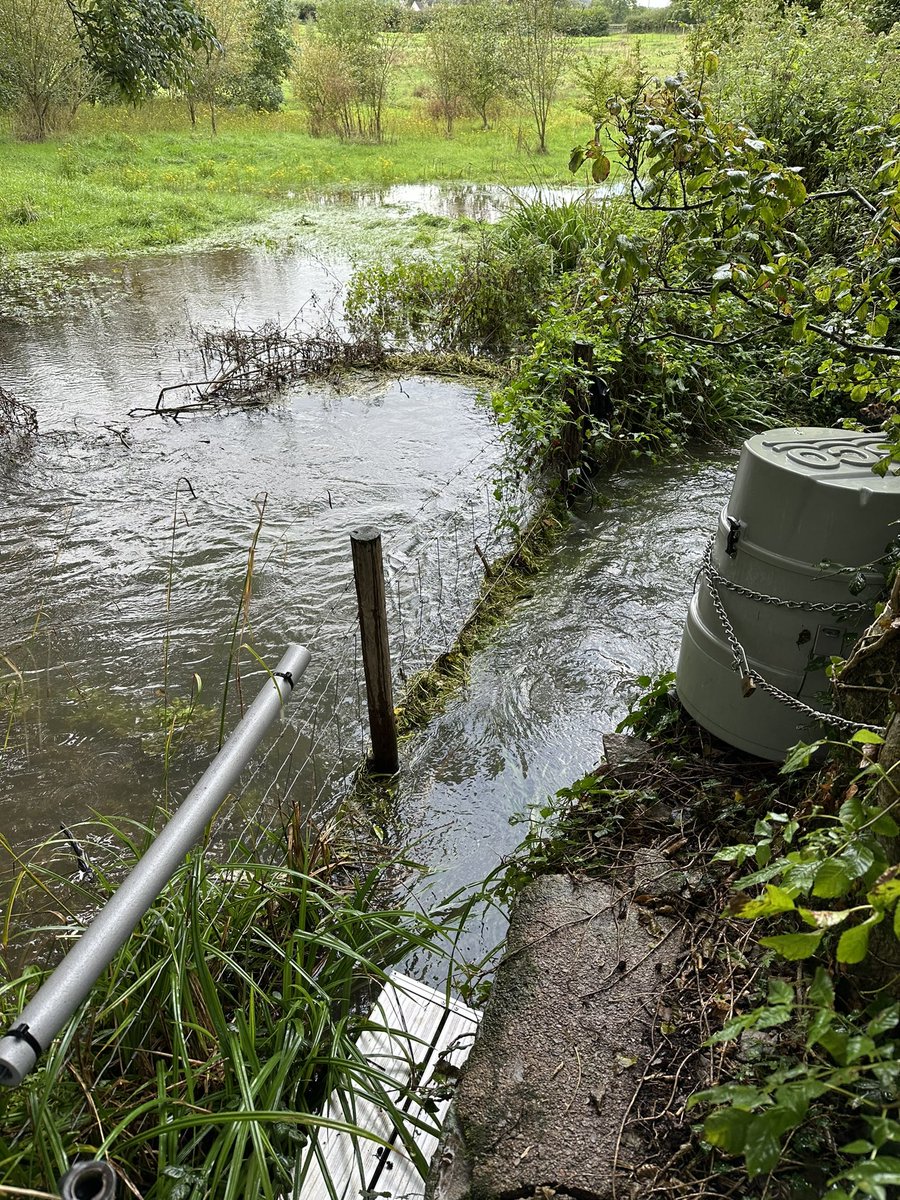
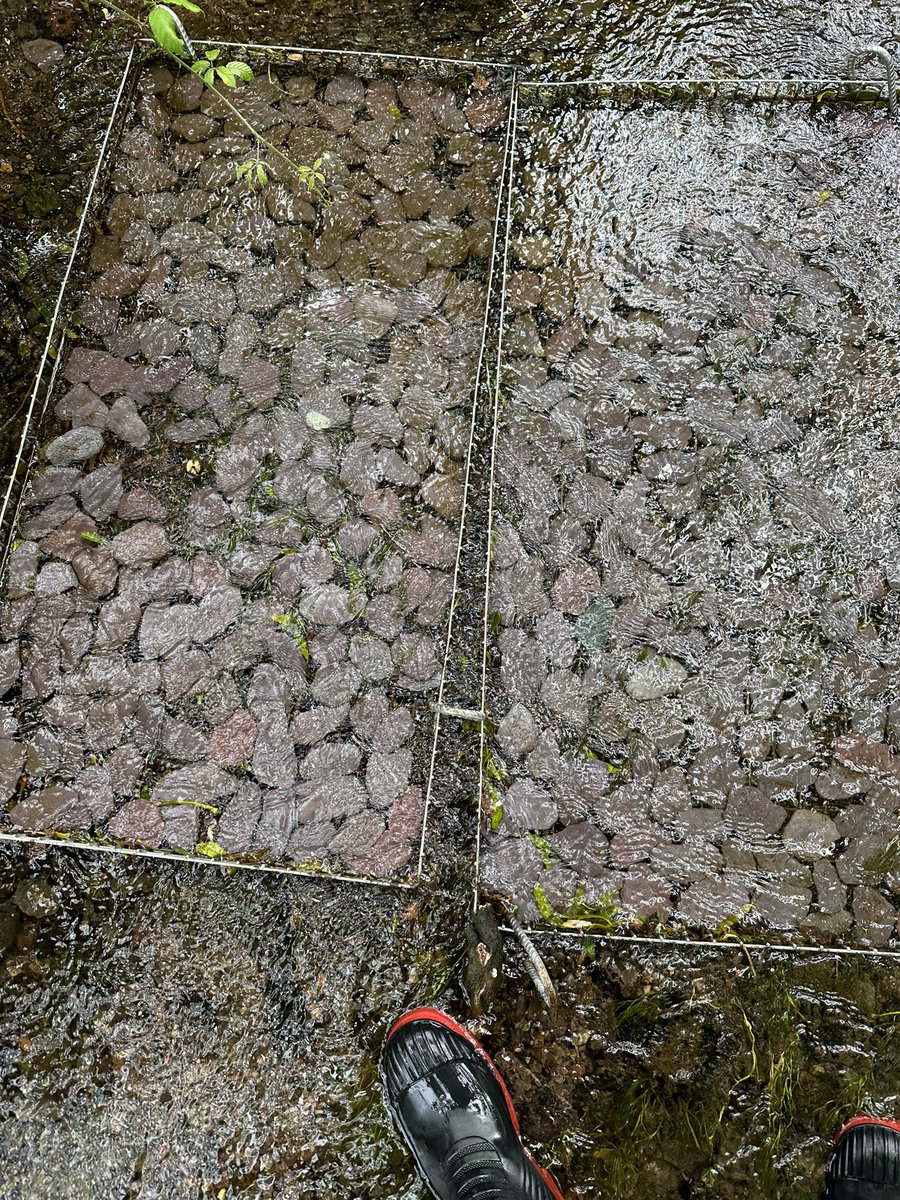
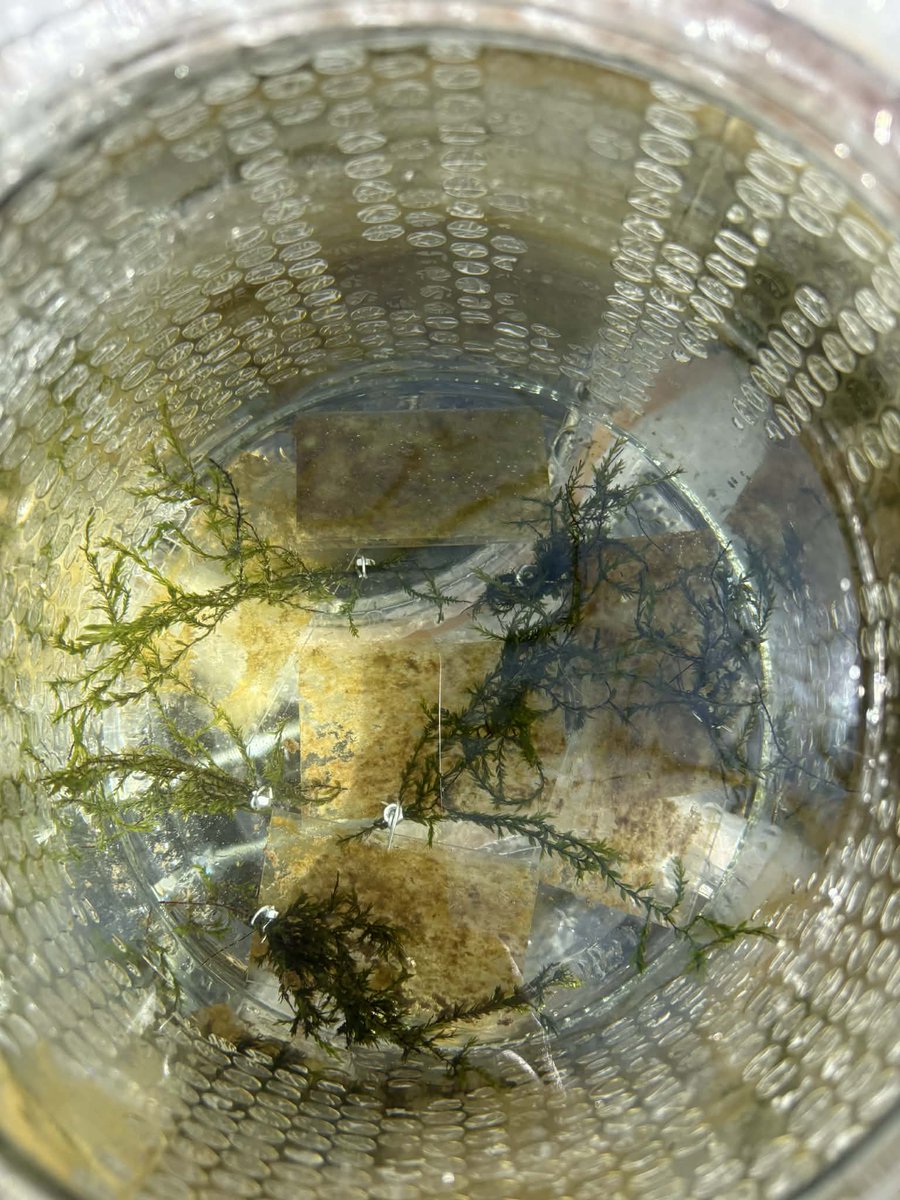
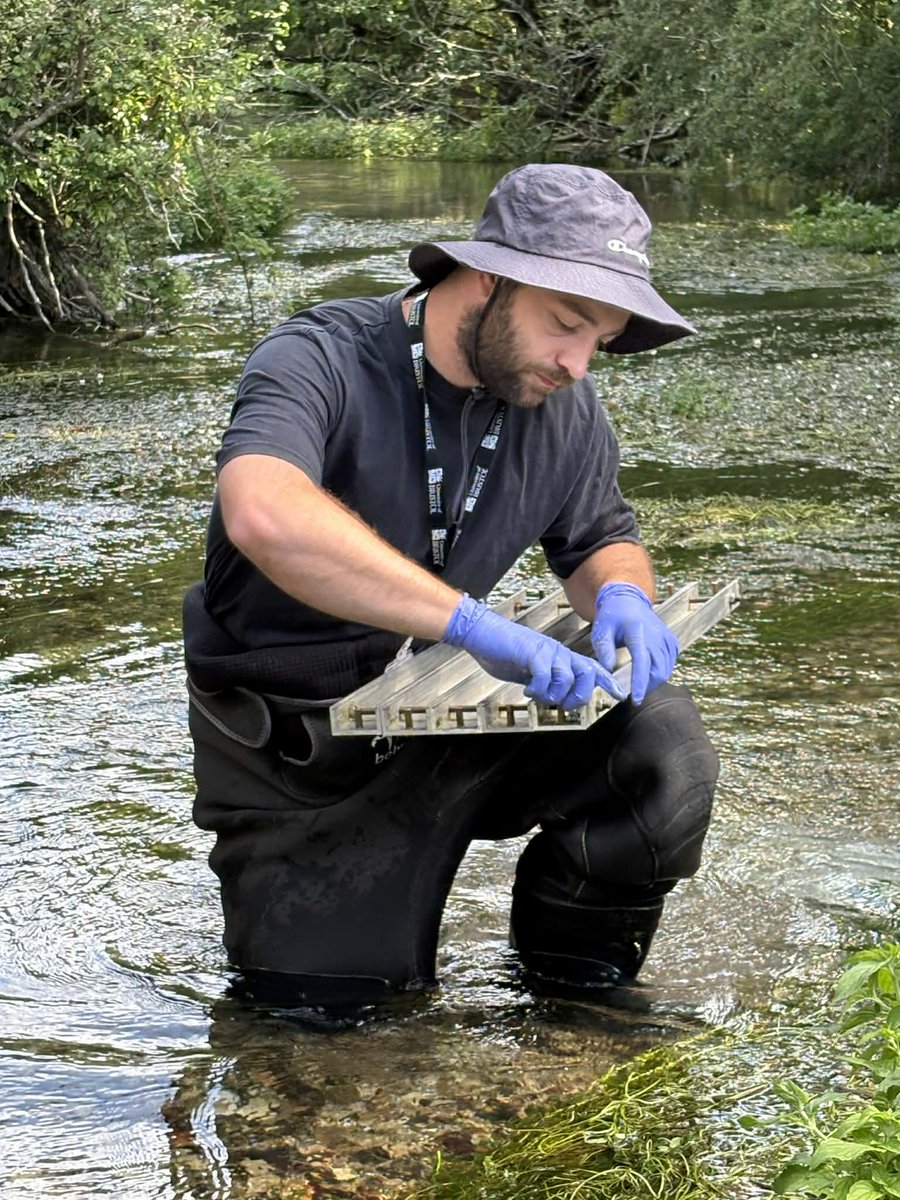
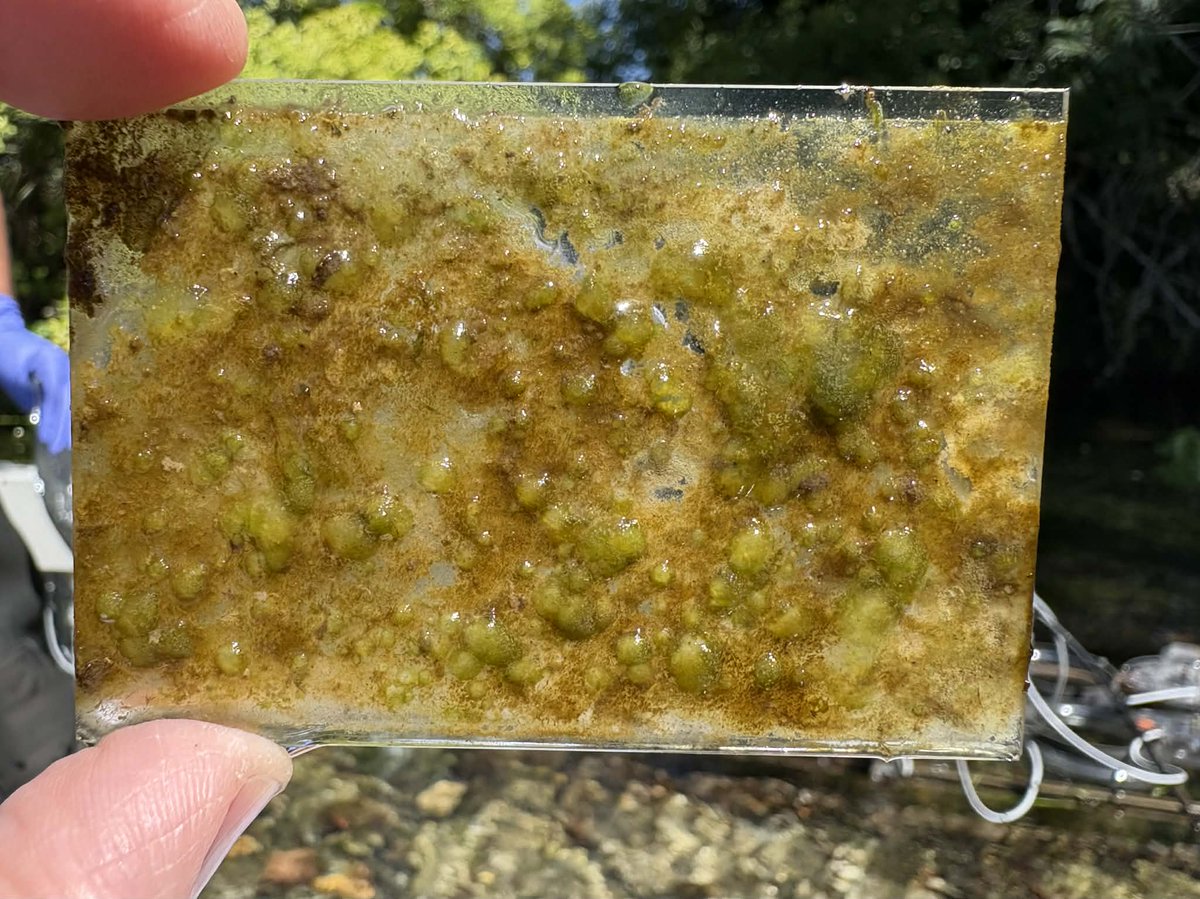
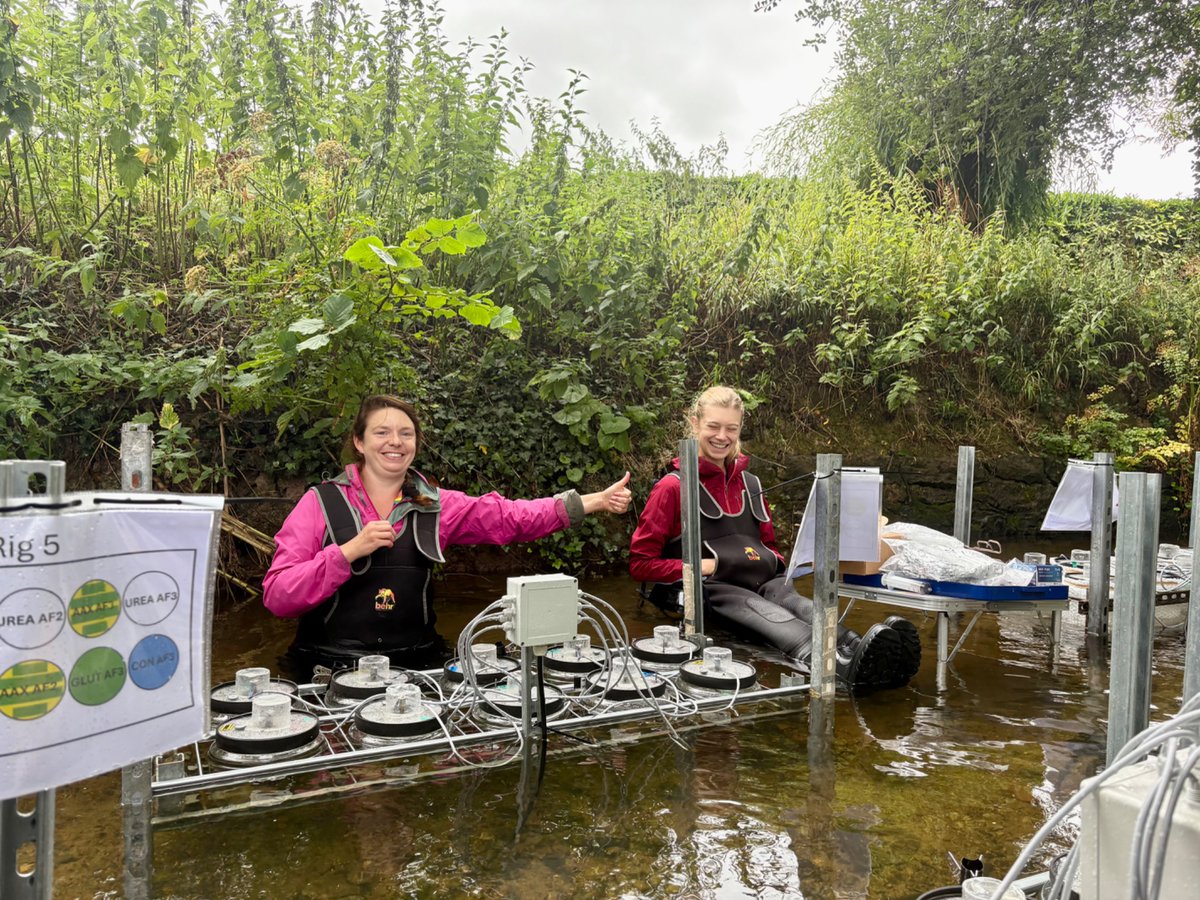
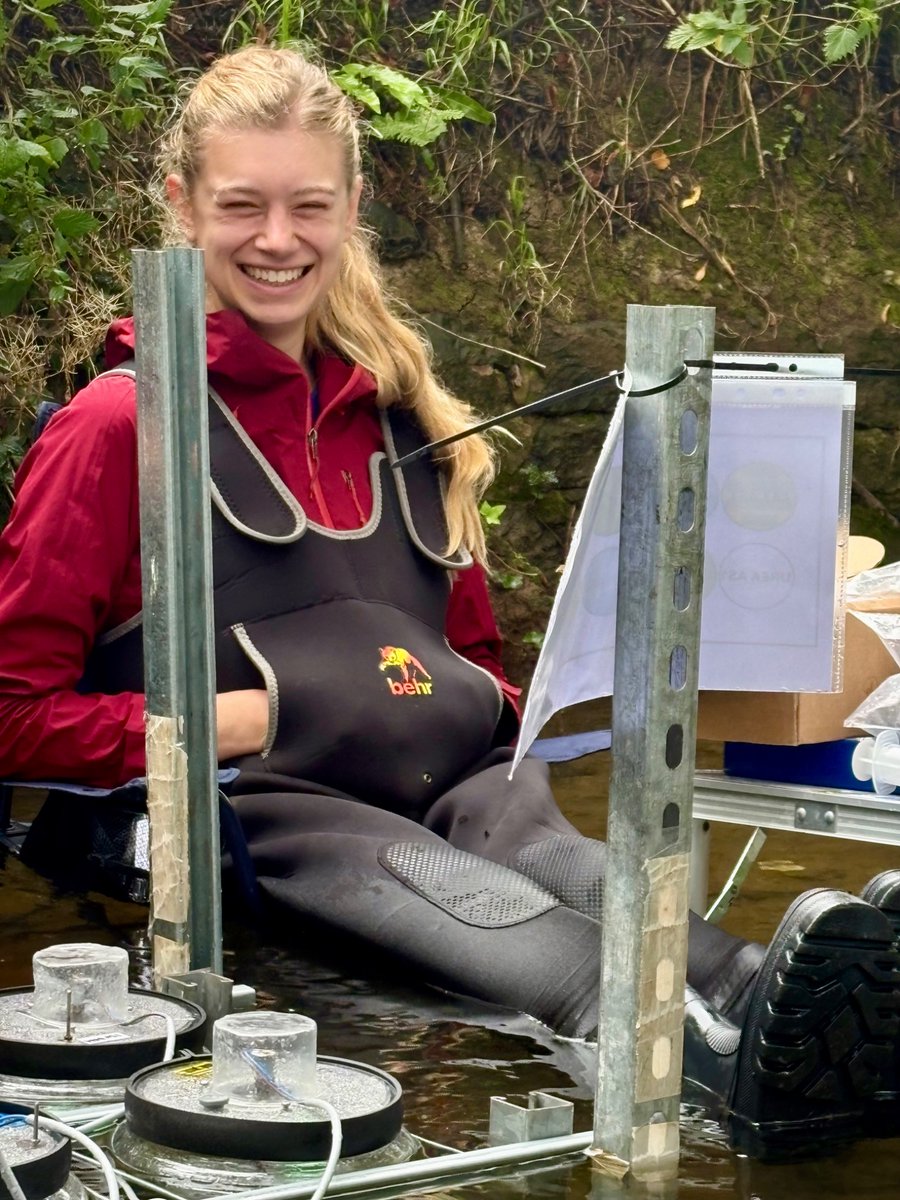
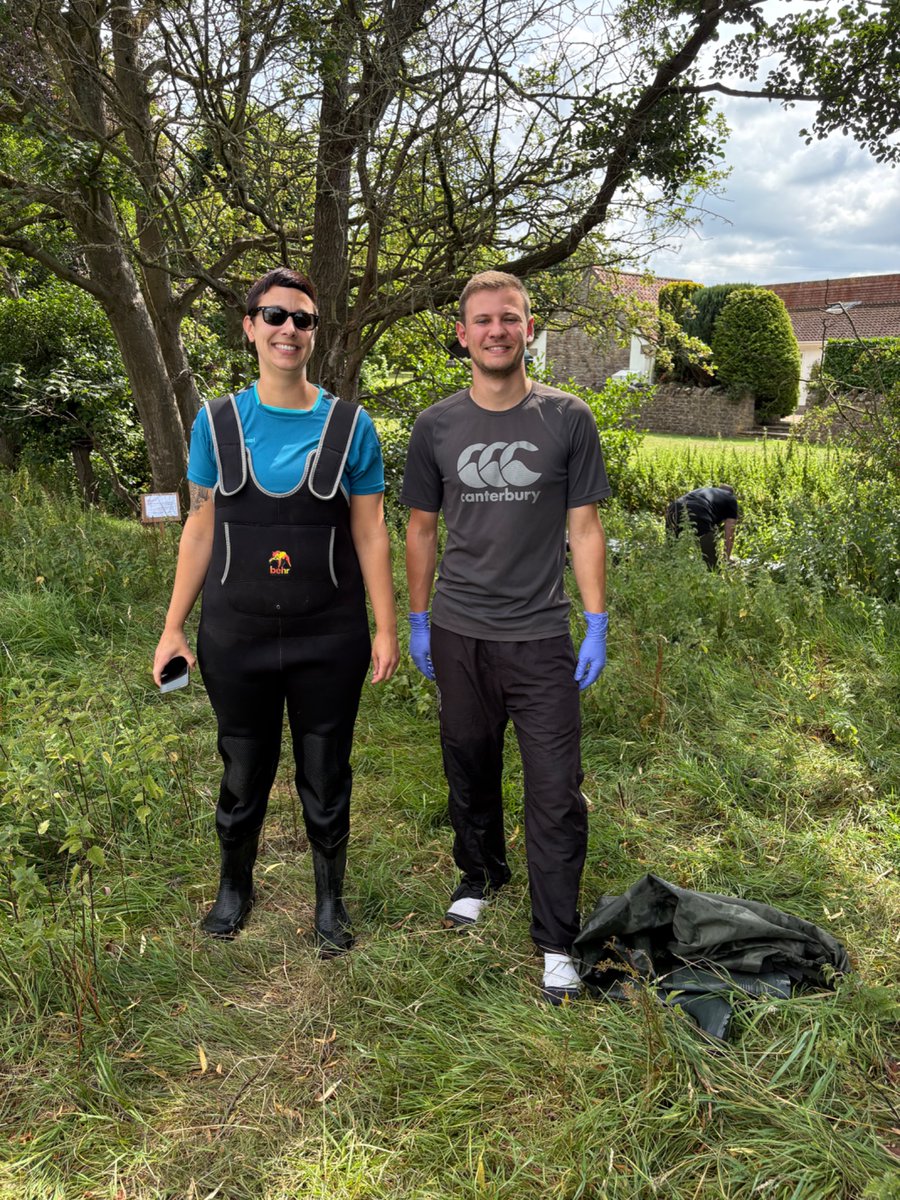
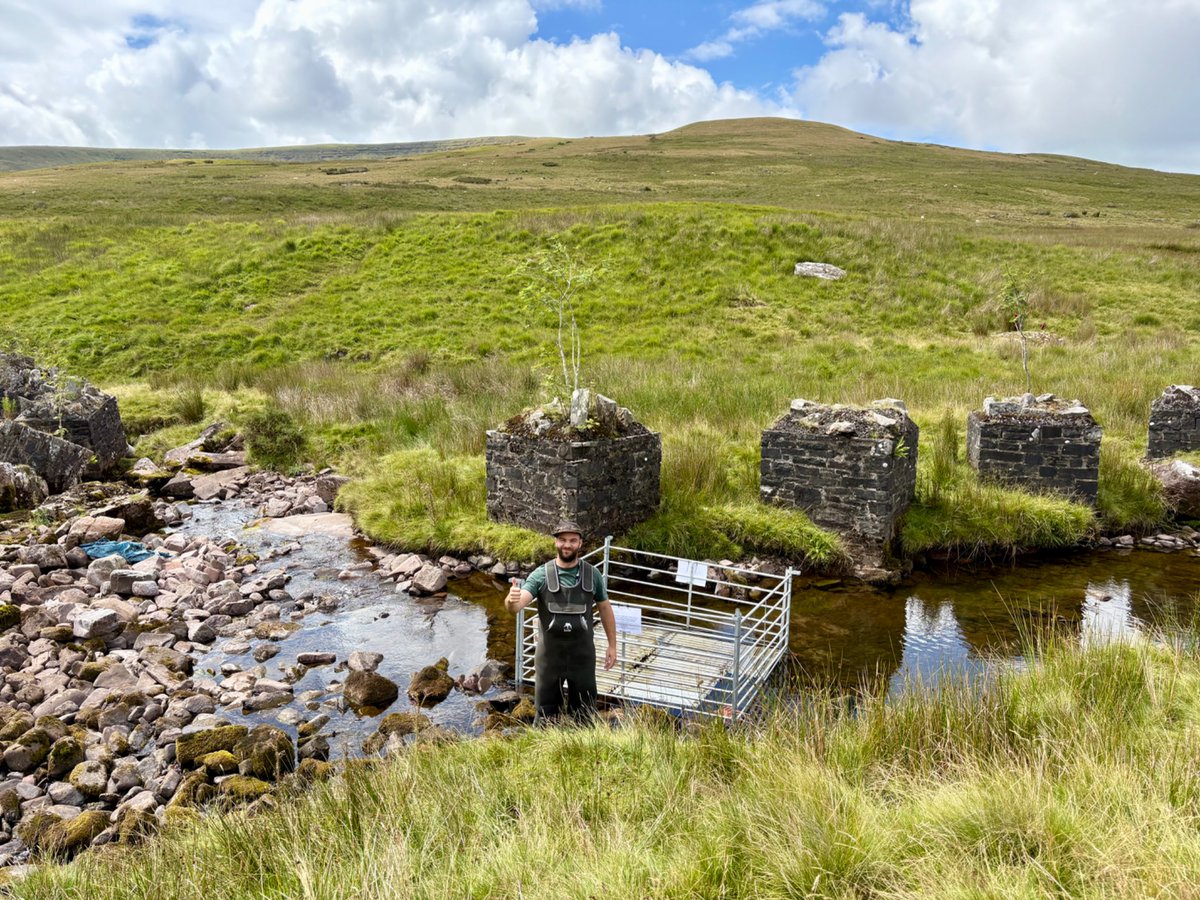
Our @UKRI_News funded ERC REFRESH programme is progressing well. Chalk stream isotope dosing experiment complete, clay stream nearly complete with help from our 1st PhD student from @durhamUni Matt McCormack. Now setting up our peat experiment with kind permission from @BannauB