
Magpie enumerator, fancy-paper collector and newspaper nerd. These poorly formed opinions? Mine, all mine... Instagram: quietcontrary
Joined November 2008
- Tweets 23,628
- Following 4,484
- Followers 2,070
- Likes 85,755
1,460 Photos and videos





Mary Conroy retweeted

Jun 12
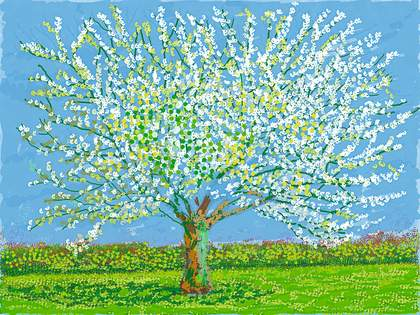
"Do remember they can't cancel spring"
RIP David Hockney.
29
1,845
11,240
144,470

Mary Conroy retweeted

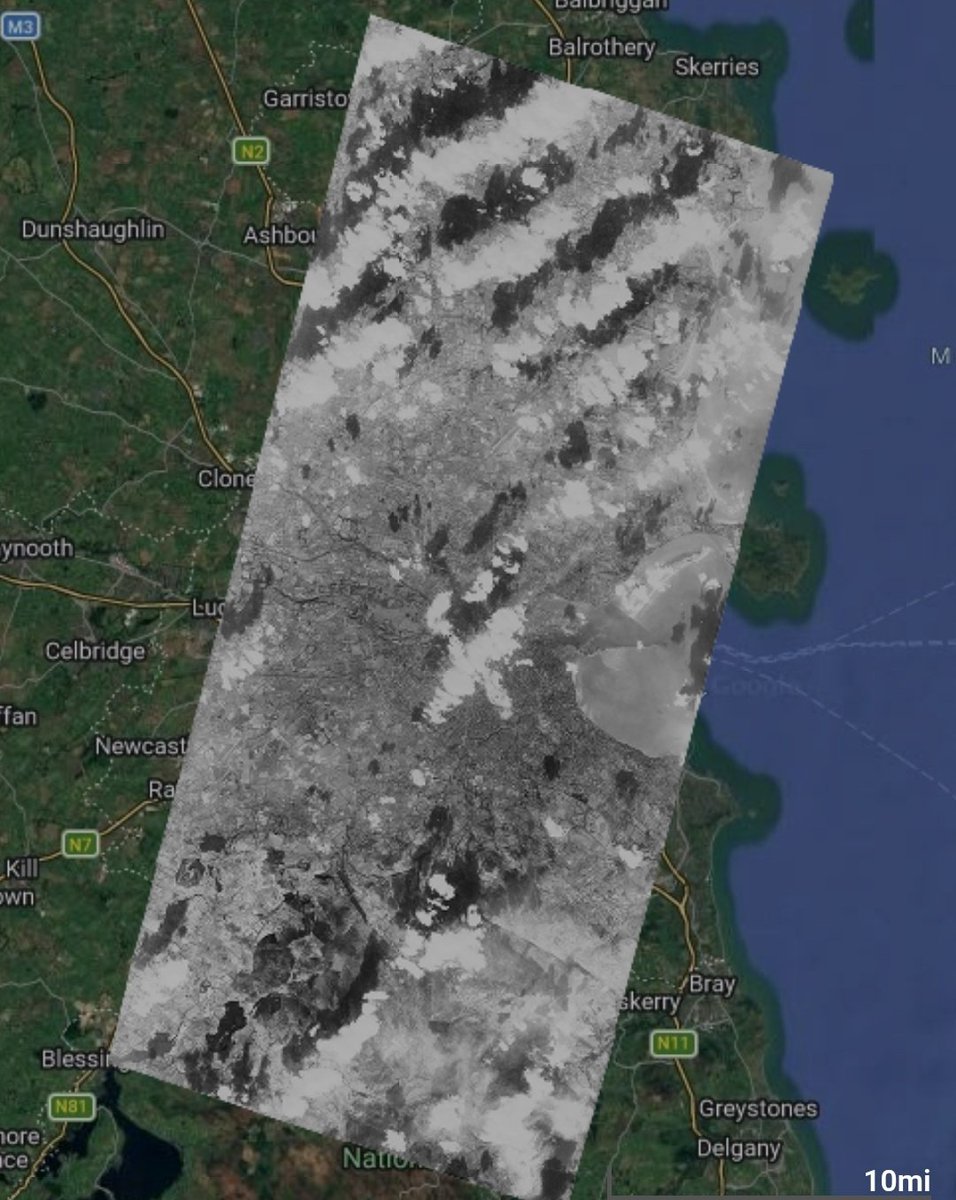
Check out this satellite map of Dublin from 1966! Yep that's right,
on 19 February 1966, a KH-7 GAMBIT reconnaissance satellite operated by the CIA passed over Dublin. This magic window on our city just before things went international. You can zoom in to surprising detail. Go fullscreen then use the transparency slider at the bottom right so you can compare now with 66'!
KH-7s primary purpose was Cold War espionage against Soviet and Chinese nuclear and missile installations. This slice of swinging Dublin was used to calibrate. Mad what I find lying around the Dublin Time Machines magic drawers. The photo below is just a screenshot, you've to click the link
spacefromspace.com/declassif…
42
131
753
129,647
Mary Conroy retweeted

A unique opportunity for Irish language artists and touring companies!
@culture_ireland is calling for proposals for the Irish Language Stream of the Irish EU Presidency 2026 Cultural Programme.
Deadline: 17 April 2026.
Full details: loom.ly/3V8Bglw

ALT Text stating Ireland's EU Presidency Culture Programme 2026 - Irish Language Stream - Calls for Expressions of Interest.
1
14
6
1,063
Mary Conroy retweeted

Apr 11
''I always remember when Madeleine Albright announced that Israel was under siege...
For a brief moment I asked myself: 'if there were Palestinian tanks in Haifa?'
How do we reach a stage where we so distort reality that we actually have a lethal effect on the conflict itself''
4
150
472
8,743
Mary Conroy retweeted

He will invade Norway if the Nobel Peace Prize goes to Pakistan next year…
3
14
566
Mary Conroy retweeted

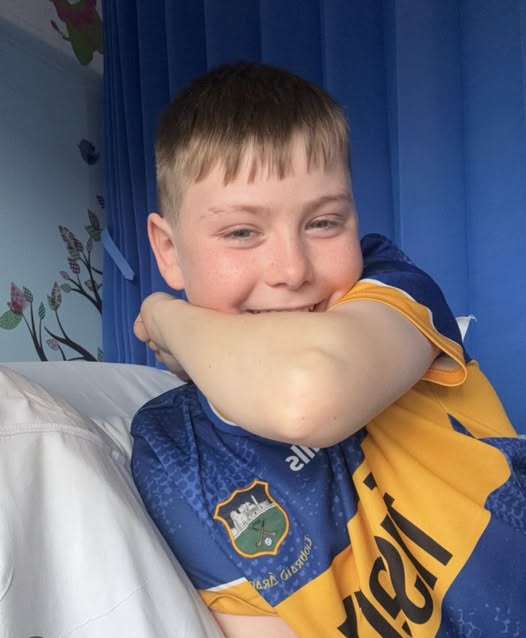
Our senior hurling coach Damien Ryan's 12yo son Adam needs a kidney transplant (O blood). Help by sharing their appeal to find a living donor via Beaumont Hospital. Every share counts . For more information see link on facebook #KidneyForAdam #DooraBarefield
19
900
789
55,002
Mary Conroy retweeted

Mar 15
Thinking about the time our high school English teacher gave us a poem to analyse
When we finished she told us it was Donald Rumsfeld’s WMD press conference, and that was the class

201
1,014
10,919
578,187
Mary Conroy retweeted

Mar 12
Help needed
Our bike for bringing our daughter about was stolen in Phibsboro last night - it's an orange e-cargo bike.
A camera from a neighbours house shows it was two young enough lads that stole it.
Most grateful if anyone spots it if they could DM me

38
450
761
87,491
Mary Conroy retweeted

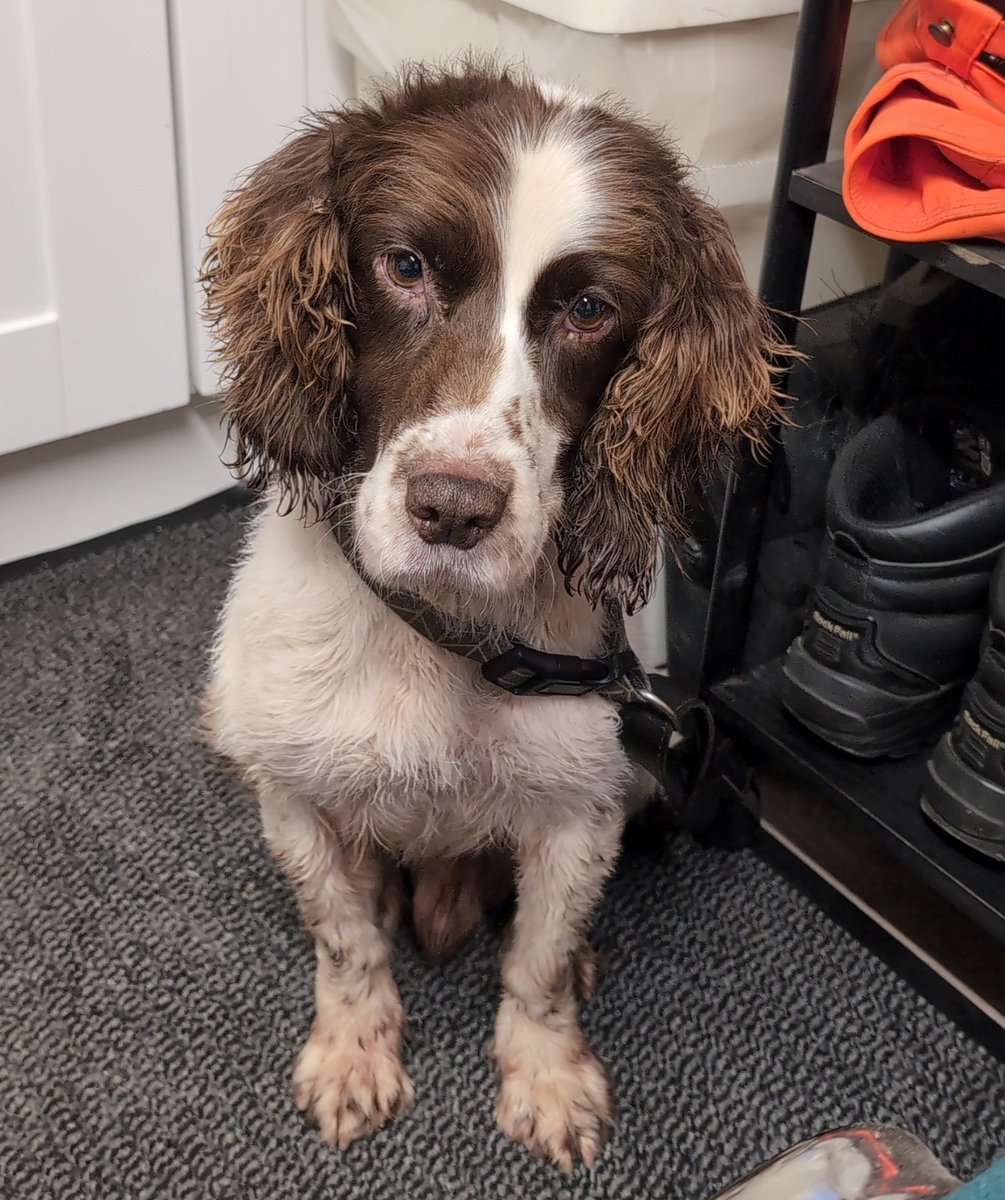
🐶Lost Dog
This little fella was found in Pelletstown this morning and was collected by Dublin County Dog Shelter.
Hopefully, he can be reunited with his owner soon.
#lostdog
-CL
1
7
25
5,150
Mary Conroy retweeted

Jan 3
I'm seriously starting to question the credibility of the FIFA Peace Prize.
1,138
16,543
173,435
3,161,521
At 50, I guess I can accept the fact that Reader's Digest was wrong and Laughter isn't the Best Medicine
3
48
Mary Conroy retweeted

27 Dec 2025
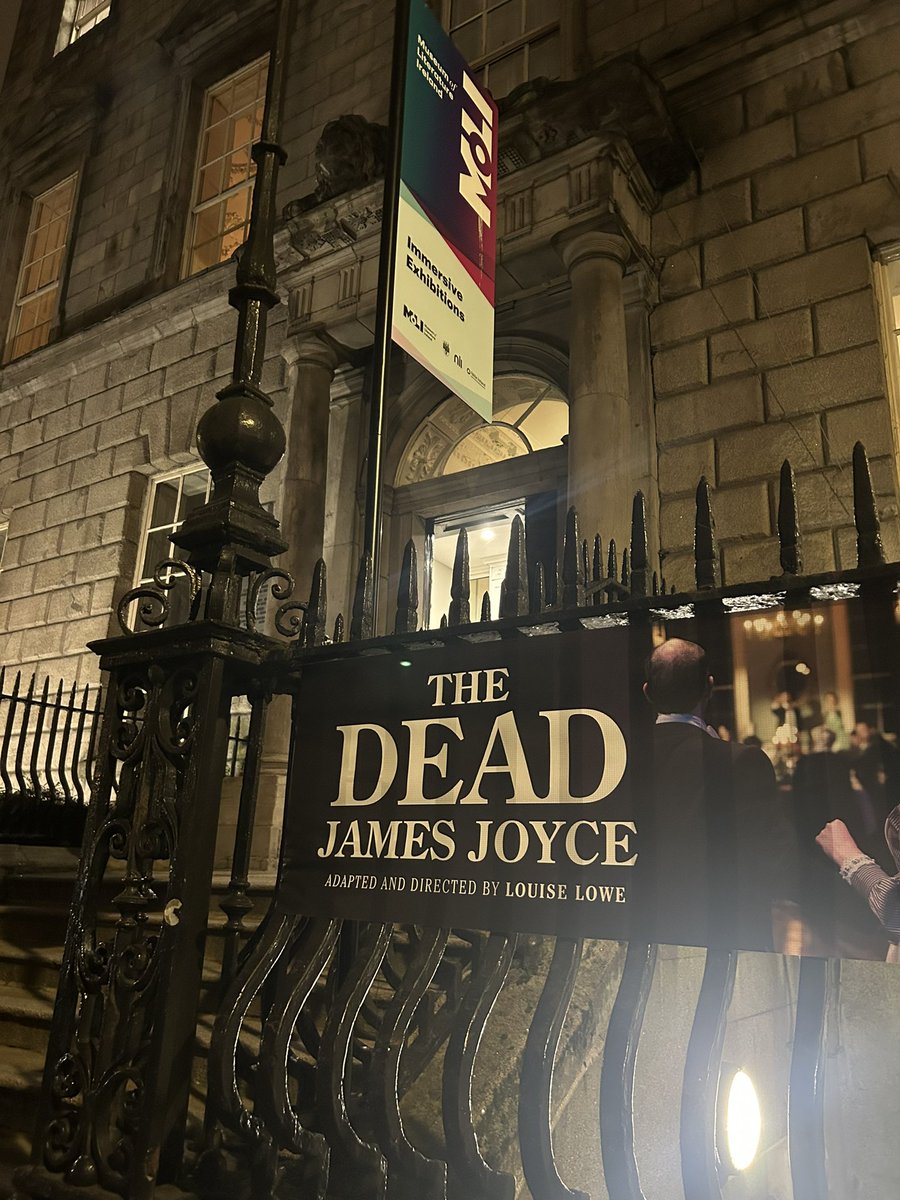
Absolutely magic piece of theatre
Go see it if you can get tickets
1
2
18
731
Mary Conroy retweeted

12 Dec 2025
Oh my heart. 💙💛

2
3
14
1,777
Mary Conroy retweeted

1 Dec 2025
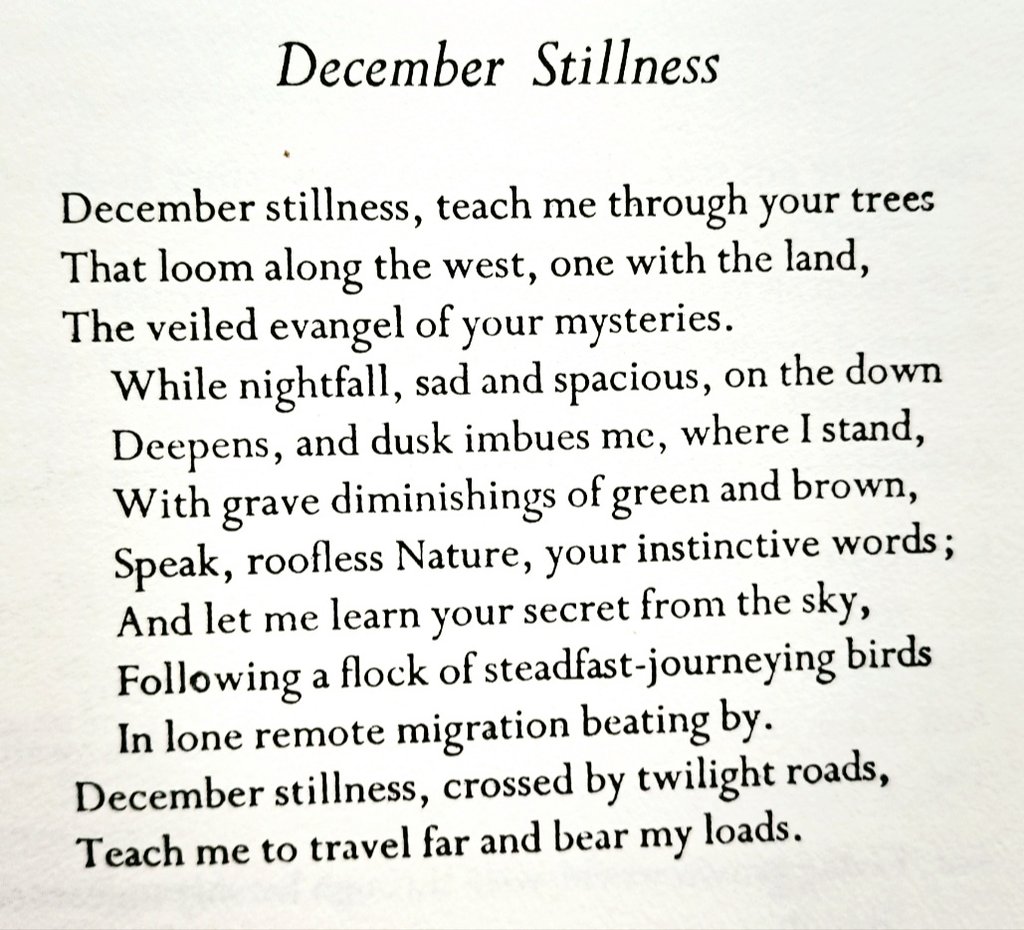
When a poem becomes a prayer.
Siegfried Sassoon (1934)
13
192
739
16,841
Mary Conroy retweeted

26 Nov 2025
This will get lost on X but anything is worth a shot
Looking for my very own Christmas Miracle
Looking to find Gina. From Dublin, living in #Paris . Artist. Worked in advertising in Baggott Street in the 70s / early 80s. Would be 70/71 years old now
Do your thing #FrenchTwitter
15
173
185
25,920

25 Nov 2025
Rob is always worth a read...
25 Nov 2025

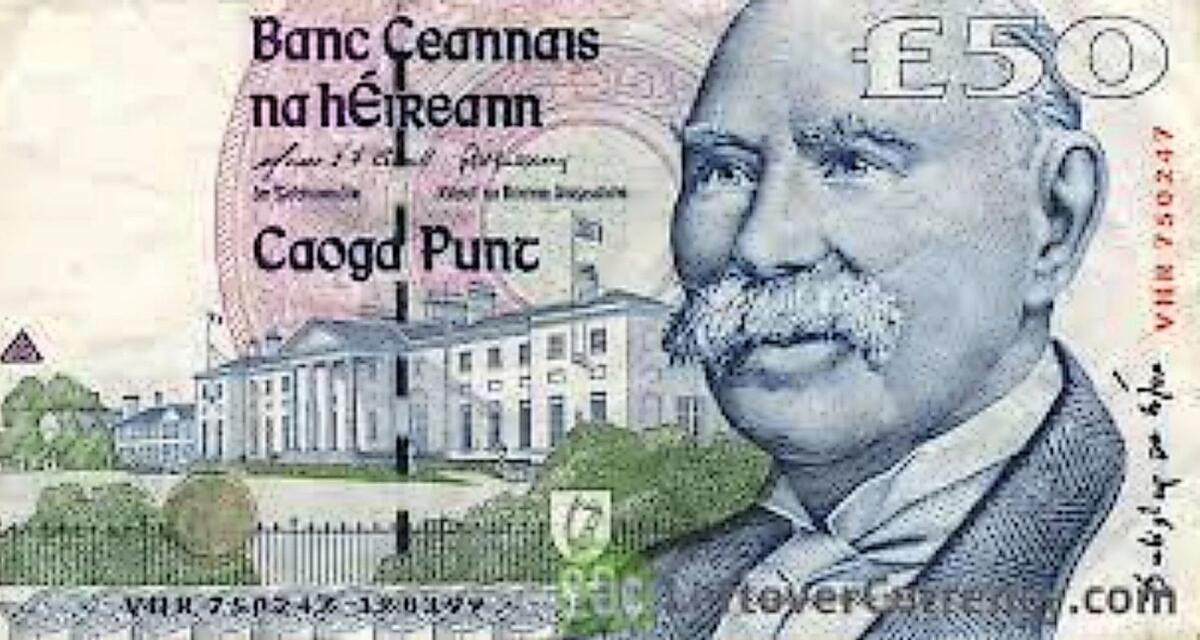
Today in 1892, a Roscommon man walked into the Irish National Literary Society in Dublin and made a speech so controversial it set off one of the great cultural movements of modern Ireland. Douglas Hyde, son of a Protestant clergyman, lifelong devotee of the Irish language and future first president, delivered a talk with the ungainly title of ‘The Necessity for De-Anglicising Ireland’.
Hydes provocative suggestion came from that perenial question. Why were the Irish, a people with one of Europe’s oldest vernacular literatures and ancient traditions, so determined to behave as a cultural colony of their nearest neighbour? As he sardonicaly put it Ireland displayed a ‘constant running to England for our books, literature, music, games, fashions, and ideas’.
His appeal to both the native intelligensia and common people alike, was not solely for the banner-waving patriot. It was for everyone with a stake in Ireland’s cultural dignity.
Especially relevant now as we approach a truely United Ireland, he even appealed for to Unionists who saw their futures as bound to Britain. ‘This is a question which most Irishmen will naturally look at from a National point of view,’ he conceded, ‘but it is one which ought also to claim the sympathies of every intelligent Unionist and which, as I know, does claim the sympathy of many.’
Hyde spoke from lived experience. Growing up in Frenchpark, he fell in love with the Irish language through local speakers who visited the rectory. By fourteen, he was keeping a diary in Irish, pushing back against a tide that had already washed Bearla across most of the island. What he saw around him in the 1890s was Anglicised speech, Anglicised manners, Anglicised tastes and it convinced him that the nation was losing not only a language but an entire imaginative world.
We all know the familiar hypocrisy of the contradiction of Paddys who profess contempt for British domination but ‘read English books, and know nothing about Gaelic literature’, yet still claimed to ‘hate the country which at every hand’s turn they rush to imitate’?
Ireland, he argued, had forgotten what it once was, and what it could be again. But he wasnt being nostalgic or romantic like Pearse or Yeats. Hyde saw the stakes as entirely modern, especially in the political climate of the moment.
With the prospect of Home Rule over the horizon, he imagined a future in which the language of Ireland would at last be treated with dignity. ‘Should Home Rule be granted,’ he said, ‘the Irish language… shall be placed on a par with or even above Greek, Latin, and modern languages, in all examinations held under the Irish Government.’
Within a year of this explosion speech, Hyde alongside Eoin MacNeill and Fr Eugene O’Growney, founded the Gaelic League, taking Irish cultural nationalism from the lecture hall into the streets, pubs and schools.
For Hyde, this was the necessary first step in a much larger restoration. Only when Irish was once again the first language of the people, he told his listeners, ‘can the Irish race once more become what it was of yore. One of the most original, artistic, literary, and charming peoples of Europe’.
1
2
4
144
26 Oct 2025
"There is nothing to do in Galway except foxhunting and whiskey"... not me reading local history books for the powerful disses
1
2
131