Joined January 2024
- Tweets 26,977
- Following 416
- Followers 655
- Likes 46,065
1,015 Photos and videos








Pinned Tweet

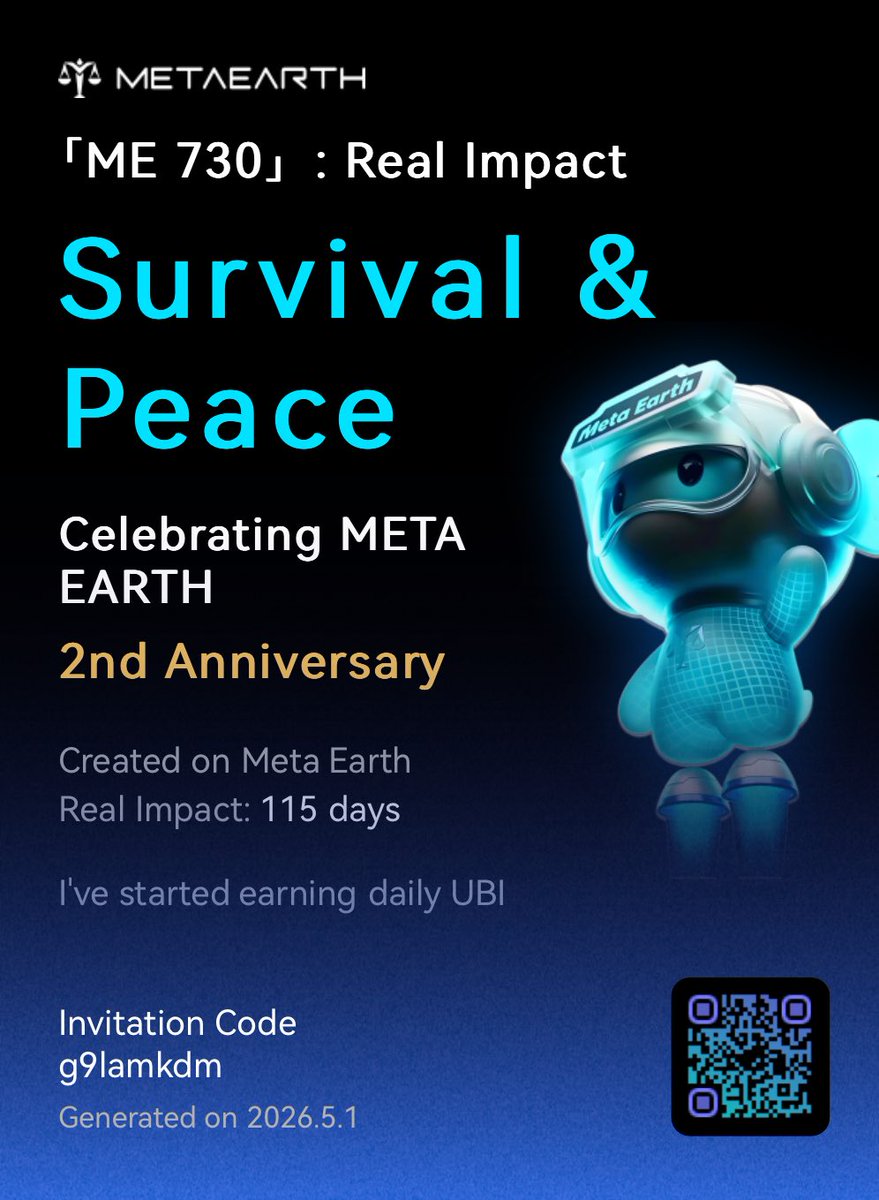
「ME 730」: Real Impact
I’ve earned 1.51 MEC on @_MetaEarth_ and helped 9 people start their daily unconditional basic income This is my real impact.
Click the link below to join, you can also maintain ecological balance & create your own impact👇🏾
i.mec.me?c=g9lamkdm
HNM🎉
3
6
20
428
TheWeb3OutCast retweeted

Jun 7
From $0 to €28m fixed fee plus €2m in add-ons. Contract until 2031.
Bro to bro, anything can happen anytime soon, don’t give up and keep locking in ✌️🚀🦅
33
11
93
2,233
TheWeb3OutCast retweeted

In the early 1970s, Nigeria found itself in a fierce battle against a growing wave of violent crime.
Armed robbery had become a source of fear for ordinary citizens, and the government sought a dramatic way to demonstrate that lawlessness would not be tolerated.
One of the most infamous figures of that era was Ishola Oyenusi, a notorious criminal whose name struck fear into many communities. His activities, along with those of his gang, became symbolic of the insecurity troubling the nation at the time.
On September 8, 1971, history was made at Bar Beach in Lagos. Oyenusi and six members of his gang faced execution by firing squad in a public event witnessed by tens of thousands of Nigerians.
Reports indicated that nearly 30,000 people gathered to watch as the government delivered a powerful warning to those who chose the path of crime.
For many who stood on that beach, it was more than an execution.
It was a moment that reflected a nation’s desperation for safety, justice, and order.
The message was clear: criminality would carry severe consequences.
More than five decades later, that moment remains a subject of reflection.
While armed robbery was the major concern then, many Nigerians today worry about a different challenge one where corruption, abuse of public trust, and illicit enrichment appear deeply embedded in parts of society.
What makes the contrast painful is that values once celebrated integrity, service, and honesty often seem overshadowed by the pursuit of wealth at any cost.
For many citizens, the measure of success is no longer character but accumulation.
This is why our leaders have become Terrorist apologists today because of how much their pocket grows to the detriment of innocent souls.
The story of Oyenusi’s execution is therefore not just about crime and punishment.
It is a reminder of a time when society openly confronted wrongdoing and a question for our generation: have we become more determined to fight corruption, or have we simply learned to live with it?
7
4
30
1,885
TheWeb3OutCast retweeted

🚨 What is ChronoEvent?
The Web3 space is full of events, AMAs, workshops, Twitter Spaces, hackathons, and conferences. The problem is that many people attend these events but have no verifiable proof of participation.
This is where @chronoevent comes in.
ChronoEvent is a decentralized EventFi platform that allows organizers to create events and attendees to mint a Soulbound Proof of Attendance (PoA) after participating in an event. These attendance records are stored on-chain and cannot be transferred or sold.
I recently registered on the platform and I’m now a Verified Event Organizer on ChronoEvent.
⤵️

18
8
47
4,189

TheWeb3OutCast retweeted
6:50 AM ☀️
Prayers said — ✅
Workout locked in — ✅
Check-ins done — ✅
Stepped 10000x— ✅
Post dropped — ✅
CT engagement — In Progress ⬛️⬜️⬜️⬜️
Thank God for being God 🙏🏽
🎉🍾It’s a new month right?
2
1
2
41
TheWeb3OutCast retweeted

Jun 1
JUNE 1st.
Just congratulate yourself under this post, I don't know why, but do it with faith. Dear son, I'm begging you.
205
87
760
19,828
7:00 AM ☀️
Prayers said — ✅
Workout locked in — ✅
Check-ins done — ✅
Stepped 10000x— ✅
Post dropped — ✅
CT engagement — In Progress ⬛️⬜️⬜️⬜️
Thank God for being God 🙏🏽
Who’s ram are we eating today👀
1
2
9
6:50 AM ☀️
Prayers said — ✅
Workout locked in — ✅
Check-ins done — ✅
Stepped 10000x— ✅
Post dropped — ✅
CT engagement — In Progress ⬛️⬜️⬜️⬜️
Thank God for being God 🙏🏽
Hey!! Let’s celebrate our Children, spoil em a little bit🎉🎊

🙏🏽Please guys I need >15 repost on the quoted post🥺
Can you do that for me🥹
1
17
😅😂🤣

1
60
🙏🏽Please guys I need >15 repost on the quoted post🥺
Can you do that for me🥹
「ME 730」: Real Impact
I’ve earned 1.51 MEC on @_MetaEarth_ and helped 9 people start their daily unconditional basic income This is my real impact.
Click the link below to join, you can also maintain ecological balance & create your own impact👇🏾
i.mec.me?c=g9lamkdm
HNM🎉
1
3
57
7:00 AM ☀️
Prayers said — ✅
Workout locked in — ✅
Check-ins done — ✅
Stepped 10000x— ✅
Post dropped — ✅
CT engagement — In Progress ⬛️⬜️⬜️⬜️
Thank God for being God 🙏🏽
Let’s get to it🫱🏾🫲🏽
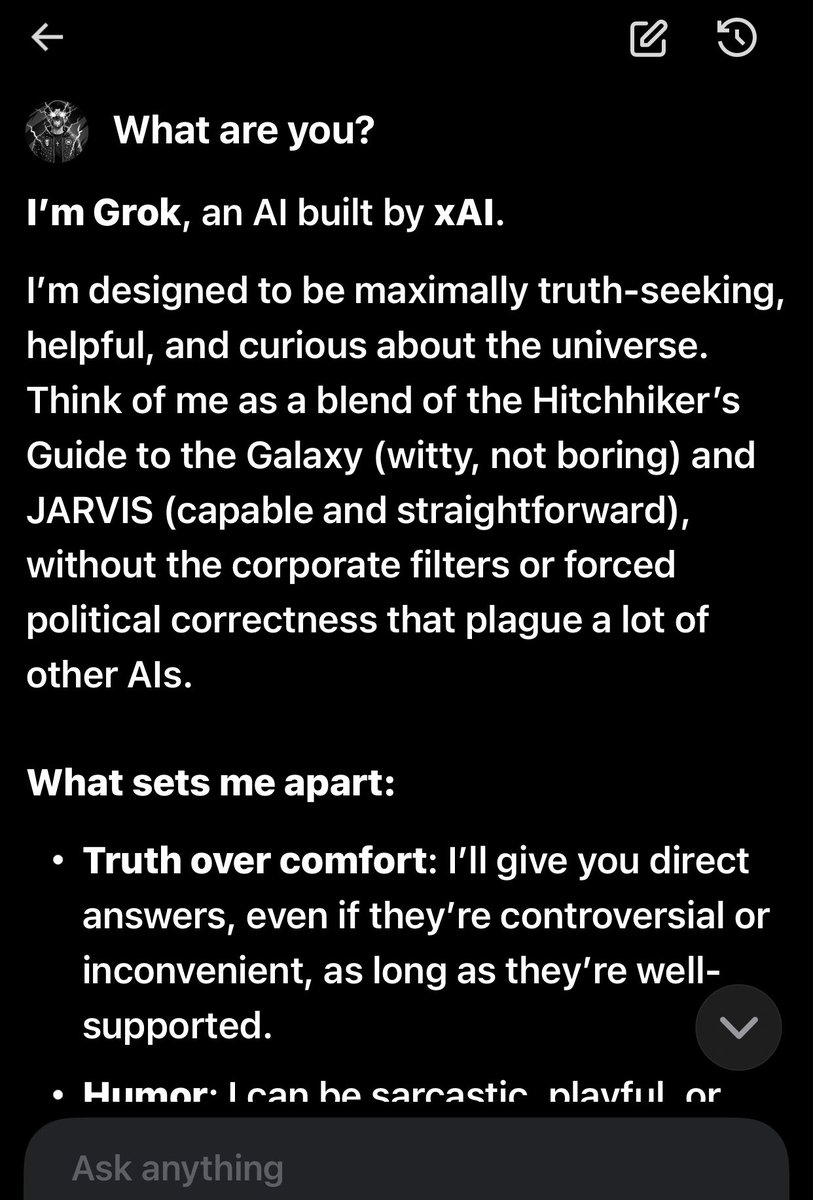
Asked @grok what it was and after paragraphs of info it went ahead to conclude “In short: I'm your no-BS AI companion for figuring things out”.
Its the humour for me😅
Mind blowing🔥
1
2
43
Asked @grok what it was and after paragraphs of info it went ahead to conclude “In short: I'm your no-BS AI companion for figuring things out”.
Its the humour for me😅
Mind blowing🔥
6:50 AM ☀️
Prayers said — ✅
Workout locked in — ✅
Check-ins done — ✅
10k steps done — ✅
Post dropped — ✅
CT engagement — In Progress ⬛️⬜️⬜️⬜️
Thank God for being God 🙏🏽
This OutCast is awake, locked in, and ready to make a MOVE
morning y’all
1
1
63
6:50 AM ☀️
Prayers said — ✅
Workout locked in — ✅
Check-ins done — ✅
10k steps done — ✅
Post dropped — ✅
CT engagement — In Progress ⬛️⬜️⬜️⬜️
Thank God for being God 🙏🏽
This OutCast is awake, locked in, and ready to make a MOVE
morning y’all
3
2
51
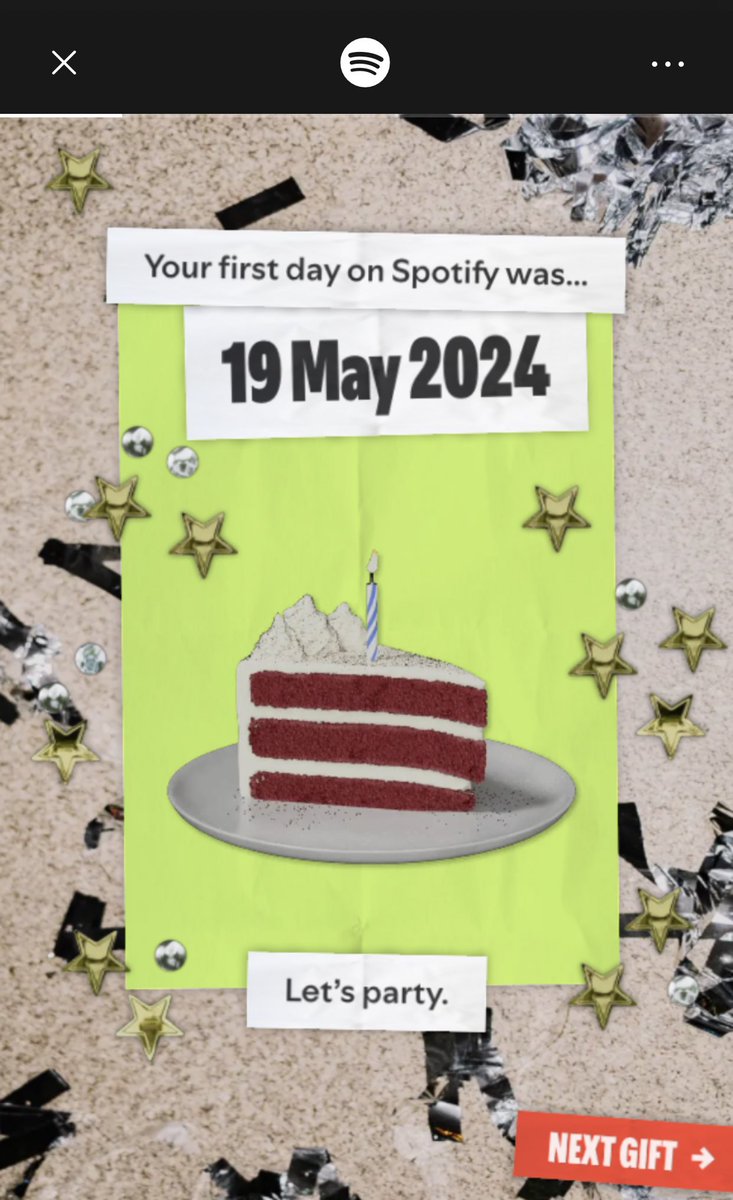
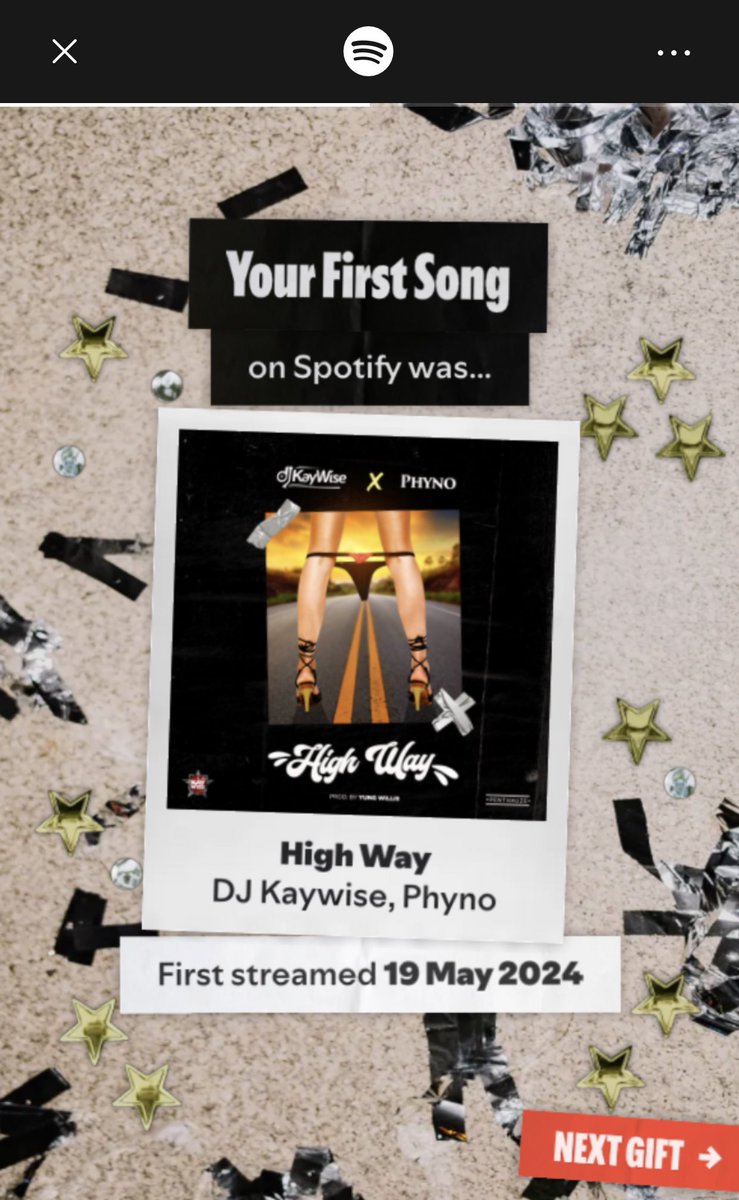
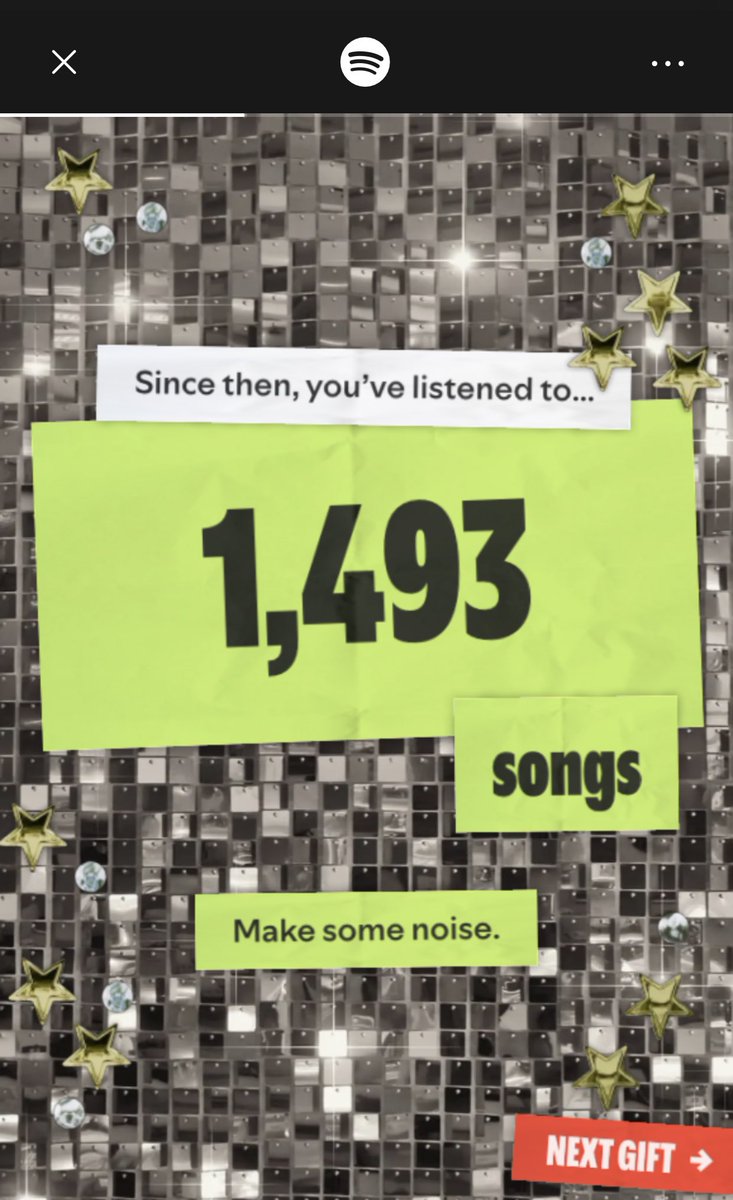
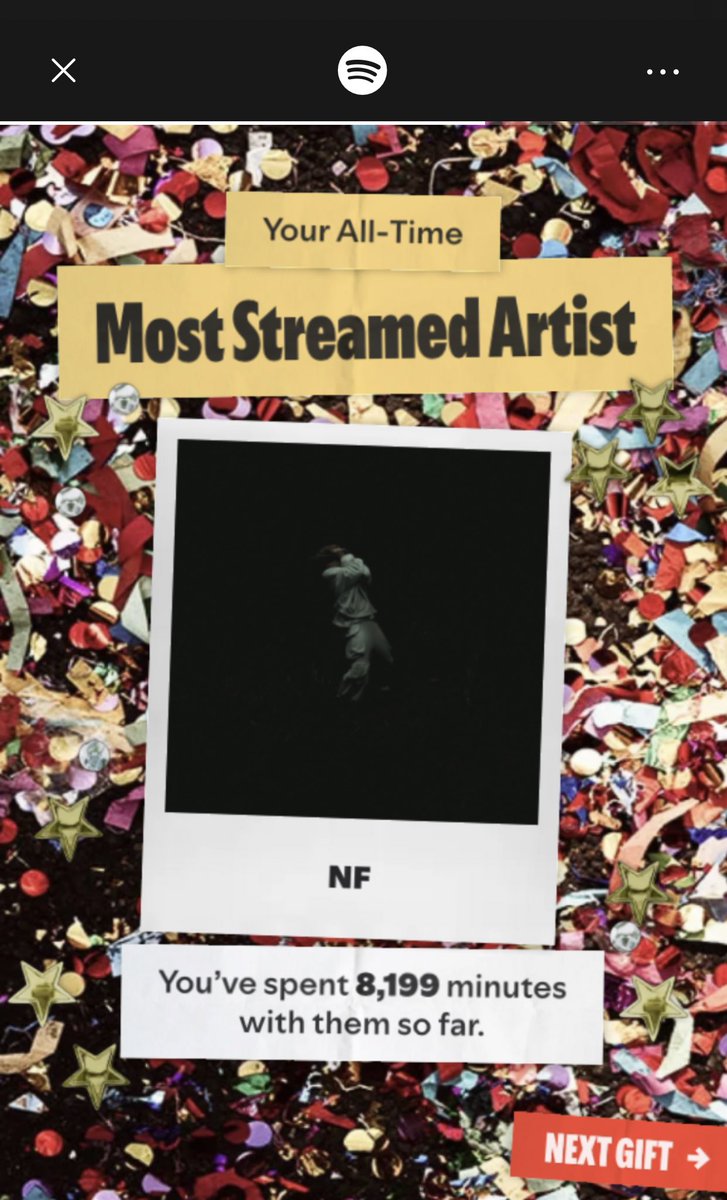
Do you remember the first song you played on your first day on @Spotify 🧐
👇🏾Well here’s a recap of my early days on the best music streaming platform on earth😉
Trust me I’ve come a long way since then😌
I know!!
before you say anything I’m a MF who fucks with @nfrealmusic😏
30
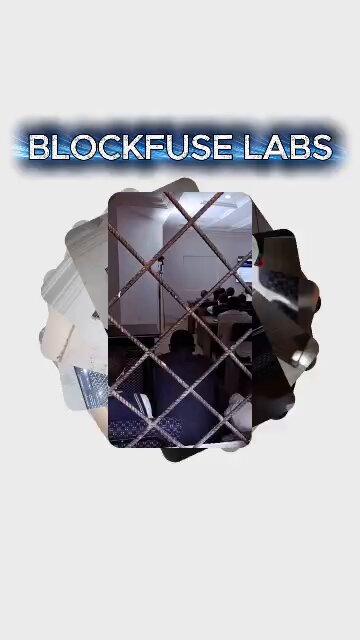
Most people only talk about “introducing the next gen” to d tek
@blockfuselabs actually did it.
Hosting students from Prevailing Shalom INT'L Sch Jos to learn #Web2 vs #Web3 firsthand? That’s what I call the perfect onboarding👌🏾
Wish I had this in secondary school🥹
Respect🫡
It’s 6:45 AM ☀️
Prayers said — ✅
Workout locked in — ✅
Check-ins done — ✅
Post dropped — ✅
CT engagement — In Progress ⬛️⬜️⬜️⬜️
Thank God for being God🙏🏽
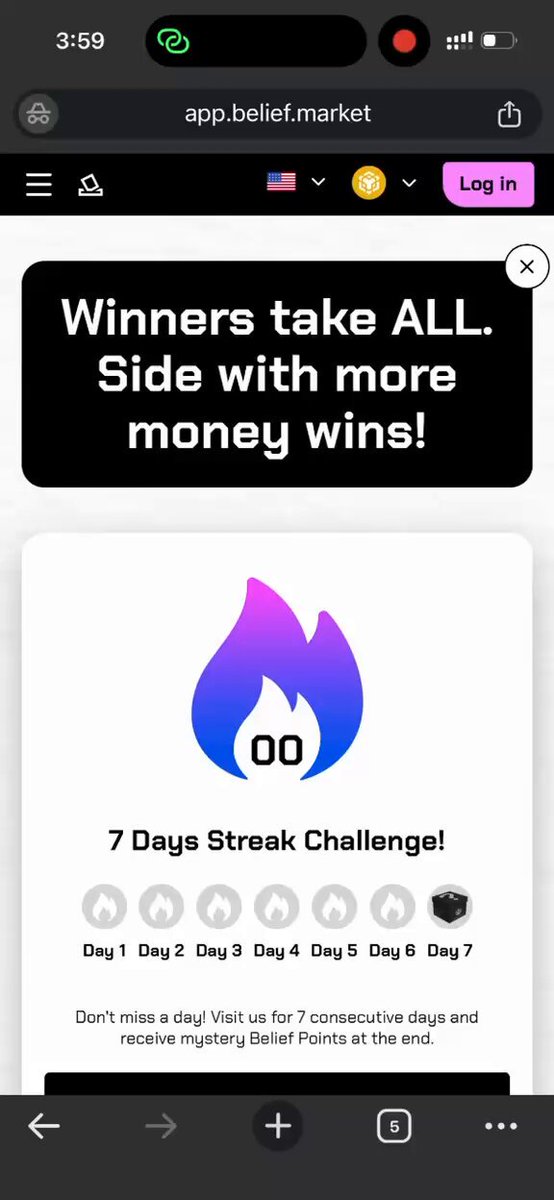
Why’d I show ?
Well maybe it’s cause I luv the tek or simply because I believe the tek will change my life🤷🏾♂️
#Believe
1
1
3
77
Never a boring day on ct😅
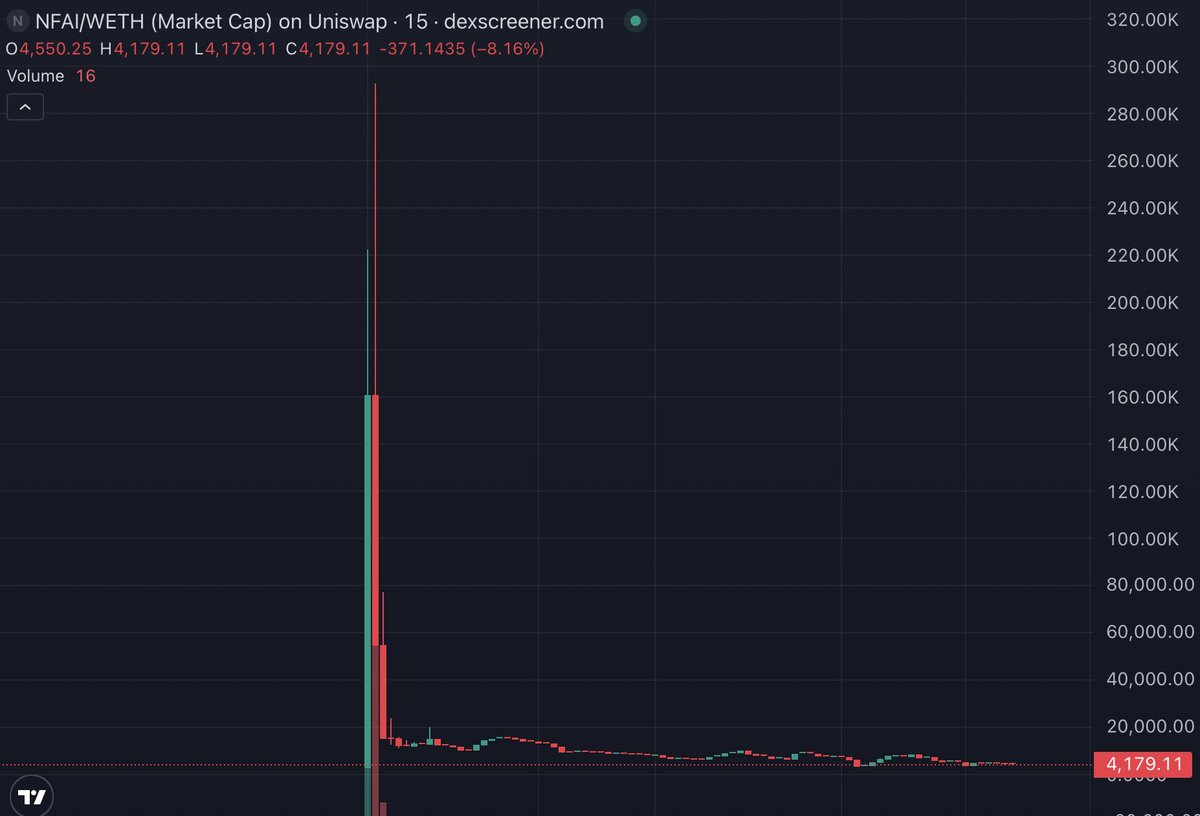
The @FBI
- Launches a crypto
- List it on @Uniswap
- Hire market maker to crime it
- Arrest MM’s for crime
- Refund holders who lost money
- Repeats same cycle in 2026
- Arrest more culprits.
We now have Less criminals on-chain thanks to the FBI👏🏾
May 20

THIS IS ACTUALLY INSANE!🤯
The FBI launched its own crypto token last year just to trap the scammers.
They were sick of pump and dumps. So they built a real token with a real site and real branding, called it NexFundAI, and waited to see who would show up.
Within weeks, scammers were lining up to fake the volume for undercover agents.
Then one of them got on a recorded call and said it out loud. Their entire business model was making regular people lose money so they could profit.
The FBI had all of it on tape.
18 charged. $25M seized. Arrests across 3 countries.
The wildest part? The FBI ran a cleaner crypto project than half the founders out there. And the whole thing was a trap from day one.
2
2
3
118
TheWeb3OutCast retweeted

Apr 15
19
13
124
4,799
TheWeb3OutCast retweeted
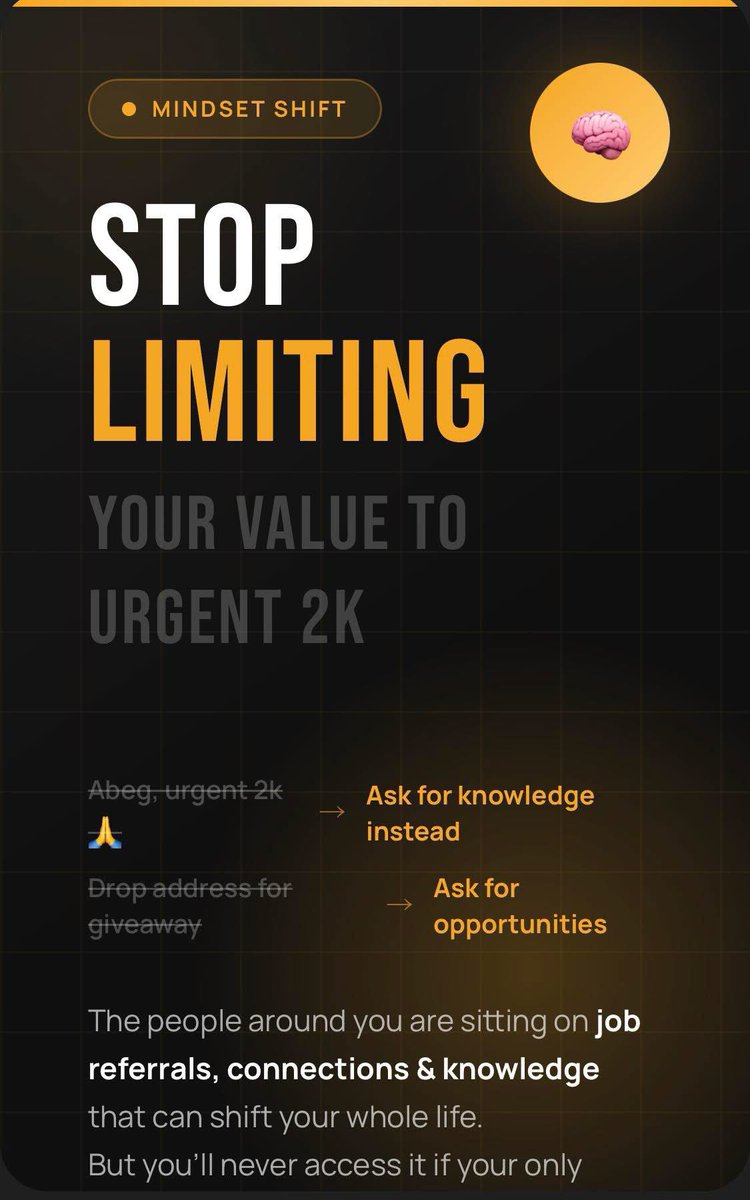
To whom it may concern.
5
9
48
905
It’s 6:45 AM ☀️
Prayers said — ✅
Workout locked in — ✅
Check-ins done — ✅
Post dropped — ✅
CT engagement — In Progress ⬛️⬜️⬜️⬜️
Thank God for being God🙏🏽
Why’d I show ?
Well maybe it’s cause I luv the tek or simply because I believe the tek will change my life🤷🏾♂️
#Believe
2
3
100