
Joined June 2017
- Tweets 1,907
- Following 439
- Followers 395
- Likes 5,109
395 Photos and videos

Pinned Tweet

11 Aug 2021
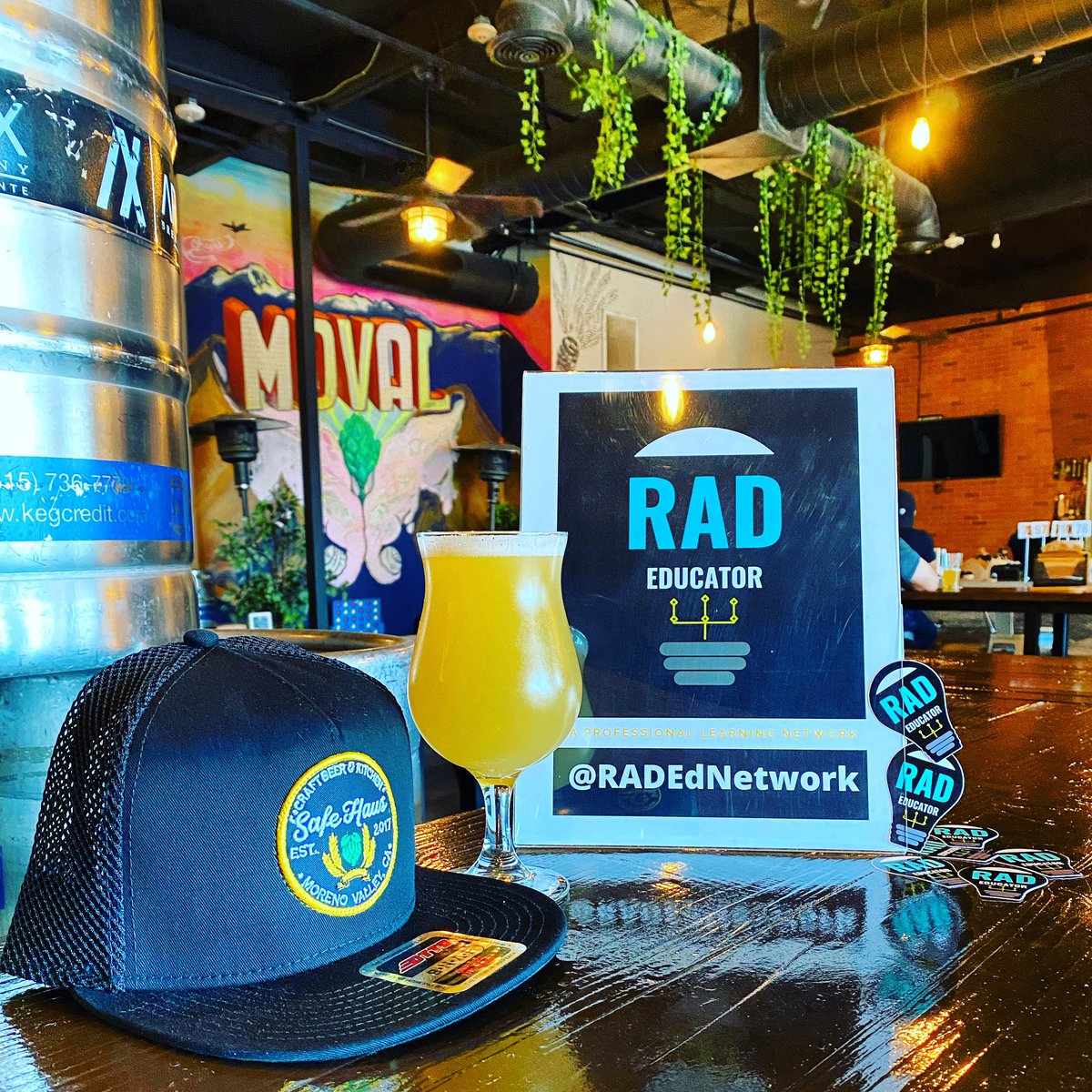
Join RAD Educator Professional Learning Network on Monday, August 16, from 3:30-6:00 @safehausmv to celebrate back-to-school! We’ll have raffles, 10% off food & drinks, and an optional book swap (bring any gently loved book to participate). This event is open to ALL in education!
7
Carissa Marin retweeted

12 Sep 2024
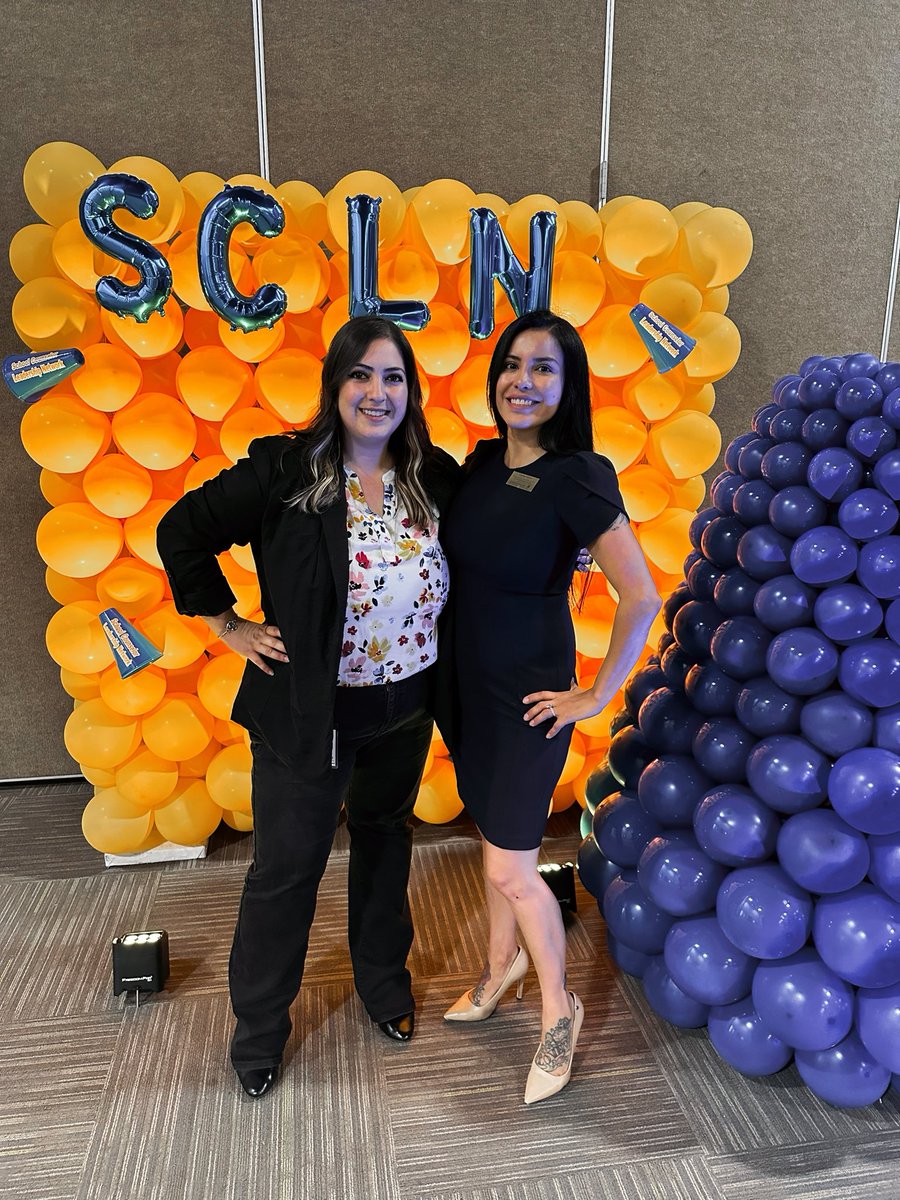
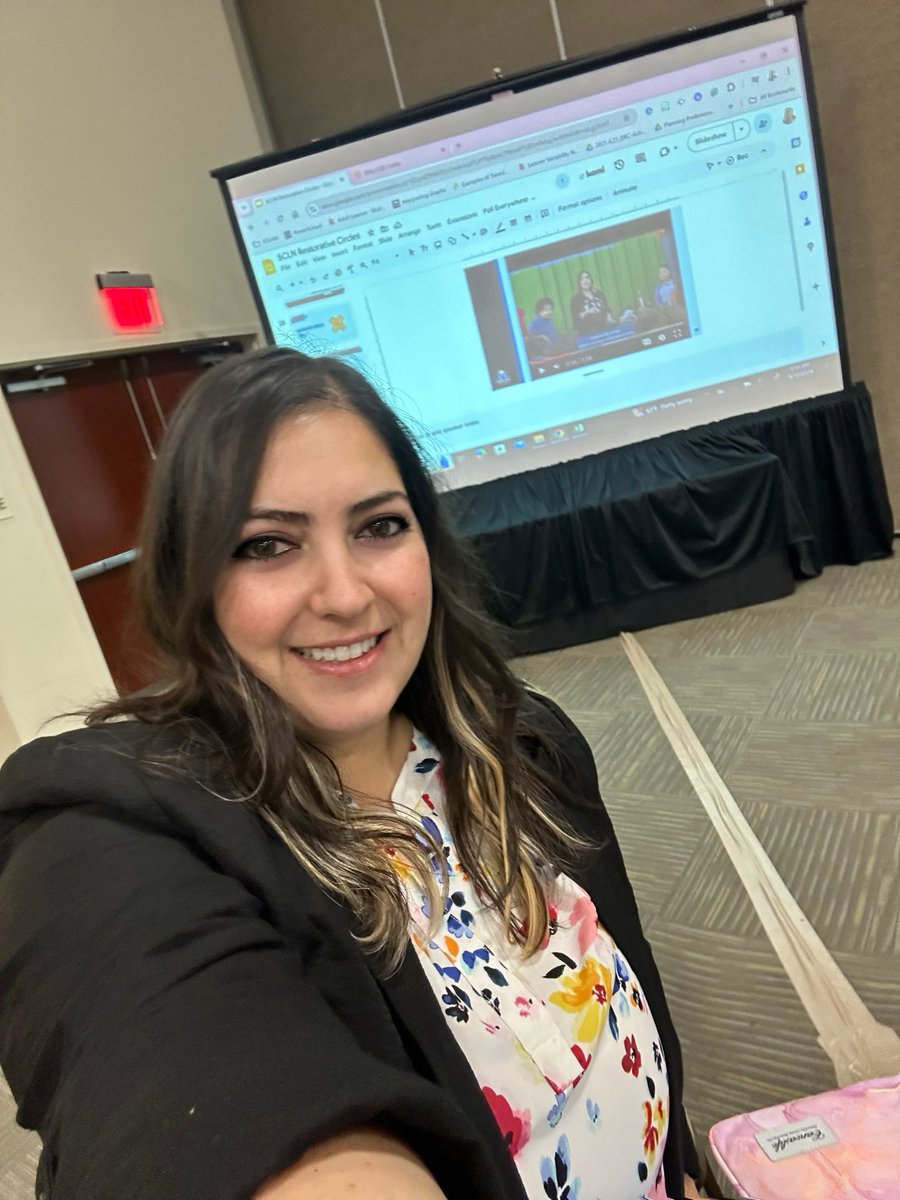
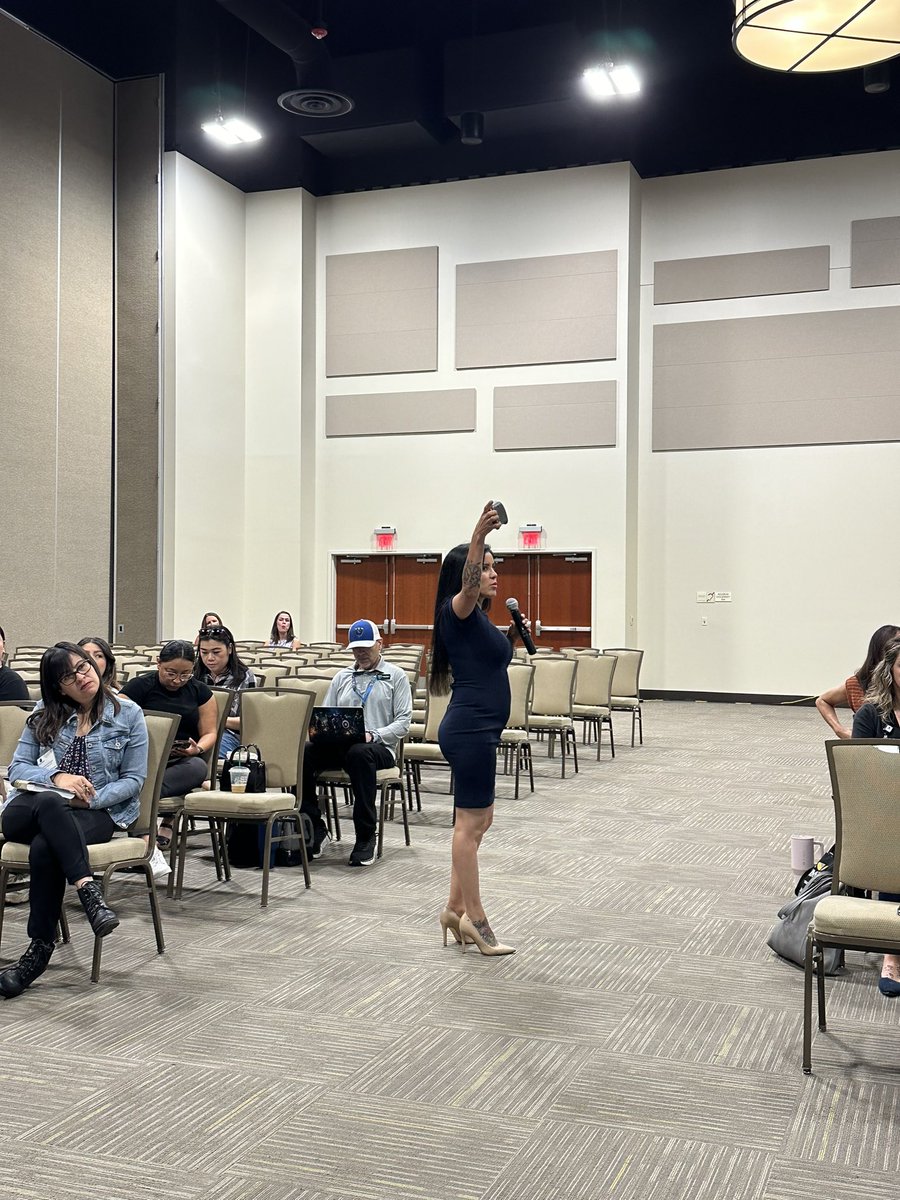
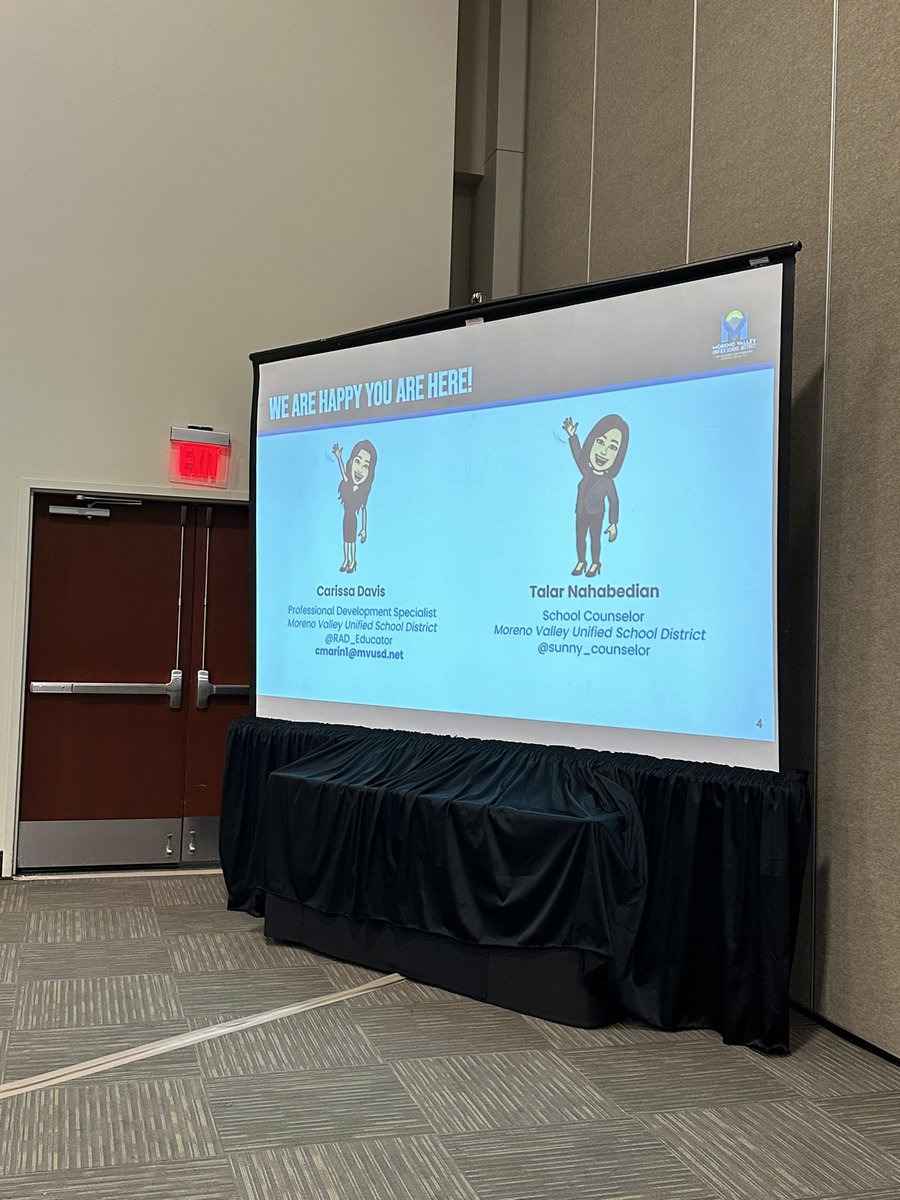
I had a great time presenting with @RADedCoach at the School Counselor Leadership Network! Our topic was Multi Tiered Student Support with Restorative Circles. 😊
#rcoe #rcecus #schoolcounseling #communitycircles #restorativecircles #socialemotionallearning
1
1
76
Carissa Marin retweeted

21 Jan 2024
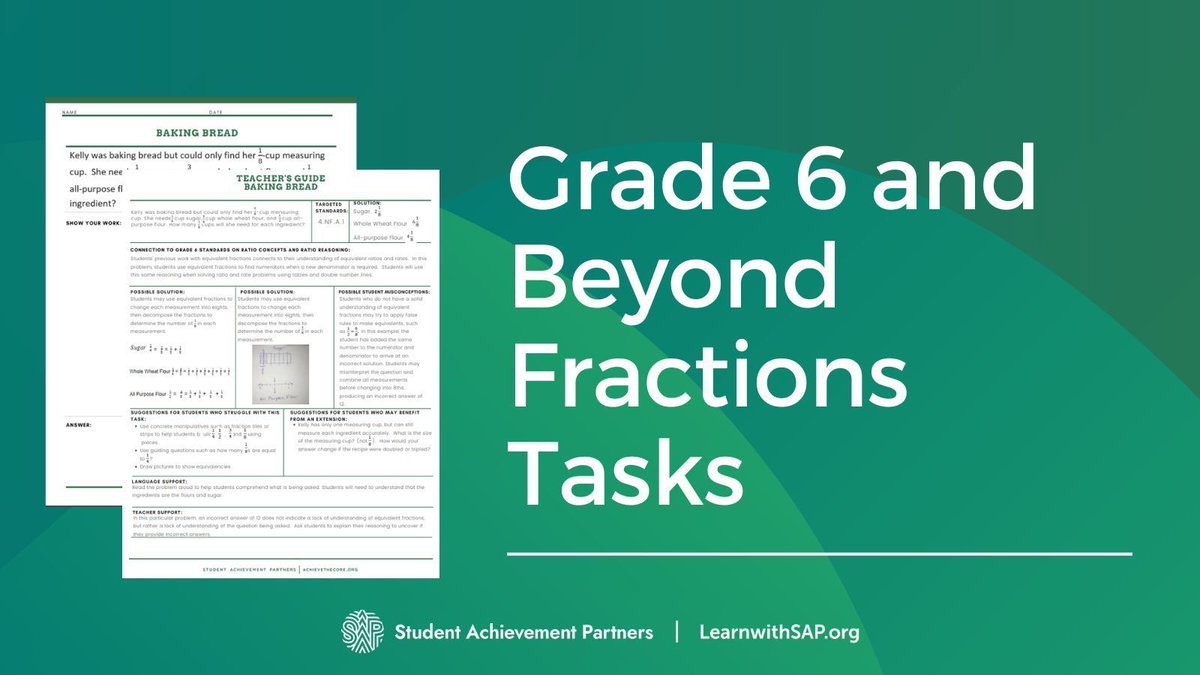
The Grade 6 Do Nows fractions resource — bit.ly/3RHQktK -- pairs a student work page with a teacher's guide and will help bring students into the grade 6 fractions content. Bookmark the Fractions Collection here: bit.ly/41xJVGp
#iteachmath #mathEd #fractions
4
9
1,704
Carissa Marin retweeted

12 Jan 2024
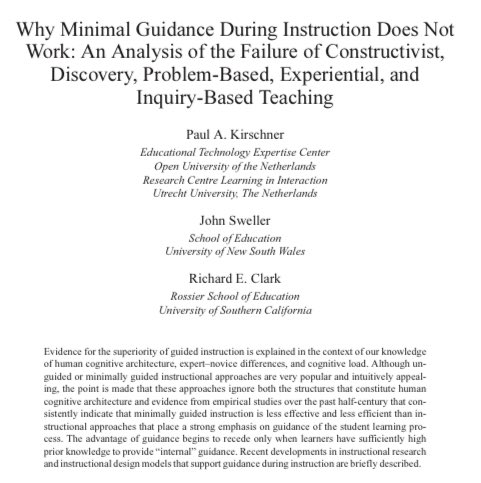
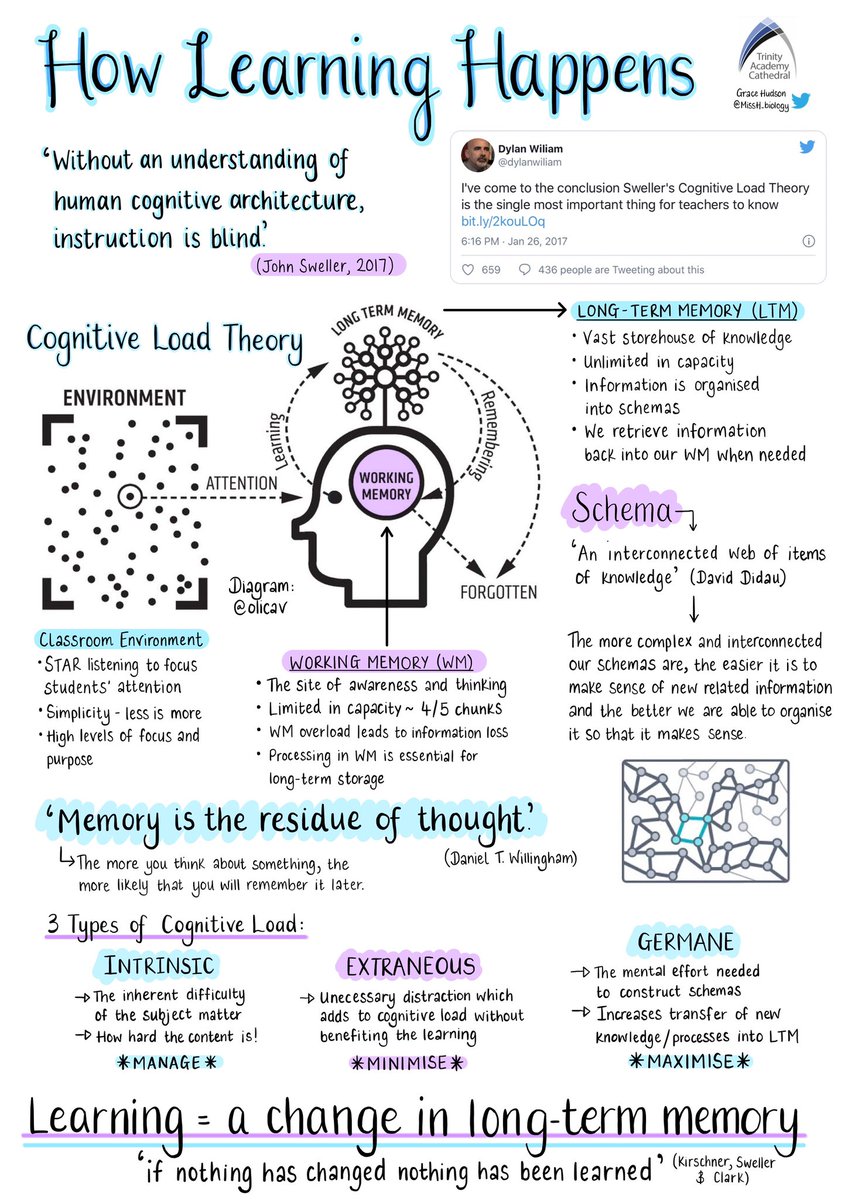
The paper "Why Minimal Guidance During Instruction Does Not Work: An Analysis of the Failure of Constructivist, Discovery, Problem-Based, Experiential, and Inquiry-Based Teaching" by Paul A. Kirschner, John Sweller, and Richard E. Clark reviews research on the effectiveness of problem-based learning (PBL) versus more guided forms of instruction. Controlled experiments consistently show that PBL is less effective and less efficient than more guided approaches to instruction. Students in PBL often fail to gain basic knowledge and develop misconceptions.
According to Kirschner, Sweller, and Clark, the ineffectiveness of PBL can be explained by theories of cognitive load and working memory limitations. Guidance and scaffolding helps reduce cognitive load and allows students to focus on learning core concepts. PBL approaches often emphasize having students engage in solving "authentic" problems or problems with real-world application. However, students may lack the foundational knowledge to benefit from these authentic problems.
Kirschner, Sweller, and Clark also note that pure discovery-based approaches where students receive minimal guidance are largely ineffective. Students often fail to come away with accurate knowledge when given minimal scaffolding. The goal of instruction should be to provide guided practice and scaffolding that supports learning, rather than pure discovery or pure PBL approaches. Some guidance and scaffolded problems are needed even when using PBL.
In summary, the research reviewed by Kirschner, Sweller, and Clark indicates that minimal guidance and pure PBL approaches are generally less effective for learning compared to more guided instructional techniques. Some structure and scaffolding is needed to help students learn efficiently and accurately.
tandfonline.com/doi/pdf/10.1….
15
75
220
36,800
Carissa Marin retweeted

11 Dec 2023
Graphic organizers aren't just for Ss! Our friends at @LearningForward offer this note catcher to help you make the most of professional learning opportunities:
docs.google.com/document/d/1…
#AlwaysLearning
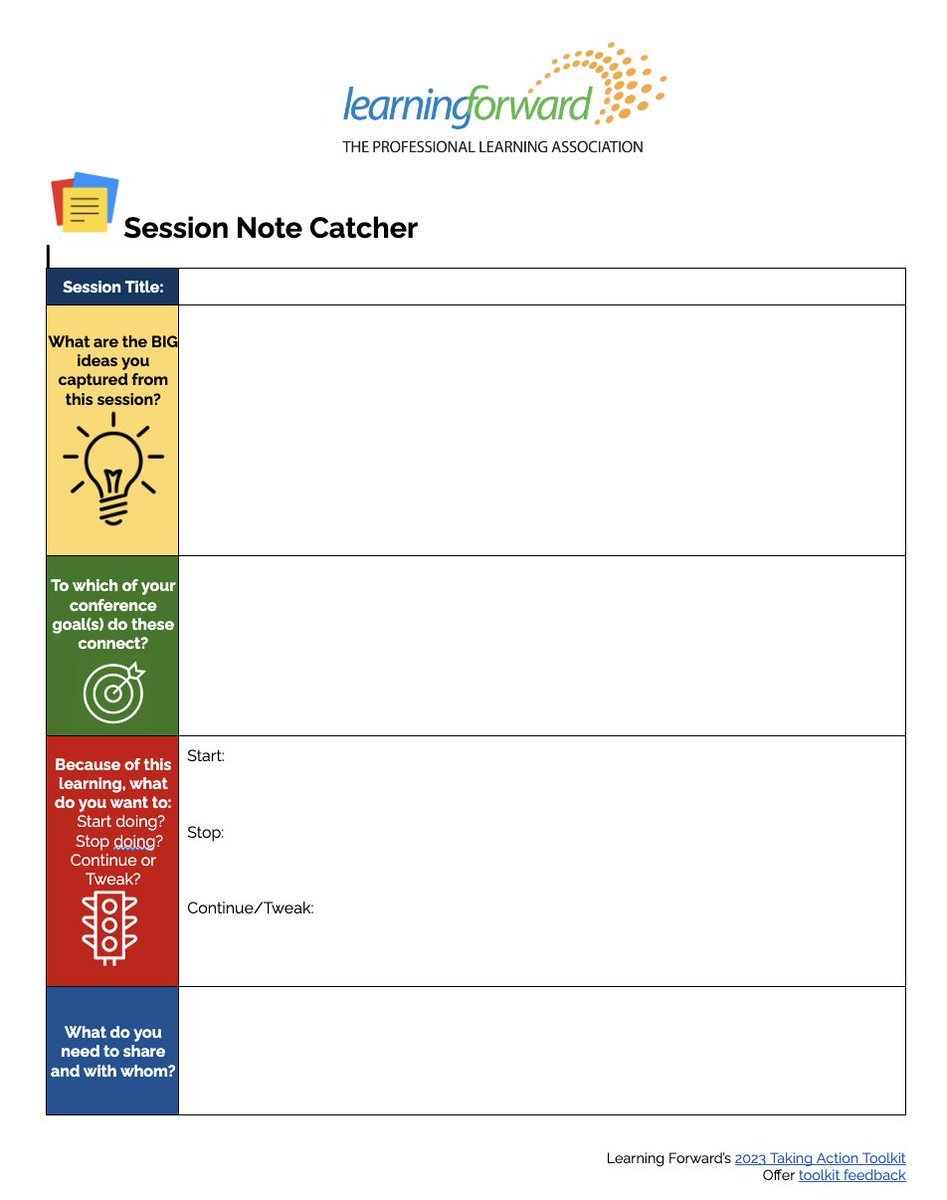
ALT Graphic organizer titled "Session Note Catcher." On the left, in brightly colored boxes, are prompts: "What are the BIG ideas you captured from this session," etc. On the right is room for notes.
11
47
7,593

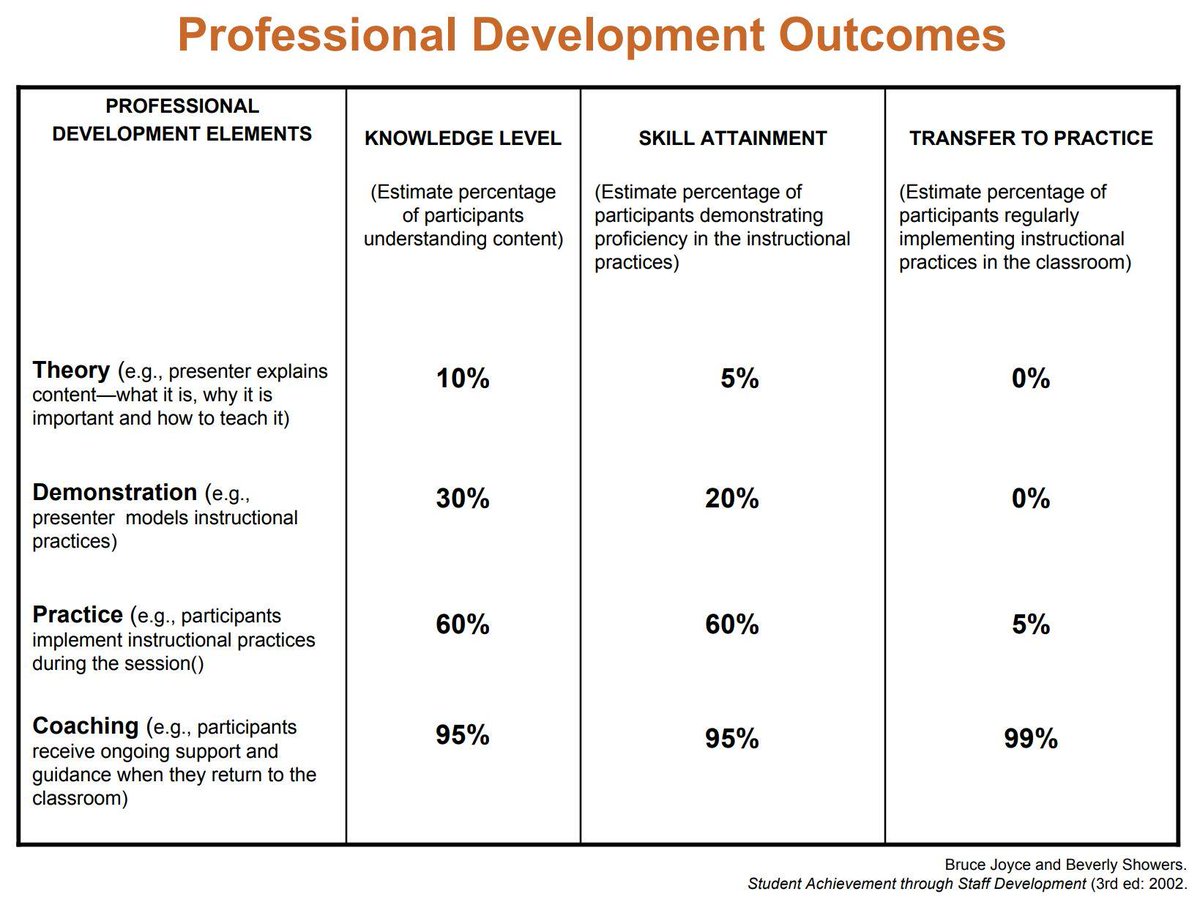
📣Instructional Coaches📣
Check out these TIPS and suggestions to help you finish out the year.
sbee.link/xk8gqumy7h
#educoach #edutwitter
1
31
95
9,356
Carissa Marin retweeted

13 Dec 2023
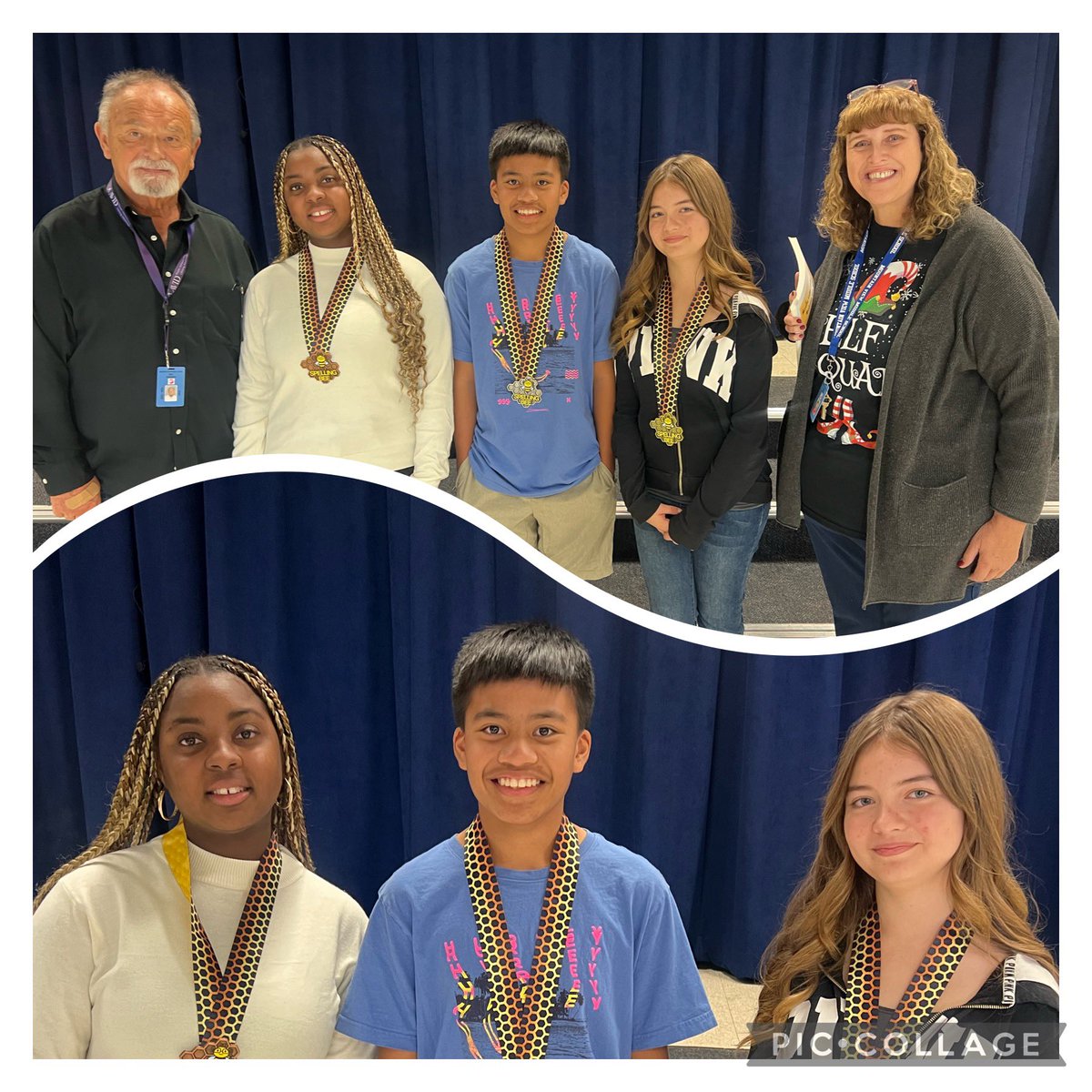
SHOUT OUT to our amazing Spelling Bee Panther WINNERS!!! Congratulations on a job WELL DONE PANTHERS!!! #pantherpride #panthernation #pantherproud
1
4
172
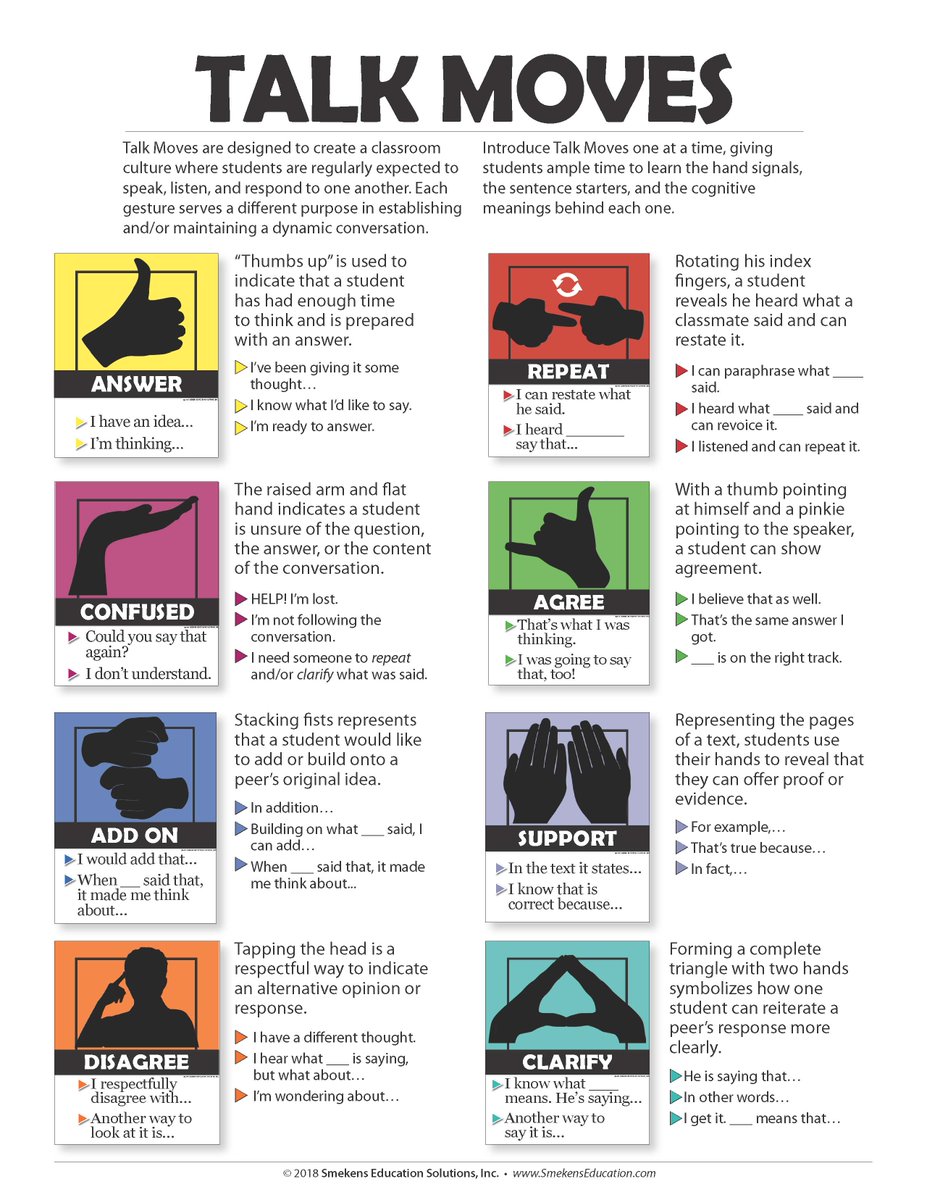
Unlock the power of Talk Moves in your classroom conversations! 🗣️ READ ON to follow these clear steps to ensure every student is actively engaged with this straightforward strategy.
sbee.link/ujwt4x3nv7 via @SmekensEd
#teaching #educoach #learning
169
436
54,151
4
185
430
37,905
Carissa Marin retweeted

30 Nov 2023
StudySync has added digital lessons for Word Study and Developing Fluency designed to support students' #reading as they become more critical readers and thinkers. Here's how you can get started with #FoundationalSkills in your classroom. 📚
studysync.com/blog/getting-s…
1
3
710

🤩 GEOGEBRA RESOURCE! 🦄
Use this FREE GeoGebra 𝐞𝐱𝐩𝐥𝐨𝐫𝐞 resource to connect decimal & fractional equivalents of percentages. Check it out!
geogebra.org/m/ykcndwfm
#iteachmath #mtbos #matheducation
50
182
25,916
Carissa Marin retweeted
10 Nov 2023
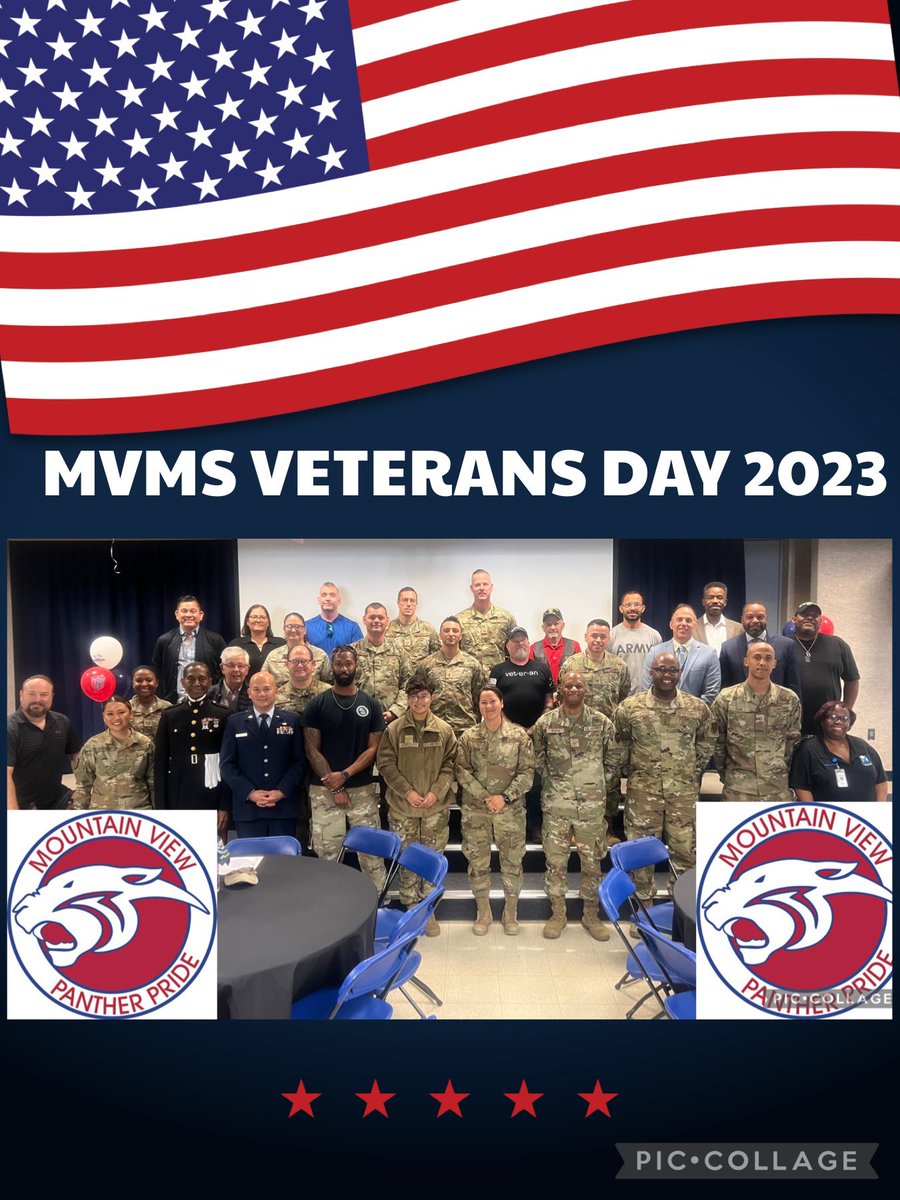
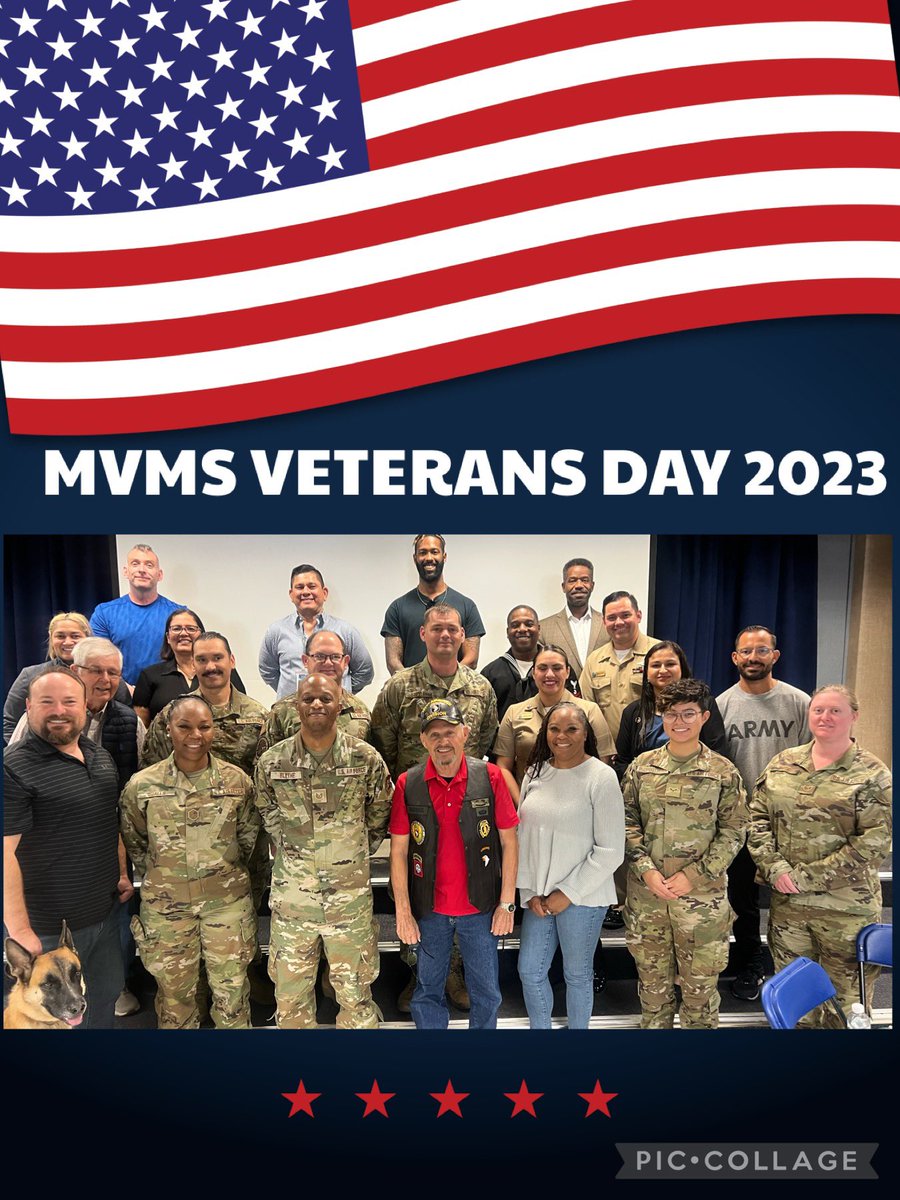
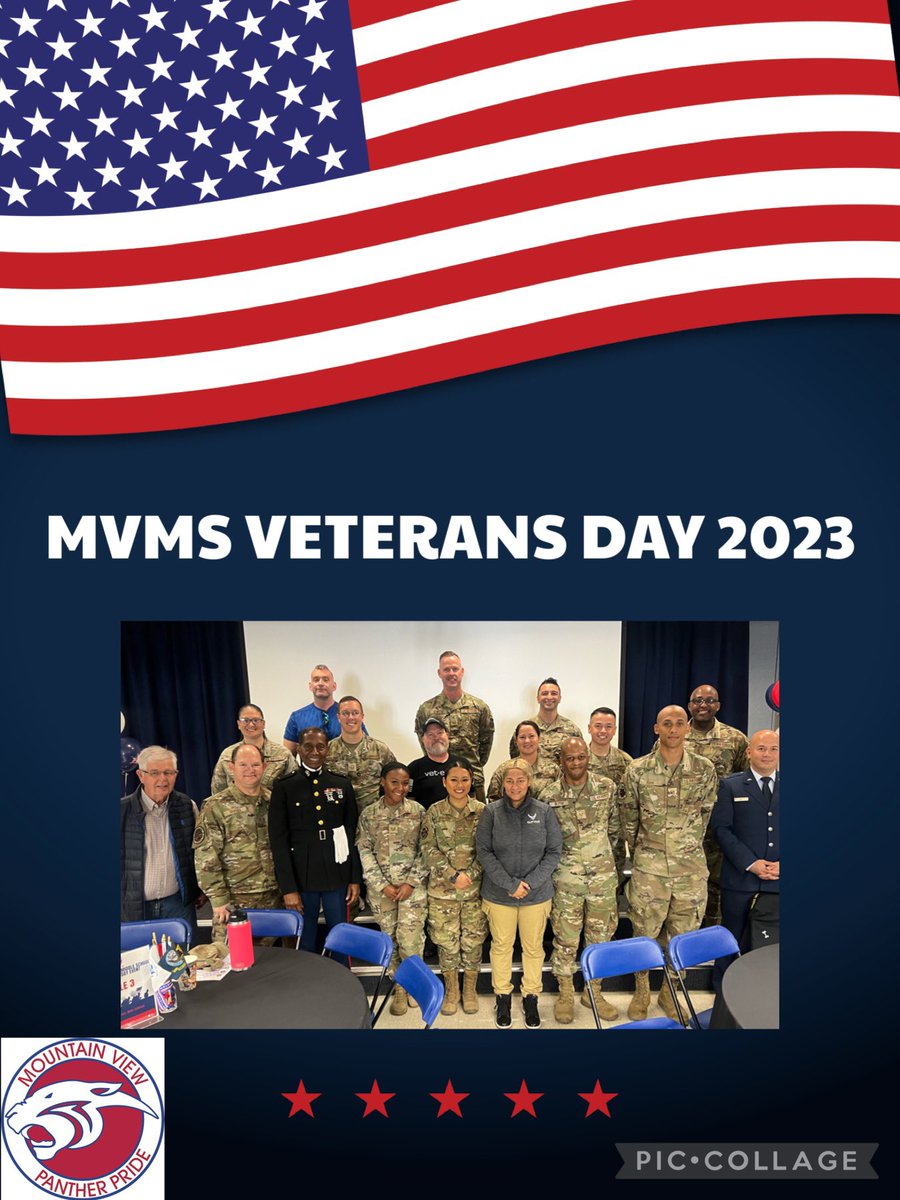
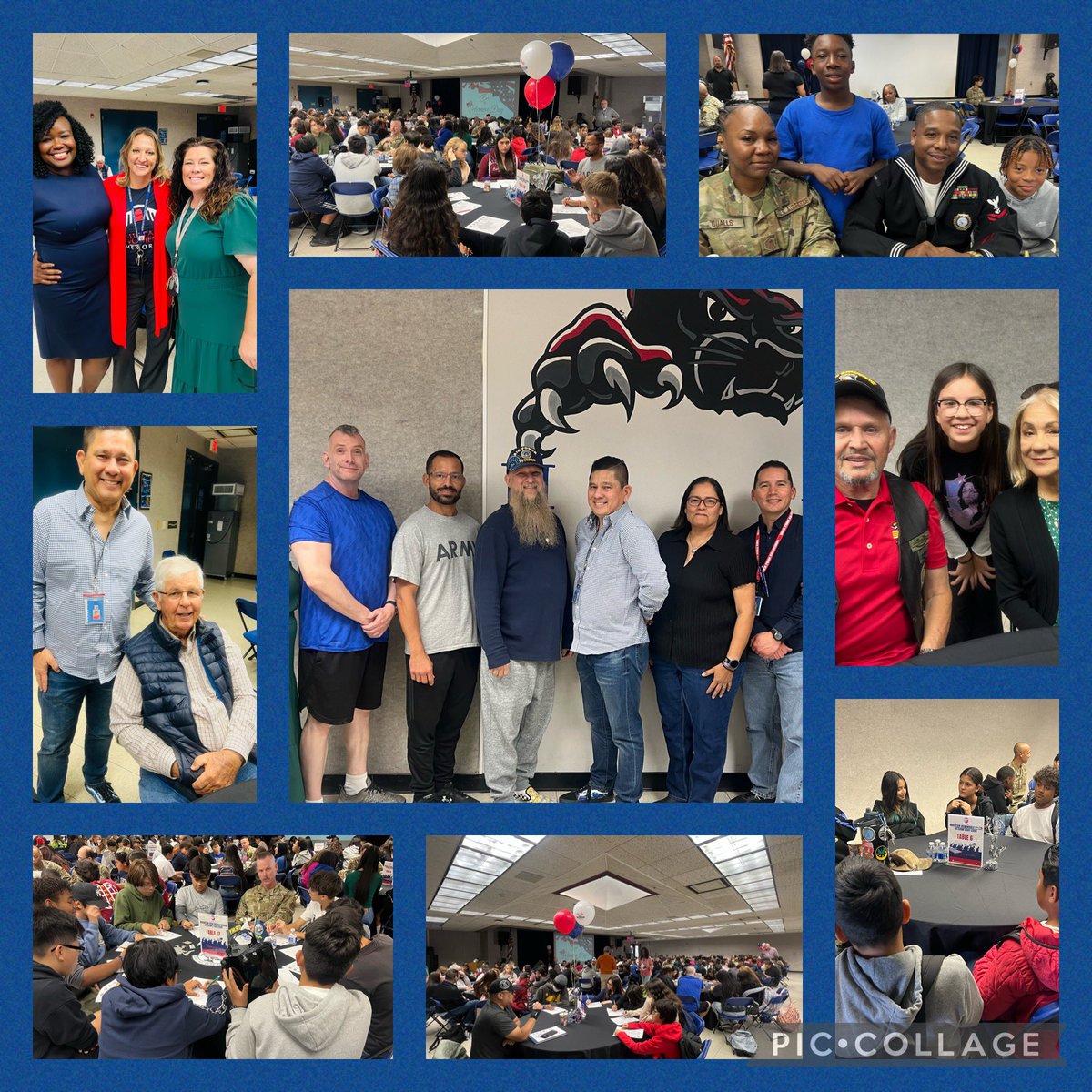
TODAY WAS AN AMAZING DAY!!! We celebrated Veteran’s Day by interviewing veterans from March Air Force, members of our community, our Panther parents & grandparents. We are sincerely honored that you joined us today. #pantherpride #panthernation #pantherproud #veteransday
4
8
522
Carissa Marin retweeted
4 Nov 2023
THANK YOU SO MUCH @RADedCoach, This was AMAZING!!!
Always #pantherPROUD
4 Nov 2023

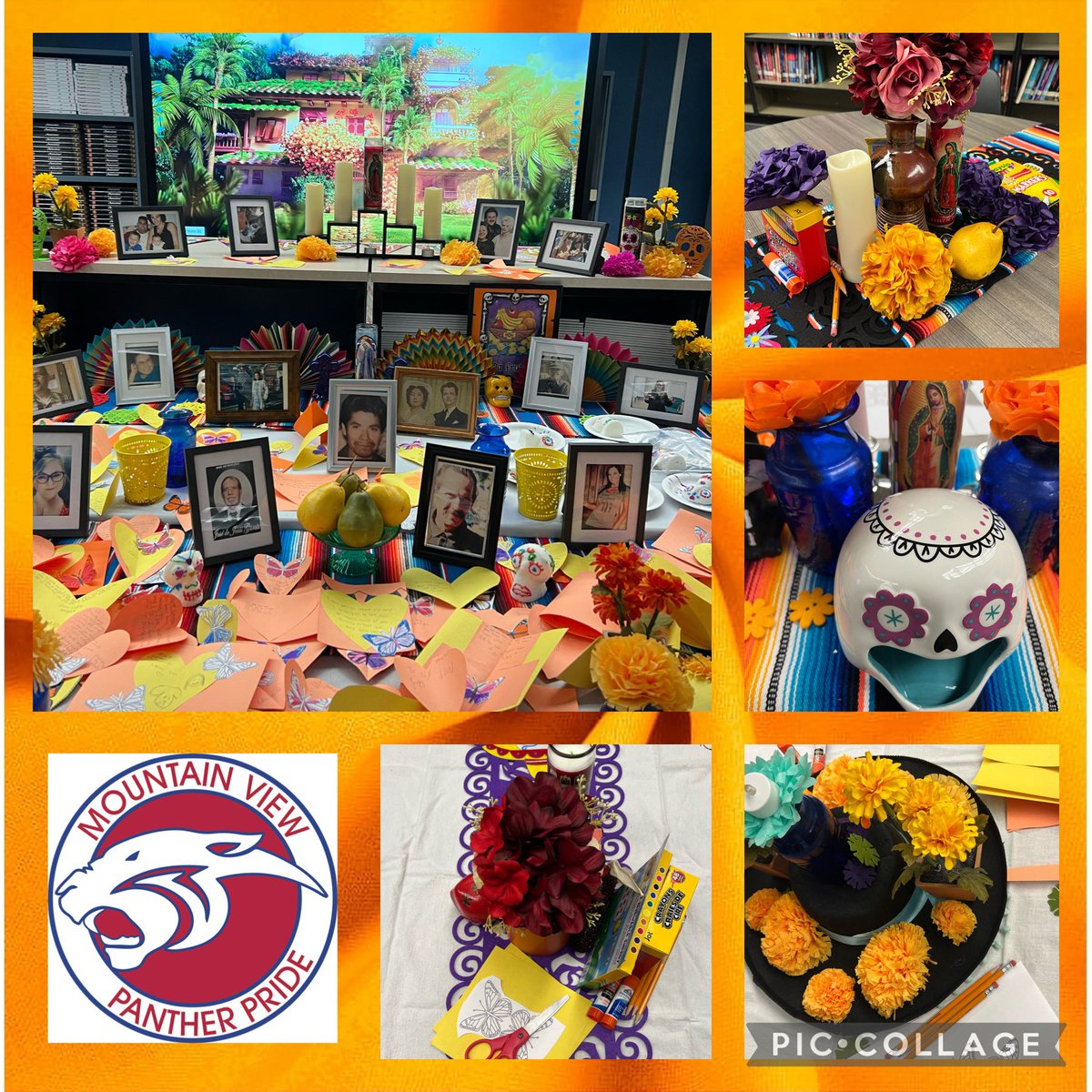
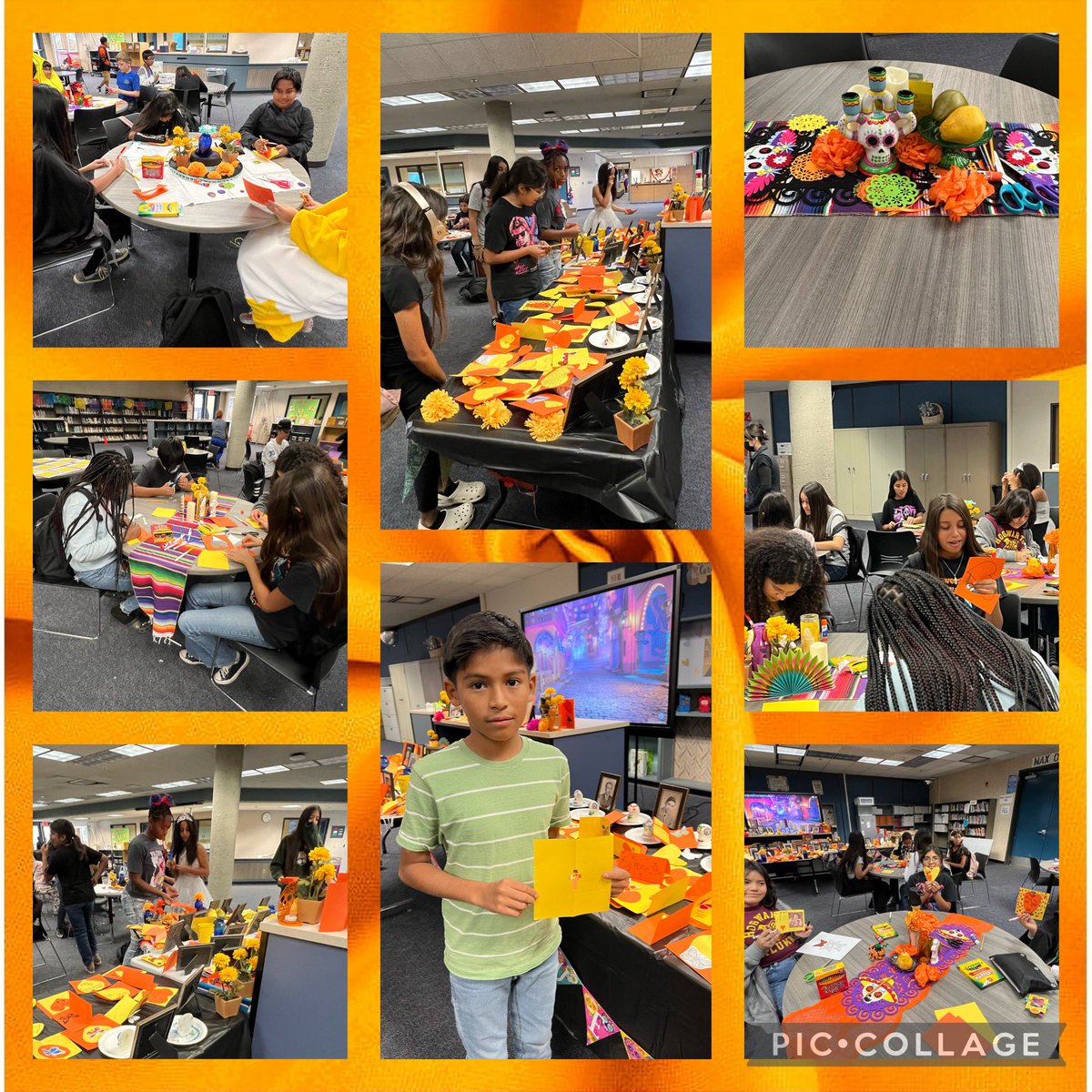
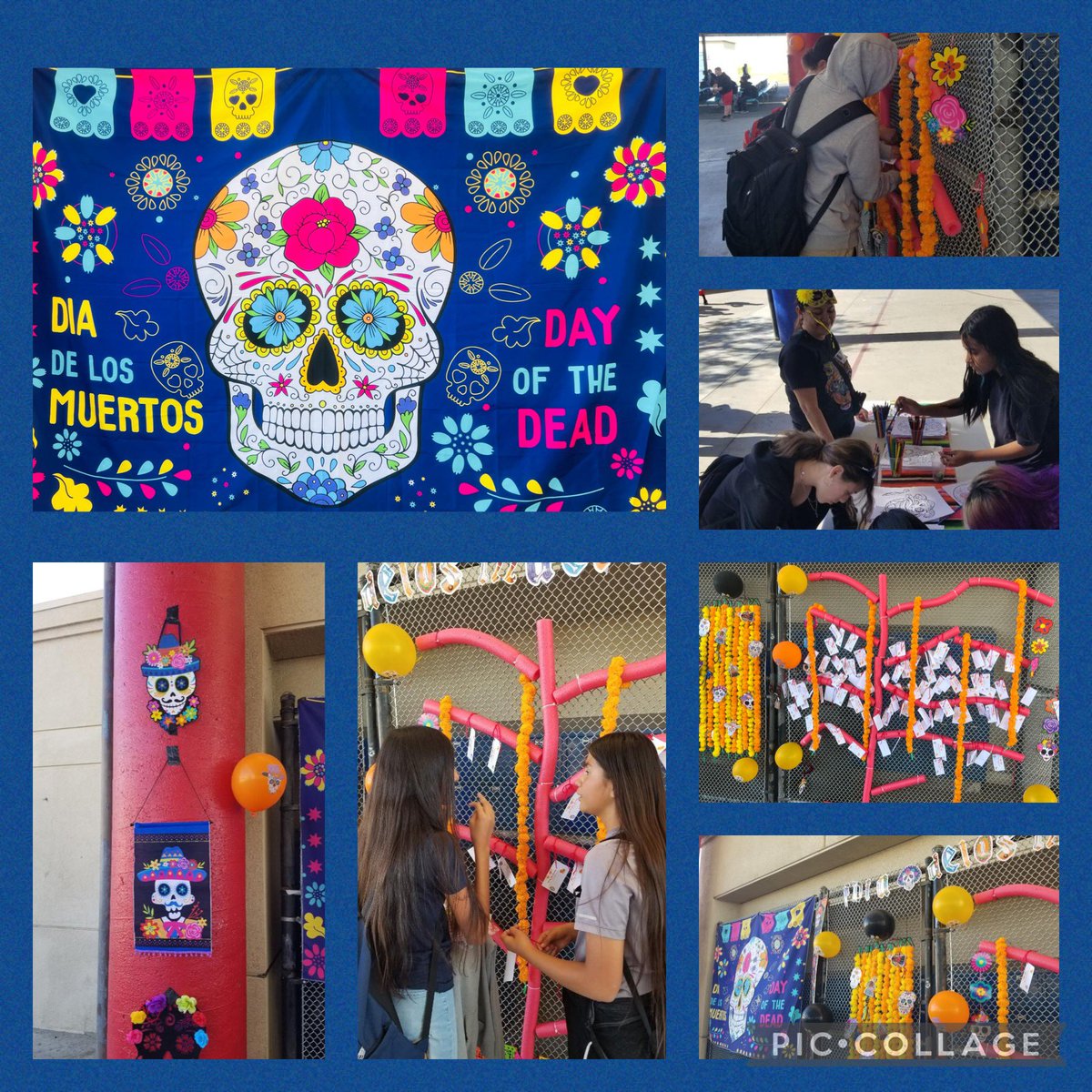
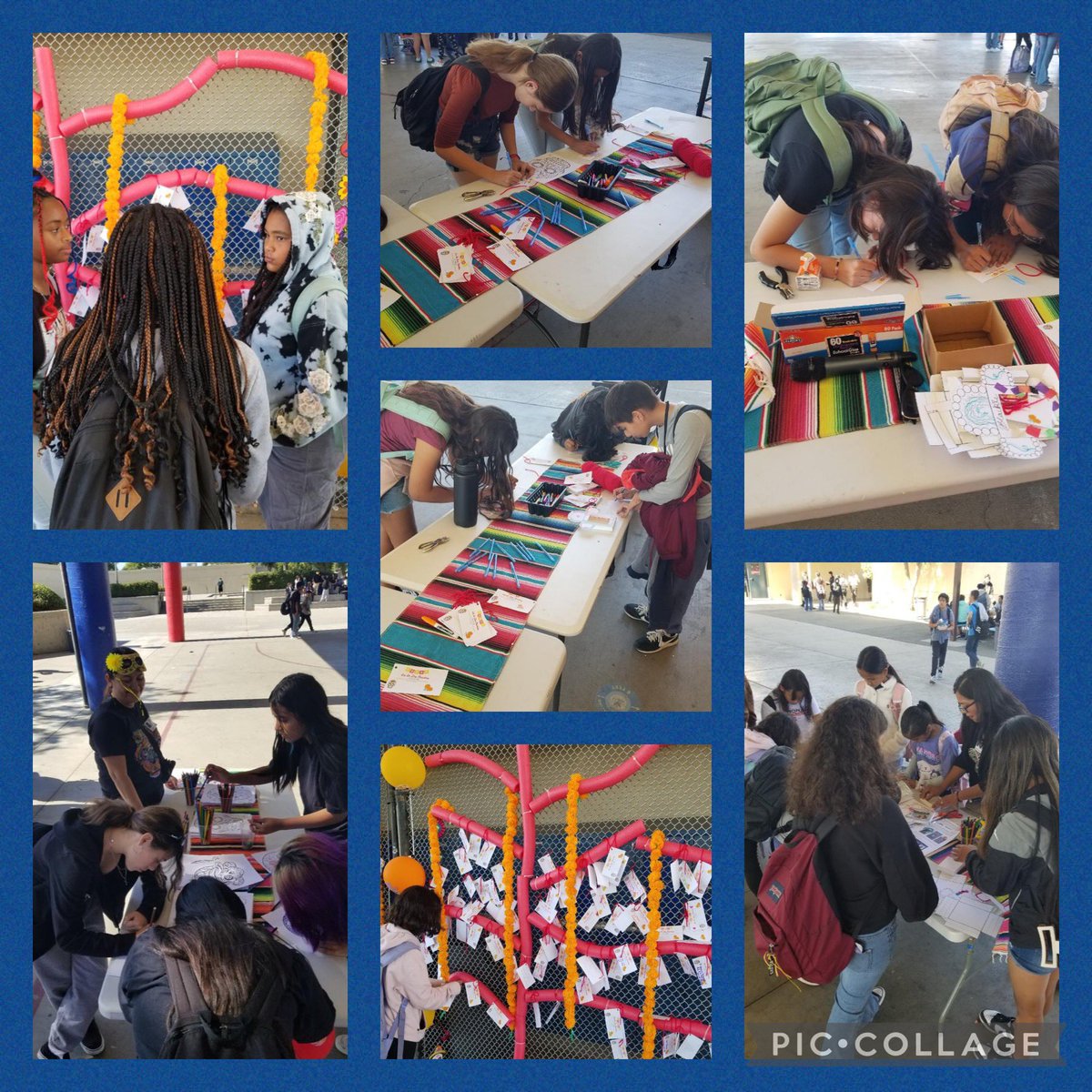
A HUGE THANK YOU to Ms. Marin for putting together this AMAZING week long experience with the help of our Maestro Gonzalez and her students. Panther Staff and students were able to remember, honor and celebrate the lives of loved ones. #pantherpride #panthernation #pantherproud
1
4
172
Carissa Marin retweeted
4 Nov 2023
A HUGE THANK YOU to Ms. Marin for putting together this AMAZING week long experience with the help of our Maestro Gonzalez and her students. Panther Staff and students were able to remember, honor and celebrate the lives of loved ones. #pantherpride #panthernation #pantherproud
1
1
6
376
Carissa Marin retweeted

1 Nov 2023
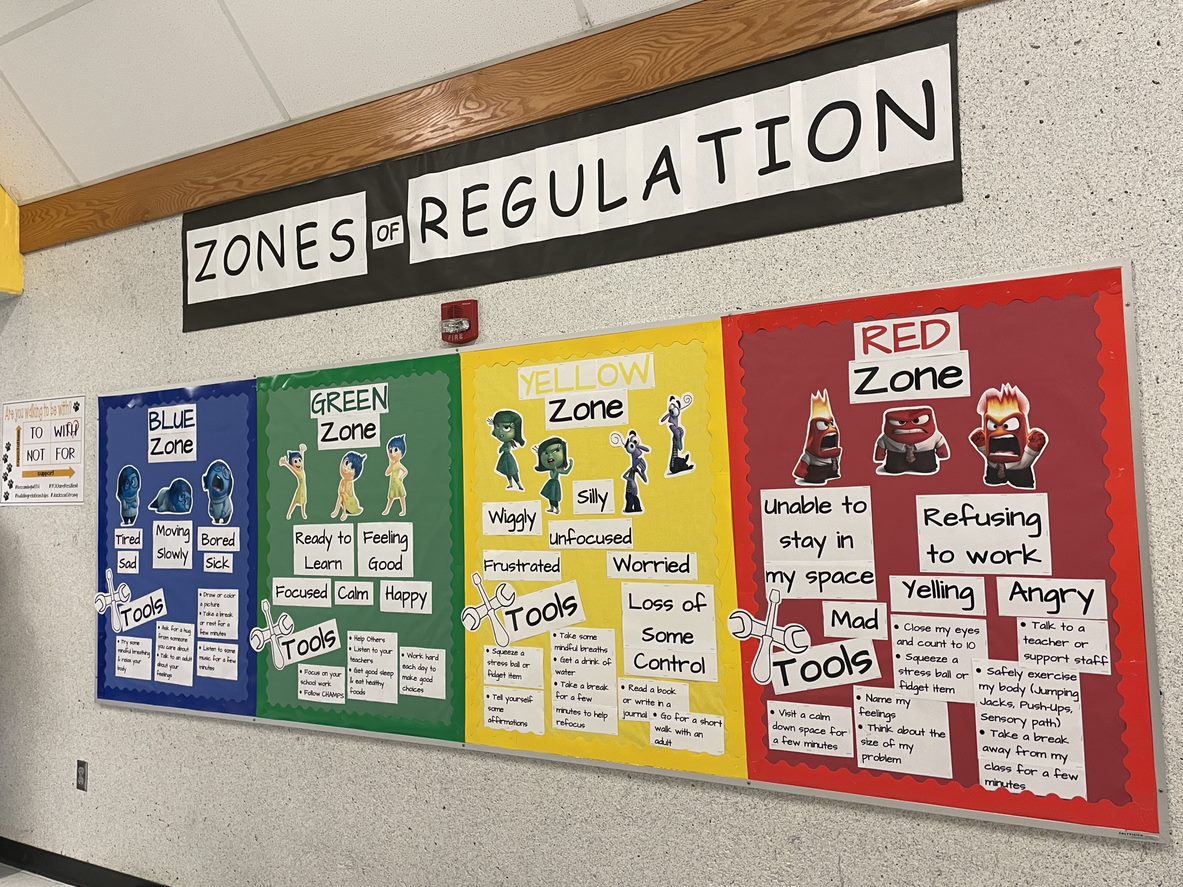
When schools provide mental health support for students:
📚 Academic outcomes improve
⬇️ Discipline referrals are reduced
🧑🎓 Both attendance & graduation rates increase
Here's how schools can support students' mental well-being: safesupportivelearning.ed.go…
14
150
429
105,453
Carissa Marin retweeted
3 Nov 2023
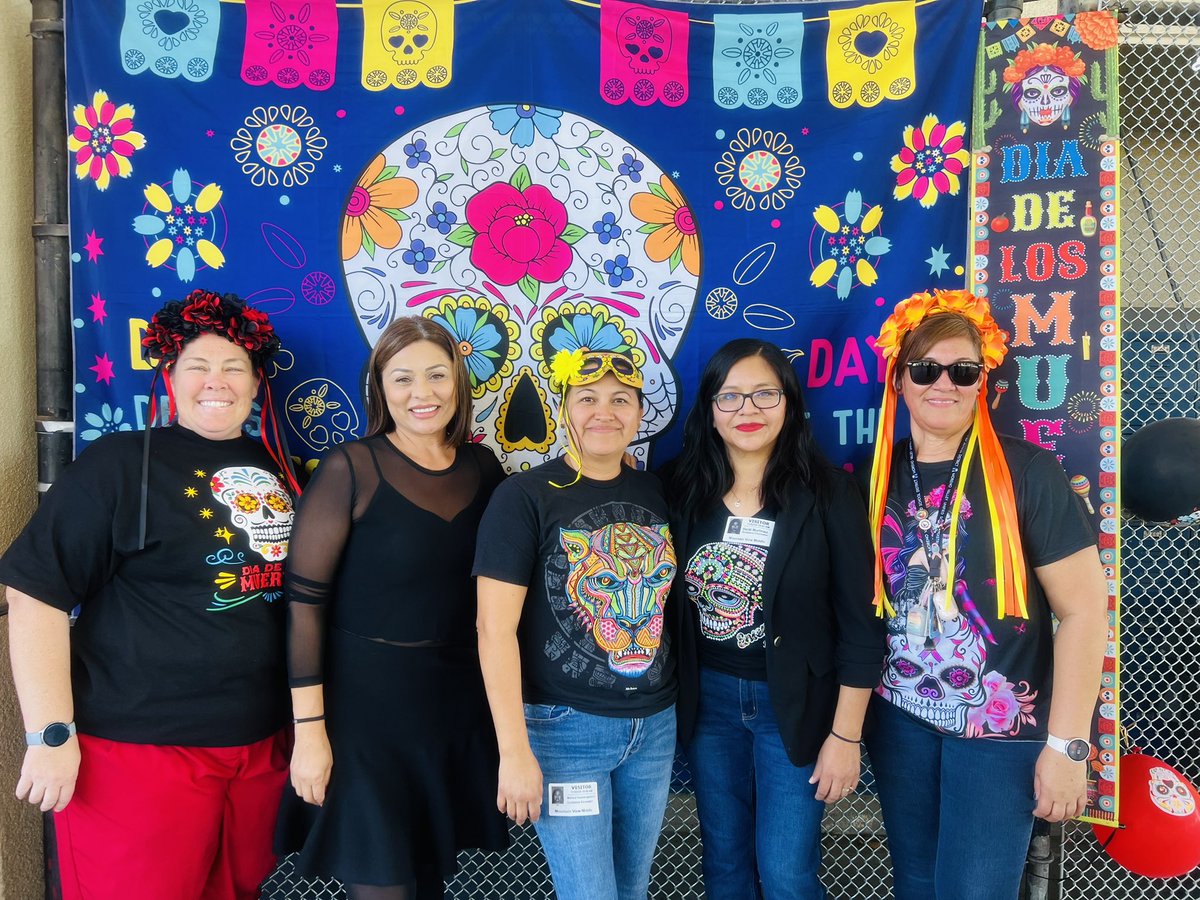
Today for our lunch time activity Panthers celebrated Dia de Los Muertos. Panthers remember and celebrate various members of their family and community. #pantherpride #panthernation #pantherproud
1
7
249
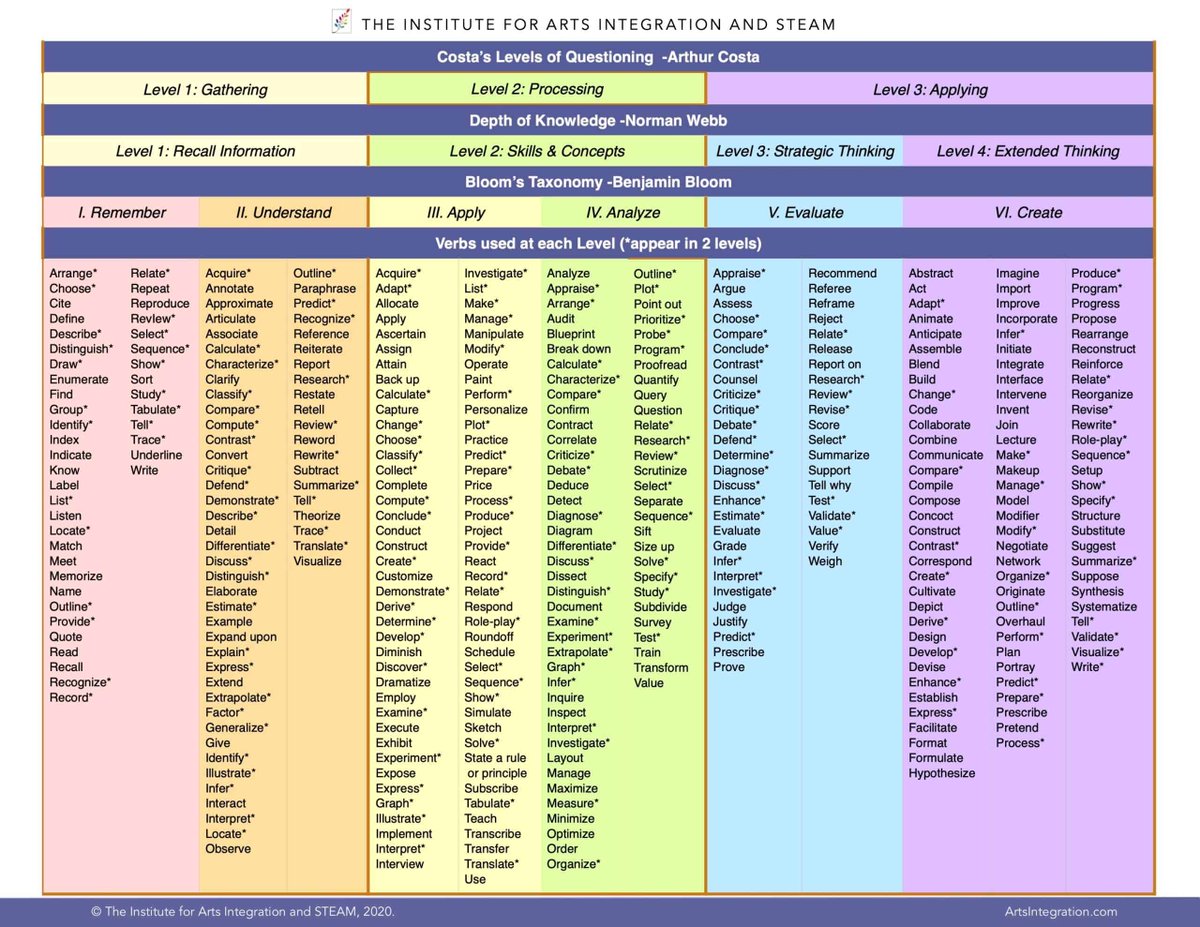
Use this list of higher-order thinking questions to support higher cognitive demand in your lessons with students.
sbee.link/k7qjt43bpu via @artsinedu
#steam #stem #teachertwitter
4
143
392
53,523
12 Sep 2023
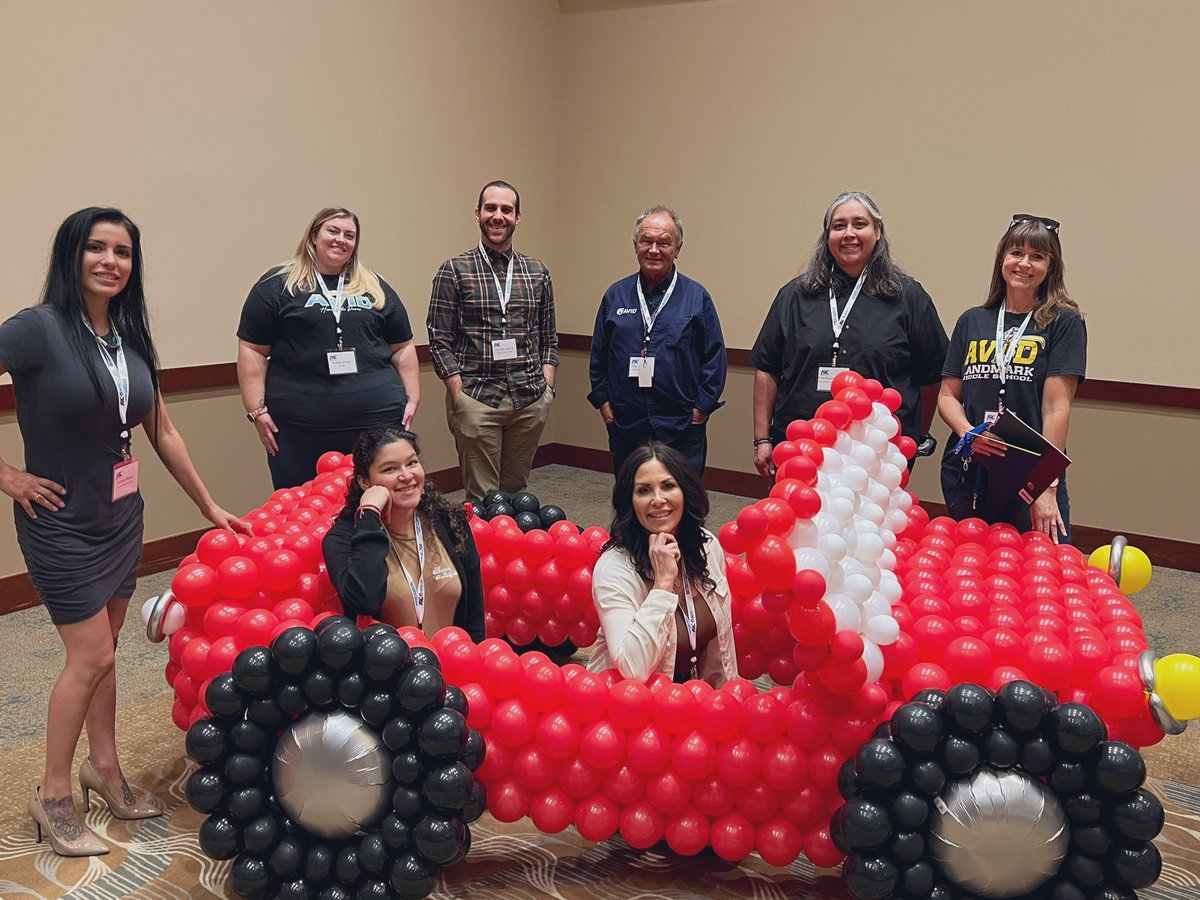
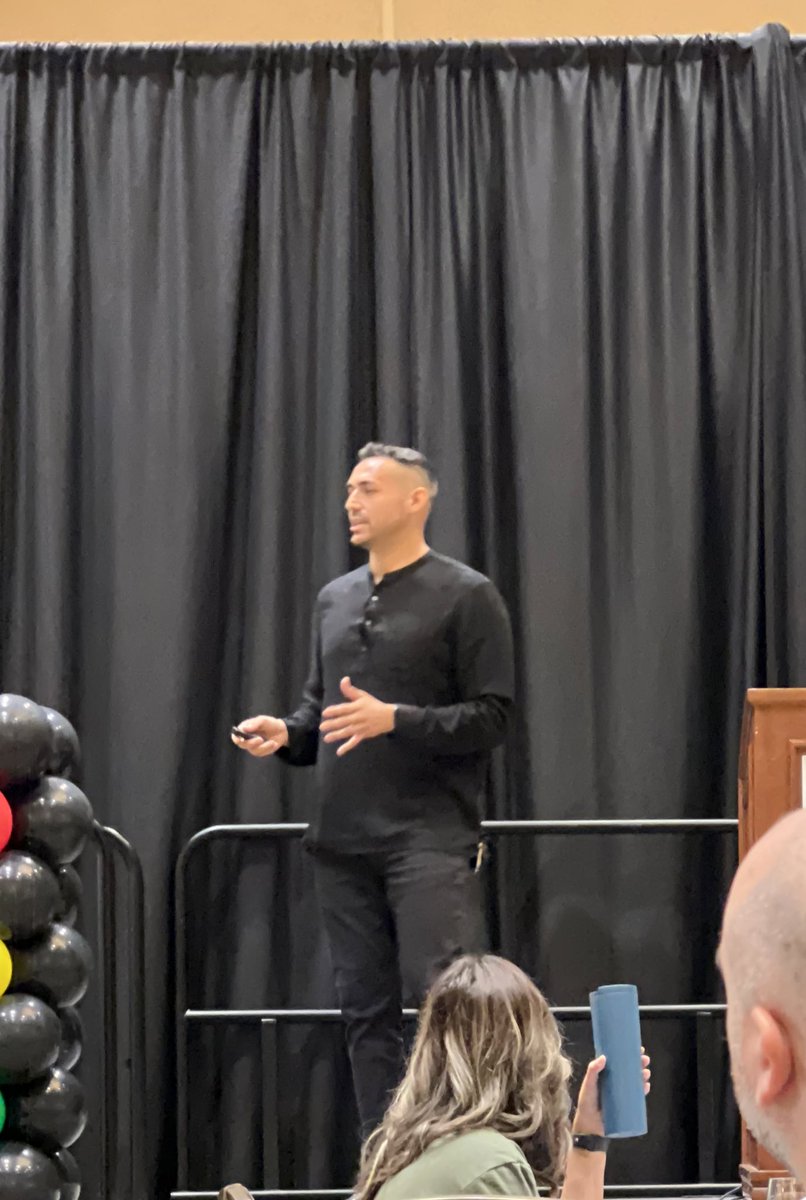
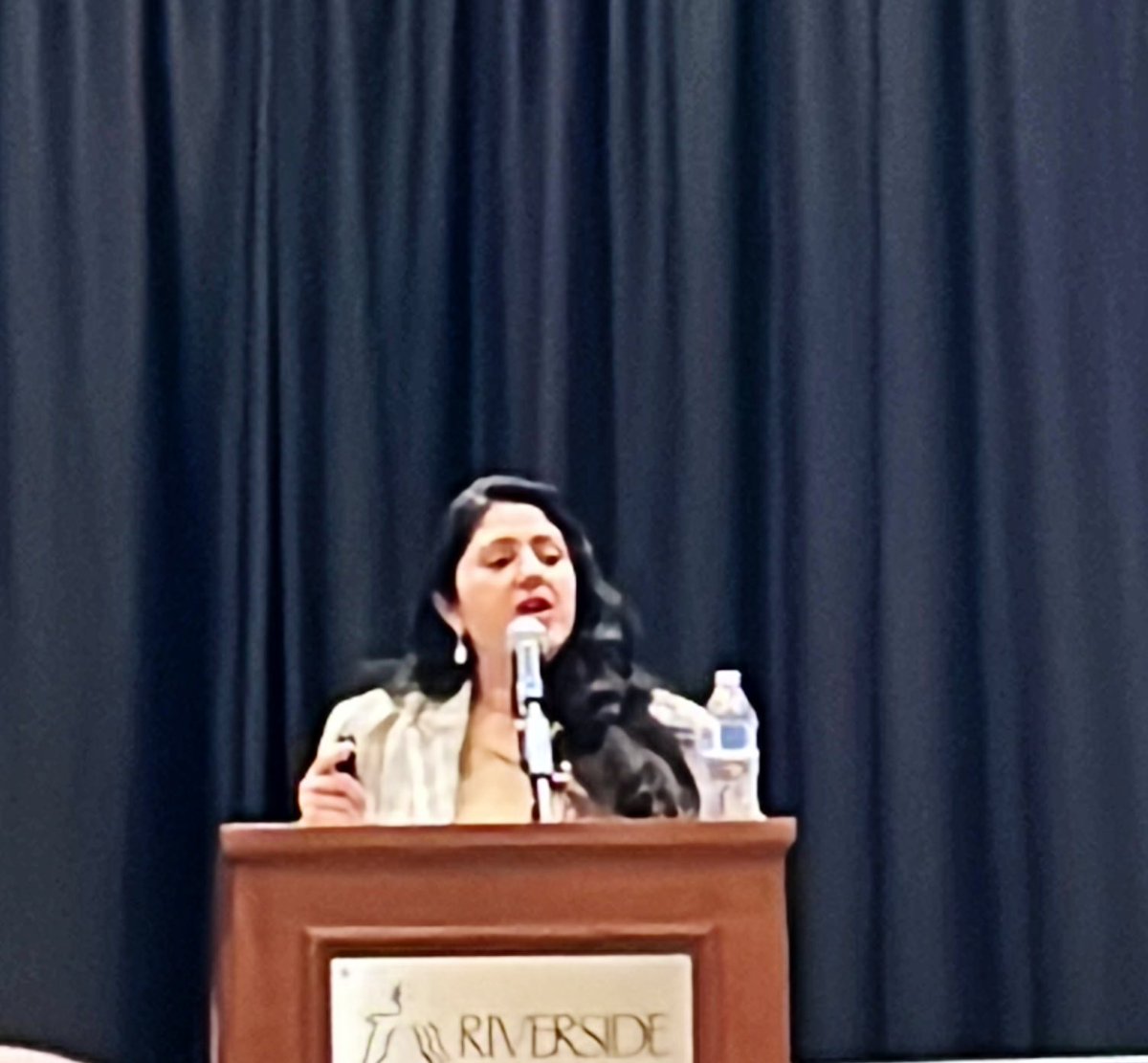
Great morning at @AVIDRivCo Secondary Coordinator Workshop! I’m here with @MtViewMS AVID Coordinator representing #PantherPride! @MorenoValleyUSD @RCOE
2
9
419
Carissa Marin retweeted
30 Aug 2023
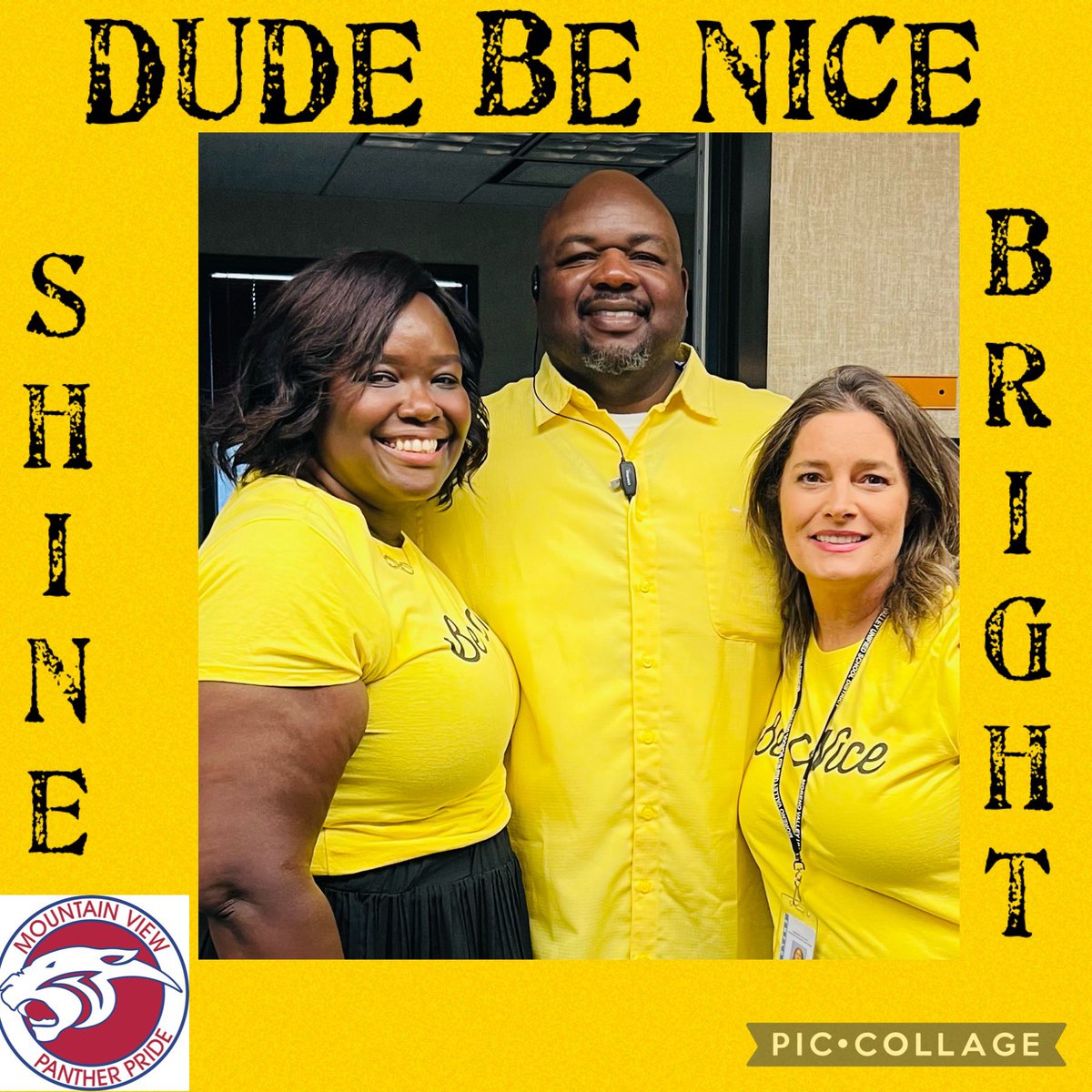
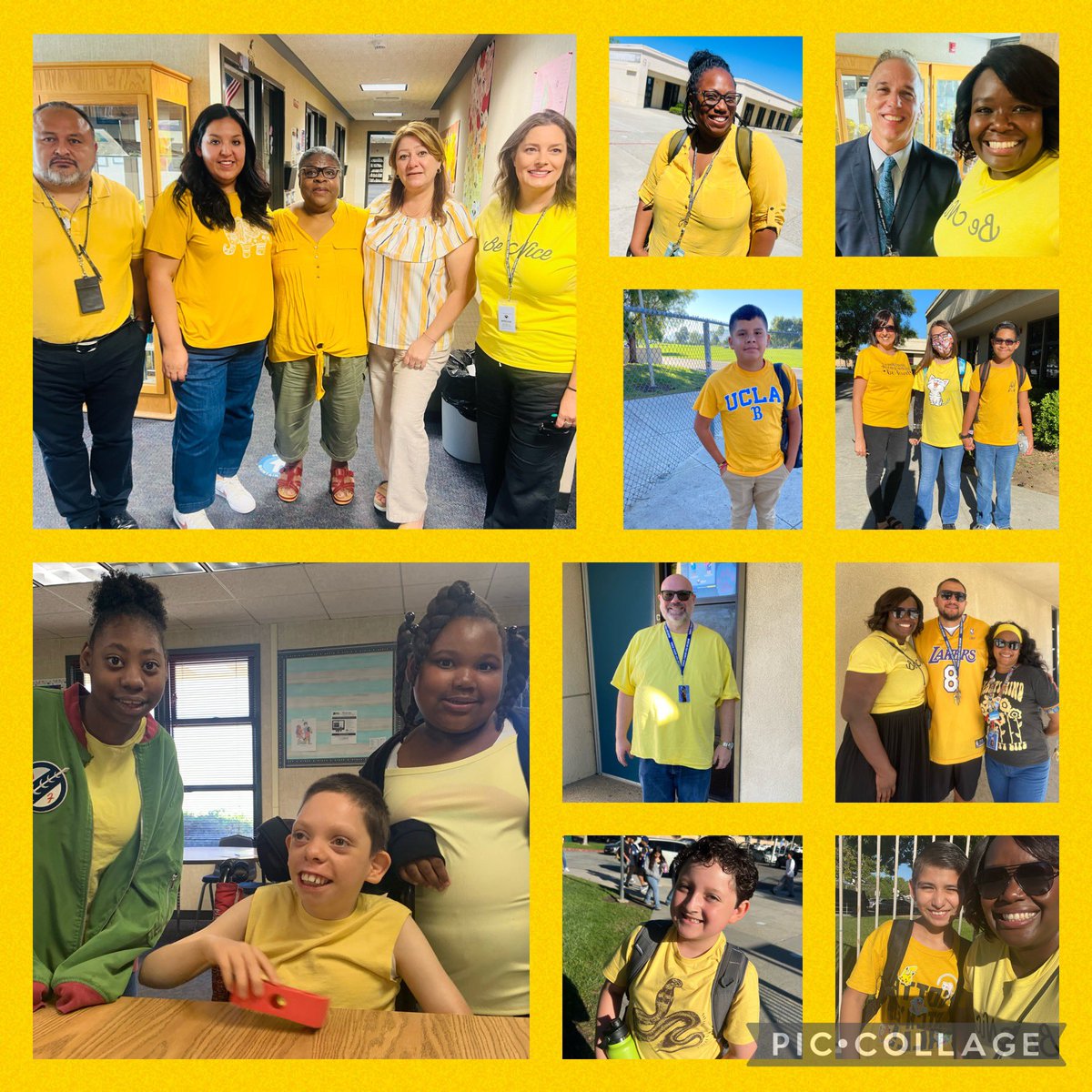
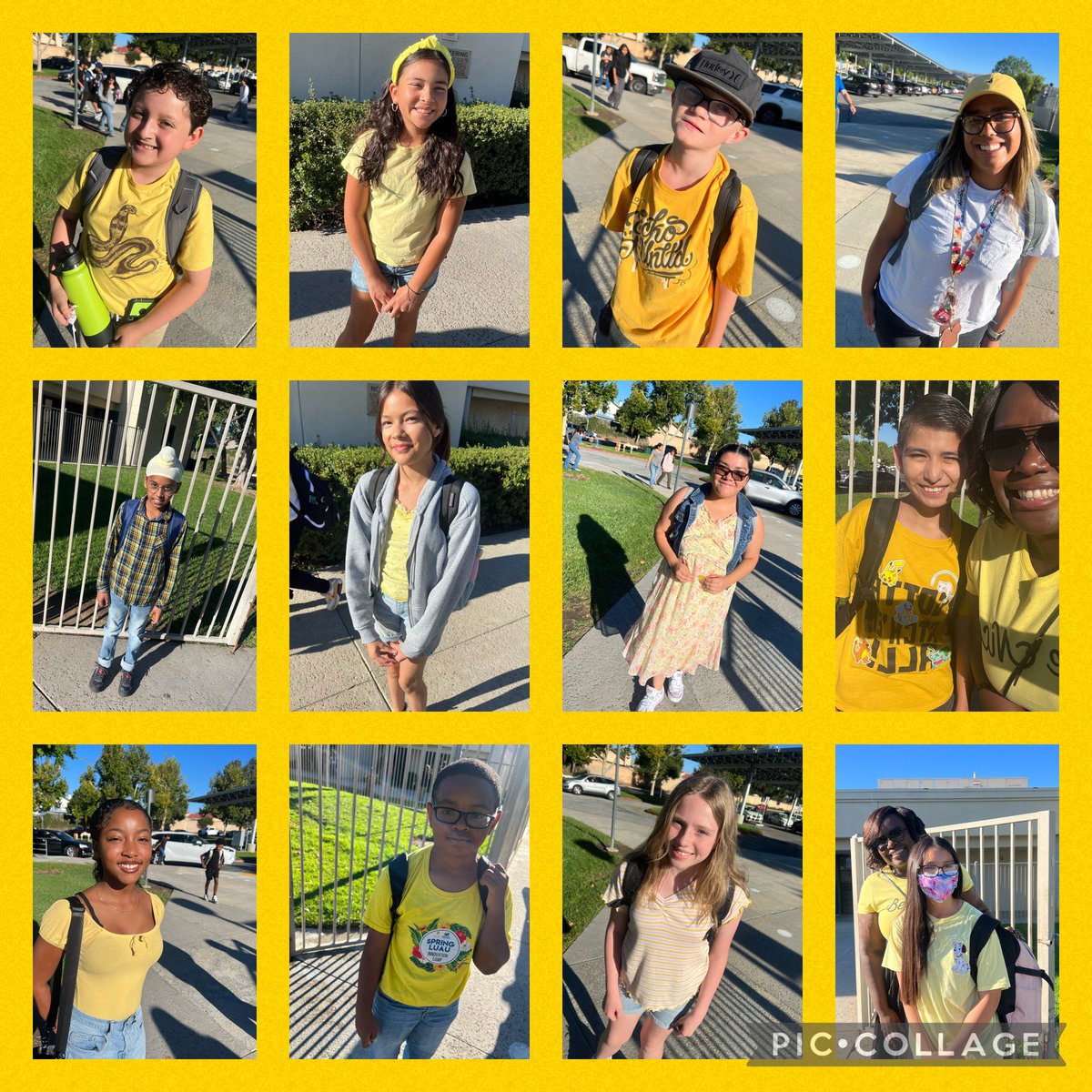
DUDE BE NICE WEEK Day 2! Today we let our light shine as we paid compliments to our peers and teachers. #pantherpride #panthernation #pantherproud
1
2
225

From greeting students at the door to giving high schoolers recess, these strategies for meeting students' social and emotional needs have 1 thing in common—they support better learning than a focus on academics alone. #SEL
edut.to/3E86Blr
12
171
470
2,170,547