
Brand, Marketing & Communications Leader, Terp, Raven, Surfer, Fire Walker, Bungee Jumper, Shark Diver (opinions are my own)
Joined October 2008
- Tweets 11,703
- Following 2,963
- Followers 2,267
- Likes 1,338
754 Photos and videos










Jun 4
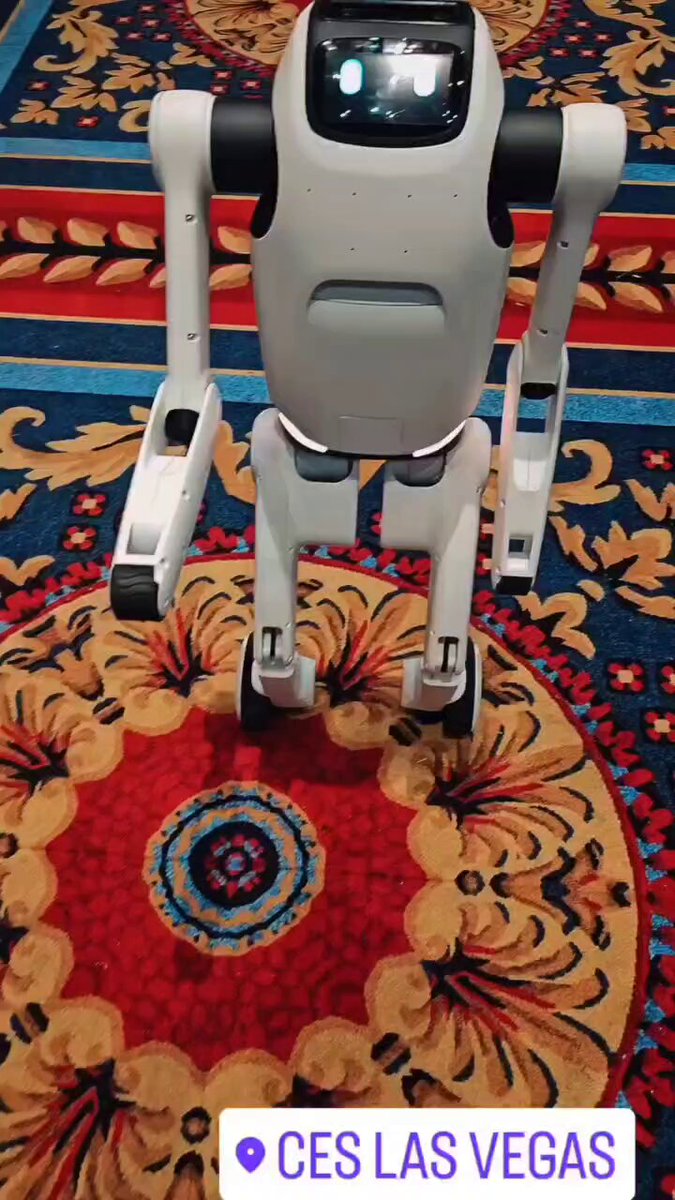
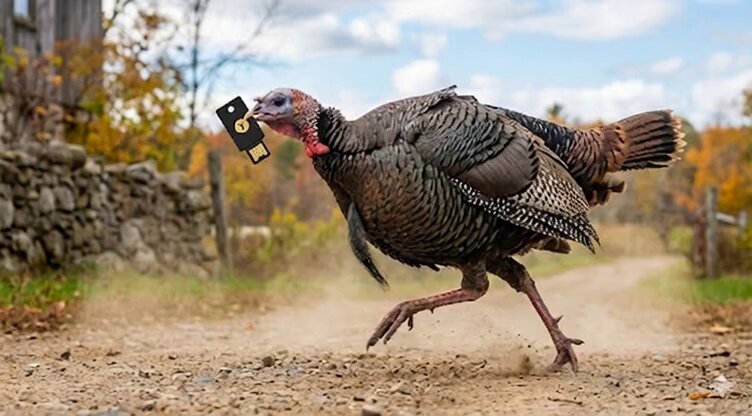
How the Terminator should have started....

Jerk clown robot brutally kicks little boy in the stomach
The future is here, and apparently it's beefing with children
7
Ronnie Manning retweeted

How coaches field balls in the 3rd base coach’s box 🤣
3
16
388
126,542
May 18
The red cups meant something...
May 16

We're so back.
An entrepreneur is restoring Pizza Huts to their former glory.
23
May 15
One thing I (and probably a whole lot of other people) have been thinking about lately is how quickly AI is changing the value of trust online. We’re moving into a world where proving what’s real, and who’s real, is quickly becoming one of the most important things on the internet. Ironically, as AI and associated technologies get smarter, trust becomes more human and much less artificial.
11
Ronnie Manning retweeted

May 7
🚨 NOUVELLE ARNAQUE TÉLÉPHONIQUE : ILS VOLENT VOTRE VOIX AVEC L’IA (TF1) !
😱❗Vous recevez un appel… et personne ne parle au bout du fil.
💥C’est volontaire.
Le but : enregistrer votre voix pendant ces quelques secondes de silence pour la cloner avec l’IA.
En moins de 10 minutes, ils obtiennent une copie presque parfaite de votre voix.
Puis ils appellent vos proches en se faisant passer pour vous :
« Maman, j’ai perdu mon téléphone… envoie-moi de l’argent d’urgence. »
C’est déjà en cours en France.
Règle d’or :
Si un numéro inconnu sonne et que personne ne parle → raccrochez immédiatement.
Ne dites rien. Ne rappelez jamais.
369
7,895
13,242
1,016,930
May 7
Knock Knock... who's there?
Phisher... yeah sorry, you're not allowed in.
Happy #WorldPasskeyDay
22
May 7
It's World Passkey Day. Go out and tell a Service or App that doesn't support passkeys yet to come join the party!
12
Ronnie Manning retweeted

May 7
People have been urged to start ditching passwords in favour of passkeys, where available, as a way to secure their accounts online.
On #BBCBreakfast Peter Ruddick explained why the National Cyber Security Centre is asking users to make the change
bbc.co.uk/news/articles/cq8w…
31
52
226
98,191
May 7
It all began with the scissors for me.
May 6

LEFT-HANDED PEOPLE:
1. Only 10% of the world is left-handed, and nobody fully knows why.
2. Left-handers process language in both brain hemispheres, not just one.
3. They are statistically more likely to become artists, musicians and architects.
4. Left-handed people reach anger faster but also recover from it quicker.
5. Studies show they are better at multitasking than right-handed people.
6. Most left-handers subconsciously hide their dominant hand in social settings.
7. They are overrepresented among geniuses,Einstein, Tesla, Da Vinci were all left-handed.
8. Left-handed people dream more vividly and remember dreams more clearly.
9. They are more likely to suffer insomnia and sleep disorders.
10. The world is literally built against them,scissors, desks, keyboards were all designed for the right hand.
11. Left-handed people are more likely to be affected by fear and anxiety due to how their brain processes negative emotions.
12. Ancient cultures considered left-handedness a sign of supernatural power and witchcraft.
17
Apr 30
Just last week, I had a catch up conversation with my good friend and writer David Strom. During that chat, he asked me if I think #passkeys are going to succeed? My short answer was “Yes” and we’re already watching it happen in real time.
That said, I do think that we’re still early, but much further along than we were a couple of years ago. Adoption is accelerating, but the broader understanding is still playing catch up. Most consumer type users may go and see a new #passkey login prompt, then they then have to make a choice – trust and hope it works, or ignore it because they don’t know what it is.
David himself mentioned that one confusing area he sees is where they are actually physically stored. If you have a passkey on your laptop, for example, then when you use your phone you need to be sure to save one there as well. A lack of clarity of where they can be stored adds more confusion that is unnecessarily injected into the login process. But user experience will only continue to improve.
As with any new technology, there will be gaps to address, but in general account and identity security is something that more people are seeing the need for and are turning on.
It’s kind of like bluetooth when it first came to market. Initially, pairing devices felt clunky and confusing, I tended to avoid it unless I really had to. Then the experience improved and the value became obvious. Now it just works and I don’t even think twice about it.
It’s very cool to think that we are actively in the time where we are seeing the dependency of passwords starting to disappear. The opportunity now is to continue to close the education gap, remove weak fallback methods and build trust in the user experience.
57
Apr 20
💯
Apr 20

The “boring” stuff wins ballgames:
-Backing up the play
-Putting the ball in play
-Moving the runner
-Making the routine plays
-Consistent communication
-Throwing strikes
-Smart baserunning
-Taking your walks
-Getting HBP, holding your ground
-Hitting a cutoff man
-Hustling out everything
*At some point, the “boring” tasks of ⚾️ will win extra games! And more often than not, playoff berths, seedings, playoff wins, and even championships can be determined and decided by what many would call “boring.”
Turn the “boring” into the “important” and that’s how you win!
#BaseballTruth
18
Apr 20
👇
Apr 19
How to master public speaking:
1. Never start with "um, so basically"
2. Pause more than you think you need to silence is powerful
3. Make eye contact with one person at a time, not the whole room
4. Open with a story, not an introduction
5. Know your first three sentences by heart, the rest will follow
6. Slow down when you're making your most important point
7. Use your hands stillness reads as nervousness
8. Don't apologise before you begin
9. Record yourself once and watch it back without flinching
10. Dress slightly better than the room expects
11. End before they want you to
38
Apr 17
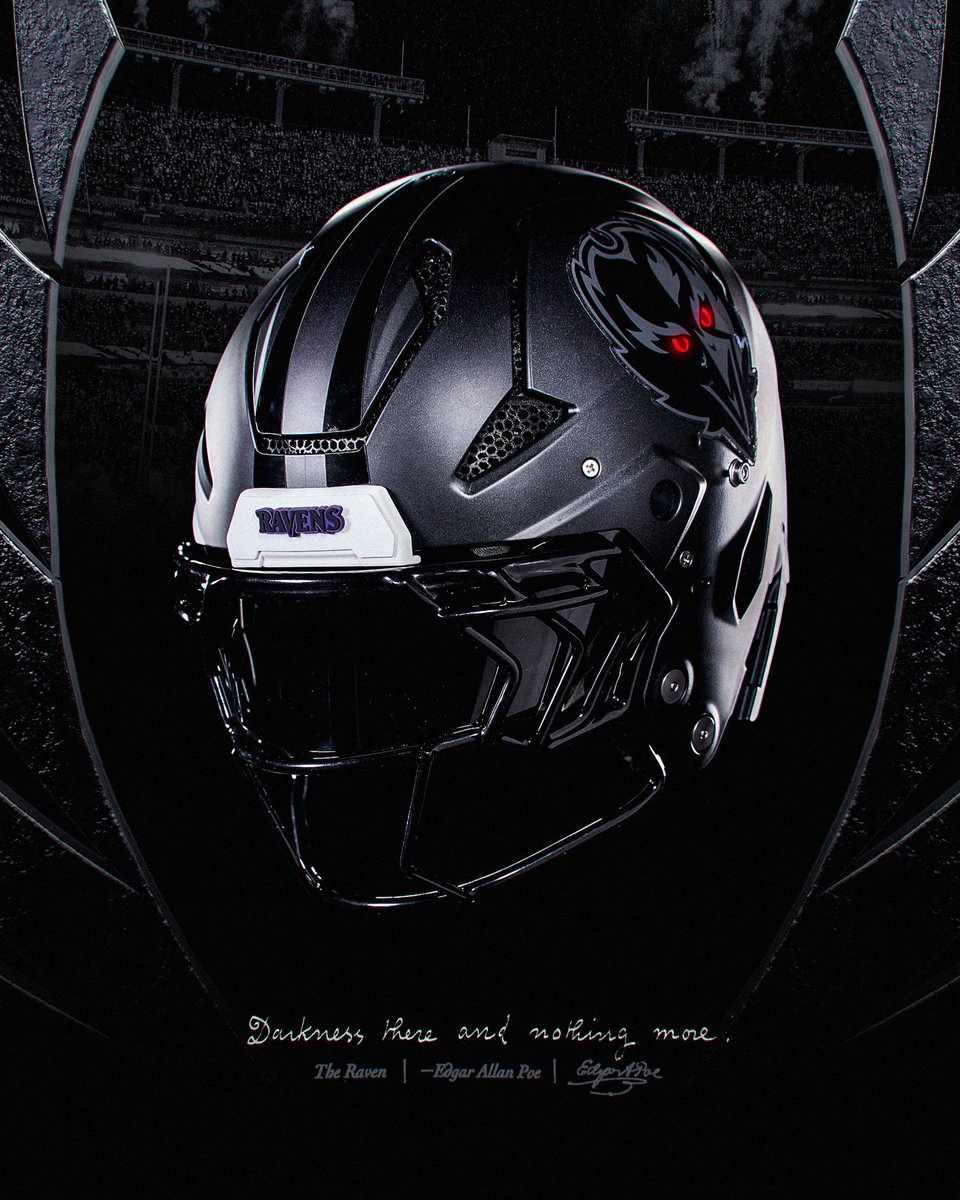
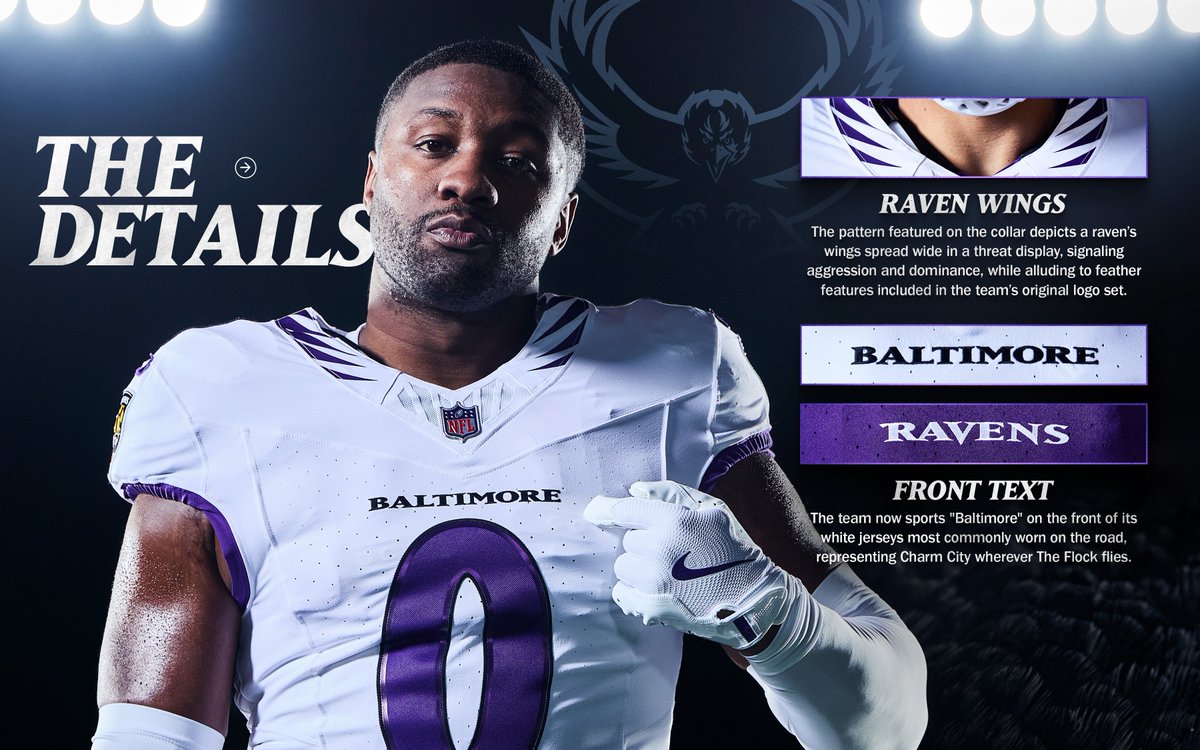
The black out helmet with red eyes is it....

65
Ronnie Manning retweeted

Apr 11
THEY SENT FOUR HUMAN BEINGS 452,000 KILOMETRES BEHIND THE MOON AND BROUGHT THEM BACK TO SPLASH DOWN IN THE EXACT SPOT THEY CALCULATED BEFORE THEY EVER LEFT THE GROUND
THE MATHEMATICS WORKED. THE PHYSICS HELD. THE SILENCE ENDED.
EVERY ENGINEER, MATHEMATICIAN, PHYSICIST, AND PROGRAMMER WHO TOUCHED THIS MISSION IS THE COOLEST PERSON ALIVE AND THEY KNOW IT
WELCOME HOME
564
12,938
113,624
2,479,628
Apr 9
Take my money.... this is so well done.
Apr 9

From the stoop to The Yard, these threads are Baltimore born.
Introducing City Connect 2.0.
14
Apr 6
that awesome moment when you're walking the dog and one of your kids says 'I just picked up part of that cactus' - 20 minutes of tweezers later.....
18
Mar 29
"You can't defeat the robots" 😂

23
Mar 26
Happy Baseball Day. Let's go!
16