
The 2026 Republican candidate to represent Rochester's sixth ward in the state house in Concord.
Joined May 2026
- Tweets 25
- Following 93
- Followers 201
- Likes 162
Photos and videos
Pinned Tweet

Jun 3
Hello, Twitter. X. What have you. My name is Robert Qua and I will be running for the New Hampshire State House, seeking to represent the good people of Rochester's sixth ward. I look forward to meeting you and finding out how I can help make our community stronger.
30
20
173
11,986
Robert Qua retweeted

Jun 12
“A stoic never gets angry, except on purpose.”
I don’t remember who said this or if it’s something I made up myself, but it is a line I often go back to when I start to lose my temper.
There is a modern misunderstanding of stoicism that believes it requires suppressing our emotions. I think this is wrong.
The master stoic feels emotions fully and then is able to choose deliberately to let go or harness these emotions before he takes action.
He is the master of his emotions because he does experience them, listen to them, and let them inform him - without being enslaved to them.
Anger is a dangerous emotion because it can lead us to react in ways that are counterproductive to the pursuit of virtue.
By exercising the virtue of temperance and “tempering our emotions,” we give ourselves space to practice wisdom in determining whether these emotions serve us well or not.
Sometimes, a righteous anger can fuel us to be courageous in the pursuit of justice.
Other times, anger leads to recklessness, bitterness, and the continuance of a cycle of pain.
So if you find yourself angry, my advice to myself is to pause, take a breath, and exercise wisdom to determine if this anger serves a productive or detrimental purpose.
3
1
35
1,328

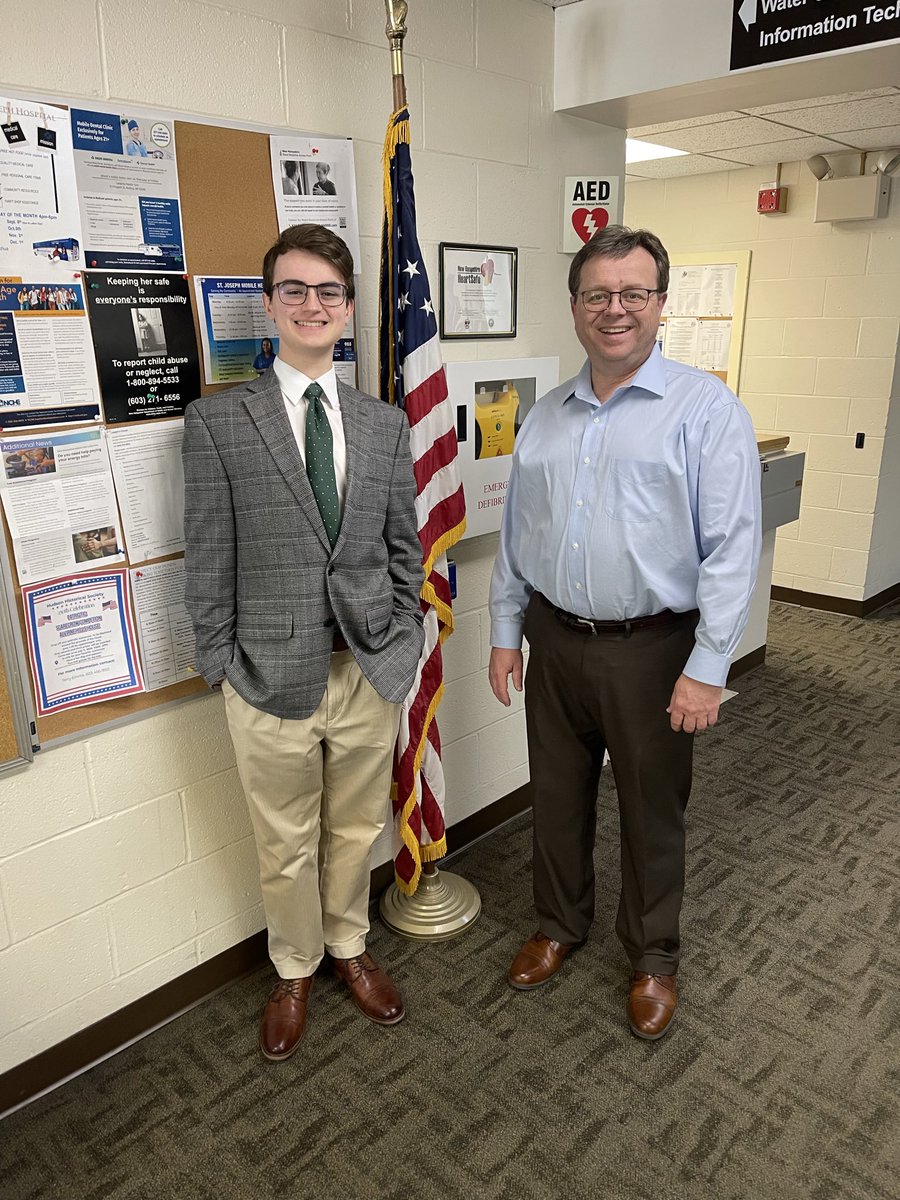
Today, I filed to run for State Representative, Hillsborough 38 (Hudson and Litchfield). Even better, I filed with my son @TomTrostNH, who is running in District 13.
See you out there on the campaign trail!
2
1
17
1,854
Jun 9
I am glad you brought this up. Spending is the real issue. Meaningful reduction of the tax burden must be the result of reducing government spending. I will be seeking to do that very thing every day I spend in Concord, should my neighbors choose to send me.
Jun 9

It’s moot
They simply raise property taxes to offset. We’re still being taxed to death.
No income tax
No property tax
Only solution is a sales tax to provide relief to granitestaters. They won’t do it though because these corrupt small towns love property taxes.
1
9
214
Jun 9
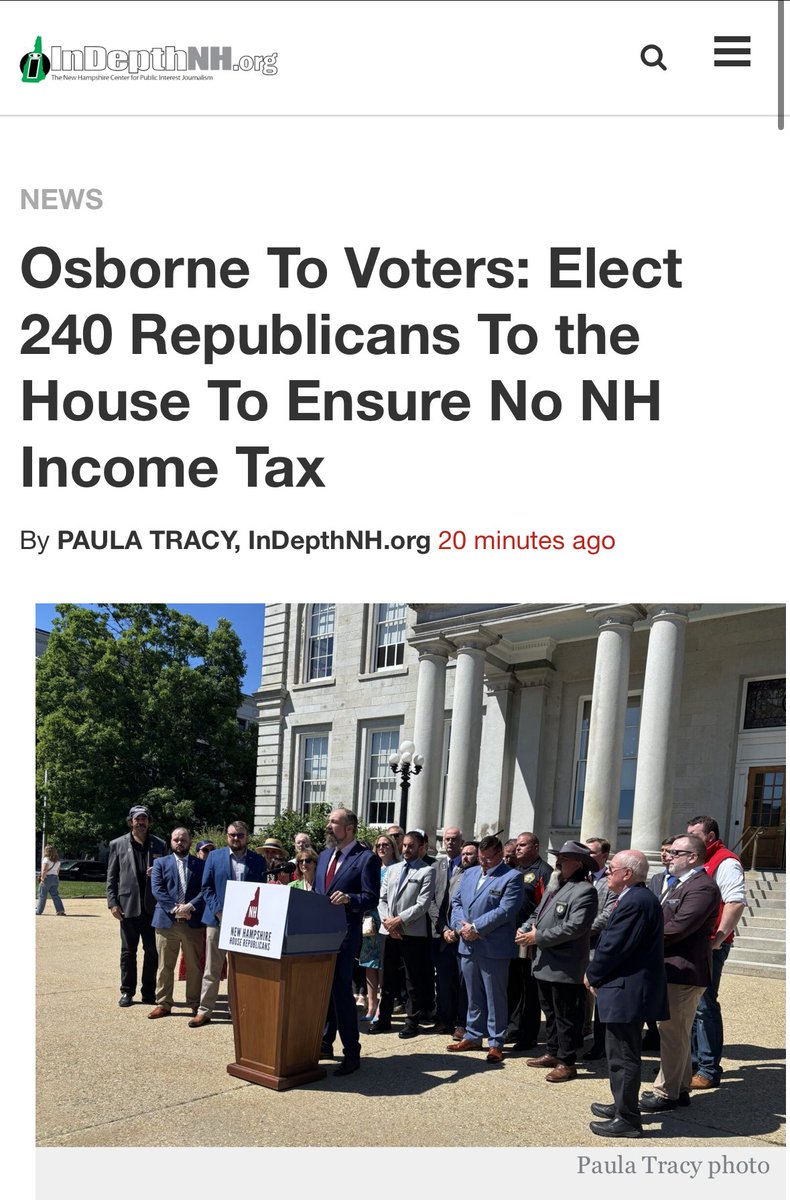
In no uncertain terms, I intend to win my seat, and to protect New Hampshire from any form of income tax.

6
12
86
2,414
Robert Qua retweeted

Jun 5
JUST IN!!
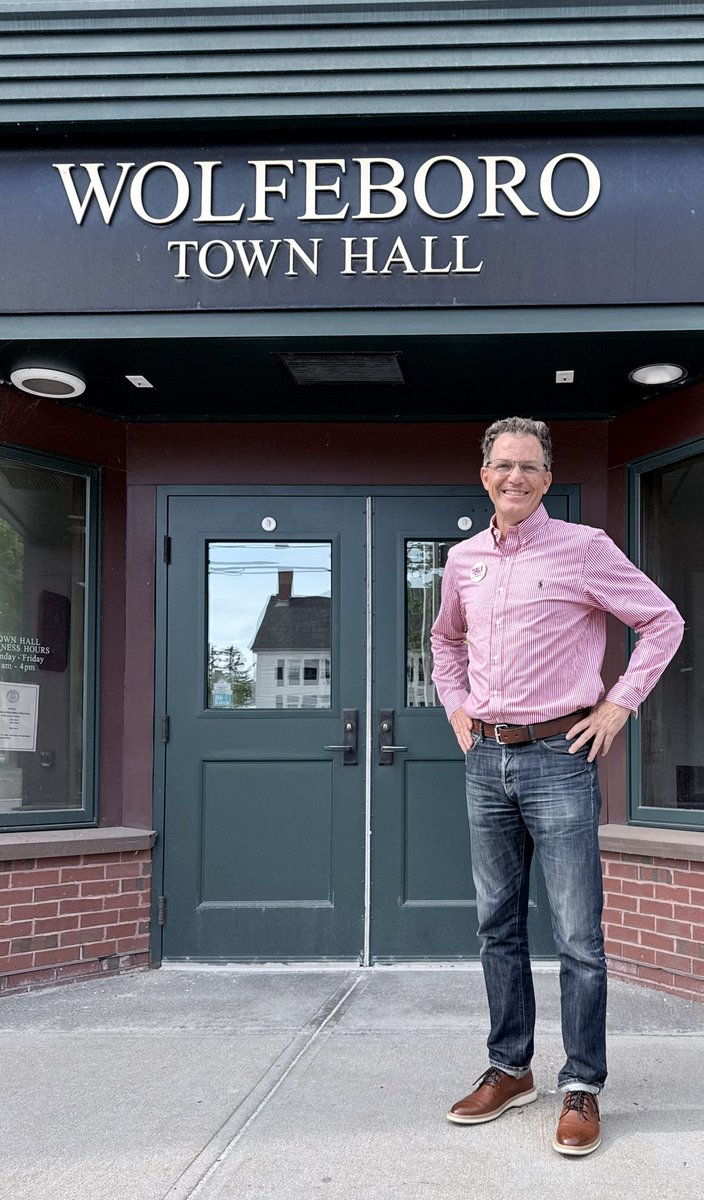
Today I filed to run as your State Representative candidate in Wolfeboro, Ossipee, and Tuftonboro to protect NH’s “Live Free or Die” heritage and support her wonderful future for our kids and grandkids.
Let’s go!
15
26
198
5,804
Robert Qua retweeted

Democrats raise property taxes
Then democrats oppose efforts to put limits on those increases
Then they laugh about people being taxed out of their homes.
Winning strategy
7
33
130
2,379
Robert Qua retweeted

Jun 3
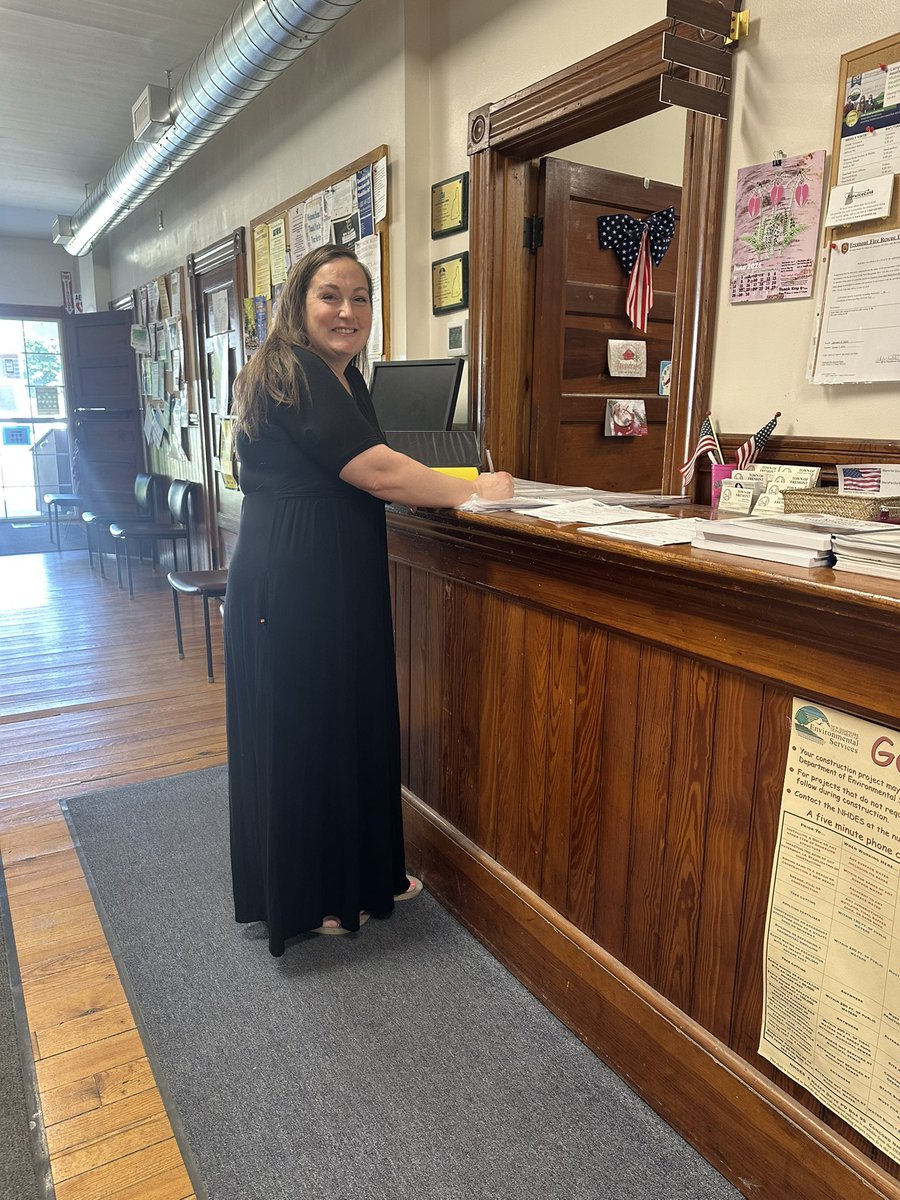
I am in! After serving Fremont as your State Rep, I'm running again - for my four kids, our small businesses, and every family who deserves a real fighter in Concord. Send me back with your vote on state primary day, September 8th.
#nhliberty
8
12
95
4,176

I’m running for State Rep.
I’ve spent my life avoiding government as much as possible. I just want to be left alone.
But the thing is, there are rooms where decisions are made. When the people who “just want to be left alone” aren’t in those rooms, the decisions get made by the people who are.
And I’m tired of those people.
I don’t need donations or anything. I just need you to show up and vote on Election Day.
If the NH Democrats gain a House majority, we’ll end up with an income tax, sales tax, more gun laws, less school choice, and everything that sucks about Massachusetts will be brought here too.
We can’t let the left gain one inch.
46
56
378
19,368
Robert Qua retweeted

Jun 3
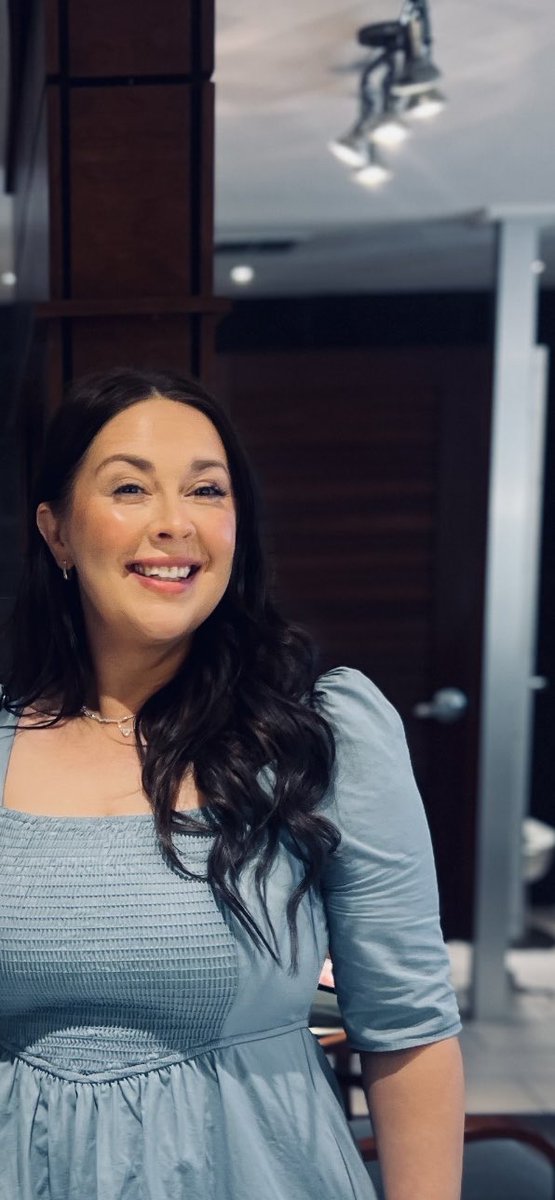
I never planned on running for office. I’m just a mom and small business owner.
But I’ve learned that when good people stay on the sidelines, someone else makes the decisions for us.
I’m running for State Representative in Rockingham County District 13 because I believe in freedom, personal responsibility, and limited government. I’ll work to protect our constitutional rights, keep taxes low, defend educational freedom, and make sure government serves the people, not the other way around.
I believe that NH is worth protecting.
I’d be honored to earn your vote on Election Day.
26
28
179
10,524
Robert Qua retweeted

Jun 3
I am excited to announce that I am filing for re-election as New Hampshire State Representative for Merrimack-10 (Hooksett & Dunbarton)!
It has been an honor to serve my second term, and we are ready to deliver major victories in tomorrow’s House session and in the weeks ahead. New Hampshire remains the freest state in North America, defined by its safety, prosperity, and fierce independence, and I fight every day to keep it that way.
Happy 603 Day!
To my Democrat friends and readers: If you’d prefer I focus strictly on local planning and municipal issues, feel free to share your thoughts in the comments.
To my patriot supporters: Please repost, reach out if you’d like a yard sign, or visit yury4nh.com to contribute to the campaign. Every dollar helps us continue this fight.
Thank you for your continued support!

14
30
144
7,739
Robert Qua retweeted
Jun 2
Before Ron Paul, there was Cato.

1
13
78
1,174