We prepare our graduates to become world leaders who will expand the frontiers of science and mathematics. @RITScience
Joined October 2009
- Tweets 4,823
- Following 298
- Followers 1,325
- Likes 4,443
1,322 Photos and videos




College of Science at RIT retweeted

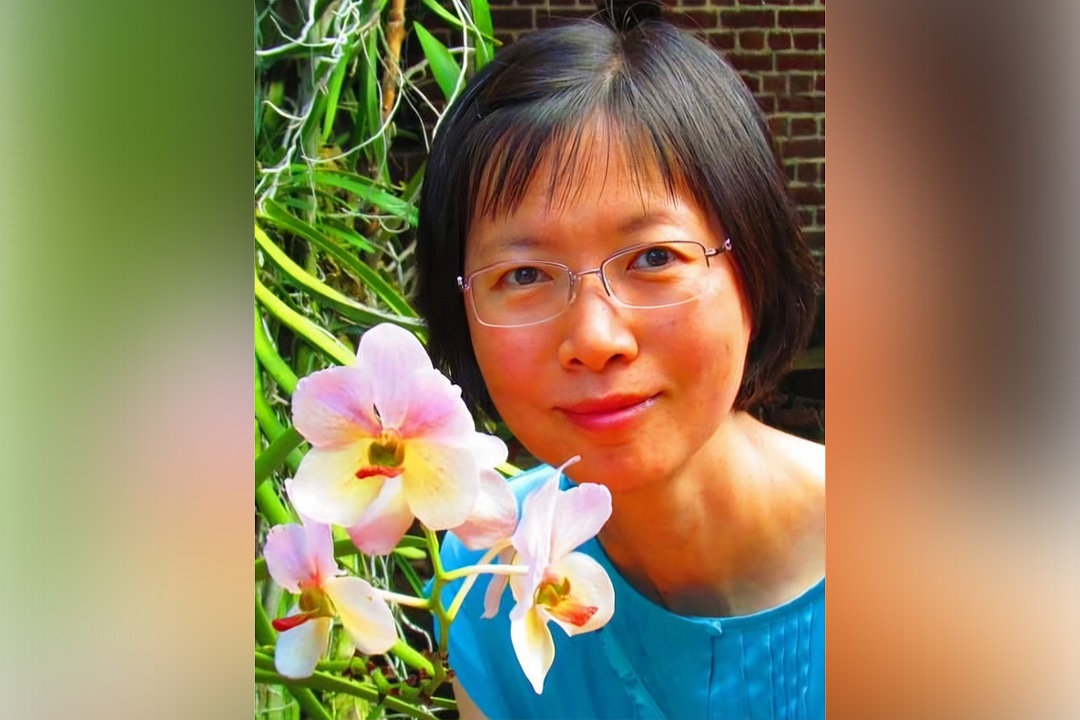
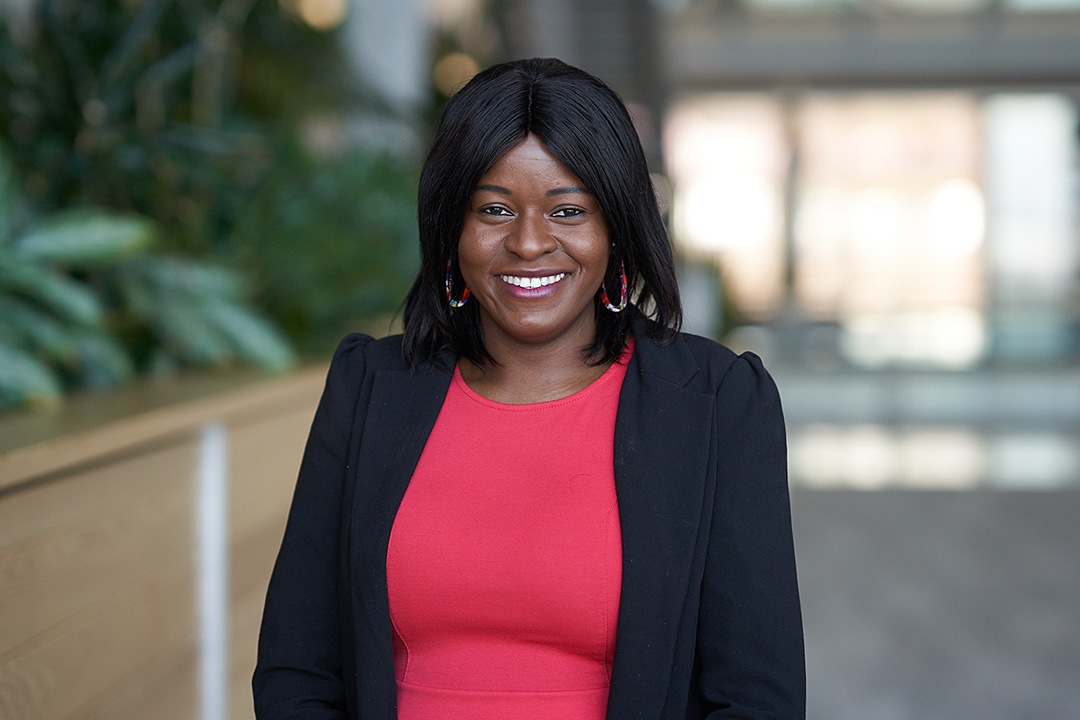
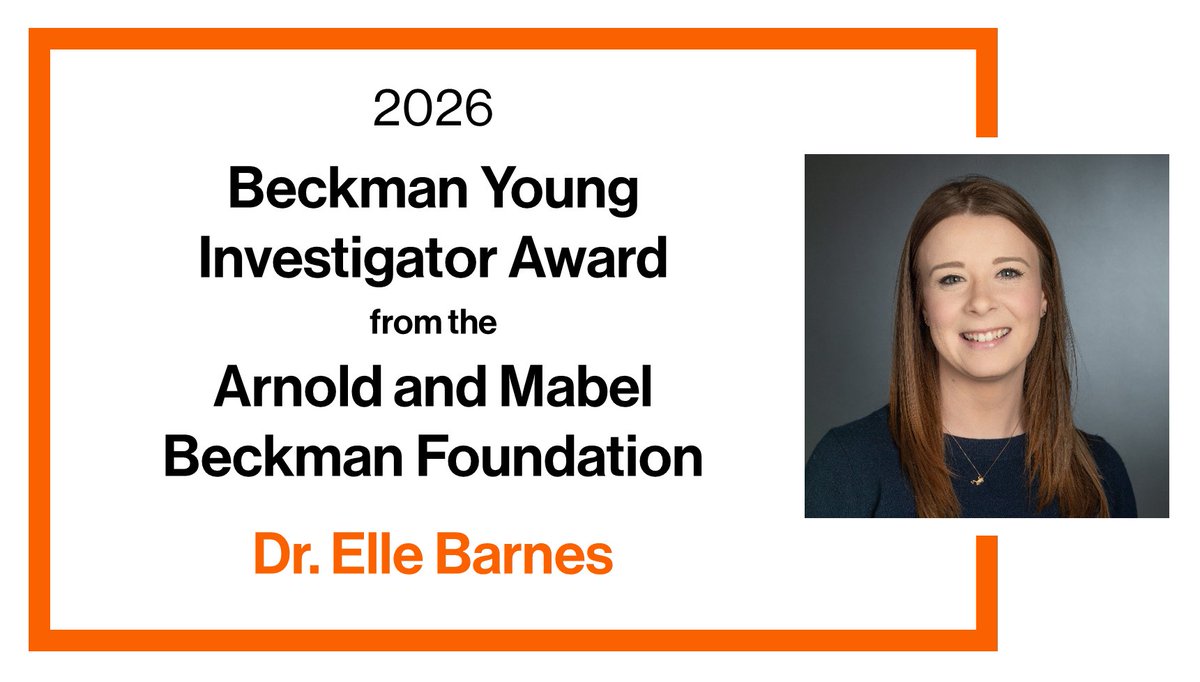
Please join me in congratulating Dr. Elle Barnes @EcoEvoElle , Assistant Professor in the @RITscience, Thomas H. Gosnell School of Life Sciences, on being named one of 12 recipients of the highly competitive Beckman Young Investigator Award from the Beckman Foundation @BeckmanFnd, the first BYI recipient in RIT’s history.
This prestigious four year award will support Dr. Barnes’ research program, as well as the training and mentoring of student researchers working at the intersection of environmental, molecular, and computational biology. Her work seeks to answer fundamental questions related to the creation and maintenance of biodiversity across time and space by examining the complex interactions that occur among cells, organisms, and ecosystems.
Using unisexual salamanders as a model system, Dr. Barnes and her team will develop molecular and computational tools to explore the eco-evolutionary consequences of "genomic gigantism” and diverse forms of reproduction in vertebrates.
The Beckman Young Investigator Program supports the most promising early career faculty members in the chemical and life sciences, providing resources to advance innovative research with long-term impact. This recognition is a testament to Dr. Barnes’ exceptional scholarship, mentorship, and growing national reputation in the field.
Congratulations to Dr. Barnes on this outstanding achievement and well-deserved recognition. We wish you all the best with your project.
1
2
2
113
College of Science at RIT retweeted
Congrats to @RITscience faculty member, @CristaWadsworth! Well done!
Wadsworth working to curb the spread of antibiotic resistance with NIH award rit.edu/news/wadsworth-worki… via @RITTigers #RIT
1
2
87
College of Science at RIT retweeted

May 20
Dr. Ke Xu and colleagues from @RITcomputing and @RITscience recieved @NSF funding through the CAREER Award program to tackle some of AI’s most pressing challenges.
rit.edu/news/nsf-career-awar…
1
1
89
College of Science at RIT retweeted
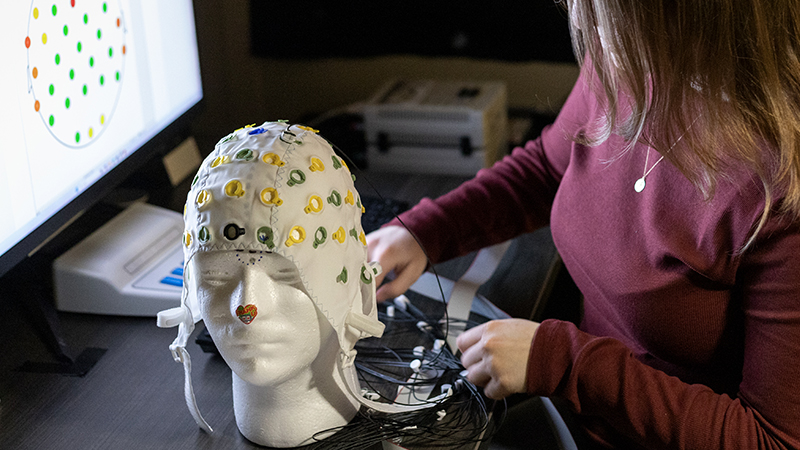
Congratulations to @RITscience Scholars! Miranda Garvey, Ella Mahnke, and Katherine Shomper are the first graduates of RIT’s Neuroscience BS program.
Through hands-on research and close faculty mentorship, each developed their own path and is now preparing for what comes next, including research positions and advanced study.
Read more: brnw.ch/21x2hEi
1
1
61
College of Science at RIT retweeted
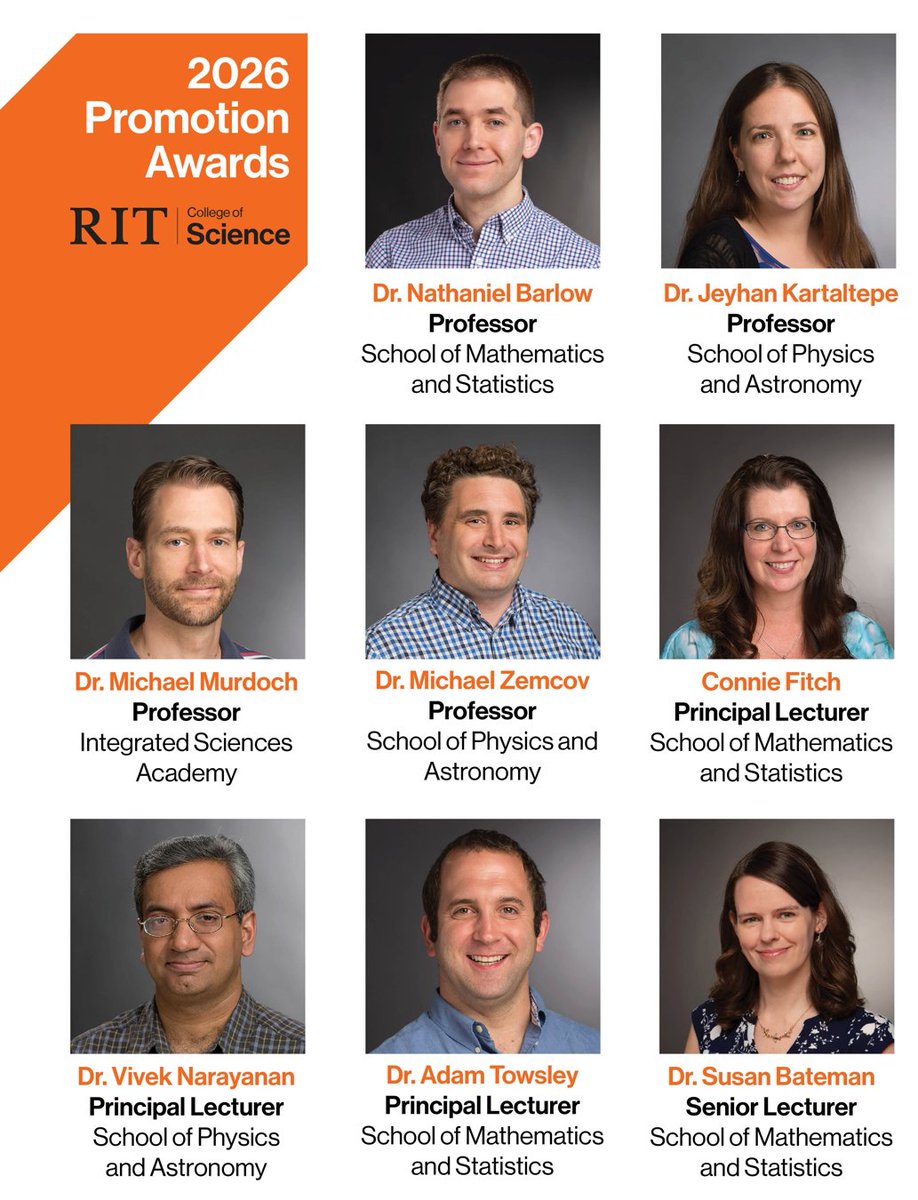
Join me in celebrating some fantastic news! Please help congratulate the following @RITscience colleagues on their well-earned promotions.
School of Mathematics and Statistics
Dr. Nate Barlow- Professor
Dr. Adam Towsley- Principal Lecturer
Dr. Susan Bateman- Senior Lecturer
Connie Fitch, MS- Principal Lecturer
School of Physics and Astronomy
Dr. Jeyhan Kartaltepe- Professor
Dr. Michael Zemcov- Professor
Dr. Vivek Narayanan- Principal Lecturer
Integratged Scienced Academy
Dr. Michael Murdoch- Professor
These promotions reflect not only individual excellence, but also the strength and impact of our College of Science community as a whole. Each of these colleagues has demonstrated a deep commitment to teaching, research, and service excellence, helping to shape the next generation of scientists and scholars. Please join me in celebrating their achievements and thanking them for the meaningful contributions they continue to make to the COS, RIT, and beyond.
1
4
106
College of Science at RIT retweeted
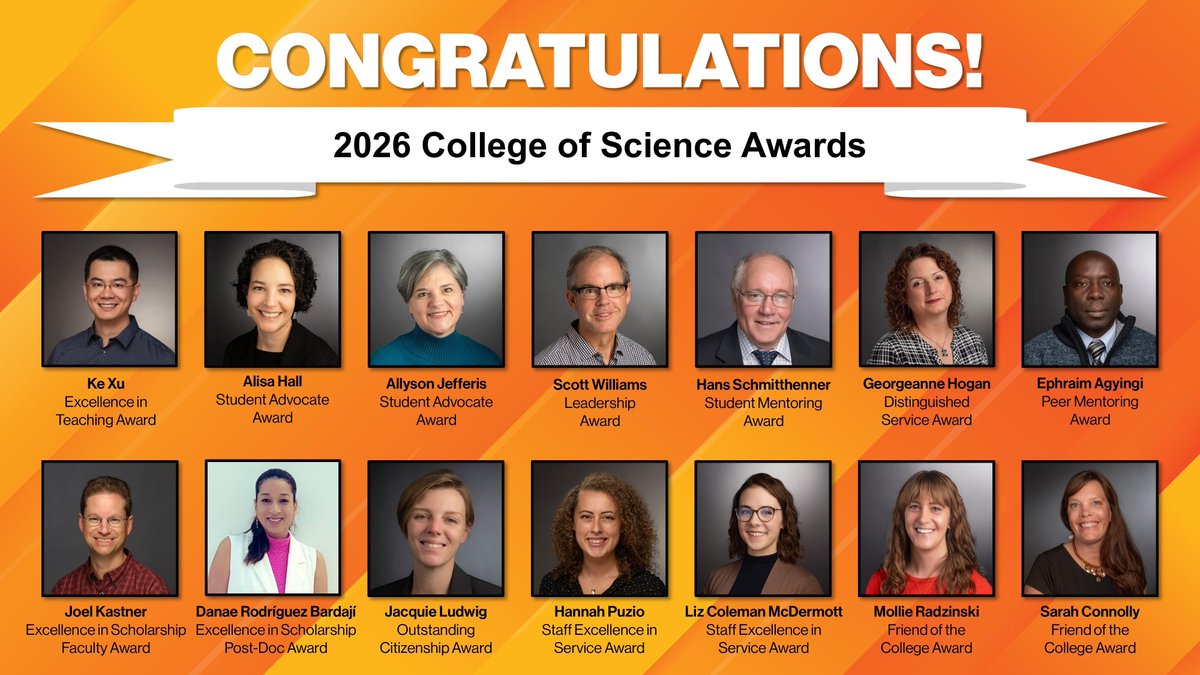
Please join me in congratulating our fantastic colleagues who received awards at the @RITscience Honors, Awards, and Recognition Ceremony on Friday of last week for their excellent service and contributions to our community! The 2026 COS Award honorees are:
Dr. Ke Xu – Excellence in Teaching Award
Alisa Hall – Student Advocate Award
Allyson Jefferis – Student Advocate Award
Dr. Scott Williams – Leadership Award
Dr. Hans Schmitthenner – Student Mentoring Award
Georgeanne Hogan – Distinguished Service Award
Dr. Ephraim Agyingi – Peer Mentoring Award
Dr. Joel Kastner – Excellence in Scholarship Faculty Award
Dr. Danae Rodríguez Bardají – Excellence in Scholarship Post-Doc Award
Dr. Jacquie Ludwig – Outstanding Citizenship Award
Hannah Puzio – Staff Excellence in Service Award
Liz Coleman McDermott – Staff Excellence in Service Award
Mollie Radzinski – Friend of the College Award
Sarah Connolly – Friend of the College Award
Congratulations to the awardees and all the nominees, the colleagues that supported them, and the fantastic work of the Honors, Awards, and Recognition Committee and Dean's Office staff for their support!
Well done!
1
3
170
College of Science at RIT retweeted

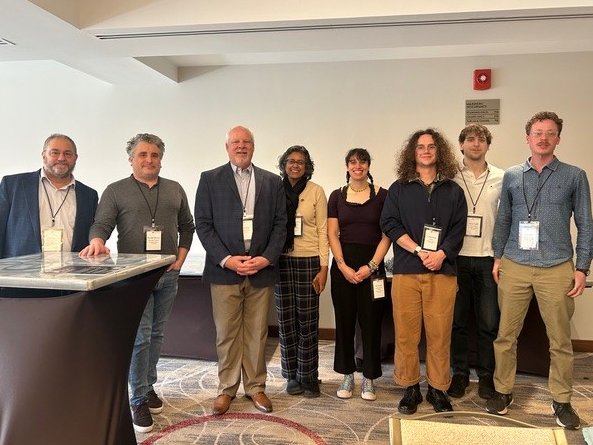
@RITscience faculty member Dr. Michael Zemkov and his graduate students enjoyed meeting @MozerJoel, visionary leader and former Chief Science Officer of the
@USSpaceForce, at this week’s NY Consortium for Space Technology Innovation & Development held at
@Cornell. #SpaceTech #RIT
1
4
133
College of Science at RIT retweeted
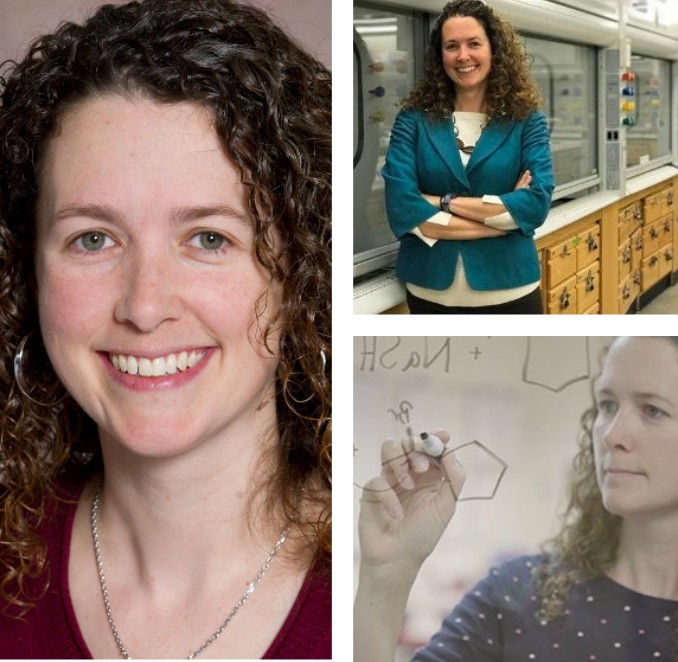
Please join me in congratulating @RITscience faculty member, Dr. Christina Goudreau Collison, @CGCresearch, on being named the recipient of the Centennial Award for Excellence in Undergraduate Teaching from Iota Sigma Pi, the National Honor Society for Women in Chemistry.
This prestigious national award honors outstanding women educators whose primary focus is undergraduate teaching in chemistry or related disciplines. Dr. Goudreau’s exceptional commitment to student success, her excellence in the classroom, and her passion for advancing chemistry education truly embody the spirit of this award.
Awarded annually, this recognition celebrates educators who make a lasting impact on their students and the broader scientific community.
Well done, Tina!
1
3
118
College of Science at RIT retweeted

Apr 12
Research at @RITscience has led to one of the first successful launches of perovskite solar cells in a low-Earth orbit mission, proving the exceptional durability of the cost-saving material. brnw.ch/21x1wSN
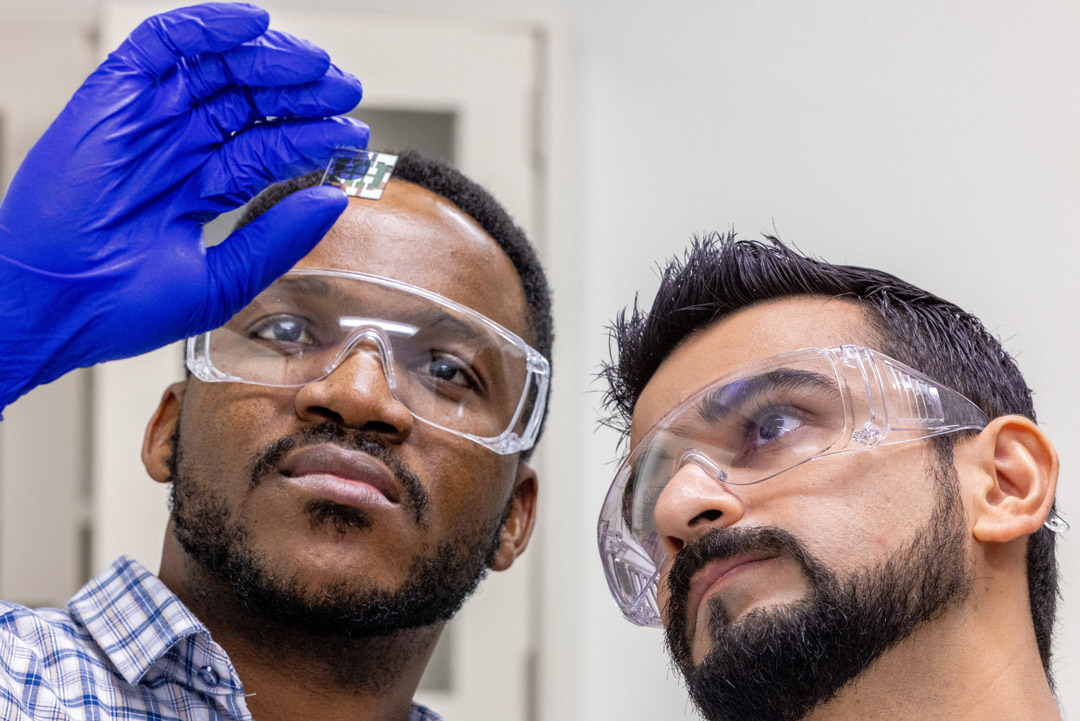
ALT Two men with dark short hair and facial hair wear protective eyewear and gloves. One of them is holding a small rectangular solar cell.
4
6
527
College of Science at RIT retweeted
Very proud to see multiple graduate programs ranked among the best in the nation by U.S. News & World Report.
A special congratulations to the @RITscience, especially our Physics and Bioinformatics graduate programs. Onward and Upward!
rit.edu/news/rits-graduate-p…
1
2
73
College of Science at RIT retweeted
Mar 31
.@RITscience researchers have now identified a specific spike in light that occurs at the moment of a supermassive black hole merger, providing the roadmap needed to finally observe these cosmic giants in action. brnw.ch/21x1dCK
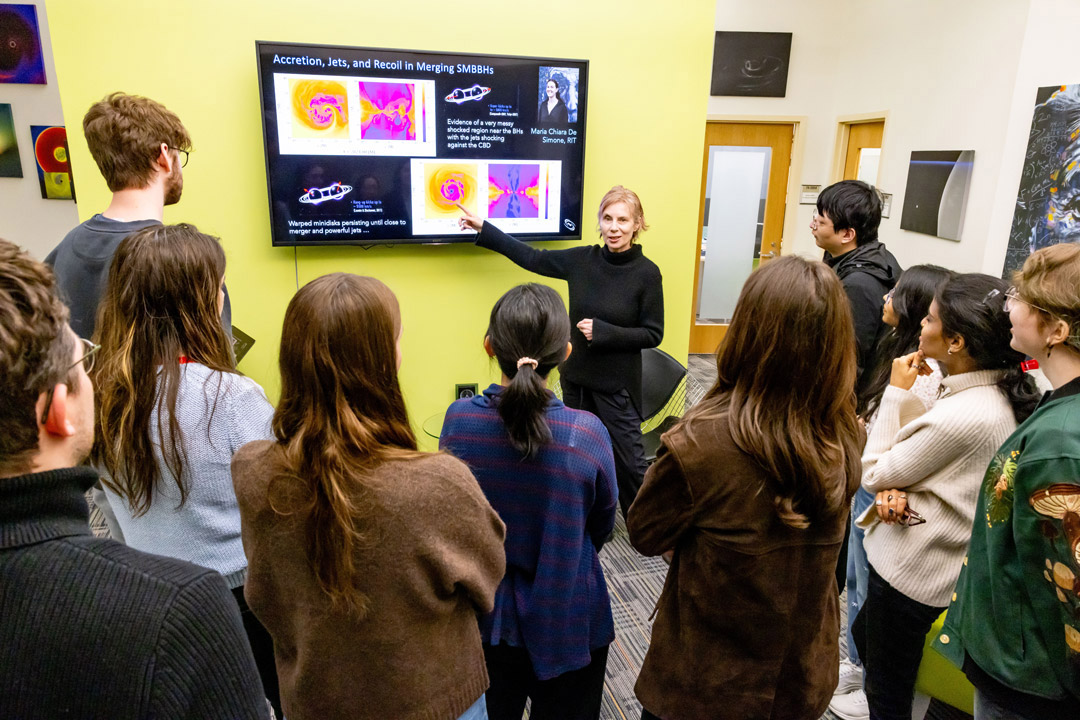
ALT A professor is talking to a group of students while pointing at a television screen in a hallway.
2
5
410
College of Science at RIT retweeted
I had a fantastic meeting with my colleague, Dr. Pritam Ganguly, from the @RITscience Science School of Chemistry and Materials Science, about a potential collaboration using computational chemistry to explore antimicrobial peptides as targets for antibiotic development.
As we talked, we revisited a JBC study on diaminopimelate decarboxylase, the enzyme that catalyzes the final step in lysine biosynthesis via the diaminopimelate (DAP) pathways, converting meso-diaminopimelate (m-DAP) into lysine that was published in JBC: sciencedirect.com/science/ar…
What makes this pathway particularly compelling is that m-DAP serves a dual role in Gram-negative bacteria. It is not only a precursor for lysine for protein synthesis, but also the key cross-linking amino acid in peptidoglycan.
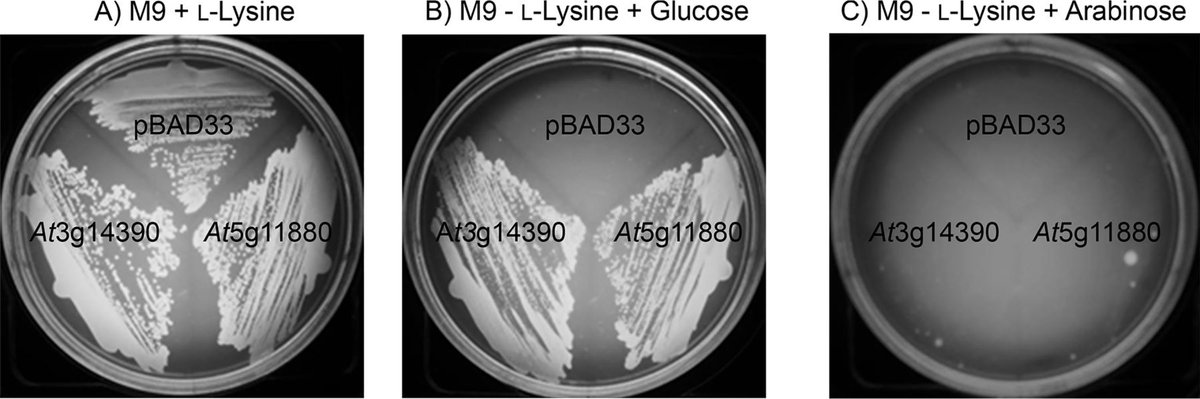
That discussion immediately brought me back to a functional complementation experiment we conducted for the study with my former student, Mary Leeman, MD. We employed the E. coli lysA mutant, which is auxotrophic for lysine, meaning it cannot grow unless lysine is supplied in the media or the pathway is restored via a functional gene. We introduced the two LysA orthologs from Arabidopsis thaliana under an inducible system: expression is turned on with arabinose and repressed with glucose, using an empty vector as a control in the lysA mutant.
Early on, the results were baffling. We observed growth on lysine-free media in the presence of glucose, but no growth when arabinose was added, the exact opposite of what we expected. We repeated the experiments many times, remade media, checked plasmids, and questioned every variable possible.
I remember thinking about this day and night, and then it clicked one day driving home!
Under arabinose induction, the enzyme was highly expressed, rapidly converting m-DAP to lysine. While lysine was being produced, the cell was effectively depleted of m-DAP needed for peptidoglycan cross-linking, compromising the cell wall and preventing growth. Under glucose repression, however, expression was low but slightly leaky, just enough to produce lysine while still preserving sufficient m-DAP for cell wall biosynthesis. Growth, it turned out, depended not on maximizing enzyme expression, but on maintaining metabolic balance.
Moments like that capture the joy of science. What initially seems perplexing often reveals something deeper if you stay with it long enough. Sometimes the breakthrough comes not at the bench, but in reflection.
#ILOVESCIENCE
1
4
137
College of Science at RIT retweeted
Mar 18
.@Independent published a column by André Hudson, dean of @RITScience, explaining how conflict involving Iran could disrupt global oil supplies and affect markets for petroleum-based products such as plastics, fertilizers, and chemicals. brnw.ch/21x0R9q
1
4
8
492
College of Science at RIT retweeted
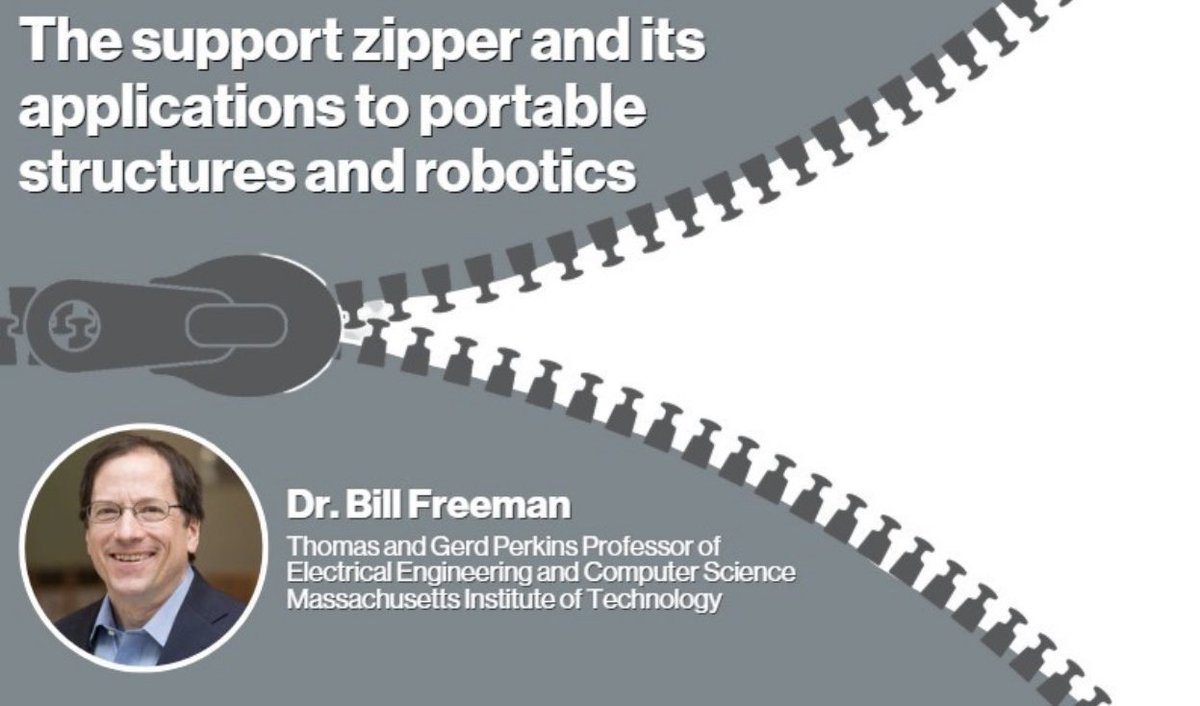
The @RITscience is pleased to host Dr. Bill Freeman, Thomas and Gerd Perkins Professor of Electrical Engineering and Computer Science (EECS) at the Massachusetts Institute of Technology, as part of the College of Science Distinguished Speaker Series.
The Support Zipper and Its Applications to Portable Structures and Robotics
Date: March 18, 2026
Time: 2:00–3:00 PM
Location: Thomas Gosnell Hall, Room A300
Learn more: rit.edu/events/cos-bill-free…
1
2
126
College of Science at RIT retweeted
At the @RITtigers, @RITscience, we believe that science and discovery have their greatest impact when they are accessible and understood. That’s why we are excited to launch our new Science Communication Internship starting in Fall 2026.
Strong communication is an essential, yet often overlooked, step of the scientific method. After data are collected and conclusions are drawn, science still needs to be shared, discussed, and understood. Translating complex ideas into clear and engaging stories helps connect research with society, inform decision-making, and inspire the next generation of scientists.
This new paid internship supports COS scholars who are interested and passionate about science communication. Interns will work alongside communications professionals and gain experience observing and participating in the entire process, from identifying research stories and conducting interviews to writing, editing, and publishing content, including social media.
They will help develop research features and short articles, collaborate with faculty, student researchers, and staff, and help share the incredible work happening across the college. Along the way, interns will build a portfolio of publishable work that can support future opportunities, including graduate school, fellowships, and careers in science communication and media.
Huge thank you to our colleagues in Marketing and Communications, especially Mollie Radzinski and Bob @BobFinnerty, for supporting this initiative!
Learn more and apply here: rit.az1.qualtrics.com/jfe/fo…
2
3
109
College of Science at RIT retweeted
Fantastic article in @ConversationUS by @RITscience and Chester F. Carlson Center for Imaging Science Scholar Sagar Lekhak! Well done, Sagar! Keep up the great work! theconversation.com/research…
2
3
64
College of Science at RIT retweeted
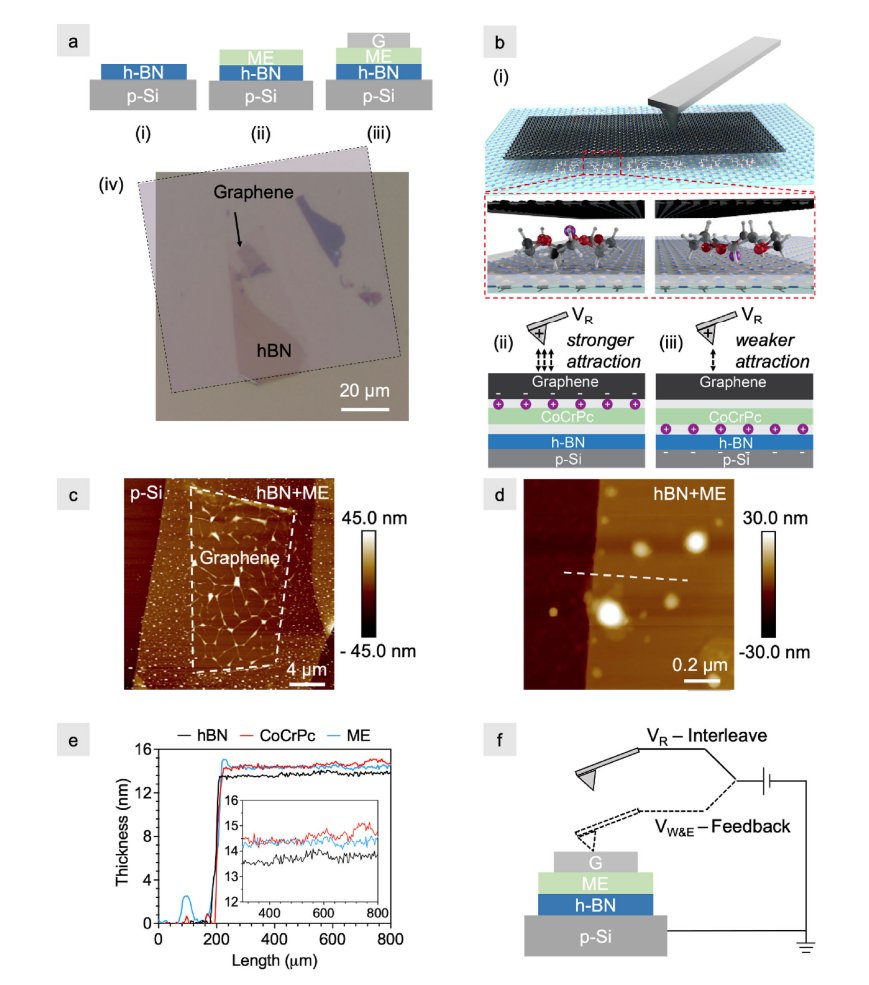
Prof. Xu and researchers from @PittTweet placed a layer of ions between 2 atom-thick materials, showing they could use voltage to move ions back and forth to “write,” “read,” and “erase” electrical charge patterns
onlinelibrary.wiley.com/doi/… @RITscience @_RITEngineering @AdvPortfolio
2
1
66
College of Science at RIT retweeted
Professor Hubbard and researchers from @ODU @JLab_News & @RITscience created a new type of compact semiconductor laser that can emit continuous ultraviolet-B light at room temperature, bringing practical UV-B lasers closer to real-world use
pubs.aip.org/aip/apl/article… @AIP_Publishing
1
1
65
College of Science at RIT retweeted
Feb 18
An @RITscience imaging science Ph.D. student is bringing new insights to photography conservation with support from a @NatlParkService grant. brnw.ch/21x037x
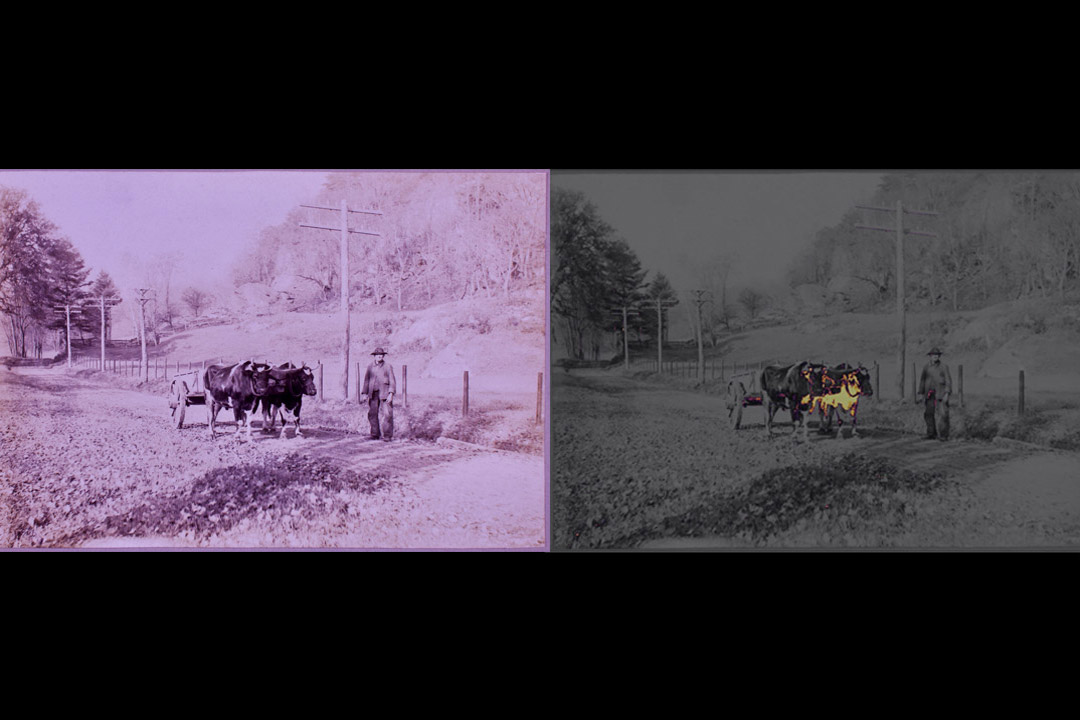
ALT Side-by-side comparison of a photo. On the left the image of cattle pulling a wagon has a mask overlay. On the right, the same image has highlighted regions where there is silver mirroring damage
2
3
8
475
College of Science at RIT retweeted
Feb 17
Chaos theory explains how an incredibly small change can lead to a dramatically large, unpredictable change. A team from @RITScience has developed a new tree-based method to predict chaos using less data, fewer parameters, and a more user-friendly format. brnw.ch/21x00Sf
3
7
439