
Med/Surg RN, MN, PhD(c). Interested in cancer genomics in nursing, POR. A perpetual work-in-progress. Learning and unlearning.
Joined November 2012
- Tweets 669
- Following 219
- Followers 159
- Likes 307
42 Photos and videos




Pinned Tweet

4 Mar 2022
Words I aspire to live by 🤍🤍
27 Aug 2021

"Just do right. Right may not be expedient, it may not be profitable, but it will satisfy your soul. It brings you the kind of protection that bodyguards can’t give you." #MayaAngelou
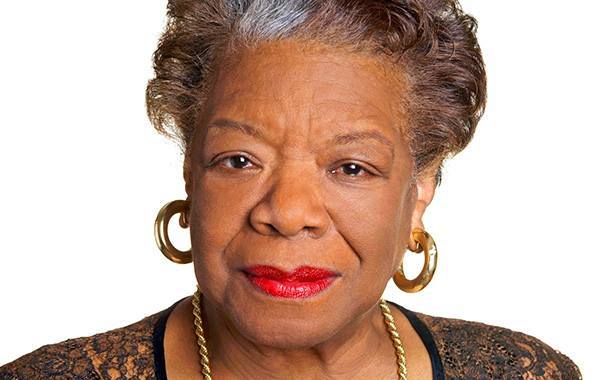
ALT An image of Maya Angelou looking straight forward.
1
9
9 Jan 2025
One of the best things I did in my professional life was the decision to join CANO/ACIO
7 Jan 2025

Kick 2025 off right - join #CANOACIO! Take advantage of benefits like FREE monthly educational webinars & access to awards/grants for #oncologynurses making a difference in #leadership, #clinicalpractice & #cancer #research. Head to cano-acio.ca/page/membership… to join today!

1
57
24 Nov 2024
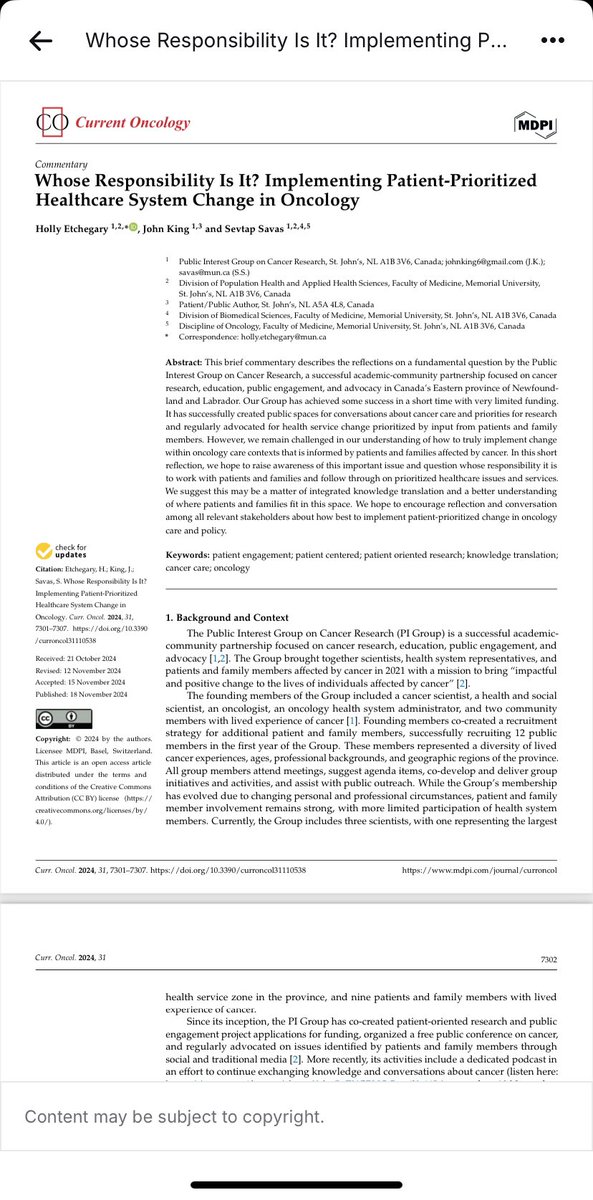
Needed dialogue in new article by one of my fabulous advisors, Dr. holly etchegary and @savaslab - in @CurrentOncology
2
3
134
Rebecca Puddester (she/her) retweeted

18 Nov 2024
What Do #Genomics, Float Pools and Cardiac Surgery Have in Common? Innovating Nurses!
#NursingLeadership @LeighChappy @jmlimoges @RPuddRN @AprilPike12 @KCalzone @DrNLetourneau @agretchev @patrickpcchiu @drkateleslie @Michelleacorndr @canadanurses
longwoods.com/publications/n…
5
5
1,910
Rebecca Puddester (she/her) retweeted

1 Nov 2024
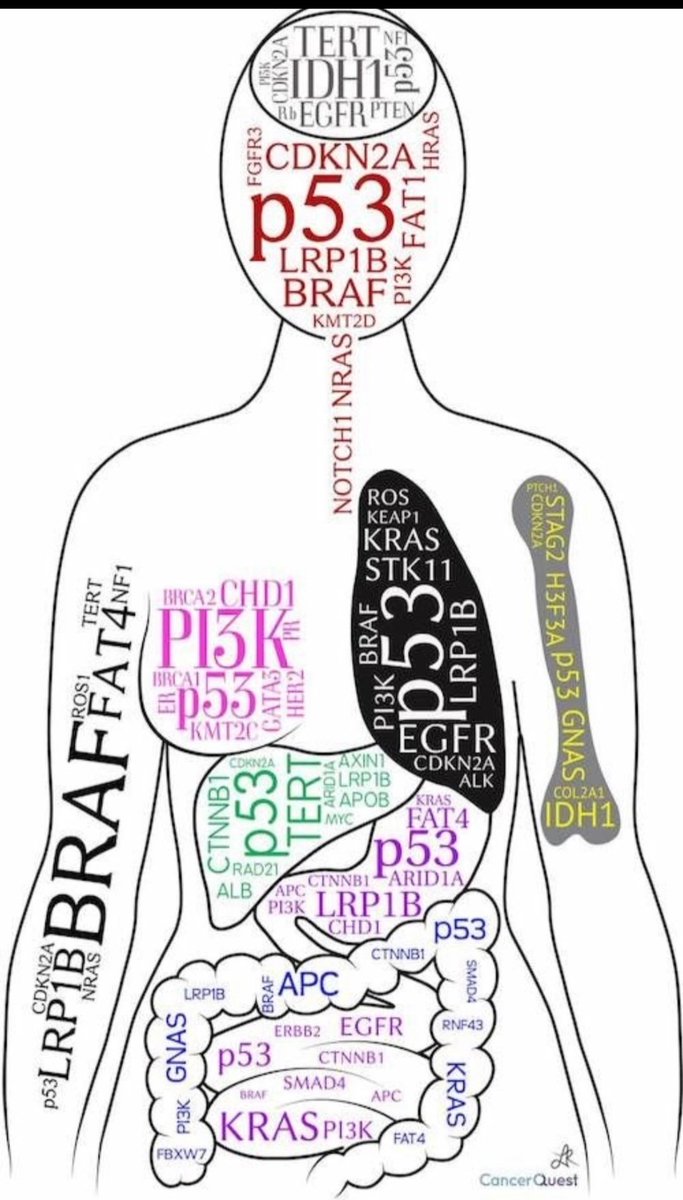
Genetic mutations/alterations by cancer region👇
6
91
348
40,612
Rebecca Puddester (she/her) retweeted

29 Oct 2024
why do they ask about the gaps in a resume?
people need breaks, can be caregiver, can have health breaks, simply travel around, and whatever else they wanna experience
why is it always be about "work"?
29 Oct 2024

Interviewer: “How do you explain this gap in your resume?”
Me: “I was trying to connect with eduroam”
2
2
11
615
Rebecca Puddester (she/her) retweeted

24 Oct 2024
Big news for applicants and reviewers! CIHR, @NSERC_CRSNG, and @SSHRC_CRSH will be transitioning away from the CCV to a new narrative-style CV for funding opportunities.
science.gc.ca/site/science/e…

ALT New narrative-style CV
8
106
194
76,128
Rebecca Puddester (she/her) retweeted

16 Oct 2024
Private nursing agencies are a “band-aid” to our public health care system staffing crisis according to Prof Joan Almost (@jmalmost), author of the new @CFNU report: “Opening the black box: Unpacking the use of nursing agencies in Canada”
Listen to the latest Perspectives Journal Podcast episode: perspectivesjournal.ca/openi…
6
7
1,286
Rebecca Puddester (she/her) retweeted

13 Oct 2024
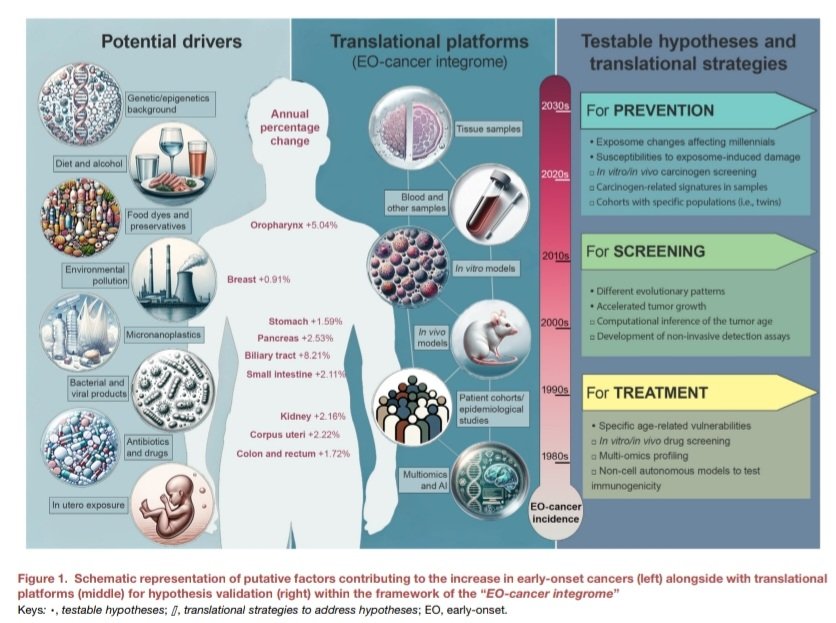
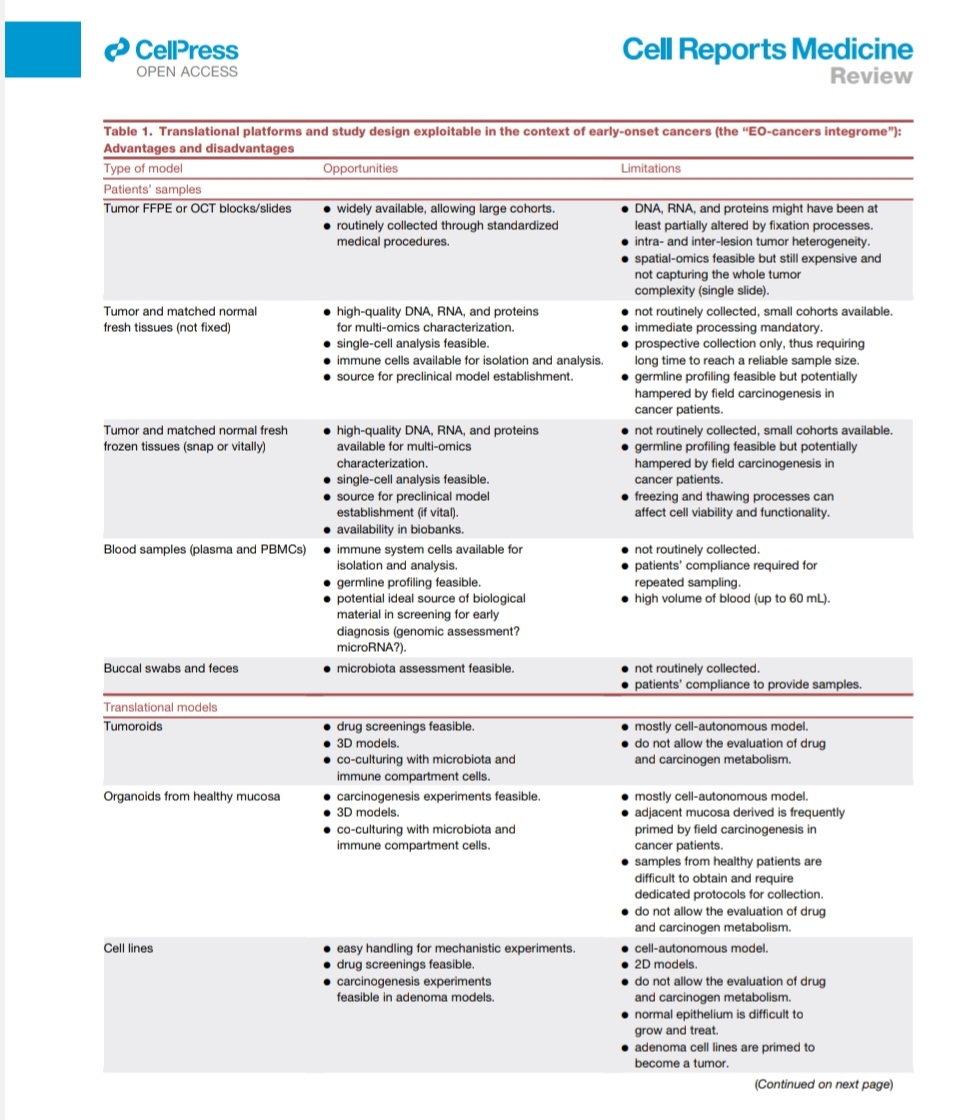
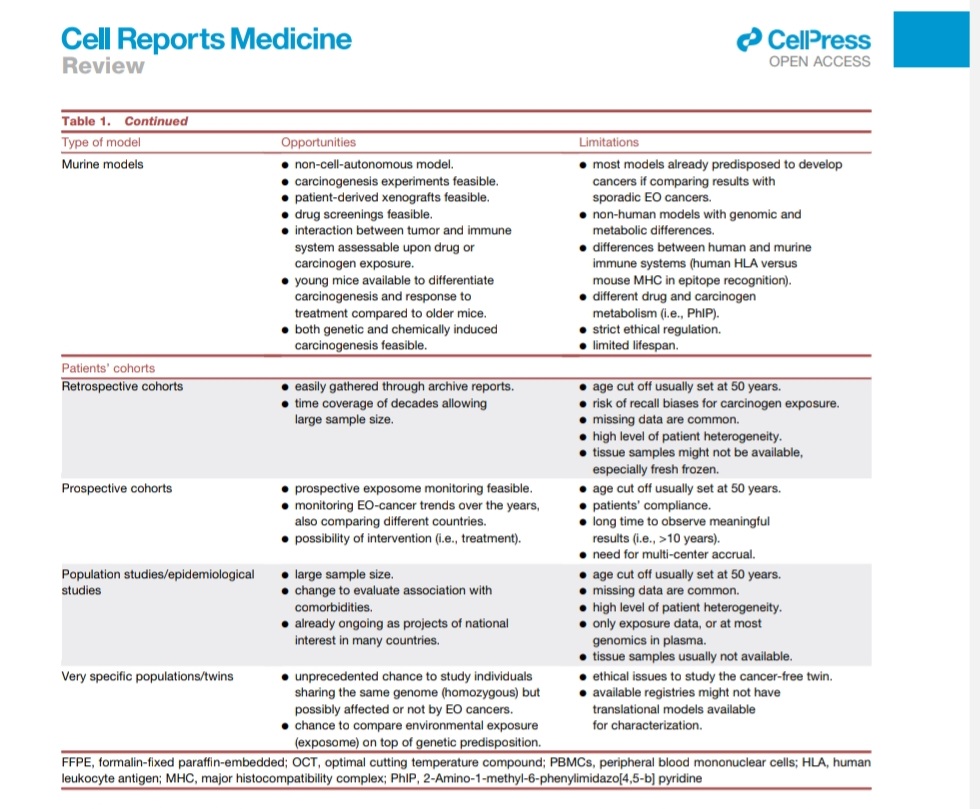
💫🌟Early-Onset Cancers: Unraveling Biological Causes and Clinical Implications🌟💫
@OncoAlert
🔷 Understanding Early-Onset Cancers
Over the past three decades, the incidence of early-onset (EO) cancers—those diagnosed in individuals under the age of 50—has been rapidly rising. While EO cancers traditionally affected older adults, recent epidemiological data highlight a disturbing increase in diagnoses among adolescents and young adults, notably in cancers like colorectal cancer (CRC) and breast cancer (BC).
🔷 Key Points
• Rising Incidence:
➤ The incidence of EO cancers globally increased by 80% from 1990 to 2019, especially in gastrointestinal, colorectal, and breast cancers.
➤ Notably, EO-CRC is projected to account for one-third of all CRC cases by 2030.
• Impact of the Exposome:
➤ The rise in EO cancers may be linked to changes in environmental exposures, including diet Westernization, increased consumption of processed foods, exposure to carcinogens, and shifts in lifestyle factors like physical inactivity and obesity.
➤ Environmental pollutants, such as PM2.5 and microplastics, are also suspected contributors.
• Challenges in Screening:
➤ Current screening protocols may not be well-suited to EO cancers, especially in CRC, where tumors may develop faster in younger populations.
➤ Innovations like circulating tumor DNA (ctDNA) monitoring could be key in developing more effective, non-invasive screening strategies for early detection.
🔷 Hypotheses on EO Cancer Evolution
• Biological Peculiarities:
➤ EO cancers may follow different biological pathways compared to late-onset cancers. There is growing interest in understanding if EO tumors exhibit distinct molecular profiles that affect treatment responses, potentially requiring tailored therapeutic approaches.
• Multi-Omics Integration:
➤ Comprehensive multi-omics profiling is essential to uncover the genetic, epigenetic, and transcriptomic features unique to EO cancers. International collaborations and biobanks focusing on EO cancer samples are critical to advancing this research.
🔷 Conclusion
The surge in early-onset cancers presents an urgent public health challenge. By integrating epidemiological, environmental, and molecular data, we can develop a deeper understanding of the biology driving these cancers. This approach, referred to as the EO-cancer integrome, could ultimately lead to more effective prevention, diagnosis, and treatment strategies.
#EarlyOnsetCancer #CancerResearch #Oncology #PrecisionMedicine #ColorectalCancer #BreastCancer #Exposome #PublicHealth #MultiOmics
cell.com/cell-reports-medici…
2
52
99
16,777
Rebecca Puddester (she/her) retweeted

12 Oct 2024
Methodological obsession is a symptom of intellectual colonialism.
11 Oct 2024

(1/2) We need more attention to selection bias in qualitative research. A new study in a top sociology journal examines "how young people experience policing," but it draws only on interviews of youth in an organization devoted to abolishing the police, one that bombards...

12
88
520
38,341
12 Oct 2024
We invite you to help us share exciting news with oncology nurses: CANO/ACIO has launched a new special interest group (SIG) focused on oncology genomics
Discover more about the oncology SIG here: cano-acio.ca/page/genomics
Not a member yet? Join here: cano-acio.ca/page/member_ben…
1
2
72
12 Oct 2024
The oncology genomics SIG serves as a dynamic forum for fostering
collaboration, leadership and networking among oncology nurses engaged in various areas, including clinical practice, education, research, clinical practice and administration.
1
47
Rebecca Puddester (she/her) retweeted

21 Sep 2024
Our #CANOACIO2024 #AnnualConference is coming up & not only do students get a special rate for the full conference - but there is a FREE #StudentDay at the conference! Follow the instructions to sign up - a student #CANOACIO profile is required.

1
2
138
5 Oct 2024
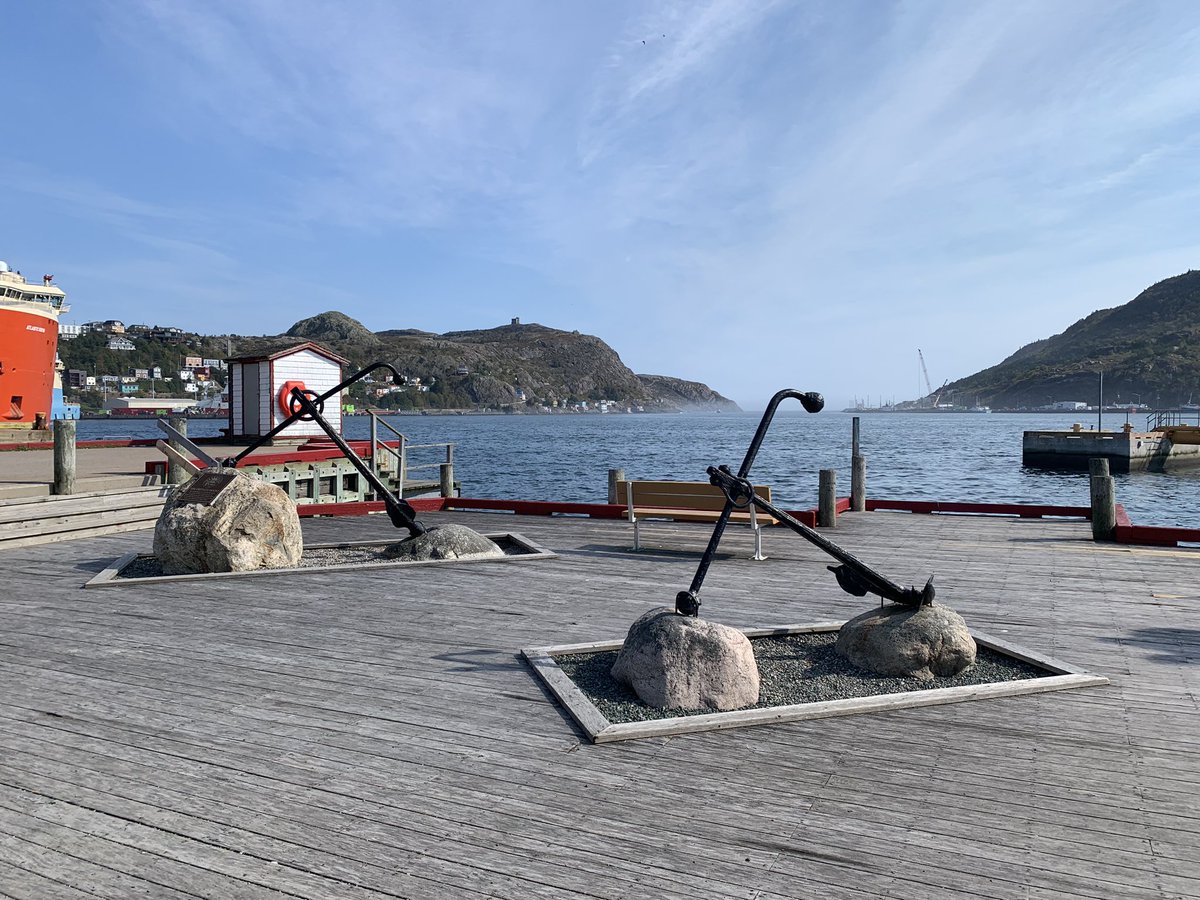
Beautiful fall day in St. John’s - hoping the weather holds up for the CANO/ACIO annual conference - the local planning committee is excited to see you all here later this month ! @CANO_ACIO #yyt #oncologynurses
6
95
Rebecca Puddester (she/her) retweeted

13 May 2024
Latest publication with a great team led by @DrKateLeslie exploring the impacts of technology and digitalization on professional regulation.
journals.plos.org/plosone/ar…
1
2
1
630
Rebecca Puddester (she/her) retweeted
9 May 2024
New publication exploring the perspectives of Canadian oncology nurses and patient partners on nursing policy infrastructure needs to enable genomics-informed nursing. journals.sagepub.com/doi/10.… @jmlimoges @RPuddRN @AprilPike12 @AGretchev @don_flaming @DrKateLeslie @UAlbertaNursing
1
7
11
1,067
Rebecca Puddester (she/her) retweeted

5 Apr 2024
Researcher Jennifer Stinson receives 2023 Barer-Flood Prize from CIHR #UofT 🍁 uoft.me/any
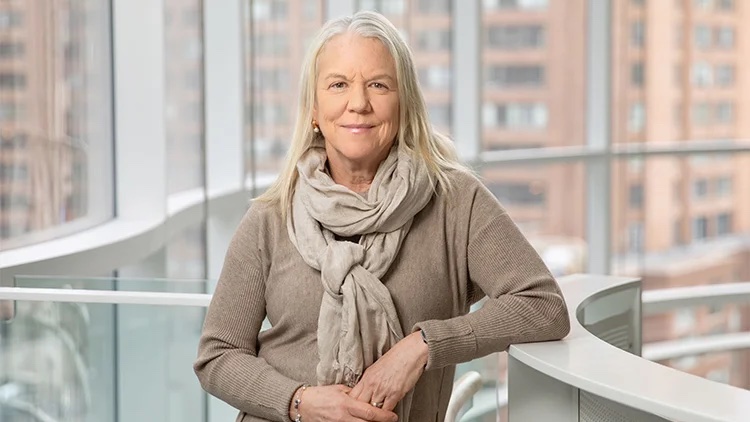
ALT Image shows Jennifer Stinson
1
7
31
4,661
Rebecca Puddester (she/her) retweeted

3 Apr 2024
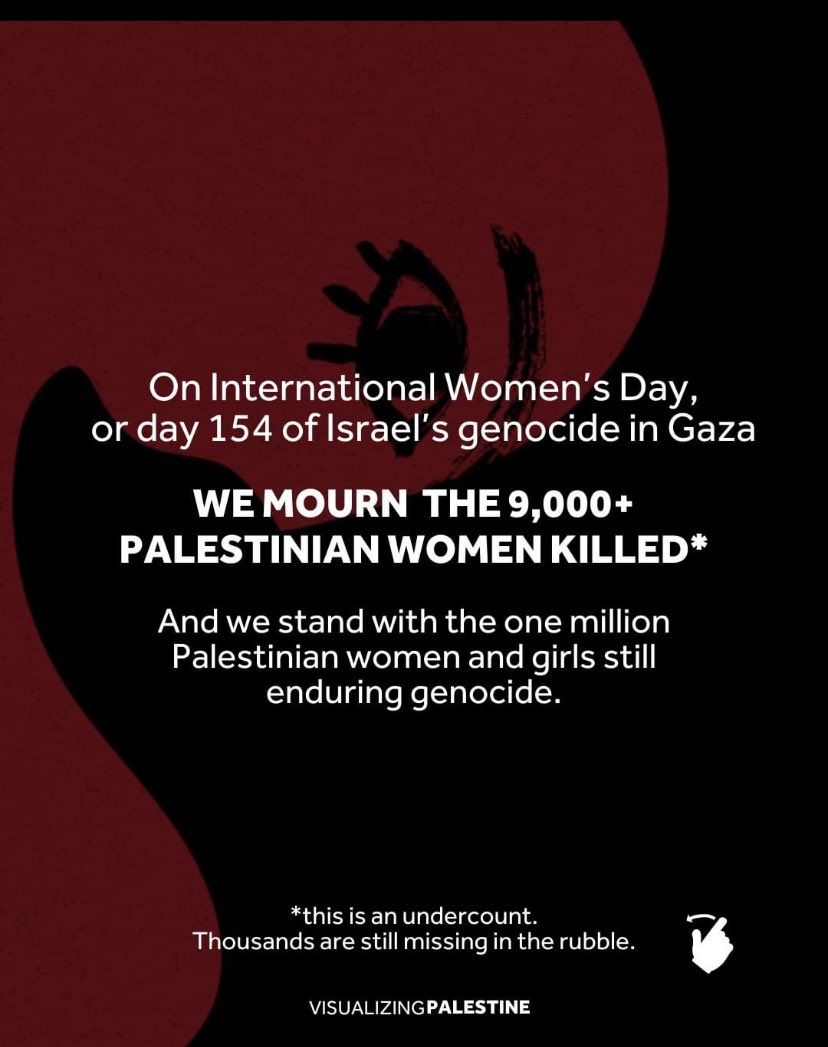
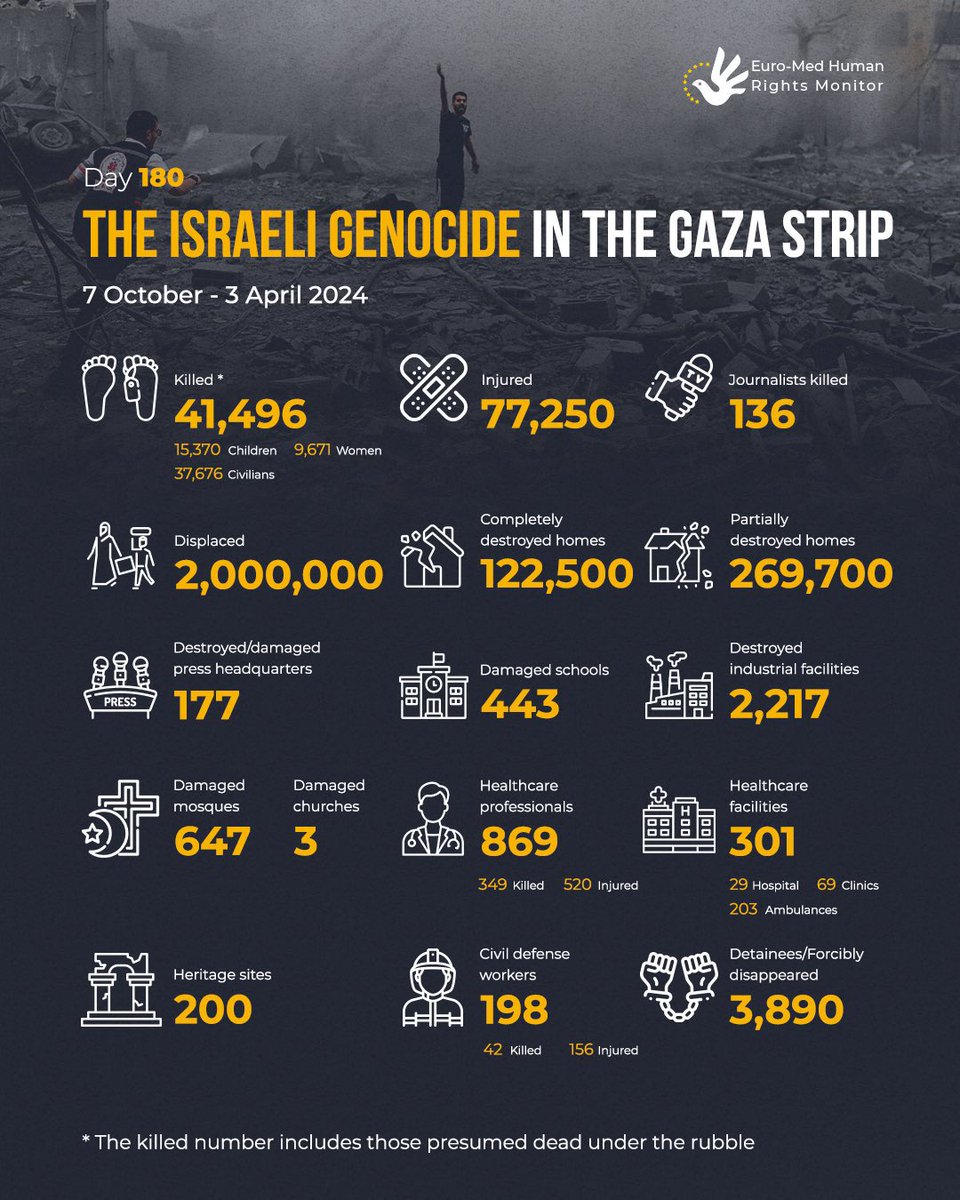
BREAKING: Israel has now killed 15,370 Palestinian children in Gaza, in just 180 days.
That’s 85 children killed per day, every single day, for 6 months straight.
Read that again.
493
23,248
23,061
1,101,680
2 Apr 2024
I loved this article. I want to see the CNS role amplified in my lifetime.
1 Apr 2024

#Newpaper uses an #AdvancedPracticeNursing framework to anchor 2 case studies that embody the #CNS role & provide a voice for CNSs to communicate how their APN role is pivotal to providing #highqualitycare. @AndersenTannis @jost_shannon @Interior_Health
longwoods.com/content/27288/…
1
102
Rebecca Puddester (she/her) retweeted

1 Apr 2024
Knowledge of the contribution of somatic and germline mutations to human diseases has progressed significantly in recent years. This has led to several therapeutic treatments for cancer and monogenic diseases. @NatureRevGenet informative review. nature.com/articles/s41576-0…
4
26
3,188