
Application protocol providing Reactive Streams semantics. It is a binary protocol for use on byte stream transports such as TCP, WebSockets, and Aeron.
Joined February 2017
- Tweets 89
- Following 18
- Followers 2,374
- Likes 175
20 Photos and videos

















23 Jan 2020
How do you use basic authentication in your @RSocketIO and @springboot application? Here is an example for you: buff.ly/2PynxZS
2
11
27
23 Jan 2020
Looking to use JWT in your @RSocketIO and @springboot application? Check out this example: buff.ly/2Qaf0eI
ALT rsocket and spring boot logo
3
14
22 Jan 2020
Need to update metadata at runtime in your @RSocketIO application? Check out how to use the metadata-push interaction model here:
buff.ly/2NDlC4K
2
22 Jan 2020
What is composite metadata in @RSocketIO and how do you use it? Check out this example:
buff.ly/2udVwys
1
4
22 Jan 2020
How do you send metadata on connection setup with RSocket? Check out this simple example to learn how.
buff.ly/372o4JU
1
3
21 Jan 2020
Want to make sure your subscriber's don't miss a message with @RSocketIO? Check out this example of pairing RSocket with @ProjectReactor.
buff.ly/365x1AP
2
10
21 Jan 2020
Need a bi-directional communication channel for your microservices or apps? Check out the channel interaction model in RSocket.
buff.ly/375rZFL
2
7
21 Jan 2020
Need to stream lots of data quickly and don't need a guarantee that all of it arrives at its destination? Check out RSocket's fire-and-forget interaction model:
buff.ly/2G0d0B1
1
8
20 Jan 2020
You will find many use cases for the request-stream interaction model in @RSocketIO. Check out this example to get you thinking on how you might be able to use it.
buff.ly/2RmNQSG
5
8
20 Jan 2020
Differences between gRPC and @RSocketIO - because we get asked this all the time buff.ly/2V4Pr0V
11
21
17 Jan 2020
Request-reply interactions between services is easy with @RSocketIO. Check out this example: buff.ly/2RroXoP
2
6
RSocket retweeted

16 Oct 2019
With Alibaba, Pivotal and Lightbend on board, Reactive flexes its ROI muscle in the microservices world | TechCrunch
"Goodbye HTTP, hullo Reactive"
#Reactive @lightbend @RSocketIO
techcrunch.com/2019/10/15/wi…
2
20
48
RSocket retweeted

15 Oct 2019
"The network is the unsolved problem of the cloud."
Good piece on reactive programming. Thanks to @netifi_inc and the rest of us, @RSocketIO is a great component of the stack.
1
4
8
RSocket retweeted

9 Oct 2019
This is the impetus behind us pushing the adoption of @RSocketIO. The jump to microservices left behind many great learnings from the networking world. We are bringing that back to the application layer with @RSocket and @netifi_inc
2
6
RSocket retweeted
24 Sep 2019
gRPC and @RSocketIO often get compared to each other, but as @rroeserr effectively lays out, they are quite different.
This post goes into OSI layer, client/server interaction, flow control, developer APIs, and lots more ... medium.com/netifi/difference…
15
36
RSocket retweeted

9 Oct 2019
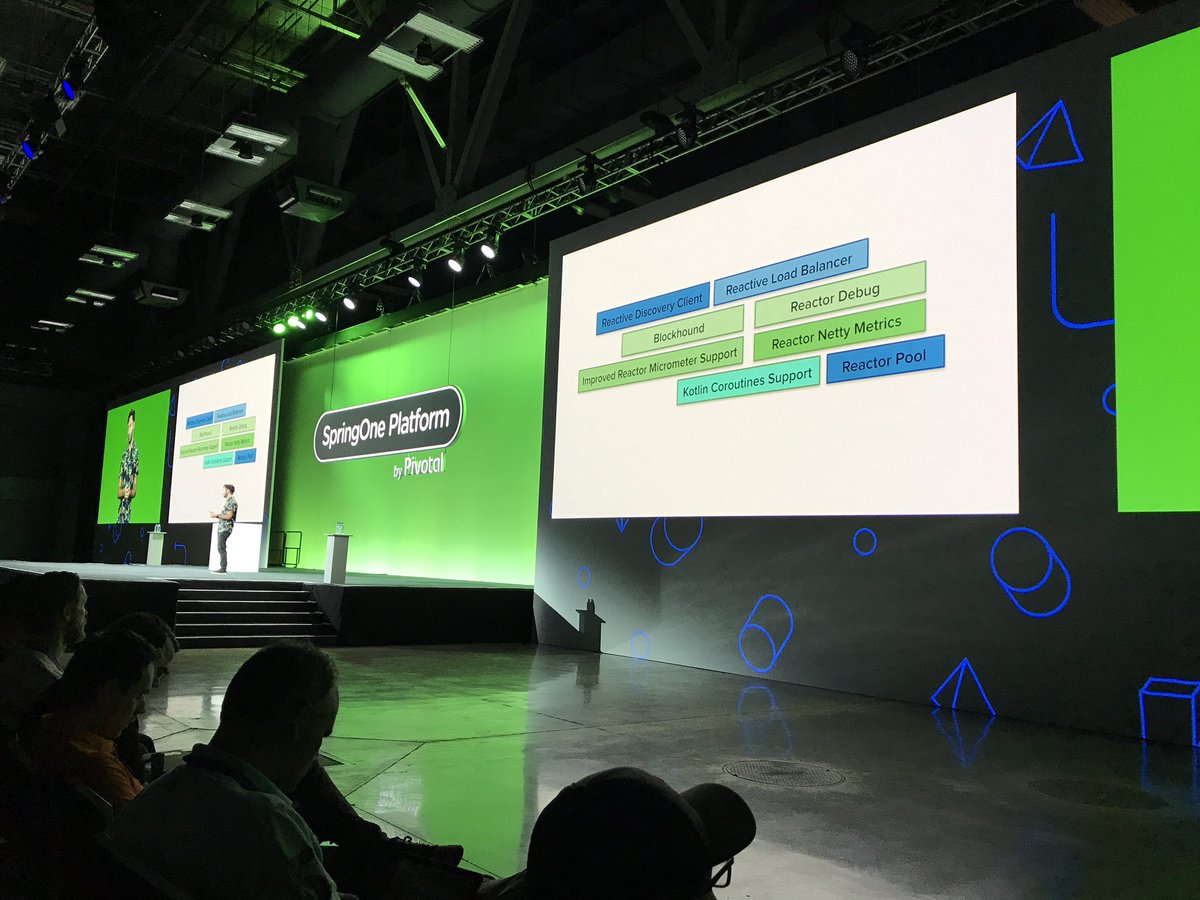
.@RSocketIO allows us to take reactive beyond the application and onto the network, while @r2dbc allows to us extend reactive to persistent storage. @smaldini at #SpringOne
2
8
15
RSocket retweeted

8 Oct 2019
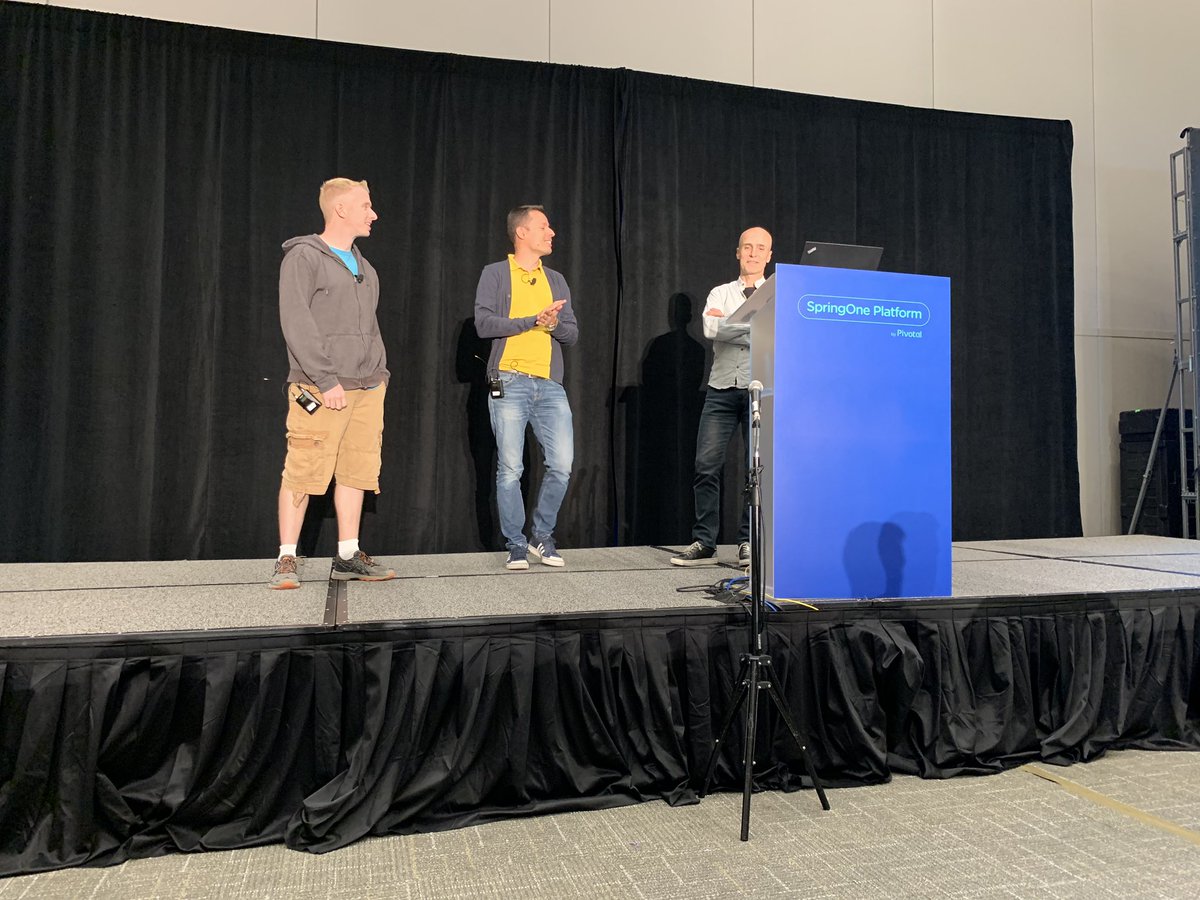
Everything you need to know to get started with @RSocketIO starting in a few mins. Ballroom G #springone

1
6
23

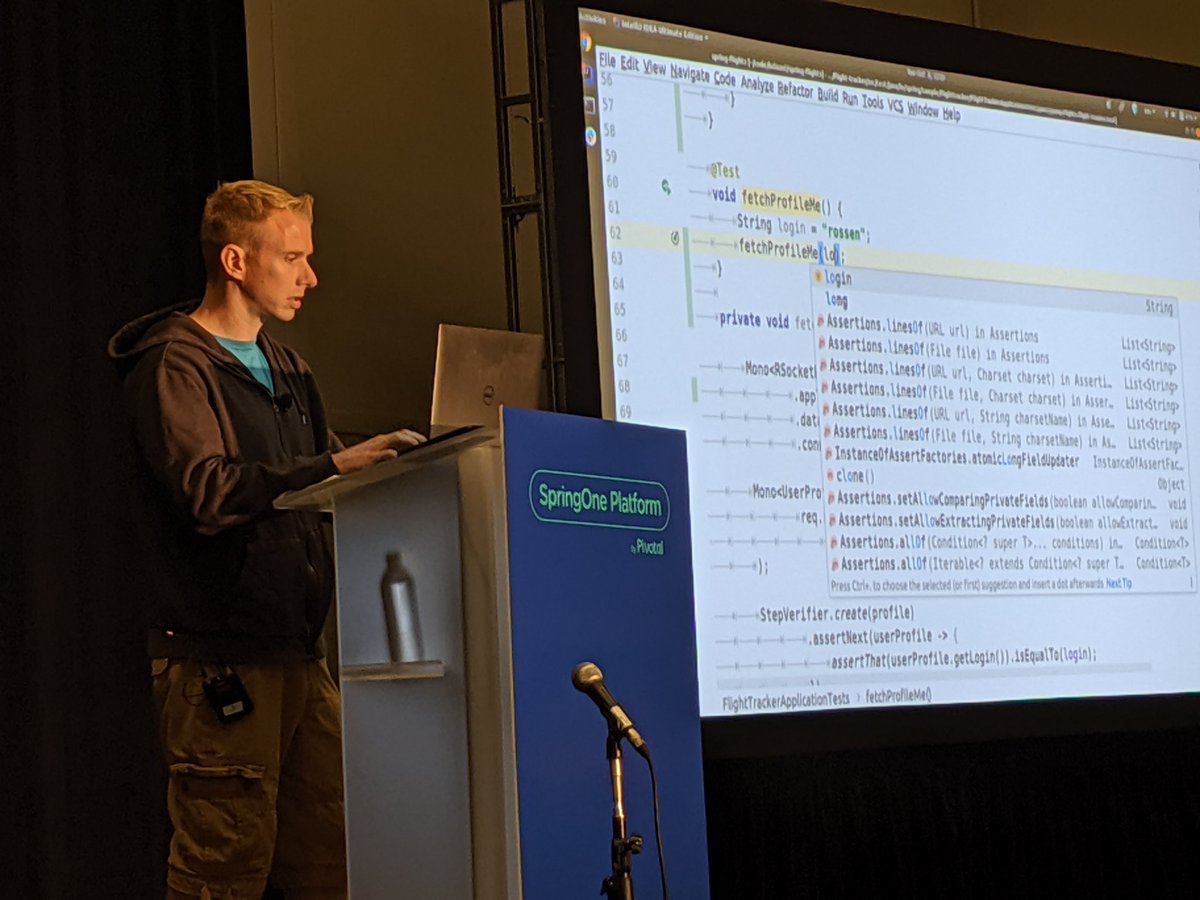
I feel like we are pretty lucky to have @rob_winch doing so much for @SpringSecurity
Enjoy hearing him and seeing his latest @RSocketIO demo!
1
4
RSocket retweeted

8 Oct 2019
2
4
13