CEO of @PHA_Healthcare the peak industry body representing Australia's major health funds, comprising 96% of the health insurance industry based on membership.
Joined March 2013
- Tweets 910
- Following 291
- Followers 230
- Likes 6,868
Photos and videos
Rachel David retweeted

21 Sep 2025
Out of pocket costs are putting specialist medical care out of reach of pensioners & many other Australians.
We need a healthcare system where people can access the care they need, not just what they can afford.
abc.net.au/news/2025-09-22/p…
187
288
1,050
29,024
Rachel David retweeted

16 Jun 2025
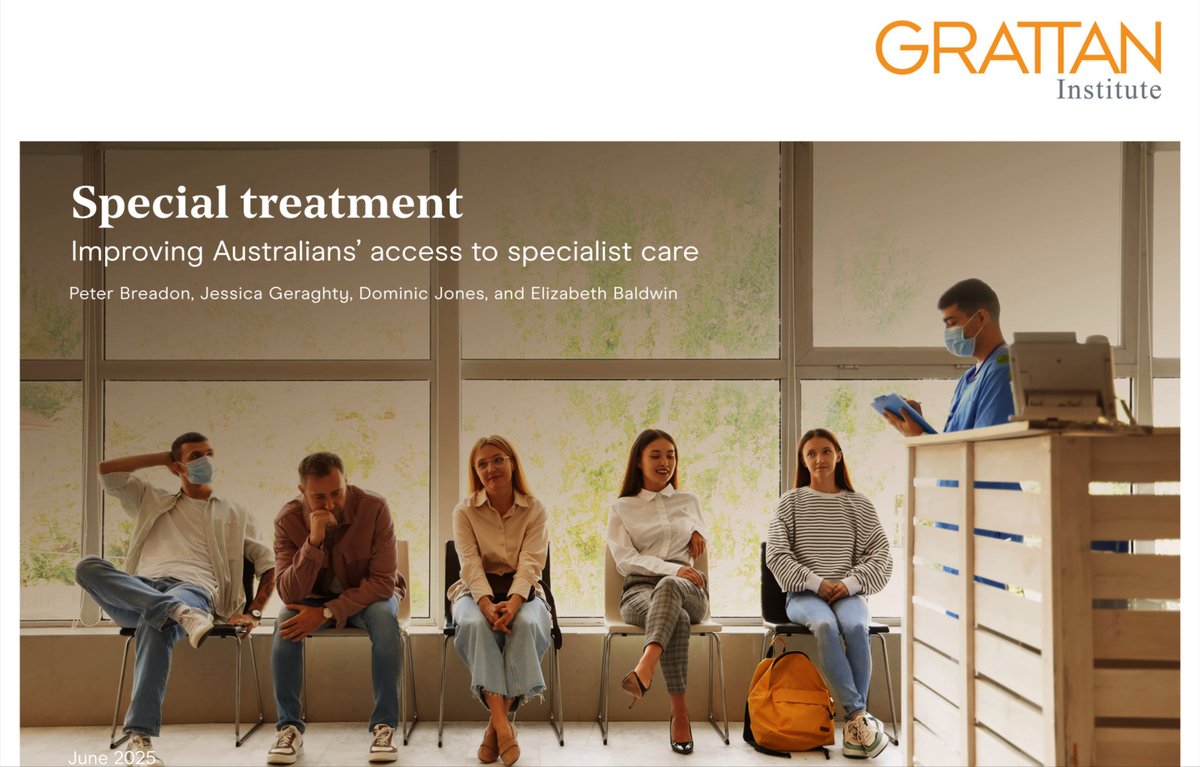
A very interesting report graphically illustrating failures in workforce planning which will bedevil our health system for years to come. Also, so little commentary on s.xxiiiA which is a defining feature of paltry regulation. #OOPs are the bane of #PHI.
grattan.edu.au/wp-content/up…
2
2
4
312
Rachel David retweeted
28 May 2025
For 20 years priv hosps were a reliable "river of gold" for investors (just ask Ramsay). Then came the disruption in the form of Covid, increased day surgery and whopping OOPs. @Healthscope was unable to cope and PHI was, rightly, unwilling to pay. abc.net.au/news/2025-05-28/c…
2
3
129
Rachel David retweeted

18 May 2025
New from me: $10m was spent on these melanoma scanners. Doctors were better at detecting cancer
A complex story about technology, overdiagnosis, and Australia's national cancer
theage.com.au/national/10m-w…
1
3
2
395
Rachel David retweeted

28 Apr 2025
Just in case you see a social media ad trying to have a go at Kate McClymont... Here she explains who's behind it.
Kate is a national treasure as all good people know.
28 Apr 2025

Authored by a convicted fraudster and banned "psychologist" and re-posted by a company involving a convicted fraudster, a bankrupt chicken shop owner and a jailed briber. What they have in common is that I have published investigations about them.
6
101
341
20,449
Rachel David retweeted

19 Mar 2025
.@CroweDM confirms Trump administration determined to smash Australia’s PBS. Australian government must reject the effrontery of US. PBS is not negotiable in trade negotiations. All parties must reject Americanisation of Australia’s health system. smh.com.au/politics/federal/…
166
913
2,838
57,360
Rachel David retweeted

18 Mar 2025
Great to see @Mark_Butler_MP taking action on specialist fees! Transparency is key, especially after our national survey results. Clear cost info reduces financial stress and helps patients make informed healthcare decisions. This issue deserves attention!
17 Mar 2025

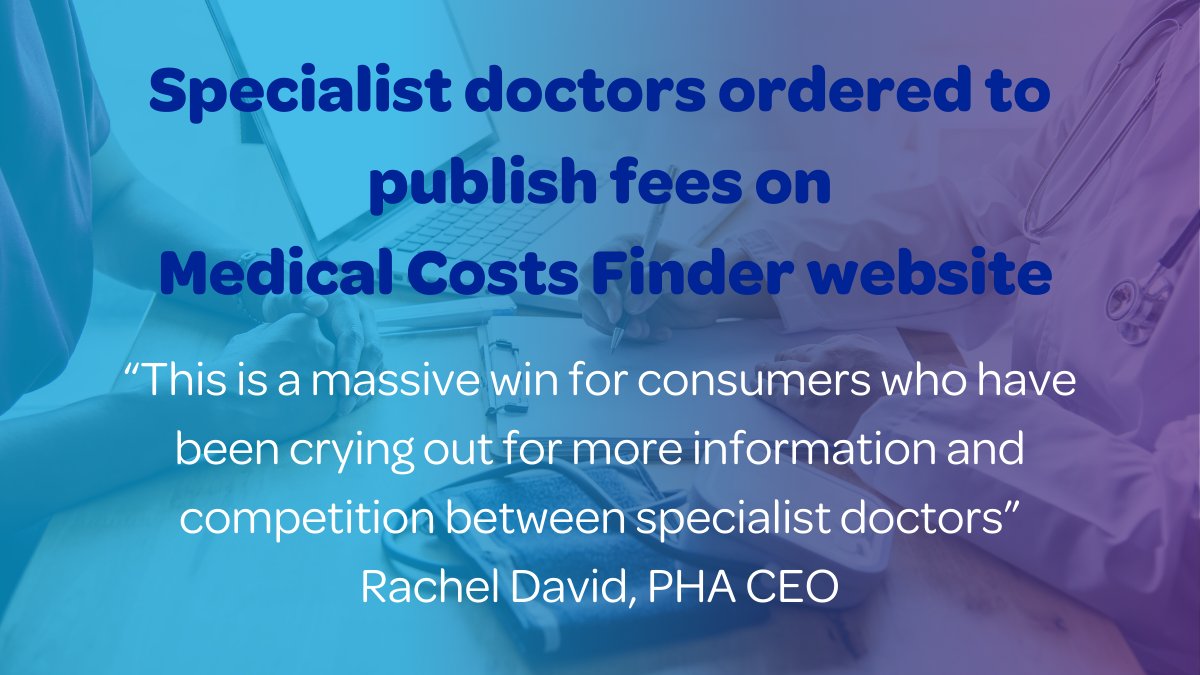
In a big win for consumers, about 11,000 specialist doctors will be obliged to publish their fees on the Government's Medical Costs Finder website. Following a long-running campaign by Australian health funds and patient groups, @Mark_Butler_MP announced doctors must disclose their fees so consumers and their GPs can see how much specialists charge before they attend appointments.
An increasing number of Australians have been charged exorbitant fees by specialist doctors such as surgeons, anaesthetists, and psychiatrists. Fifty-five per cent of Australians (15 million people) are paying for private health insurance. These people are contributing to their own healthcare and taking pressure off our stressed public hospital system. They should be guaranteed protection from unanticipated medical costs.
We welcome this plan by the Albanese Government and look forward to greater transparency creating a more accessible health system. Read more here: privatehealthcareaustralia.o…
2
3
139
Rachel David retweeted

16 Mar 2025
This is critical historical context from the former PM. Big Pharma hates our PBS pricing methods.
There must be a clear and unambiguous message to the White House - Don’t Mess With Our PBS.
15 Mar 2025

There are news reports today that Australian government officials are concerned that the Trump administration will pressure Australia over its monopsonistic Pharmaceutical Benefits Scheme which keeps drug prices in Australia lower than they otherwise would be - the PBS does not make drugs eligible for government subsidy unless the price is agreed.
This is not news. big pharma has never liked our PBS. This piece of history from the Obama years and the negotiations over the Trans Pacific Partnership is from my memoir “A Bigger Picture”
“I became prime minister just as the negotiation of the TPP was concluding in Atlanta and we came under enormous pressure from the Americans to agree to amendments to patent protection for biologics, a new and increasingly important type of drug created by complex biological, as distinct from chemical, processes. The amendments would benefit the immensely influential US pharma lobby but would inevitably be politically damaging for us as an increase in the cost of some drugs in Australia was a likely outcome.
“We were only just getting the China Australia Free Trade Agreement through the parliament in the teeth of furious opposition from the unions and we simply didn’t have the political capital available to have a fight over the TPP too. President Obama called me to press the case and did so with his characteristic quiet charm. But I couldn’t help him; we wouldn’t change our law relating to data protection for biologics. It was political kryptonite for us.
Barack said that meant the TPP could fall over and we’d be blamed. I took a deep breath and quietly replied, ‘Well, Mr President, like you, I think the TPP is vital for our region. But you know, nobody is marching in the streets here saying “Sign the TPP”, but they sure will be marching if they think we’re going to put up the price of drugs on our Pharmaceutical Benefits Scheme. Those pharma companies hate our PBS because we use our monopoly buying power to force down prices – but that’s not my problem. Sorry, no can do.’
Barack Obama entirely understood the politics. And he acknowledged he was an unlikely advocate for big pharma. We just moved on to talking about Syria and other security issues. I then gave Andrew Robb (our Trade Minister) authority to stonewall on the issue. ‘Just say “no” to drugs, Andrew,’ I told him.
Our ambassador in Washington, Kim Beazley, reported to me on 3 October that, following my call with the president, Obama’s National Security Council trade adviser was trying to elevate the issue to one of national security, and was arguing that our standing our ground wouldn’t just put the whole deal but the alliance at risk. We were warned that the atmospherics with the Americans would likely be poisonous if talks collapsed.
Peter Varghese, secretary of DFAT, Julie Bishop our Foreign Minister , Andrew Robb and I talked. We resolved that we would not be spooked by the US pressure and concluded the idea that Australia was standing in the way of the US rebalance in the Asia Pacific was self-serving bunkum. The USA was trying to knock us off one by one on biologics, and Australia was by no means the only TPP party that could not accept eight years. We recognised that if we failed in Atlanta it wouldn’t be because of Australia. So, concluding our position on biologics was both entirely defensible and in our national interest, I instructed our negotiators to hold firm. And we did.
The deal was signed in Atlanta – only to be abandoned a year later by President Trump. But it was a reminder that, especially when it comes to trade, nations – particularly big ones – will ruthlessly pursue their own interests. It was important that at our first encounter, Obama saw that I was just as committed to Australia’s interests as he was to America’s.“
10
4
46
4,966
Rachel David retweeted
15 Mar 2025
American pharmaceutical companies wish to destroy Australia’s PBS. Why? Because Australian government uses its buying power to bring medicines to Australians @ lowest possible cost. US wants American health system in Australia. @AlboMP should tell ‘em they’re dreaming.
15 Mar 2025
There are news reports today that Australian government officials are concerned that the Trump administration will pressure Australia over its monopsonistic Pharmaceutical Benefits Scheme which keeps drug prices in Australia lower than they otherwise would be - the PBS does not make drugs eligible for government subsidy unless the price is agreed.
This is not news. big pharma has never liked our PBS. This piece of history from the Obama years and the negotiations over the Trans Pacific Partnership is from my memoir “A Bigger Picture”
“I became prime minister just as the negotiation of the TPP was concluding in Atlanta and we came under enormous pressure from the Americans to agree to amendments to patent protection for biologics, a new and increasingly important type of drug created by complex biological, as distinct from chemical, processes. The amendments would benefit the immensely influential US pharma lobby but would inevitably be politically damaging for us as an increase in the cost of some drugs in Australia was a likely outcome.
“We were only just getting the China Australia Free Trade Agreement through the parliament in the teeth of furious opposition from the unions and we simply didn’t have the political capital available to have a fight over the TPP too. President Obama called me to press the case and did so with his characteristic quiet charm. But I couldn’t help him; we wouldn’t change our law relating to data protection for biologics. It was political kryptonite for us.
Barack said that meant the TPP could fall over and we’d be blamed. I took a deep breath and quietly replied, ‘Well, Mr President, like you, I think the TPP is vital for our region. But you know, nobody is marching in the streets here saying “Sign the TPP”, but they sure will be marching if they think we’re going to put up the price of drugs on our Pharmaceutical Benefits Scheme. Those pharma companies hate our PBS because we use our monopoly buying power to force down prices – but that’s not my problem. Sorry, no can do.’
Barack Obama entirely understood the politics. And he acknowledged he was an unlikely advocate for big pharma. We just moved on to talking about Syria and other security issues. I then gave Andrew Robb (our Trade Minister) authority to stonewall on the issue. ‘Just say “no” to drugs, Andrew,’ I told him.
Our ambassador in Washington, Kim Beazley, reported to me on 3 October that, following my call with the president, Obama’s National Security Council trade adviser was trying to elevate the issue to one of national security, and was arguing that our standing our ground wouldn’t just put the whole deal but the alliance at risk. We were warned that the atmospherics with the Americans would likely be poisonous if talks collapsed.
Peter Varghese, secretary of DFAT, Julie Bishop our Foreign Minister , Andrew Robb and I talked. We resolved that we would not be spooked by the US pressure and concluded the idea that Australia was standing in the way of the US rebalance in the Asia Pacific was self-serving bunkum. The USA was trying to knock us off one by one on biologics, and Australia was by no means the only TPP party that could not accept eight years. We recognised that if we failed in Atlanta it wouldn’t be because of Australia. So, concluding our position on biologics was both entirely defensible and in our national interest, I instructed our negotiators to hold firm. And we did.
The deal was signed in Atlanta – only to be abandoned a year later by President Trump. But it was a reminder that, especially when it comes to trade, nations – particularly big ones – will ruthlessly pursue their own interests. It was important that at our first encounter, Obama saw that I was just as committed to Australia’s interests as he was to America’s.“
92
601
1,968
88,030
Rachel David retweeted
11 Mar 2025
Slowly and painfully this reprehensible cowboy - masquerading as a doctor - is being brought to account. #Teo
Thinking of you @DrHWoo.
19 Jul 2023

You’ve been vindicated @DrHWoo. I’m glad you say that the genesis of your concerns was the pathetic online begging #Teo was forcing his patients to engage in, to pay his egregious fees. HCCC criticised that too, but it’s been airbrushed by media. smh.com.au/national/nsw/call…
1
2
111
Rachel David retweeted

7 Mar 2025
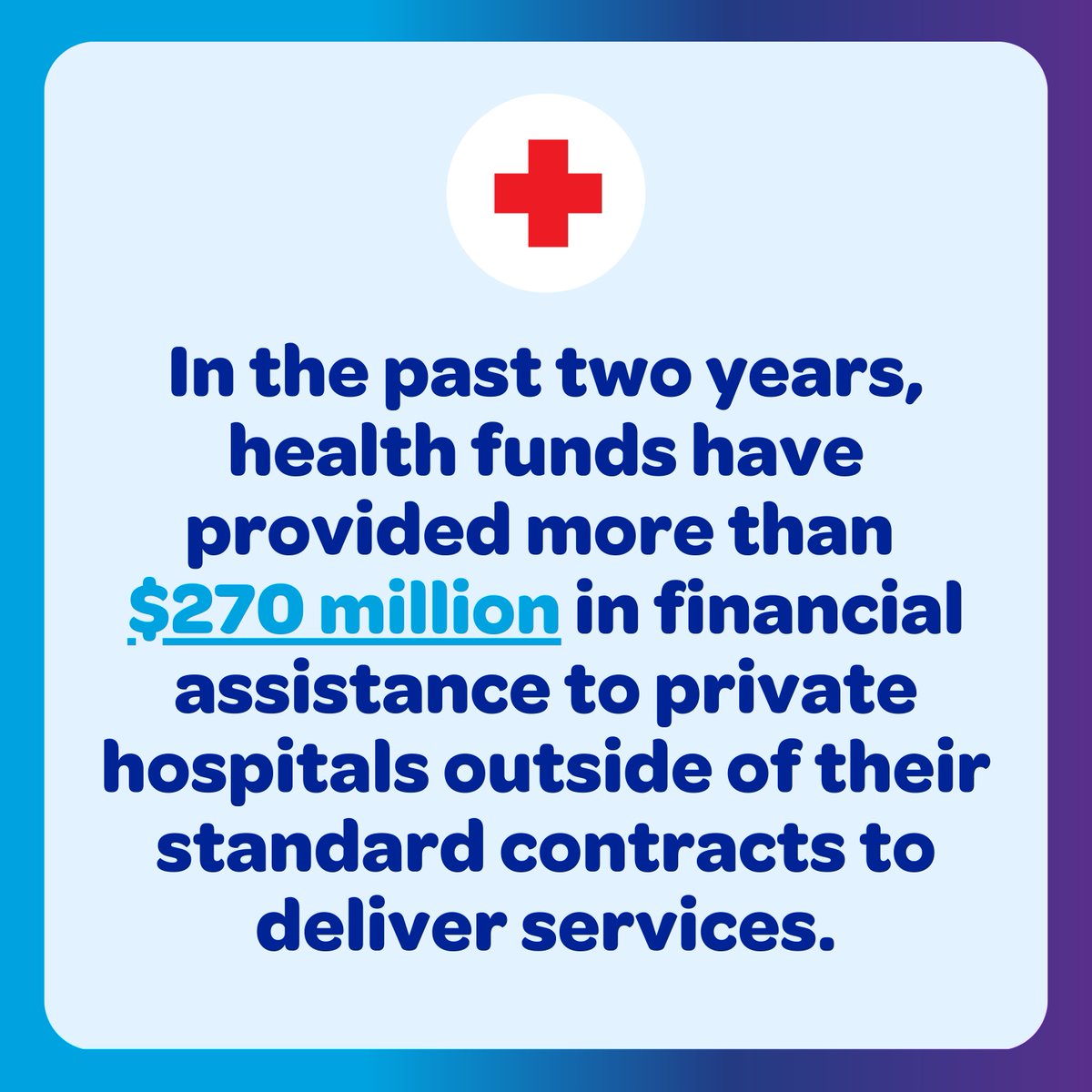
In the past two years, health funds have provided more than $270 million in financial assistance to private hospitals above and beyond their contracts to deliver services to health fund members.
This is on top of the $1.5 billion provided by the Federal Government to assist private hospitals during the pandemic via the Private Hospital Financial Viability Payment (FVP).
@Mark_Butler_MP
1
1
1
120
Rachel David retweeted

25 Feb 2025
IYKYK...
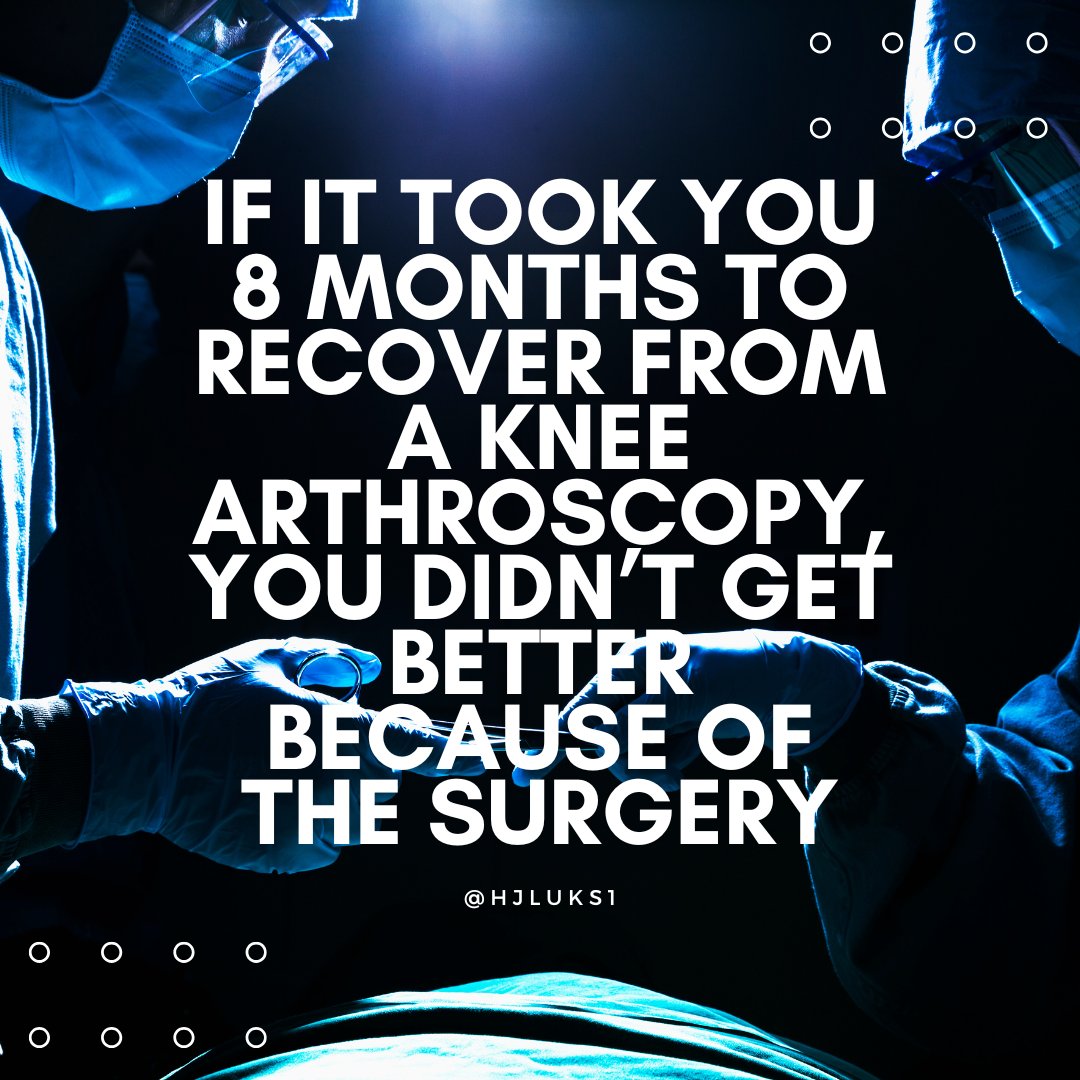
Surgery tends to get people to commit to rehab.
Instead... commit to rehab before scheduling surgery.
9
33
208
9,299
Rachel David retweeted
24 Feb 2025
The NSW Government’s decision to raise $140m a year in revenue from health funds will drive up health insurance premiums nearly 1 per cent (0.8%) this year, NIB’s Chief Financial Officer Nick Freeman said today. This means people paying for health insurance all over Australia will pay for the NSW Government’s cash grab. People contributing to their own healthcare via health insurance should not have to pay for the NSW Government’s budget deficit.
1
2
285
Rachel David retweeted
20 Feb 2025
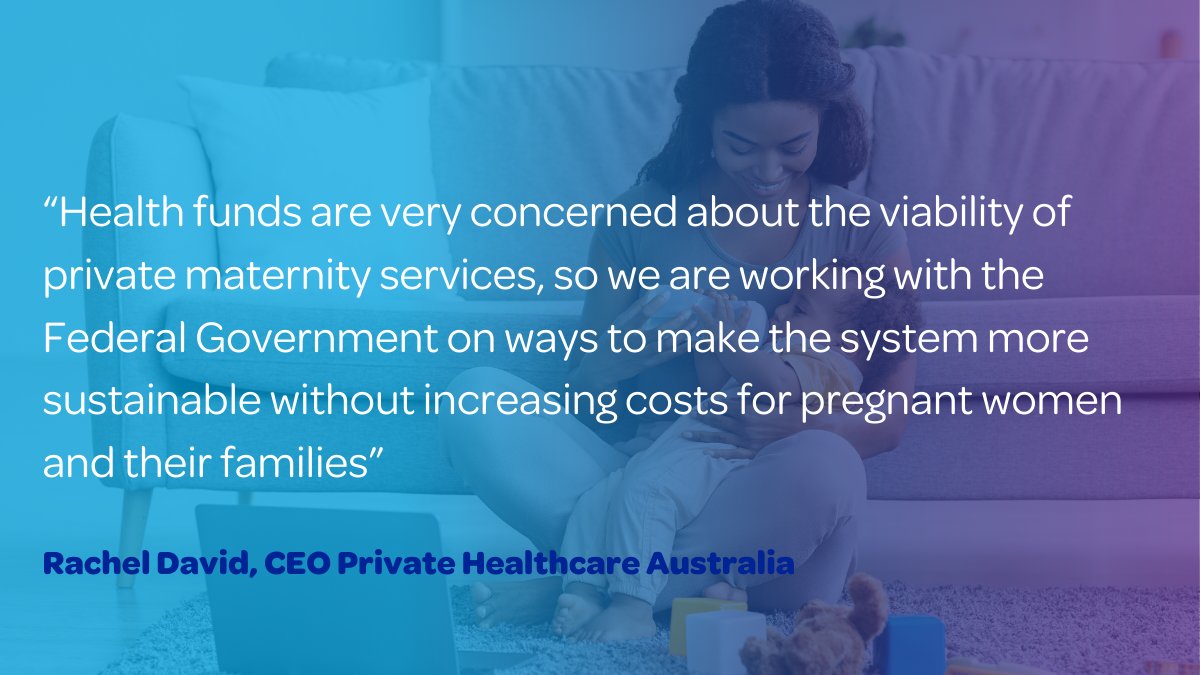
Health funds are very concerned about Healthscope’s decision to close its maternity units in Darwin and Hobart. We are doing everything we can to work with governments, health professionals and other hospital providers to create alternatives for affected health fund members in these regions. linkprotect.cudasvc.com/url?…
3
3
278
Rachel David retweeted
12 Feb 2025
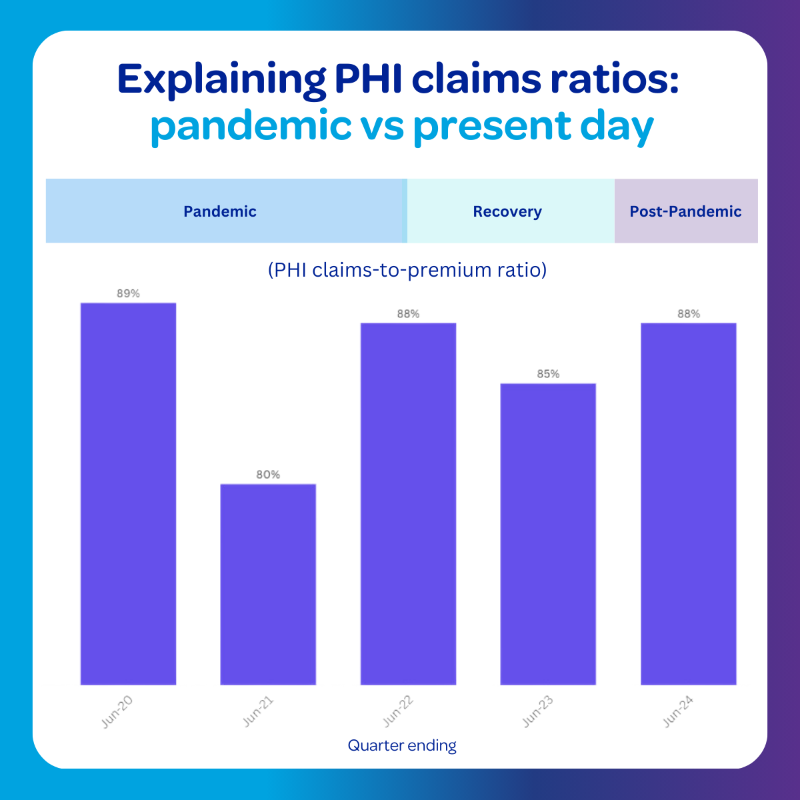
For every dollar a consumer spends on their health insurance premiums, 88 cents are returned. This is higher than any other type of insurance in Australia. Health funds have also returned more than $4.5bn to members via cashbacks since Covid-19. @mark_butler_mp @anne_ruston
1
1
89
Rachel David retweeted
5 Feb 2025
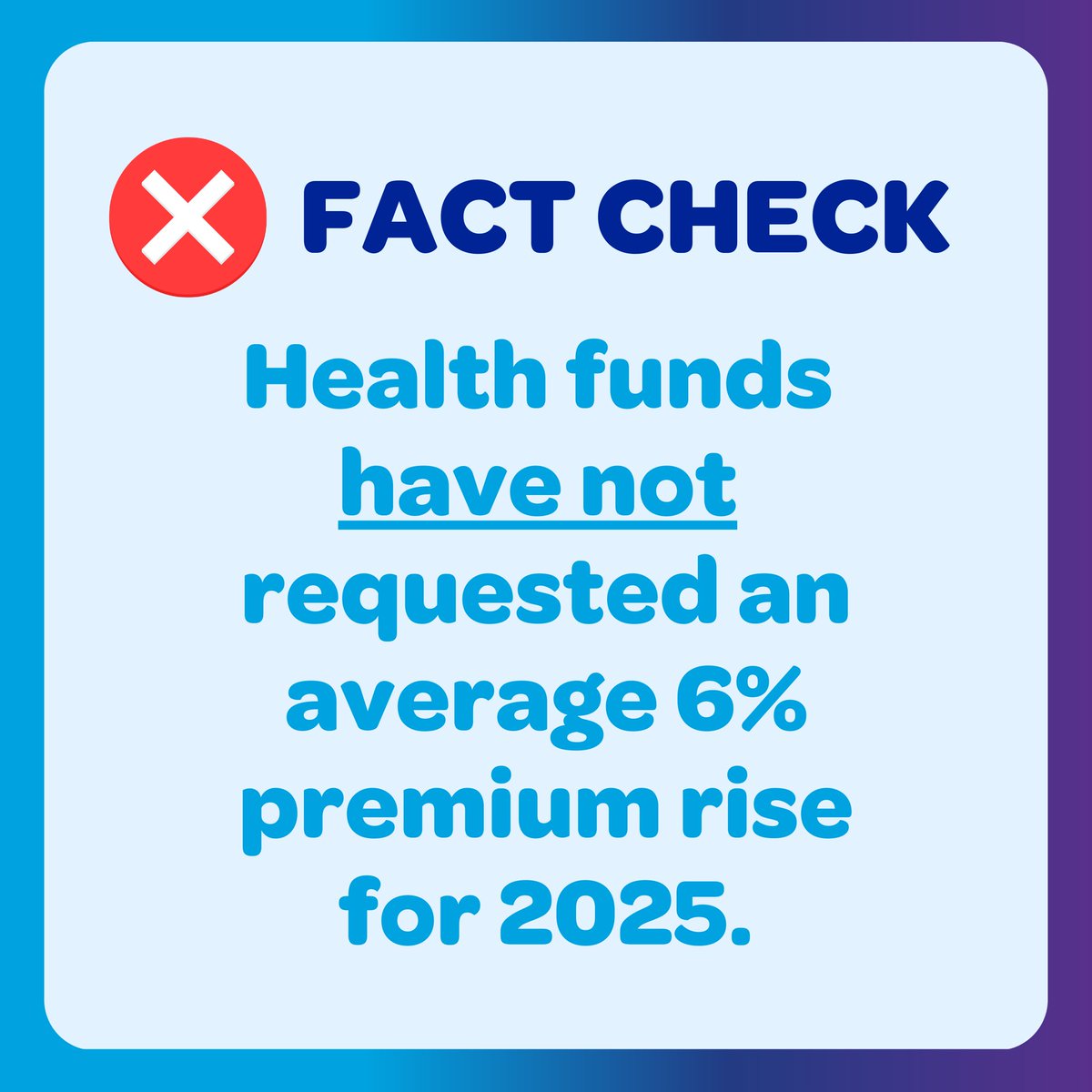
Reports today that health funds have requested a premium rise of 6% for 2025 are inaccurate. Health fund members should not make decisions about their health cover based on these misleading reports.
2
1
558

29 Jan 2025
RT @mariashriver: Courage is when you do something hard, heartbreaking, and painful… and you do it anyway. Love you, Caroline. Always have,…
3,130
6 Jan 2025
The PBS is not the right mechanism to fund new obesity drugs. It is uncapped and it’s too difficult to police inappropriate prescriptions. The govt could fund them in a separate program strictly targeted to the most disadvantaged @nick_coatsworth afr.com/life-and-luxury/heal…
1
75
2 Jan 2025
This was a tricky decision for the Australian government at the time, but in the end they made the right one. The subsequent growth of CSL into a global powerhouse has been enormously beneficial to the Australian economy @Johnkehoe23 afr.com/politics/federal/the…
43
Rachel David retweeted

15 Dec 2024
Doctors who speak out about colleagues face online abuse and death threats abc.net.au/news/2024-12-16/d… via @ABCaustralia
2
13
31
1,968