
PhD Candidate | English Lecturer | Executive Director | Aspiring Writer | Book Wrangler | Christian
Joined October 2024
- Tweets 2,329
- Following 685
- Followers 2,106
- Likes 9,962
171 Photos and videos

Pinned Tweet

18 Dec 2025
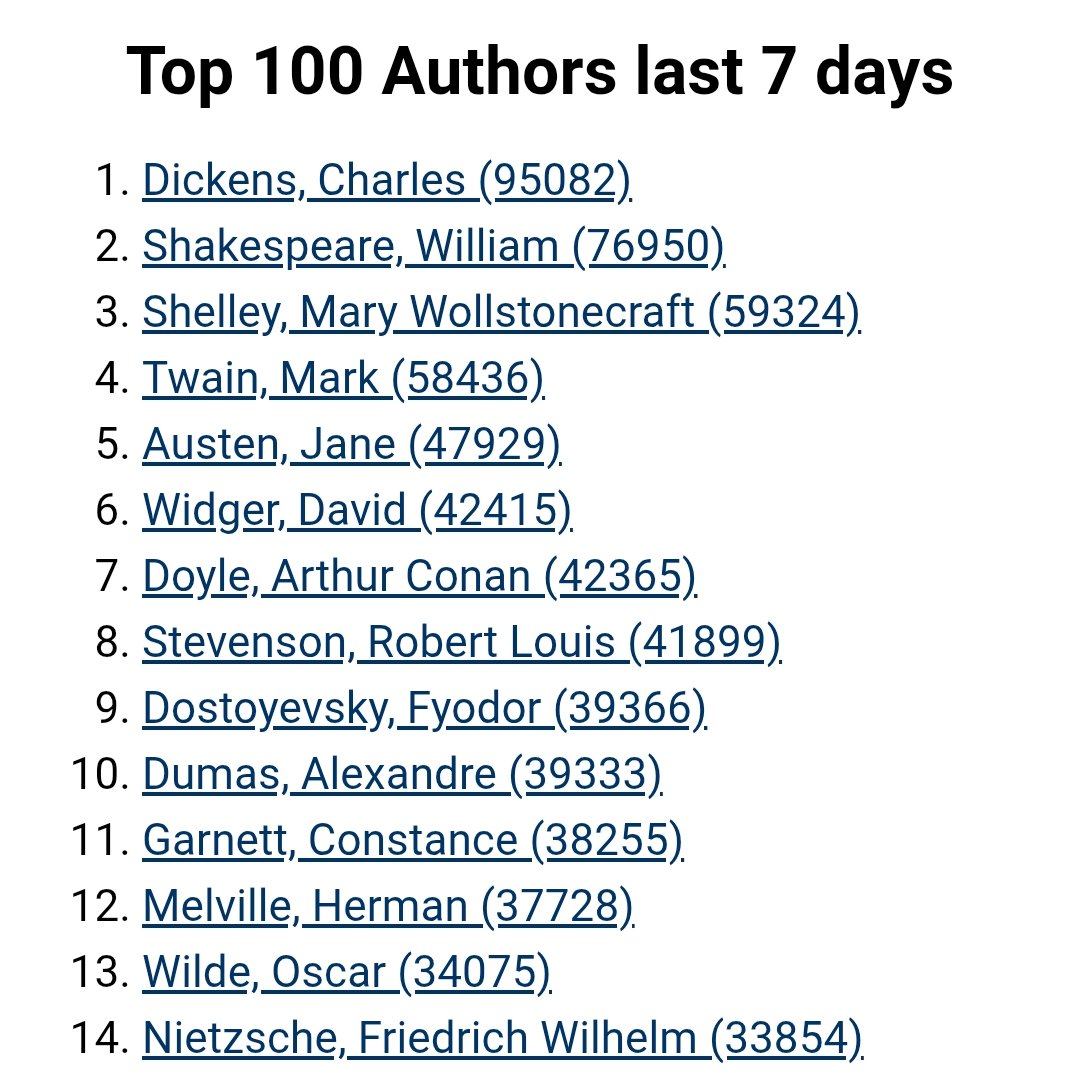
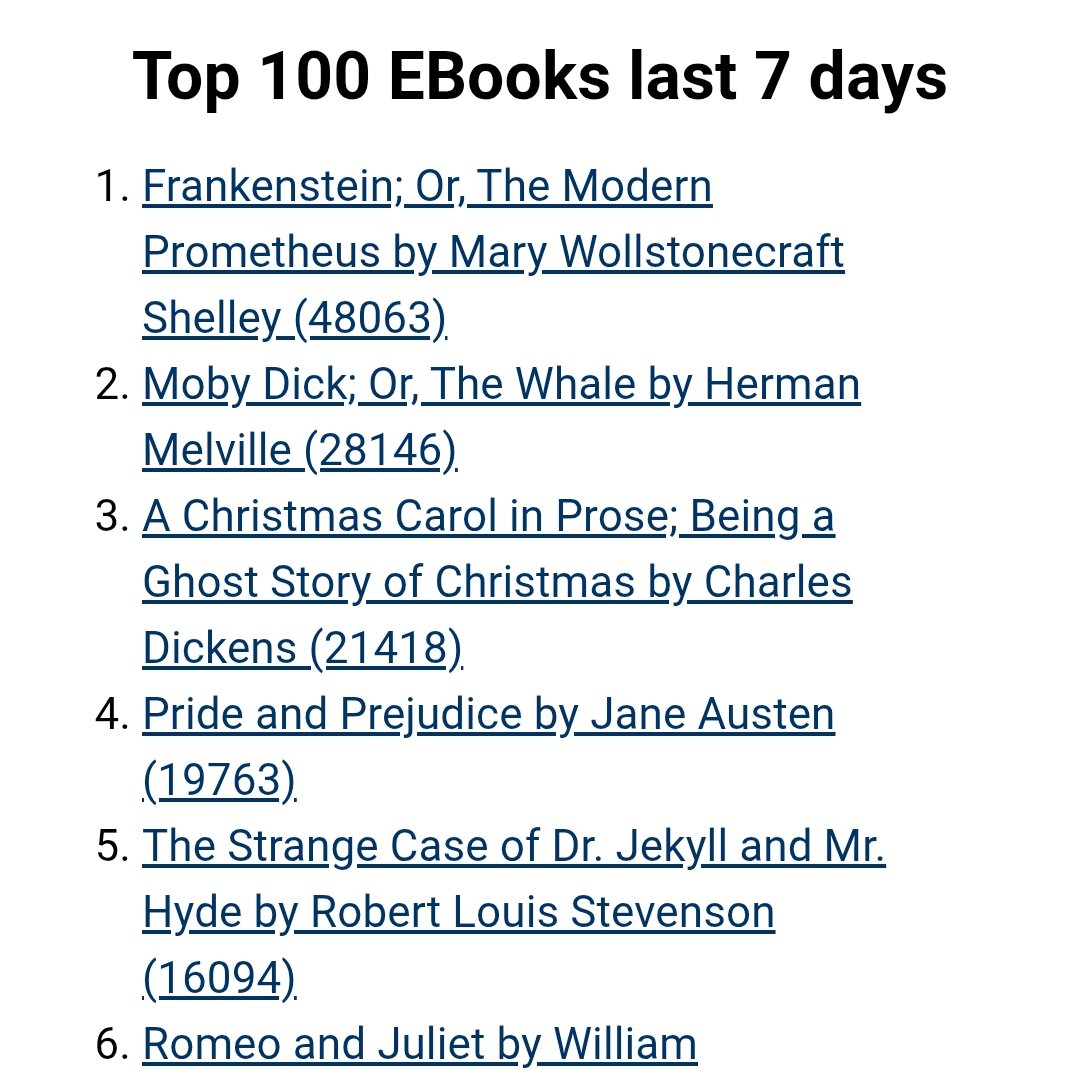
In addition to Project Gutenberg, the following are also helpful, free resources, especially for reading classic novels:
Standard Ebooks - use to download carefully and aesthetically formatted public-domain classics
HathiTrust - use to find and download library-verified scans of some rare texts and historical collections
Internet Archive - use to find scans of old, out-of-print books
Google Books - use to find and download scans of first editions or lesser-known works (use the "Full View" filter)
Wikisource - use to access and read public-domain primary sources and historical documents
Kindle Store (Amazon) - use to download free Kindle editions of many public-domain classics
Bookshare - use to gain access to a library of digital texts in accessible formats for those with verified print-related disabilities
LibriVox - use for free audiobook versions of public-domain classics
Libby and Hoopla - (check to see if your local library offers these) use to borrow ebooks or audiobooks of both modern and classic novels

More people should know about Project Gutenberg. It makes reading classics so accessible to everyone.
32
2,095
8,163
274,015
Rachel Christine retweeted

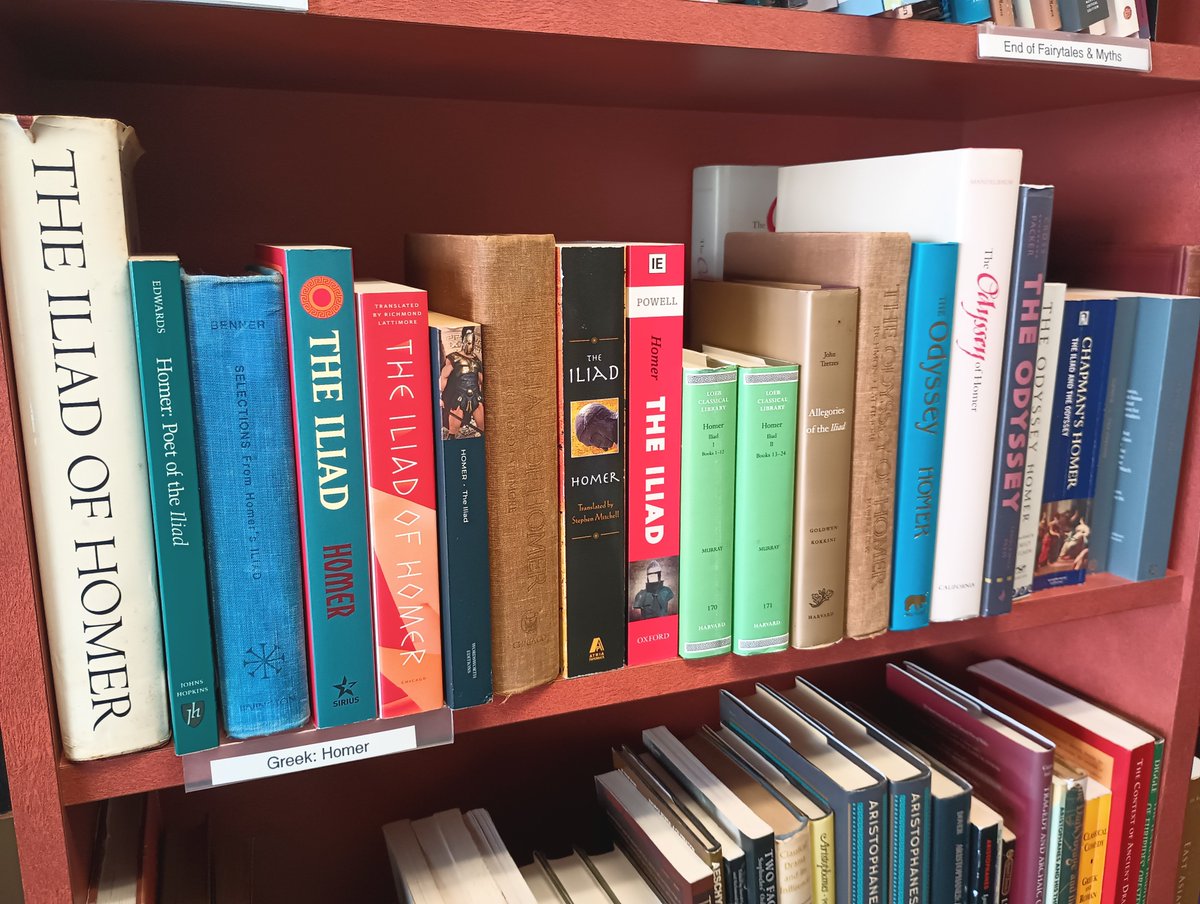
Just sold a copy of the Iliad to a 10 year old who wants to try Homer. She's read 5 Percy Jackson books and wants "the originals" now. Kudos to her and to her mom who brought her down to the bookshop.
53
282
9,048
103,589
Rachel Christine retweeted

Jun 9
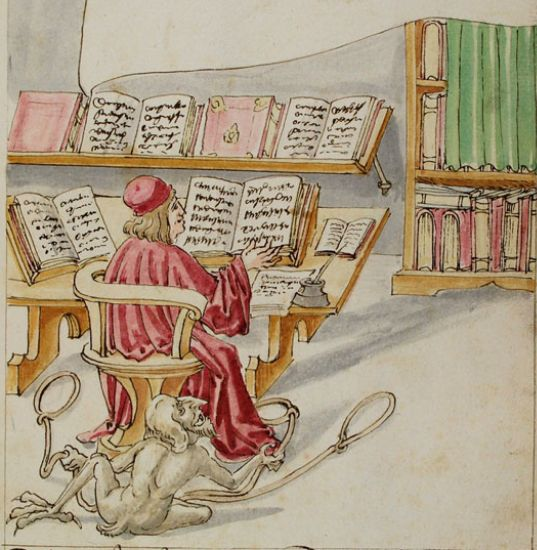
Yo trabajando en un artículo con 37 PDFs abiertos.
20
2,367
14,529
153,138
Rachel Christine retweeted

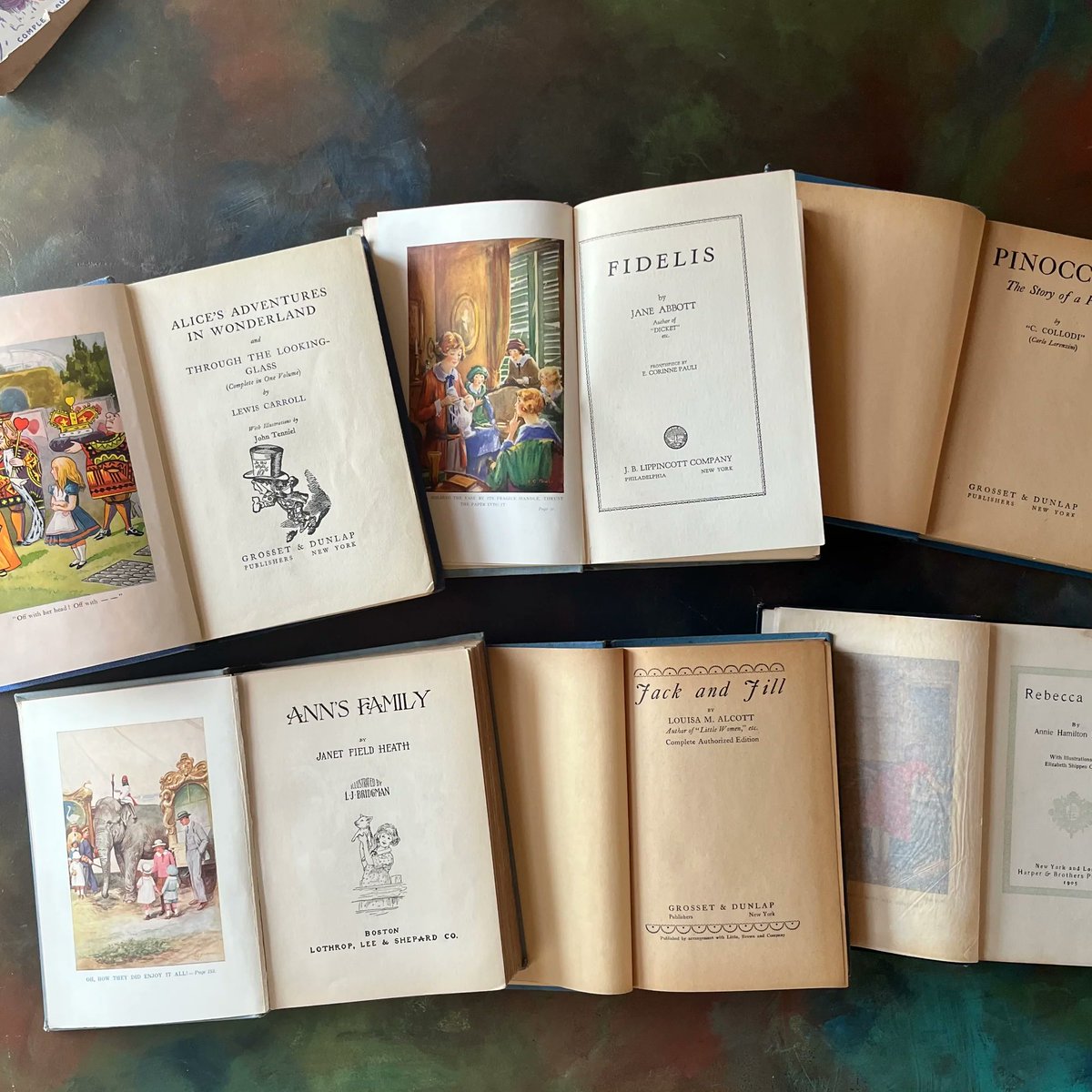
For children to flourish, they need to grow up reading and being read to.
The following is a list of essential books for any beloved children in your life. And they’re brilliant enough that they can be enjoyed equally well by adults.
THE ARABIAN NIGHTS, preferably in a kid-friendly version. These shockingly strange stories of magic and adventure fired the minds of authors like Lovecraft, Dickens, George Eliot and the Brontë sisters.
FIVE CHILDREN AND IT and THE PHOENIX AND THE CARPET, by Edith Nesbit. A series of books about four children who have misadventures with a Psammead and a phoenix. The way Edith portrays kids was a major influence on Narnia and Harry Potter.
A WRINKLE IN TIME, by Madeleine L’Engle. Awkward, brainy Meg Murry must travel to the ends of the universe to rescue her father, in a visionary fusion of science, mysticism and cosmic horror leavened by L’Engle’s gentle Episcopalianism.
LITTLE WOMEN, by Louisa May Alcott. Not just for girls. Alcott is second to none as a writer of characters, and in telling the story of the March sisters and Laurie, she becomes the closest thing we have to an American Dickens.
ALICE IN WONDERLAND and THROUGH THE LOOKING GLASS. Harold Bloom called them the greatest children’s fantasies ever written, and they are my personal favorites. Every child needs to know the Cheshire Cat, the Red Queen, the Mad Hatter and the March Hare.
THE PRINCESS AND THE GOBLIN, by George MacDonald. A girl named Irene must battle a race of sinister goblins with soft feet who are threatening to abduct her and force her into marriage. The influence of MacDonald’s Goblins can be seen in The Hobbit.
THE WESTING GAME, by Ellen Raskin. A child’s first introduction to the mystery genre. Turtle Wexler is one of the all-time great children’s book heroines, and reading the end of this book as an adult still brings me to tears.
A JOURNEY TO THE CENTER OF THE EARTH and TWENTY THOUSAND LEAGUES UNDER THE SEA, by Jules Verne. Some of the most thrilling adventure stories ever written, satisfying a child’s fascination with things that live in the sea or beneath the earth.
A SERIES OF UNFORTUNATE EVENTS, by Lemony Snicket. A masterpiece of contemporary fantasy, Snicket’s unique blend of whimsy, Gothic horror and clever wordplay birthed a generation of darkly funny, verbally precocious readers.
Read to your kids. Teach them that reading is for pleasure, not to pass a test. Let them read what they love. Let them see you reading books with joy and enthusiasm. That’s how you get a child to fall in love with reading. That’s how you make a lifelong reader.
49
244
1,208
19,251
I've spoken with many parents of readers. Often, I find that their children became readers because those parents took an active role in handing them books.
My daughter has always loved reading... anything, really. My son was much harder. Through trial and error, we found what he loves: fantasy adventure. I've always believed that every child is a reader. They just might not know it yet. It's up to parents and good teachers to help them find "their books."
And I still love reading middle-grade stories as an adult, especially with my kids. The Silver Chair. The Hobbit. Treasure Island. The Secret Garden. Redwall. I think we'd all be better off if grown ups were a little more childlike.

Been feeling bleak for the past week after I read an essay saying the market for middle-grade books has collapsed because kids can no longer read them. Two long-time publishers of middle-grades have shuttered, with more to come. We don’t appreciate what a crisis this is.
12
51
709
49,428
If I could only read the works of 10 authors for the rest of my life:
1. C. S. Lewis
2. J. R. R. Tolkien
3. The Brothers Grimm
4. Shakespeare
5. Jane Austen
6. Mary Brunton
7. Robert Louis Stevenson
8. Virginia Woolf
9. Charles Dickens
10. Victor Hugo
The Bible is a given.

If I could only read 10 authors for the rest of my life
1. Homer
2. Virgil
3. Sophocles
4. Shakespeare
5. KJV Bible (I know, not an author. But whatever)
6. Tolstoy
7. Dostoevsky
8. Hemingway
9. Fitzgerald
10. Twain
8
2
38
3,604
I hate to say it, but while a text is meant to move you, the book itself is a product. Because it's the literature we care about, it's easy to forget that the publishing world exists. Just as there are today, there were trends in publishing in the past. Books were very expensive to print, but many people subscribed to newspapers and periodicals. So, it made sense to publish stories as a series of installments in those publications. Publishers also needed to cater to circulating libraries, which preferred triple-deckers (a novel published in three separate volumes), making them a popular form. None of this in any way proves that a novel is slop or lacks depth simply because it's long and was written with serialized pacing and suspense in mind. Instead, it shows that there was a human author behind the novel, adapting to the market and doing what it took to get their extraordinary story out there. And I think most of us are very glad they did.

We should stop pretending page length is an indicator of how difficult it is to get through a book. Monte Cristo is like 900 pages but is basically litslop so you get through it easily. A soap opera telenovella isn't complex just because it has 500 episoded either
5
18
126
11,914
Rachel Christine retweeted

Jun 3
Insane. Publishing in serial was the best of everything: it built urgency, entertained & demanded the writer keep engaging his audience.
Literature is what endures. Dostoevsky, Dumas, Shakespeare, Austen, Lessing, Baum.
Come to @Storyaliz and we'll show you. 2 weeks free.

What people aren’t ready to hear is Dostoyevsky is litslop too. Brothers Karamazov, like Count of Monte Cristo, was published in serials for people to read like we watch tv shows weekly now.
9
7
69
6,216
Rachel Christine retweeted

May 31
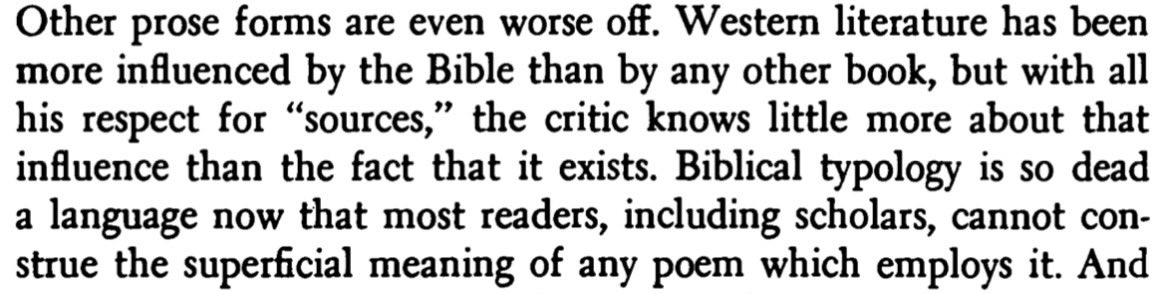
Northrop Frye wrote this in 1957. Things briefly got better in his immediate wake, then promptly got much, much worse.
May 29

I'm a PhD student studying the sociopolitical ideals in early novels by British women, and part of my research has involved revising existing scholarship because many modern scholars have little knowledge of the Bible – a text that the novelists they study knew well and frequently incorporated into their works. That gap is incorrectly reshaping how literature is interpreted and received today. It's a real problem.
3
9
90
7,497
Rachel Christine retweeted

May 30
Many of my peers at Columbia insisted that they would “never read the Bible” as if this gave them bragging rights. Little did they realize that by ignoring the most influential book in human history, they were missing the point of half the literature they claimed to study.
May 29
I'm a PhD student studying the sociopolitical ideals in early novels by British women, and part of my research has involved revising existing scholarship because many modern scholars have little knowledge of the Bible – a text that the novelists they study knew well and frequently incorporated into their works. That gap is incorrectly reshaping how literature is interpreted and received today. It's a real problem.
56
90
1,153
58,584
May 29
I'm a PhD student studying the sociopolitical ideals in early novels by British women, and part of my research has involved revising existing scholarship because many modern scholars have little knowledge of the Bible – a text that the novelists they study knew well and frequently incorporated into their works. That gap is incorrectly reshaping how literature is interpreted and received today. It's a real problem.
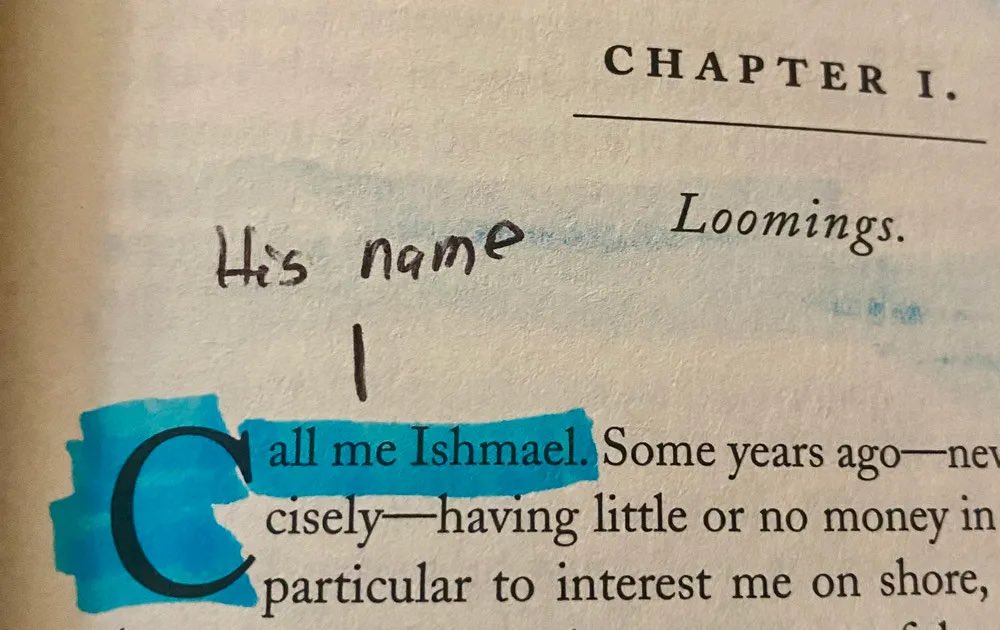
So, I took multiple classes on Moby-Dick as an undergrad & one of the first things you learn is that Ishmael is NOT his name; it’s an allusion to Ishmael from the Book of Genesis (the exiled son of Abraham, of whom it was prophesied, “His hand shall be against every man, and every man’s hand against him”). The narrator imagines himself an outcast, rejected by society & forced to seek his destiny on the high seas. His self-understanding is beautifully transformed during the scene in which he shares a bed with the cannibal harpooner Queequeg, who becomes his bosom friend. As his heart softens, he writes, “I felt a melting in me. No more my splintered heart and maddened hand were turned against the wolfish world.” Love has come to redeem him. He is Ishmael no more.
93
344
3,616
257,032
May 29
Sorry, but the hand flex always bothered me. I think the gesture gives off disgust. That is exactly how I'd respond after touching something unpleasant. It should have been a soft clench, which draws inward and, I think, better conveys a passionate desire for connection.
May 28

Day 11,009 of posting the hand flex scene from Pride & Prejudice to cleanse the timeline.
20
957
Rachel Christine retweeted
So, I took multiple classes on Moby-Dick as an undergrad & one of the first things you learn is that Ishmael is NOT his name; it’s an allusion to Ishmael from the Book of Genesis (the exiled son of Abraham, of whom it was prophesied, “His hand shall be against every man, and every man’s hand against him”). The narrator imagines himself an outcast, rejected by society & forced to seek his destiny on the high seas. His self-understanding is beautifully transformed during the scene in which he shares a bed with the cannibal harpooner Queequeg, who becomes his bosom friend. As his heart softens, he writes, “I felt a melting in me. No more my splintered heart and maddened hand were turned against the wolfish world.” Love has come to redeem him. He is Ishmael no more.

160
1,120
18,821
1,451,626
Rachel Christine retweeted

May 26
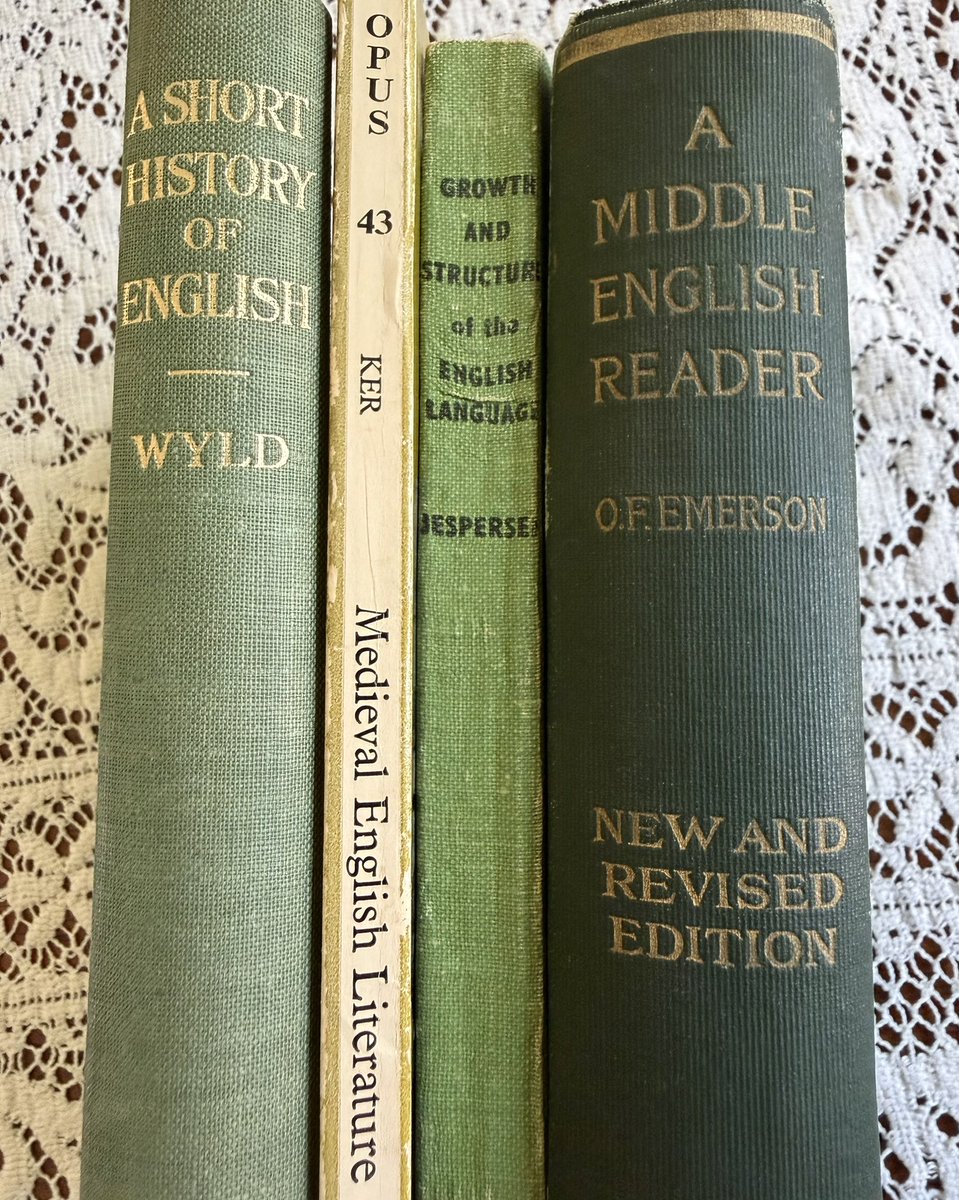
Four of the textbooks Tolkien assigned while teaching at Leeds:
11
63
639
42,278
May 26
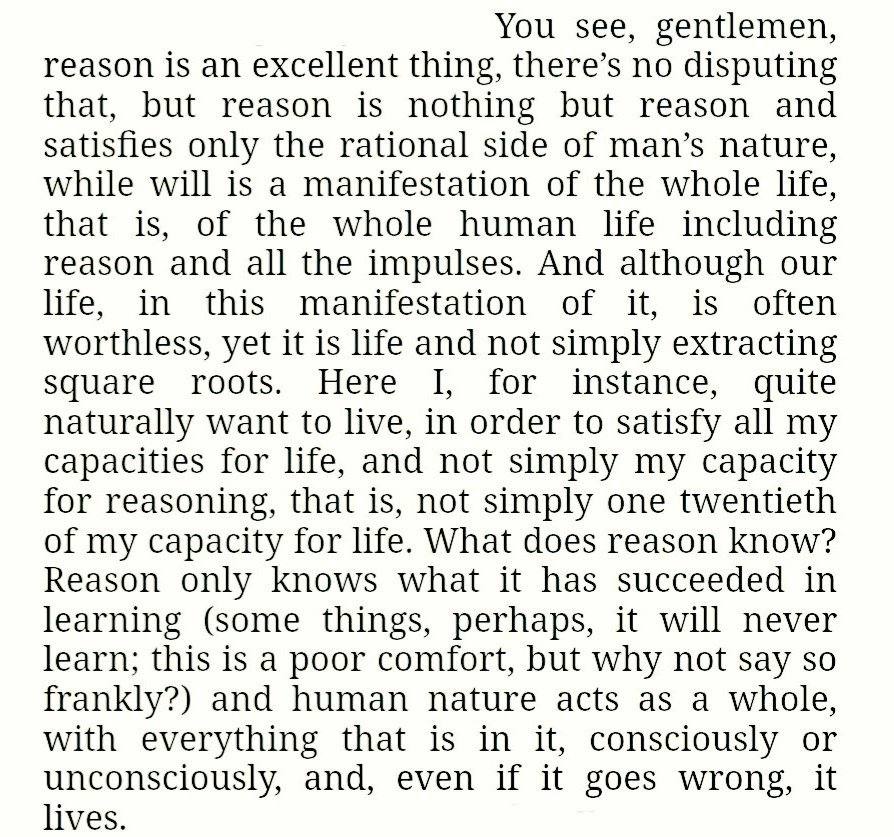
Dostoevsky's point on rationalism makes me think of Jesus weeping upon the death of Lazarus. There was no rational reason for him to do that. Jesus knew very well what was coming and that Lazarus would be raised. But he wept anyway – because the experience moved him. It was a deeply human response and it was the right one.
And to Cian's point, AI prioritizes what is rational and predictable and, thus, grossly underestimates the human experience. There is so much more to humanity than logic and reason, black and white, patterns and data. It's the messy bits of our existence that are sometimes the most meaningful.
May 26

As we grapple with ai (lower-case on purpose), Fyodor Dostoevsky taking Reason down a peg or two in 'Notes from Underground' makes for perfect reading.
4
45
293
13,581
Rachel Christine retweeted

Storytime: When Eric Carle was a little boy growing up in Nazi Germany, he had a brave art teacher named Fridolin Krauss who recognized his talent and showed him some reproduction prints of art that had been deemed "degenerate" by the Nazi party. Carle couldn't share this story until years later because his art teacher had put himself at great risk with saving these images and by showing them to his student, but Carle said, "Their strange beauty almost blinded me."
They were not the images shown by Megha below. I'm going to give you a degenerate art show in the replies with the artists that Eric Carle specifically said that he was inspired by and shown that day by his brave teacher, and I think you'll easily see how it was reflected in his art.
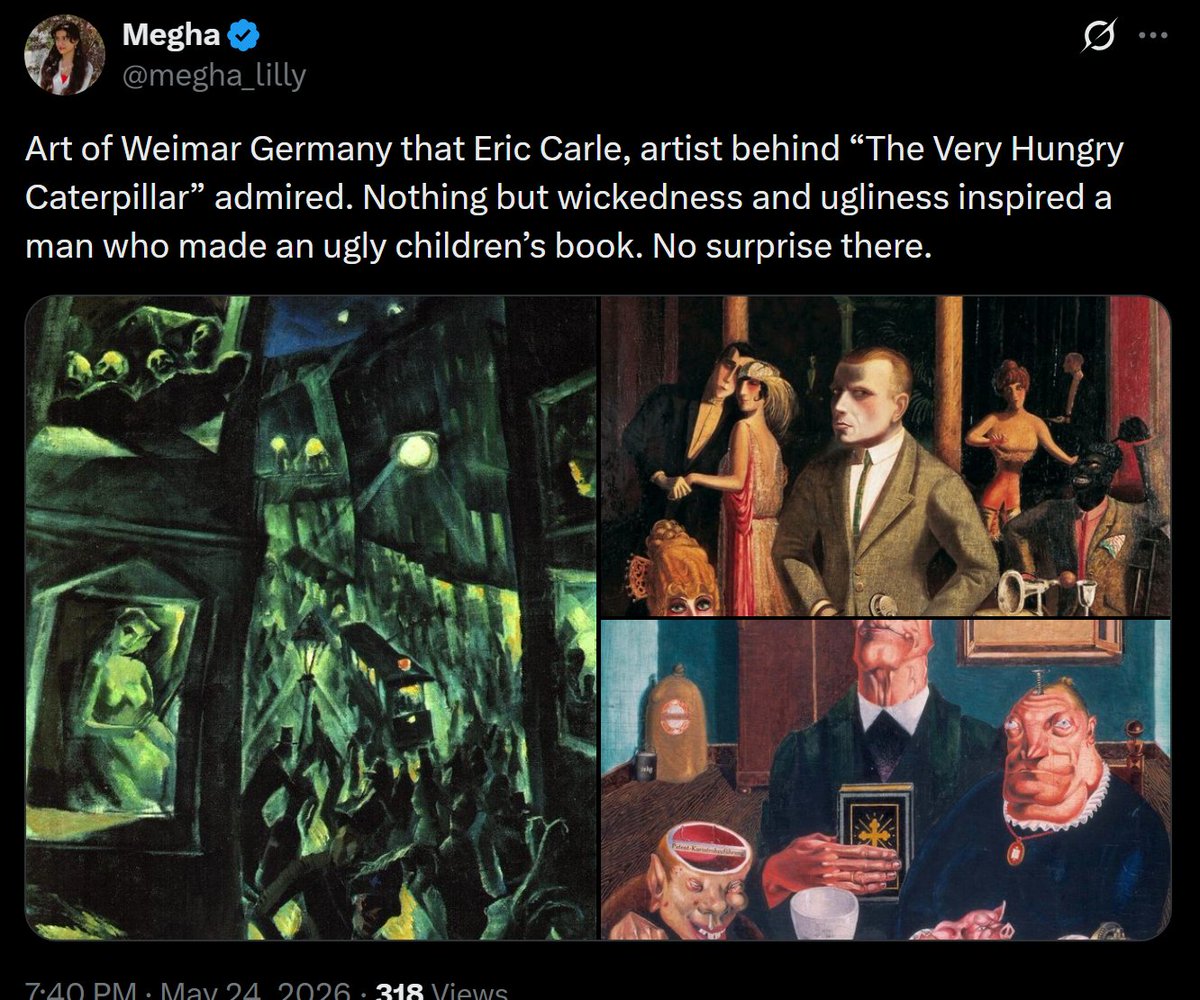

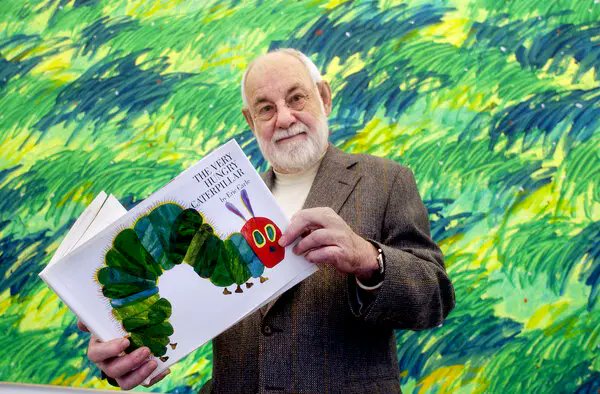
I've always liked Eric Carle's heart for children. He grew up in Nazi Germany after the age of 6 when his family moved back to their homeland. He was conscripted to dig trenches at the age of 15 with other children during the war. By all accounts he had a very traumatic childhood and grew up during a time where there were very particular ideas about what art should look like and what its purpose should be for children. He was surrounded by military-grade children's propaganda that called any art that wasn't photorealistic "degenerate".
As an adult, you can see that his reaction was different. He could see through the eyes of the child. Instead of imposing the worldview of any group or political ideology onto children, he wanted to meet them where they were and to respect them as people. He understood the traumas of childhood and was cognizant of what children found comforting. Any political spin that people tried to place on his work he dismissed as "psychobabble" and would simply emphasize that he is only thinking of what children need.
I found this quote from Carle to be particularly relatable to what I've personally seen as a teacher, "With many of my books I attempt to bridge the gap between the home and school. To me home represents, or should represent; warmth, security, toys, holding hands, being held. School is a strange and new place for a child. Will it be a happy place? There are new people, a teacher, classmates—will they be friendly?
I believe the passage from home to school is the second biggest trauma of childhood; the first is, of course, being born. Indeed, in both cases, we leave a place of warmth and protection for one that is unknown. The unknown often brings fear with it. In my books, I try to counteract this fear, to replace it with a positive message. I believe that children are naturally creative and eager to learn. I want to show them that learning is really both fascinating and fun."
8
44
258
18,152
Rachel Christine retweeted
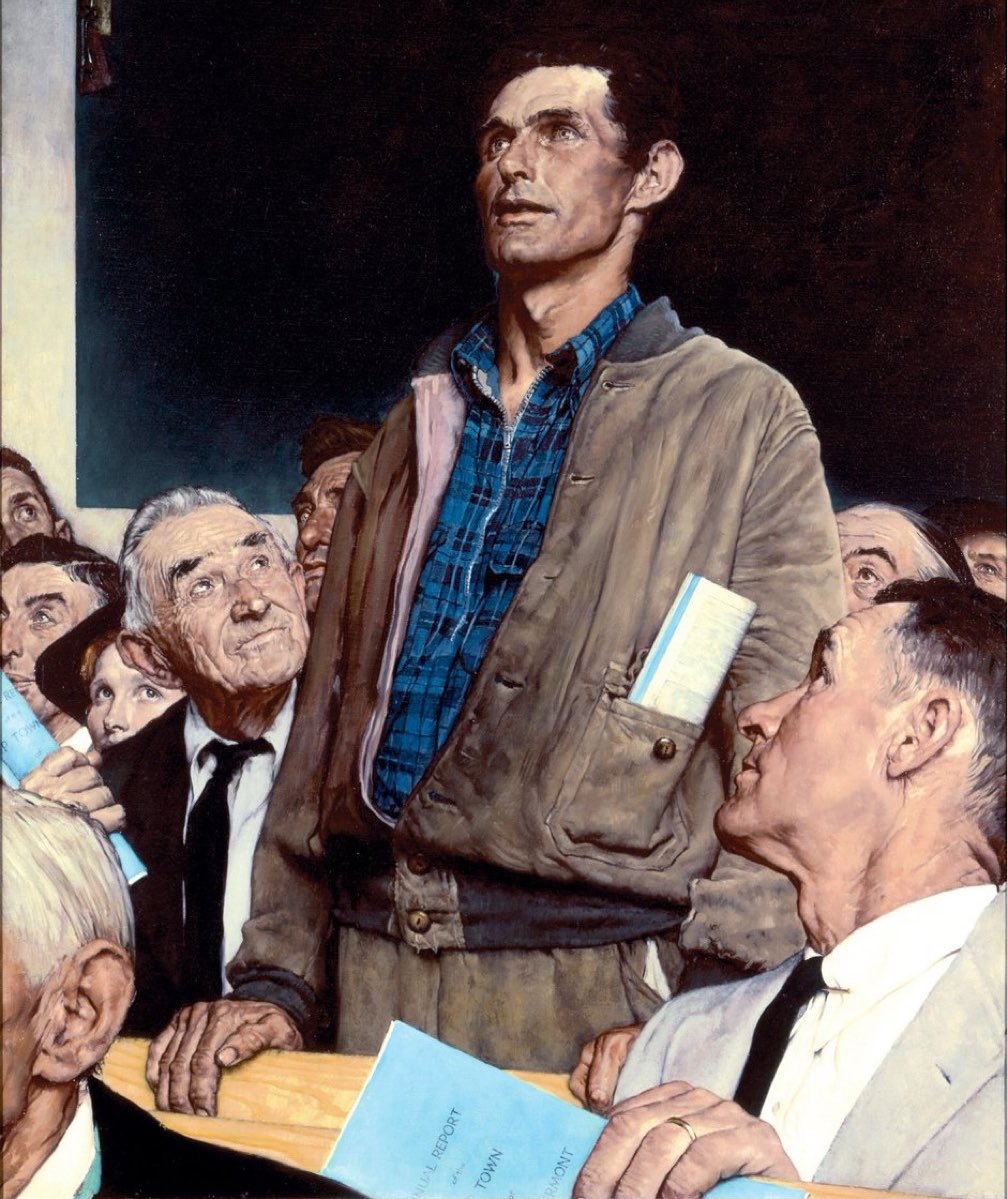
Reading the favorite books of your favorite authors is the quickest path to becoming well-read. As a teen I set out to read the works that inspired Lewis & Tolkien, which is how I fell in love with The Faerie Queene, the Arabian Nights, Sir Gawain & the Green Knight and a dozen others. As an artist you have a sacred mission to pass down works you love that are in danger of being forgotten, keeping them alive for the next generation. This is how the great tradition is handed on from one age to the next.
May 21

I feel like it’s okay to admit you learn new things or take recommendations from someone you’re a fan of
21
185
1,462
44,566
May 23
"I am looking for someone to share in an adventure that I am arranging, and it's very difficult to find anyone."
- J. R. R. Tolkien, The Hobbit, 1937.
1
1
20
511
May 16
Smut is not literature. Please read *anything* else.
Centuries of brilliant books are available to you for free online or from your local library. Read those.

2
3
36
1,349