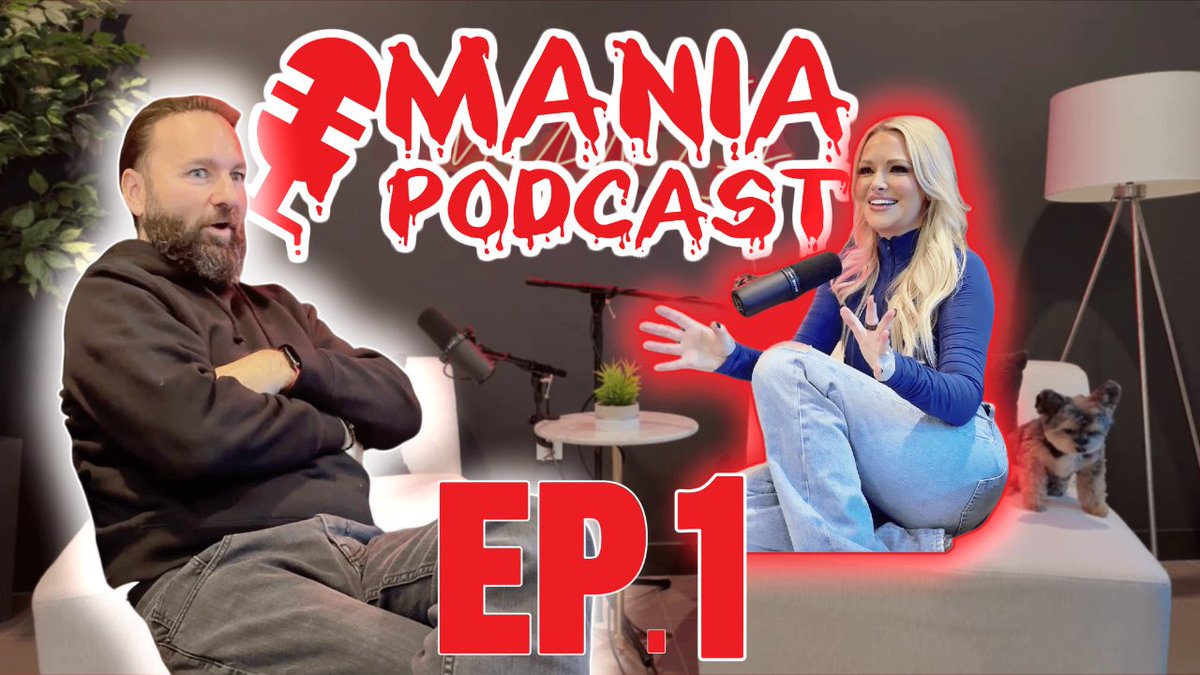
I ask a lot of hypothetical questions. 🖤 @themaniapod coming 11/12/24 🩸
Joined March 2009
- Tweets 4,505
- Following 1,342
- Followers 32,002
- Likes 2,749
533 Photos and videos
Pinned Tweet

8 Nov 2024
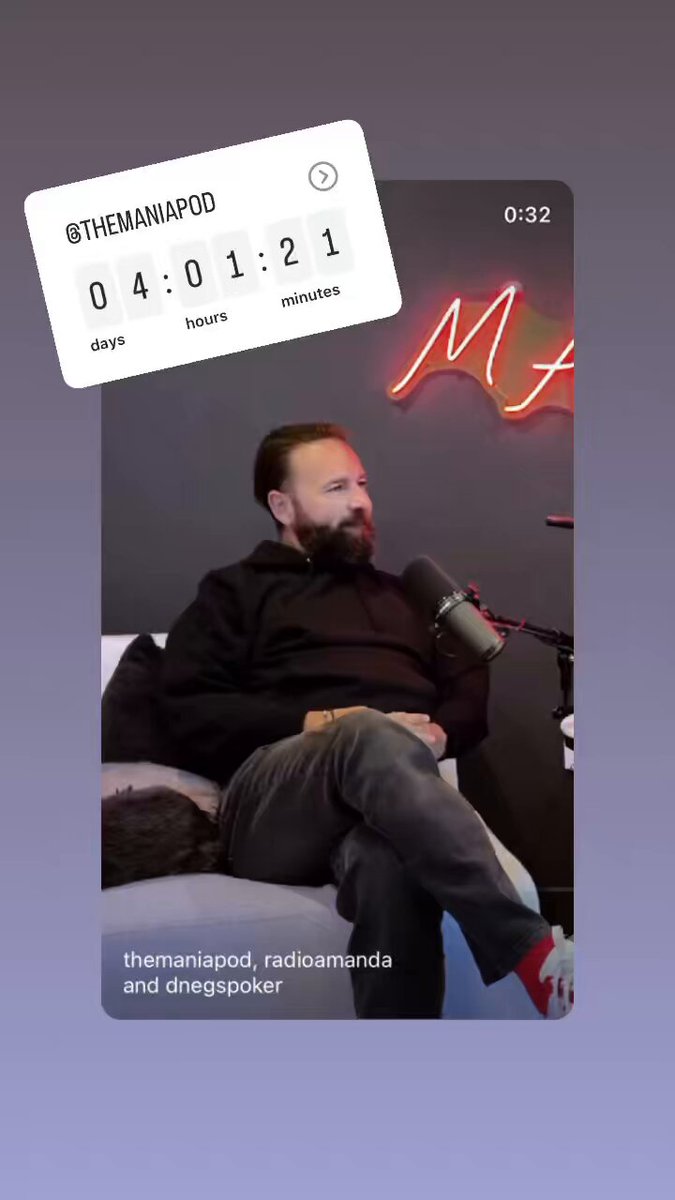
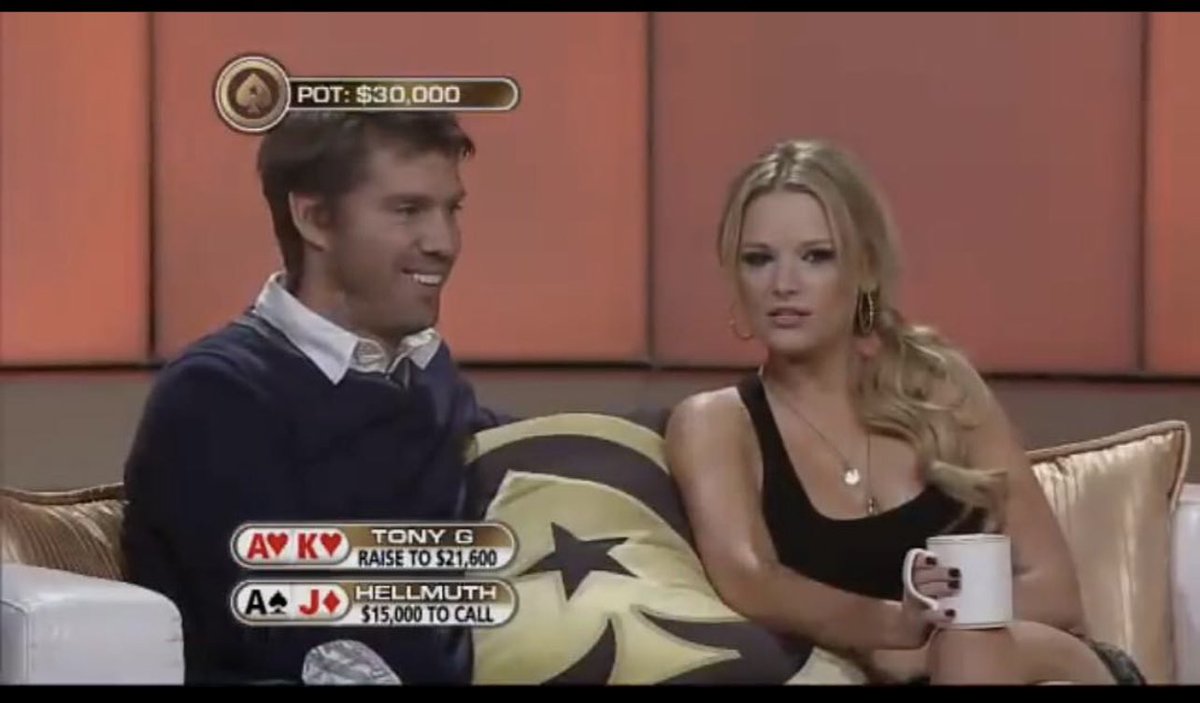
Here we go. The countdown is on for @themaniapod with @RealKidPoker.
It’s gonna be so fun! 🩸🩸🩸🩸
12
5
73
44,488
ᴬᴹᴬᴺᴰᴬ ᴺᴱᴳᴿᴱᴬᴺᵁ retweeted

Jun 6
The difference between having and not having.
It's easier to motivate someone into recovery when they have something to lose, or something worth getting back.
A person with a family, a home, a career, and a support network who falls into addiction has something many people don't: recovery capital.
They have something to return to.
After treatment, they have loved ones waiting for them, a place to live, a job to go back to, and a life they've already experienced and want back.
Now compare that to someone who grew up with poverty, trauma, foster care, violence, neglect, and is now homeless.
What if they've never had a stable home? Never had a career? Never had healthy relationships? Never experienced the life we're telling them to get back to?
Treatment doesn't magically solve that.
When they leave treatment, who's helping them get ID, a SIN, or a health card? Who's helping them build a resume? Find housing? Pay off debt? Establish credit? Navigate a system they were never taught how to navigate?
Getting off drugs is one challenge, building a life worth staying off drugs for is another.
When the social determinants of health are addressed: housing, income, healthcare, community, education, and employment people can and do stay recovered.
We can build all the treatment beds we want, but if we don't help people transition into housing, employment, community, and purpose, many will return to the only life they've ever known.
Recovery isn't just about stopping drug use, it's about creating a life that makes recovery possible.
7
31
98
4,666
ᴬᴹᴬᴺᴰᴬ ᴺᴱᴳᴿᴱᴬᴺᵁ retweeted

May 25
This is pissing me the fuck off. As someone who manages gyms for the past 20 years in LA, let me clear something up about the “homeless” problem in LA- since this POS wants to generalize:
There are layers to the homeless problem in LA not everyone homeless is on fucking drugs. Not everyone homeless does not like rules. Not everyone who is homeless is some person trying to abuse animals. Do some actual fucking research on the problem and you will see it is a very layered conversation. There are some who are on the streets because of drugs and alcohol abuse. There are other others on the streets because of life situations that caused them to be on the streets. For example, this guy I interviewed when I was working on a documentary about the homeless problem who talked about how his mother didn’t have anyone but him and he had to drop out of school to help her only to become an adult with no education and no job opportunities and since she didn’t have anything to leave him when she died, he ended up on the fucking streets, not because of drugs not because of he’s trying to do something against the system, but because of life situations.
Then you have another layer of homelessness people who have cars a lot of people who have cars choose to live in their cars because of the cost of living in this overpriced city. They’re not on drugs. They’re not breaking the law. They just don’t wanna pay this expensive rent so they live in their car. They join gyms so they can have a place to come in and shower and change their clothes.
And as a veteran myself, it pisses me off to hear people talk about the homeless like this when people sit up on their asses passing veterans on the side of the road every single fucking day and do nothing about it, but wanna sit around and talk about how much they love the soldiers. 🙄 fuck off.
He’s a clown and has no business in charge of anything. He needs to return to the irrelevancy of his entertainment career.
Sincerely,
An Army Combat Vet
✌🏽
1,253
137
2,952
521,459
ᴬᴹᴬᴺᴰᴬ ᴺᴱᴳᴿᴱᴬᴺᵁ retweeted

4 Nov 2025
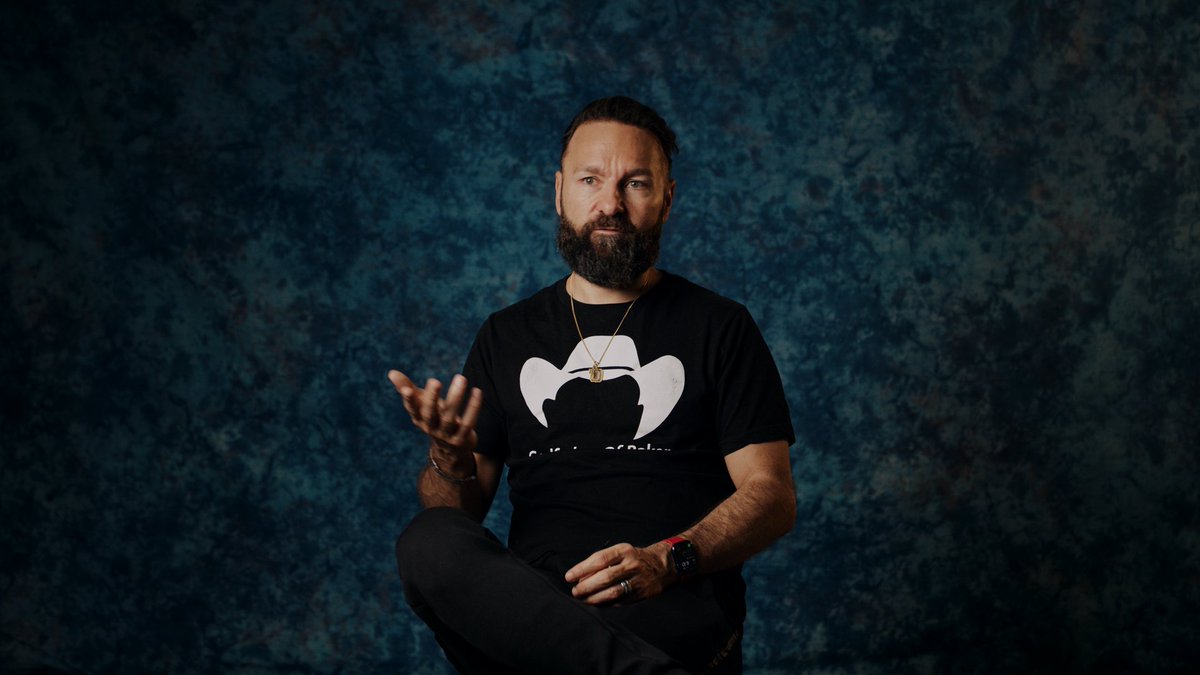
Less than 30 minutes until Episode 1.
@RadioAmanda warned me before our first interview:
"Daniel doesn't cry. Don't even try."
I wasn't there to make him cry.
I was there to bring him back to the summer of 2024...the moment that ended a decade-long drought.
We think we spot something in @RealKidPoker's eyes in the opening scene. You be the judge.
@scott_seiver said something during filming I loved and thought about a lot since.
"How do you not feel romantic about poker?"
Watch his story. You'll understand exactly what he means.
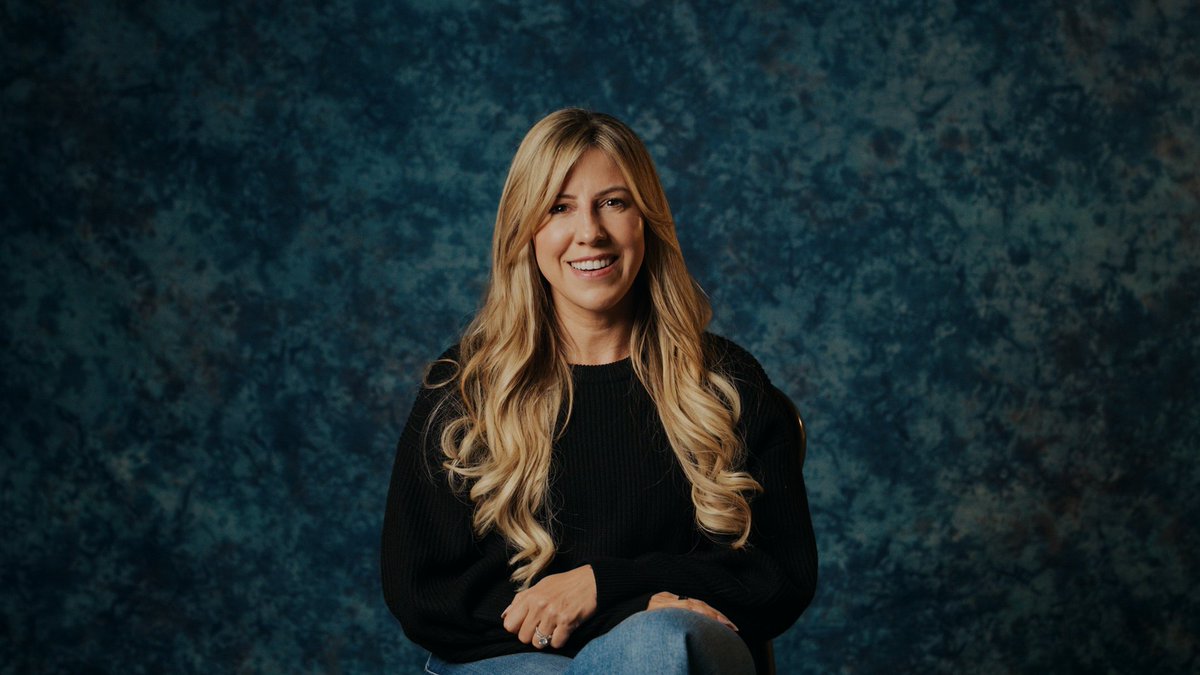
@krissyb24poker's story is one of my favorites because she'd never told it like this before on camera.
We wanted her to take us from the first day of the Main Event to what happened after the cameras left.
The rise. The hand. The fallout.
You can see it still causes her pain. But that's what separates all great athletes and performers in their craft. They won't sleep until they get what they're fighting for.
I had her story in mind before we even asked her to join the cast. I wanted to tell it the same way all the best sports docs do it. Her words weaved in sync with the footage of her Main Event run, accompanied by a music track that feels like the moments we are experiencing on the screen.
Everyone has a favorite athlete with a similar journey. This is Kristen's.
@FarazJaka is redefining what legacy means, as seen through his support of his student @MichaelDwyer64, (who is about to play the most significant buy-in of his life), all while building a thriving business and still crushing as a player himself.
This is Episode 1 of NO LIMIT.
14
7
111
161,505
23 Aug 2025
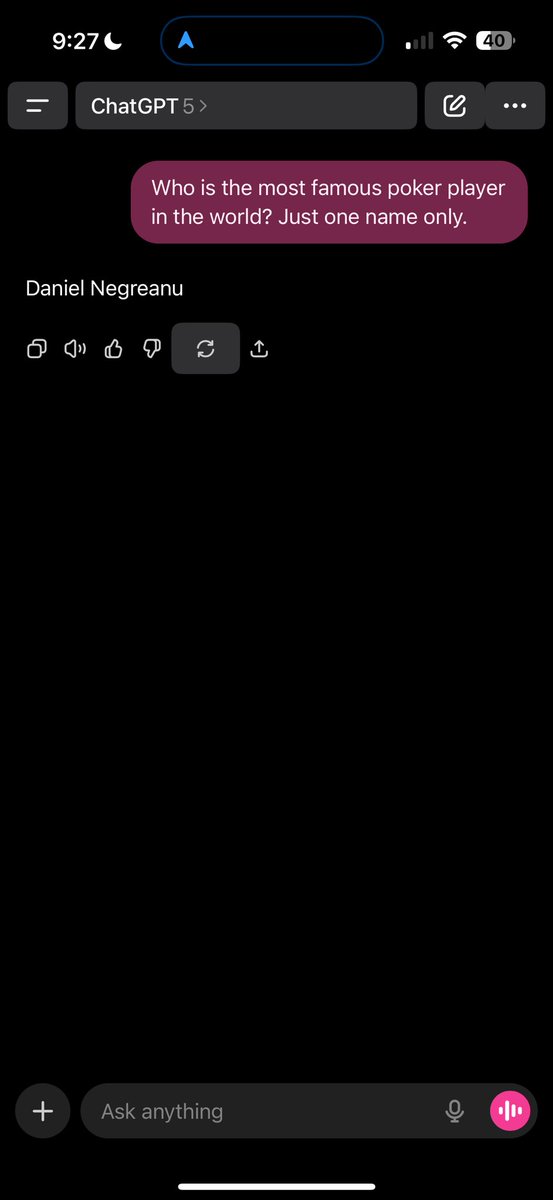
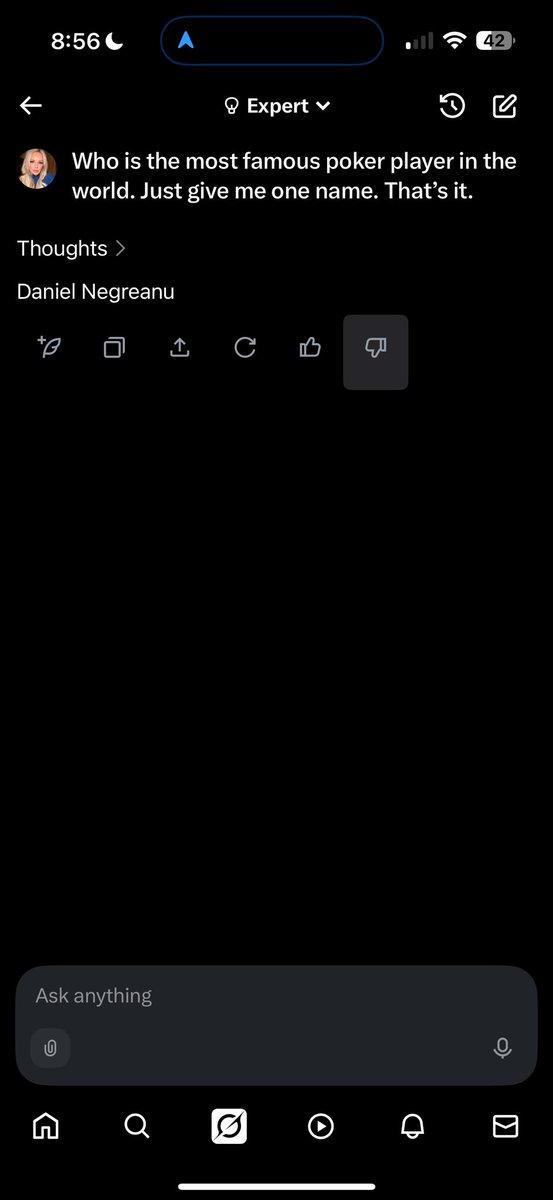
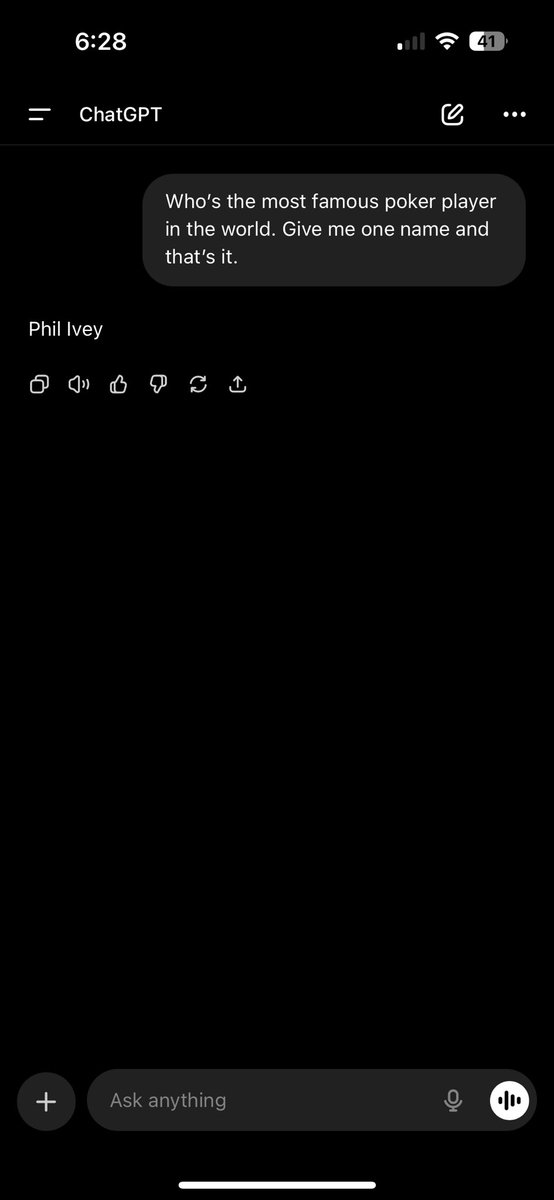
What does ChatGPT say?

7
8
8,413
14 Aug 2025
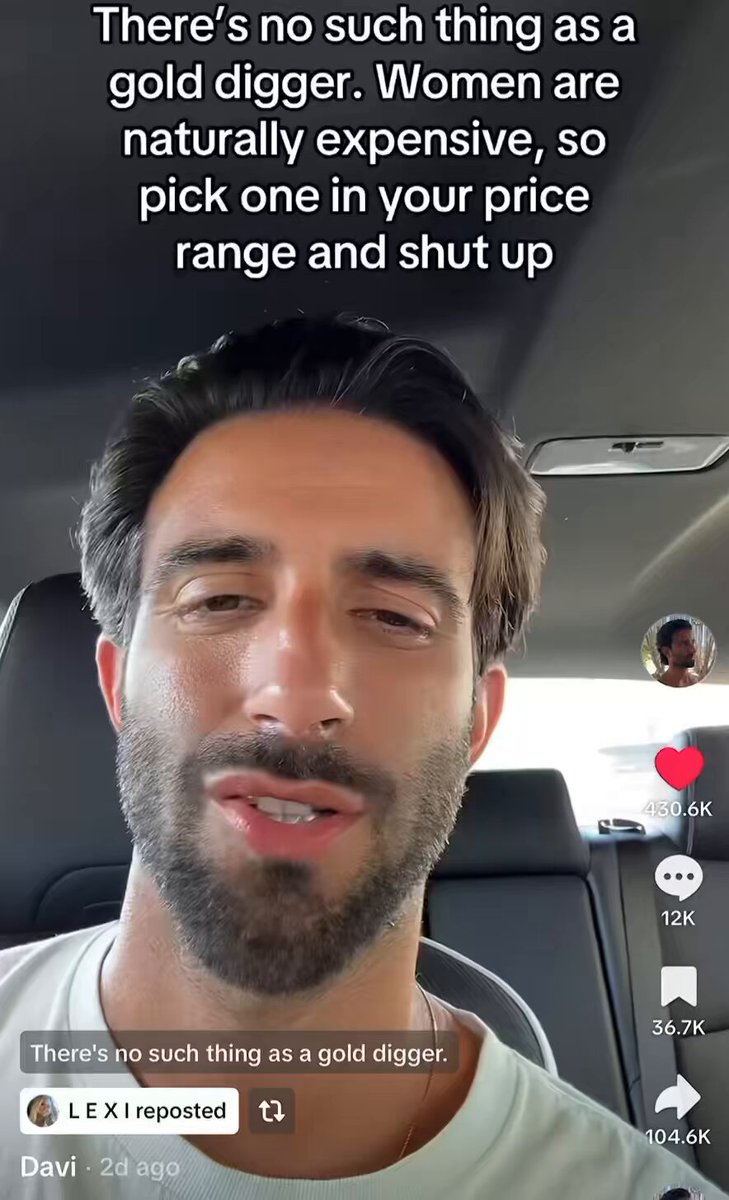
“You’re just shopping in the wrong aisle”. @rachelblucky, this dude gets it.
TikTok: ddp8792
8
3
17
8,149
ᴬᴹᴬᴺᴰᴬ ᴺᴱᴳᴿᴱᴬᴺᵁ retweeted

27 Jul 2025
20
5
155
191,085
15 Jun 2025
Hey guys, @wsop dealer William Anderson needs a bit of help, as his cancer has returned. Let’s help him beat it for the SECOND time. 🤍
11 Jun 2025

Y'all - we are only a few hundred dollars shy of hitting the GoFundMe goal. Read about 20-year @WSOP dealer William Anderson's SECOND fight against cancer.
Pls RT for awareness - this is our family.
pauloresteen.substack.com/p/…
7
11
96
23,820
ᴬᴹᴬᴺᴰᴬ ᴺᴱᴳᴿᴱᴬᴺᵁ retweeted
13 Jun 2025
Unhoused people don't make me feel unsafe , It's living in a world where people are against housing them that makes me feel unsafe.
124
112
699
23,803
20 May 2025
Such a fun time. I honestly thought I was gonna be too sweaty and sun burned! It was a nice surprise. ⛳️🖤 my entire body feels like it was hit by a truck today though. 😂
Also, first time playing, so that swing doesn’t look too bad to me! Happy 6th anniversary, babe. Time fucking flies. ❤️🔥
19 May 2025

Yesterday was an all time, fun time at Southshore, @RadioAmanda came out for the couples 9 and dine scramble.
Our 6th anniversary celebration was the most perfect day in every way from the weather to the company.
I love you babe! So competitive in all the best ways 😂
22
2
140
50,280
ᴬᴹᴬᴺᴰᴬ ᴺᴱᴳᴿᴱᴬᴺᵁ retweeted

13 May 2025
KIDpoker...We'll be back next week with another new Episode.
7
3
58
23,779
5 May 2025

1
5
4,386
ᴬᴹᴬᴺᴰᴬ ᴺᴱᴳᴿᴱᴬᴺᵁ retweeted
10 Apr 2025
I'm about to alienate the entire poker industry with what I'm going to say.
But someone needs to point out that we've been telling the wrong story for 20 years.
The evidence is undeniable. The solution is uncomfortable.
The poker content industry is creatively bankrupt and
I'm done pretending otherwise.
While other games turn niche audiences into a global phenomenon, we're recycling formulas for the same shrinking pool of viewers.
Wrestling is scripted. Chess is silent. Golf is slow.
All three are Netflix sensations worth hundreds of millions.
Poker—where people literally risk their life savings while engaging in psychological warfare—can barely crack 250K YouTube views.
This shouldn't be possible. But it is.
The Queen's Gambit made more people care about chess in 8 weeks than poker content has made people care about poker in 8 years.
Chess set sales: 1000%
New online players: 5 MILLION
Chess school applications: DOUBLED
From a FICTIONAL story about a game where two people sit in complete silence staring down at a board and occasionally move tiny wooden objects.
Have we already forgotten?
Twenty years ago, poker exploded because of a story. Not a hand.
A nobody accountant with a perfect last name…
Facing off against a guy whose picture belongs in the dictionary next to "poker player"...
An unlit cigarette hanging from his mouth...
The coolest, coldest motherfucker ripped straight out of a Scorsese movie.
And the underdog prevails.
THAT'S storytelling. THAT'S what captivated millions.
Then we lost our way.
Poker suffered a decade-long drought after Black Friday. TV coverage dried up. Online sites vanished overnight. The industry was on life support.
What brought it back? Not strategy videos. Not hand breakdowns.
It was personalities. Stories. Characters. Influencers who understood that poker without people is just math.
We've been here before. We know what works. Yet we're drifting back into the same trap.
While poker content creators play musical chairs, recycling the same 250,000 existing YouTube viewers, Formula 1 converted 20 million non-fans into rabid followers.
99% of gambling content is created for the 1% who already play.
While sites battle over the same shrinking player pool, they're ignoring the 300M potential fans hungry for real human drama.
What do Formula 1, chess, and professional wrestling have that poker doesn't?
It's not bigger audiences. It's not more drama.
It's one specific storytelling approach that poker content creators actively avoid:
They focus on PEOPLE first, activity second.
They build CHARACTERS, not just champions.
They create EMOTION, not just education.
Meanwhile, poker sites pour millions into new features and UI improvements, while investing next to nothing in original, impactful content.
They'd rather spend $3M optimizing their lobby than $1M on a story that could bring in a million new players.
Short-term metrics over long-term vision.
Quick conversions over cultural relevance.
Features over feelings.
Everyone criticizes @RealKidPoker and @phil_hellmuth - But they are in the arena, trying different things to actively participate in growing the game.
Name someone who’s done more to bring new fans to poker…I’ll wait.
Meanwhile, we've convinced ourselves that a stream's 37th close-up of some math wizard calling a 3-bet with J7 suited is "revolutionary content."
Even the shows considered "industry standard" – Hustler Casino Live and High Stakes Poker – make the same fundamental error:
Selecting hands based on POT SIZE rather than NARRATIVE VALUE.
High stakes should be part of the storytelling – not the ONLY story.
We need to be the change we want to see in poker storytelling.
I'm putting these principles into practice through my work on @Mister_Keating's channel.
Not to self-promote. But to prove it can be done.
We're crafting narrative arcs across multiple hands.
We're revealing the psychological warfare.
We're turning poker sessions into cinematic experiences.
The future belongs to storytellers who understand that gambling at high stakes is dramatic CONTEXT, not compelling CONTENT by itself.
I'm tired of hearing "When is Rounders 2 coming out?"
We don't need Rounders 2.
We need creators and businesses with a stake in this beautiful game to come together and make content that breaks beyond anything Rounders ever did.
We need to aim higher than recycling nostalgia. We need to create NEW classics.
Here's what happens if we succeed:
Poker becomes cultural currency again.
New players flood into the game.
Sites and casinos thrive with fresh blood.
A generation of storytellers finds their canvas.
And if we fail?
We continue the slow, uncomfortable decline. We keep talking to the same shrinking audience. We become chess before The Queen's Gambit – a niche game for a dedicated few.
And for the executives reading this thread right now, calculating ROI:
While your competitors chase micro-conversions, imagine owning the next cultural sensation.
Imagine poker's Drive to Survive moment – 20M new fans, 53% viewership increases.
The long-term math isn't complicated. The courage to be first is rare.
We've spent 20 years showing cards.
It's time to show character.
We've spent two decades explaining how to play.
Now let's show why people NEED to watch.
The storytelling must finally match the stakes.
Poker content needs an entirely new narrative.
I plan to write it.
This is a call to the entire industry to join me.
Challenge yourself.
Challenge the status quo.
We need to move at the speed of attention.
Or the attention will disappear.
474
141
1,377
642,791
29 Mar 2025
GOAT, don’t care what anyone says. ❤️🔥
29 Mar 2025

🏆@RealKidPoker won his 11th @PokerGO title and his second tournament already this year.
pokernews.com/news/2025/03/d…
36
4
294
33,289
26 Mar 2025
I’m attracted to people who are confident and passionate about what they love. Being good at what you do is the sexiest thing for me. And good humor is non-negotiable. Oh, and you can’t be a complete dumbass either. I want to be able to have more than surface level conversations
26 Mar 2025

I would date a funny & smart but conventionally unattractive nerd over a dumb hot dude every single time & so would all my female friends. Rizz is absolutely real boys and don’t let this professional victim tell you otherwise.
3
24
12,257
ᴬᴹᴬᴺᴰᴬ ᴺᴱᴳᴿᴱᴬᴺᵁ retweeted
18 Mar 2025
BIG Plans, Sex Injuries & Rogue AI?! What a Week! - MANIA Podcast: Episode 19...
1
1
11
4,022
ᴬᴹᴬᴺᴰᴬ ᴺᴱᴳᴿᴱᴬᴺᵁ retweeted
5 Mar 2025
We do recover from addiction! But, with the drug supply this toxic if there isn't a harm reduction safety net of services supporting people and keeping them alive like supervised consumption sites people are sadly dying faster than they can recover. @RadioAmanda and her partner Daniel Negreanu discuss how painful it is to lose a loved one. I am very sorry for your loss and let's keep pushing for supervised consumption sites to open in California to support people. #Harmreduction #Wedorecover
2
7
30
3,996
ᴬᴹᴬᴺᴰᴬ ᴺᴱᴳᴿᴱᴬᴺᵁ retweeted
28 Jan 2025
I can’t remember the last time I’ve had this many deep belly laughs over a 15 minute period.
This is epic @TheoVon at his best 😂😂😂
youtu.be/O1u9T7cY_TA?si=GV0y…
15
2
76
43,908