Investing ahead of the curve. Tracking the next bull runs before they happen ⚡🐃 Investing/Financial tips to grow your wealth. Market analysis. *not advice*
Joined September 2020
- Tweets 4,663
- Following 1,798
- Followers 1,663
- Likes 6,903
307 Photos and videos














Pinned Tweet
The #lithium market today is arguably stronger than the previous cycle, even if prices are not at all-time highs.
Back then, the market was driven heavily by EV hype, panic buying, and supply chain chaos. Today, lithium demand is becoming deeply embedded into global infrastructure planning.
Now we have:
• Massive BESS/grid storage expansion/solar
• AI datacenter power demand and space exploration
• Robotics, drones, VTOLs, and automation growth
• Heavy trucking and shipping electrification
• Military and defence applications
• Strategic government supply-chain initiatives
• Energy security is becoming a national priority
This is no longer just an EV story.
The world is rapidly electrifying while simultaneously rebuilding domestic critical mineral supply chains. That creates a much broader and potentially more durable demand foundation than the last cycle.
2022 was a price spike market.
2026 is shaping up to be an infrastructure buildout market.
$LAC $NILI.V #Investing
2
28
110
5,448
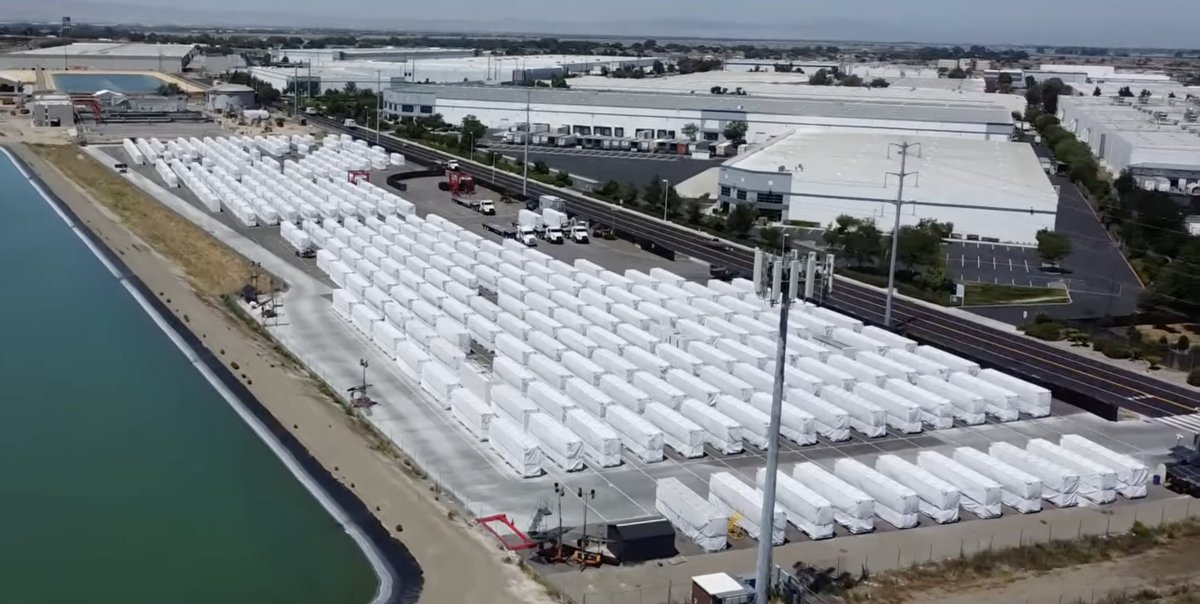
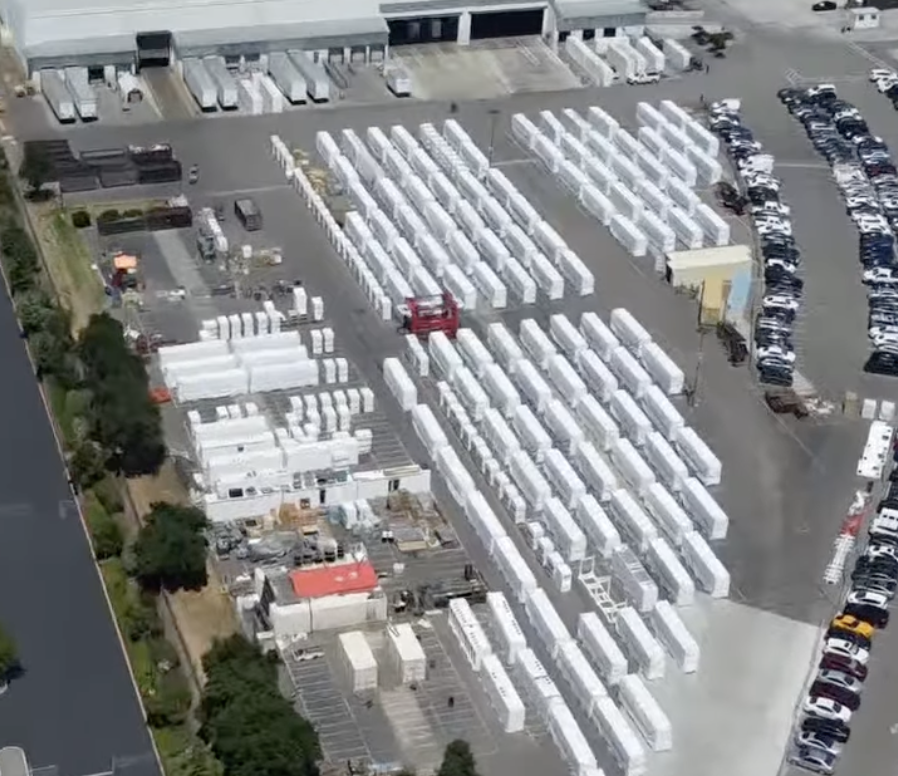
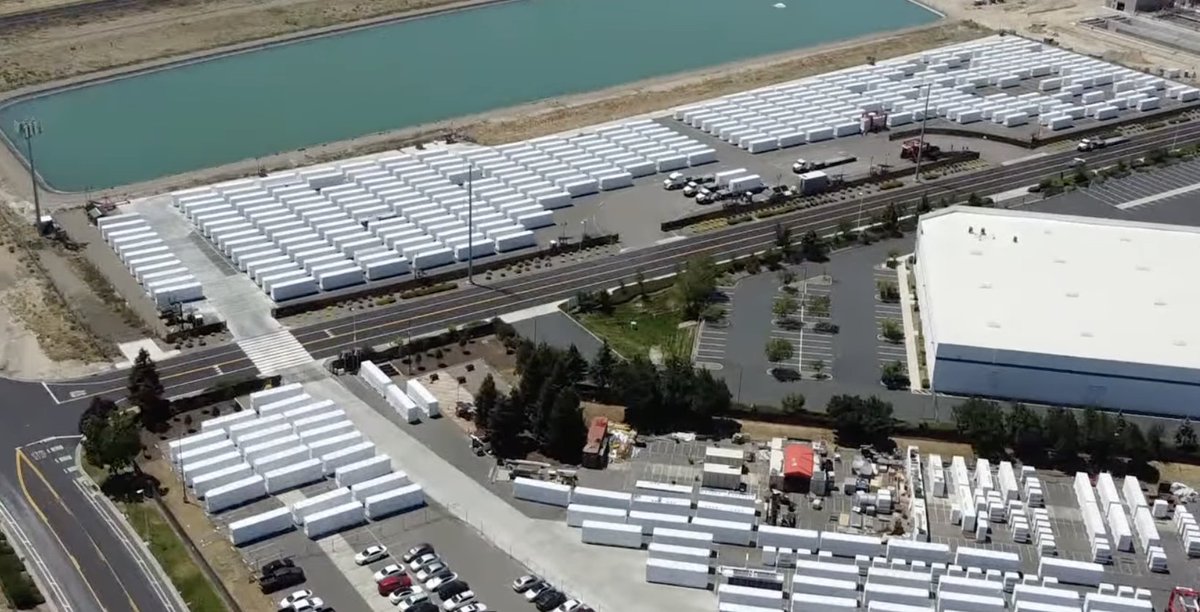
Excellent news for lithium demand.

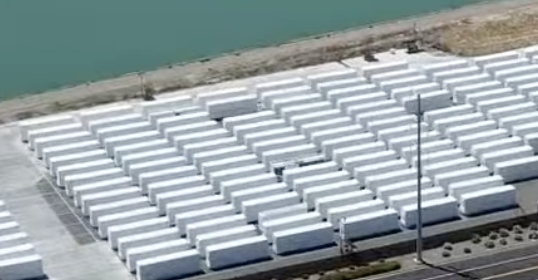
Looks like @Tesla is cranking out Megapacks at FULL capacity at their Lathrop Megafactory. This is ~$500 million of Megapacks. It's been a while since we've seen footage from this factory, but this is the fullest I've even seen the lots.
(Drone video from Servants life linked below):
1
7
177
Bank of Japan raises rates to 1%.
The yen carry trade is being threatened, while North America dreams of rates this low.
The yen carry trade is a financial strategy where investors borrow Japanese yen at very low interest rates and use those funds to invest in higher-yielding assets (like U.S. stocks, bonds, or foreign currencies).
cnbc.com/2026/06/16/boj-rate…
59
Raging Buffalo retweeted

🚨 CATL SAYS LITHIUM-AIR BATTERIES COULD ONE DAY DELIVER 1600 KM RANGE WITH ENERGY DENSITY APPROACHING PETROL.
The world’s largest battery maker is pushing a radical “breathing” battery technology that replaces heavy nickel, cobalt and manganese with lithium metal and oxygen pulled directly from the air.
In early lab tests, researchers have already achieved around 1,200 Wh/kg more than four times today’s best lithium-ion cells. With further development, CATL believes the technology could theoretically reach ~12,000 Wh/kg, close to the energy density of petrol itself.
Why this matters:
• It could slash battery weight and cost dramatically
• Small EVs might achieve 1,600 km of real-world range
• It removes dependence on scarce metals like nickel and cobalt
• A 1,000-cycle prototype with 1,600 km range would theoretically last 1.6 million kilometres
The deeper implication:
Lithium-air represents one of the few battery chemistries that could genuinely match or exceed the convenience of petrol without massive compromises. If the enormous technical hurdles (moisture sensitivity, cycle life, and oxygen management) can be solved, it wouldn’t just improve EVs it could fundamentally change what’s possible for electric aviation, long-haul transport, and portable power.
We’re still very early. Current prototypes are far from commercial, and most experts expect mass production only after 2030 at the earliest. But the fact that the company producing over half the world’s high-voltage batteries is seriously pursuing this shows how transformative the payoff could be.
Would you rather see solid-state batteries win the next decade, or do you think lithium-air could leapfrog them entirely?
Follow for more frontier battery technology and energy breakthroughs.
3
38
119
7,901

Jun 15
Wonderful to hear.

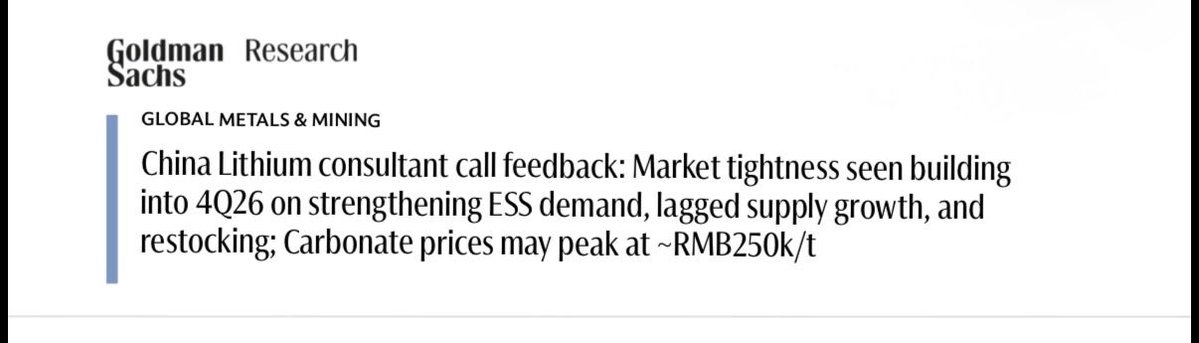
Lithium industry insiders increasingly view the market as having moved out of a prolonged downturn, with inventories gradually normalizing and structural demand shifts supporting a more sustained cycle.
1
8
628
Jun 14
BREAKING: 🚨

BREAKING: Pakistan's Prime Minister releases an official statement on the peace deal between the US and Iran which Pakistan announces has now been reached.
Full statement:
"Following intensive talks, we are pleased to announce that the Peace Deal between the United States of America and Islamic Republic of Iran has been REACHED.
Both sides have declared the immediate and permanent termination of military operations on all fronts, including in Lebanon.
The official signing ceremony will be on Friday, 19 June in Switzerland. We would like to thank the United States of America and the Islamic Republic of Iran for their commitment to finding a diplomatic solution to the conflict.
We would also like to extend our sincere appreciation to our brothers in this mediation effort, the great leadership of State of Qatar, for their support in reaching this agreement.
I would also especially thank the visionary leadership of Kingdom of Saudi Arabia and Republic of Türkiye for their immense contributions in this regard.
With the agreement now in place, mediators will facilitate a series of meetings this week. These pre-implementation discussions will lay the foundation for the technical talks and the official signing ceremony."
1
4
168
Jun 14
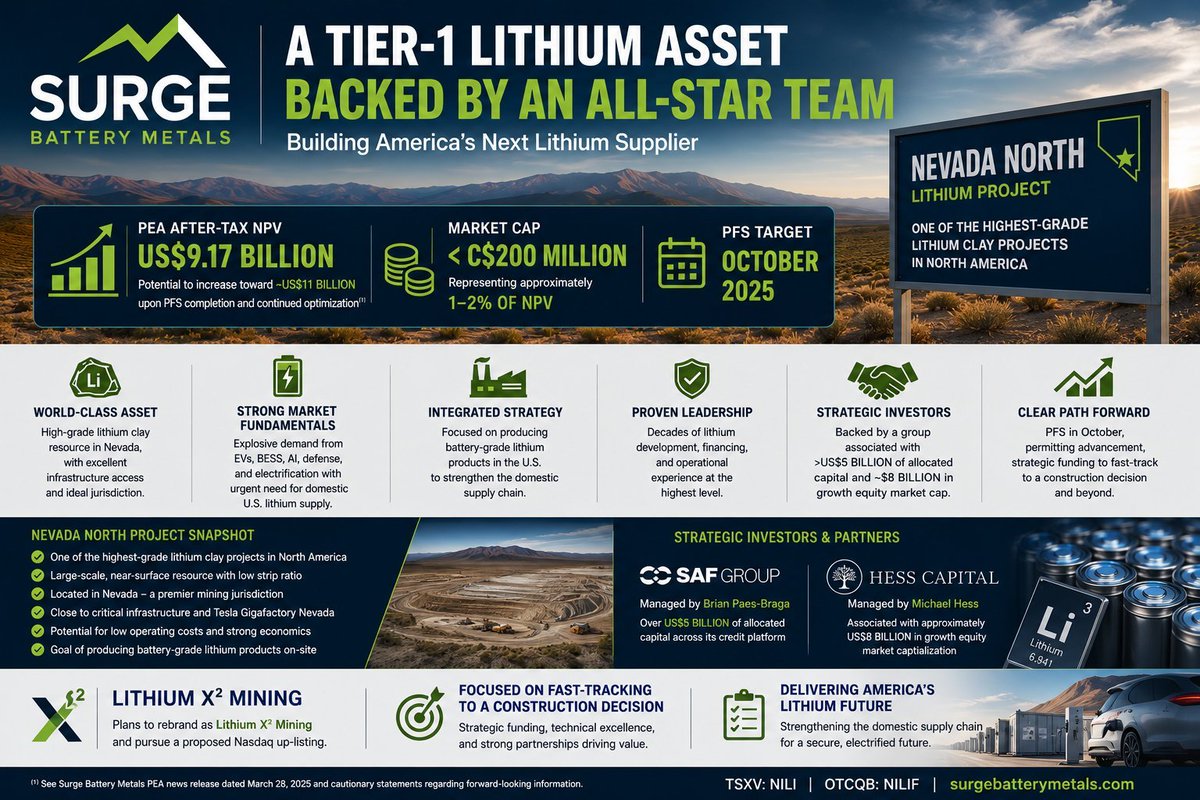
Years after acquiring #lithium claims in Nevada, Tesla has yet to demonstrate meaningful public progress toward developing its own lithium mine. Instead, its Texas lithium refinery relies on third-party suppliers to provide the raw material.
At some point, securing long-term domestic lithium supply may become more attractive than spending the time navigating permitting, metallurgy, water rights, financing, construction, and mine operations.
GM chose to invest in Thacker Pass rather than build its own mine. Under two 20-year offtake agreements, General Motors (GM) has secured the rights to 100% of Phase 1 and up to 38% of Phase 2.
Tesla has now entered the lithium refining business in Texas. The question remains: where will the remainder of long-term domestic lithium supply come from?
Tesla's Texas lithium refinery is a major step toward vertical integration and is estimated to produce roughly 40,000-50,000 tonnes LCE equivalent annually. However, the refinery still requires lithium feedstock from upstream mining operations.
EVs, Cybertruck, Semi, Megapack, Powerwall, Optimus, robotics, AI infrastructure, and future growth initiatives all require enormous quantities of lithium.
While a fraction of Tesla's projected lithium requirements may ultimately be processed through its Texas refinery, the long-term domestic lithium supply required to support its growing vehicle, battery, and energy storage operations has yet to be fully secured.
Without even considering Tesla's monstrous global requirements from facilities such as Shanghai and Texas, Tesla already operates Gigafactory Nevada with approximately 37 GWh of capacity. The company is currently expanding 4680 cell production on site with an additional 100 GWh facility through multi-stage rollout, and full production is expected by 2030. Tesla has also completed its Nevada Semi factory with a target of 50,000 units annually.
Tesla itself remains only one piece of the larger lithium story. One of my biggest questions is how domestic lithium production will keep pace with the rapidly growing demand from electrification initiatives across the United States.
@elonmusk lithium giant $NILI.NE could be the next step in securing future domestic supply.
2
4
13
859
Jun 14
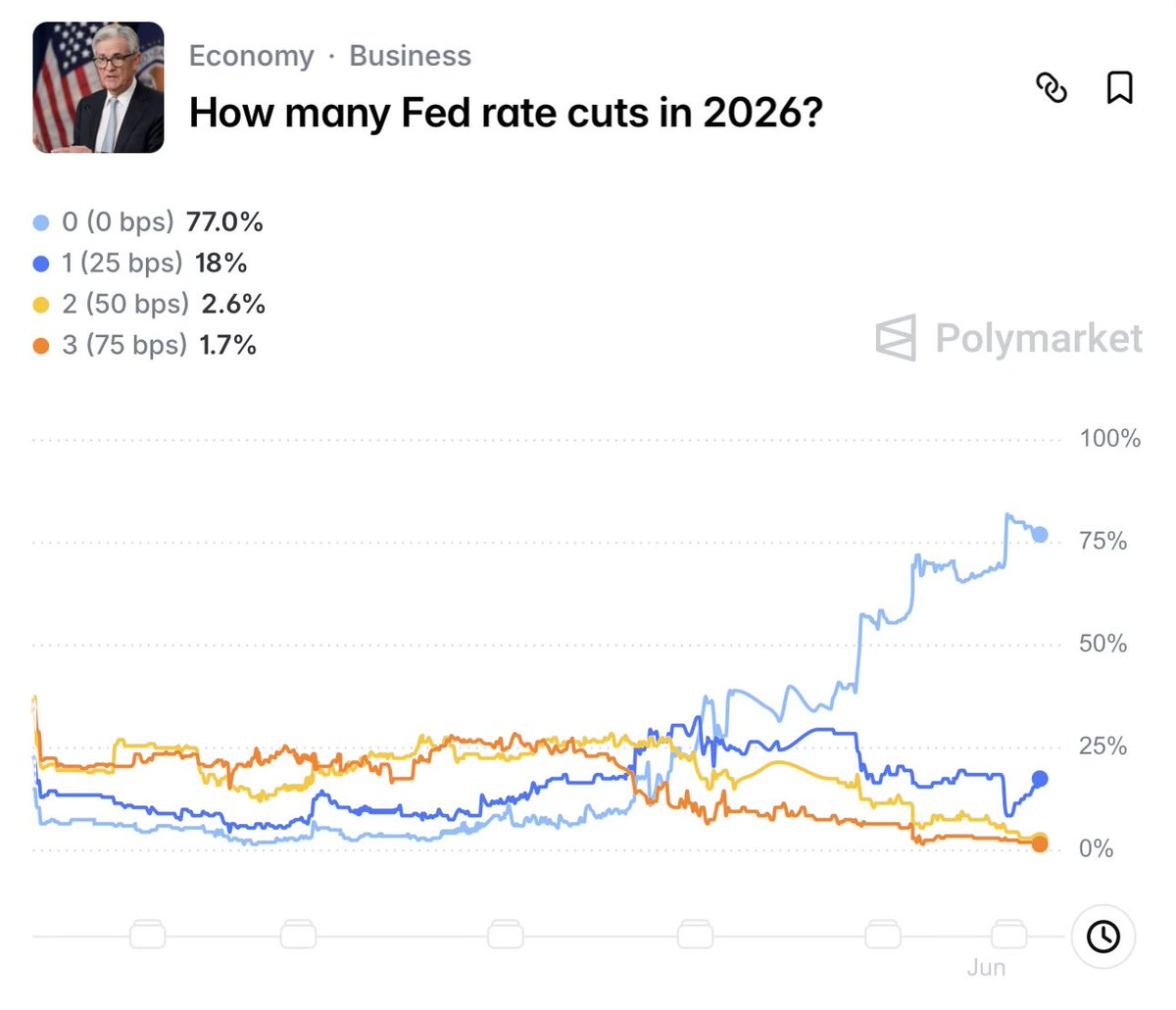
Kevin Warsh’s first FOMC should be interesting.
Jun 14

Kevin Warsh’s first FOMC this Tues-Wed.
Wonder if the markets will test him mid week?
Fed projected to not cut rates for remaining of the year.
120
Jun 14
Hot take, watching charts and order books is better than watching sports.
1
46
Raging Buffalo retweeted

🔋🔋LITHIUM DEMAND SHOCK
This trend is being replicated all over the world. The alternative to the petrol car is natural the EV based primarily on lithium-ion batteries.
June seems to be a gift for those who want to accumulate quality lithium companies still at an early stage.
Q2 Metals is long term quality - the most exciting hard rock resource around.
$LIT $LITP $AGY $GLN $DSM $FRB.AX $LTH.V $LIT.V $ATLX $LIB.V $NILI.V $KOD.L $QTWO.V $GRD.V $VUL
Jun 13

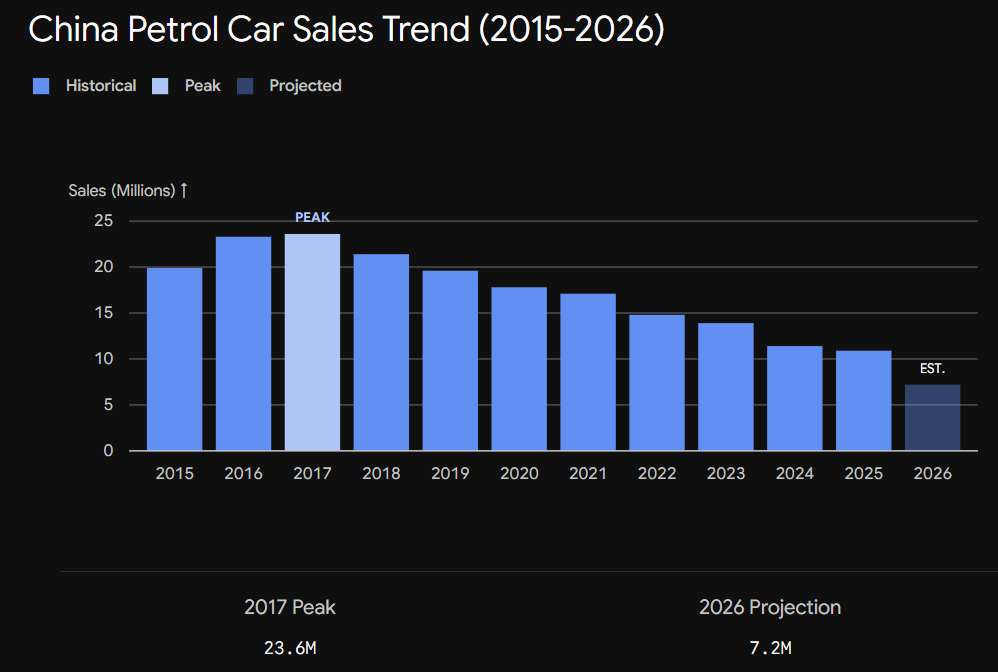
China Petrol Car Sales Trend:
2017: 23.6m (historical peak)
2018: 21.4
2019: 19.6
2020: 17.8
2021: 17.1
2022: 14.8
2023: 13.9
2024: 11.4
2025: 10.9
2026(e): 7.2
>16.4m annual loss since 2017 is larger than the annual passenger car markets of the US and Japan combined
2
7
22
2,228
Raging Buffalo retweeted

Jun 12
$NILI.v is changing there name to Lithium X2 Mining.
Elon loves the letter X and he also supports clay deposits..
"
Lithium in particular has been top of mind for CEO Elon Musk. Back in 2020, the battery metal had a spotlight moment at Tesla’s Battery Day, when Musk shared that the company had bought tenements in the US state of Nevada, and was looking for a new way to produce lithium from clay — a process yet to be proven at commercial scale.
investingnews.com/where-does…
1
1
3
211
Jun 12
Get it done and launch the markets!

JUST IN 🚨: Prime Minister of Pakistan confirms that a peace deal has been tentatively reached

1
91
Jun 12
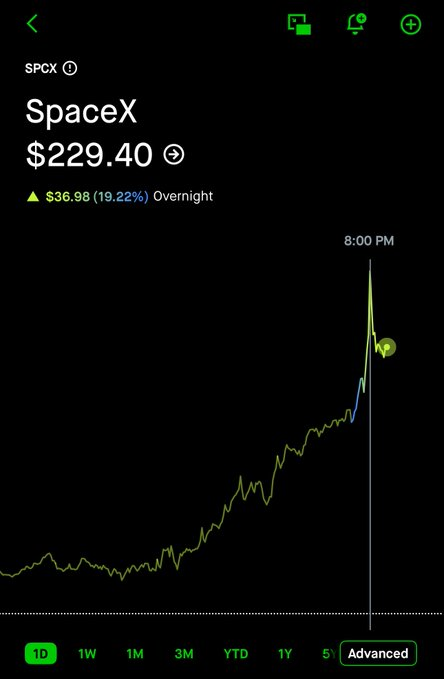
SPCX doing well is good for the #lithium industry, I also suspect they will merger with #TSLA at some point and need lithium.
@elonmusk Lithium giant $NILI.NE is waiting to supply your lithium needs in Nevada, with America's highest-grades.
Massive congratulations to Elon for smashing every goal and reaching trillionaire status!

3
436

Jun 12
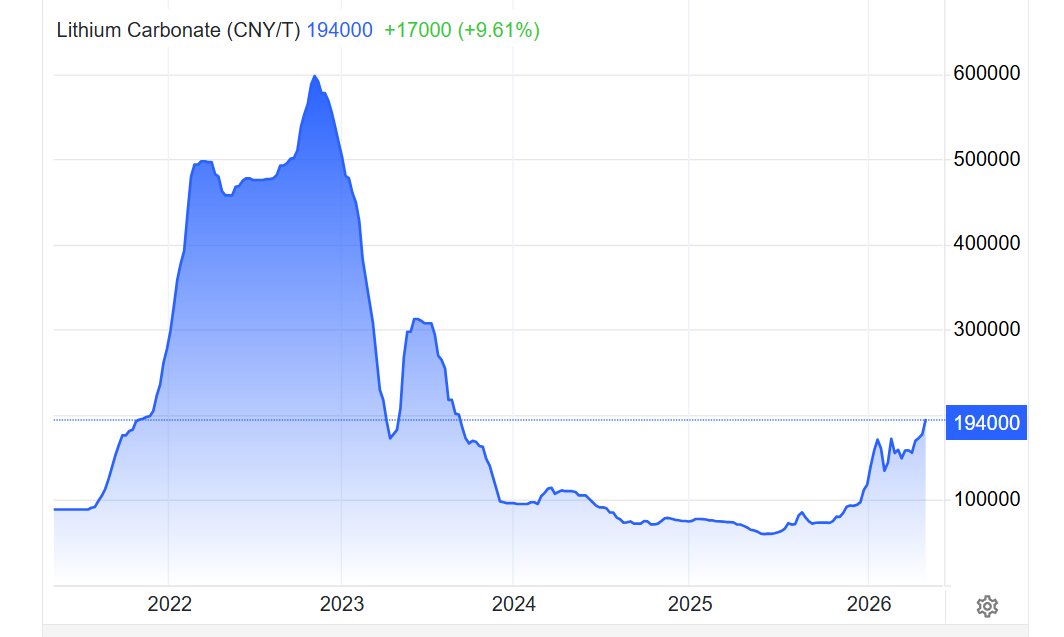
Catch up time for the rest of the world, #lithium?
Jun 12

Wow, what an amazing chart...
1
249