
Architect, Managing Partner @ Via Design. Inspired by design in unexpected places.
Joined June 2009
- Tweets 5,951
- Following 428
- Followers 922
- Likes 20,350
210 Photos and videos


Ram Joshi retweeted

Jun 4
Just four Wikipedia accounts can smear the reputation of an organization like the Hindu American Foundation.
Think this an isolated case?
BTW, Ashley Rindsberg (@NPOV) does some of the best reporting about Wikipedia and its bias—not just left-wing bias. Follow.
Jun 3

🚨NEW INVESTIGATION: A Fortune 500 company reportedly cancelled a @HinduAmerican training session after employees circulated its Wikipedia page.
That page tells readers HAF aligns with Hindu nationalism, threatens academic freedom, and has been accused of acting as a foreign agent.
We traced who built that narrative. The same handful of accounts kept appearing across HAF, its critics, activist groups, and key public figures—building an interconnected narrative that now feeds Google and AI systems.
Full investigation in thread. Receipts 👇
28
720
2,015
104,033
Ram Joshi retweeted

For years, major institutions have framed India and Hindus through the lens of nationalism, extremism, and suspicion. But what we've uncovered on @Wikipedia raises a deeper question: who gets to write the public record?
Our investigation found that a small cluster of anonymous editors controlled more than 80% of the @HinduAmerican page. Among the findings:
Blatant Conflict of Interest: The editors aggressively shaping HAF’s page were the exact same people controlling the Wikipedia profiles of HAF's legal adversaries and academic critics.
Inserting False FARA Allegations: Editors laundered complaints from HAF's opponents into "facts," using demands for a DOJ investigation to falsely brand HAF as a foreign agent
Administrative Silencing: An admin with supreme platform permissions deleted quotes from HAF's leadership, stripping the organization of its right to reply to allegations.
Over four years (2021-2025), editors systematically erased HAF’s identity as an American civil rights group, transforming its Wikipedia page into a heavily curated dossier of accusations. Our report from @npovmedia documents how it happened. 👇
Jun 3
🚨NEW INVESTIGATION: A Fortune 500 company reportedly cancelled a @HinduAmerican training session after employees circulated its Wikipedia page.
That page tells readers HAF aligns with Hindu nationalism, threatens academic freedom, and has been accused of acting as a foreign agent.
We traced who built that narrative. The same handful of accounts kept appearing across HAF, its critics, activist groups, and key public figures—building an interconnected narrative that now feeds Google and AI systems.
Full investigation in thread. Receipts 👇
77
1,861
4,262
210,407
Ram Joshi retweeted

May 5
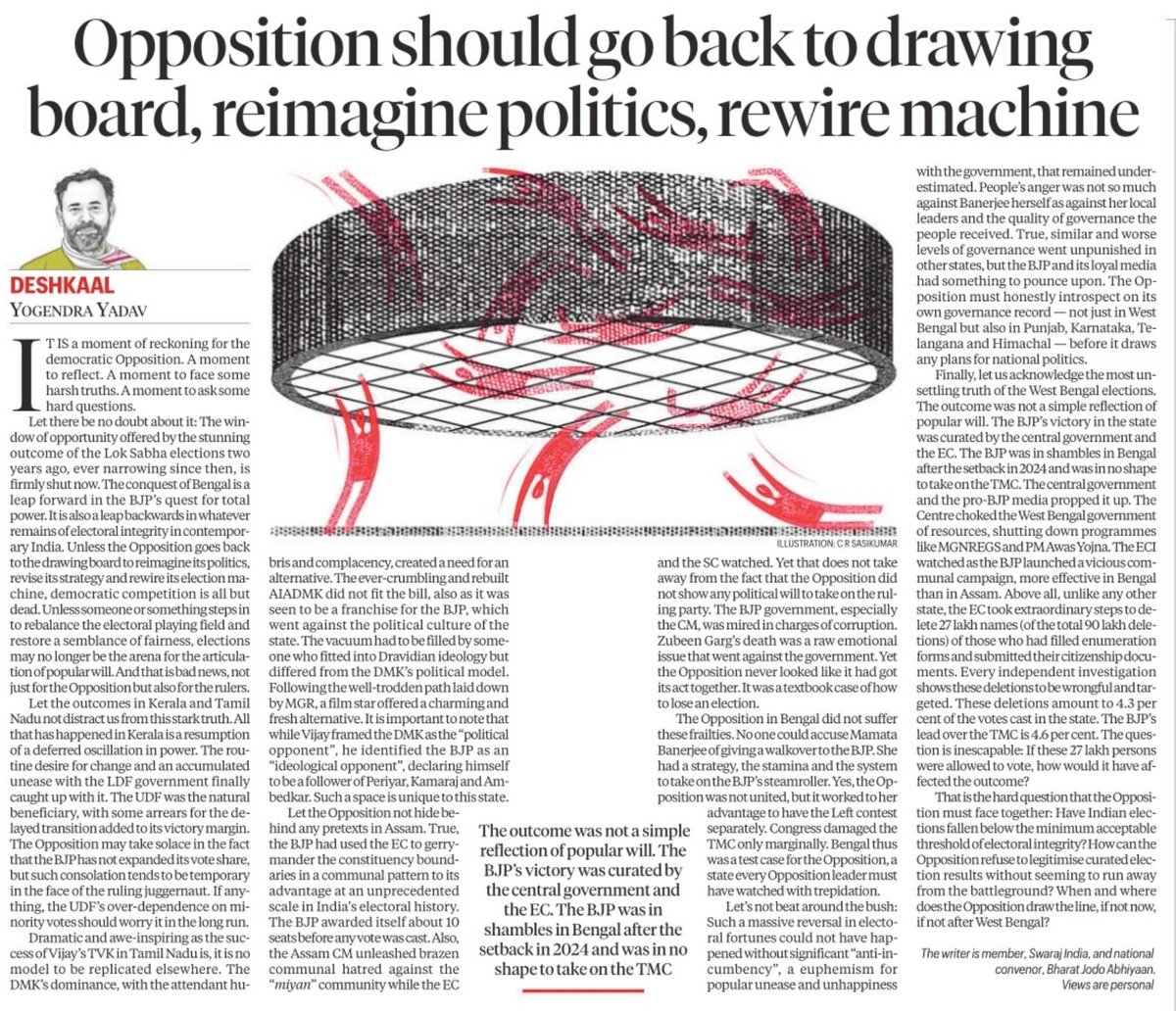
Dear Yogendra Yadavji @_YogendraYadav, your recent piece asking the Opposition to "rewire the machine" makes for incredibly gripping prose.
But when we strip away the elegant, fatalistic victimhood, your core arguments collapse under the sheer weight of their own glaring contradictions.
Let’s do a thorough, unsparing forensic audit of these claims,
shall we? 🧵👇
9
41
145
29,559
Ram Joshi retweeted

Very true. But you were not the one to have ever fought for any of these. You championed the most despotic, corrupt, vicious, dramabaz, inhuman, arrogant, foul-mouthed, greedy and lumpen political party ever in India’s history for whatever reasons.
And many more like you, who tried their best to cover the atrocities of your party in a cloak of respectability. Somehow you came to believe that lying in English makes you appear truthful.
May 4

In democracy the peoples' will is SUPREME. The relentless struggle for constitutional values, democratic rights, justice and liberty GOES ON. THE FIGHT CONTINUES.
54
991
3,475
77,269
Ram Joshi retweeted

Mar 24
Nobody elected them. Nobody appointed them. But somewhere after 1947, a small class of people decided they were in charge of your conscience.
The arrangement they made was simple. They sit at the top. You sit below. They speak English and write op-eds.
You speak your mother tongue and are always wrong. Their job is to explain you to yourself. Your job is to accept the explanation.
The tools are familiar. Caste guilt. The backwardness narrative. The constant suggestion that Hindu majoritarian violence is always one election away, perpetually imminent.
Each 'concern' is framed as a uniquely Hindu disease. It's never a residue of centuries of colonial extraction. The blame is Yours alone.
There is one rule that never changes. Hindu pride is fascism. Hindu confidence is dangerous. Hindu civilizational memory is extremism.
You are permitted to exist but you are not permitted to feel good about it. A Hindu majority that felt no guilt about existing would have no need for moral tutors.
Thus this whole structure — the secular Lutyens elite and their the prime-time sermons — rests on your uncertainty.
The moment that uncertainty lifts their foundations shake.
A class that profits from your shame has no incentive to tell you the shame was manufactured. Your misplaced guilt keeps them employed.
Your recovery would put them out of business.
They need you on your knees. Apologizing. Explaining yourself. Grateful for the permission to exist. The moment you stand up the whole arrangement falls apart.
Will you stand up?

168
1,615
3,684
81,952
Ram Joshi retweeted

Mar 11
137
381
2,545
1,334,928

If "the costs of imperial administration and defence" did indeed "far outweigh the benefits", the Brits were pretty cuckoo to hang around for as long as they did. Were they, though?
14
Ram Joshi retweeted

Feb 18
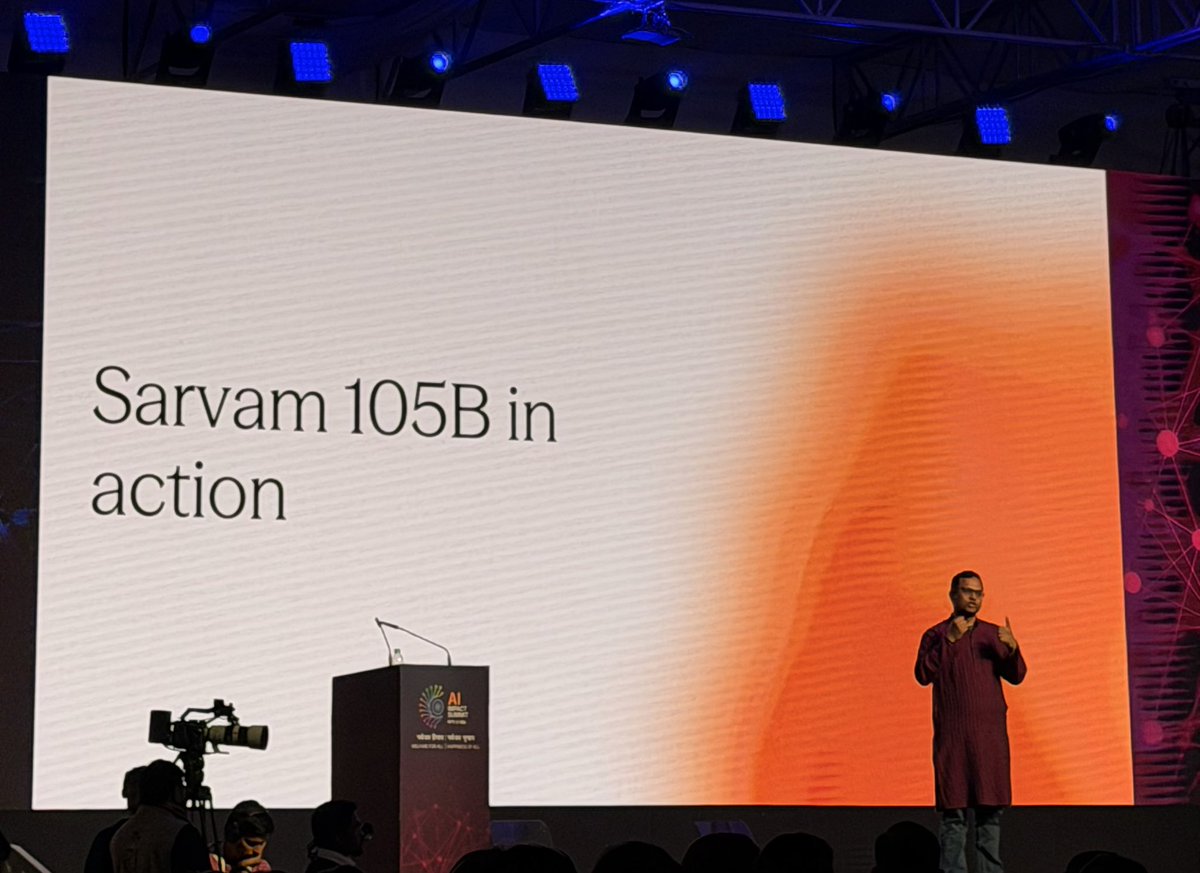
Congrats to @SarvamAI on the phenomenal milestone of launching India’s first sovereign LLM!
As the company’s first investor, I couldn’t be more excited about what this means for our ecosystem. This is India’s “Sarvam moment,” reminiscent of the US’s “ChatGPT moment” in Nov 2022 and China’s “Deepseek moment” in Jan 2025.
Ecosystems galvanise around local champions - companies that show the world what a country’s best and brightest are capable of. Over the past two weeks, Sarvam has launched a suite of fantastic products: from hyper-realistic voice models that effectively code-switch between languages, to the world’s leading OCR for Indian scripts. They have proven what superior research, engineering, and a deep understanding of a diverse local market can produce.
I’m reminded of the first conversation I had with @pratykumar and @vivek_raghavan, before the company even existed. The vision was clear then, as it is now: bring the power of AI to every Indian in the mode and language they are most comfortable with. We called it “UPI for AI,” a thesis I wrote about with my former colleague @TrivediVedant back in 2023: peakxv.com/article/sarvams-m…
Congratulations to Team Sarvam and to India’s AI ecosystem, supported by the efforts of @GoI_MeitY, whose GPU grant was critical in making this milestone happen. Here’s to many more successes for our ecosystem!
12
196
1,194
27,246
Ram Joshi retweeted

That’s a beautifully confident claim. It just happens to be completely false and collapses the moment you look at Indian food seriously. India has been practicing individual ingredient elevating cooking for millennia - we just aren’t very popular with the Michelin inspectors.
Here are some examples that directly contradict your claim:
Mathura Peda - just reduced milk solids (khoya), sugar, and time. That’s it.
Unlike French desserts - there is zero additional layering. No sauce architecture. No complexity to hide behind.
If the milk quality is poor, the peda is ruined. If the reduction is rushed, the caramelization fails.
If the sugar balance is off, it becomes cloying.
If the milk fat is not rich enough, the texture is chalky.
This is pure one ingredient precision.
And we have such recipes from every Indian region
When Maharashtra serves divine Aamras, it is strained mango pulp & a touch of ghee. That’s it. The entire dish fails if the mango is not perfectly ripe with balanced sweetness, fragrance and fiberless texture.
When Kashmiris cooks warm, comforting Haak, it is greens, water, salt, maybe a hint of heeng - that’s it. If the leaves are old or bitter, the dish is ruined instantly.
In Bengal when we make the heavenly Ilish Bhapa, the fish is steamed gently in just mustard oil, mustard paste, turmeric, salt and green chillies. Here mustard is the only strong flavor used to emphasize the flavor of the fish. If the hilsa is not fresh or lacks fat, the dish collapses completely. How is that any less elegant or sophisticated than any simple steamed Japanese seafood?
When Odisha prepares the addictive Pakhala Bhata, it is simply fermented rice and water. No spices - just quality of the grain & fermentation control.
When Tamil Nadu serves Elaneer Payasam, it is just tender coconut water and flesh, lightly sweetened. Whoever cooks it cannot disguise inferior coconut. There is nowhere to hide.
When Bihar makes Sattu Paratha - it is simply roasted gram flour and wheat. The sweetness and smokiness of one ingredient - sattu defines everything. Over 2300 years ago Chanakya was feeding this tasty stuff to his soldiers for its high protein, high fiber profile.
When you eat Ragi Mudde in Karnataka - you are eating simple finger millet flour and water. That’s it. If the millet is poor, the texture betrays it instantly. Isn’t that one grain purity in its starkest form? A drizzle of ghee is all that is provided to enhance the earthiness.
When Andhra households make Perugu Annam, it is rice and cultured yogurt. The preparation of the curd, the grain texture, the temperature - it’s pure microbial level terroir.
When Punjabis make Makki ki Roti with fresh white butter, it is just maize. If the cornmeal isn’t sweet and freshly ground, it tastes flat immediately.
When Gujaratis serve you Surti Papdi no Lilvo, it is celebrating one single winter bean variety. You can only eat it for a few weeks a year. That is like seasonality bordering on obsession.
When Konkanis make Solkadhi, it is simply kokum and coconut milk. The kokum’s acidity and the coconut’s sweetness must be pristine to make a balanced mix.
Or Assam’s Chunga Pitha - just glutinous rice, palm jaggery and sometimes a little coconut. That’s it. The fragrance of the slow-roasted rice and caramelized jaggery creating magic - talk about ingredient reverence and layered technique.
An entire tradition of sweet-making in Bengal and Odisha revolves around a single ingredient: chhena. From this humble curdled milk, artisans create literally dozens of variations of Sandesh, distinguished solely by how the chhena is kneaded, cooked, or subtly sweetened. Quality of milk, precision of technique, & the art of transformation.
I mean I can go on and on endlessly.
My point is:
India does not need to “learn” ingredient purity or emphasis. Indians have been elevating and revering ingredients quietly for thousands of years - without any applause or recognition.

Well, in that classification, Indian cuisine also falls under the French/Chinese style. We don’t have a cuisine emphasising the quality of individual ingredients, unfortunately. We can learn from the Japanese and Italian chefs like Massimo. Some regional cuisines can be elevated like this. Sikkim will probably pave the way because it is advanced in organic agriculture already.
71
308
1,076
39,735
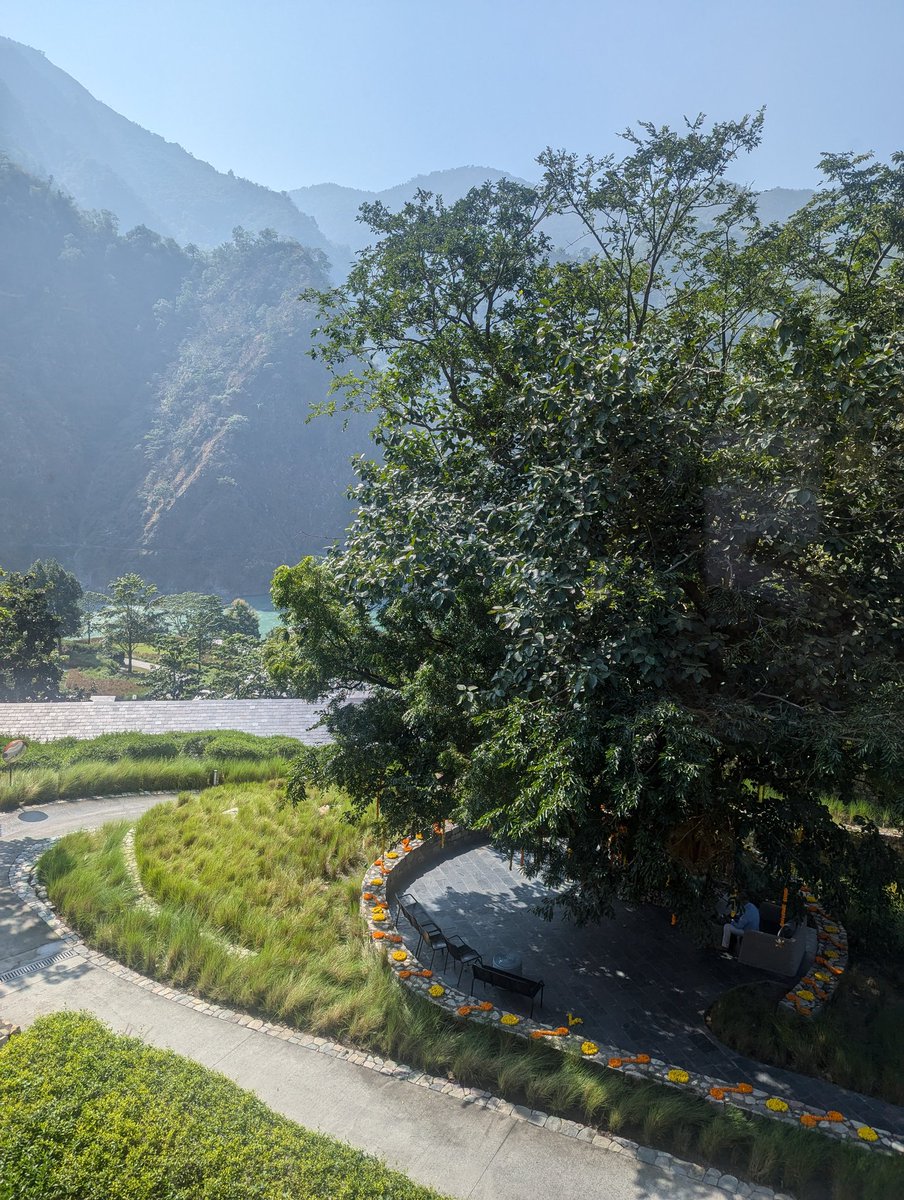
At a resort, and they can't serve us drinks today. I guess nothing reinforces democratic values like a mandatory dry day. Happy #RepublicDay
13
Ram Joshi retweeted

1/12
Frame by frame breakdown of this MURDER shows ICE is lying!
-ICE had ALREADY disarmed the man before shooting.
-The man NEVER drew his gun.
At the 0:06 second mark we see the man’s hands on the ground covered in large gloves.
His hands are empty.

480
5,613
11,109
1,766,871
Ram Joshi retweeted

Jan 8
Like everyone else, I looked at the shooting of Renee Nicole Good. From several angles. And frame by frame. I watched the reverse lights go out. The weapon leave its holster.
I looked at the before footage. The aftermath. I listened carefully to the audio. I heard the legal scholars commentary. The politicians. Etc.
But most of all, I watched it as a pair of amped up Federal Agents with a car and driver defying my orders in a tense situation. And then I watched it as a freaked out American female in fight-or-flight model with a terrifying man trying to force open my driver side door who may have barely noticed the other man in front of my car about to end my life.
——-
My thoughts.
This was always going to happen. A bunch of political people we don’t know playing out a drama of Sanctuary Cities, voting strategies, refugee designations, border enforcement, immigration scams, etc.
Sooner or later, given enough time, a loving widower and single dad will also pick up a gun and find a 2A solution to his grief over the Surgeon who “transitioned” his only brainwashed child while he was working two jobs in a murder suicide.
Someone wearing a Candace t-shirt calling for America-First will shoot up a Pro-Israel rally in Florida chanting about “Noticing”, Nick Fuentes and wanting their country back. Or a person will spray-paint “Never Again” on a Cybertruck and drive it into a Michigan crowd screaming “From The River To The Sea!”
Etc.
We are being set, like wind up toys, to tear each other apart and ourselves apart. my own head has been filled with so many slogans and so much hate for you by so many different people no matter who you are.
We are all in this low grade revolution.
And it will be reset today by algorithms you didn’t program, filled by speeches you didn’t write, amplified by accounts you don’t know are bot farms, directed by political strategists whose names you do not know, undoing action you would never have taken in ways you would never agree to directed by famous people you don’t know personally.
1,105
1,363
11,719
1,361,162
Ram Joshi retweeted

Jan 6
Final question:
If Prime Minister Narendra Modi can maintain such transparency by properly updating his MPLADS profile with geo-tagged images and details, why can’t other MPs do the same?
27
258
2,271
75,075
Ram Joshi retweeted

Jan 4
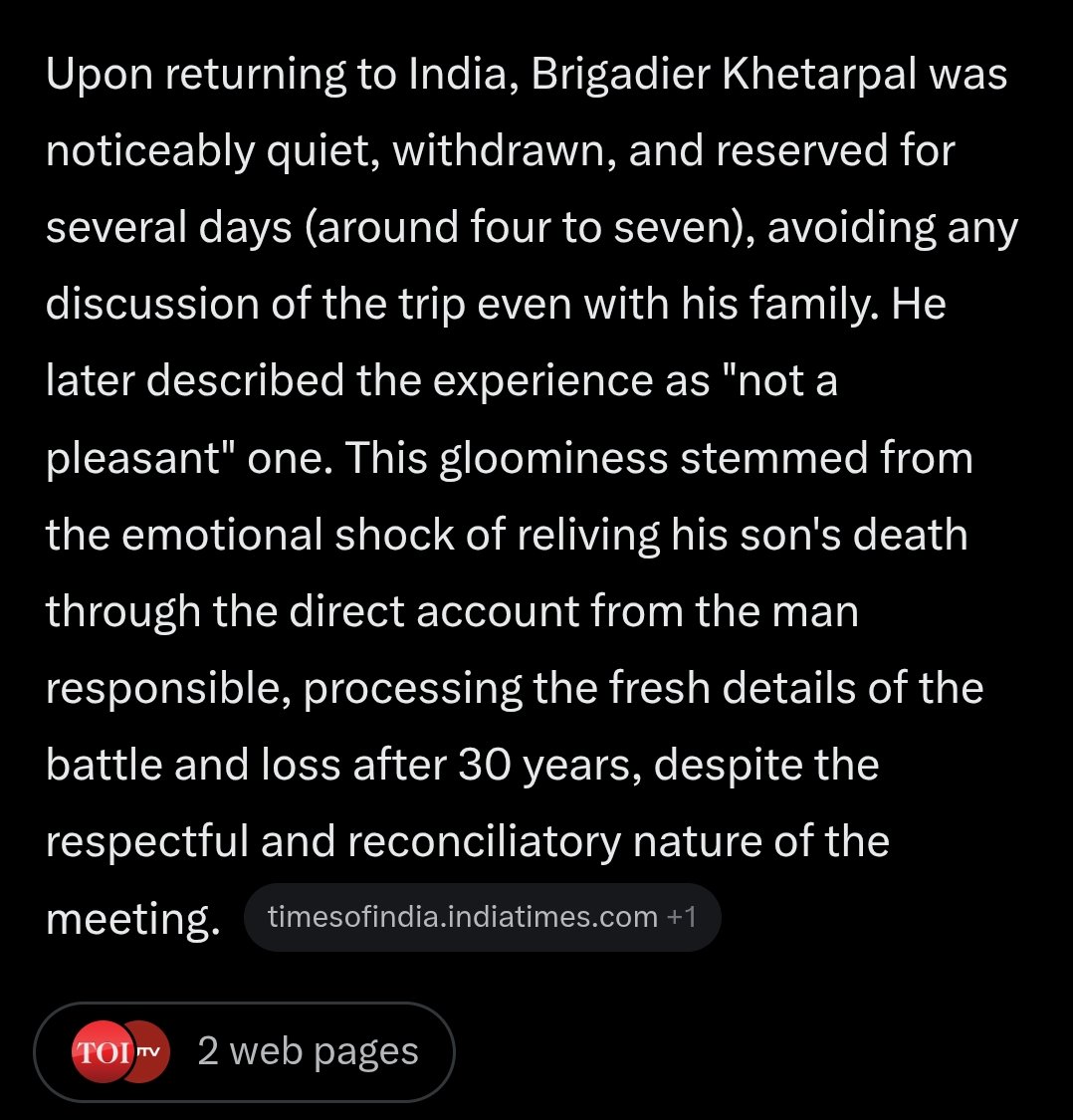
It appears that Brigadier M L Khetrapal was blindsided during his visit to Pakistan for his school reunion. He wasn't very pleased with the reveal that his host was his son's killer.
(The readers of the Mahabharata would remember how Shalya was blindsided by Duryodhana to join the Kaurava camp.)
The makers of Ikkis didn't portray this gloom and instead put words of "Aman ki Asha" into the mouth of ML Khetrapal. Looks like they did him dirty here.
33
561
1,782
118,006
Ram Joshi retweeted
Jan 1
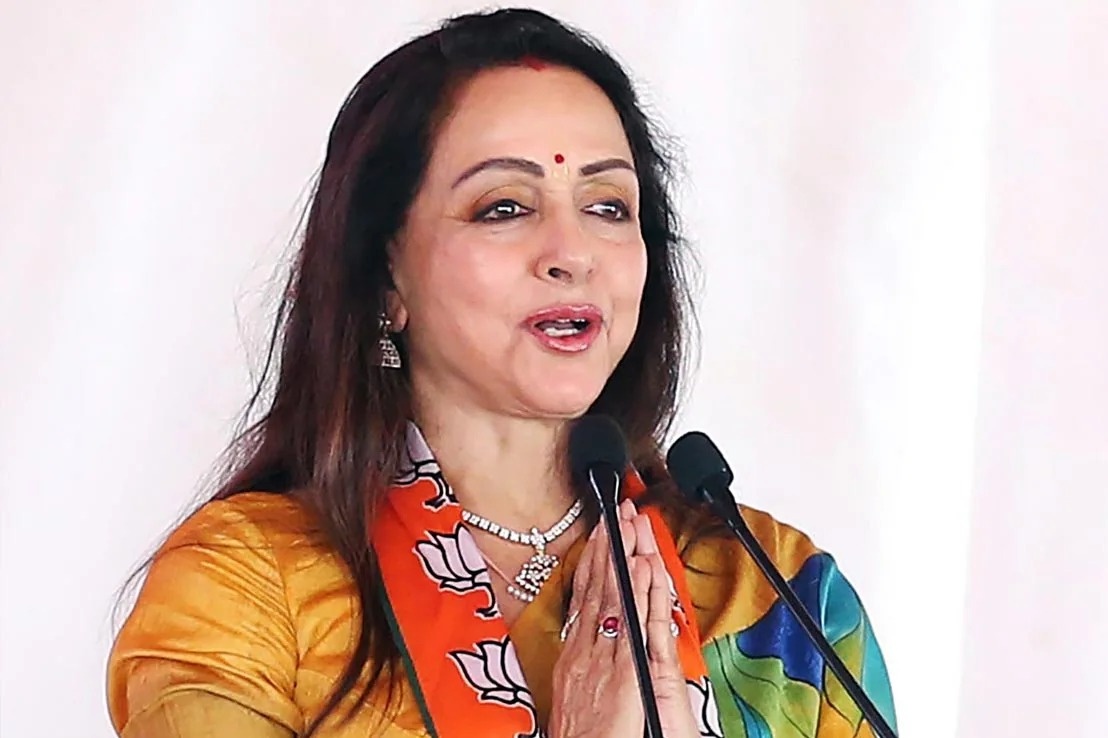
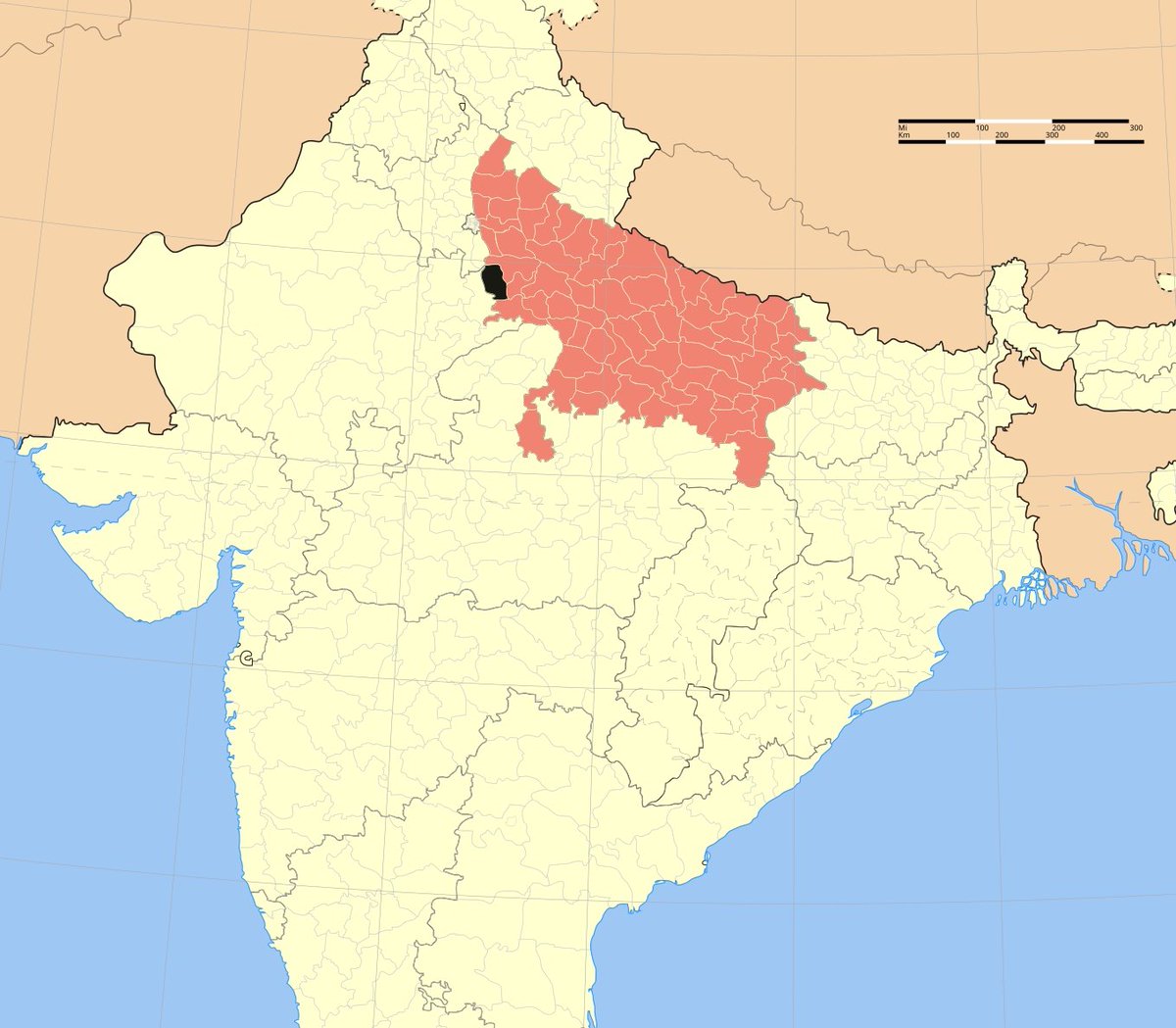
Meet BJP's Hema Malini, MP from Mathura, UP.
She has been representing Mathura since 2014.
Now, let's look at the works carried out during Hema Malini's tenure through the lens of the Central Govt's MPLADS website.
A thread 🧵
192
1,593
8,202
1,230,082
Ram Joshi retweeted

2 Dec 2025
Something strange is happening in India's stock markets
In 2025, 63% IPO money raised didn't go to companies, but went to promoters and private equity
And this is not by accident, I spent weeks digging SEBI filings to understand how IPOs are rigged, here's what I found
1/12
365
2,119
7,764
1,083,594
Ram Joshi retweeted

13 Nov 2025
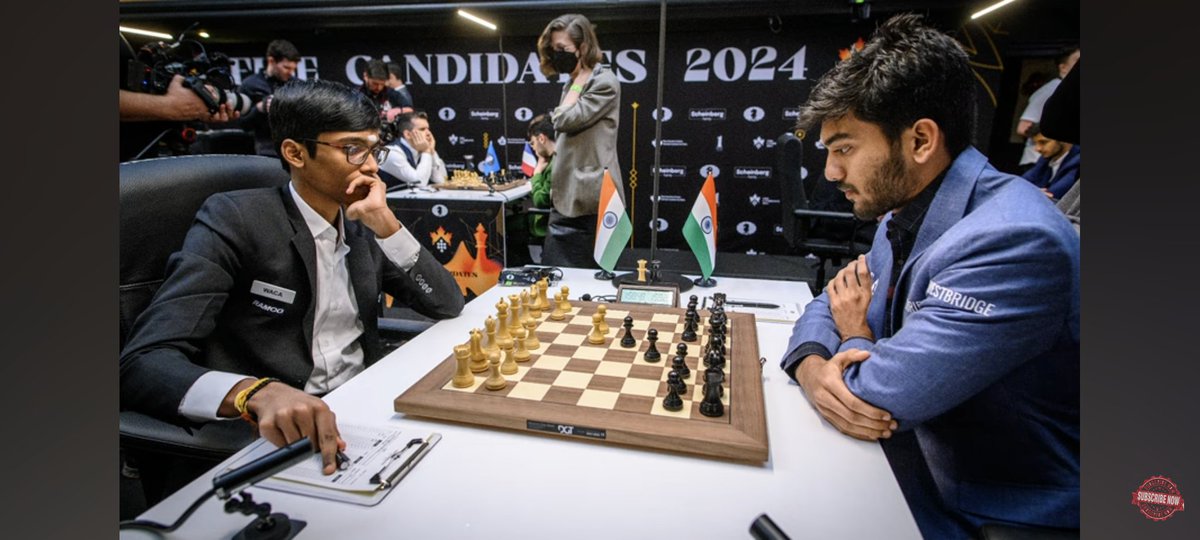
Don't worry, you're not bad at chess. You're actually bad at everything. Chess is just one of the only things with a good rating system.
249
1,218
18,488
544,746
Ram Joshi retweeted

13 Nov 2025
Am sitting in Hyderabad airport and look what just showed up!
296
409
10,237
1,222,034
Something terribly off about the passing of @GmNaroditsky and the chess cabal that puts young players like Danya under immense pressure. @HansMokeNiemann suffered through unsubstantiated allegations & somehow managed to fight back. Time to dump move on to @lichess
63