Assistant Professor of Medicine @CWRUSOM | Transplant Hepatologist @UHhospitals | @MayoClinicGIHep Alumni | @imdartmouth Alumni | Posts are not medical advice
Joined June 2020
- Tweets 214
- Following 710
- Followers 613
- Likes 639
28 Photos and videos
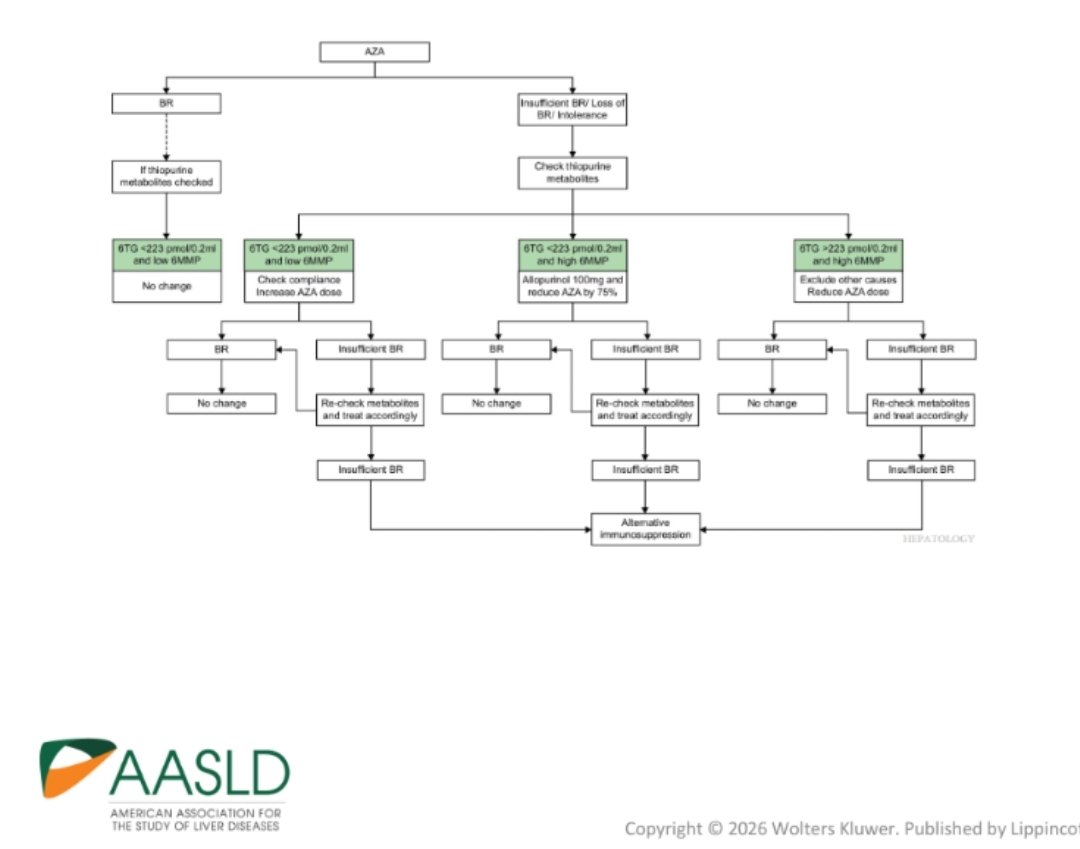
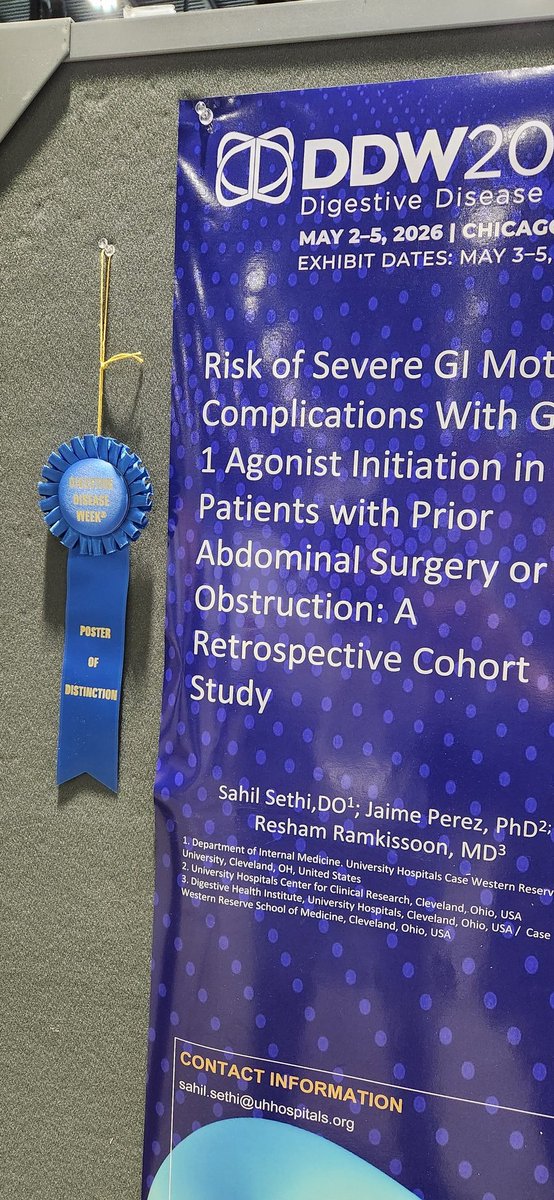
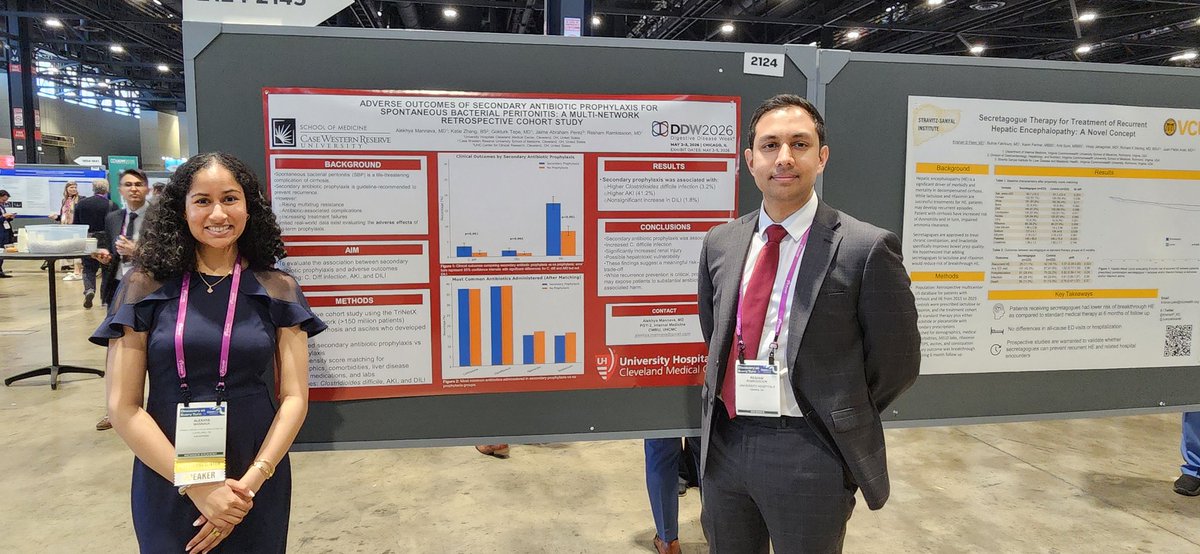
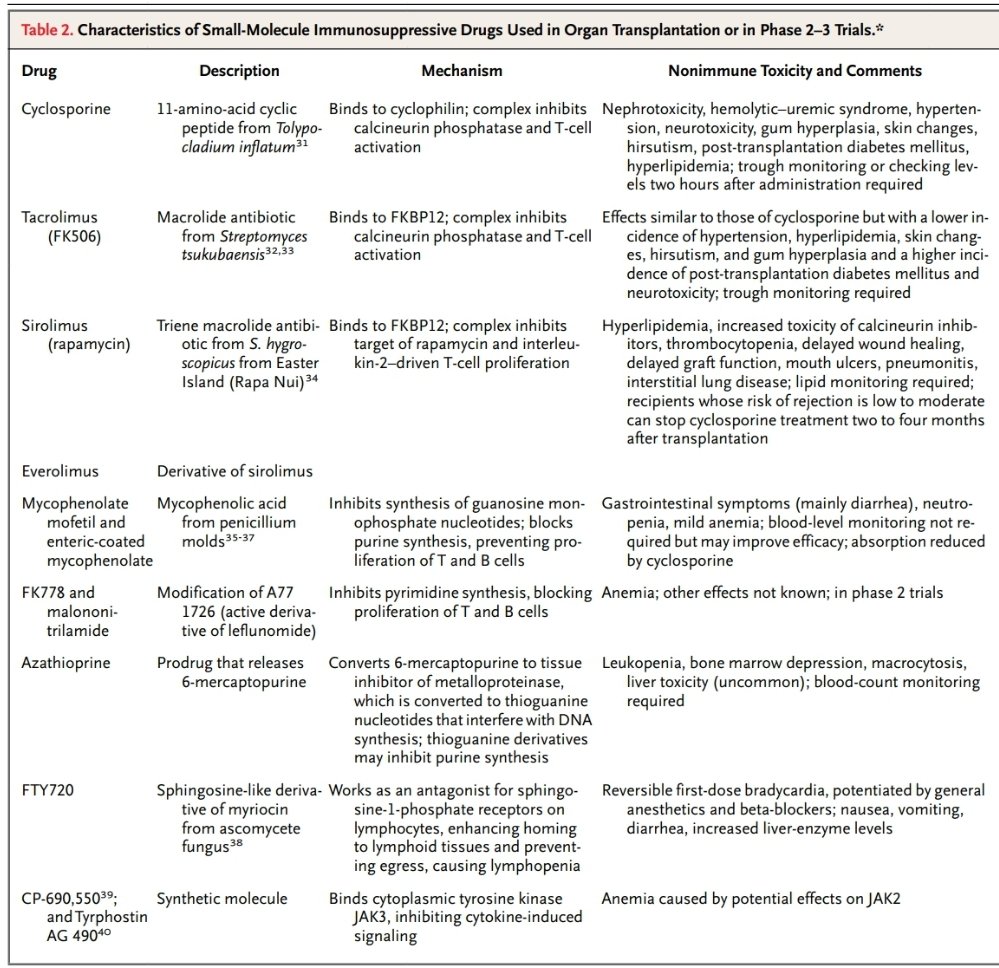
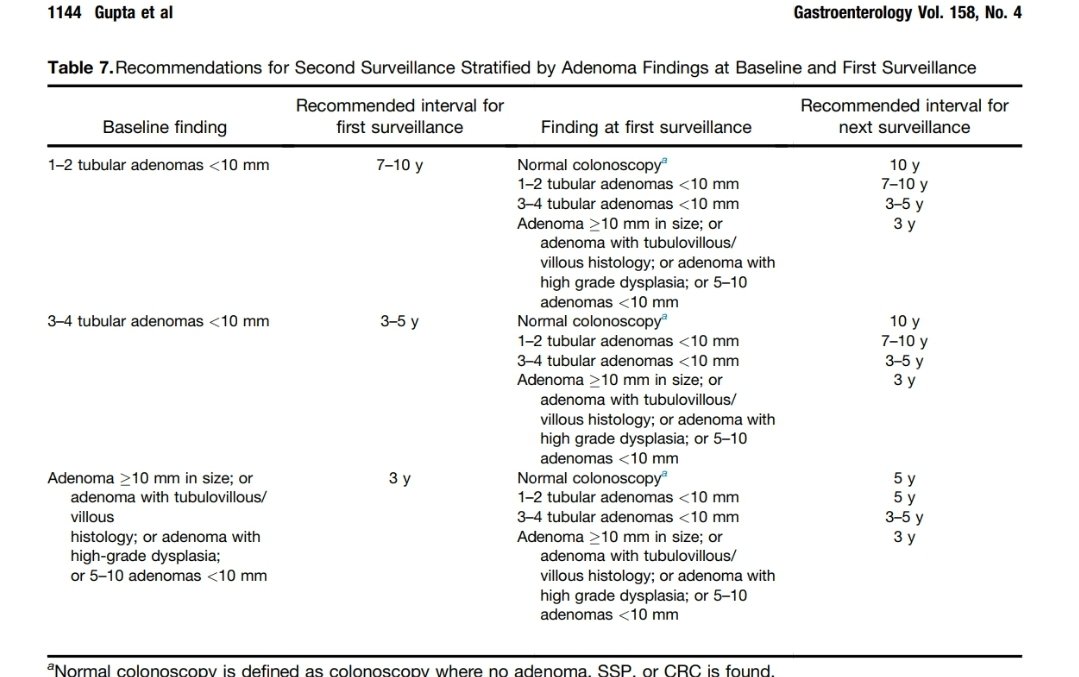

A follow up to my last post - a proposed algorithm when using thiopurine metabolites @AASLDtweets @CWRU_GI
2
5
391
This is a landmark study. The authors studied thiopurine metabolites and developed therapeutic targets for AZA in AIH
journals.lww.com/hep/abstrac…
✅️6TG should be >223
✅️6MMP/6TG ratio <4
✅️These thresholds are not impacted by cirrhosis
✅️Low dose allopurinol ⬆️ 6TG
4
248
Resham Ramkissoon, MD retweeted

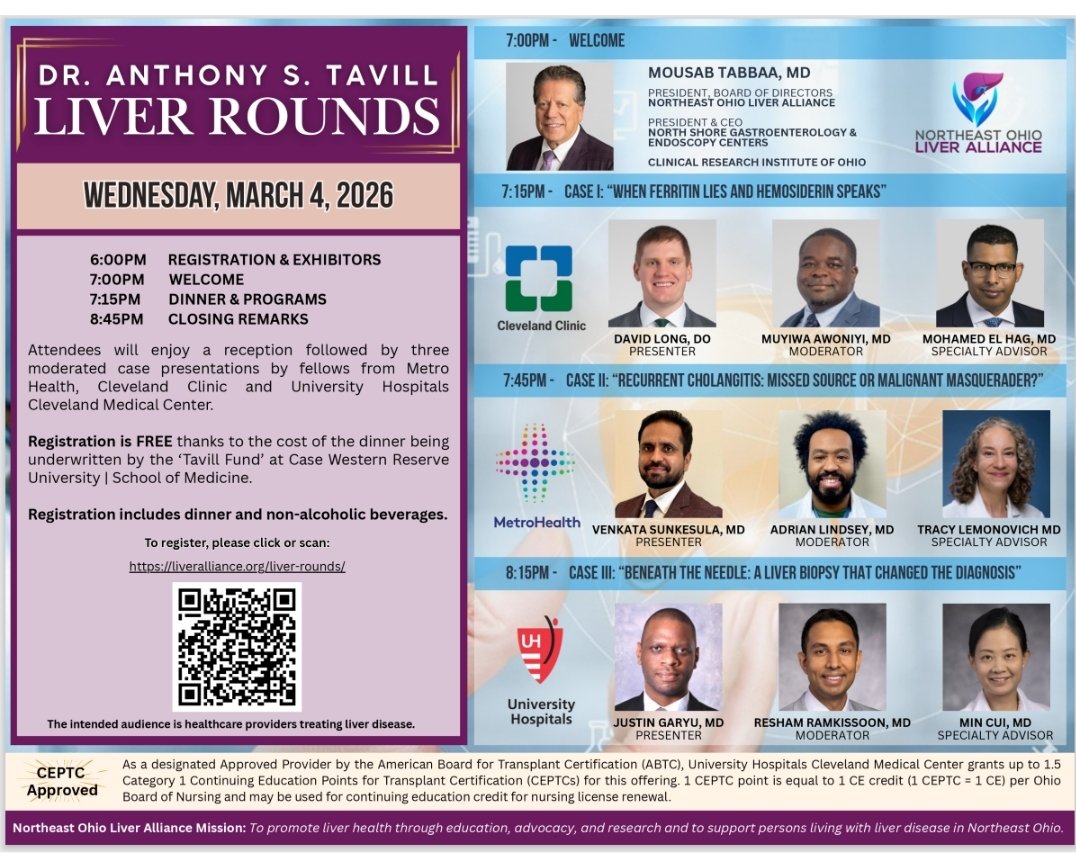
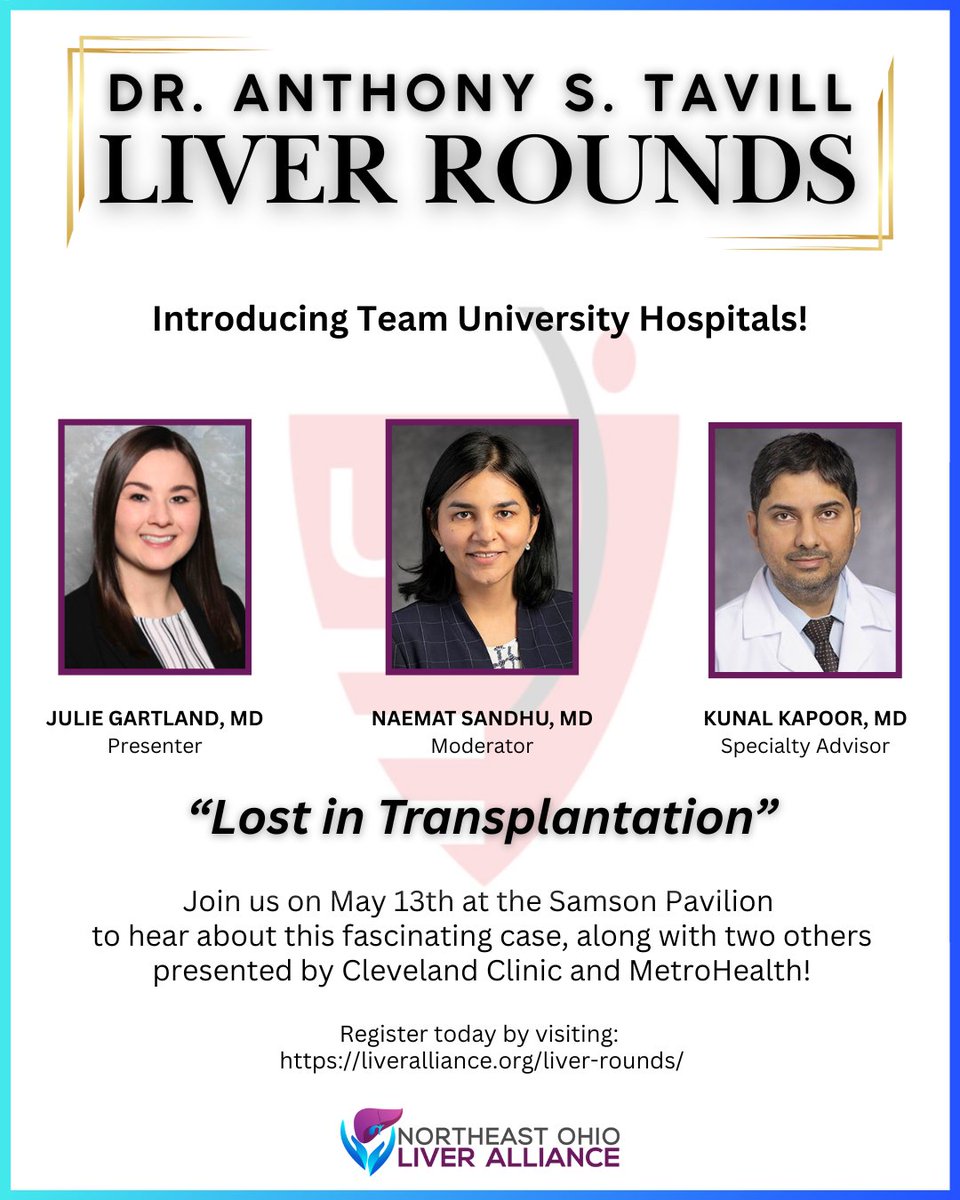
Introducing our final Team presenting at our upcoming #LiverRounds on May 13th!:
Representing @uhhospitals we have Dr. Julie Gartland!
Join us to hear the case of "Lost in Transplantation"!
Register today by visiting liveralliance.org/liver-roun…
1
4
178
1
1
9
392
1
1
14
547
Resham Ramkissoon, MD retweeted

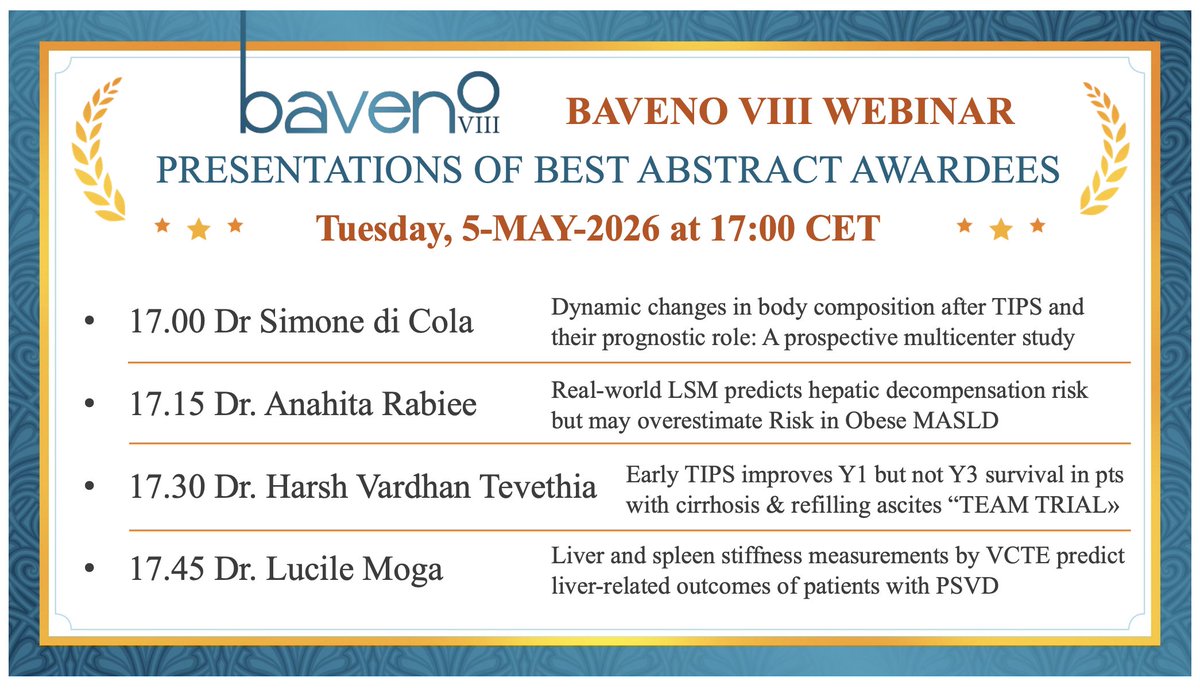
🎇#BavenoVIII Best Abstracts Webinar
🗓 Tuesday May 5 | 17:00 CET
🔹 Body composition & TIPS
🔹 LSM in obese MASLD
🔹 Early TIPS & ascites (#TEAMTrial)
🔹 VCTE in PSVD
🔗Free link: t.ly/ttK4Y
Meeting ID: 841 4199 8647
Passcode: B8Webinar
#LiverTwitter
32
54
4,167
Resham Ramkissoon, MD retweeted

Apr 21
The flagella of Helicobacter pylori work like specialised propellers driven by a high-torque rotating motor. These convert chemical energy generated from proton gradients across the bacterial membrane into mechanical rotation. These help the bacteria to navigate the thick mucus of the human stomach to travel from highly acidic areas (pH 2) to areas with a more neutral pH (pH 5.5 to 7.5) where they thrive best.
Using high-resolution electron microscopy imaging, scientists have recently characterised the architecture of this motor which form the building block of flagella, and my god, does this look like a beautiful feat of engineering. 🦠⚙️
26
47
354
30,048
Resham Ramkissoon, MD retweeted

Apr 14
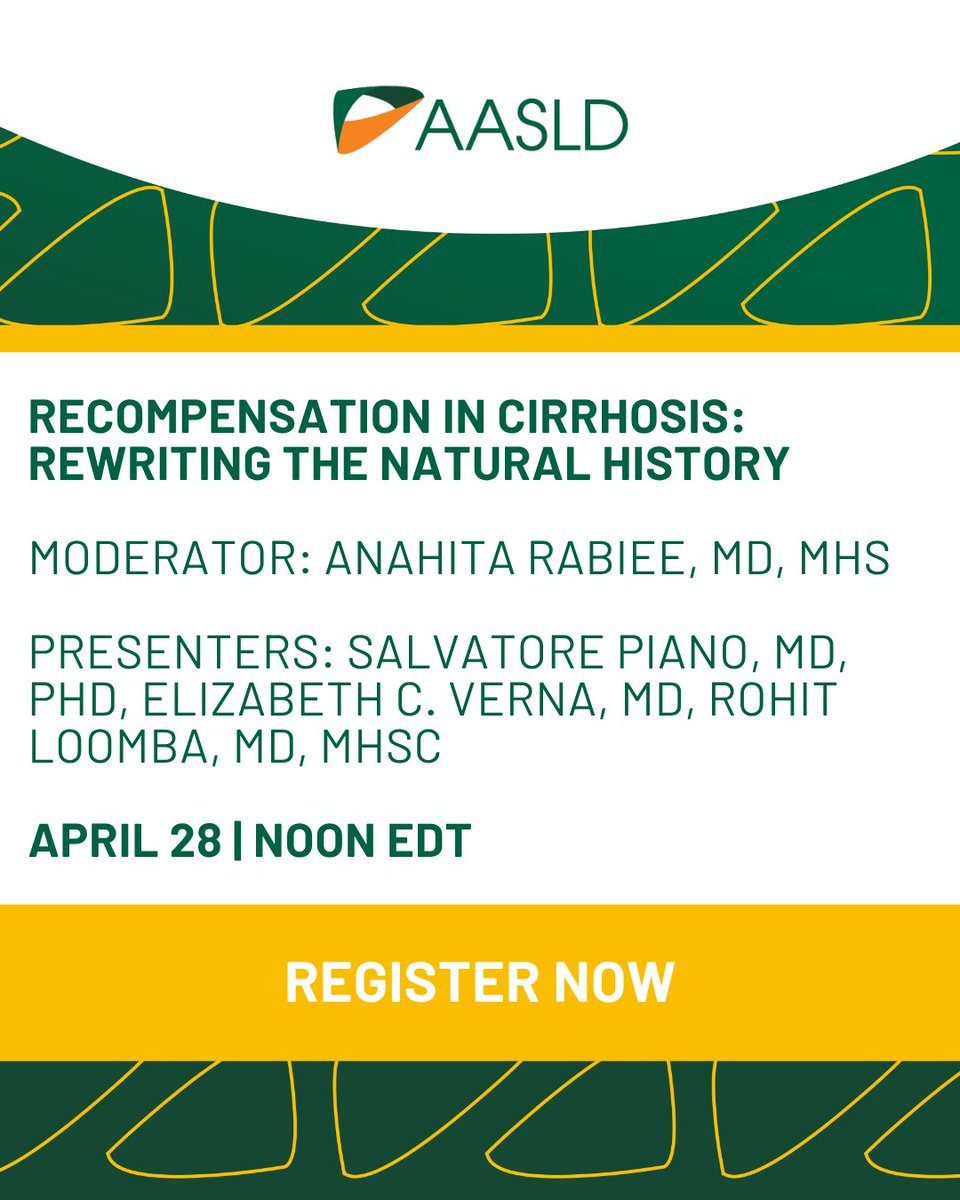
Recompensation is reshaping how we understand cirrhosis, but key gaps remain.
Join @salvatore_piano, @elizabeth_verna, and @DrLoomba in two weeks to explore how etiological control enables recompensation, what defines it clinically, and how outcomes may shift for patients. Save your seat: bit.ly/4sclXfg
11
24
1,556
Ashwagandha may not be as safe as previously thought, especially in patients with chronic liver disease.
@AASLDtweets #livertwitter @CWRU_GI @NIH
journals.lww.com/hepcomm/ful…
86
Resham Ramkissoon, MD retweeted

Apr 11
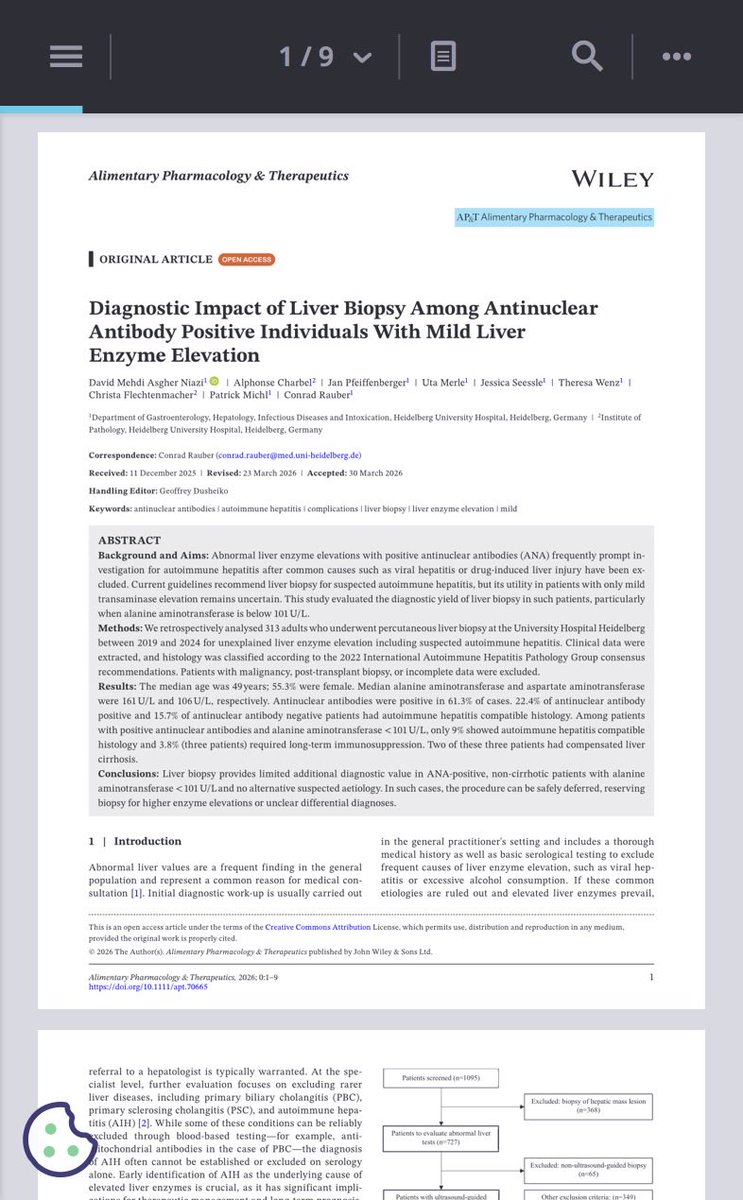
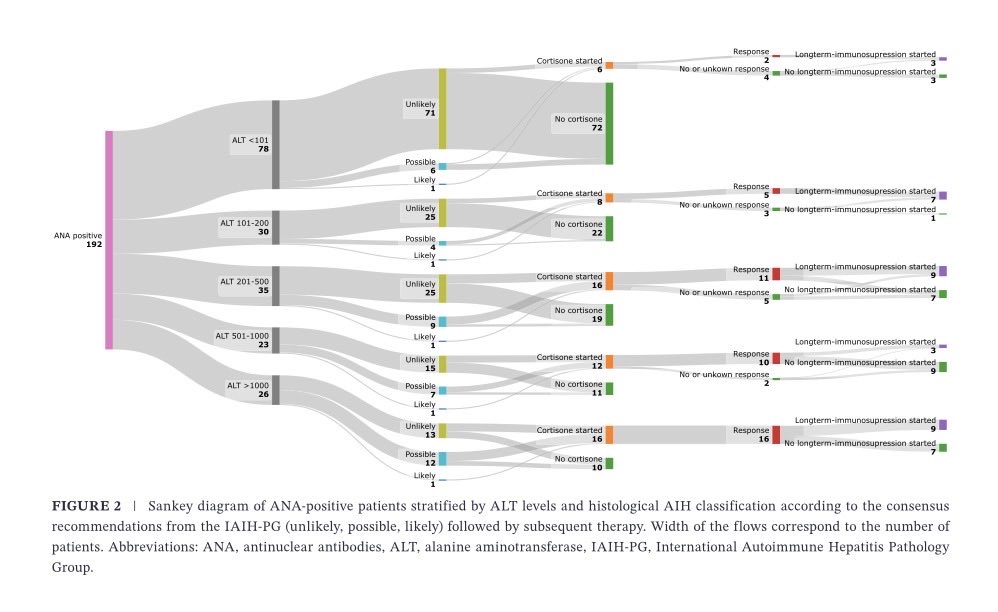
Love this paper
1. Checking ANA in everyone with elevated ALT is unhelpful, sometimes harmful, usually confusing
2. Biopsy when ALT <100 but ANA elevated is not useful
3. Autoimmune hepatitis is a clinical diagnosis and frequently made DESPITE biopsy findings
10
119
365
23,236
Resham Ramkissoon, MD retweeted

Apr 5
There are no words.

7,773
85,737
646,590
39,026,927
Resham Ramkissoon, MD retweeted

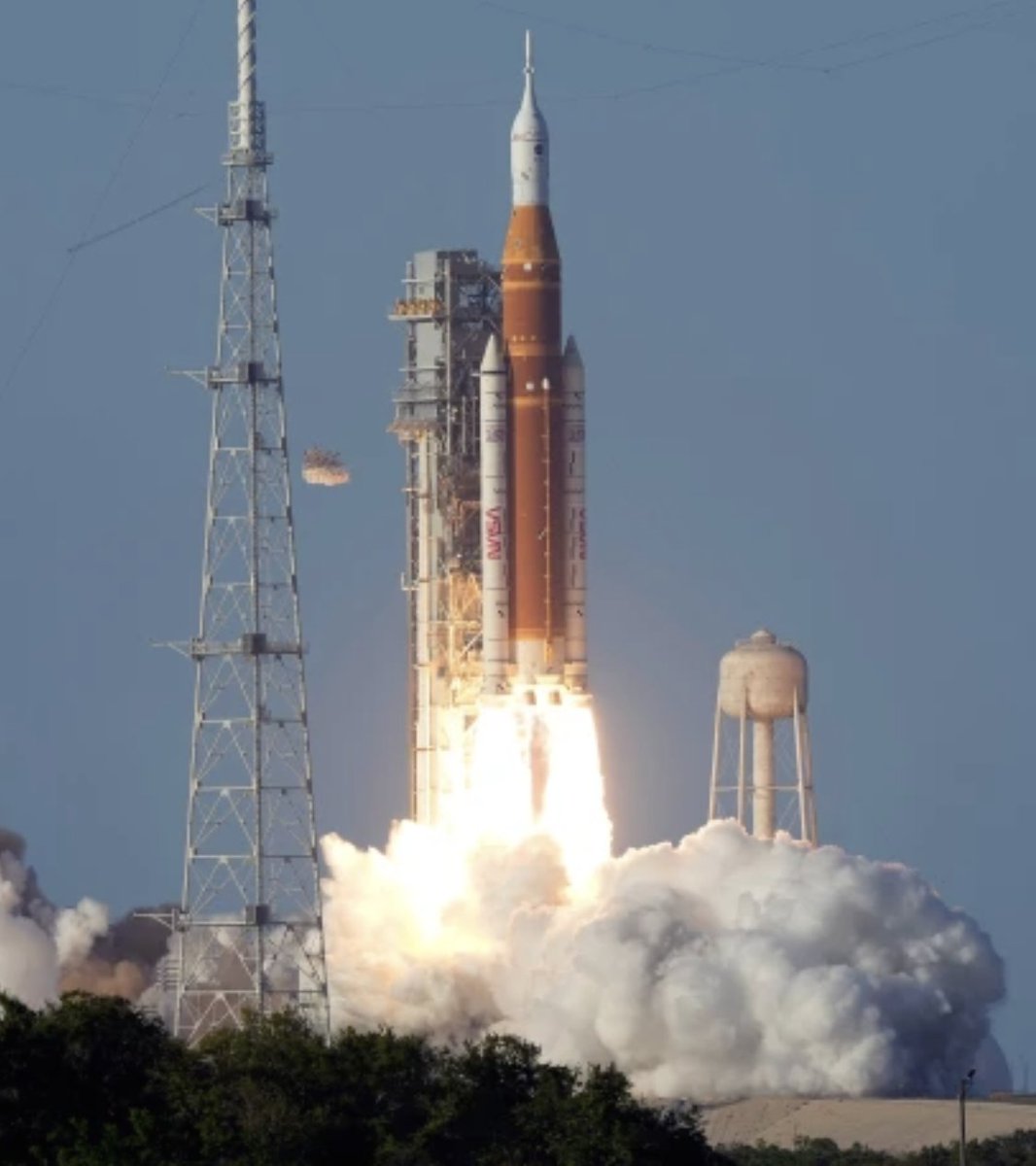
Godspeed Artemis II
April 1, 2026 -- 18:35 EDT
231
721
10,930
220,815
Are we ready for #ICI use for #HCC AFTER Liver Txp?
amjtransplant.org/article/S1…
✅️ ~50% had progressive HCC
✅️ 1 pt had a COMPLETE response
✅️ some had a response but later progressed
✅️ 20% had rejection, 50% mortality
✅️ high risk with mTOR and PDL1 expression
1
1
157
Gleaming and proud today as I made a diagnosis of a #HepatitisD superinfection!
Read a great review by @AnnaLok.
pubmed.ncbi.nlm.nih.gov/3794… @CWRU_GI
Disheartened to see the only @US_FDA approved treatment in the US is #PEGinterferon.
#Buleviratide is approved in the EU.
4
126
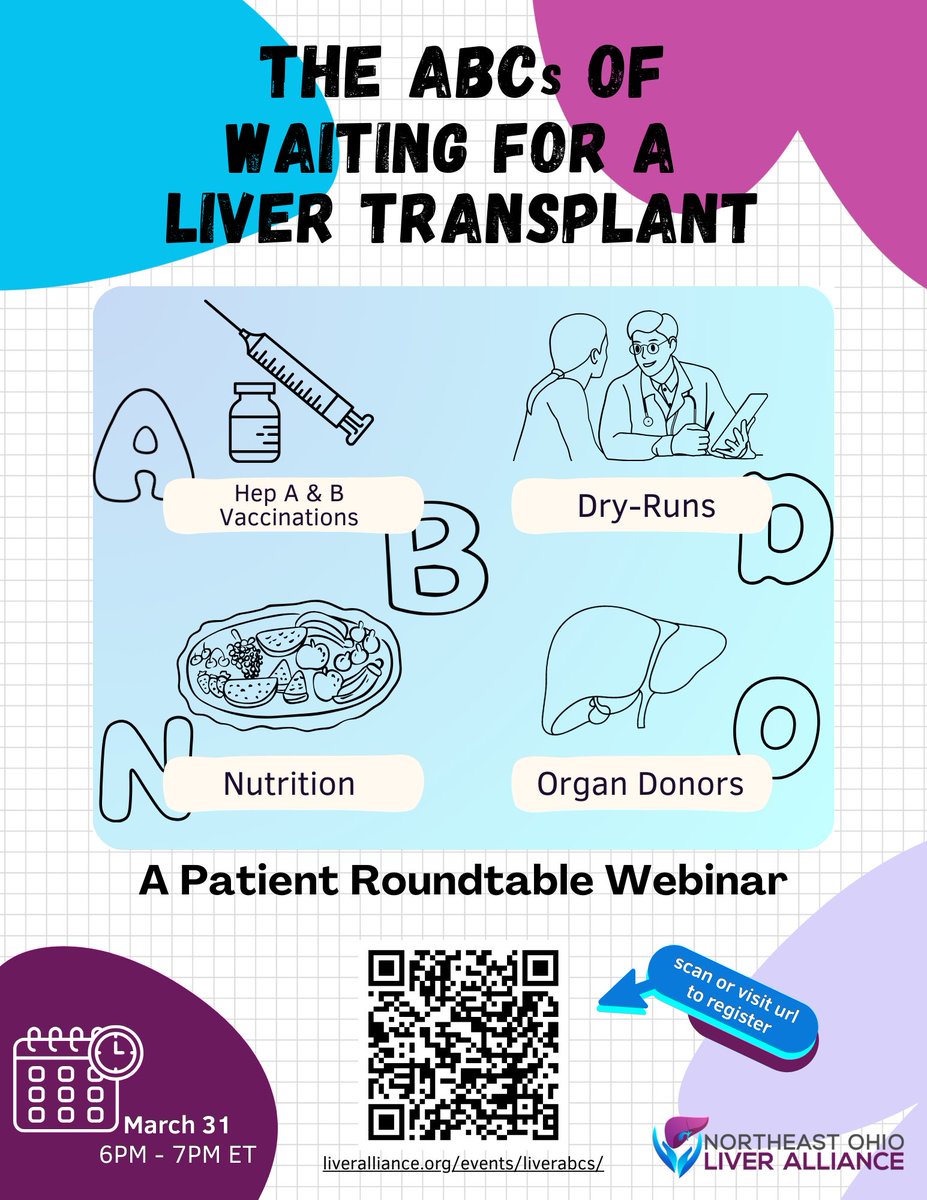
Attention all patients with #LiverDisease 📢
Join @OHIOLIVER for the ABC's of #LiverTransplant patient webinar. Register using the QR code below
@AASLDtweets @AmCollegeGastro @UHhospitals
3
92
Resham Ramkissoon, MD retweeted
Mar 13
Don't wait! Submit your abstract to The Liver Meeting® 2026 and ELEVATE the practice and science of liver disease. Start today >> bit.ly/4cDR53k
📆 Deadline: May 28 at 11:59 p.m. EST
📗 Regular Abstract Embargo Lift: October 5
8
16
1,307
Resham Ramkissoon, MD retweeted

NEW PAPER: Steroids show modest 28-day benefit in severe alcohol-associated hepatitis. @AGA_GIHN talks to corresponding author @juanpabloarab. bit.ly/4sOOYP9 #livertwitter #hepatitis
1
7
18
1,785