Curriculum Director at MVSD; supporter of Highgate, Franklin, Swanton, and MVU Schools.
Joined September 2016
- Tweets 1,695
- Following 179
- Followers 363
- Likes 6,431
330 Photos and videos
Kosha Patel retweeted

15 Aug 2024
As we transition from summer to #BackToSchool, a special shout-out to our summer school educators & staff! Thank you for teaching this summer to help students do their best in the new school year.
#ThankYouThursday
ALT Thank you, summer school teachers!
4
67
141
9,504

15 Aug 2024
samessenger.com/news/schools…
Jess is a great addition to our admin team! @SwantonSchool @HighgateHawks @MissisquoiSD @cmartinVT
2
41
15 Jun 2024
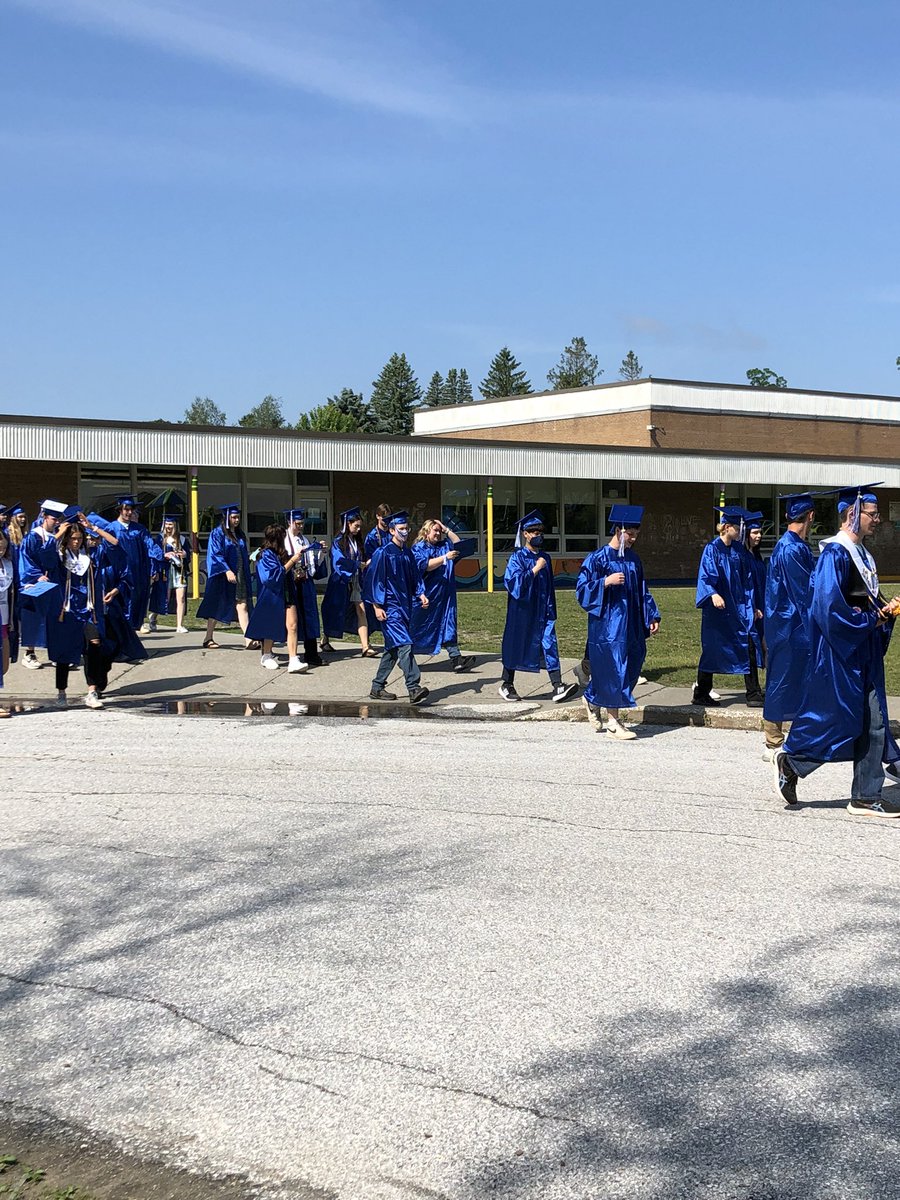
76 PHOTOS: MVU Class of 2024 takes senior walk | Schools | samessenger.com samessenger.com/news/schools…
2
30
12 Jun 2024
Missisquoi Valley Union announces Class of 2024 top students. @MissisquoiSD @SwantonSchool @HighgateHawks @MVULearning samessenger.com/news/schools…
3
32
16 May 2024
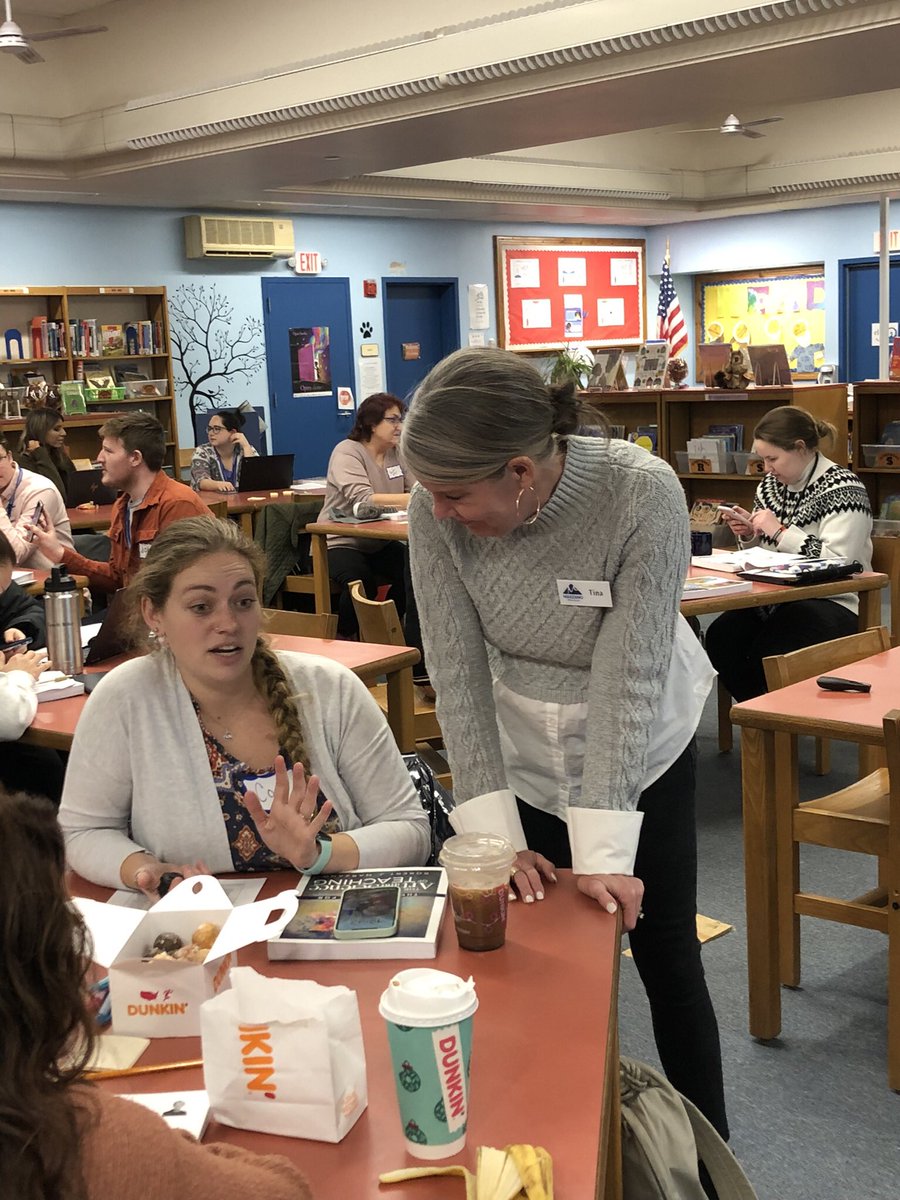
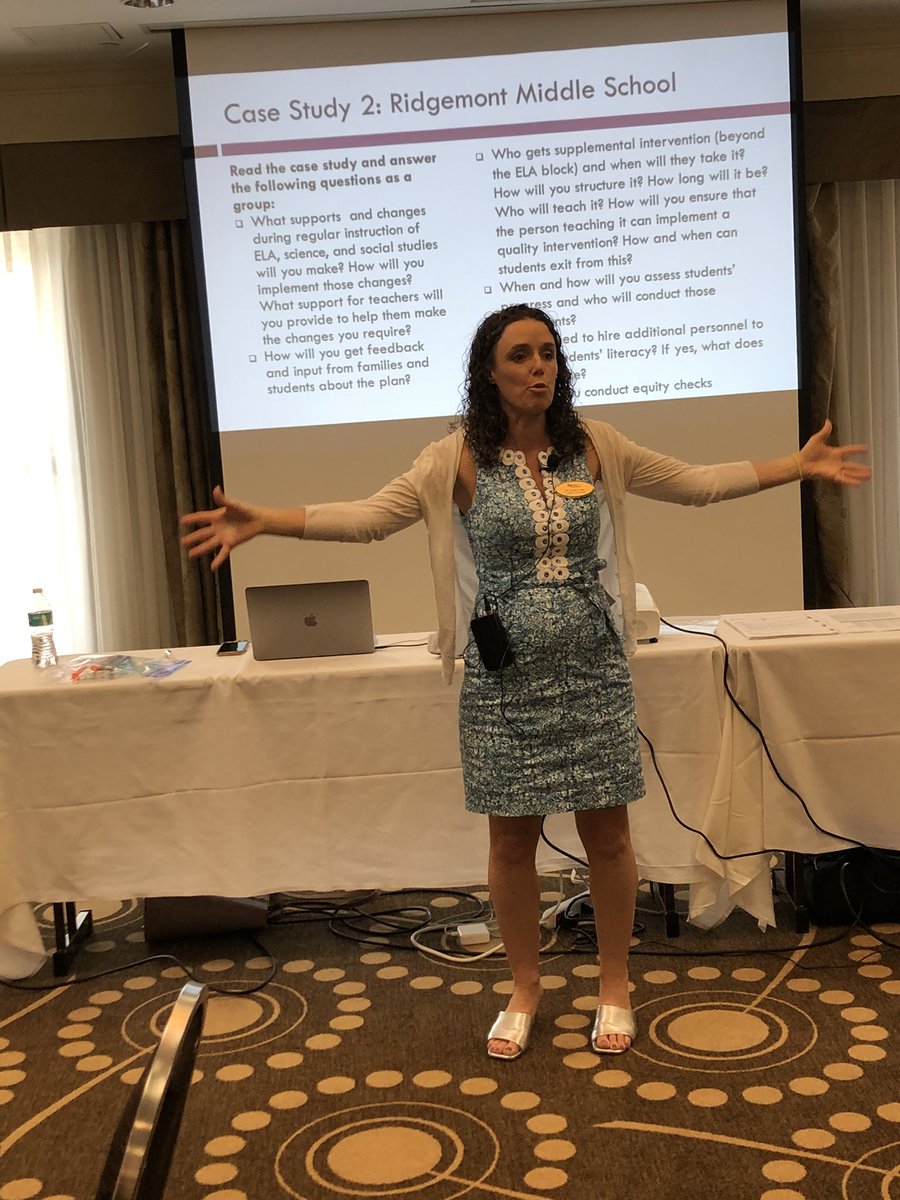
Putting it all together- Culminating day with @DrSarahLupo to create a literacy goal for @MissisquoiSD. Thank you @CVEDCESA for bringing Dr. Lupo to Vermont!
8
1,180
Kosha Patel retweeted

11 May 2024
Our teachers dedicate themselves to some of the most noble work any person can do — educating our nation’s children. We will not stop fighting to give them the pay they deserve.

1,405
960
4,463
321,842
12 May 2024
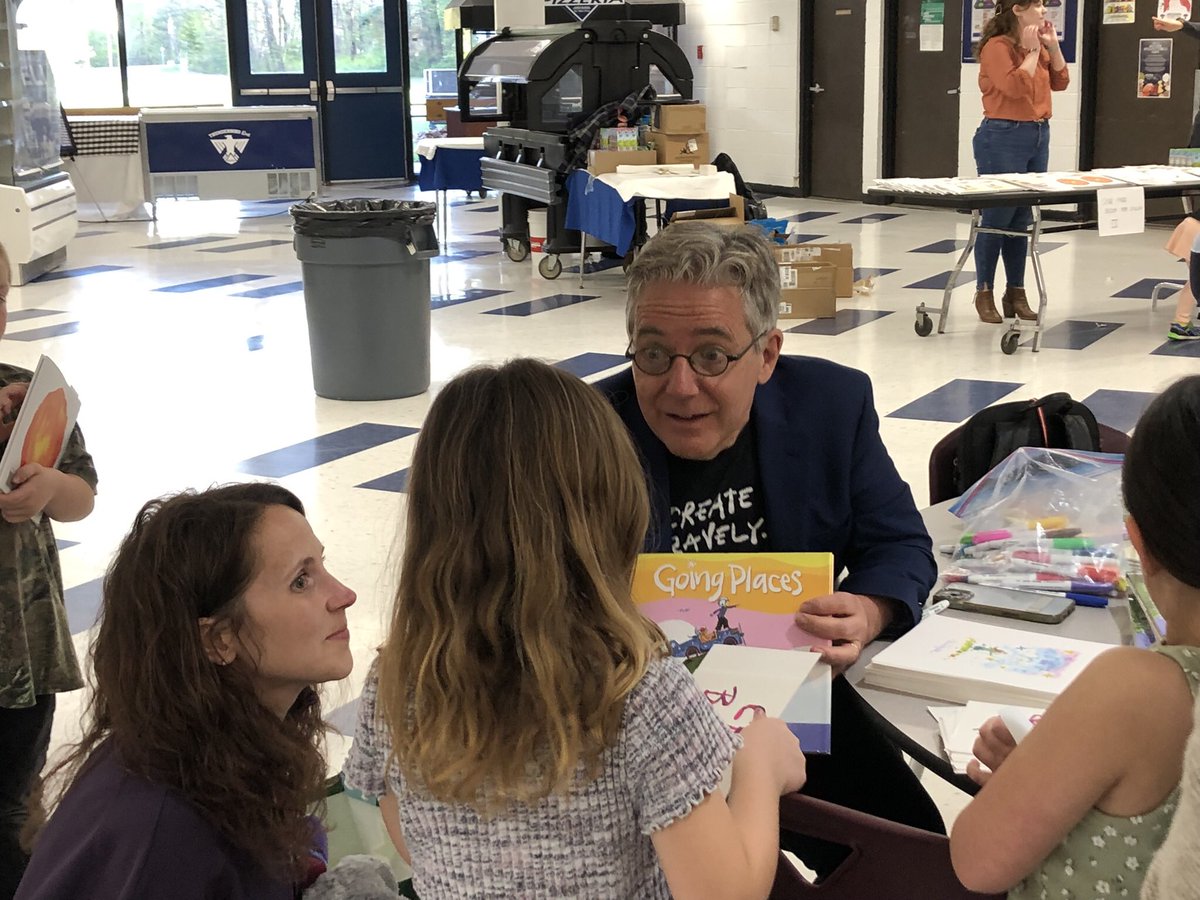
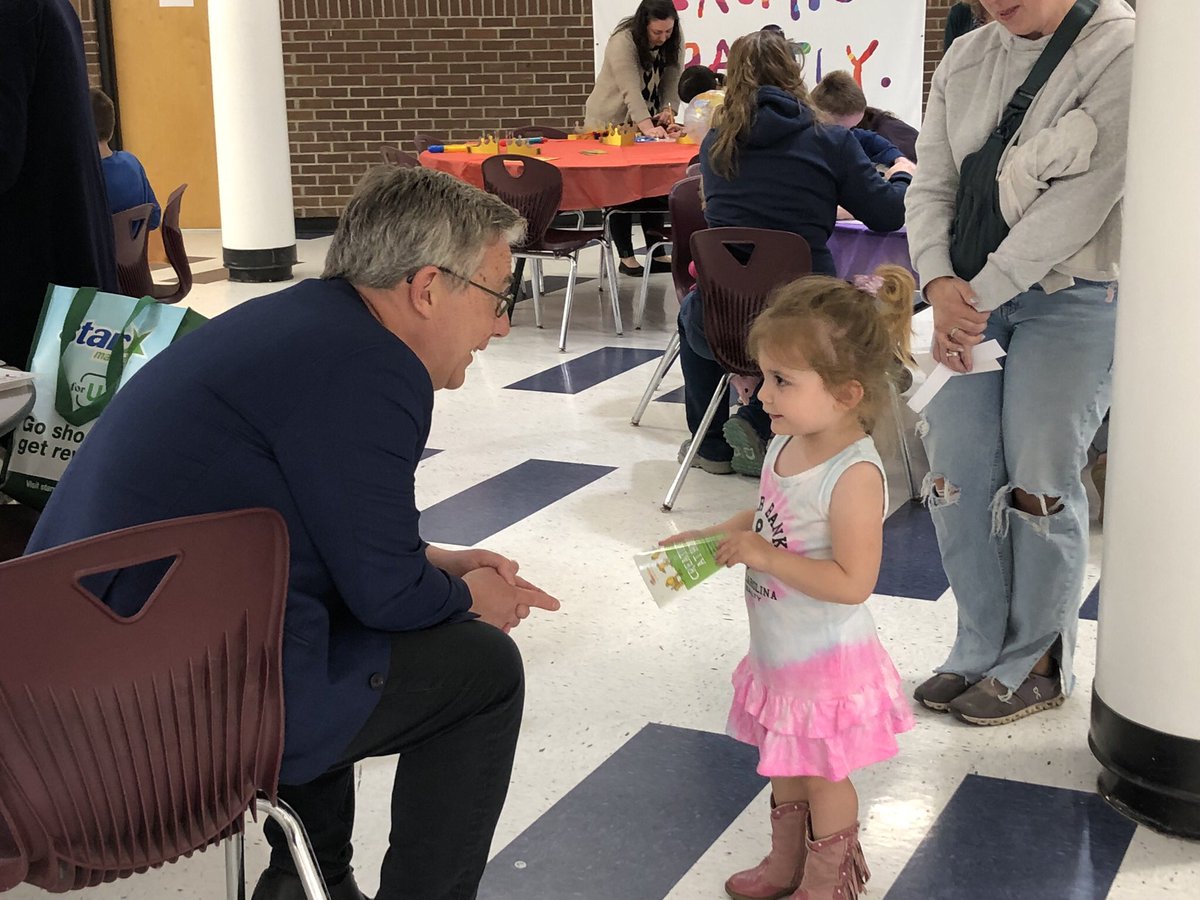
Paul was wonderful with the children and patiently autographed his books till after 8:00 p.m. @MissisquoiSD @SwantonSchool @HighgateHawks
9 May 2024

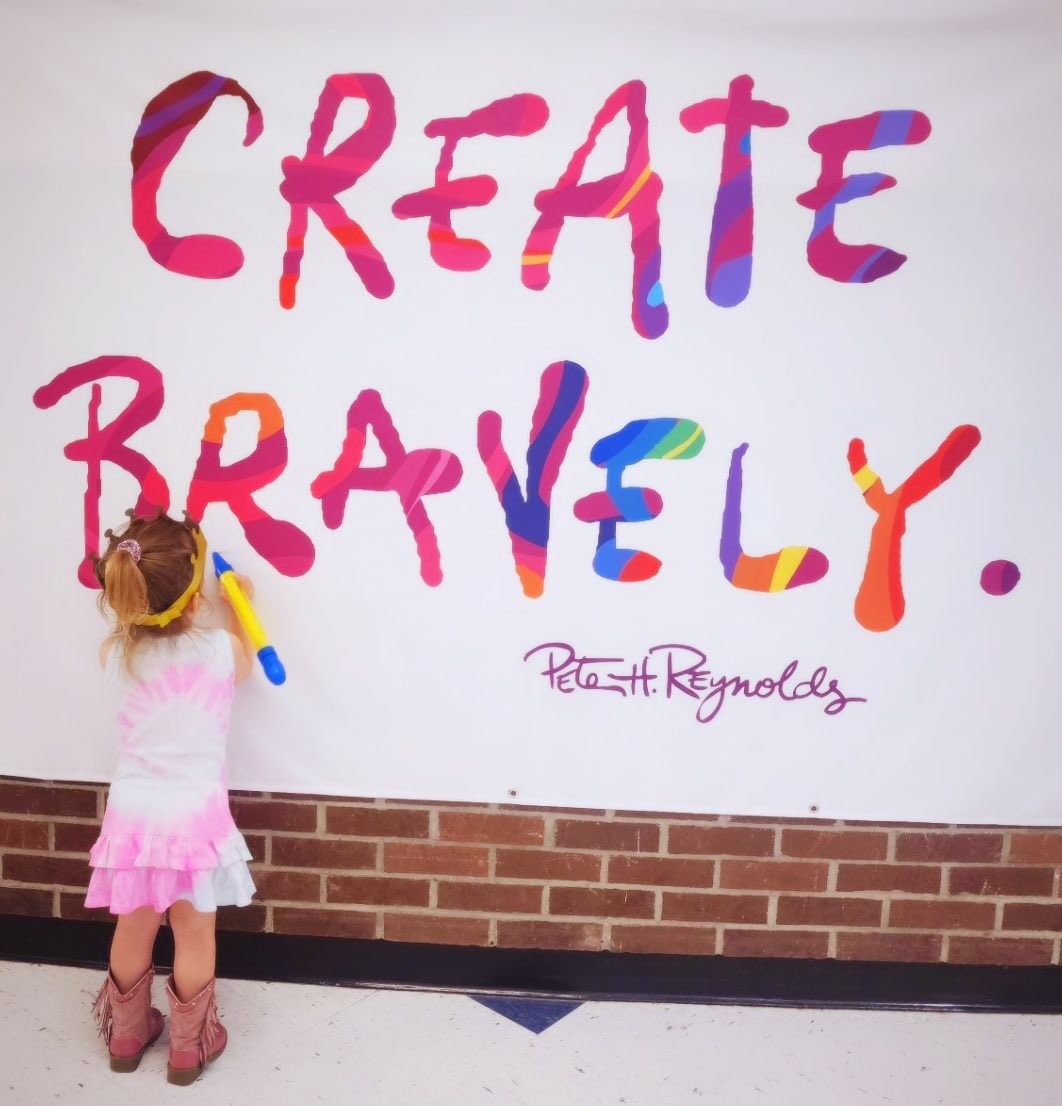
I'm #GoingPlaces tomorrow - to @MissisquoiSD in Vermont to "connect the dots" with creative students, families & caregivers! #CresteBravely @ReynoldsTLC @FableLearn
3
76
12 May 2024
We loved the collaboration with FableVision Learning! @MissisquoiSD @SwantonSchool @HighgateHawks @SAMessenger
9 May 2024

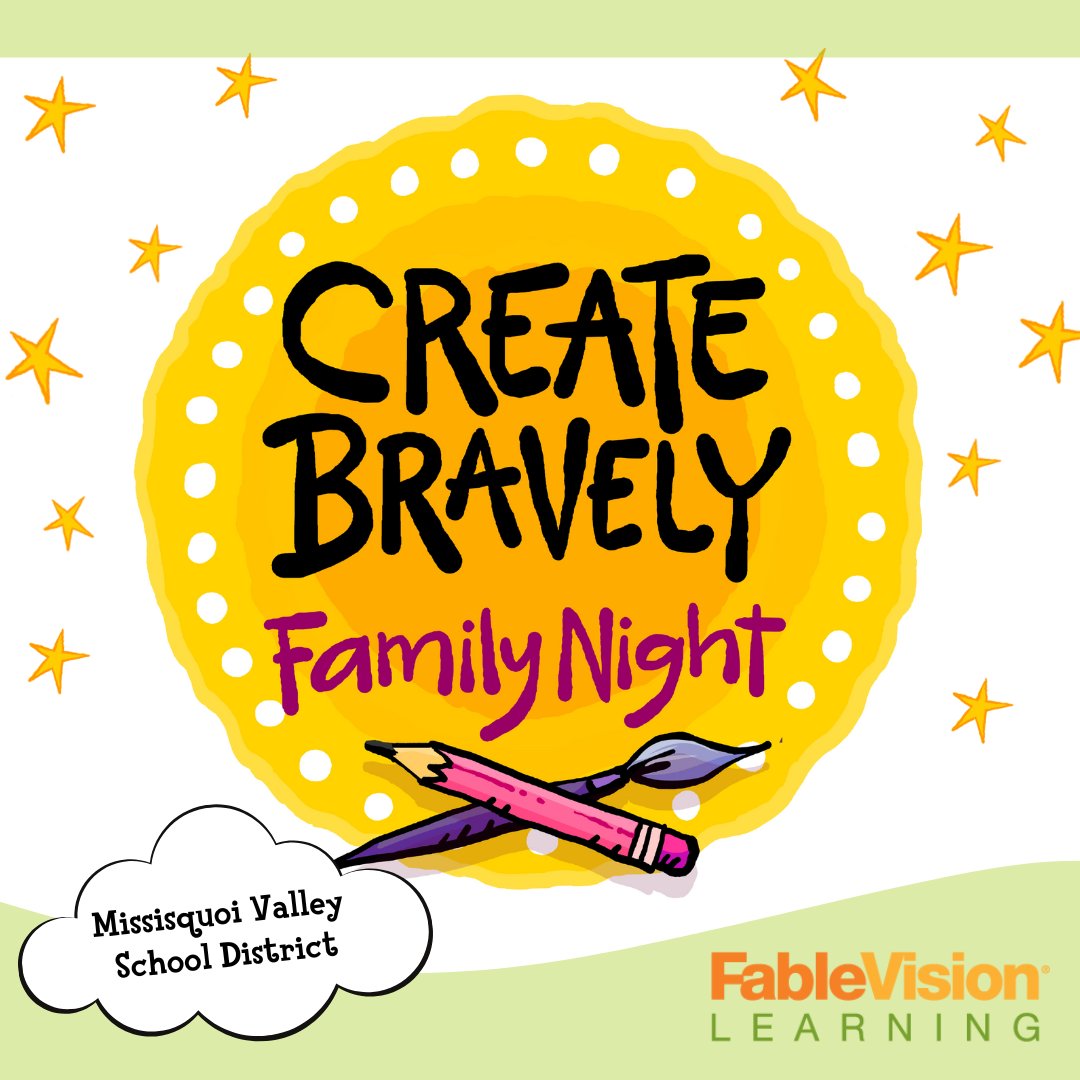
We're excited to be at the Missisquoi Valley School District in Vermont for a Create Bravely Family Night tonight! ✏️ ⭐ @peterhreynolds @fablepaul bit.ly/3JUnRxq
4
86
11 May 2024
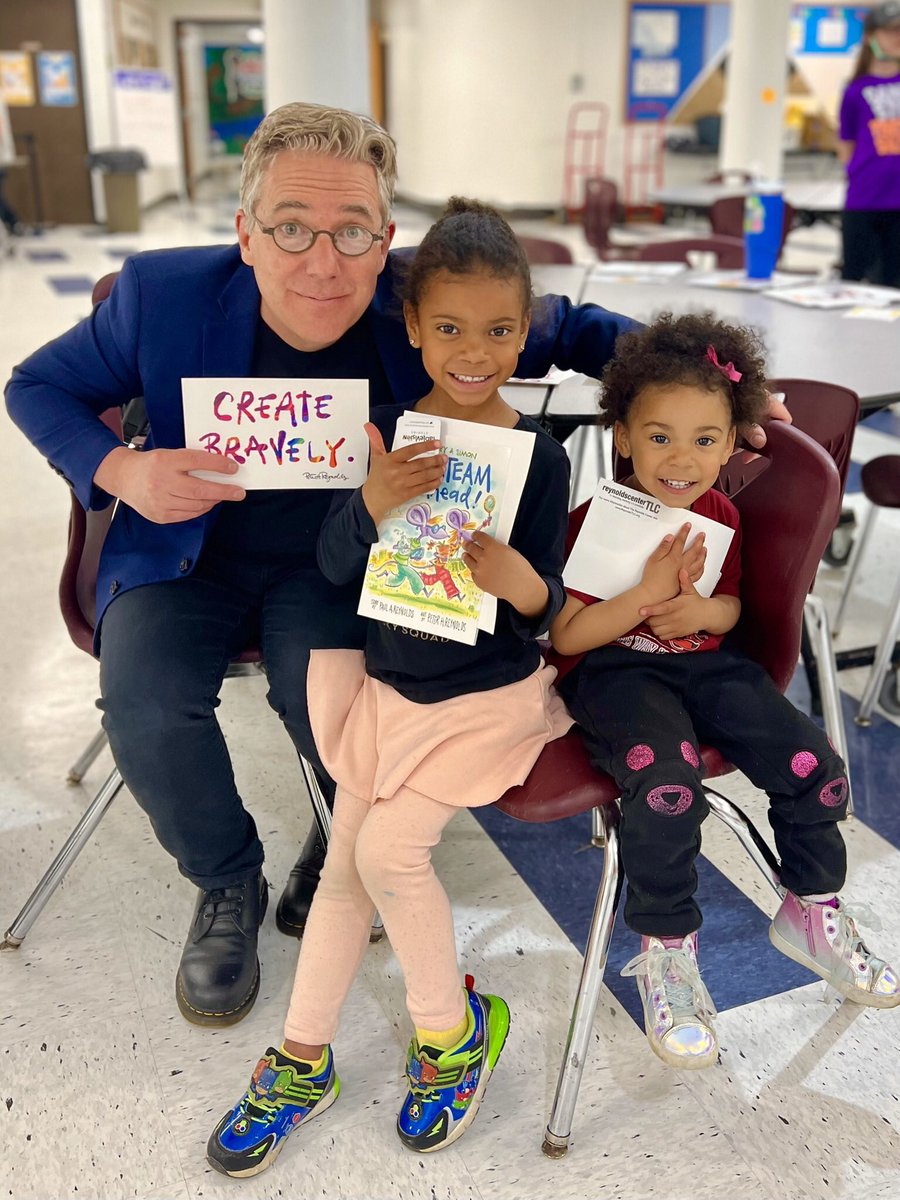
Wonderful Family Literacy Night @MissisquoiSD yesterday! The theme-Create Bravely. Presented by children’s book author Paul Reynolds of @FableVision. So much fun! @SwantonSchool @HighgateHawks @FableLearn
1
4
154
5 May 2024
Great to see young girls and women being encouraged to become pilots and work on airplanes right in our neck of the woods! @MissisquoiSD @HighgateHawks youtu.be/sIOmodfQB1Y?si=bEBI…

1
57
Kosha Patel retweeted

3 May 2024
Educators like Missy Testerman, our 2024 National Teacher of the Year, are the reason we have hope for the future.
I'm grateful for her work, and the work of all America's educators, every single day.
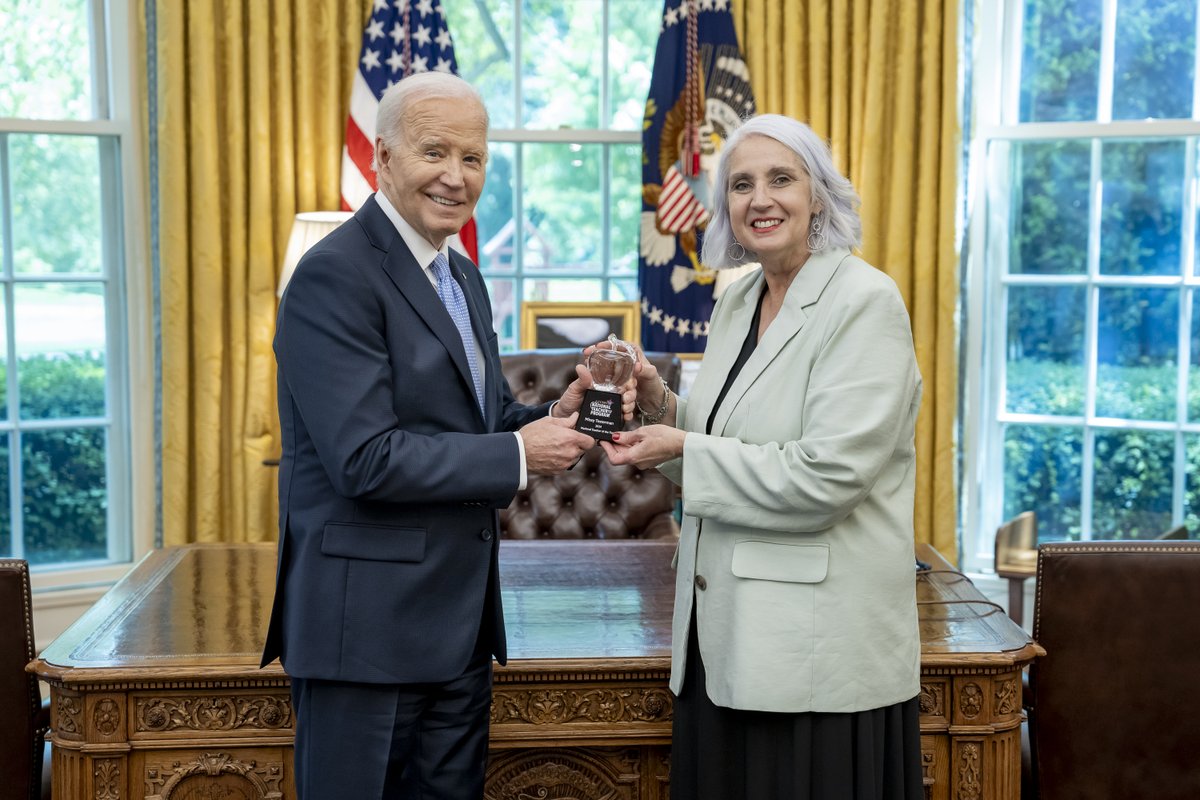
ALT President Biden is pictured with Missy Testerman, 2024 National Teacher of the Year.
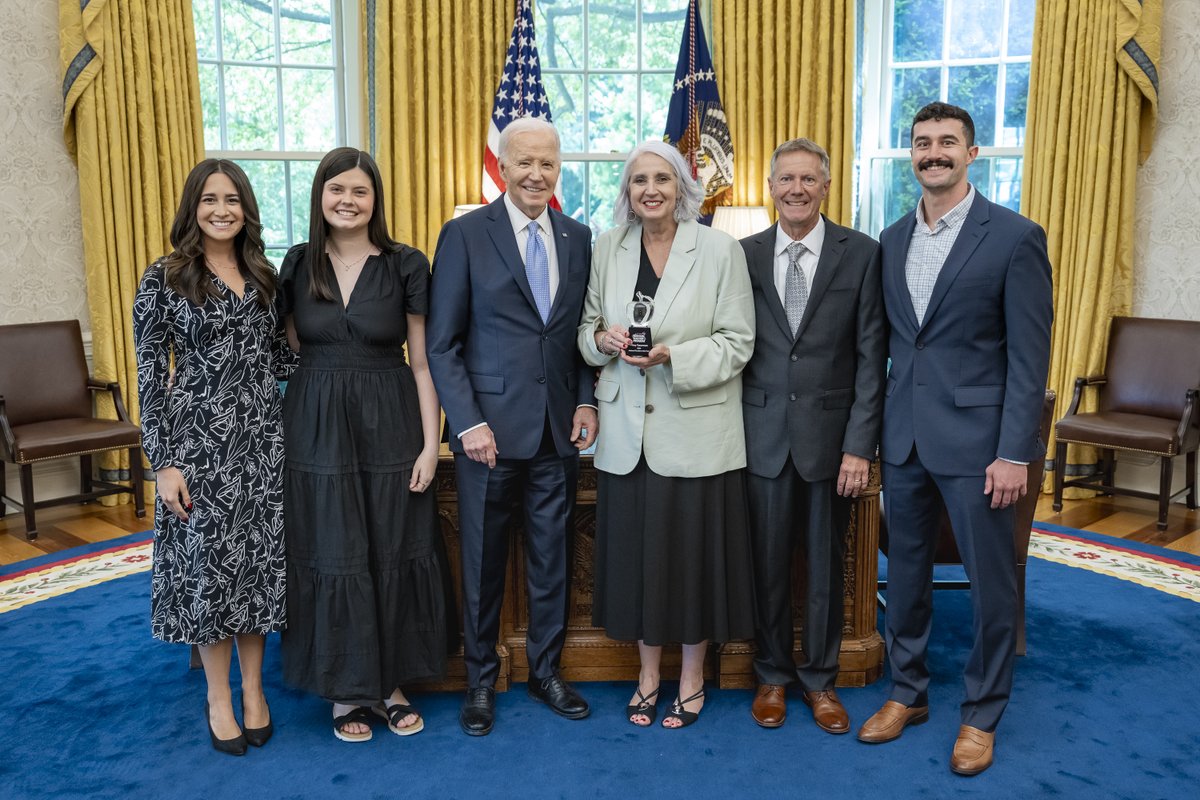
ALT President Biden is pictured with Missy Testerman, 2024 National Teacher of the Year, and her family.
1,400
1,073
5,997
639,639
3 May 2024
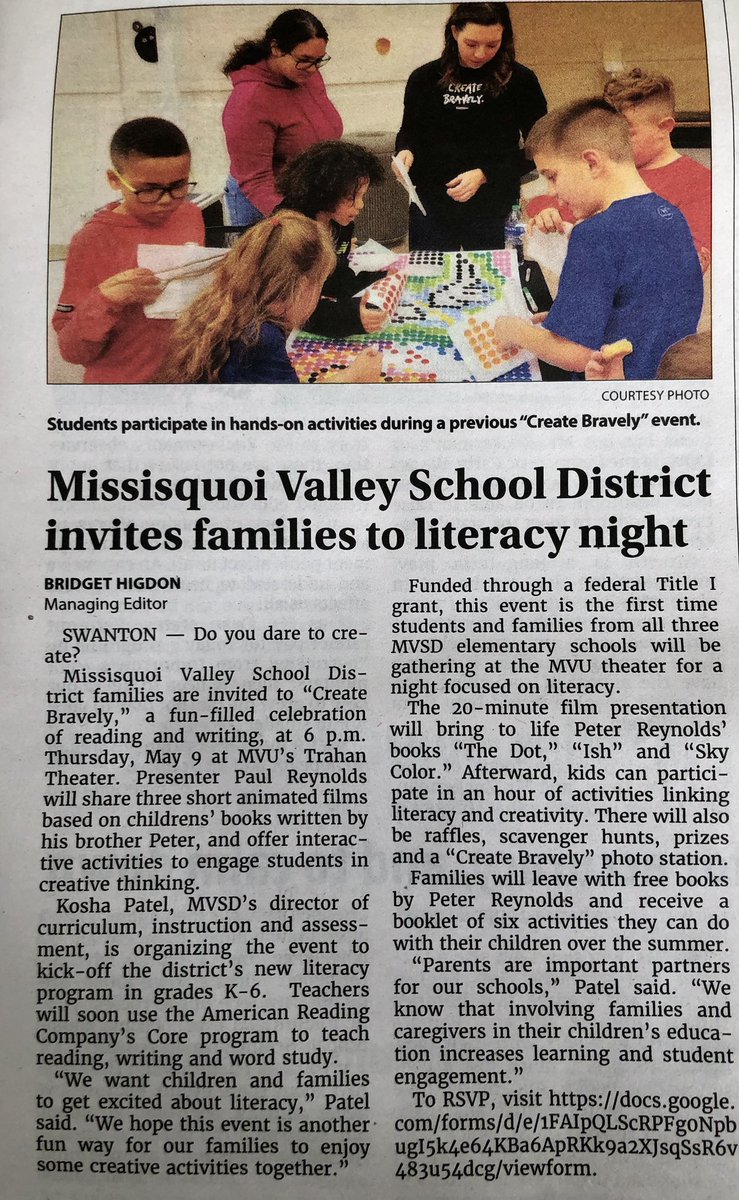
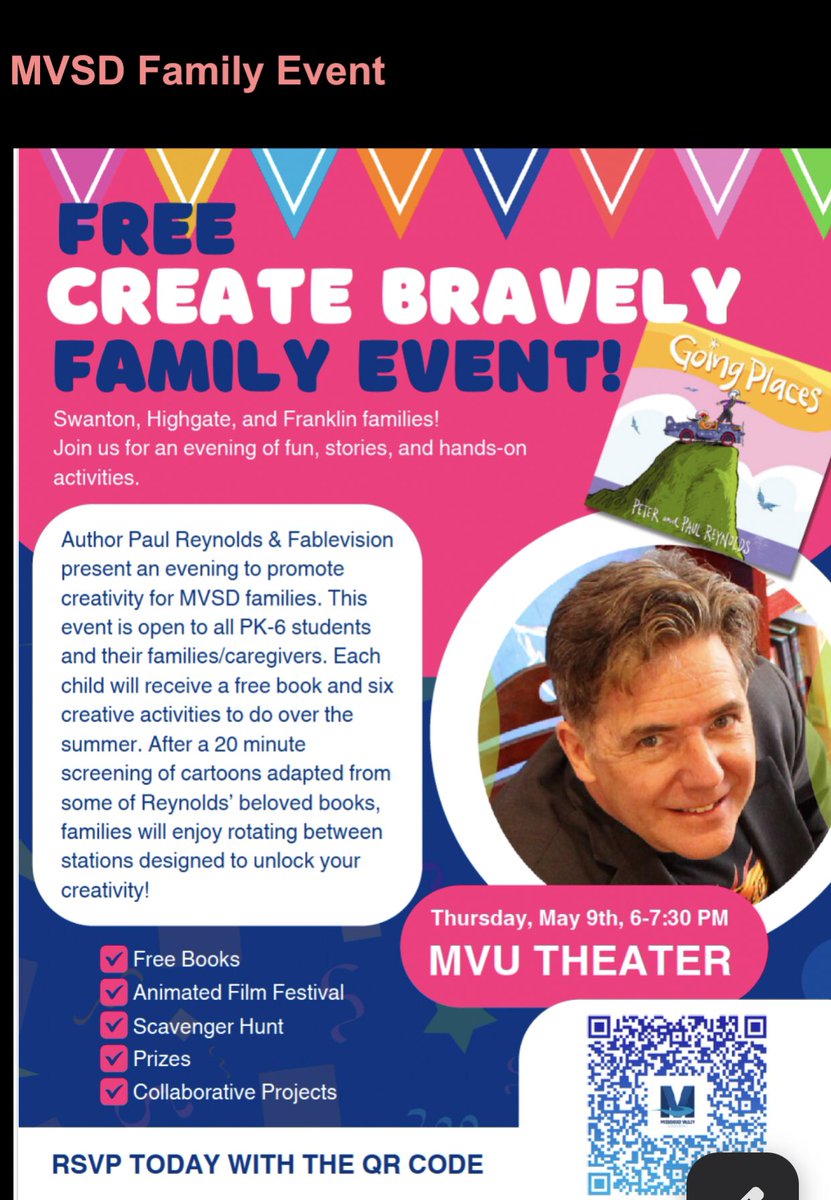
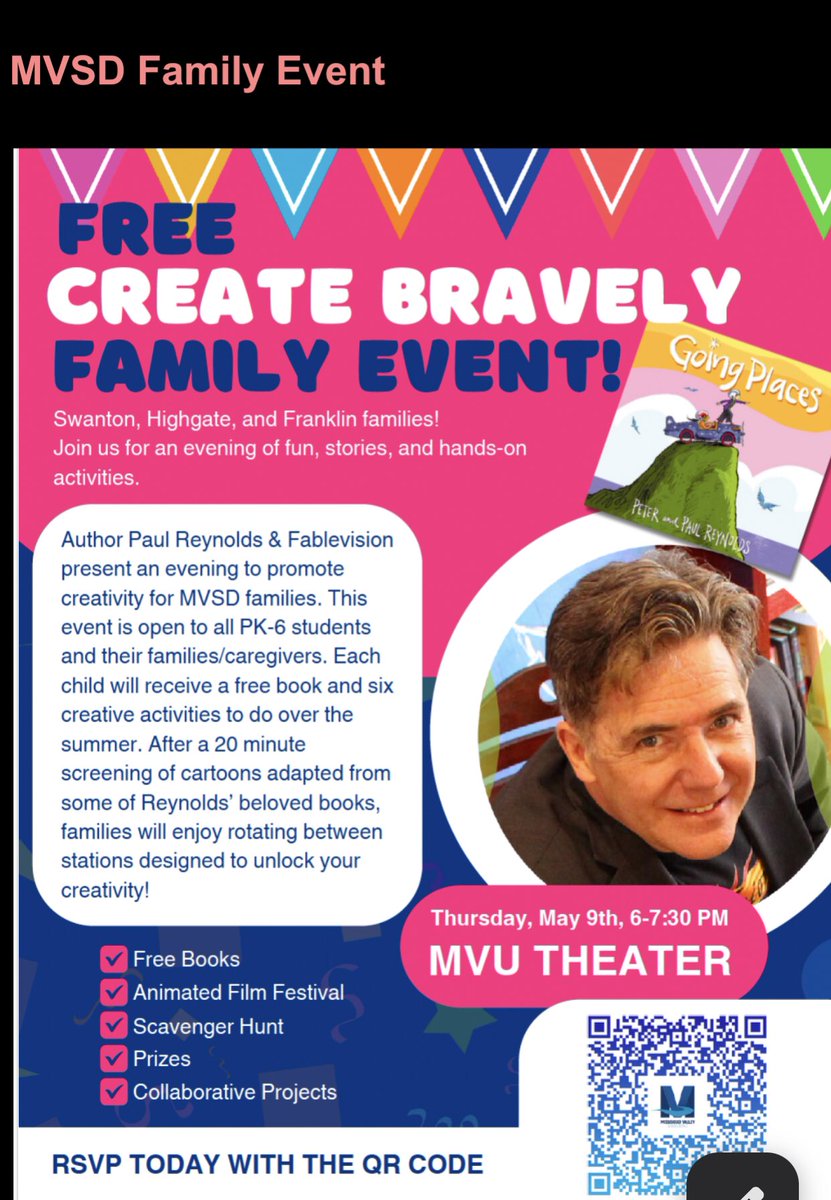
Swanton, Highgate, and Franklin families- You are invited to a fun family event. Thursday, May 9th at 6:00 at MVU. Grandparents, caregivers, parents, and children. Hope to see you there! @SwantonSchool @HighgateHawks @MissisquoiSD @SAMessenger
2
3
85
1 May 2024
All PK-6 children, families, and caregivers from Swanton, Highgate, and Franklin are invited to a fun event at MVU on Thursday, May 9th. We look forward to seeing you! @MissisquoiSD @SwantonSchool @HighgateHawks @SAMessenger @Swantonrec
1
1
3
525
Kosha Patel retweeted

1 May 2024
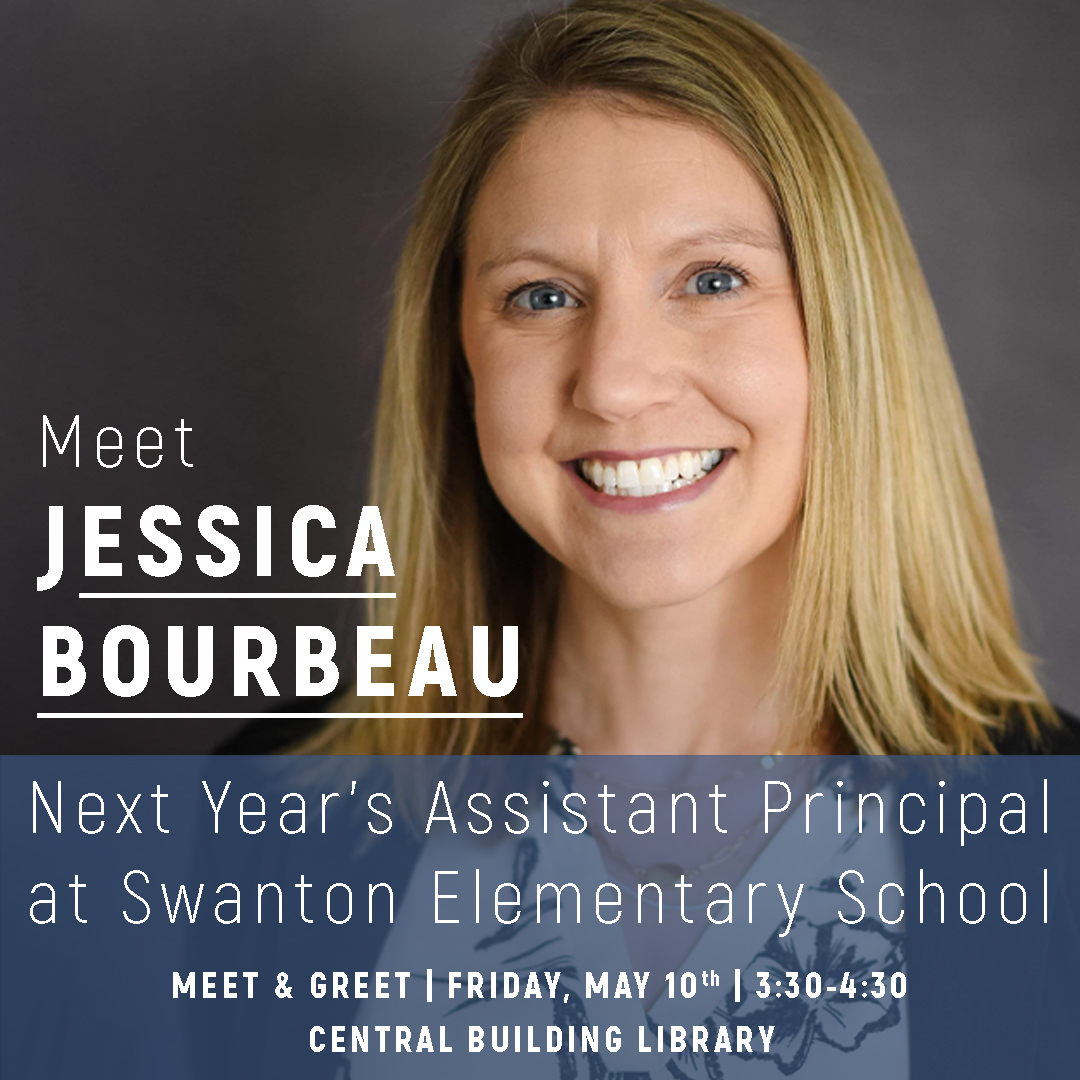
I am very excited to welcome my new administrative colleague at Swanton School effective July 1. - Chris @MissisquoiSD
1
2
77
Kosha Patel retweeted

12 Apr 2024
📚 Explore 'Managing the Inner World of Teaching' by Robert & Jana Marzano. Uncover the vital role of human connections in effective teaching beyond just strategies and behaviors.
Your guide to impactful teaching starts here ➡️ bit.ly/49Amoqq
#TeachingDepth 🍎🤝
2
4
980
Kosha Patel retweeted

7 Apr 2024
We are excited to share enrollment is open for our new coaching course, designed specifically for coaches, department heads, and leaders who are committed to implementing UDL in a comprehensive and sustainable way. Let's collaborate on a path to impact!
bit.ly/3vqEltO
2
9
352
Kosha Patel retweeted

8 Mar 2024
For Native peoples, our languages connect us to our ancestors and homelands, and help us share Indigenous Knowledge from generation to generation. @Interior and @USEdGov are teaming up to preserve Native languages to empower and create lasting impact for Tribal communities.
29
215
860
50,459
7 Mar 2024
Guiding Students in Special Education to Generate Ideas for Writing edutopia.org/article/teachin…
Like the way the writing process is broken down for students who struggle. @HighgateHawks @SwantonSchool
1
45
Kosha Patel retweeted

24 Feb 2024
The challenge of closing achievement gaps in post-pandemic time is not going to be resolved with outdated models that rely on IEPs/intervention. We have to TRANSFORM the culture of education to embrace #UDL as the FOUNDATION of a multi-tiered system of support for ALL #students.

ALT Dark blue background.
3
31
73
6,185
Kosha Patel retweeted

25 Feb 2024
Years ago, I had the unfortunate task of trying to teach a math class that simply could not stop talking. It didn’t matter if I was facing the dry erase board or the students themselves; if I said something, they said something, if I said something else, they said something else. All. period. long. Every. single. day. Threats of trips to the principal didn’t matter. Letters home didn’t matter. And these kids liked me too! Didn’t matter. The chatter continued incessantly.
One day, in a fit of frustration and dread as I was about to launch into another problem at the board, I blurted out, “Okay, nobody talks this time - 𝘯𝘰𝘵 𝘦𝘷𝘦𝘯 𝘮𝘦!”
And shockingly, as I worked my way through the problem, no one did.
And even more shockingly, when I asked them how I had just 𝘴𝘰𝘭𝘷𝘦𝘥 the problem, most of their hands shot into the air.
Thinking this may have just been a fluke, I launched into another problem the same way.
Same result.
Another problem.
Same result.
For the first time all year, we got through a whole class period without me wanting to pull my rapidly graying hair out in clumps the entire time.
Then came the biggest shock of all: when the students filtered into class the next day, they immediately asked, “Can you do that silent thing again today?”
I had discovered 𝘴𝘪𝘭𝘦𝘯𝘵 𝘵𝘦𝘢𝘤𝘩𝘪𝘯𝘨, which I subsequently learned is an actual thing.
Naturally, I used this strategy with all of my classes for the rest of that year. And I was literally astounded by the results - students now focused on the content and asked meaningful questions, and I was able to cover way more content, and maintain my personal sanity to boot.
Since that time, I’ve reflected on what makes this strategy so successful. My thoughts follow…
1/8
82
263
2,078
415,670