Student researchers from @myUND gathering data about ducks, their young and the wetlands that support them with help and support from @DucksUnlimited and @USGS.
Joined May 2017
- Tweets 428
- Following 78
- Followers 281
- Likes 146
290 Photos and videos


30 Aug 2021
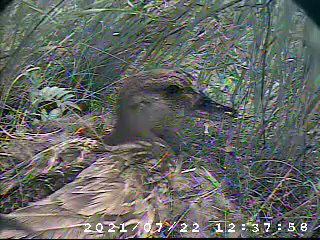
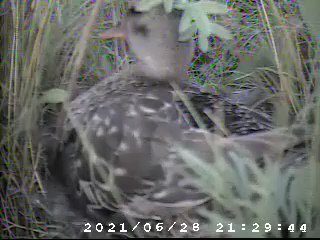
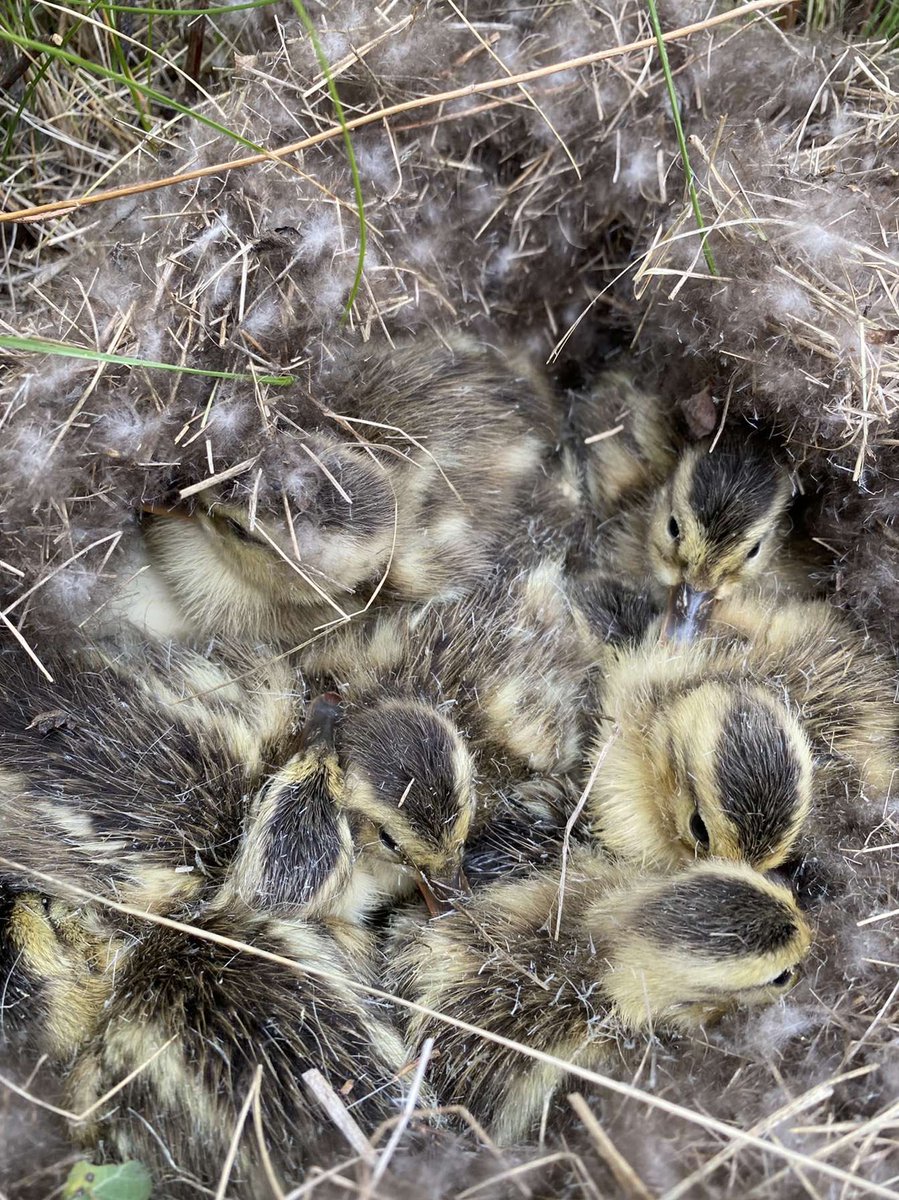
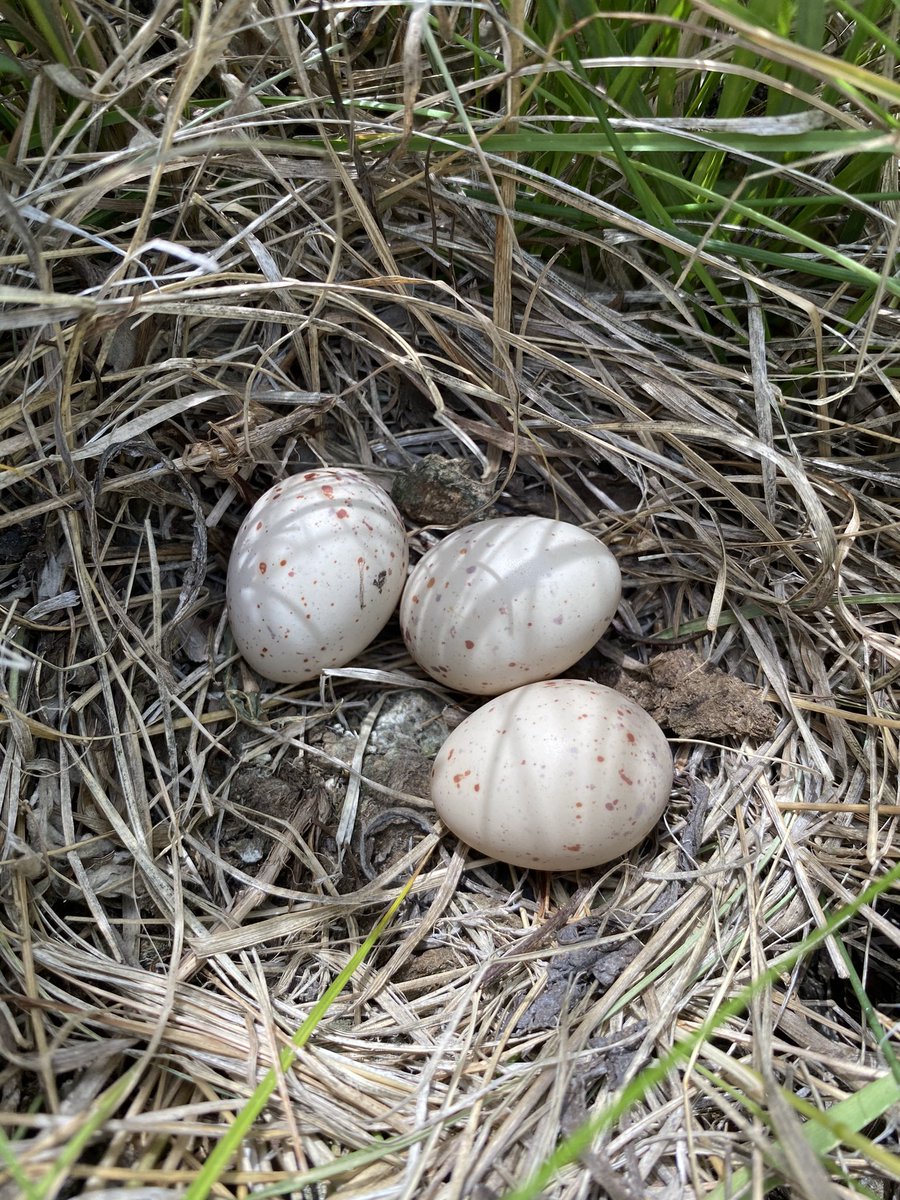
As summer comes to an end, so does the heat! We are sure that this hen is thankful for the fall weather that is approaching. #DYK hens pant just like other animals to stay cool in the sun while laying in her nest.
#DucksUnlimited #ducknest #hen #fallweather #summerheat
1
4
28 Aug 2021
#DYK hens will turn and move eggs within the nest to maintain close contact with the brood patch and to promote even heat distribution!
1
8
19 Jul 2021
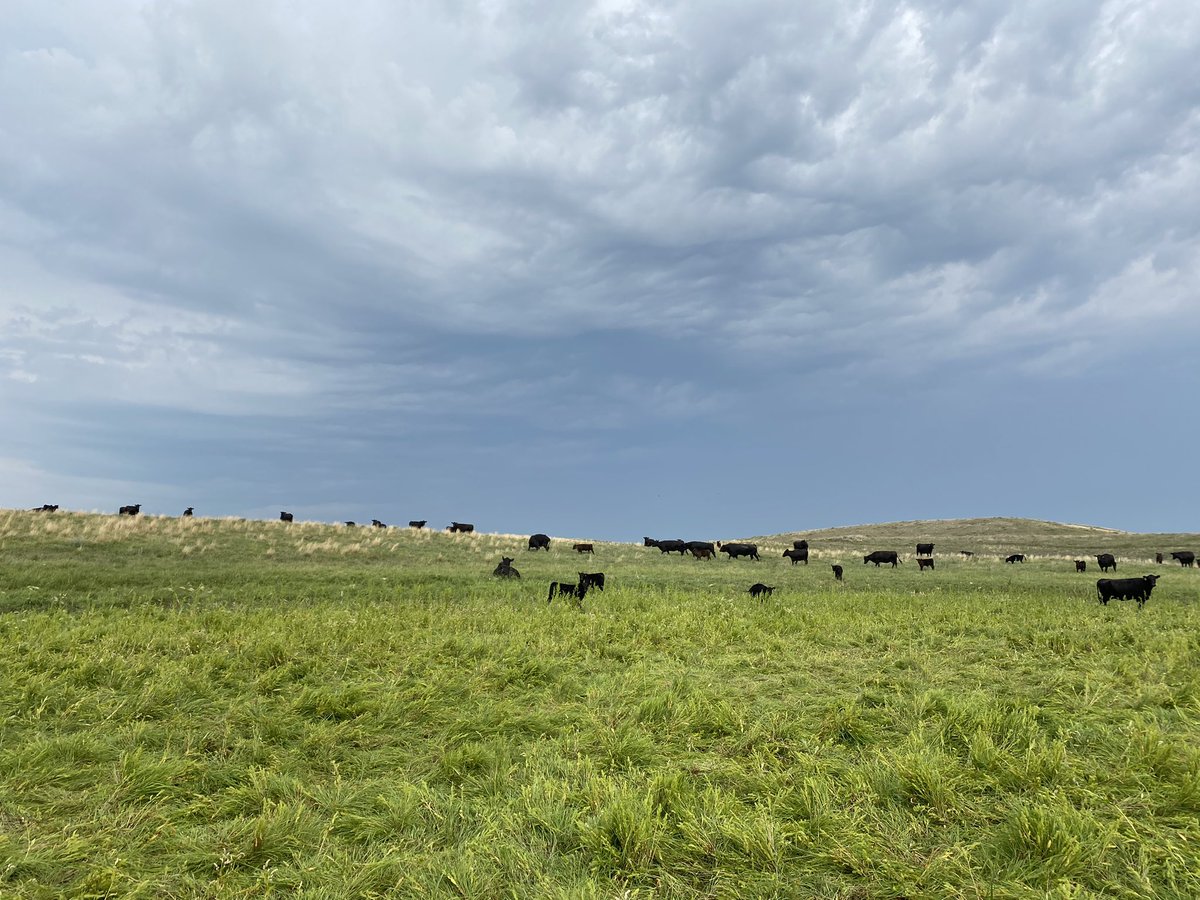
#DYK that #grazing animals such as cattle prevent overgrowth of vegetation which encourages nutrient cycling to keep the vegetation productive and the soil and #wetlands healthy for #waterfowl and other native species?
2
4
15 Jul 2021
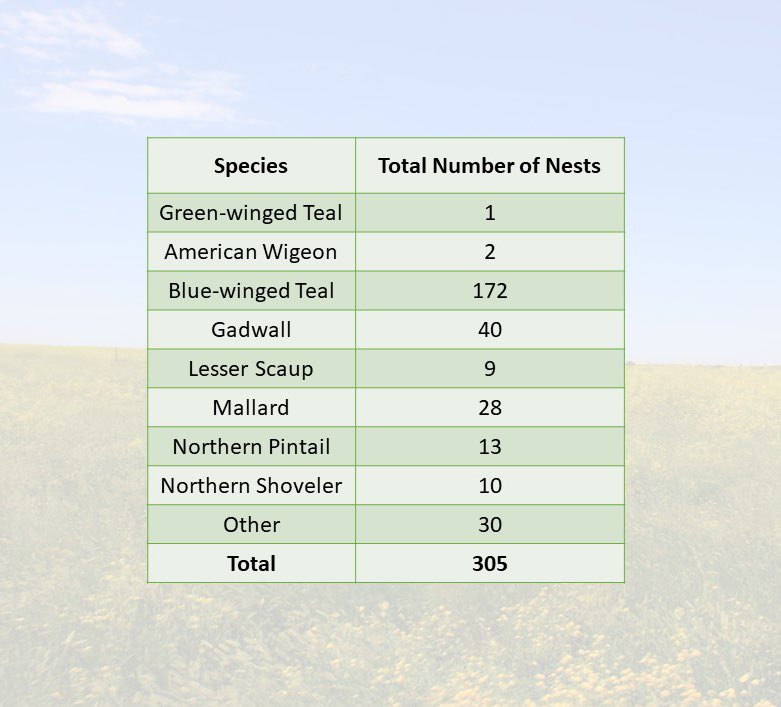
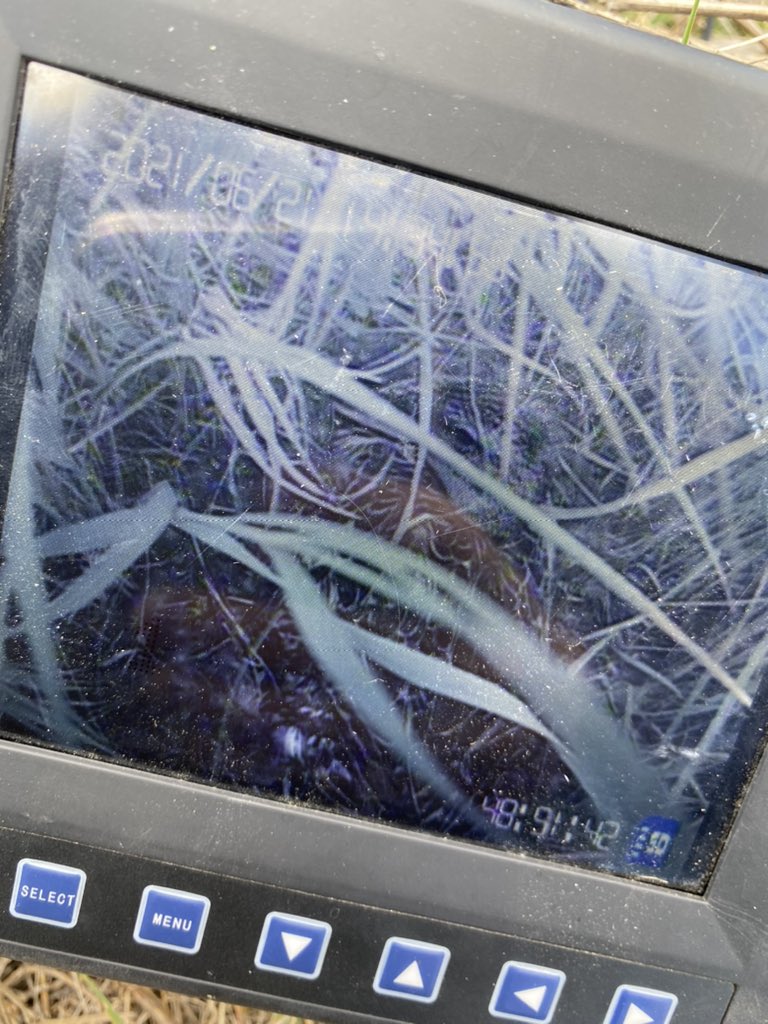
Our nest #dragging season has come to an end! Despite the #drought conditions our Real Duck Tails team found a total of 295 #duck and #shorebird nests! Our most common species was #BWTE with estimated 166 nests!
1
6
15 Jul 2021
1
24 Jun 2021
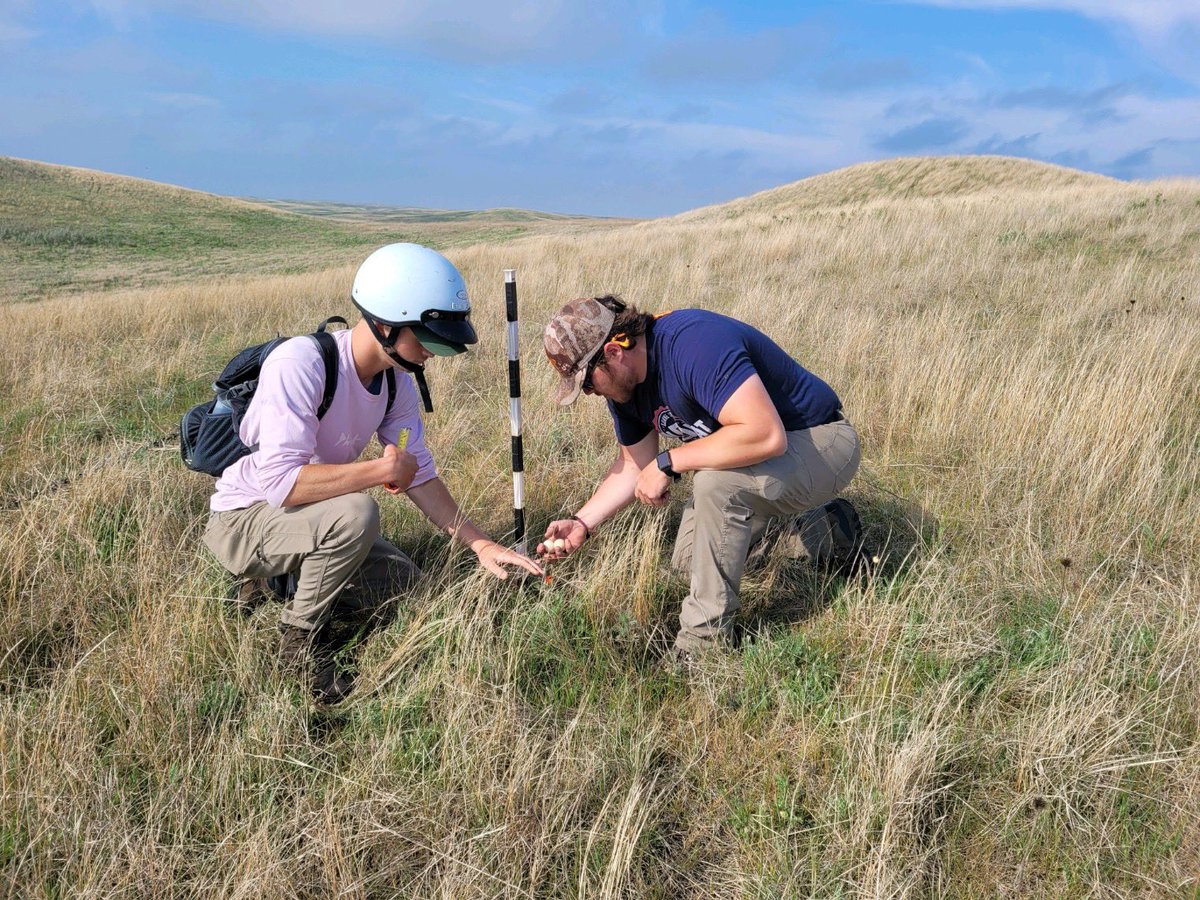
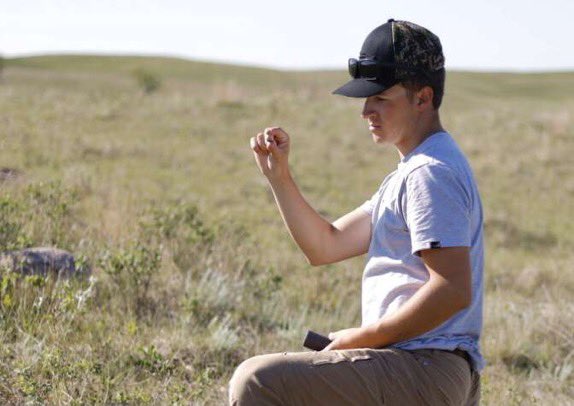
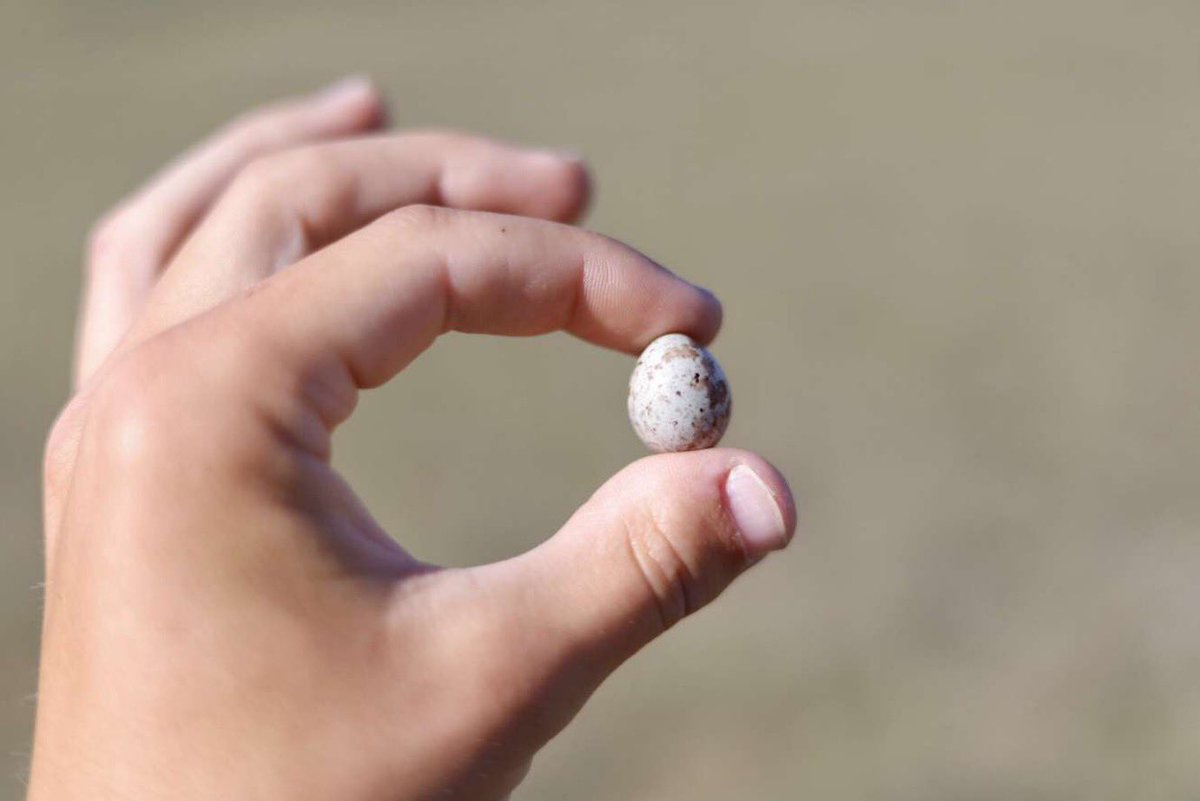
UND #grassland technicians working on studying effects of high intensity short duration #grazing on grassland bird nests. They are candling #songbird eggs to monitor embryo development.
2
22 Jun 2021
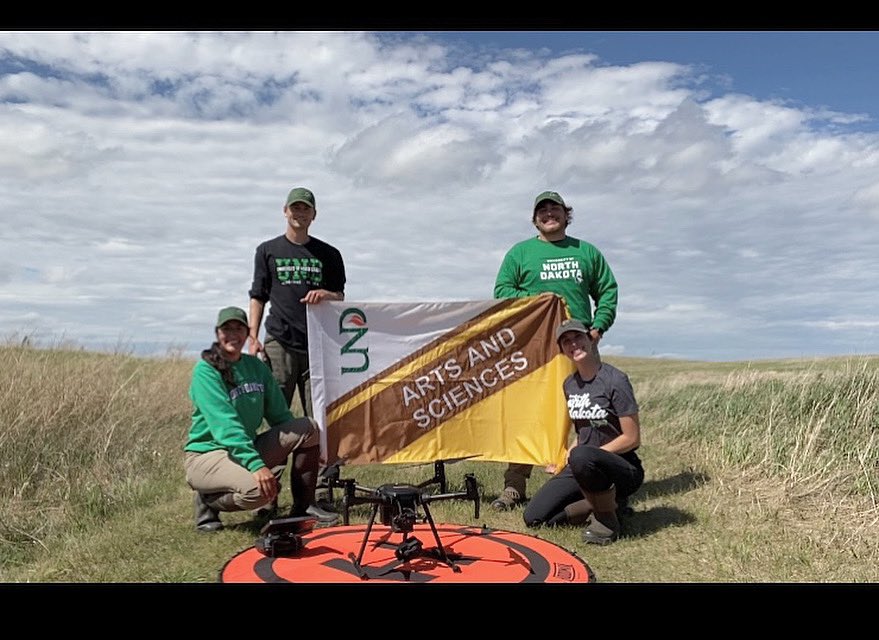
We want to say a huge thank you to the @undalumni and @und_admissions for sending our UND/Ducks Unlimited crew some new shirts and gear for out in the field!
#myund #undproud #undalumni #undbiology #undergraduateresearch
5
22 Jun 2021
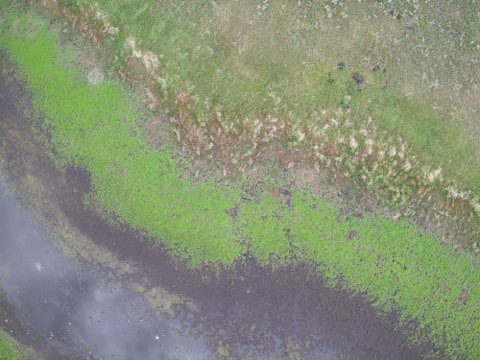
#ducks use small, shallow #wetlands early in spring. These Type I wetlands are the first to warm and therefore the first to produce #invertebrates on which birds can feed.
4
16 Jun 2021
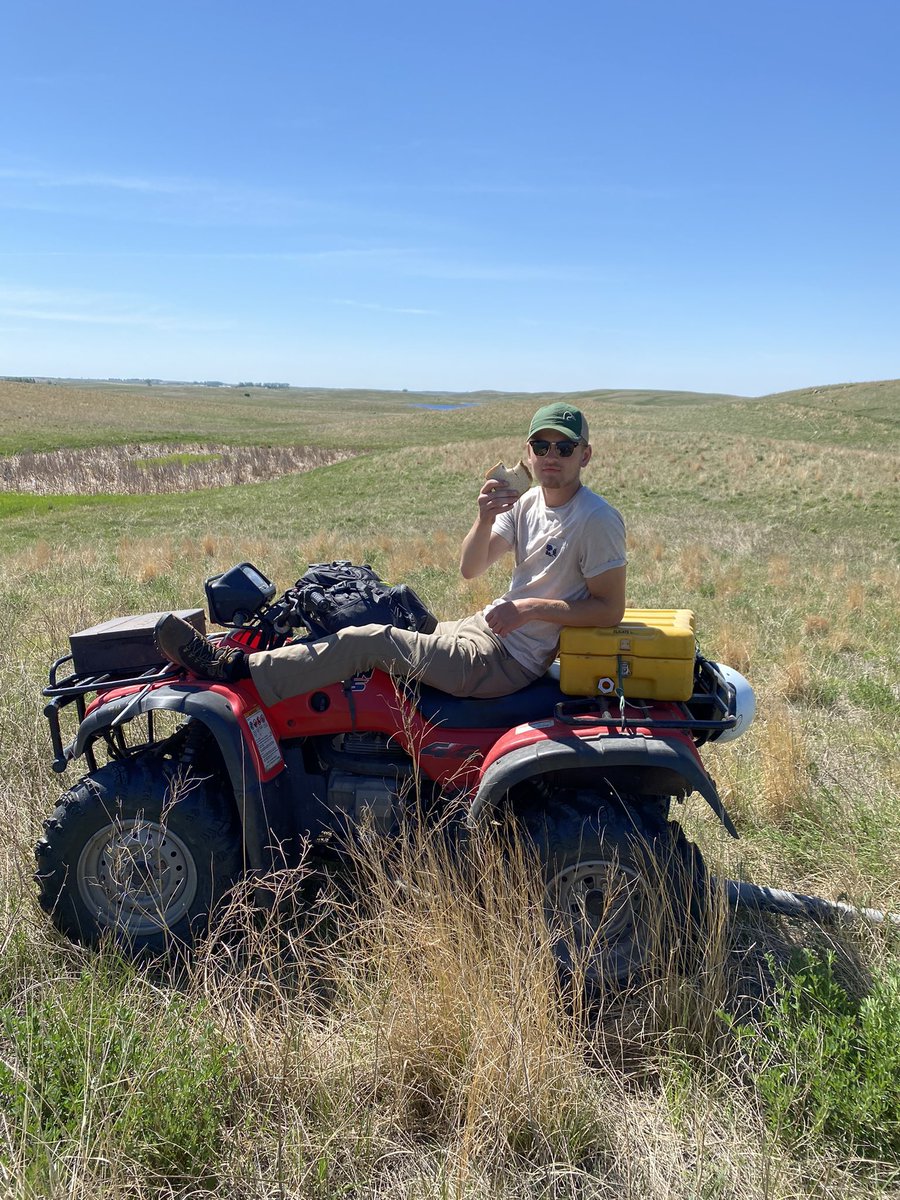
What is your go-to lunch during the #fieldseason? If you ask our Real Duck Tails team, #sandwiches and #granolabars are a must have!
3
15 Jun 2021
We are at halfway point for #nestsearching this summer! Despite the #drought conditions we have a CURRENT TOTAL OF 177 NESTS!
#chaindragging #ducknests #grasslands #eggs
3
11 Jun 2021
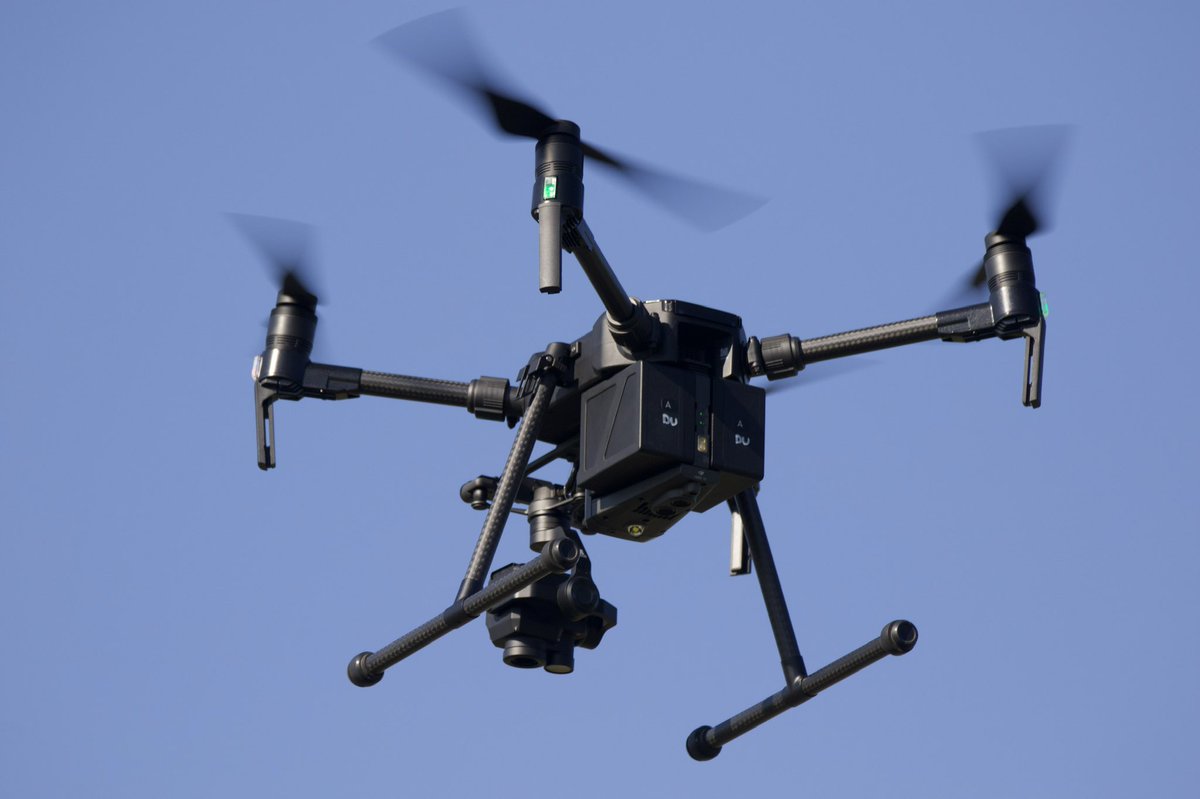
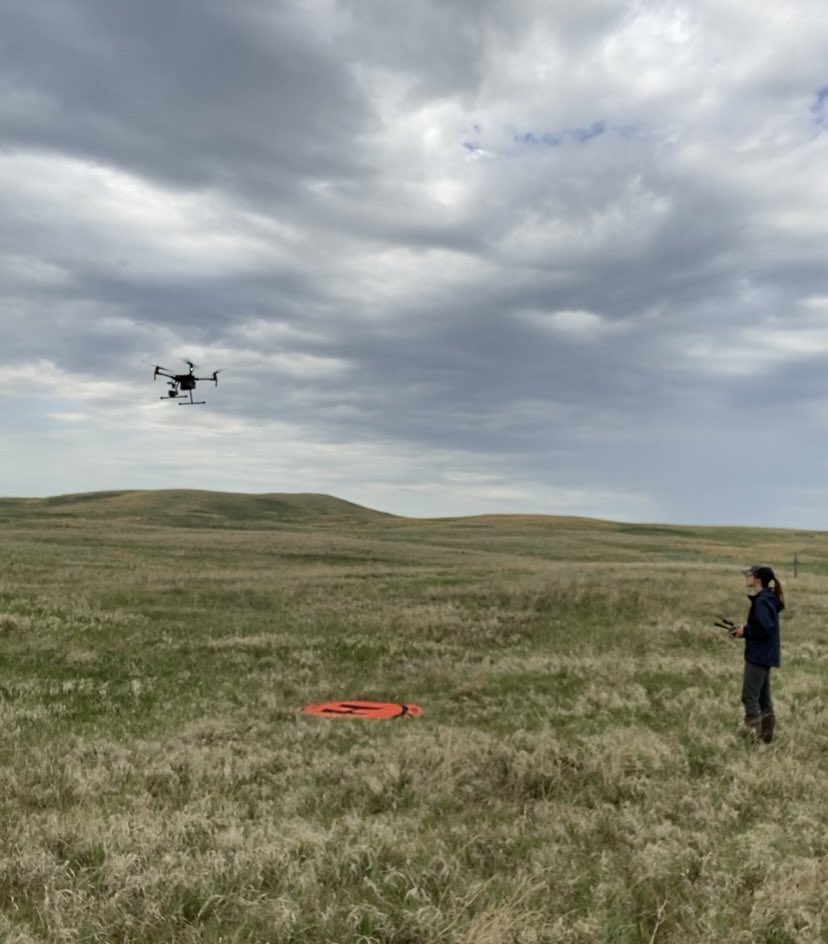
Take-off! After all the storms this week we finally got the chance to take to the skies and continue #droneresearch! #birdsarentreal
1
2
4 Jun 2021
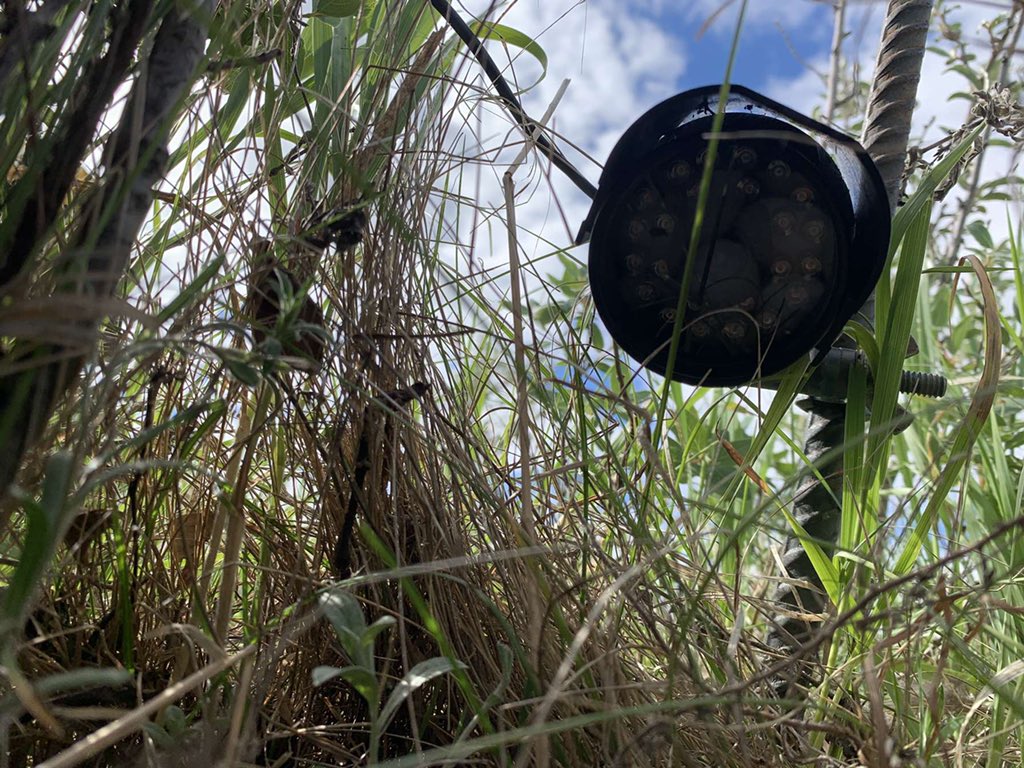
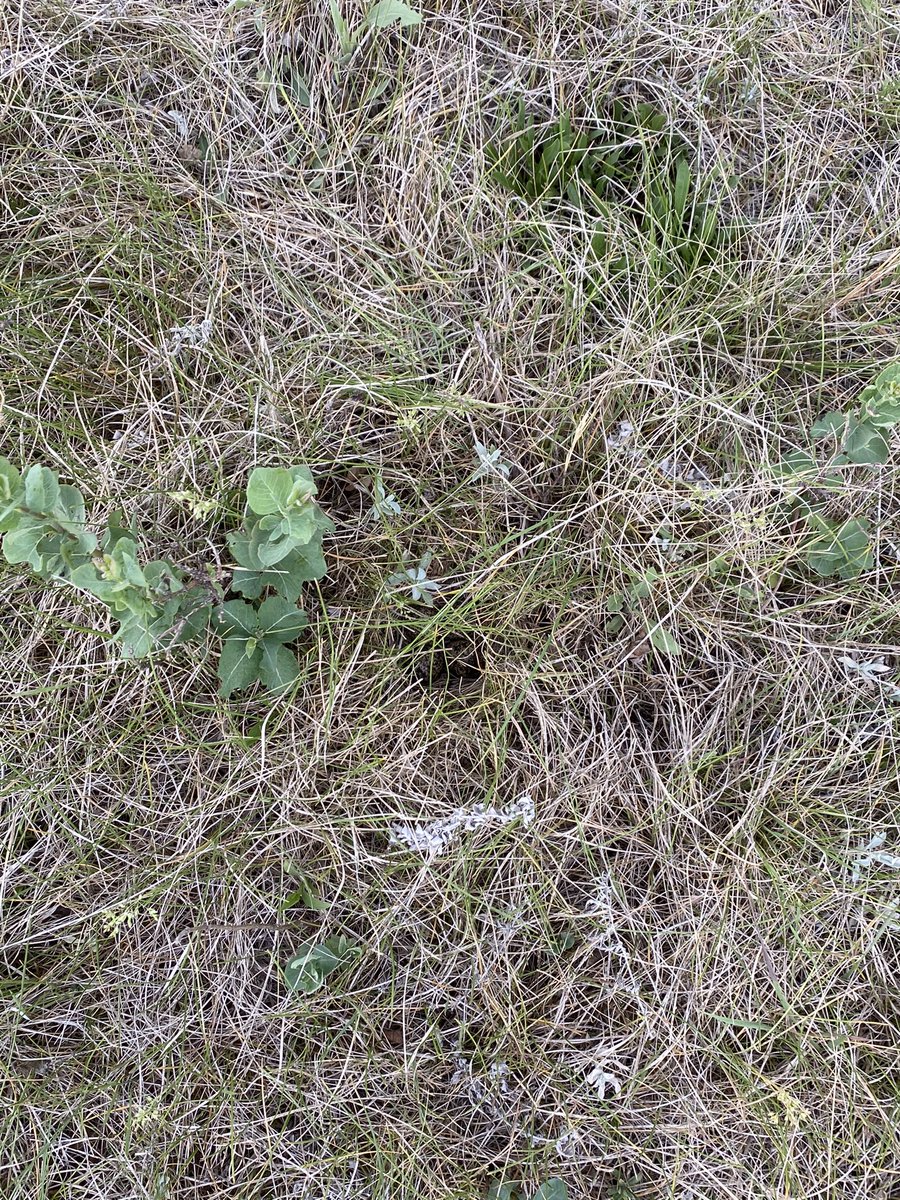
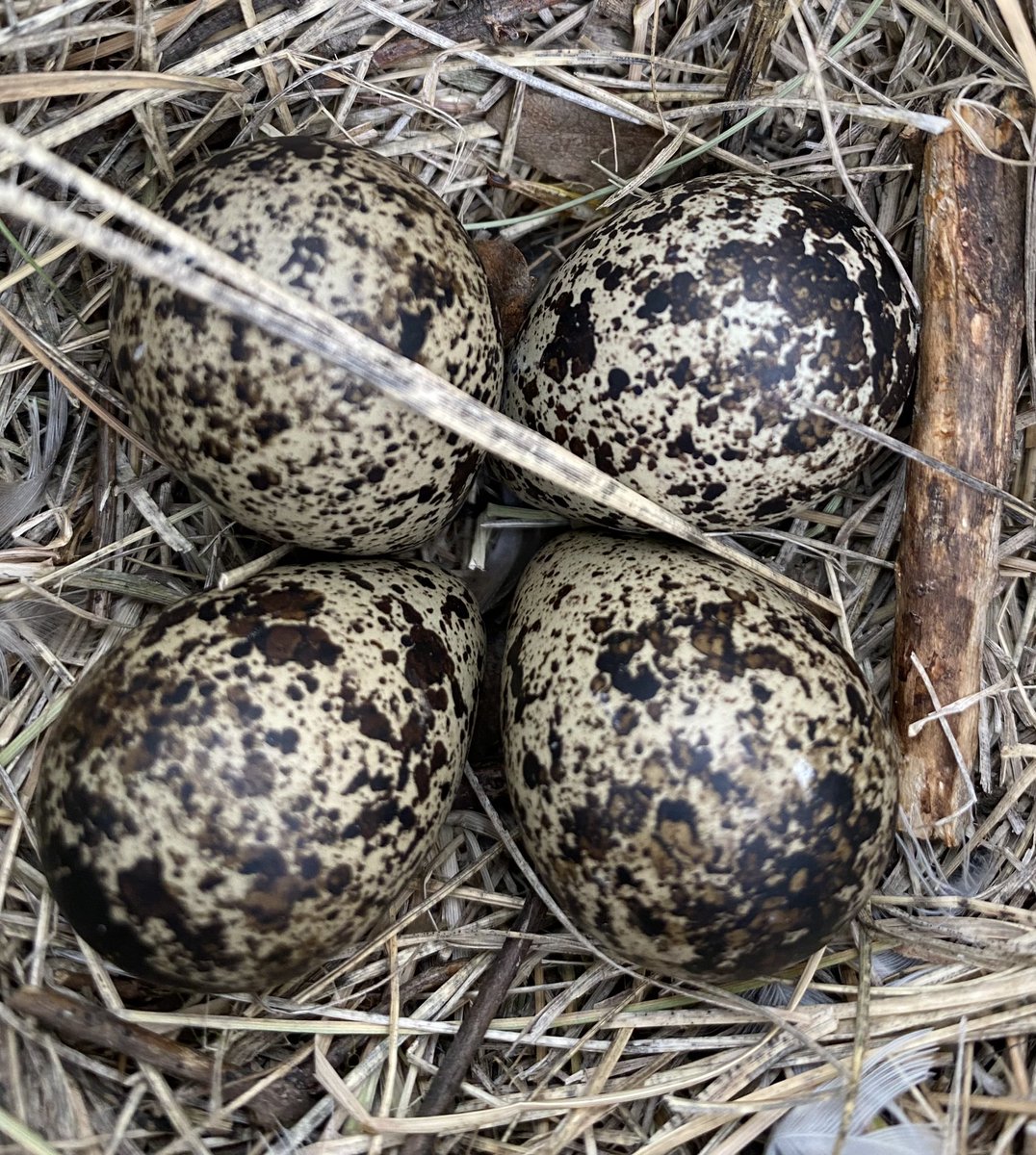
When reviewing footage from last field season, we caught a unique #depredation event on camera! In this clip, a #deer can be seen eating a #duckegg!
3
6
2 Jun 2021
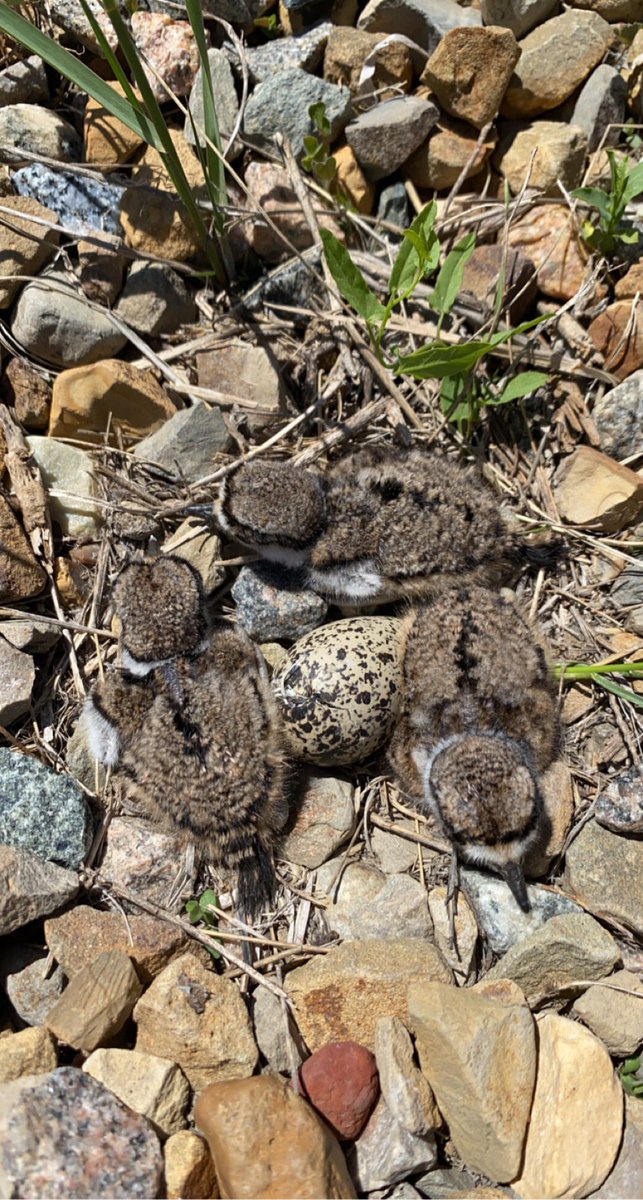
Our third week of nest searching is complete! We have found a total of 124 nests! Today we got to see this #killdeer nest with three #chicks and one hatching egg! #precocial #ducknest
1
4