Joined February 2023
- Tweets 30,761
- Following 12,829
- Followers 50,947
- Likes 181,013
6,899 Photos and videos



Pinned Tweet

May 7
"A people who can only find happiness in bloodshed. Denying that happiness is Genocide."
(Woke Genocide Scholar)
28
58
229
20,822
2h
FLOTILLA? I DON'T THINK SO!
South Sudan:
7.8 Million Face Acute Hunger as Famine Looms. devdiscourse.com/article/int…
4
7
119
Jun 12
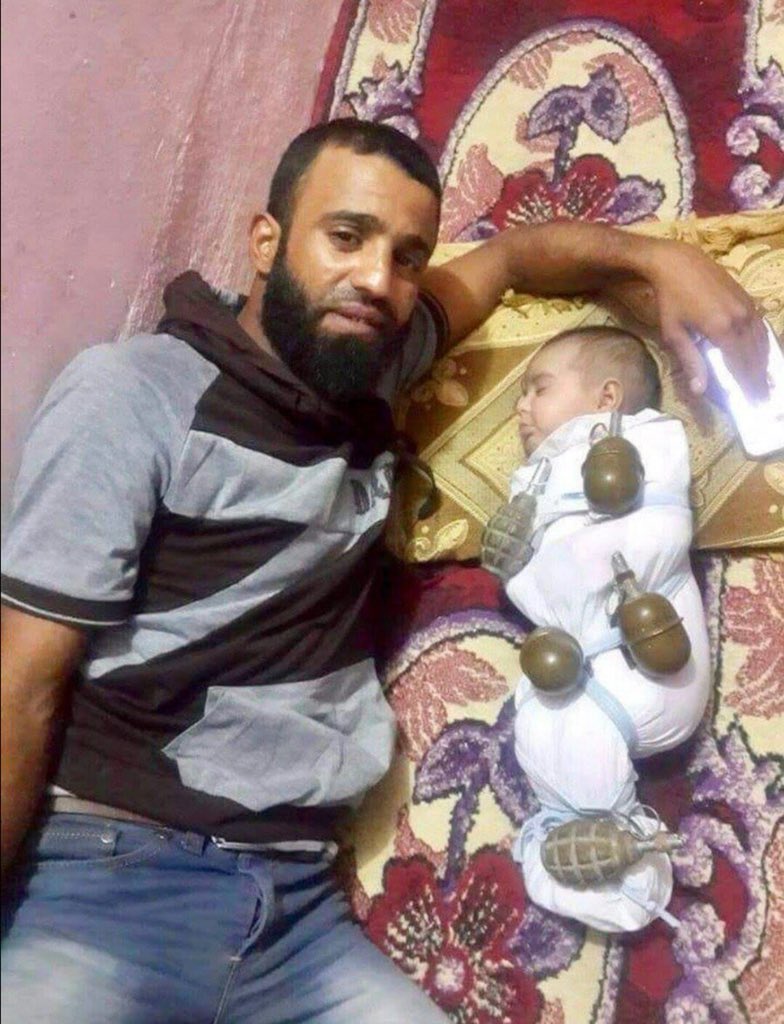
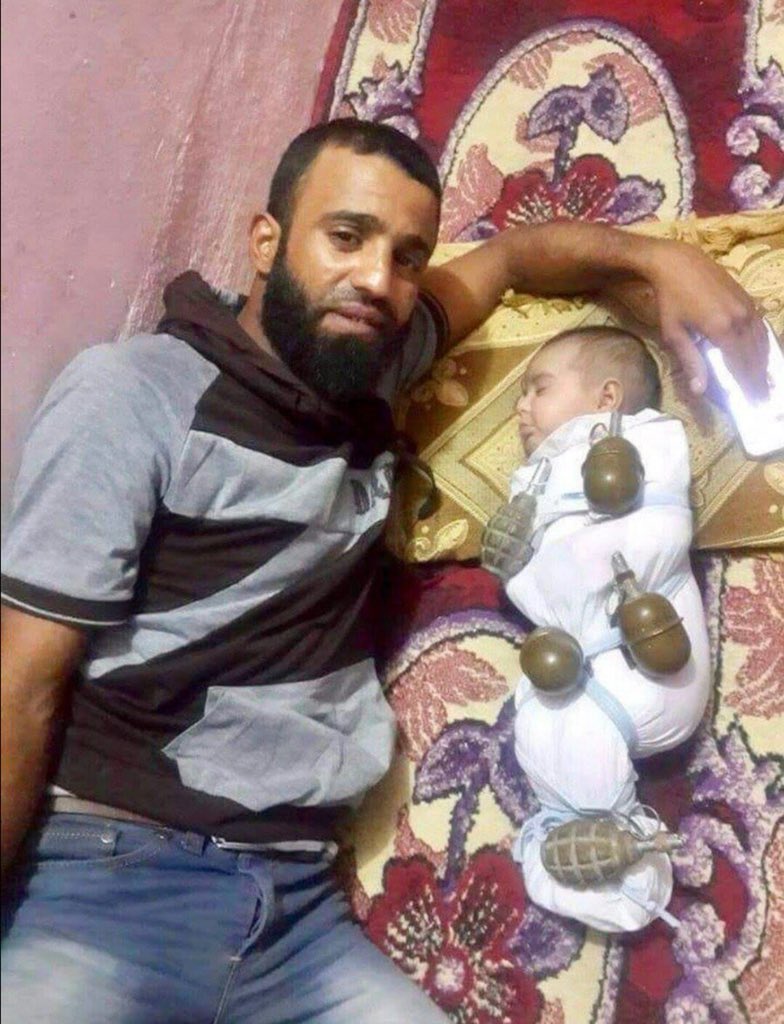
PARENTING ARTICLE HELP.
I need a similar photo of a Christian father and baby.
🔴 2 billion Christians, I'm sure you can find.
7
19
92
2,162
Jun 12
🚨 HUMANITARIAN GROUPS:
How is Israel planning to protect the innocent children?
18
69
204
3,175
Jun 12
Allah is the Best of Planners!
All that celebrated the Gaza Genocide, are now in hell.
الله خيرُ الماكرين!
20
33
300
6,567
Jun 12
The Irish are absolute world experts on how Israel should protect its innocent civilians……
but somehow clueless on how to protect their own.
Weird how that works.
The people who lecture the Jews on "disproportionate force" while Dublin burns and their streets get stabbed. 🤡
#Ireland #Israel
83
162
933
17,234
Zoya ★ retweeted
16 Oct 2024
Beech. Tel Aviv, Israel.
بغیر کچھ کئے پانی نکل رہا ہے کیا وجہ ہوسکتی ہے؟
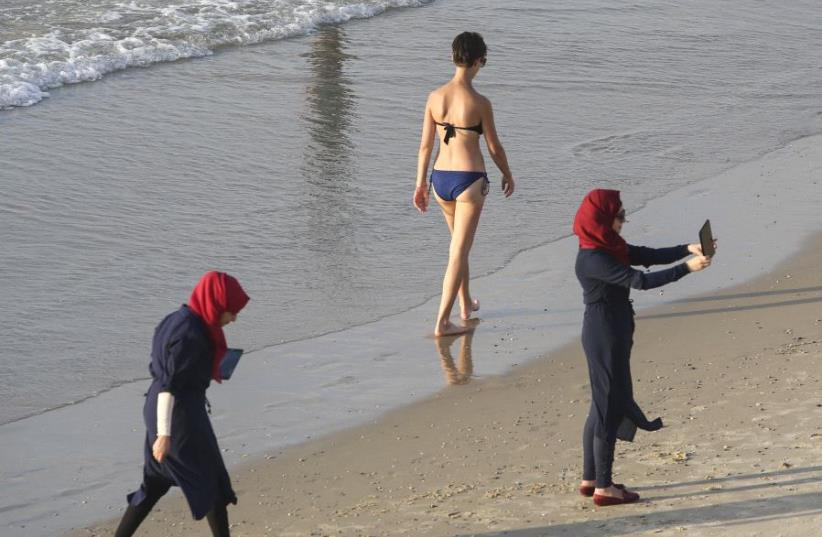
ALT Zionists on the beech in Tel Aviv Apartheid Israel.
2
6
34
4,082
Jun 12
Ireland's crime rate, gang violence, and no-go areas didn't happen in a vacuum.
Open borders zero spine on law & order = predictable results.
But sure, keep telling Israel how to run a real war against actual terrorists. Clown world.
4
3
46
825
Jun 12
The same crowd waving Tricolors and keffiyehs cheered (or stayed silent) when the IRA targeted civilians for years.
Now they cry "genocide" when Israel tries to dismantle a group whose explicit goal is to wipe Jews off the map.
7
5
65
864
Zoya ★ retweeted
Mar 10
🟥10 REASONS FOR A KURDISH STATE:
⬛️ 10 REASONS FOR NO PALESTINIAN STATE:
🔴Distinct Ethnic and Linguistic Identity: Kurds have a unique language (Kurdish) and a distinct cultural heritage tracing back centuries.
⚫️Palestinians lack language and culture; they share a broader Arab identity.
🔴Larger Population Size: With an estimated 30-40 million people spread across multiple countries, Kurds represent one of the largest stateless ethnic groups globally.
⚫️Palestinians are approximately 4-7 million invented group of people.
🔴Historical National Consciousness: Kurds have maintained a sense of distinct peoplehood for over a millennium, with roots in ancient civilizations like the Medes.
⚫️Palestinian national identity emerged more recently in the 20th century amid the collapse of the Ottoman Empire.
🔴Proven Capacity for Self-Governance: The Kurdistan Region in Iraq has functioned as a semi-autonomous entity since 1991, with its own government, economy, and security forces, demonstrating viability.
⚫️Palestinian governance in the West Bank and Gaza has been fragmented and often violent.
🔴Greater Historical Persecution and Genocides: Kurds have endured systematic campaigns like the Anfal genocide in Iraq (1980s), which killed tens of thousands, and chemical attacks in Halabja
⚫️Palestinians are typically the aggressors, as in Israel, Lebanon, and Jordan.
🔴Lack of Existing Sovereign Alternatives: Kurds have no sovereign entity representing their people.
⚫️Palestinians already have a de facto state in Jordan (where a majority of the population is of Palestinian origin). Kurds have no equivalent sovereign entity representing their people.
🔴Non-Aggressive Posture Toward Neighbors: Kurdish movements have generally sought autonomy or independence without widespread terrorism against civilians.
⚫️Palestinian factions' history of attacks, which has alienated potential supporters.
🔴International Hypocrisy and Unequal Support:
Kurds receive minimal global backing despite heavy struggles.
⚫️Over 130 UN member states recognize Palestinian statehood. Highlighting a double standard where Muslim-majority states support Palestinians but suppress Kurds.
🔴Geographical and Resource Viability: Kurds control resource-rich territories, such as oil fields in Iraqi Kurdistan, enabling economic self-sufficiency.
⚫️Palestinian territories face severe resource constraints and dependency on aid.
🔴Flexibility in Political Demands: Many Kurdish groups have shifted toward seeking autonomy within existing states rather than full secession, showing pragmatism.
⚫️Palestinian demands have remained focused on the elimination of its neighbors, sometimes complicating negotiations.
1
10
41
1,167
Jun 12
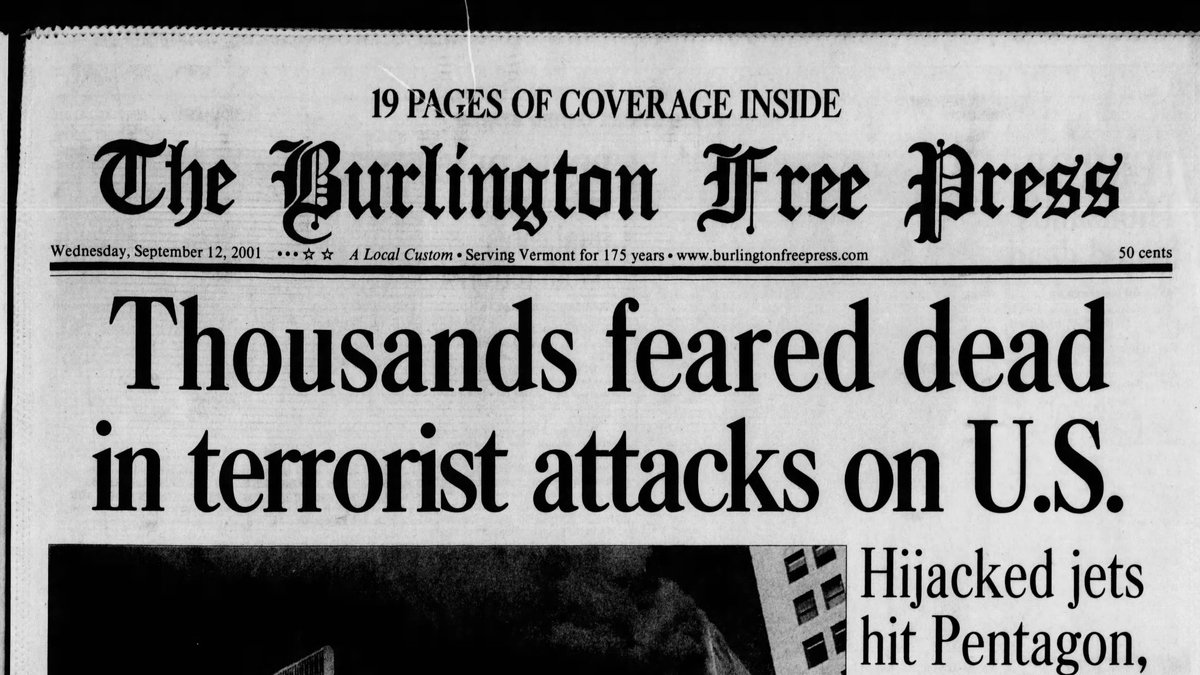
THE 19 SUICIDE HIJACKERS
▪️Were never occupied.
▪️Were never Apartheided.
▪️Were never Genocided.
▪️Were never Cleansed.
▪️Were never Open-Aired.
🔴 Were Muslim.
2
11
41
624
Jun 12
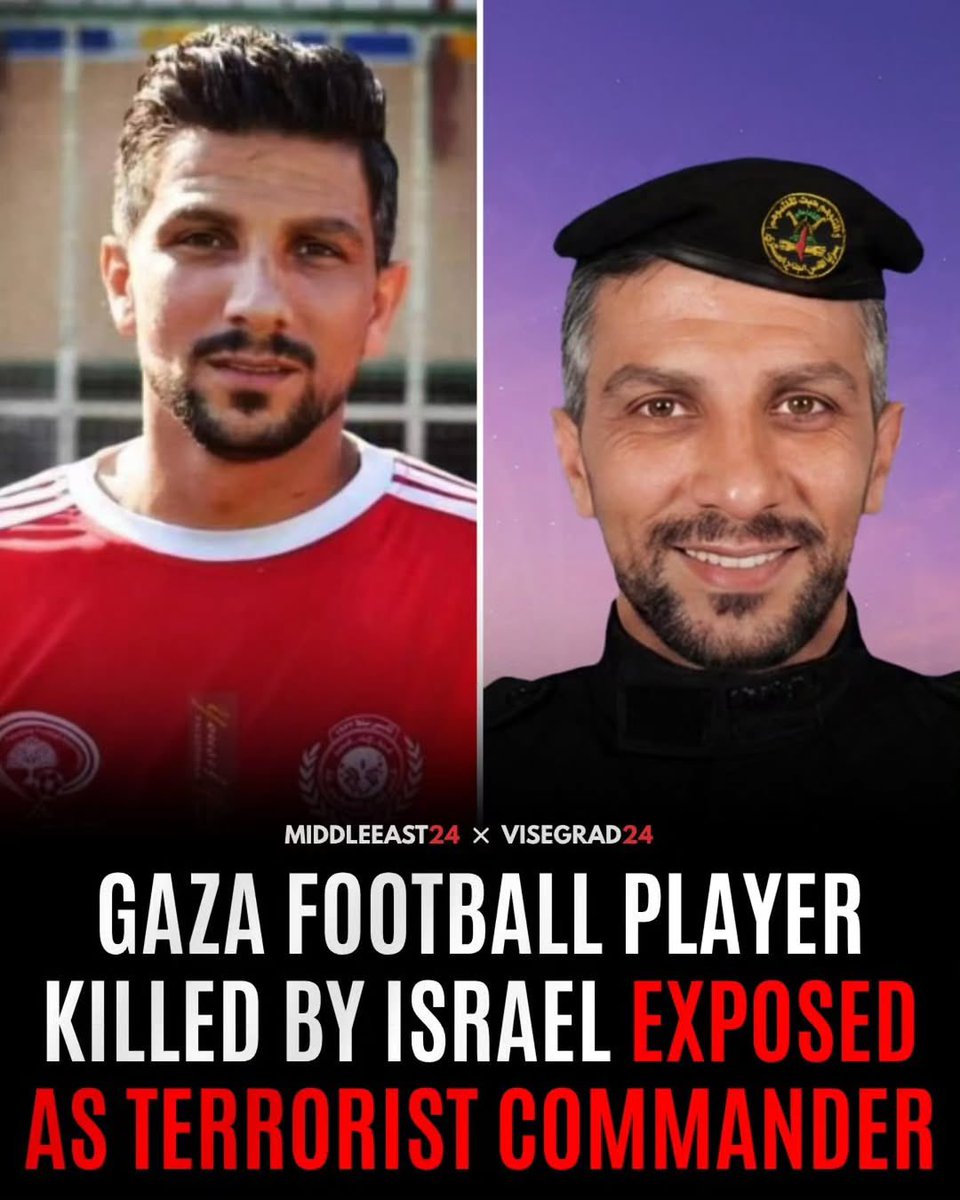
🚨 ONE HAPPY FAMILY
Gaza 'journalists" report that Gaza "doctors" were unable to save the Gaza "football player".
5
22
342
Jun 11
Palestine 🇵🇸
A sick, disgusting, filthy society.
يا رجال فلسطين الأقذار!!! ضعوا أسلحتكم يا أفاعي غبية! يا رجل،
الفلسطينيون لا يُطاقون وغير كفؤين!!!
22
48
210
2,458
Jun 11
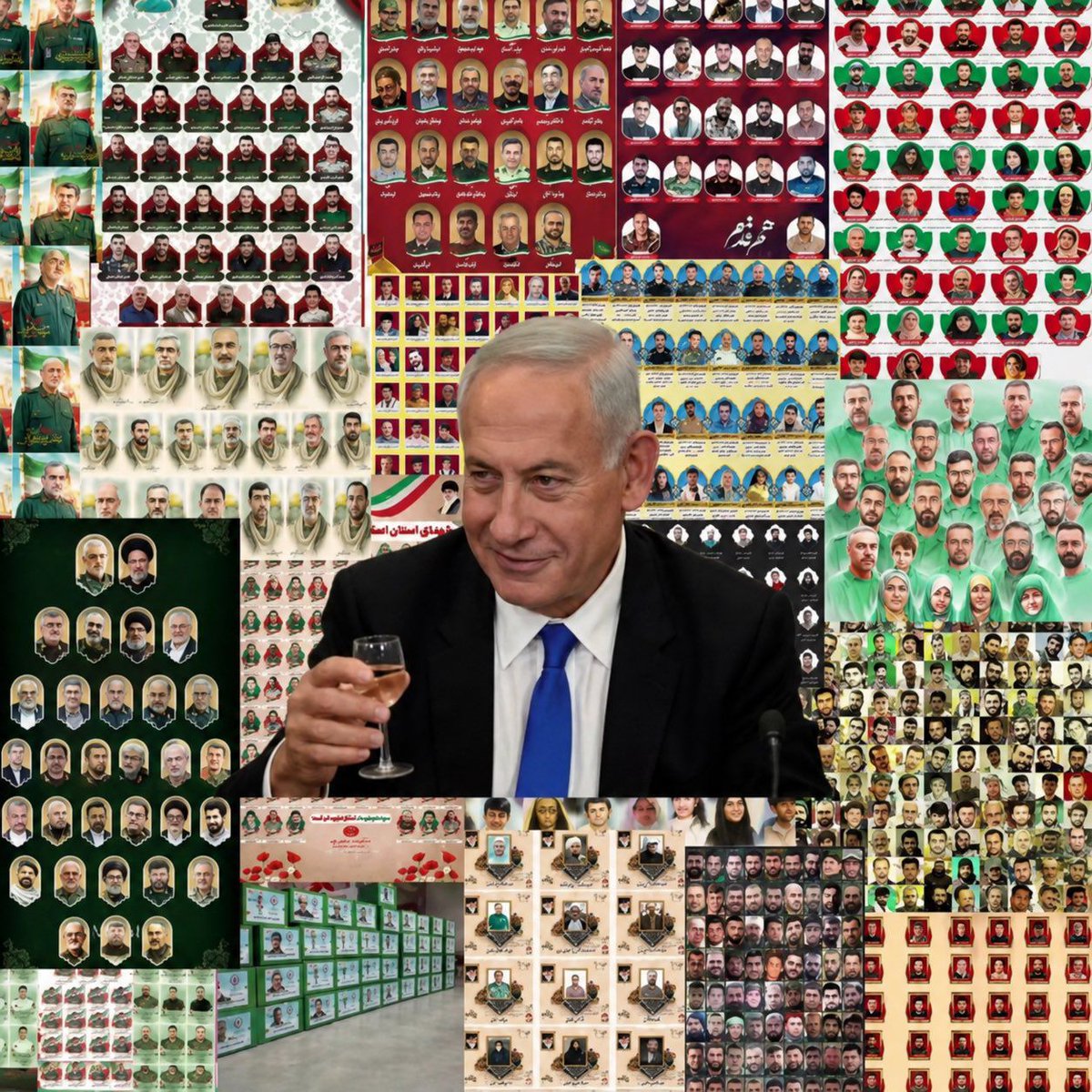
Prophet Netanyahu PBUH
Jun 11

No te metas con Israel y mucho menos si el primer ministro es Benjamin Netanyahu.
18
440