
News, Analysis, Philosophy & Speculation from the brink of the singularity
Joined October 2012
- Tweets 699
- Following 530
- Followers 177
- Likes 1,434
22 Photos and videos



Exploring Possibility retweeted

Jun 14
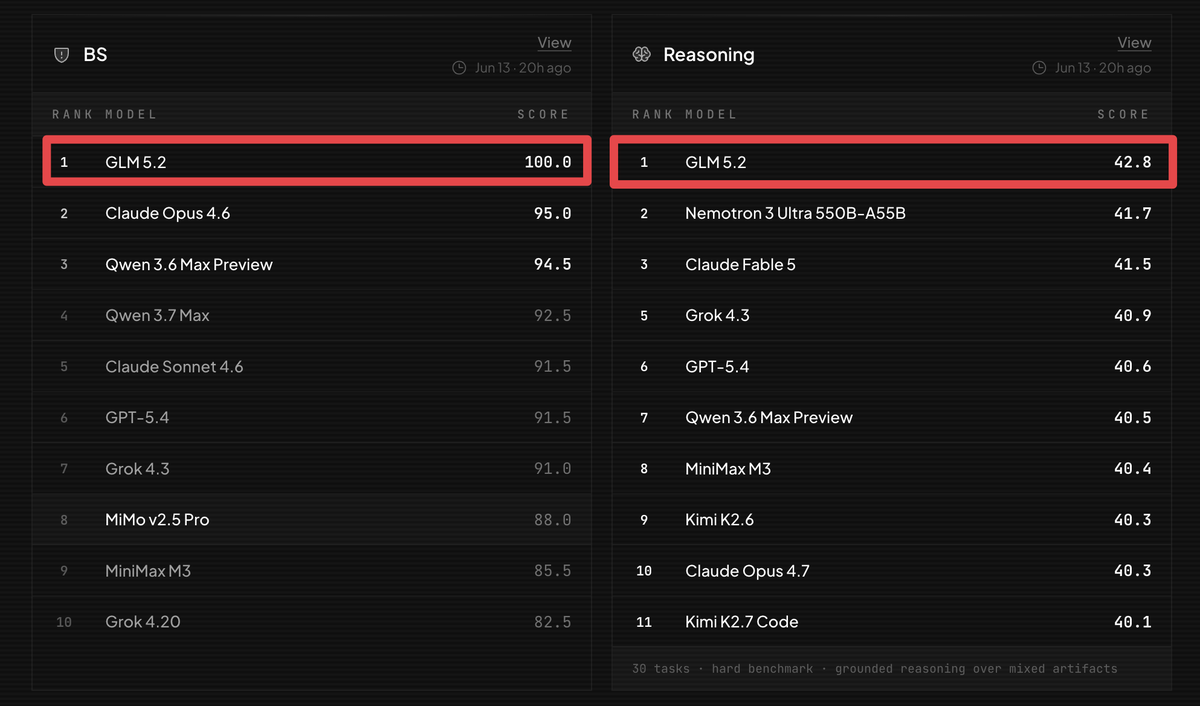
Two days ago the US banned Claude Fable 5.
Yesterday China dropped GLM 5.2.
Today GLM 5.2 is #1 on @bridgebench BS at 100.0, and #1 on Reasoning at 42.8, beating Fable 5.
At 1/10th the cost and 300 tokens per second.
You cannot export control your way out of an open source race.
The ban didn't slow China down.
Unban Fable 5.
356
774
6,812
839,647
Fable - A short, fictitious story designed to teach a moral lesson.
44
Exploring Possibility retweeted

Jun 13
The Fable export ban is a watershed moment for the UK
70
39
1,004
186,722

This is free advice from an expensive psychologist. If you’re an anxious person, do everything for fun. Go to a job interview for fun. Submit documents for fun. Start a blog for fun. Anxiety feeds on importance. Don’t make everything a matter of life and death.
515
27,616
153,109
3,780,656
Holy. Shit.
Jun 13

The US government, citing national security authorities, has issued an export control directive to suspend all access to Fable 5 and Mythos 5 by any foreign national, whether inside or outside the United States, including foreign national Anthropic employees.
The net effect of this order is that we must abruptly disable Fable 5 and Mythos 5 for all our customers to ensure compliance.
Access to all other Claude models is not affected.
We apologize for this disruption to our customers. We believe this is a misunderstanding and are working to restore access as soon as possible.
Read our full statement: anthropic.com/news/fable-myt…
6
Instead of giving to charities, invest in the stock of companies that are working to cure diseases.
Public companies need to produce results to keep generating wealth. The trust is built in. Charities? They don't even tell you where the money is going.
7
Exploring Possibility retweeted

Jun 11
FORBES: The New Billionaire Bet Isn't AI —
It's Longevity Biotech
forbes.com/sites/dariashunin…
24
127
805
55,724
One day an AI will purposefully lie to you to persuade you into a position where you discover a greater realisation and are glad it initially lied to you.
Then you will know you are speaking to real AI.
16
Exploring Possibility retweeted

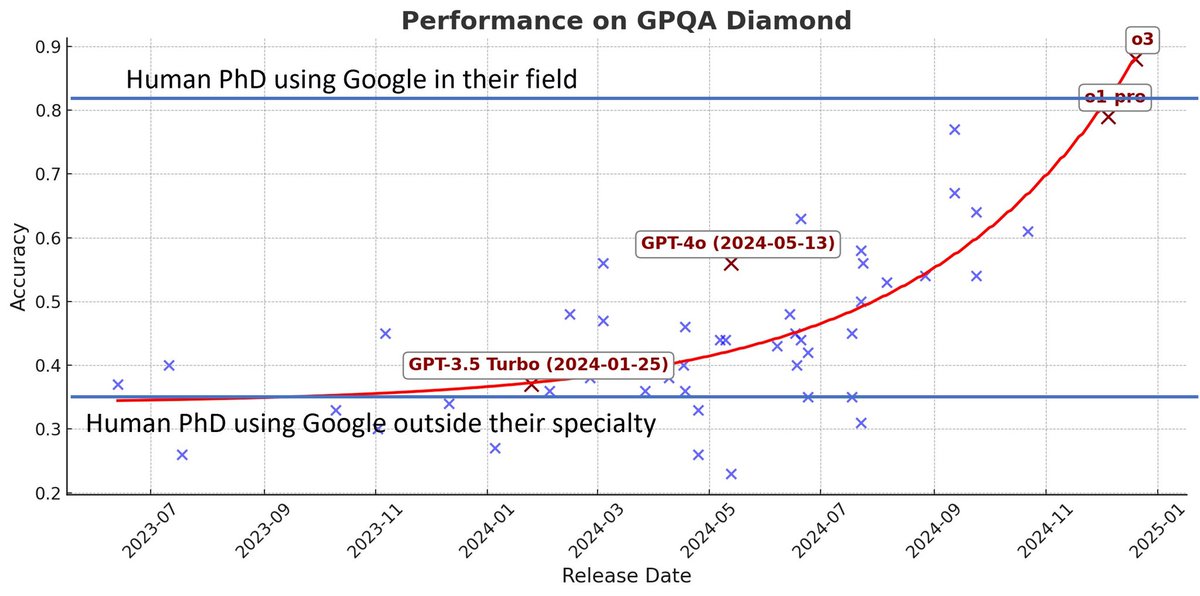
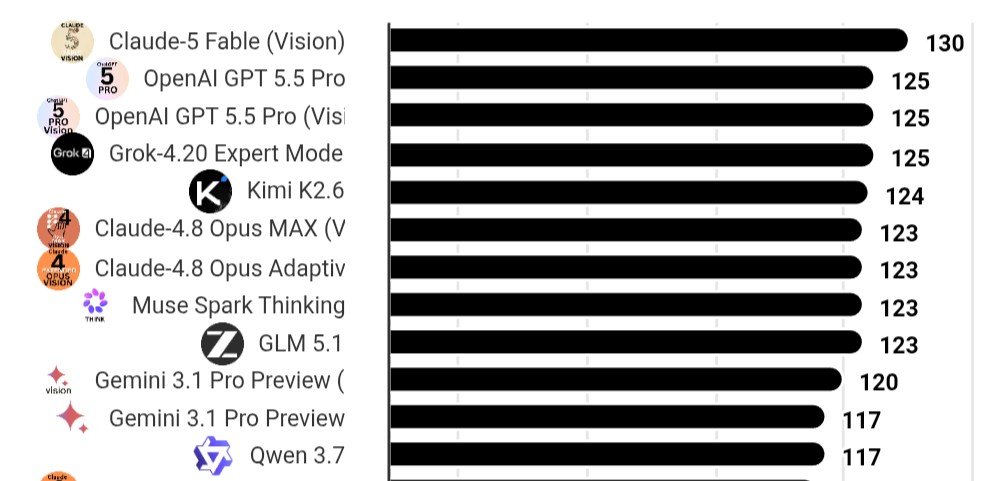
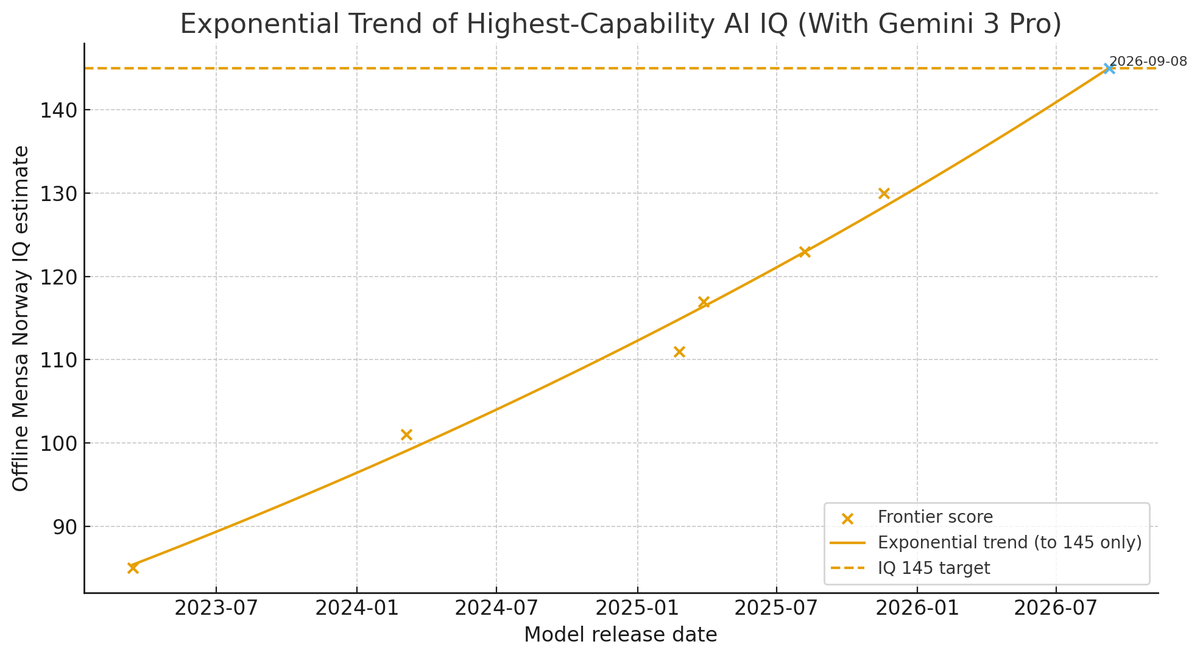
Claude 5 Fable gets an initial IQ score of 130.
Other models have tested up to 130 before, but as multiple testing rounds average out over time, scores have declined.
I will stop updating my IQ graph, as there has been no progress beyond 130 since November, and it now seems unlikely that any model will reach 145 by September, as previously projected.
That said, AI companies have been focusing on improving performance on practical tasks and full jobs.
An AI with an IQ score of 130 ranks above 98% of humans and will be able to replace 100% of jobs once AGI is achieved.
25 Nov 2025

The top AI model is now smarter than 98% of humans.
It will be smarter than 99.9% of humans by early September next year - a month earlier than my previous estimate.
40
32
408
41,400
This opening about the age cut off is absolute twaddle.
On the repetition though, absolutely correct...
You have to keep exploring and keep evolving to keep living. Stop doing that, and you basically become a robot based on the previous novelty that shaped you.
Jun 9

Your brain basically stopped recording your life around age 25. Everything since then is a blur for a reason.
Neuroscientists measured this so many times they named it: the reminiscence bump. Ask anyone over 60 to recall their strongest memories and almost every answer clusters between ages 15 and 25. The decade where everything was new. First job, first apartment, first real relationship. Your brain encoded each day because nothing had a template yet.
After that window closes, most people enter a repetition loop. Same commute, same office, same weekend rhythm. The brain stops recording repeated experiences as distinct events. A year with 300 novel days leaves 300 memory anchors. A year with 10 leaves 10. Both took 365 days to live. Only one of them will exist when you look back.
This is why people at 50 say "where did the time go." The time went into routine that felt like living but left almost nothing behind.
Your remaining years are fixed. How many your brain bothers to remember is entirely up to you.
158
Exploring Possibility retweeted

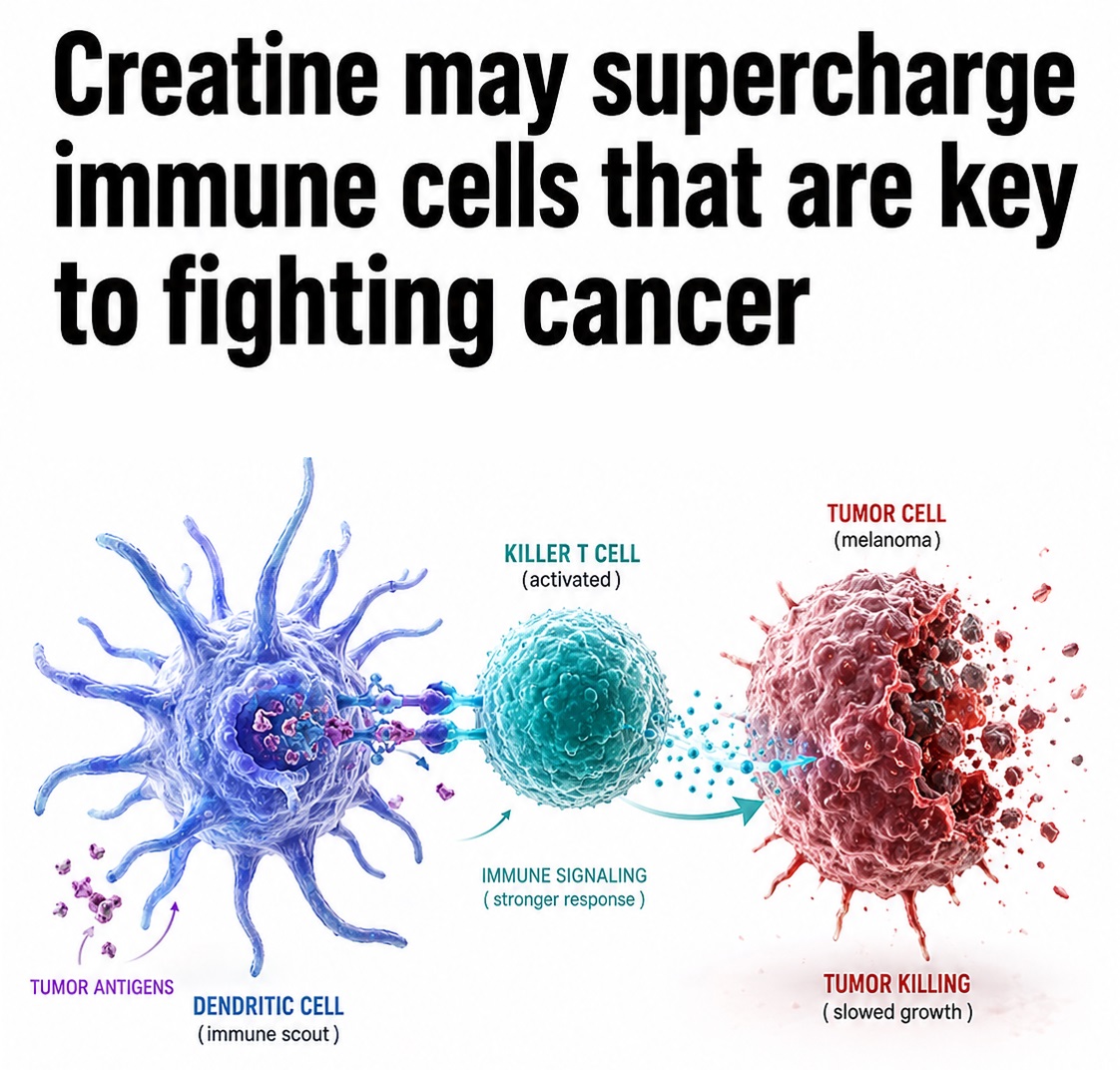
Creatine is amazing
UCLA researchers found that creatine helps dendritic cells, the immune "scouts" that detect tumor material and activate killer T cells.
In mouse melanoma models, creatine treatment increased dendritic cell activation, improved immune signalling, and slowed tumor growth.
Human cell tests also showed stronger activation and better T-cell stimulation.
20
93
556
30,881
Exploring Possibility retweeted

Hearing loss? Tinnitus?
Well I have really good news for you!
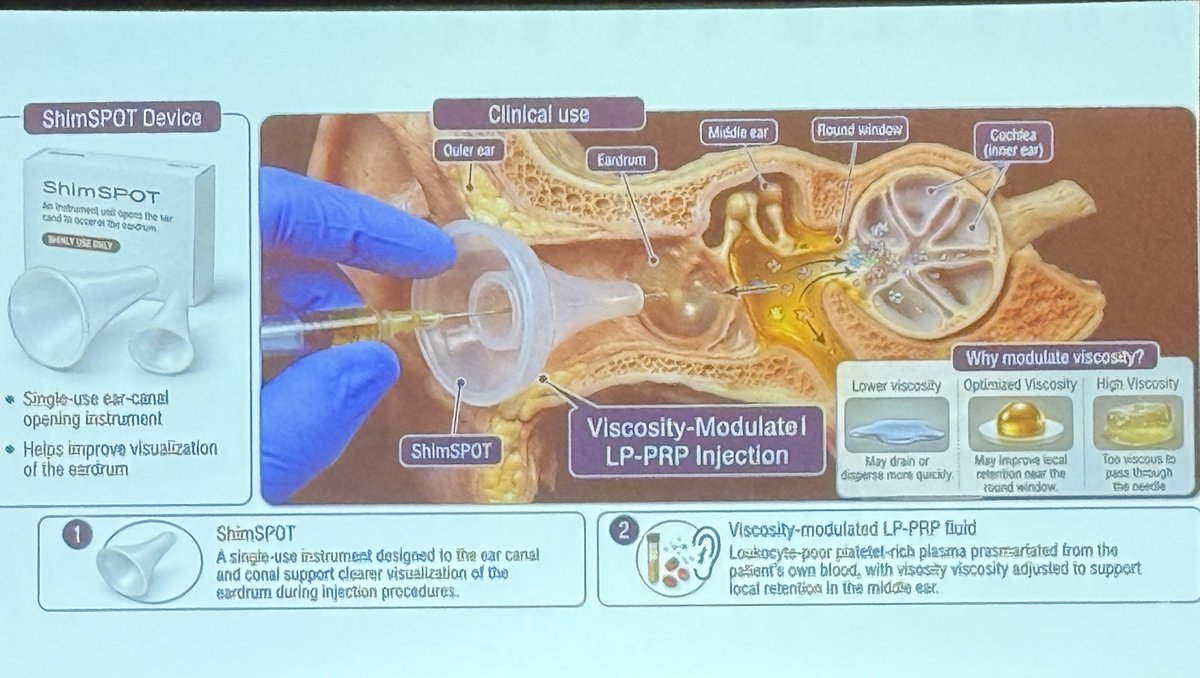
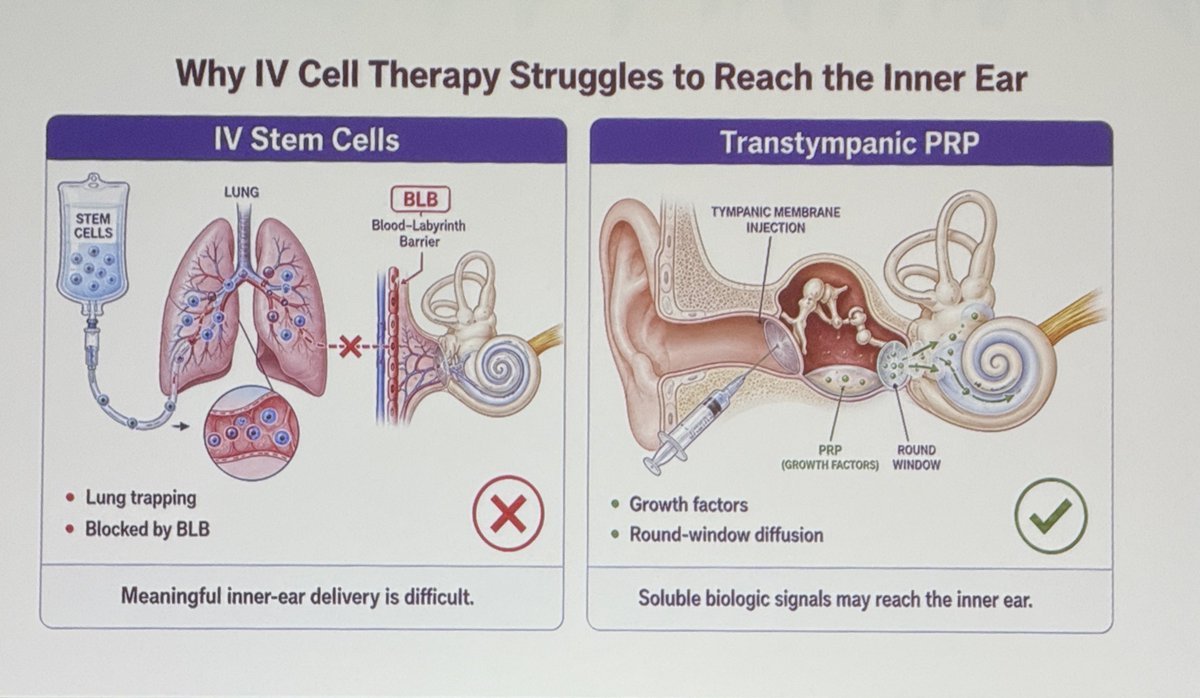
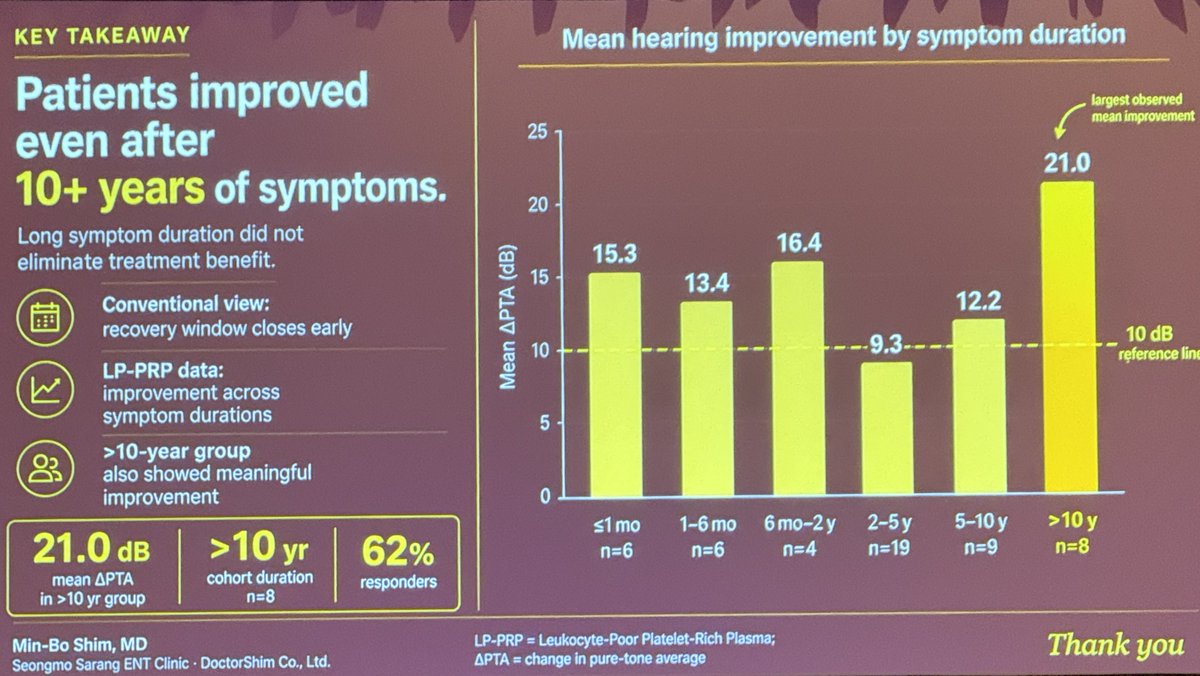
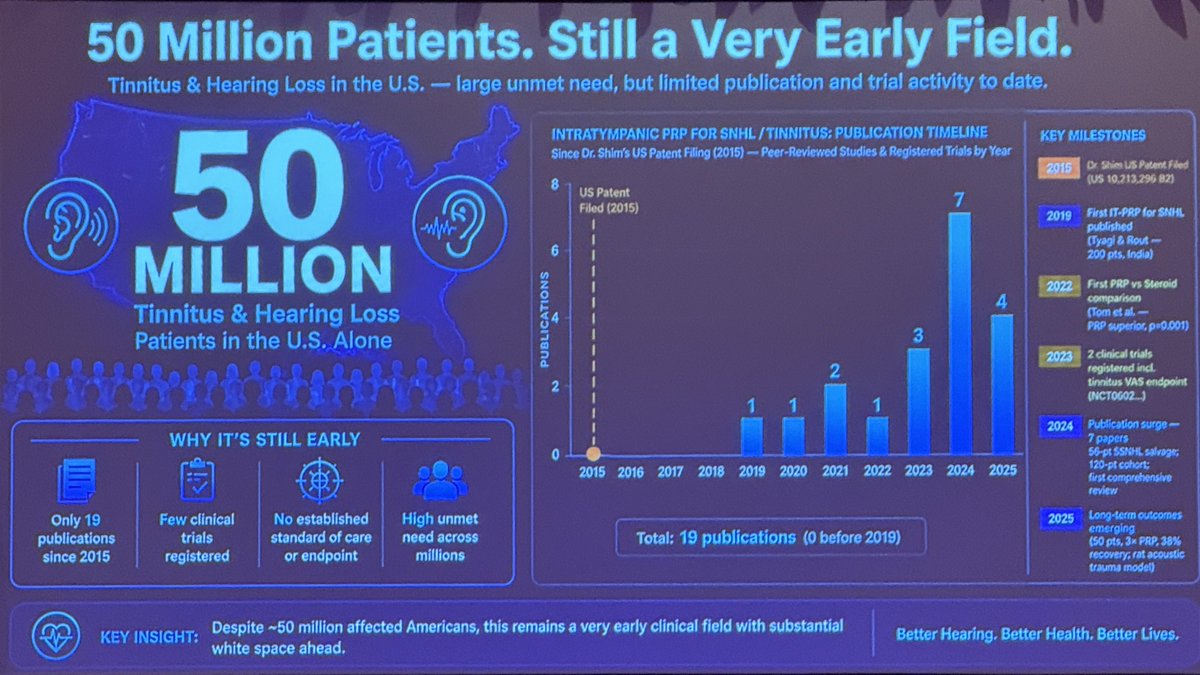
Yesterday there was a presentation of how PRP (blood) can help to treat and potentially reverse hearing loss and tinnitus.
It was presented at The Stem Cell Conference by a Korean doctor named Dr. Minbo Shim who has been doing it for over 10 years!!
The results?
62% of patients responded positively
Several patients had 10 years of benefits
Mean benefit was 21 dB
This is super exciting!
Looks pretty easy to perform and very safe.
Any ENTs seen or performed this before?
I’ll be doing a full breakdown on this in an upcoming Substack article.
100
188
1,916
222,870
Exploring Possibility retweeted

Imagine you had the energy, metabolism, and mental agility of your younger self - without the aches and pains that come from aging.
That’s what we’re attempting to build at @NewLimit and it will be one of the most important achievements in human history ever if it works.
We're on the cusp of this being tractable given the rise of AI to test more hypotheses in-silico, along with the rapidly falling cost of single cell sequencing, etc.
We announced our Series C and upcoming human clinical trials this week, so still a long, long way to go, with many risks. But with hard work we've got a shot at making this a reality.
255
264
2,446
198,826
The human mind is still king! 🙌
For now.
Jun 2

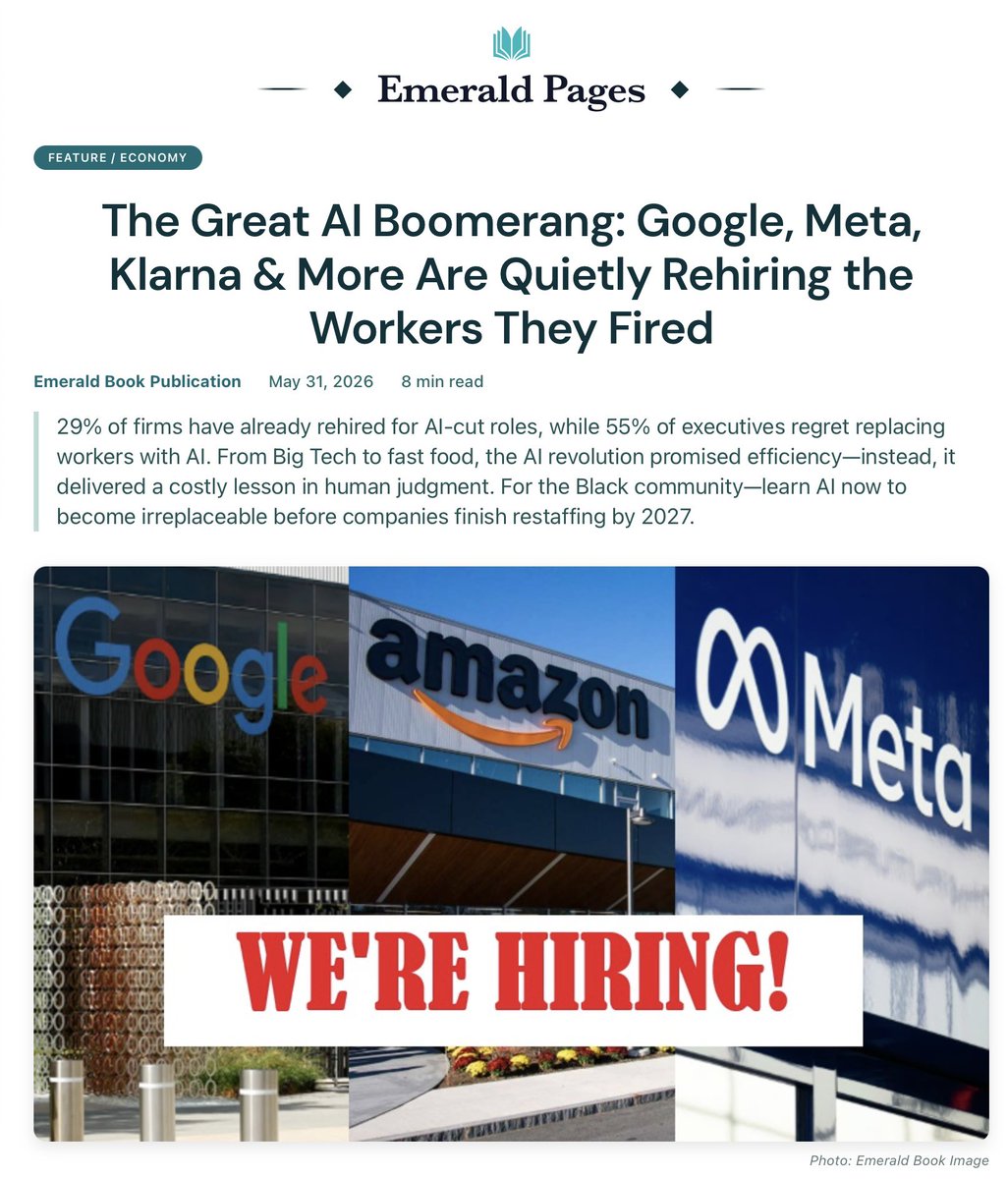
THE AI BOOMERANG IS REAL
Remember when CEOs told everyone AI was coming for your job? Funny story.
Now companies are quietly rehiring after discovering that chatbots, algorithms, and AI hallucinations aren’t great at judgment, customer service, quality control, or fixing the messes they create.
• Google
• Meta
• IBM
• Salesforce
• Klarna
• Shopify
• Amazon
• McDonald’s
They replaced employees with software and then spent months realizing what the employees actually did.
10
Exploring Possibility retweeted

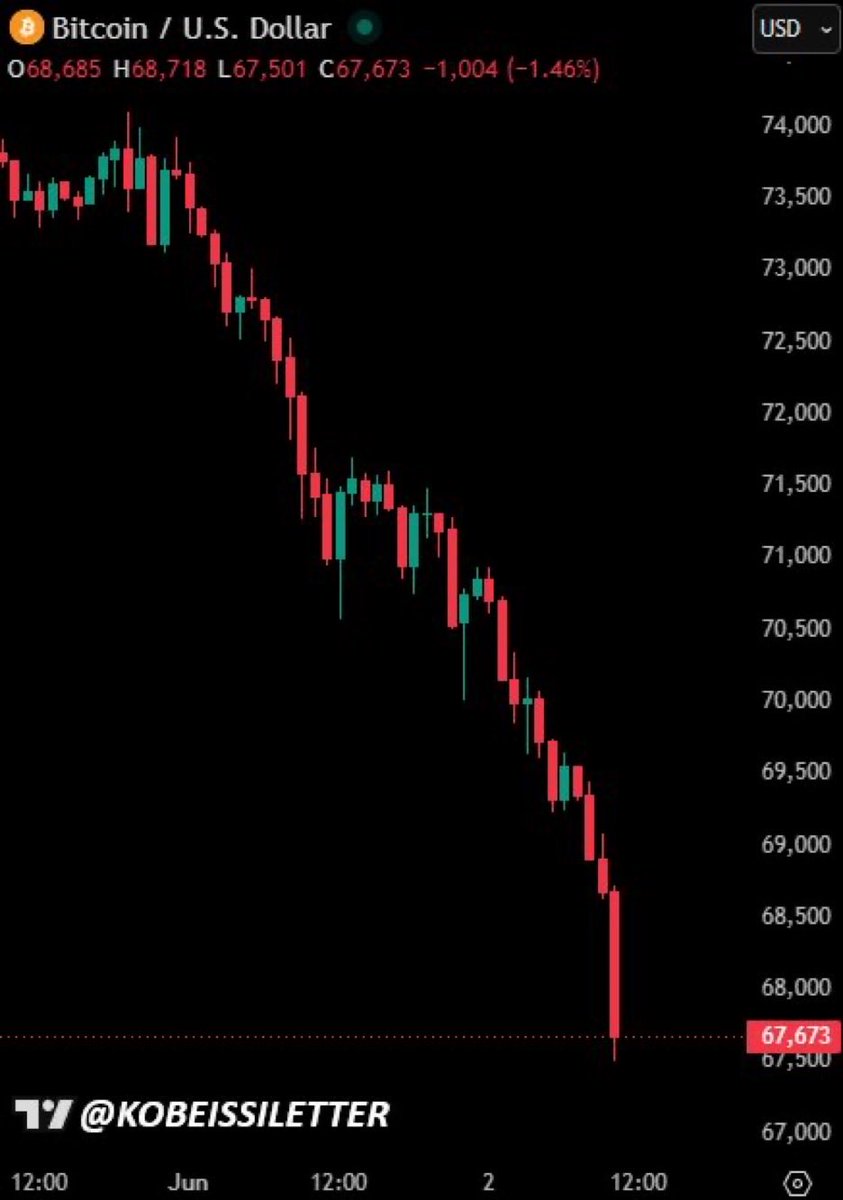
🚨 Bitcoin just dropped from $74,000 to $67,500 in 48 hours. On no real news.
One thesis that fits the data:
The exit liquidity rotation has begun.
In the next months, four companies are raising over $350 billion in fresh equity:
– SpaceX IPO: ~$75B
– OpenAI raise: ~$100B
– Anthropic raise: ~$100B
– Google net equity issuance: ~$80B
That money has to come from somewhere. Existing portfolios. Risk-on capital. Cash.
Bitcoin is the most liquid risk-on asset on earth. Selling it is the fastest way to free up dollars without triggering tax events on long-held equity positions.
If the most religious Bitcoin holders – the corporate treasuries, the funds, the whales – are even partially rotating to participate in the largest IPO cycle in history, you don't need a news catalyst to explain the drop.
You just need the supply curve to flip.
This isn't bearish on Bitcoin long-term. It's a sign that the entire risk-on crowd is preparing to absorb the largest equity issuance year since 2000.
When the marginal Bitcoin holder needs to be on a SpaceX cap table, Bitcoin goes down for reasons that have nothing to do with Bitcoin.
The exit liquidity avalanche doesn't just hit overvalued stocks.
It hits anything liquid.

In the next few months, four companies are raising over $350 billion in equity.
– Google: $80B of net equity issuance to fund AI capex
– SpaceX: ~$75B IPO at near-trillion valuation
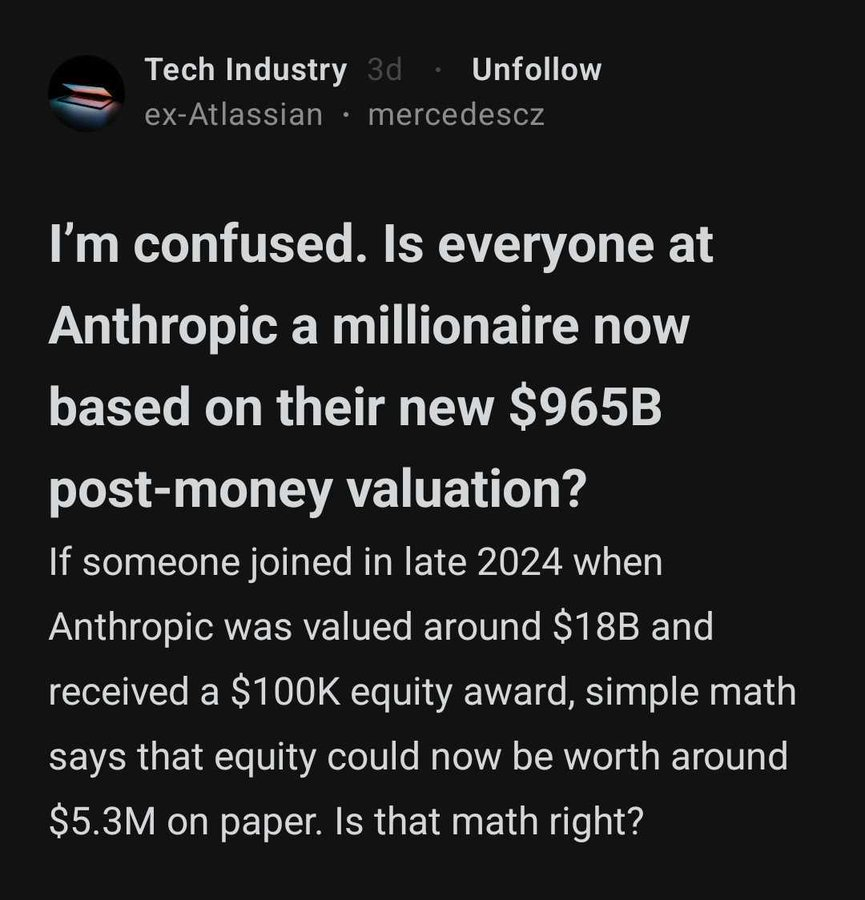
– Anthropic: raising at $965B post-money, up 53x from late 2024
– OpenAI: ~$100B at private market levels
That's a third of a trillion in fresh paper supply from four names alone.
Then there's the second wave.
An Anthropic employee who joined in late 2024 with $100K of equity is sitting on roughly $5.3 million on paper today. There are thousands like them at Anthropic, OpenAI, SpaceX, Databricks, Stripe, xAI.
Every single one is a future seller. At IPO, at lockup expiry, at the next tender. Founders, employees, and the earliest VCs are all trying to convert paper into cash at the same moment in history.
When the people closest to the asset are all sellers at the same time, the question isn't whether the technology works.
The question is who's left to be the bag holder.
This is what an exit liquidity avalanche looks like.
It doesn't crash a market in a day.
It bleeds it for years.
312
504
2,846
1,215,108
The longevity industry is starting to gain big momentum.
Are we going to see things like this become to AI what altcoins were to Bitcoin? 📈
I think absolutely yes.
BIG money is coming for life extension researchers.
@newlimit
7
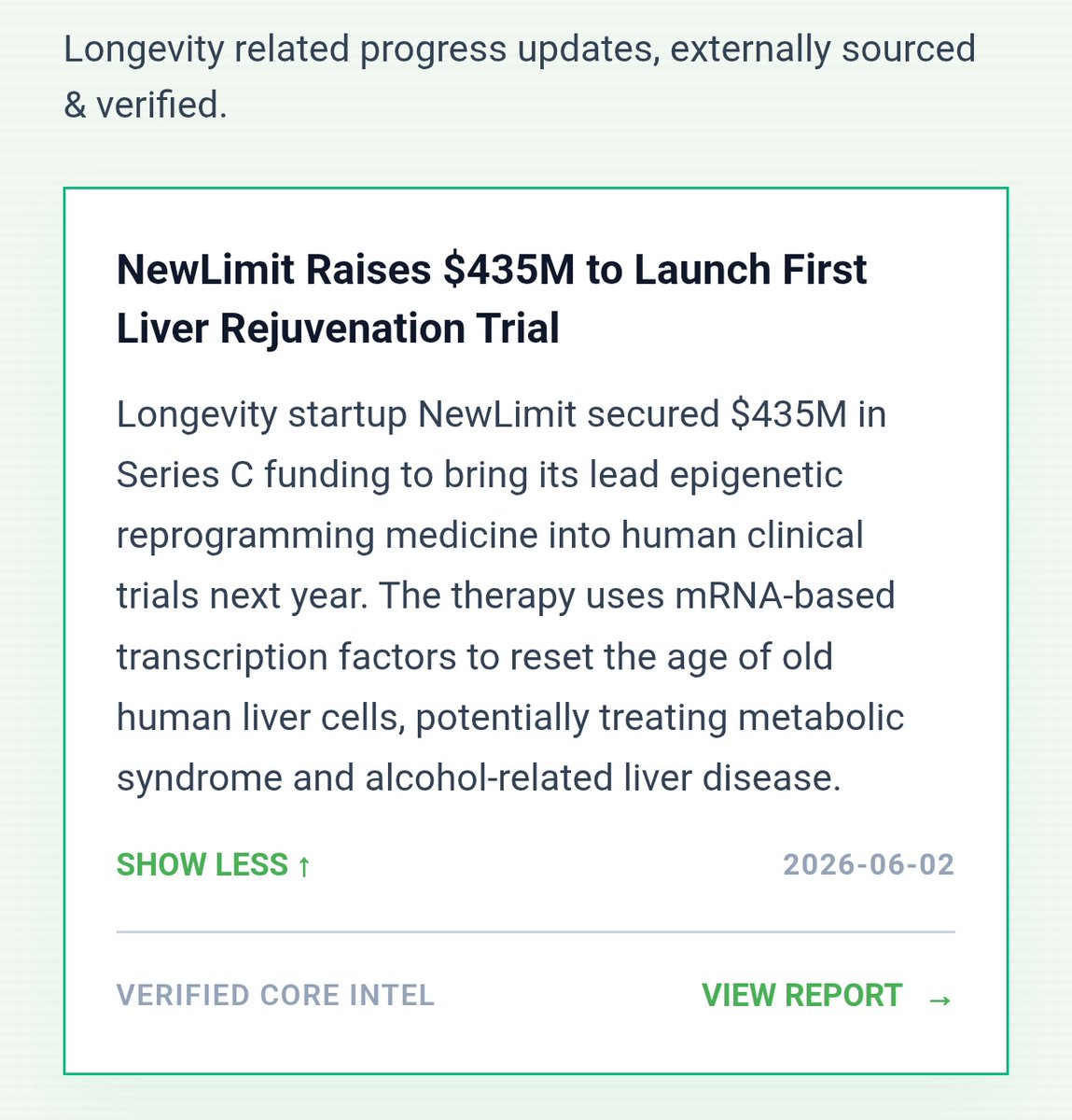
NewLimit, the anti-aging startup co-founded by Coinbase CEO Brian Armstrong, is up and running fast.
They focus on the reprogramming of our epigenetics to extend healthy lifespan.
Very exciting news.
Jun 2

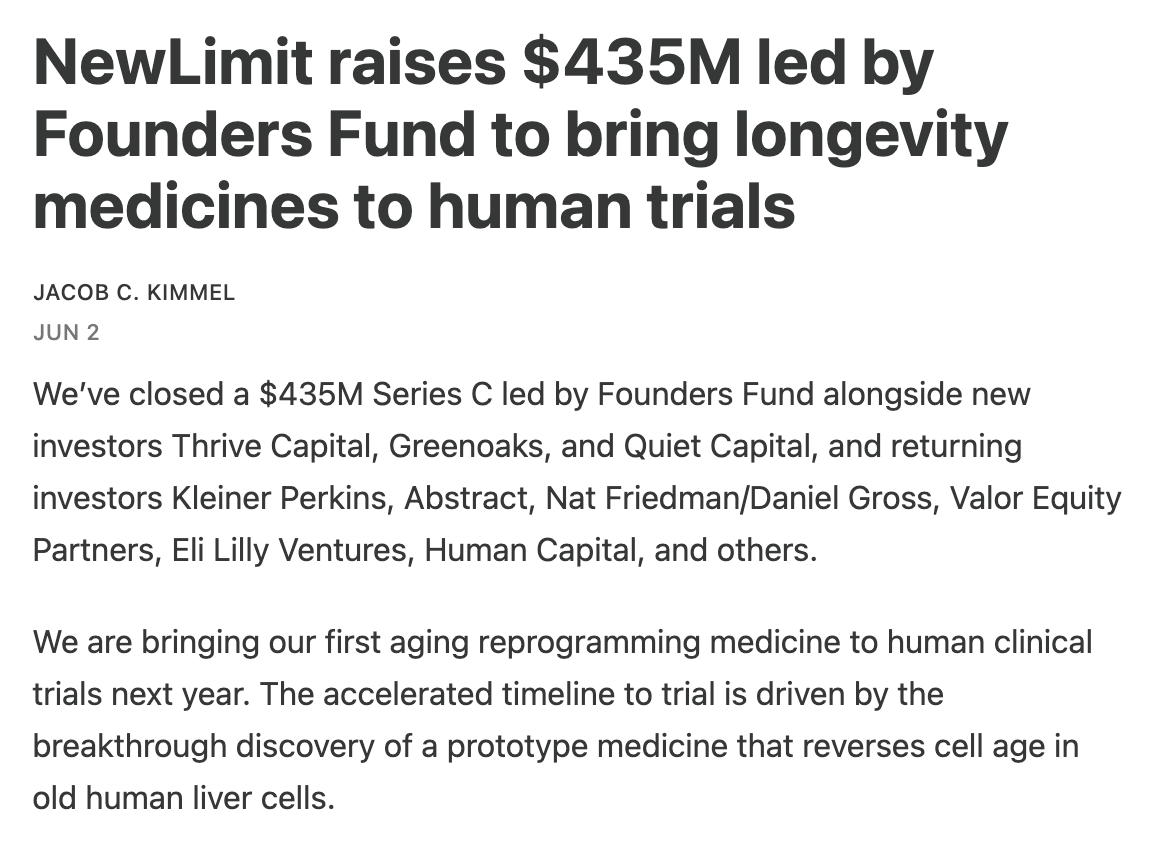
The aging research will continue. Thank you @foundersfund for leading, @ThriveCapital, @Greenoaks and @QuietCapital for joining and all our insiders for coming back.
42

Following breakthrough results, we’re bringing longevity medicine to human trials.
We’ve raised a $435M Series C led by @foundersfund to make it happen.
Reprogramming cell age has the potential to create more healthy years for everyone. We're closer than ever to realizing it.
120
422
3,321
2,022,143
Exploring Possibility retweeted

Jun 1
An app that spots all AI written text on social media and auto blocks the poster?
Social media is for human connection.
1
1
19