
Joined May 2024
- Tweets 1,744
- Following 637
- Followers 799
- Likes 1,437
609 Photos and videos




Pinned Tweet
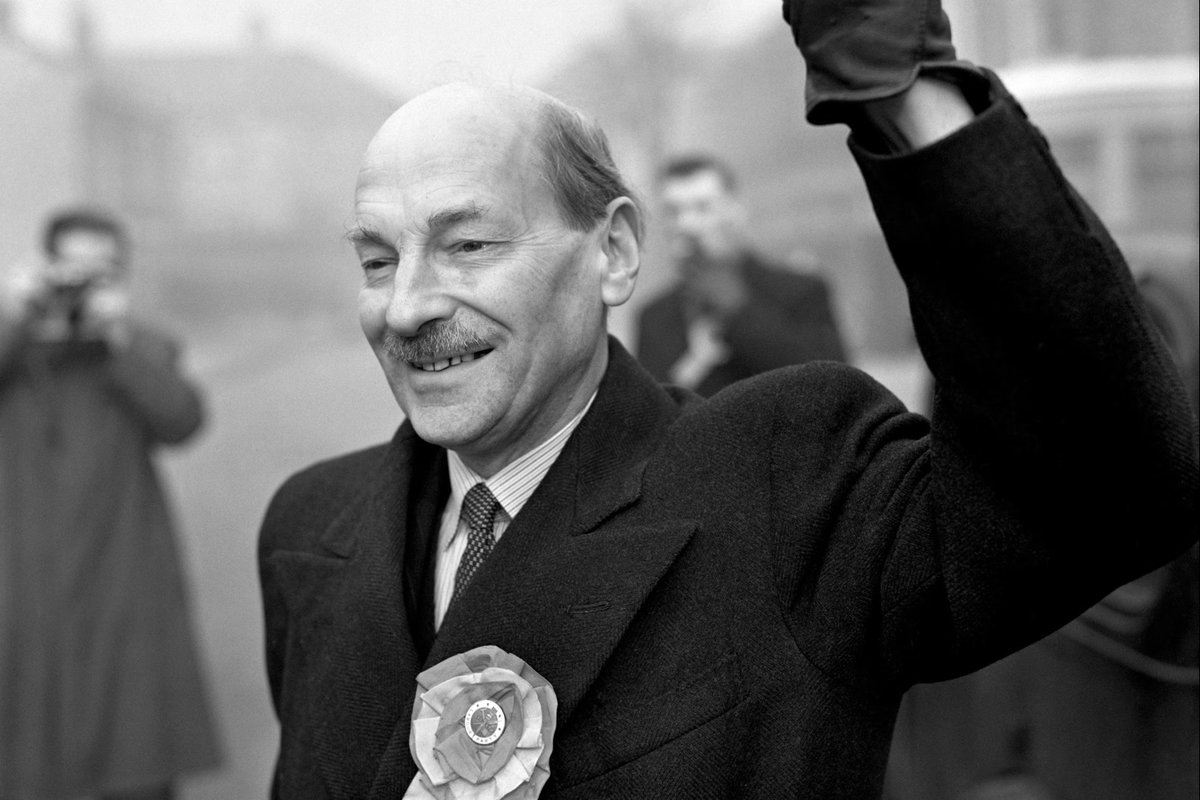
Clement Attlee ignored the Balance the Books BS after WWII.
Britain was in debt and on rations. But his government still spent big to create the NHS and a welfare state.
80 years on, those institutions still stand. But today's politicians refuse to follow in his footsteps.
110
501
1,118
143,852
Red Hot World retweeted

Jun 13
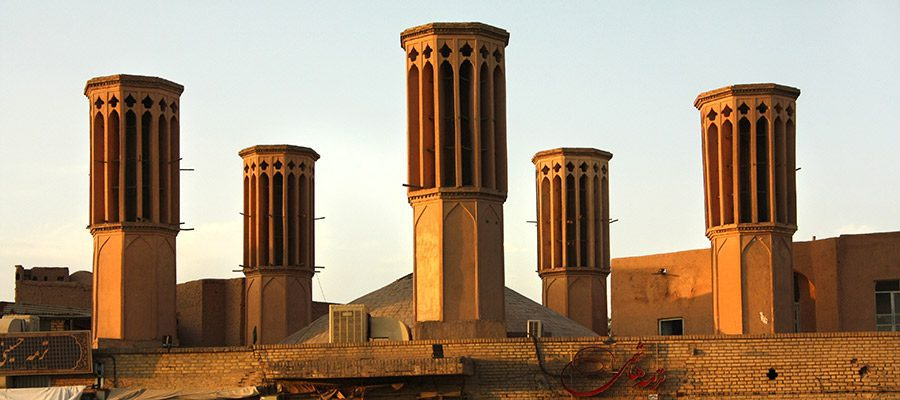
This Greek restaurant has no AC. It stays cool all summer on sea breezes alone, via fabric panels that scatter sunlight and move air around. Ancient Persians took the same principle so far they produced ice in 45°C (113°F) desert heat, without electricity.
The Persian wind catcher, known as a badgir (literally "wind catcher" in Persian), is one of the oldest cooling systems on earth. Archaeologists found evidence at Tappeh Chackmaq, a site near Shahrood, Iran, dated to roughly 3,000 years ago. They work on simple physics: a tower rises above the roofline, catches prevailing winds through angled openings, and funnels cooled air down into rooms below. Yazd, Iran still has 700 of them. UNESCO added the city to its World Heritage list in 2017, calling it "a living testimony to intelligent use of limited available resources in the desert." The Egyptians had their own version, the malqaf, shown in 1300 BCE artwork near Luxor.
Persians combined wind catchers with underground chambers to create the yakhchal, an ancient refrigerator. During cold desert nights, shallow pools of water froze solid. Badgirs then kept the chambers cold enough to store that ice through summer, in a desert regularly hitting 45°C. Inside, temperatures ran 15-20°C below the outdoor air, held there by thick insulating walls, steady airflow from the wind towers, and the cool ground beneath. This is how Persians made faloodeh, a frozen dessert, in a climate with no business producing frozen anything.
Willis Carrier designed the first modern air conditioning system on July 17, 1902, at a printing plant in Brooklyn. AC spread fast. Passive cooling vanished from new construction. Air conditioning and fans now consume 20% of global building electricity.
K-Studio, an Athens-based architecture firm, designed the Barbouni beach restaurant at Costa Navarino, Messinia. The fabric ceiling does two things at once: it breaks up direct sunlight before it heats the floor below, and its wave motion keeps air moving on top of basic convection (warm air rises, cooler outdoor air rushes in). K-Studio principal Dimitris Karampatakis: "We didn't want to have a static structure right in front of this dynamic landscape." Afternoon sea breezes at the Navarino coast arrive reliably each day, generated by land heating faster than the sea and drawing cooler air in from the water. The ceiling was designed around that daily rhythm.
Wind towers drop indoor temperatures by up to 22°F (12°C) with zero electricity and no maintenance. Yazd's badgirs have been running continuously for 700 years. A Greek restaurant just did a simpler version, and 324,000 people acted like it was a new idea.
Jun 12

A kinetic ceiling installation at Costa Navarino, Greece, designed by K-Studio for The Romanos resort, uses fabric panels that sway with sea breezes. The wave-like motion filters sunlight and enhancing natural airflow to keep the beachside restaurant cool.
12
318
1,552
125,702
Spain has bus stops that stay cool with zero electricity. Porous clay walls absorb rainwater then slowly release it as temperatures rise, chilling the air. It's how people in hot countries have cooled buildings forever. You can do it at home by watering plants in terracotta pots.
ALT a clay bus stop in Spain
3
4
13
114

Jun 13
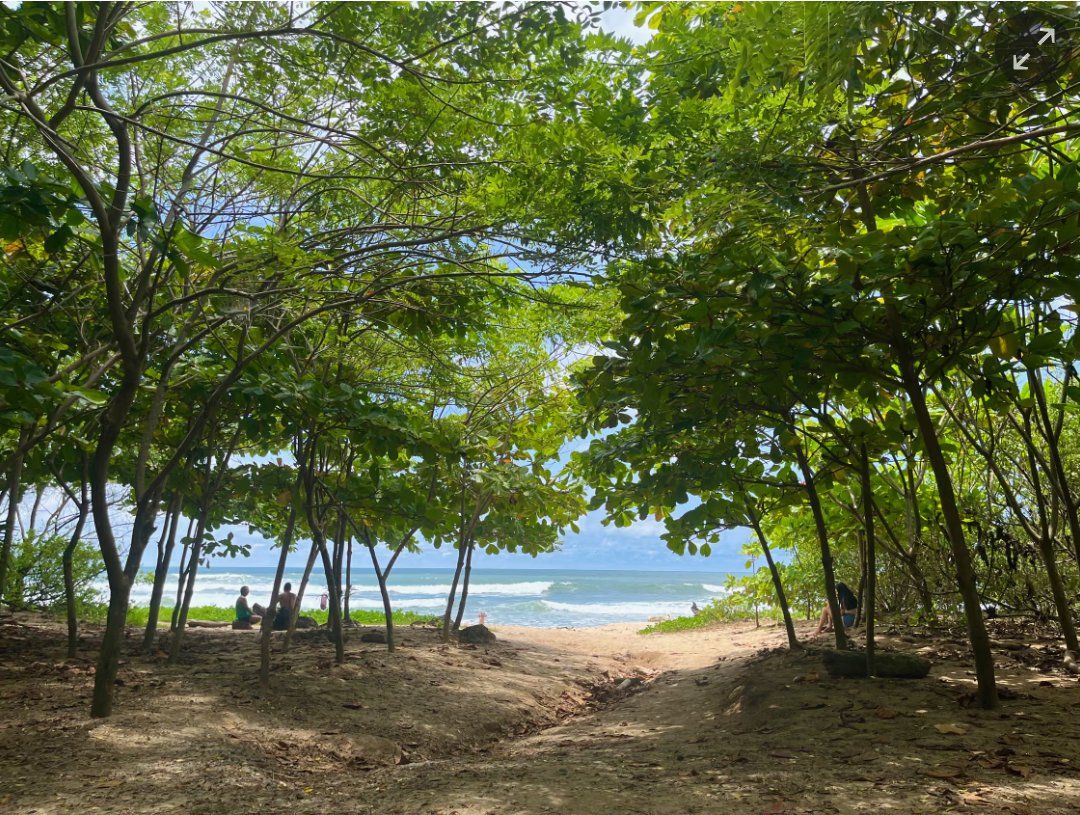
In 2009, a surfer called Max Tattenbach promised his girlfriend he would plant trees on a Costa Rican beach made shadeless and barren by years of cattle farming.
100,000 trees later and the howler monkeys are back.
Another world is possible.
ALT One of the paths to Playa Guiones, which has been transformed by reforestation efforts. Photograph: Handout
1
7
20
182
Jun 12
How do Rupert Murdoch and Viscount Rothermere brainwash Britain?
Through pluralistic ignorance.
Their papers convince you ordinary people hate climate action and wealth taxes.
In reality, huge majorities of Brits support both.
They need you to feel alone. You aren’t.
ALT Viscount Rothermere and Rupert Murdoch
3
3
72
Jun 11
The Global South is rising
Jun 10

🇸🇴 Nunca vi algo así. En Somalia hoy se llenó un estadio para recibir como héroe nacional a Omar Artan, el árbitro al que Estados Unidos le negó la entrada al Mundial. Increíble.
1
22
Jun 11
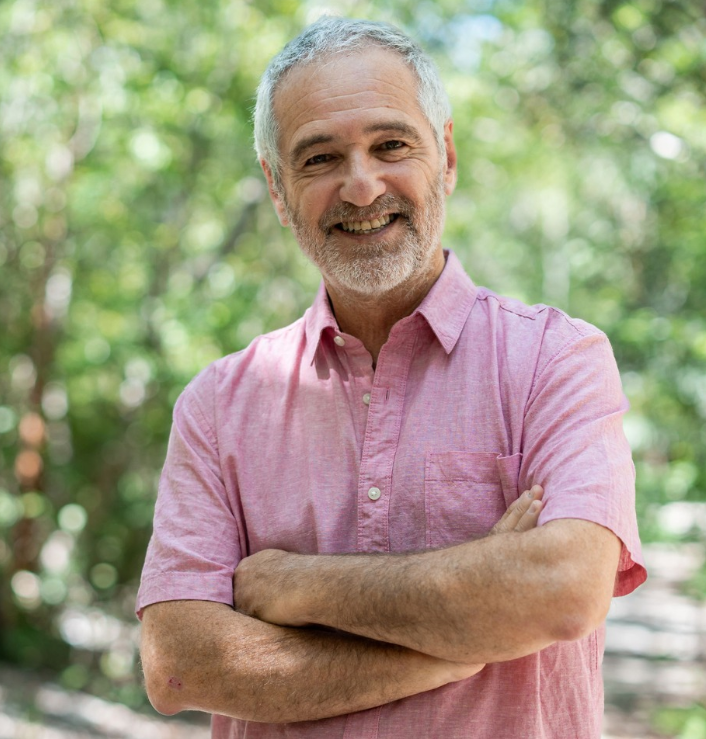
Ramón Méndez Galain was a physicist studying the Big Bang when Uruguay's president called in 2008: "Will you be our Energy Secretary?"
He said yes.
Within seven years, Uruguay was running on 98% renewable electricity.
No blackouts. Bills halved. 50,000 new jobs created.
ALT Ramón Méndez Galain with trees in the background
6
6
83
Jun 10
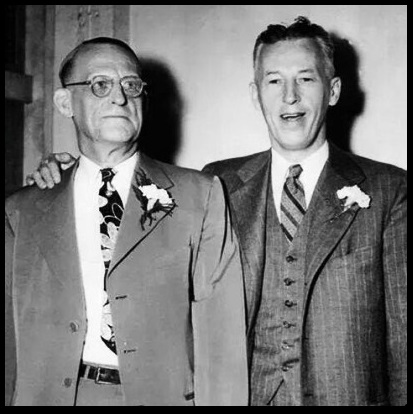
Bill Wilson tried psychiatry. Religion. Willpower. Nothing worked.
Then a stranger shared his story in a hotel room - and something shifted.
Alcoholics Anonymous - 90 years old today - now helps millions, not through therapy or drugs, but through radical honesty in community.
ALT Photograph of Alcoholics Anonymous founders: Dr Robert Holbrook Smith, or ‘Dr Bob’, (left) and Bill Wilson, ‘Bill W’ (right) (1930s)
1
6
46
Red Hot World retweeted

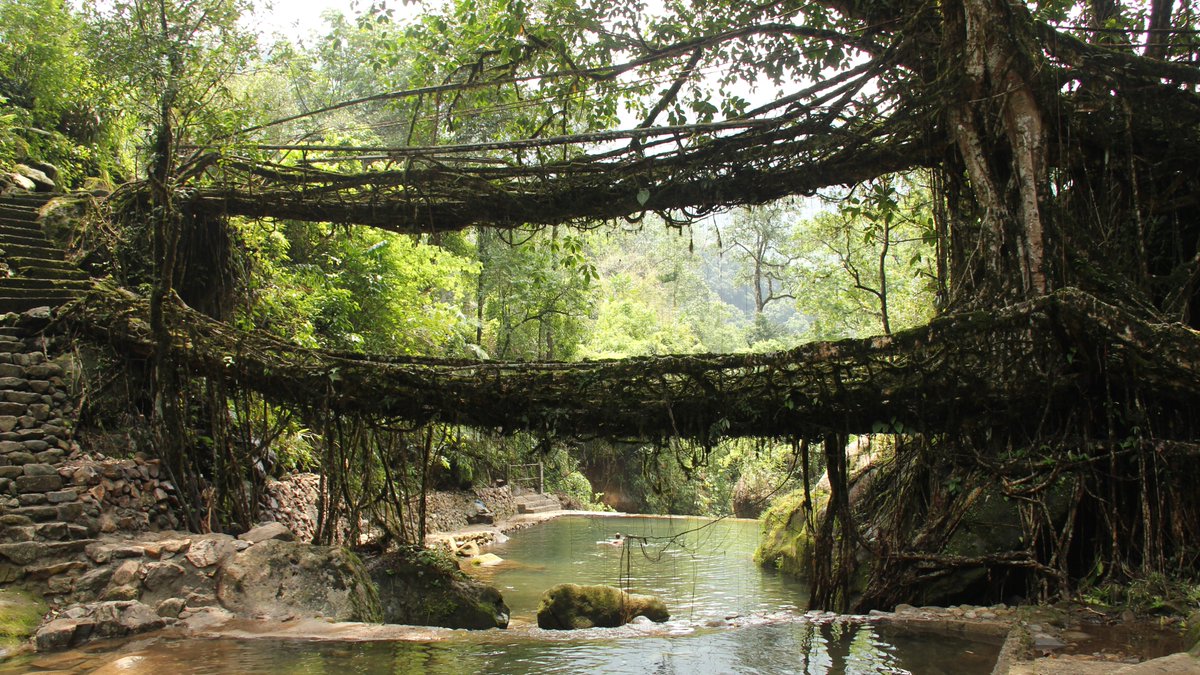
In one of the wettest places on Earth, people grow their own bridges.
In Meghalaya, in northeast India, the monsoon rots wood, rusts metal, and swells rivers into something potentially deadly. So for centuries the Khasi and Jaintia people have done something else.
They take the living aerial roots of a rubber fig tree, guide them across the river on bamboo scaffolds, and wait. Over fifteen or twenty years the roots reach the far bank, dig in, thicken, and fuse into a living bridge.
These are real, working bridges. Some run over a hundred feet, some are stacked into double-deckers, and some are estimated to be more than 500 years old and still carry dozens of people at once. Researchers who surveyed more than seventy living root structures found that they keep getting stronger.
Unlike most conventional bridges, which slowly deteriorate and require repairs, a living root bridge can continue thickening and strengthening as long as the tree remains healthy.
The people who begin one often do so knowing that future generations will benefit even more than they will. They grow it for their grandchildren, the way someone once grew the one they use today.
11
183
898
15,761
Red Hot World retweeted

It is not just the far right. It is the media themselves, including the so-called progressive ones.
Violence in Britain has fallen 83% since the mid-1990s. Burglary 86.6%. Vehicle theft 86.4%. ONS, Crime Survey for England and Wales, forty years of data.
89.5% of prisoners serving for violence against the person are British nationals. 89.4% for sexual offences. 73% of the prison population is white.
Convictions by ethnicity are 84% white, matching population share almost exactly. Violence is the largest arrest category at 47%, and the MOJ confirms this is "broadly consistent across ethnic groups".
The disproportionality is in drug offences and weapons possession, not violent crime.
The Oxford Migration Observatory found that controlling for age and sex, foreign nationals are underrepresented in prison: 3,193 fewer than demographics predict.
The LSE found "the increase over time in offending is much stronger among the British than the Foreigners. Indeed there is essentially no change in the violent incarceration rate of foreigners over the whole period in spite of the two large immigrant waves that occurred".
A study of 55 countries over three decades (Journal of Economic Perspectives) found no correlation between immigration and crime. Homicide fell by a third globally from 1990 to 2019 while the immigrant population grew by two thirds. A separate analysis of 216 regions across 23 European countries found "no significant link between immigration levels and crime rates".
Yet the public believes the opposite. A MORI survey found the British public believed 23% of the population was foreign born. At the time, the actual figure was around one in nine. The public perceives the most negative impact of immigration to be crime. The data says foreign nationals are underrepresented in violent crime. That gap is not an accident. It is a product.
Violent crime is over 60% of tabloid crime coverage despite being 20% of reported crime. An analysis of 402,819 articles found the immigration-crime link in public perception exists because of selective coverage and breaks when native criminality is given equivalent prominence.
Arendt (2010) found over-representation of "foreign crime" articles directly led to readers overestimating foreign offenders.
Blinder and Jeannet (2017, British Journal of Political Science) showed media depictions directly affect the accuracy of British public perceptions.
The Erasmus study found coverage "disproportionately focused on crimes involving immigrants, fueling misconceptions even when data showed no substantial increase". A CEPR study found this coverage directly increased populist voting by 5%.
And it is not just the tabloids. Conservative papers focus on immigrant crime. Liberal and progressive papers focus on "group-related problems". Both frame immigration through threat.
A study of 40,000 articles found systematic bias against Muslims across UK media. The BBC, Sky, ITV, the Times, the Guardian: they all amplify crime when the perpetrator is an immigrant or non-white, not because it is more common, but because it is more engaging.
A domestic murder in Sunderland does not get 3.4 million views. A white British man who commits one of the nine out of ten violent offences in this country does not trend.
The result: a population that believes crime is rising when it has collapsed, believes immigrants are dangerous when they are statistically less so, and believes the country was safer decades ago when every dataset says the opposite.
The far right did not build this machine. The media did. The far right just learned how to drive it.
Jun 9

The big change in Britain isn't rising violence.
All statistics show that violence has fallen steeply.
It's that the far-right uses social media to selectively weaponise crimes if they can stoke division, fear and indeed violence.
42
428
1,224
96,081
Red Hot World retweeted

Jun 9
This is biblical.
A woman in her eighties. Ten years into Alzheimer's. Hadn't spoken a full sentence in five years.
Takes one, 5 gram dose of psilocybin.
She slept 19 hours and woke up and spoke for hours about her life, recognized family and held real conversations. She regained bladder control after five years, walked on her own. and dressed herself. Gains held for weeks.

1,275
8,721
75,181
3,595,376
Jun 10
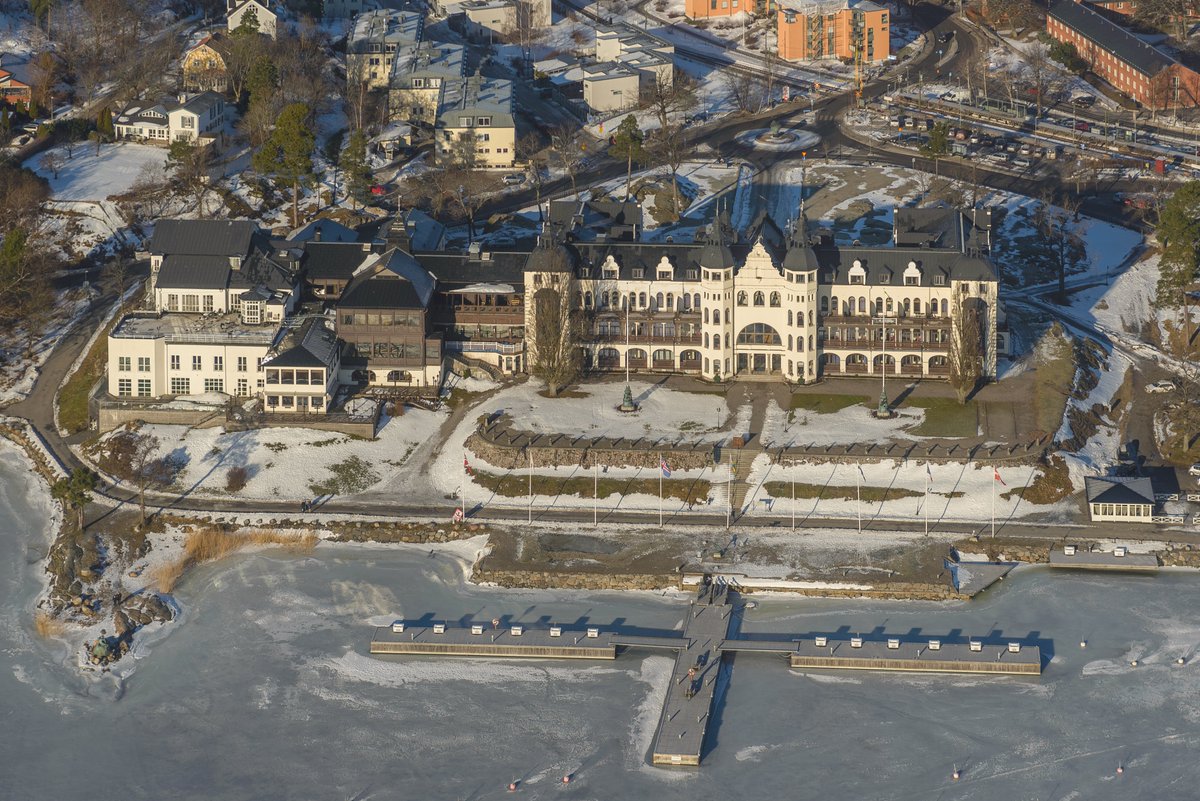
Sweden taxes income up to 57%. It taxes wealth/inheritance/gifts at zero. One family - the Wallenbergs - owns 40% of the stock market, a dynasty dating to the 1850s. Profits go into a foundation that funds science. So the rich can avoid wealth taxes - by giving their money away.
ALT Grand Hotel Saltsjöbaden; built in 1890s by the Wallenberg family photo by Arild Vågen
1
28
Marilyn Monroe was under FBI surveillance for years. She met Khrushchev. Married Arthur Miller when McCarthy's men were circling him. Made Ella Fitzgerald a star. Built her own production company in an industry that wanted women owned.
They sold you the icon and hid her beliefs.
ALT Ella Fitzgerald and Marilyn Monroe
3
98
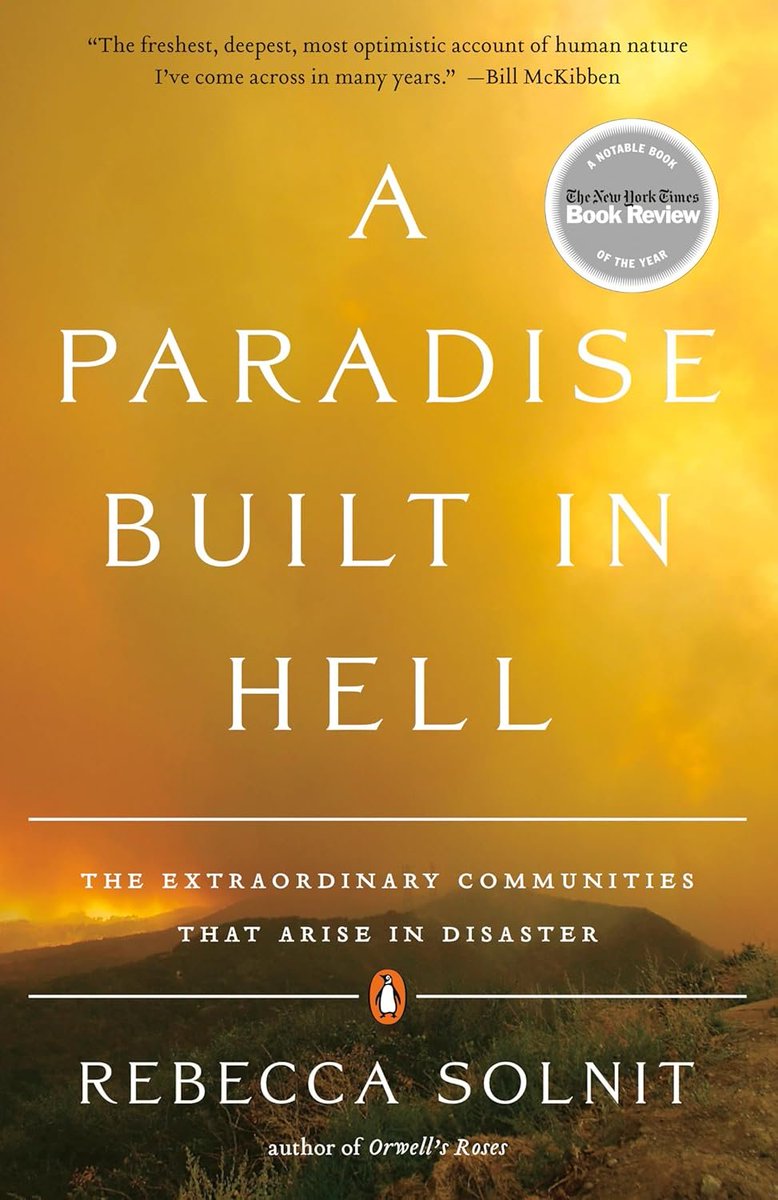
Hollywood taught us that when disaster strikes, humans turn on each other. That civilisation is just a thin veneer over our true, savage nature.
Rebecca Solnit spent years studying actual disasters. She found the opposite.
People turn to each other.
Communities stand together.
ALT front cover of A Paradise Build In Hell: The Extraordinary Communities That Arise In Disaster
2
22
Red Hot World retweeted
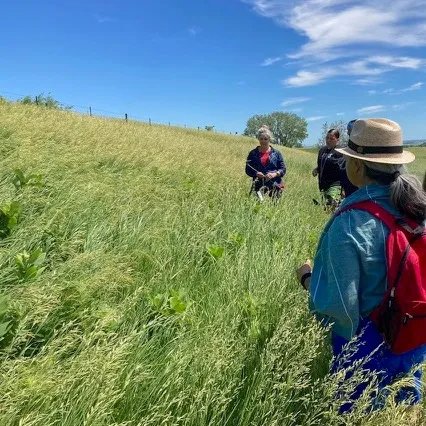
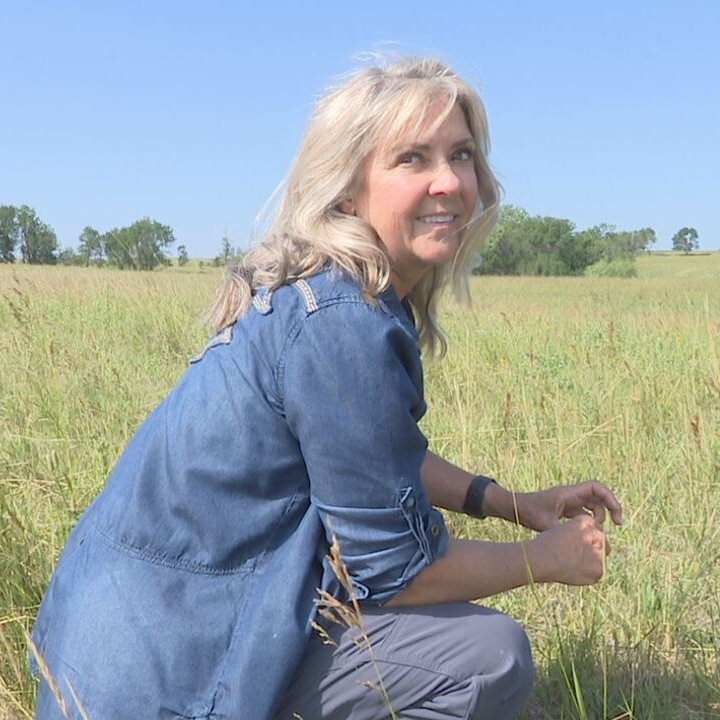
An Iowa woman moved to South Dakota to single-handedly save 950 acres of native prairie.
Her name is Tracy Rosenberg. She grew up on an Iowa farm in a state that had once been 85% Northern Tallgrass Prairie. By the time she graduated high school, that number was down to one-tenth of one percent.
She spent 35 years in Des Moines. A divorce forced the sale of the small farm she'd been planning to convert. She started looking for native prairie to buy in Iowa, but there wasn't any left to find.
Then she read a 2012 Star Tribune article about prairie conservation that mentioned Pete Bauman, an ecologist with the Nature Conservancy working in the Dakotas.
She emailed him. Within an hour, he wrote back and told her that the Benedictine monks at Blue Cloud Abbey near Marvin, South Dakota, were closing and selling their land, including some of the last unplowed native sod in the state.
So she packed up and moved to a place she had never been.
In 2013, Tracy bought almost 1,000 acres of virgin tallgrass prairie. She named it Abbey Grasslands of the Prairie Coteau. Then she got to work with prescribed burns, intensive rotational grazing, and integrated pest management.
She's spent the last 13 years restoring degraded sections and protecting the intact ones. The federally threatened Dakota Skipper butterfly, gone from most of its historic range, has been documented on her land.
Tracy received the USDA NRCS Earth Team Individual Award and was named Conservationist of the Year by the National Organization of Professional Women.
She gives talks at national prairie conferences, hosts educational tours for ranchers and tribal college students, and runs the property as a working classroom.
Less than 4% of America's tallgrass prairie remains. The nearly 1,000 acres Tracy is protecting is some of it.
61
886
4,122
53,823
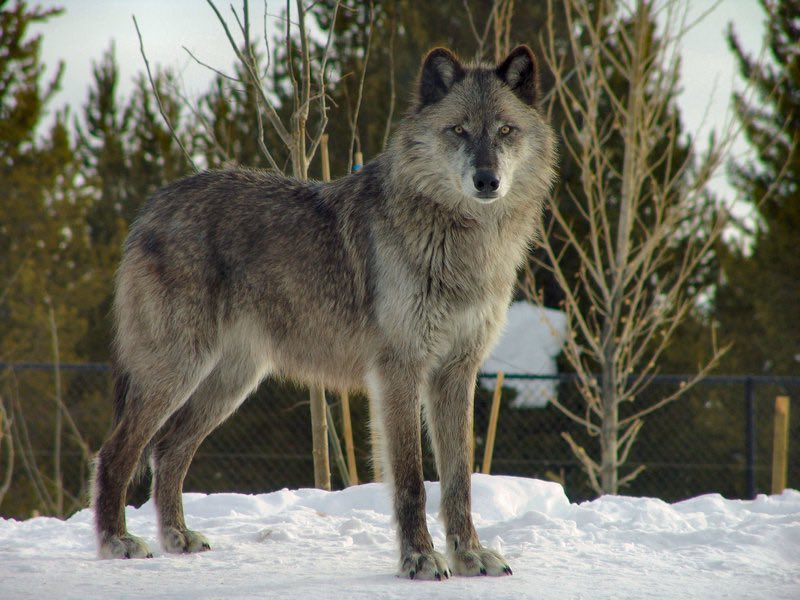
Wolves were reintroduced to Yellowstone National Park in 1995 but no-one was expecting what came next. 🐺
• Forests regrew
• Rivers reshaped themselves
• Birds, beavers and wildlife returned
• Tourism and local jobs surged
When nature heals, everything changes.
ALT A wolf in Yellowstone
1
5
77
Red Hot World retweeted

Jun 5
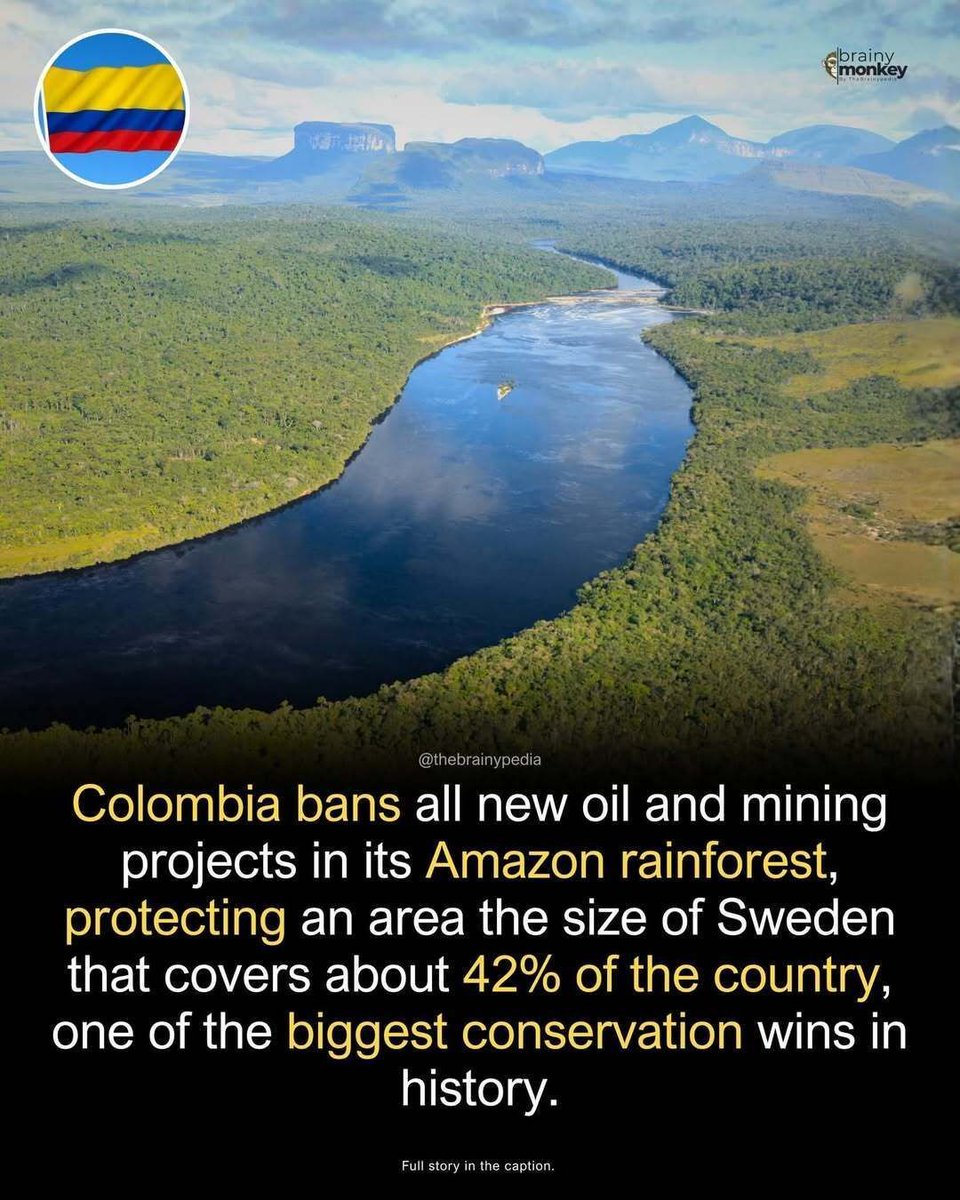
BAM! Colombia has announced a historic ban on all new oil and large-scale mining projects in its part of the Amazon Rainforest, protecting an area roughly the size of Sweden. 🌿
Experts say the move could help protect one of the planet’s most important ecosystems—often called the “lungs of the Earth.” 🌎🌳
Nature is amazing. Protect it.
#ActOnClimate #nature
65
1,476
3,264
24,055
Red Hot World retweeted

Jun 5
Cuba helped several African countries in their liberation struggles against brutal colonial occupiers, including against the apartheid regime in South Africa which the US backed and supported. That’s what he means by “radical left-wing terrorism”, just to be clear.

For decades, Cuba has been the world capital for radical left-wing terrorism. The regime in Havana has recruited, trained and backed violent Marxist and third-worldist movements across our hemisphere and beyond. Today, we are targeting the network that enables and funds Cuba's subversive and radical operations.
Pursuant to sanctions authorities created by President Trump’s groundbreaking Cuba Executive Order, I am designating the following entities:
1. Ministry of the Revolutionary Armed Forces of Cuba (MINFAR)
2. Cuban Institute of Friendship with the Peoples (ICAP)
3. Amistur Cuba S.A.
4. Committees for the Defense of the Revolution (CDR)
5. Minera La Victoria S.A.
Anyone providing services to these sanctioned actors is at risk of sanctions themselves. Foreign banks and other companies that provide services to these entities should freeze those activities.
The Trump Administration will no longer tolerate radical Marxist regimes in our hemisphere seeking to threaten U.S. national security and engage in influence operations to export their poisonous and evil “revolution” to our country and around the world.
26
1,555
4,122
76,067
Red Hot World retweeted
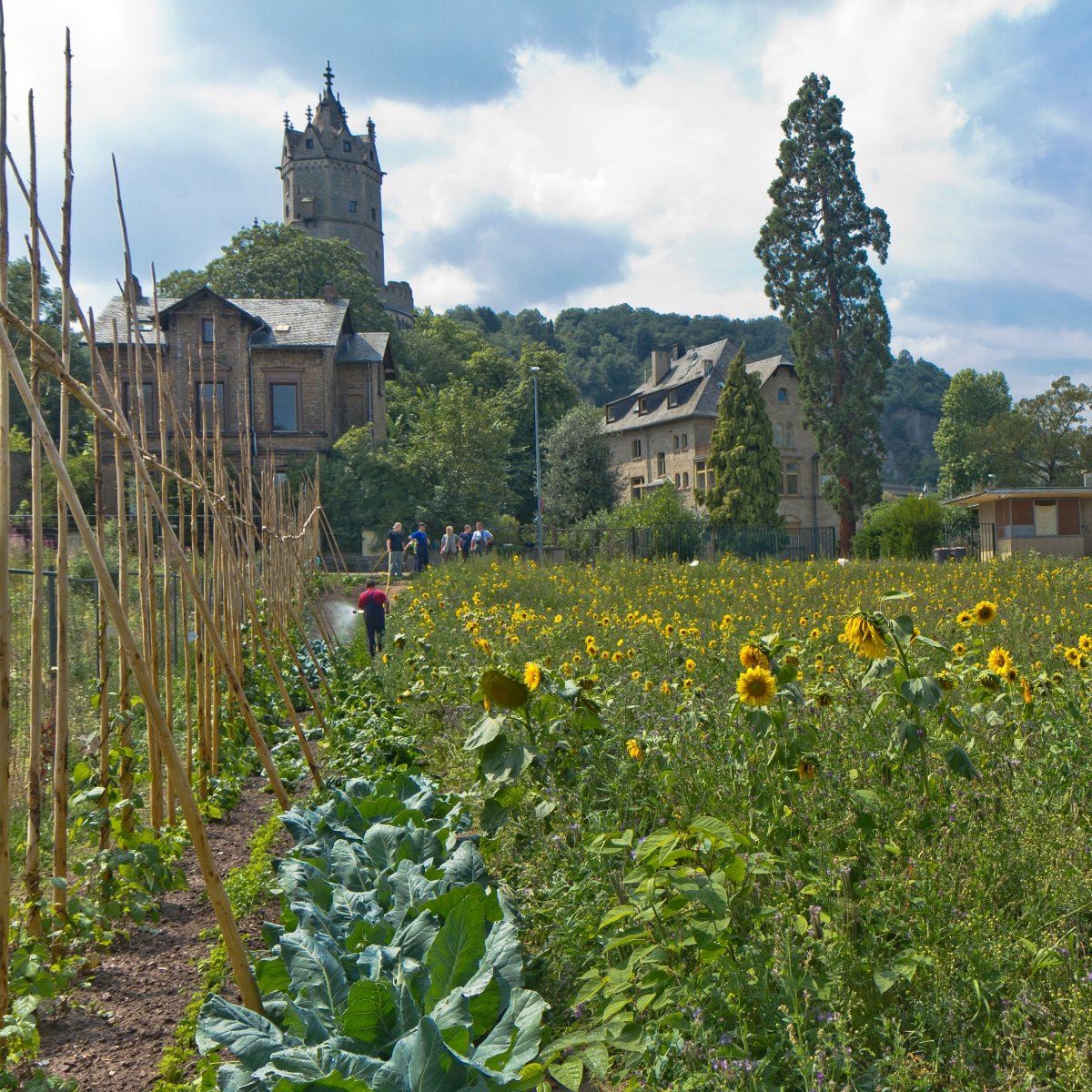
In 2010, Andernach, Germany planted 101 varieties of tomatoes in the town center and told everyone to take whatever they wanted.
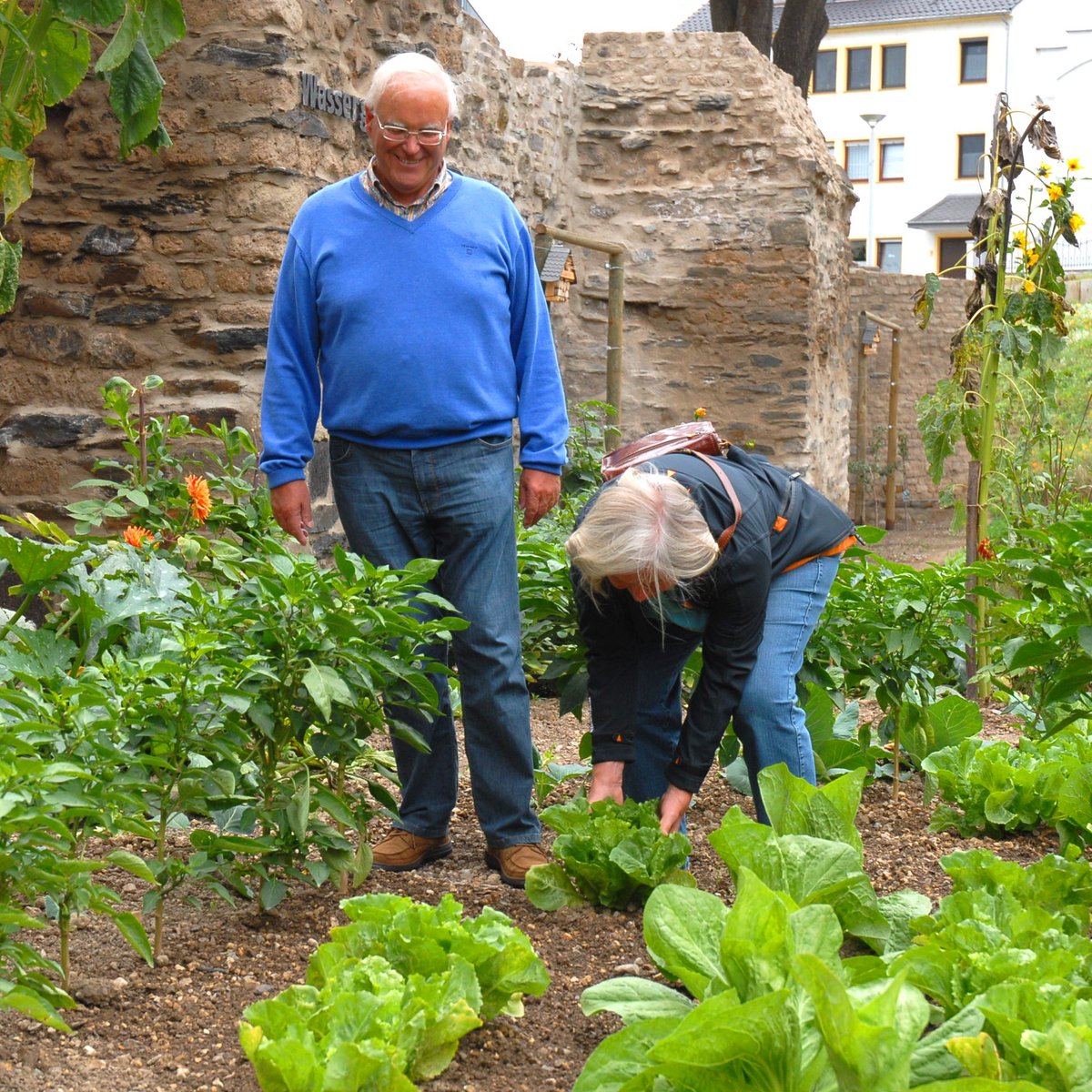
It was so popular that they did it again, adding beans the next year. Over time, they added onions, fruit trees, lettuce, zucchini, berries, and herbs, all free to the public and maintained by the city.
Andernach is now nicknamed the "edible city." And they're not alone.
Philadelphia has been doing a version of this since 2007. The Philadelphia Orchard Project has helped establish 67 sites across the city with thousands of food-bearing trees.
Baltimore is planting fruit trees on sidewalks. Seattle, Boston, San Francisco, and Asheville all have public urban orchards.
A mature apple tree produces 400-500 pounds of fruit per year. A mature pear tree can produce for 75 years.
Cities pride themselves on their tree cover. We've decided that trees are important, but we haven't fully decided those trees should feed people yet.
Would you support urban fruit trees and vegetables in your city?
73
962
3,276
45,815
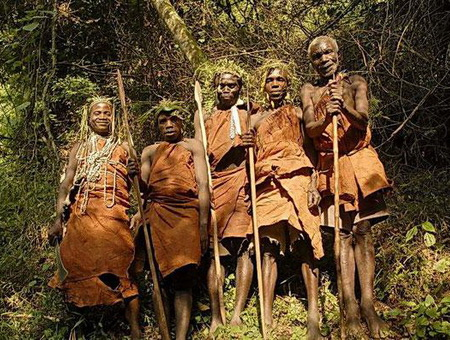
The Batwa people of Uganda lived in the forests of East Africa for 60,000 years. Hunters, healers and ecologists with knowledge built across thousands of generations.
One of the oldest continuous human populations on Earth - until 1991 when the government kicked them out.🧵
ALT five Batwa people in traditional brown clothes in the forest
1
2
62
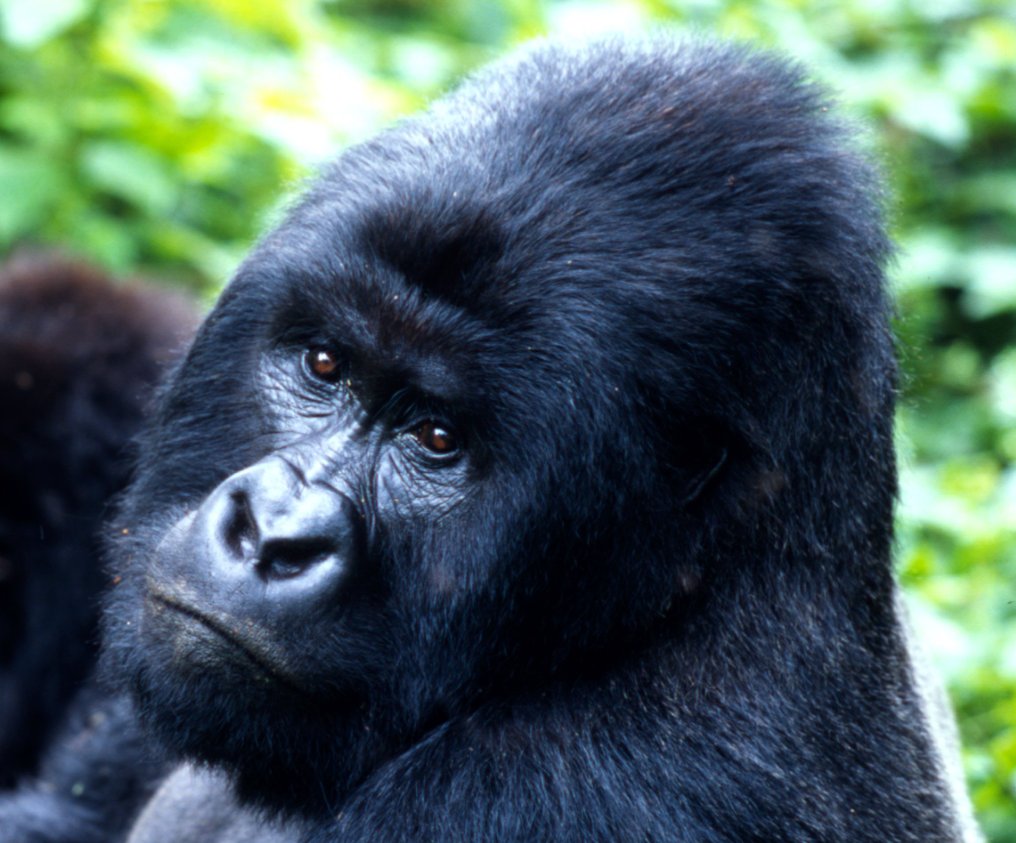
Why? To create national parks for mountain gorillas.
A cruel irony: the people who actually were the forest's guardians, expelled so tourists could watch wildlife.
Today the Batwa are the poorest ethnic group in East Africa. No land. No healthcare. No safety net.
ALT a mountain gorilla in Uganda
1
45
Now Uganda has an Ebola outbreak. No approved vaccine exists for this strain.
For most people, that's a public health emergency. For the Batwa - overcrowded, no clean water, no savings, excluded from health systems - it could be a death sentence.
Help: goto.gg/f/78497
83