
Joined November 2023
- Tweets 19,200
- Following 286
- Followers 3,046
- Likes 12,411
2,888 Photos and videos



Pinned Tweet

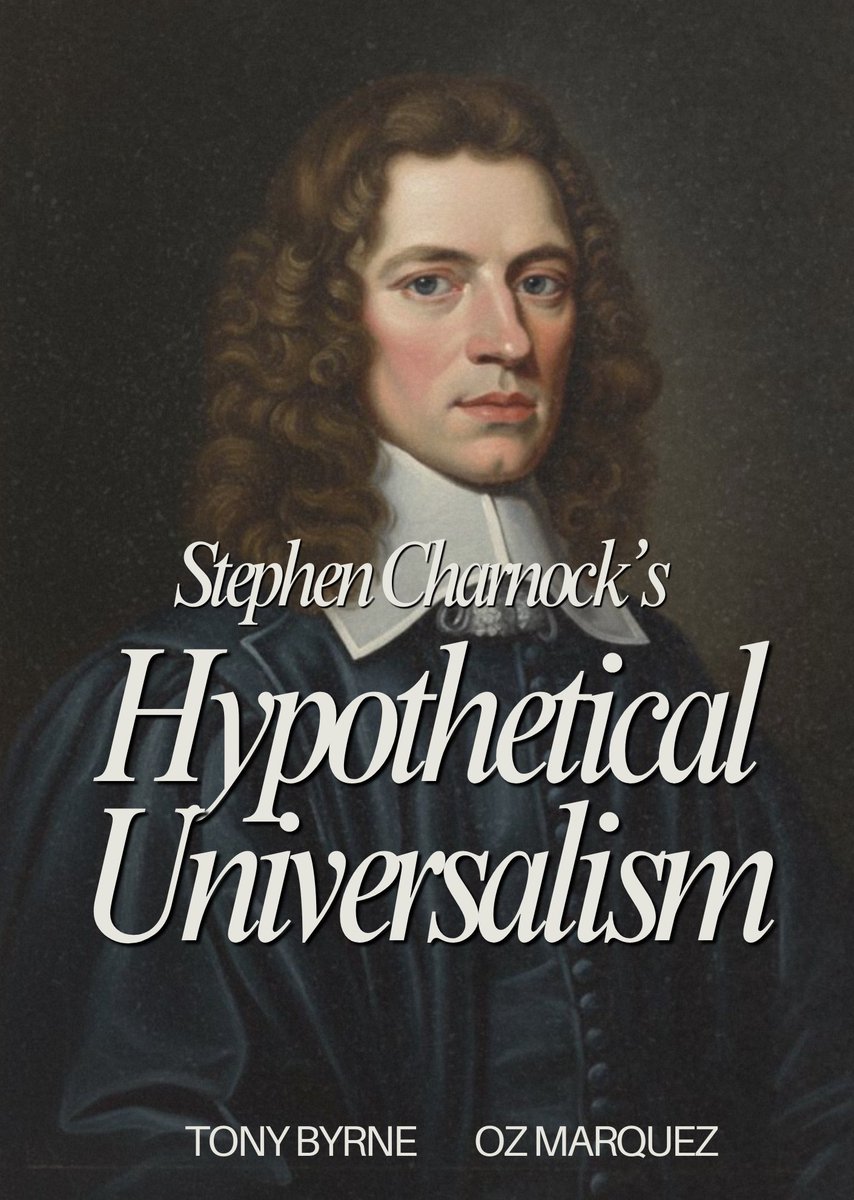
Tony (@_TheoMed) and I have significantly updated the file on Charnock’s Hypothetical Universalism. It now appears more like a small book, with a table of contents and chapters with an expanded section of Charnock’s Two-fold reconciliation view.
Link in the comments.
6
5
28
3,169
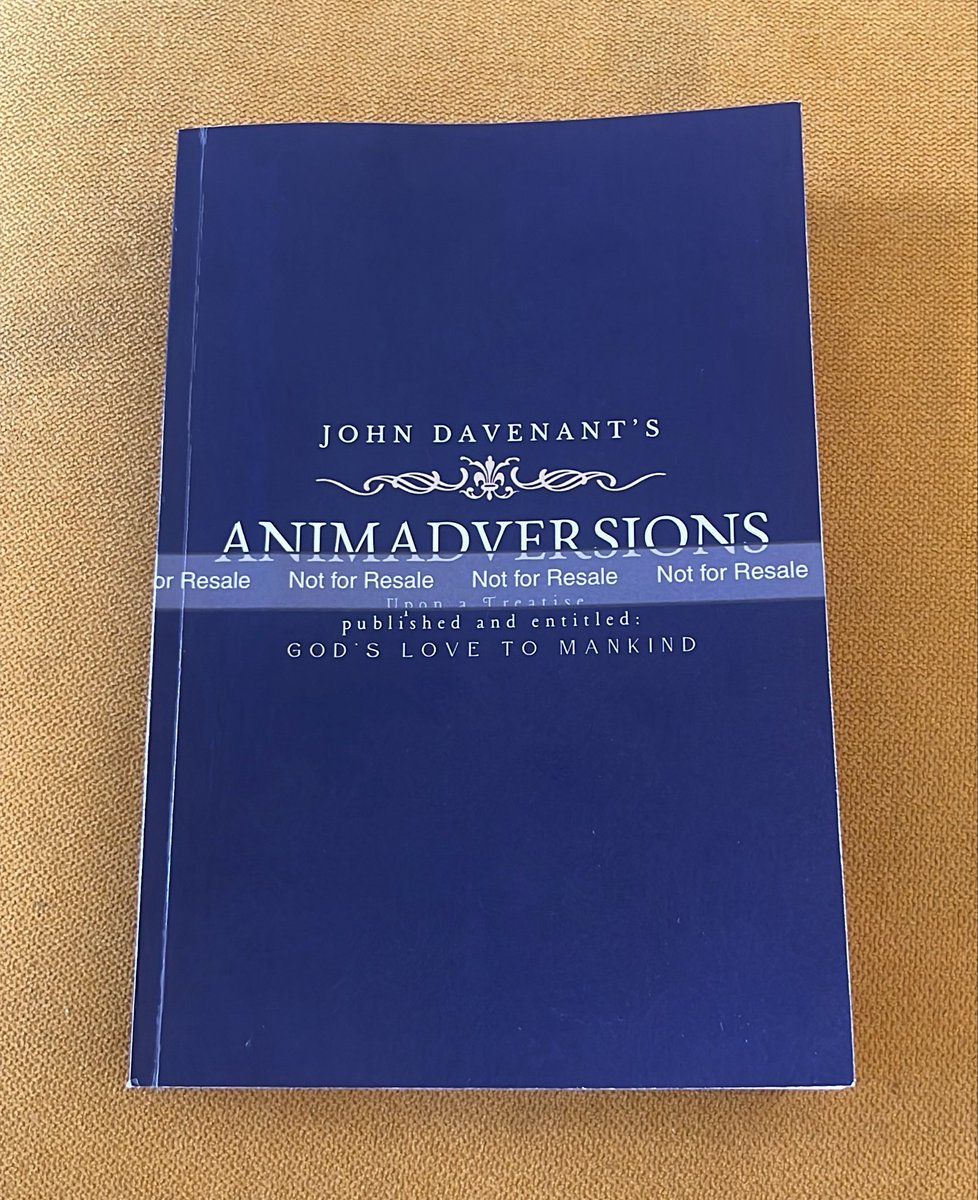
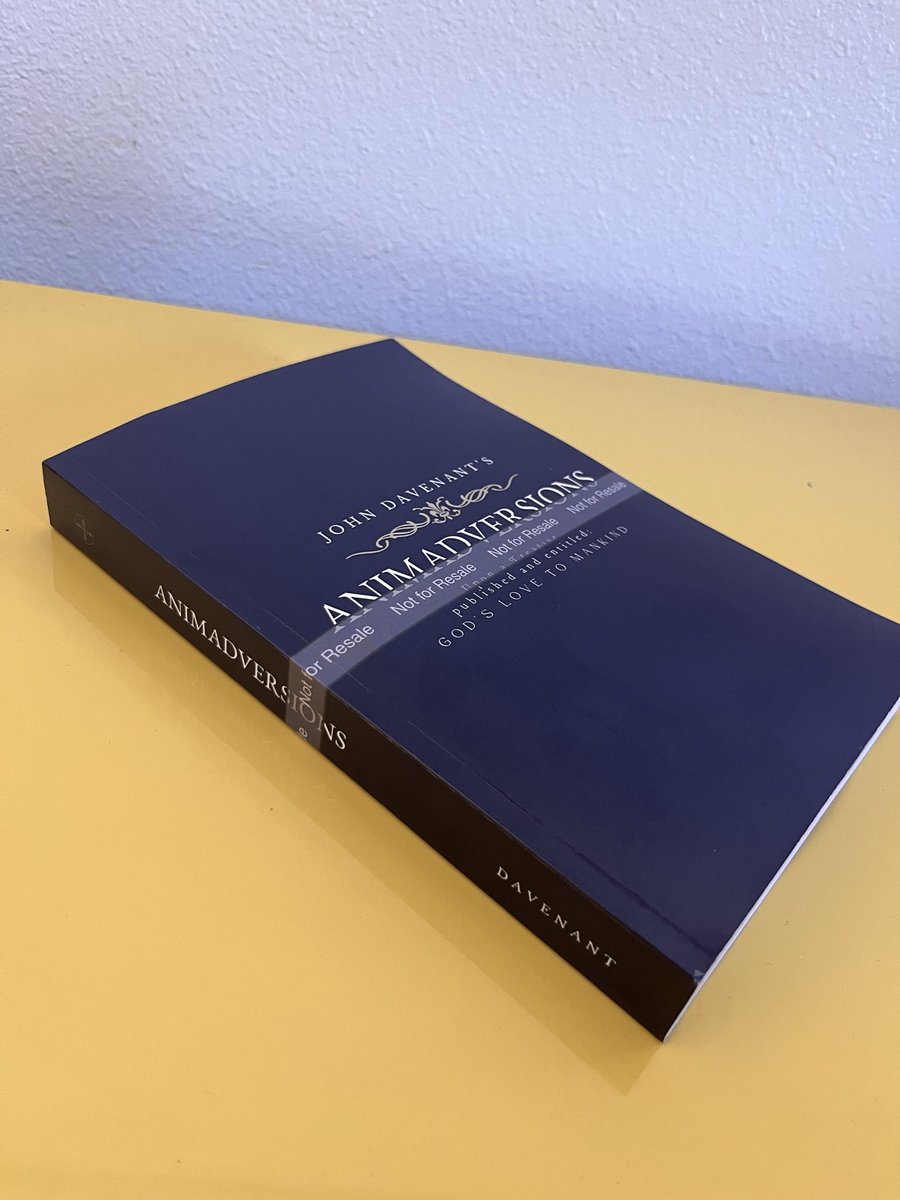
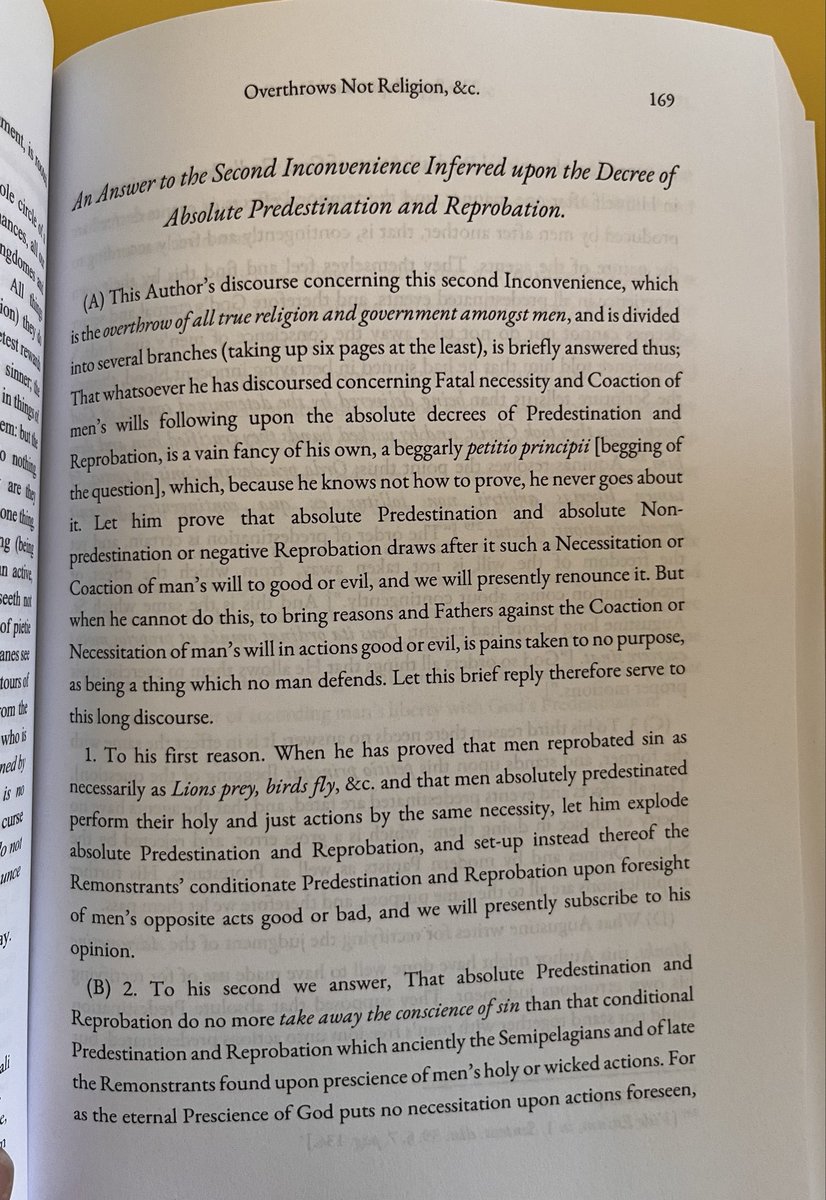
This work by Bishop John Davenant, delegate to the Synod of Dort, is the only book you need to understand the Reformed doctrine of election & reprobation. It answers virtually all of the common objections raised against the Reformed/ Augustinian understanding of predestination.
Jun 13

The Pelagians and Remonstrants have already been refuted. IMHO, there is no need to keep engaging in the same arguments. Simply point people to those refutations. If they refuse to acknowledge their own positions, shake the dust; you’re not going to convince them.
1
9
384
THE best defense of election and reprobation against its most common criticisms is soon coming to print through Reformed Retrieval Publications. The archaic English has been carefully modernized, making this important work more accessible to a new generation of readers.
4
11
390

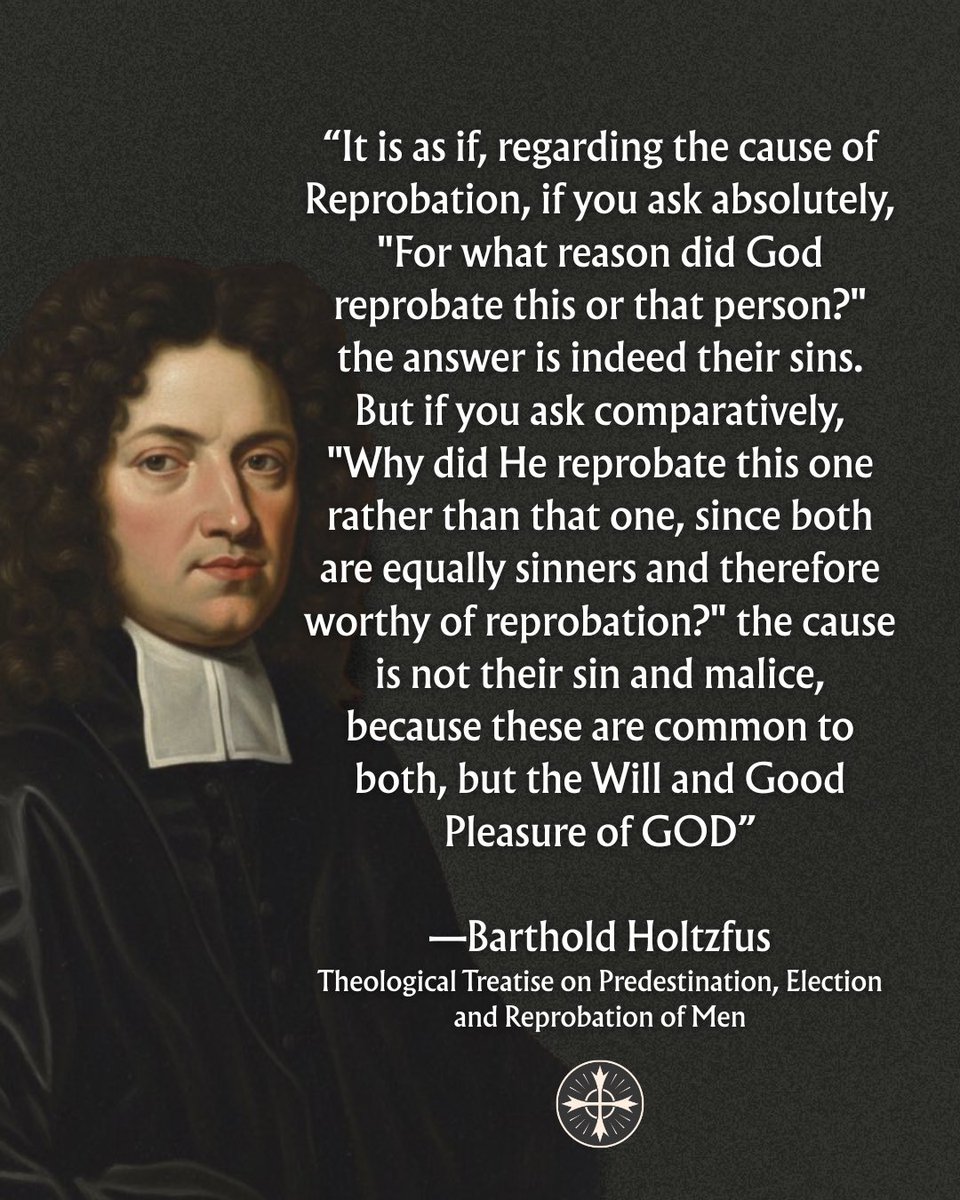
Reformed professor Barthold Holtzfus on the reason for reprobation/preterition.
1
1
260
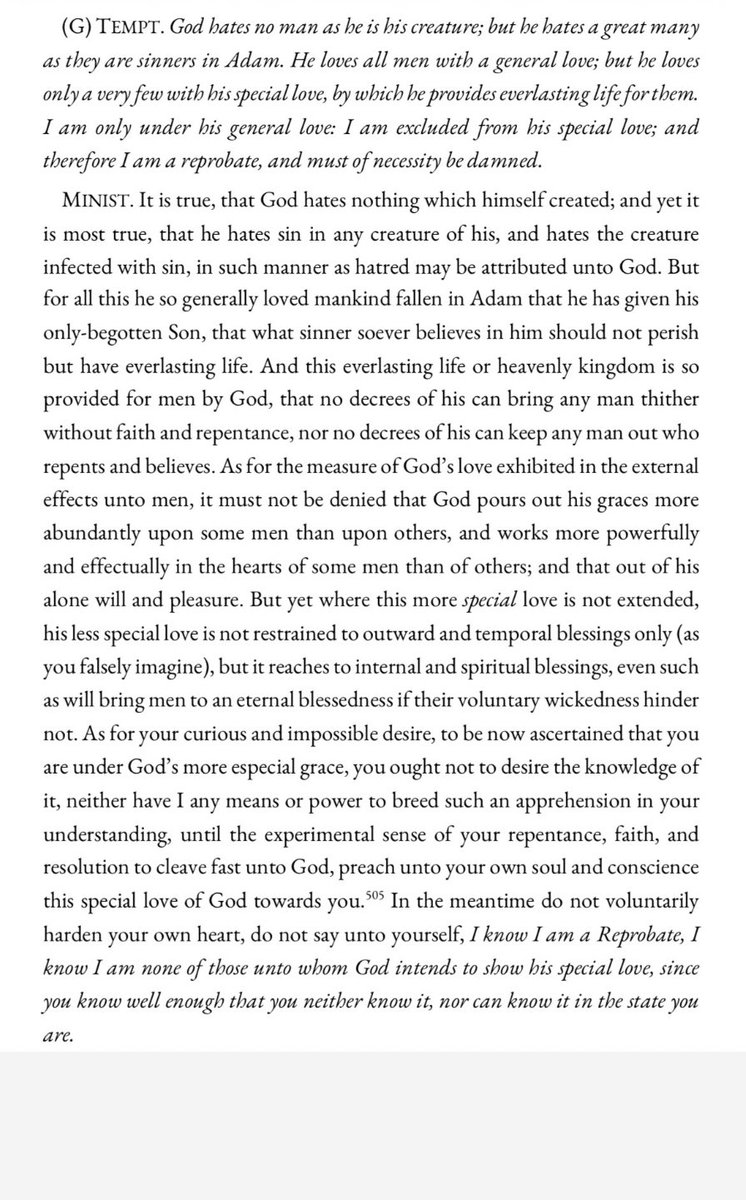
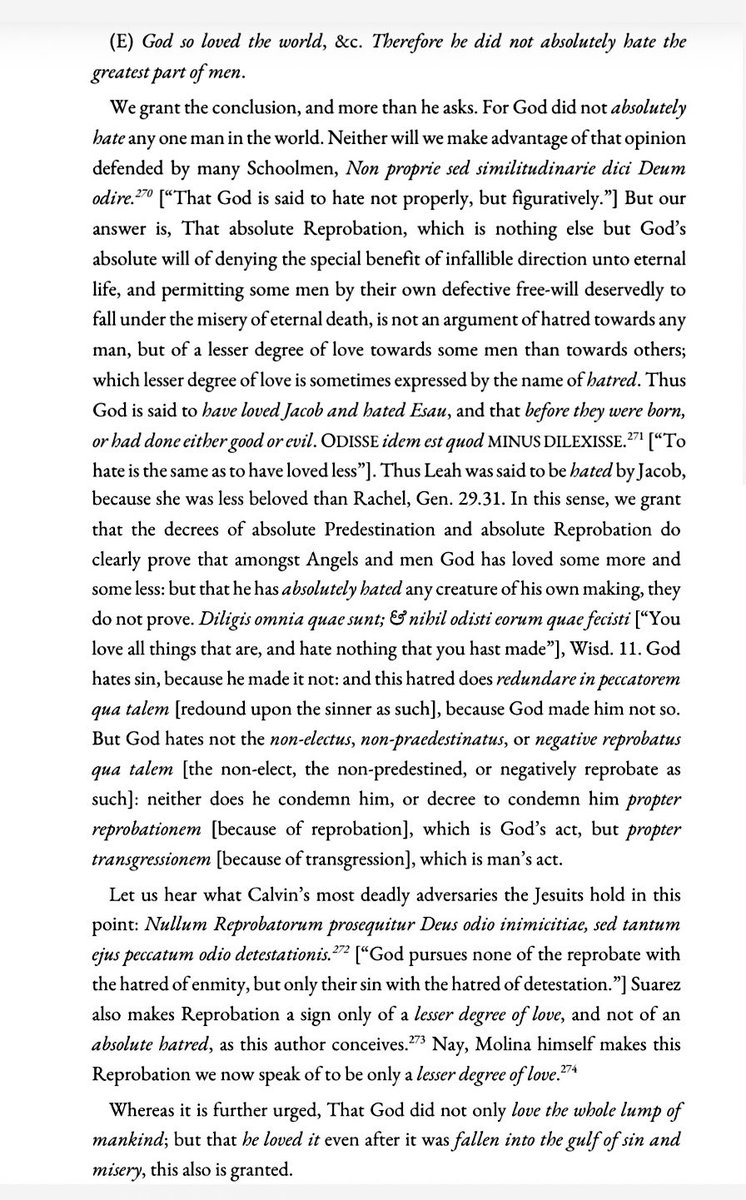
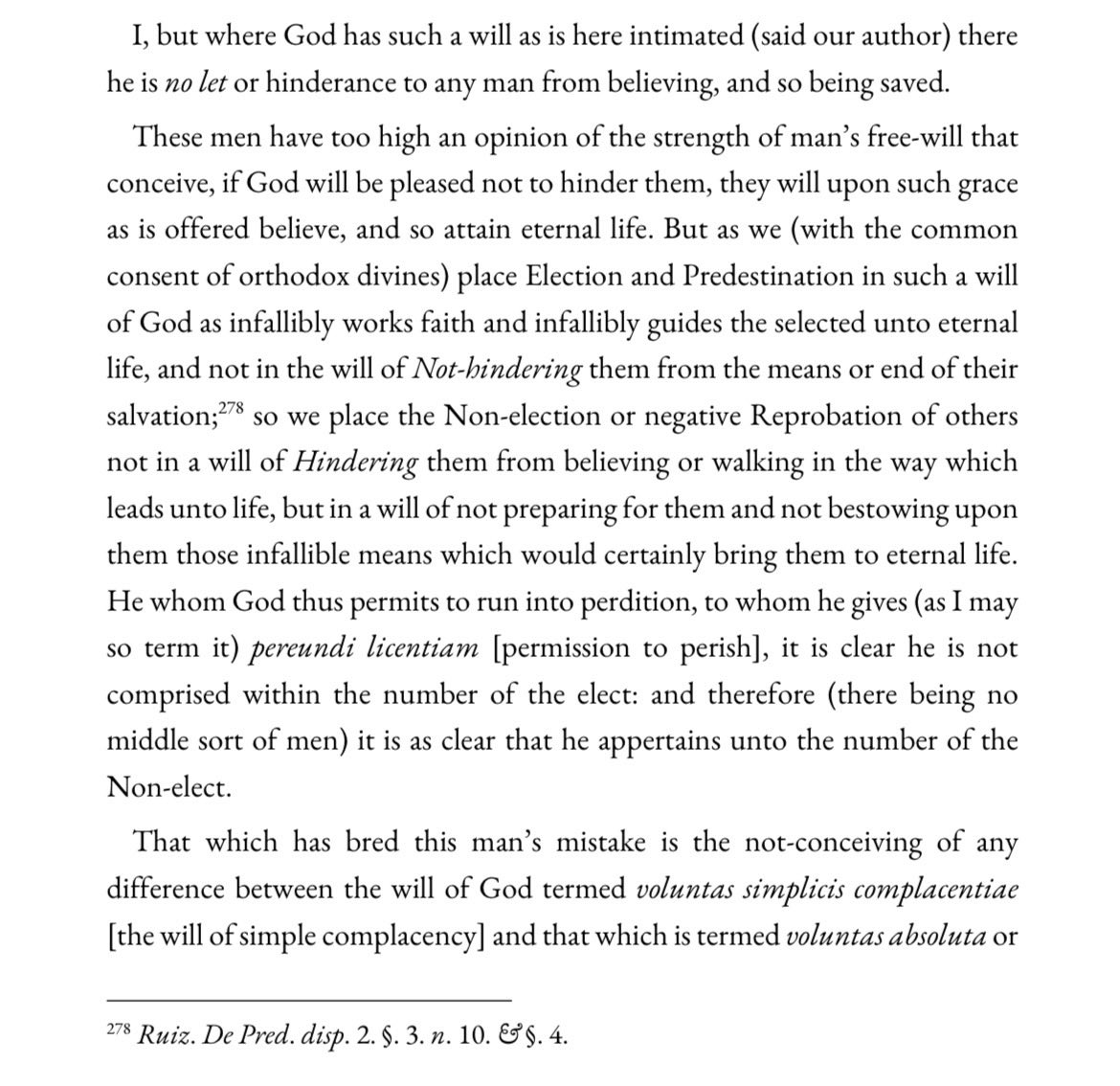
John Davenant explaining that God hates no creature as such. Reprobation/Preterition is not absolute hatred, for God does not absolutely hate any man, but signifies a lesser degree of love than that shown to the elect, whom He infallibly directs unto faith & eternal life.
1
4
15
586
Not a fan of kinism. This is not a good look for the ARP though.

Despite the revisions, the ARP kinism report by @WVPitt and co. still contains many serious issues, including numerous totally fabricated citations and quotations.
A thread:
1
7
393
𝕽𝖊𝖋𝖔𝖗𝖒𝖊𝖉 𝕽𝖊𝖙𝖗𝖎𝖊𝖛𝖆𝖑 🕊️ retweeted

Latest video for my Arminian and Provisionist friends: Three Reasons Why We Have To Confess That God Predestines Salvation.
youtu.be/EjVpi7kPOi8?si=dEQ9…
1
1
3
709
𝕽𝖊𝖋𝖔𝖗𝖒𝖊𝖉 𝕽𝖊𝖙𝖗𝖎𝖊𝖛𝖆𝖑 🕊️ retweeted

Jun 8
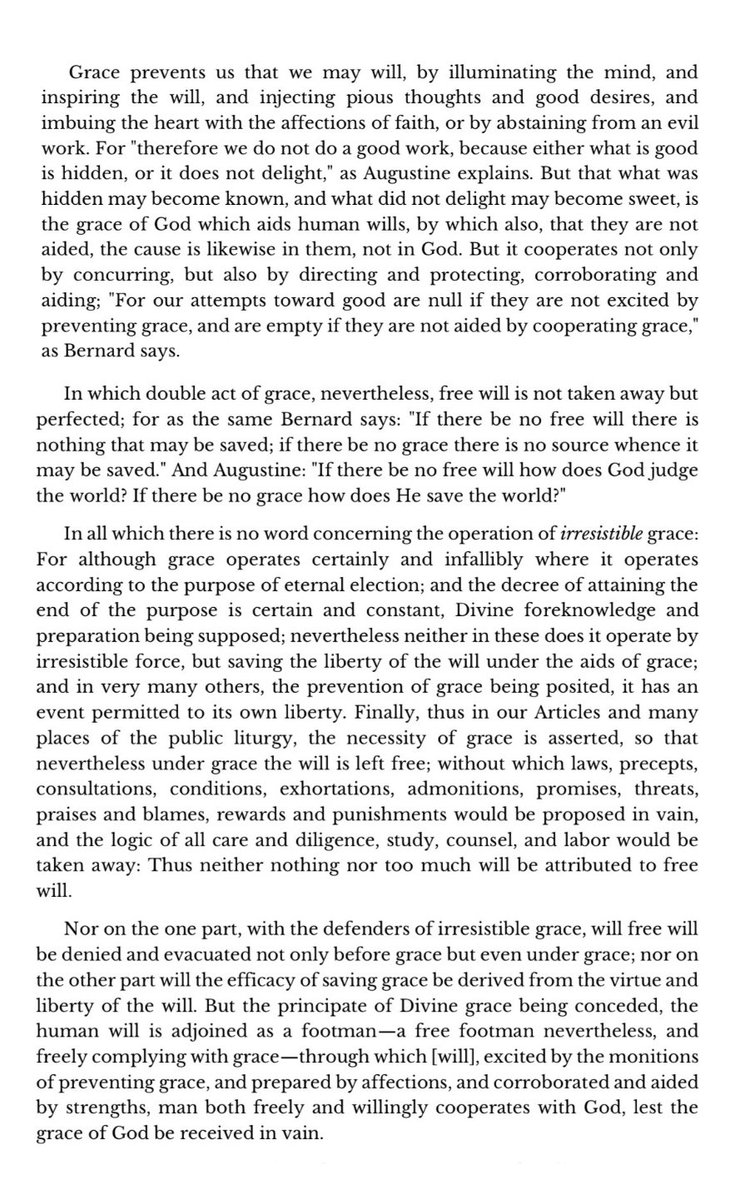
John Davenant on efficacious grace, graciously exciting, directing, and strengthening the will unto faith, causing it to act freely rather than by irresistible force.
5
1
7
1,591
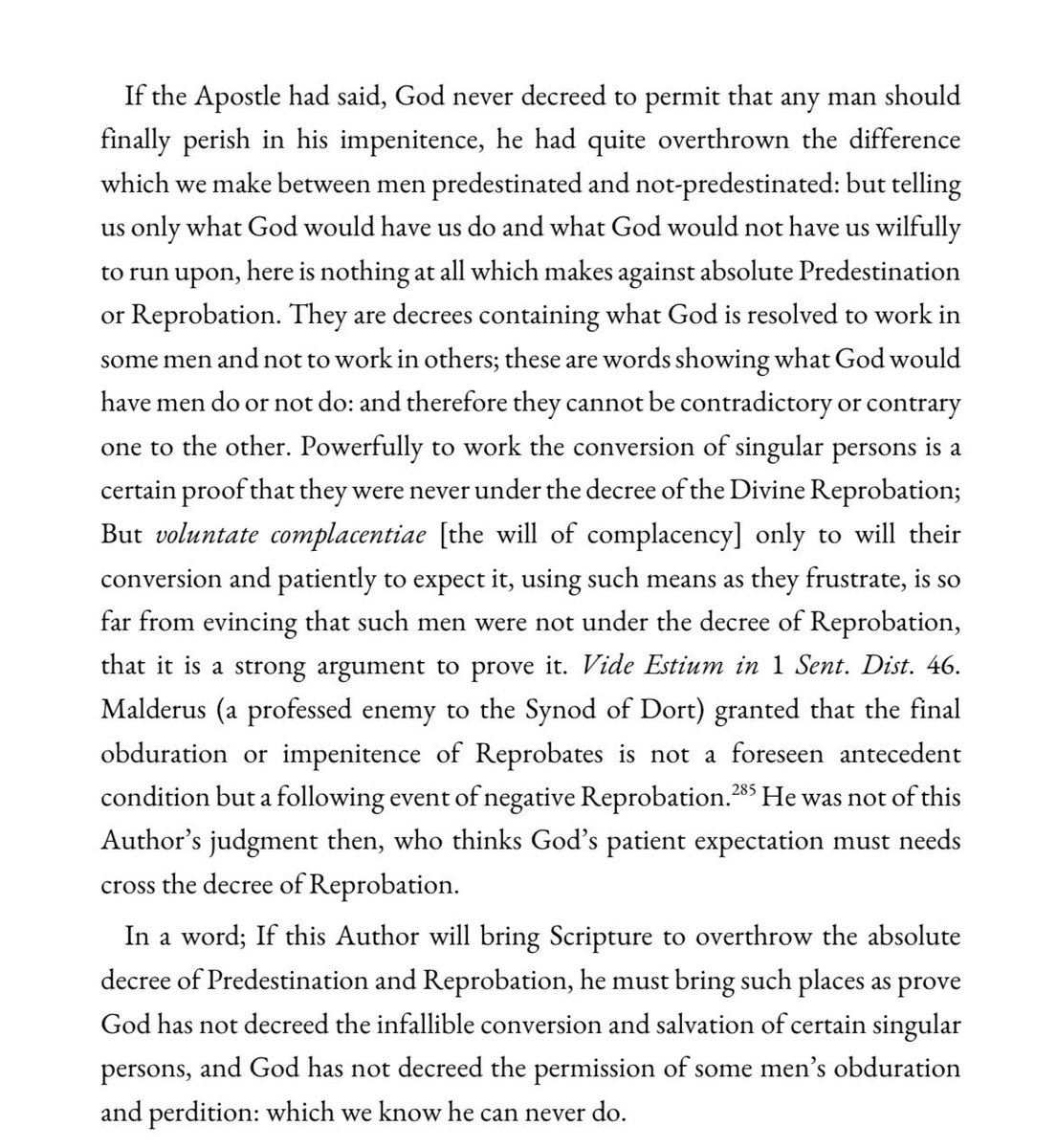
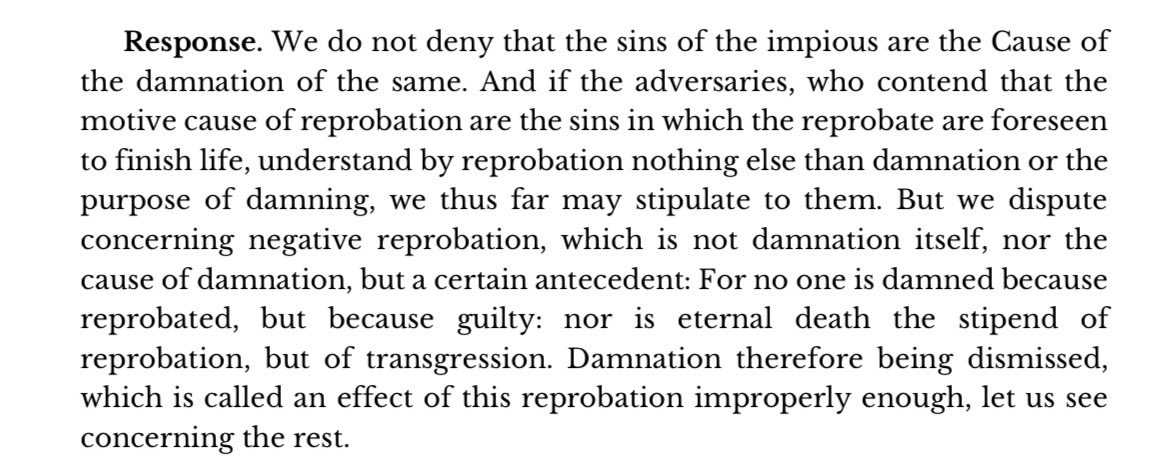
John Davenant clarifies the Reformed position on reprobation; that while sin is the cause of damnation, negative reprobation (non-election/preterition) is not damnation itself but an antecedent decree. In Reformed theology, no one is condemned except for foreseen demerit.
1
1
5
730
"Howbeit, Saint Paul speaks here expressly of the Saints or the faithful, yet that is no impediment to praying generally for all men. For the wretched unbelievers and the ignorant have great need to be prayed for unto God. Behold, they are on the high road to destruction. If we saw a beast at the point of perishing, we would have pity on it. What then shall we do when we see a soul in peril, which is so precious before God, as He has shown by ransoming it with the blood of His own Son? If we see a poor soul heading toward destruction, ought we not to be moved with compassion and kindness to desire that God remedy it?"
—John Calvin, 47th Sermon on Ephesians, 5th on the 6th chapter (6:18, 19)
3
4
7
393
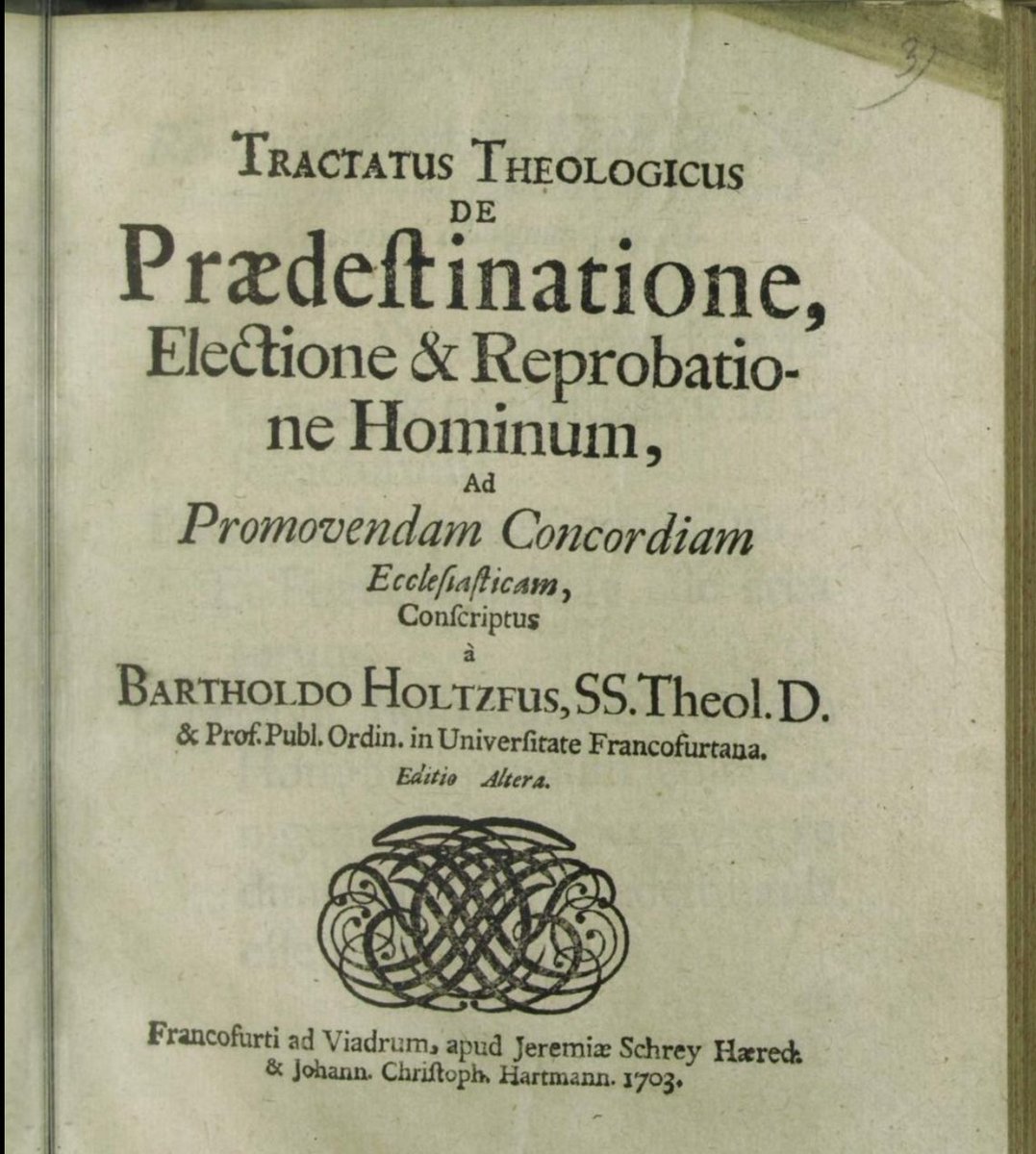
“As for the Gentiles, they, at least, were and are called indirectly, i.e., through the Works of Creation and Providence, and the fame of the true Church, which Call Prevenient Grace accompanies. … This indeed does not suffice immediately for Salvation; It suffices, however, for acknowledging God the Creator of Heaven and Earth as One, Eternal, Wise, Powerful, Good, and Just, and for worshiping and glorifying him, and for seeking the true God. Because they neglect to do this, and refer all their thoughts rather to the immortality of their own Name, to Avarice, and to fulfilling foul Pleasures, likewise to forbidden Divinations, than to the Glory of God, and thus they hold back the Truth, and that Knowledge of God, in a lie and in impiety, it thence comes to pass that they are inexcusable, Ps. 191 ff; Acts 17:24, 27; Rom. 1:18, 19 ff.”
—Barthold Holtzfus, Theological Treatise on Predestination, Election, & Reprobation of Men
5
3
391
𝕽𝖊𝖋𝖔𝖗𝖒𝖊𝖉 𝕽𝖊𝖙𝖗𝖎𝖊𝖛𝖆𝖑 🕊️ retweeted

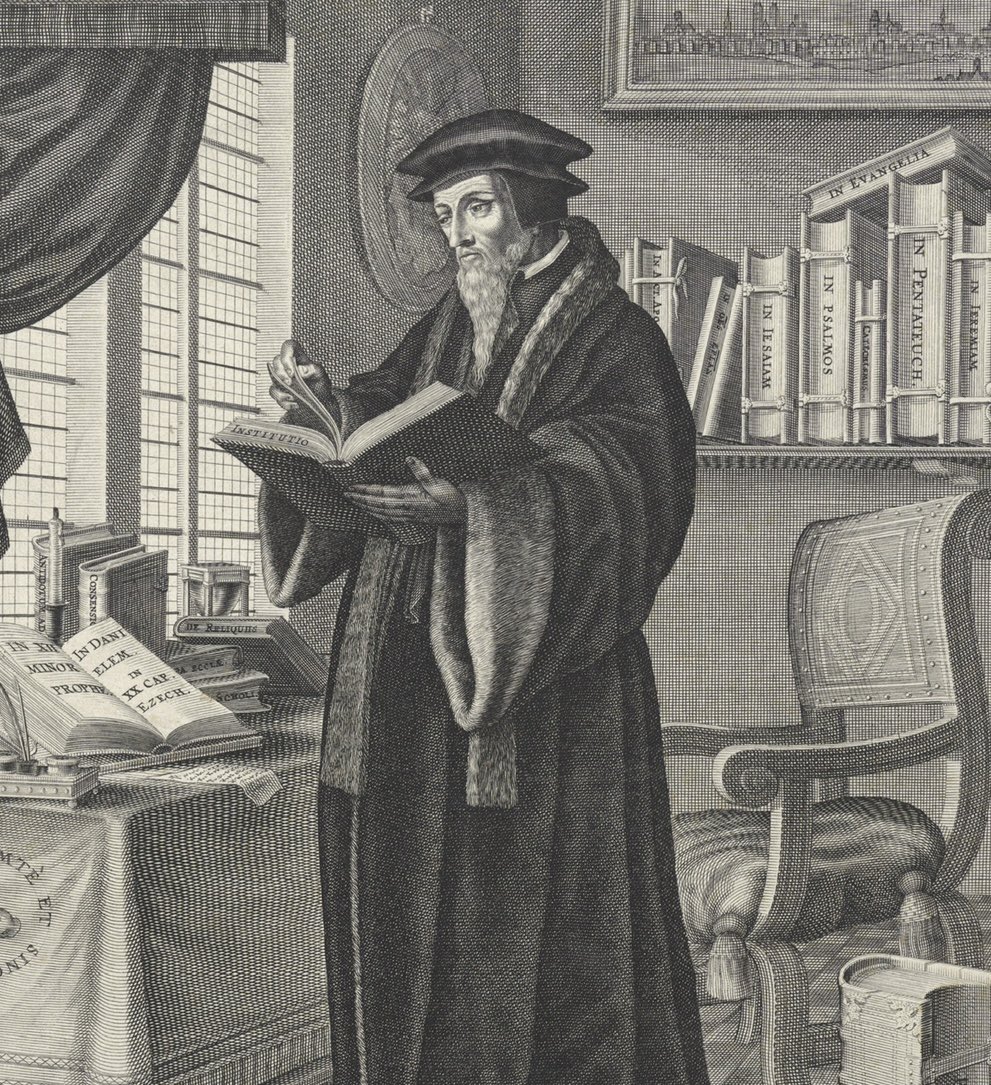
“However, what God has ordained must come to pass in such a way that it is nevertheless neither absolutely, or of its own nature, necessary. A familiar example is found in Christ’s bones. When He had assumed a body like ours, no sane person will deny that His bones were liable to break, although they were impossible to break. Hence we see again that the distinctions of necessity secundum quid and absolute [necessity], and likewise of the consequent and of consequence, were not invented in the schools without reason.”
— John Calvin, Institutio christianae religionis (5th ed. / Geneva: Robert Estienne, 1559), [1.16.9], 65
e-rara.ch/gep_g/download/pdf…


2
7
42
2,722
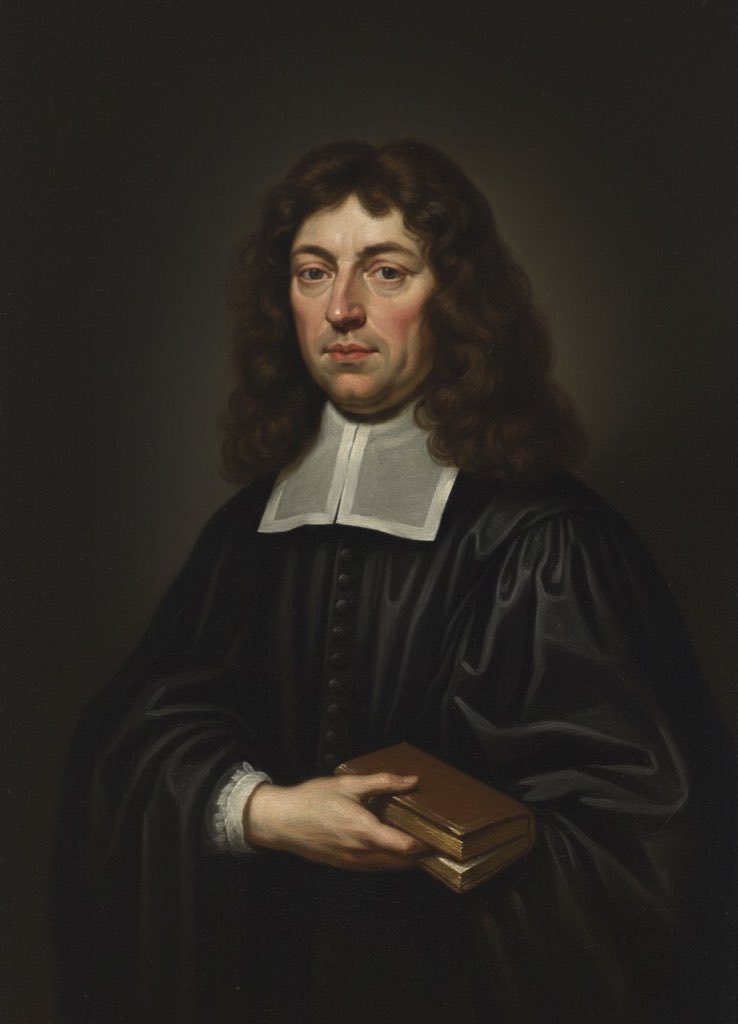
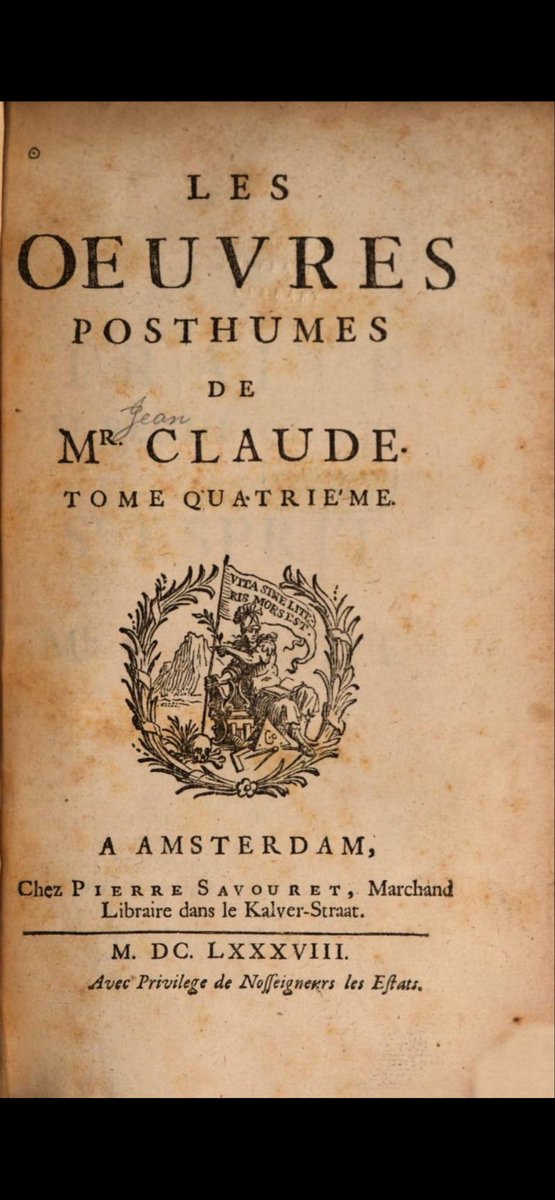
“Therefore his meaning is that Jacob and Esau were by nature equal, of the same lot and condition, since they were conceived in a single act of conception in the womb of Rebecca, and before they had done anything good or evil that might make some distinction between them, God loved Jacob but hated Esau; that is, while they were in equal condition, by the most free good pleasure he preferred Jacob to Esau.”
—Jean Claude, The Posthumous Works of Mr. Claude, Tome IV
1
5
156
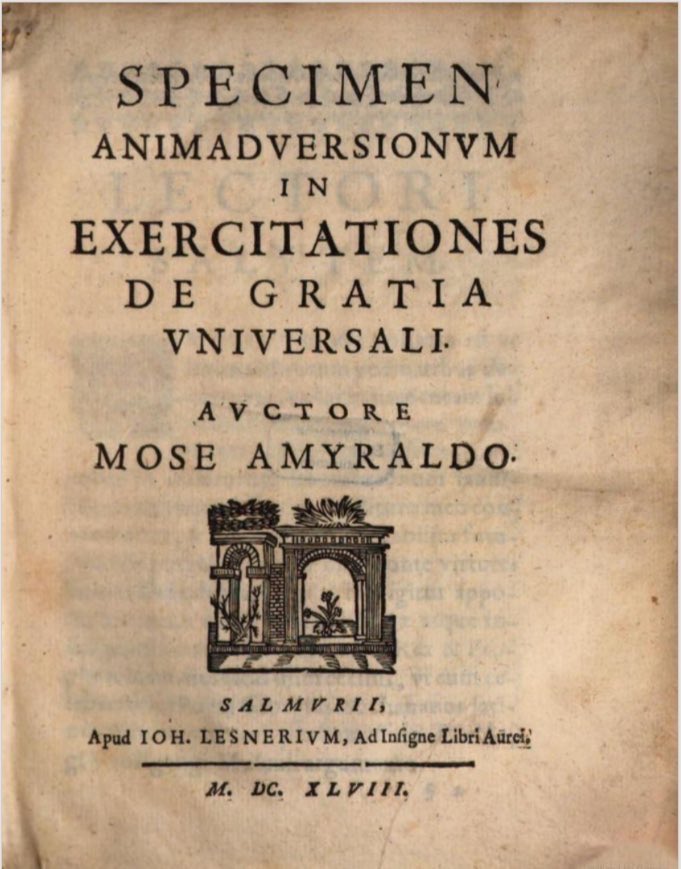
“For after God induced by a certain common philanthropia and mercy of the human race, wished to give salvation to all provided they believed, nothing prohibited that by a certain singular affect He segregated some from the rest, so that He might indulge faith to them, from which He ordained them to eternal life. Acts 13:48. Equally, with that once constituted, that it would be that all who believed, with no one from men excepted, would obtain salvation, nothing forbade that God to making a choice from fallen men, equal in every condition, just as Esau and Jacob were, He might treat them in a diverse manner, so that without any regard for good (of which there was none in them) or evil (which was equal in all), He might prefer some over others in distributing the grace of faith. By a similar reasoning, after God so loved all men (Romans 9:11, 12) that He willed for none of them to be rejected from participating in salvation provided they themselves do not reject Christ, nothing in His virtues prevented Him, when it came to that other more vehement and definite affection upon which the donation of faith depended, from loving some according to His free will with no merit on their part, and regarding others with hatred in comparison to them, which their native corruption merited.”
—Moses Amyraut, Specimen of
Animadversions on the Exercitations Concerning Universal Grace
1
3
132
“God so loved the world, &c. Therefore he did not absolutely hate the greatest part of men.
We grant the conclusion, and more than he asketh: for God did not absolutely hate any one man in the world. Neither will we make advantage of that opinion defended by many Schoolmen,non propriè sed similitudinarie dici Deum odire [that God is said to hate, not properly, but by way of likeness].
But our answer is this: that absolute reprobation, which is nothing else but God’s absolute will of denying the special benefit of infallible direction unto eternal life, and permitting some men, by their own defective free will, deservedly to fall under the misery of eternal death, is not an argument of hatred toward any man, but of a lesser degree of love toward some men than toward others; which lesser degree of love is sometimes expressed by the name of hatred.”
—John Davenant, Animadversions
3
110
🧵Reformed Authors on God’s Hatred of Esau as Comparative/Preferrential Love and Non-Election.
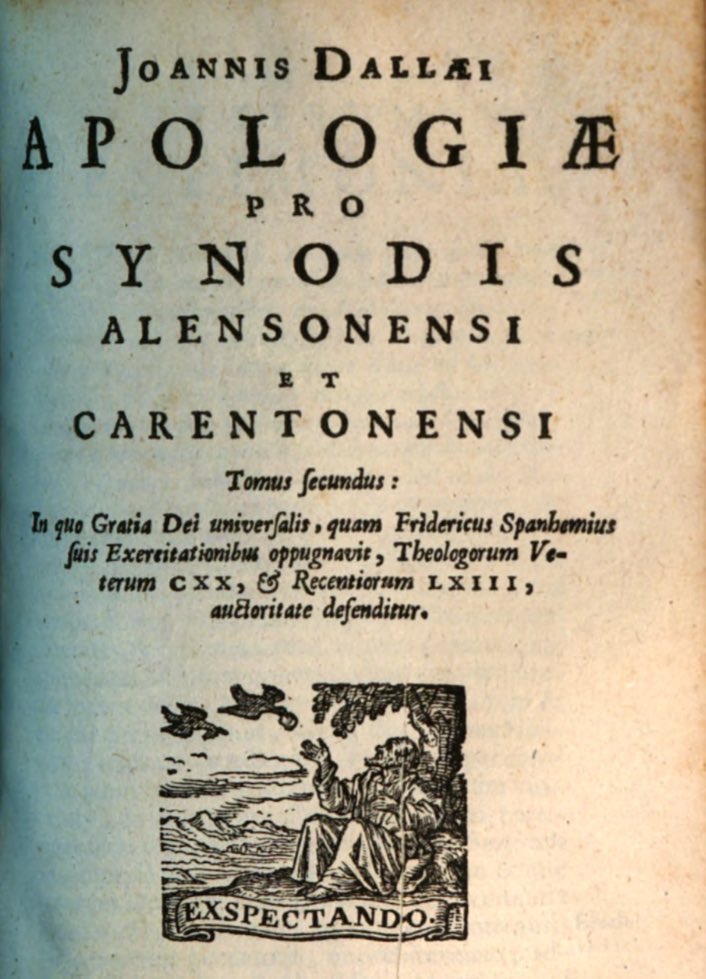
“For "to love" in that place [Romans 9:13] is said by Paul not simply, but comparatively. For he there compares Jacob with Esau ; he does not therefore mean that God simply either loved Jacob or hated Esau; but he signifies that he preferred the one to the other, and loved him more, whom, of course, having passed over this one, he chose”
—Jean Daillé, Apologia for the Synods of Alençon and Carentan
1
4
16
623
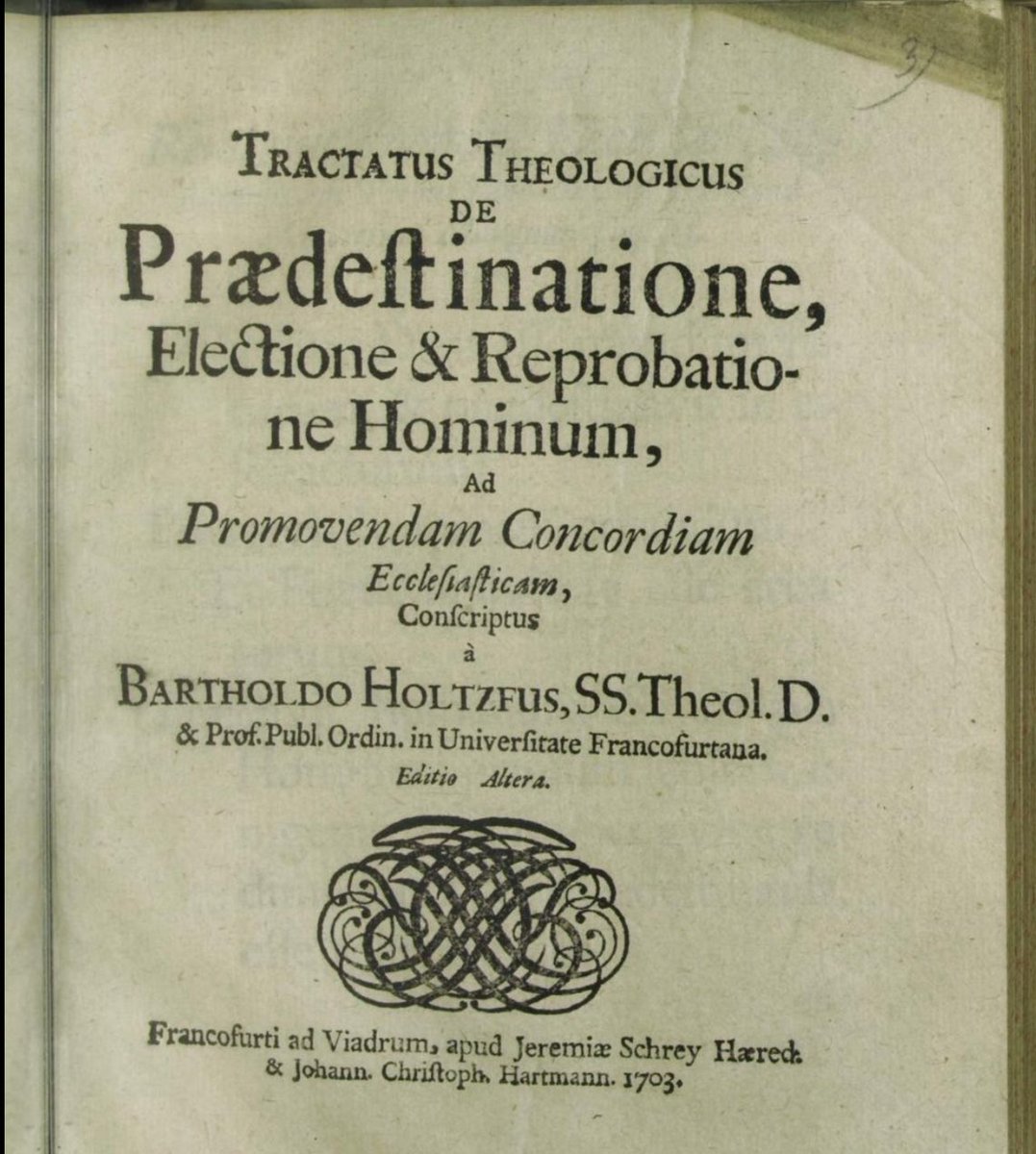
“From there in vs. 14, he denies that GOD is unjust, even if out of his liberty he prefers Jacob to Esau and elects one sinner while rejecting another sinner, or casts off the disobedient and contumacious Jews and takes up the Gentiles in their place: vs. 15: For he saith to Moses in Exod. 33:19: I will have mercy on whom I have mercy; and I will shew mercy to whom I will shew mercy.”
—Barthold Holtzfus, Theological Treatise on Predestination, Election, & Reprobation of Men
1
3
105
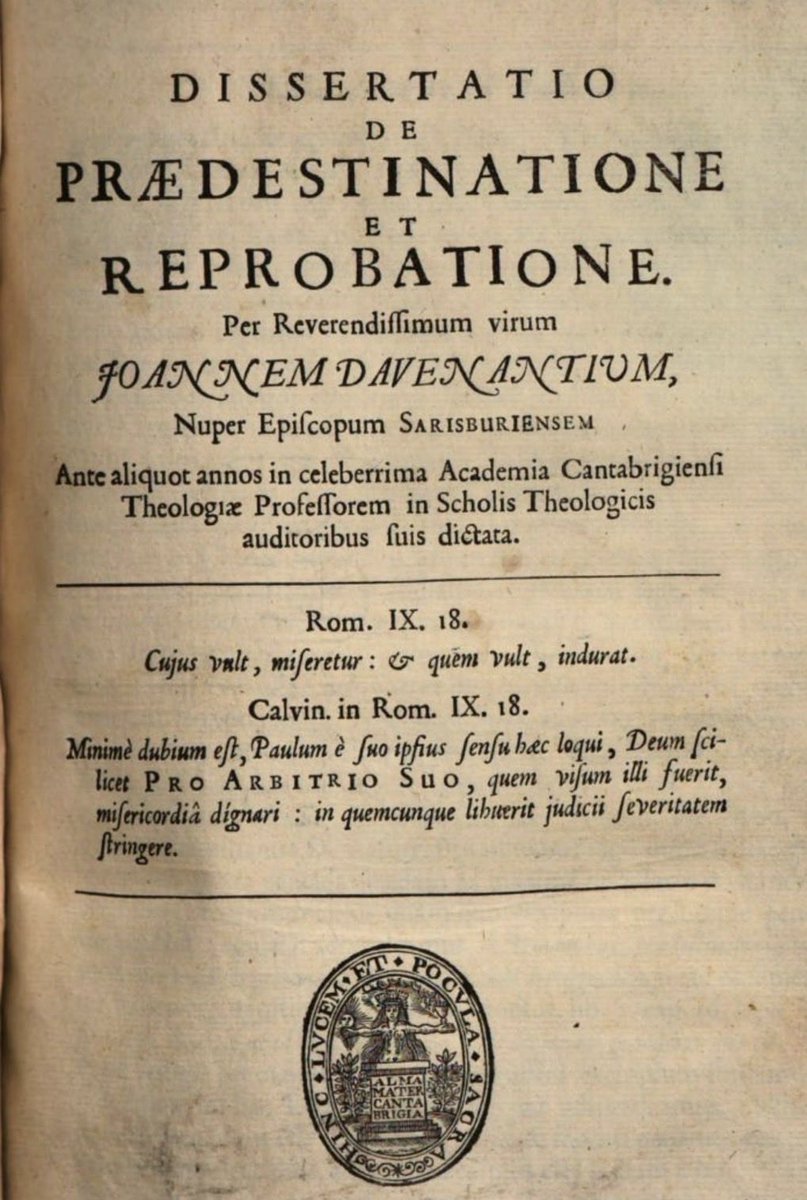
“Now truly that the word hatred is usurped for the sole negation of special love in conferring a special benefit, the Jesuits themselves do not deny. Vasquez looking back to these very words of the Apostle, says: To hate is the same as to have loved less. For he holds himself after the manner of one hating who does not grant to another some gift which he gives to one. But thus to hate does not require sin as the cause of this hatred (Vasquez, In 1 Part., q. 23, dist. 95, ch. 8). In this sense Jacob is said to have hated Leah (Genesis 29:31).”
—John Davenant, Dissertation of Predestination & Reprobation
1
2
7
341
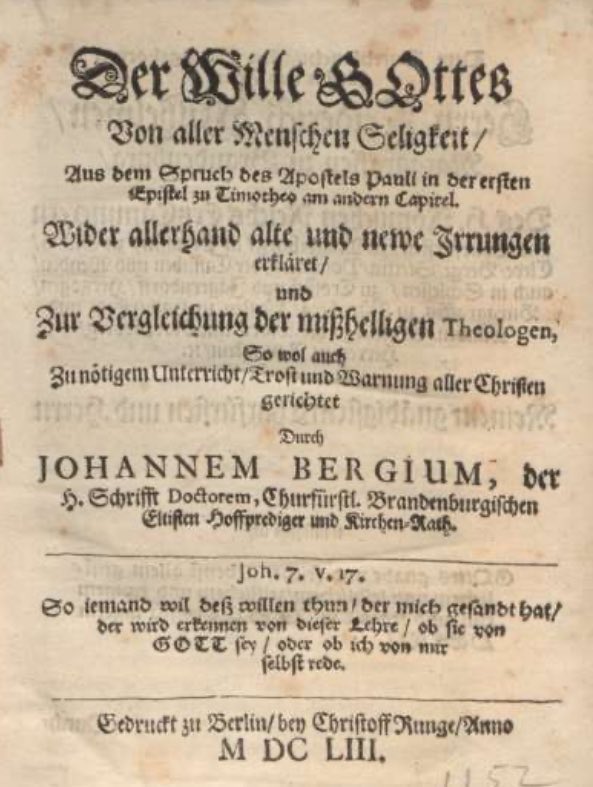
“But since this cannot be denied, the thing which the prophet says about the hatred of God toward Esau is not to be understood absolutely, as if it were a total and sheerly hostile hatred — as though Christ (and that without any regard to Esau’s sins, before he had done either good or evil) had shown him no grace and given him nothing good — but only comparatively, in relation to Jacob, toward whom He showed far greater love and grace, and whom He preferred before the firstborn Esau out of His free love; especially in that He chose him as the heir of the promised land (which was a type of the heavenly inheritance), and thus also as the heir of the covenant in the promised Seed, who was to be born from him and not from Esau.”
—Johannes Bergius, The Will of God Concerning the Salvation of All Men
1
7
637