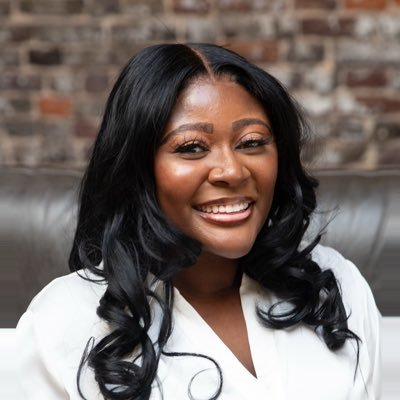
Licensed Athletes Agent 🥇 | Attorney 👩🏾⚖️👩🏾💼| Avid Sports Enthusiast🏈🏀🥎⚾️🏐⚽️ | NOT Legal Advice | All Opinions Are My Own | c: 334.207.2978
Joined October 2025
- Tweets 348
- Following 127
- Followers 42
- Likes 494
5 Photos and videos



Madison Riggins retweeted

May 29
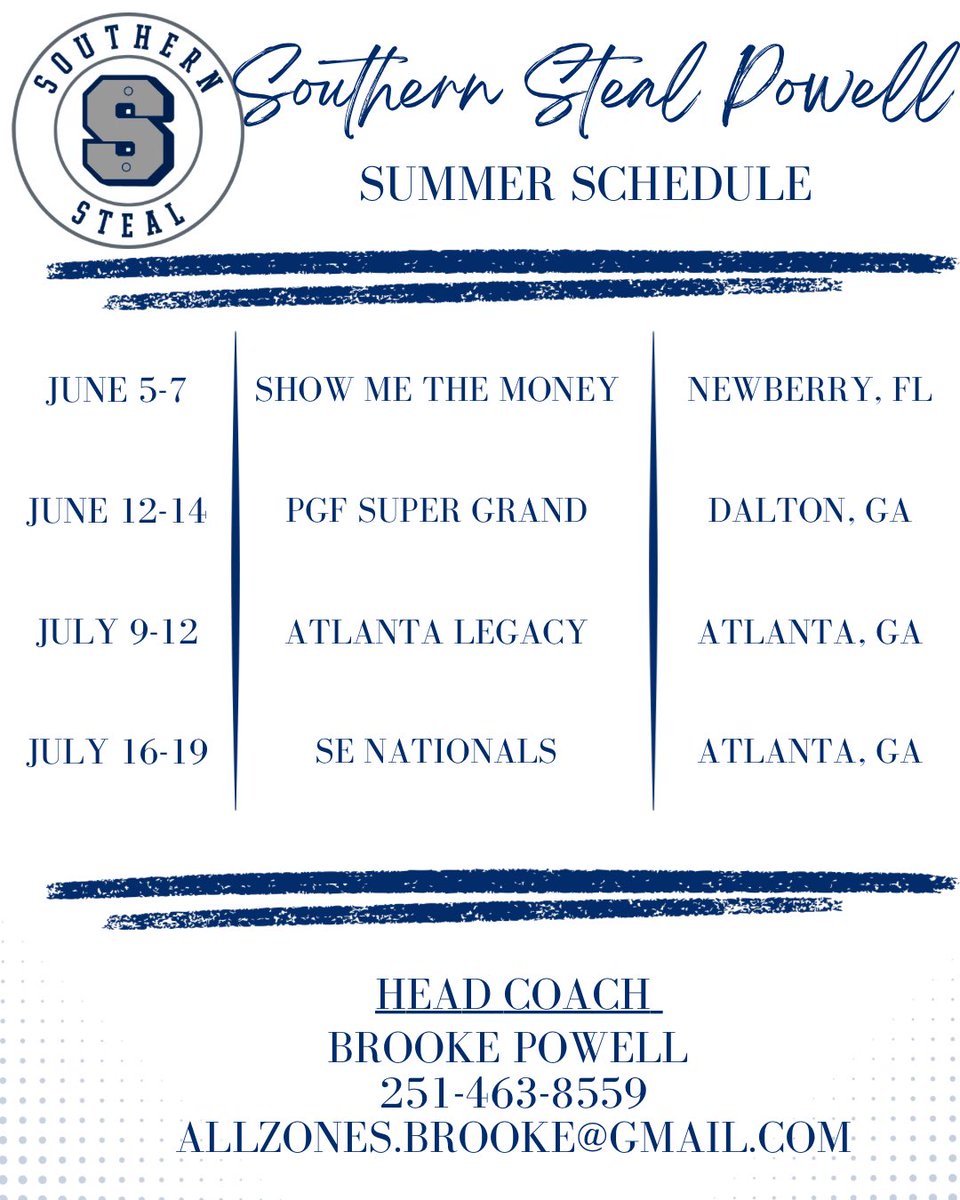
📍Summer Schedule📍
Excited to compete this summer with @Steal_Powell against some of the best competition in the league! I’m thankful for Coach @lbpowell12 investing her summer to make us better.
I’m also looking forward to connecting with coaches this summer and seeing what God has in store for me.
@koltontyruss @DHScoachjones_
@ReppedByRiggins
1
3
6
197
Madison Riggins retweeted
Jun 11
Second round of BP today. After church tonight, Dad took me back to the field because I wasn’t satisfied with how things felt earlier. Working to clean up some bad habits that had crept back into my swing and getting ready for Dalton this weekend. Thankful for a dad who never gets tired of helping me!
@Steal_Powell @lbpowell12 @DHScoachjones_ @SoftbalAmerica @LineDsoftball @PrepSoftball @DiamondAddicts @ReppedByRiggins @koltontyruss
5
16
539
Madison Riggins retweeted
Jun 15
What a weekend at the PGF Super Grand! My team went 7-1-1, and I’m proud of the fight and energy we brought every game.
I finished the weekend batting .545 with 12 hits, 1 HR, and 9 RBIs, while playing error-free defense at SS and 3B.
I’m thankful for teammates who battle beside me and coaches who continue to invest in me.
@Steal_Powell @lbpowell12 @DHScoachjones_ @SoftbalAmerica @LineDsoftball @PrepSoftball @DiamondAddicts @ReppedByRiggins @koltontyruss
6
14
495
Madison Riggins retweeted

The NFL Supplemental Draft is a separate draft for players who become eligible after the regular NFL Draft has already taken place.
If a team selects a player, it forfeits that same pick in the following year's draft.
So, if a team takes Brendan Sorsby in Round 2, it would lose its 2027 2nd-round pick.

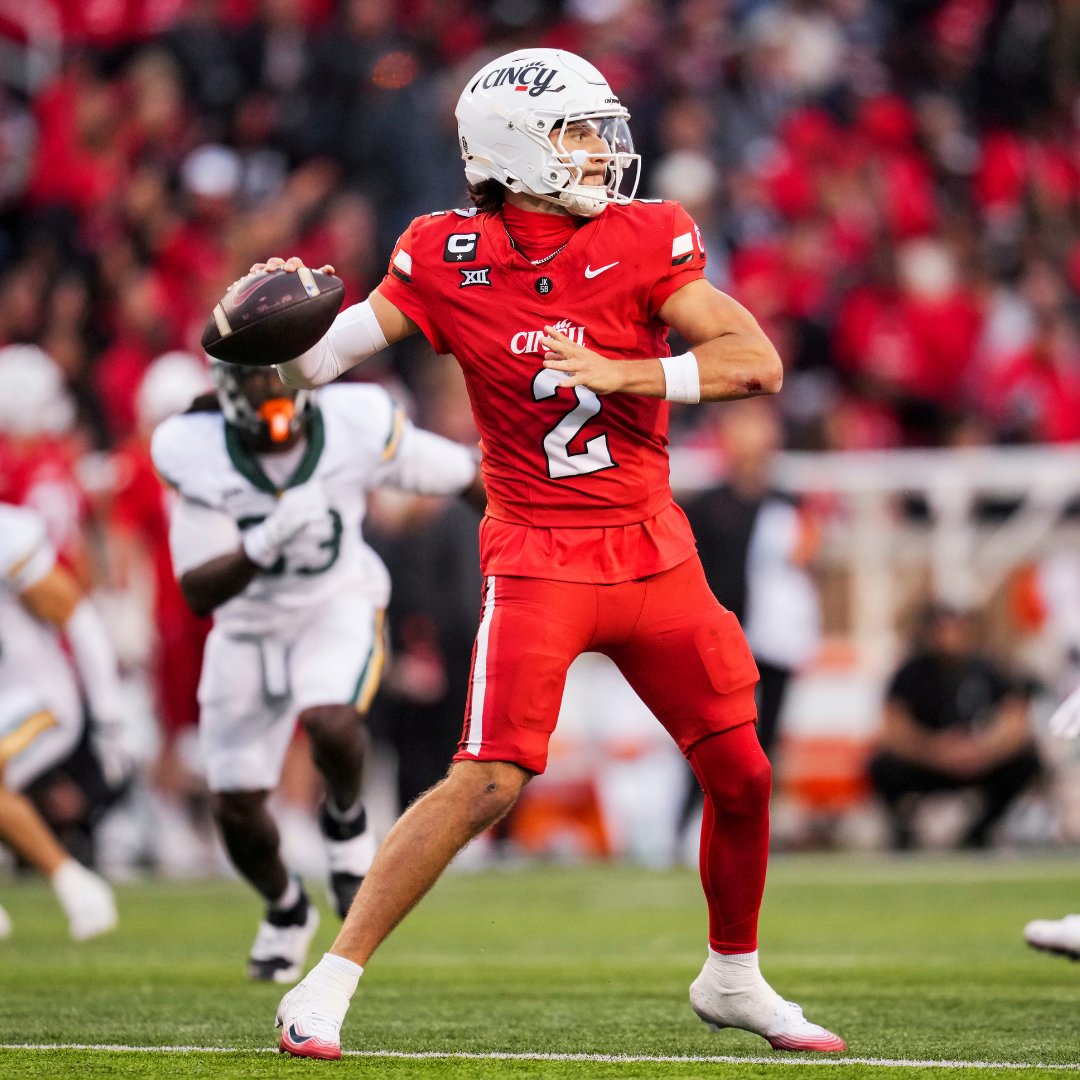
BREAKING: Texas Tech QB Brendan Sorsby now plans to enter the NFL Supplemental Draft amid an ongoing legal battle over his NCAA eligibility after admitting to betting on sports, per @PeteThamel.
98
114
2,925
1,371,008
Madison Riggins retweeted

19h
I never thought I would see anything more impressive than Tennessee Twitter forcing the Vols to unhire Greg Schiano.
But the collective college football world uniting against Texas Tech and bullying it into getting rid of its starting QB, might have topped that.
This is the most united we’ve been as a country in decades.

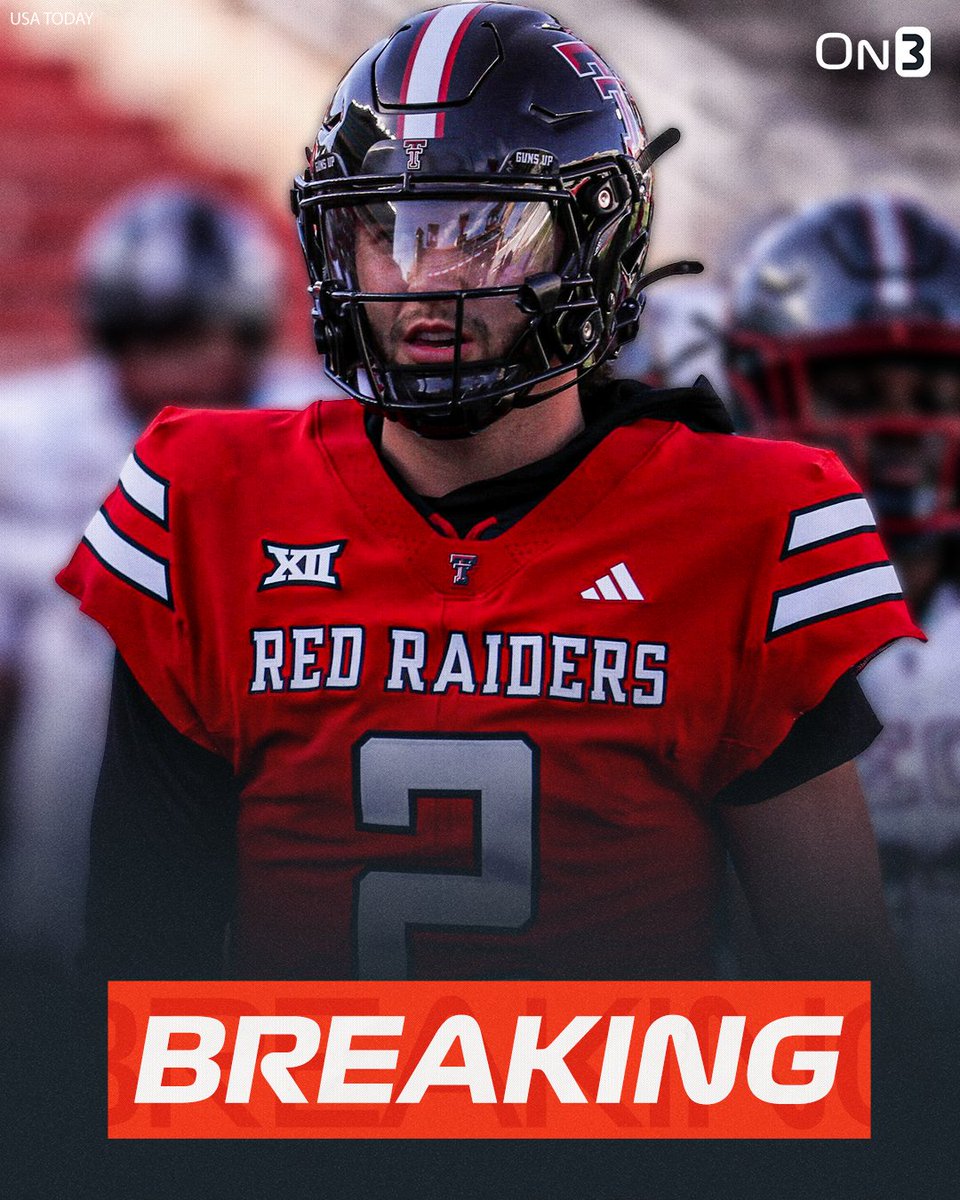
BREAKING: QB Brendan Sorsby and Texas Tech are mutually parting ways, @PeteNakos reports.
Sorsby will not play College Football in 2026.
on3.com/news/brendan-sorsby-…
105
462
8,540
869,479
Madison Riggins retweeted

Each of the 8 steel petals on that roof weighs 500 tons, roughly the weight of a loaded commercial aircraft, and the whole system opens in 8 minutes. The motors running all 8 petals combined produce less power than a Honda Civic engine. Two things inspired the design: the oculus, the circular skylight at the top of Rome's Pantheon built about 1,900 years ago, and how a camera lens opens and closes.
Then there's the video board. A 360-degree LED screen wraps the inside of the roof, 58 feet tall and 1,075 feet around, big enough for a helicopter to fly through the center. Stand it upright and it clears Atlanta's tallest building by 50 feet. It came in 35 trucks, was put together from 600 pieces, holds 37 million LEDs, and when it debuted in 2017 it was nearly three times larger than any screen the NFL had ever used.
The stadium took 39 months to build, used 27,000 tons of structural steel, and covers 2 million square feet, about 35 NFL fields laid end to end. Final cost: $1.6 billion. Add the $200 million World Cup upgrade and the total hits $1.8 billion.
In November 2017 it became the first professional sports venue in the world to earn LEED Platinum, the top level of green building certification. The 4,000 solar panels produce enough power to run 9 full NFL home games a year. A 680,000-gallon underground tank collects rainwater from the roof and redirects it to local tree programs and the stadium's cooling systems. The LED lighting uses 60% less energy than standard stadium lights.
FIFA does not allow commercial brand names on tournament venues, so the building goes by Atlanta Stadium this summer. It hosts 8 matches between June 15 and July 15, closing with a semifinal.

29
423
3,234
444,028
Madison Riggins retweeted
Grateful for a weekend with my team. We headed to Trenton, FL and Branford, FL and competed against two high level arms committed to Florida and Florida State. We didn’t come away with the wins, but we worked hard and kept competing every inning.
Finished the weekend with several put outs at SS while batting .500 with a 2-run HR, a double, a walk, and a HBP.
@ExtraInningSB @SBRRetweets @Steal_Powell @lbpowell12 @DHScoachjones_ @FastpitchWire @SoftbalAmerica @LineDsoftball @PrepSoftball @DiamondAddicts @ReppedByRiggins
1
2
13
267
Madison Riggins retweeted
Through 14 games at SS: 51 total chances, 43 putouts, 4 assists, 2 double plays turned. Fielding %: .922. Staying consistent up the middle and learning that even when the bat is quiet the gloves still speaks!
@ExtraInningSB @SBRRetweets @Steal_Powell @lbpowell12 @DHScoachjones_ @FastpitchWire @SoftbalAmerica @LineDsoftball @PrepSoftball @DiamondAddicts @ReppedByRiggins
3
9
231
Madison Riggins retweeted
Apr 15
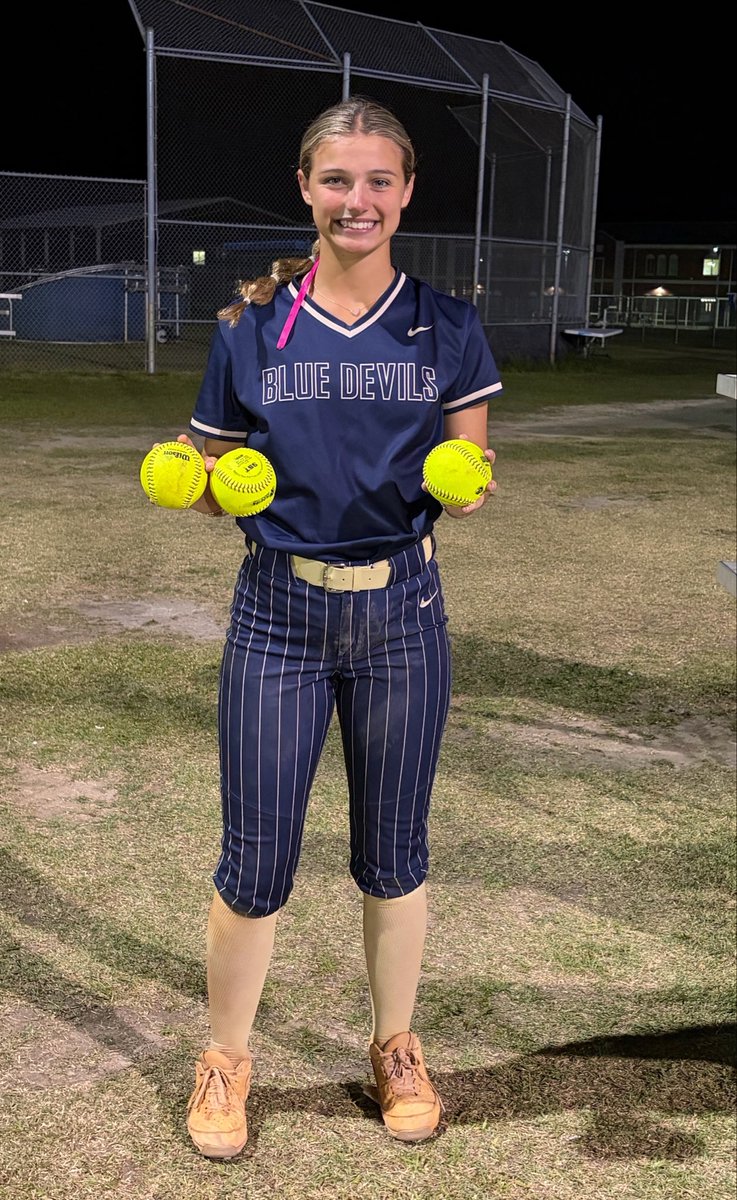
First off, our network was down so no videos of my first 3 at bats and shame on my parents for not recording (just kidding!) They did eventually decide to get my last at bat! 😂
On a serious note, this game has humbled me and kept me praying. It’s truly a game of failure, but today my team picked up a good W and I got to see the cage work pay off!
I’m thankful to God, my teammates, and coaches for always believing in me.
4-4 | 3 HR | 1 2B
@ExtraInningSB @SBRRetweets @Steal_Powell @lbpowell12 @DHScoachjones_ @FastpitchWire @SoftbalAmerica @LineDsoftball @PrepSoftball @DiamondAddicts @ReppedByRiggins
1
4
17
613
Madison Riggins retweeted

Apr 25
GOTTA STAY READY!!! #HiddenTreasure #DocumentedJourney 📈📈📈
@dprice_qb17 @CoachN8Graham
@HallTechSports1 @UnLockYourGame @DexPreps @CoachADeRamus @coach_tko @ReppedByRiggins
2
5
279
Madison Riggins retweeted
Apr 29
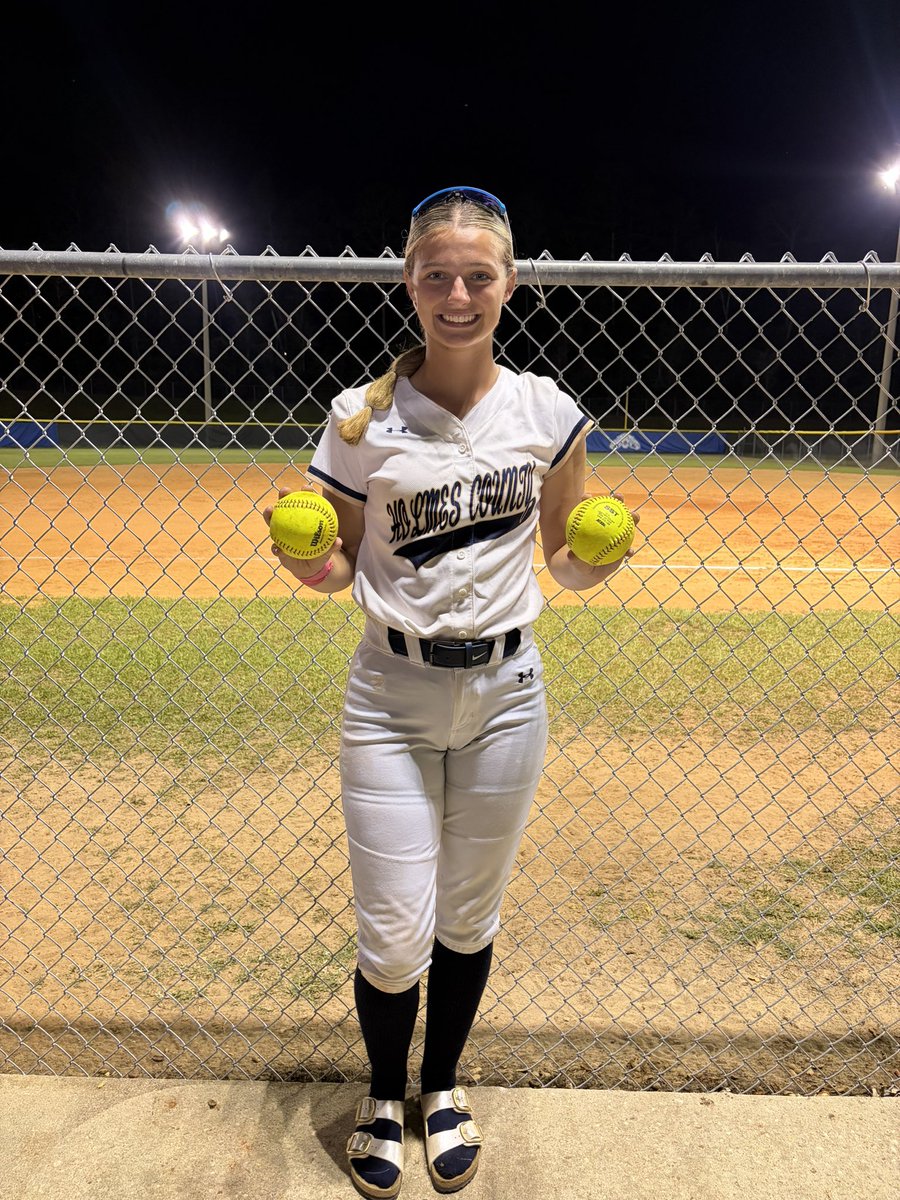
First round of district playoffs ☑️
Great team win tonight!
2-2 at the plate with 2 HR and 2 intentional walks.
Back at it tomorrow against a strong district opponent.
@ExtraInningSB @SBRRetweets @Steal_Powell @lbpowell12 @DHScoachjones_ @FastpitchWire @SoftbalAmerica @LineDsoftball @PrepSoftball @DiamondAddicts @ReppedByRiggins
1
2
6
643
Madison Riggins retweeted

Mar 27
College Baseball & Softball programs:
UCF produces a full pregame show, and it’s a total gamechanger.
This is how you market your brand, elevate your athletes, and bring elite energy to the program.
15
78
931
70,634
Madison Riggins retweeted
Mar 28
Injuries have tested our team this season, but we’re continuing to push through every challenge that comes our way.
Had to gear up behind the plate for a few innings, doing whatever the team needed. Stayed busy at shortstop with several putouts last week and kept the bat steady with some solid hits.
@ExtraInningSB @SBRRetweets @Steal_Powell @lbpowell12 @DHScoachjones_ @FastpitchWire @SoftbalAmerica @LineDsoftball @PrepSoftball @DiamondAddicts @ReppedByRiggins
1
9
171
Madison Riggins retweeted

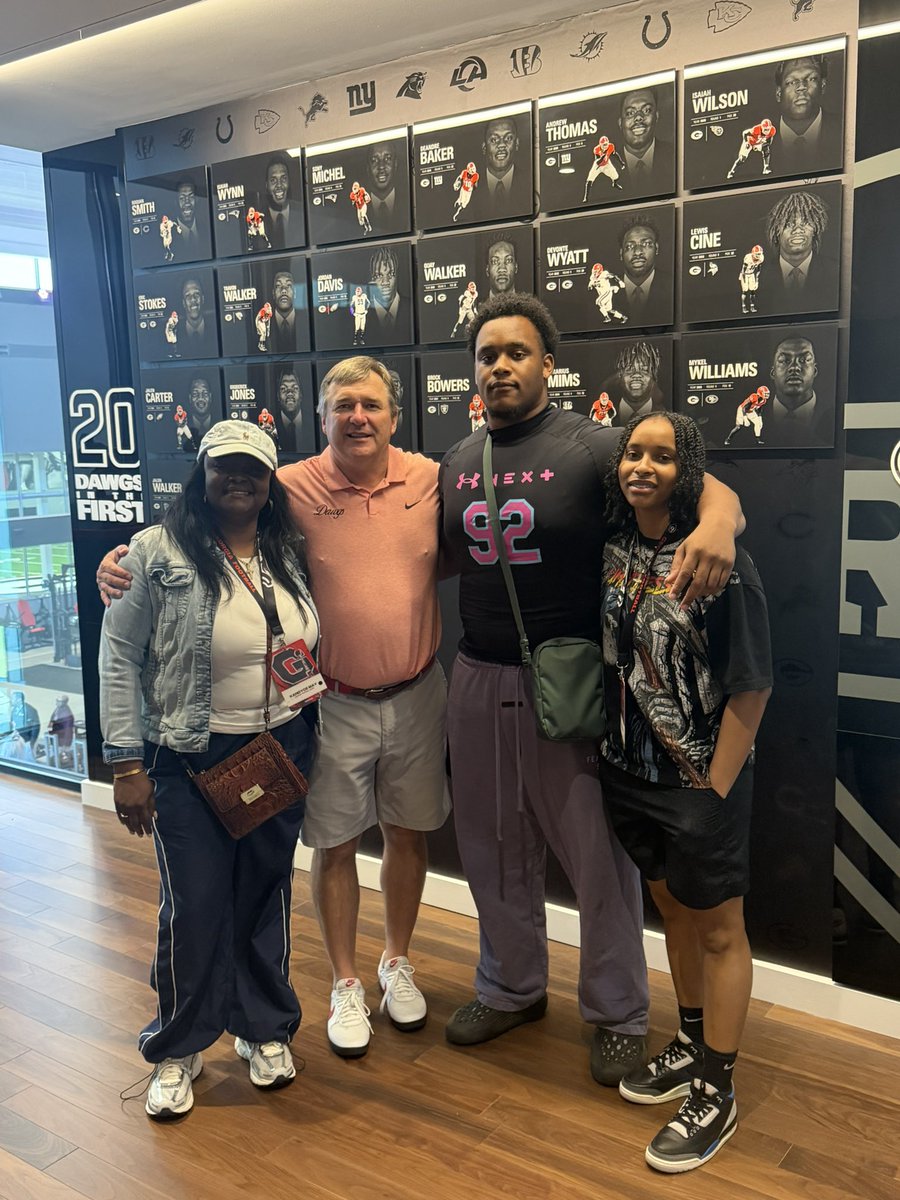
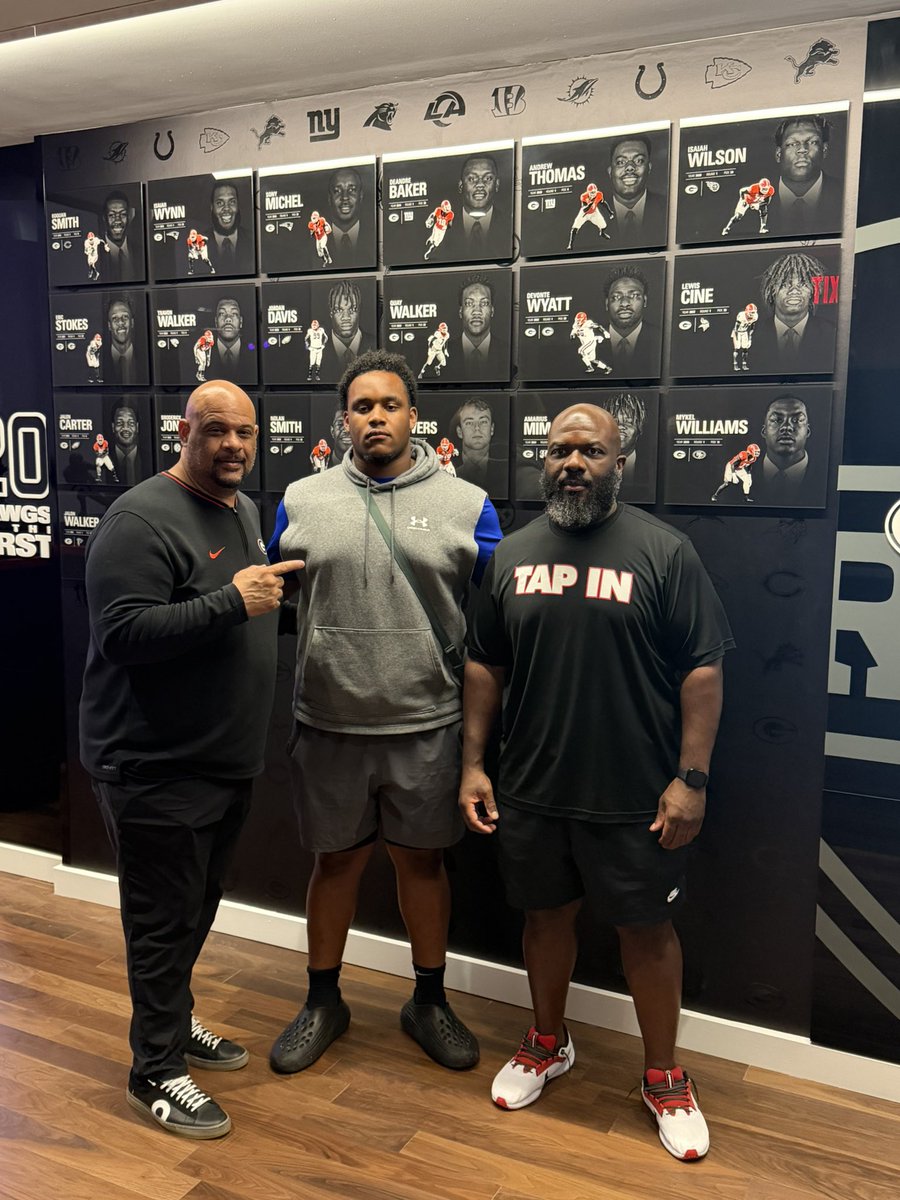
Had a GREAT VISIT at the University Of GEORGIA!!!!!!CANT WAIT TO BE BACK #Dawgnation #Sickem #Godawgs @KirbySmartUGA @TravionScott @CoachBrumbaugh
5
16
104
16,853
Madison Riggins retweeted

Mar 27
A non-committable offer is not an offer.
It is a program saying: we see you. Keep going.
It is not a destination. It is a starting line.
Treat it like one.
2
48
180
12,083
Madison Riggins retweeted

Mar 29
To the ones who laid the foundation, thank you. 🦅
Grateful to have 200 alumni back on the Plains today.
#WarEagle
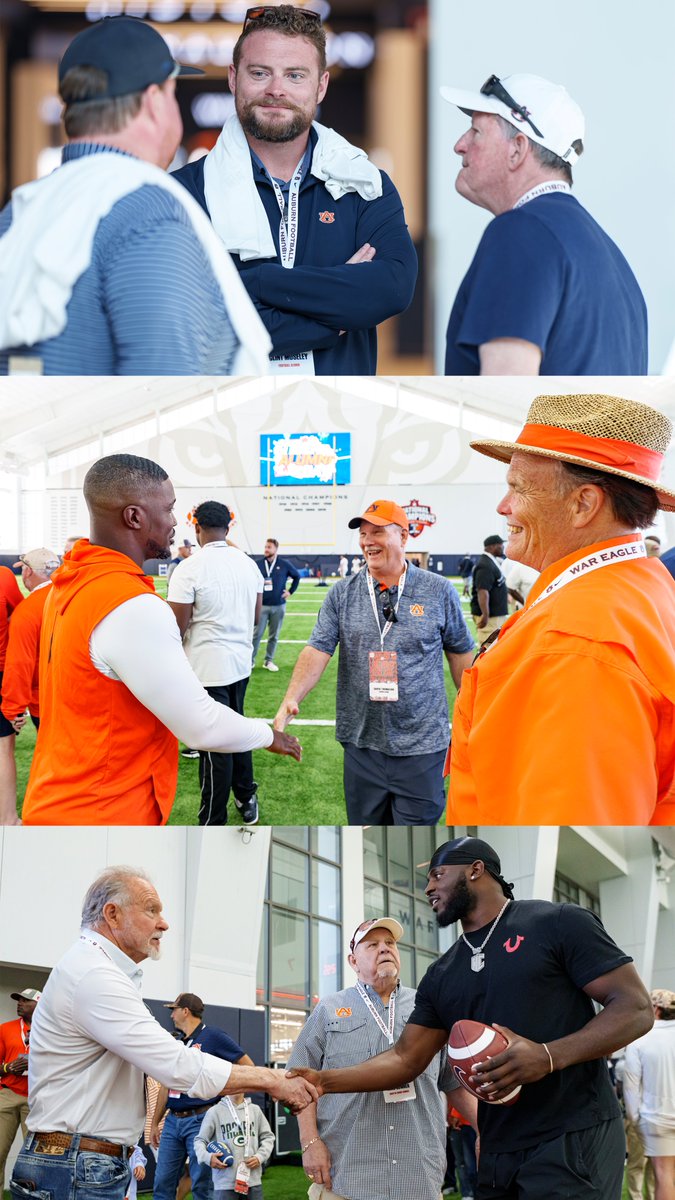
ALT Photos of Alumni back on campus for Alumni Day during Auburn Football Spring Practice
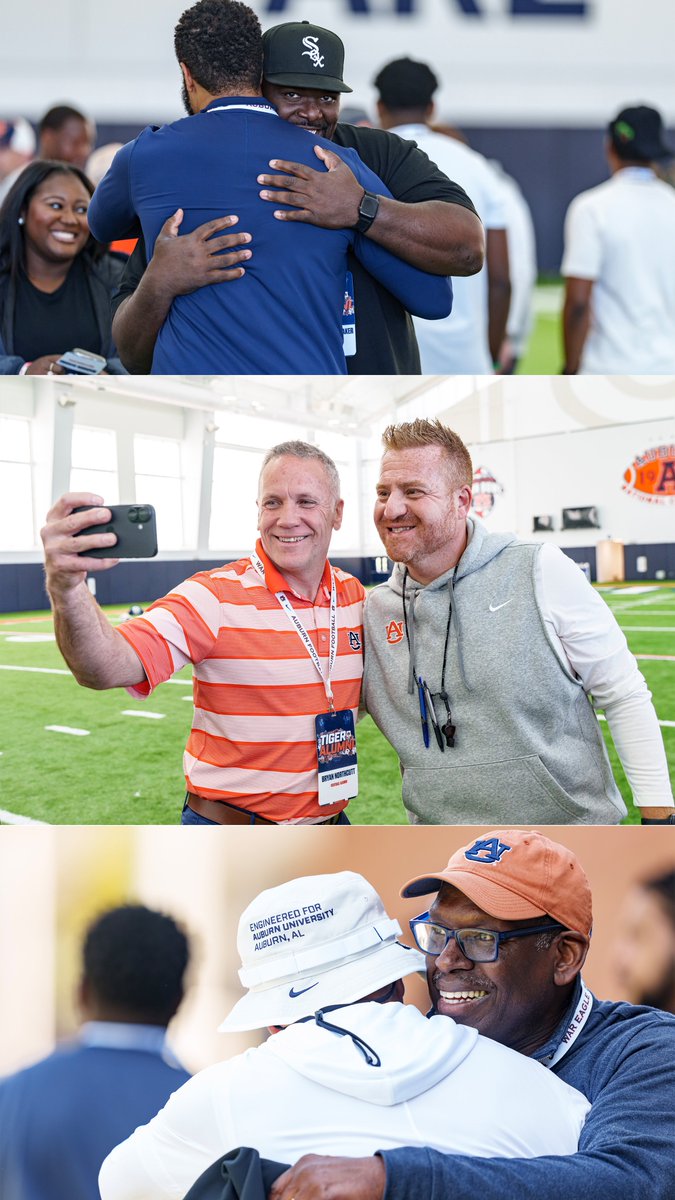
ALT Photos of Alumni back on campus for Alumni Day during Auburn Football Spring Practice
7
59
722
58,930
Madison Riggins retweeted

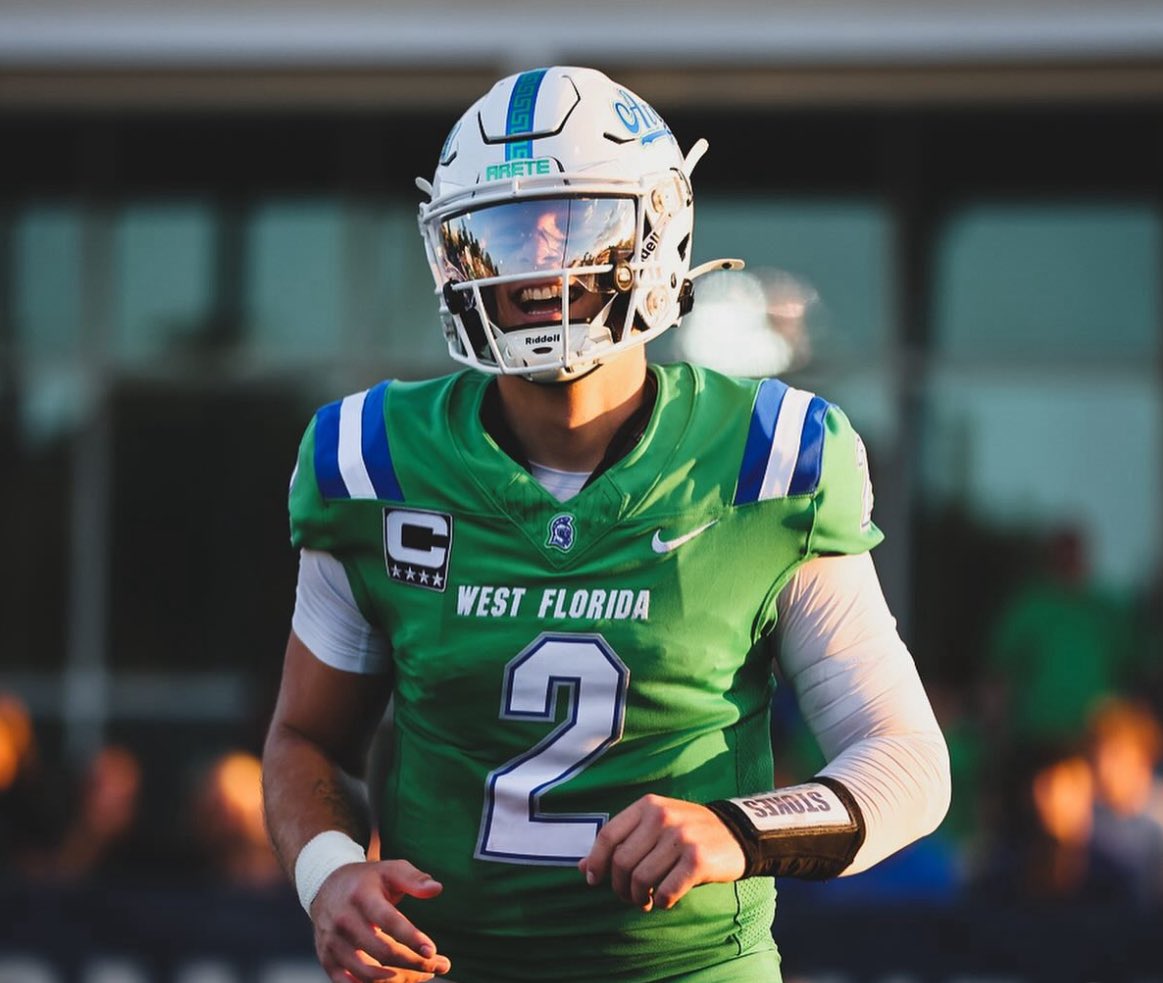
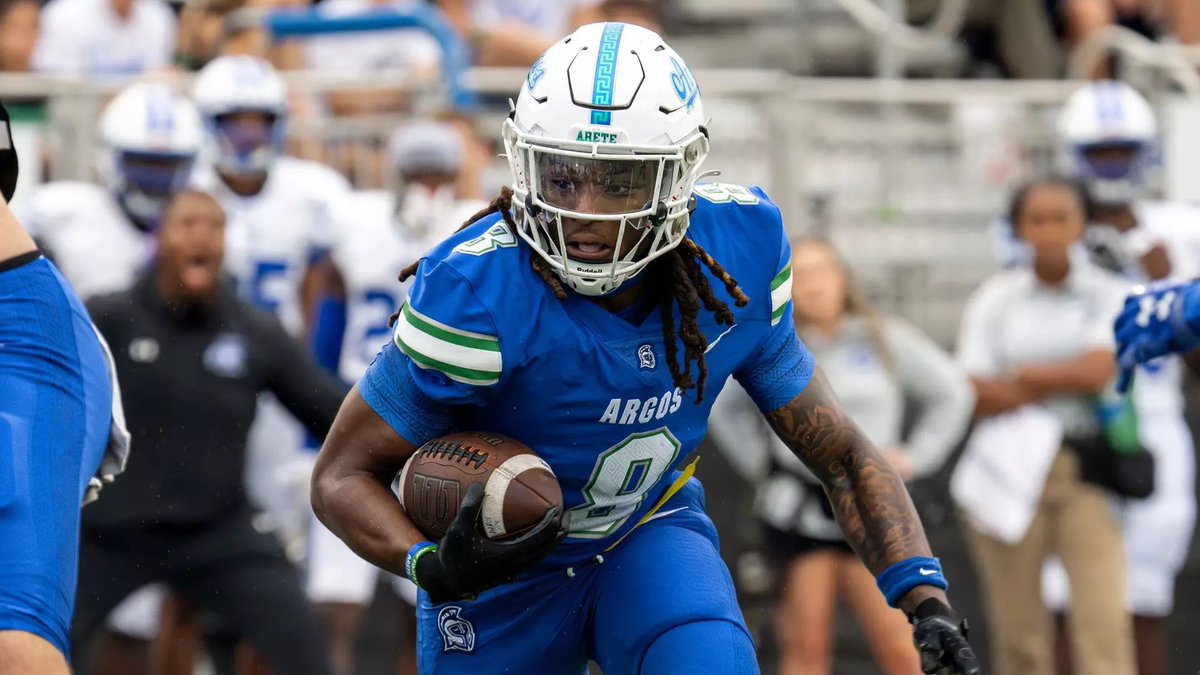
NEW: West Florida will MOVE UP to the FCS this year.
West Florida will join the United Athletic Conference as a football-only member starting this season @UWFFootball 🚨
47
449
5,873
871,072
Madison Riggins retweeted
Mar 27
An offer to play college football anywhere is not a consolation prize. It is an invitation to build a life.
10
145
642
43,596
Madison Riggins retweeted

Mar 17
Pretty cool moment Tuesday during warmups between Alex Golesh and Kory Pettigrew (13) and Keshaun Singleton (11).
8
27
542
30,980
