Hair research scientist
Joined April 2020
- Tweets 1,266
- Following 220
- Followers 922
- Likes 1,792
23 Photos and videos












Pinned Tweet

30 Oct 2025
Here's the latest article from myself and colleagues. Open access so you can download it for free:
Lai, H. J., Ye, Z. M., Chen, S. Q., McElwee, K. J., & Guo, H. W. (2025). Immune therapies for alopecia areata: evidence and new perspectives. Expert Review of Clinical Immunology, 21(10), 1421–1446. doi.org/10.1080/1744666X.202…
Plain Language Summary
Alopecia areata (AA) causes sudden, patchy hair loss because the body’s own immune cells mistakenly attack hair follicles. Hair follicle proteins are normally hidden from the immune system behind a physical and biochemical barrier. Genes, stress and other triggers, appear to disturb this ‘immune-privileged’ zone, letting immune cells inside hair follicles. Finding proteins they have never seen before activates immune cells, causing inflammation that blocks hair growth.
Doctors still rely on treatments such as steroid creams or scalp skin injections to regrow hair in AA patches, but not everyone responds and there are side effect risks. Contact-sensitizing chemicals, such as DPCP or SADBE, create a mild allergic rash. This skin irritation can promote hair growth in some patients with moderate AA. Light therapy and older drugs like methotrexate or cyclosporine are alternatives in some clinics, but the benefits are unpredictable and side-effects restrict long-term use.
New science is reshaping care. JAK inhibitor drugs block key switches inside immune cells and enable hair regrowth, though relapse after stopping treatment and infection risk remain issues. Drugs that block specific immune signals or checkpoints are also in trials. AA is a spectrum that varies by age, hair loss extent, allergy history, and immune profile. Methods are needed that calculate the best treatment option to use for each patient, based on clinical data and blood tests, to avoid trial-and-error treatment and cut side-effect risks. In the future, treatments that quickly calm inflammation and then restore the follicle’s natural protection may provide a lasting cure.
3
647
Kevin McElwee retweeted

Yet another new South Korean player. Qstem (also called Q-Stem) plans to form new hair follicles via the use of human induced pluripotent stem cells (hiPSCs) derived from a patient’s own blood.
hairlosscure2020.com/qstem-p…
2
10
1,111
Kevin McElwee retweeted

Apr 27
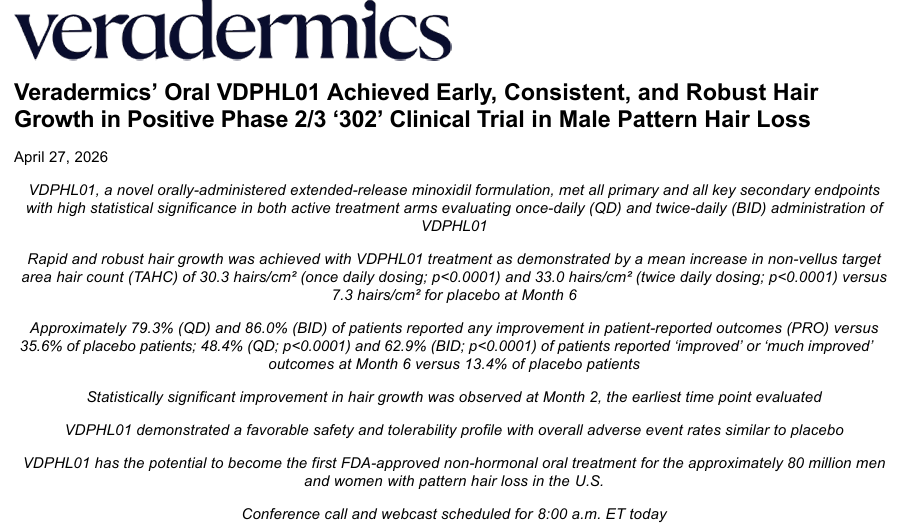
Veradermics demonstrated solid efficacy with 84.4% of men experiencing improvement on 2x a day VDPHL01, with an increase in terminal hair count of 33.0 hairs/cm² compared with 7.3 for placebo at 6 months. The results appear similar to 5% topical minoxidil but with more responders
2
5
18
3,775
Kevin McElwee retweeted

Apr 9
Amplifica’s Phase I re AMP-303 highlights a subgroup of “responders,” without showing enough about the full treatment group, placebo comparison, baseline hair counts, or consistency of the effect.
That means the complete dataset likely doesn’t show any positive benefit to the placebo group. Sad, but expected.
The AMP-303 treatment leverages hyaluronic acid / CD44 signaling, which may be able to trigger or support anagen entry, partly through p-AKT upregulation, ROS, and resultant upregulation of β-catenin.
This is not the same thing as strong canonical Wnt activation, so it may be better at nudging follicles into growth than at truly reversing androgenetic miniaturization. As a standalone treatment, the Phase 1 data shows it will likely have no effect. There is no data for it as an adjunct therapy, although many failed standalone treatments can be added as an adjunct, so this is not saying much.
Despite lackluster results, HA/CD44-based approaches are probably more promising than Amplifica’s SCUBE3 program. SCUBE3’s reported hair effect depends on activating TGF-β receptors in epithelial cells. Genetic and expression data implicate TGF-β overactivation in AGA, especially in dermal papilla signaling, so a therapy working through that axis is less likely to generate growth than one that appears to inhibit TGF-β1, like Hyaluronic Acid / AMP303.
Summary on AMP-303: Interesting mechanism, weak clinical proof, maybe some growth stimulation, but not yet convincing evidence of a meaningful AGA breakthrough.
3
5
14
1,053
Apr 8
Interesting article from Papa smurf on hair growth product development at Amplifica
Apr 8

There's a new paper on hyaluronic acid for hair growth, so I wrote a review of it and Amplifica. It touches on all their upcoming hair loss treatments: AMP-303 (HA), AMP-203 AMP-506 (osteopontin and possibly HA), and AMP601 (SCUBE3).
medium.com/p/amplifica-hope-…
6
246
Kevin McElwee retweeted
Mar 28
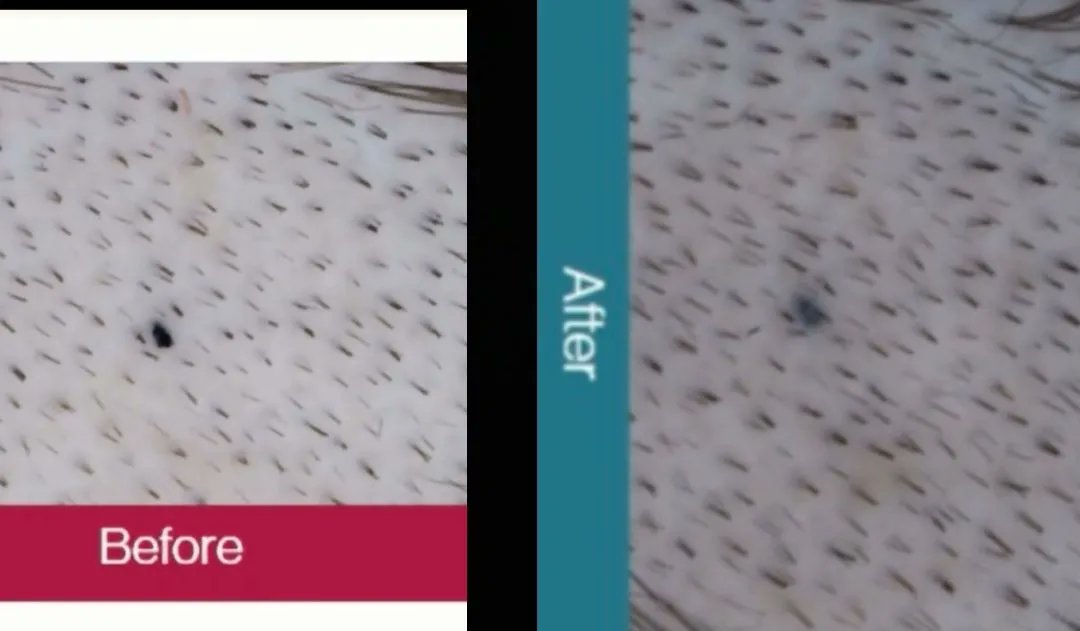
They presented today. It shows some signs of hair growth in the treatment group, but I don't see any indication yet that it can compete with minoxidil. My assumptions remain unchanged. Base case is JAK inhibitor-type growth. Best case is minoxidil equivalence.
15 Oct 2025
Pelage completed phase 2 and raised money to begin phase 3 in 2026, led by GV and ARCH. Phase 2 results will be presented at a medical meeting in 2026. My best guess is it will be at the AAD Annual Meeting March 27–31. That's where they presented in 2024.
pelagepharma.com/press-relea…
2
4
10
1,686
Mar 12
In the UK today, the Medicines and Healthcare Regulatory Agency (MHRA) have approved a JAK inhibitor medicine deuruxolitinib (Leqselvi) to treat severe alopecia areata in adults. 👏
alopecia.org.uk/news/mhra-ap…
2
137
Kevin McElwee retweeted
Mar 12
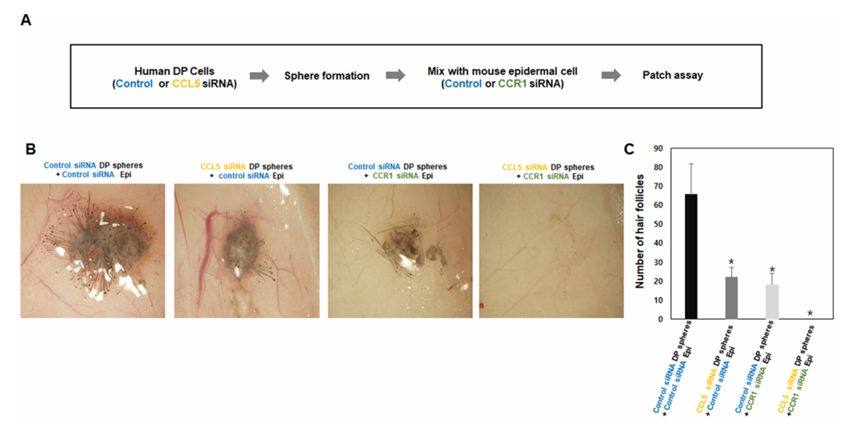
Knockout of the conserved DP inductive marker ALP reduces CCL5 expression in human DP spheres. When combined with mouse epidermal cells, CCL5 knockdown suppresses hair neogenesis similarly to ALP knockdown. Knockdown of CCL5 and its epidermal receptor CCR1 abolishes neogenesis.
1
2
5
469
Kevin McElwee retweeted

Very important article about hair systems. I can’t recall any similar case report of the last 25-30 years. Congrats to the authors.
Hair Prosthetic Injuries Disproportionately Affect Women in US Emergency Departments practicaldermatology.com/new… via @ReachMD
2
2
140
Kevin McElwee retweeted

Feb 27
The article being referenced is here: japantimes.co.jp/news/2026/0…
7
16
107
29,932
Kevin McElwee retweeted

Dr. Brett King shares practical guidance with The Dermatologist on treatment initiation, response assessment, and strategies for dose adjustment, discontinuation, and switching of JAK inhibitors for alopecia areata.
hmpgloballearningnetwork.com…
1
1
217
Kevin McElwee retweeted
1
2
152
Feb 10
New study (Feb 2026) in JAAD International: GLP-1 drugs (Ozempic, Wegovy, etc.) linked to higher risk of hair loss. In ~550k patients, odds of telogen effluvium up 76% & androgenetic alopecia up 64% at 1 year—independent of age, sex, BMI, diabetes. Another side effect to watch? #GLP1 #HairLoss
3
1
3
567
Kevin McElwee retweeted

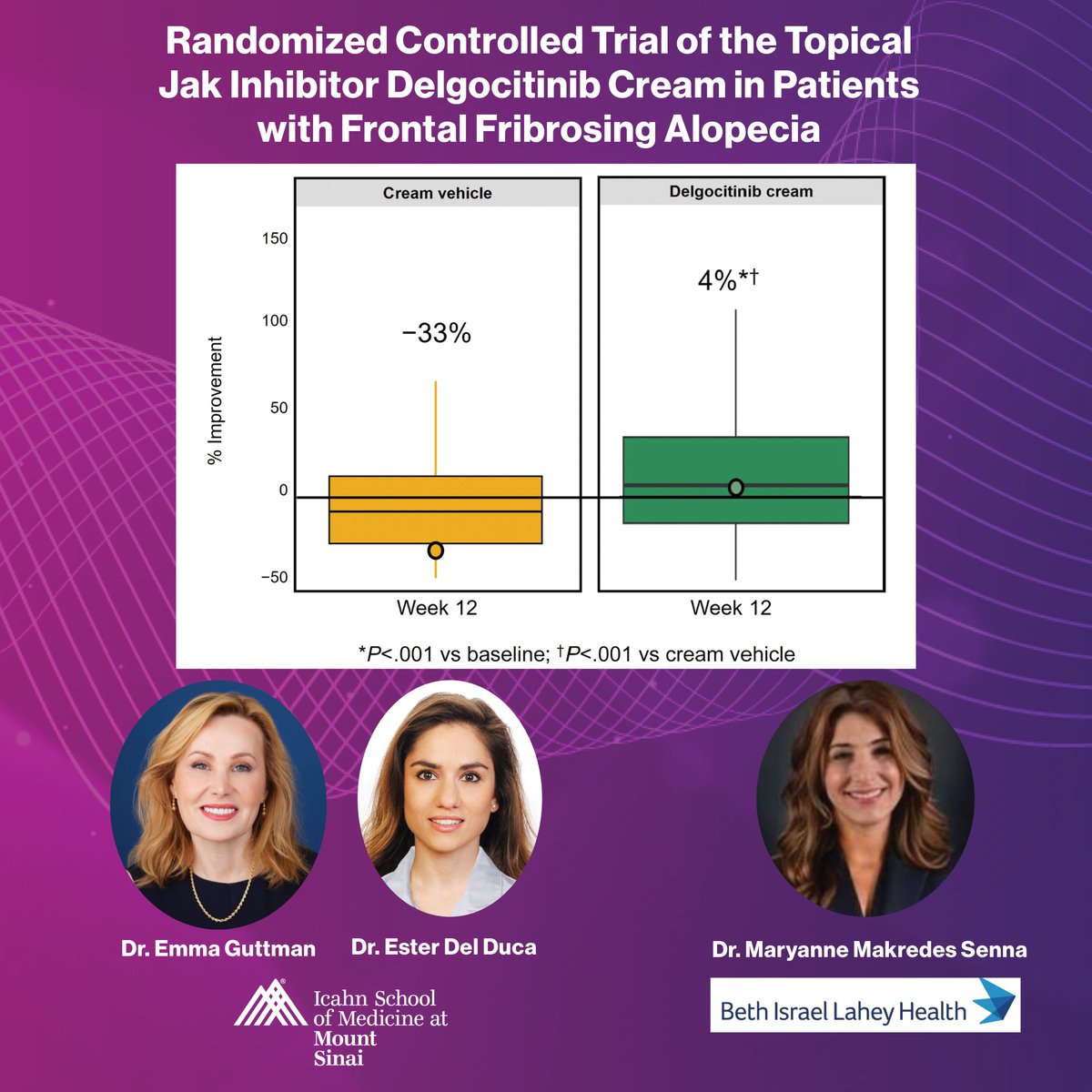
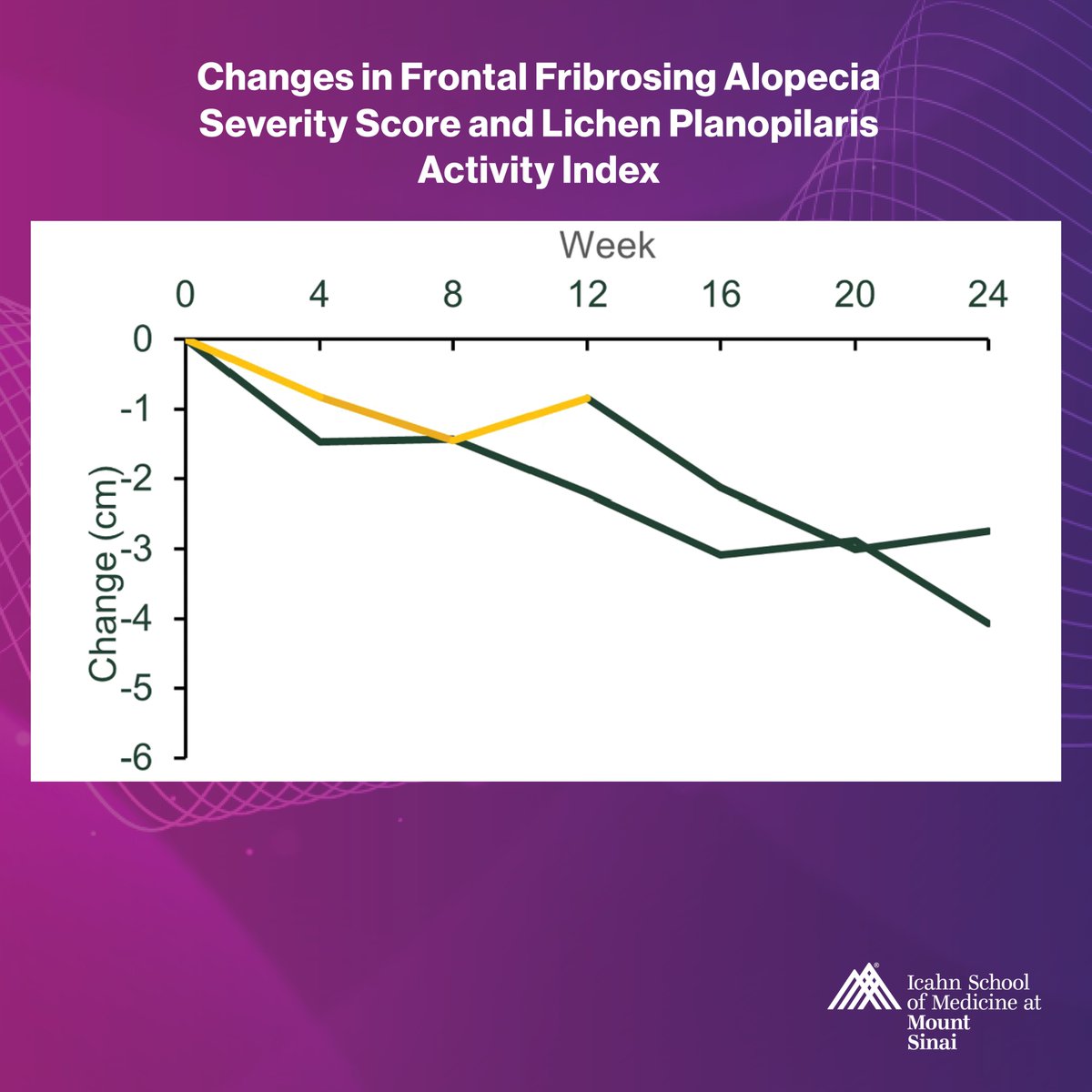
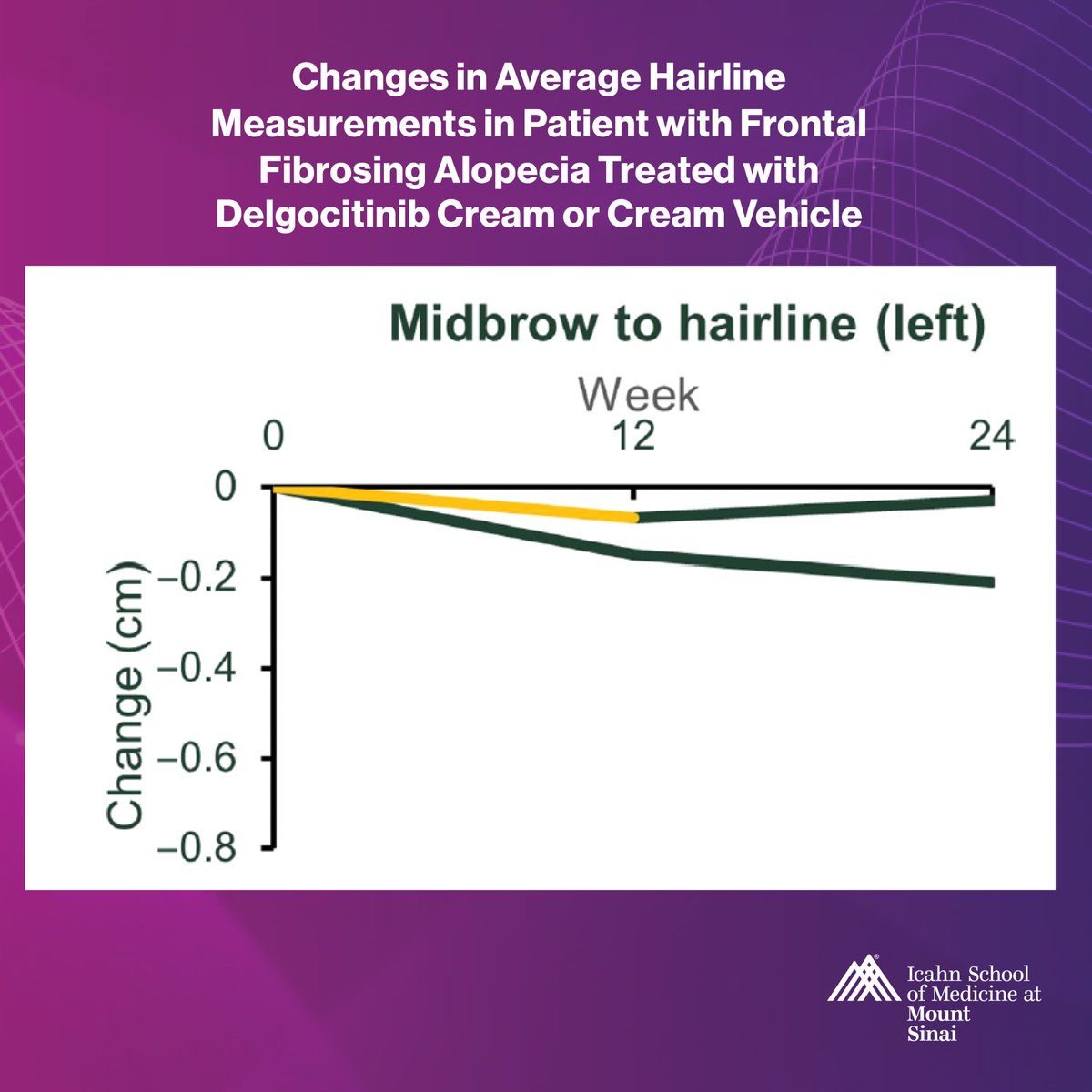
Topical delgocitinib 2% in randomized phase 2a FFA trial reduced lesional Th1 signals & shifted scalp transcriptomics —more non-lesional profile, w- clinical improvement & good tolerability, by Dr. @EmmaGuttman Dr. Del Duca, w- Dr. Maryanne Makredes Senna bit.ly/4sLuhEu
1
2
4
519
Kevin McElwee retweeted
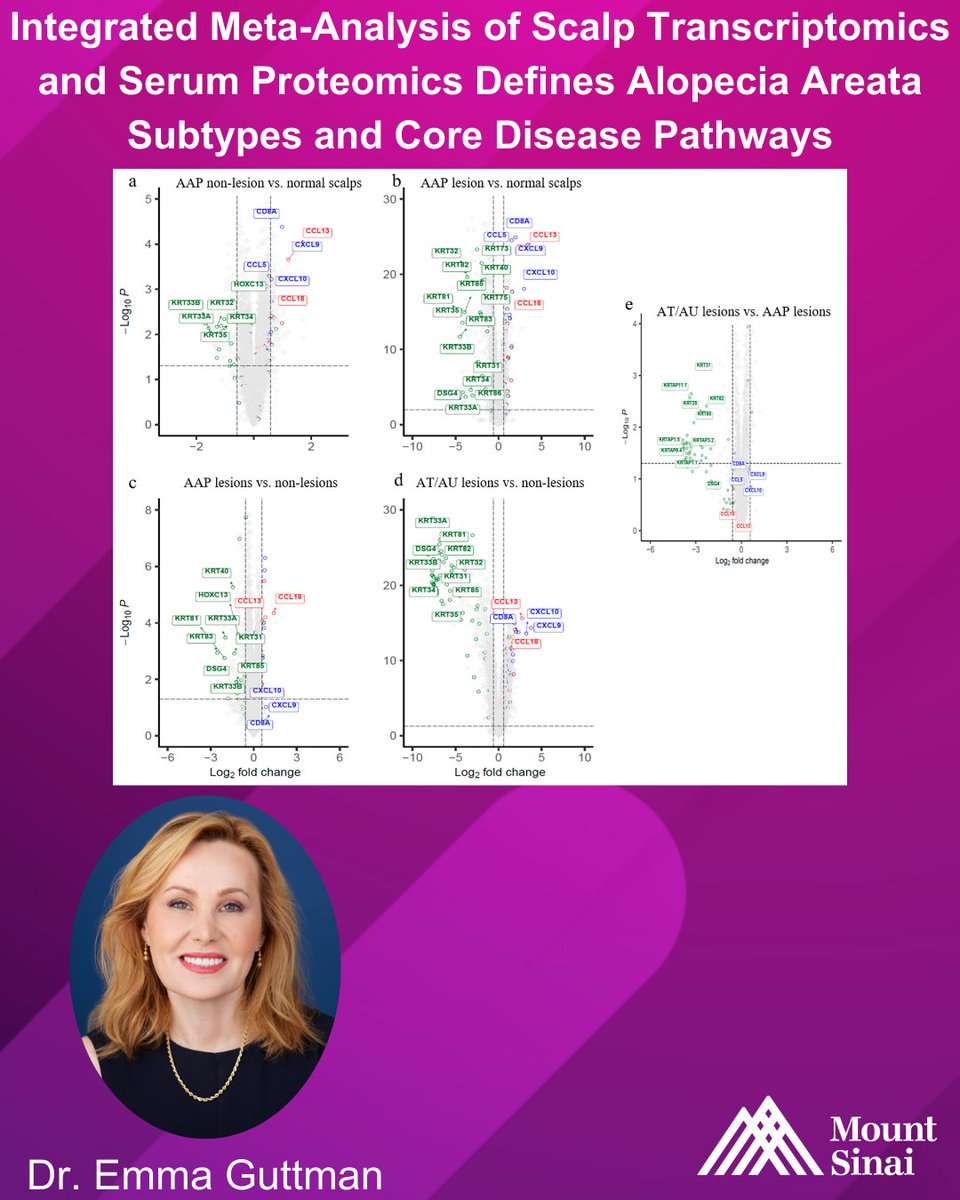
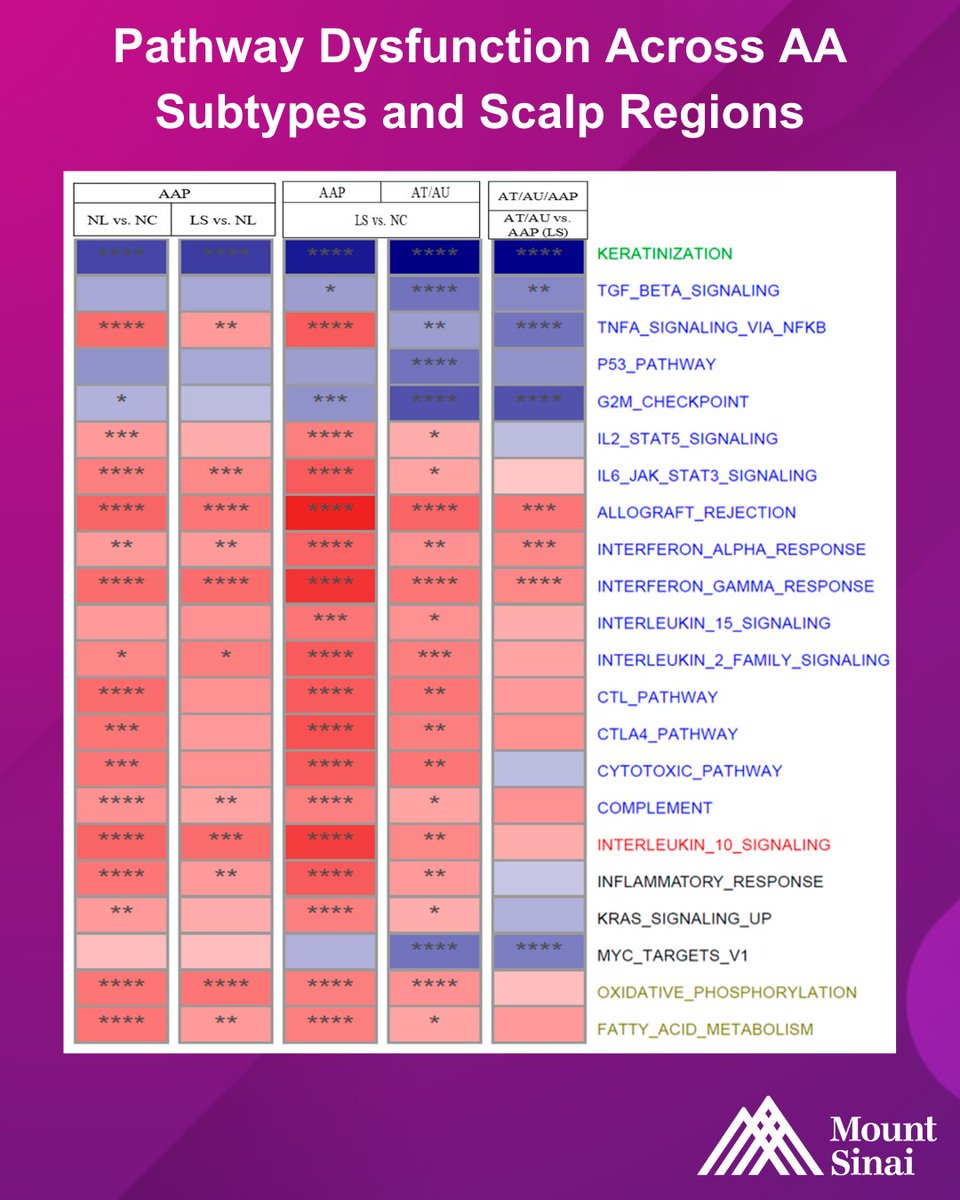
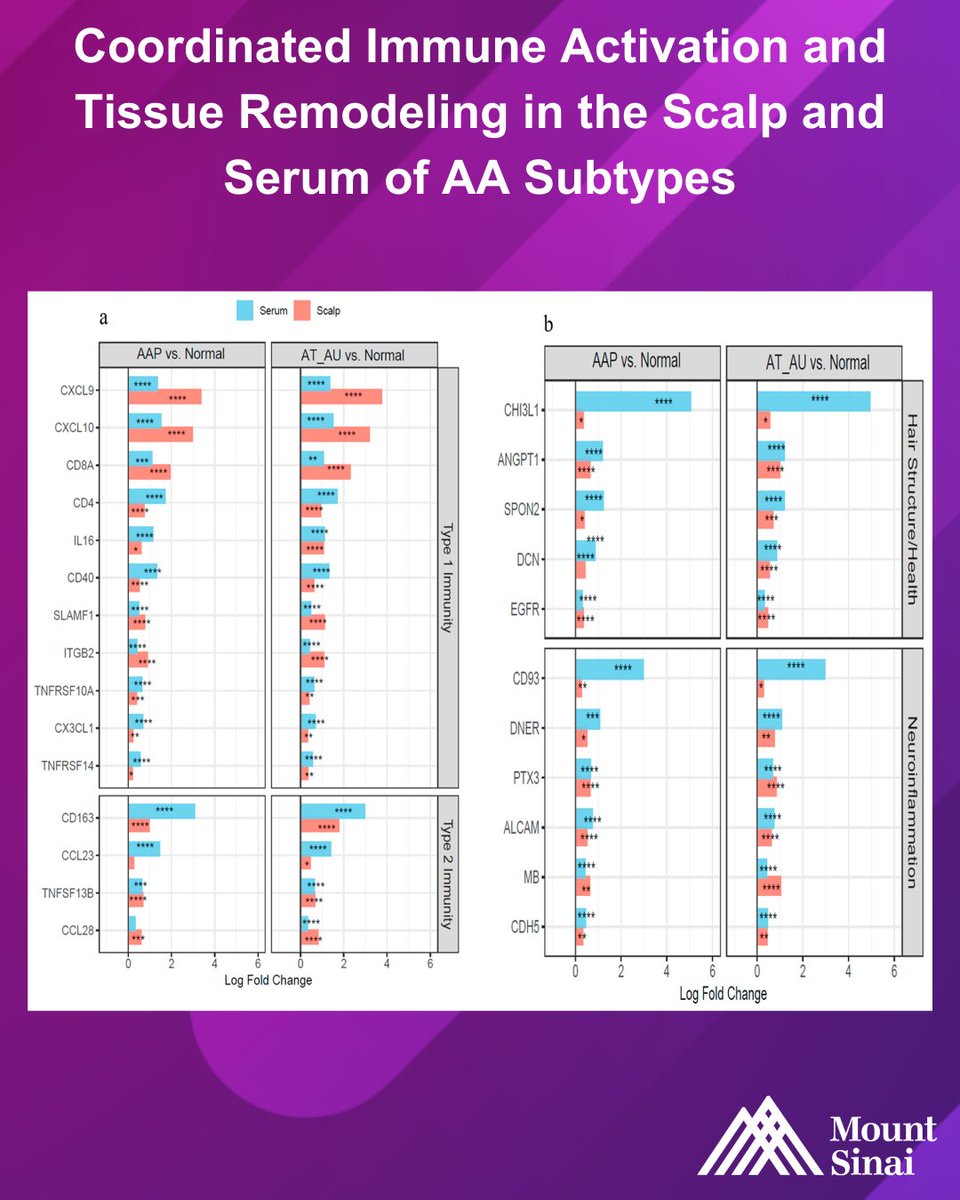
Scalp transcriptomics plus serum proteomics in alopecia areata by @EmmaGuttman and colleagues identifies molecular subtypes that track with severity. Patchy AA shows early immune activation while AT or AU intensify IFN and IL-15 signals.
🔗 bit.ly/4jqDHRk
2
7
421

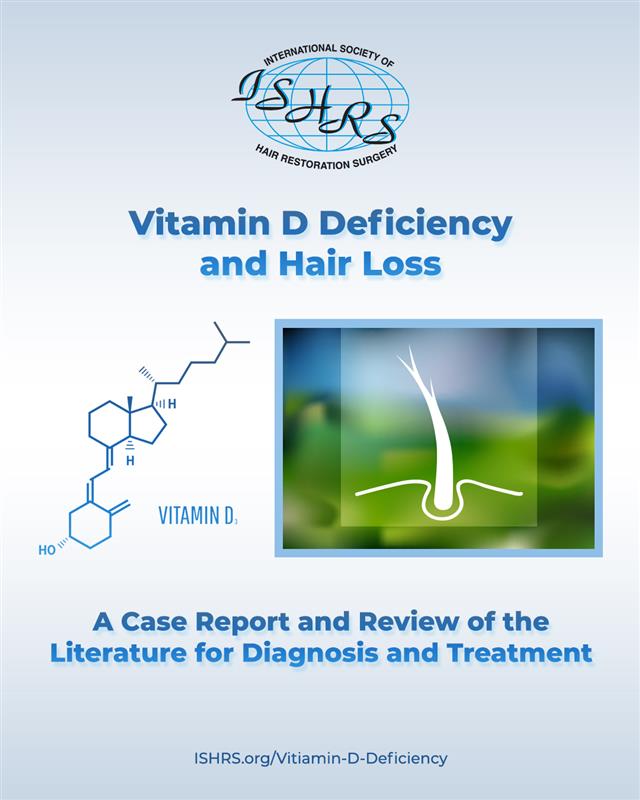
In an open access publication in ISHRS Hair Transplant Forum, Dr. Sharon Keene shares a case about a man with severe hair thinning. After 6 months of taking vitamin D3 supplements, his follow-up photos showed significant new hair growth.
Full study here: ishrs.org/vitamin-d-deficien…
1
3
297
Jan 29
In a landmark UK tax ruling, an Upper Tribunal has found that severe hair loss in women can legally count as a disability. This recognises the significant impact alopecia can have on everyday life. This means specialist wig systems for affected women now qualify for zero-rated VAT (Value Added Tax - normally 20%) as aids for the disabled. This reverses HMRC’s earlier stance that baldness was purely "cosmetic". 😀👩🦱
2
1
87
Jan 29
Earlier tribunal decisions (FTT level, pre-appeal) found that hair loss or baldness alone doesn’t qualify as a disability for VAT zero-rating, and that the wig system at the centre of this case was regarded as more of a service than an adaptation of goods, this was a key issue in the appeal.
1
69