
A global health organization led by @DrTomFrieden that accelerates action against the world's deadliest health threats to save millions of lives.
Joined August 2017
- Tweets 5,315
- Following 232
- Followers 10,682
- Likes 3,274
1,774 Photos and videos



Pinned Tweet

May 18
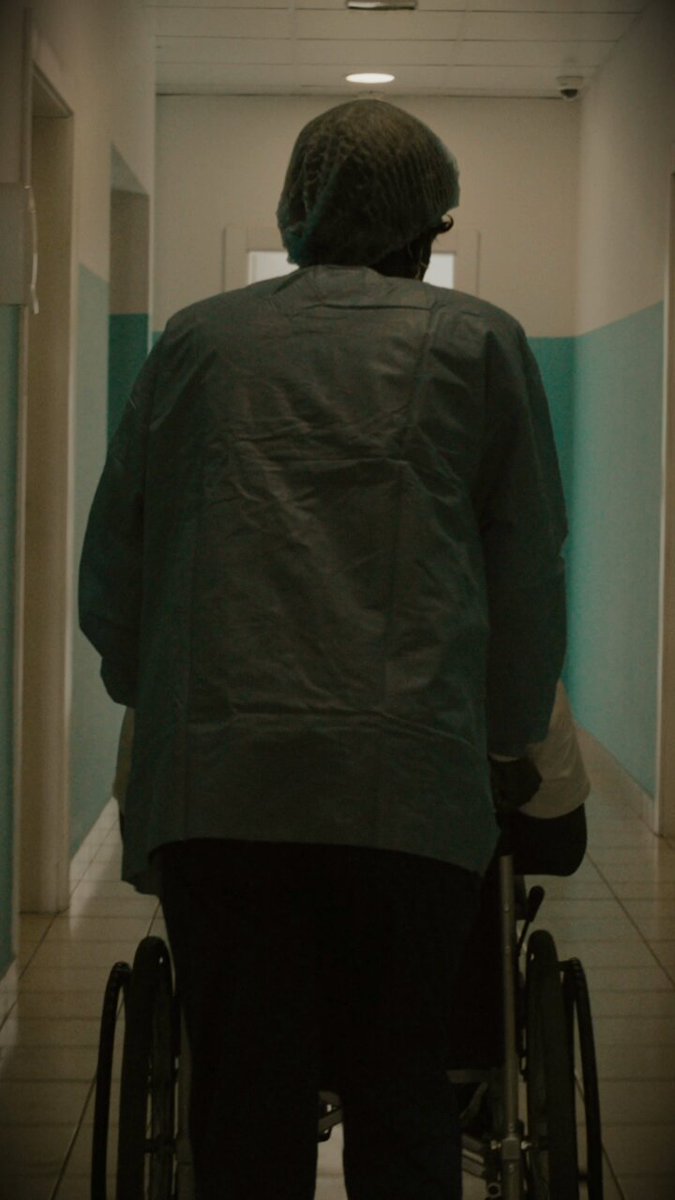
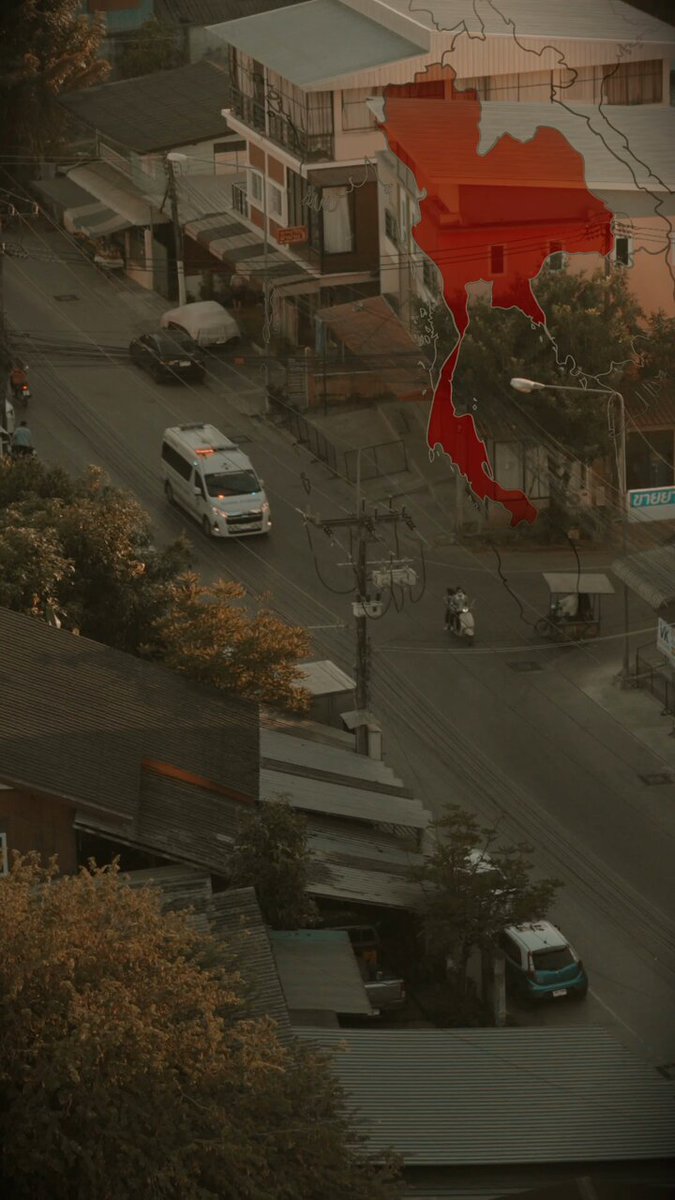
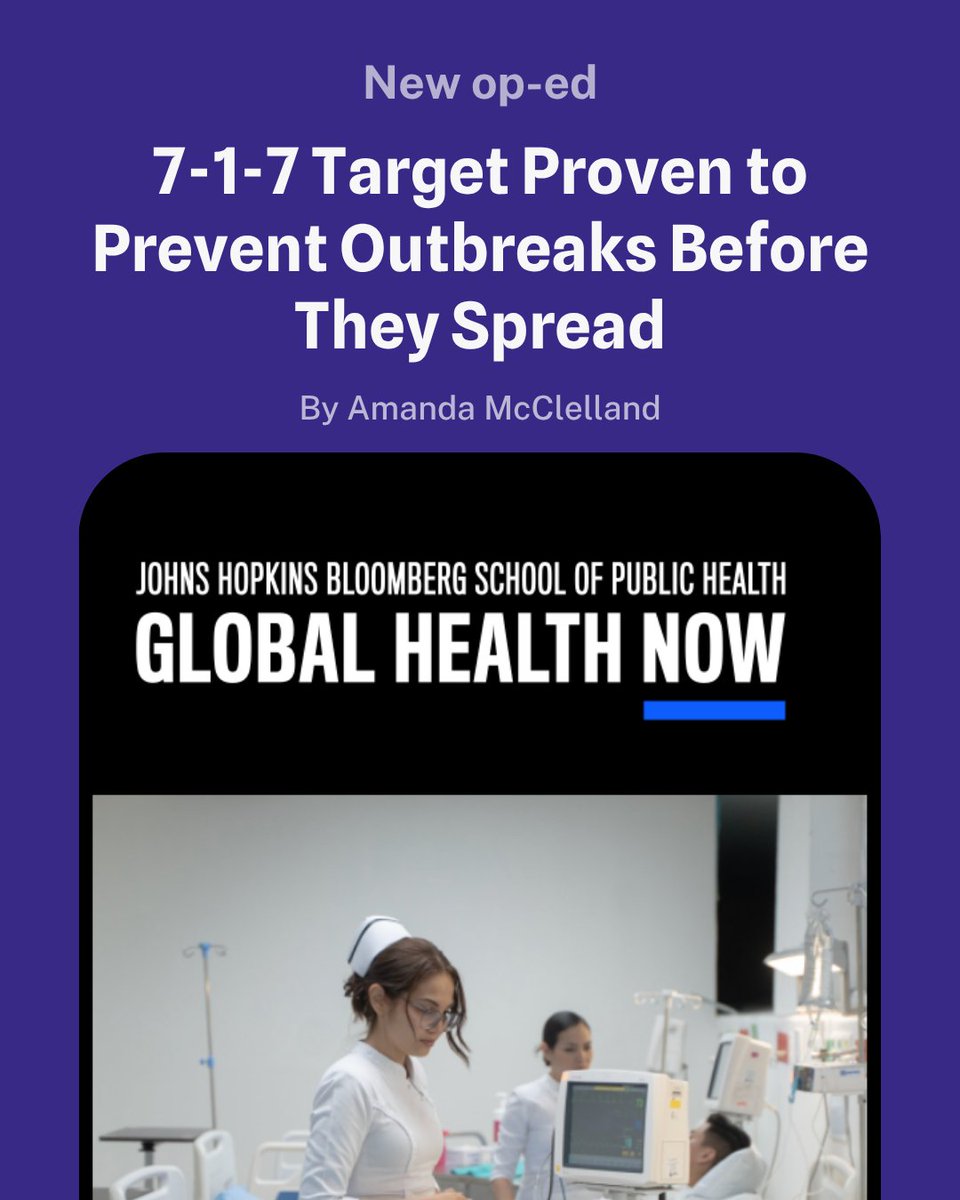
Three disease outbreaks. Three countries. Three epidemics prevented.
Last year El Salvador, Gabon and Thailand contained outbreaks of malaria, mpox and cholera before they spiraled into epidemics. In a new video, we hear from the health care workers involved about how they acted quickly to stop diseases from spreading using the 7-1-7 target for outbreak detection and response and saved lives.
You can read the full stories in our new Epidemics That Didn’t Happen report, launched today at #WHA79: etdh.resolvetosavelives.org/…
1
5
461
Jun 12
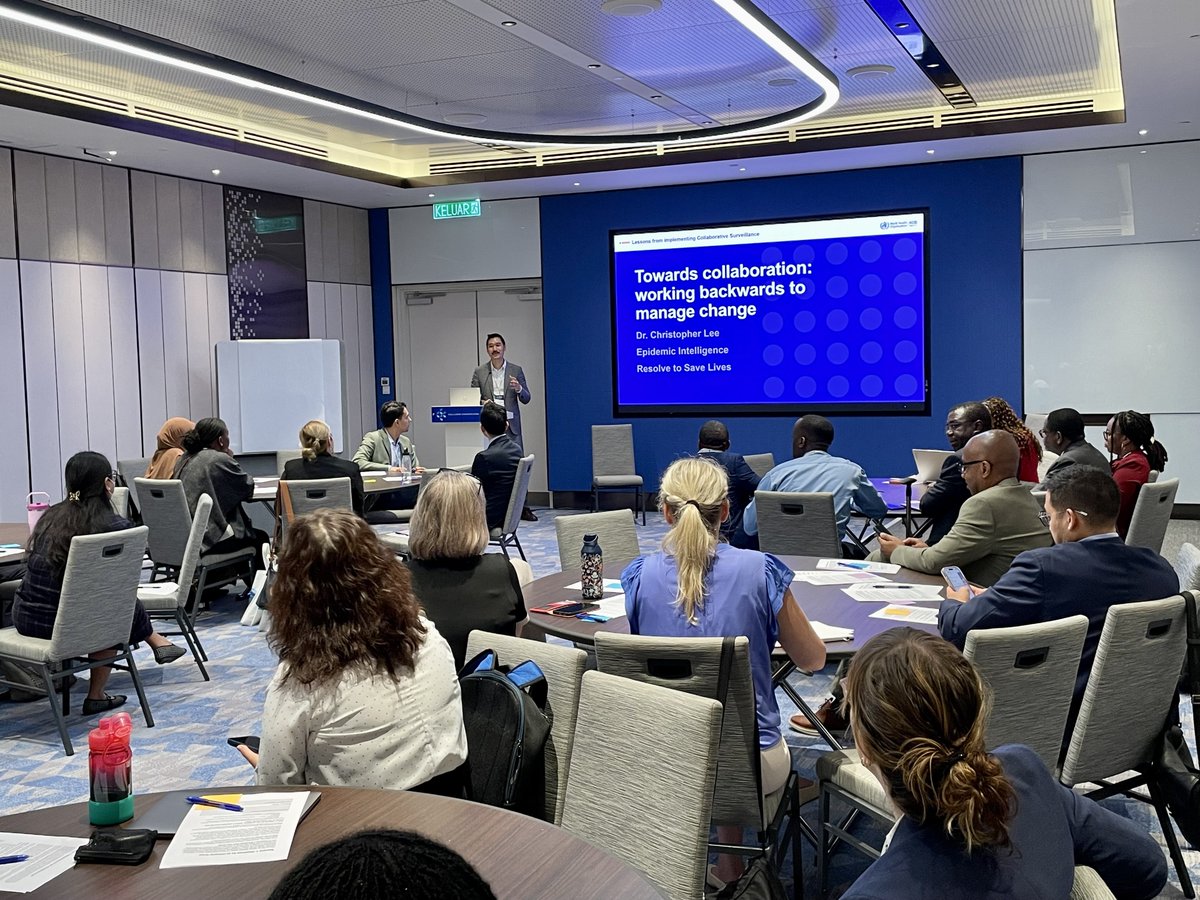
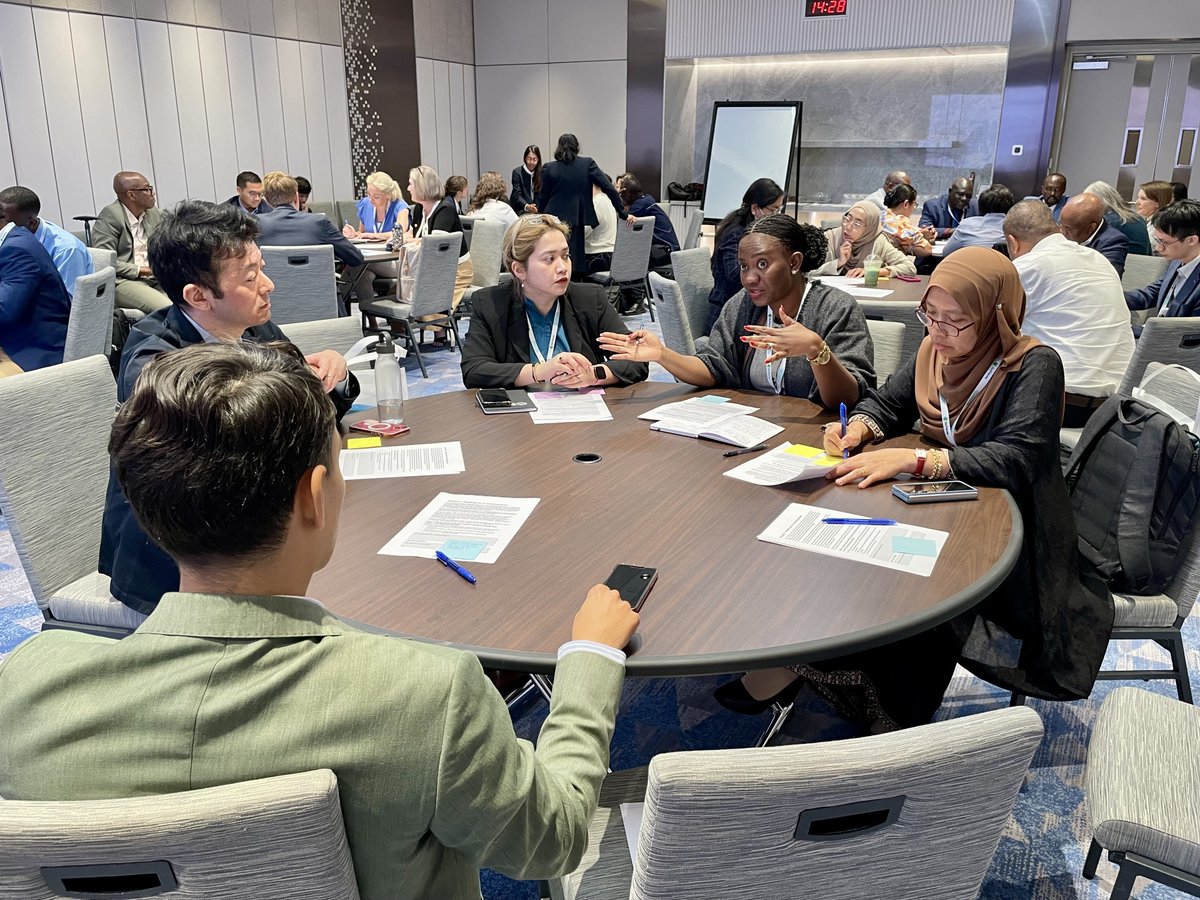
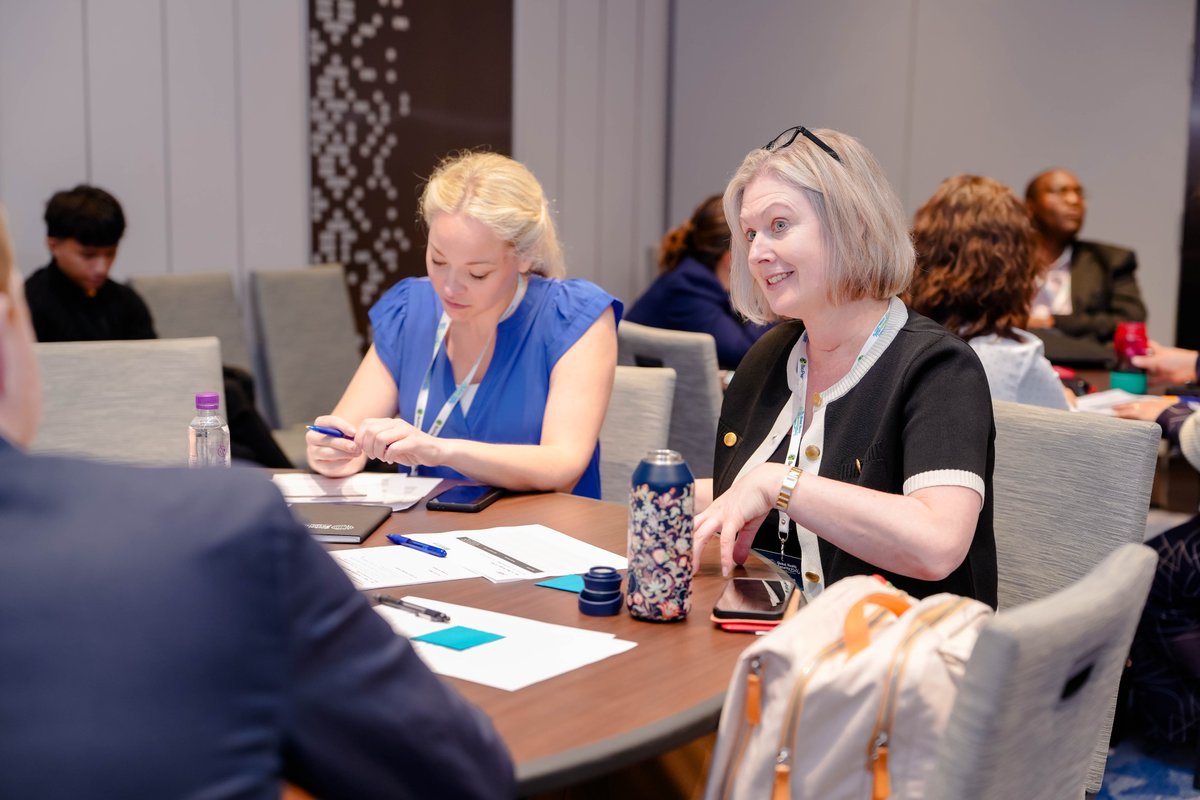
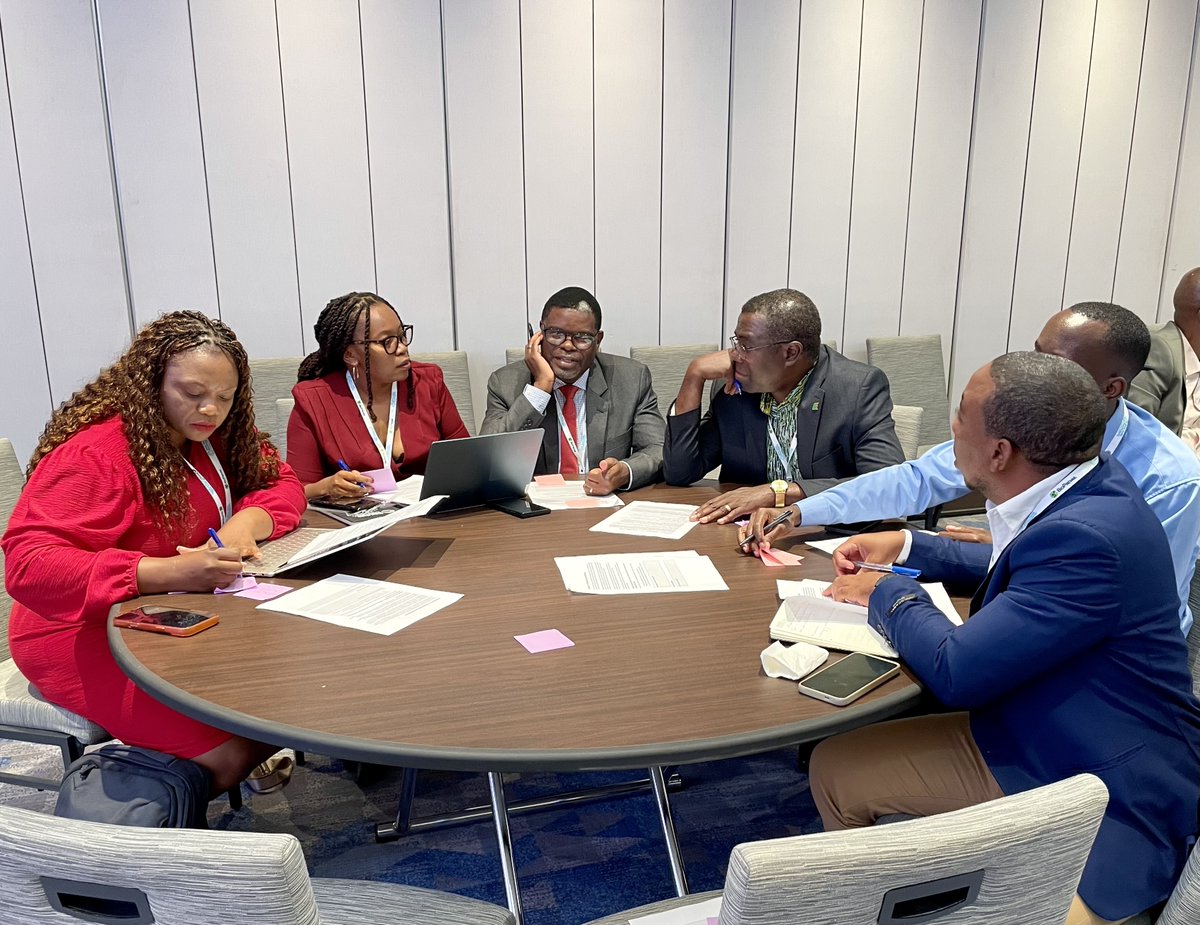
Earlier this week at #GHS2026 in Kuala Lumpur, we partnered with @WHO to co-host a hands-on workshop on collaborative surveillance, the practice of using real-time information to respond to outbreaks quickly and effectively.
Participants from 10 countries rolled up their sleeves and worked through a "backwards" approach to surveillance planning—starting from a priority public health decision and identifying the data, collaborations and capacity needed to support it. The exercise brought the concept of collaborative surveillance to life in a practical, tangible way.
Two case studies showed what this looks like in practice:
🇿🇲 Professor Roma Chilengi from Zambia shared how collaborative surveillance has enabled its national public health institute to integrate data from across sectors and generate actionable intelligence in seconds rather than days.
🇲🇾 Dr. Jamilah Yusoff from Malaysia demonstrated how multisource surveillance has strengthened the country's ability to address a pressing national public health priority.
Thank you to Marie-Christine Bartens and the WHO Hub for Pandemic and Epidemic Intelligence for co-hosting, and to all the participants who brought thoughtful engagement to the discussion. Collaborative surveillance is how we build health systems that are ready—before the next threat arrives.
4
133
Resolve to Save Lives retweeted

The Global Diabetes Compact has gathered governments, civil society, the @WHO & people living with diabetes around a shared agenda.
The next challenge: turning targets into care on the ground.
@IntDiabetesFed @ResolveTSL @DrTomFrieden @IHME_UW @sanofi
healthpolicy-watch.news/five…
1
1
100
Jun 11
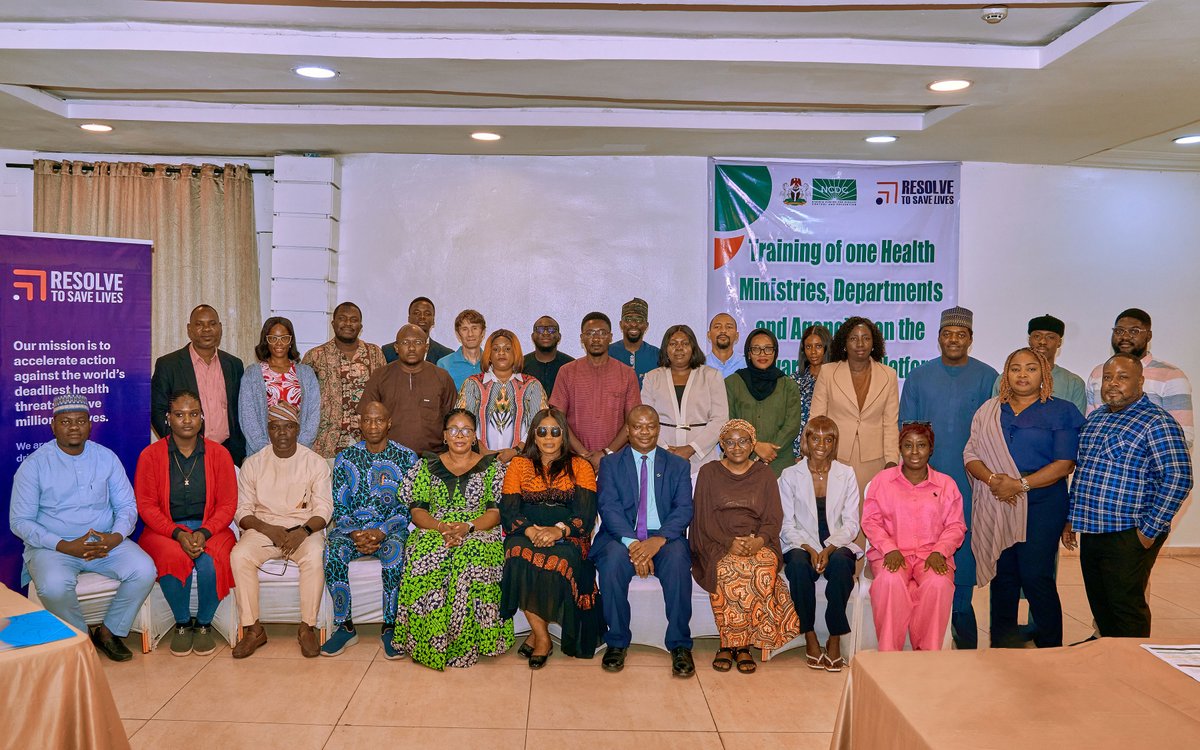
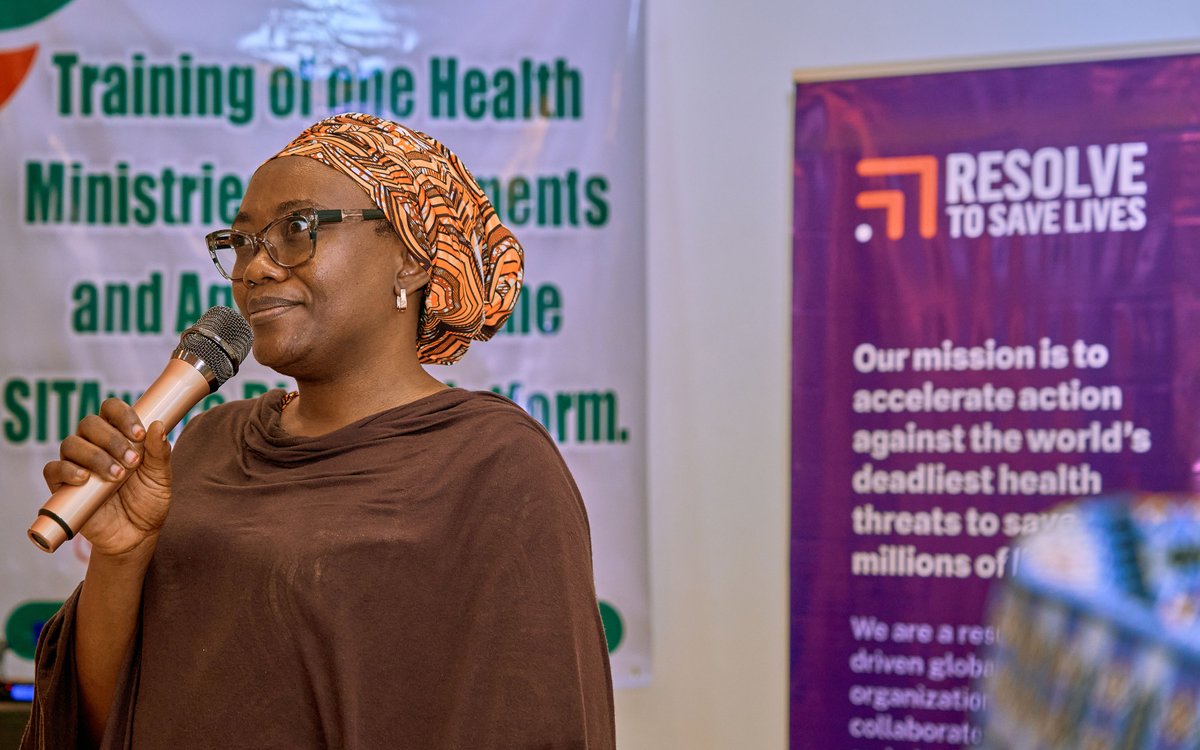
A successful workshop with @NCDCgov to strengthen One Health surveillance, an approach that prioritizes cross-sector collaboration and integrates the connections between humans and the environment.
Last month, we partnered with NCDC to introduce federal stakeholders to SITAware, Nigeria's event management platform for tracking public health threats and documenting response actions. We focused on how participants can use SITAware to strengthen One Health surveillance and hosted sessions about the platform’s key features, use cases and outputs.
Effective use of the SITAware platform will improve notification, coordination and response to outbreaks and other public health threats. Thank you to our partners and participants for a productive workshop centered on this critical tool for health security.
Read more about the workshop and SITAware platform: resolvetosavelives.org/timel…...


1
43
Resolve to Save Lives retweeted

.@ResolveTSL presentó en Ginebra el informe bianual 'Las epidemias que no ocurrieron', que recopila ejemplos de brotes detectados y contenidos antes de convertirse en crisis sanitarias
elpais.com/planeta-futuro/20…
1
1
157
Jun 10
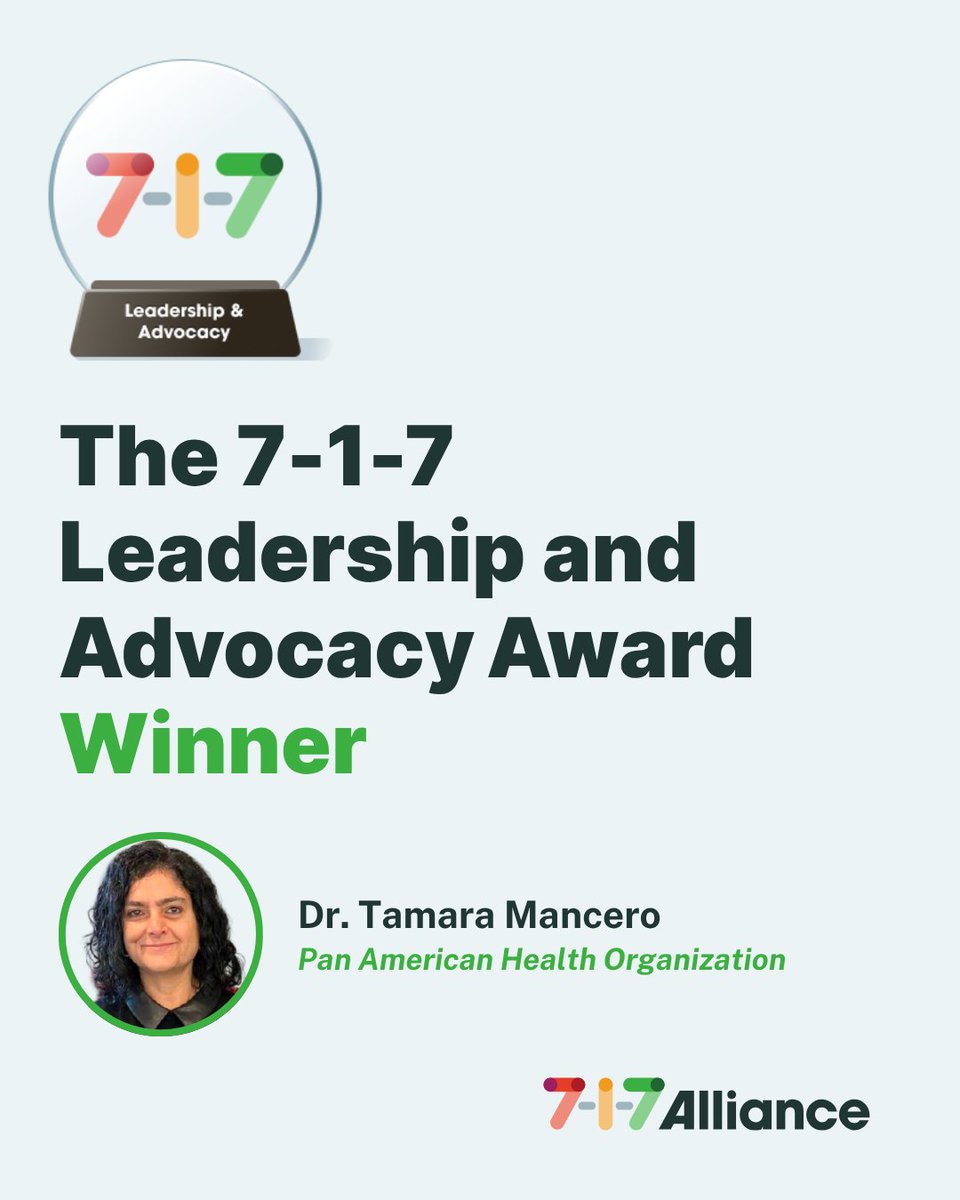
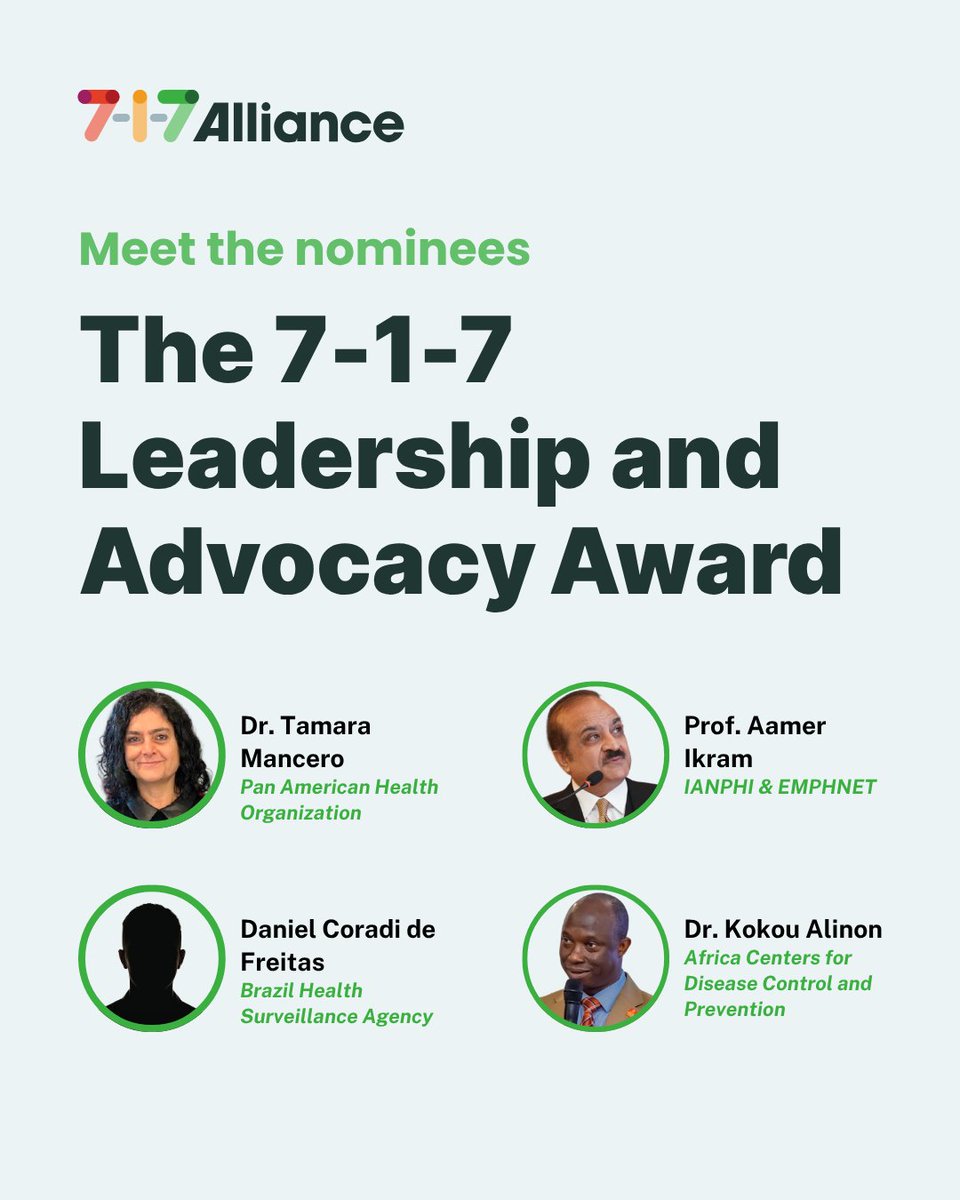
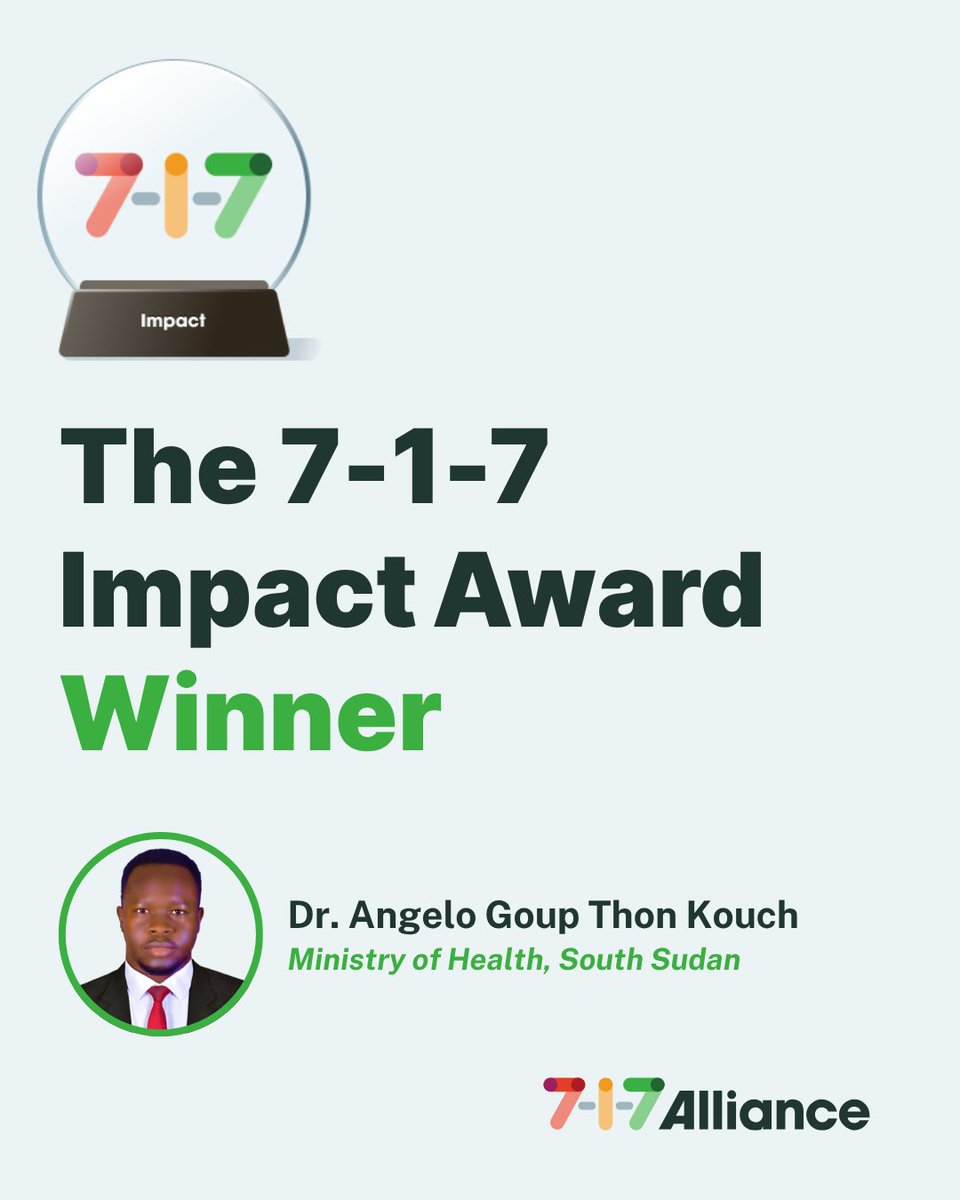
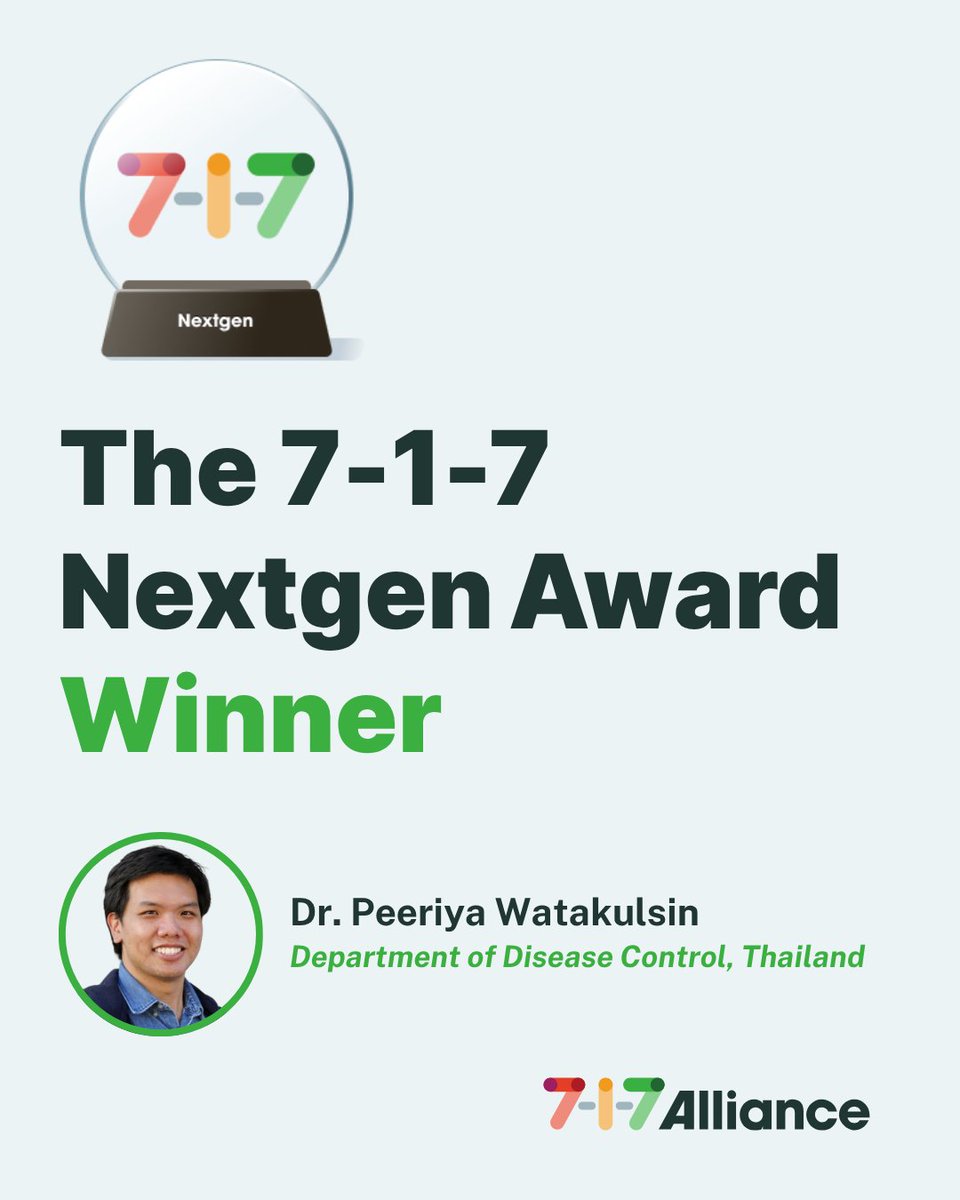
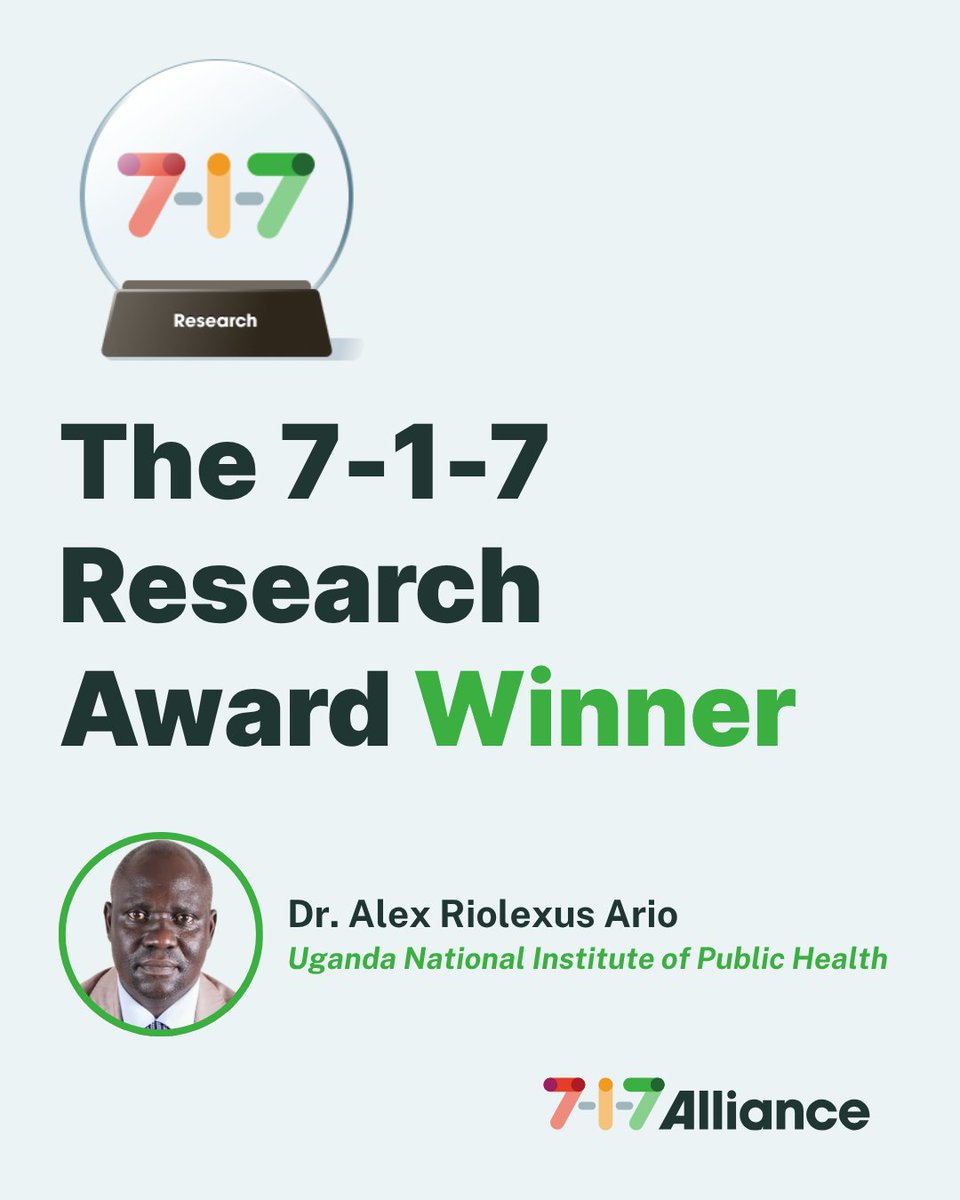
Today at #GHS2026, the 7-1-7 Alliance announced the winners of the inaugural 7-1-7 Awards, celebrating outstanding leaders who are driving change with the 7‑1‑7 target and strengthening global health security:
🔴 Dr. Tamara Mancero | 7-1-7 Advocacy and Leadership Award
🔴 Dr. Angelo Goup Thon Kouch | 7-1-7 Impact Award
🔴 Dr. Peeriya Watakulsin | 7-1-7 Nextgen Award
🔴 Dr. Alex Riolexus Ario | 7-1-7 Research Award
Congratulations to these inspiring leaders who are improving outbreak detection, notification and response around the world. Read more about their impact: 717alliance.org/impact/award…
156
Resolve to Save Lives retweeted
Five years after the Global Diabetes Compact, the world has made progress on diabetes diagnosis, care and access — but millions still lack affordable insulin more than a century after its discovery.
@WHO @IntDiabetesFed @ResolveTSL @DrTomFrieden
@IHME_UW
healthpolicy-watch.news/five…
8
68
50,276
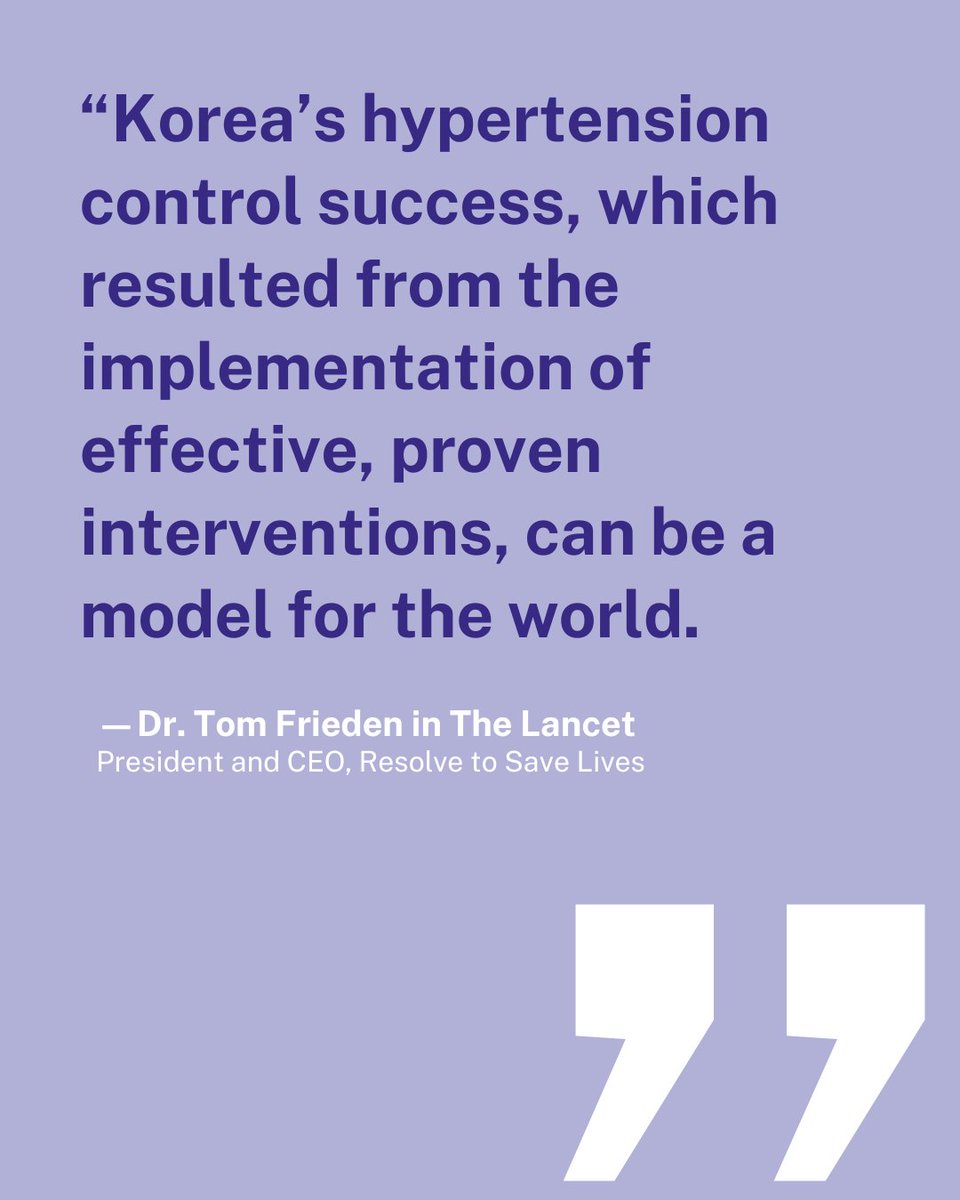
Between 1990 and 2023, South Korea dramatically reduced deaths from stroke by increasing blood pressure control rates from 5% to 62%. Their success can be a blueprint for the world.
In a new article for @TheLancet, @fmclellan spoke to @DrTomFrieden and Dr. Renu Garg about South Korea’s remarkable success controlling high blood pressure, or hypertension, a deadly disease that causes heart attacks, strokes, dementia, and kidney failure.
Read and share the full article: thelancet.com/journals/lance…
1
11
8
1,702
The spread of Ebola in DRC has been generating headlines—but most outbreaks don’t make the news. The lifesaving work of proactive public health systems that stop local disease outbreaks from becoming global catastrophes often flies under the radar.
Our latest Epidemics That Didn’t Happen report shares six stories that didn’t make headlines. It highlights health systems that worked behind the scenes to identify outbreaks early and quickly contain them. These stories shine a light on how targeted investments in preparedness and well-timed response actions can save lives, even when they don’t make global news.
Read the report: etdh.resolvetosavelives.org/…
2
94
Resolve to Save Lives retweeted

When countries use 7-1-7 to measure performance and address challenges, they can respond faster and more effectively, writes @AmandaMcClella2 of @ResolveTSL. globalhealthnow.org/2026-05/…
1
1
96
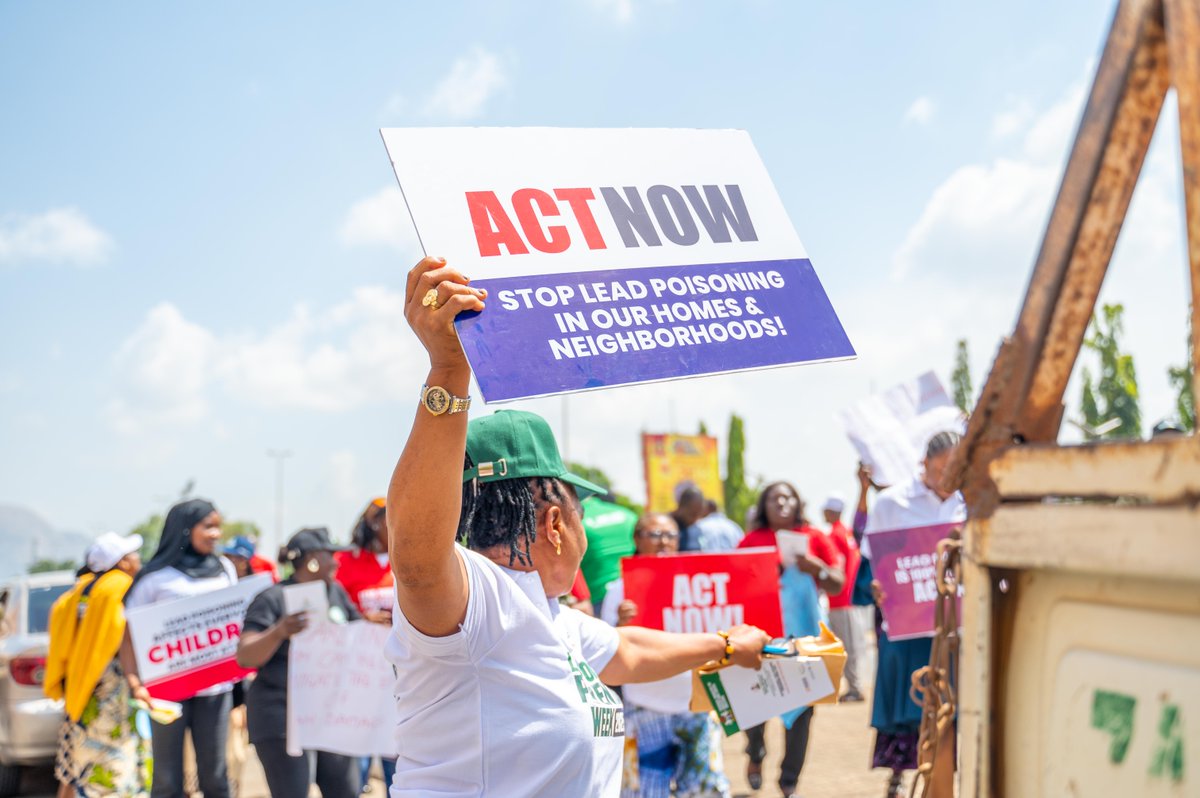
Food safety impacts every family in the world.
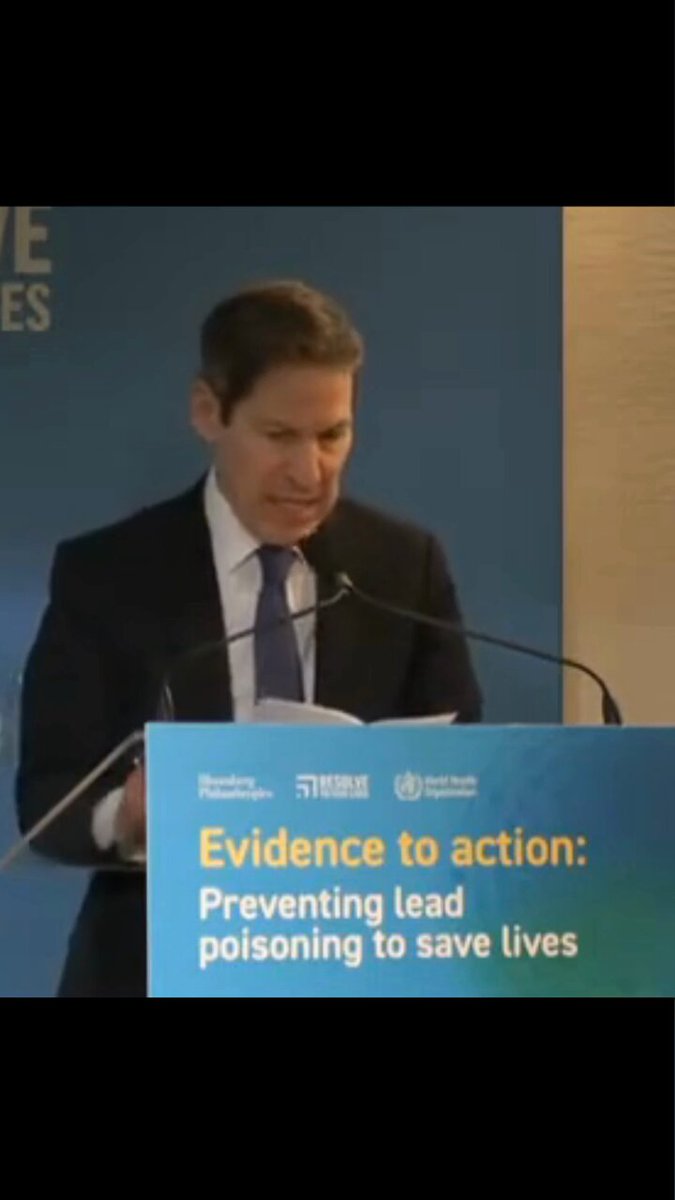
Each year, unsafe food causes around 1.5 million deaths, a large share of which are caused by exposure to harmful chemicals, such as lead.
There is no safe level of lead exposure; even low levels can cause irreversible damage, including increased risk of heart disease and developmental issues in children. That’s why we’re working with @WHO to develop the PREVENT technical package to provide guidance on the most effective ways to prevent lead poisoning from all sources, including food and the materials used to prepare food.
Read the new data from WHO to see how lead exposure affects healthy food access in your country: worldhealthorg.shinyapps.io/…
1
1
109
🔎 Implementing emergency-ready healthcare in Nigeria and beyond
Our team recently partnered with the Nigeria Centre for Disease Control and Prevention (NCDC), the National Primary Health Care Development Agency (NPHCDA), the World Bank, AFENET, state governments, and others to hold a national workshop focused on putting emergency-ready health care into practice in Nigeria.
After years piloting our epidemic-ready primary health care program, Nigeria is the first country to use the recently published Emergency-Ready Primary Health Care (ERPHC) Framework to create a large-scale, country-specific implementation plan. The ERPHC Framework, developed by our team and WHO, outlines a practical approach to strengthen primary health care systems to prevent, detect, and respond to health threats while maintaining essential services.
We applaud Nigeria for their leadership in paving a new model of emergency preparedness and encourage other governments, partners, and communities to adapt the ERPHC framework to their contexts to improve health security. Learn more about ERPHC here: resolvetosavelives.org/resou…
1
3
199
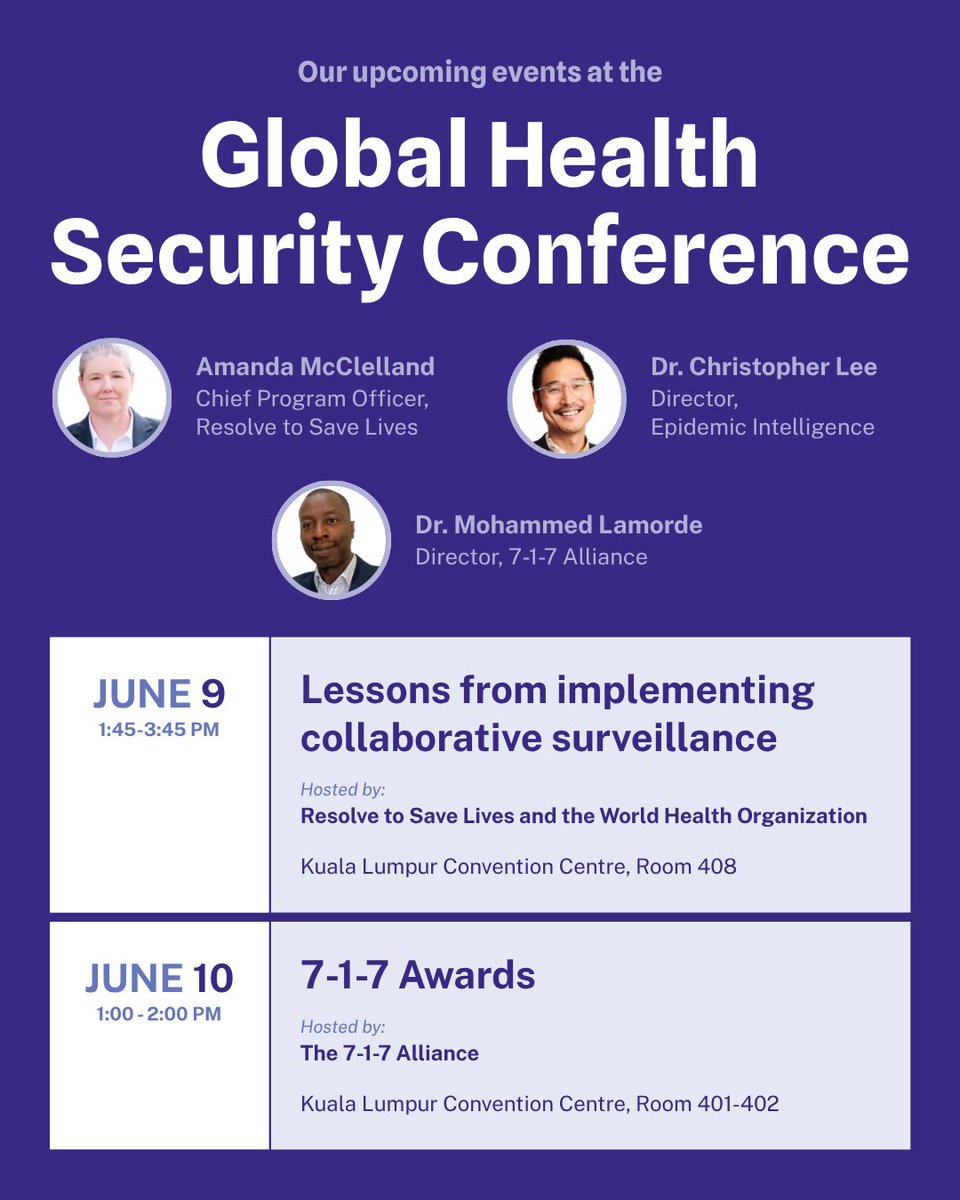
Connect with us at the 2026 Global Health Security Conference!
Next week, we’re hosting two sessions at #GHS2026 in Kuala Lumpur sharing progress on our work to strengthen outbreak preparedness and response:
🔹Lessons from implementing collaborative surveillance
—Tuesday, June 9, 2026, 1:45-3:45 PM
—Kuala Lumpur Convention Centre, Room 408
🔹7-1-7 Awards
—June 10, 2026, 1:00-2:00 PM
—Kuala Lumpur Convention Centre, Room 401-402
Read more about the sessions on our website: resolvetosavelives.org/timel…
2
121
Resolve to Save Lives retweeted

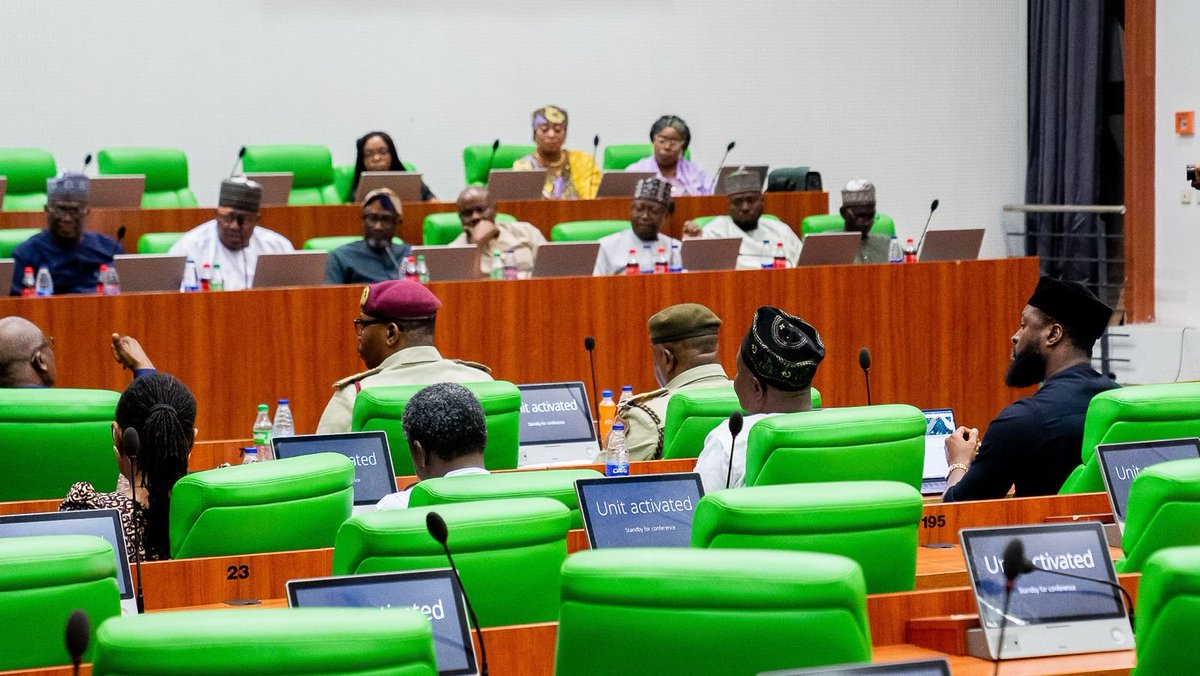
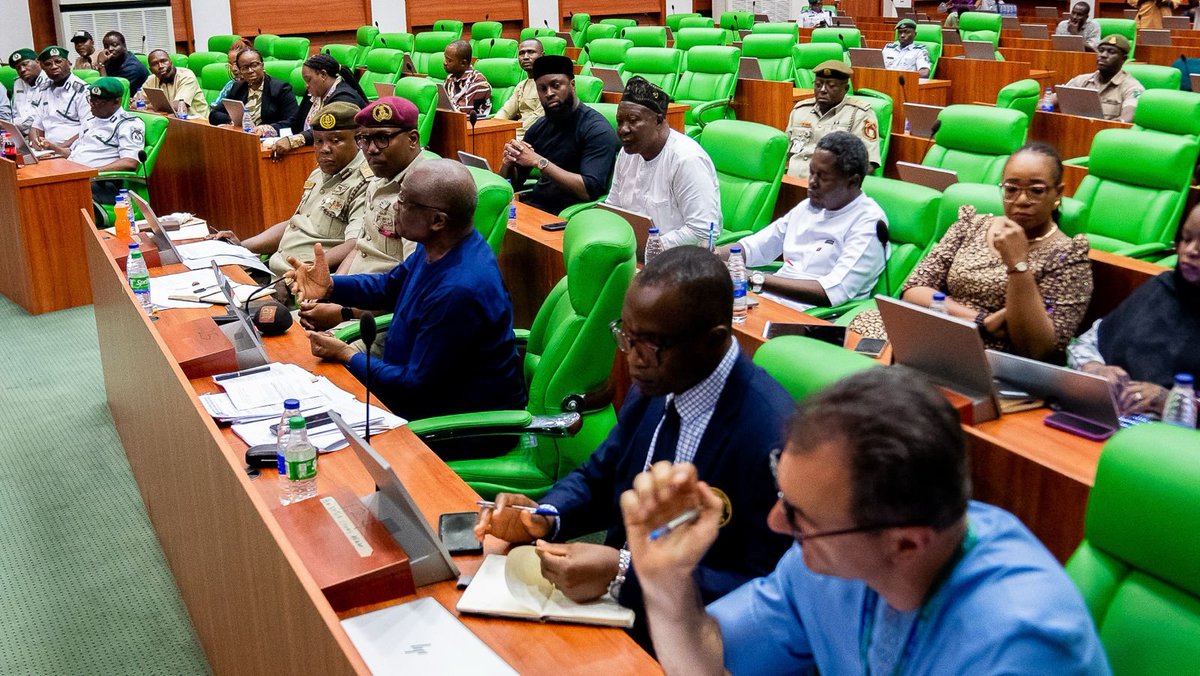
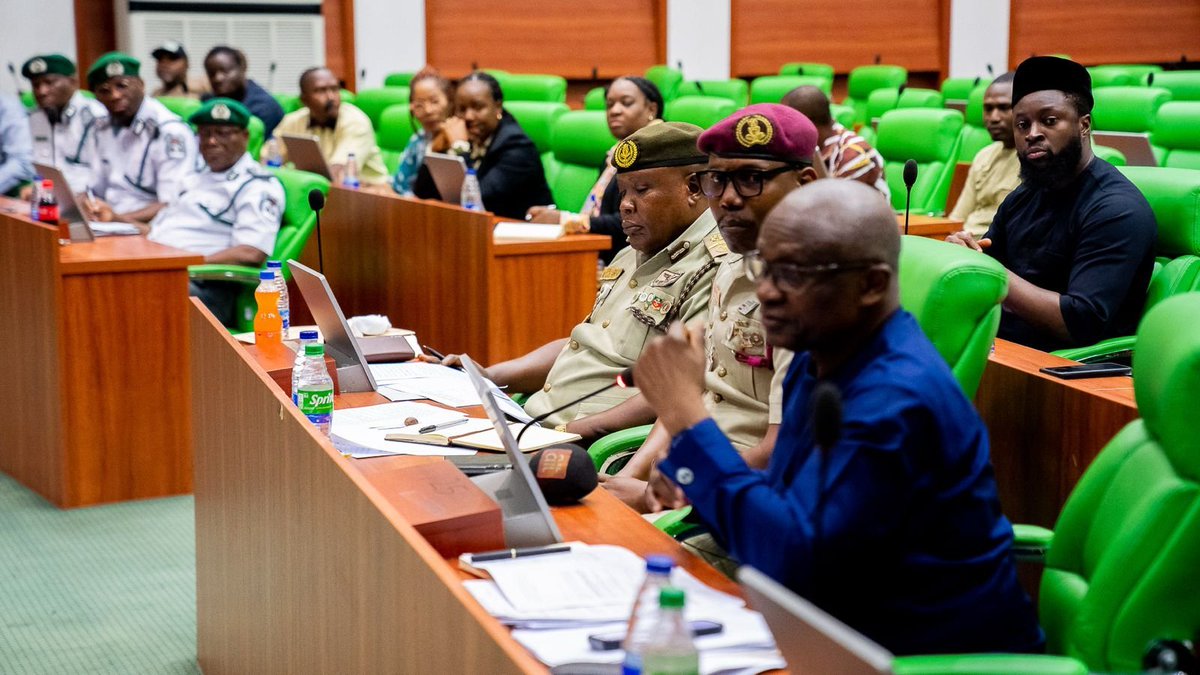
Today, we joined an emergency meeting convened by the House of Representatives (@HouseNGR) Committee on Healthcare Services to assess Nigeria's preparedness in responding to the #Ebola outbreak in the Democratic Republic of Congo and Uganda.
For us, health security means sustained and predictable investment in epidemic preparedness, including health workers, risk communication, community engagement and Emergency-Ready Primary Health Care (ERPHC). Public trust requires continuous investment before, during, and after outbreaks. We will continue to monitor developments and amplify the information Nigerians need to stay informed and protected.
Read our latest article on the Bundibugyo Ebola outbreak and the global response 👇
nigeriahealthwatch.com/artic…

6
16
777
What does it take to pull off a successful World Health Assembly side event? Take a look behind the scenes with Christopher Richardson, a Communications Manager on our Prevent Epidemics team, as he coordinates an impactful event launching our new Epidemics That Didn’t Happen report on the margins of #WHA79.
Read the report here: etdh.resolvetosavelives.org/…
2
90
If you're going to #GHS2026 in Kuala Lumpur, don't miss this session.
On Tuesday, June 9 at 1:45 PM, we're partnering with @WHO to host a hands-on workshop on collaborative surveillance—exploring how countries are strengthening early outbreak detection and building more resilient health systems.
Led by our Director of Epidemic Intelligence Dr. Chris Lee and Dr. Katie Smallwood from the WHO Hub for Pandemic and Epidemic Intelligence, the session will feature a practical "working backwards" approach to surveillance planning, an interactive activity, and real-world case studies from Malaysia and Zambia.
📍 Kuala Lumpur Convention Centre, Room 408
🗓️ Tuesday, June 9 | 1:45–3:45 PM
👉 Register now on the conference app: ghsconf.com/ghs2026-mobile-a…
76
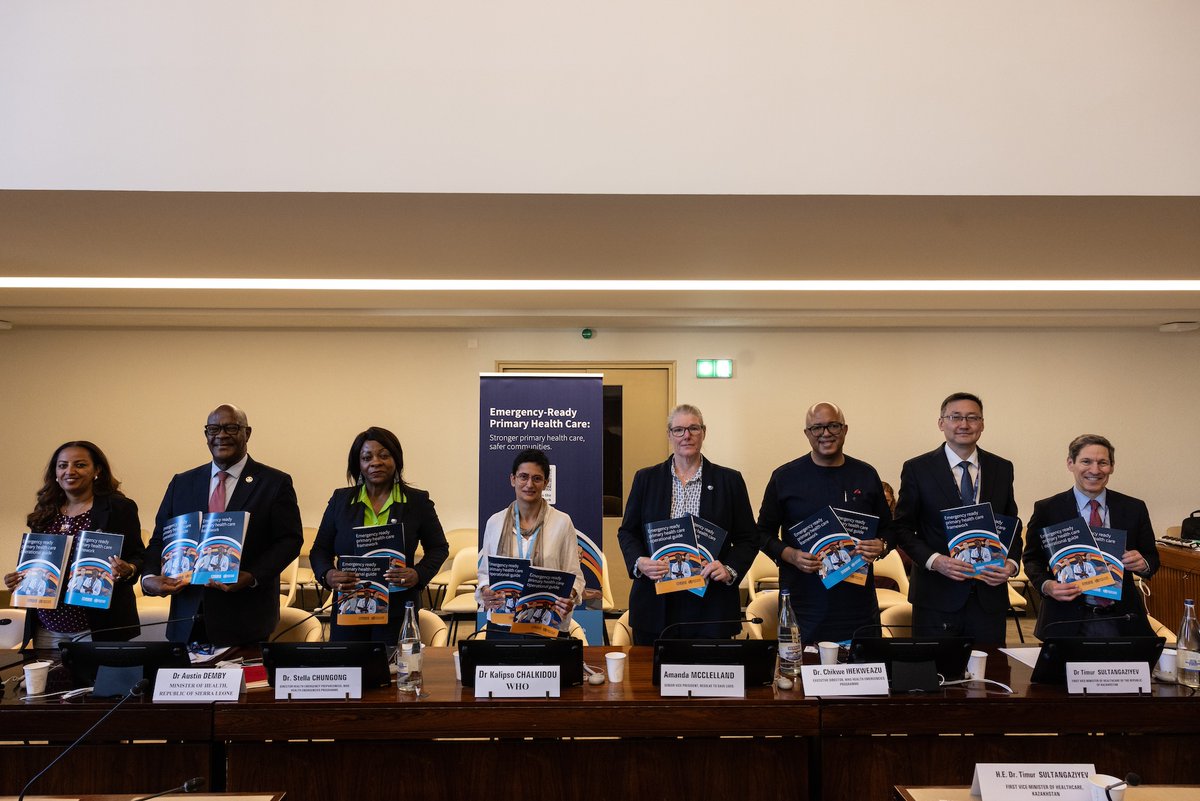
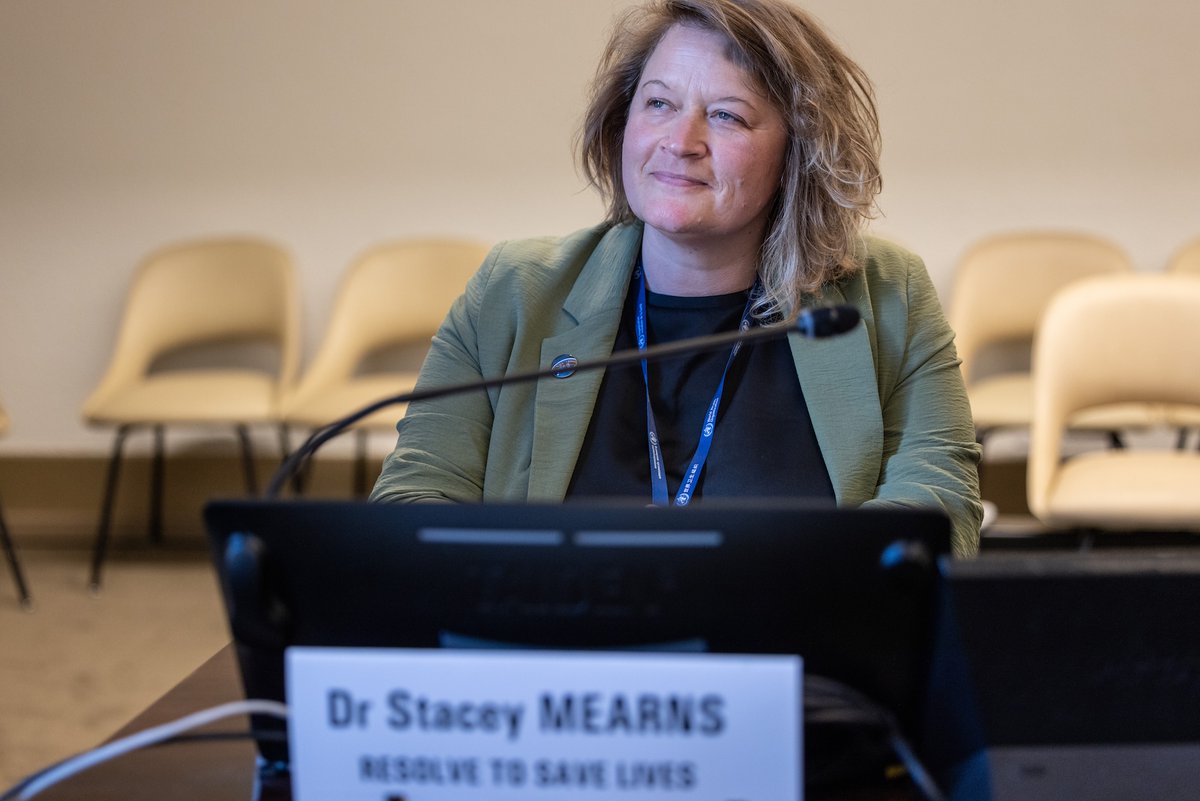
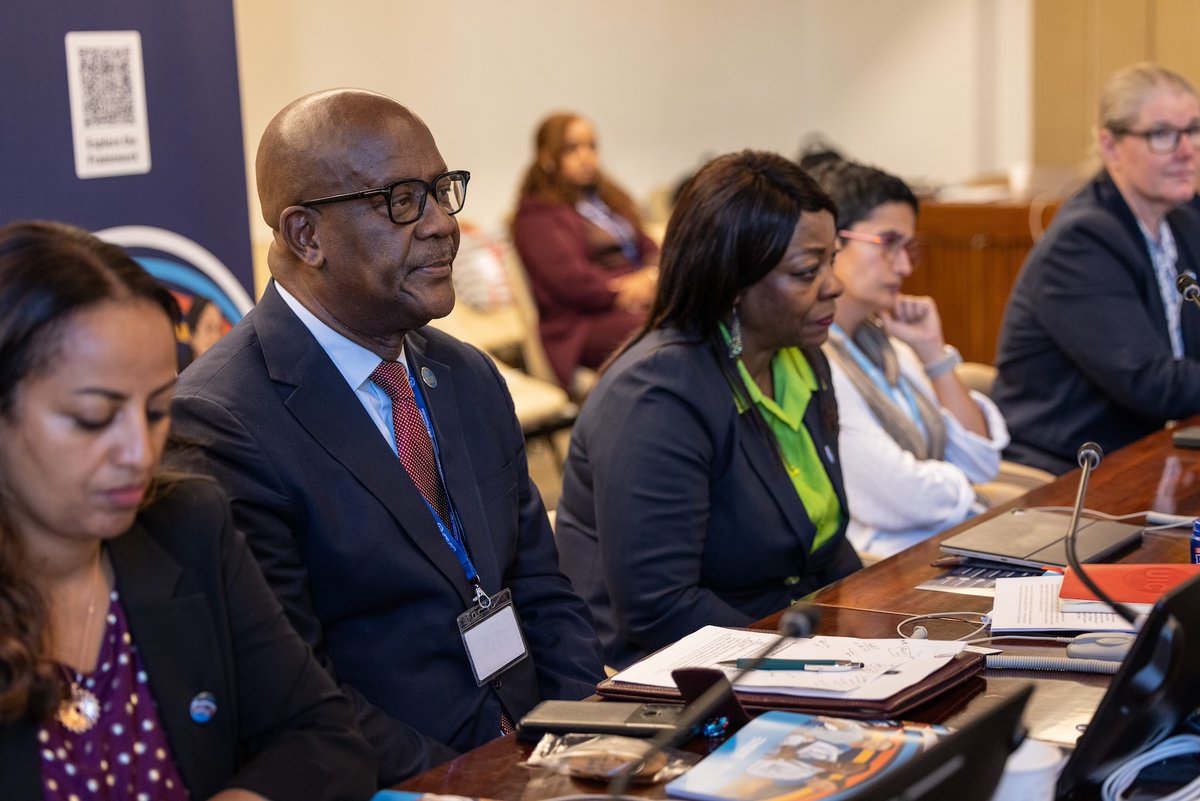
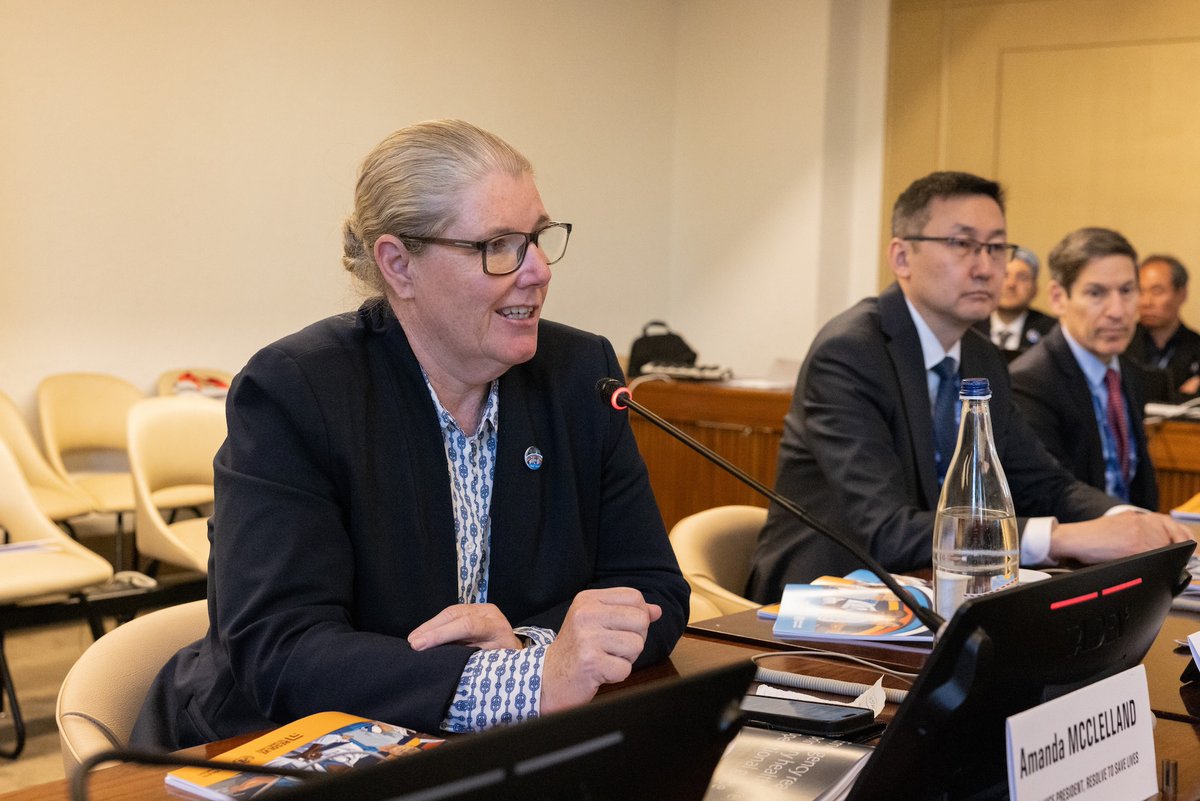
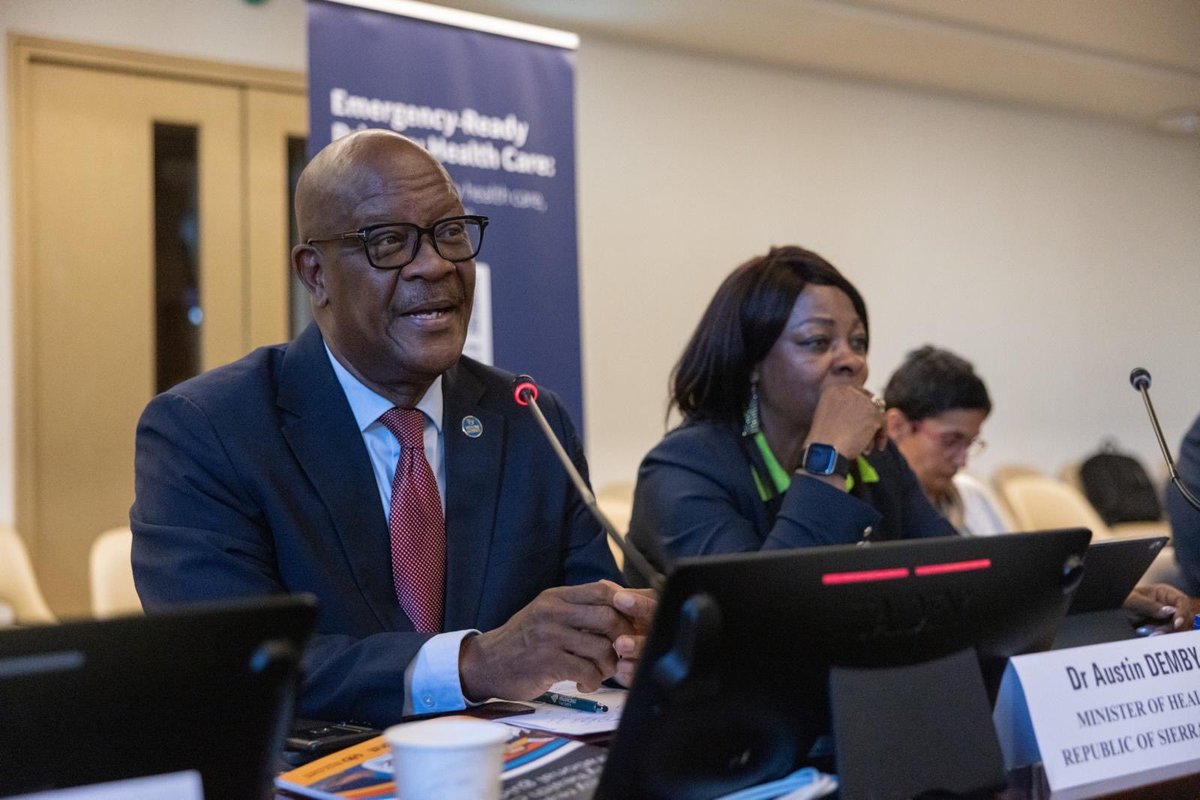
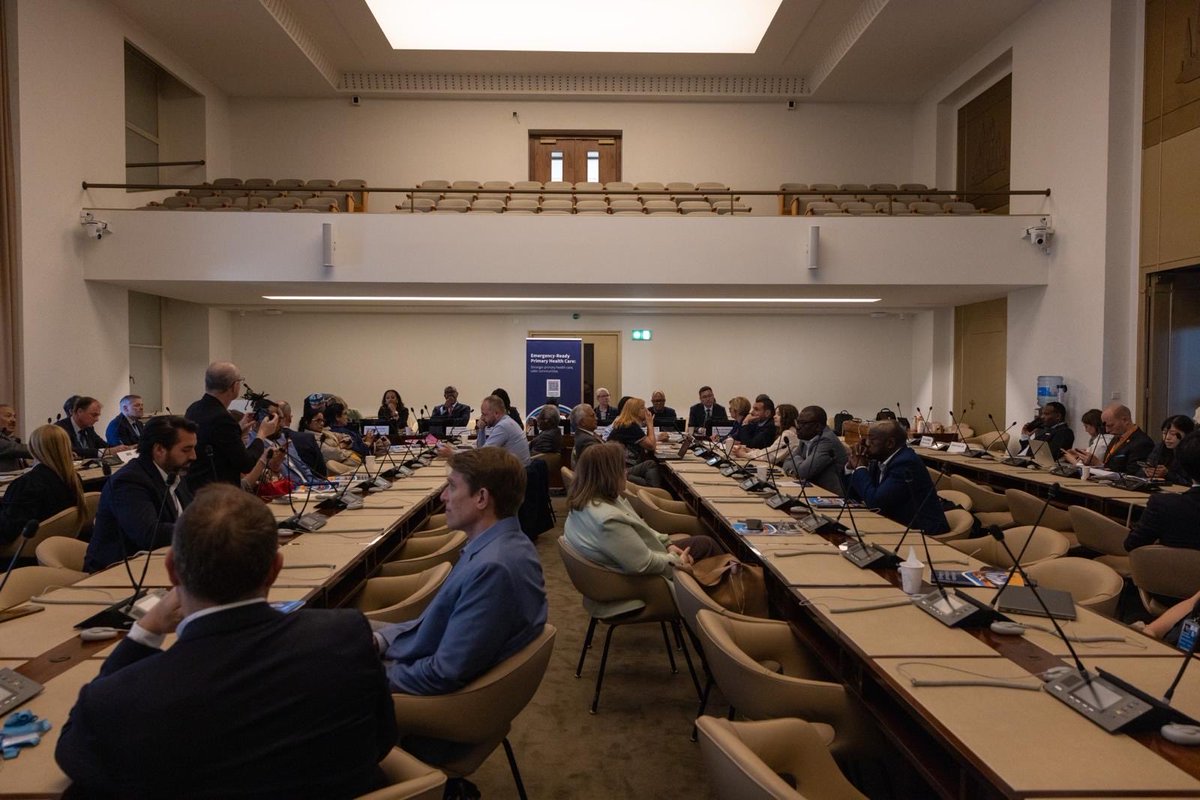
Primary healthcare systems are on the frontline of emergency preparedness, detection and response. At the 79th World Health Assembly, we gathered with partners from @FMoHealth, @minhealthKZ, @Fmohnigeria and Syria to launch the Emergency-Ready Primary Health Care (ERPHC) Framework, which offers a practical approach to embed emergency preparedness, response and resilience within primary healthcare.
We developed the ERPHC framework with @WHO using lessons from our pilot Epidemic-Ready PHC programs in Ethiopia, Nigeria, Sierra Leone and Uganda. The framework provides countries with an operational model to confront disease outbreaks and other health emergencies, and integrates disease surveillance, infection prevention and control, clinical care and community protection into primary healthcare.
At the event, we heard from countries that are already putting ERPHC into practice. Their experiences demonstrate how embedding preparedness into health systems can keep communities safe. Thank you to all our partners whose vision and learnings informed this framework. We look forward to helping scale up ERPHC to more countries to build resilient primary health care systems across the globe.
Read the full ERPHC framework here: resolvetosavelives.org/resou…
3
126
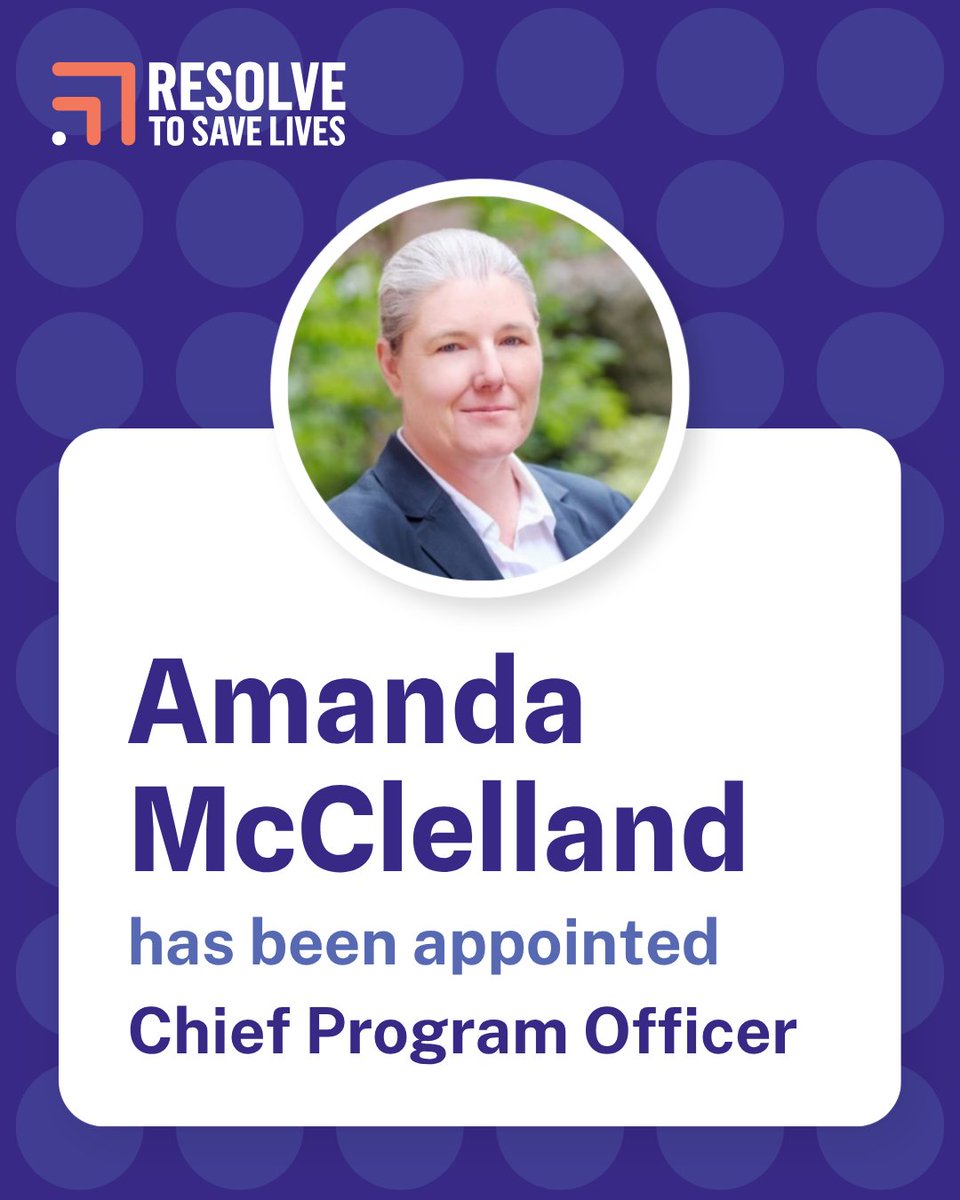
We are excited to announce that Amanda McClelland has been appointed as RTSL’s first Chief Program Officer. Amanda has led our Prevent Epidemics team since its inception, bridging evidence, policy and implementation to strengthen health security across the globe.
As our organization enters a new phase of growth, the Chief Program Officer role will strengthen coordination, sustainability and impact across our growing portfolio of global programs. Please join us in celebrating Amanda’s new role and continued commitment to accelerate action against the world’s deadliest health threats.
Learn more: resolvetosavelives.org/about…
4
101
Resolve to Save Lives retweeted

May 23
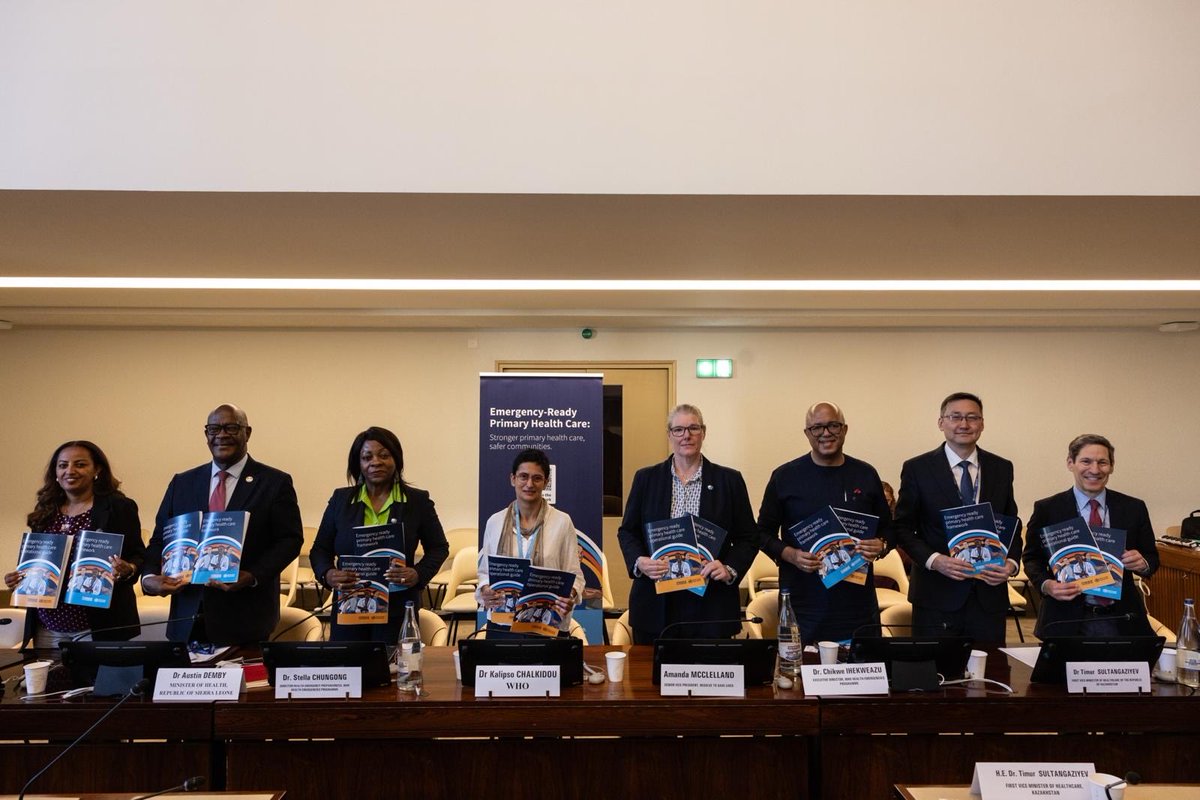
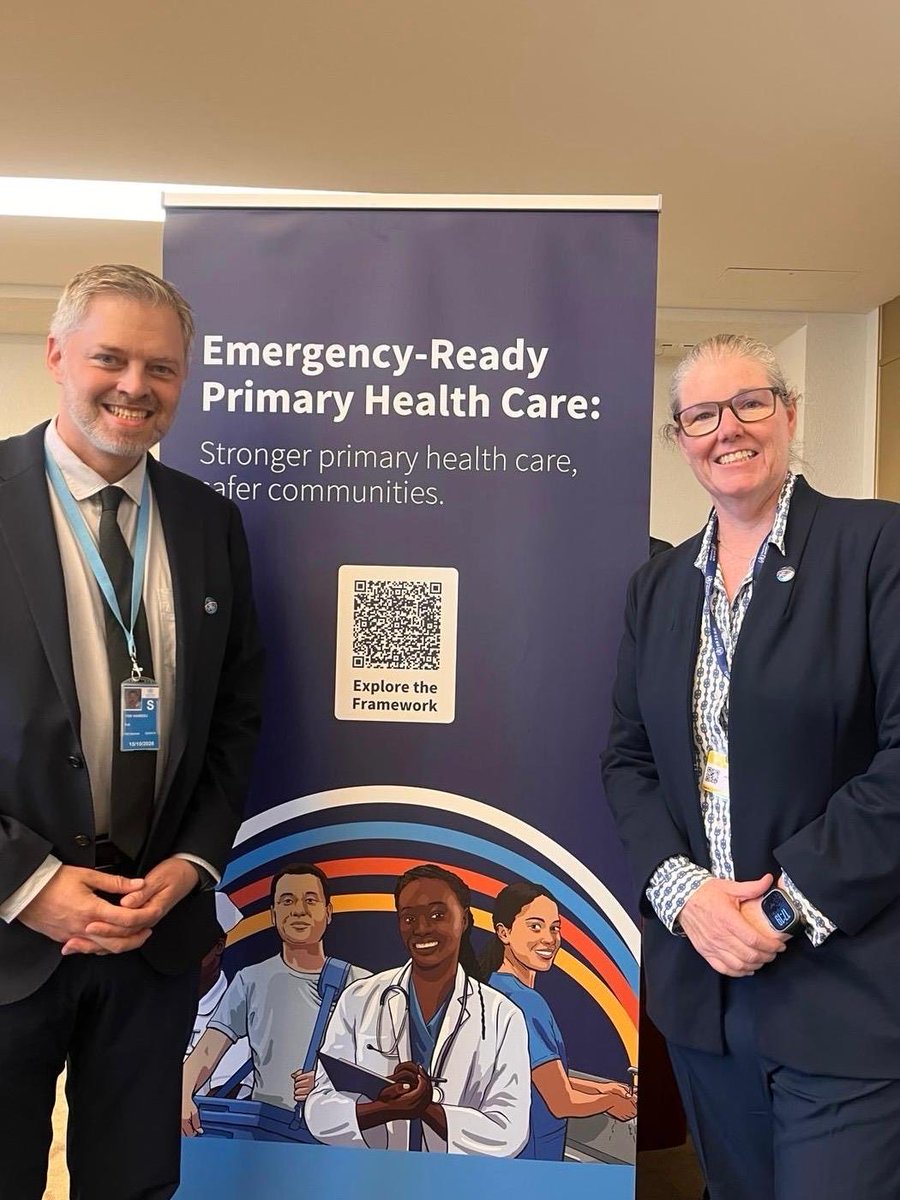
At #WHA79, we launched the @WHO @ResolveTSL Emergency‑Ready Primary Health Care Framework and Operational Guide. Preparedness must live where people first seek care, in PHC and communities. Strong PHC saves lives, every day.
2
20
54
3,712