
Investigative journalist applying psychological & intelligence frameworks to UAP, contact phenomena & consciousness research.
Joined March 2026
- Tweets 31
- Following 98
- Followers 48
- Likes 214
3 Photos and videos

Cosmos and Consciousness retweeted

May 26
Want to practice remote viewing with others? IRVA has two dedicated practice groups and a free webinar on June 14 to show you how to get involved.
Open to all skill levels. All remote viewing methodologies welcome. Free to attend.
June 14. 1PM PDT / 4PM EDT
👉tinyurl.com/3f4smjha

1
5
8
191
Cosmos and Consciousness retweeted
Jun 4
Good remote viewers follow the protocol. Exceptional ones know how to ask better questions.
Coleen Marenich spent decades finding the cueing techniques that unlock extraordinary session detail. Six weeks. 8 spots. $600. Starts June 10. Intermediate and advanced viewers only.
Register: irva.org/offers/hZey2Ghz/che…
2
5
12
917
Cosmos and Consciousness retweeted

Jun 6
4
3
22
634
Cosmos and Consciousness retweeted

Jun 4
"Truth doesn't require belief. It requires evidence. Blind acceptance only clouds the search."

1
1
12
542
Cosmos and Consciousness retweeted

May 27
Tonight at 7PM from the environmental pollution, water and power shortages and the economic strain on local residents, What are the HIDDEN COSTS of data centers? Join me in the live chat, lets find out... youtube.com/watch?v=7VXbTBAM…
2
3
15
1,947
Cosmos and Consciousness retweeted

Here’s a side-by-side comparison between a 2015 UFO sighting recorded in Sequoia National Park and one of the videos released today, identified as DOW-UAP-PR059, “NAG UAP 1 JUN 20.”
The footage is cropped and the playback speed is increased by 8x for easier comparison.
The similarity is uncanny. #ufox #ufotwitter
699
682
6,315
1,356,380
Cosmos and Consciousness retweeted

May 15
Could you push to disclose the electromagnetic mind control & torture program next?
3
7
257
Cosmos and Consciousness retweeted

Brandi Vincent of DefenseScoop does a nice job here of capturing my views, and those of others, regarding the first release of UAP data resulting from the President's new policy of releasing government UAP records.
Definite, meaningful progress; however, we'd all like to see more detail and more analysis to assist us in assessing the data.
defensescoop.com/2026/05/14/…
15
83
356
20,050
Cosmos and Consciousness retweeted
May 14
Like most of you, I’m still waiting for the undeniable, slam dunk UFO evidence to drop. So far, nothing presented has truly impressed me. But one thing it has done extremely well is keep people distracted, and maybe that’s part of the point.
This conversation right here is exactly what I’ve been talking about for months.
youtu.be/pel49G2wxas?si=Ochh…
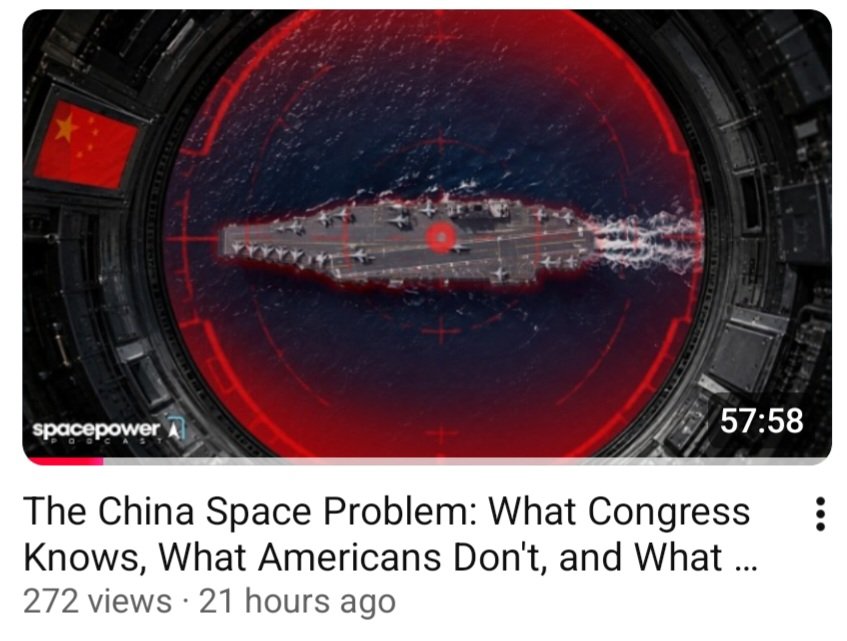
A serious space race is ramping up in real time. While endless debates over blurry footage and stories about alien races dominate social media, the actual discussions happening openly are about Space Superiority, satellite warfare, and future conflict in space. The threat landscape is becoming very clear.
Ironically, this takes me right back to the Ranch in May 2011. I spent countless hours documenting Indigenous history, artifacts, and areas of interest, adding those findings into daily reports, only to feel like I was talking to a wall. Much of my research was ignored at the time. In fact, I was directly told to “stop documenting the history, it isn’t important.” My response was simple: I quit BAASS. Sure I returned later but I’ll be sharing more details about that moment very soon.
What’s interesting is that it took over a decade before people finally started paying attention, and now many of those discoveries have been validated tenfold by a team genuinely searching for truth and I am forever grateful for those individuals.
I don’t want that same kind of validation when it comes to conversations about space warfare, because honestly, it worries me. It worries me for my children’s future. These are conflicts humanity should be trying to avoid, not sleepwalking toward. But no blurry image or stories about four alien races are going to change the trajectory we’re currently on.
Avoid the noise. Stay focused on what’s unfolding right in front of us.
Direct quote from this video:
“China’s advancements have been so rapid that we’re almost already in a defensive crouch, having to understand the full landscape with China’s advancements and the threats they pose.”
-Deception works best when people only see what they want to believe-
2
14
1,127
Cosmos and Consciousness retweeted

May 14
Tim Taylor to Diana Pasulka: “They are going to become us through technology.”
Well, if that’s the case, then maybe we shouldn’t become too “technologed” (yes, as told to the Ariel School eyewitnesses).

34
67
709
42,173
Cosmos and Consciousness retweeted

May 15
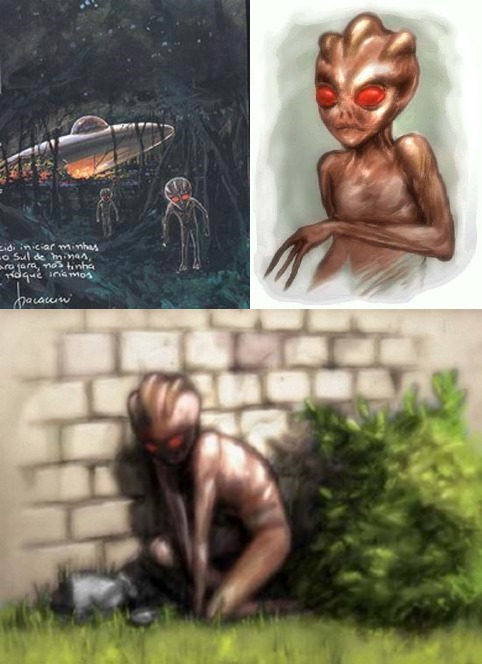
early artist depictions of the 1996 Varginha, Brazil incident
5
11
58
1,170
Cosmos and Consciousness retweeted
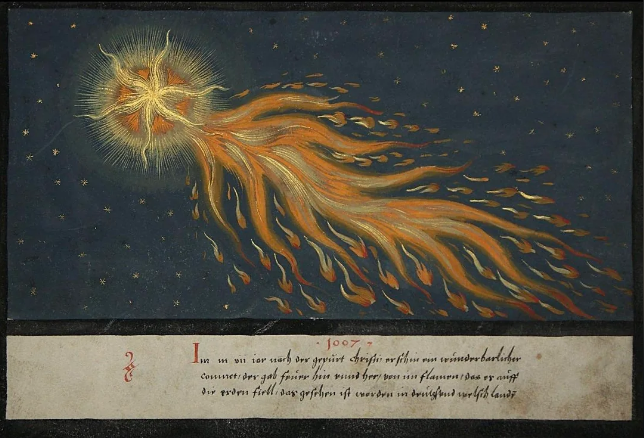
This image comes from the Augsburg Book of Miracles, a 16th-century German manuscript depicting strange celestial signs, disasters, and “wonders” seen throughout history.
This particular plate illustrates a reported comet from the year 1007, described as giving off fire and flames as if falling toward Earth. Back then though, the word comet was often used in the way that we now use the word fireball.
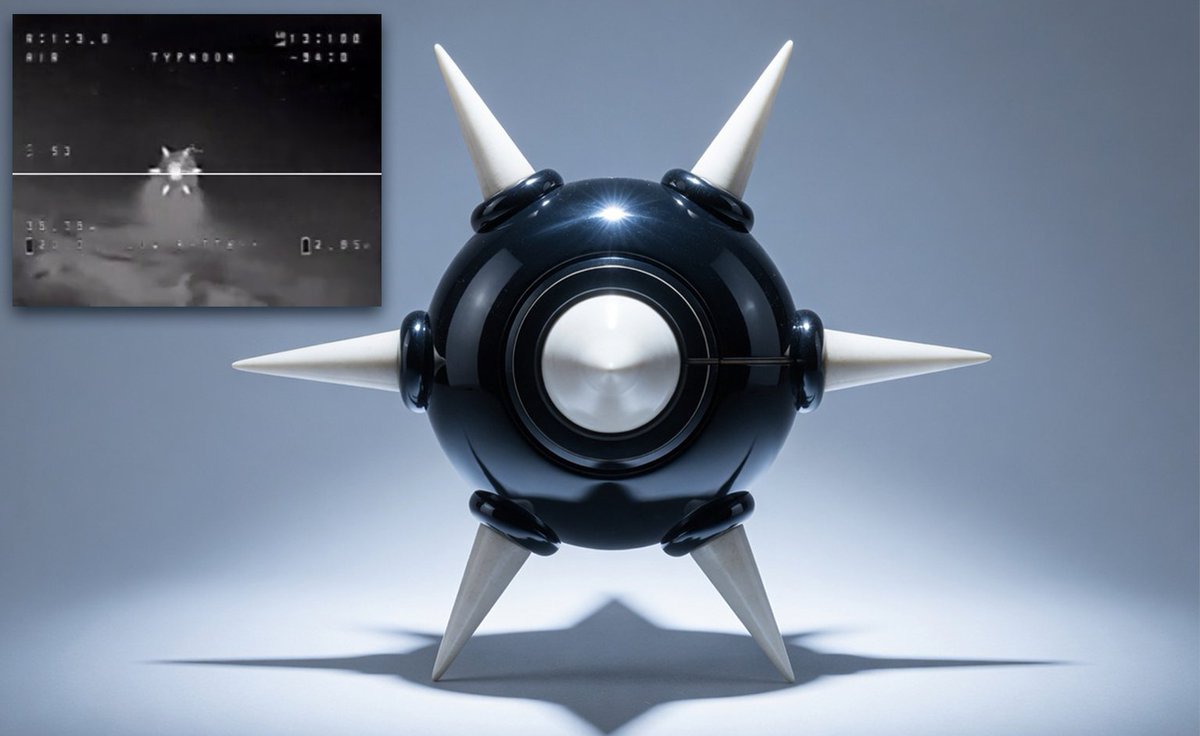
What’s interesting, purely as visual irony, is how much it resembles the recent Ukrainian star UFO. The radiant central body, the strange star-like geometry, and the trailing, flame-like structure.
That does not confirm anything about the modern video, of course. But it is fascinating how certain anomalous sky images seem to echo across centuries. Weird. #ufox #ufotwitter
12
31
364
18,461
Cosmos and Consciousness retweeted
May 14
This was my first ever orb. And it removed doubt when it came to the window. This came as a softball sized white ball of light, and instantly beamed in closer as this basketball sized Yorb. Pure. Was going through the vault and it always amazes me that this happened
7
3
50
1,114
Cosmos and Consciousness retweeted
At times, I find myself wondering whether it is even accurate to speak of “the United States government” as though it were a single, coherent entity.
What appears, increasingly, is something far more fractured. A collection of competing factions operating under the outward appearance of one unified constitutional machine. Agencies, offices, committees, contractors, intelligence elements, and political blocs often seem less like parts of a shared governing structure than rival centers of power, each protecting its own interests, guarding its own information, and, at times, undermining or surveilling one another.
That should trouble every American. A republic cannot function properly if its own institutional machinery is so compartmentalized, adversarial, and opaque that even elected officials struggle to determine who holds authority, who controls information, and who is accountable for decisions made in the public’s name.
Yet whenever serious attempts are made to examine this problem, they are often dismissed as conspiratorial speculation or unserious paranoia. That dismissal has become a kind of protective reflex. It prevents scrutiny before scrutiny can even begin.
I find that profoundly disturbing.
It may also be one of the central reasons the UFO cover-up, or at minimum the long-standing concealment of the government’s true knowledge of the Phenomenon, has endured for so many years. A fragmented state can hide things from the public. But more dangerously, it can hide things from itself.
And once that becomes possible, democratic oversight becomes not merely difficult, but almost ornamental. #ufox #ufotwitter

7
2
17
948
Cosmos and Consciousness retweeted

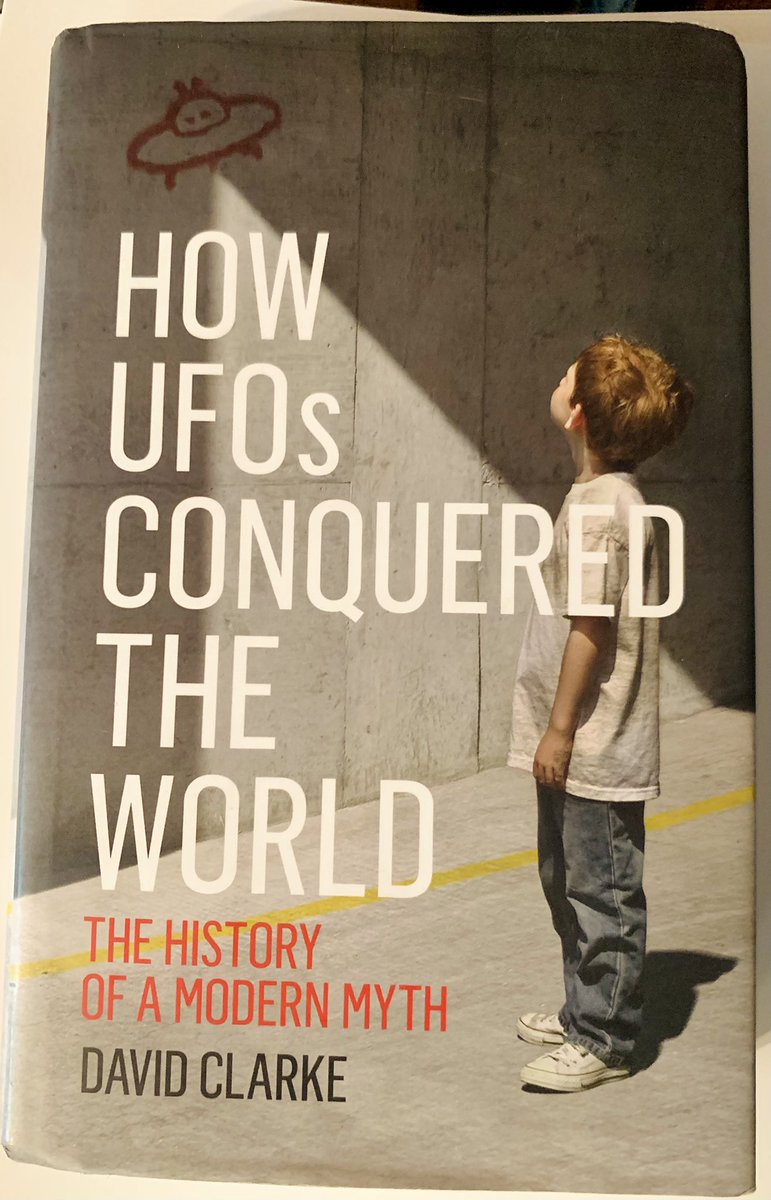
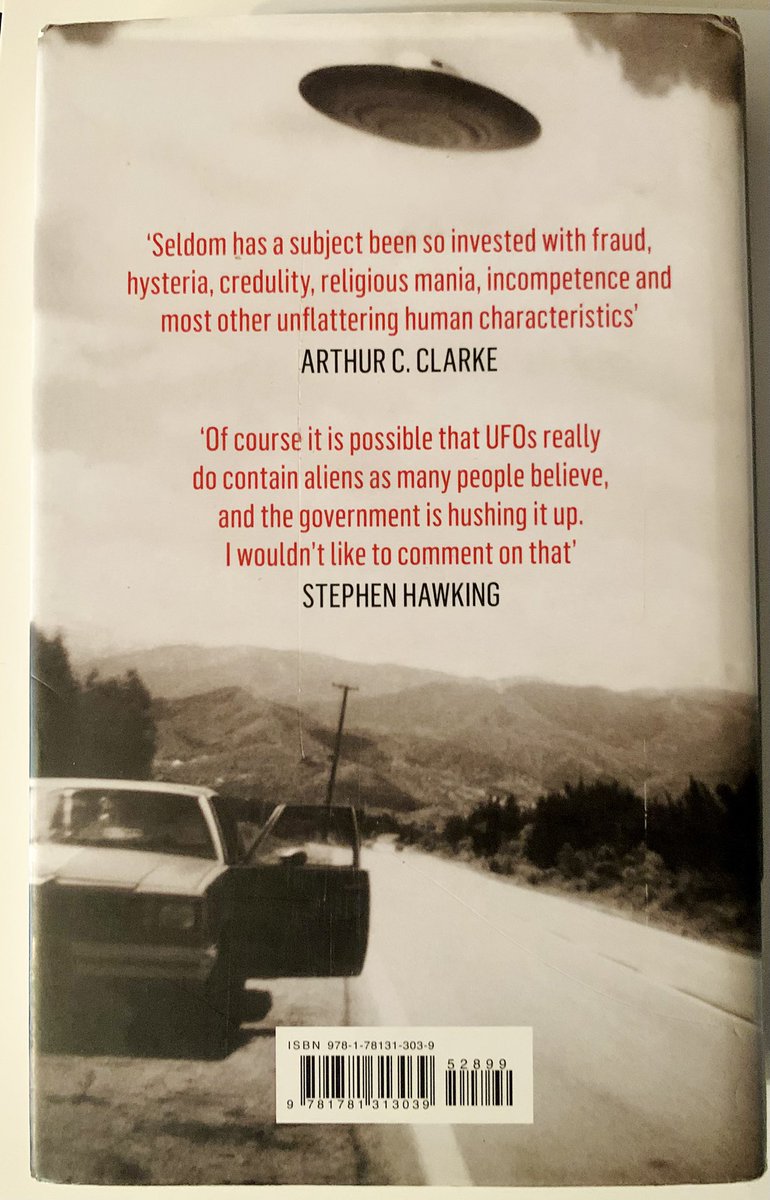
This hc copy of Clarke’s “How UFOs Conquered the World: The History of a Modern Myth” (2015) has joined the UFO research library! 👁️🛸 #UFOs #UFOLibrary 📚
4
4
24
786
Cosmos and Consciousness retweeted
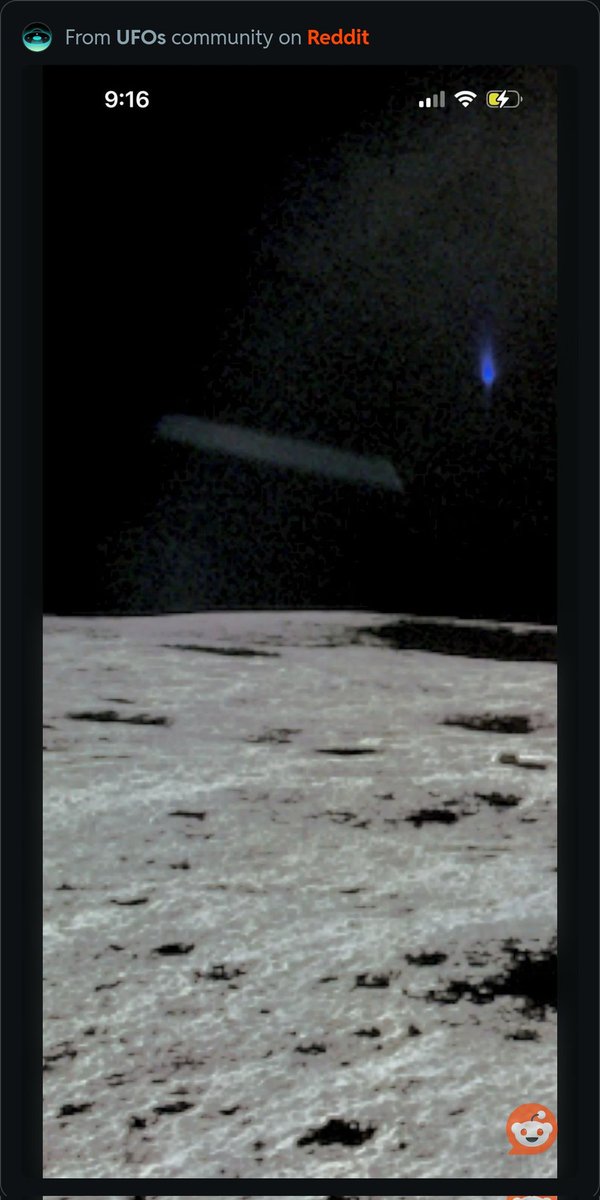
Definitely didn't notice it the first time that I looked at it. Apollo 17 frame from the recent file dump. #ufox #ufotwitter
41
39
613
55,784
Cosmos and Consciousness retweeted

May 14
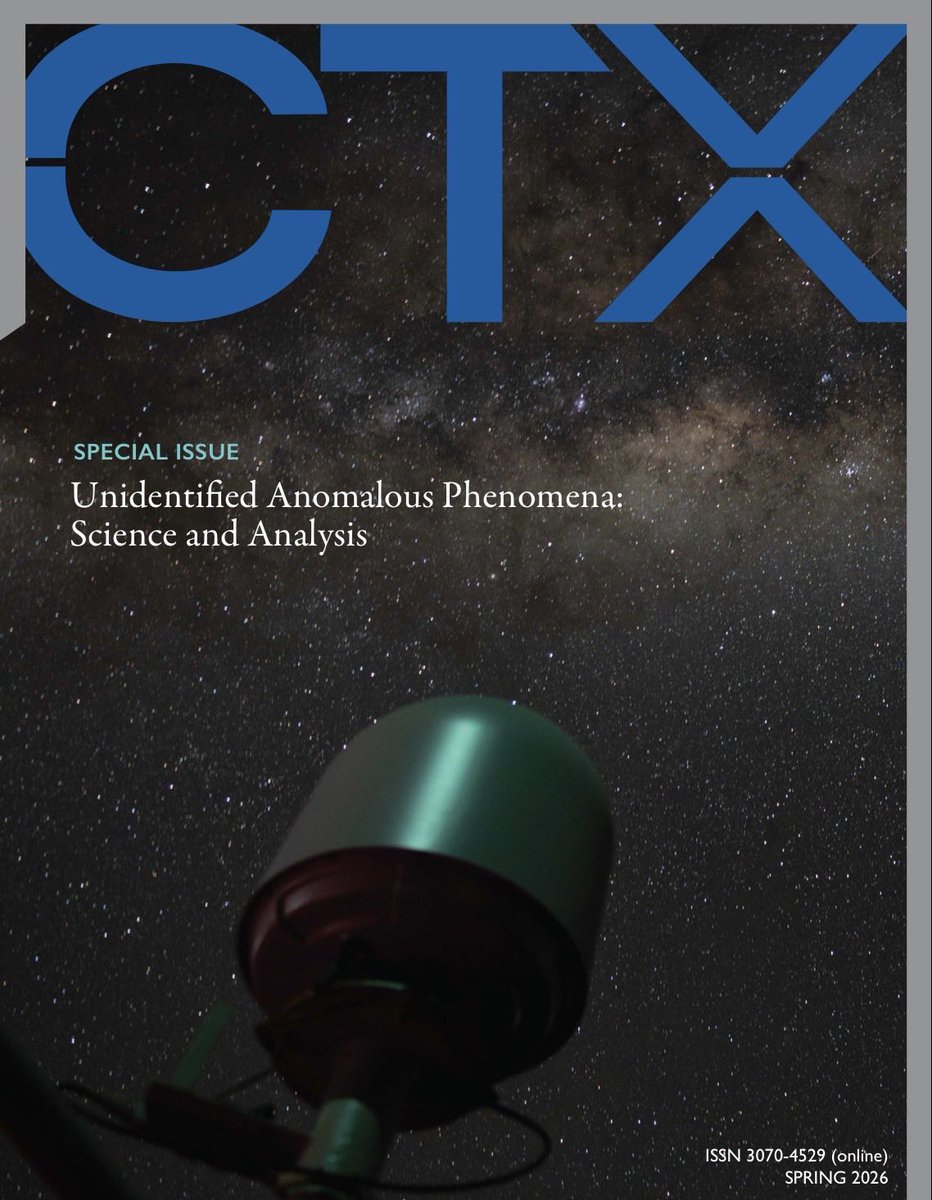
This is one of the best and most comprehensive papers I’ve read on the scientific study of UFOs and UAP.
nps.edu/documents/110773463/…
9
30
1,486
Cosmos and Consciousness retweeted
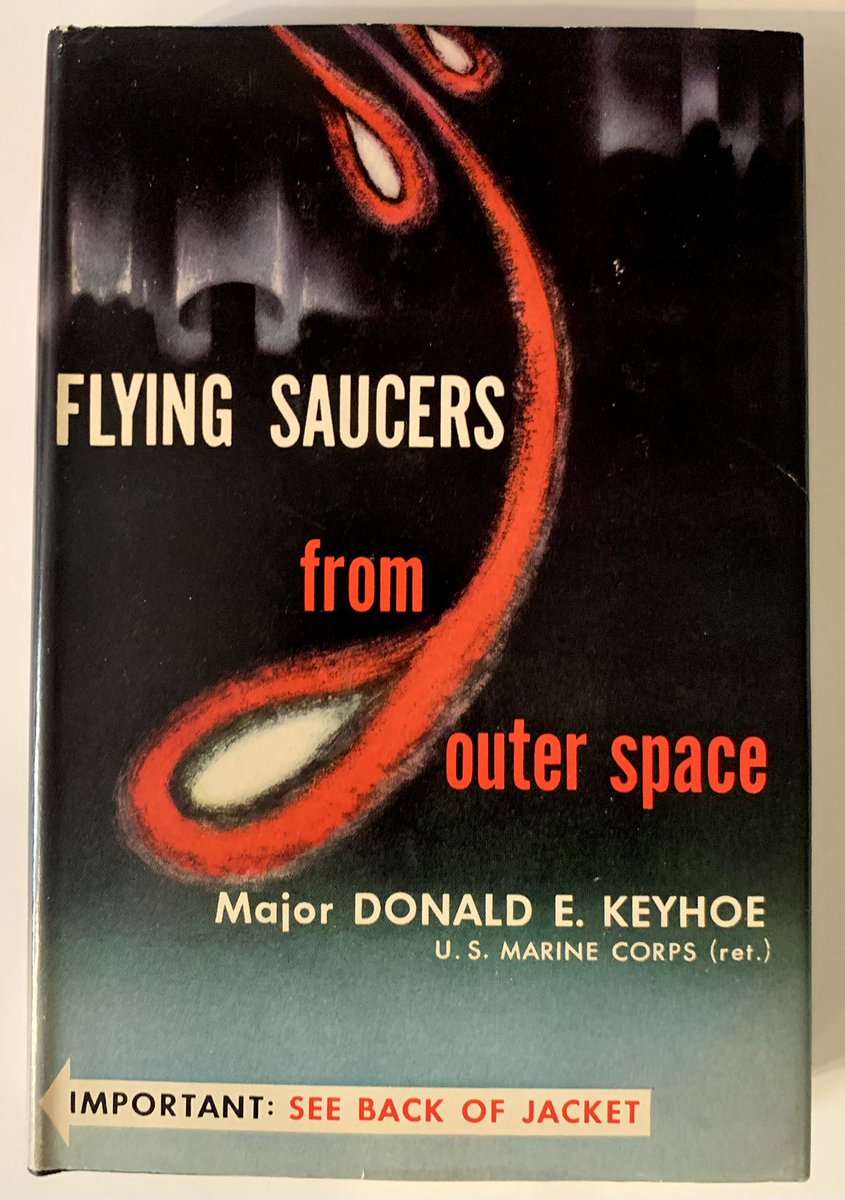
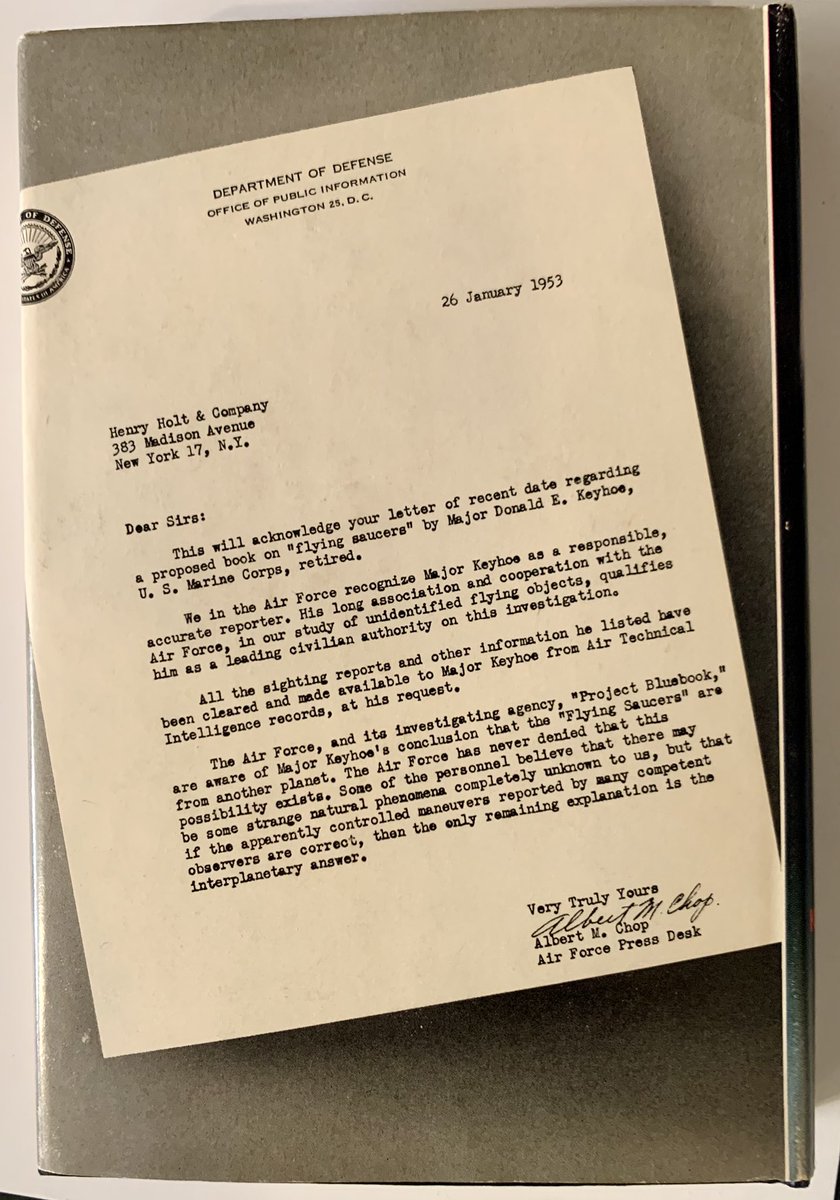
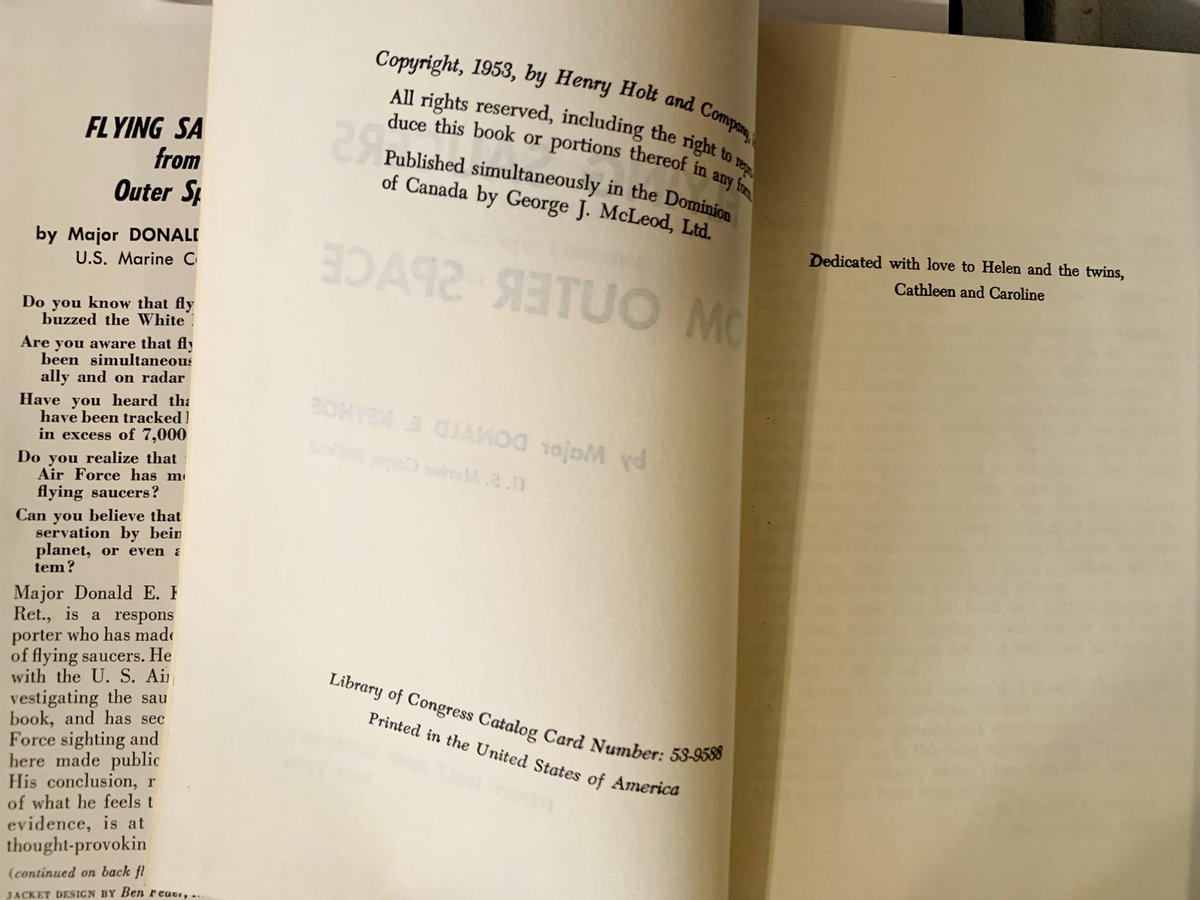
This primo hc of Keyhoe’s classic “Flying Saucers from Outer Space” from 1953 has been acquired for the UFO library collection! 👁️🛸 #UFOs #UFOLibrary 📚
From Twentynine Palms! 👁️
3
26
825
Cosmos and Consciousness retweeted

Apr 8
The 5 levels of a Shaman
I downloaded all of Dr.Jacobo Grinberg's books-papers (50), and fed them into Notebook LM..
Hope you enjoy, and learn something..
🪶🦉🌋🪄💠🔮
We all of a initiates/shaman/sensitives with dorment features, waiting to be activated, and with the Schumann going crazy right now, its time to activate your concsiousness, and learn to cohere reality..
Its not woo, its sacred art that has been obfuscated so you dont develope these abilities..
Stay tuned, I will be reviewing various ares of his research...
6
36
1,661
Cosmos and Consciousness retweeted
What is the single strangest detail you have ever come across about the UFO Phenomenon?
Not the most famous case. Not the most widely repeated claim. I mean the one element that made you stop, think, and genuinely question the limits of reality as we understand it.
I’m curious what people consider the absolute outer edge of this subject. That's where I love to be. #ufox #ufotwitter

92
12
120
9,421