
Joined February 2025
- Tweets 10,690
- Following 488
- Followers 589
- Likes 19,375
1,444 Photos and videos


Pinned Tweet
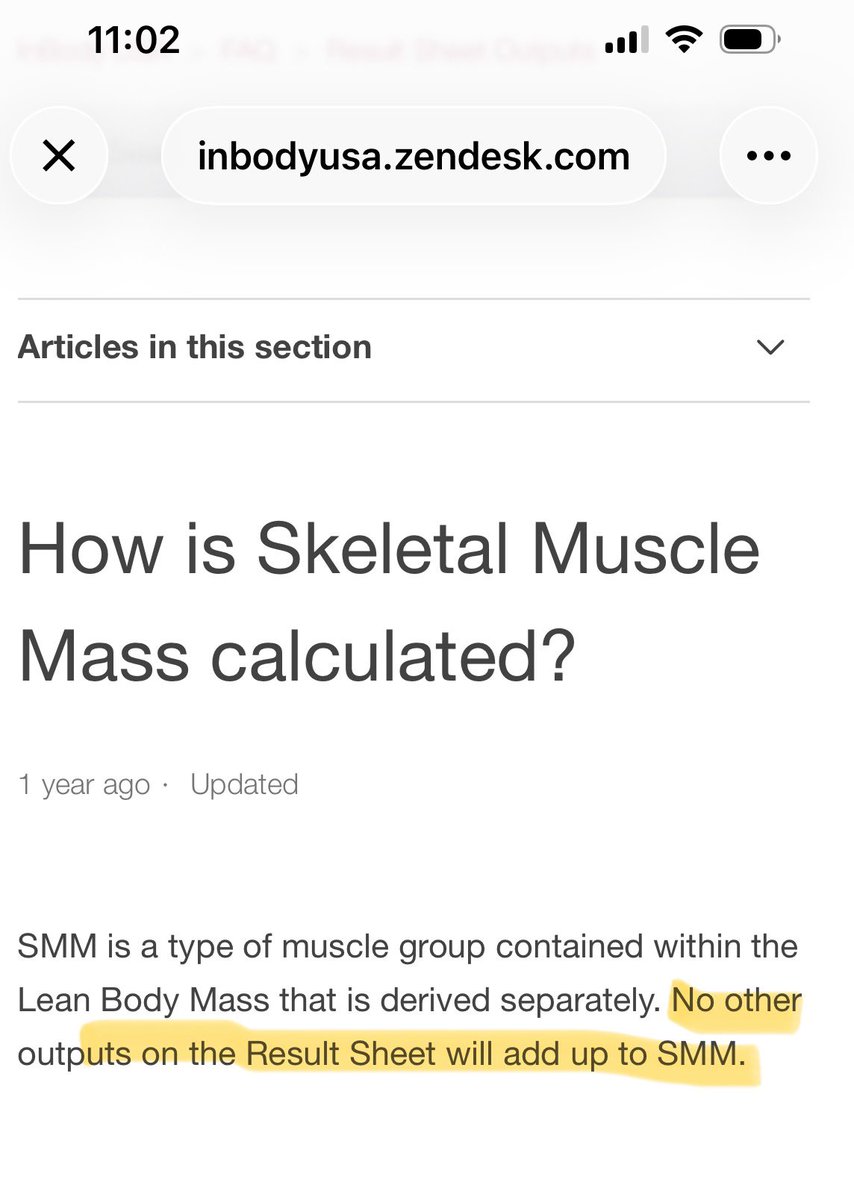
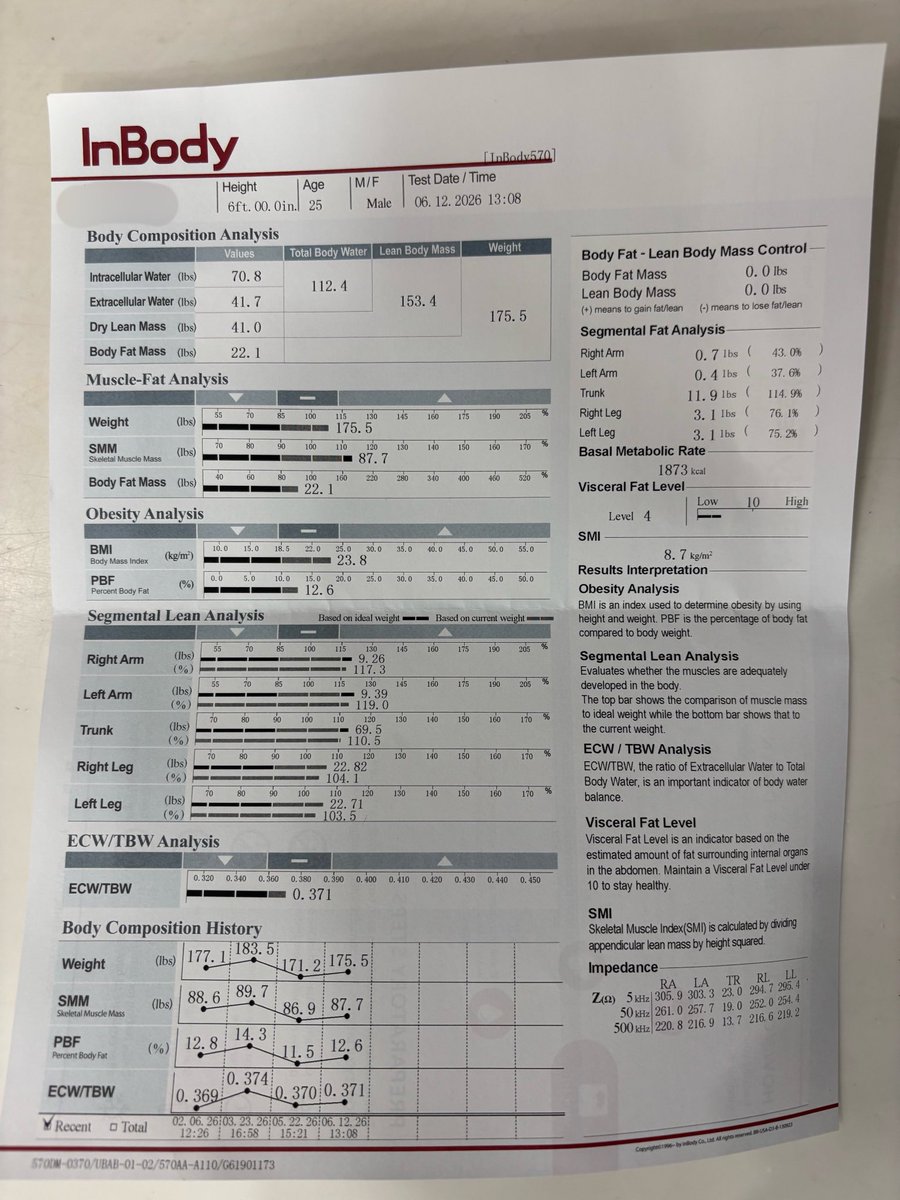
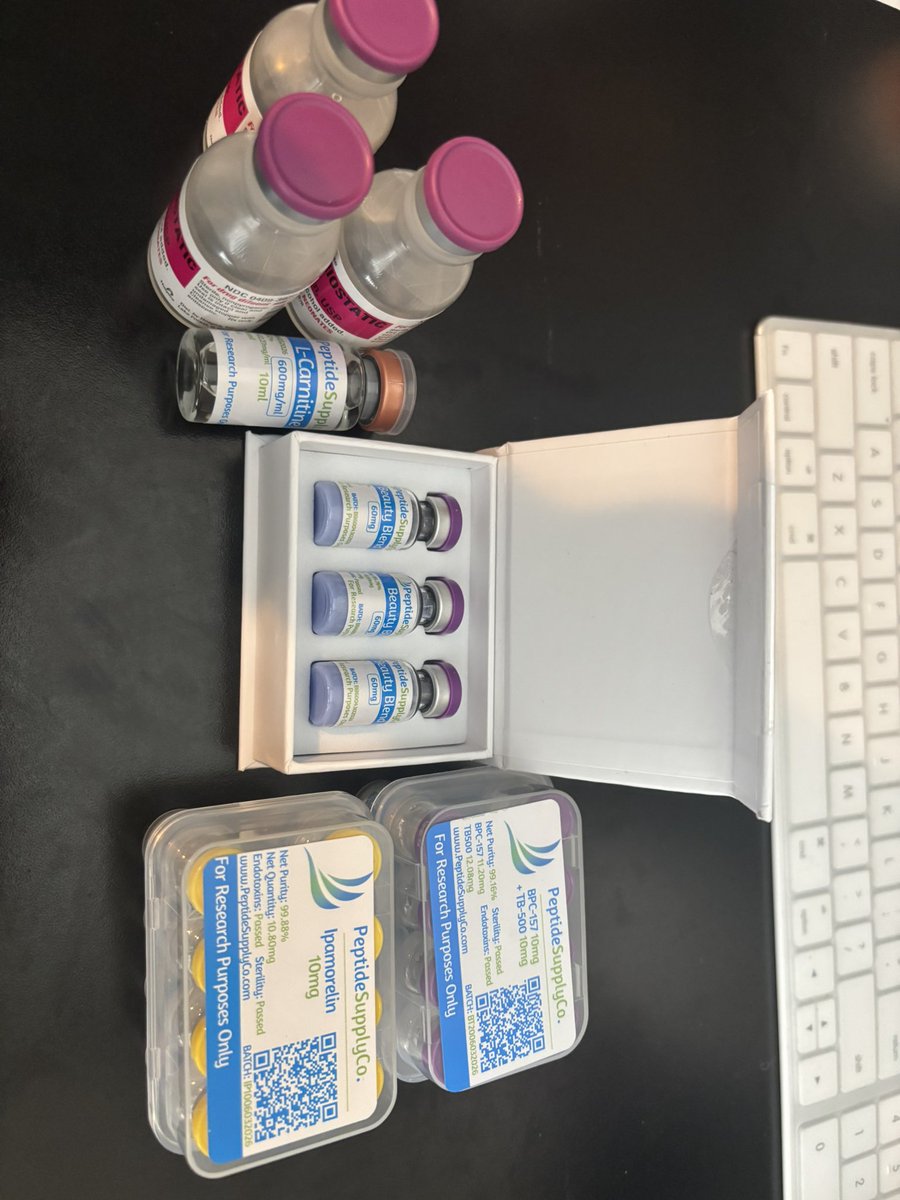
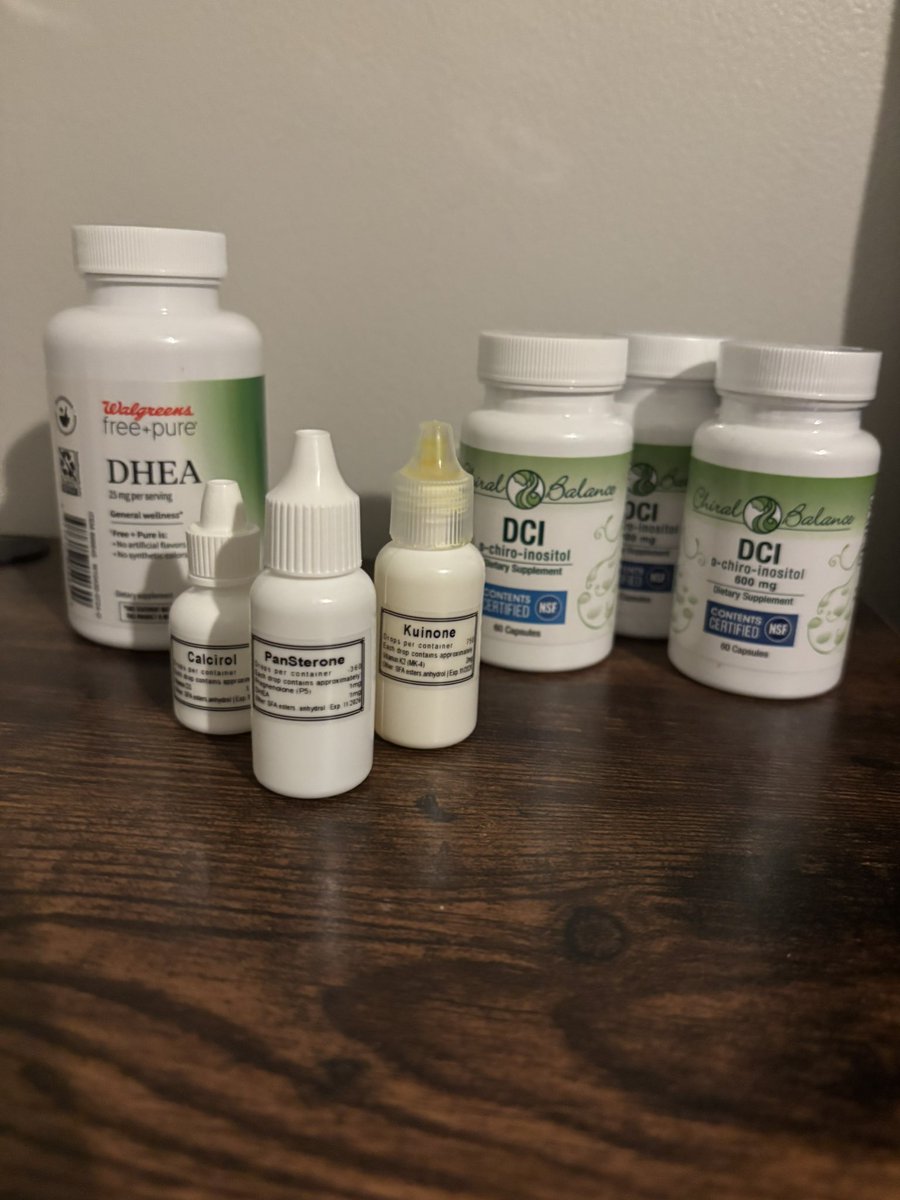
A lot of guys very confidently assert that there’s “no peptides that build muscle” and I understand why they say that.
Mechanistically it’s only directly plausible for GH releasing peptides (by GH conversion to IGF1 which triggers mTOR) and TB500 (or T-ß4, which directly **repairs** muscle tissue)
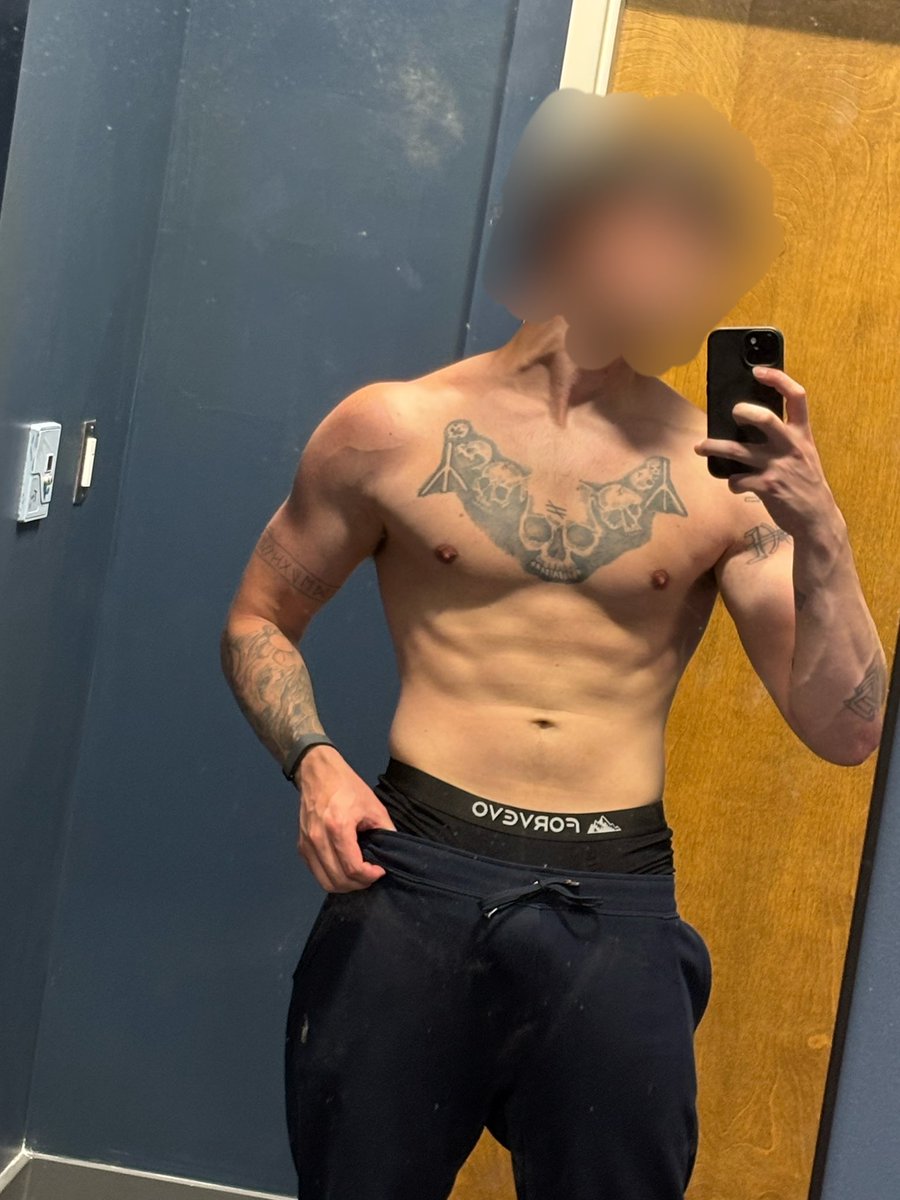
That being said, I’m gaining lean mass much faster than I did last bulk phase and the only difference I made in my protocol is including peptides.
5
11
1,595
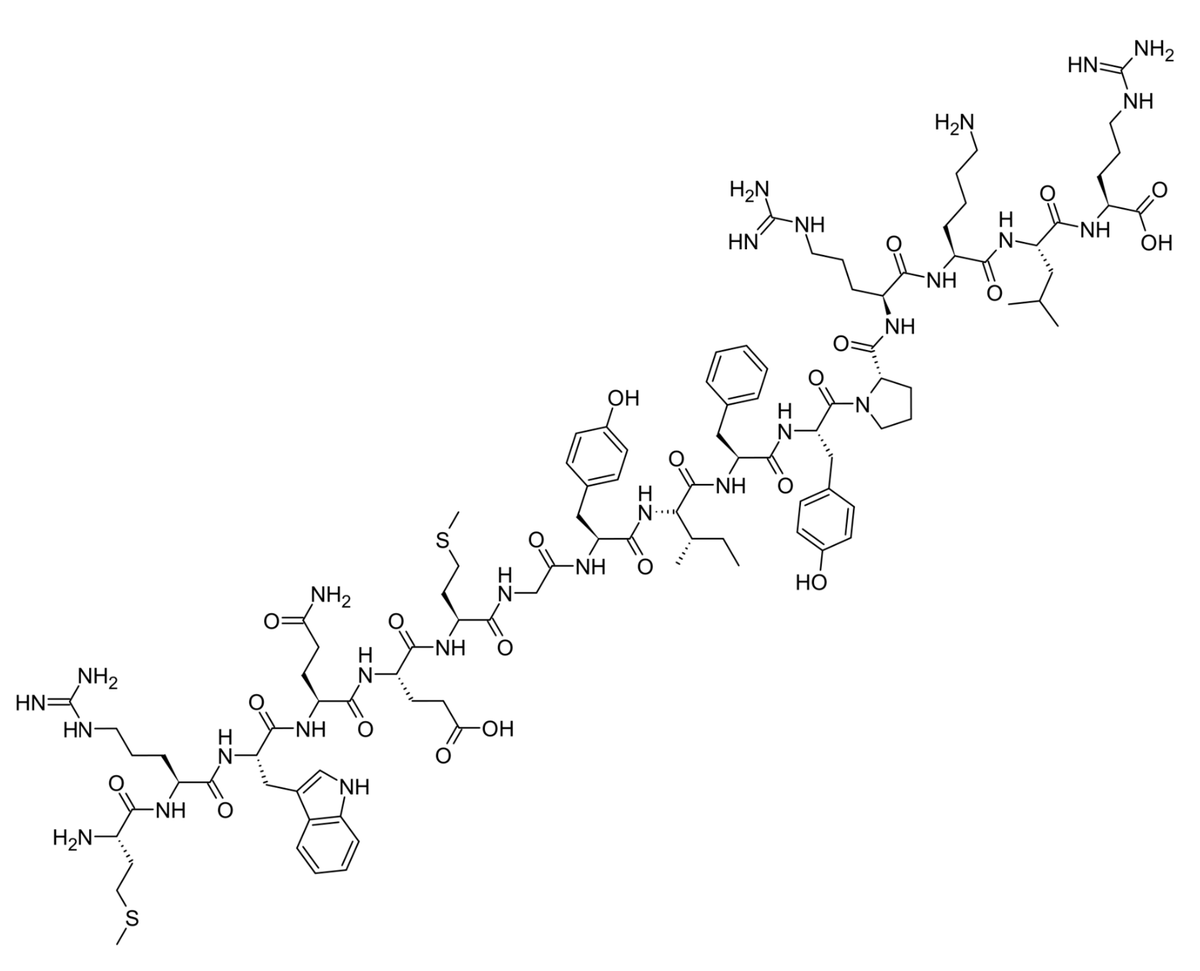
MOTS-c interacts with the nuclei of trillions of cells across the body so this is a poor example
A better example would be GH secretagogues
Jun 13

Signalling molecules should not be macro dosed. You are wasting money and over saturating your receptors.
For example, 5x the MotsC does not mean 5x the AMPK activation
2
177
I think it’s really funny that every single person who breeds any kind of animal (dogs, cats, horses, livestock, etc.) will confidently tell you, from years of their own personal expertise, that behavioral genetics is very undeniably real.
But the implication that it might be present in humans as well is just wrong and evil and you should feel really really bad about it. x.com/pnwguerrilla/status/20…
1
64
This is a steal wtf
Jun 13

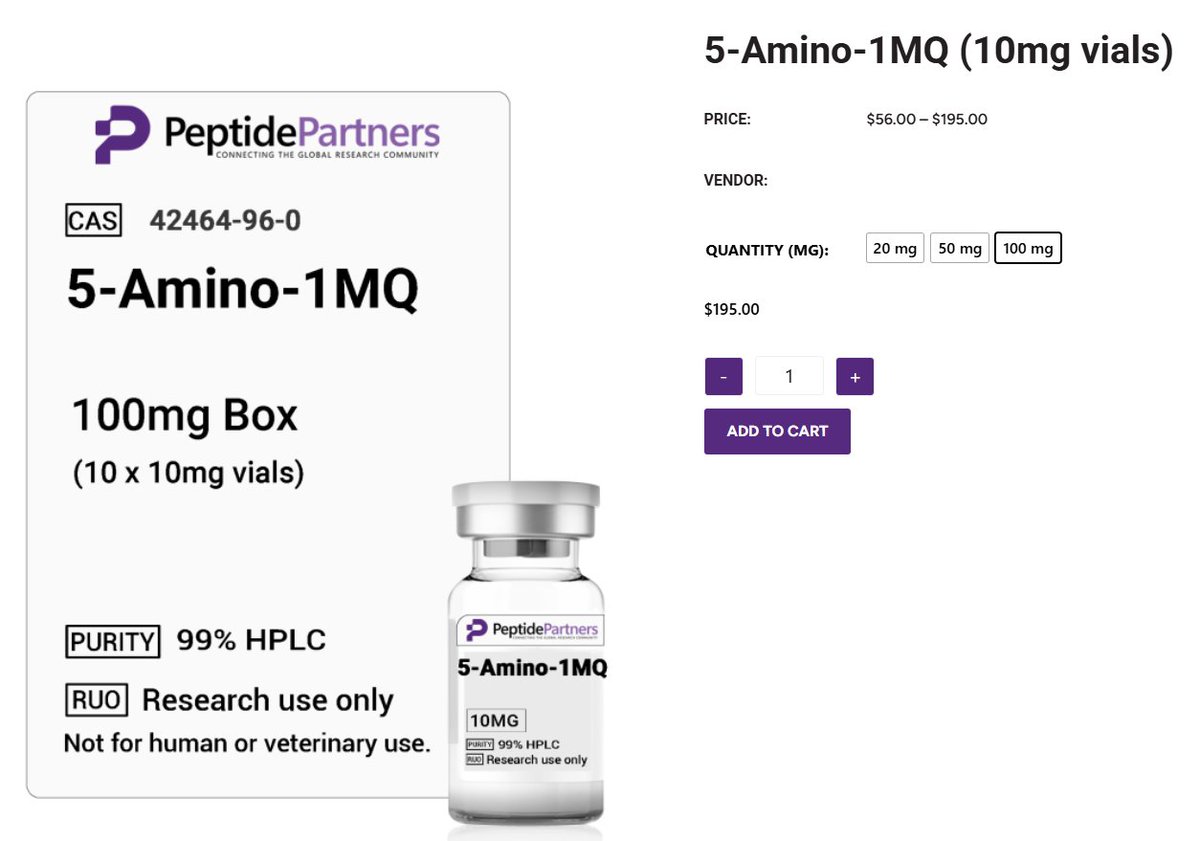
🚨Product Launch: 5-Amino-1MQ (10mg vials)
Doubly validated, multi-vial purity: 99.66%
Endotoxin, metals, sterility screenings
With code X30 and Bank/Zelle checkout: price is <$1.30/mg
Best deal around
6
1
31
17,067
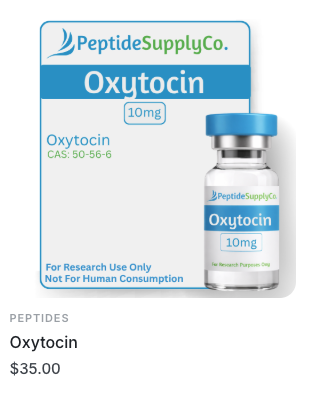
Christmas can come in just 3 days with @PeptideSupplyCo
Code GASLIGHT for the 10% off of any order
3
1
23
3,050

Jun 12
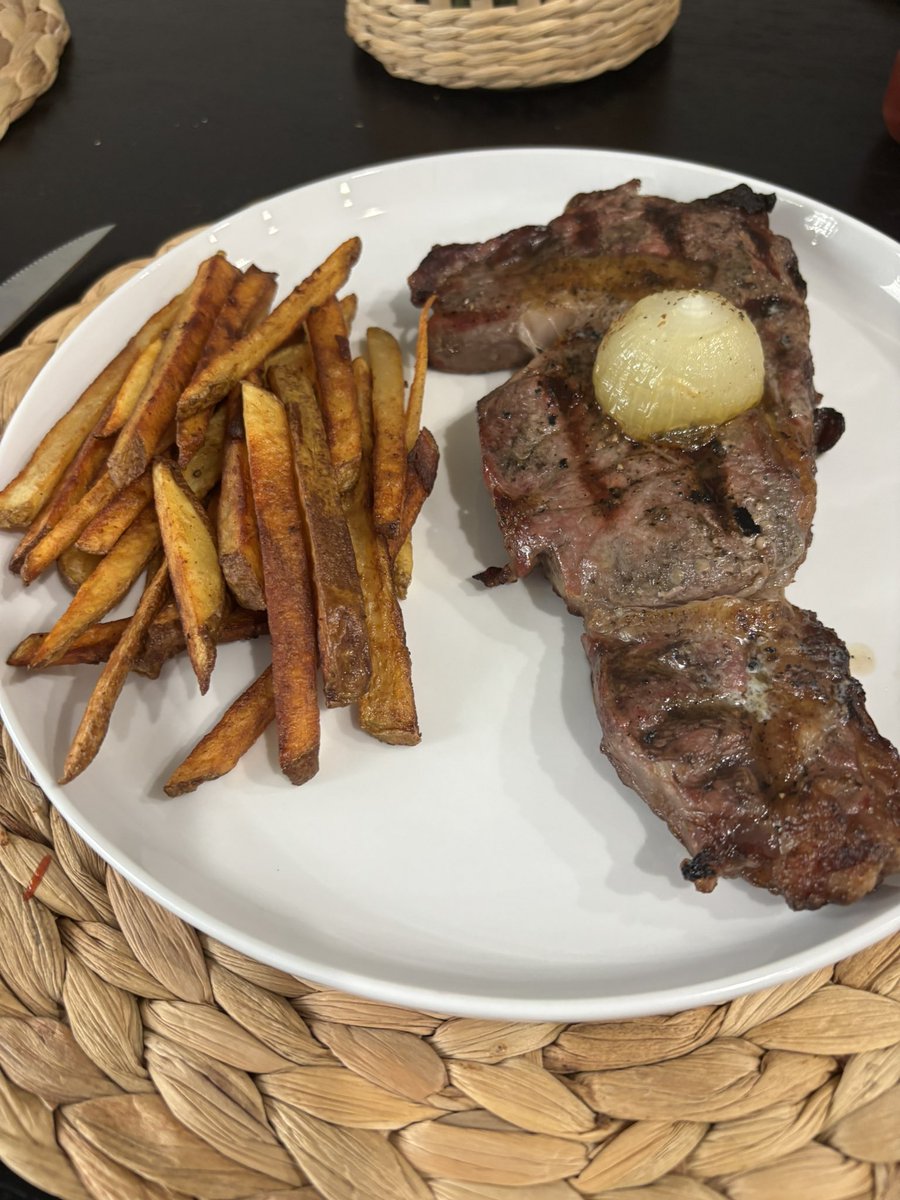
Ribeye topped with oven roasted white onion with a side of homemade tallow fries
Jun 12

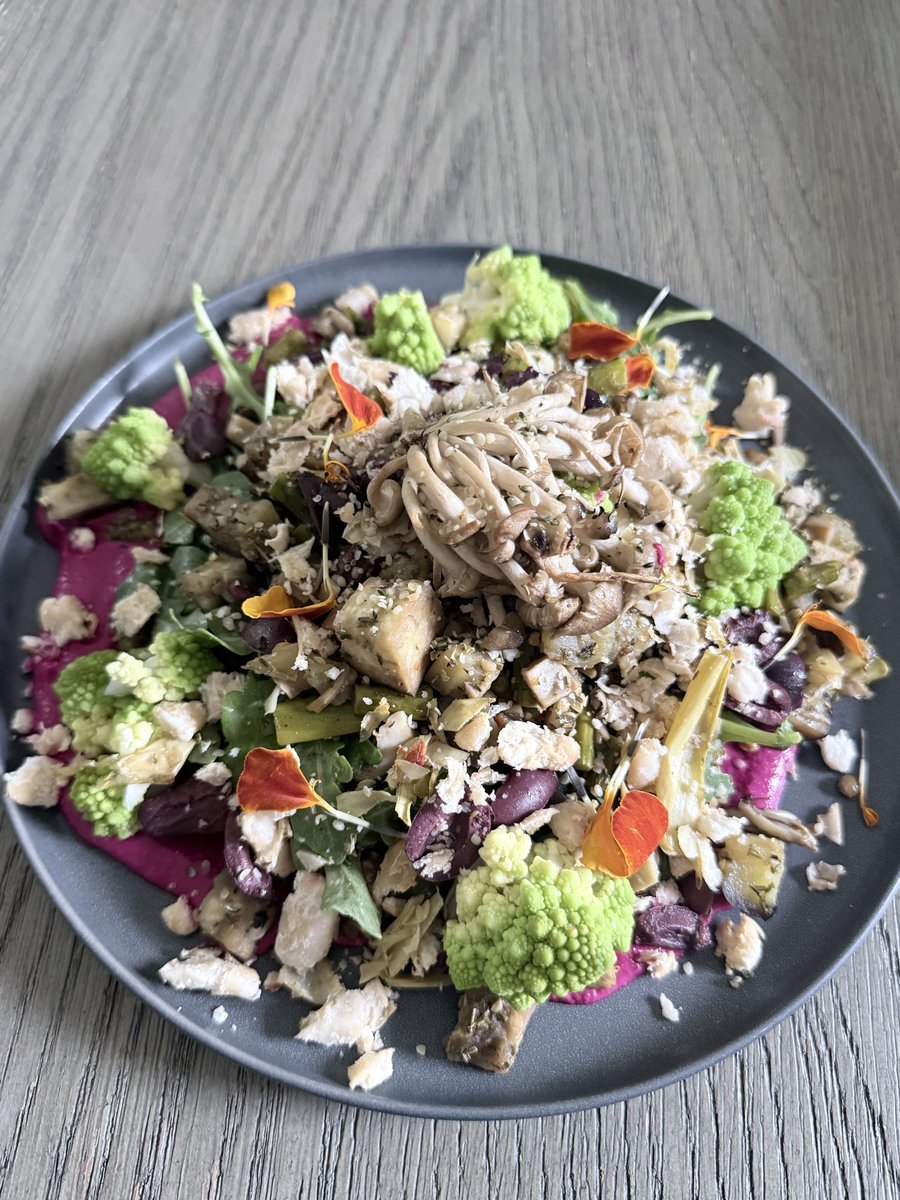
what i'm eating for breakfast:
beet hummus, black lentils, arugula, eggplant, kalamata olives, asparagus, romanesco, artichoke hearts, hemp seeds, beech mushrooms, parsley, oregano, garlic, olive oil, marigold flowers as garnish, cannellini beans.
94
Jun 12
Tesamorelin is dope as shit, especially with ipamorelin.
Get 10% of every order from PSC with code GASLIGHT

Coming Back in Stock -- Tuesday, 06/16.
BPC-157 10mg
ARA-290 10mg
GLP-3 RT 20mg
Tesamorelin 10mg
PeptideSupplyCo.com
271
Jun 12
Guy who is wrong and very confident about it
Jun 11

Stop putting salt on fruits or in water.
Sodium doesn't hydrate you, it actually dehydrates you by kicking potassium out of the cells.
Potassium and magnesium are hydrating minerals.
1
4
676
Jun 12
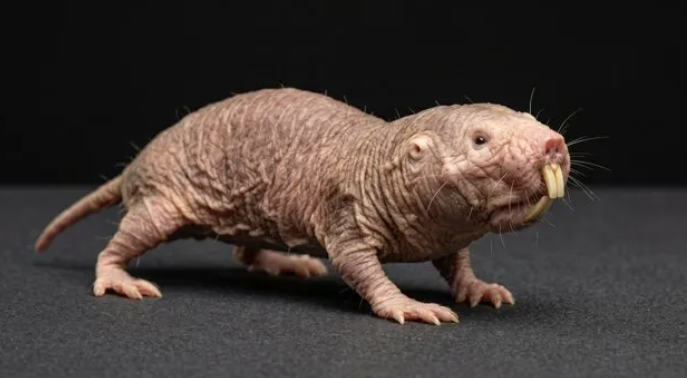
This creature is living proof that rate of living theory is false
1
48
Jun 11
This bitch thinks she has it figured out until I reach into my pocket and pull out my handy dandy nasal pharyngeal and deviate the FUCK out of her septum
Jun 10

I wish I was allergic to peanut butter and had a boyfriend because if he made me mad I would hide my EpiPen, eat a jar of peanut butter right in front of him, and watch him panic and scramble
1
1
187
Gaslight 👻 retweeted

Jun 11
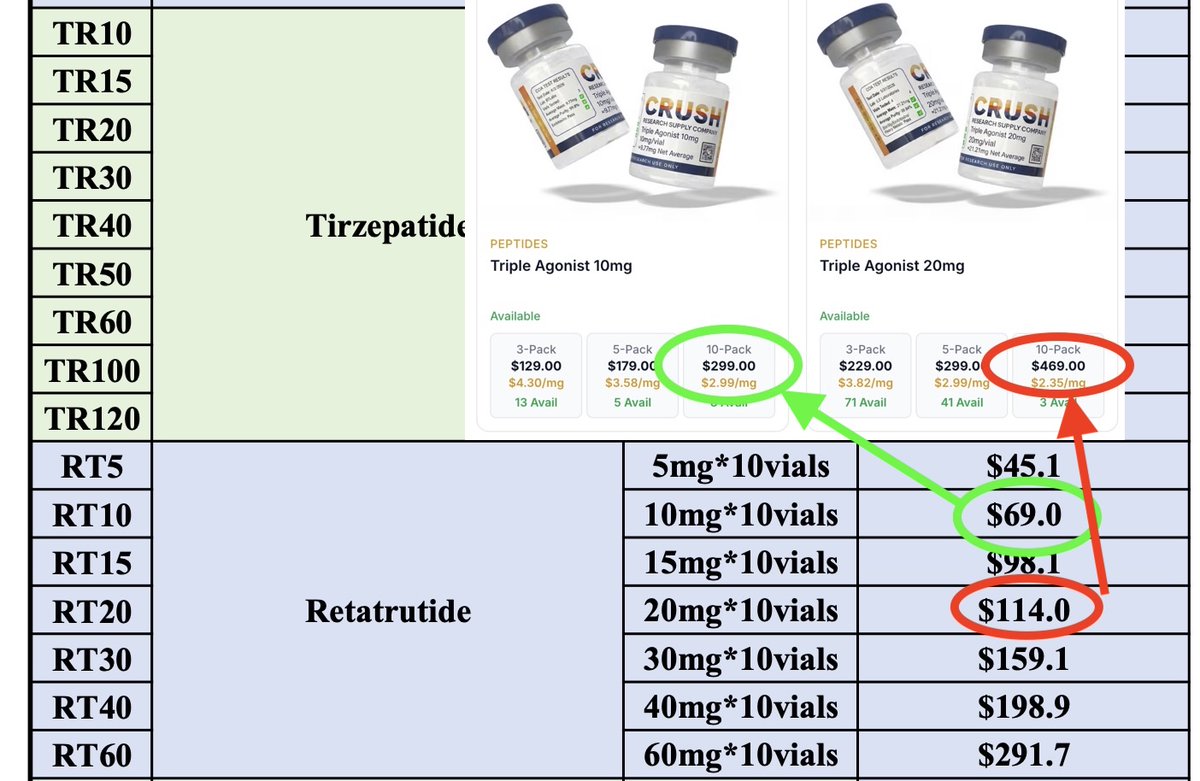
Dude thinks he is smart... but lets do the math.
$114... but there is always a shipping fee of usually $40 to $60 unless you buy enough kits... but you pointed to so one.
so now its let say $150 shipped.
Now we wait 10 days. Oh shit it got stuck in customs... and your Global Entry got revoked... but company reships it.
You finally get it three weeks later.
Now you have to test... because like @Krysia830073 points out there are a bunch of fake products out there.
But obviously you want to compare it to my products so you want multi-vial testing with all the bells and whistles.
Lets add $800 to that $150. Awesome, now your 10-pack is 5-pack (had to sacrifice your vials for testing) and you have paid $950, lost your global entry and only have vials to show for it.
Who knows... maybe you believe in half ass testing... you decide to send a single vial into Finnrick. You wait 6-weeks, Krause lab tests it is as not whatever it is you thought you bought.
You complain to vendor... they say send it to Janoshik thats the only testing we trust.
Ok, now you give up the 2nd vial to Janoshik... pay $350 or so for shipping and testing wait 3-4 weeks and boom... its is what you said.
You have now paid $500 for single vial testing, one failed, one passed. No sterility. No Endotoxins. No Heavy Metals.
Im already fucking cheaper... and thats before the 10% discount code and the 5% crypto discount which brings the price down to under $2 a mg...
And basically your scenario only works if you know how to use Crypto, which a broad spectrum of the market doesn't.
Honestly for a PHD, you aren't that smart... like why pick my post... the dude that has the best testing... and the fairest prices.
Like I will make it easy for you.
Hey Customers.... I buy products cheaper (from known sources) and provide a service and mark it up for a profit while taking on the risk.
Is that what you want people to know...
What did you accomplish... you literally gave me an opportunity to market... people will love this post.
Be smarter... and have a great day!
p.s. I pay less that that...

58
13
269
41,186
Jun 11
There are so many dudes who have no idea how much glycogen is stored in muscle tissue
Jun 11

lost carbs tbh. wouldn’t do that more than once a week
just cook 5 eggs with tuna, takes two minutes
170
Jun 11
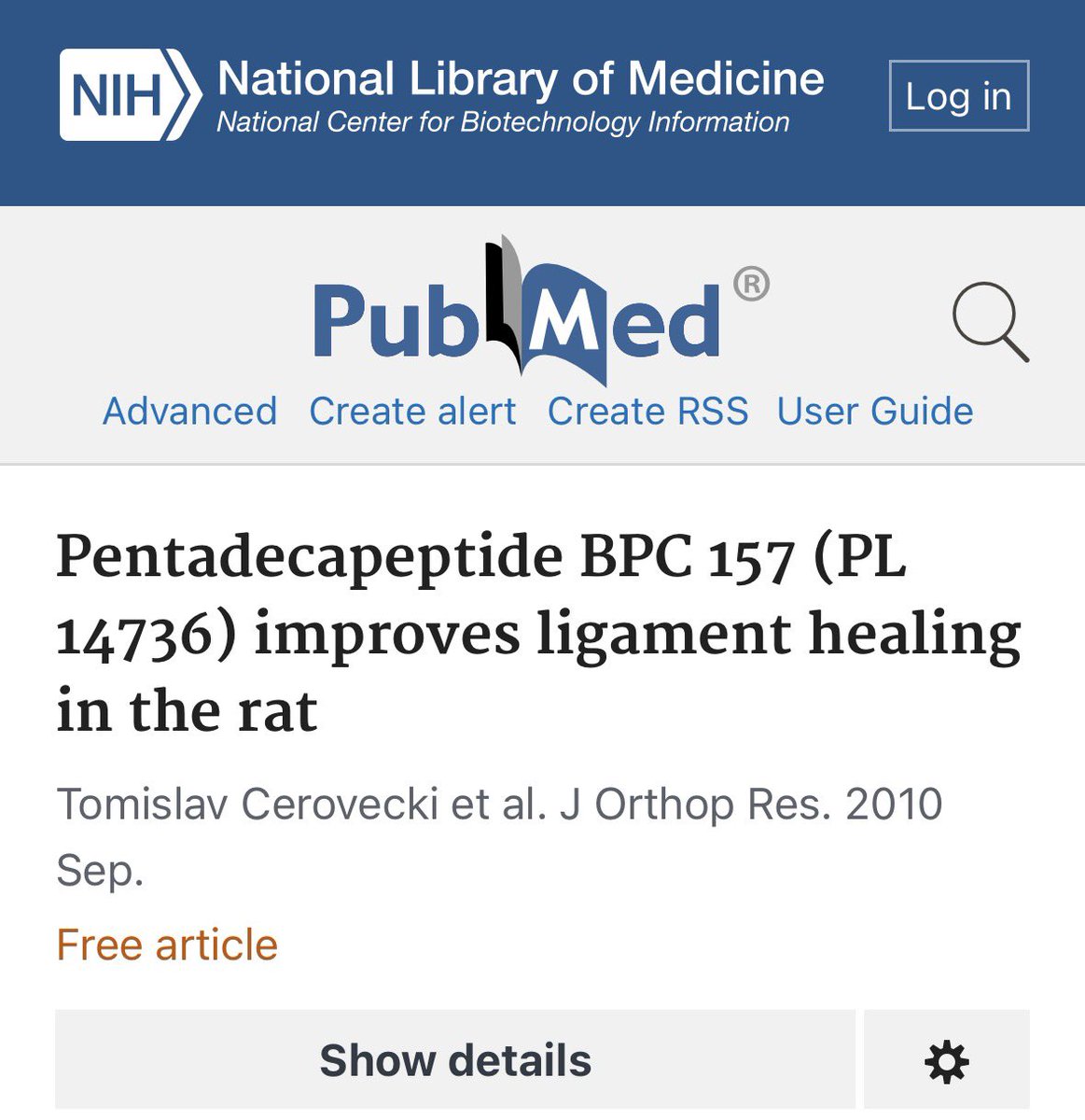
Another animal model for BPC-157

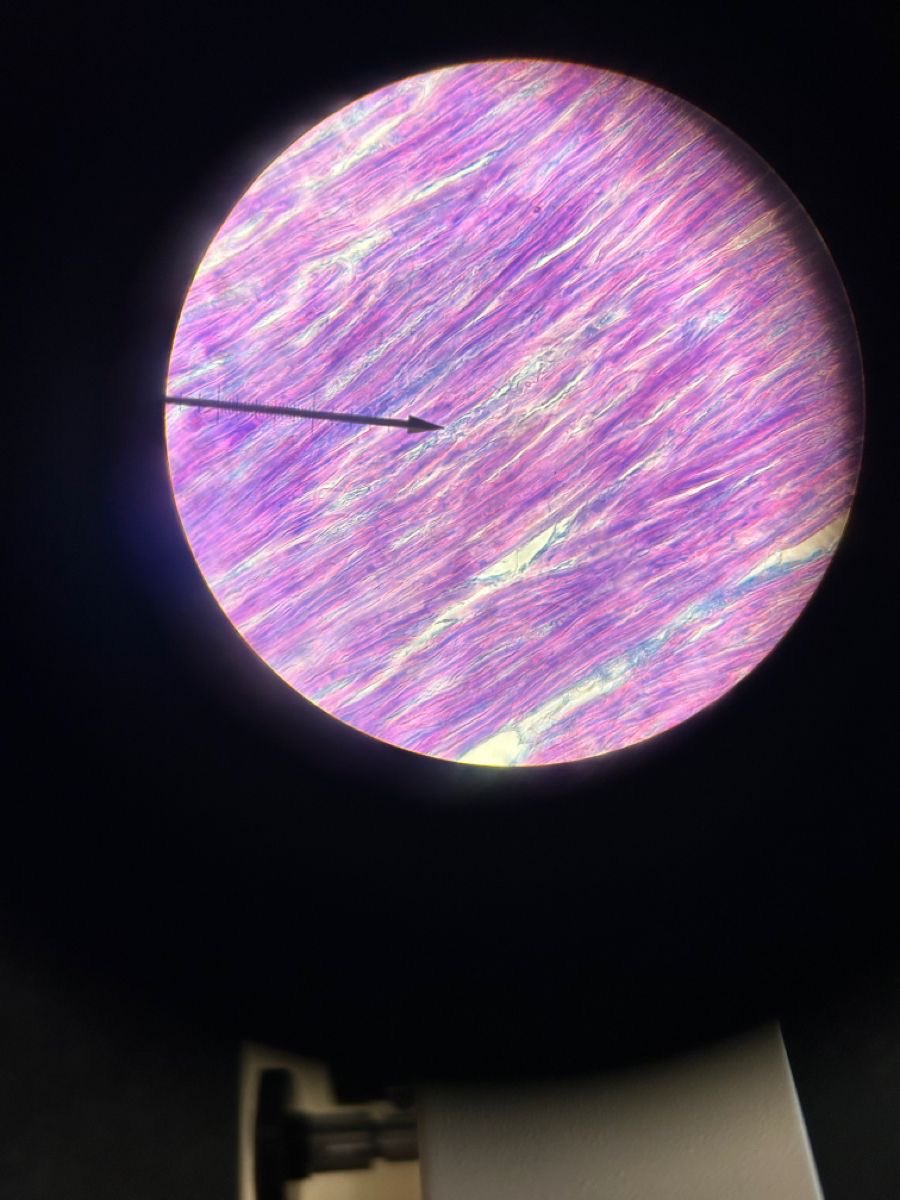
BPC-157 rebuilt a SEVERED knee ligament in a published study.
Scientists cut the MCL — the ligament stabilizing the inside of the knee — completely in half.
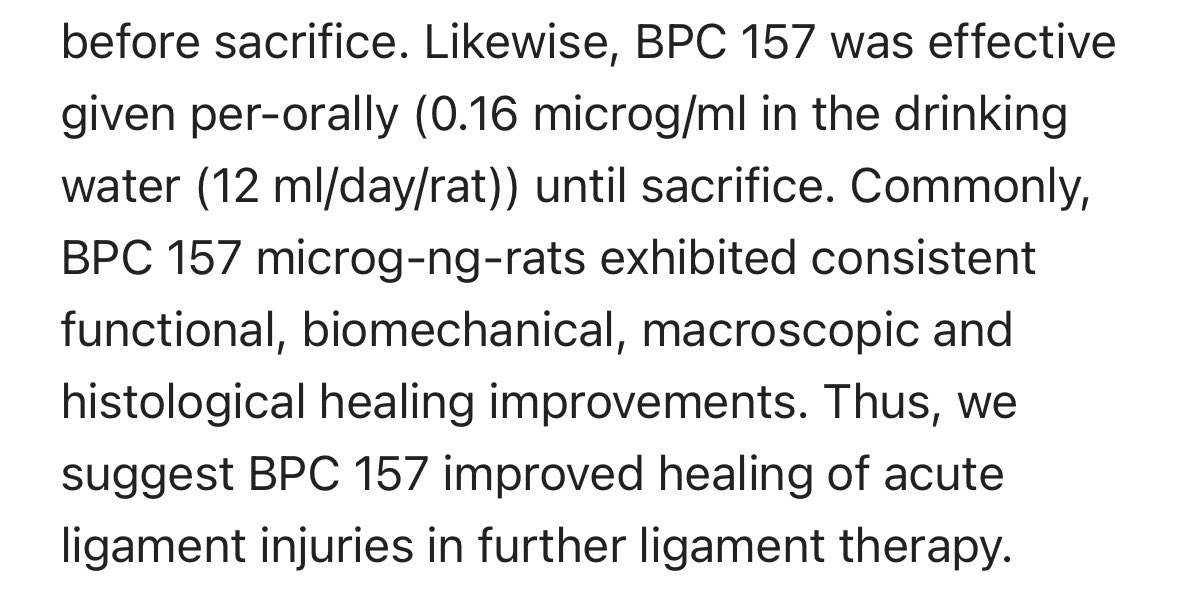
Then tested three routes of BPC-157:
→ injection
→ cream
→ oral
All THREE rebuilt the ligament.
(PMID: 20225319)
Read that again. They SEVERED it. ORAL rebuilt it. A pill. For a cut ligament.
Your doctor says torn ligaments don’t heal on their own. He’s right — they don’t. Because the repair signal stops before the job is done.
BPC-157 sends it again.
Then came the human data:
16 patients. Chronic knee pain. One BPC-157 injection each.
→ 90% reported pain relief
→ lasting past 6 MONTHS
→ published, peer-reviewed
(PMID: 34324435)
Still waking up stiff? Still hear that click going downstairs? Still avoiding the movements you used to do without thinking?
Your knee isn’t “bad.” The repair just stopped.
Cortisone — suppresses inflammation for weeks, then it’s back.
NSAIDs — mask the pain while the damage stays.
Surgery — $30,000 and 6-12 months of rehab.
BPC-157 rebuilt the ligament in the study. Not masked it. Not suppressed it. REBUILT it.
A 15-amino-acid peptide your stomach already makes.
I take it daily. Source in the comments ↓
4
6
641
Jun 11
MOTS-c, the whole picture. 🧵
We can start with what you all already see posted on here.
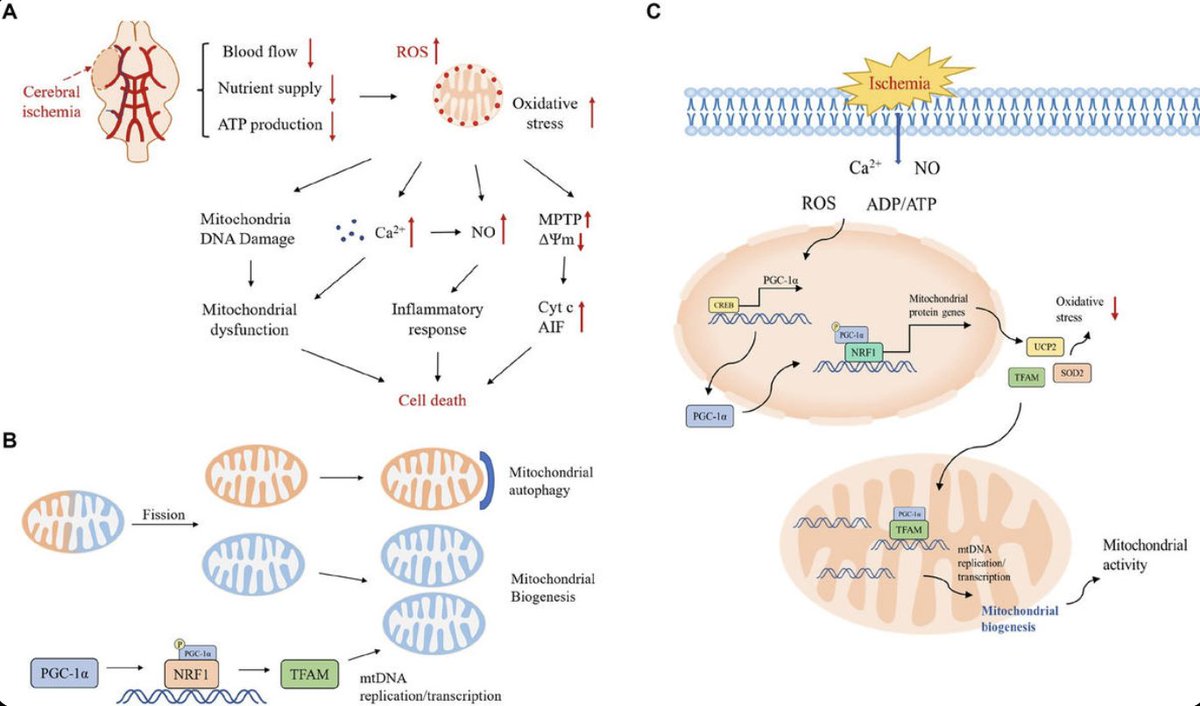
MOTS-c is a mitochondrial-derived peptide composed of 16 amino acids and is encoded directly into mtDNA (specifically the 12S rRNA region). It acts as a “mitokine” and signals to the nucleus (and the rest of the body, more on this later) how the mitochondria are doing.
MOTS-c is created in the mitochondria and translocated to the nucleus in response to stress or exertion. Exercise, for example, stimulates endogenous MOTS-c production.
10
3
44
46,052
Jun 11
Cancer
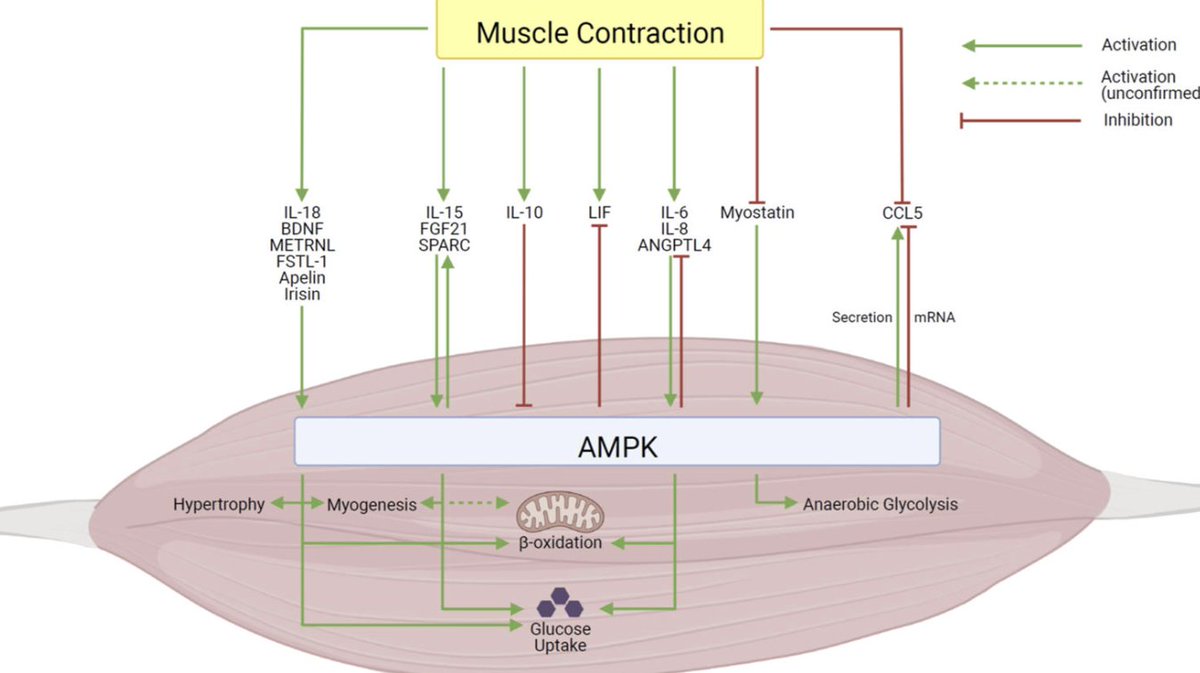
Mitochondrial health and metabolic flexibility influence cancer risk and progression in complex ways. AMPK activation can suppress certain pro-tumor metabolic pathways, and reduced chronic inflammation/insulin resistance are generally protective.
However, the relationship between MOTS-c and cancer is not well established yet, some mitochondrial peptides show promise in early research, but this remains highly speculative and should not be viewed as a treatment replacement.
If you or someone you know is battling cancer, consult the primary care physician before exploring MOTS-c as an adjunctive treatment.
2
2
124
Jun 11
Citations
-Lee C, et al. (2015). The mitochondrial-derived peptide MOTS-c promotes metabolic homeostasis and reduces obesity and insulin resistance. Cell Metabolism, 21(3), 443–454.
-Reynolds JC, et al. (2021). MOTS-c is an exercise-induced mitochondrial-encoded regulator of age-dependent physical decline and muscle homeostasis. Nature Communications, 12, 470.
-Wang M, et al. (2023). MOTS-c repairs myocardial damage by inhibiting the CCN1/ERK1/2/EGR1 pathway in diabetic rats. Frontiers in Nutrition, 10, 1060684.
-Domin R, et al. (2023). MOTS-c serum concentration positively correlates with lower-body muscle strength and is not related to maximal oxygen uptake — a preliminary study. International Journal of Molecular Sciences, 24(19), 14951.
-Lu H, et al. (2024). The mitochondrial genome-encoded peptide MOTS-c alleviates nonalcoholic steatohepatitis by inhibiting inflammation and apoptosis. Cell Reports (related NASH studies).
-Zheng Y, et al. (2023). MOTS-c: A promising mitochondrial-derived peptide for metabolic disorders and aging. Frontiers in Endocrinology (mechanistic review).
-Wan W, et al. (2023). MOTS-c: Effects and mechanisms related to stress, metabolism and aging. Journal of Translational Medicine, 21, 885.
2
116