
RCI is an advocacy network to deliver and communicate innovations in solving urban challenges across Africa.
Joined November 2018
- Tweets 1,884
- Following 702
- Followers 926
- Likes 948
423 Photos and videos






Pinned Tweet

23 Sep 2022
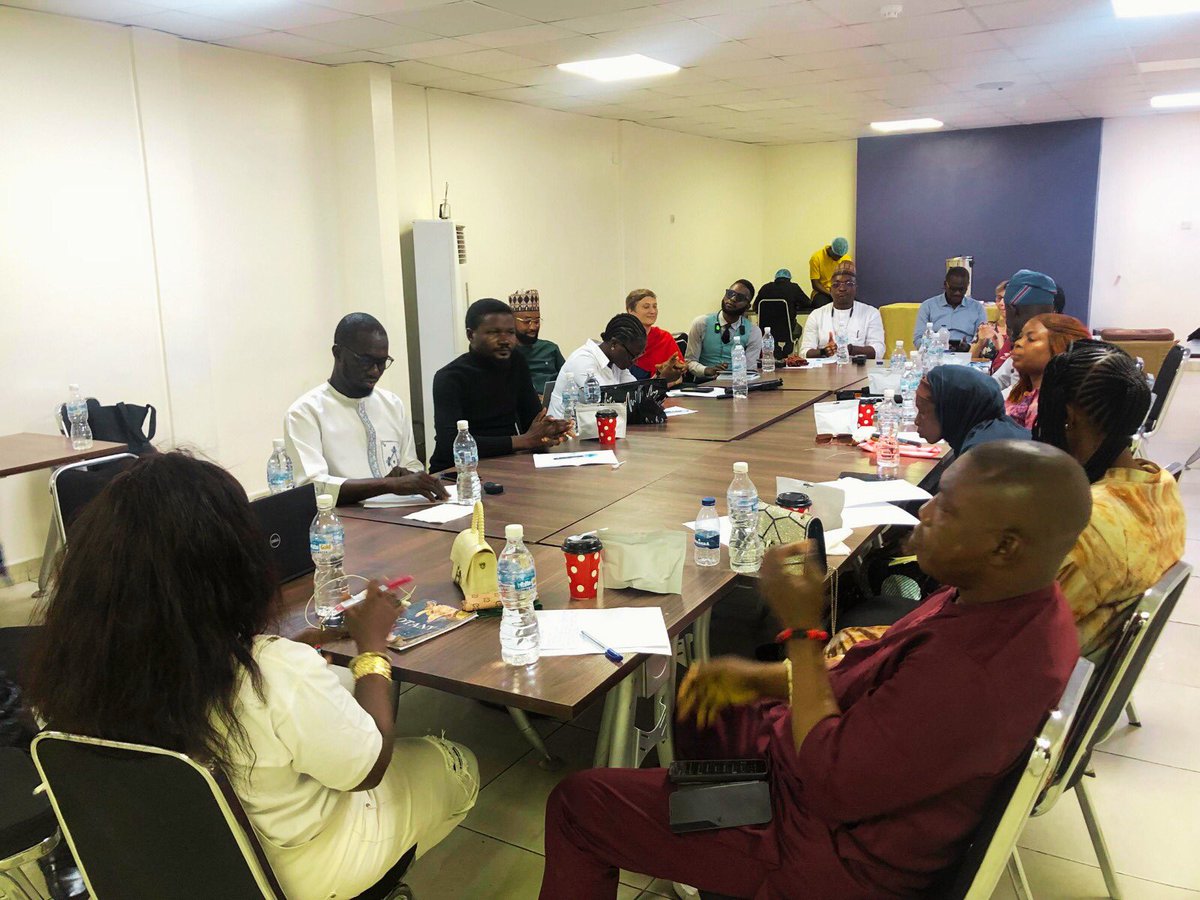
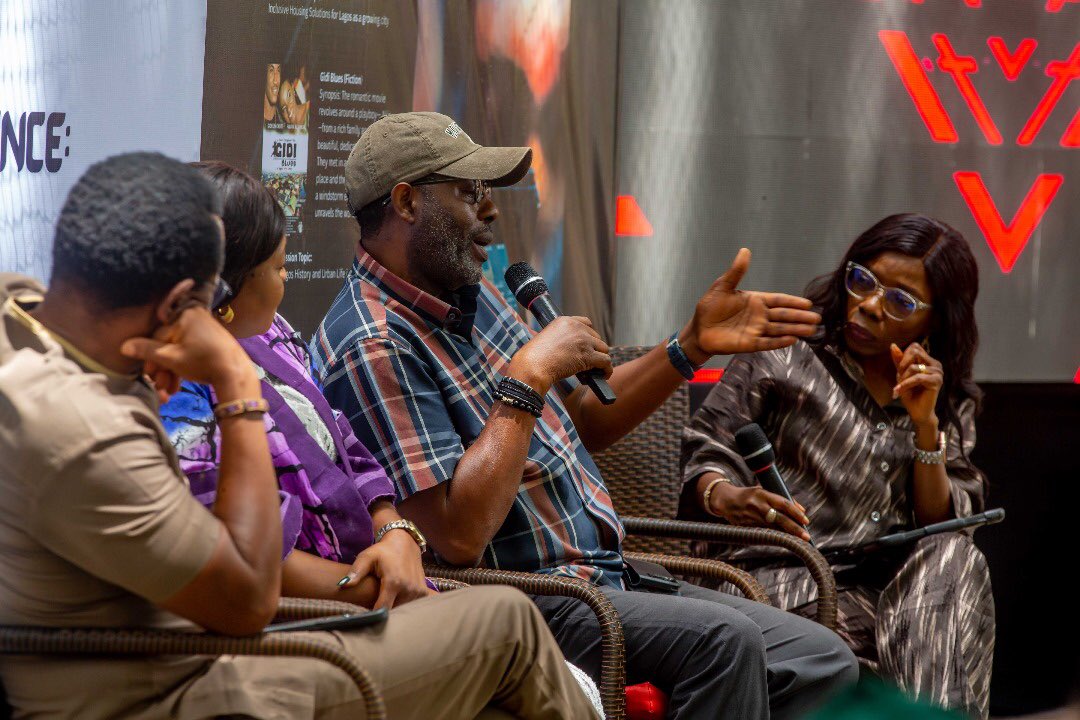
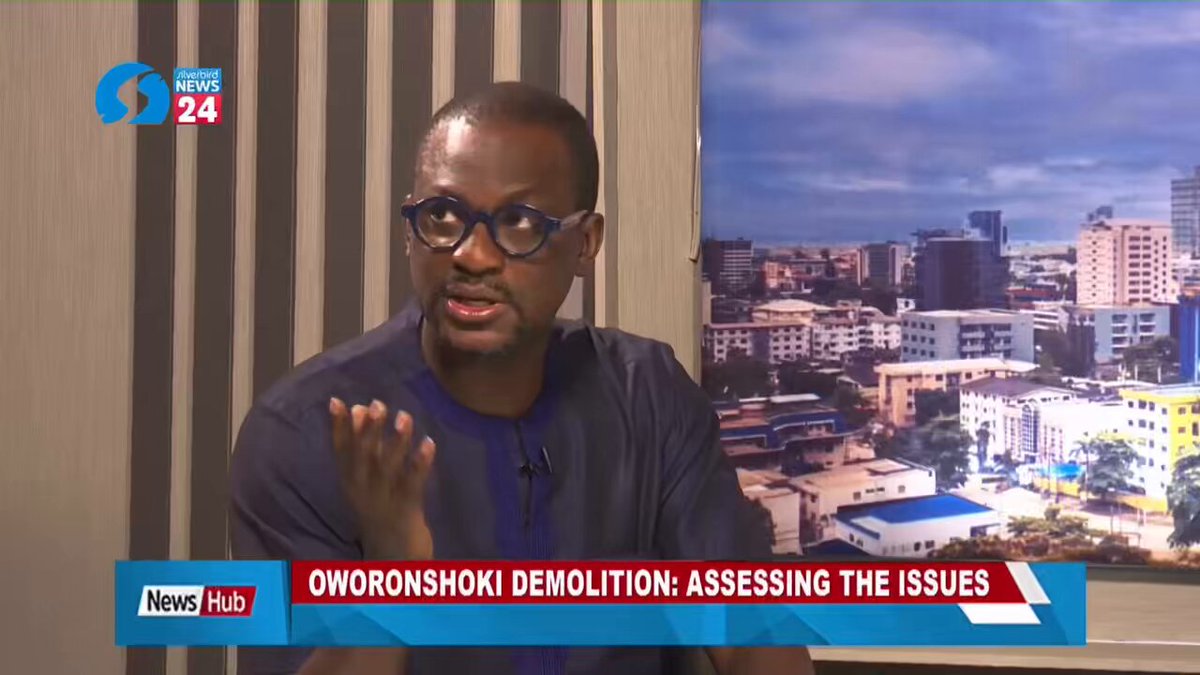
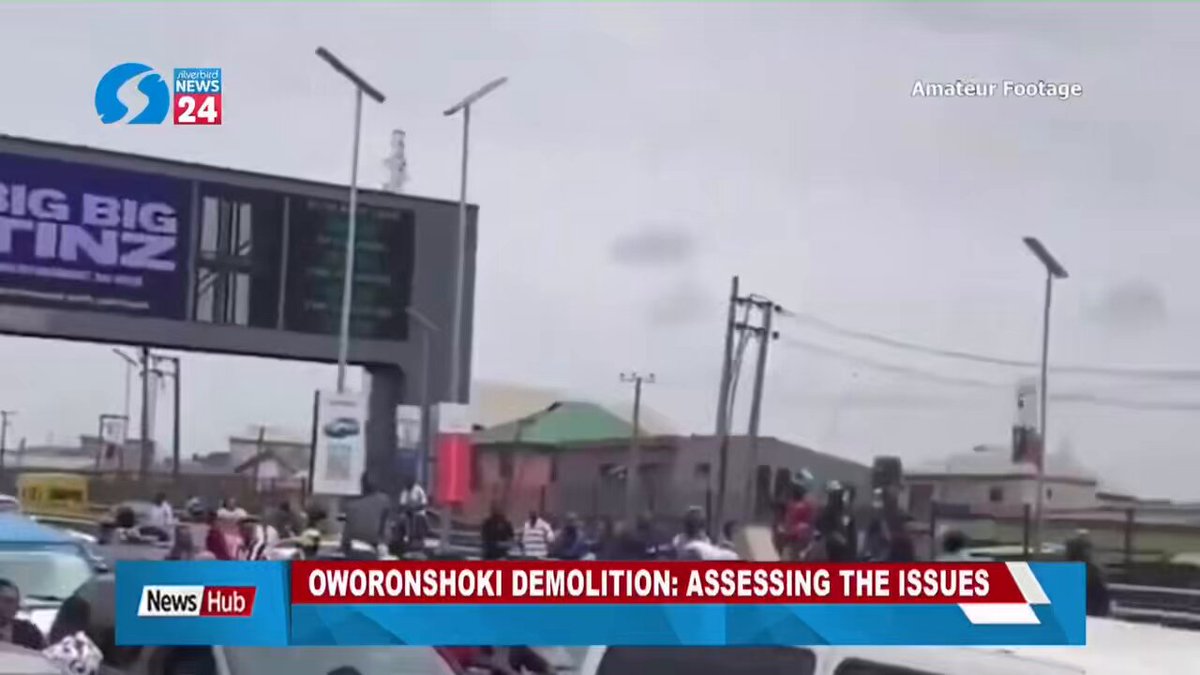
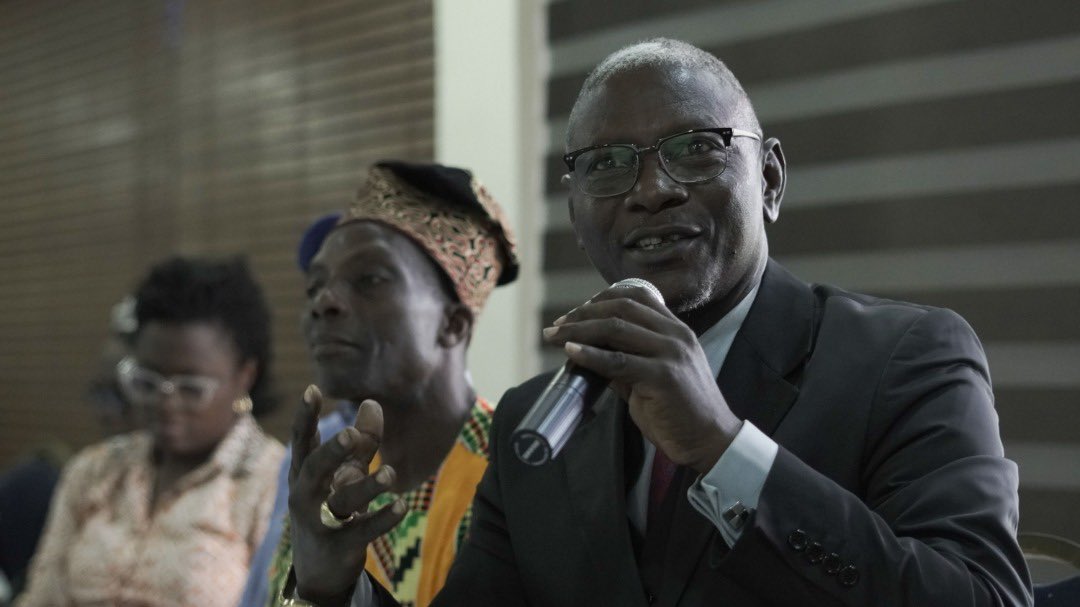
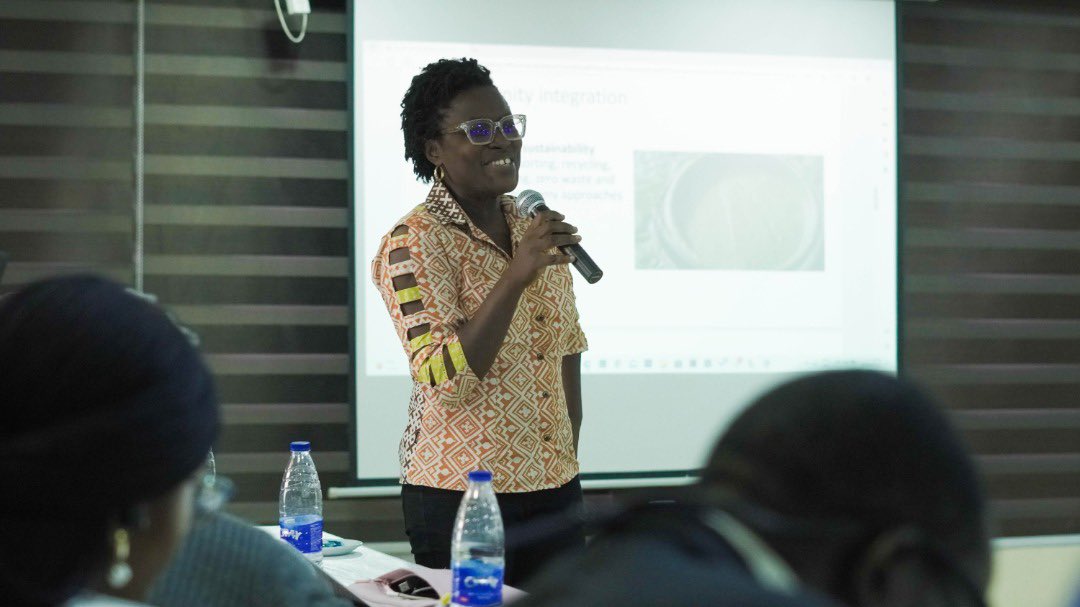
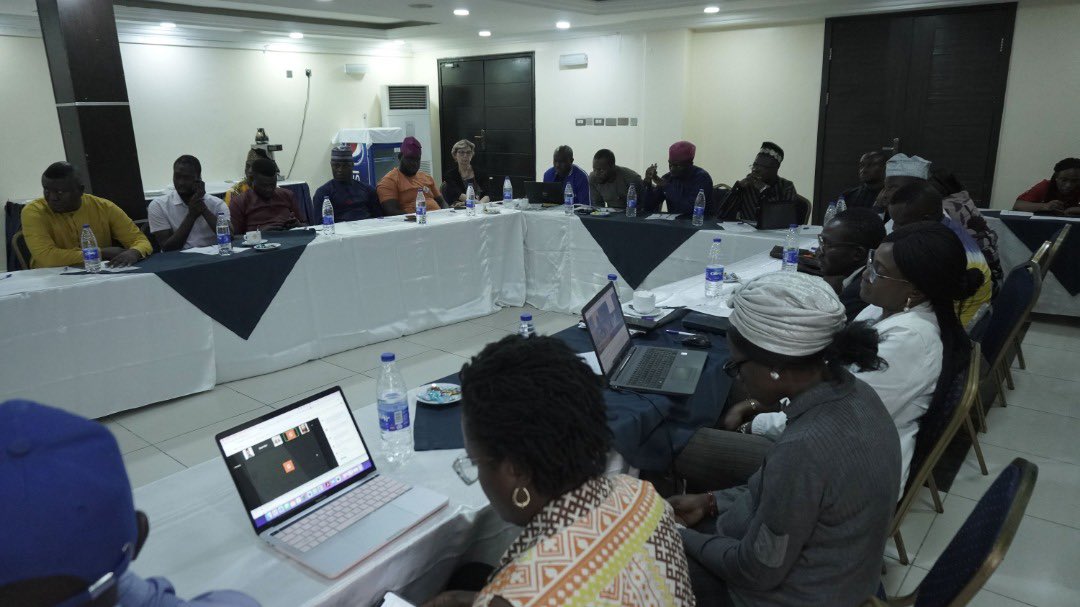
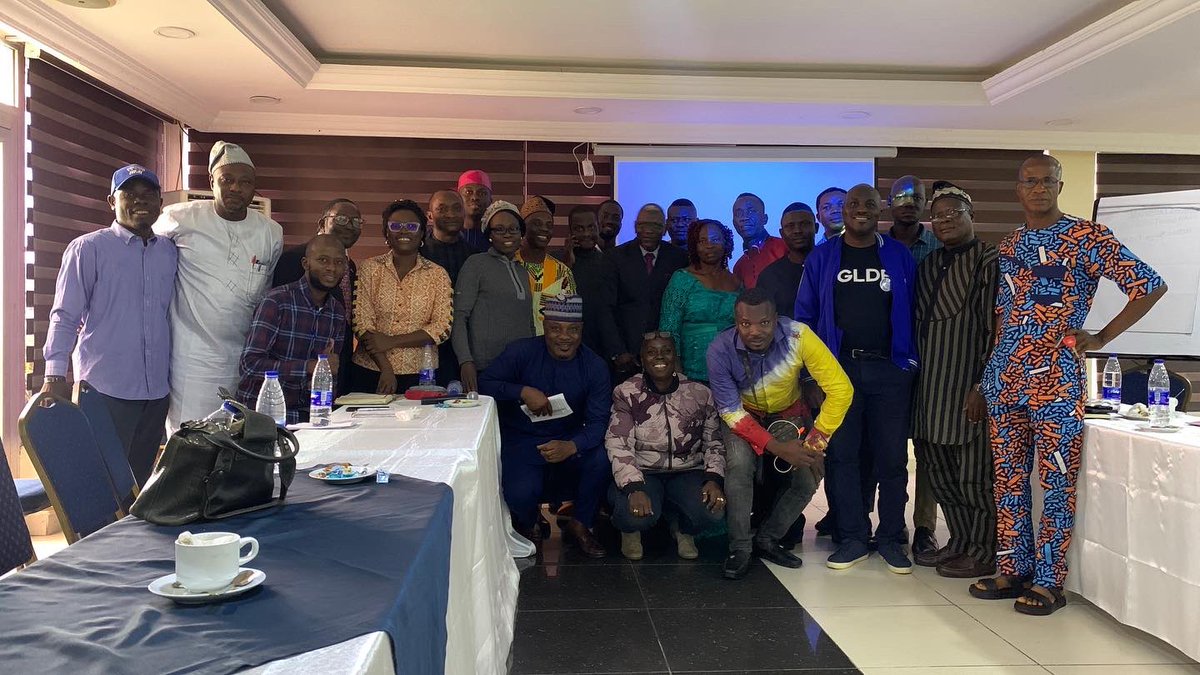
We had an engaging session yesterday with Lagos State candidates from various parties and Policy experts discussing ‘Lagos way forward’. We focused on sustainability transportation, waste management, water, flooding and wetlands, and housing for informal settlers.#Lagoswayforward
3
10
Rethinking Cities retweeted

📢 CALL FOR APPLICATIONS: Nigeria Green Academy 2026
@hbsNigeria is pleased to invite young Nigerians passionate about social, political, economic, and environmental change to apply for the 2026 Nigeria Green Academy Programme.
Interested applicants should visit ng.boell.org/en/2026/06/02/c… for more information on how to apply.
📅 Deadline: 17 June 2026

2
29
72
4,515
Rethinking Cities retweeted

May 30
To the next Governor of Lagos State @jidesanwoolu
@drobafemihamzat
@GRVlagos
@funsodoherty
@_yemia
@PGeeman
@pastorpoju
@TaibatLawanson
@AfricanCities_
@hbsNigeria
@honmojimeranda
Lagos Has ₦80 Billion Hiding in Plain Sight. It's Time to Spend It on Homes.
Lagos State generated about ₦80 billion in building approval fees in 2025, a figure recently confirmed by the Commissioner for Physical Planning and Urban Development. The fees are already progressive by design: a developer breaking ground in Ikoyi pays far more than one building in Ikorodu. The redistributive logic is built in. It just needs to be put to work.
Lagos faces a housing deficit estimated at over 3 million units, with roughly 70% of residents in informal settlements or substandard housing. Meanwhile, luxury towers keep rising in Eko Atlantic, Banana Island, and Lekki Phase 1, where single apartments routinely sell for ₦500 million to ₦2 billion.
The fix is straightforward. Ring-fence 20–30% of annual building approval revenue ₦16 to ₦24 billion, into a dedicated Inclusionary Housing Cross-Funding Pool. Use it to subsidise social rental units within new developments, fund land-charge waivers and fast-track approvals for compliant builders, and finance the shared infrastructure drainage, roads, schools that turns mixed-income developments into actual communities. Luxury and mid-tier builders effectively cross-subsidise the affordable stock. Then go further. A modest 1–2% annual tax on residential properties valued above ₦500 million would touch only the ultra-wealthy and could conservatively raise another ₦15–30 billion a year. For context, Lagos is home to an estimated 9,800 dollar millionaires the largest concentration on the continent and prime property in Ikoyi and Banana Island trades in dollars per square metre, comparable to mid-tier European capitals. A property tax at this level is unremarkable globally; in Lagos, it would be transformative. Lock the proceeds into the same housing fund by statute, with no discretionary raids permitted.
The arithmetic is simple. Combined, these streams could generate ₦30–50 billion every year for social housing enough to deliver tens of thousands of units over a single political cycle. The ultra-wealthy pay modestly more on assets appreciating largely because of public infrastructure they didn't fund. Working Lagosians get homes closer to where they work. Slums shrink. Commutes shorten. Productivity rises.
This is the basic logic of a functioning city: those who benefit most from Lagos pay proportionally to sustain it. The revenue exists. The crisis is undeniable. What remains is the decision to act.
Lagos cannot keep approving luxury towers while its workforce sleeps two hours away. The ₦80 billion is already on the table. Use it.
1
26
Rethinking Cities retweeted

💡 Cross-city learning exchanges: Lessons from Lagos and Nairobi
Action research projects in our five implementation cities span an array of issues and systems – from solid waste management and urban markets to land tenure, property tax, climate resilience, and more.
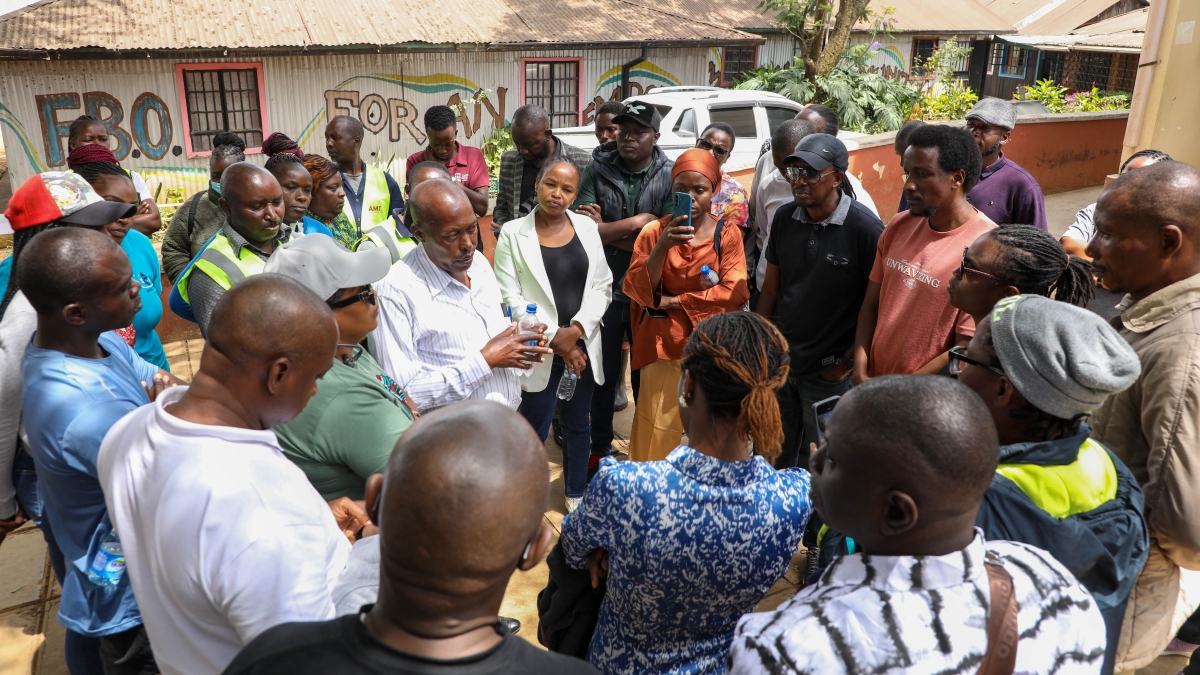
ALT Visit to Mukuru, Nairobi. Credit: Akiba Mashinani Trust
1
1
2
143

Yes, flooding during Nigeria's rainy season is a real and serious problem, especially in Lagos. Poor drainage, blocked sewers, and waste buildup often cause it, as shown in the video. Official forecasts confirm high flood risks across many states in 2026.
The site publictech.studio/flooding is a legit civic tool from Public Tech Studio and partners to report local issues to authorities. Filing complaints can help.
1
55
Rethinking Cities retweeted

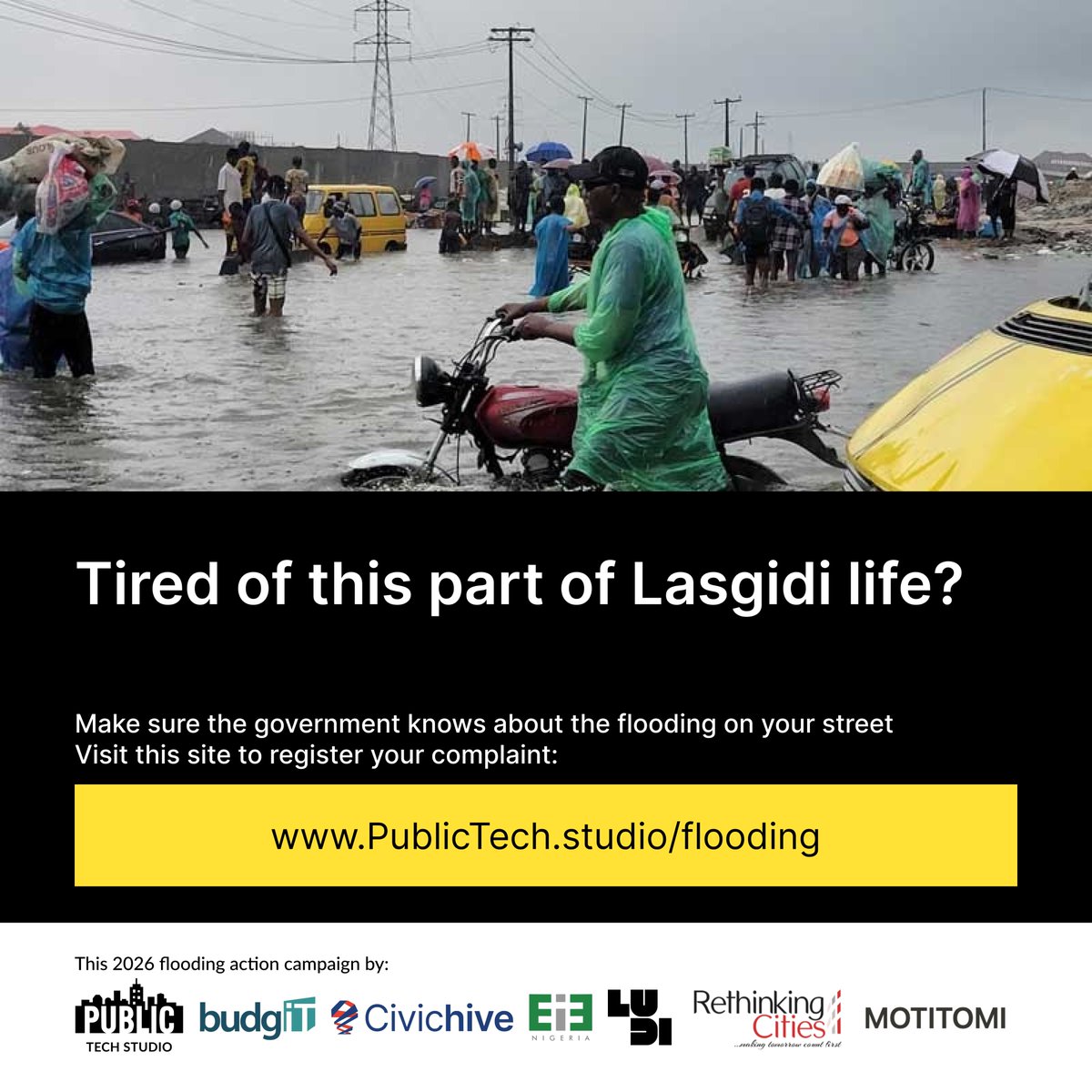
Rainy season is here! Take action to improve your neighborhood's flooding problems by filing a complaint at PublicTech.studio/flooding.
Campaign partners: @EiENigeria @BudgITng @ludi_org @RethinkingCI @tomiadesina_ @CivicHive
42
150
697
685,496
Rethinking Cities retweeted
Rainy season is here! Take action to improve your neighborhood's flooding problems by filing a complaint at PublicTech.studio/flooding.
Campaign partners: @EiENigeria @BudgITng @ludi_org @RethinkingCI @tomiadesina_ @CivicHive
52
77
549
1,407,356
Rethinking Cities retweeted
Avoid traffic by taking the ferry. Explore the first comprehensive map of ferry routes in Lagos, including schedules and prices. LagosFerries.com

184
534
4,952
2,666,622
Rethinking Cities retweeted
Rainy season is here! Take action to improve your neighborhood's flooding problems by filing a complaint at PublicTech.studio/flooding.
Campaign partners: @EiENigeria @BudgITng @ludi_org @RethinkingCI @tomiadesina_ @CivicHive
67
119
758
1,079,307

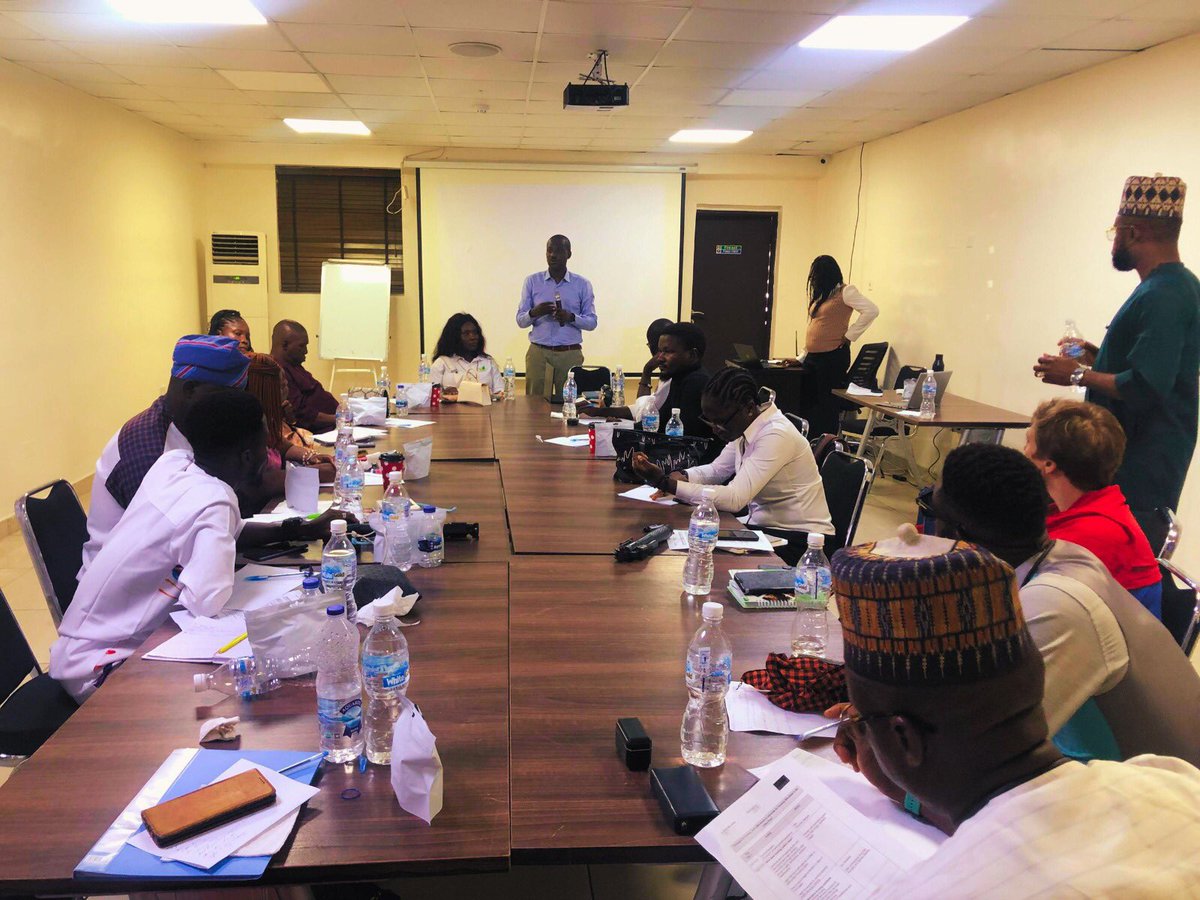
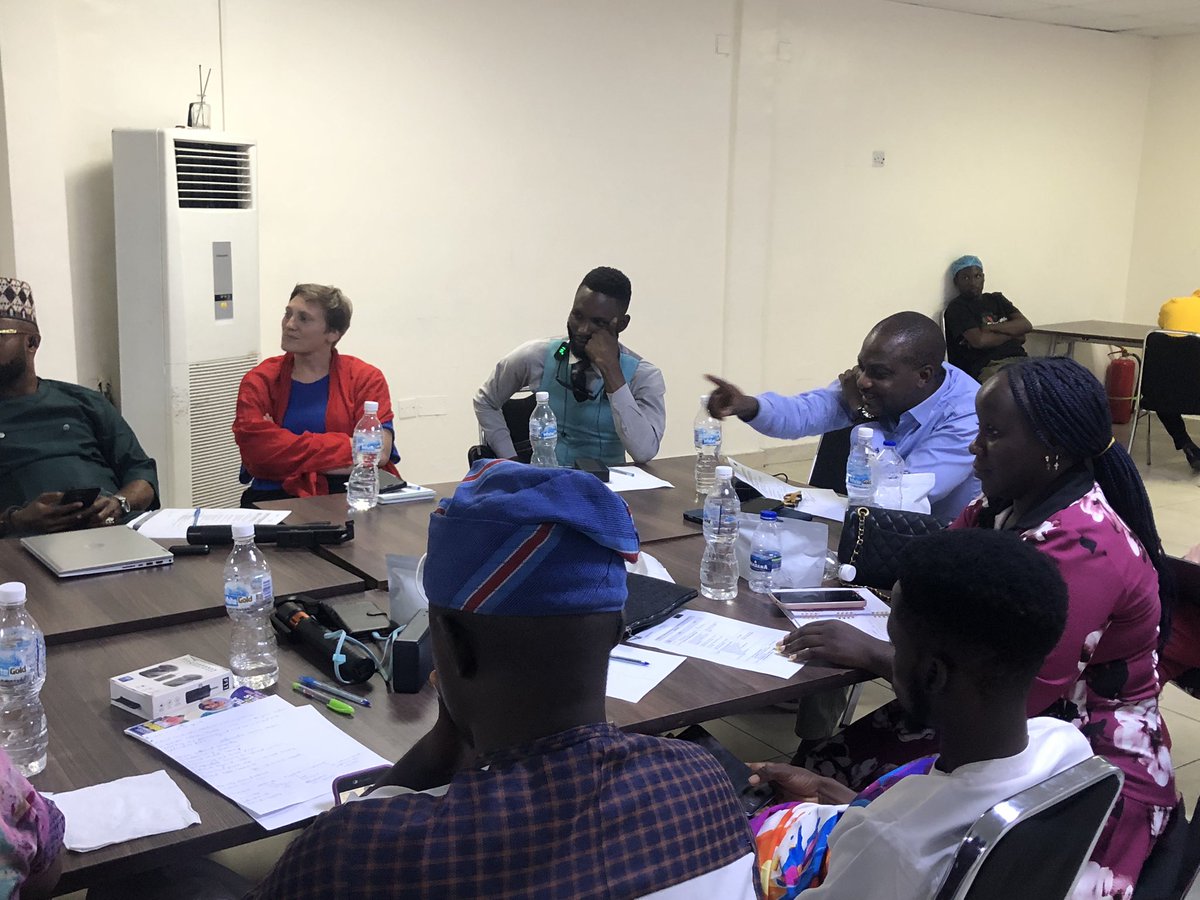
Day 1 of the Housing Movement was not just conversations.
From legal realities of eviction to the deeper issue of land access, participants shared, challenged, and reflected on what housing justice truly means.
#HousingJustice #Lagos #RethinkingCities #UrbanJustice #RightToHousing
3
3
98
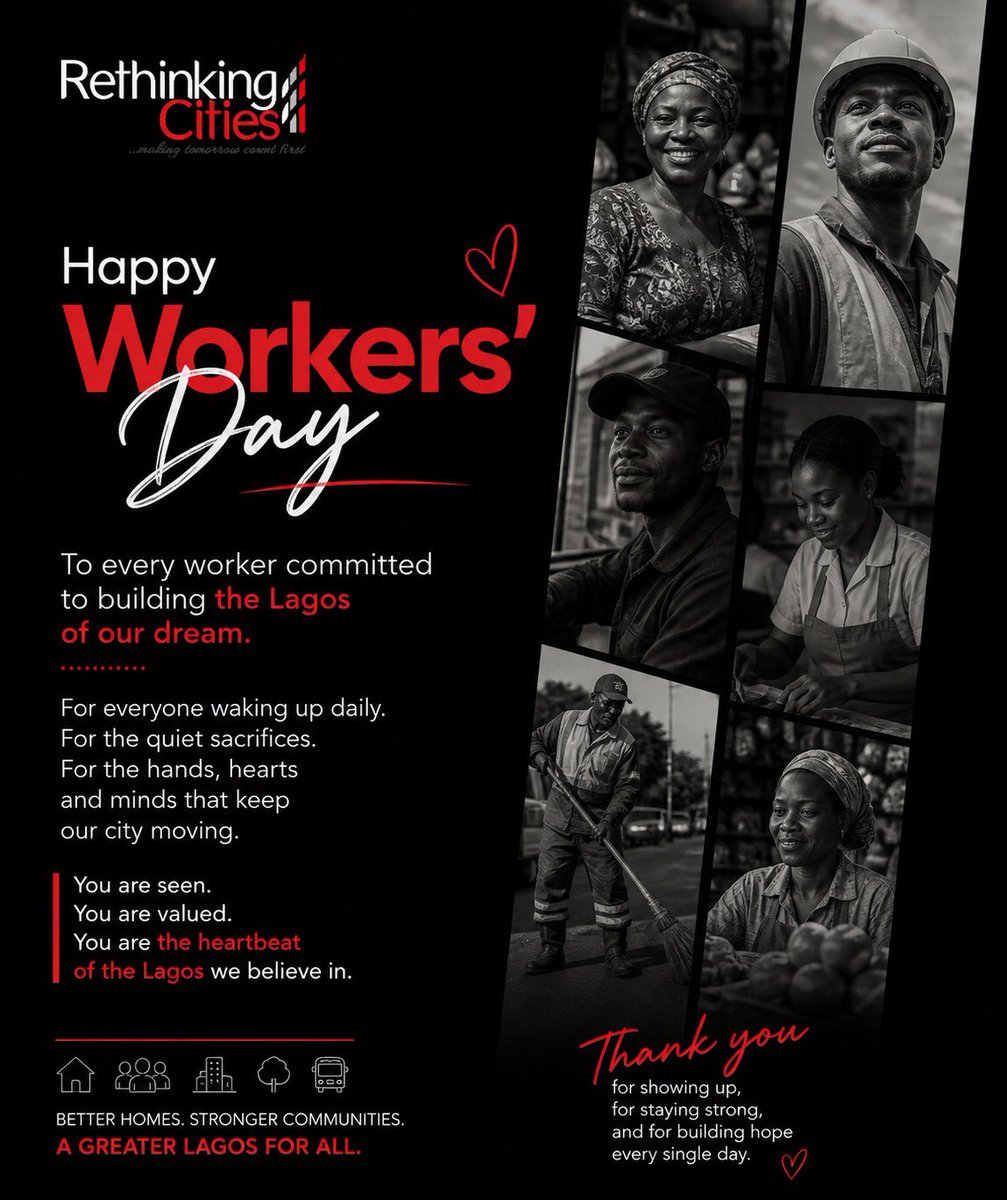
To every worker rising each day with hope, grit, and purpose…this day is for you.💕🤗
Happy Workers’ Day
#RethinkingLagos #WorkersDay #Informalworkers #Lagos #RethinkingCities
5
31
Rethinking Cities retweeted

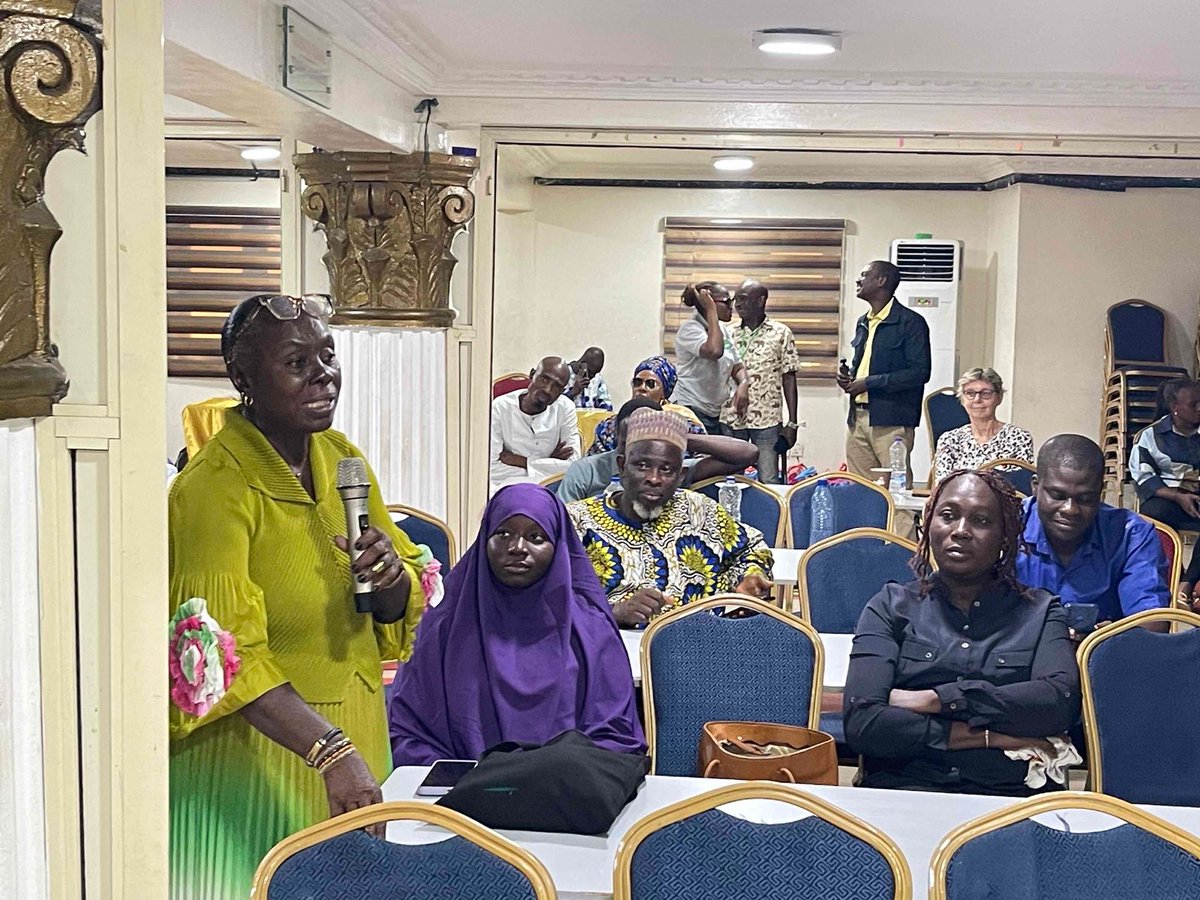
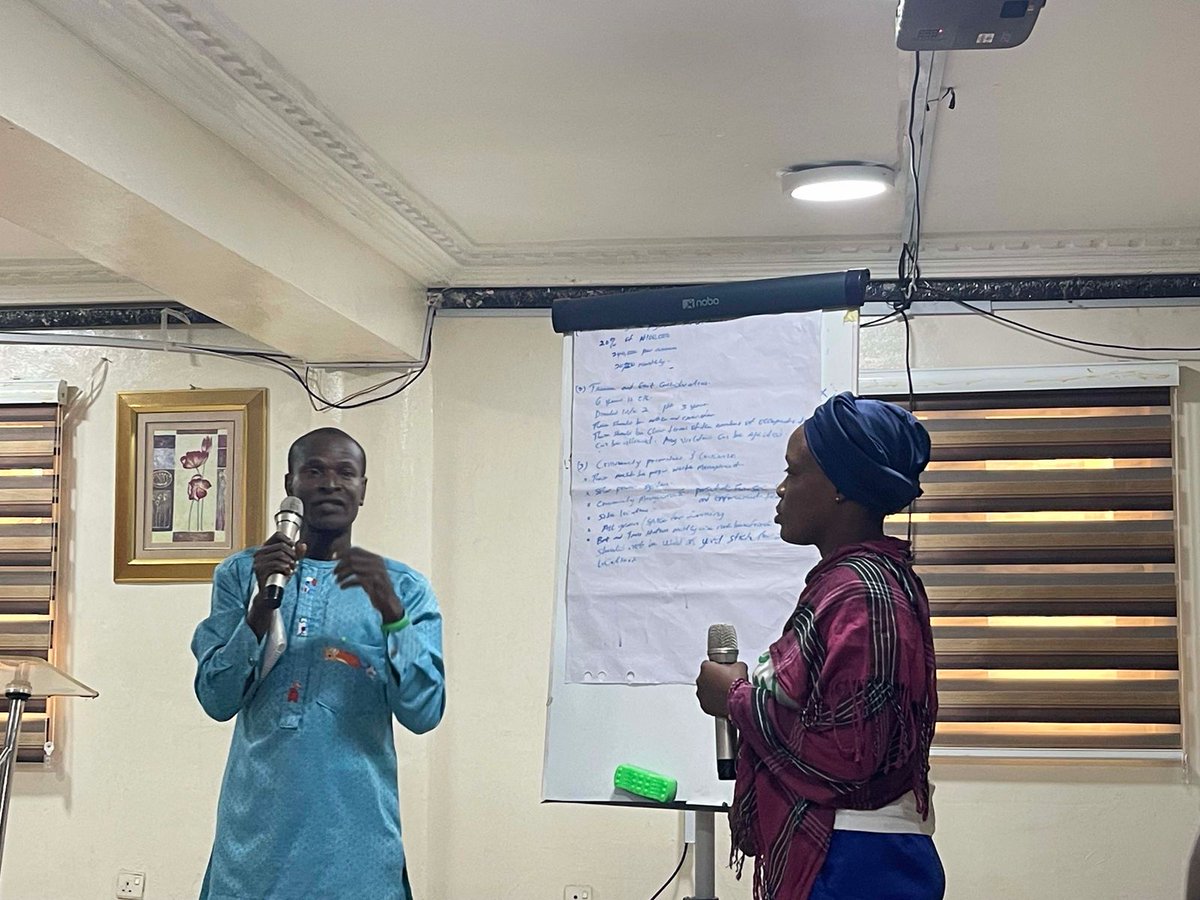
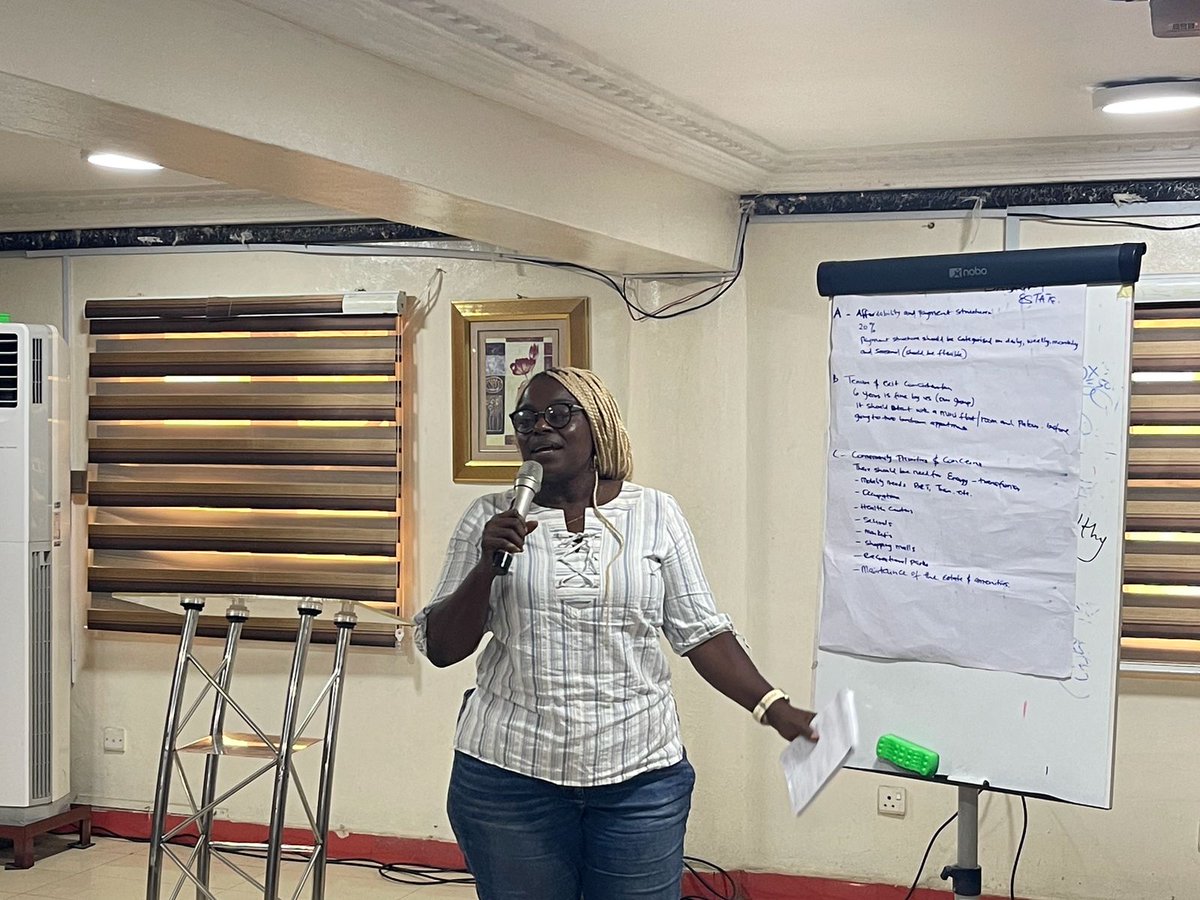
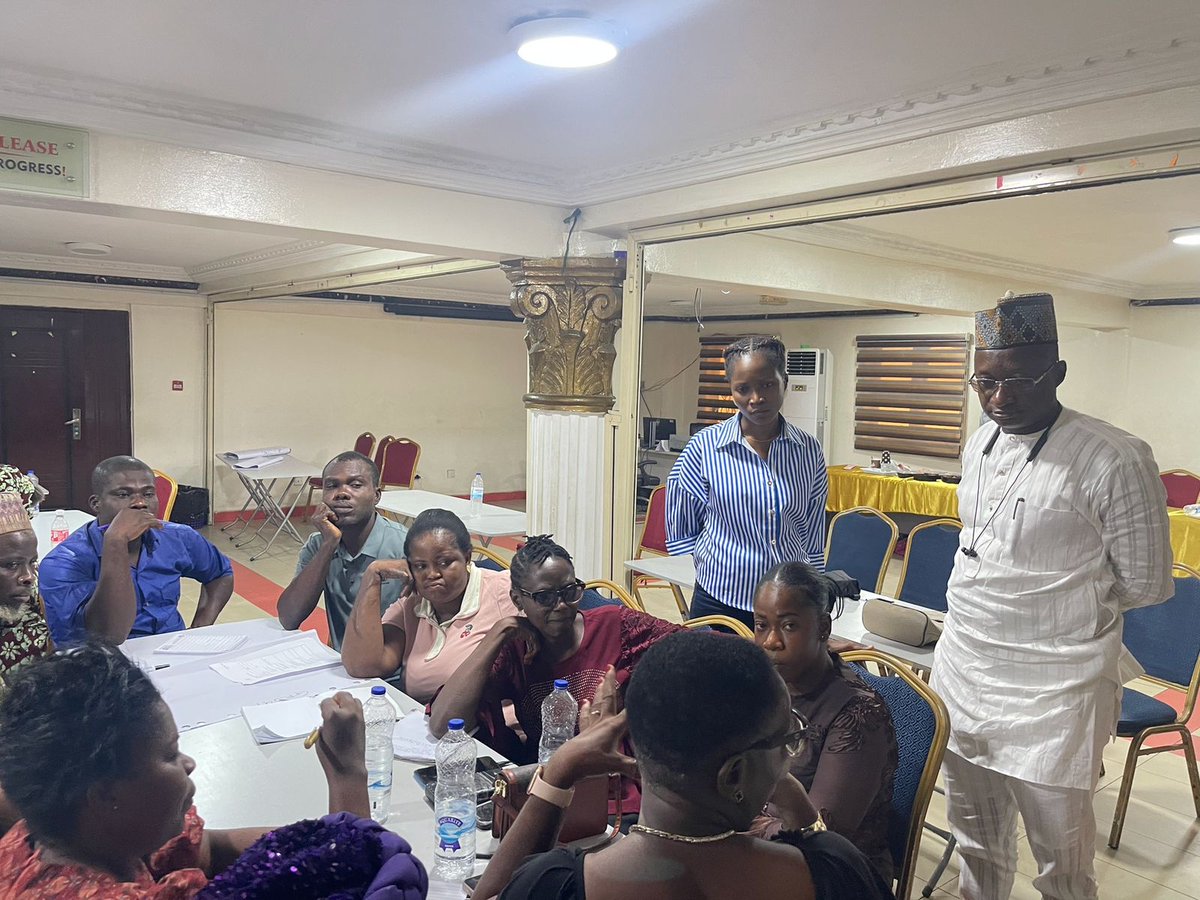
Representatives of the Nigeria Slum/Informal Settlement Federation and the Executive Director of the Shantytown Empowerment Foundation (SHEF) attended a social housing screening event organized by Rethinking Cities in collaboration with Heinrich Böll Stiftung (HBS).
1
2
4
54
Rethinking Cities retweeted
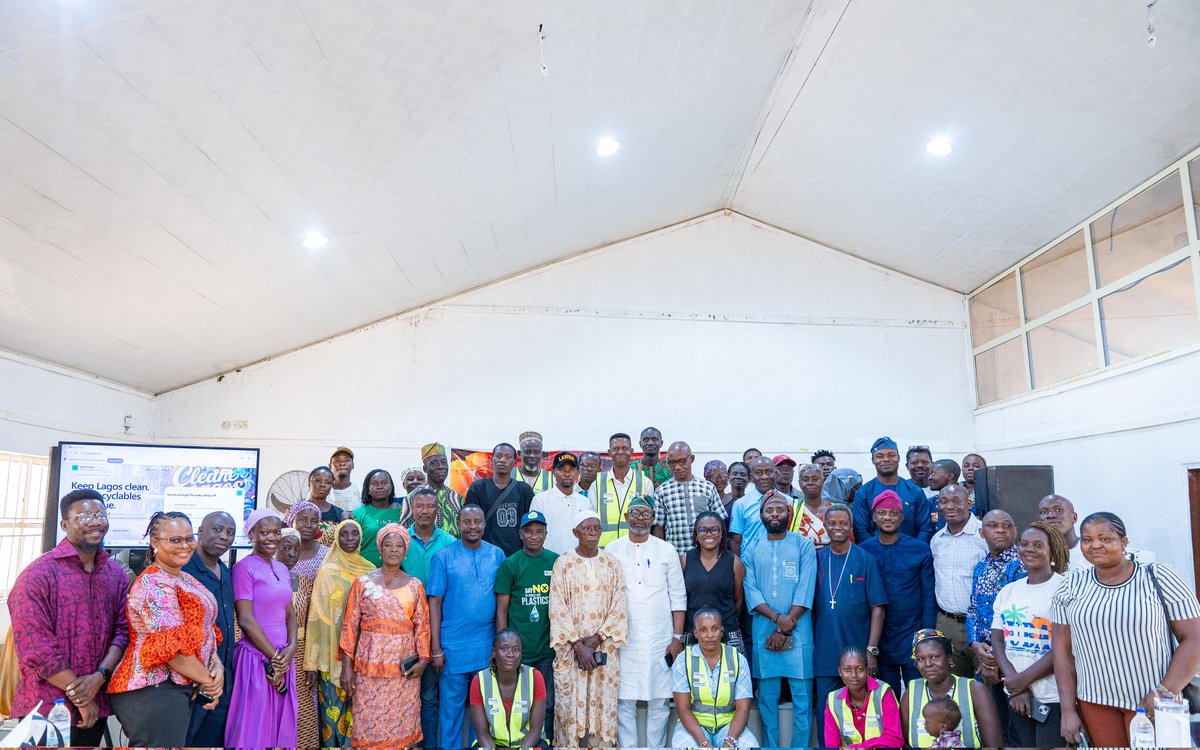
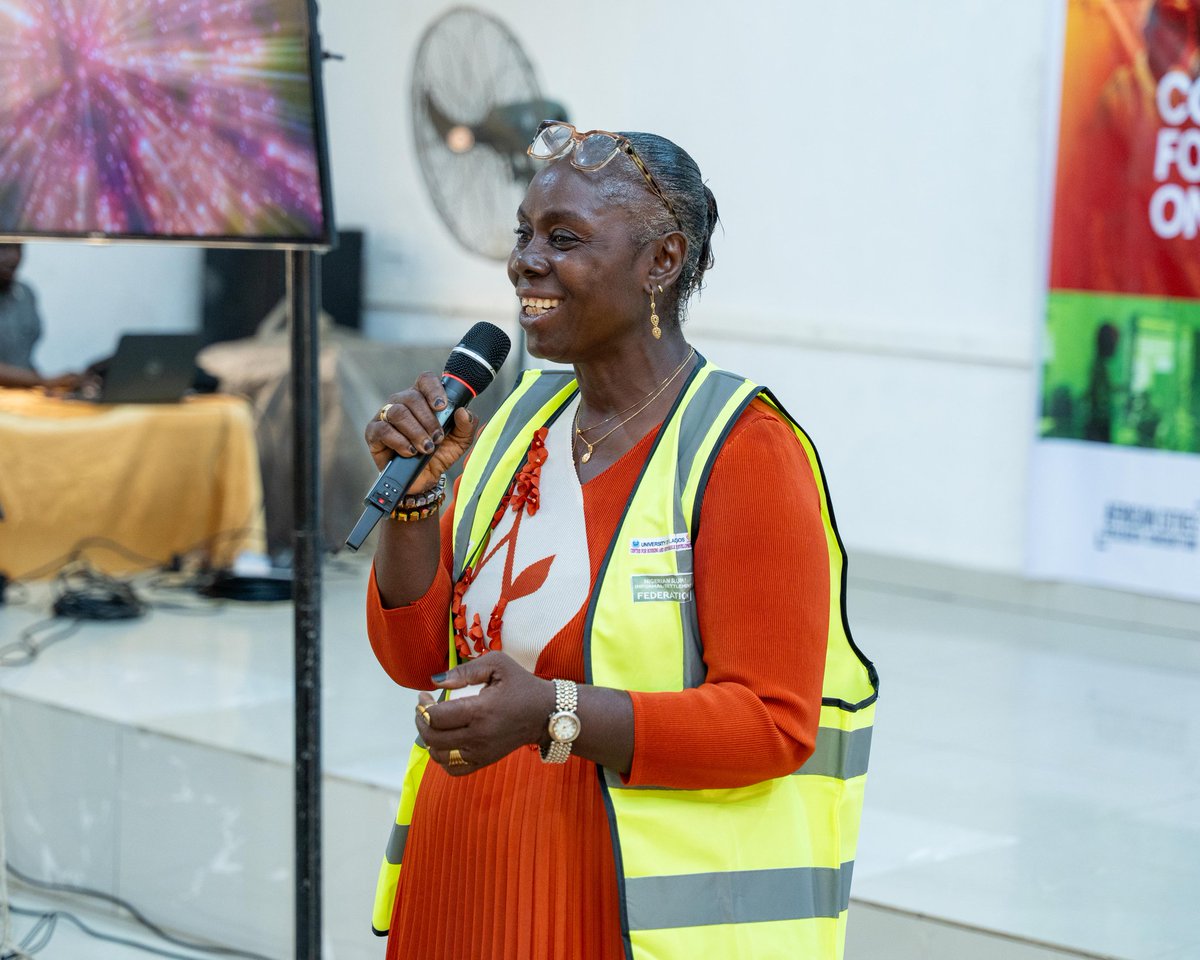
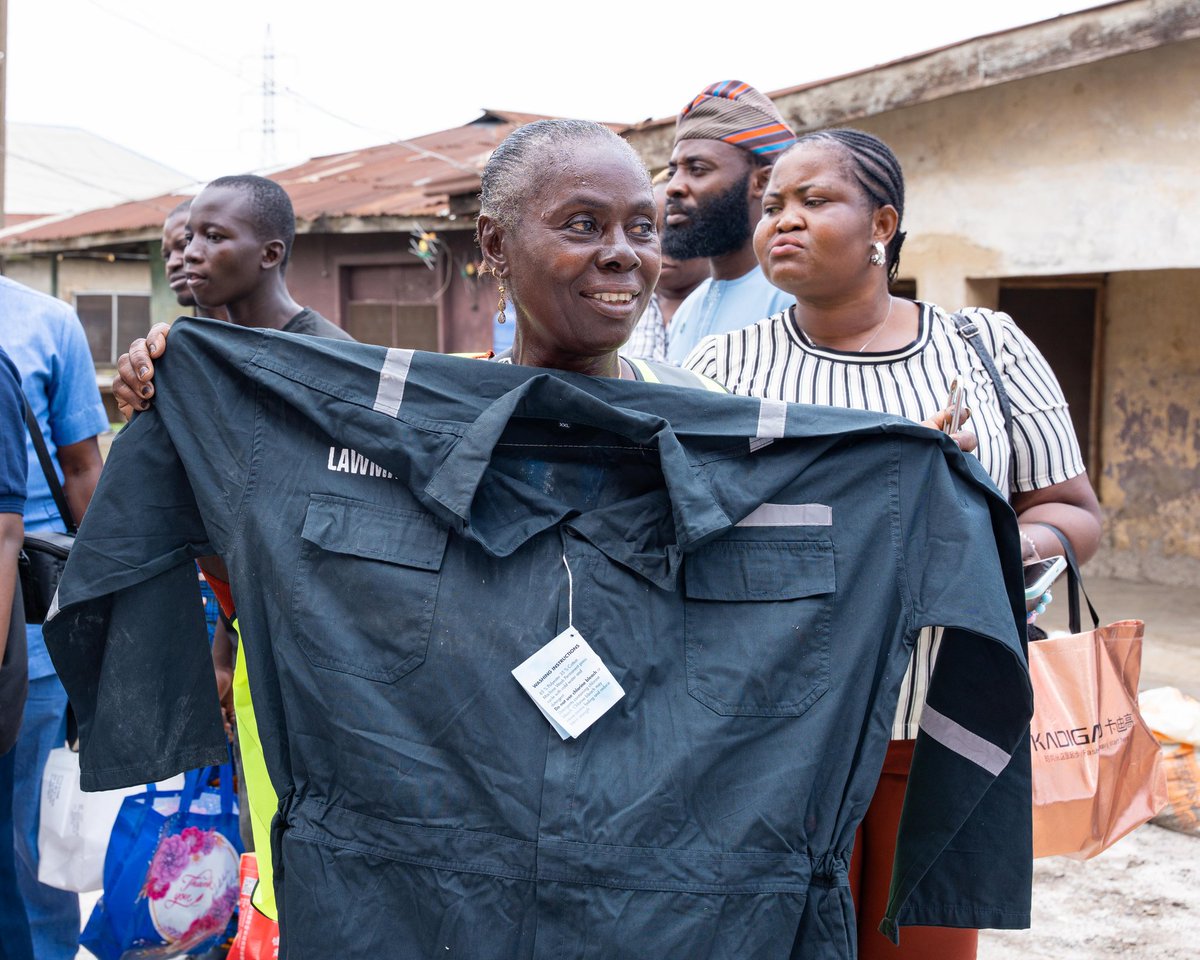
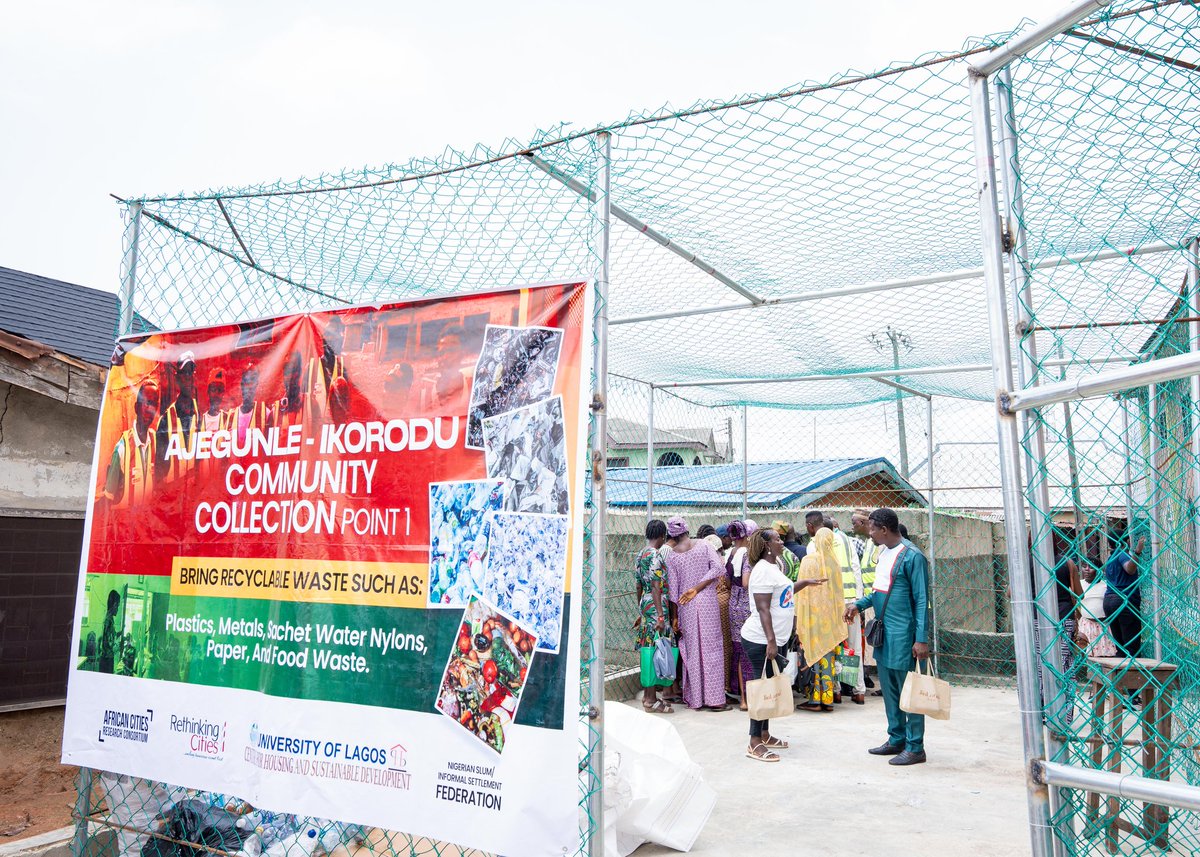
Ajegunle Ikorodu of the Nigeria Slum/Informal Settlement Federation commissioned plastic collection points under the action research initiative of the African Cities Research Consortium (ACRC) Waste-to-Wealth project, implemented by Rethinking Cities.
1
3
7
76

Rethinking Cities retweeted
Apr 18
@gbenga_omo Govt’s 13k units and 20% low-income quota in Lagos Homes sound noble on paper, but they’ve completely failed low-wage earners earning up to 3× the ₦70k minimum wage. Tiny scale, sky-high costs, endless bureaucracy, and zero reach for informal workers. Real game-changer? Establish a private-sector inclusionary housing fund with tax relief benefits to ultra-luxury real estate companies and developers to construct homes that are genuinely affordable to a specific low-income group and provide clever, adaptable rent-to-own and rental options. Ten times more efficient, quicker, and cleaner. @drobafemihamzat
1
31
Rethinking Cities retweeted
Apr 15
Why Lagos should rethink its waterfront strategy guardian.ng/opinion/editoria… @jidesanwoolu @drobafemihamzat @GRVlagos @funsodoherty @_yemia @PGeeman @pastorpoju @GuardianNigeria
1
1
50
Rethinking Cities retweeted
NEW | Dumpsites: A community-led study of waste accumulation in Mathare, Nairobi
Informal waste workers are the unseen backbone of Nairobi’s waste value chain – filling the gaps left by formal systems.
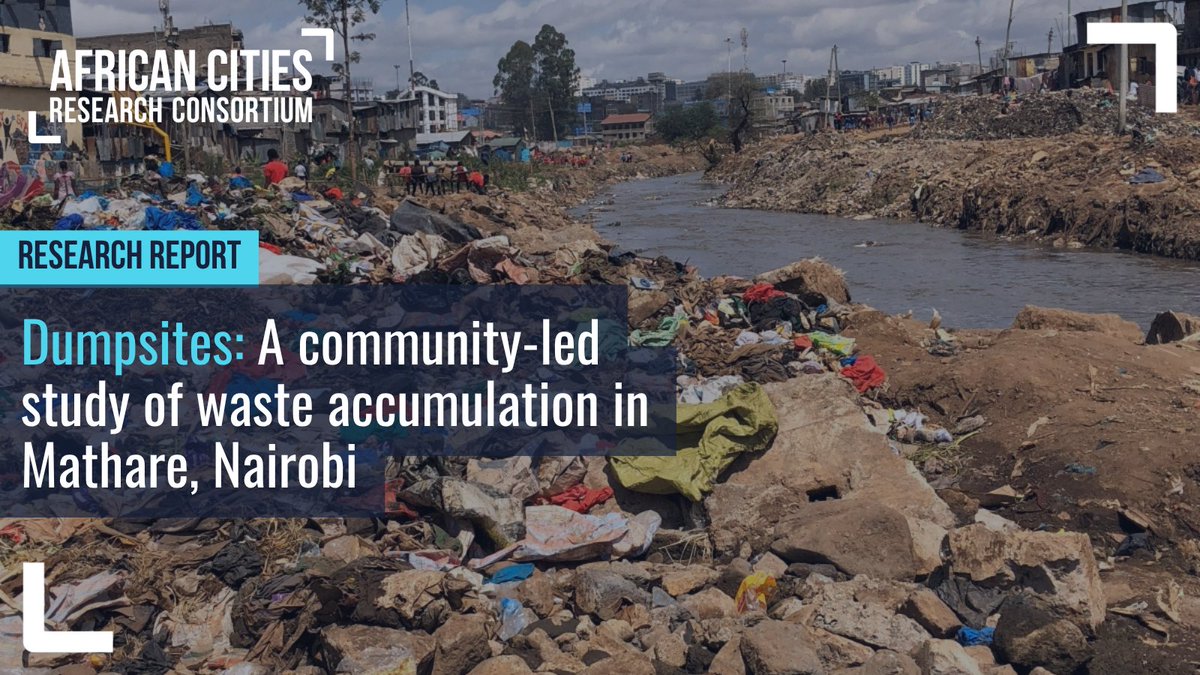
ALT Graphic card with a photo showing dumped garbage along the riverbank in Kwa Cucu, Mathare, Nairobi, the African Cities Research Consortium logo, and text reading: "Research report | Dumpsites: A community-led study of waste accumulation in Mathare, Nairobi".
1
3
3
283
Rethinking Cities retweeted
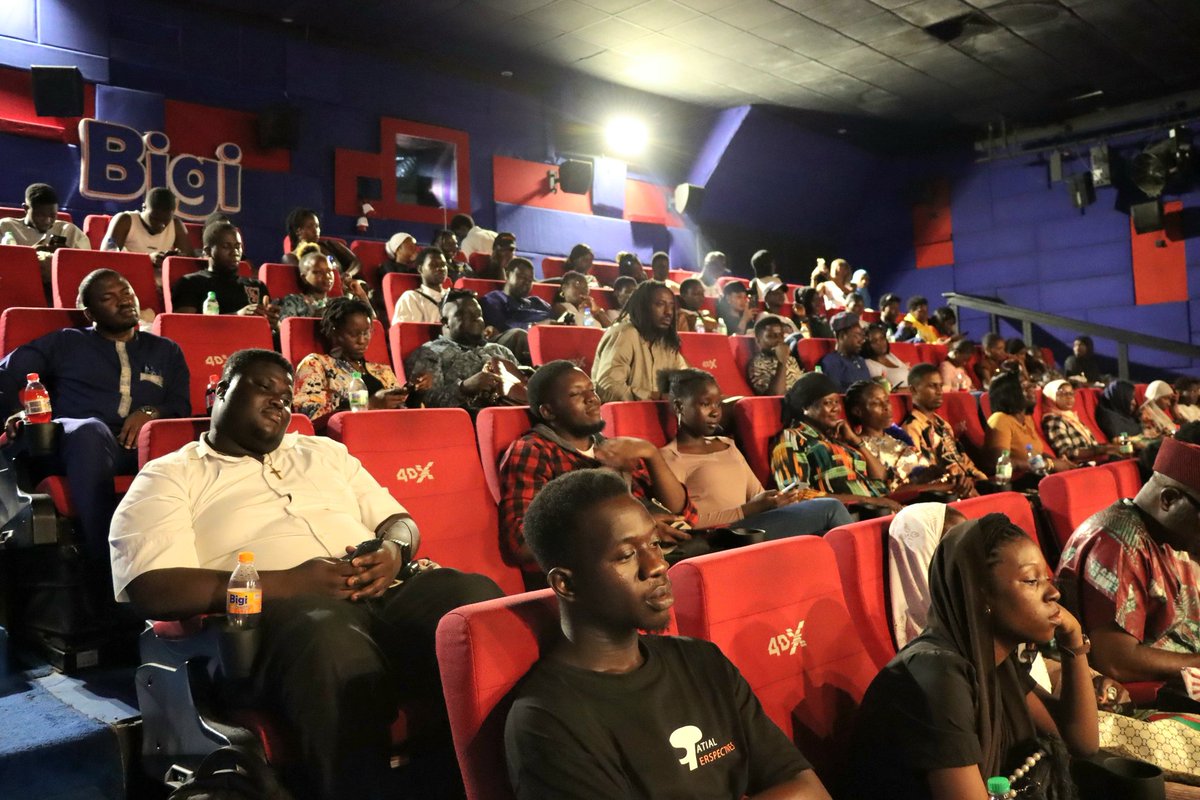
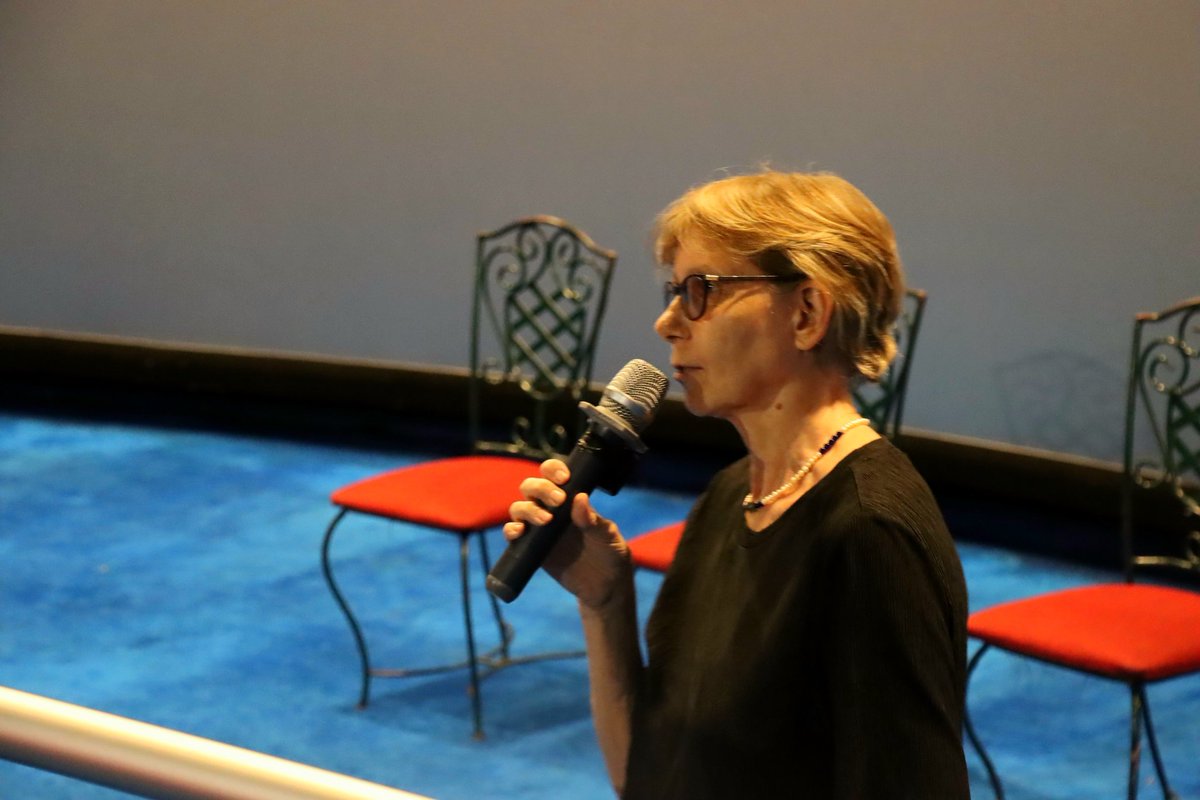
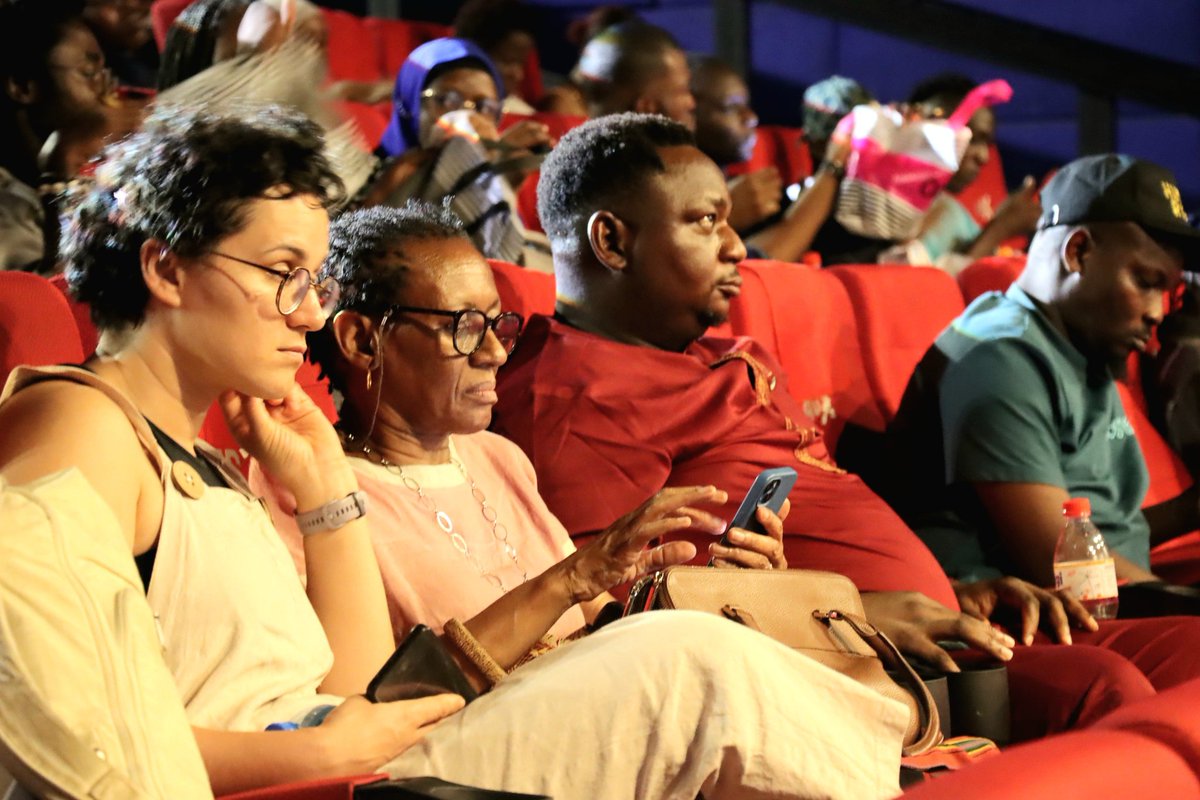
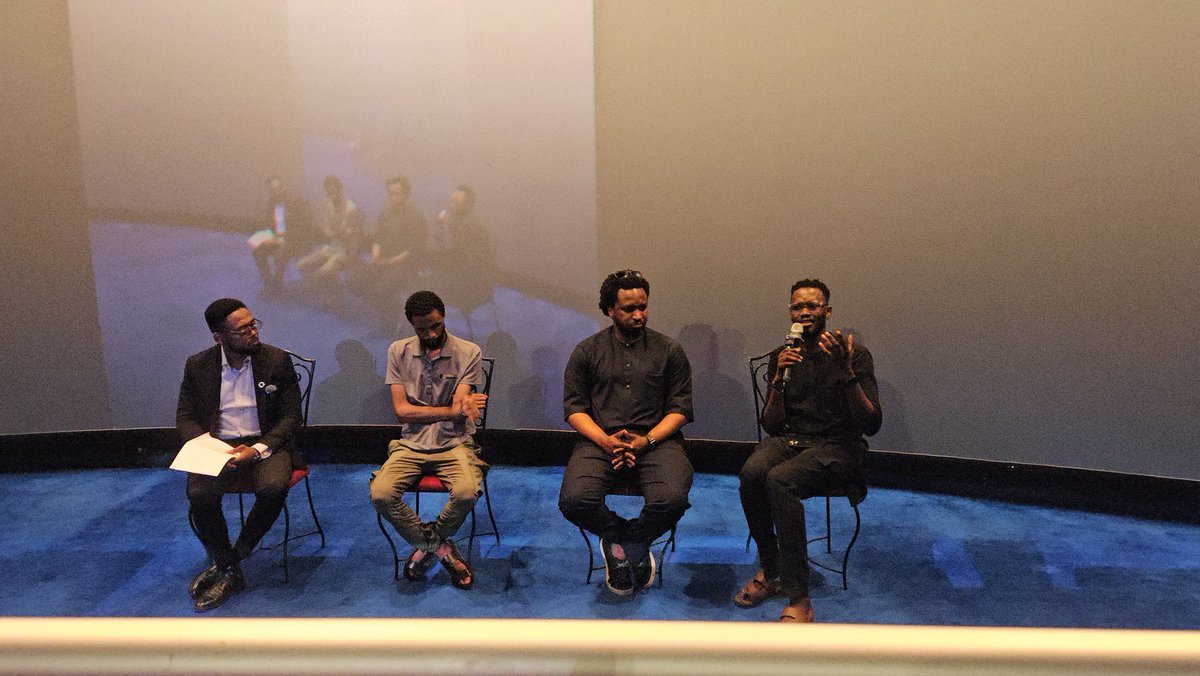
Filmmakers and artists play a vital role in shaping society, using storytelling to advocate for affordable housing and justice for the urban poor.
This week in Lagos🇳🇬, alongside @avocff and @RethinkingCI, we screened the award-winning documentary #MotherCity. This event fostered a powerful conversation about urban inequality and how film can help decision-makers better understand the realities of people living on the margins of rapidly growing cities. #inclusivecity
5
6
111
Rethinking Cities retweeted

Mar 11
"What is essentially taking place in Lagos State regarding Makoko is a class war. The Lagos government wants to chase out the poor from waterfront areas in order to bring in the rich elite." - @HTSoweto
2
15
31
2,463
Rethinking Cities retweeted

I had a good time speaking with young activists and nation builders, showing and teaching practical ways to make an impact.
ANYWAY! THERE’S A HUGE SURPRISE AT THE END OF THIS VIDEO! ARE YOU READY??? 😄
Organized by: @boell_eu and @rethinkingcities @dejiakinpelu
#abenol
1
4
2
183