Joined October 2022
- Tweets 1,458
- Following 377
- Followers 456
- Likes 4,162
446 Photos and videos
Andreu RetroCGA retweeted

Apr 8
I connected a 3.5'' floppy drive to my @Tesla, and it works.
It's nice that the Linux kernel still supports this subsystem. The system script mounts any detected disk drive (with some exceptions) as external storage for Sentry/Dashcam/media source.
It's even possible to play a single MP3 file from the diskette.
Unfortunately, formatting the diskette to exFAT fails, and it can't be used with Sentry. It's a shame.
85
173
1,806
141,880

10 Dec 2025
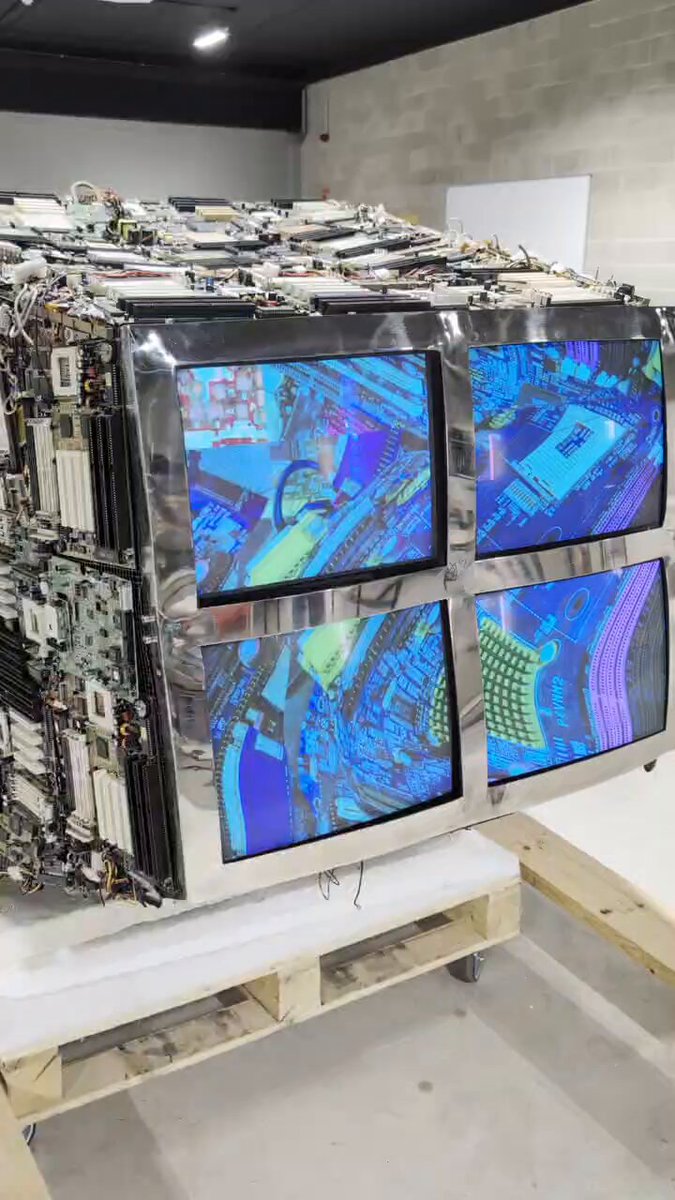
Look at this "thing" exposed in @newartfound! Its body formed by old motherboards 😜
1
3
59
1 Dec 2025
Never know it until today 😱
Great discovery!
30 Nov 2025

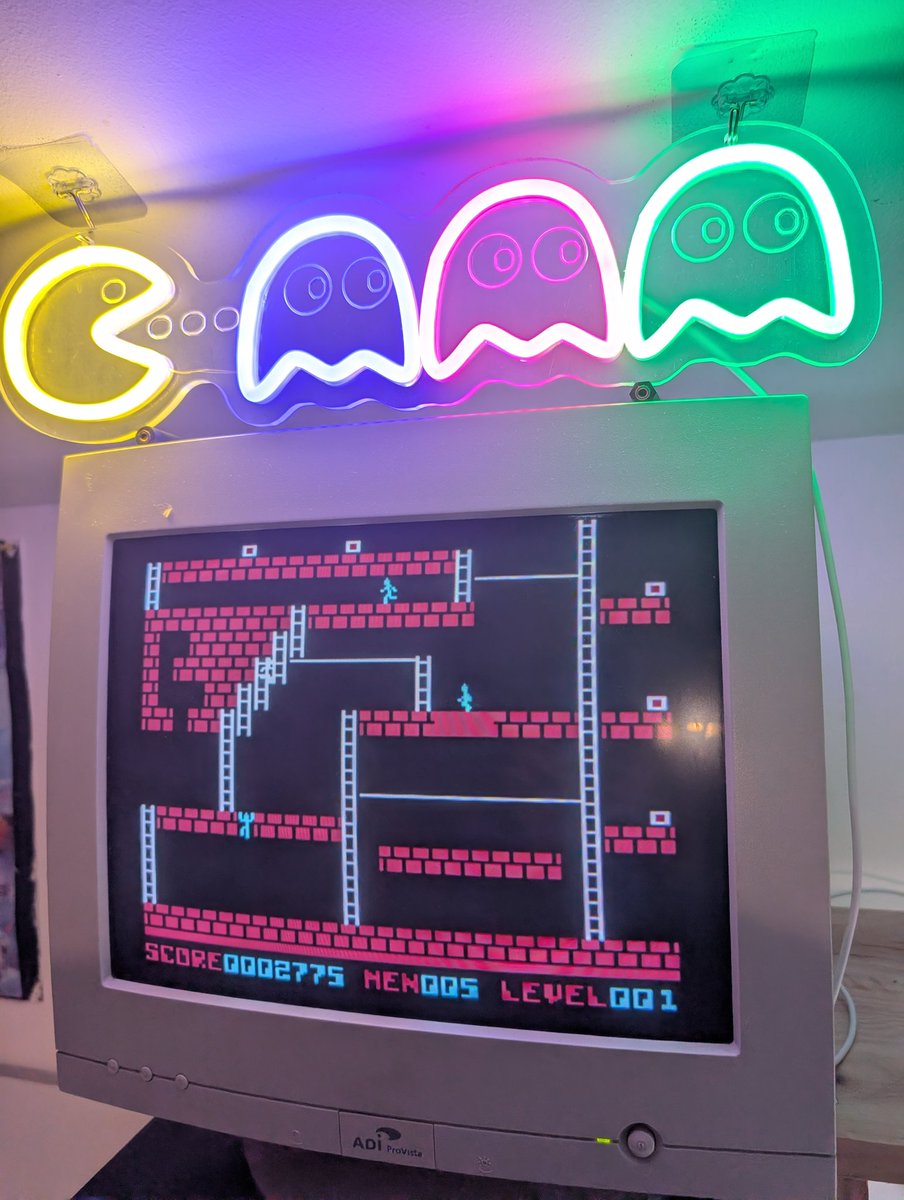
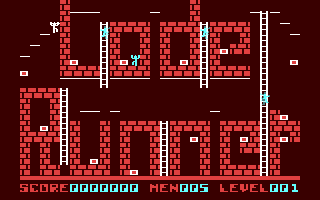
Lode Runner, released in 1983 by Broderbund and designed by 21-year-old University of Washington student Douglas E. Smith, became a mega-seller.
It was the top U.S. computer game of 1983 and Broderbund's second-best-selling title for the C64, following Choplifter. By 1984, it had sold over 300,000 copies and reached 2.5 million worldwide by the end of the decade, with its C64 port developed by Dane Bigham. This game is an easy 10/10 for me.
1
1
85
Andreu RetroCGA retweeted

30 Nov 2025
Lode Runner, released in 1983 by Broderbund and designed by 21-year-old University of Washington student Douglas E. Smith, became a mega-seller.
It was the top U.S. computer game of 1983 and Broderbund's second-best-selling title for the C64, following Choplifter. By 1984, it had sold over 300,000 copies and reached 2.5 million worldwide by the end of the decade, with its C64 port developed by Dane Bigham. This game is an easy 10/10 for me.
11
31
401
10,427
30 Nov 2025
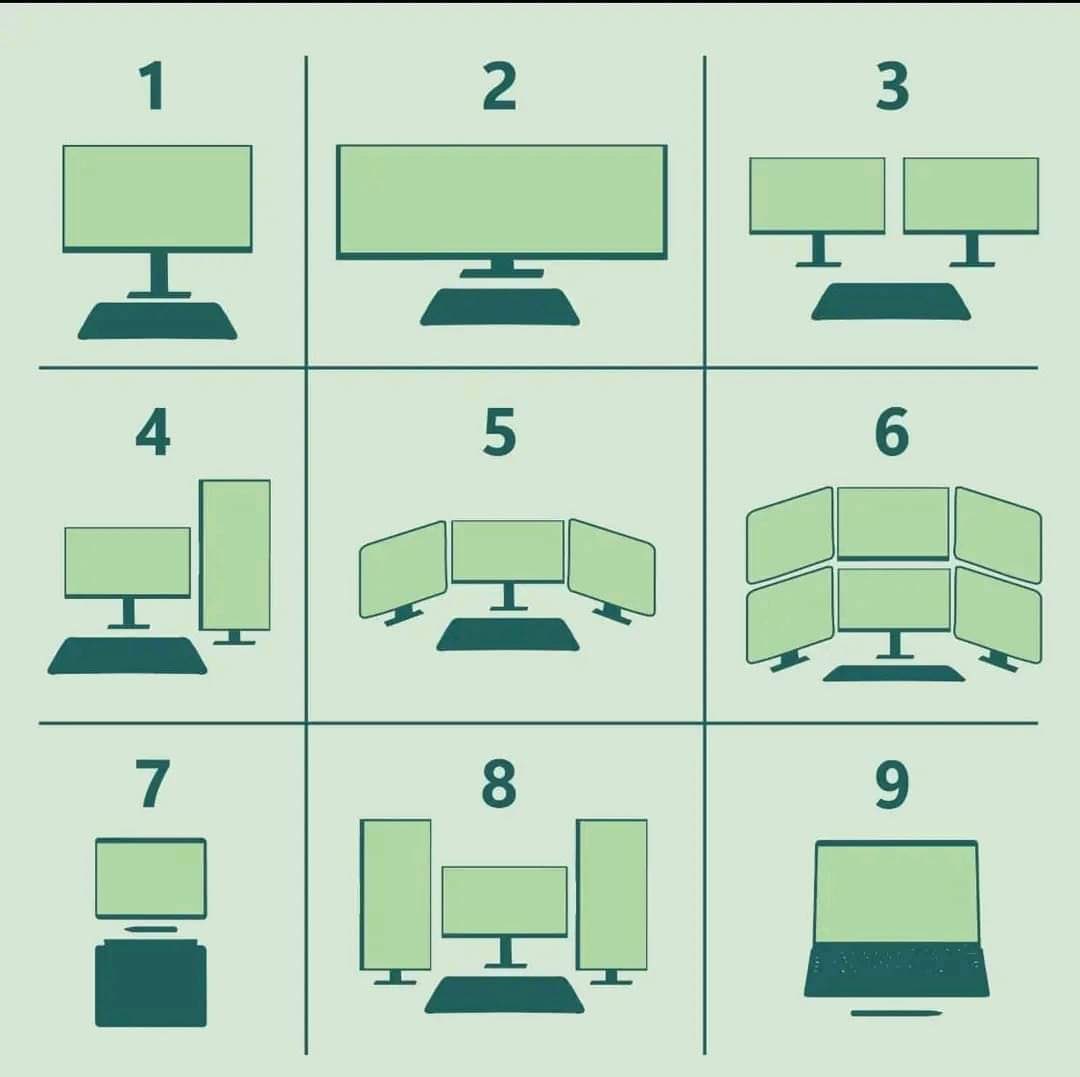
16:10 4:3. On my opinion, the best aspect ratios for working.

1
51
26 Nov 2025
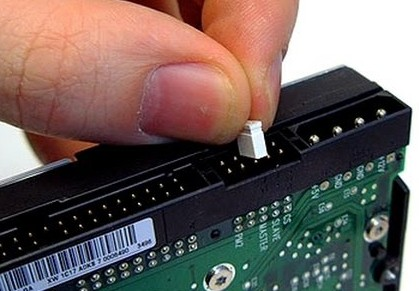
C/S (Cable Select) was only for the bravest 🤪🤪

5
87
Andreu RetroCGA retweeted
25 Nov 2025
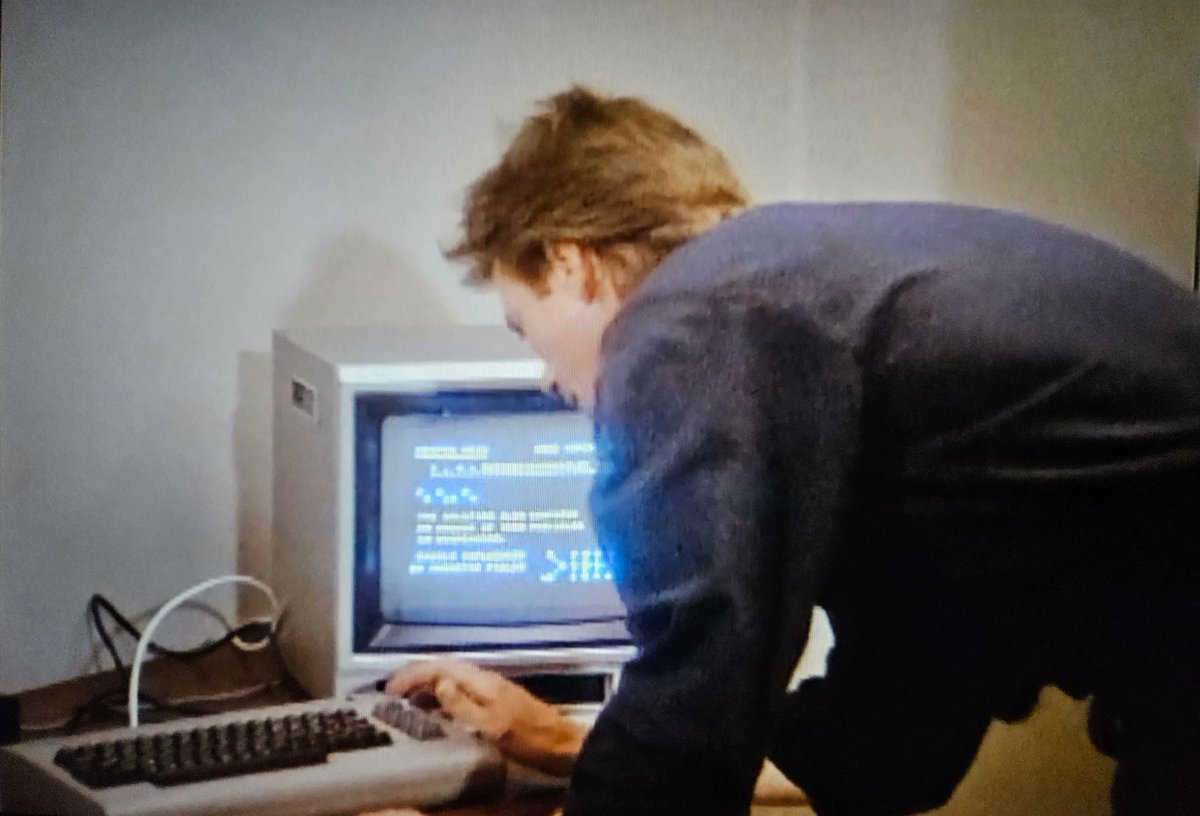
MacGyver and his Commodore 64 - S1, E15, "The Enemy Within" (1986). The coolest dude with a mullet in the '80s just got even cooler when I saw him use his C64. I jumped up and told my parents to come here, MacGyver has a Commodore 64 too!
8
32
274
10,203
24 Nov 2025
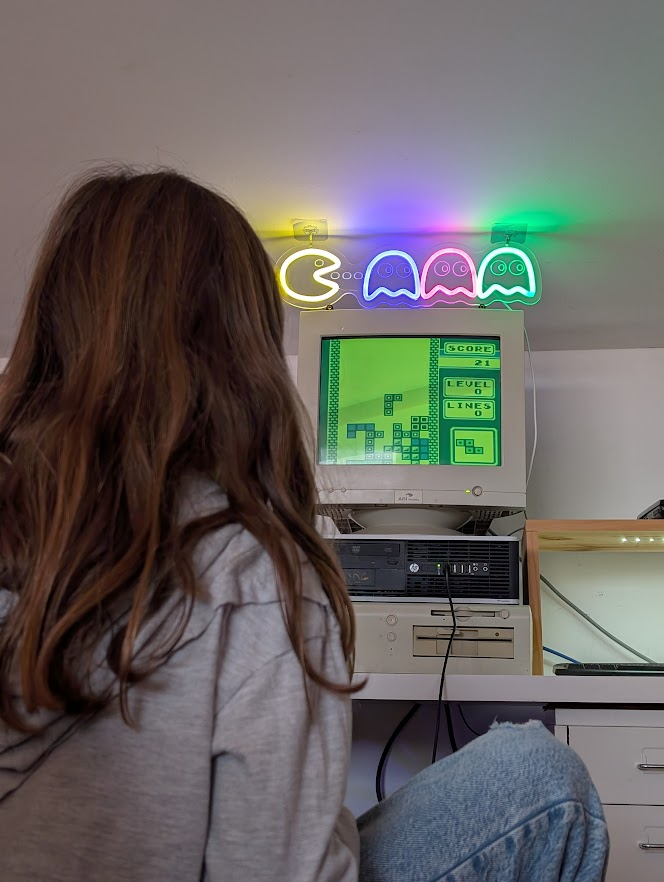
My 7y-o daughter playing original Gameboy Tetris 😍
No genuine GB? Thanks Batocera 🕹️♥️
1
172
Andreu RetroCGA retweeted

16 Nov 2025
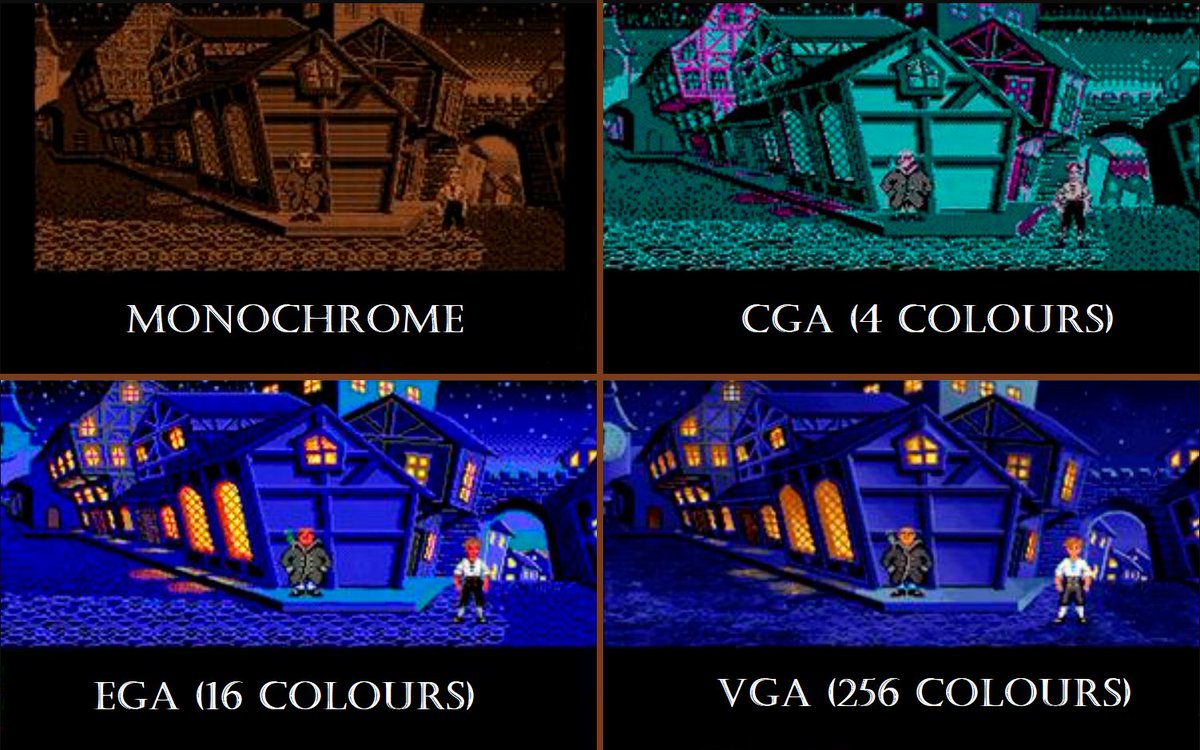
A little history trip from Monochrome to CGA to EGA to VGA. Woud be curious as to what your first PC graphic experience was, mine was EGA. I just missed CGA by one year, so I dodged a bullet there.
The first graphics adapter to bring at least a little life to their screens was the Colour Graphics Adapter (CGA), which is considered the first graphics card from IBM which would set the standard in 1981. This was a step up up from the MDA (Monochrome Display Adapter), which was green text against black.
CGA had a whopping 16kb of memory and connectors for a monitor or a television. It also had a max resolution of 640×200. It wasn’t pretty compared to the competition (8 bit home computer systems), but it got the job done. In 320×200 mode, only 4 colours could be displayed at once. In 640×200 mode, that went down to only 2 colours.
Next up after CGA was EGA in 1984. This time, it could display 16 colours at the same time from a total palette of 64 and cranked the maximum resolution up to 640×350. It was also packed with 64kb of memory (a big leap back then!).
EGA didn’t live long, either, and was quickly put out to pasture by IBM itself with the arrival of VGA in 1987 with an whopping 256 colours. VGA came to represent a number of key developments such as the famous 640×480 resolution or the 15 pin VGA monitor connector... high tech back in the day!
The VGA standard would go on to have a number of other enhancements such as “Super” VGA. SVGA topped off VGA with a number of additional enhancements such as a 800×600 4-bit pixel resolution which extended on out to 1024×768 8-bit pixels later.
And the best part of this? Any gamer born after 1990 will have no clue what I just talked about...
114
84
857
32,307
12 Nov 2025
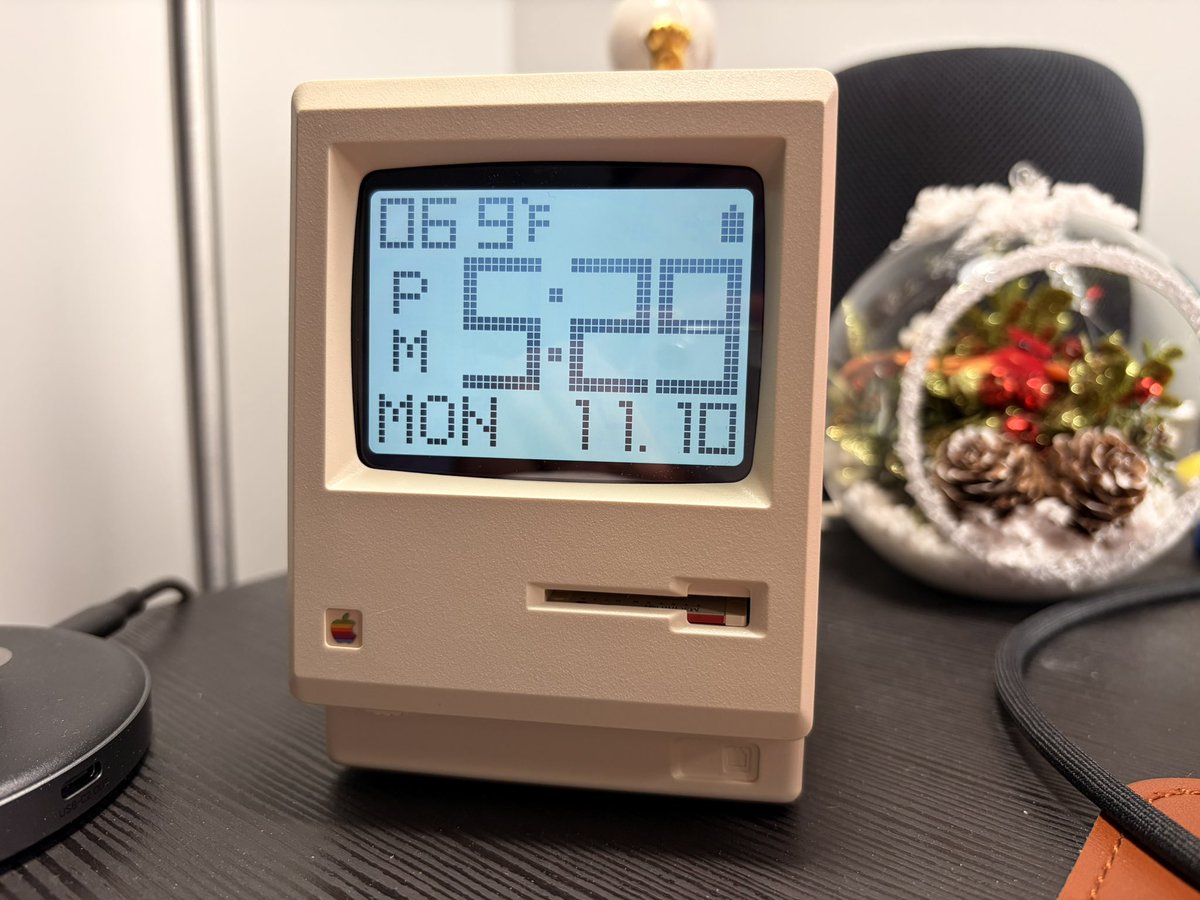
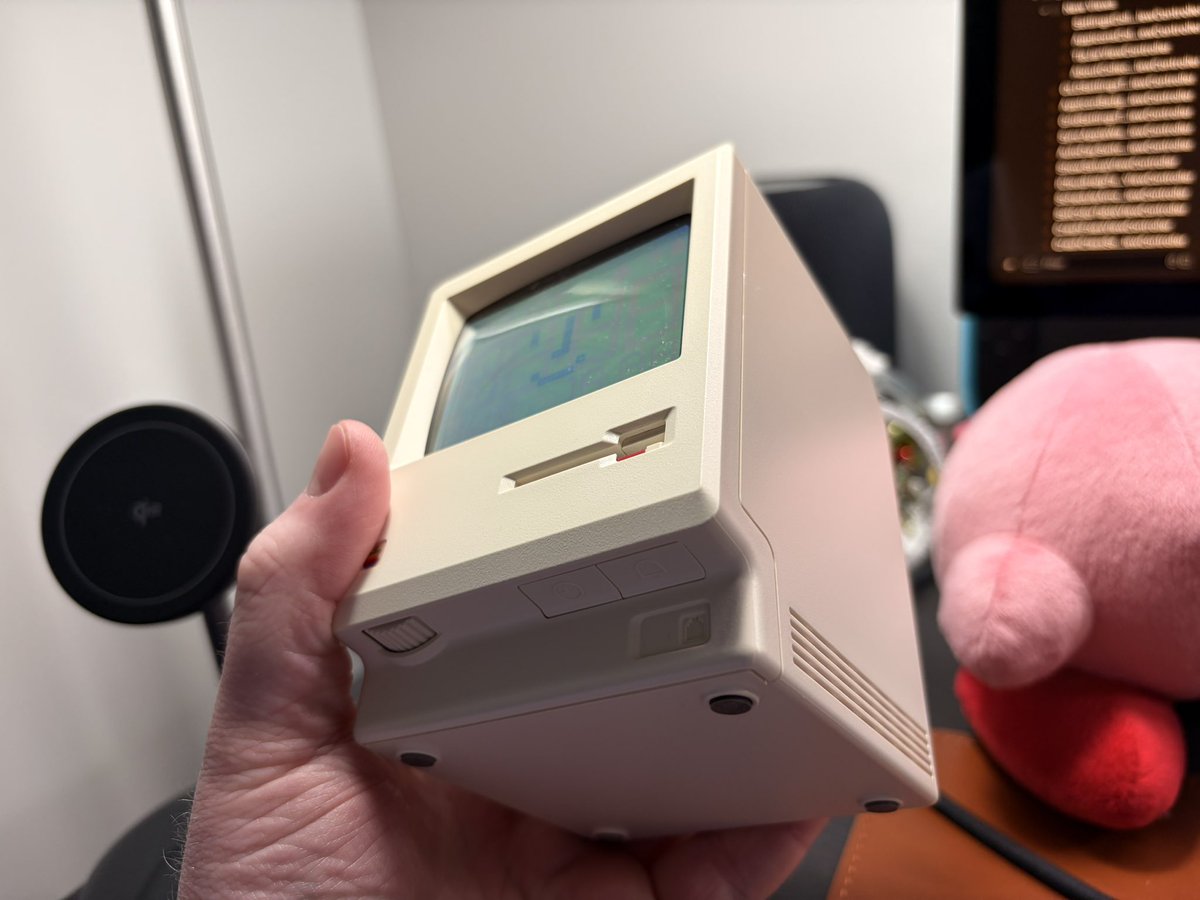
Oh damn! I have a new need now 😍

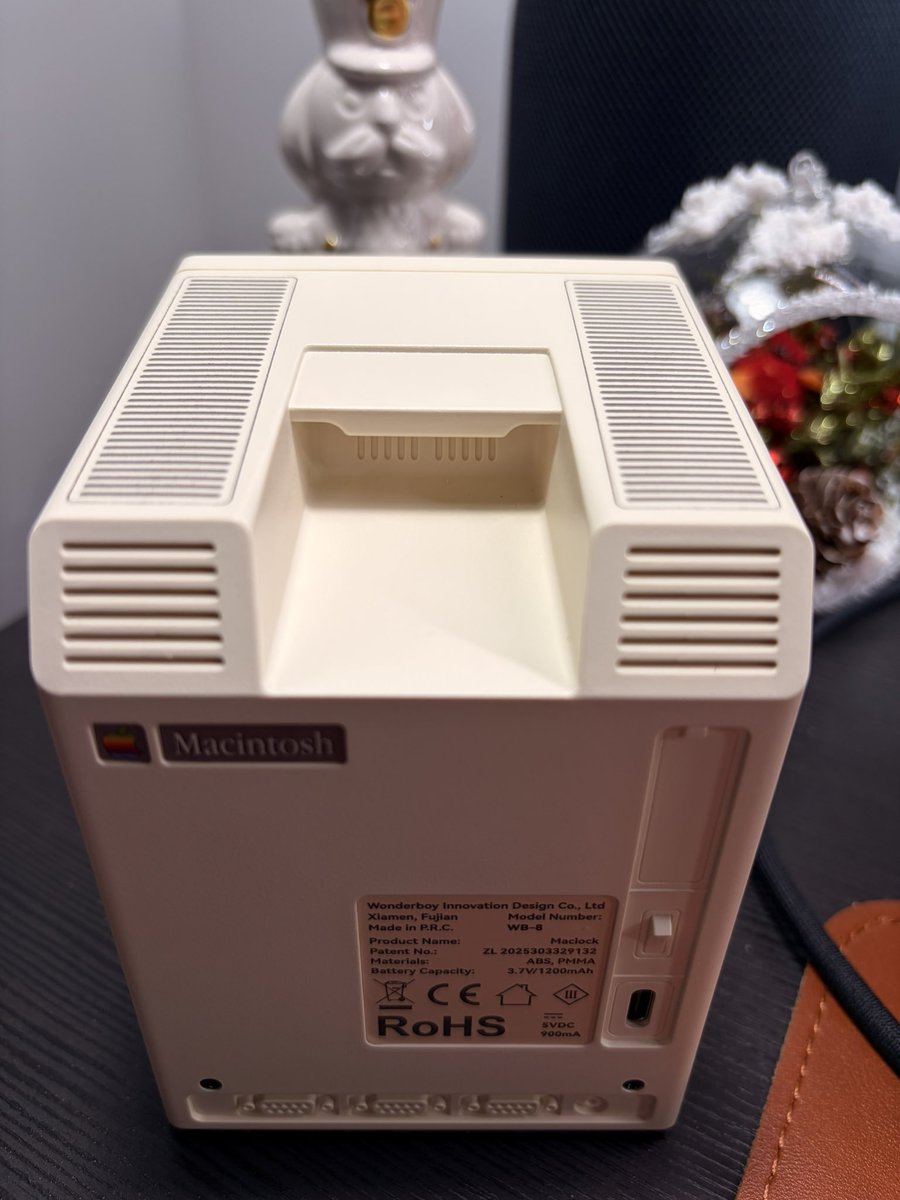
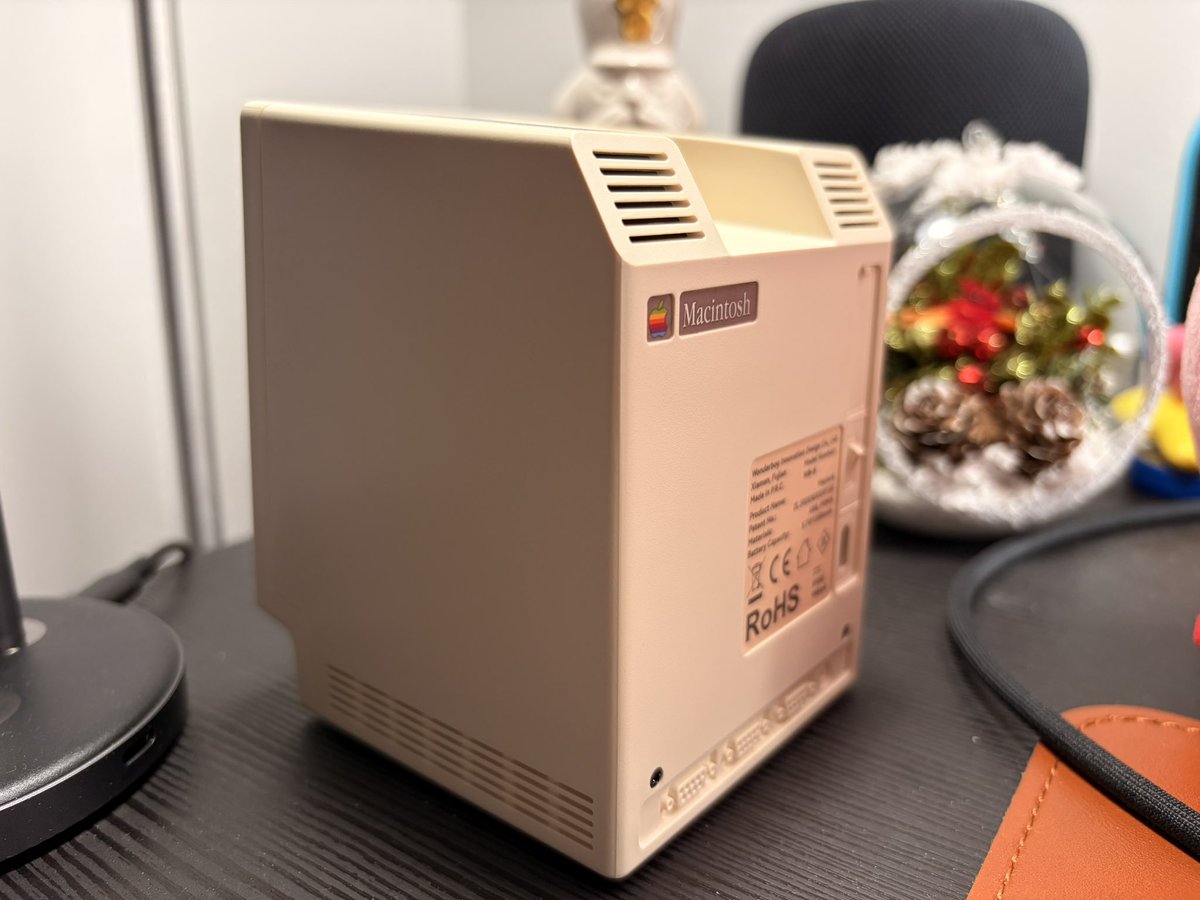
41
Andreu RetroCGA retweeted

9 Nov 2025
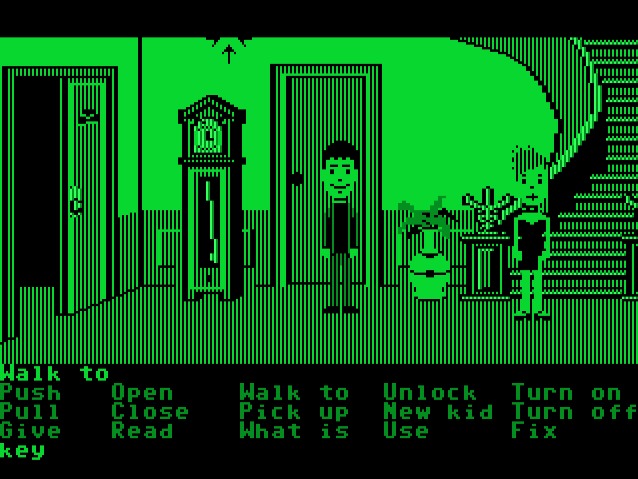
Maniac Mansion, 1987. LucasArts.
2
4
69
800
Andreu RetroCGA retweeted

2 Nov 2025
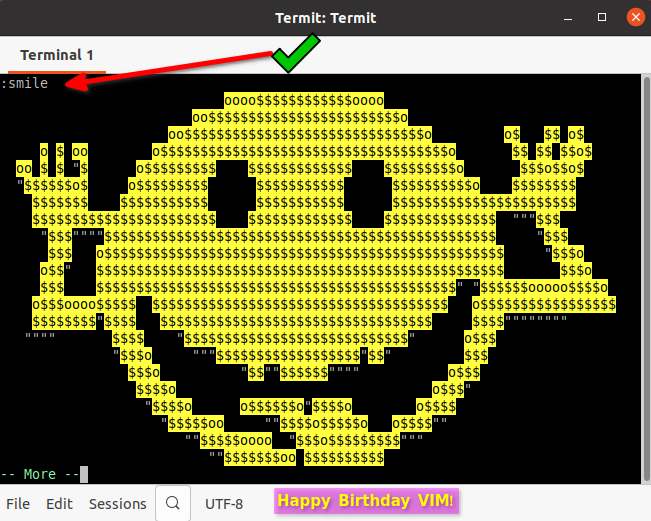
Vim was released 33 years ago. To celebrate, try this: open Vim and type :smile to see an Easter egg. Happy birthday to the best programmers text editor out there!!!
47
149
1,259
51,405
28 Oct 2025
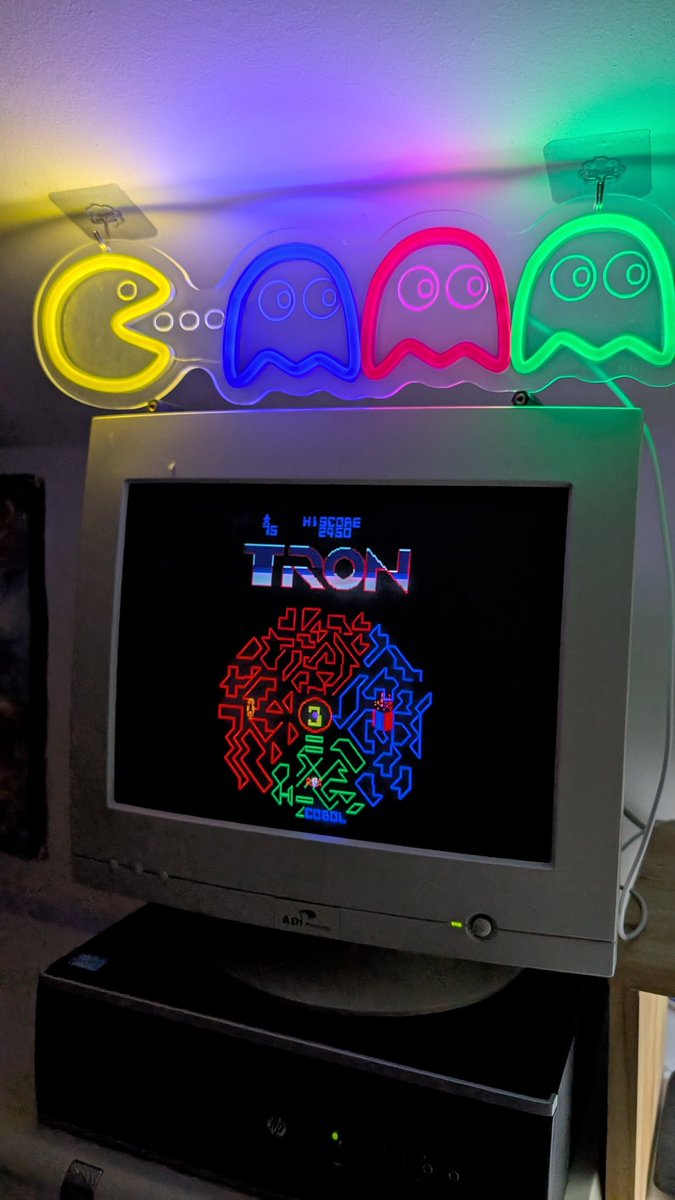
I didn't know the existence of movie Tron until I ride the TRON on Disney Orlando last January 🥲
So recently seen the movie. And discovered the arcade videogame too. Love it!
52
Andreu RetroCGA retweeted

27 Oct 2025
What if I told you there was an 8086 hypervisor written in the 1980's for the 80386 that ran MS-DOS in a Window - Windows/386!
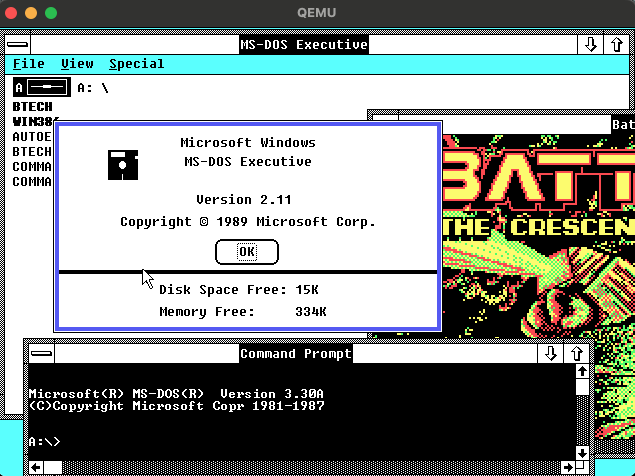
ALT Okay, it's probably more of a machine monitor using v86 mode, but still it's virtual machines! behold! https://archive.org/details/win386-btech
24
50
467
18,386
22 Oct 2025
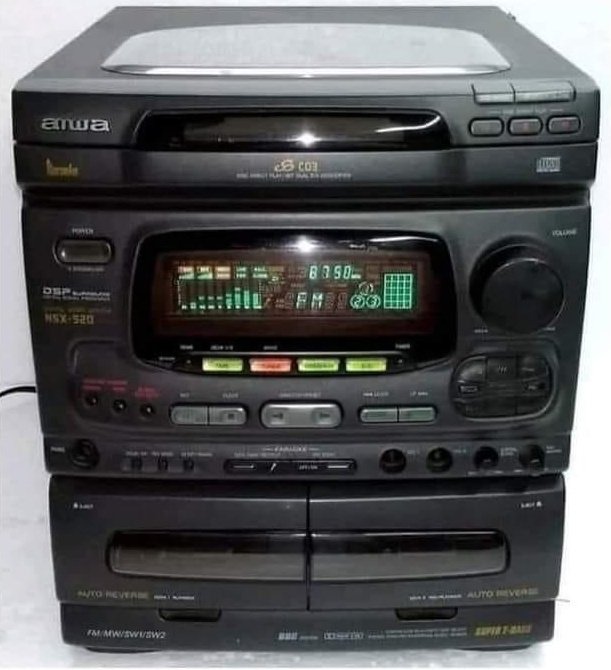
Still have one like this in use, Kenwood, on my basement for listening FM radio or AUX input (from basement old iMAC spotify or online stations)😂. Even one cassette deck is still working.
I found it in 2005 on a dumpster just in front where I was living by then.
20 Oct 2025

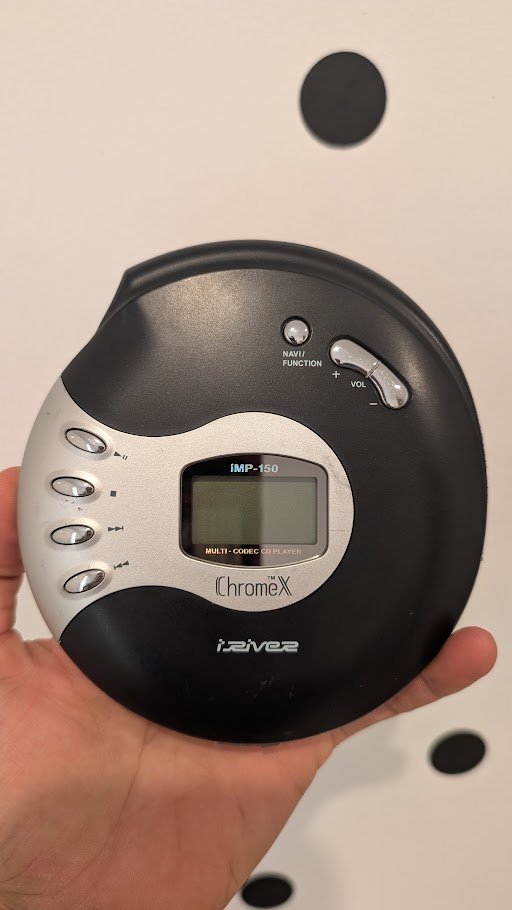
Ahora dime la verdad ¿Alcanzaste a escuchar música en uno de estos?
2
72
Andreu RetroCGA retweeted

21 Oct 2025
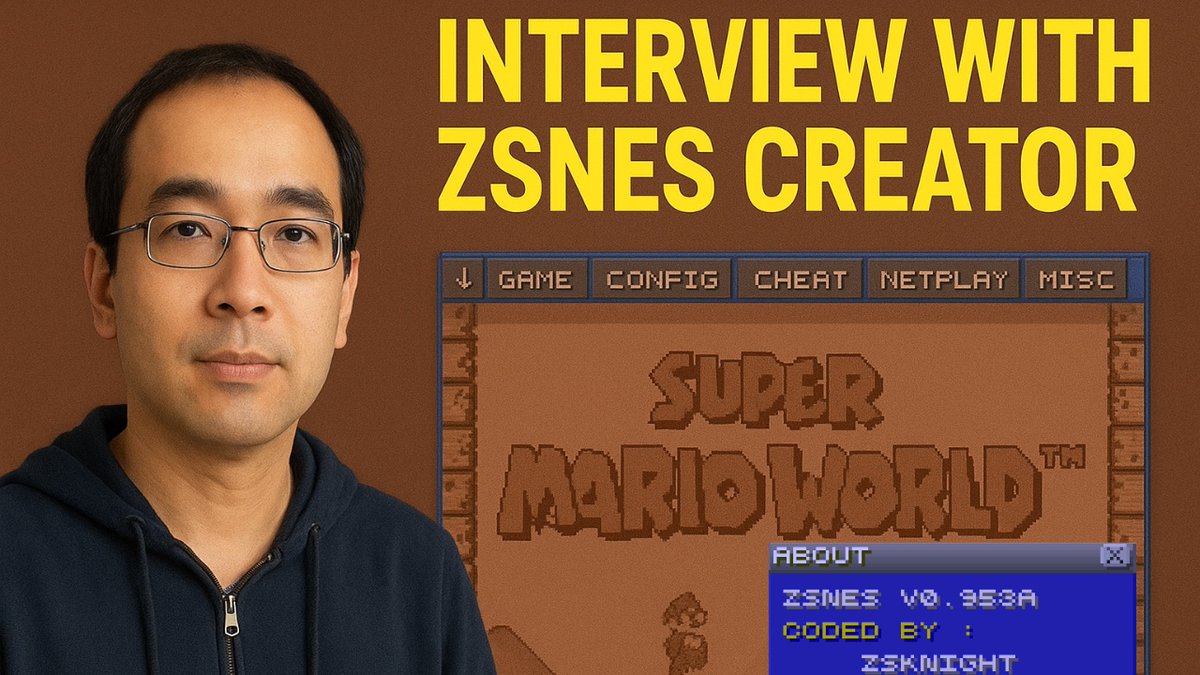
Complete! The ZSNES creator interview runs > 90 minutes & is full of some very interesting conversation, including how to pronounce ZSNES, the idea behind the snow, the lead programmer's favorite video games of all time, and so much more! Wednesday, 10.22.25, 8:00PM Eastern. 👇
49
456
2,271
99,951
Andreu RetroCGA retweeted

18 Oct 2025
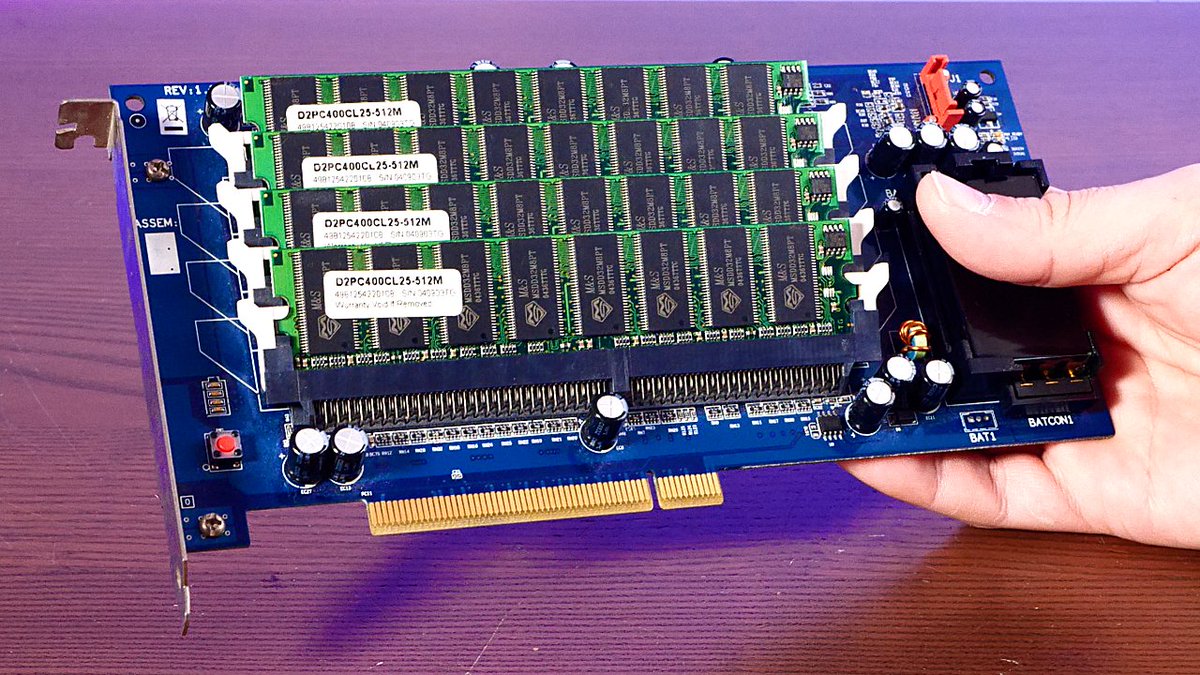
This early SSD was WILD... behold the Gigabyte iRAM!
youtu.be/wrRNKjWxCPY
39
97
977
37,248
18 Oct 2025
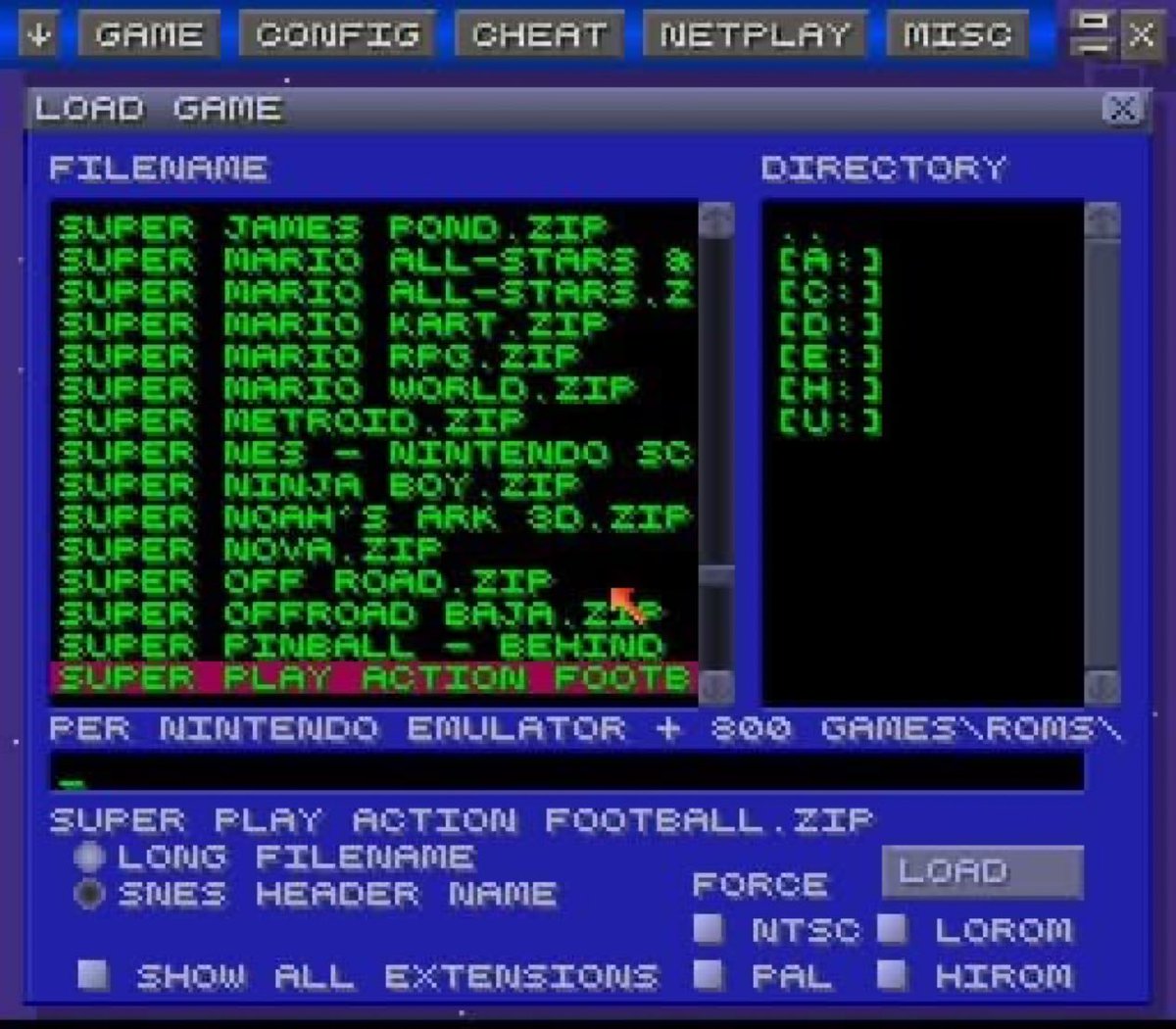
Installed by default in every computer (pc or laptop) I have! Along mario.smc 😜

27
Andreu RetroCGA retweeted

17 Oct 2025
If you know what this is, we can be friends.
218
128
1,659
43,920