@RichPhillipsLab@ecoevo.social
Joined November 2015
- Tweets 1,191
- Following 142
- Followers 903
- Likes 5,730
Photos and videos
I love hearing stories like this. Young people taking an interest in fungi while trying to solve environmental problems. Keep at it Gloria!
May 21

Bloomington eighth-grader Gloria Chi is turning used coffee grounds from local cafes into oyster mushrooms through her nonprofit, Fungi For Future.
Read more: ipm.org/news/2026-05-20/eigh…
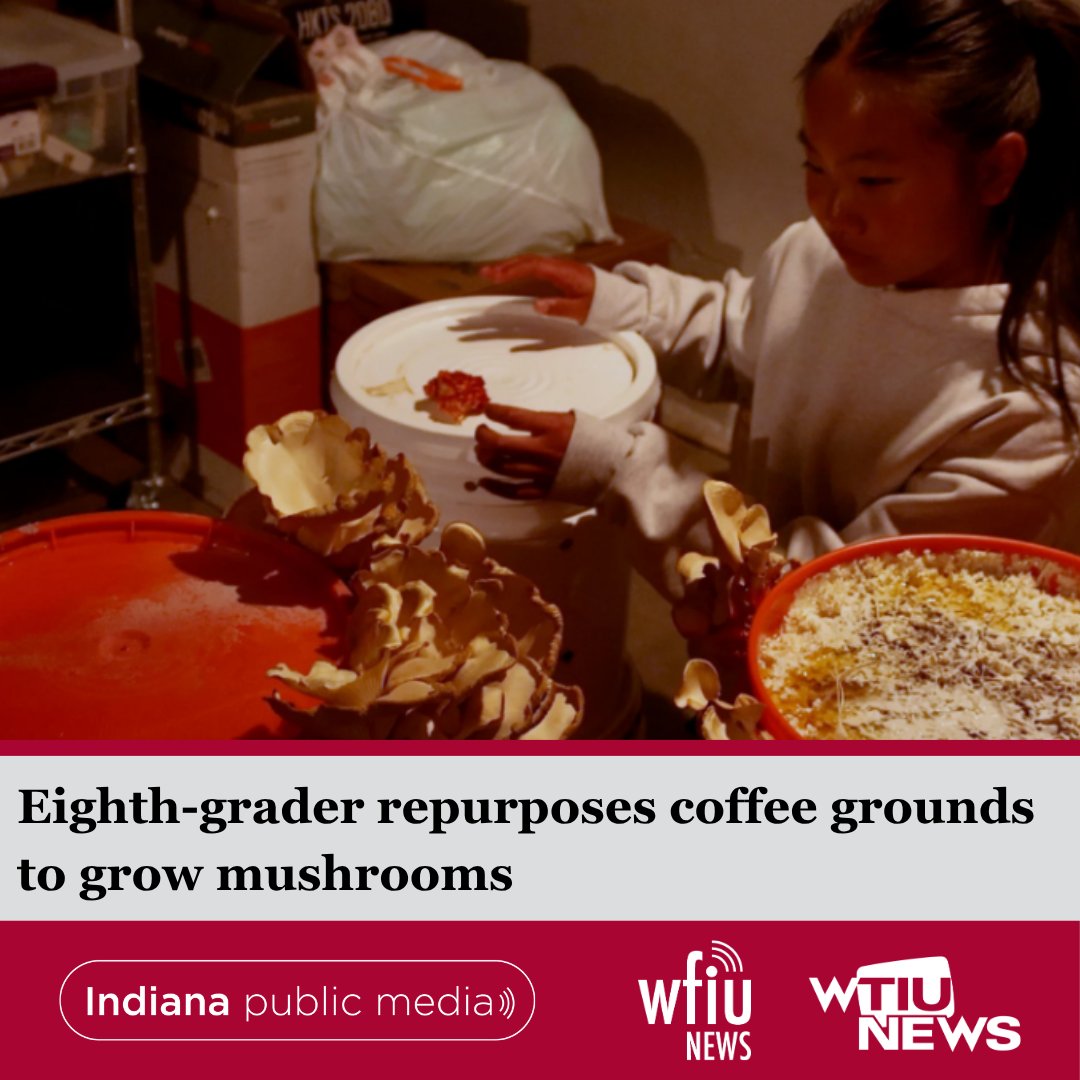
ALT Gloria Chi with her mushroom setup. She is wearing a white hoodie and has buckets with mushrooms all around her. The headline below reads "Eighth-grader repurposes coffee grounds to grow mushrooms"
1
61
Rich Phillips retweeted

May 21
Bloomington eighth-grader Gloria Chi is turning used coffee grounds from local cafes into oyster mushrooms through her nonprofit, Fungi For Future.
Read more: ipm.org/news/2026-05-20/eigh…
ALT Gloria Chi with her mushroom setup. She is wearing a white hoodie and has buckets with mushrooms all around her. The headline below reads "Eighth-grader repurposes coffee grounds to grow mushrooms"
1
1
142

Biologists at Indiana University Bloomington have been locked out of their labs for more than a week, after the university suddenly changed locks on its biology building on 7 May. The move comes amid an investigation by the US government.
go.nature.com/4dAr9oe
4
99
175
25,099
Rich Phillips retweeted

Breaking news: Indiana University plant microbiologist Roger Innes has been locked out of his laboratory by the school in response to a request by one of his federal funders. The move comes after Innes complained about the government’s prosecution of Chinese postdocs. scim.ag/4u133d3
14
192
362
48,074
Rich Phillips retweeted

BREAKING: The USDA told IU to lock down the lab of Professor Roger Innes, a biologist and former employer of deported Chinese postdoc Youhuang Xiang. Three other labs were locked down at the same time as well as several offices @WFIUWTIUNews
ipm.org/news/2026-05-08/iu-l…
1
11
19
8,772
Rich Phillips retweeted

2 Sep 2025
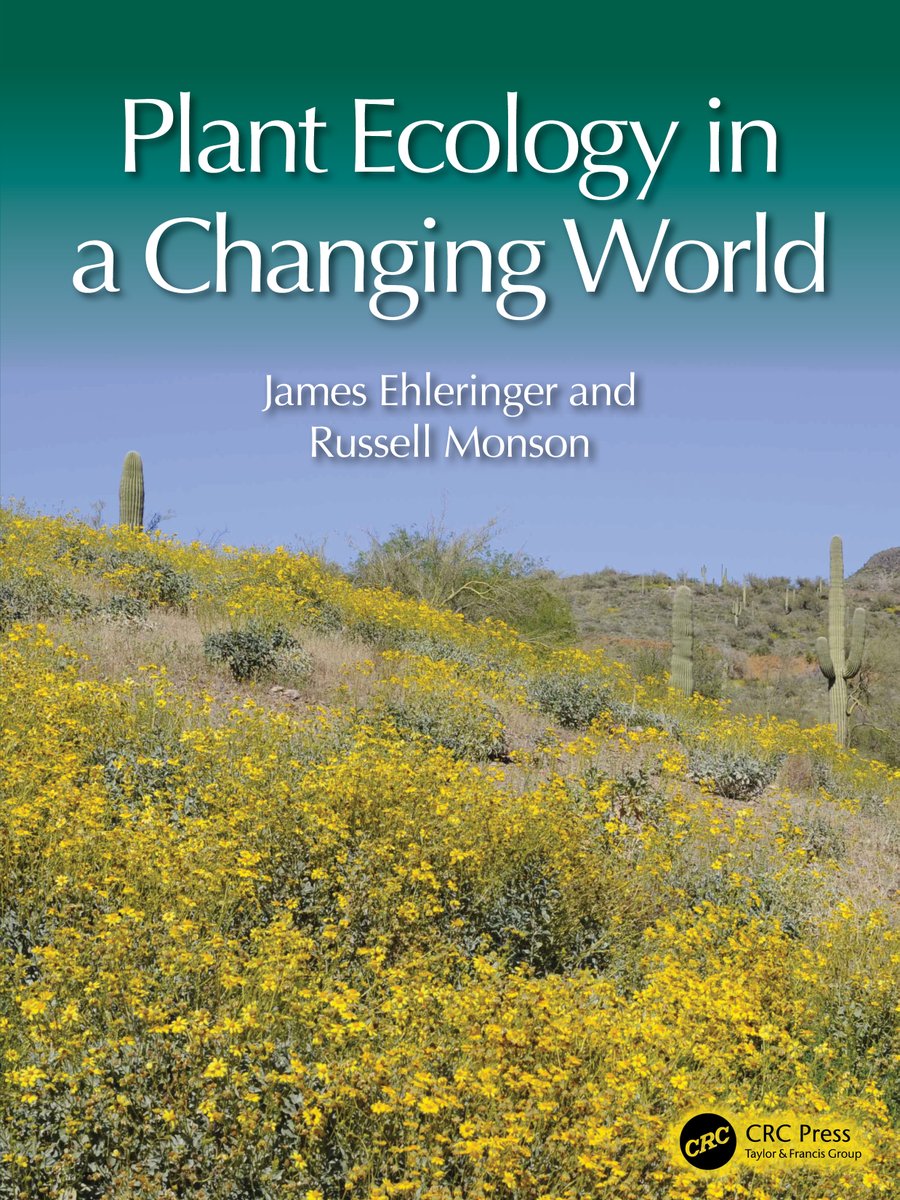
Plant Ecology in a Changing World also provides online student and instructor resources, supplemental materials, problem sets, study and exam questions, essays, and models. Explore and learn more at Http://plantecology.site Please visit today.
17
55
1,913

19 Aug 2025
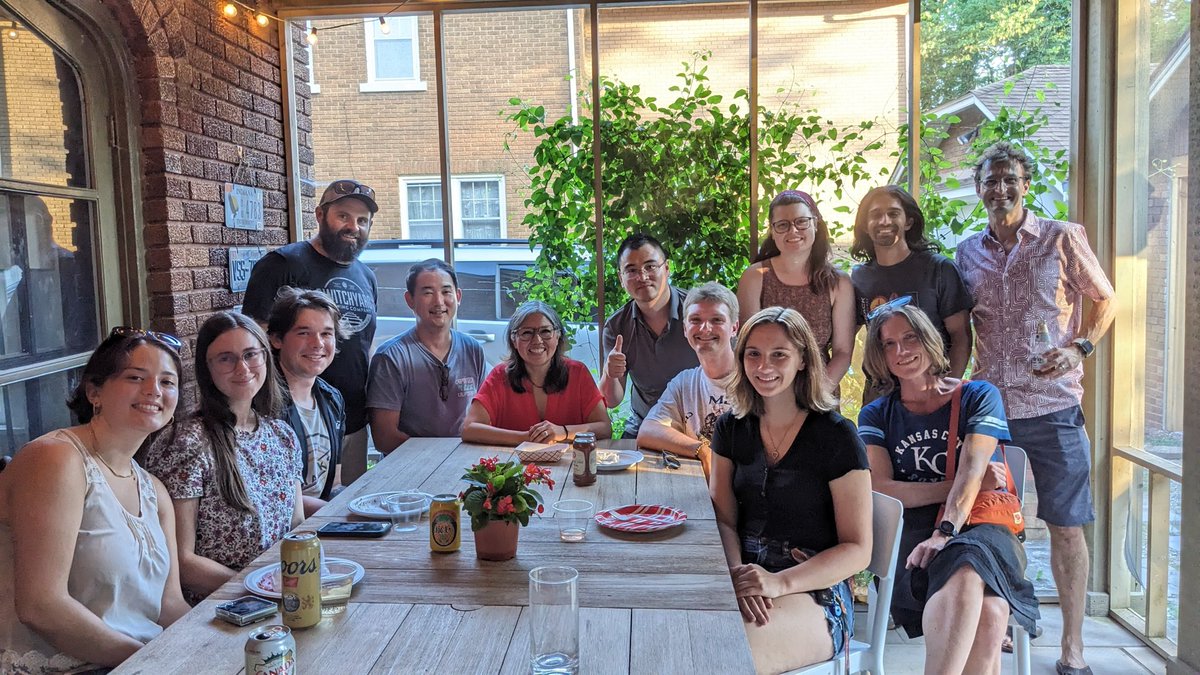
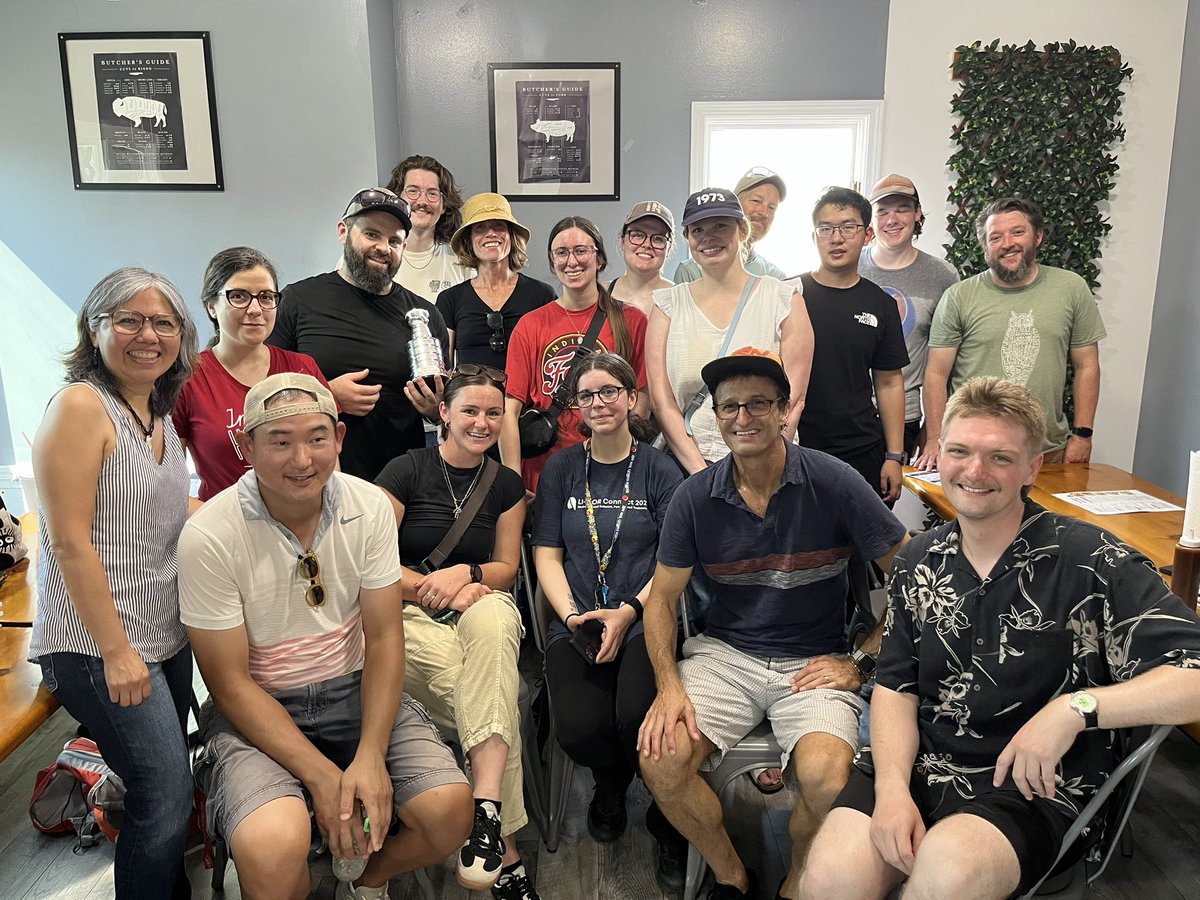
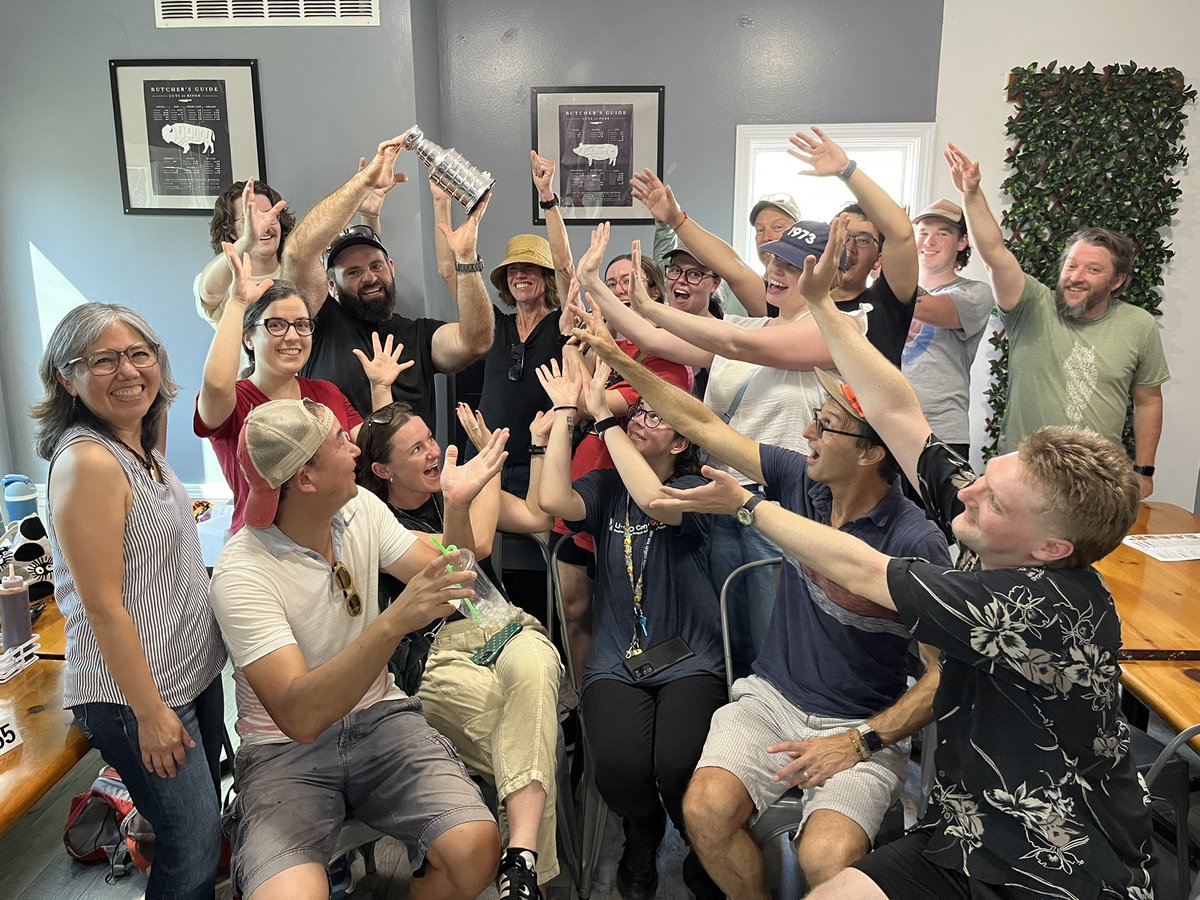
Even though transience is part of lab culture, it’s still hard to say goodbye. This summer we bid adieu to long-time lab manager Elizabeth Huenupi, tech Zoe Worman & post-doc Daniel Beverly. Thanks for helping us do amazing science and bringing kindness & generosity to the lab!

6
130
28 Jul 2025
🚨Interested in plants, microbes & biogeochemistry? If yes, ya'll have 2d to submit your abstract to our session "B088: The Effect of Plant Communities and Their Microbial Associations on Soil Biogeochemistry" agu.confex.com/agu/agu25/pre… Convened by @carboncaitlin Amelia Fitch & me
2
74
Rich Phillips retweeted

13 Jul 2025
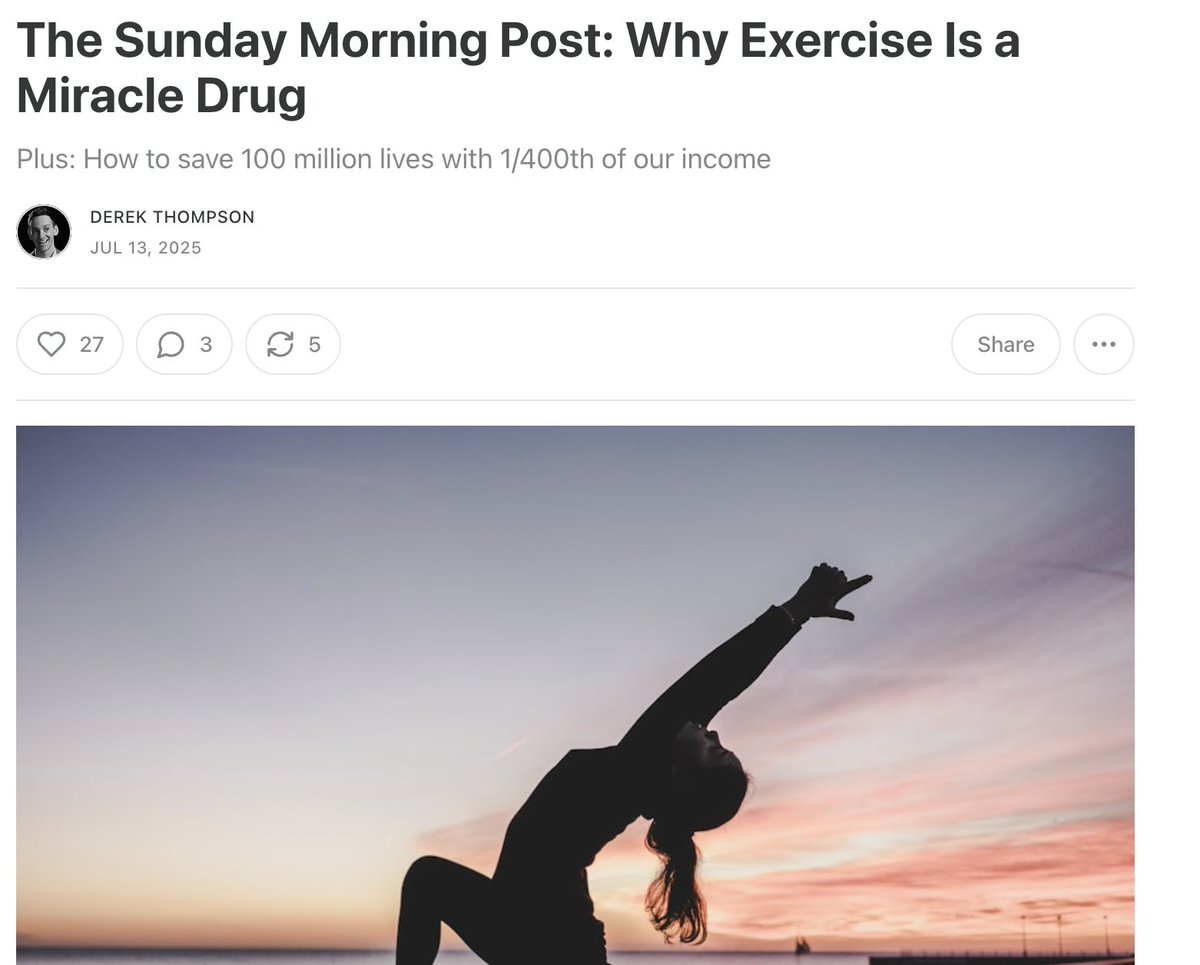
New TSMP: EXERCISE AS MIRACLE DRUG
Two big studies in the last 12 months:
1. Euan Ashley, the chair of medicine at Stanford, and a team of bioinformatics researchers put rats on treadmills, cut into their tissues, and found that exercise basically improved every measurable system, including metabolism, mitochondrial function, immunity, inflammation, and tissue-specific adaptation. He has estimated that "one minute of exercise, on average, extends one's life by five minutes."
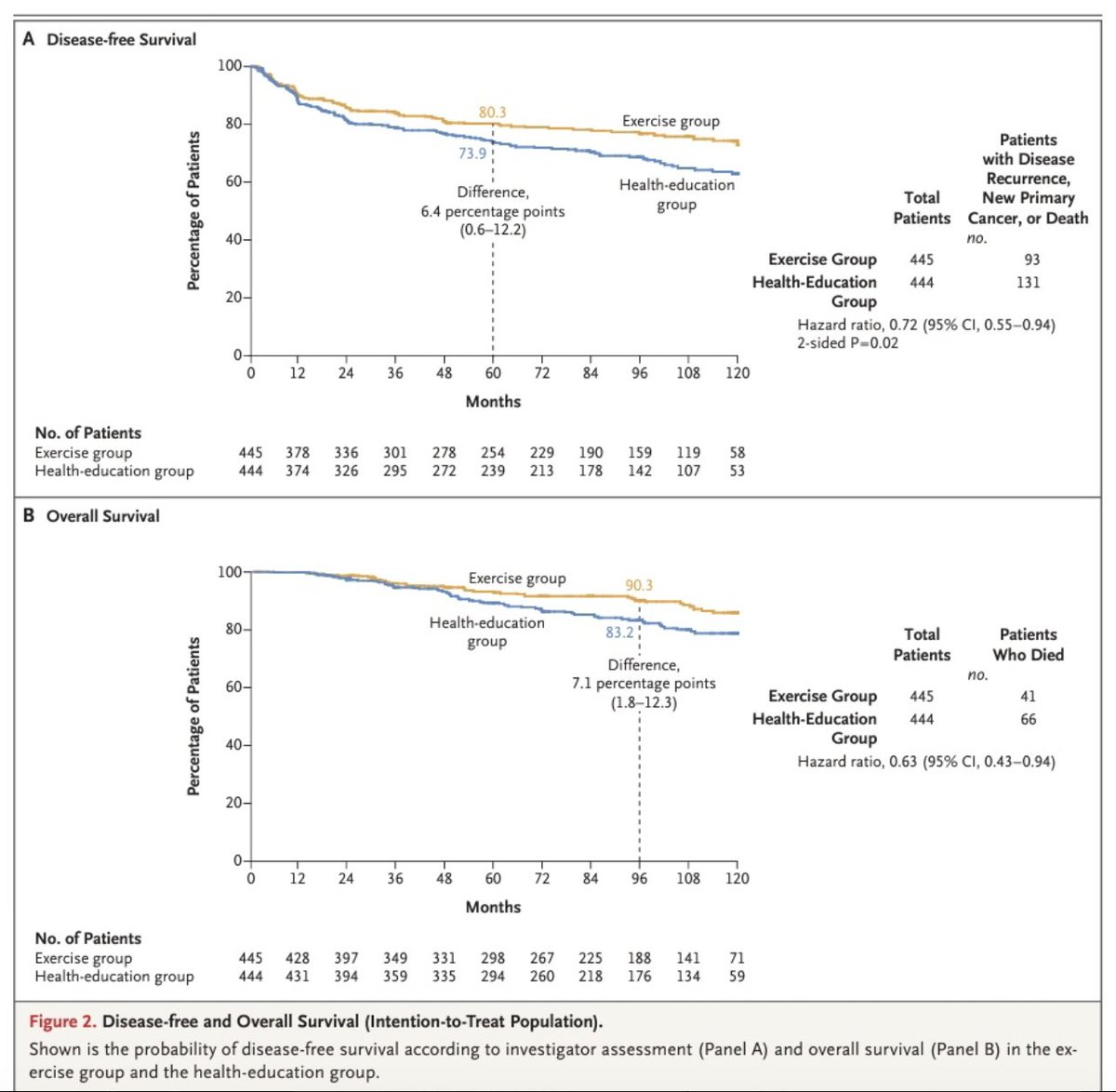
2. In a recent NEJM study, 900 patients who had undergone surgery on their advanced colon cancer were randomly assigned to two groups: a “structured exercise program" vs. a control group. The exercise group saw “significantly” more years without cancer, a 7 percentage point increase in the overall survival rate after 8 years, and a dramatic reduction in new primary cancers.
The MAHA movement, and RFK's weird antagonism toward vaccines and therapies, has polarized aspects of healthy living as anti-science woo-woo, in some circles, But exercise is probably the single most potent medical invention ever devised—more broadly effective, at a population level, than any medicine discovered in the natural world or created in a laboratory.
35
108
809
224,450
Rich Phillips retweeted

1 Jul 2025
We used NEON data to explore the relationship between fine root and soil carbon stocks. With @JosephTumber @mingzhen_lu @aaberhe et al.
doi.org/10.1038/s43247-025-0…
1
10
40
1,574
Rich Phillips retweeted

24 Jun 2025
📜New on our blog: NSF DEB is reaffirming its commitment to ecological research, with updates on funding, engagement opportunities, and proposal tips. Don’t miss your chance to connect — DEB Program Officers will be at the Annual Meeting this August!
esa.org/esablog/2025/06/24/n…

4
13
808
Rich Phillips retweeted

12 Jun 2025
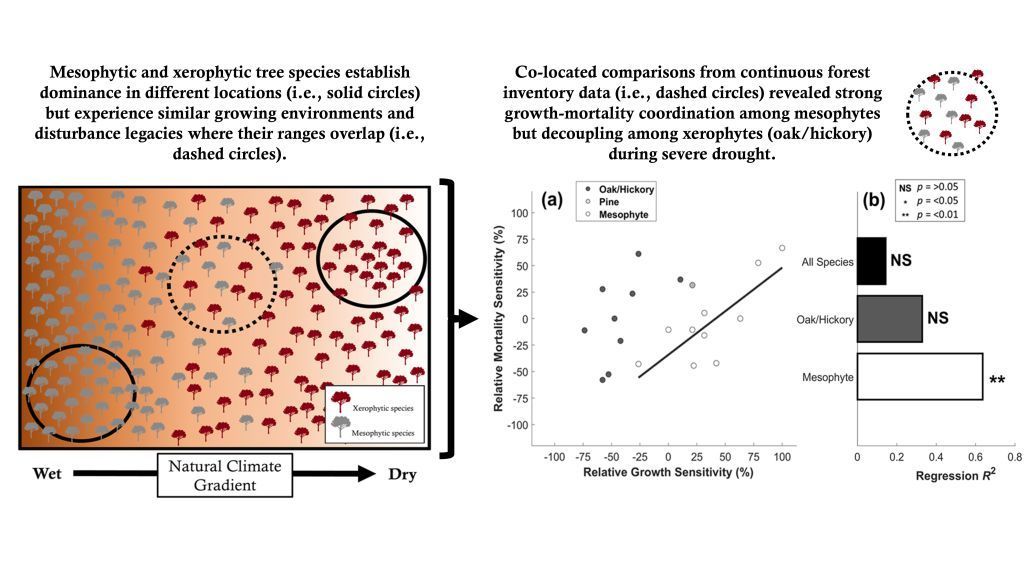
Growth–Mortality Coordination Differs Among Xerophytic Versus Mesophytic Tree Species During Severe Drought
🔗 buff.ly/EusvJo2
2
8
752
21 May 2025
Exciting new work from the amazin’ @BeidlerKatilyn & @UMNFuN. Much of the OM that “sticks” to minerals comes from dead fungi. But what controls formation rates: input chemistry, mineral reactivity or microbes involved in hyphal decay? authors.elsevier.com/c/1l7Zt…
1
1
47
21 May 2025
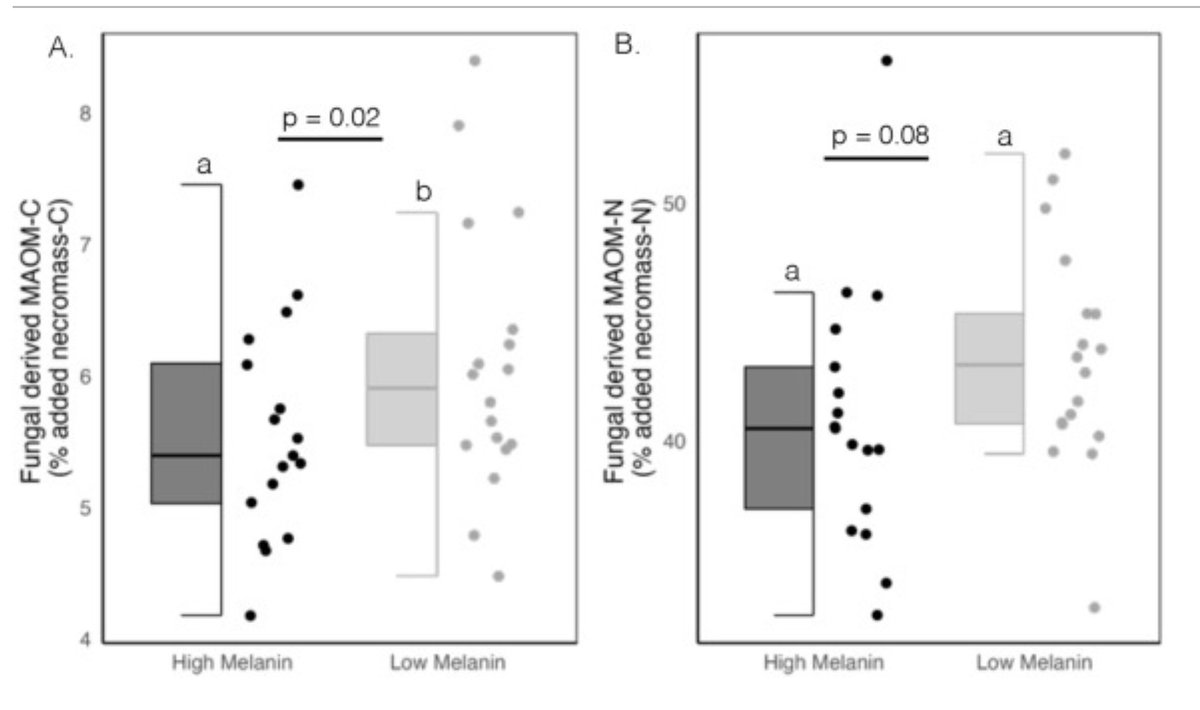
We found 1) most variation in MAOM related to FeOx (60-68%), 2) bacterial diversity contributes to MAOM when low (but not high) melanin necromass is present, 3) low melanin forms MAOM more readily than high melanin necromass, & 4) necromass N forms 7x more MAOM than necromass C
1
45
21 May 2025
What’s it all mean? Lots of factors controls MAOM formation! That different factors control C & N stabilization to minerals - microbial synthesis for N; direct sorption for C – also means that efforts to increase soil C storage may not necessarily increase N retention.
1
35
Rich Phillips retweeted

15 May 2025
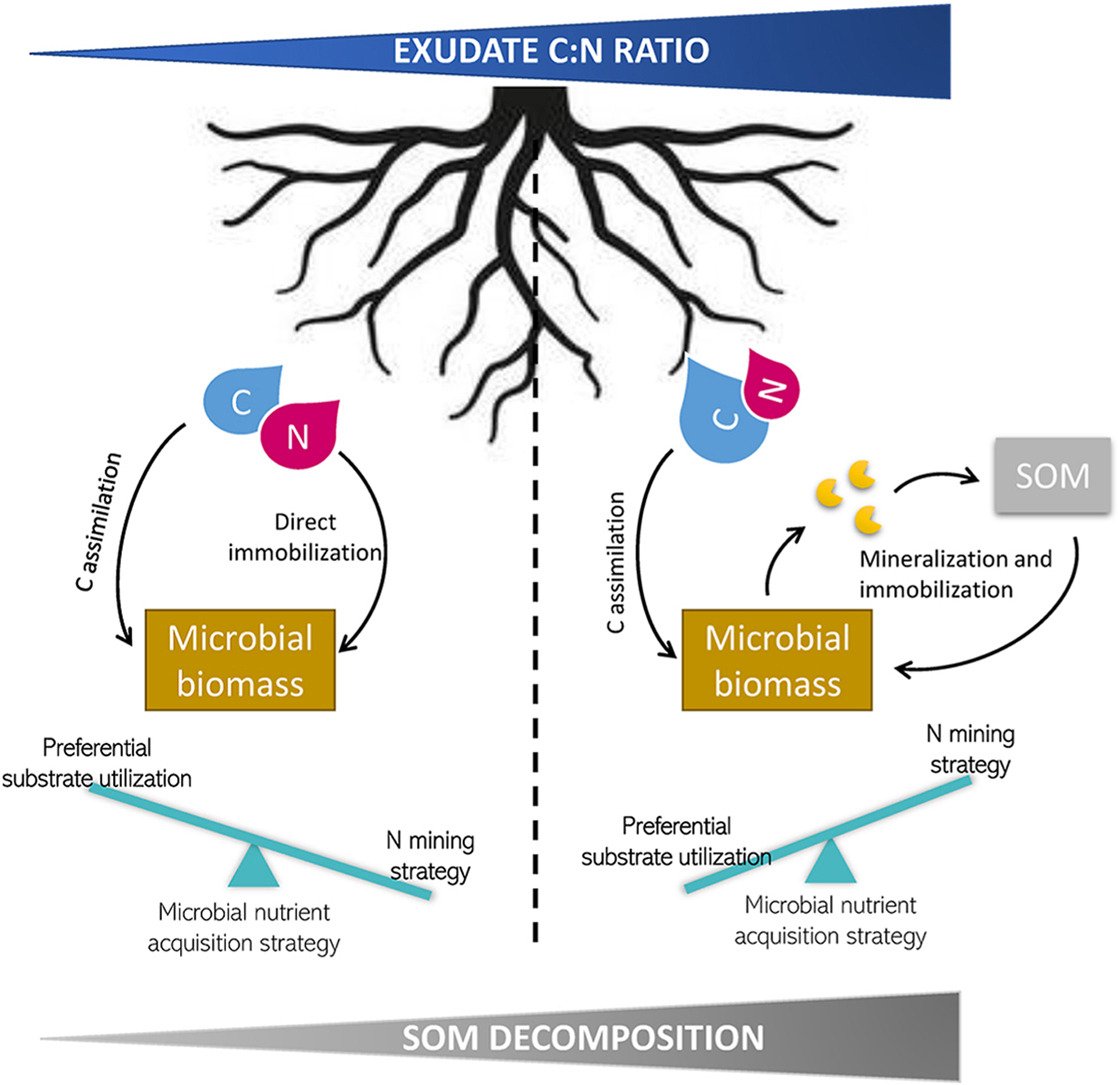
Just published in Soil Biology and Biochemistry and well done Dr Manon @RumeauManon, funded by @NERCscience and @BIFoRUoB . @LES_UniBham
Root exudate stoichiometry is a key driver of soil N cycling: implicat... sciencedirect.com/science/ar…
1
4
30
868
6 May 2025
This took a minute but excited to share it now link.springer.com/10.1007/s0… Trees get N by resorbing from foliage & foraging in soil - but are the two coordinated? We tested hypotheses abt relationships btwn resorption & root production for 12 spp in mature forests & 9 spp in a garden
1
4
75
6 May 2025
Trees in the garden that resorbed more N produced more roots indicating resorption patterns can cascade to affect litter qual & N availability. In mature stands, we couldn't detect resorption-root relationships despite a strong neg relationship btwn resorption and litter quality.
1
1
46
6 May 2025
So? N resorption has consequences for plant economics & litter-soil-nutrient feedbacks. Given that root foraging is not the only way to acquire soil N, detecting AG-BG trait linkages in forests may require accounting for myco symbionts, tree neighborhoods and site fertility.
1
41