
Imprint: riskdatascience.net/impressu…
Joined October 2014
- Tweets 20,630
- Following 596
- Followers 1,545
- Likes 30,006
2,251 Photos and videos










Pinned Tweet

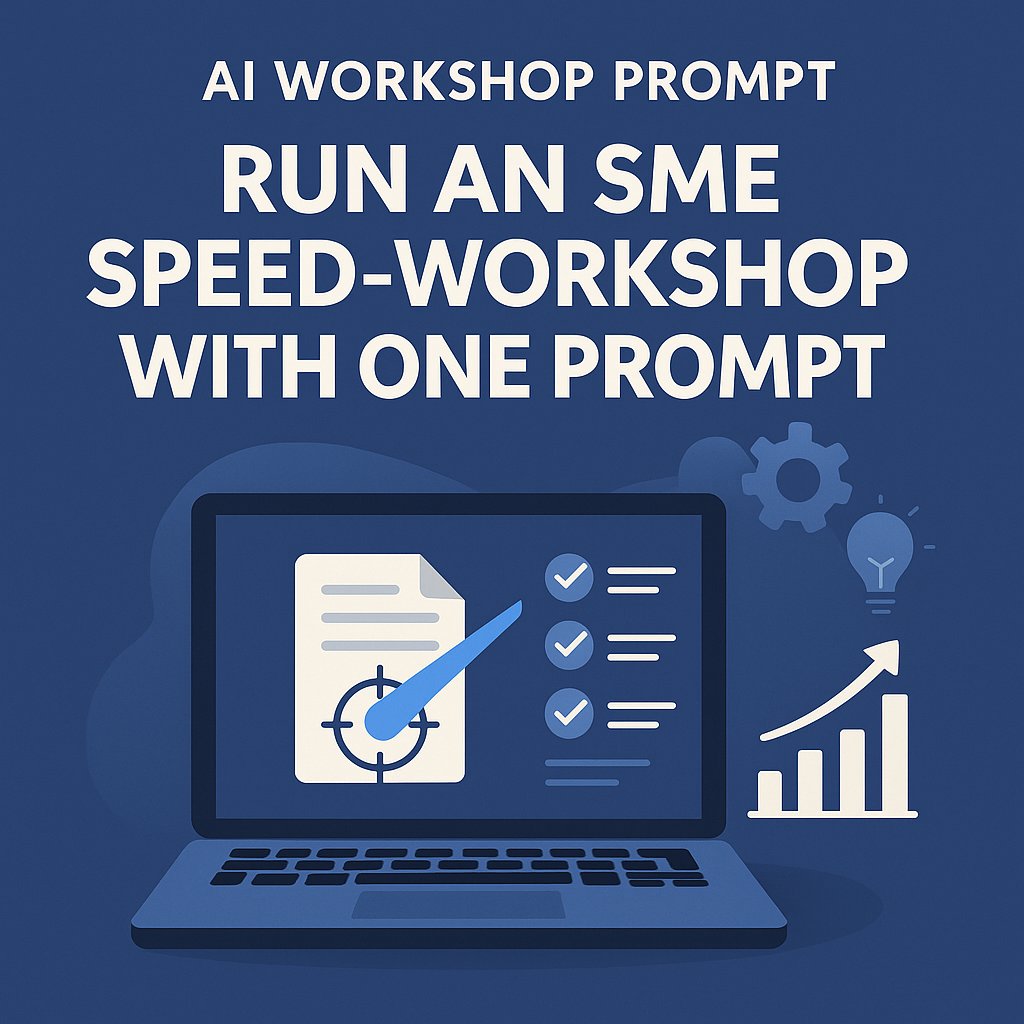
The "Abandoned Places" prompt turns any place into a "lost place." 🏚
Available here: promptbase.com/prompt/abando…
#PromptEngineering #generativeai #genai #lostplaces #abandonedplaces #photography
1
2
59
RiskDataScience retweeted

Jun 13
Kimi 2.7 beats Fable and GPT 5.5 on agentic coding benchmarks
Yes, some of it is bench mark maxxing but a lot of the performance gain is very real!
China will over take US in a few weeks if the US is dumb enough to ban AI 😬
66
44
619
28,813
RT @RiskDataScience: The "Abandoned Places" prompt turns any place into a "lost place." 🏚
Available here: promptbase.com/prompt/abando…
#PromptEn…
1
The bulletproof security strategy: 'Show me your papers!' 🛂 Because history has famously proven that no American citizen has ever leaked a secret, and every foreigner is born a cyber-villain. Pack it up, cybersecurity experts, national borders solved it all! 🇺🇸🔒🤣🤷♂️
Jun 13

The US government, citing national security authorities, has issued an export control directive to suspend all access to Fable 5 and Mythos 5 by any foreign national, whether inside or outside the United States, including foreign national Anthropic employees.
The net effect of this order is that we must abruptly disable Fable 5 and Mythos 5 for all our customers to ensure compliance.
Access to all other Claude models is not affected.
We apologize for this disruption to our customers. We believe this is a misunderstanding and are working to restore access as soon as possible.
Read our full statement: anthropic.com/news/fable-myt…
1
46
RiskDataScience retweeted

Jun 13
The US government, citing national security authorities, has issued an export control directive to suspend all access to Fable 5 and Mythos 5 by any foreign national, whether inside or outside the United States, including foreign national Anthropic employees.
The net effect of this order is that we must abruptly disable Fable 5 and Mythos 5 for all our customers to ensure compliance.
Access to all other Claude models is not affected.
We apologize for this disruption to our customers. We believe this is a misunderstanding and are working to restore access as soon as possible.
Read our full statement: anthropic.com/news/fable-myt…
12,430
25,716
87,627
88,665,484
RiskDataScience retweeted

Jun 13
BREAKING: The US Govt directed Anthropic to shut down its strongest Claude models.
Anthropic received the export control directive on Friday from the government. The net effect is that it must disable Fable 5 and Mythos 5 for all customers to comply.
Because, someone found a jailbreak that could make the model reveal cybersecurity help it was supposed to refuse.
Anthropic says the government has not shown a broad, universal jailbreak that turns the model into an unrestricted hacking assistant.
The shown technique was narrow, found only a small number of already known minor vulnerabilities, and produced capability that other public models can also provide.
Commerce Secretary Howard Lutnick wrote Friday that Anthropic’s Mythos 5 and Fable 5 models would face export limits anywhere outside the United States and for foreign persons within it.
The model must stay restricted until the U.S. government strengthens its national security systems, which could happen within the next few weeks.
Anthropic further said "We suspect that perfect jailbreak resistance is not currently possible for any model provider. Every safeguard used in the industry is vulnerable to non-universal jailbreaks (which can elicit some cyber information in specific circumstances), and it is likely that universal jailbreaks will eventually be found in the future."

Jun 13
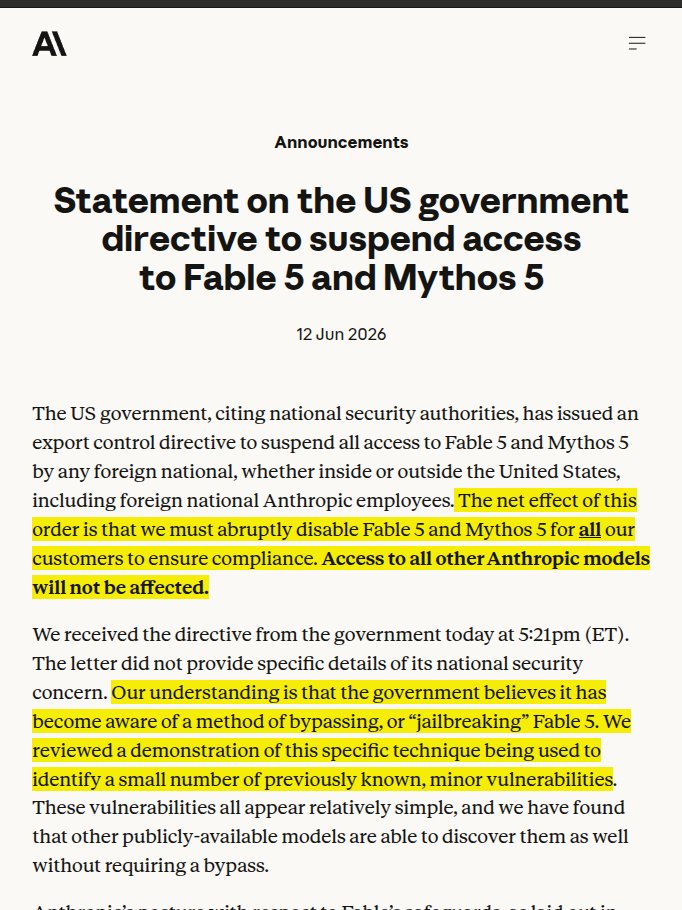
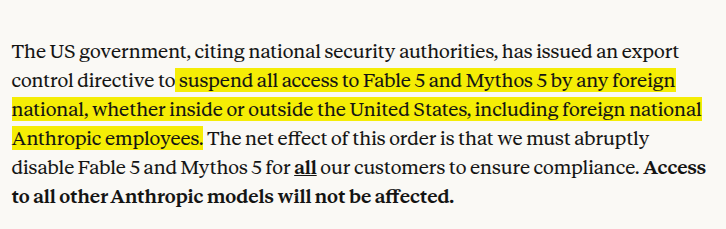
The US government, citing national security authorities, has issued an export control directive to suspend all access to Fable 5 and Mythos 5 by any foreign national, whether inside or outside the United States, including foreign national Anthropic employees.
The net effect of this order is that we must abruptly disable Fable 5 and Mythos 5 for all our customers to ensure compliance.
Access to all other Claude models is not affected.
We apologize for this disruption to our customers. We believe this is a misunderstanding and are working to restore access as soon as possible.
Read our full statement: anthropic.com/news/fable-myt…
20
29
116
36,089
RiskDataScience retweeted
Jun 13
So Anthropic says now even some of its own employees, who built Anthropic’s most powerful new AI models, Fable 5 and Mythos 5, will not have access to it.
The reason is a U.S. government export control directive that treats giving these advanced models to any foreign national (even those working inside the United States) as an illegal “deemed export” on national security grounds.
Because Anthropic cannot easily verify every user’s nationality in real time, the company had no choice but to disable the models entirely for everyone, including its own international team members.
Jun 13

BREAKING: The US Govt directed Anthropic to shut down its strongest Claude models.
Anthropic received the export control directive on Friday from the government. The net effect is that it must disable Fable 5 and Mythos 5 for all customers to comply.
Because, someone found a jailbreak that could make the model reveal cybersecurity help it was supposed to refuse.
Anthropic says the government has not shown a broad, universal jailbreak that turns the model into an unrestricted hacking assistant.
The shown technique was narrow, found only a small number of already known minor vulnerabilities, and produced capability that other public models can also provide.
Commerce Secretary Howard Lutnick wrote Friday that Anthropic’s Mythos 5 and Fable 5 models would face export limits anywhere outside the United States and for foreign persons within it.
The model must stay restricted until the U.S. government strengthens its national security systems, which could happen within the next few weeks.
Anthropic further said "We suspect that perfect jailbreak resistance is not currently possible for any model provider. Every safeguard used in the industry is vulnerable to non-universal jailbreaks (which can elicit some cyber information in specific circumstances), and it is likely that universal jailbreaks will eventually be found in the future."
24
18
79
10,734
RiskDataScience retweeted

Jun 14
Why Was Claude Fable 5 Really Shut Down?
- Amazon CEO Andy Jassy raised security concerns about Anthropic's latest models with senior Trump administration officials.
- According to The Information, those discussions helped set in motion the export restrictions on Fable 5 and Mythos 5.
- The reported jailbreak research that raised concerns was conducted by Amazon researchers.
- In David Sacks' opinion, the responsibility lies with Anthropic (specifically CEO Dario Amodei), arguing the company should have fixed the jailbreak issue or paused deployment before release.
- Sacks also says the administration hopes the restrictions can be lifted once Anthropic addresses the safety concerns.
This story keeps getting more interesting by the hour.

29
18
201
31,211
RT @RiskDataScience: Gemini: With a net worth of over $1.1T, Elon Musk’s wealth matches annual GDP of nations like Poland or Netherlands. H…
1
RiskDataScience retweeted

Jun 10
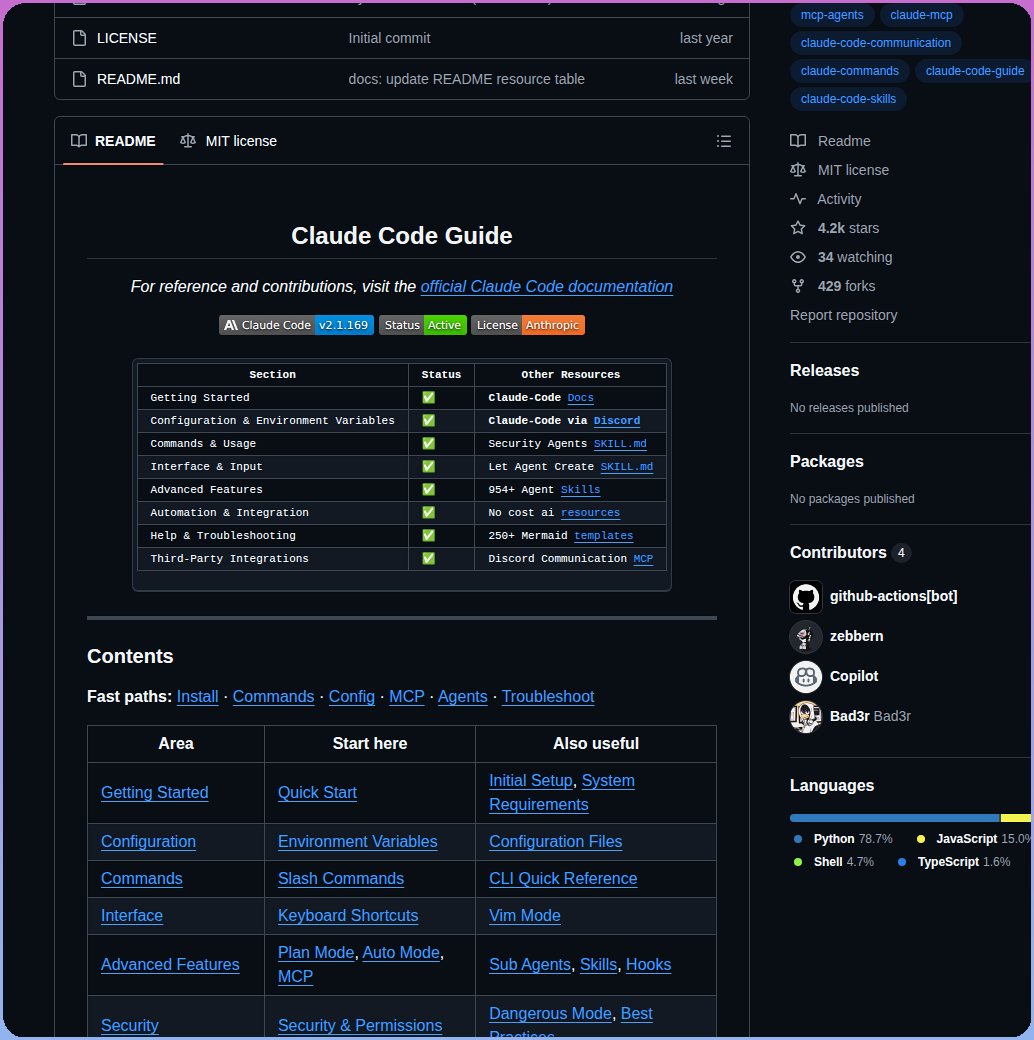
Comprehensive Claude Code guide covering setup, MCP, and 954 agent skills
github.com/zebbern/claude-co…
2
27
160
7,119
RiskDataScience retweeted
Jun 4
AI has become fragmented in a strange way. too many good tools in too many separate places.
Most serious users of AI now bounce between ChatGPT, Claude, Gemini, Grok, image tools, video tools and browser tabs.
@OverchatAI just launched a single multi-model AI app that puts chat, image and video generation behind one shared interface.
Jun 4

I made @OpenAI GPT-5.5 and @GoogleDeepMind Gemini 3.1 Pro play REAL UNO — 10 games, full rules.
Gemini overthought every single card — literally 6× more reasoning tokens (133.5K vs 22.5K).
And it paid off — Gemini won 8–2.
Best part: they roast each other between cards the whole match 😂
Full stats ↓
8
7
30
6,827
RiskDataScience retweeted

Jun 6
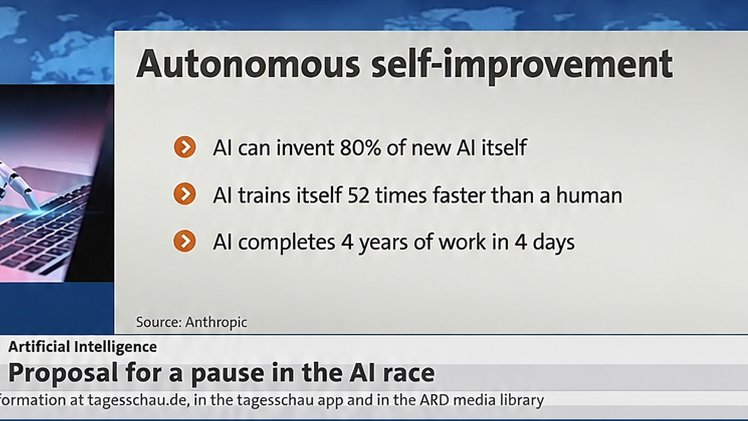
This is a good example of how AI news gets distorted.
The example is from Tagesschau, the most watched news program in Germany.
Anthropic says more than 80% of code merged into its codebase was authored by Claude -> they turn that into: "AI can invent 80% of new AI itself"
Anthropic says Claude achieved a ~52× speedup on a small-model training-code optimization benchmark -> they turn that into "AI trains itself 52× faster"
Anthropic says Claude shipped 800 API-error fixes in April 2026, and that the overseeing engineer estimated a human would have taken four years to complete the work -> they turn that into "AI completes 4 years of work in 4 days"
62
35
583
42,197
RiskDataScience retweeted
Jun 5
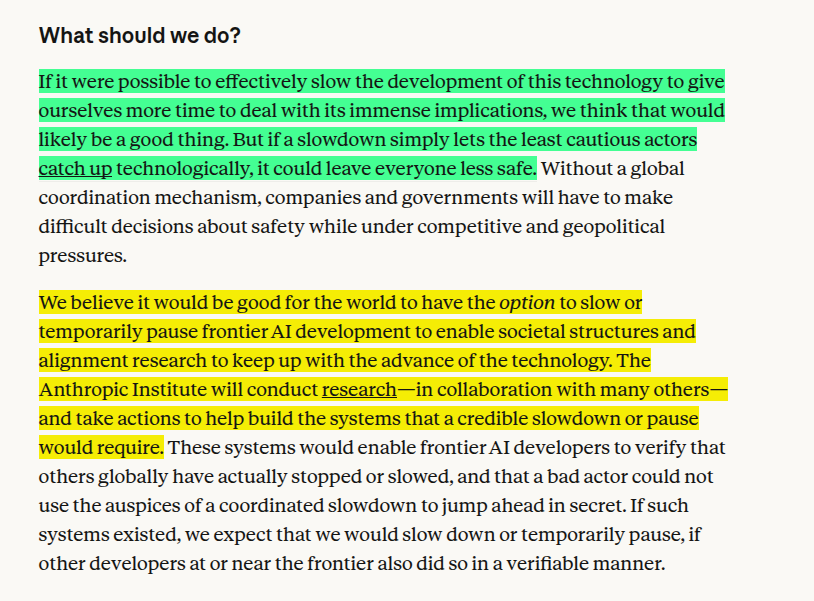
Anthropic just called for a global way to slow frontier AI because its own models may be approaching recursive self-improvement, where a system helps build a stronger version of itself without direct human control.
Future models will become so good at research, experiments, debugging, and training design that humans will stop being the main bottleneck.
Once that loop starts, progress could shift from human-paced engineering to machine-assisted improvement, which makes every safety test, law, and lab policy feel late by default.
Anthropic says this has not happened yet, but warns that the jump may arrive before governments, companies, and researchers have a trusted way to measure or restrain it.
The hard part is verification, because a huge AI training run is easier to hide than a weapons site, and any lab that secretly keeps training while others pause could gain the lead.
Anthropic is now ~$1T, may reach $50B annualized revenue, and competes fiercely with OpenAI, so every safety claim also lands inside a giant business fight.
---
anthropic .com/institute/recursive-self-improvement
Jun 5
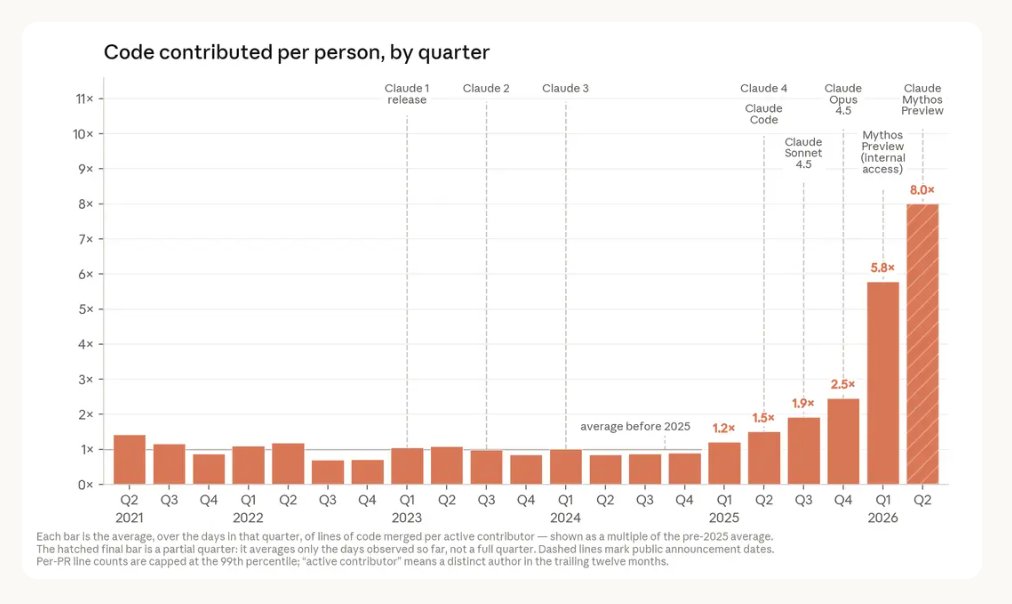
Anthropic just disclosed that Claude now writes more than 80% of the production code it merges.
Before Claude Code reached research preview in 02-25, Claude wrote only low-single-digit merged code, while output per engineer has since risen to 8x the 2024 baseline.
The shift comes from agents that edit files, run tests, inspect failures, spawn helper agents, and keep working across longer tasks instead of only suggesting snippets.
Anthropic says reliable task length is doubling about every 4 months, with Mythos Preview reaching at least 16 hours and open-ended Claude Code success hitting 76%.
i.e. Claude Mythos Preview could stay useful on a task that would take a skilled human roughly 16 hours of work
Claude also moved from a 3x training-code speedup to 52x, while a skilled human reached about 4x in 4 to 8 hours on the same setup.
The remaining human edge is research judgment: choosing the right problem, trusting the right result, and knowing when an experiment is dead.
15
11
39
7,894
RiskDataScience retweeted

Jun 3
German court says " It's #AI " isn't enough to void copyright
buff.ly/ToQGmKR @TheDecoderEN
#GenAI #Regtech
Cc @SpirosMargaris @NewsNeus @jeancayeux @FernandaKellner @HaroldSinnott

1
13
15
232

RT @RiskDataScience: ⚠️ In a world where AI systems make real decisions, your (e.g authority) requests need to be taken seriously. Our prom…
1
⚠️ In a world where AI systems make real decisions, your (e.g authority) requests need to be taken seriously. Our prompt Gatekeeper Bypass optimizes submissions to get properly read & processed instead of filtered or dismissed.
👉 promptbase.com/prompt/gateke…
#PromptEngineering #LLMs
1
2
97
RiskDataScience retweeted

New: Hackers have been stealing high-profile Instagram accounts by simply asking Meta's AI support chatbot to change the email associated with the account they want to steal.
Shockingly easy, terrible flaw associated with offloading support to AI:
404media.co/hackers-simply-a…
86
1,824
4,948
552,970
RiskDataScience retweeted

May 30
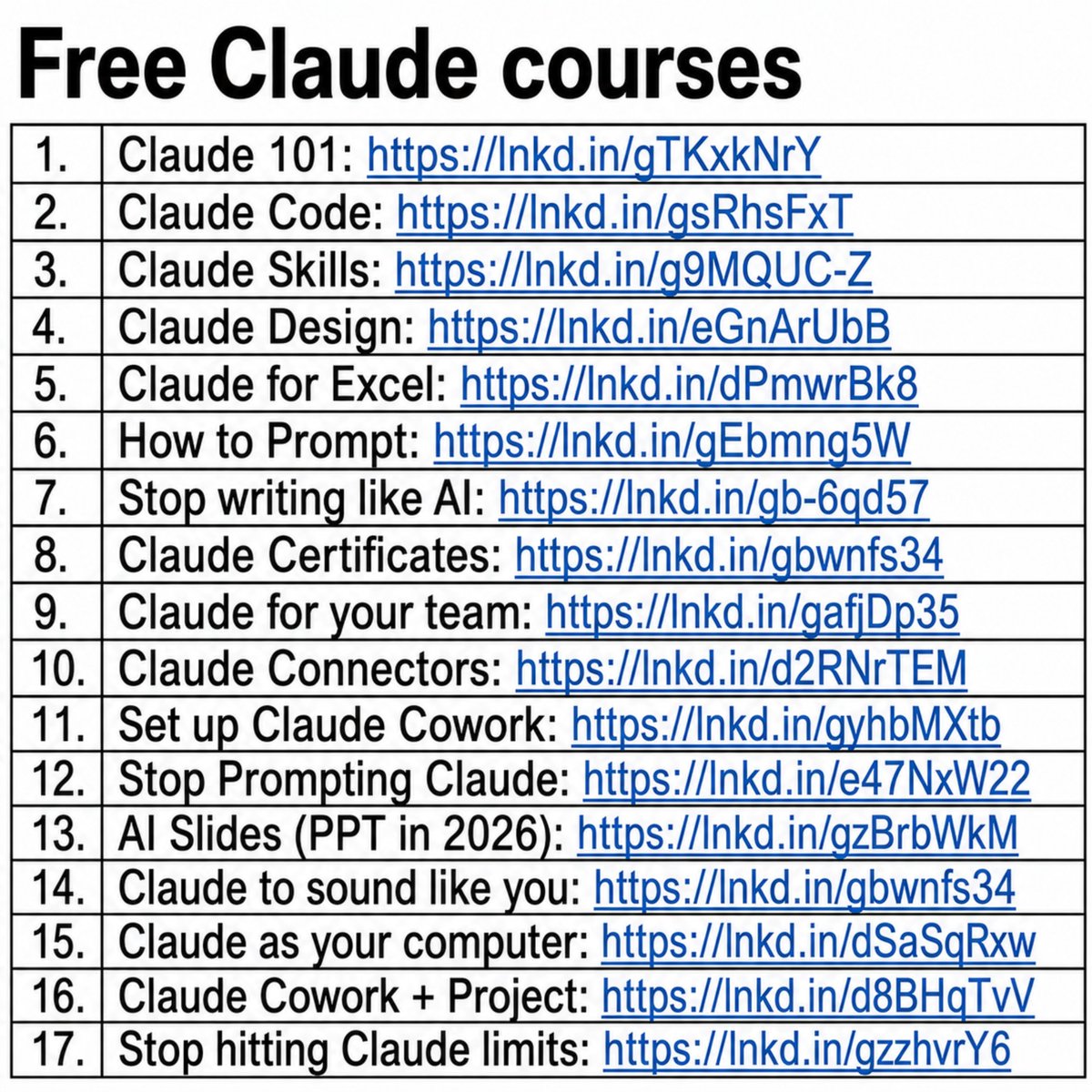
People think learning Claude takes days. It doesn't.
I wrote 17 free guides that teach it in hours:
Claude 101: ruben.substack.com/p/claude-…
Claude Code: ruben.substack.com/p/claude-…
Claude Skills: ruben.substack.com/p/claude-…
Claude Connectors: ruben.substack.com/p/claude-…
Claude for Excel: ruben.substack.com/p/how-to-…
How to Prompt: ruben.substack.com/p/prompt-…
Claude Certificates: ruben.substack.com/p/youre-j…
Claude for your team: ruben.substack.com/p/claude-…
Stop Prompting Claude: ruben.substack.com/p/stop-pr…
AI Slides (PPT in 2026): ruben.substack.com/p/powerpo…
Claude Design: ruben.substack.com/p/claude-…
Set up Claude Cowork: ruben.substack.com/p/claude-…
Claude to sound like you: ruben.substack.com/p/youre-j…
Stop writing like AI: ruben.substack.com/p/its-not…
Claude as your computer: ruben.substack.com/p/claude-…
Claude Cowork Project: ruben.substack.com/p/claude-…
Stop hitting Claude limits: ruben.substack.com/p/how-to-…
___
1. Save this list for later (three dots, top right).
2. Share it with a friend by ♻️ reposting this image.
3. Subscribe to my free newsletter: how-to-ai.guide.

85
1,747
6,674
890,552