Chair/CIO of RWM ritholtzwealth.com Masters-in-Business podcast/radio host Director of Cognitive Dissonance
Joined June 2009
- Tweets 137,188
- Following 2,840
- Followers 251,861
- Likes 123,738
17,483 Photos and videos
Pinned Tweet

24 Mar 2025
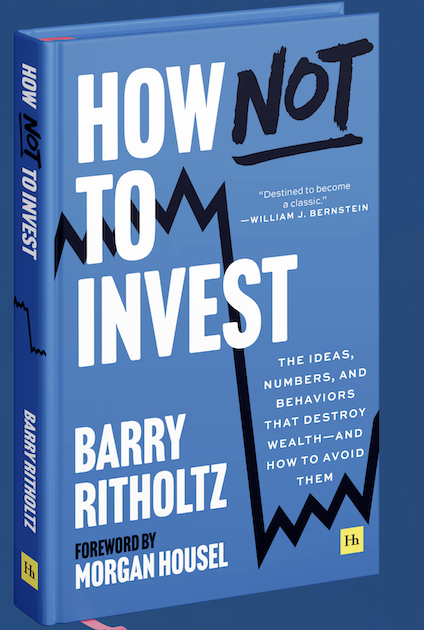
It's finally here! Hardcover, kindle, and audio versions of:
How NOT To Invest: The ideas, numbers, and behaviors that destroy wealth - and how to avoid them
HowNottoInvestbook dot com
92
66
511
220,516
Barry Ritholtz retweeted

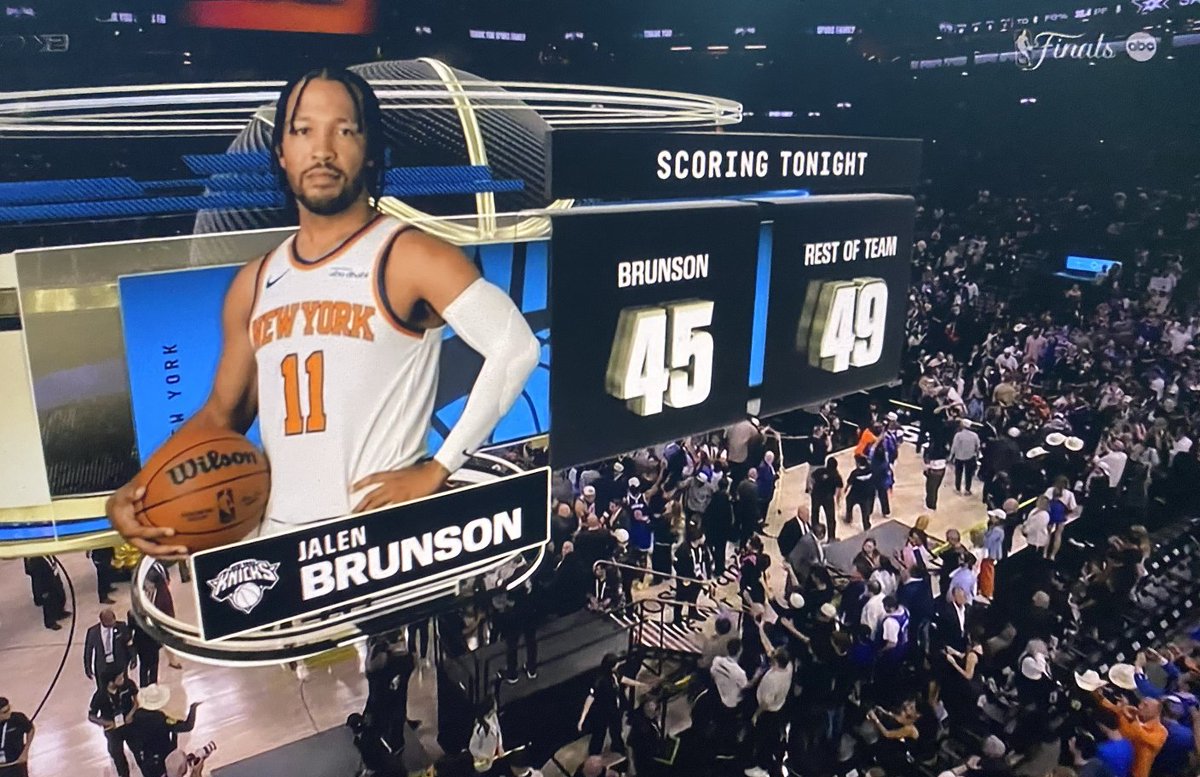
Congrats to NY Knicks.
Unbelievable performance by Jalen Brunson.
Jordan-esque (when Bulls beat Jazz in Game 6 1998, MJ had 45 points and rest of his teammates had 42 points).
7
26
463
22,954
Jun 11
At The Money: How Fixed-Income Investors can use ETFs to their Best Advantage dlvr.it/TT0R40
6
4,588

On April 1, 1999, Mark Cuban sold a streaming company called Broadcast .com to Yahoo for $5.7 billion. He became a paper billionaire overnight.
Yahoo had paid him in stock, not cash.
He spent the next 6 months trying to figure out how to keep it.
Cuban owned about a third of Broadcast .com going in, which left him holding 14.6 million Yahoo shares worth roughly $1.4 billion at the time. By law, he couldn't touch any of it. The deal came with a standard 6-month lockup that prohibited him from selling or hedging a single share. He had to sit and watch.
What he watched was a tech market getting more disconnected from reality by the week. Companies like Pets .com and Webvan were burning through investor money with no path to profit and trading at valuations that didn't make sense to anyone who looked twice. Cuban looked twice. He decided the crash, when it came, was going to take everything down with it. Including Yahoo. Including him.
So he started planning.
The moment his 6-month lockup ended, Cuban put on a financial structure that's now famous in trading circles. A zero-cost collar.
A collar works like this. You sell call options on your stock, which gives someone else the right to buy your shares from you at a fixed higher price. That caps your upside. You use the cash from selling those calls to buy put options, which give you the right to sell your shares at a fixed lower price. That gives you a hard floor under the downside. The two trades balance each other out so the whole package costs almost nothing to put on, hence the name.
Effectively, Cuban locked in something close to his $1.4 billion. If Yahoo's stock went down, his puts paid out. If it went up, he'd hit the cap and be cashed out at the higher price.
Yahoo's stock kept rising at first. It hit his cap. He got cashed out, in cash, at the high level he'd set. Real dollars, not paper.
A few months later, in March 2000, the dot-com bubble burst.
Yahoo's stock fell from a peak of roughly $237 a share to about $13 over the next 2 years. Almost every other dot-com paper billionaire watched their fortune disintegrate. Many of them had not hedged because they didn't think the prices would fall, or because they thought hedging was a sign of weakness, or because they were emotionally attached to the company they'd just sold.
Cuban kept his $1.4 billion. He once called the trade "one of the top 10 trades of all time on Wall Street."
People remember the sale. They don't remember the collar.
The headline was the $5.7 billion sale to Yahoo. The thing that actually mattered, the move that decided whether Cuban kept his fortune or watched it disintegrate like everyone else's, was a piece of derivative paperwork most people couldn't even read.
Plenty of founders sell at the top. What separated Cuban is that he understood selling was only half the trade. What you do with the money in the moments right after the windfall matters more than the windfall itself.
Cuban put it more simply.
"The whole market cratered and I was protected."
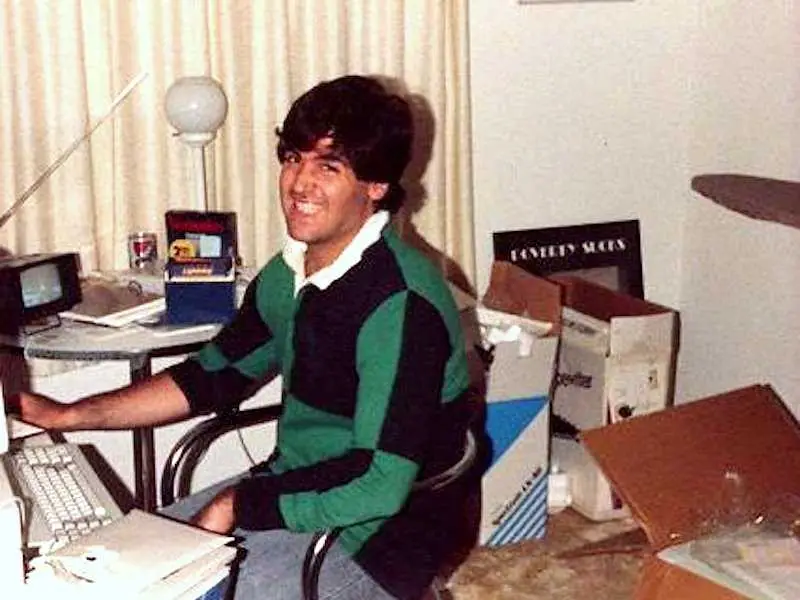

Mark Cuban reveals how he protected himself from losing the 1.4 billion dollars he made selling Broadcast .com to Yahoo
"We sold the company to Yahoo for stock. I had seen stocks go up and stocks go down. I told everybody, there's a good chance the whole thing could crash. Don't be greedy"
"Pigs get fat, hogs get slaughtered. Don't get slaughtered"
"I put together what they call a collar. I sold some of the upside to the Yahoo stock and protected myself by buying puts on the downside"
"Three months later the internet stock market cratered. It was called one of the top 10 Wall Street trades of all time"
"All I had to do was protect it and not get greedy and I'd be set for the rest of my life"
29
189
1,857
1,383,912
Barry Ritholtz retweeted

Jun 8
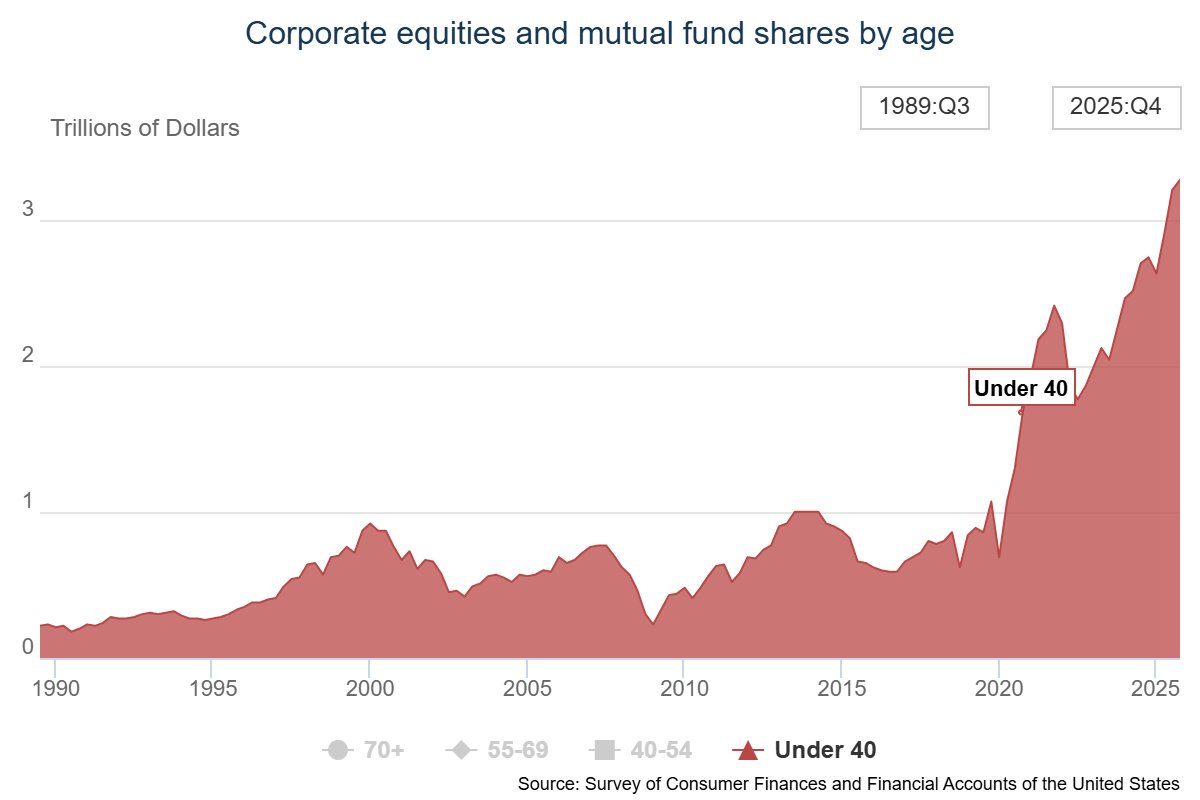
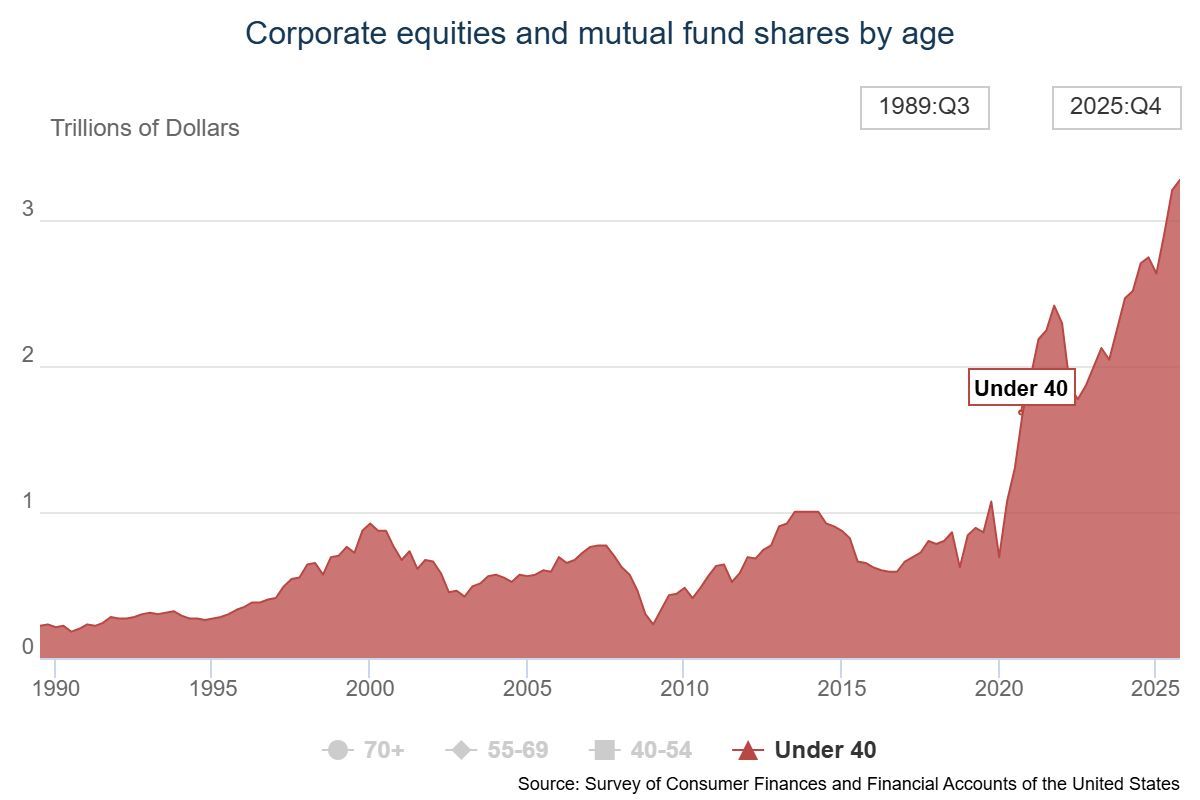
The value of stocks owned by ppl under 40 is up threefold in the 2020s
The share of IRA account owners under 30 has doubled in the past 10 years
Technology and lower fees have made it easier for young ppl to invest
This is good news
More here:
awealthofcommonsense.com/202…
27
20
216
51,979
Barry Ritholtz retweeted

Jun 9
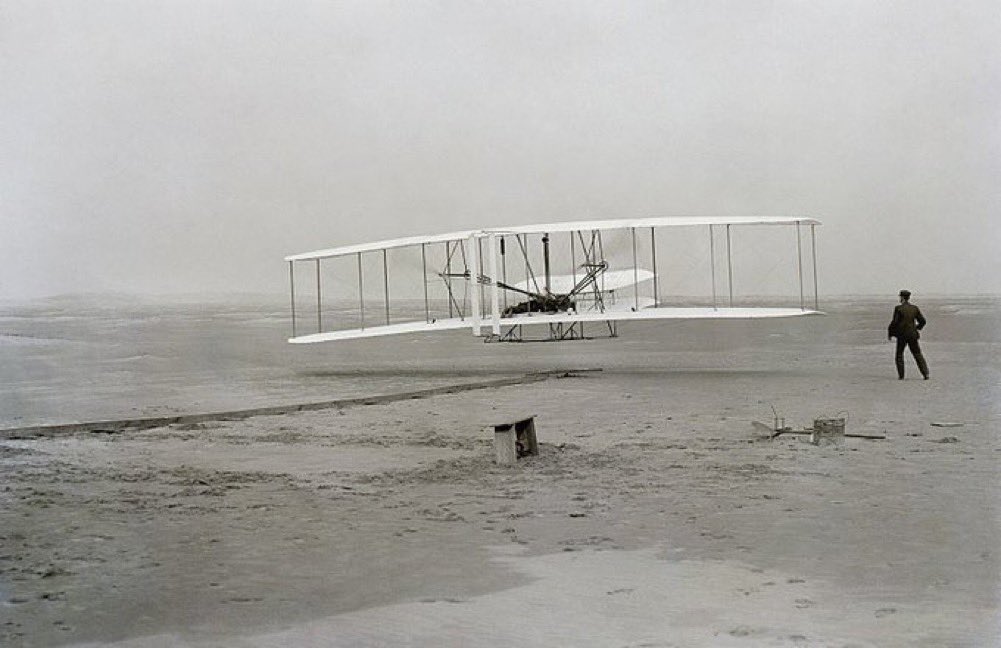
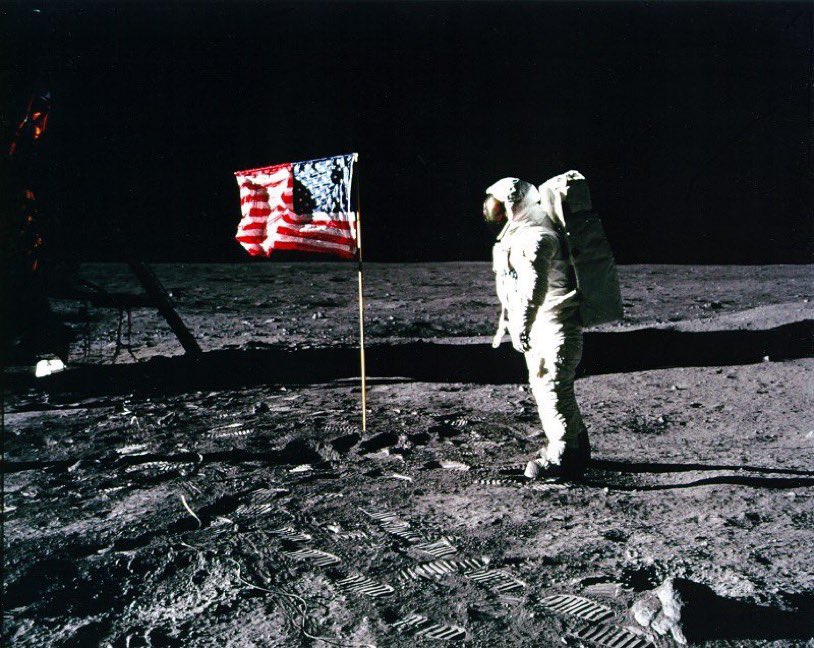
It’s been more than 56 years since the first moon landing.
There were 66 years between the first moon landing and the first flight.
8
12
77
12,262
Barry Ritholtz retweeted

Jun 4
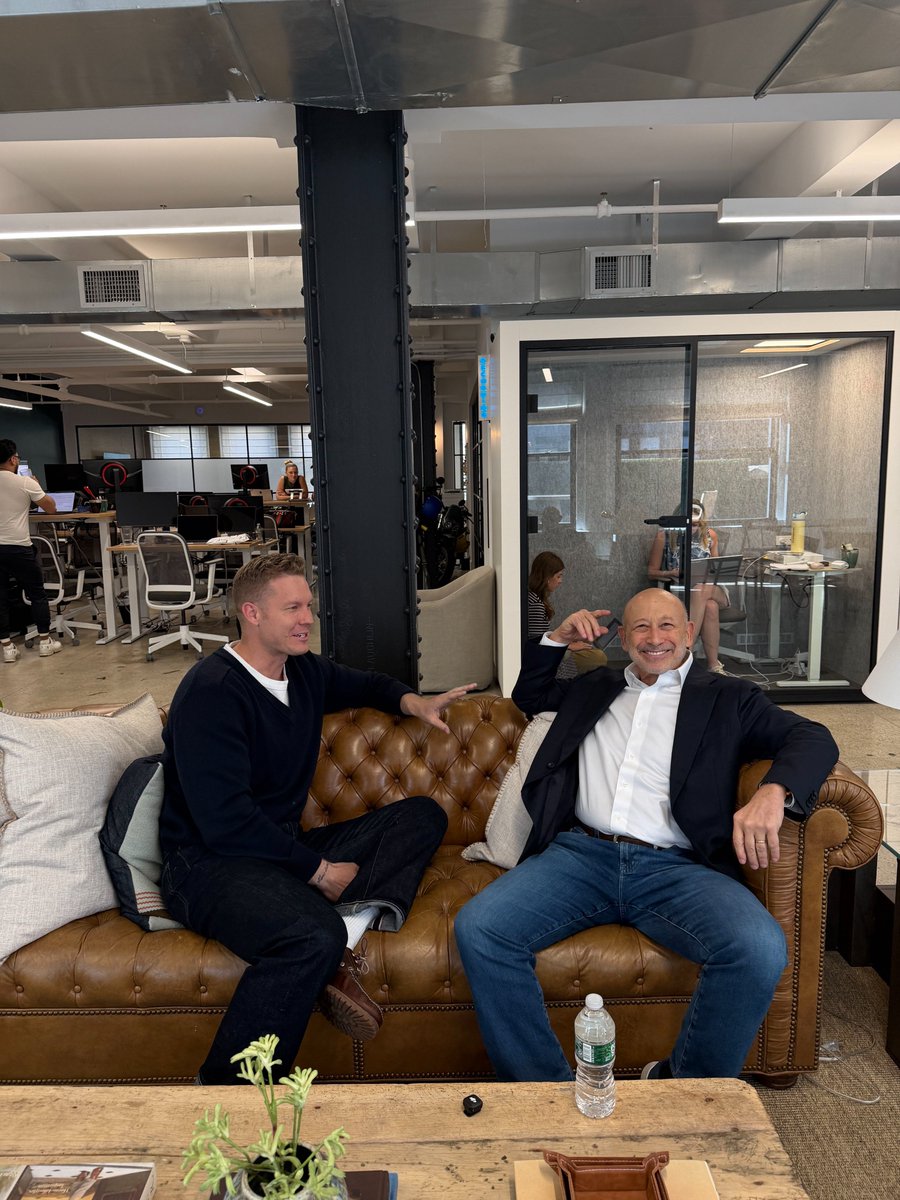
Yesterday Lloyd Blankfein came to my office to record My First Million. Lloyd used to be the CEO of Goldman Sachs.
It'll be out soon - you have to listen to it.
I've met loads of billionaires and powerful people through the podcast.
But Lloyd was the first person I've done a podcast with, I think, who was 1) powerful because he ran powerful organization that he didn't start 2) a big shot on a very global scale that's beyond just business.
A few notes:
1. Being poor early in life impacts you forever: His father worked for the post office. He grew up in the projects. He became "successful" in his 30s (young) but growing up poor impacts you for life.
2. He has a cheap Netflix account: for example he still used the cheap Netflix subscription that has ads.
3. He wore a Suit Supply jacket: And he was wearing a cheap(ish) Suit Supply sports jacket. He's a multi-billionaire (I assume) and has a fancy life, but its funny to see minor ways where he's still cheap due to his upbringing.
4. He's a day trader: Lloyd's been retired for 10 years. His passion and hobby now is day trading. He made a joke that he had to put in a bunch of orders right before we started because he'd normally spend that time trading. He said he can't stop checking his phone because he loves it.
5. Only ~25% of his net worth is in an index: And ~75% is him buying individual equities. He likes big tech. The big players some of the secondary smaller ones. (He gave ball park numbers, so make sure you see my "~" sign).
6. Climbing a power ladder vs. being a business owner: Most people I meet with are entrepreneurs. I prefer the term "small business owner" because even if a business is $10b , most still act like small business owners in some ways. Lloyd wasn't that. Goldman was already one of the best when he started there as an entry level guy. I prefer being an entrepreneur. Suits my personality. But there was for sure something intoxicating hearing about joining a storied, powerful institution and being the CEO and steward of it. Prestige isn't something I typically think about - but I get why its cool.
7. He was intoxicatingly relatable: This guy is a power player. Not just in business, but in the world. US presidents, Putin, Warren Buffet, Elon Musk...the most powerful people on earth - he works with and they influence one another. And yet, when he talked to a peon like me...he was locked in, kind, charming, and very, very relatable. I can see why he became CEO.
8. He's a history nerd: Like me. He said the number one thing to study, if you want to be a great investor, is history. History goes in cycles, so it helps to know what happened in the past. He's passionate about the founding fathers, medieval era, and Robert Caro's books.
9. He didn't have work life balance: And that didn't bother him. He was high energy and seems like he enjoyed the grind. His career...he was go go go.
10. He had thick skin: during the Occupy Wall Street and mortgage crisis era, Lloyd was enemy #1 as he represented big banks (which is sort of odd given you can't even get a mortgage from Goldman). Protestors were outside his apartment building. I asked if it worried him. "No, that's what doormen help with," he joked. Numerous times, he gave me a sense of being quite tough skinned. I think he did a great job of internalizing that in order to achieve greatness, you'll have a lot of critics and that's just part of it.
11. He walked home (2 miles): What are you doing now, I asked at the end of the episode. "I'm gonna walk home," he said, "I've gotten nothing else going on." Ballers...they're just like us!
--
I liked meeting Lloyd Blankfein. Found him to be sharp, charming, and very likeable. Its very clear why he's super successful. I hope to record with him again!
51
48
849
300,022
Barry Ritholtz retweeted

Jun 7
Young People Like Stocks
"Young people are saving and investing for their future. If they don’t interrupt the compounding in these accounts, the wealth will be wonderful many decades from now."
buff.ly/c6WdErr
by @awealthofcs
5
4
30
8,514
Barry Ritholtz retweeted
Jun 5
Nobody Knows Anything, SpaceX IPO edition dlvr.it/TSvHCG
2
4
18
13,549
Barry Ritholtz retweeted
Jun 7
We read A LOT around here, so you don’t have to. Here are our faves this week:
@Downtown: buff.ly/fpf3Wwp
@Ritholtz: buff.ly/tOpO24w
@awealthofcs: buff.ly/8fPQctW
@ateachmoment: buff.ly/NeBYTHx
@abnormalreturns: buff.ly/Y4Gaa7j
1
25
8,256