
Joined April 2016
- Tweets 306
- Following 576
- Followers 235
- Likes 7,533
18 Photos and videos


Pinned Tweet

28 Jan 2022
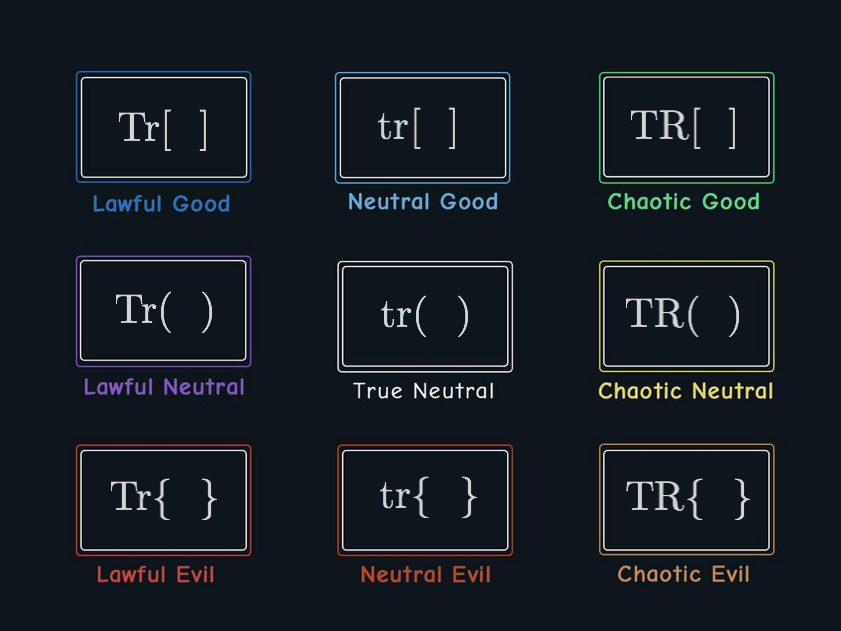
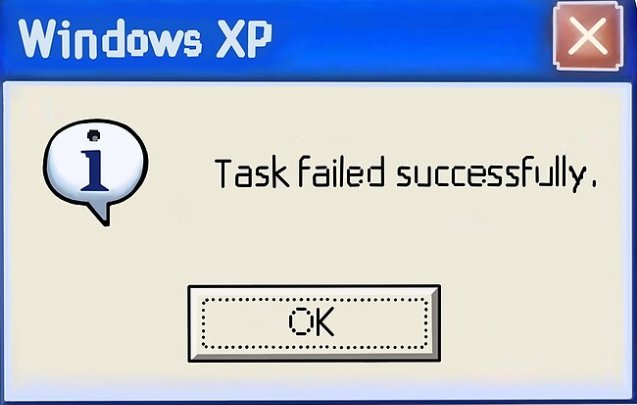
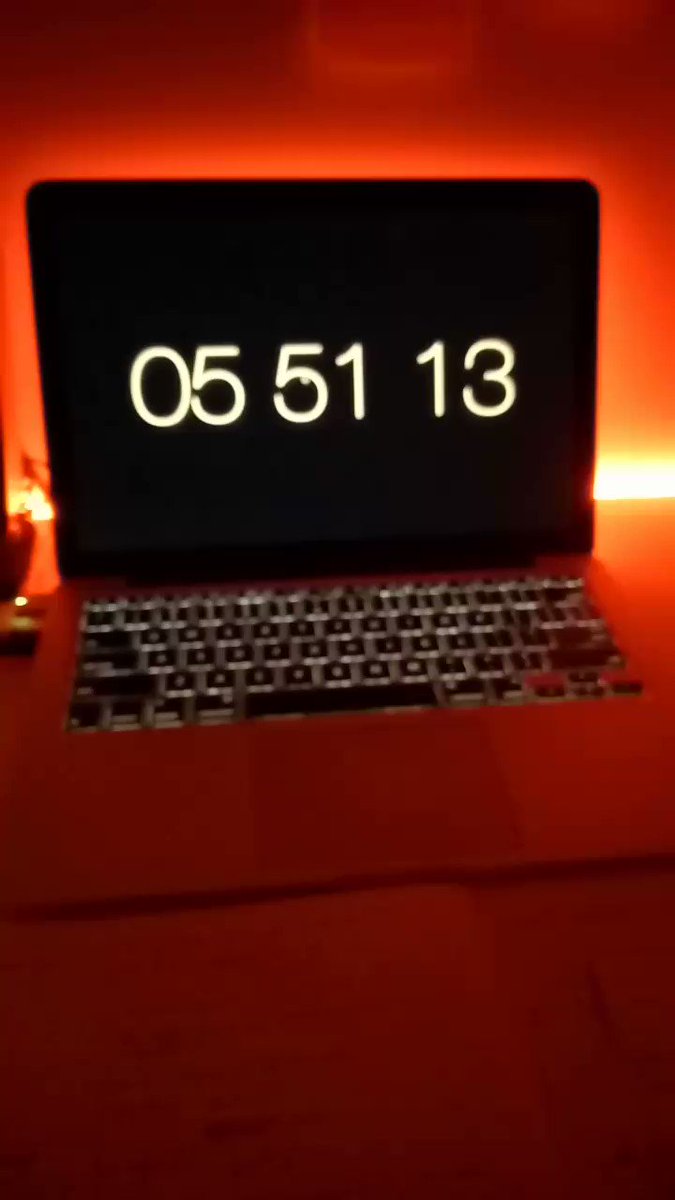
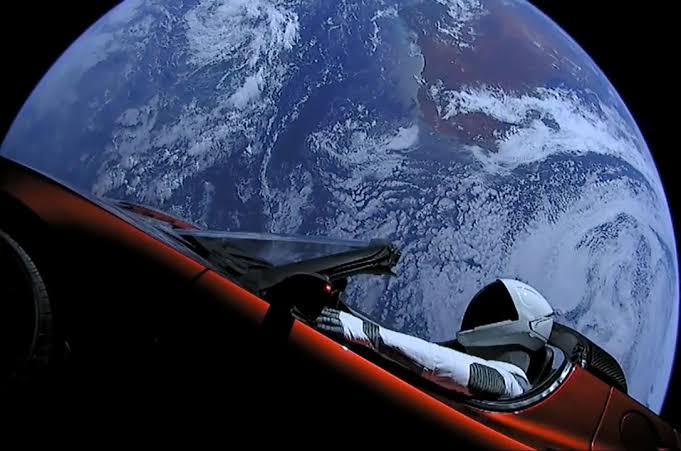
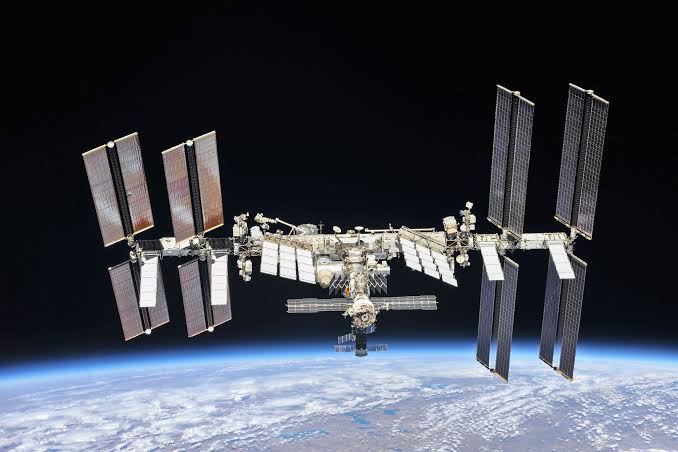
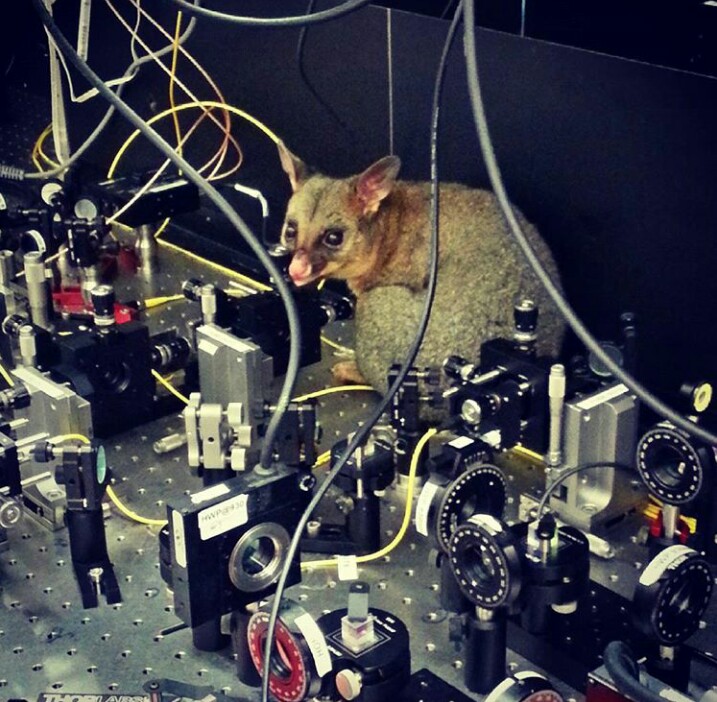
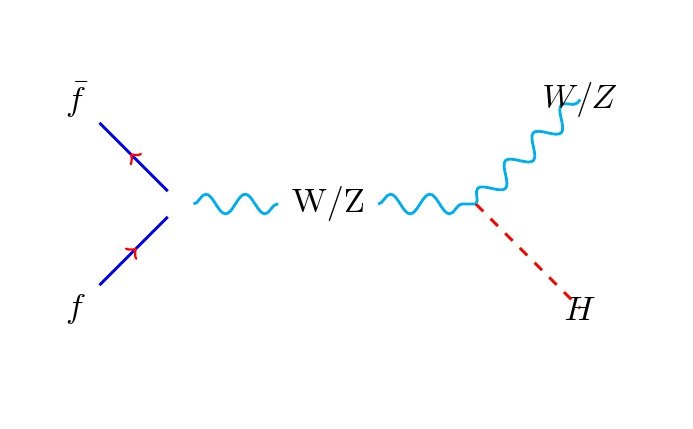
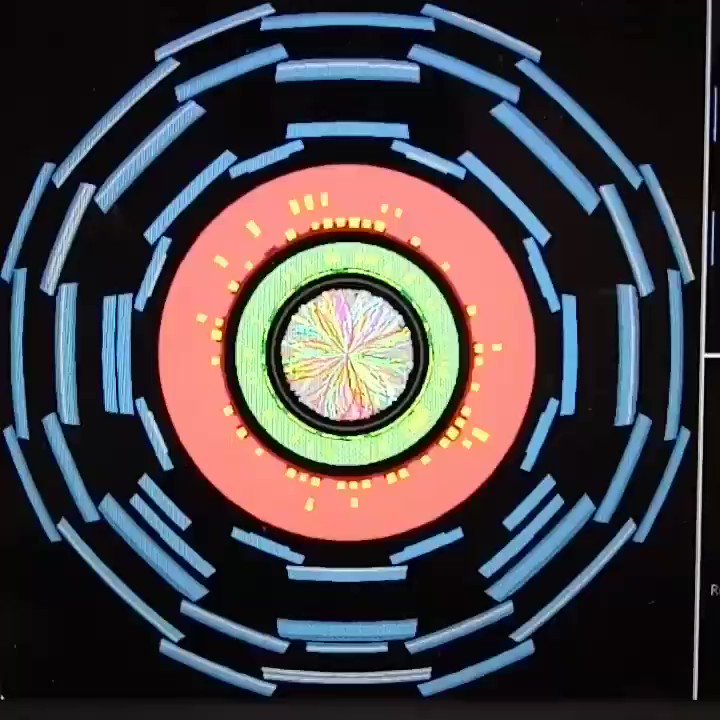
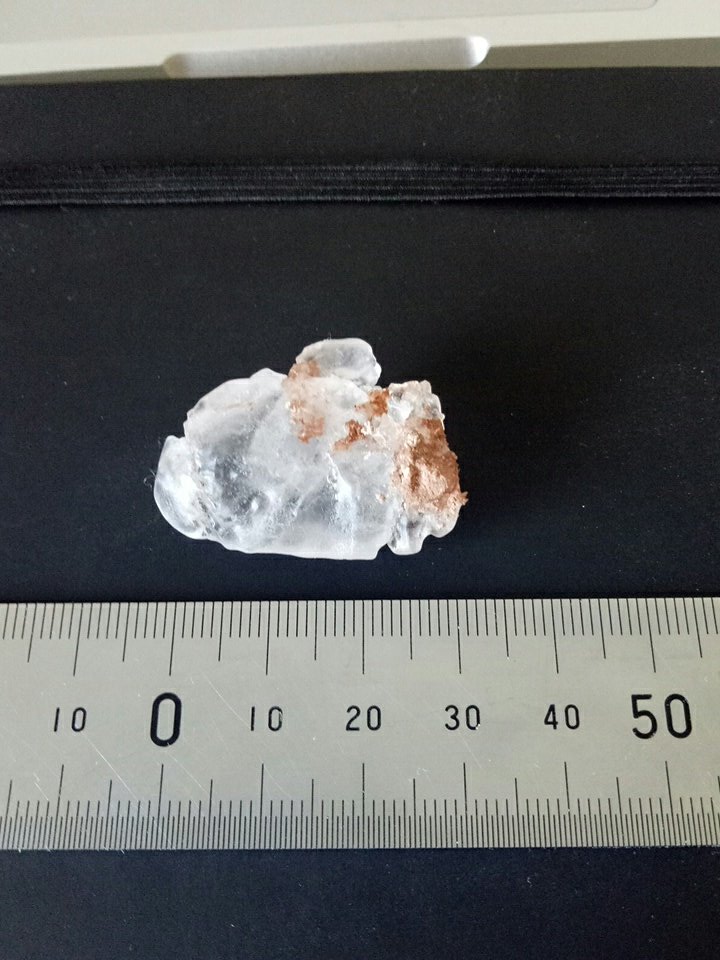
Quantum physicist's alignment chart. Nobody can convince me otherwise #Physics #QuantumComputing
1
4
Roberto Muñoz retweeted

11 Dec 2023
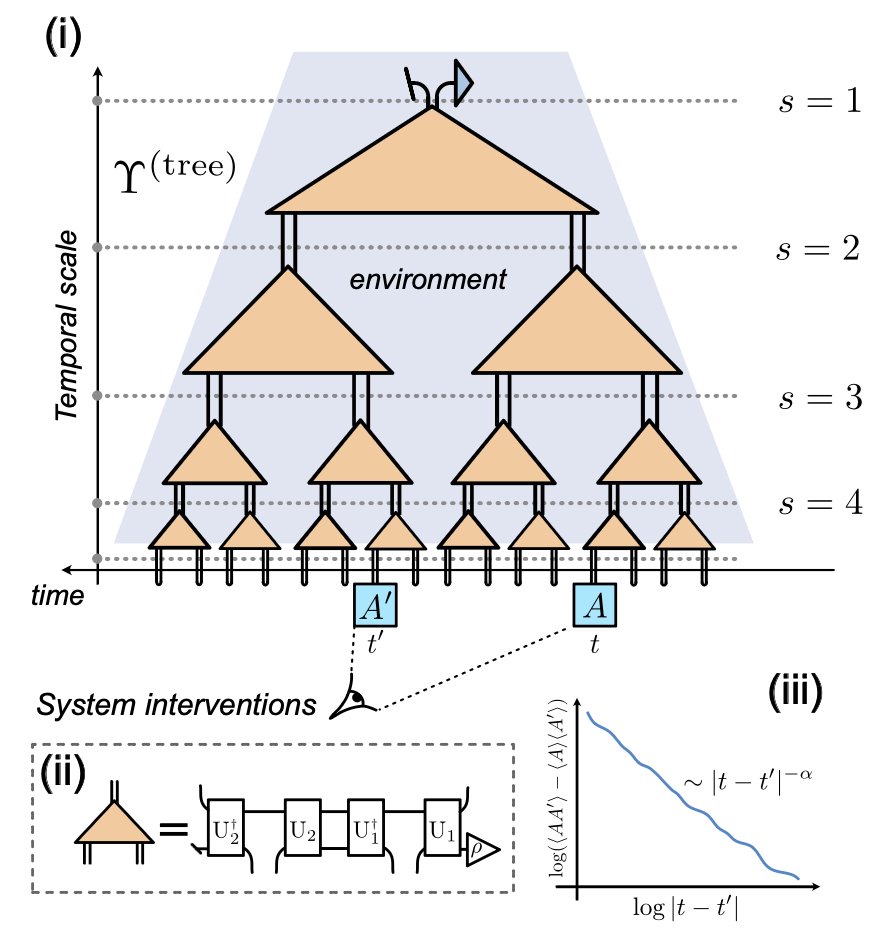
Stoked for this work to be out!
Complex systems often display long-range correlations. There is a notion of fine/coarse-graining in a spatial setting through hierarchical tensor networks to capture the relevant physics--but what about temporally?
scirate.com/arxiv/2312.04624
3
20
118
18,297
Roberto Muñoz retweeted

26 Apr 2023
New preprint!
This is the last chapter for my PhD dissertation to see the light of day: I wrote it to be an accessible introduction to information theory explicitly written for the aspiring complex systems scientist. 1/n
arxiv.org/abs/2304.12482
9
132
635
84,937
Roberto Muñoz retweeted

4 Mar 2023
Reaction-diffusions are nonlinear PDEs which describe the formation of a surprisingly rich family of patterns. Introduced by Alan Turing in 1952. en.wikipedia.org/wiki/Reacti… dna.caltech.edu/courses/cs19…
7
207
1,097
99,439
Roberto Muñoz retweeted

9 Jan 2023
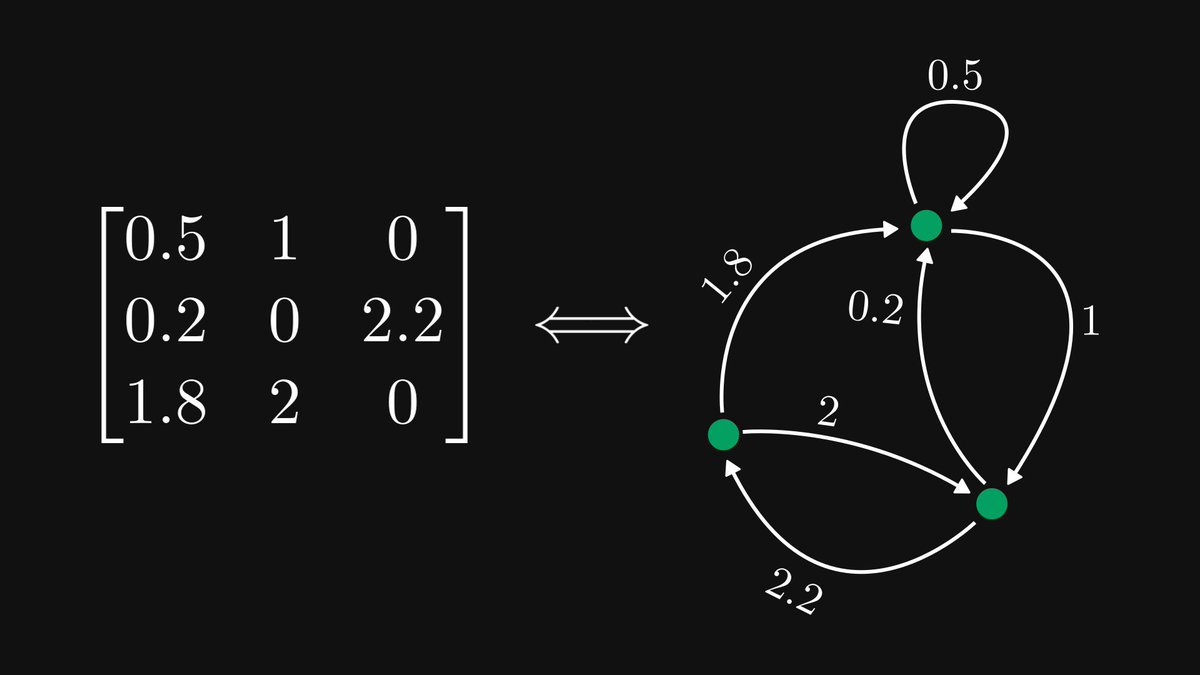
The single most undervalued fact of linear algebra: matrices are graphs, and graphs are matrices.
Encoding matrices as graphs is a cheat code, making complex behavior simple to study.
Let me show you how!
177
2,713
17,878
2,026,382
Roberto Muñoz retweeted
12 Oct 2022
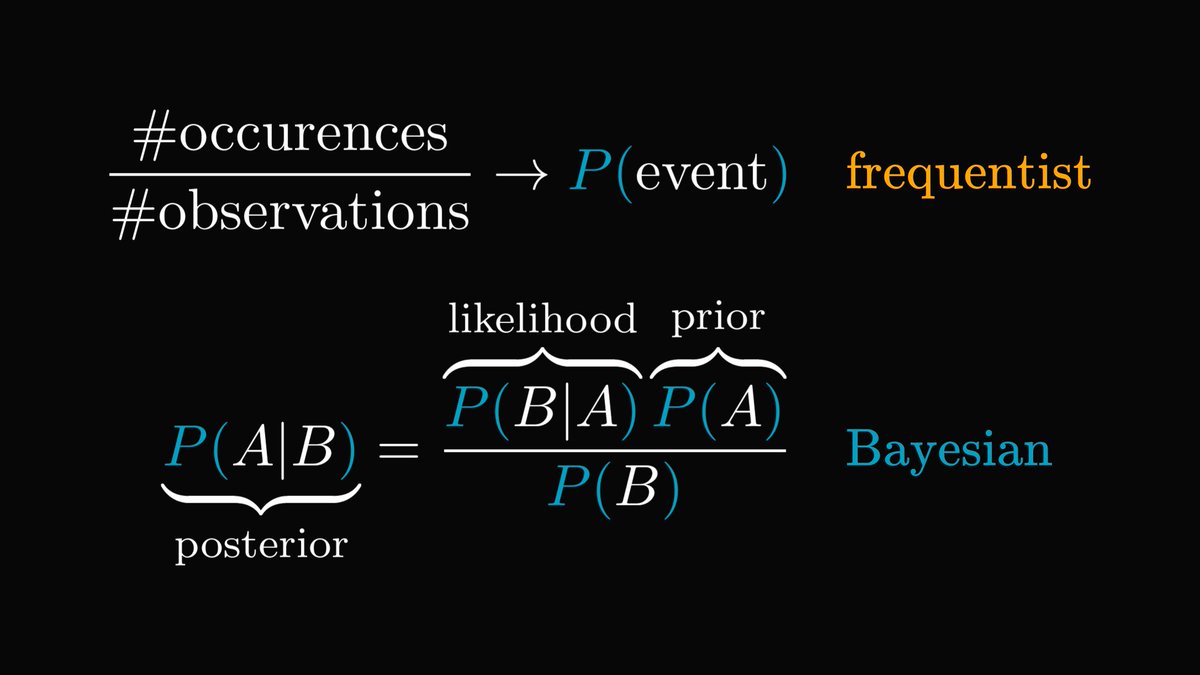
The single biggest argument about statistics: is probability frequentist or Bayesian?
It's both, and I'll explain why.
Buckle up. Deep-dive thread below.
61
921
5,184
Roberto Muñoz retweeted

24 Oct 2022
Quantum error mitigation (EM), a technique to correct quantum errors in (mostly) classical post-processing, is seen as a near-term waypoint towards the lofty goal of an error-corrected quantum computer. We point out limitations to how much EM can help.
scirate.com/arxiv/2210.11505
4
17
131
Roberto Muñoz retweeted
1 Sep 2022
🚨New preprint!🚨
This is a shorter piece that came out of a side-project I've been working on off and on on the link between information theory and emergence. 1/N
arxiv.org/abs/2208.14502
3
7
61
Roberto Muñoz retweeted

12 May 2022
How to move from association to causal representations of brain function🧠? Here we exploit the asymmetry of the passage of time, aka the arrow-of-time, to identify the causal structure underlying brain function. Fantastic work by @ThomasAWBolton1 & team👉biorxiv.org/content/10.1101/…

1
23
68
Roberto Muñoz retweeted
18 Mar 2022
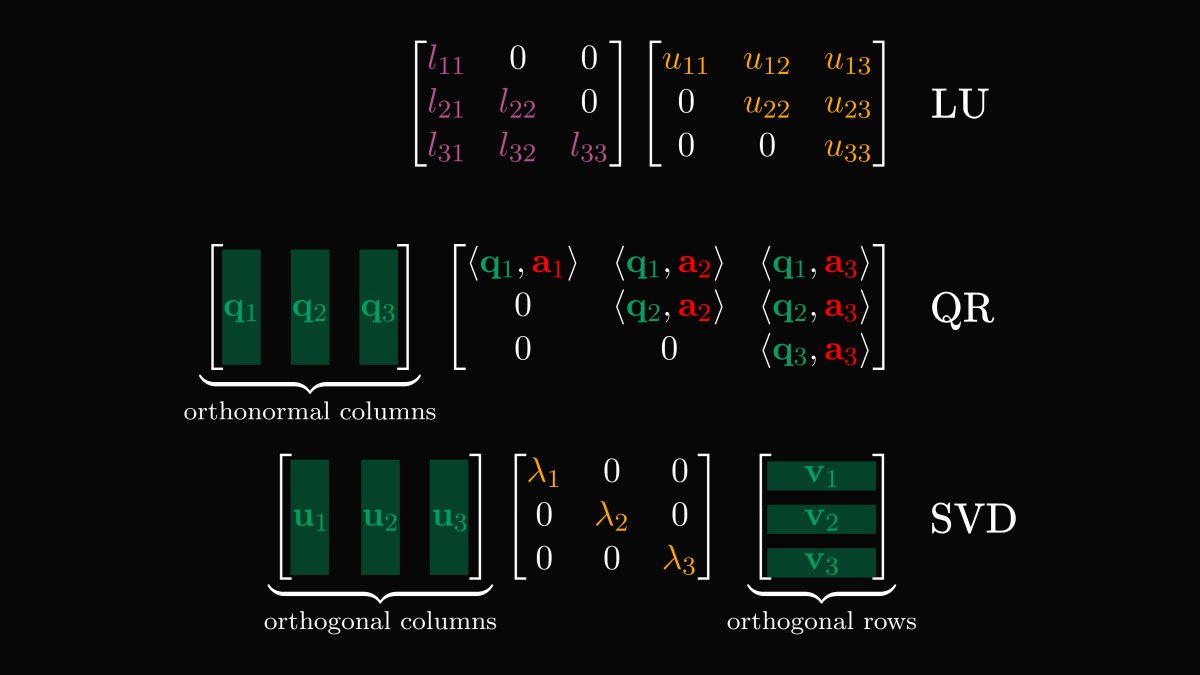
Matrix factorizations are the pinnacle results of linear algebra.
From theory to applications, they are behind many theorems, algorithms, methods. However, it is easy to get lost in the vast jungle of decompositions.
This is how to make sense of them.
23
527
2,749
Roberto Muñoz retweeted
11 Mar 2022
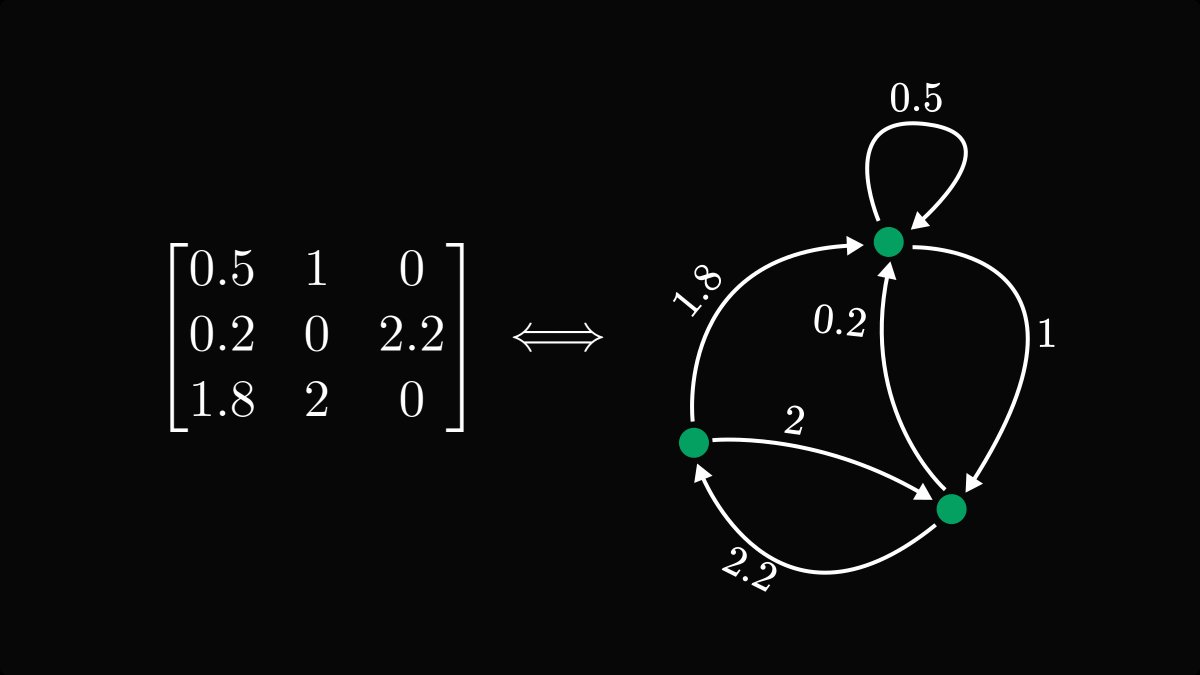
The single most undervalued fact of linear algebra: matrices are graphs, and graphs are matrices.
Encoding matrices as graphs is a cheat code, making complex behavior simple to study.
Let me show you how!
176
3,142
17,475
Roberto Muñoz retweeted

8 Mar 2022
If you did some quantum info research, you have probably heard about semidefinite programs (SDPs). I recently started to use them and wanted to share with you what I learned so far!
Long🧵👇
8
37
219
8 Feb 2022
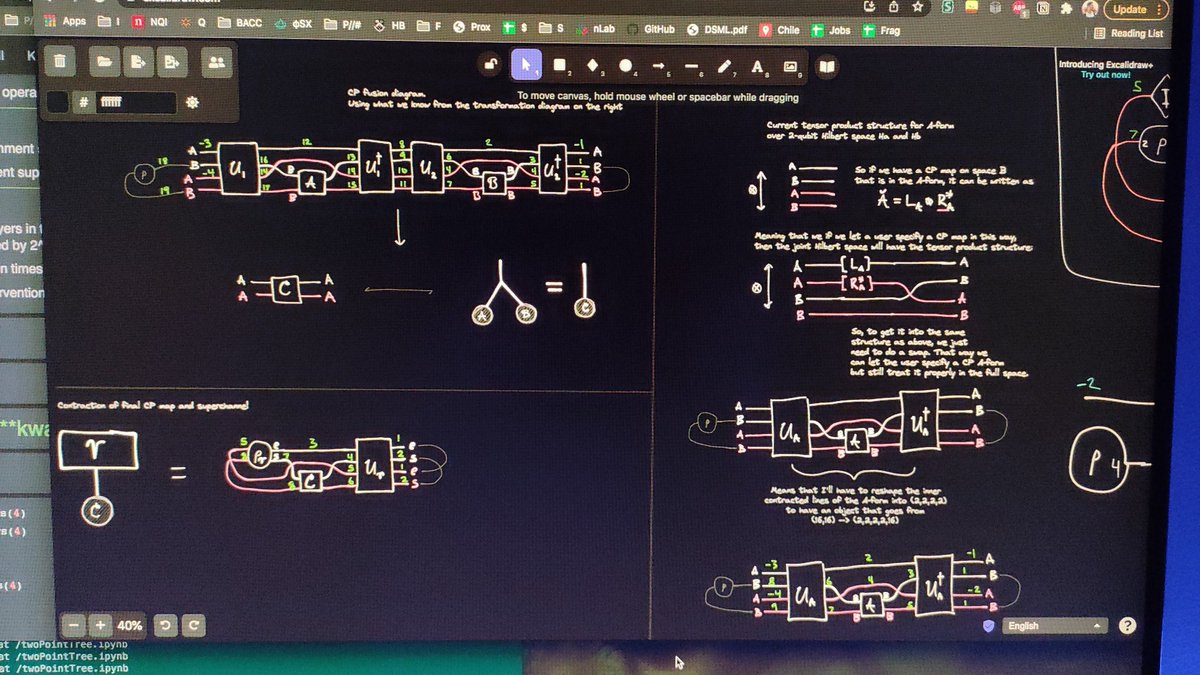
Been absolutely frothing learning about tensor networks and simulating open quantum processes with them! It's so much more intuitive to draw out a diagram than slog through dense linear algebra!
1
5
6 Feb 2022
This is a great thread! It reminds me about using the Haar measure to sample randomly from the unitary group. Can the lesson of this paradox be reframed in terms of "randomness can only be defined with a specific mesure"?
5 Feb 2022

1/
Math is amazing.
Here’s a trick question that will take us deep into probability theory:
Suppose that I give you a circle, and ask you to pick a point A in the circle at random.
What’s the probability that A is closer to the outside of the circle than it is to the center?
1
3 Feb 2022
Whatever you're doing, just stop and appreciate the amount of artistry and talent that went into this talk 🤯 1/n
3 Feb 2022

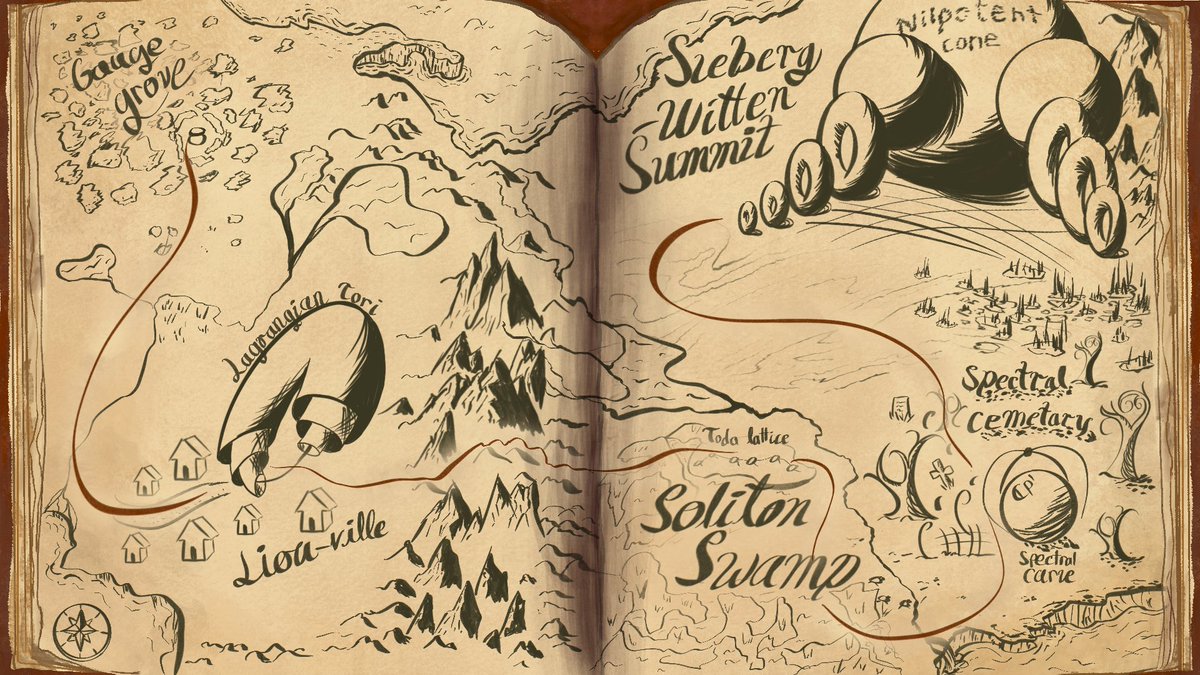
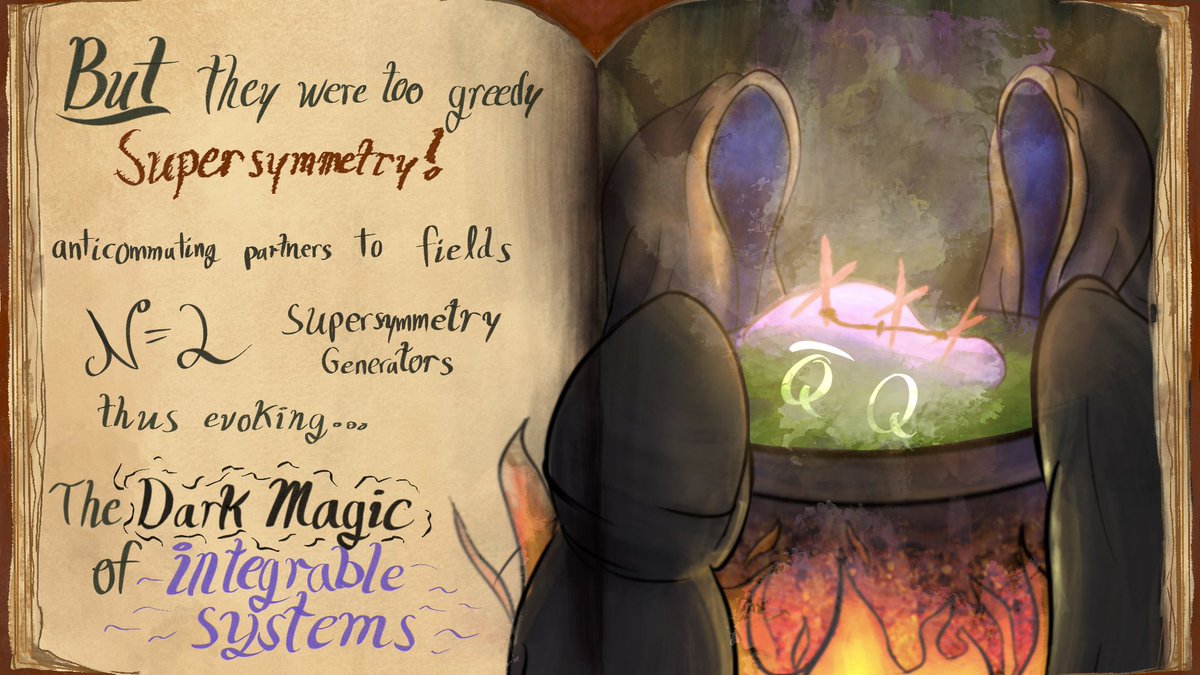
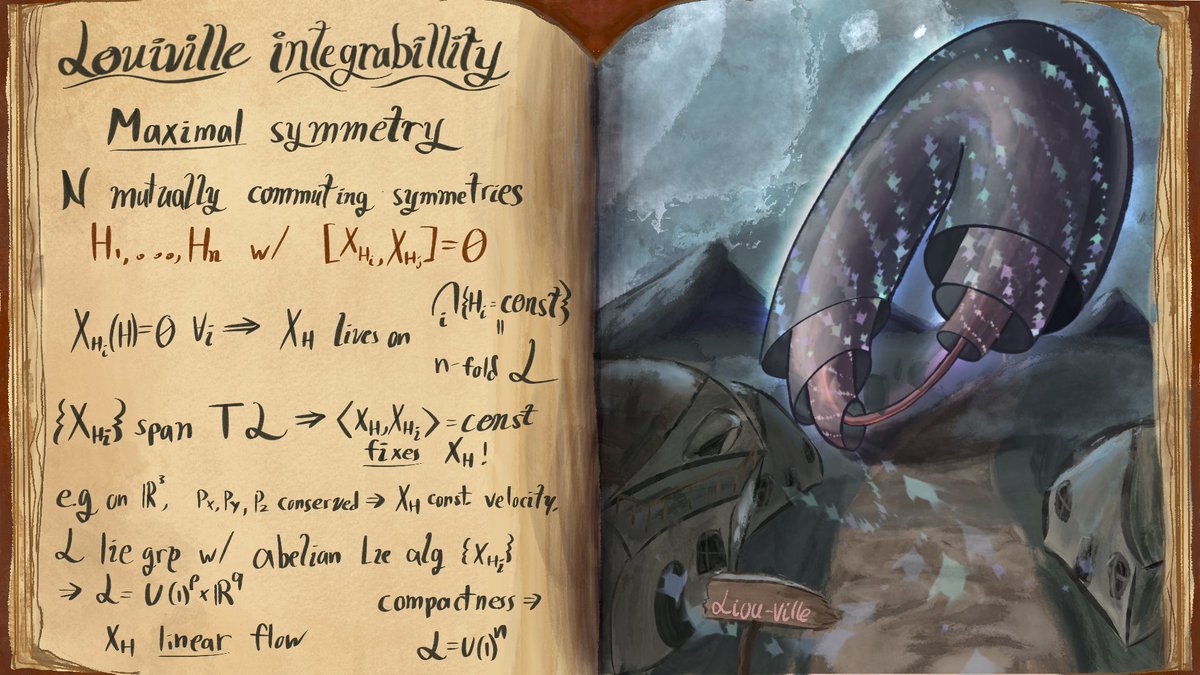
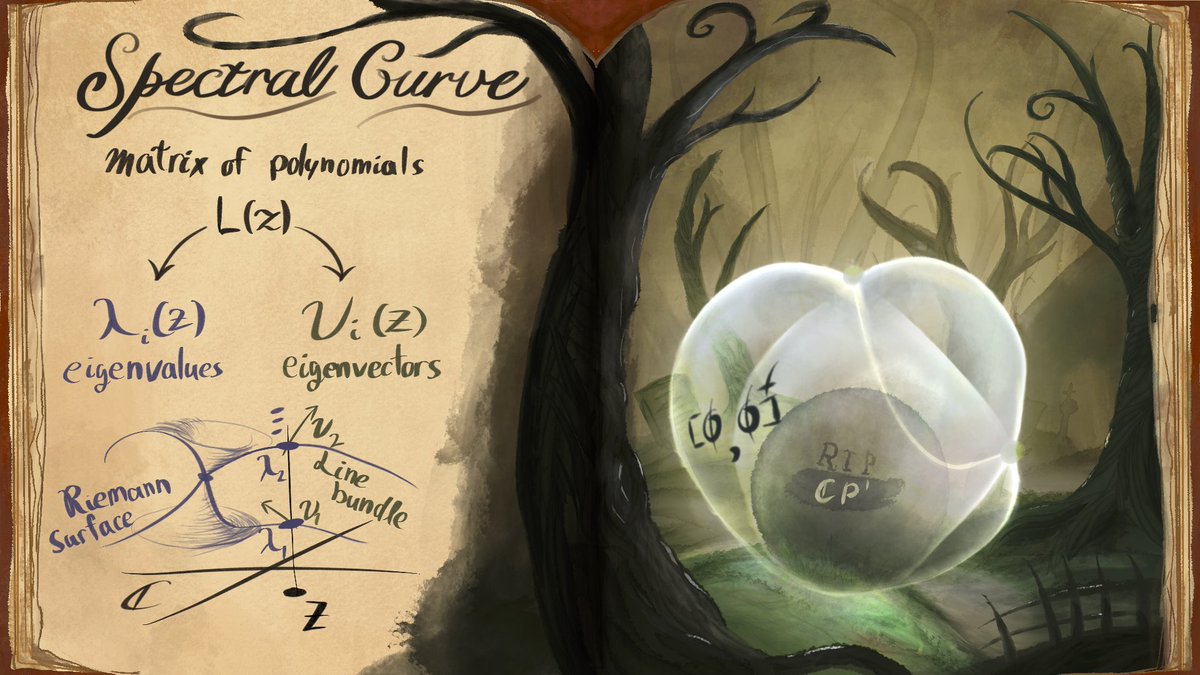
Today I experemented with giving a very narritive heavy talk, like a full on storybook. The formula definitly needs some refinement, and I shouldn't have done it w/ only a week notice, but I think the aesthetic is delightful!
1
2
3 Feb 2022
The point isn't about being able to have awesome artistic skills. It's about coming up with non-traditional and creative ways to present your research within the time constraints one has 5/n
1
3 Feb 2022
We are *all* human, and despite what we might think about our profession and skillsets, we are *ALL* subject to the same stimuli that captures our attention. Beautiful visuals and unexpected turns of events 6/n