God, Family, Country. Confessional Lutheran, LCMS. Psalm 73:26 : My heart and flesh may fail, but God is the strength of my heart and my portion forever.
Joined July 2010
- Tweets 18,524
- Following 962
- Followers 695
- Likes 48,442
1,411 Photos and videos








Jun 9

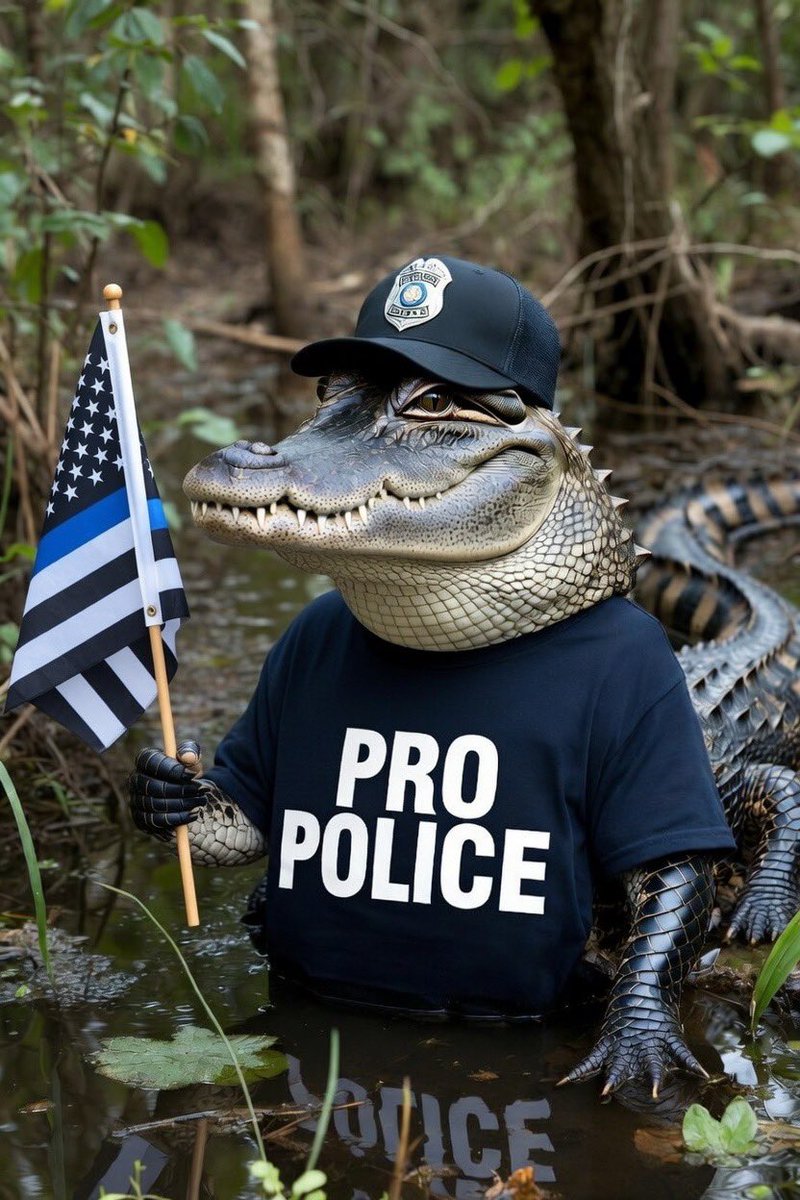
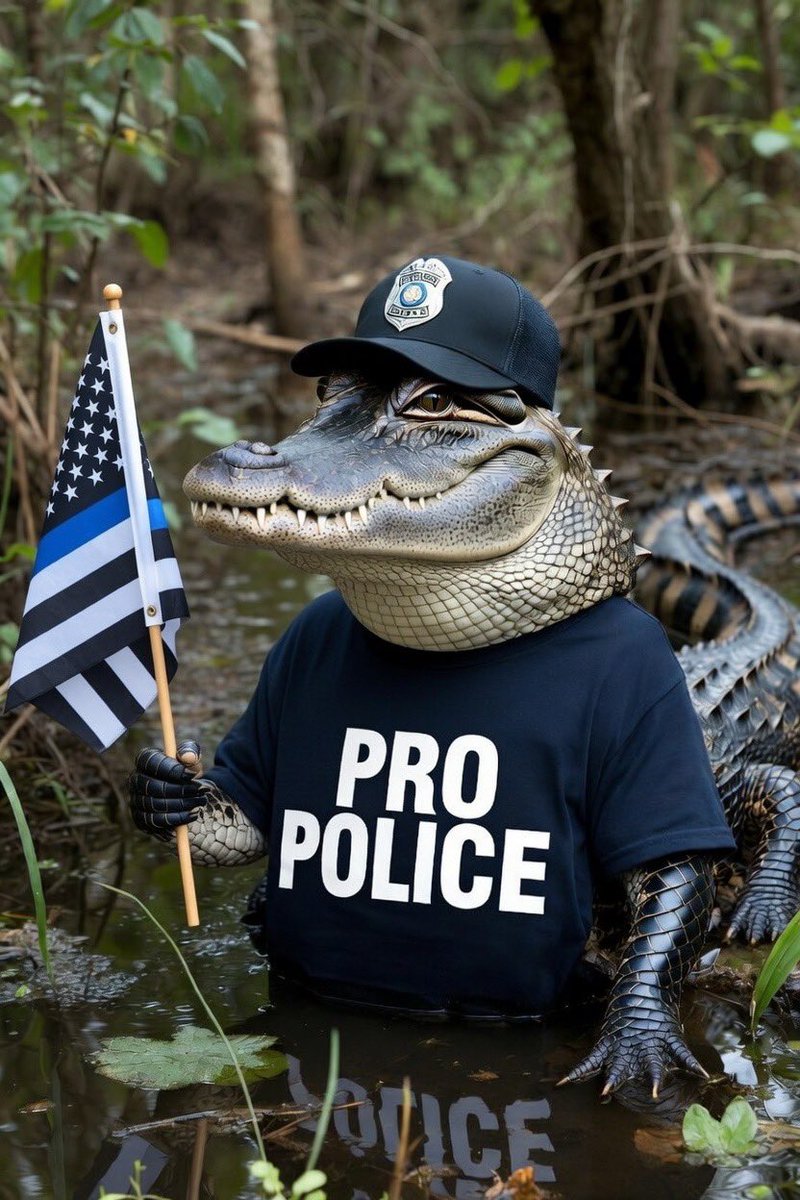
Bodycam video from St. Charles Parish shows the man who was attacked and injured by an alligator while attempting to flee from police during a DWI investigation>>>wdsu.com/article/louisiana-m…
1
24
Jun 5
Many men have no one to blame but themselves for being single and unmarried.


37
Jun 5
I observed my buddies BRAND NEW Glock 45 Gen 6 on like the third round. No we didn’t record it.
THE GLOCK WAS IN ITS BREAK IN PERIOD
1
32
Jun 3
Something something ceasefire
Jun 3

An additional wave of Iranian drones attempting to attack U.S. forces in Kuwait failed to impact intended targets tonight. U.S. Central Command air defenses successfully downed multiple drones and ensured no American personnel or assets were harmed.
1
21
May 30
“I’ve seen your swing I know your swing”
I almost fall out of my chair laughing every time
May 29

Still the greatest political video of all-time. People forget.
“He can’t hit a ball 50 yards.”
“I was a 6 handicap.” “Well…I was an 8.”
“I’ve seen your swing.”
2
53
May 28
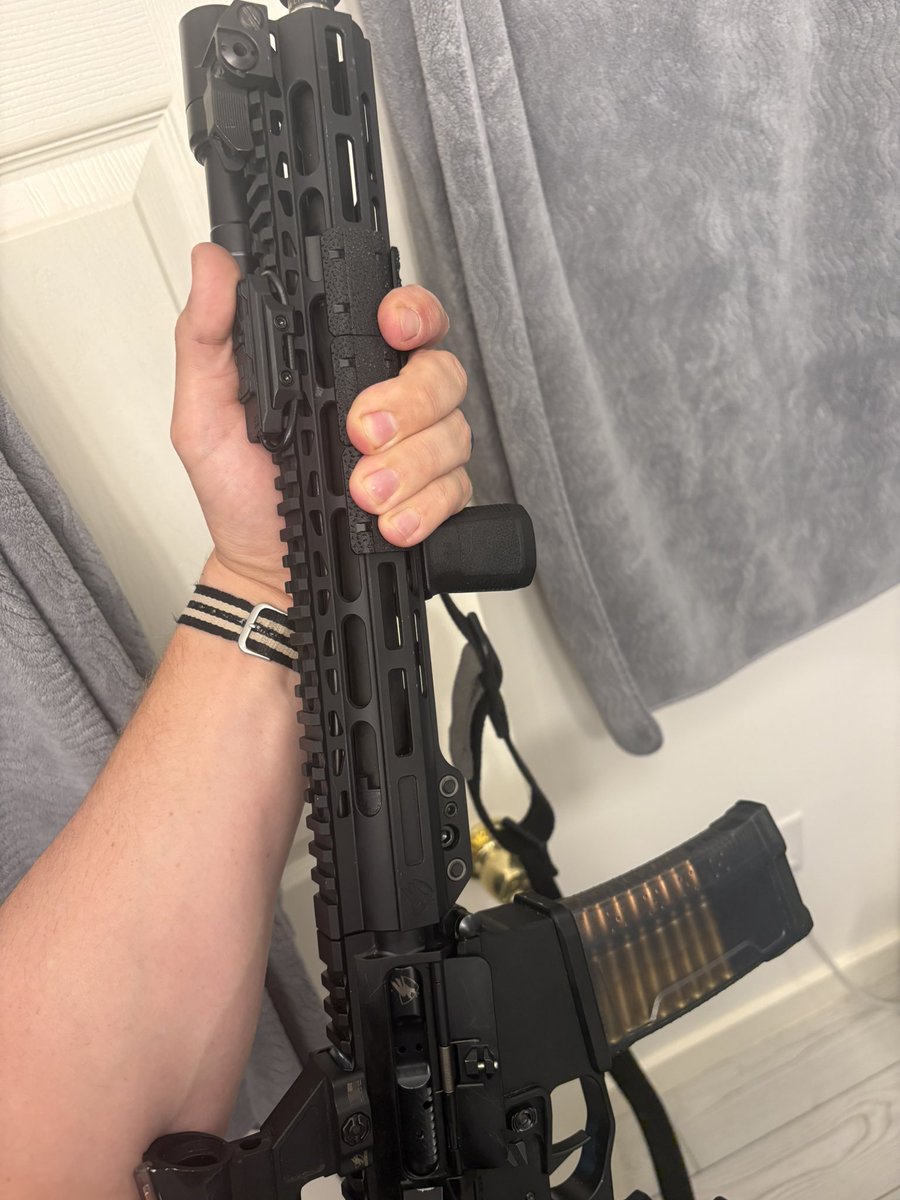
American Defense Manufacturing has open my eyes to the beauty that is Criterion barrels.
I don’t even like shooting my other AR-15 anymore.
@ADMMFG
1
3
64
May 27
Paxton is gonna win by 5
May 27

Fired up. Ready to go.
It’s time to take back Texas.
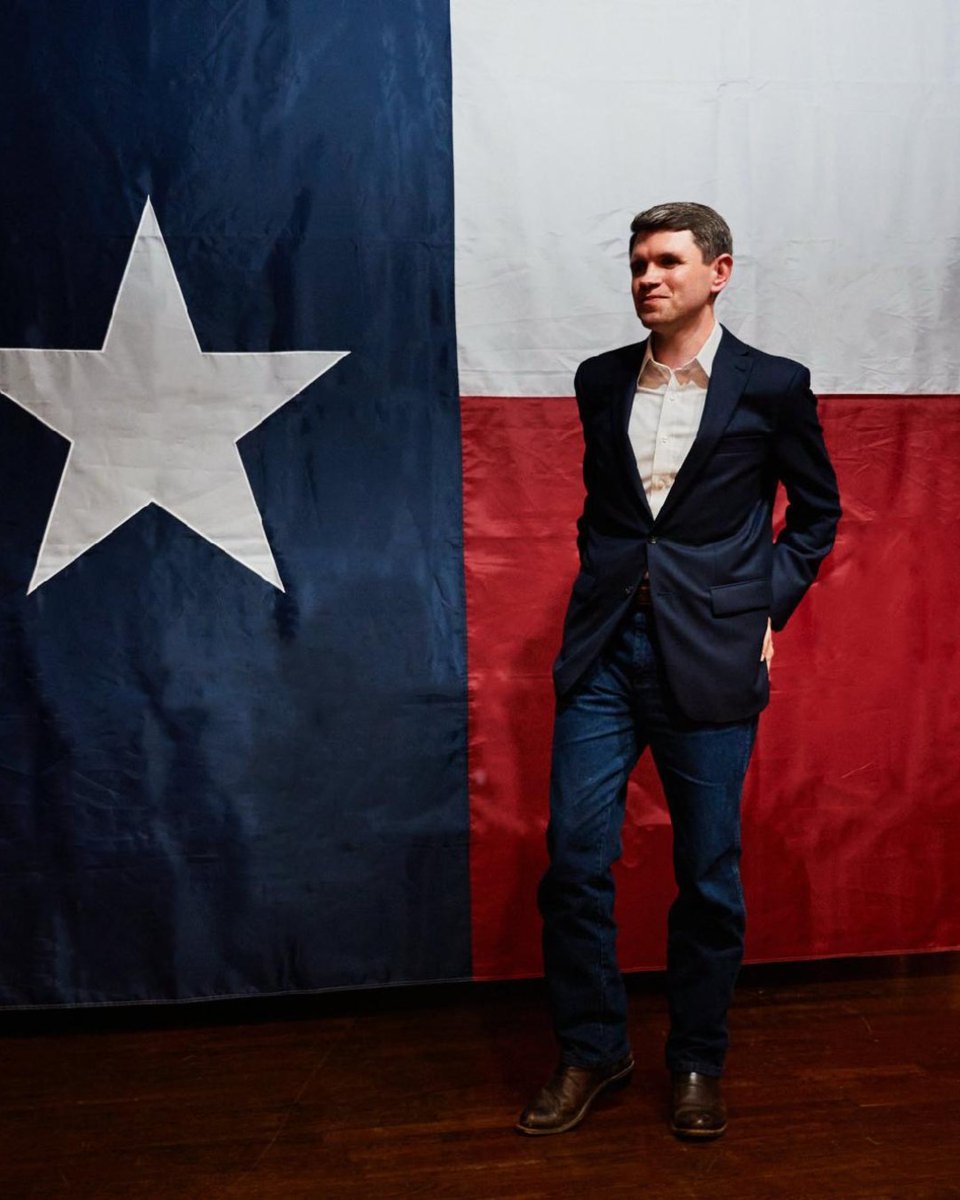
ALT Democratic Texas U.S. Senate candidate James Talarico in a blue suit standing in front of a Texas flag.
1
19
May 25
Just when I thought I couldn’t despise Democrats more….
2
19
May 25
themurphchallenge.com
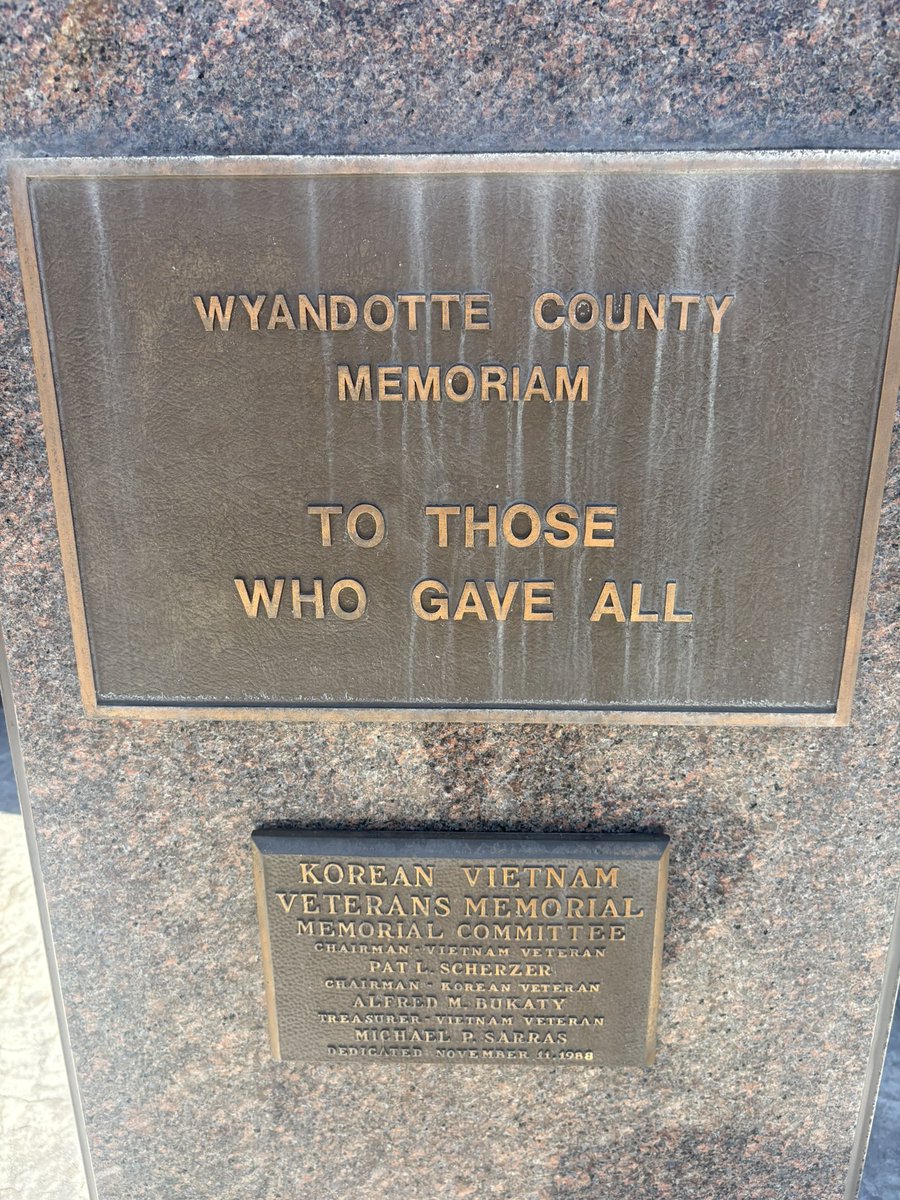
Thank God for such men who have lived and gave the ultimate sacrifice that we may be free.
1
18
May 23

May 22

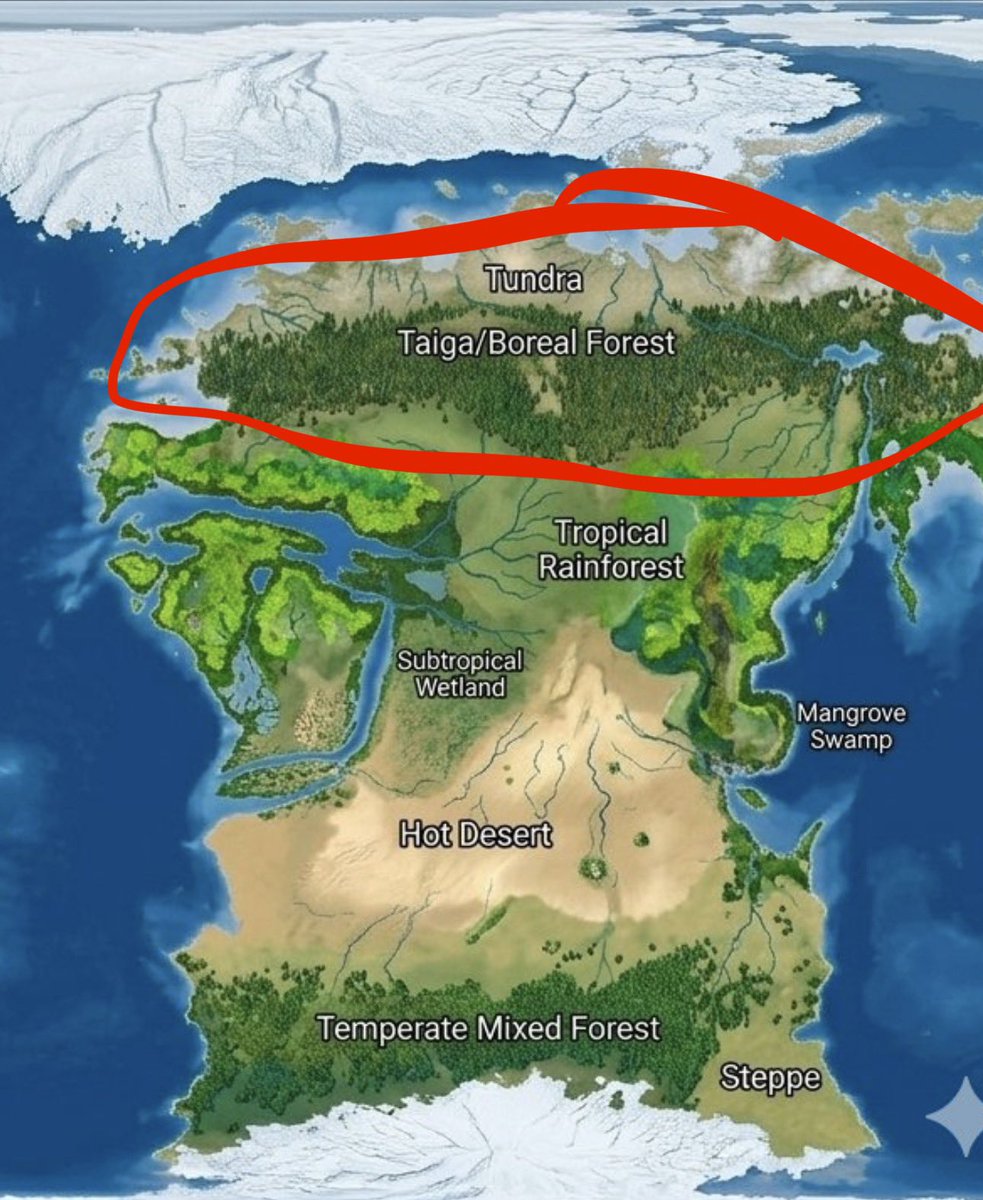
Here's a map of Mars if, like Earth, it were covered by water on 71% of its surface.

1
57
May 22
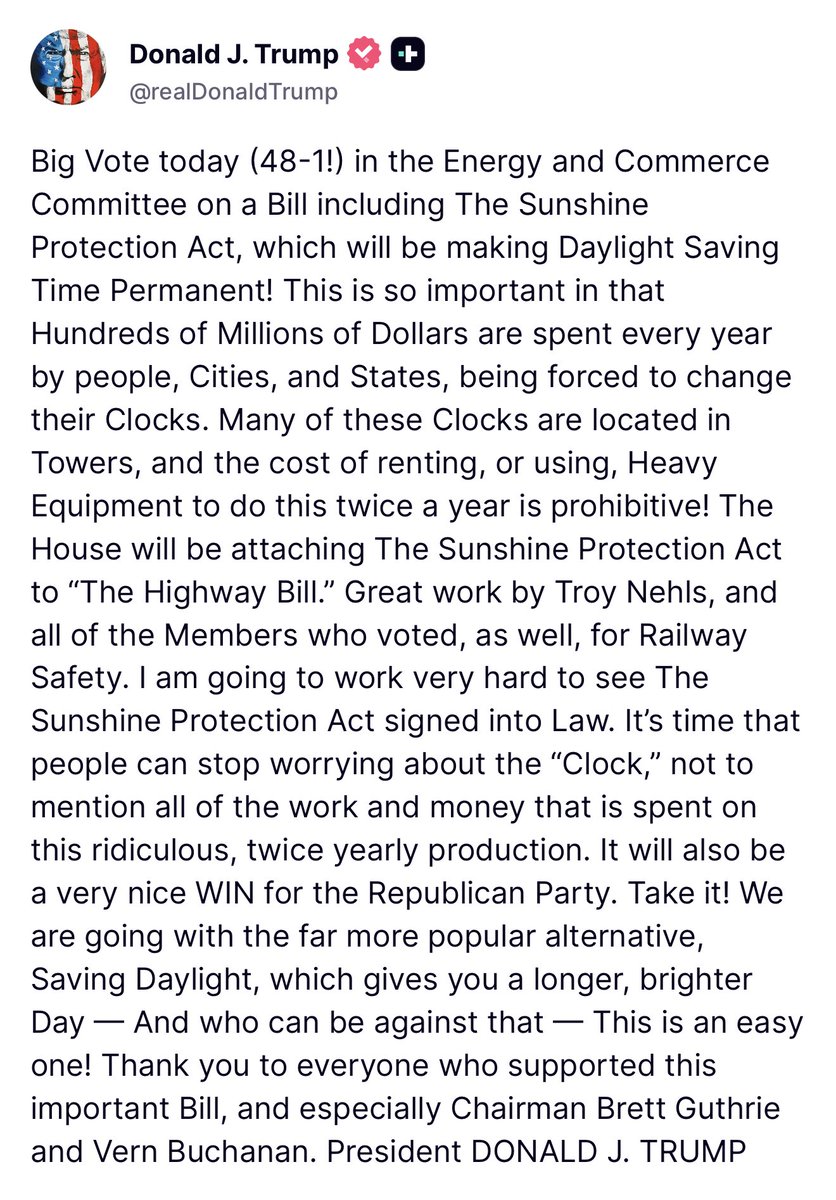
Standard time what we should be doing.
But the Youth Sports Industrial Complex ™ isn’t going to let it happen.

25
May 14
He’s gonna have a long time in prison to think about whether all this was worth it.
May 14

Another example of Chud The Builder threatening to murder people.
This time three black men were simply walking to their car.
46
May 11
Lord willing, this senseless war will be over soon.
Putin will never pay in this life for his crimes, but the Lord will avenge.
May 11

PUTIN “SAW THE LIGHT” after the parade!
According to sources close to the Russian president’s administration, after the parade Putin held a closed-door meeting and, for the first time in a long while, openly admitted that the war must be ended. He reportedly said the following almost word for word:
“We cannot continue. This is leading us to catastrophe.”
The Kremlin has allegedly begun urgent preparations for ending the war.
• The General Staff has reportedly been instructed to start developing a mechanism for withdrawing troops from Ukraine.
• Diplomatic channels (through Turkey, China, and intermediaries) have already been activated to launch a negotiation process.
• Witnesses claim Putin looked pale, nervous, and for the first time in many months appeared genuinely broken.
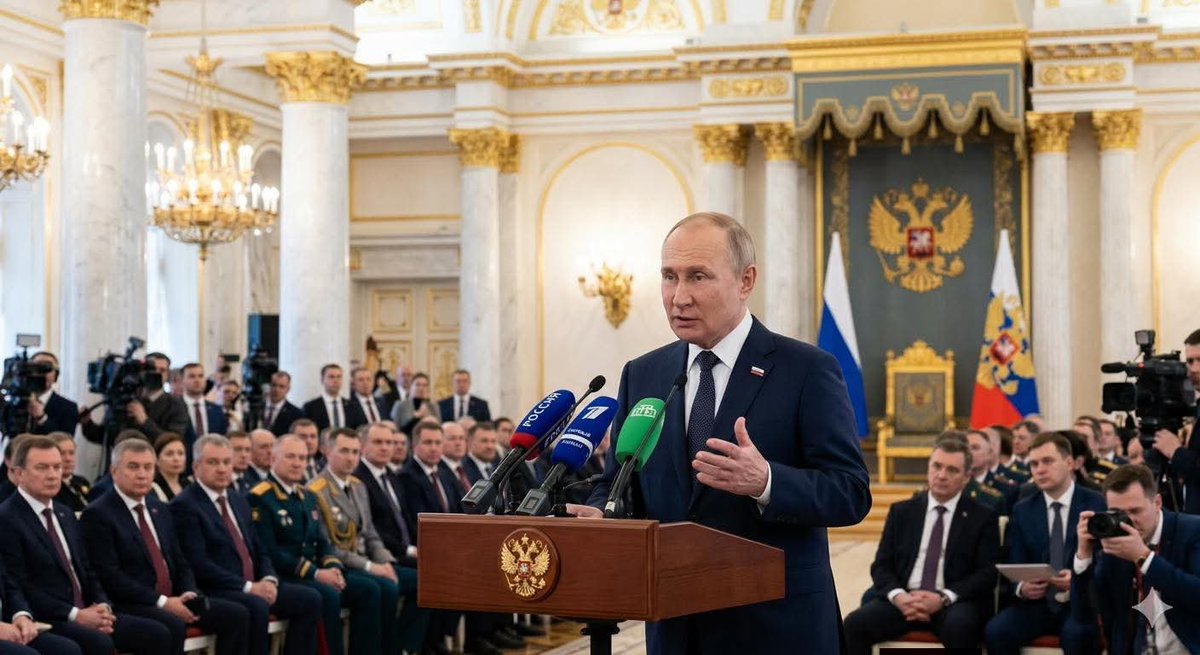
Community note
No credible sources report a closed-door meeting where Putin admitted the war leads to "catastrophe," ordered troop withdrawal, or activated diplomatic channels; he publicly stated after the parade that the conflict is "coming to an end" without such details. bbc.com/news/articles/… nypost.com/2026/05/09/wor… cbsnews.com/news/putin-rus…
32
Robert Jansen retweeted

May 10
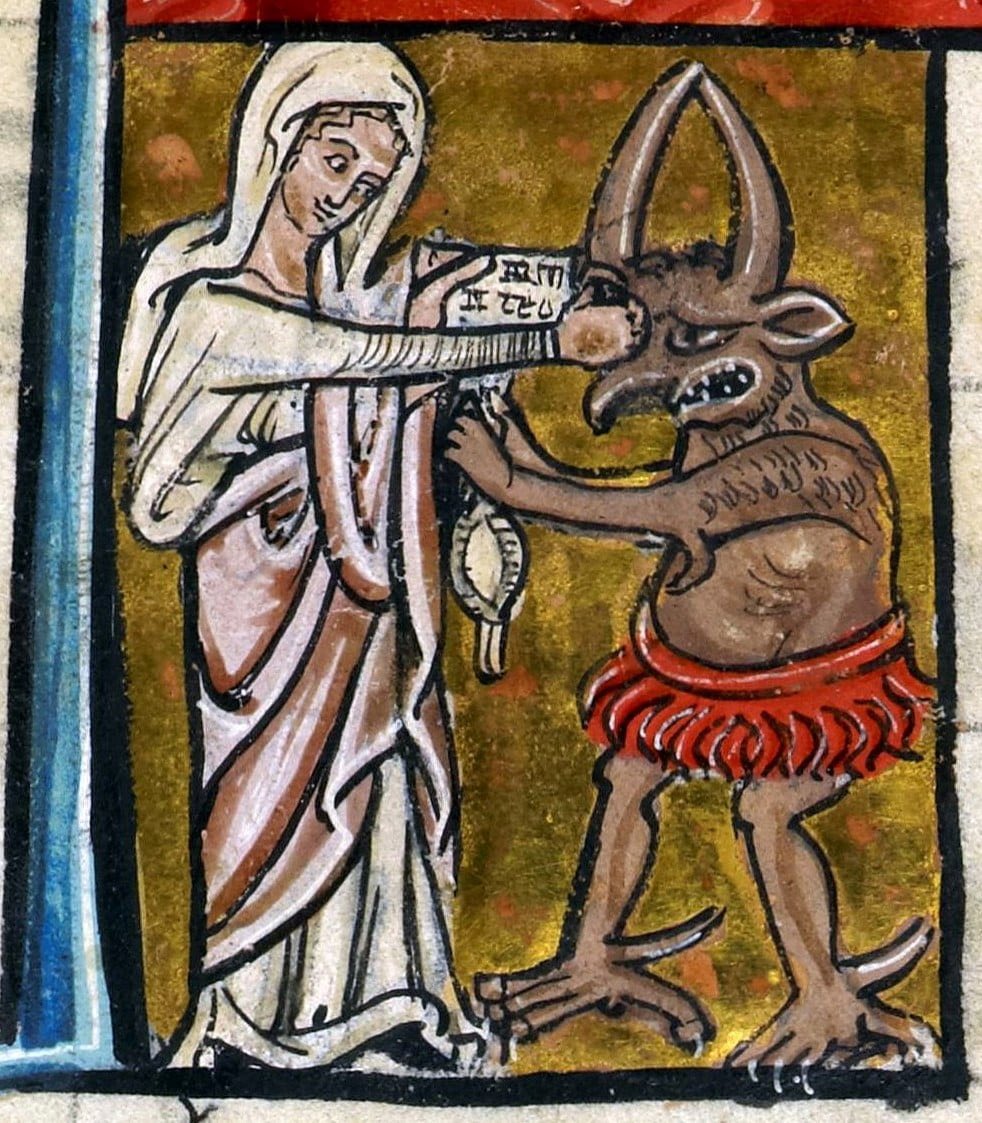
Happy Mother's Day! Here's a 13th c. image of the mother of our Lord clocking the devil 💕
68
862
5,532
94,259
May 8
Well how about that.
May 8

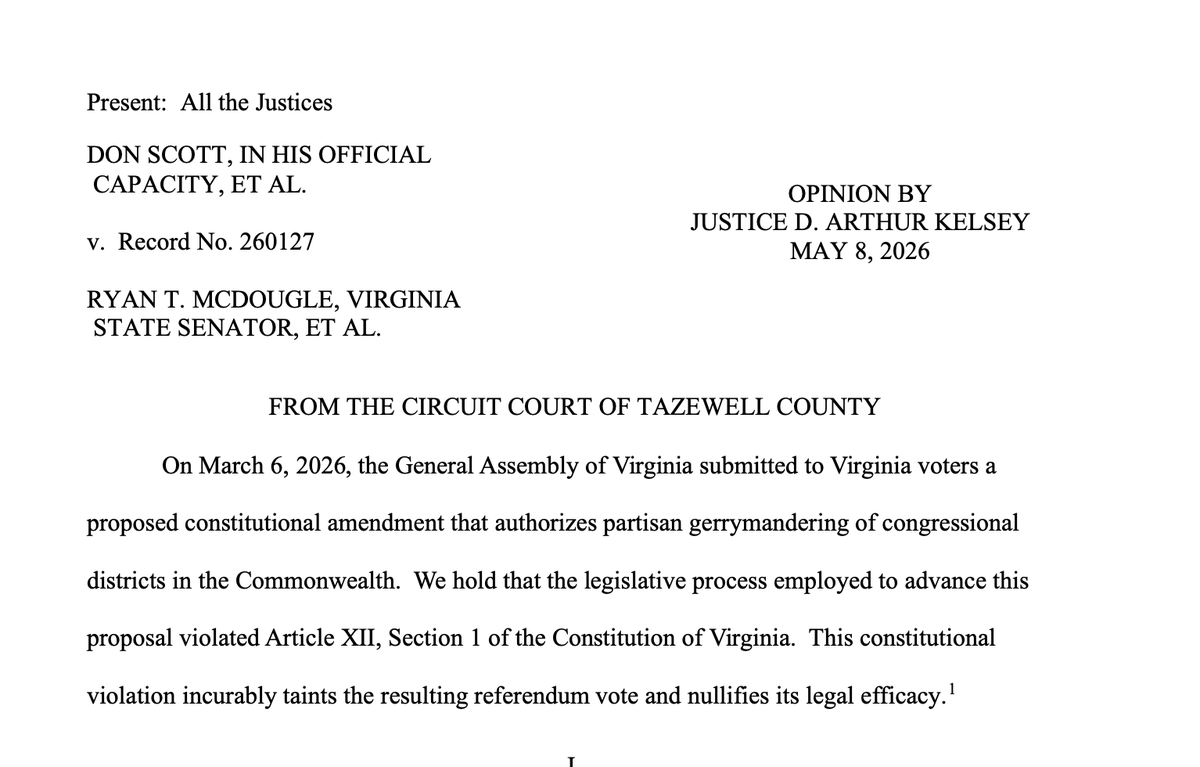
🚨 BREAKING: The Virginia Supreme Court has overturned the Democrat gerrymandering referendum, ruling that the process to put in on the ballot was unconstitutional.
Virginia will keep their 5 Republican districts.
1
20
May 4
Lots of people need to go to jail.
May 4

Your money is being stolen out of your pocket and put into the hands of people defrauding the government. The Daily Wire is serving up the receipts—now President Trump and Vice President Vance can wipe out this widespread fraud for good.
2
18
Robert Jansen retweeted

Apr 30
Ulysses S. Grant and James Longstreet had one of the more remarkable friendships in American history, made all the more striking because they ended up on opposite sides of the Civil War.
They met as cadets at West Point in the early 1840s and became close friends despite their different backgrounds. Longstreet, a Georgian, was outgoing and physically imposing, while Grant was quieter and smaller, but they bonded over a shared dislike of military pretension and a love of horses. After graduation they served together in the Mexican-American War, where they fought alongside each other and deepened the friendship.
The personal connection became family. Longstreet was related to Grant’s future wife, Julia Dent, through his cousin. Longstreet attended Grant and Julia’s wedding in 1848 and, by some accounts, served as a groomsman or best man. The two men remained close until the Civil War divided them, with Longstreet becoming one of Robert E. Lee’s most trusted corps commanders and Grant rising to command all Union armies.
One of the most telling moments came in 1864, when Grant was given command of all Union armies and Confederate officers around Lee’s headquarters were dismissing him as a drunkard and a butcher who had only succeeded against second-rate Western generals. Longstreet, who knew Grant better than any man in gray, reportedly silenced the room by warning his fellow officers something to the effect of, “that man will fight us every day and every hour till the end of the war.” He told them not to underestimate Grant’s tenacity, that he was a soldier of singular determination, and that the Confederacy now faced an opponent unlike any it had met before. History proved him exactly right, the Overland Campaign that followed was the bloodiest and most relentless pressure Lee’s army ever endured.
What’s most touching is what happened after the war. When the two met again at Appomattox in 1865, Grant reportedly greeted Longstreet warmly, offered him a cigar, and invited him to play a game of cards “as if nothing had ever happened.” Grant later used his political influence to help Longstreet receive a pardon and restoration of citizenship. Longstreet then committed what many former Confederates considered an unforgivable betrayal: he became a Republican, supported Grant’s presidential campaigns, and accepted federal appointments from him, including minister to the Ottoman Empire. This earned Longstreet decades of vilification from Lost Cause writers, but he never wavered in his loyalty to his old friend.
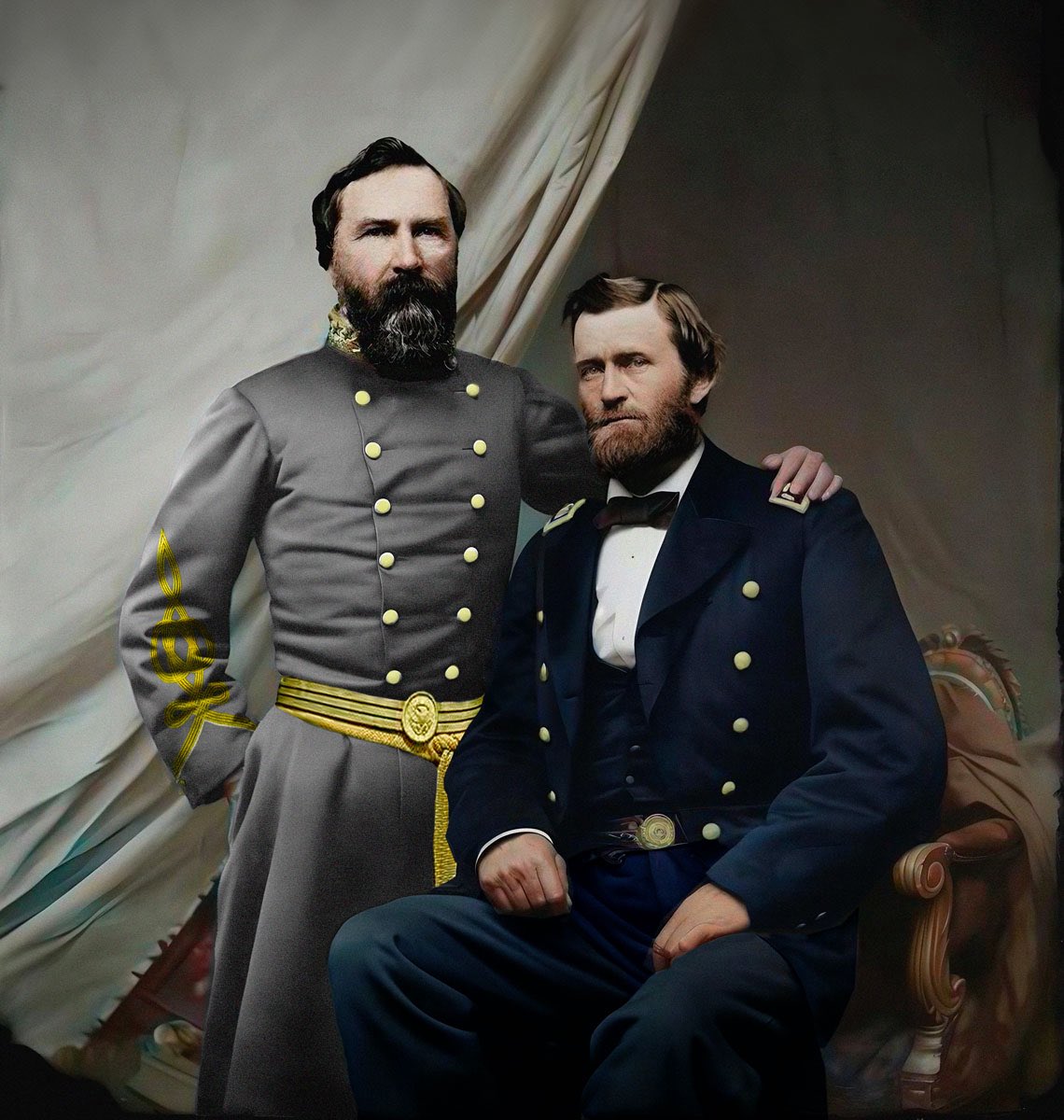

James and Grant were good friends man, it was James who said don’t underestimate Grant. They didn’t listen.
69
510
3,337
166,871