
Joined December 2014
- Tweets 34,819
- Following 17,411
- Followers 19,023
- Likes 38,823
3,422 Photos and videos

Pinned Tweet

May 3
If you agree with this post, I'll be happy to follow back.
Too many #MAGA are following me for an easier follow back...
4
6
10
255
Robyn asks WHY? retweeted

Jun 8
Jun 4

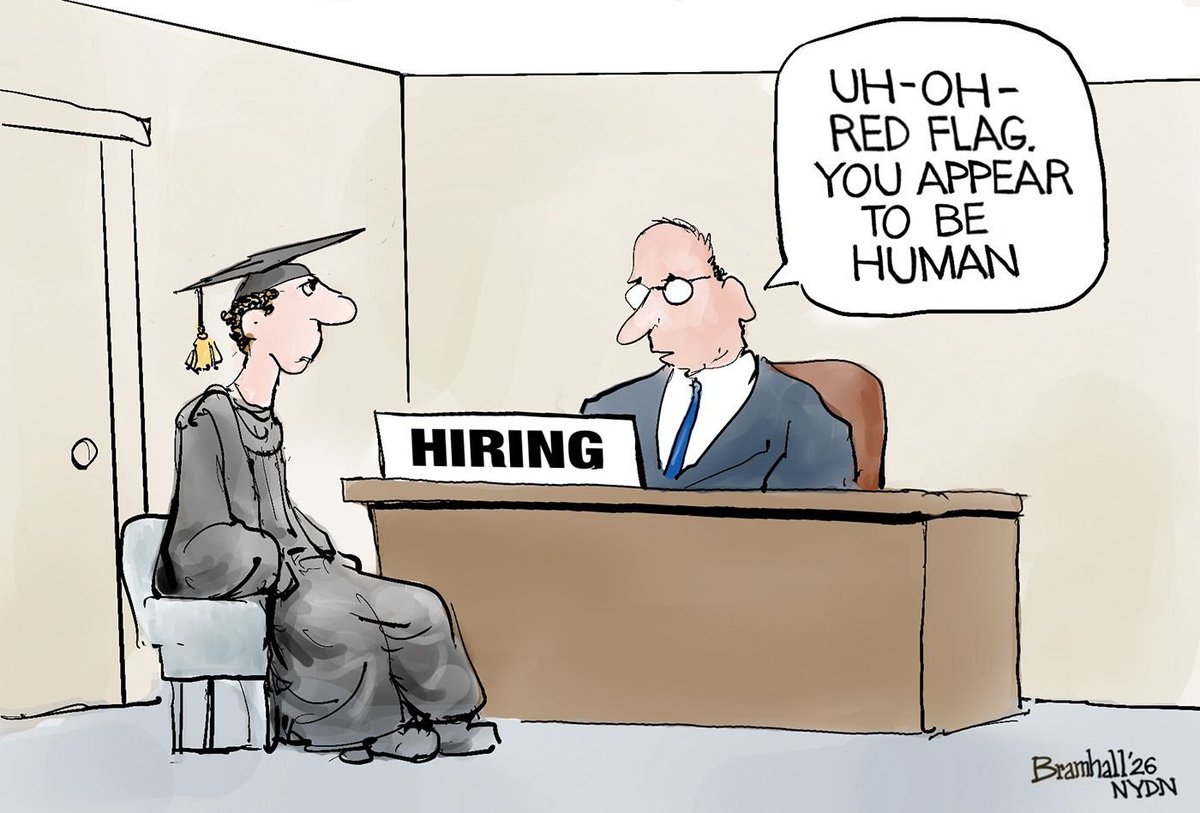
AI Friend or Foe: Jobs, Part 5
#AI – Artificial Intelligence is all over the news. Many North Americans are worried about AI. In particular, they are worried about mass unemployment because of AI. But that is not all
#FinancialLiteracy #Montreal #BE @Lino_Matteo #Jobs
1
3
8
157
Robyn asks WHY? retweeted
Jun 8
Are Americans angry at Canadians because we aren't American?
Is that border envy?

15
5
26
708
Robyn asks WHY? retweeted
Jun 8
Valuing Your Work
Chapter 24: A Stoic Advisor
Surely you want to provide value for your customers. However, people often confuse value with price.
"We are what we repeatedly do. Excellence, then, is not an act, but a habit".
linomatteo.wordpress.com/202…
@Lino_Matteo #BE
7
8
203
Robyn asks WHY? retweeted
Jun 8
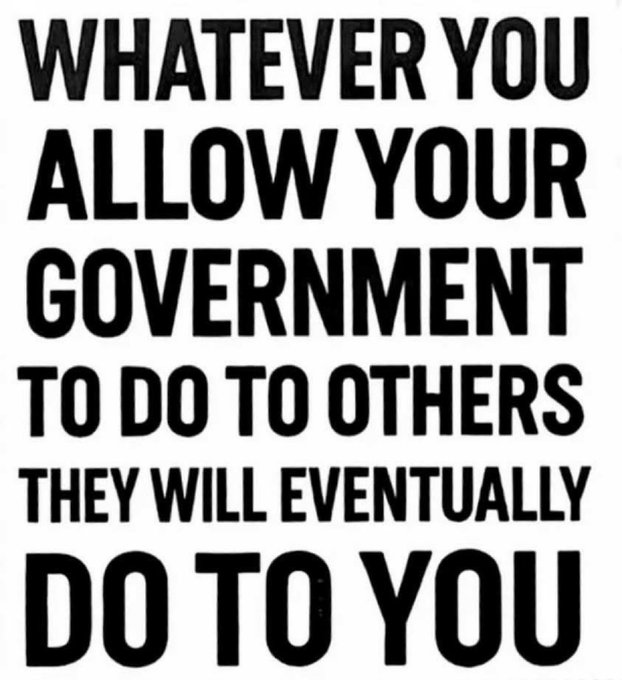
True or false?
Whatever you allow your government to do to others, they will eventually do to you!
If you don't agree, just wait and see...
11
18
149
Robyn asks WHY? retweeted

Jun 8
I want to be calm and clear:
This will impact every American who is not a multimillionaire.
One accident.
One bad day.
One diagnosis.
That’s all that separates most people from needing the social safety net they spent their entire lives paying into.
Jun 8

Mike Johnson admits Republicans will cut Medicaid, Medicare, and Social Security next year
441
6,897
14,465
338,595
Robyn asks WHY? retweeted

Don’t.
Lose.
Focus.
893
4,288
7,938
72,648
Robyn asks WHY? retweeted
Jun 9
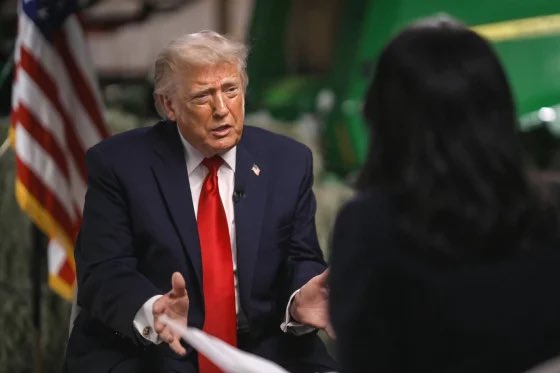
In 2016, Trump was asked why he had repeatedly attacked the press.
His answer:
“I do it to discredit you all and demean you all so that when you write negative stories about me, no one will believe you.”
When someone tells you exactly who they are and exactly what they’re doing, pay attention. Believe them.
347
6,264
13,985
202,113
Robyn asks WHY? retweeted
Jun 9
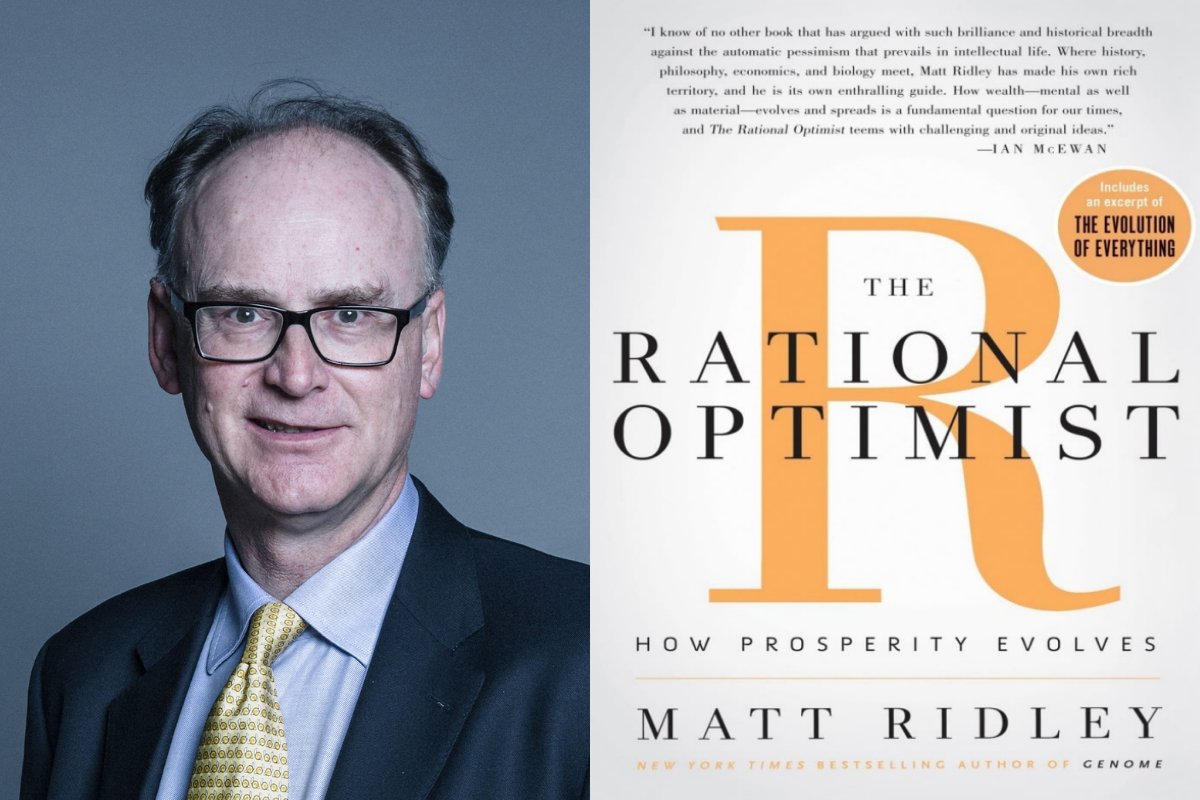
What changed was that humans started trading with strangers.

A British biologist looked at 200,000 years of human history and found that the entire reason humans broke out of poverty was not intelligence, not language, not even agriculture, but one mechanism so simple a 6-year-old could explain it.
His name is Matt Ridley.
He is a zoologist by training, an evolutionary biologist by career, and in 2010 he wrote a book called The Rational Optimist that quietly argued the most important fact about human progress had been hiding in plain sight for the entire history of economics.
Naval Ravikant has been telling people to read everything Ridley has ever written for the last 15 years. The reason is the argument inside this one book.
For 200,000 years, anatomically modern humans walked around with the same brain you have right now. Same skull size. Same neural architecture. Same raw capacity for language, planning, and abstract thought.
For roughly 190,000 of those years, almost nothing happened. Generation after generation lived and died inside the same Stone Age toolkit their great-great-grandparents had used. Then somewhere around 50,000 years ago, the line on the chart of human progress started to tick upward. Then it bent. Then it exploded.
The question Ridley spent years on was the only question that mattered. What changed.
It was not the brain. The brain had been the same for 190,000 years. It was not language, which had existed long before the takeoff. It was not even agriculture, which arrived only 10,000 years ago and was actually preceded by the upward bend, not the cause of it.
What changed was that humans started trading with strangers.
This sounds too small to be the answer. Ridley argues that it is the answer to almost everything. The moment one human exchanged a useful object with another human from a different group, something happened that no other species on earth had ever done.
Two ideas that had developed in isolation came into contact. The flint knapper learned what the spear maker had figured out. The fisherman from the coast learned what the hunter from the forest had figured out. The two pieces of knowledge fused into something neither side could have produced alone.
Ridley calls this ideas having sex. The phrase sounds frivolous and it is meant to. The point is that ideas, like genes, get better when they combine with other ideas from different lineages.
An idea sitting inside one head, no matter how brilliant the head, eventually hits a ceiling. The same idea exposed to ten thousand other ideas does something genes do under sexual reproduction. It mixes. It recombines. It produces offspring nobody planned.
The cleanest proof of this argument is the most uncomfortable case study in the book. Tasmania.
Around 10,000 years ago, rising sea levels cut Tasmania off from mainland Australia. A population of roughly 4,000 humans was now isolated on an island, with no possibility of contact with the rest of humanity. They had the same brains. The same language. The same starting toolkit as their cousins 150 kilometers north. The natural experiment was now running.
What happened next is something no economist or geneticist had ever predicted.
The mainland Australians kept inventing. Boomerangs. Spear-throwers. Fishing nets. Bone needles for sewing fitted clothes. Watercraft with paddles. Their technology compounded slowly across the centuries.
The Tasmanians went the other way. They did not just fail to invent the new tools their cousins were developing. They started losing the tools they already had. Fishing was abandoned within a few thousand years. Bone tools disappeared. Fitted clothing disappeared. They forgot how to make fire from scratch and started carrying lit firebrands from camp to camp instead, relighting their fires from a neighbor's whenever their own went out.
By the time European explorers arrived in the 17th century, the Tasmanians had the simplest toolkit of any human society ever recorded. Their material culture had gone backward for 8,000 years.
The archaeologist Rhys Jones called it a slow strangulation of the mind.
Joseph Henrich at Harvard later proved with formal mathematical models that there was nothing wrong with Tasmanian brains. There was something wrong with their network. A toolkit requires a critical mass of people exchanging skills to maintain itself.
The act of teaching a skill is imperfect. Every generation loses a small percentage of what the last generation knew. If your population is large enough and trading widely enough, those losses get caught and corrected by someone else who still remembers.
If your population shrinks below a certain threshold and stops mixing with outsiders, the small losses compound until entire technologies disappear.
This is the part that should haunt anyone reading this in 2026.
Intelligence is not a property of the individual brain. Intelligence is a property of the network the brain is connected to. A genius in isolation will produce less than a mediocre thinker inside a dense exchange of other mediocre thinkers.
The thing your ancestors needed in order to break out of 190,000 years of stagnation was not better brains. It was better connections between brains they already had.
The implication for any individual is direct and uncomfortable. If you are smart and isolated, you will be outproduced by people half as smart who are connected.
The most successful people in any field are almost never the smartest people in it. They are the ones positioned at the intersection of the most idea flows. They are reading more authors than their competitors. They are talking to more people from more disciplines. They are in the rooms where ideas from different lineages bump into each other.
Ridley ends the book on the line that sounds optimistic but is actually a warning its this "The future will be invented by people who connect ideas, not by people who guard them."
6
8
119
Robyn asks WHY? retweeted
Jun 8
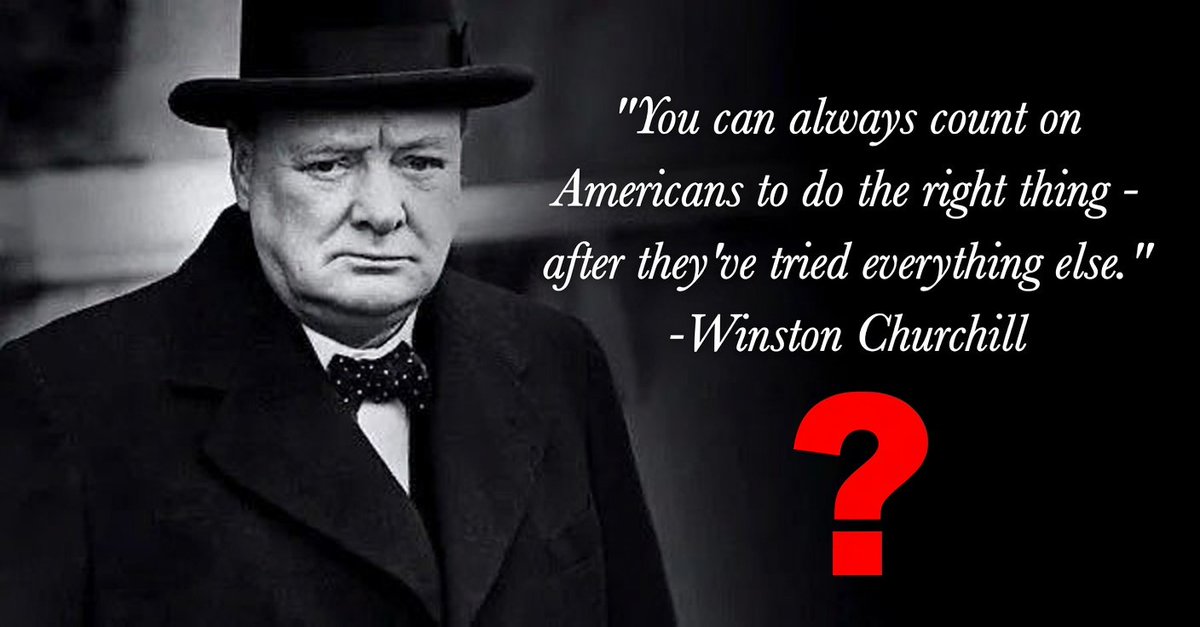
"You can always count on Americans to do the right thing – after they've tried everything else." — Winston Churchill
Did he say it? Maybe, but undocumented, but then again Trump was not born until 1946...
winstonchurchill.hillsdale.e…
6
14
176




Robyn asks WHY? retweeted
Jun 7



5
10
88
Robyn asks WHY? retweeted
Jun 8
Jun 5
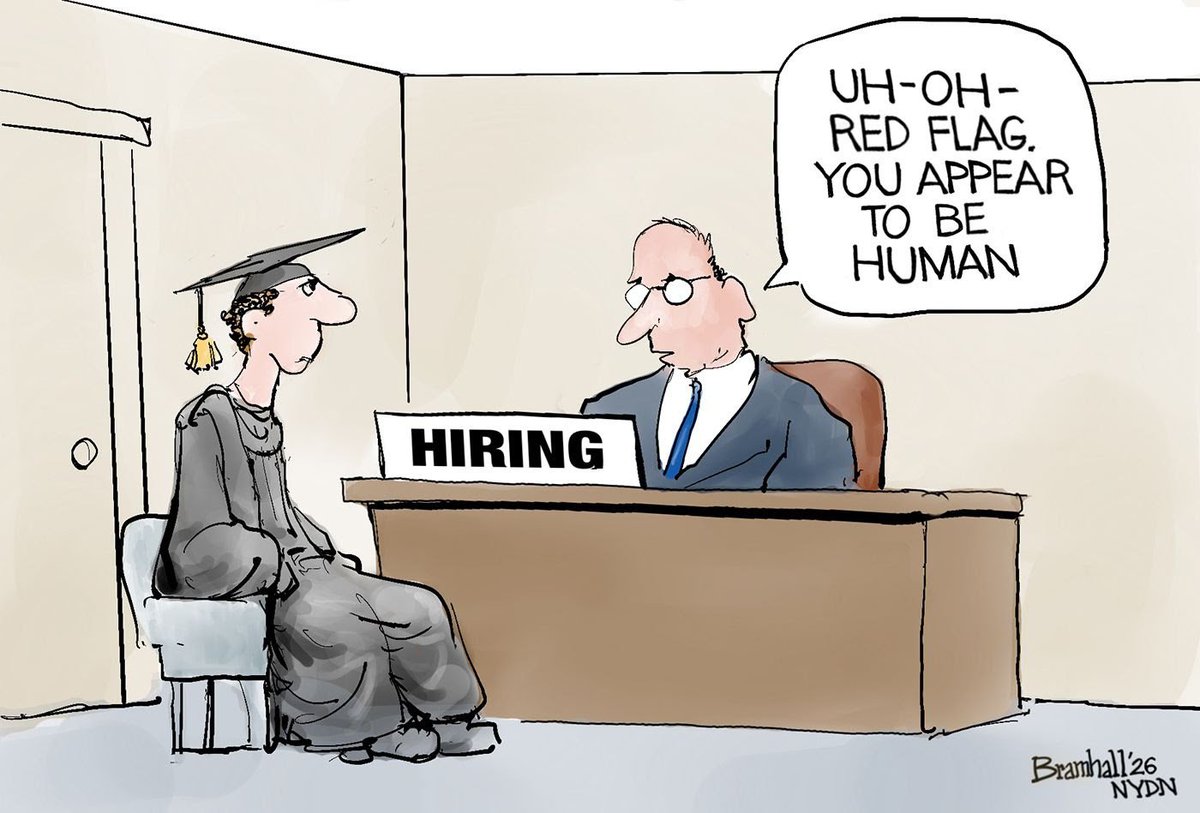
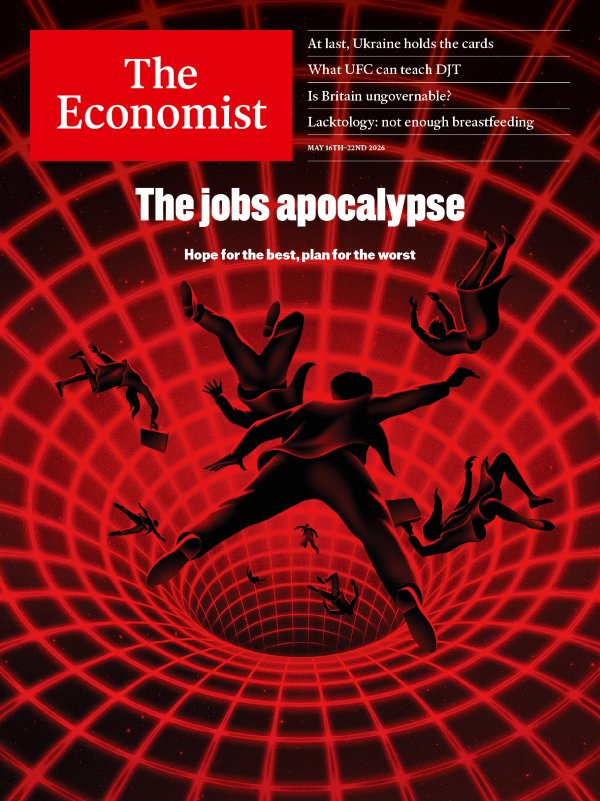
My response, that was planned before I read the Economist article, but was modified to include some aspects.
linomatteo.wordpress.com/202…
2
4
72
Robyn asks WHY? retweeted
Jun 9
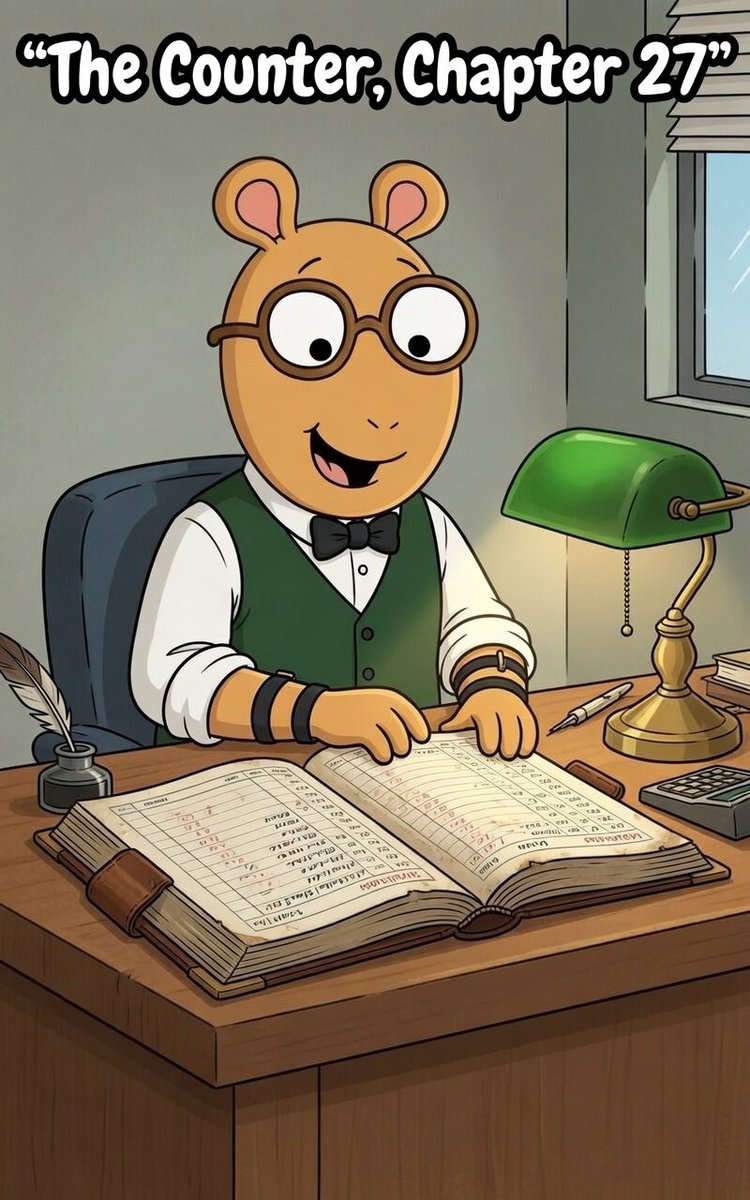
LIFO; FIFO & More: Chapter 27, The Counter
Then and Now
Tell me what you`ve read and I`ll tell you who you are ~ Francois Mauriac
LIFO; FIFO: are terms that have to do with ‘inventory’ management and costing
linomatteo.wordpress.com/202…
#MountReal #Cinar @Lino_Matteo
8
8
166
Robyn asks WHY? retweeted
Jun 8
One of the things I love about Mother Jones is the depth of our reporting. ~ Jamilah King, editorial director here at @MotherJones
If you can, "Give Today"
5
7
62
Robyn asks WHY? retweeted
Jun 5
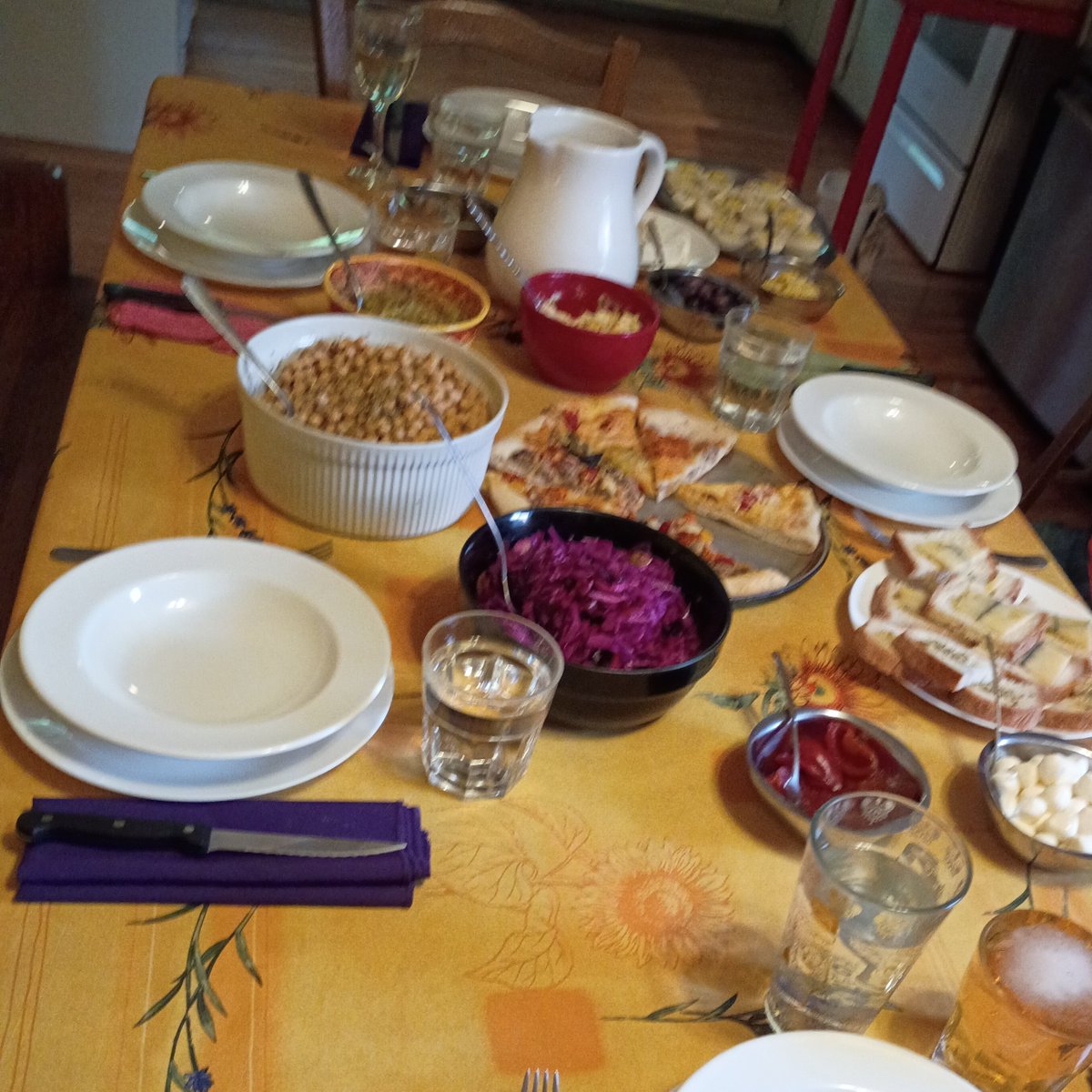
Salad Days Are Back!
Finally, a string of nice warm days. It was a perfect time for a salad bar of rotating dishes to share…
linomatteo.wordpress.com/202…
#Food #FoodieFriday #Montreal #BusinessEnglish #LinoMatteo #Salads
1
10
14
229
Robyn asks WHY? retweeted

Thanks so much for including me 🤩
2
7
61
Robyn asks WHY? retweeted
Jun 4
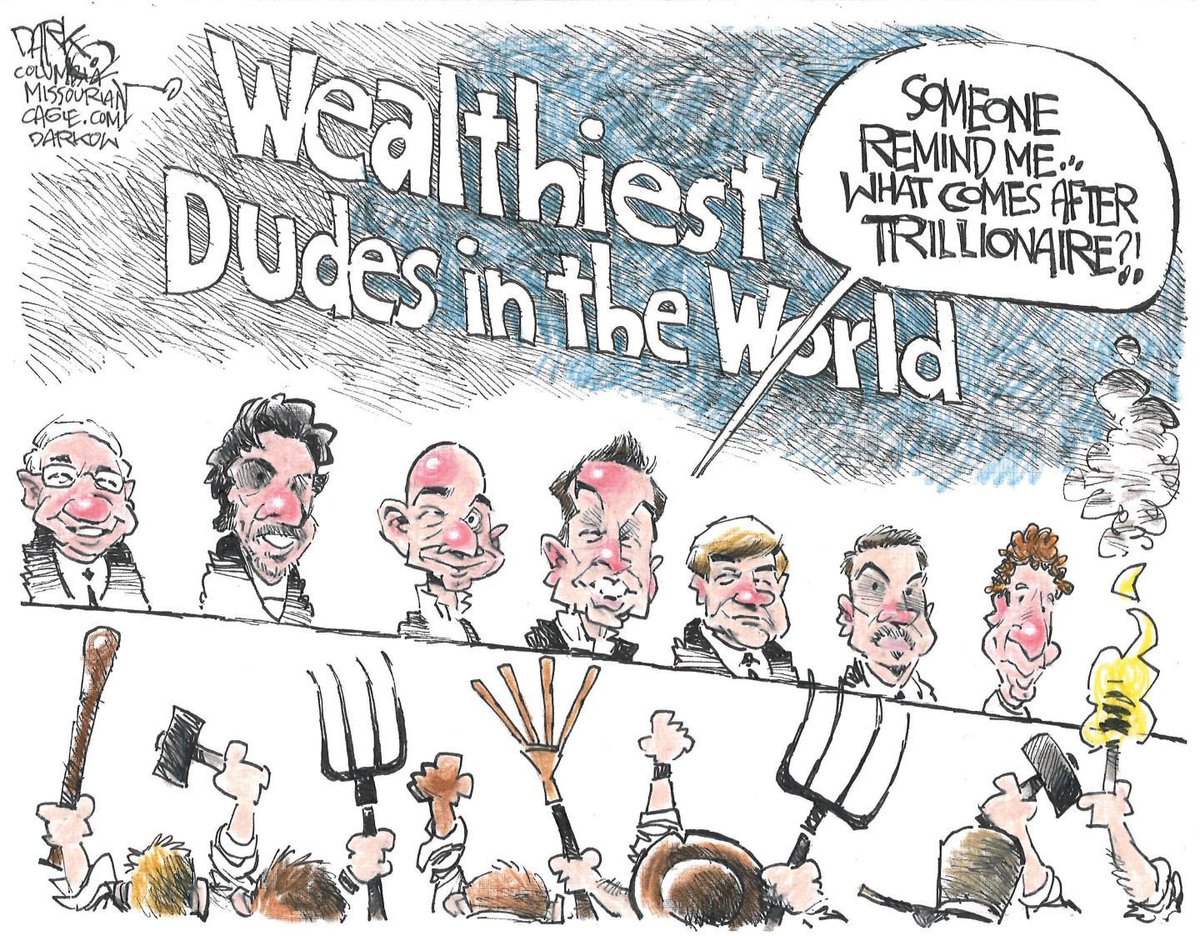
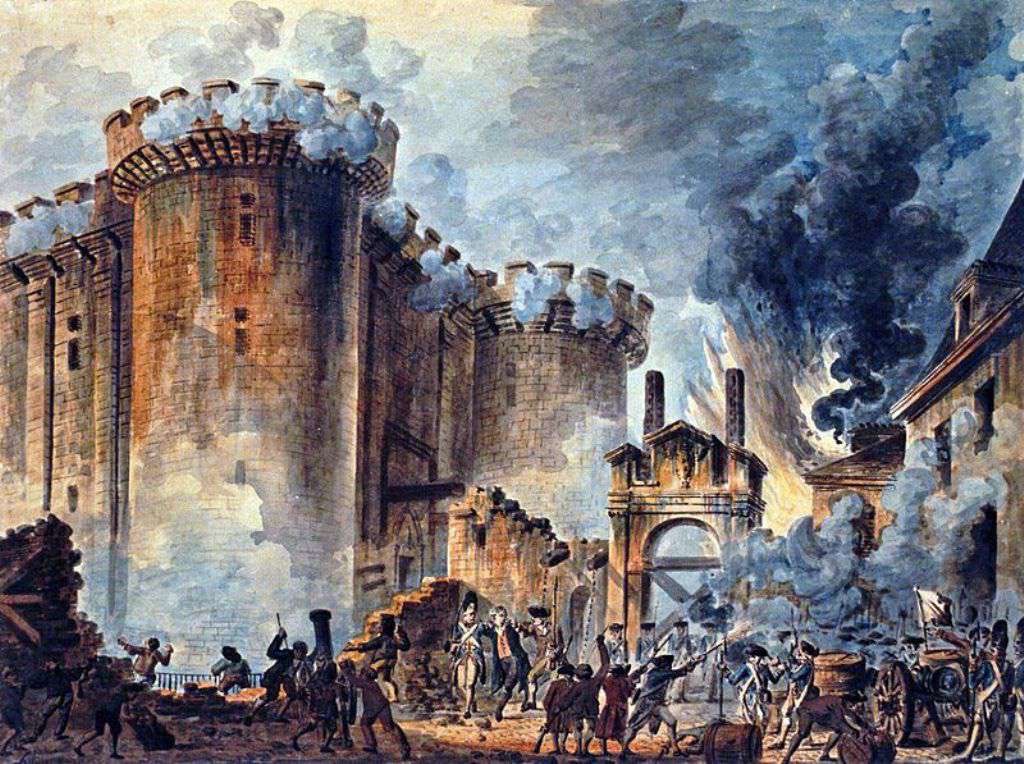
History is slipping from the minds of Americans.
The French Revolution did not begin with a guillotine.
It began when regular people couldn’t afford bread to feed their children while the elite continued living as though nothing was wrong.
History suggests that societies become unstable when suffering is concentrated.
103
1,308
2,957
24,338
Robyn asks WHY? retweeted

Jun 4
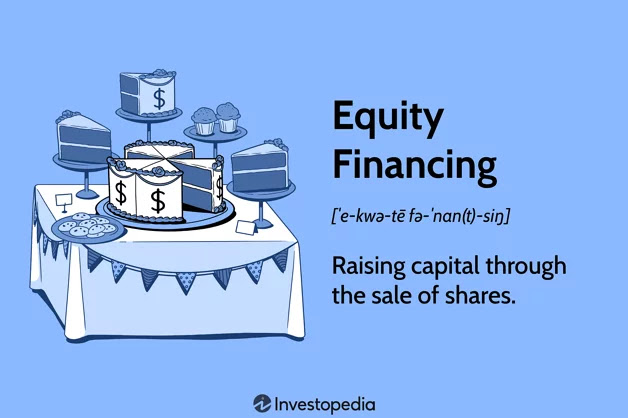
Equity Financing
Equity financing is the method of raising capital by selling shares of ownership in a company, allowing businesses to obtain funds from various investors without incurring debt.
#BusinessEnglish
@Advisor_Just
@ViaTournesol
@Pat_thinks_
3
8
23
Robyn asks WHY? retweeted
Jun 4
The #AI bumper sticker debate — augment or replace — has always been the wrong question. New data shows 88% use AI, but only 39% see ROI.
@SOSBranding
@Advisor_Just
@Lino_Matteo_BE
contentmarketinginstitute.co…

6
7
70